Minkyoo
Choi’s work unfolds from experiences of unfamiliarity and shifts in perception
encountered within new environments, developing as a process of reconfiguring
these experiences into an architectural sculptural language. His childhood
relocation to the Middle East left him with a sensibility in which familiarity
and estrangement operate simultaneously, and this condition becomes a central
premise that recurs throughout his practice. As seen in early works such
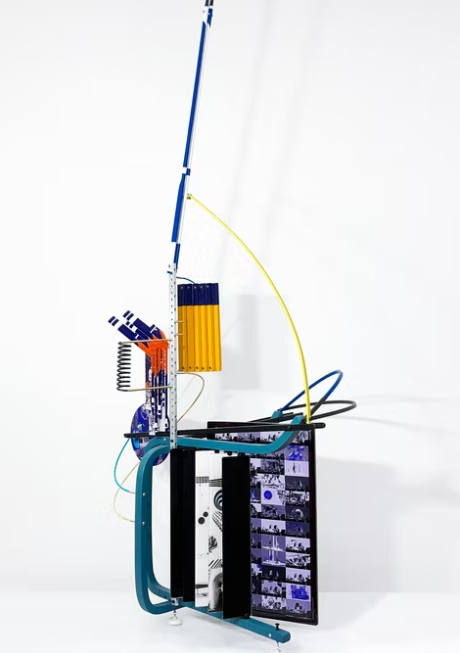
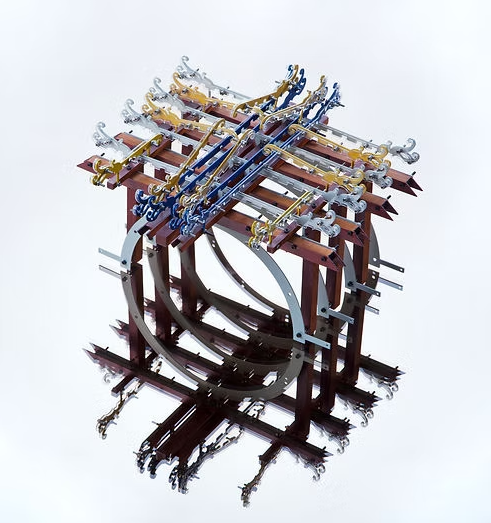
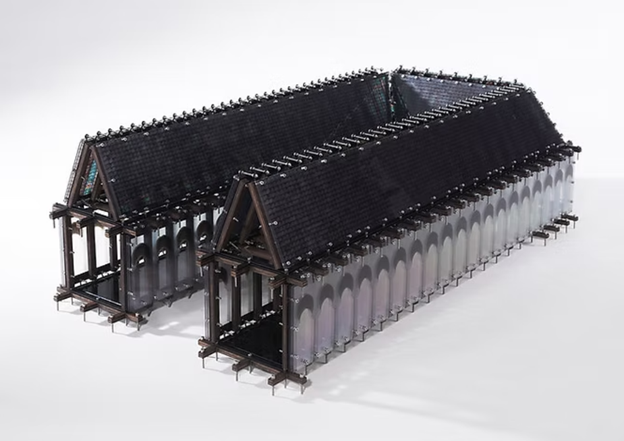
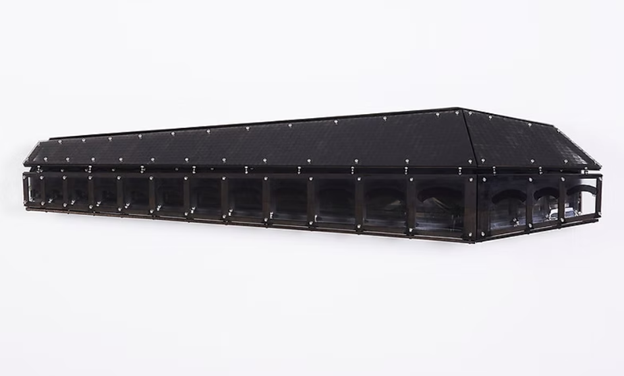
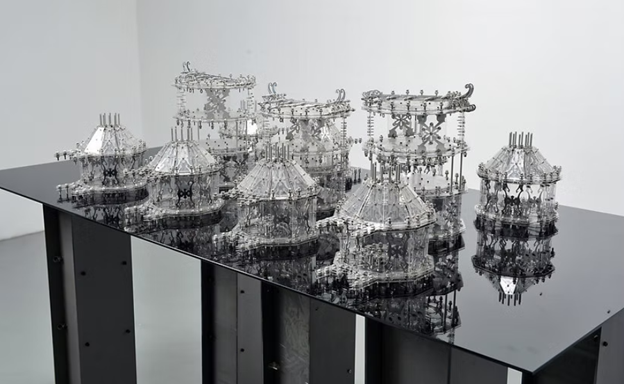
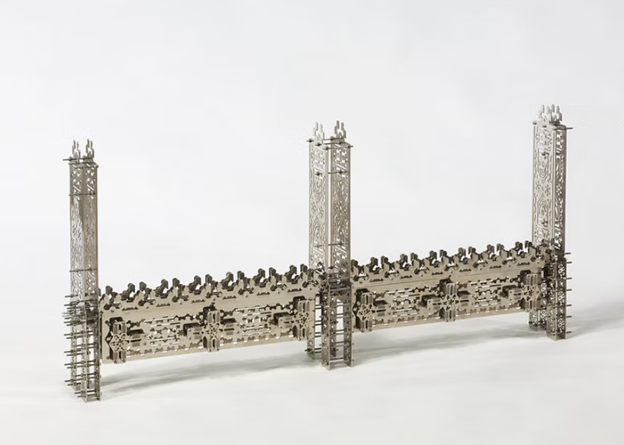
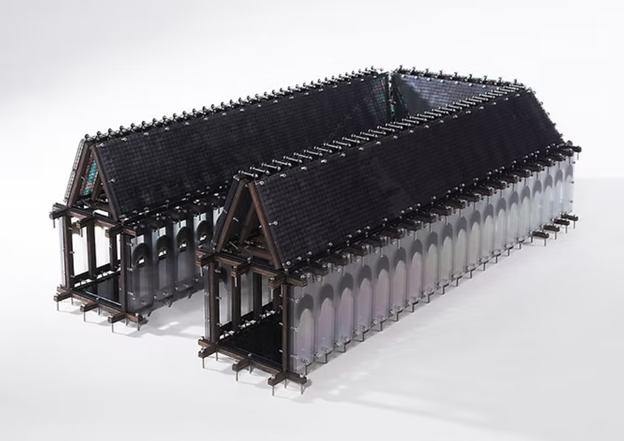
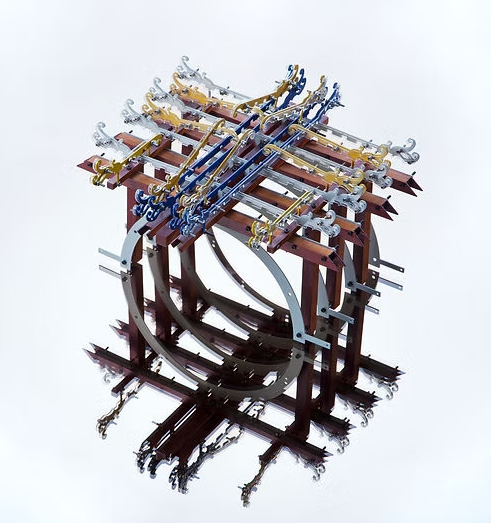
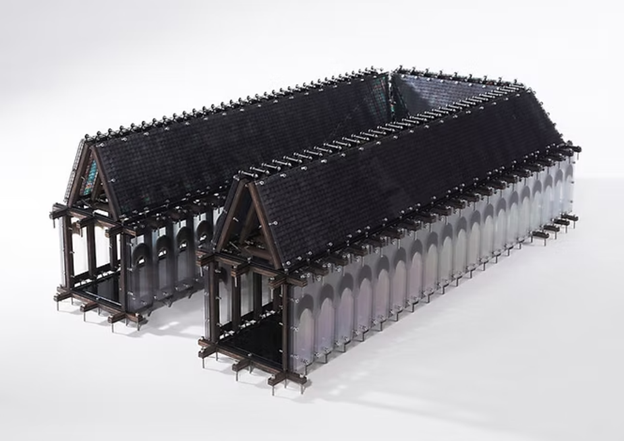
as Permeate module 1(2015) and Permeate
structure Ⅰ, he combines visual elements from different cultures to
construct hybrid structures that cannot be reduced to a single origin. In this
context, sculpture does not function as a representation of form, but rather as
a device that holds the accumulation and transformation of experience.
This line
of inquiry extends into a perspective that approaches “architecture” as a mode
of thought. The artist understands architecture as a result shaped by the
ideologies and modes of thinking of its time, and through it, he structures
personal emotions and memories. In works such as Permeate
structure, the combination of mosque patterns and the tiled roofs of
hanok goes beyond a simple visual mixture, revealing a state in which different
cultural experiences coexist within a single structure. In this way, Choi’s
work begins from personal experience but expands by translating it into
architectural form, traversing layers of time, space, and culture.
The 2017
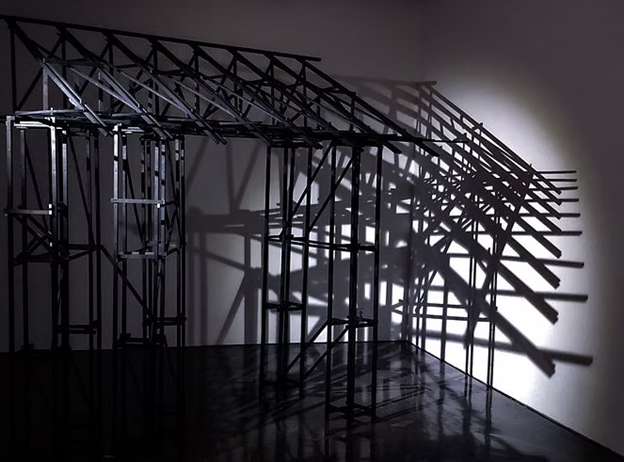
solo exhibition 《Drift Grid》(Shinhan Gallery, Seoul, 2017) marks a point where this trajectory
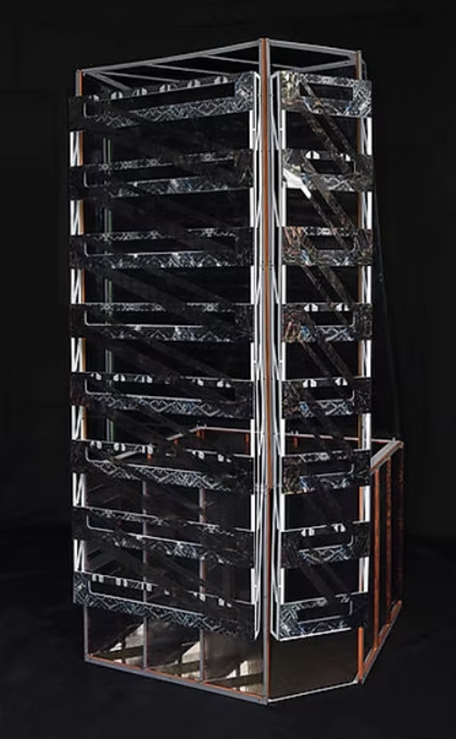
becomes more clearly articulated. The ‘Drift Grid’ series presents not
completed architecture but structures and conditions prior to completion,
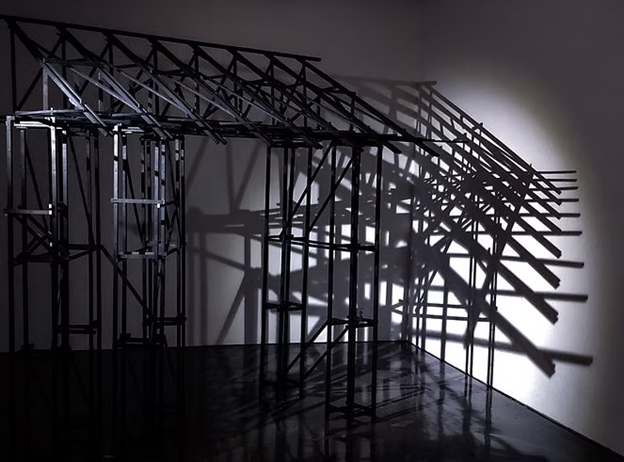
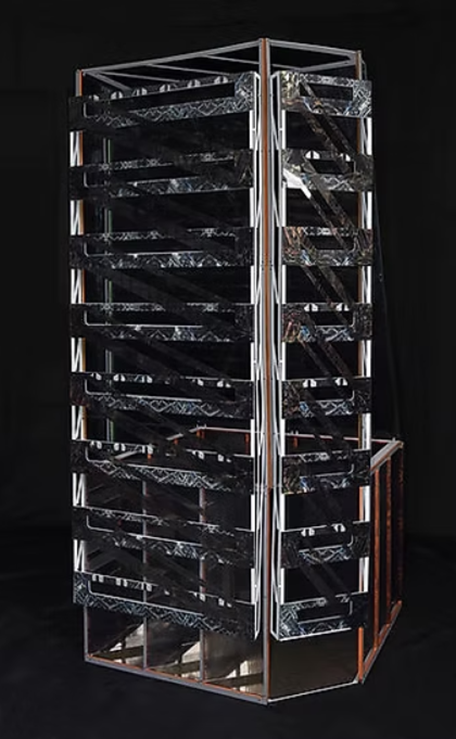
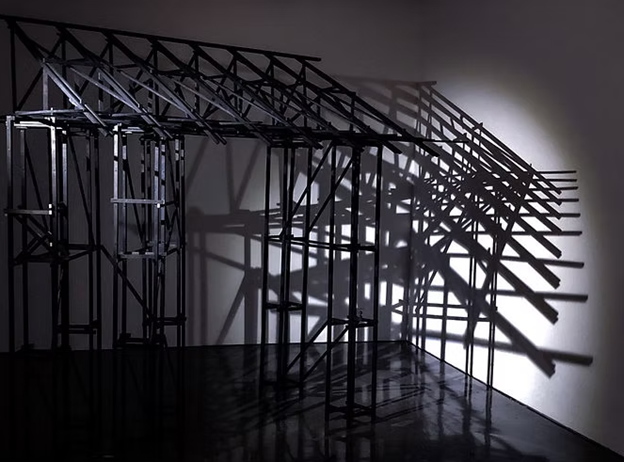
emphasizing a state in which identity remains unfixed. In Drift
grid-scene 867, the juxtaposition of structures with different
functions and characteristics as if in collision demonstrates how a space does
not converge into a single meaning but remains open to continuous
interpretation. In this period, sculpture operates not as a stable structure
but as a field that reveals the instability of perception and cognition.
This
inquiry is further expanded through viewer participation in 《Blank-Hide and Seek》(Gallery Chosun, Seoul,
2018). The processes of ‘Blank,’ ‘Hide,’ and ‘Seek’ do not present a completed
work, but instead guide viewers to reconstruct space based on given clues. In
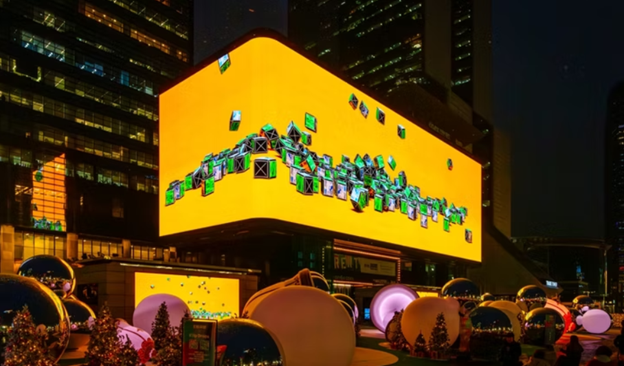
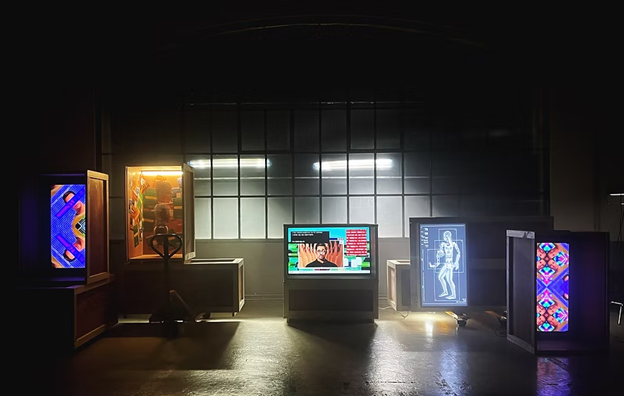
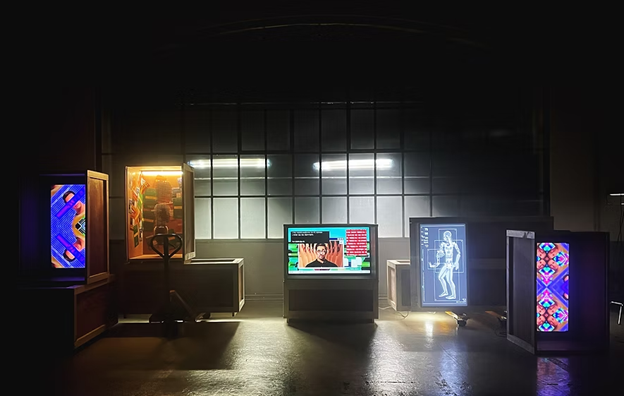
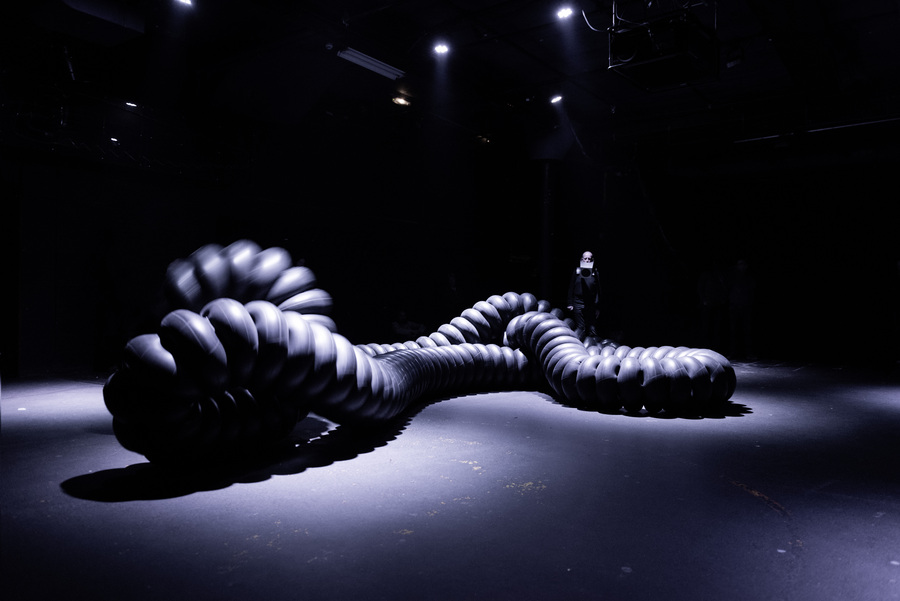
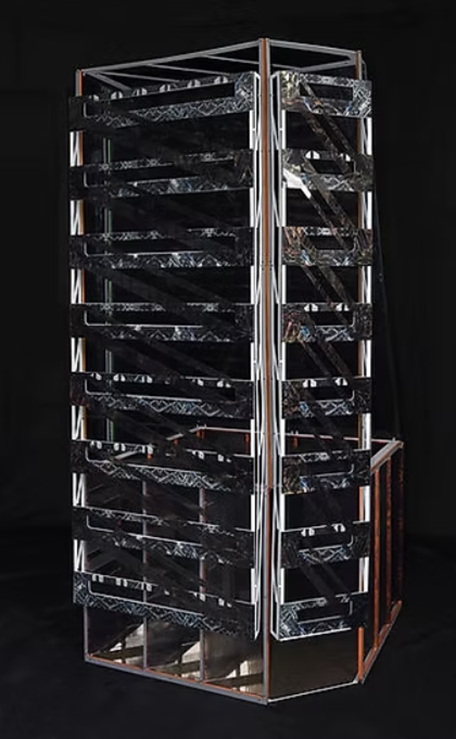
the recent work Infinite room and someone’s track(2025),
this interest extends into the digital environment, engaging with structures of
generation, disappearance, and circulation of information. In this way, his
work evolves from personal experience toward an expanded awareness of
relationships, structures, and information environments.