“We leave this world on our own without having knocked on every door.”
from Suicide by Reiner Kunze
1. Beginning and Ending Are the Same
Morning. An unexpected text message. My friend’s father has died. Someone else’s death affirms the existence of time, which pushes me towards death. And it makes me think again about the time of other people. The weight of unfathomable death. The futility of words. The fear of imminent absence. As death slowly approaches through illness, the dying person, along with friends and family, gradually goes to meet it. In the same way, preceding death and feeling its portent, a person committing suicide meets death in a single stroke.
Pressed by the weight of society, city, and family, we seek respite in the forest of oblivion. To get there, we just take a drink, while talking nonsense and swearing at the stifling reality that awaits us tomorrow. The world is no longer a simple space speckled with naivety, kindness, fear, and hope, as it seemed in childhood. Instead, it is filled with incomprehensible things, which are outrageously complicated, absurd, desperate, frustrating, and yet hopeful. But in fact, the world of my youth is the same as the world of my adulthood. Still, when I was a child, I followed a narrow path created by ignorance, forgetfulness, and avoidance. How far down does the damaged surface extend, with its scars that have been constantly covered, erased, and painted over by memories and wounds?
The tang of embracing and tending those wounds, while still burrowing deeper out of sight, brings us comfort, stirring our hearts while tangling our thoughts, before erasing them altogether. We are silenced by the desperate pain, which leaves us unable to cope with the waxing sadness, prohibiting outward expressions. Finally, the moment comes when we can exhale, a little sigh. But the moment only comes after we have distanced ourselves from the sadness.
2. In Korea, Somewhere, or Here
I think about the densely overcrowded landscape of Seoul, where everything is connected, but only by the most tenuous links. The constant cycle of tearing down, digging up, hardening, covering, building up, wearing down. Patches of broken pavement, probably laid decades ago, are poorly mended with cement. Drops of paint splattered on the road while painting the lane markers. Tiny houses and flats wedged together, separated only by narrow alleys that are heaped with piles of trash awaiting the garbage truck. Some lines wriggle out from the grimy surface, while some colors absorb into one another, becoming invisible. This enshrouded landscape, and the people who live there.
We are all born and raised in different environments, but none of us can escape the essential components of our homeland and our era. Whether we agree or disagree with them, those minute components are embedded inside us, often without our awareness, becoming part of us. We must occasionally confront the weight, complexity, unfairness, and injustice of reality, for incidents both monumental and trivial.
In doing so, we feel constricted yet refreshed, bothered yet relieved. Sometimes we meet with others to discuss the meaning of life, all the while thinking about its meaninglessness. Some get angry about the inviolable social system, drinking themselves into oblivion and shouting at the sky. Others go to the demonstration at the town square and insinuate themselves into the crowd, as if they have been there from the beginning.
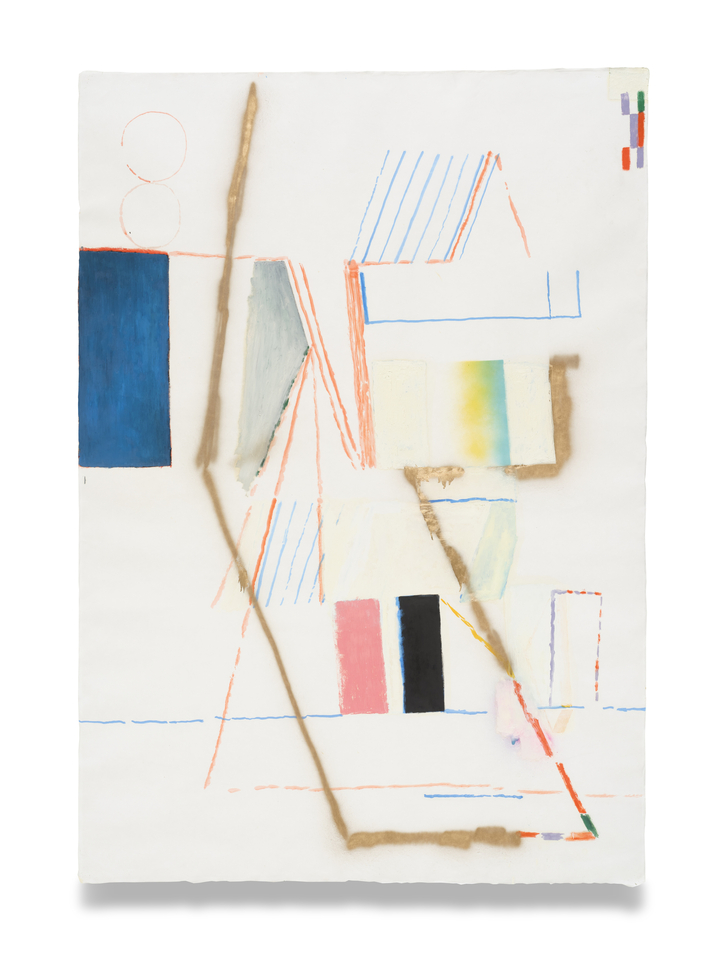
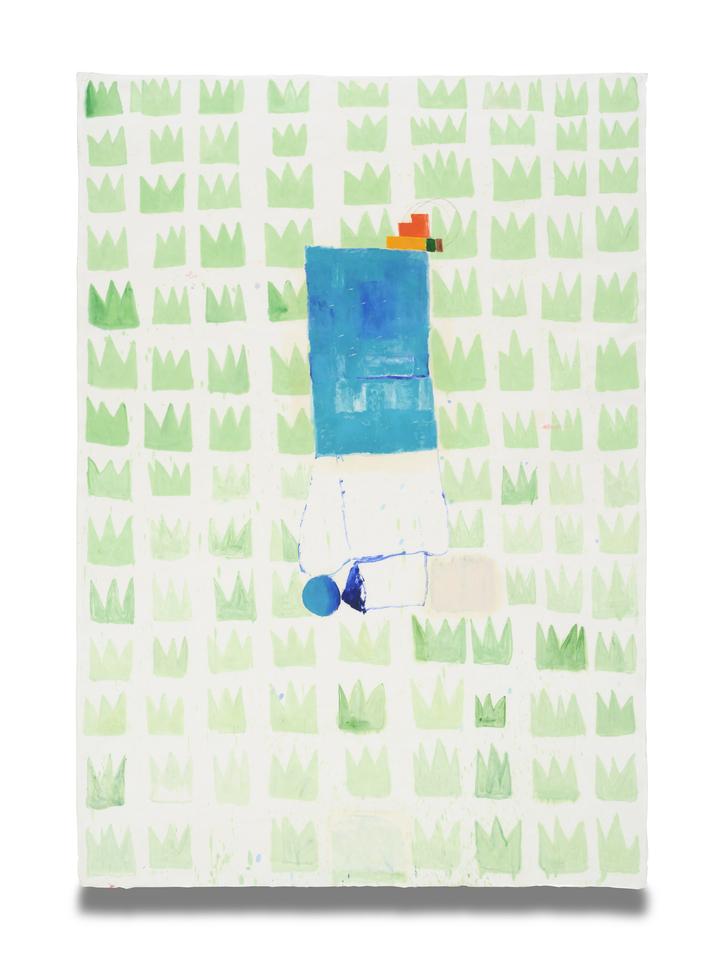
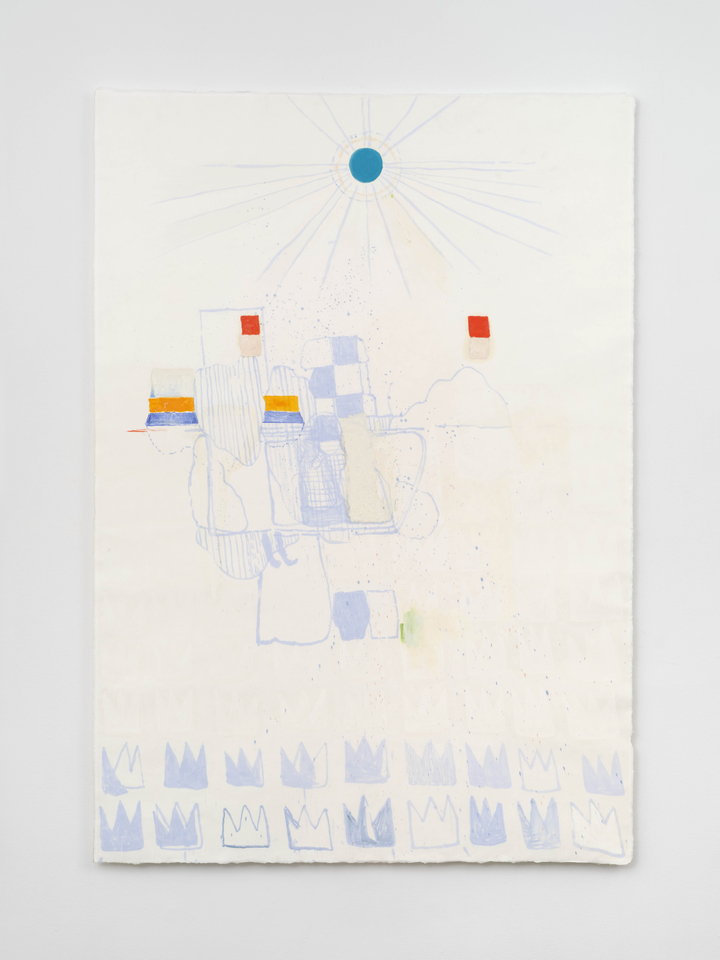
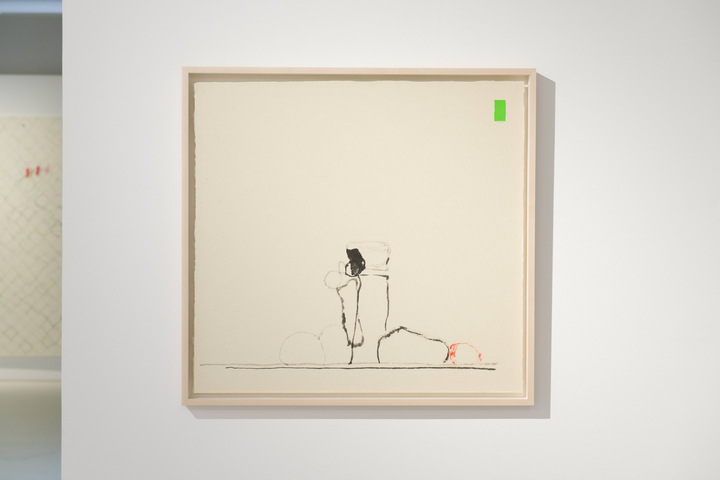
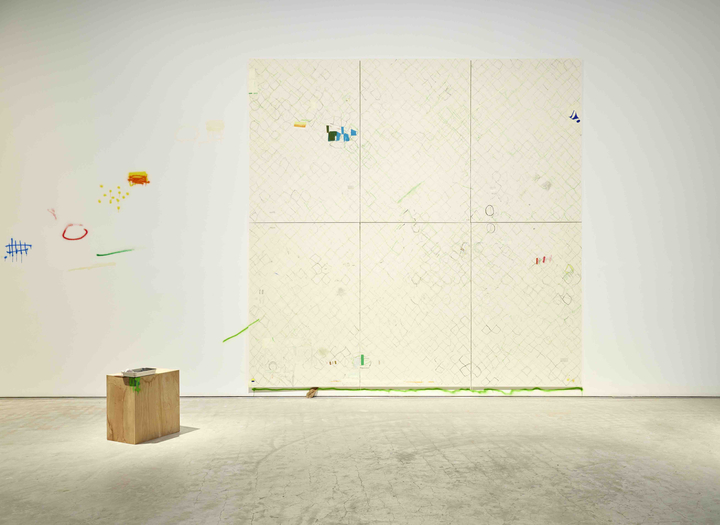
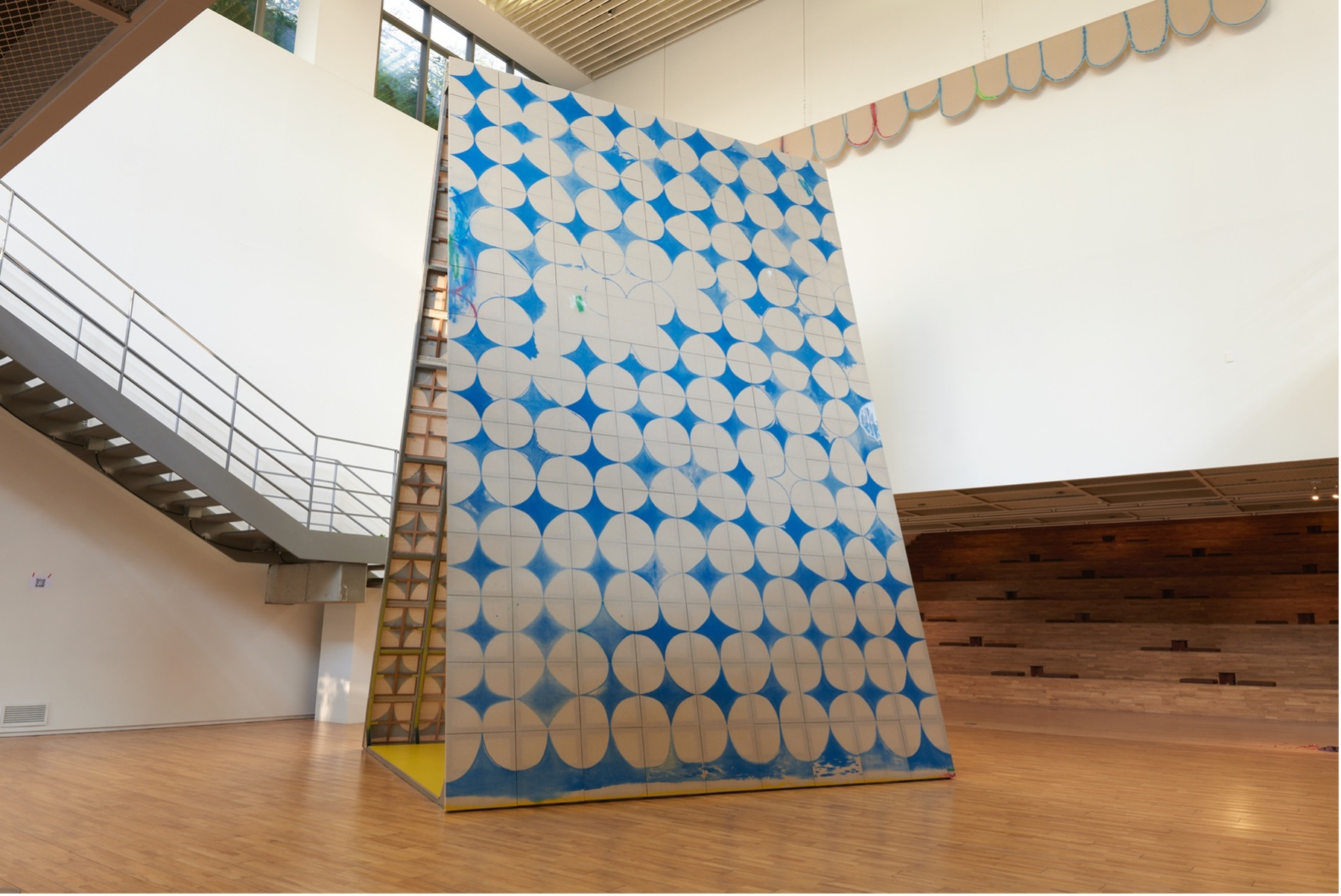
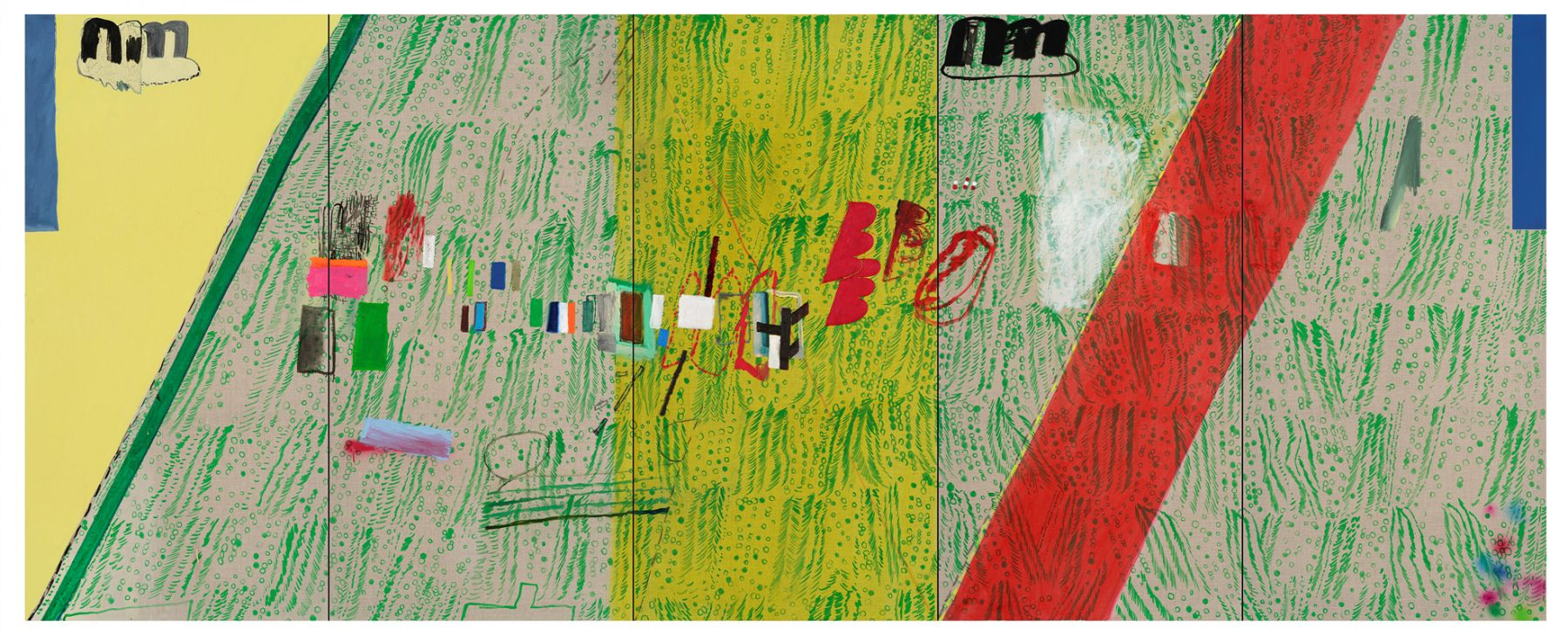
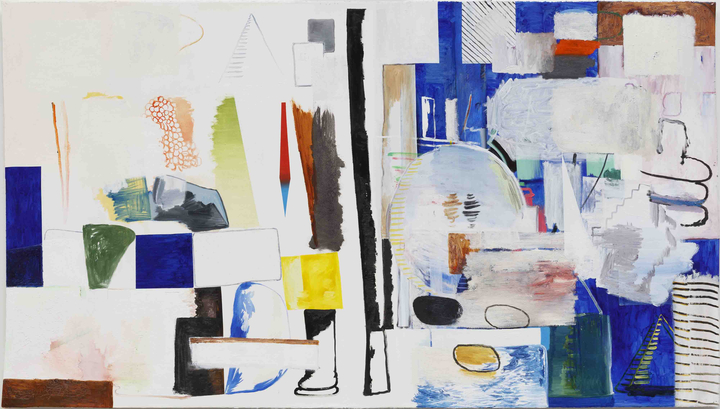
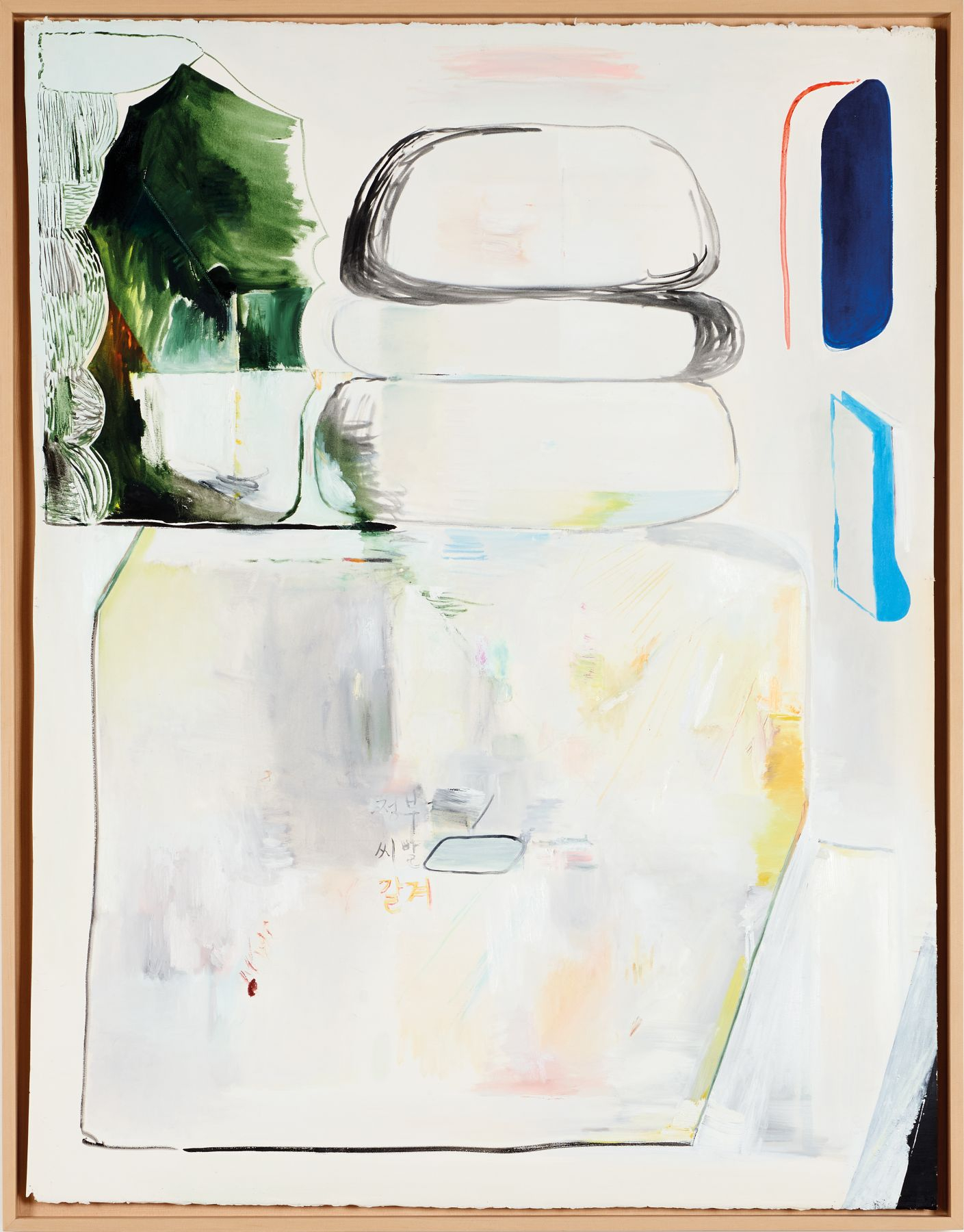
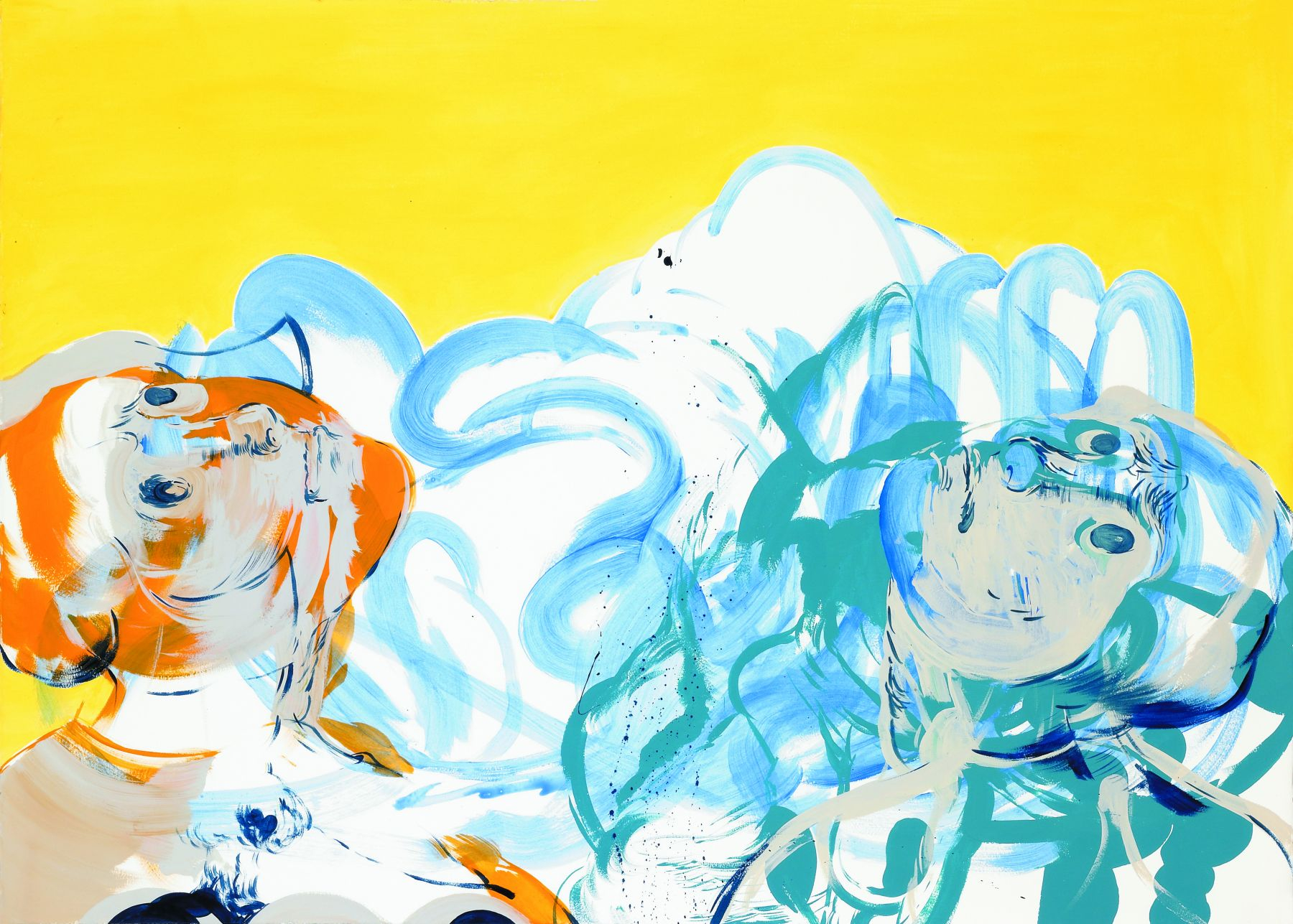
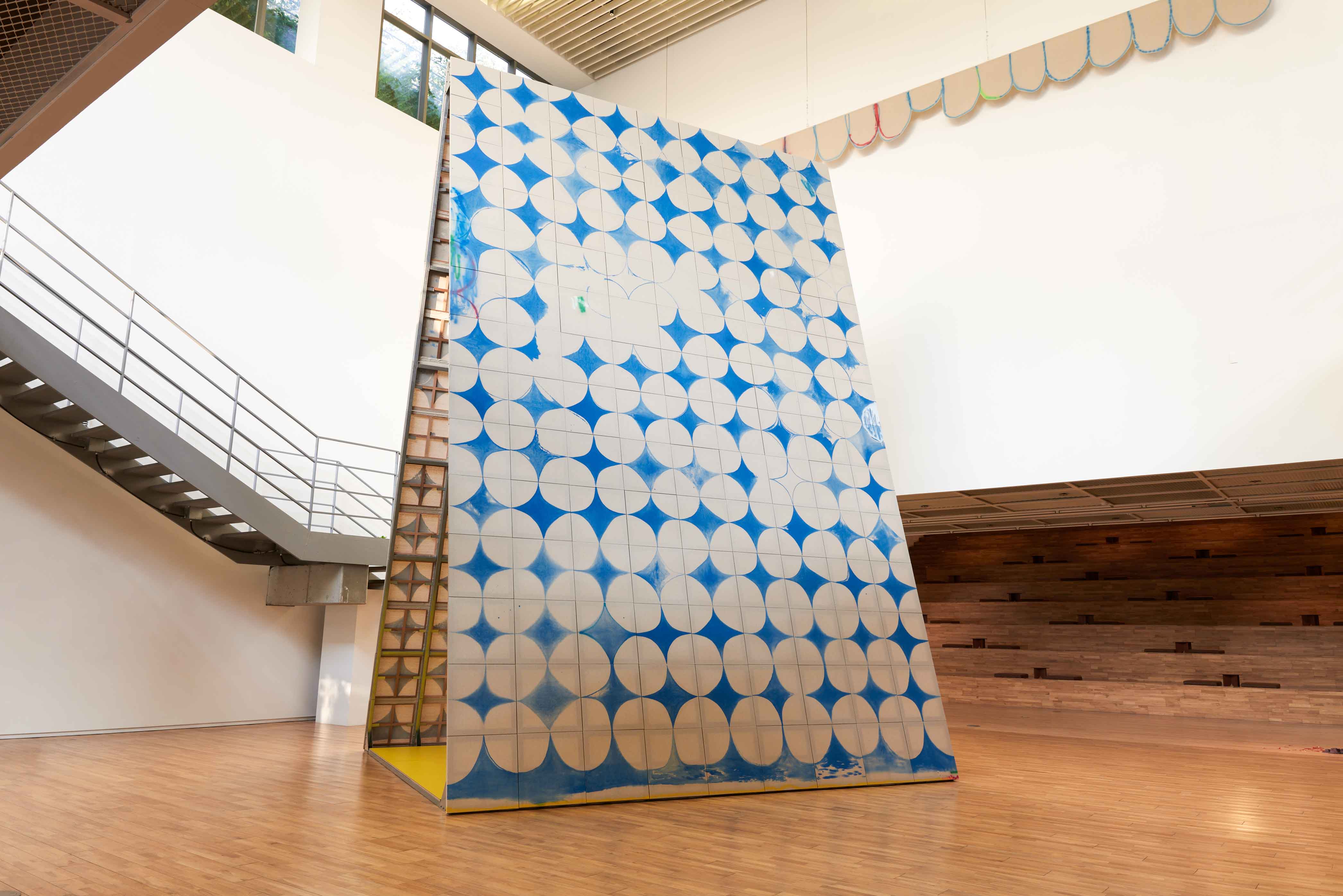
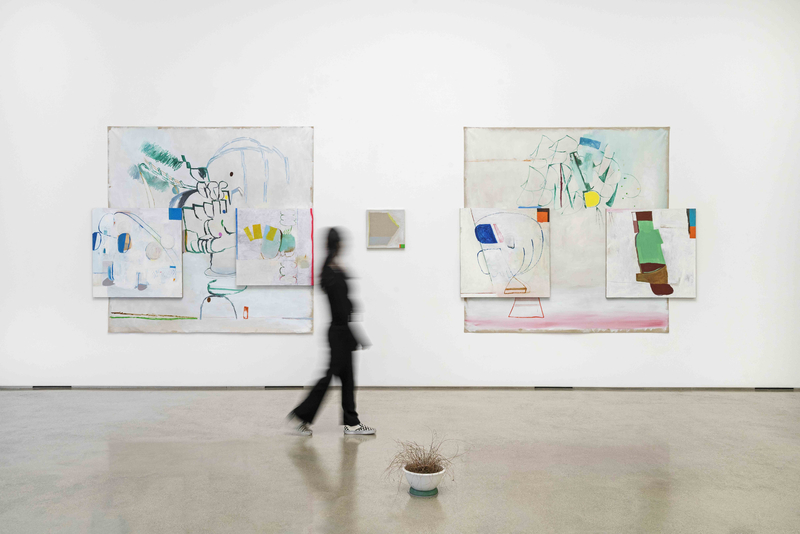
Quadrilateral blocks of pavement, quadrilateral tiles, quadrilateral buildings, quadrilateral canvasses…quadrilateral rooms…and then, paintings again. Coarse and shattered worlds are painted inside a canvas, here and there. The paintings are somehow both rough and smooth, indifferent but elaborate. Sometimes, Bek Hyunjin refines sharp edges until they become round. Through this process of painting, re-painting, covering up, and erasing, a window to the world eventually emerges, disappears, and re-emerges within a quadrilateral canvas.
Likewise, a wide range of emotions can appear and disappear in a single day, or sometimes even within a few minutes: a constant ebb and flow of joy and pleasure, emptiness and despair, pain and sorrow, and anguish soliciting renunciation. Just as each part of life is the same as the whole, a painting is both a part and a whole. By reminding us that nothing is intact on the surface, Bek’s paintings casually offer some consolation.
We are so far above the surface of the water.
3. Darkness Is Your Candle 1
Morning returns, and we are once again compelled to throw ourselves to the crowd. Although this pattern endlessly repeats, I can never get used to it, perhaps because I’m not yet desensitized to the world. I should be numb to it, but I still see the garbage bags of assorted sizes, leaning on one another for support. The landscape has slightly changed since yesterday. In front of the supermarket at the end of the alley, the gaps in the pavement get a little wider every day, gradually exposing the earth beneath and allowing various life-forms to emerge.
Passing the alley and entering the boulevard, I see the utility pole that I noticed last night, when it seemed to resonate with a certain grandeur, like one of the town elders. Now, however, I see that the dull grey surface of the pole is covered with multicolored leaflets for loan companies, perhaps giving me a sign of how my day will go.
This makes me remember that time I got caught in a downpour after school, without an umbrella. As I got soaked, I felt some concern for my mother, who would now have a heavy load of laundry, since my school uniform would have to be washed. But at the same time, in those brief moments of dashing through the rain, I felt liberated. This is what I remembered as I looked at the grey utility pole, and the grey sky that could open up with rain at any moment. I cannot remember the details of that day. Was it spring or fall? I don’t remember feeling cold, so perhaps it was a summer day. Even though this happened decades ago, I feel it more clearly than what happened yesterday.
It’s not everyday that feelings from the distant past overlap with the present during my short commute to work, which takes only about an hour. Or maybe each day is nothing but the overlapping of such moments from our history. If I take the subway to work, I have to make a couple transfers, which I don’t like. So I often prefer to take the bus, which delivers me direct, but requires me to walk some distance to the bus stop. Also, I feel uncomfortable in the bright white light of the fluorescent lamps in the subway, which seems to penetrate through everyone and everything inside the car. I should be used to this by now, but I’m still uncomfortable.
During rush hour, I can’t use any device to help me ignore the lighting. Packed into that dense crowd of people, I feel that it’s a luxury to have something to contemplate, but maybe that’s just my excuse. I think about Buddhist teachings, which tell us that the differentiations between myself and others are meaningless. But even if I accept that we are all the same, isn’t it futile if someone else perceives us to be different? And is it even possible for me to accept this lesson? Arriving at work, I sit at my desk, turn on my computer, and spend most of the day staring at the monitor. There is so much work stored inside this machine, that I can’t take my eyes off of it.
The computer seems to have a certain power that switches off my other thoughts. Fixing my eyes on this small space, I disappear for hours at a time, only escaping by turning the monitor off. After years and decades of doing this, I can also disappear when I’m not at the computer. Of course, we will all eventually disappear with death, but I still feel sorry for myself, because I keep losing myself without awareness.
Even though I try to avoid asking others for favors, things don’t always go according to plan. I was doing well, I didn’t have any big dreams; I just wanted to work hard to do my part, without harming anyone. But the weight pressing me from every side never lessens. Rather, it gets heavier and heavier, like soaked cotton.
My heart sinks after a phone call that I wasn’t ready for. I once thought we loved each other, and I believed that the relationship would last, just like we promised. But suddenly, the voice on the phone is unfamiliar. Since then, even the sound of the phone ringing frightens me. The careless words of a colleague sting my heart. The words are not directed at me, so why am I so affected? I trudge down the stairs, rather than taking the elevator. Even though the elevator takes only a few seconds, I don’t feel like submitting to the gaze of others. I don’t want anyone to notice my flow of emotions. I’m desperate to give myself rest, to free myself from everything that I’ve been clinging onto. I go outside. Although the space around me changes, I stay the same. In Korea.
Darkness is upon us again.
4. I. Paint. Like That.
There is always a struggle between the self that I am and the self that I want to be.
No matter how hard I have searched, no part of me is left unscathed.
It feels unnatural when someone tries to align the angles by force. So the brushstrokes seem scribbled and spontaneous here and there, wherever he wanted it to look more natural.
Distorted,
Relaxed,
Dull,
Disheveled,
Scattered surprising acts,
The uncertainty of faking certainty,
Stillness among disturbances,
Power reminiscent of something, but preventing recollection,
Balanced brushstrokes towards imbalance.
However, the brushstrokes break the balance inside themselves. Shapes. And colors.
Sudden protrusions from the canvas send our eyes on a detour in a different direction.
Numerous hesitations,
Repetition of painting and erasing.
5. Breakroom
Fried chicken joints, bankruptcy, divorce, suicide.
I found these words written on a canvas or piece of paper while visiting Bek Hyunjin’s studio in Yeonnam-dong in 2015, and they hovered in the air around us, like broken headlines from the news. It took some time before they landed on his paintings, and until I recognized them not as fragments, but as a connected loop.
For whatever reason, the images make me feel hesitant, but I cannot turn away from them. They stir a mix of feelings: confusion and relief, embarrassment and excitement. At the time, I couldn’t put these feelings and sensations into words. They are still piled inside me, haunting my mind. I hope that someday I’ll be able to express them in more precise language. In the meantime, I let them sit inside me, where they might spawn a word or an image at any moment.
Looking at paintings,
Looking at them blankly for a long time,
I realized and became frustrated by the fact that there was not much that I could do to deliver the stories that Bek’s paintings told me.
However, while I was listening to the stories told by these paintings, it was time for me to stop and time for me to move.
These paintings were my “breakroom.”
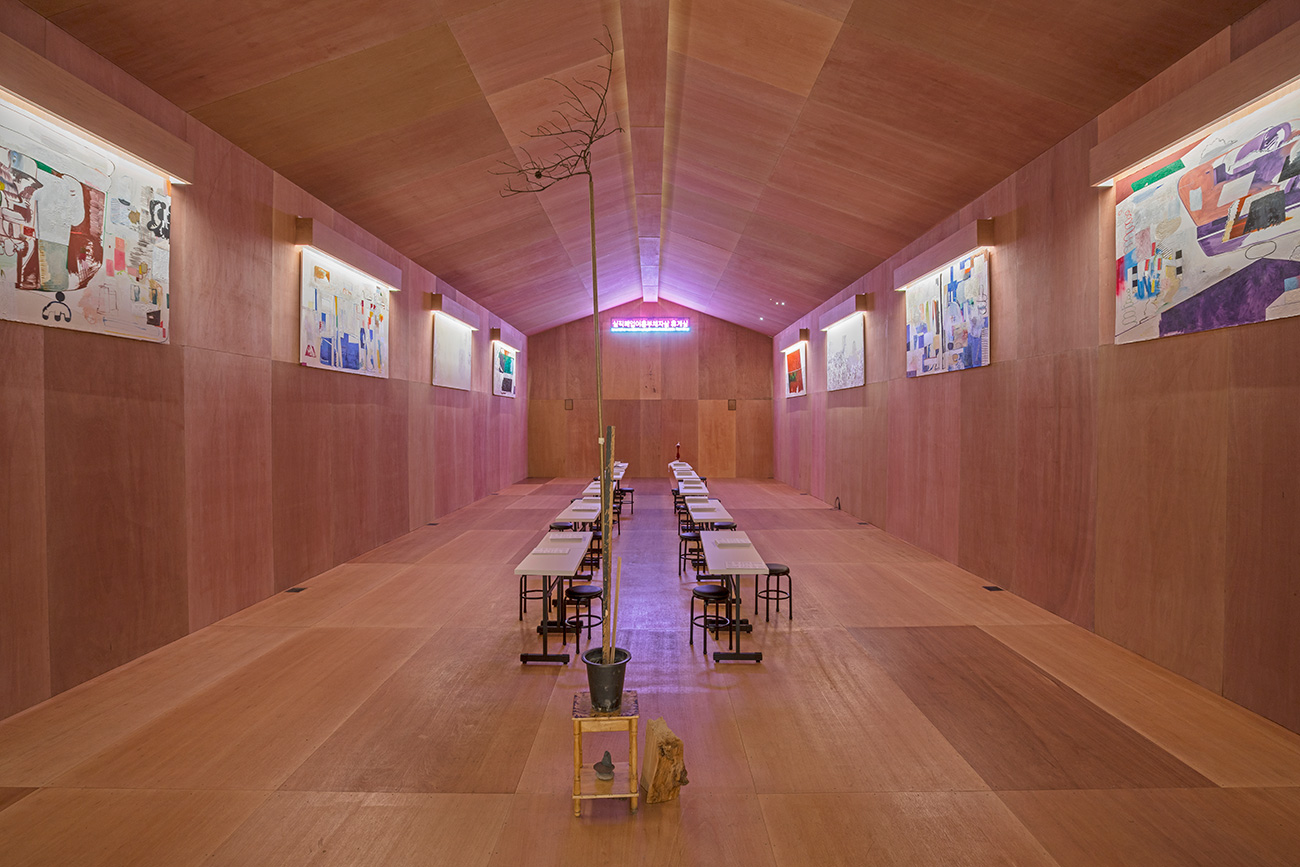
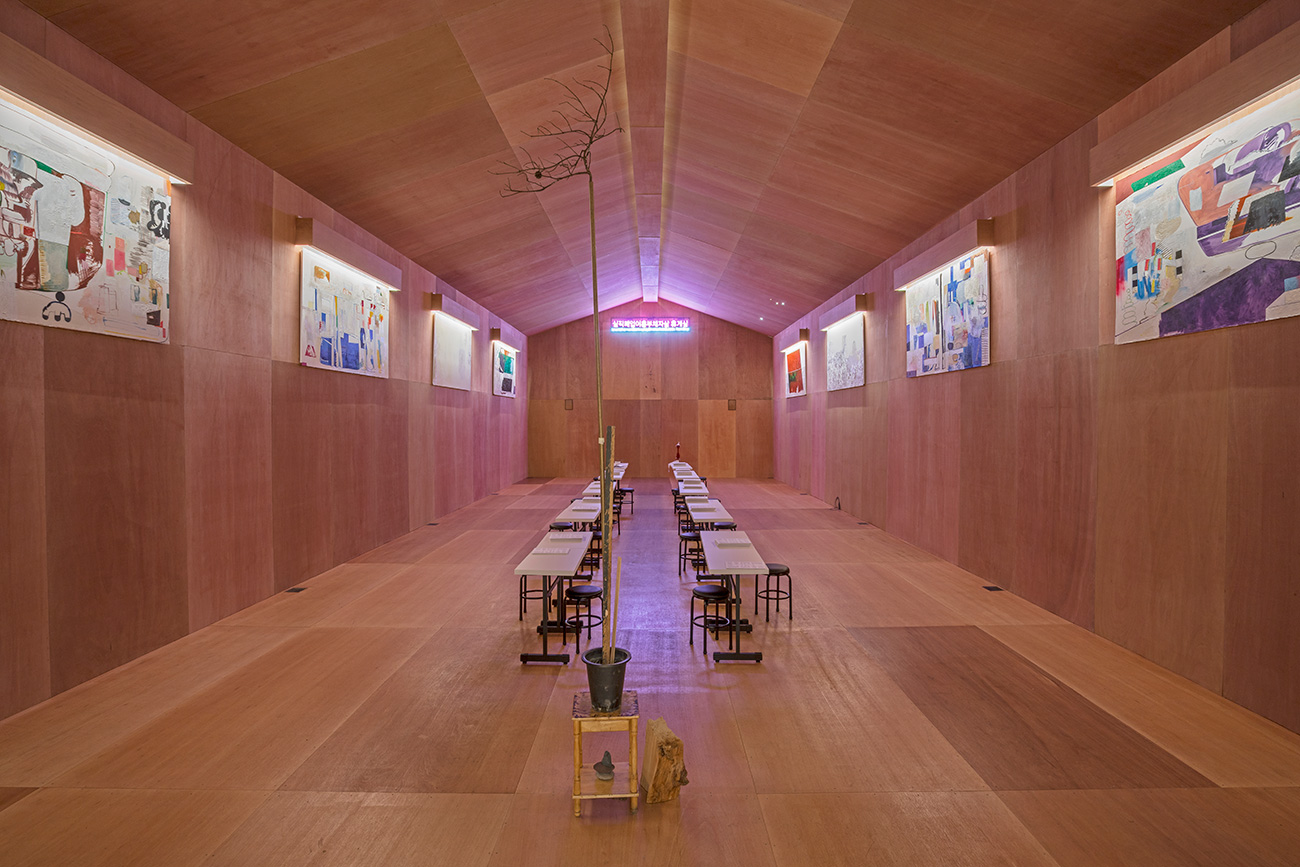
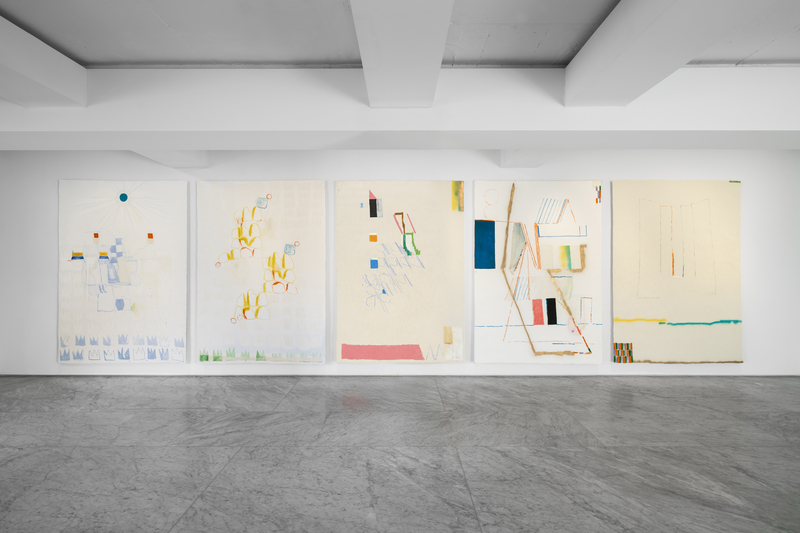
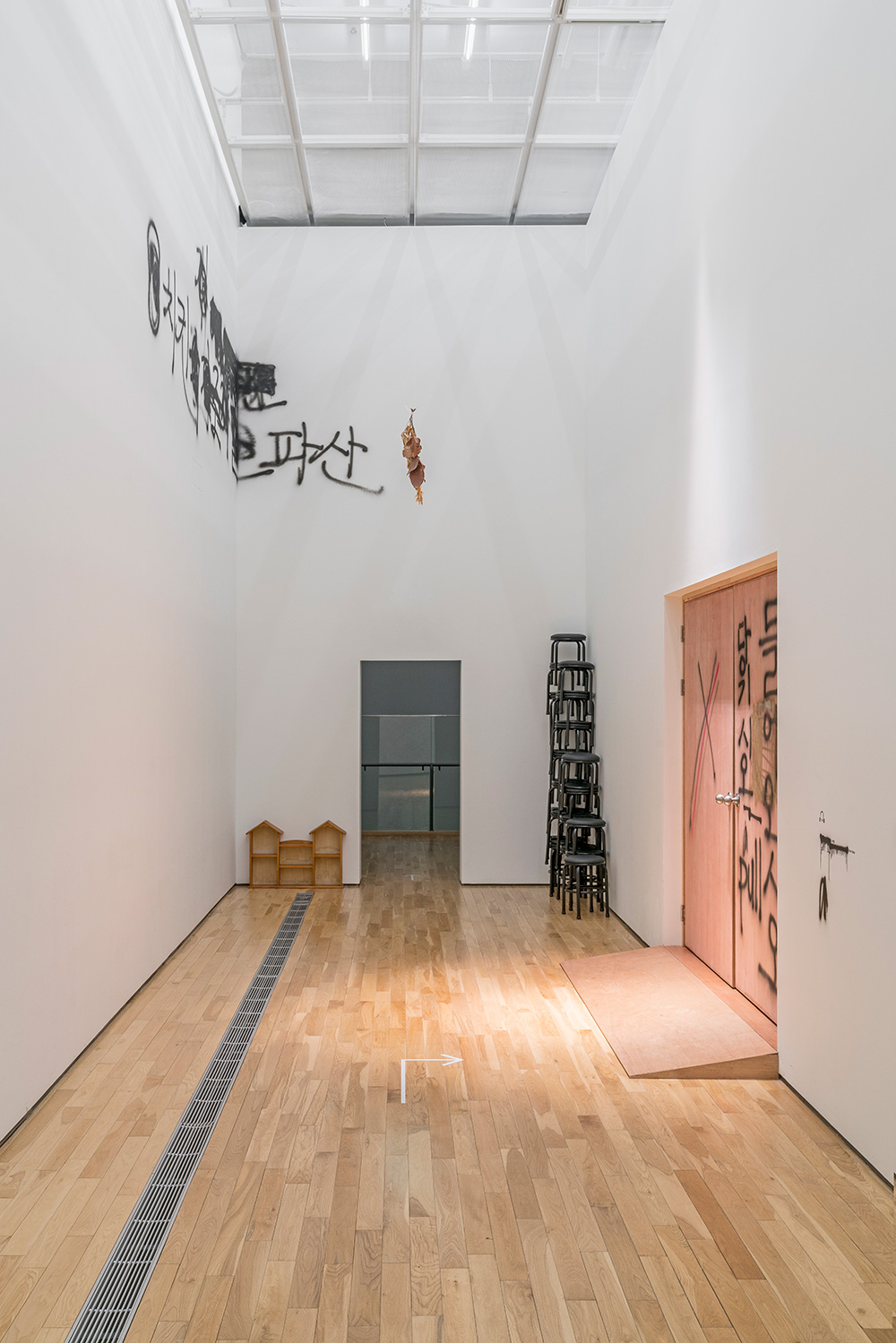
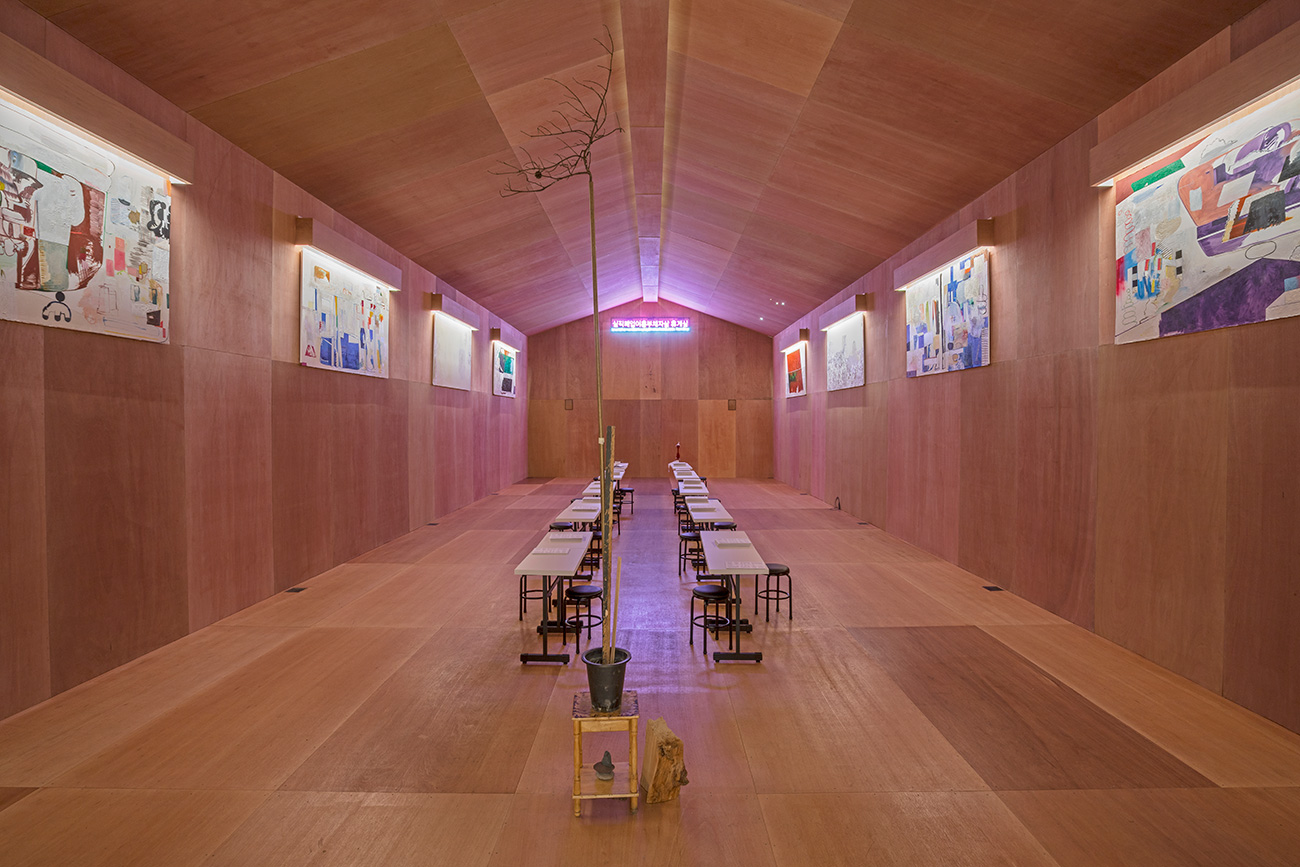
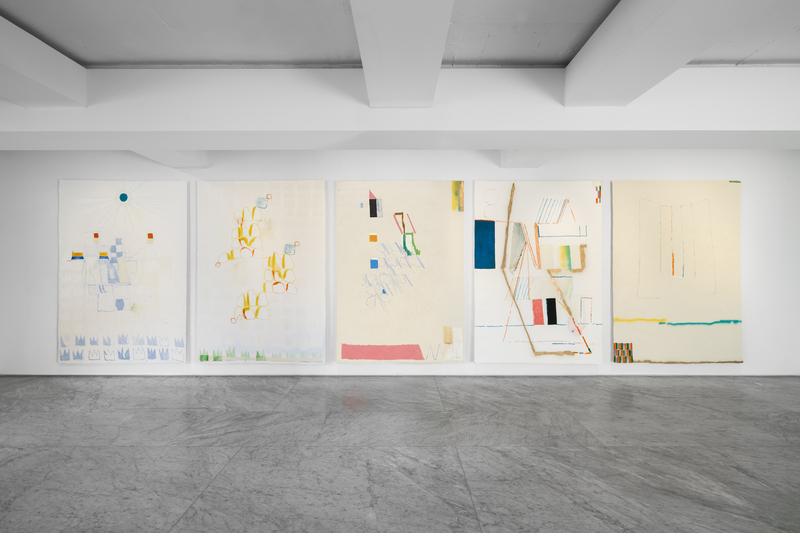
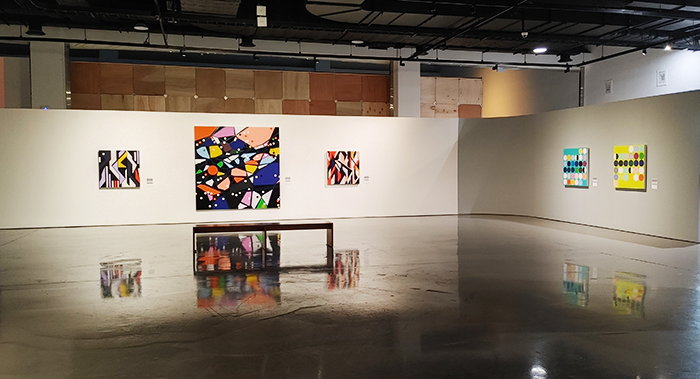
In the eight paintings of this exhibition, Bek Hyunjin addresses the life and landscape of someone living here and now in Korean society. The person is an individual but a non-individual, living a life that is neither comedy nor tragedy. Looking at Bek’s changing paintings, I truly felt the immense courage that they required; indeed, they must have been an almost impossible challenge.
At first glance, the paintings seem to consist of a repetition of trivial and habitual forms. But the brushstrokes unexpectedly emerge to break the pattern of habitual behaviors, incessantly transgressing the mannerism of the viewers. The colors, the varying applications of the colors, and the strokes within the color fields signal subtle emotional changes.
Perhaps the familiar landscape of Seoul that Bek depicts is gradually changing into something exceptional. As younger generations grow up in and grow accustomed to precisely arranged apartment complexes, the world is becoming more sleek and polished. At the same time, the will and ability to resist that sleekness diminishes. When the people of this country had almost nothing, we busied ourselves by thickly covering the surface. Then, while we were polishing the hastily made surface, its roughness came to be regarded negatively, so we strived to make it sleek and glossy. So what comes next after the sleekness? Should we just tear it all down and start over again?
By instinctively creating these eight paintings, Bek Hyunjin may have been thinking sequentially about what comes after sleekness. He never tries to hide the reality and the landscape that the people of our society face. By continuously applying and erasing brushstrokes, Bek leaves traces of the scars and ruggedness of the present. He does not consider the landscape to be uncomfortable or embarrassing, and he does not think that it must be changed. Instead, he embraces and agrees with the landscape, and he feels sorry for it. As such, he intends to show it as it is.
Bek and I share the fear that, after everything has become sleek, no one will look back and remember the true landscape, society, or people of “now.” If these things are not imprinted on us, they will be forgotten. Thus, Bek uses his paintings to imprint them on the viewer. And through his arduous painting process, he captures the version of history that has been imprinted on his body. Likewise, I look at his paintings again and again, trying to imprint the history of his paintings on myself, so that I will not forget.
6. In Search of a Perfect Quadrangle
In front of a painting, I can truly be myself, even when surrounded by obstacles interfering with my stream of consciousness. Listening to the whispers from the images, I can see the scattered pieces of myself. The world incessantly opens and closes through one person. We all have moments of passion, when our feelings and thoughts pour out in a torrent. But in those moments, for whatever reasons, we fail to consider the listener, thus preventing true communication.
Now, having some space for the other party, we attempt conversation. This conversation is ongoing, although it might not be open to everyone. Taking a moment to look at a painting might initiate a conversation. Taking some time to look at the painting will take you to unexpected places.
I sense the signal that indicates both the beginning and the temporary end of the conversation. At first, I was so absorbed in the conversation that I couldn’t turn away from the painting, but now it gently pushes me away.
Everything that has to be said remains unspoken.
But for a long time (or at least for a little while), I might have silence.
I’ve been looking around for the quadrilateral canvas that I can depend on.
What did I see?
Traces of brushes on the surface might be a certain symptom.
Those traces might reveal the bare but hidden face of the current society, through the history of one person.
Nonetheless, the traces are both straightforward and camouflaged, so that they do not disclose anything directly. We must also question whether such disclosure is necessary. The unsophisticated and non-meticulous thinking of a human cannot suddenly expose the vulnerability of such a bare face. Instead, at the very moment when we recognize the vulnerability, it is erased and concealed, so that the whole thing begins again. The painter transcribes the history that is imprinted on his body into a painting. The brushstrokes take so much time, but whatever they reveal is probably not enough to inspire the blind allegiance of the viewer.
So why does he persist in making the brushstrokes? Why does he insist on penetrating deep into the gaps of this society, filled with countless layers of absurdity, pain, sorrow, and joy? What does he see and feel, and what does he want to see? Through brushstrokes, the painter silently regards and responds to the incessant changes and the eternal monotony. In this way, the painter narrows the distance between himself and the world.
1. Quotation from the Persian poet Rumi (1207-1273), which I first heard as the title of an episode of ‘The Get Down’, an American musical drama.