JOO SLA’s
practice begins from the narrative structures of subcultures such as animation,
comics, and games, exploring points where the boundaries between reality and
the virtual become entangled and collide. As seen in her early solo exhibition 《REVERSE EDGE》(Space illi, Seoul, 2019), she
visualized the unstable states of beings positioned outside boundaries, based
on a misreading of Kyoko Okazaki’s “RIVER’S EDGE.” Here, the boundary does not
function merely as a spatial division but as a structure that separates
perception and conditions of existence, and the artist focuses on the errors
and confusion that arise within this gap.
This line
of inquiry expands through its connection with “female hero narratives.” As
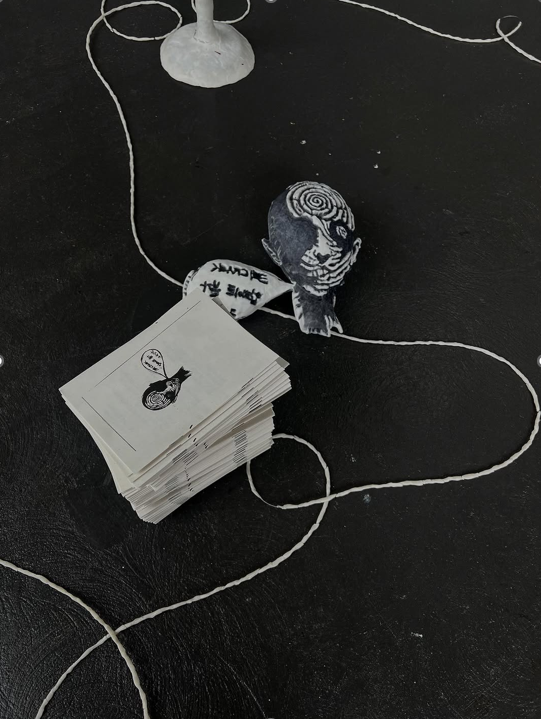
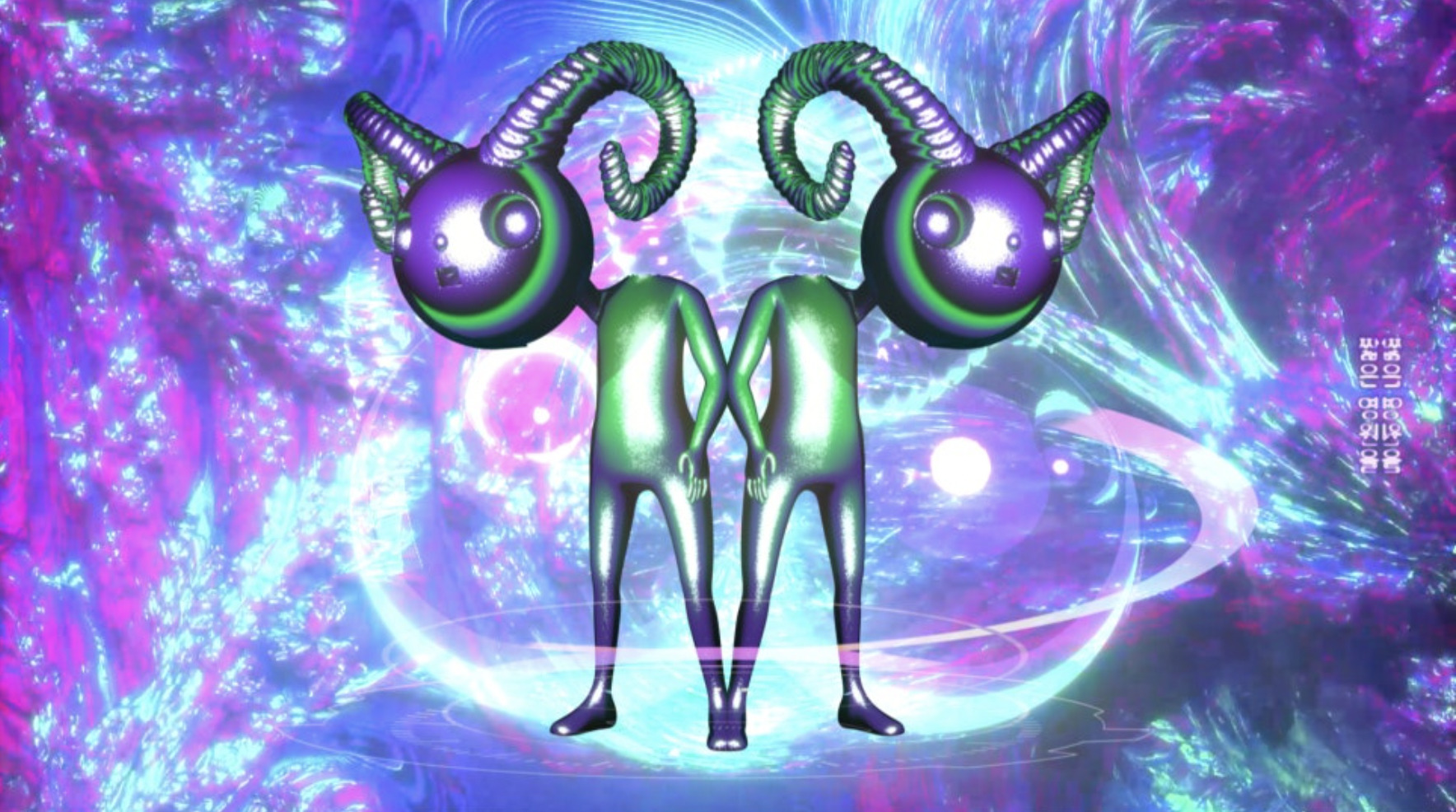
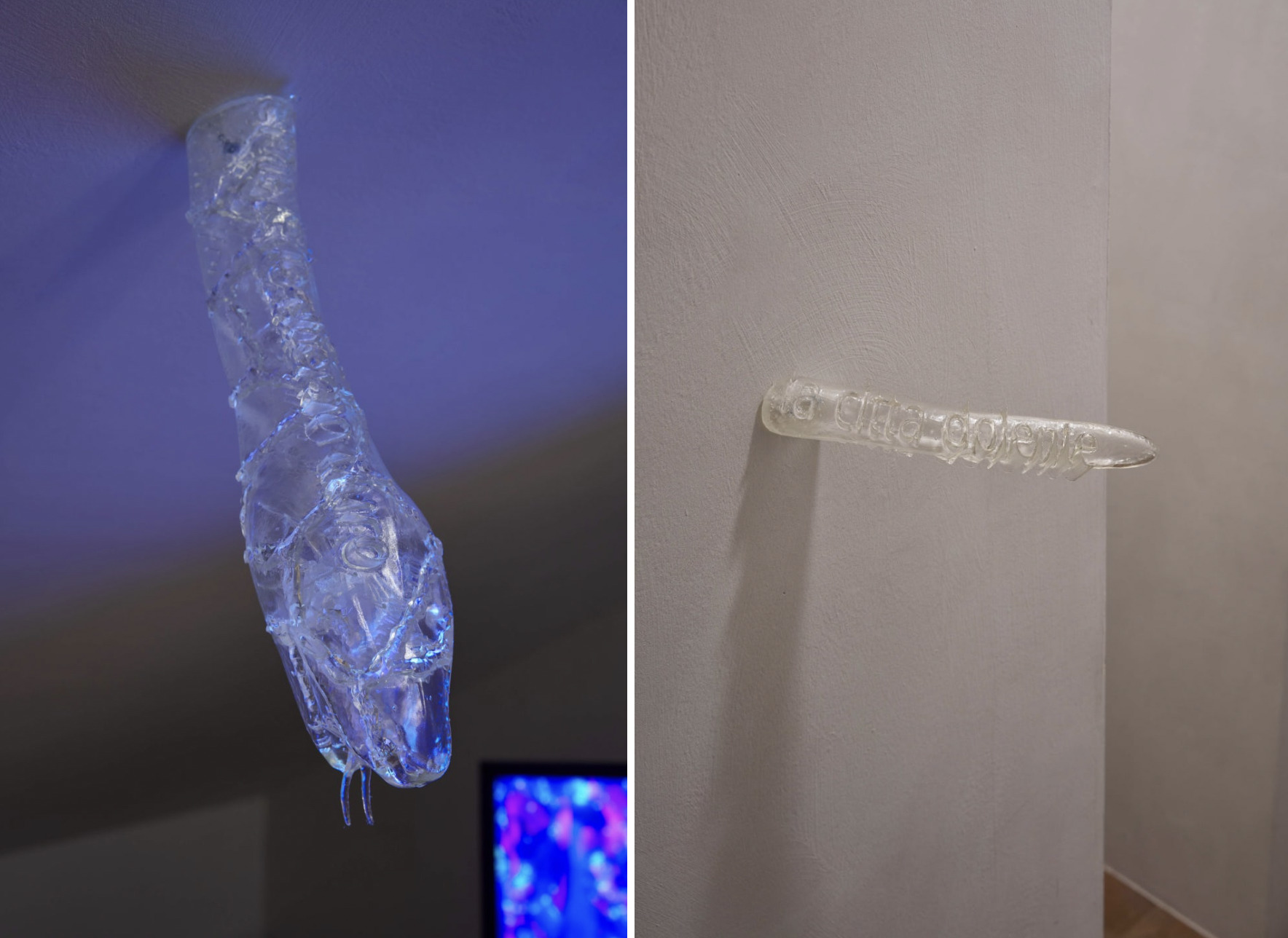
seen in Lure(2021), Soul
Fishing, and Three Hollow Devil Heads, JOO
SLA focuses on characters whose bodies freely transform and traverse
dimensions, assuming that the human body and identity are not fixed but exist
in a mutable state. This functions as a metaphor for the ways in which the body
and self are reconstructed within a digital environment.
In the
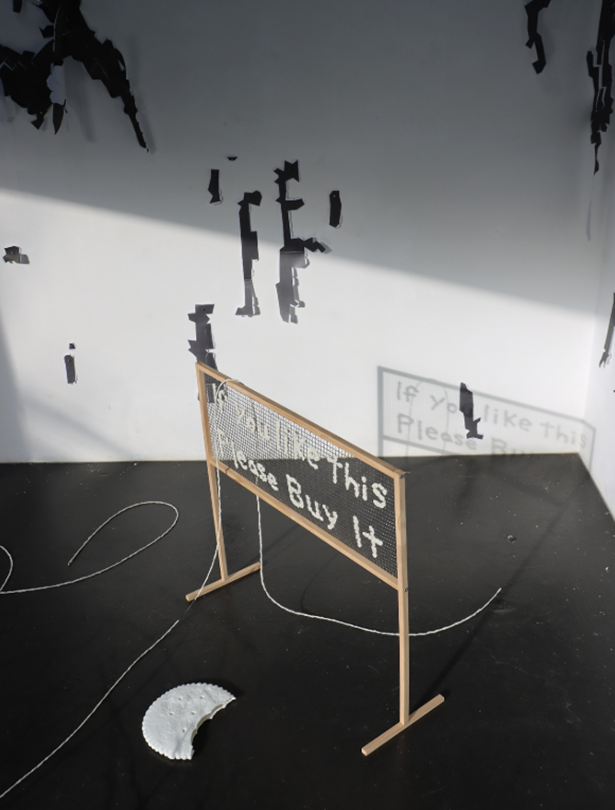
solo exhibition 《Put My Finger
in the Portal》(The Great Collection, Seoul, 2022), this
interest concentrates on the “moment of dimensional transition.” The portal is
set as a device that connects different worlds and a boundary where perception
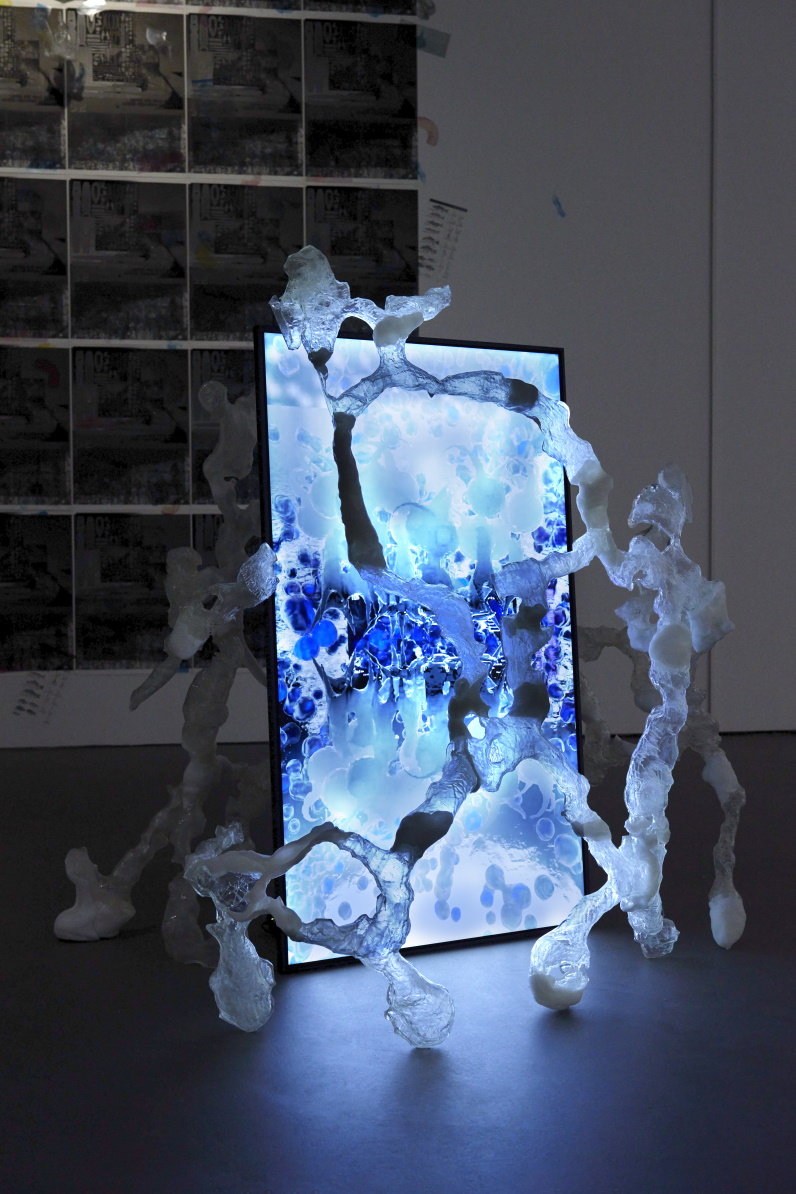
is transformed, and through Put My Finger in the
Portal(2022), the viewer is placed within a sensory experience of
passing through this boundary. What is important here is not the movement
itself, but the indeterminate state that occurs between the moment before and
after the transition.
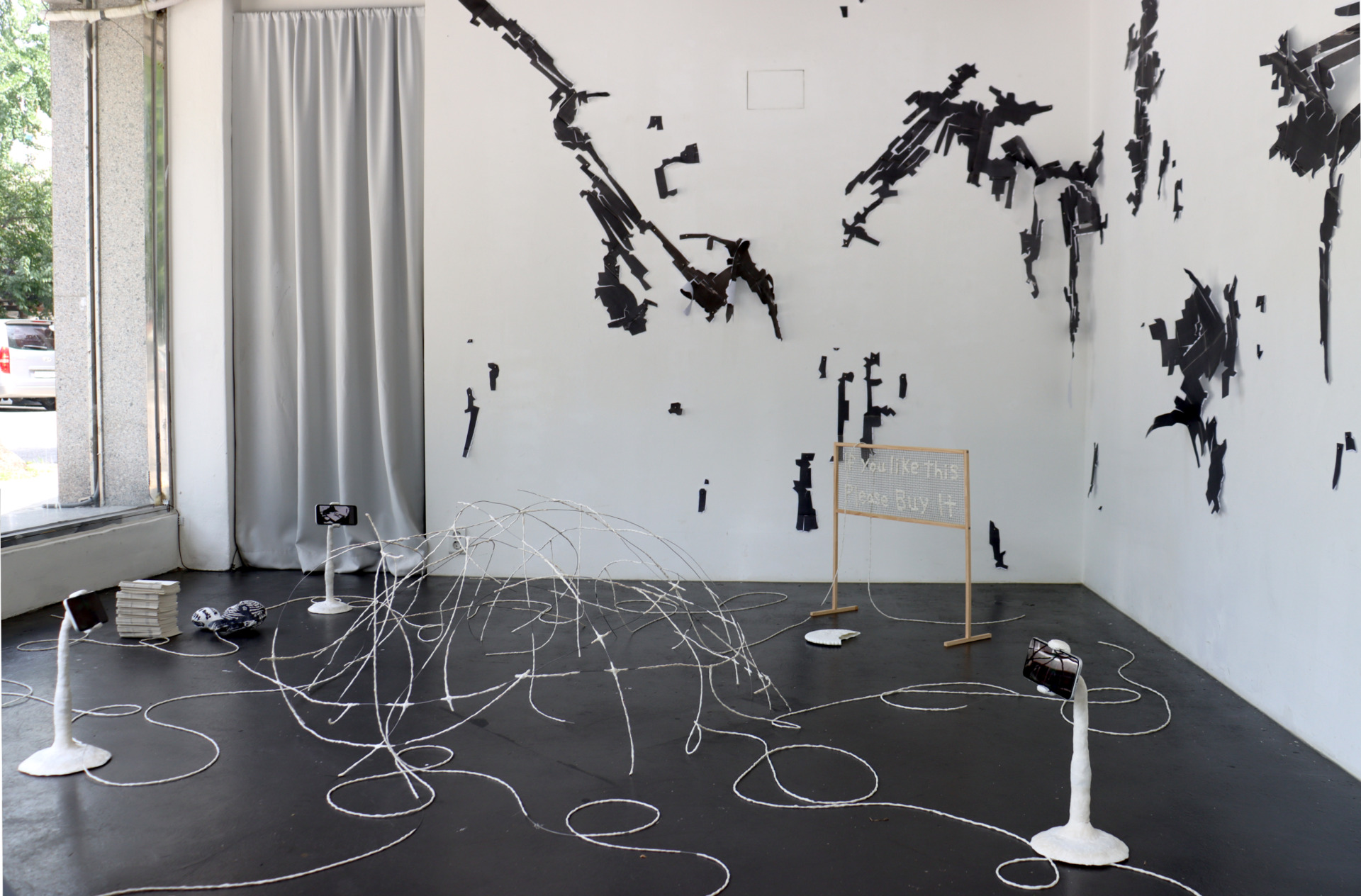
In 《Nomel’s Tracking Log》(SeMA Storage, Seoul,
2023), this inquiry develops around a more specific object—the lemon. As seen
in One day, the lemon yellow disappeared(2022), the
artist traces the transformation process of an object and reveals its material,
social, and informational layers. The disappearance of the lemon’s color
extends beyond a simple physical change into the structures of distribution,
datafication, and posthuman conditions, presenting an understanding that both
objects and humans are entities capable of transformation.