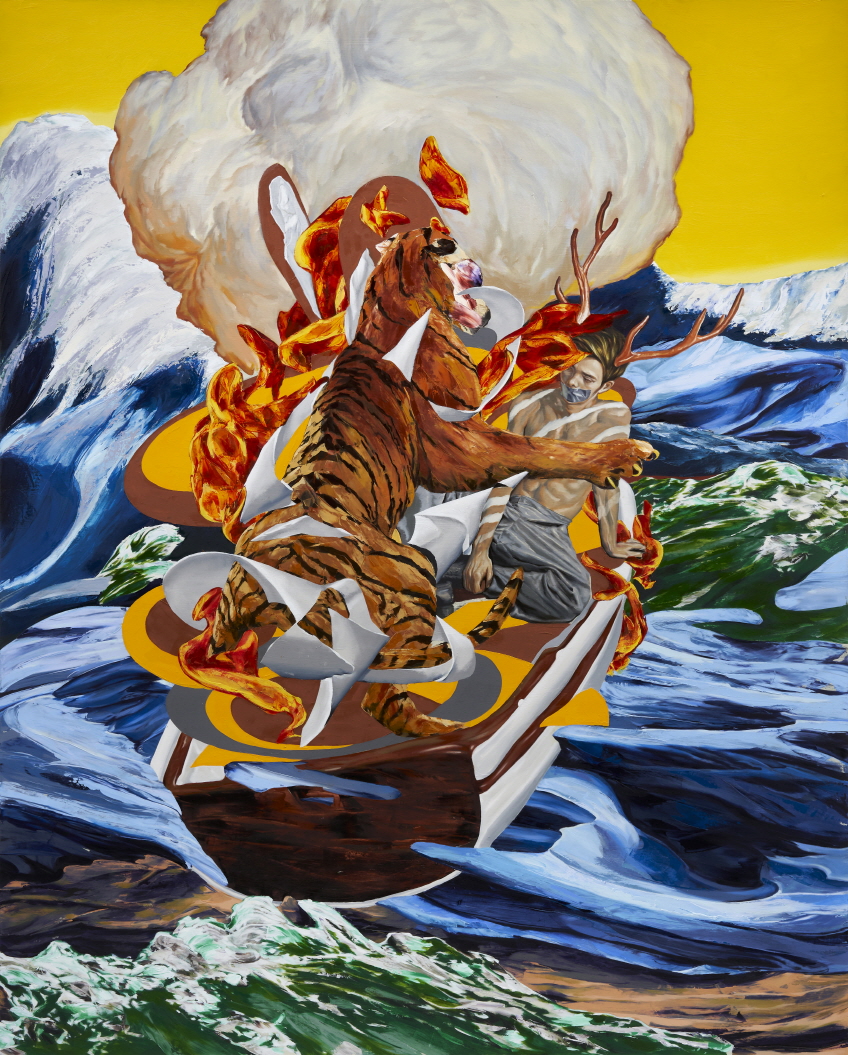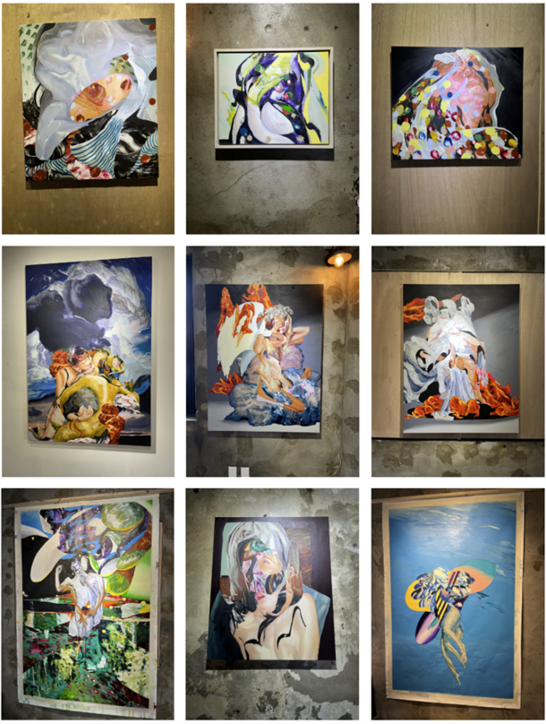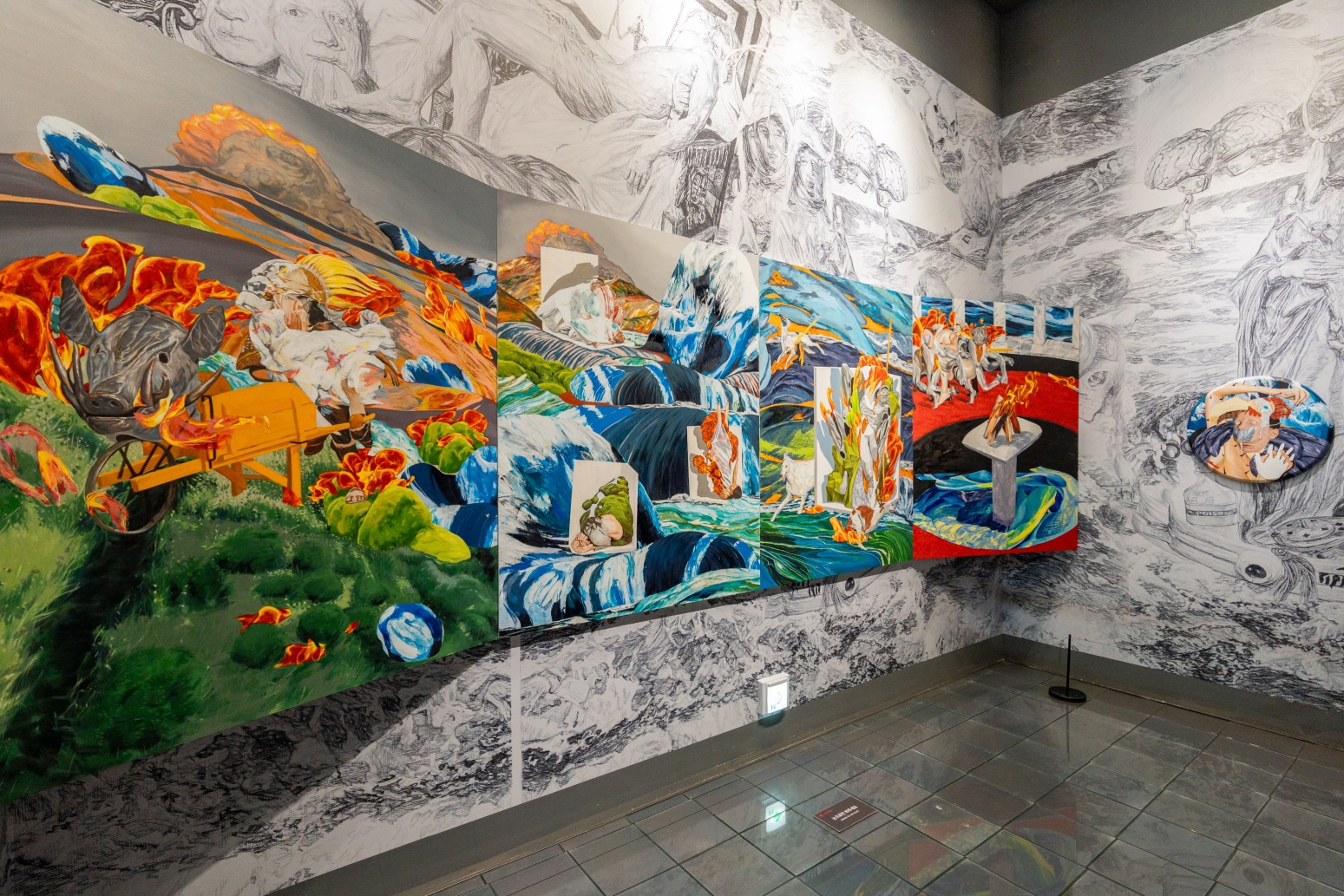


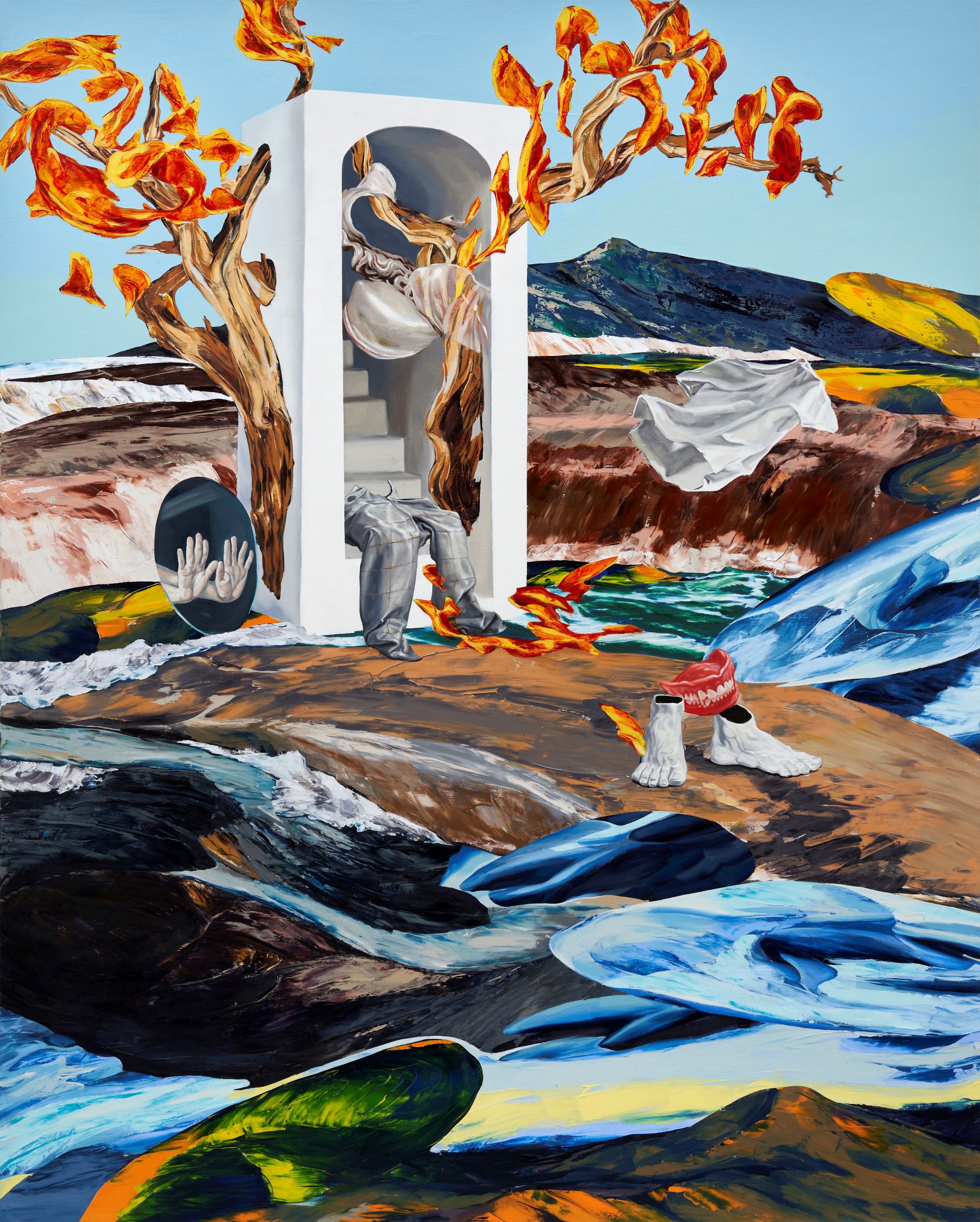
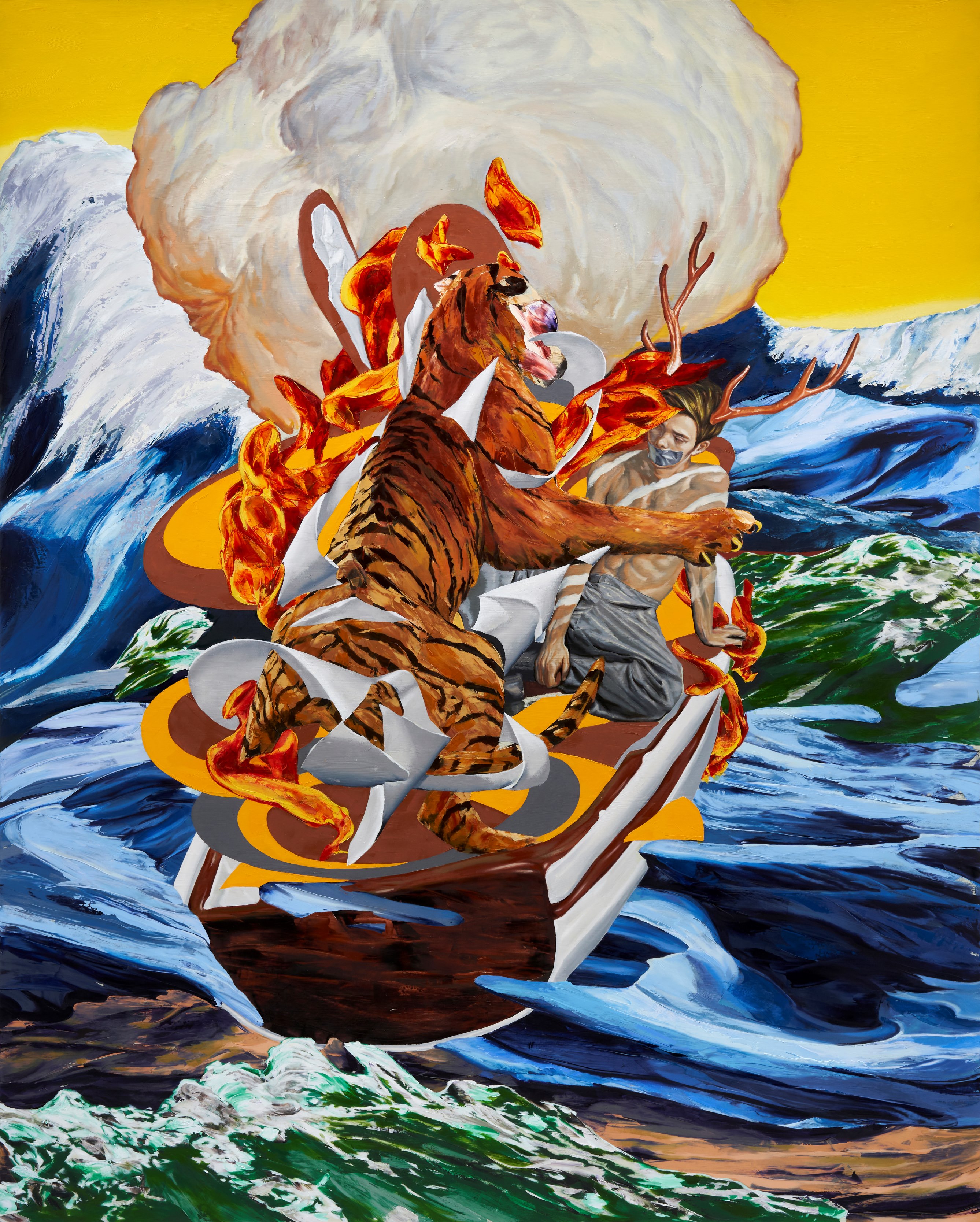
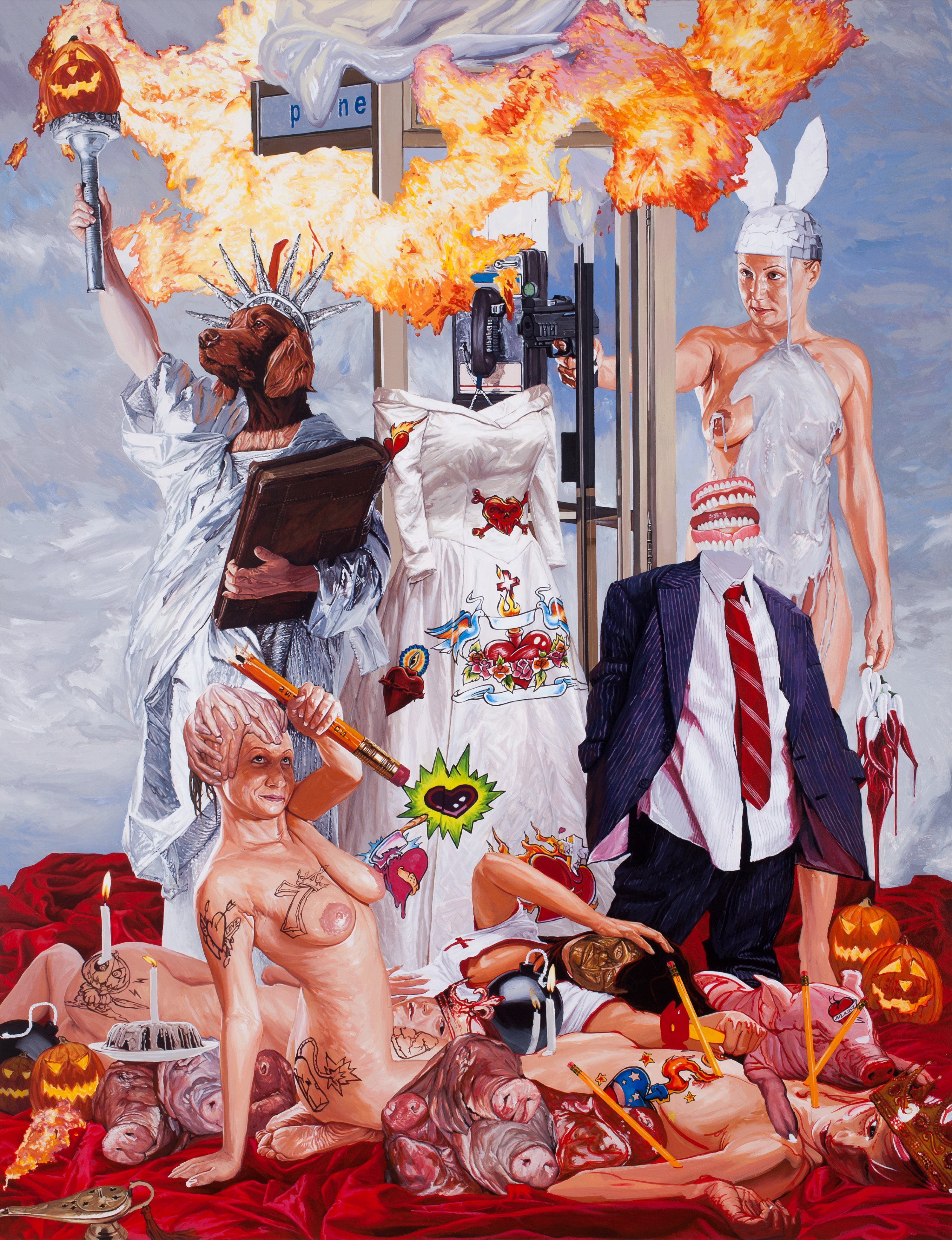
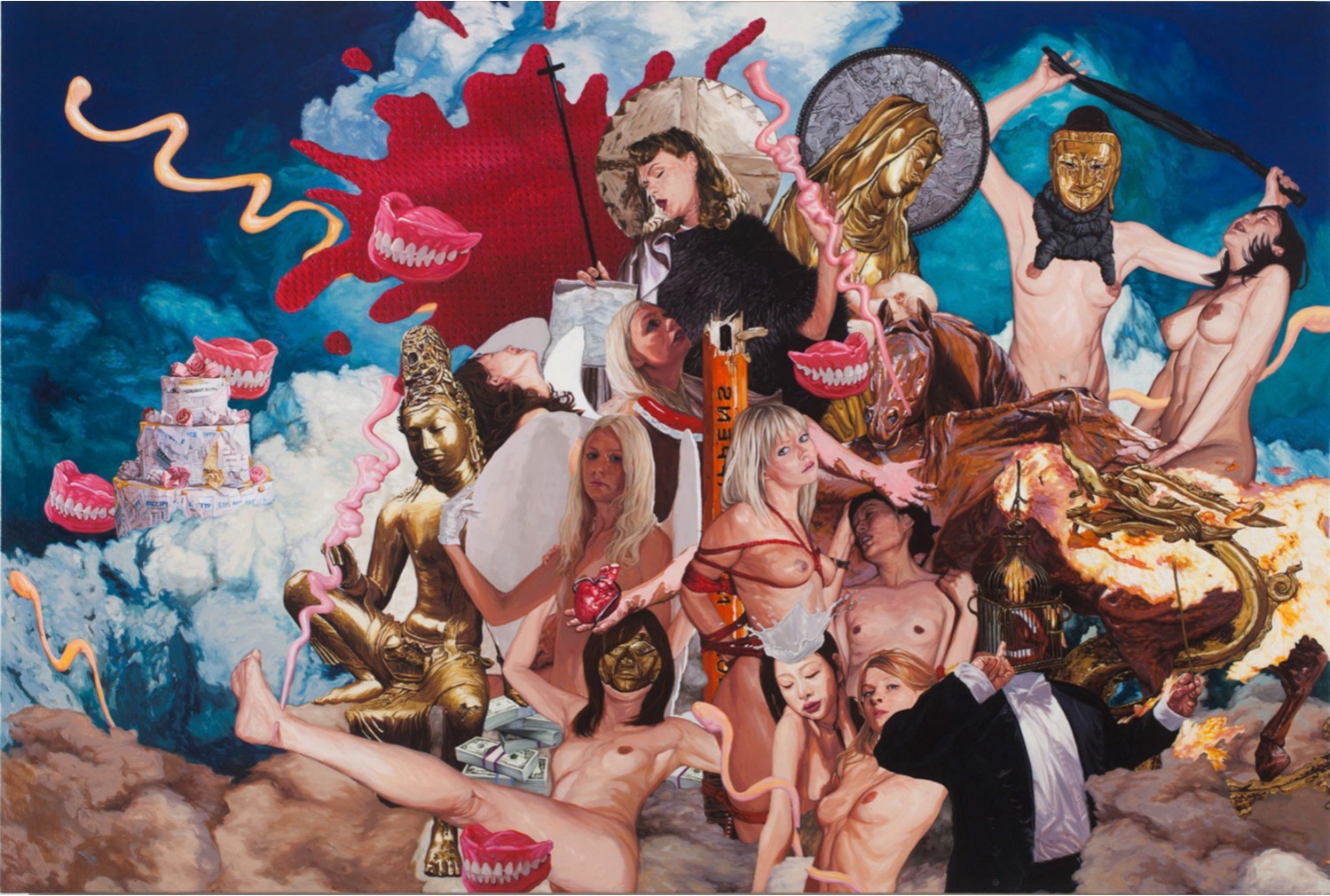
Park’s Land 42-Life of Pi, 2025, Oil on canvas, 162.2 x 130.3 cm ©Artist

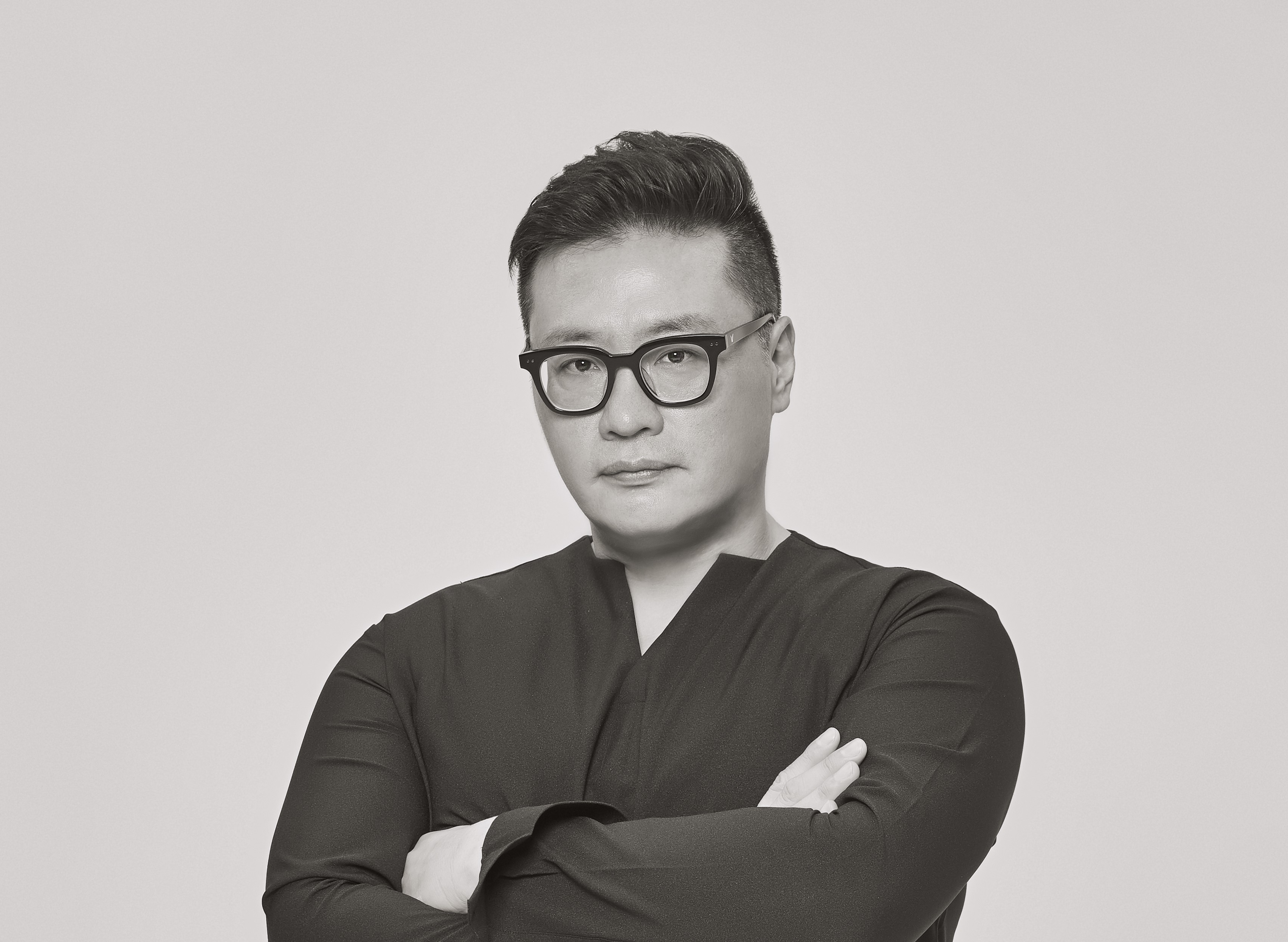
Park Jung Hyuk has long focused on how humans sense and perceive the world surrounding them — how they are governed by it — and how they reproduce it. As the artist himself states that his work is “a questioning of taken-for-granted logic, stereotypes, structural problems, and contradictions,” the processes and results through which humans form identity and interact with the external world over the course of life become central themes for him. Of course, these are also fundamental and inevitable issues that apply to everyone living in the world.
 
As an artist who inevitably produces visual outcomes in one way or another, he responds sensitively and carefully to what is seen and visible. He delves into images that endlessly pour out, are transformed and distorted, erased in whole or in part, or edited. This includes not only objects in the real world and illusions reproduced from them, but also things born as images from the outset and existing only as images, as well as something endlessly generated in the artist’s mind that has not yet been realized as an image.
 
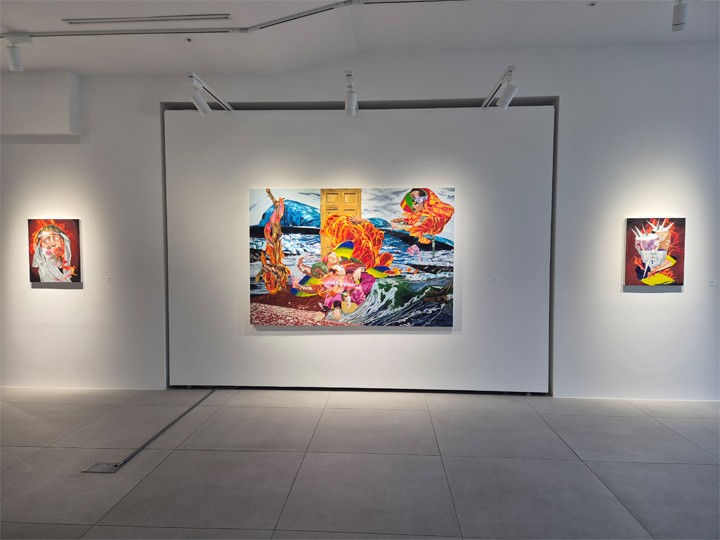
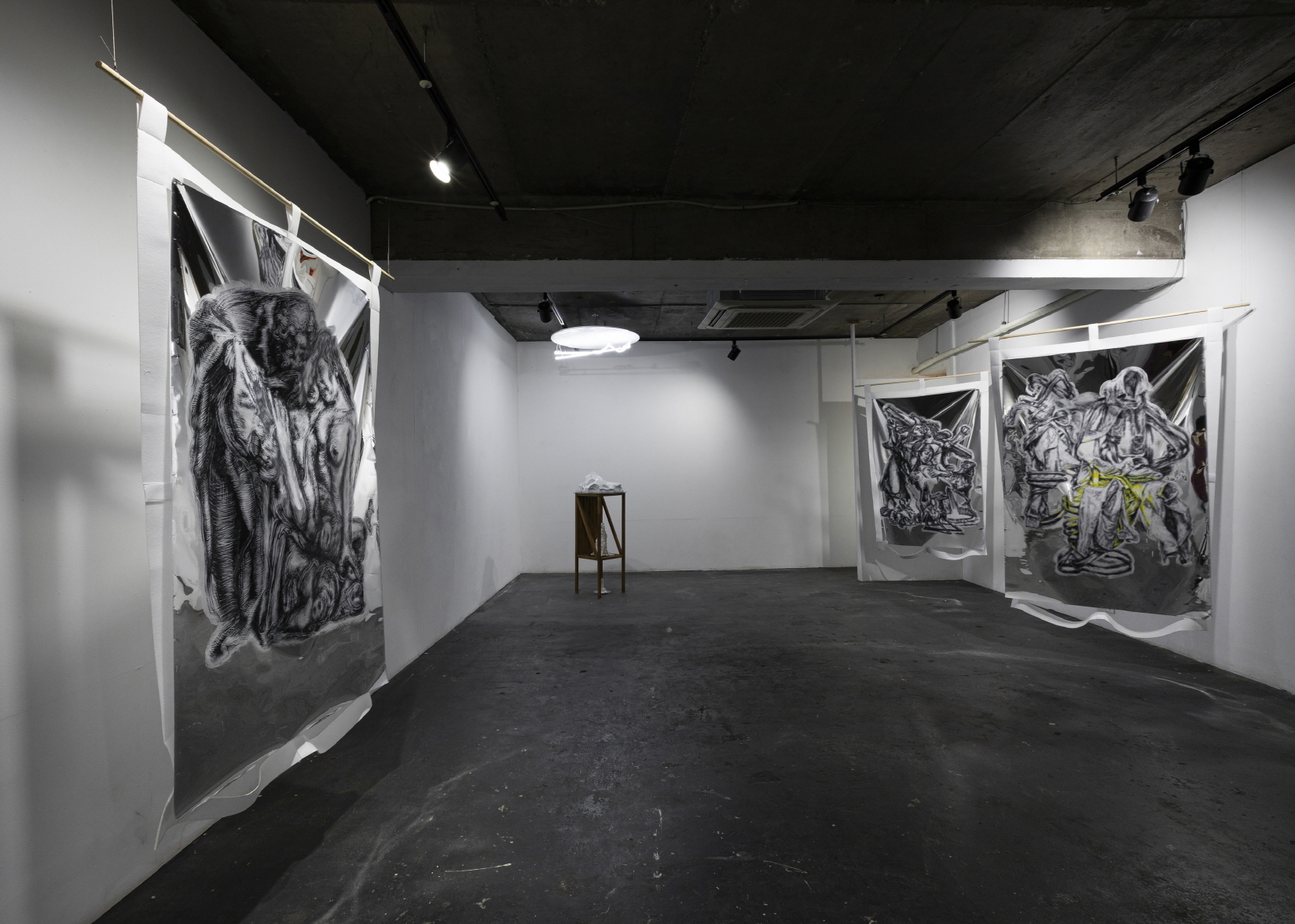
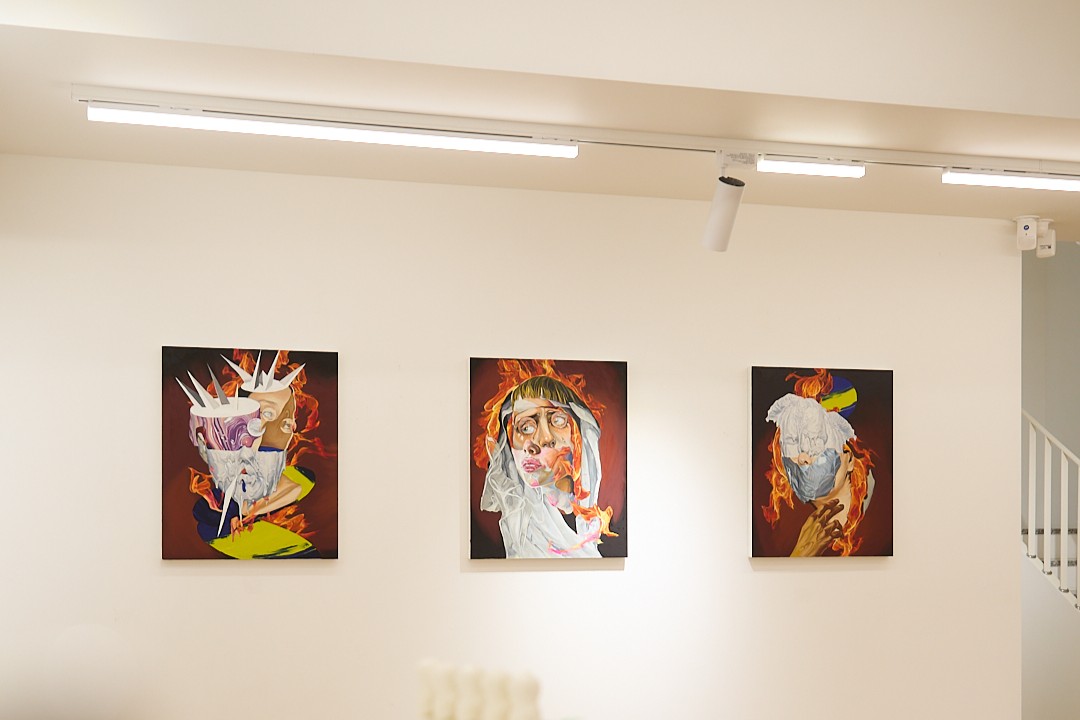
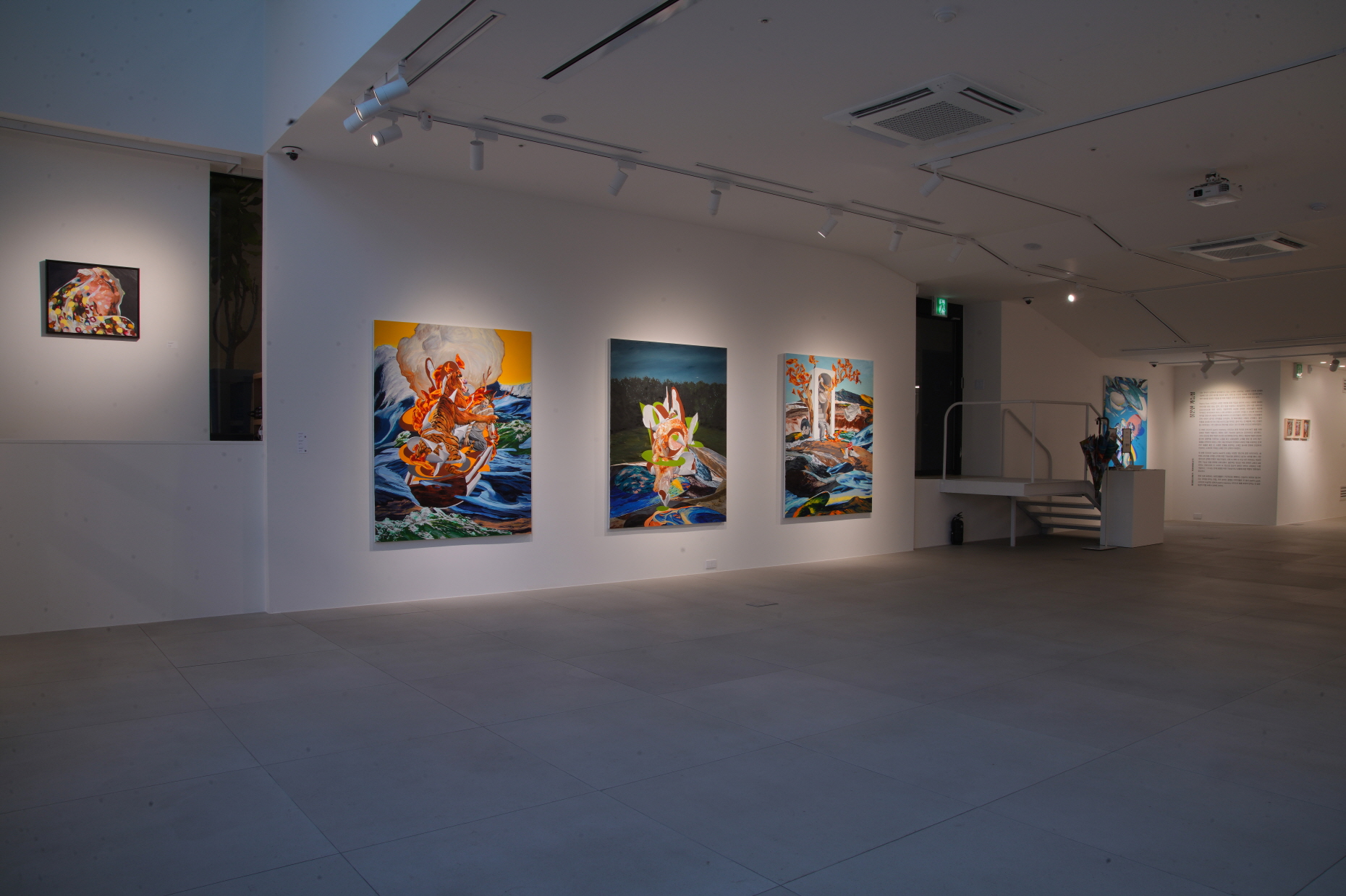
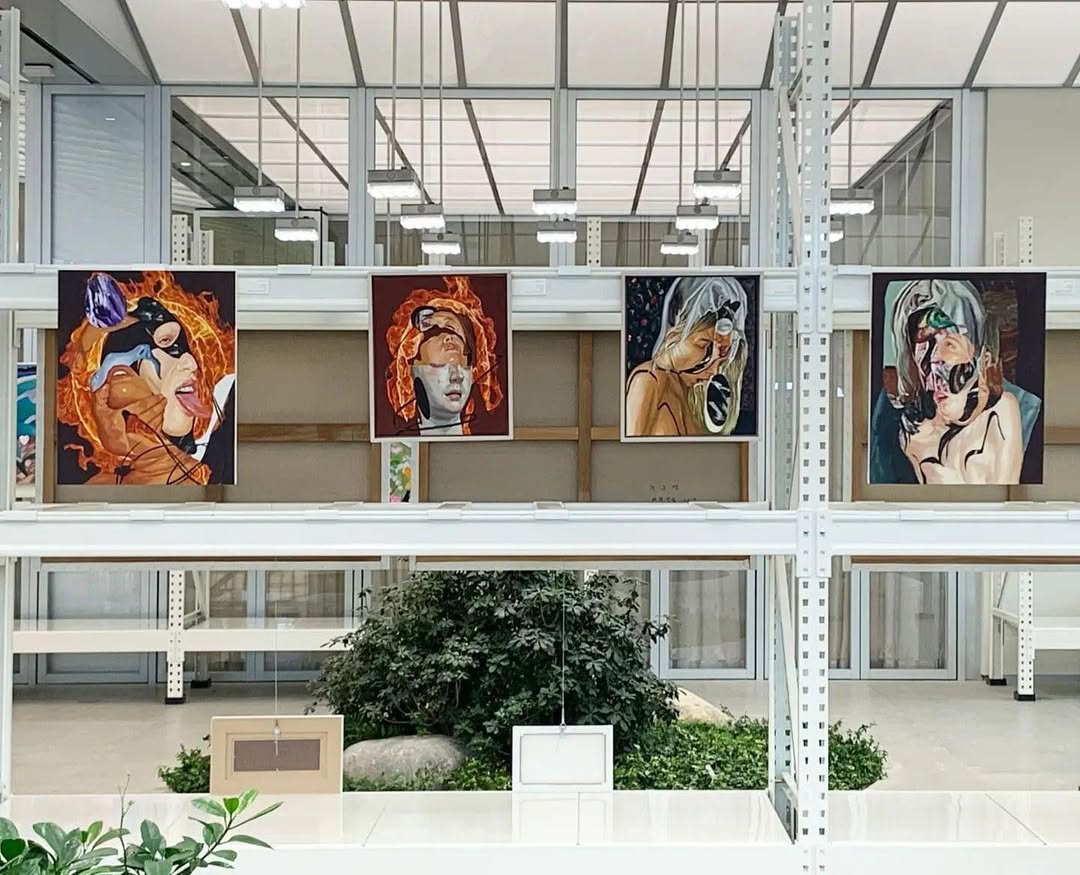
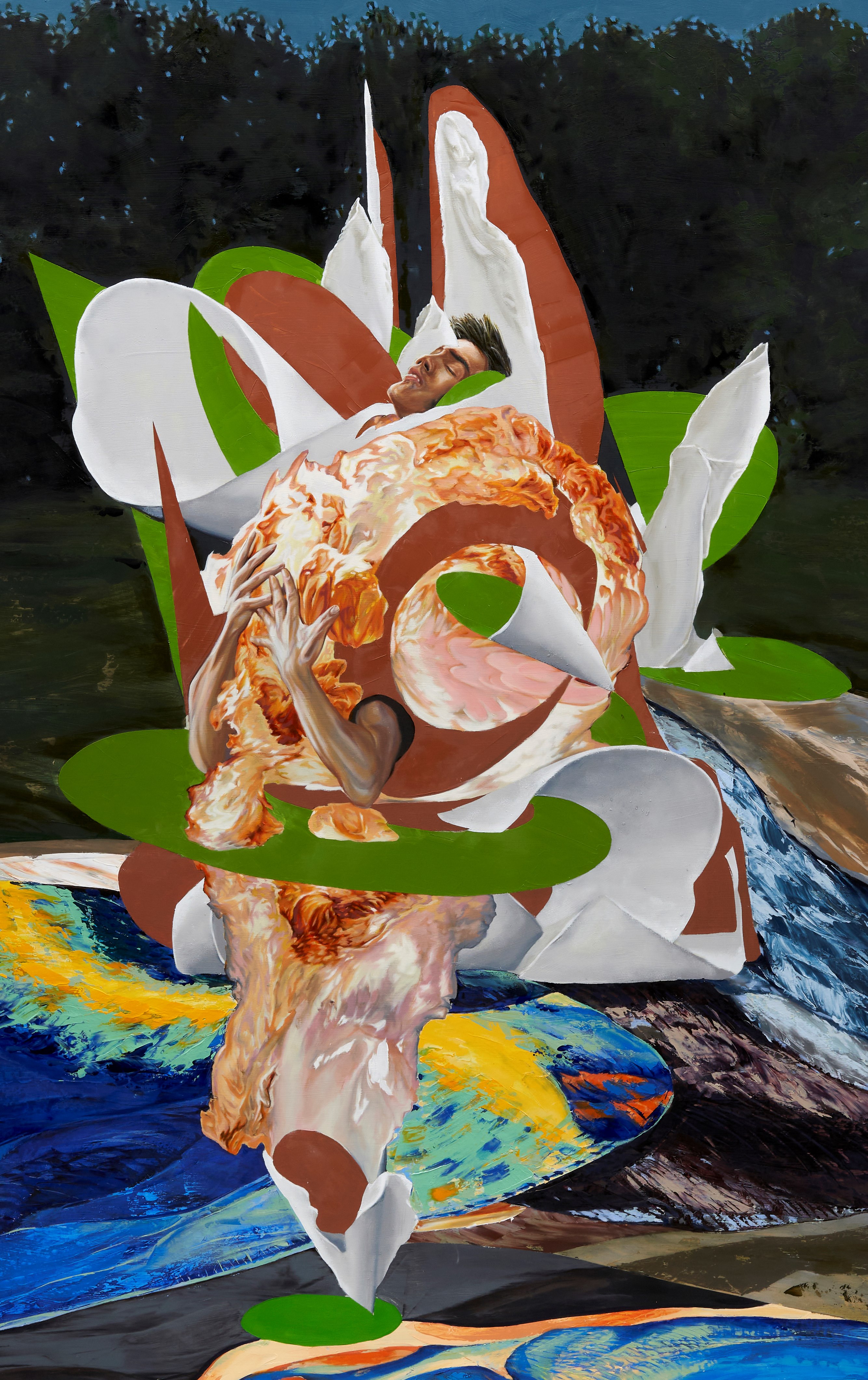
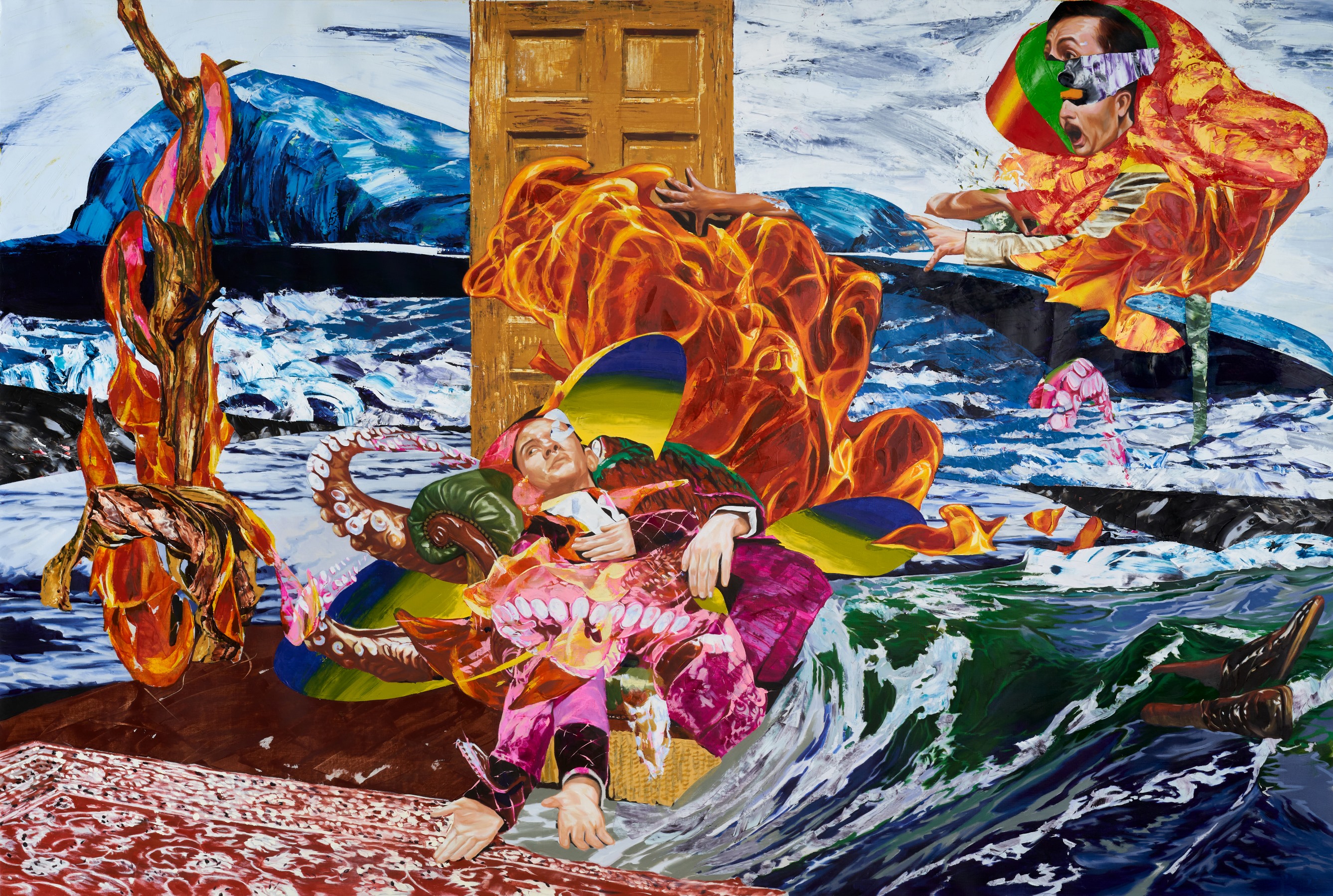
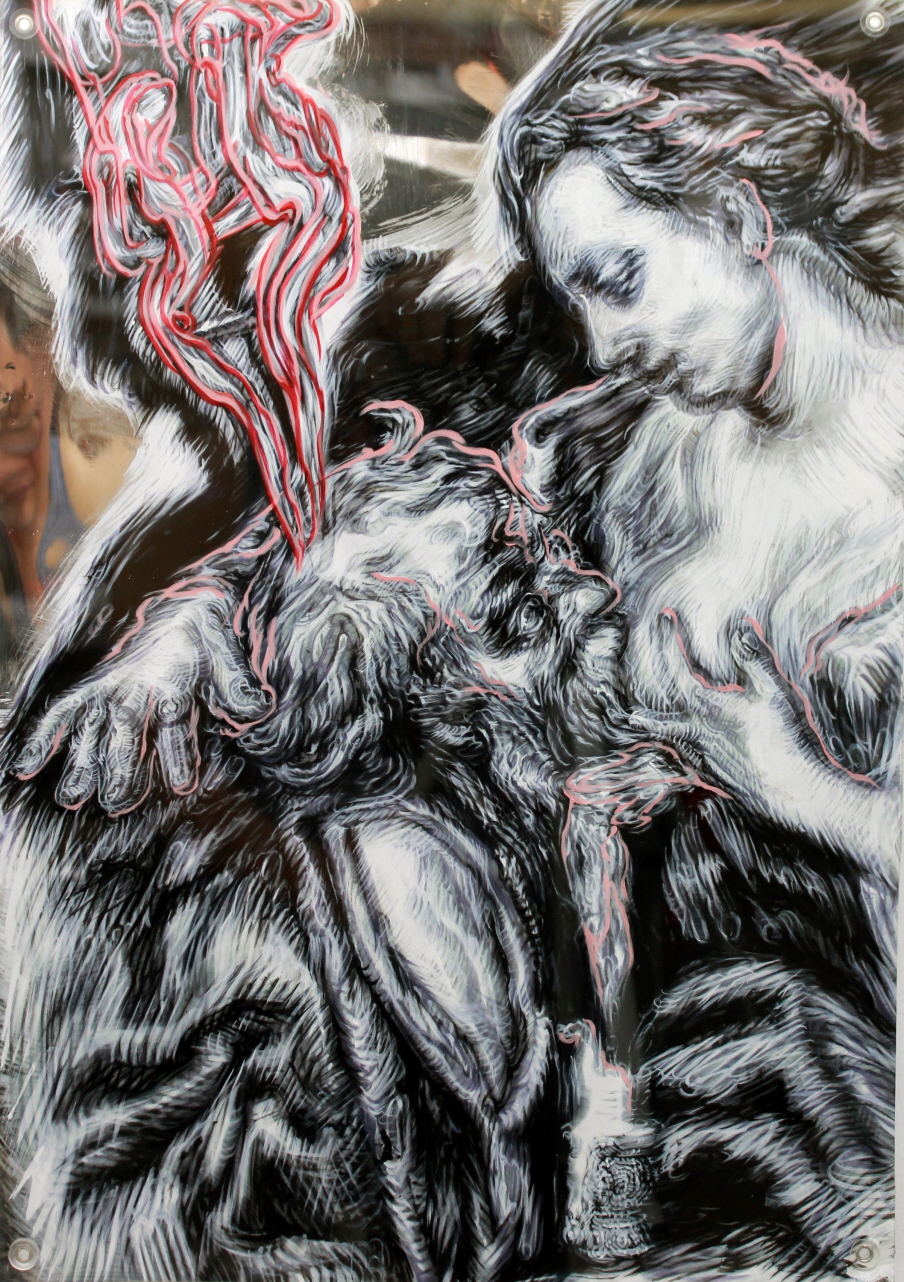
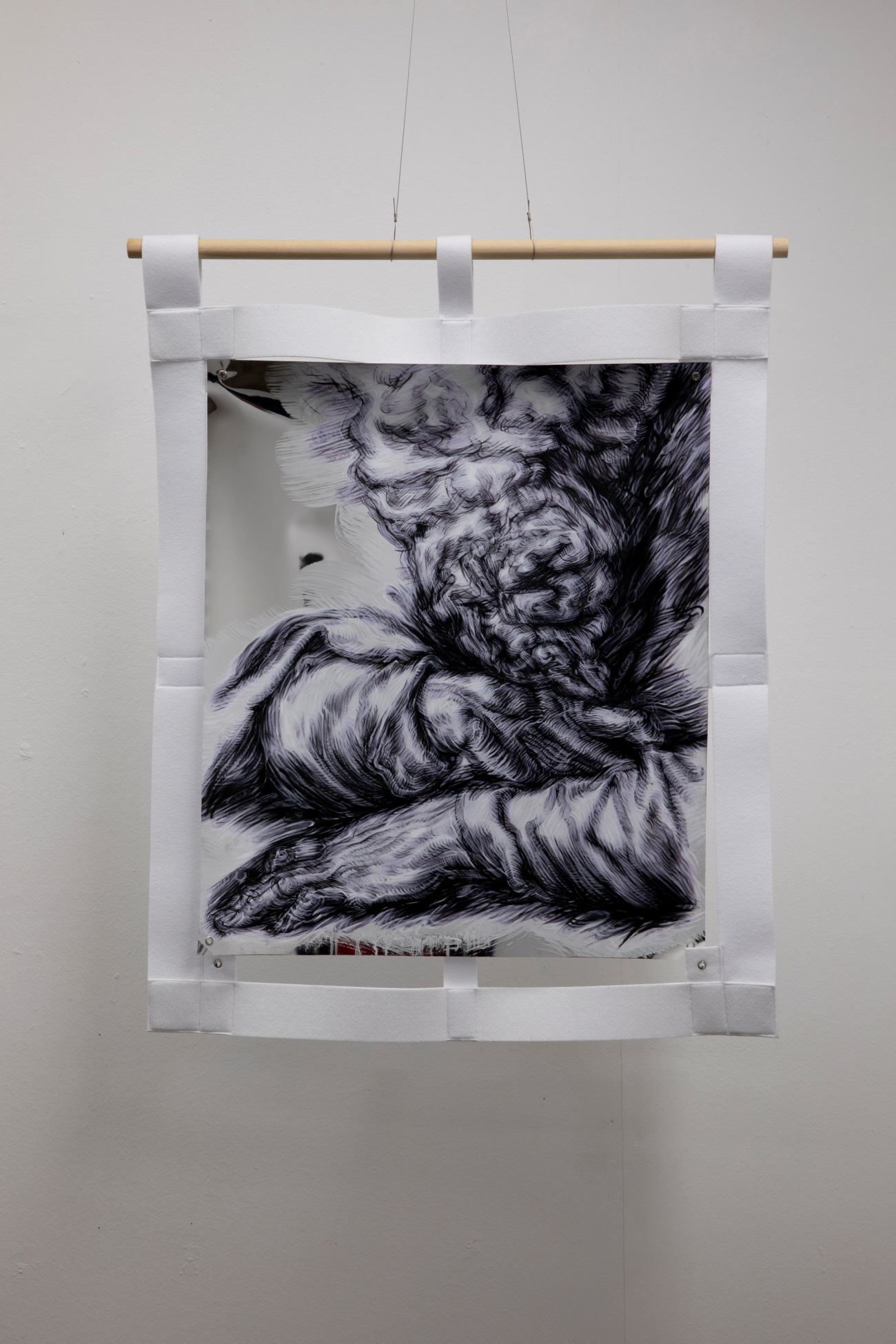
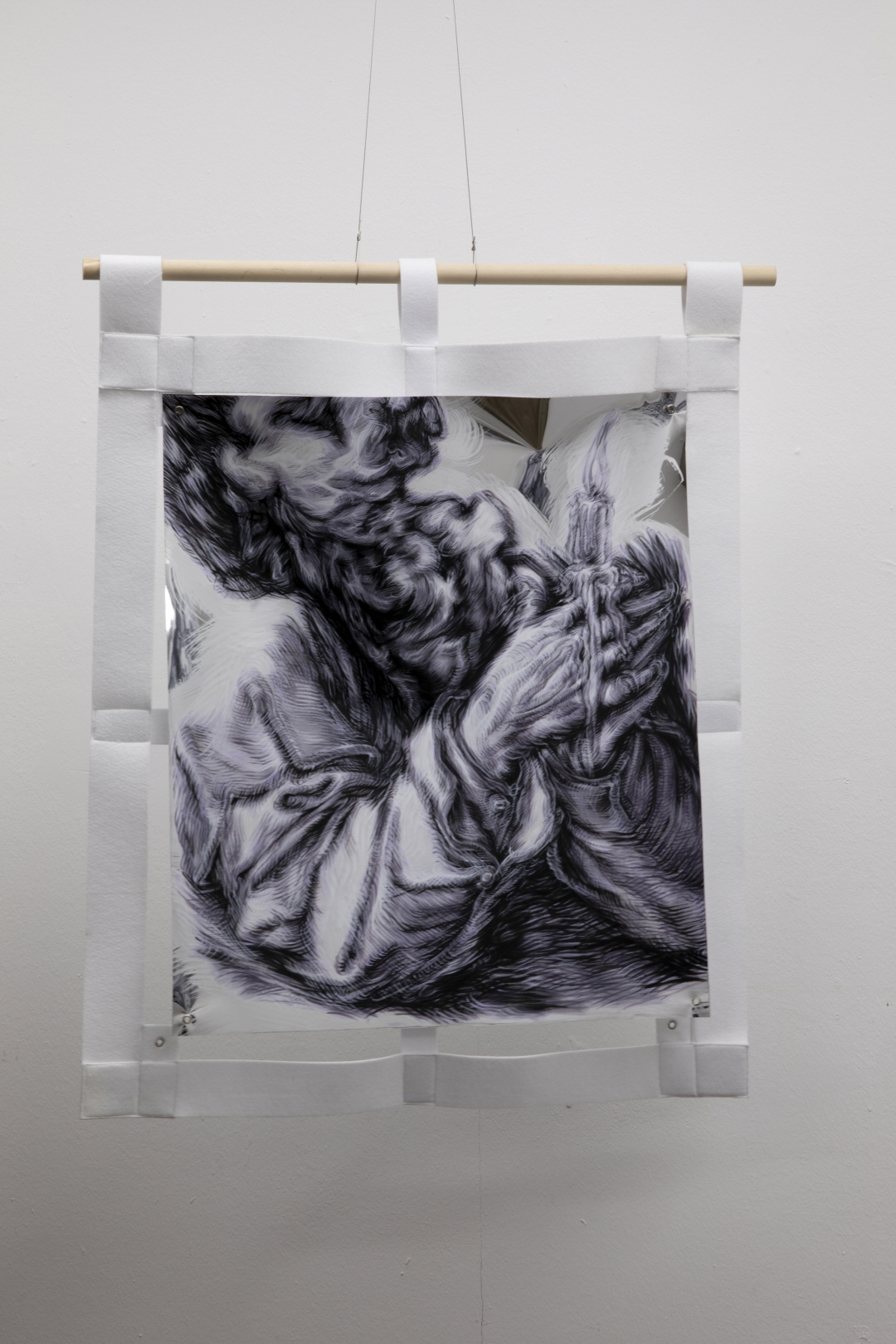
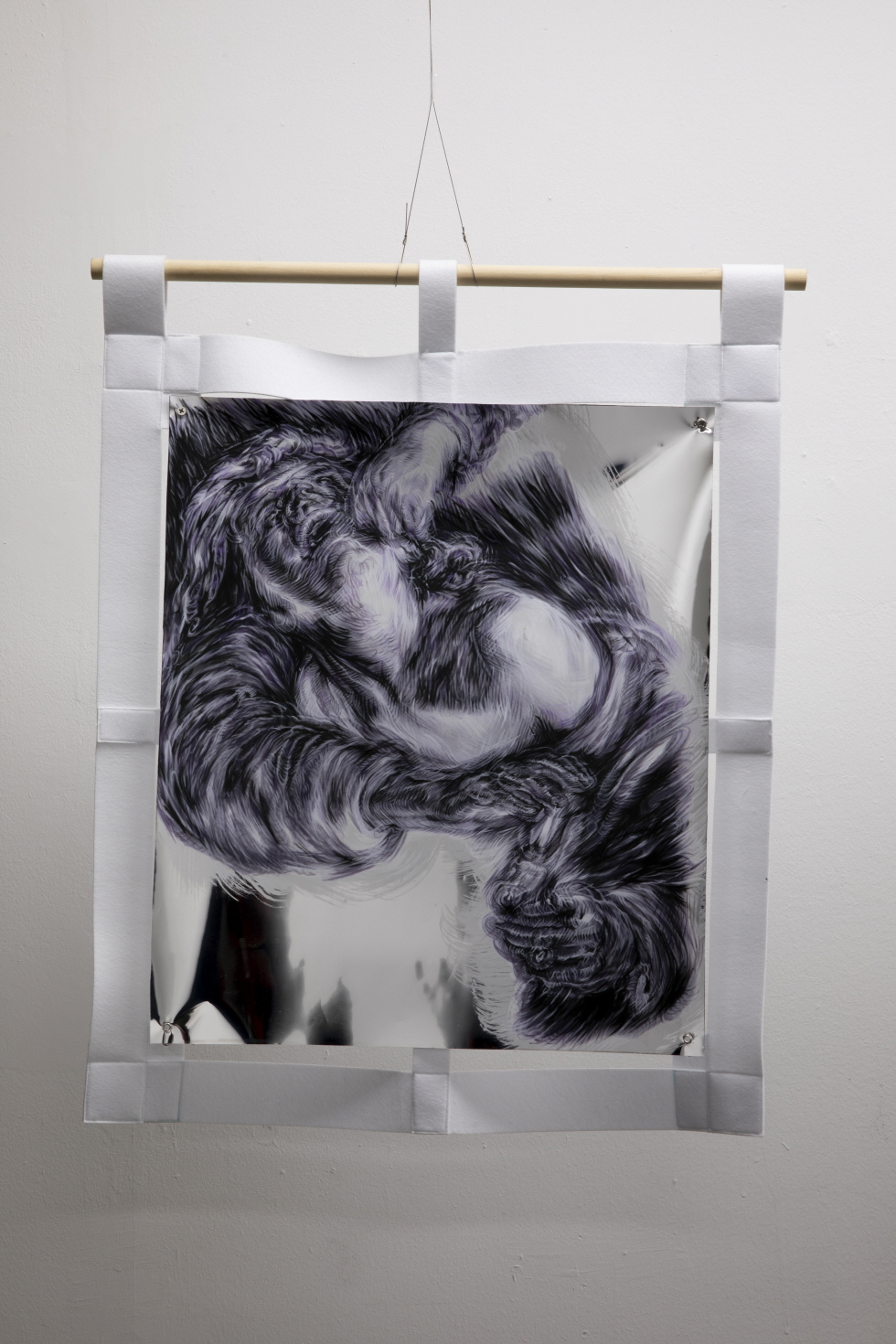
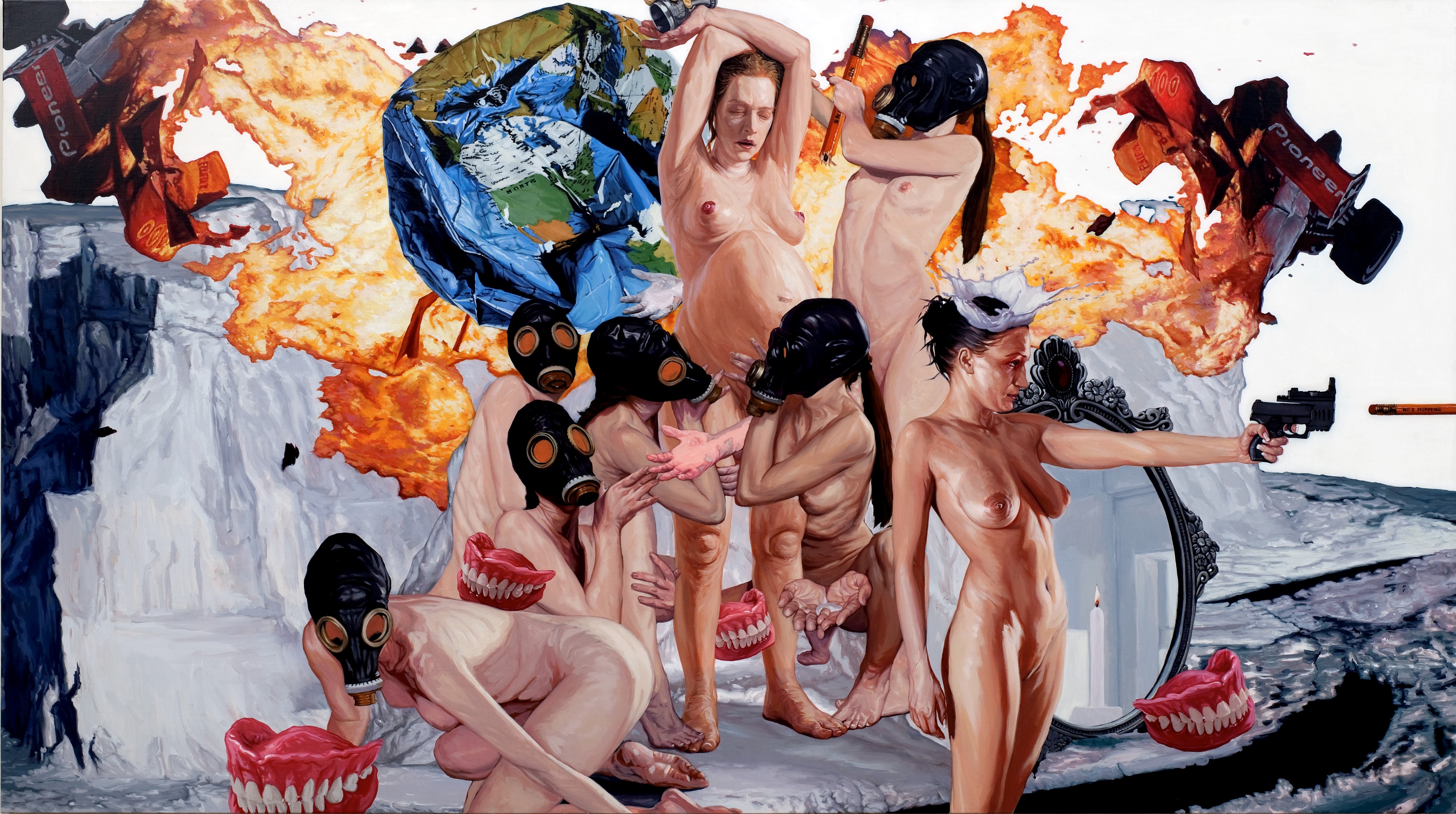
Park Jung Hyuk’s solo exhibition《Rebellious Possibility》consists of the ‘Park’s Land’ (2021-) series and the ‘Muscle Memory Drawings’ (2017-) series, both of which deepen these concerns. The exhibited works expand from the earlier ‘Park’s Park’ (2005–2014) series, which collected and recombined images produced and circulated across various domains of popular culture in an attempt to generate unfamiliar narratives and meanings. They are also connected to the ‘Park’s Memory’ (2017–2021) series, in which materials and modes of expression were varied in order to move beyond the painterly solidity of paint or the illusion on canvas — a space that is both a realm of all possibilities and a strictly bounded surface. In particular, ‘Park’s Land’ concentrates on “transformation.” In this regard, one is first reminded of Ovid (Publius Ovidius Naso)’s 『변신 이야기(Metamorphoses)』 (AD 8).


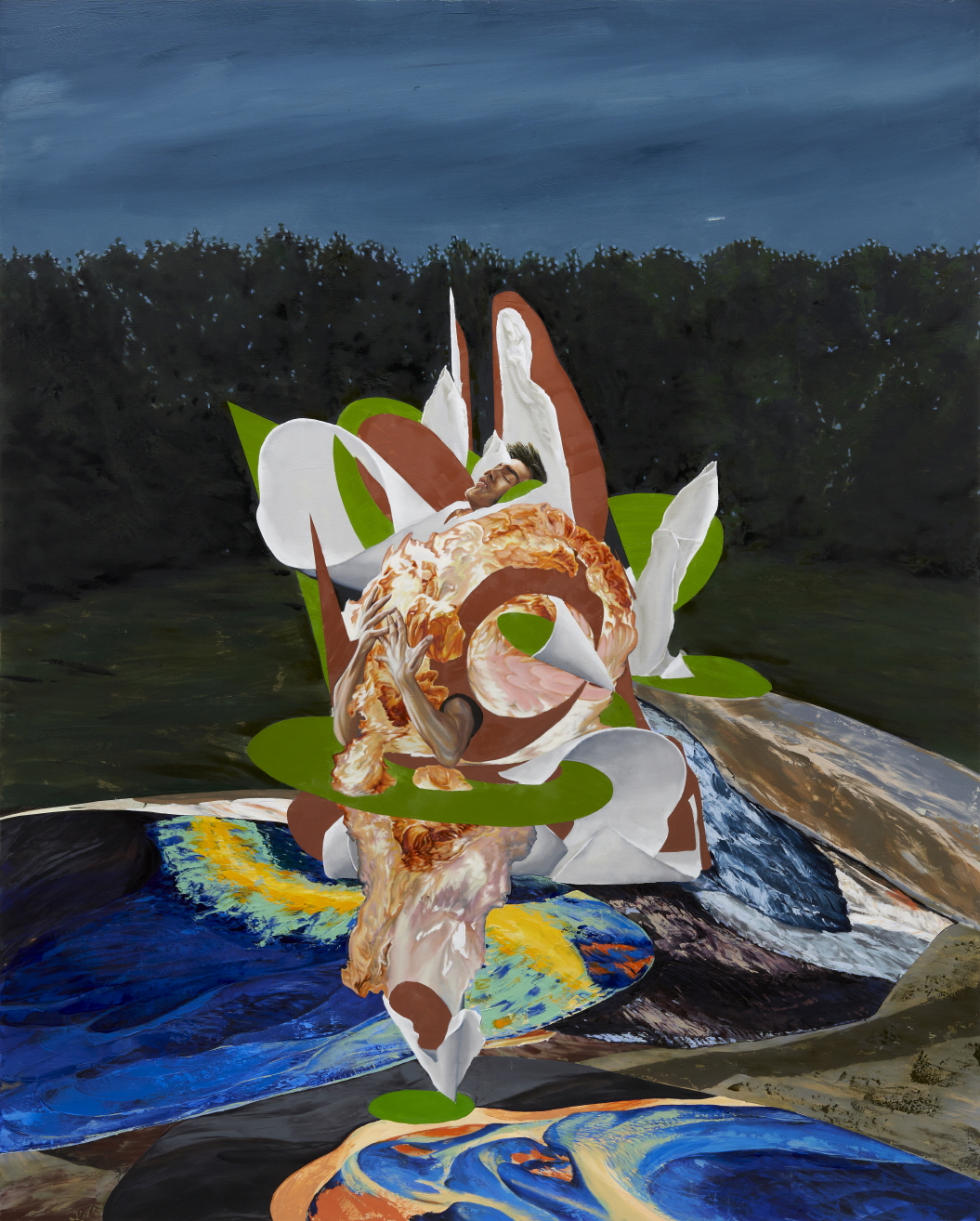
Park’s Land 41-Dynamite. Theatre Actor, 2025, Oil on canvas, 162.2 x 130.3 cm ©Artist

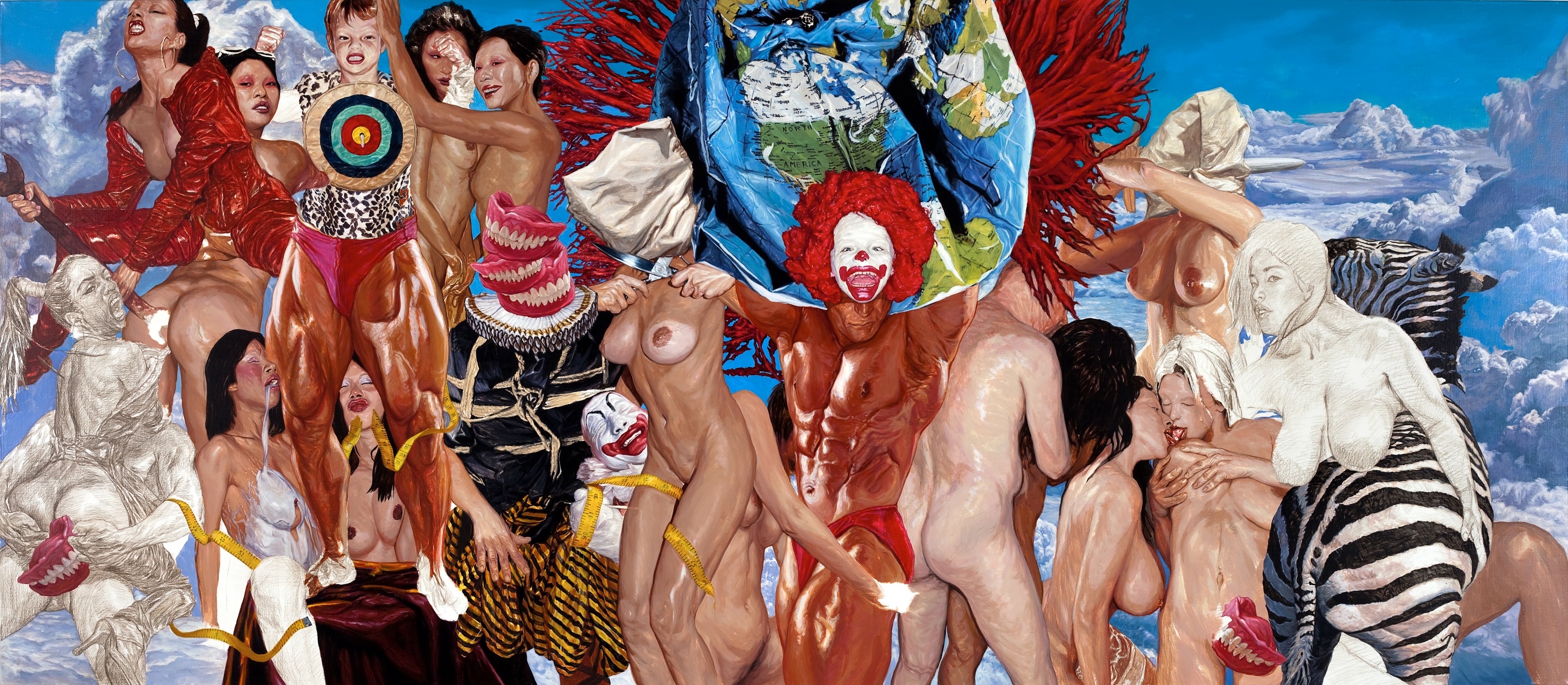
Indeed, the artist drew inspiration from this source, and some works quote images from classical paintings depicting transformation stories from Greek mythology. However, transformation is a recurring keyword not only in ancient myth but also in existentialist literature, SF(Science Fiction), and popular culture. The primary reason is that transformation is closely tied to human desire. One must also remember that throughout history, images have been created to reflect the desires of both individuals and societies.
 
Transformation does not merely signify fantastical or supernatural situations. It is a projection of ideals, a driving force of life, and a liberation from real-world constraints, limitations, and feelings of helplessness. It is also a pursuit of possibility through imagination. Furthermore, when one thinks of transformation, one cannot help but consider the origin before transformation, inevitably leading to contemplation on the essence of being. Therefore, the entangled beings that appear in Park Jung Hyuk’s works depict the process of transformation while also containing the desire to endlessly change and continuously generate.


Park's Land 43-Erysichthon, 2025, Oil on canvas, 162.2 x 130.3 cm ©Artist

Meanwhile, for Park Jung Hyuk, transformation is a concept that encompasses narrative development, painterly imagery, and materials alike. The artist seeks painterly transformation in subject matter, form, and method of expression. In ‘Park’s Land’ and ‘Muscle Memory Drawings,’ the images — which intertwine, build up, and collapse repeatedly, to the point of seeming excessive — synthesize the narrative of the artist’s human and artistic desires. Living in an era overwhelmed by images, governed by them, and yearning for them just as intensely, the artist was destined to immerse himself in images. To contain the complexity of his inner and outer worlds, he employed various tools for painting, including brushes and knives, and even his hands.
 
As the works approach completion, the quoted images transform into unexpected forms, and the proportion of images produced in the artist’s mind increases. As a result, the paintings — like irregular mosaics or puzzles with countless pieces — erase yet retain hints of the original, becoming a synthesis of images that encompass the opening and closing of form and meaning, representation to expression, and color fields and abstraction on a flat surface — images that possess, and seek to possess, everything. Perhaps the greatest transformation of all is the artwork itself. Intangible thoughts are realized as material; paint takes on specific forms and holds the artist’s once-ungraspable thinking. To this, the viewer’s seeing and thinking are added, leading to the generation of yet another layer of meaning. And the artist once again faces the image.

 
References