If someone classifies the process of sculpture as a physical endeavor, we may not agree initially, considering the potential discrepancies between the scope and types of sculptural practice and those of physical labor. However, artist Sujin Moon states that she primarily engages in sculpture and has mainly structured her work around physical activities. She defines her practice as learning and experiencing, starting her projects out of curiosity or wonder, and valuing the experience during the process over the outcome.
Thus, she also views her work as a kind of journey. Spanning from solo performances that approach feats of endurance to exerting tireless effort in creating pieces that will eventually become part of nature and disappear without a trace, and on to works that originate from her reflections on how the past has shaped her present self, Moon’s practice has been constantly associated with bodily performance and particularly with the sense of touch.
Nevertheless, the artist is cautious of her work appearing as an act of plain labor and emphasizes how the work personally felt to her. Even when focusing physically to the extent of being in a meditative state of no mind, she values maintaining a sense of sensory awareness. This article aims to discuss several characteristics evident in her work to date through a few keywords.
Performance and concentration
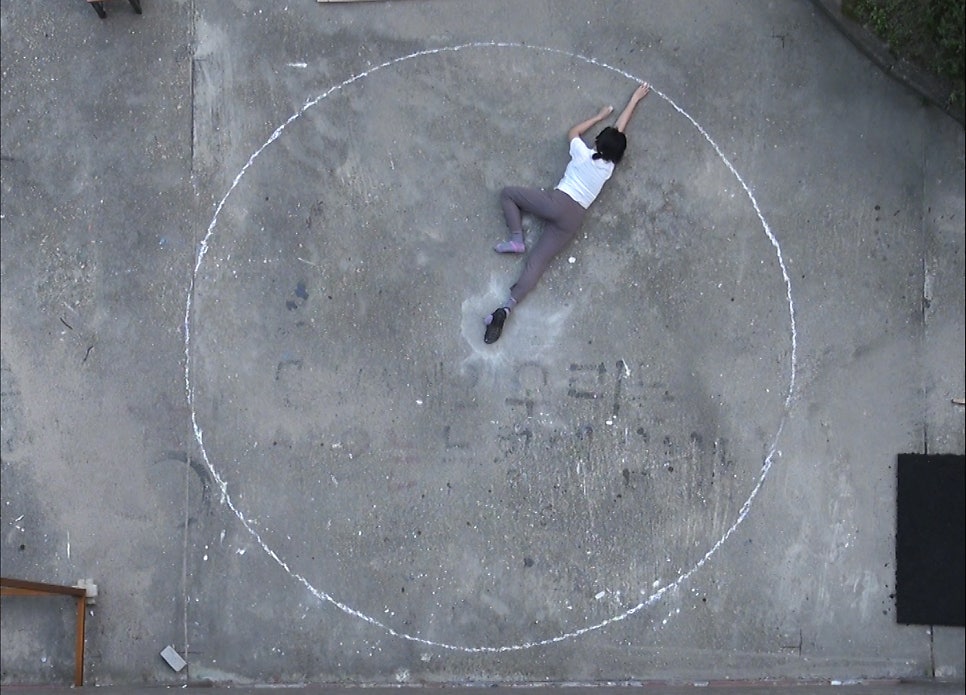
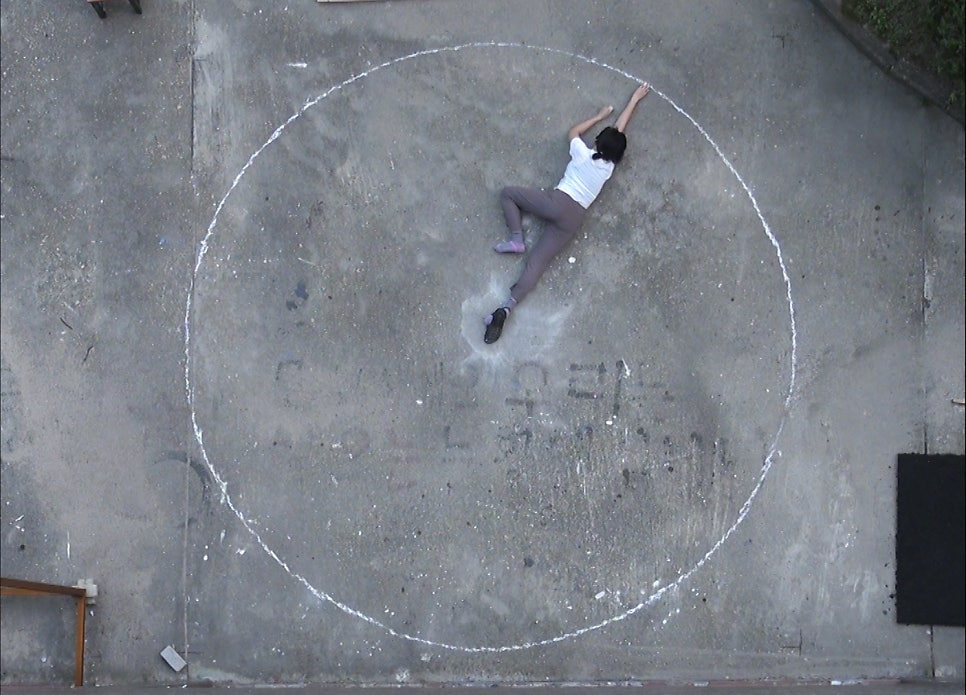
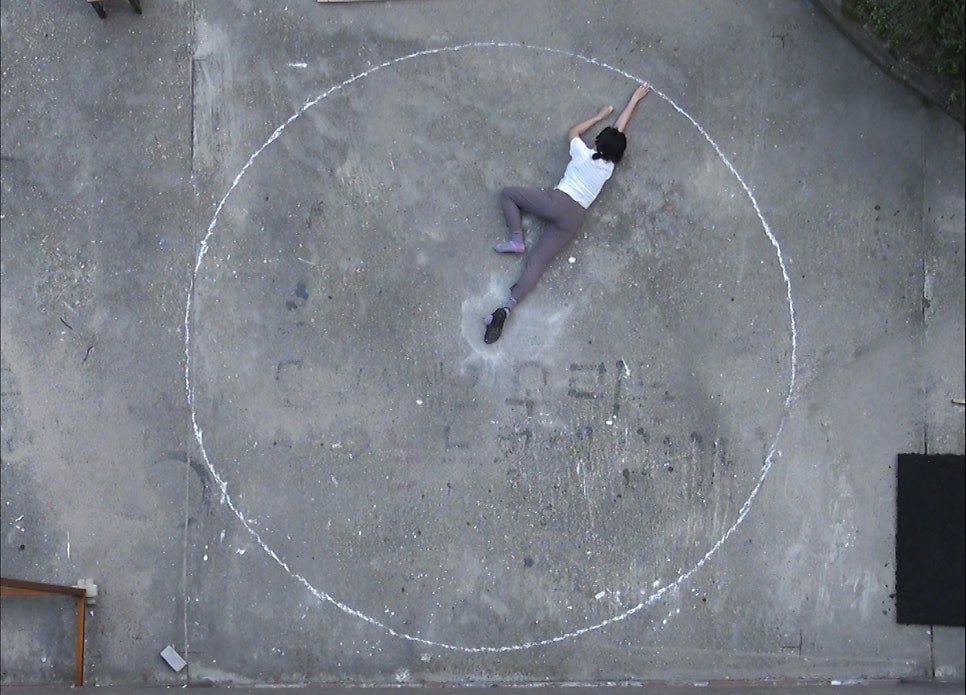
Moon has previously demonstrated in works like The Biggest Circle that I Draw (2016) her ability to maximize the potential of her body by focusing intensely on the actions she sets out to perform. In this piece, the artist “fixed the tip of [her] big toe on a point on the ground and stretched [her] body as far as possible, in manner of acompass, to draw the circumference at the farthest points [her] hand could reach.” She states, “While drawing the circle, the position of my body pressed against the ground prevents me from seeing the entirety of the circle I am drawing, and not being able to see the circle allows me to focus on each movement of the drawing process.”
Moon further clarifies that “the length of my body and the action of stretching as far as possible are the only measures I can rely on to draw a precise circle.” 1) At the moment her body completes a full circle in returning to the starting position, we witness a perfect circle, accurately rendered thanks to the power of her concentration. In her other works, too, Moon consistently manages to maintain her concentration without wavering, a focused attitude which is also recognized as part of her ethical stance. She supports this by saying, “Even if everything is stripped away from my work, the attitude will remain.” 2)
Text
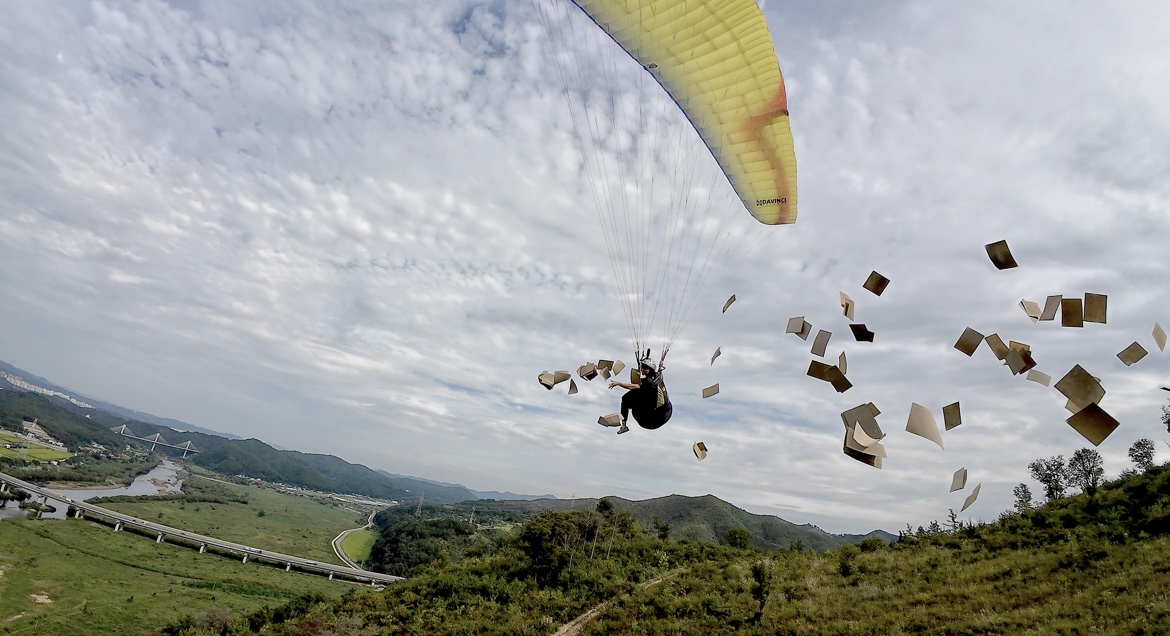
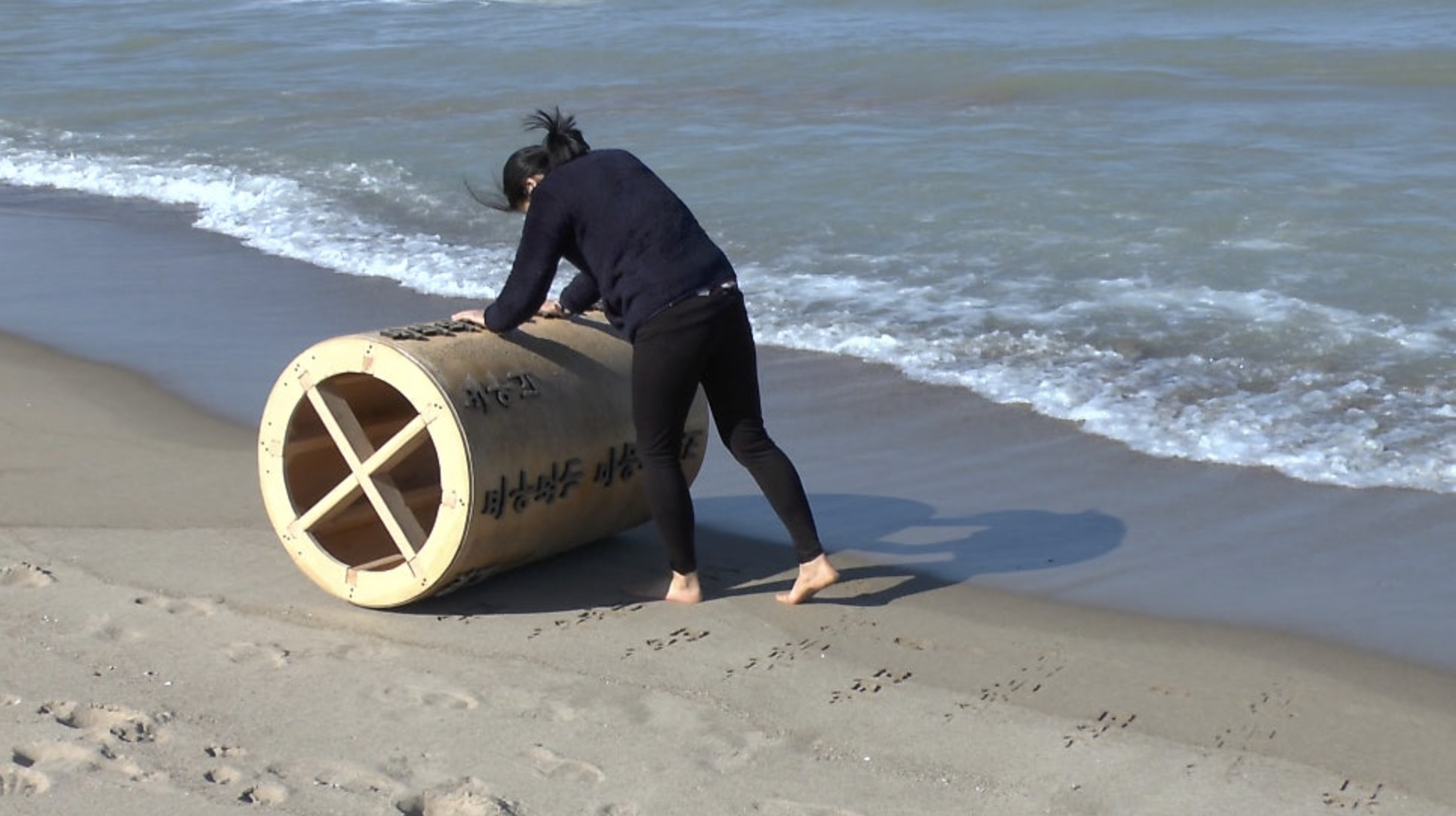
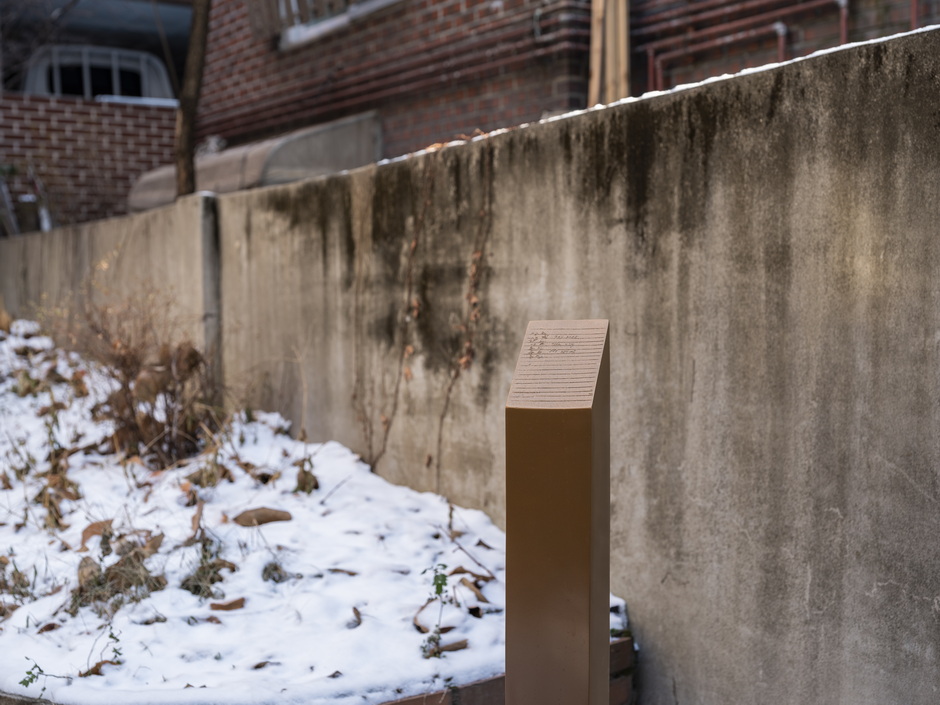
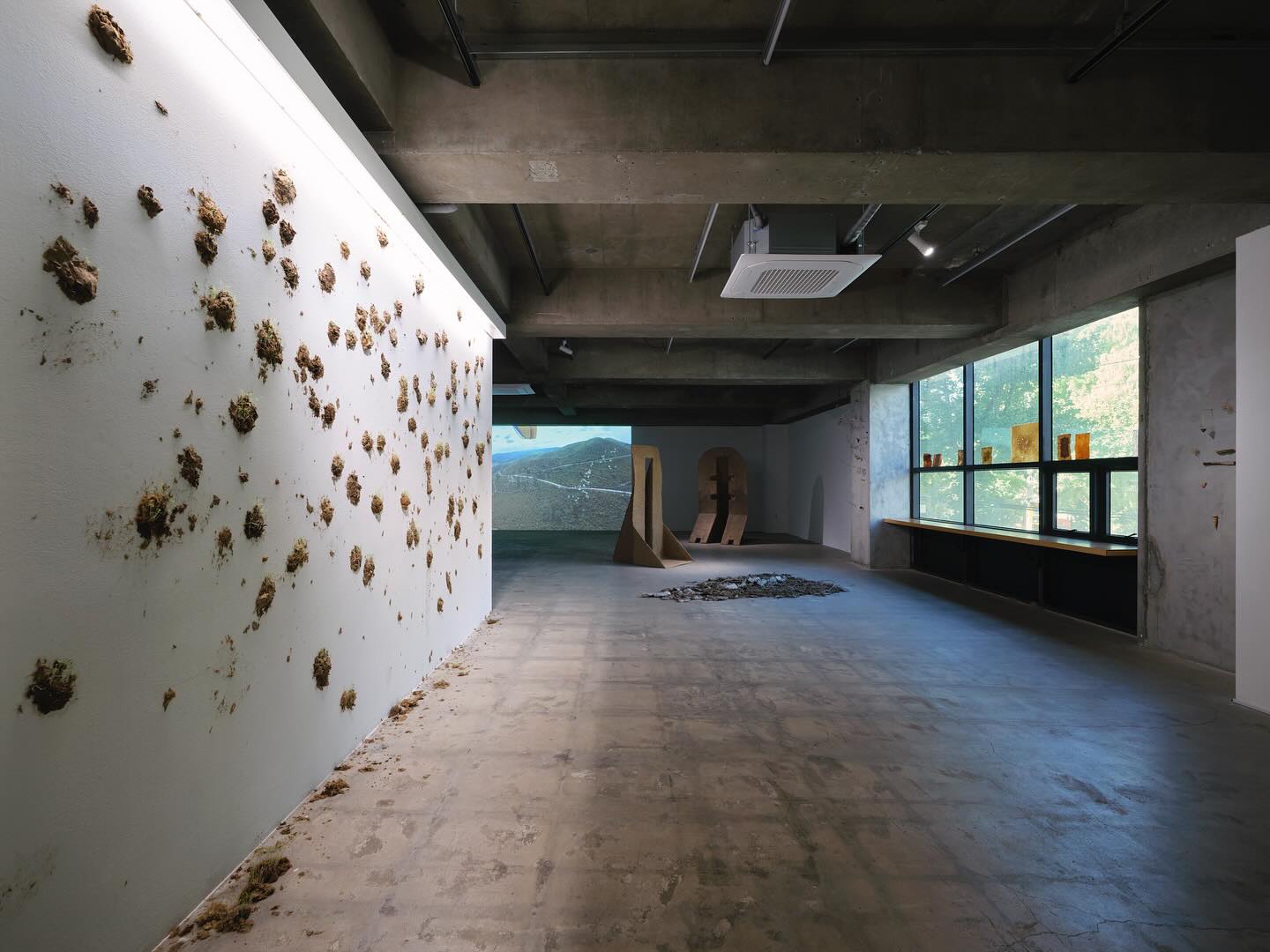
In contemporary art, it’s not new for the product of artistic work to return to nature and disappear without a trace; in such cases, artists often document or exhibit their work in various forms. Much of Moon’s work, such as Living Island (2020) and Breaking Words: Through Body (2018), also involve performances in specific locations where the results return to nature and leave no trace. The artist presents these works tous in the form of video documentation. For instance, Breaking Words: Through Body involved rolling a large cylindrical structure, embossed with text, across a sandy beach and a snow-covered park, reminiscent of rolling a wine barrel for fun.
As the artist slowly rolls the cylinder almost the size of her own body, the inscriptions read, “Empty even the intent to empty / Erase even the intent to erase / Forget even the thought to forget / Discard even the intent to discard,” providing the act of rolling with a quality almost ceremonial. By naming this work Breaking Words: Through Body in English, Moon metaphorically proposes breaking words as a form of “emptying,” which is the work’s Korean title (“비우기: 몸으로”). At the video’s end, it is shown that the text, written on the ground through the artist’s physical endeavor, no longer remains, as the tide comes in and the snow melts.
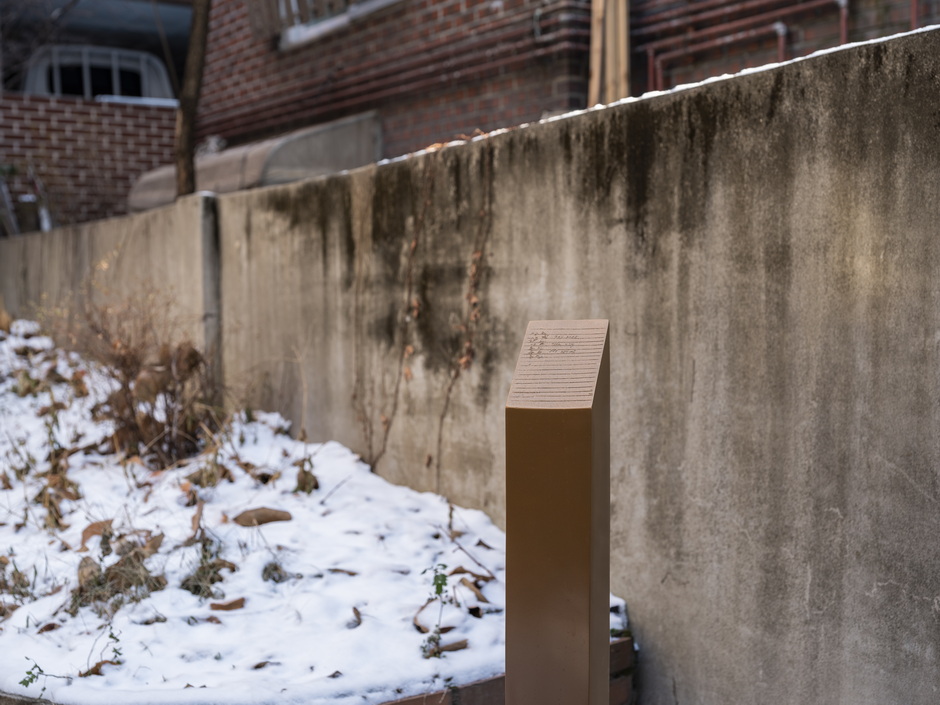
The text erased by nature becomes a metaphor, personally for the artist’s memories, thoughts, and desires, and more broadly for every artificial mark humanity wants to leave on nature and history. Text is a recurring element in many of her works. Moon has a particular interest in the mediums that carry text, such as paper or books, as well as the chases and metal types used in the intermediate process of converting the former into the latter, which she often crafts herself. Text serves as a medium that conveys part of the content of her work and connects her with others.
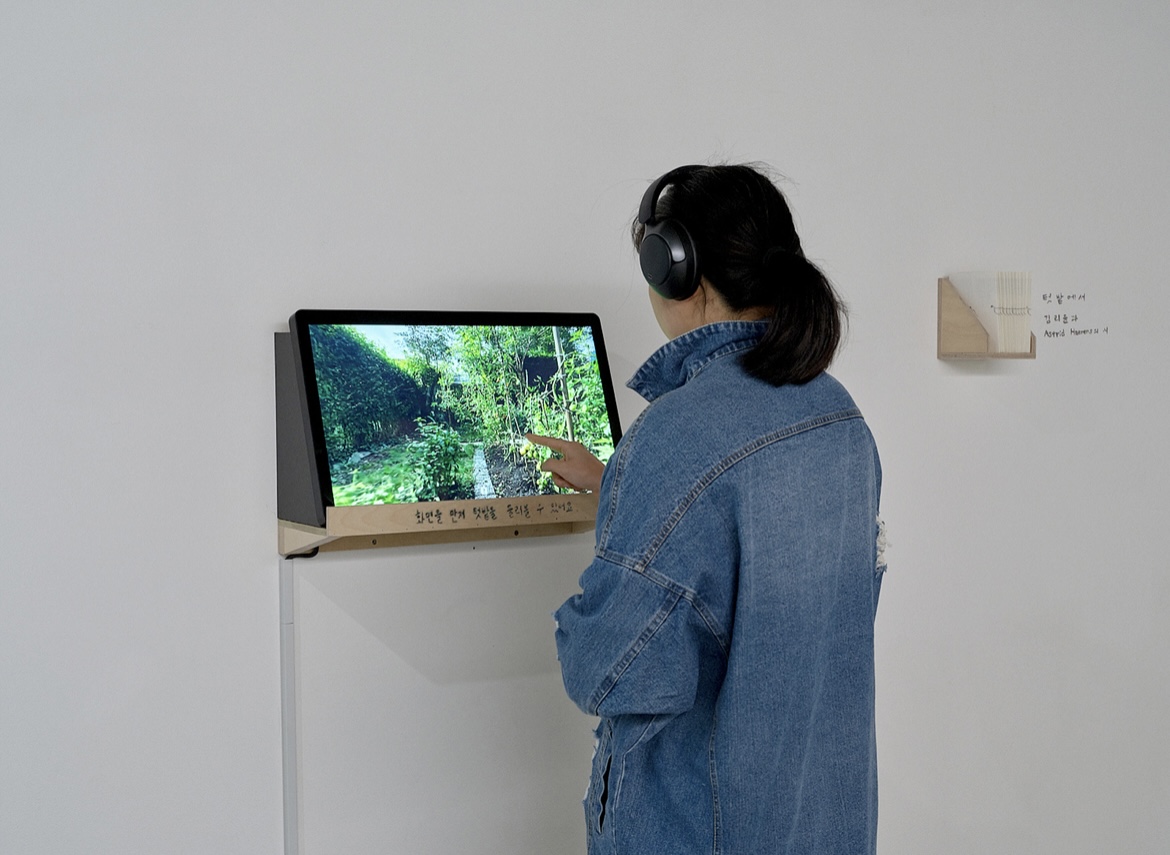
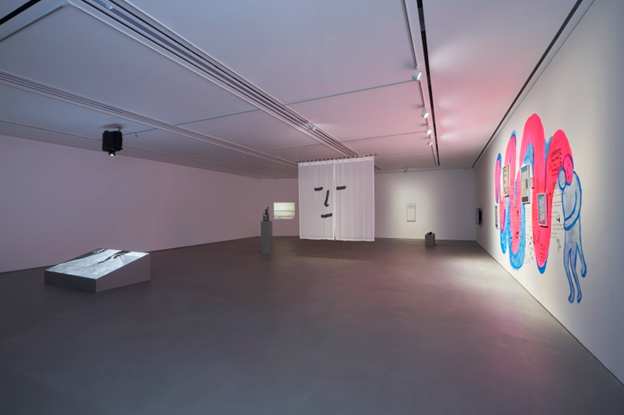
Moon embraces the laborious process of writing, and this effort is grounded in her affection for the myriad memories and sensations that text ultimately cannot fully convey. Her works emphasize text while simultaneously acknowledging its imperfections. For example, in Speech (2019), Moon shows language being written in light that flashes in response to lip movements, much like Morse code. Here, the artist presents text not as a container of messages but as an imperfect object that disappears the moment it is captured. In her recent exhibition Tactile Recall (2021), she replicates handwriting from her grandmother’s notebook and transforms her grandmother’s handwriting into metal type to produce a new text.
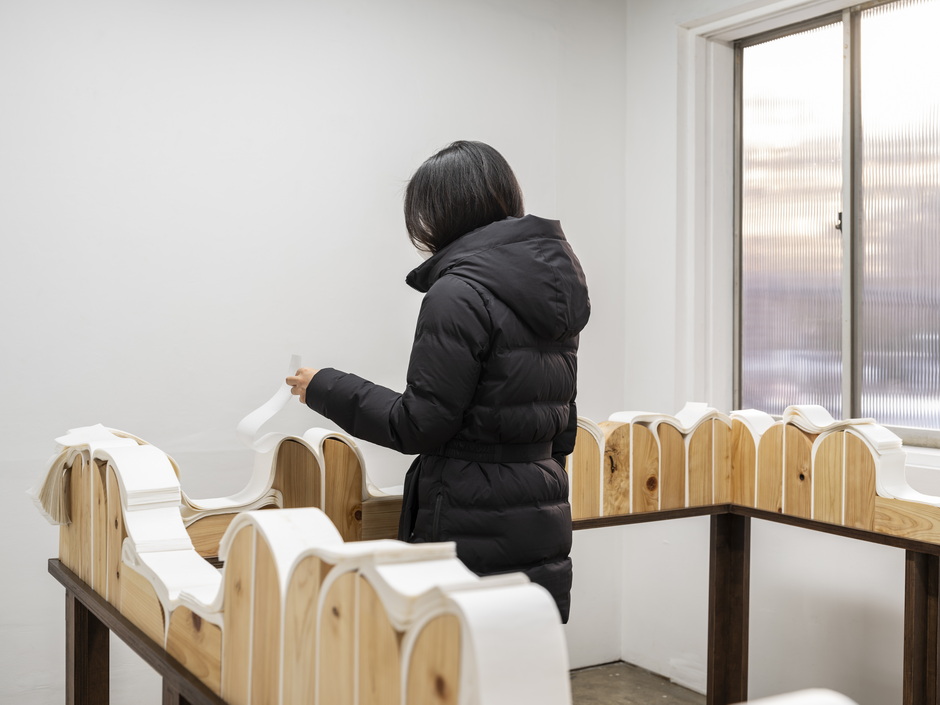
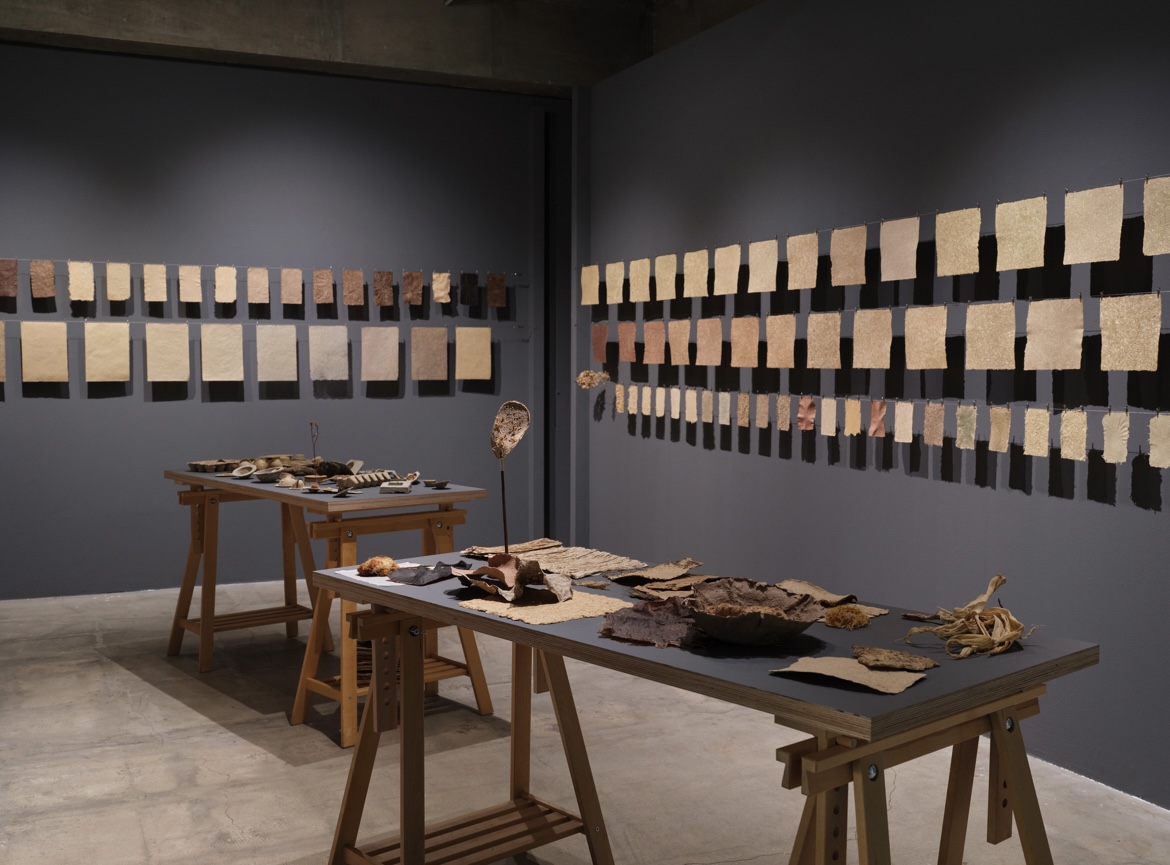
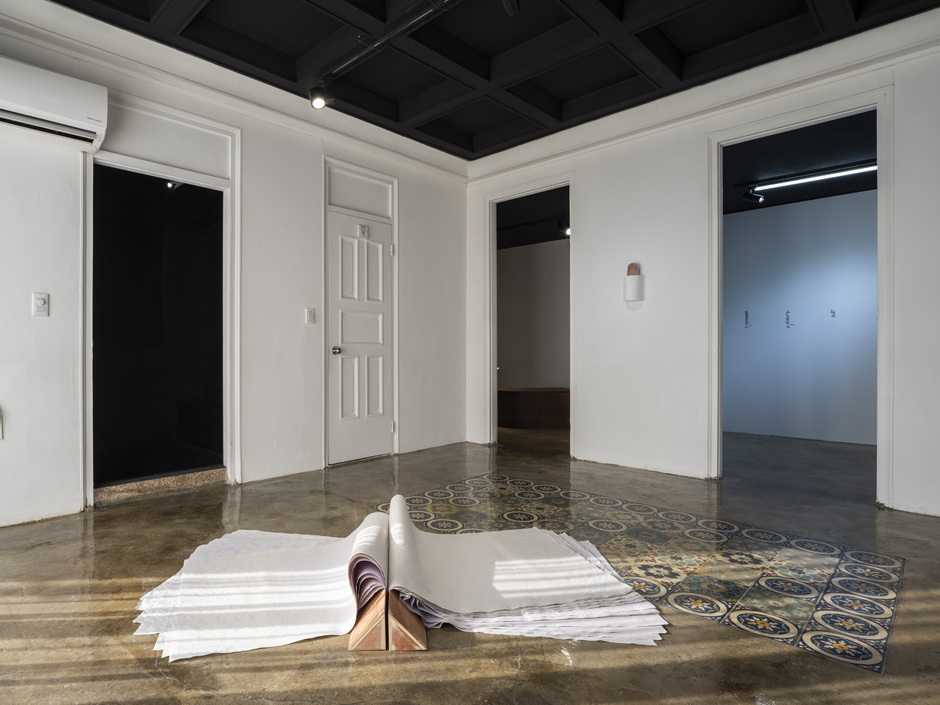
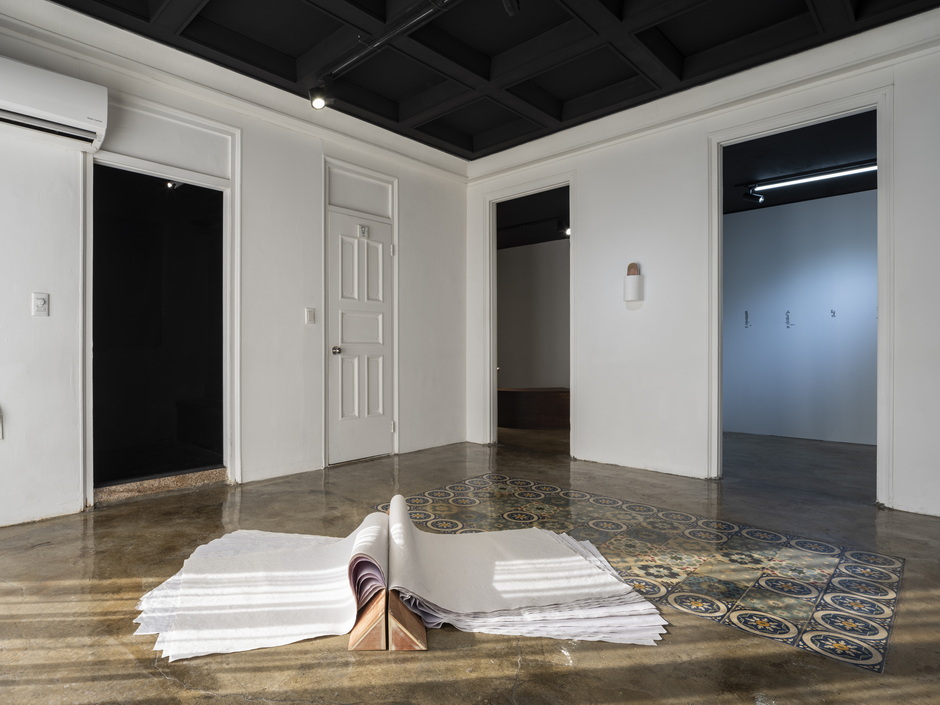
This can be seen as her method of looking at the past that has made her existence possible and shaped her present. It is also a way to recall the memories and sensations of those cherished beings who have helped shape her current self through the most laborious method. She also had plans to produce her own hanji (Korean paper) in the early stages of her work, but she has not yet implemented them. At the exhibition 《Geolesaek (Rag Color)》 (2021) at Art Space Tiger1, Moon created a type in her grandmother’s handwriting and used it to record memories and conversations with her grandmother.
Some of these passages were carved in reverse on wooden blocks, and others were embossed on thin sheets of tracing paper. The entire installation was structured to evoke abook layout, with pages turning—connecting the wood from dismantled old drawers and the sheets of tracing paper with hinges.
Sense of touch
Moon’s work Tactile Recall, which deals with memories of the artist’s late grandmother, was briefly titled Grandma Jung-ja Lee’s Phone Book during its development. However, prior to her exhibition at Art Space Tiger1, the title was changed to one that evokes the sense of touch felt at the fingertips touching objects. Having seen in the artist’s studio the old wooden washboard and clothespin box that her grandmother used, I found this changed title striking. Moon also created a replica of the old, worn, and bent washboard using a 3D scanner; this replica recalls the tactile sensations triggered by her grandmother’s hands that touched the board as well as the artist herself countless times.
The artist remembers her grandmother, who raised her, through bodily senses such as touch and smell, awakening these bodily sensations through the everyday items her grandmother used and her handwriting in the phone book she annually updated to maintain contact with her family and relatives. Her focused effort on recalling memories through the sense of smell and touch was prominent in the project Mothers’ Mother’s (2019). While Moon was abroad, her mother in Korea sent her clothes, including some that belonged to her grandmother. She carried a piece of this fabric with her, smelling it whenever she missed people in Korea.
Later, she extracted fibers from these clothes to make paper, on which she applied embossed printing to capture the memories and stories of three generations—herself, her mother, and her grandmother—compiled into a single book. This book, made of three long sheets of paper folded back and forth in an accordion style, can be read by turning pages in one direction like a typical book. However, to alternately read the intersecting narratives of the three generations, one must continuously touch the overlapping surfaces and edges of the folded paper, as well as the embossed letters. The memories told by the three women about their respective mothers feature the same places, people, and similar life patterns, intertwined as much as the layers of the accordion-fold paper.
Moon skillfully orchestrates the conversations of the three generations to coexist within one book, with each generation presenting its perspective on the same places, people, and events, their narratives interlacing with each other. Each turn of the page, with its skin-like texture, brings into contact the sensory memories of these individuals (the speakers in the book, including the artist), stimulating the memories and sensations of another individual (the artist and the viewers reading the book).
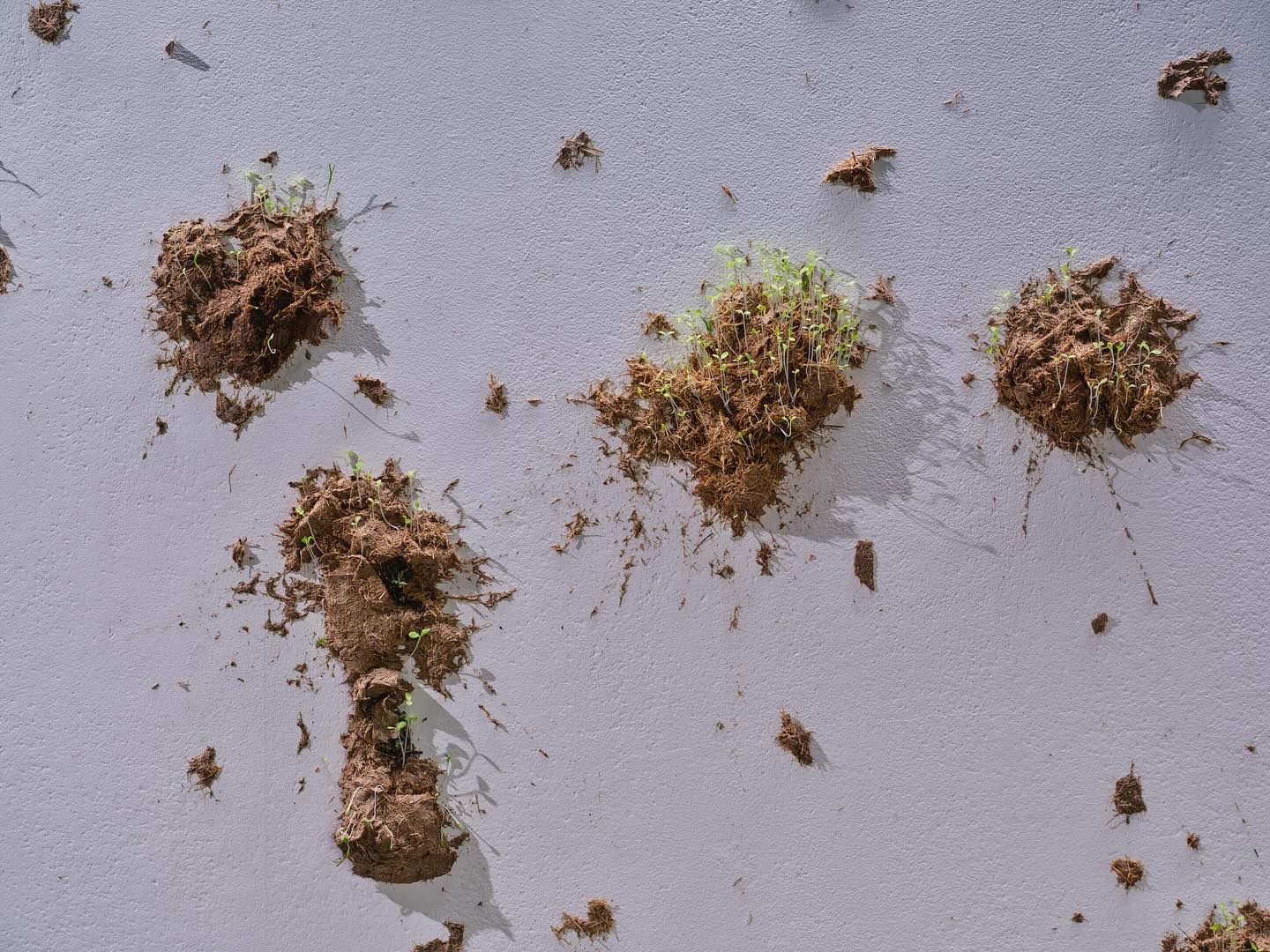
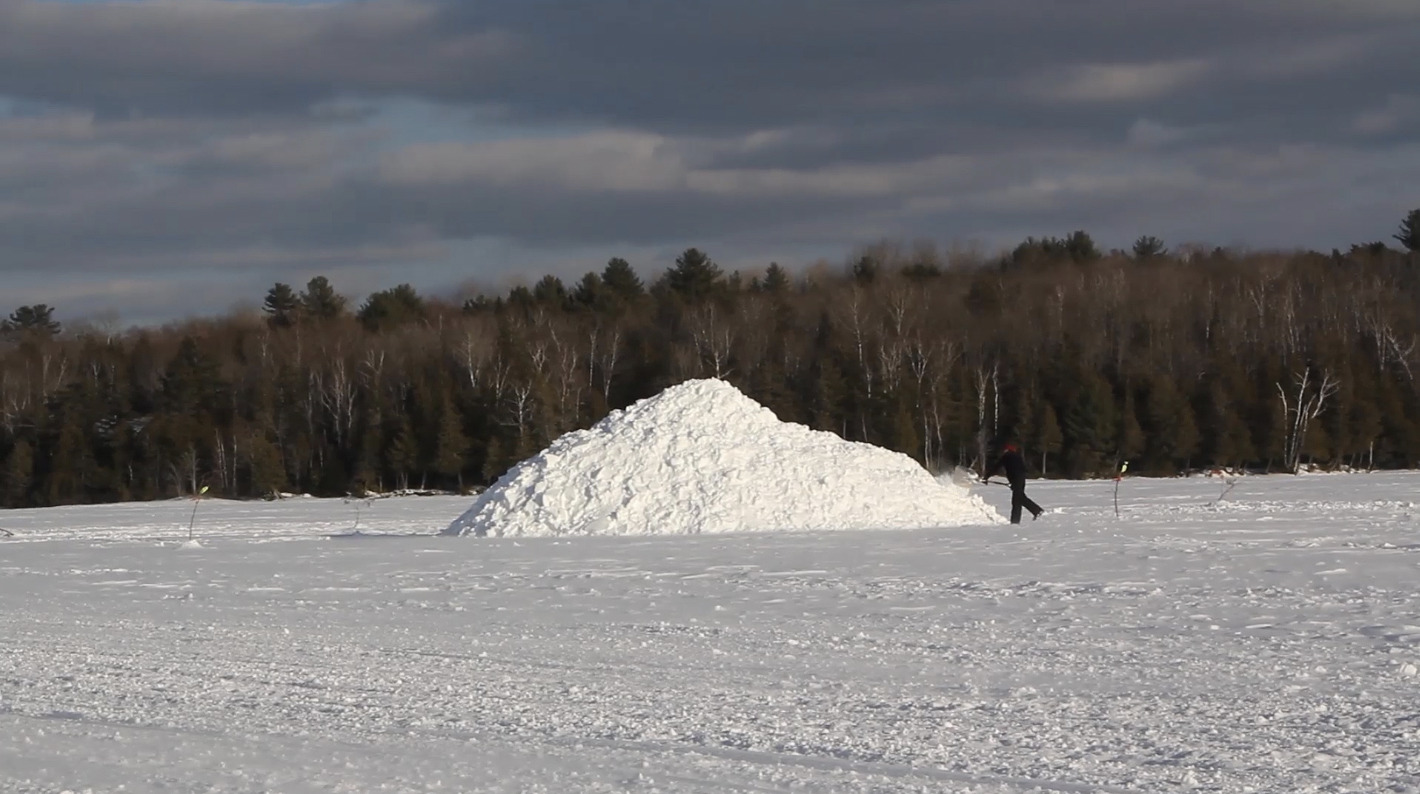
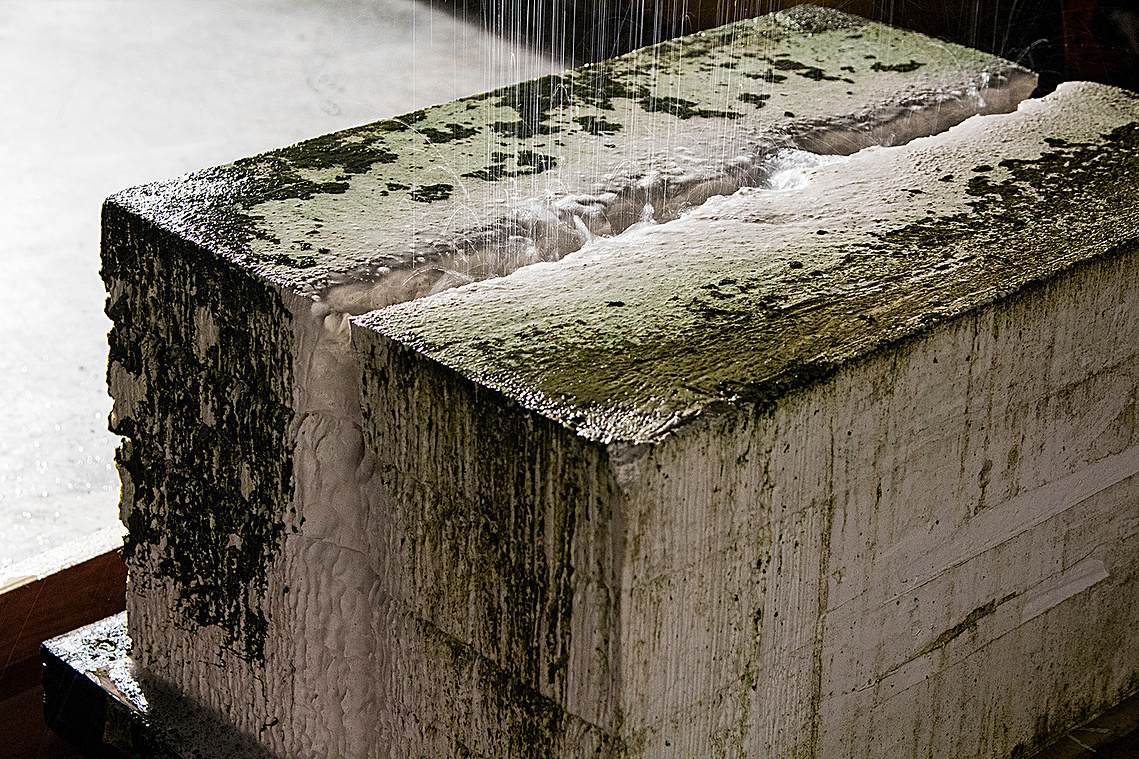
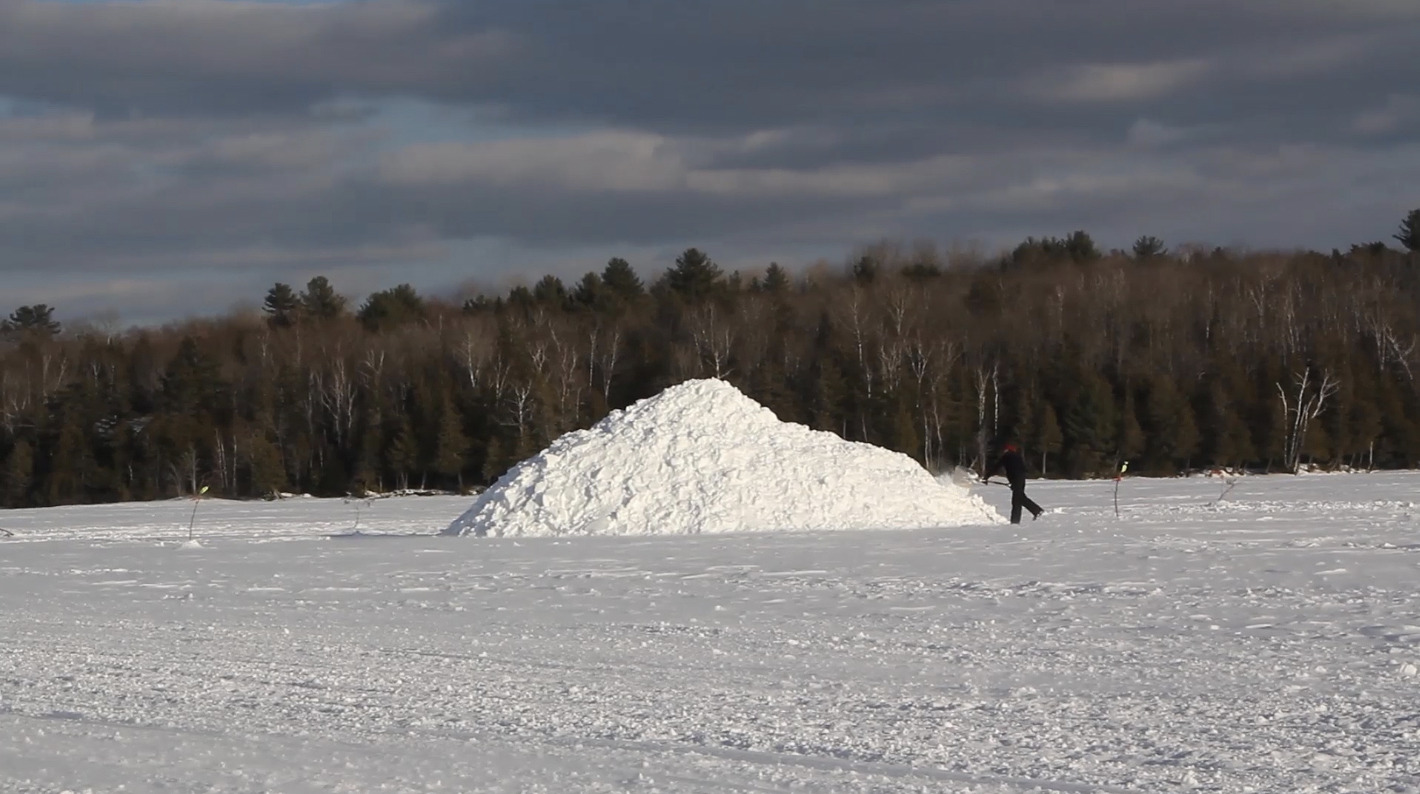
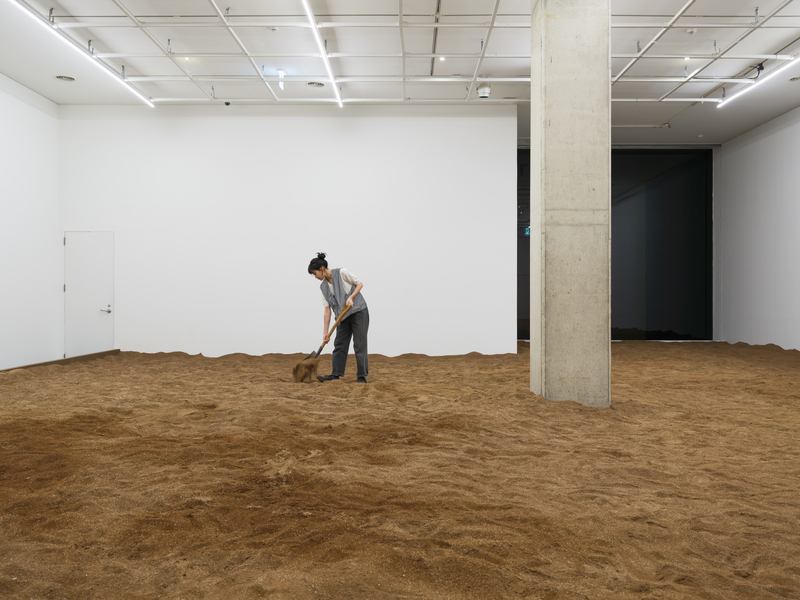
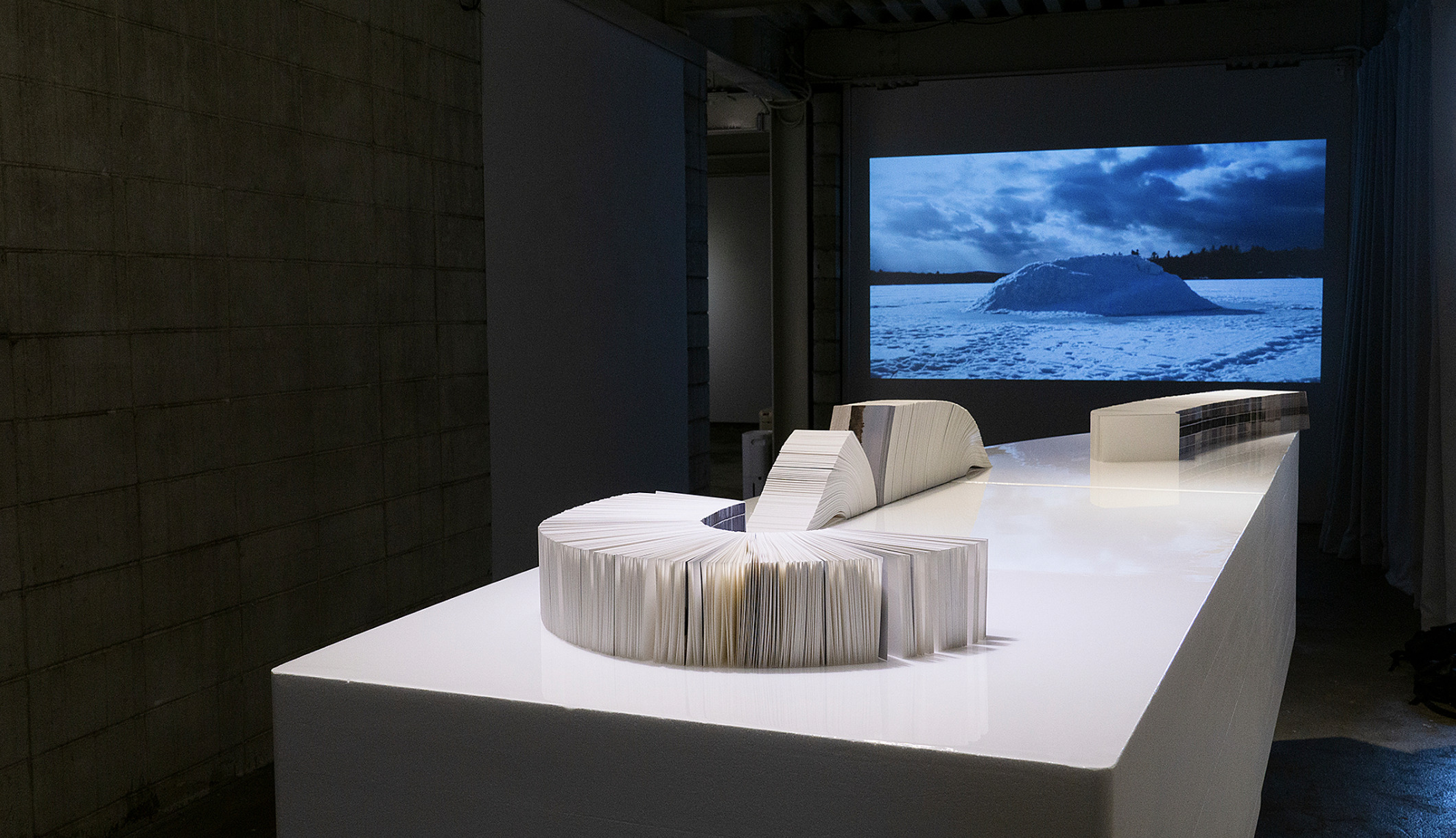
Moon’s work also often connects through the sense of touch, and this is evident in Living Island (2020). This performance piece is documented not only in video but also in book form, in which the sensation of turning the pages becomes part of the artwork. The artist says about the book, which consists of hundreds of photos printed and stitched together, “Stationary, while shovelling on the lake, I wait between the sheets of paper for someone’s touch. It is a simple act of turning a page, but only when someone turns it can I finally be moved.” 3) During her 40-day stay in Monson, Maine, US, Moon gathered snow on the frozen lake,building it up like a mountain, which eventually formed an island as the lake’s ice was melted by the warming weather.
Despite the extreme labor in the cold weather, Moon places greater importance on the memories and sensations embedded in the process than on her labor itself. As she remarked about Living Island, “I hoped the documentation would be less a reproduction of the original performance that had happened and more an interpretation of the reflections and memories of the work.” 4) Our visual sense tends to be overwhelmed by representation. Still, the tactile sense of turning the heavy, thick pages of the book translates visual perception into a sensation of the whole body and into the perception of non-material existence or of others.
Thus, the artist not only appreciates the sensations and memories she experienced physically every day on the lake but also expresses gratitude towards those around her who supported or worried about her during that period.
Originally, sculpture was an art of touch andof tactile sensation. However, today we are accustomed to perceiving sculptures visually because touching them is often not allowed for preservation reasons. Moon has designed her book projects with the expectation that viewers will handle them, although it is acknowledged that frequent handling could raise concerns about their preservation.
Nevertheless, evoking senses and memories through touch is the essence of her current work, so the alterations caused by viewers’ touches seem to be a trivial issue. In her works like Emptying: Through Body or Living Island, which ultimately disappear into nature, isn’t it evident that everything is temporary? In that light, the statement highlighted by the artist to describe her practice—“Even if everything is stripped away from my work, the attitude will remain”—carries profound meaning.
1) Excerpted from Sujin Moon’s statement on the work (http://www.moonsujin.com/the-biggest-circle-that-i-draw).
2) Author’s conversation with Moon, October 2021.
3) Refer to Moon’s portfolio(2021).
4) Ibid.