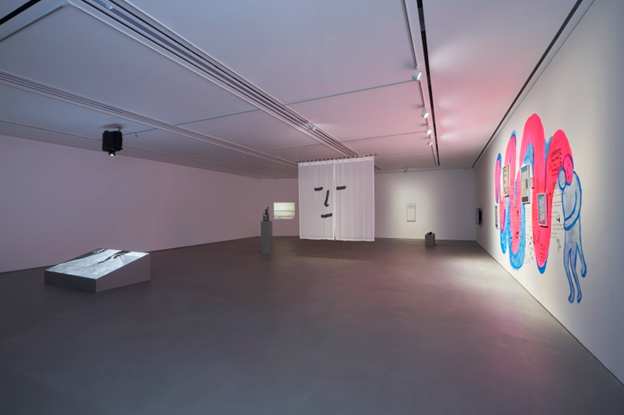
The first time I was asked by curator Eunsoon Yoo to write about Sujin Moon’s exhibition, I instantly read the phrase “female narrative” in the email. Now that feminism or feminist art in Korea has expanded in volume since 2016, it may be natural to read Sujin Moon’s solo exhibition, 《Tactile Recall》, the theme of which is the artist’s grandmother, as a series of works that witness, recreate, and embody “female narrative.” Then the important question would be “why” it is natural to assume as such. Since setting a specific scope of “female narrative ”would be against the curator’s and this essay’s purpose, this essay used the conventional definition of “female narrative” which is a “narrative concerning the life and experience of women.”
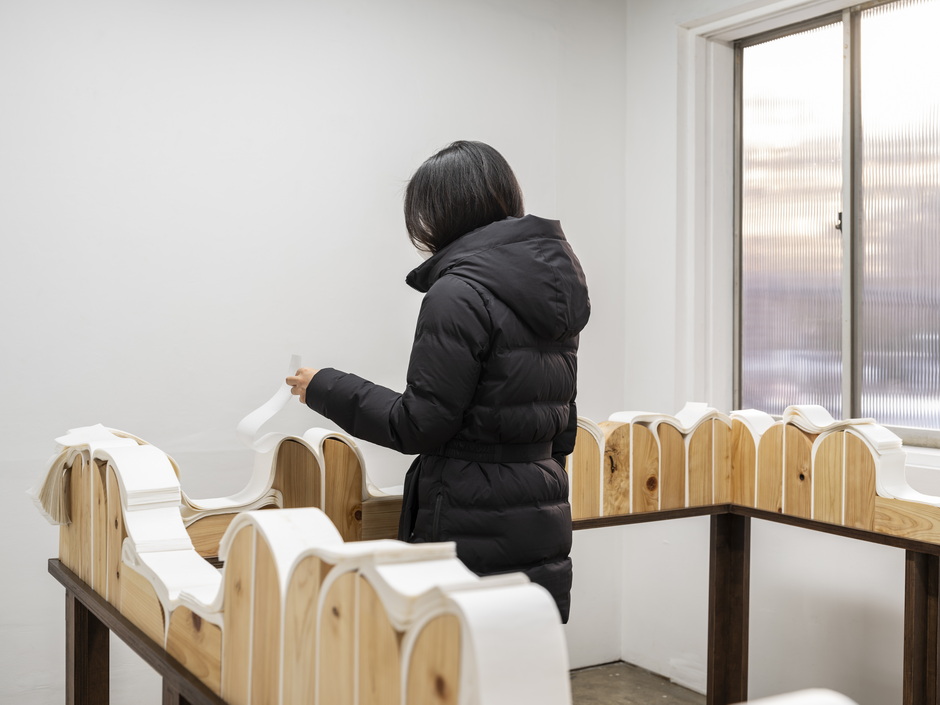
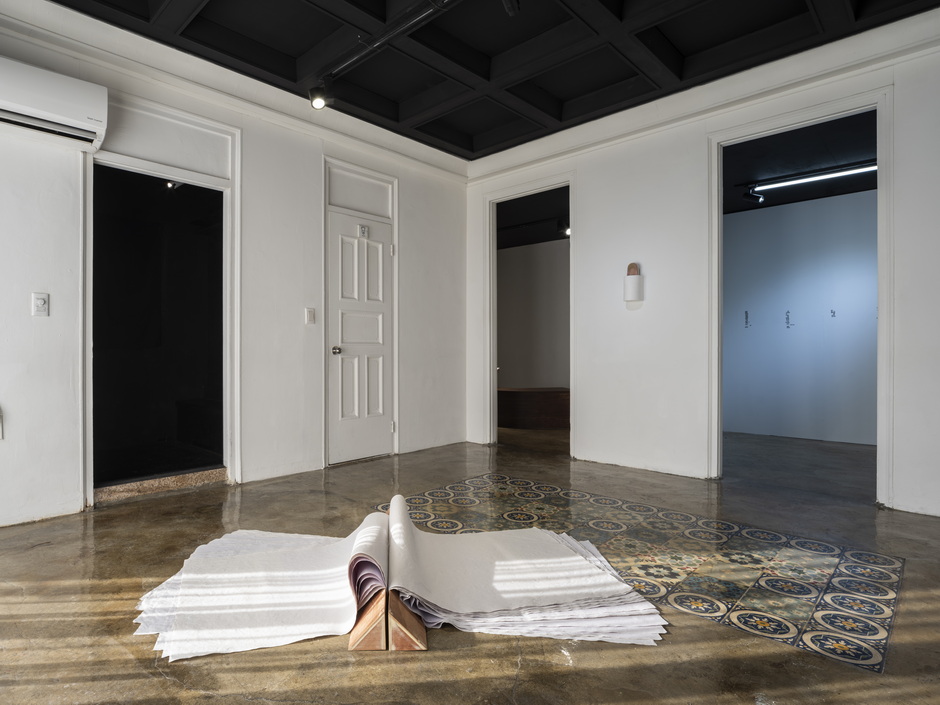
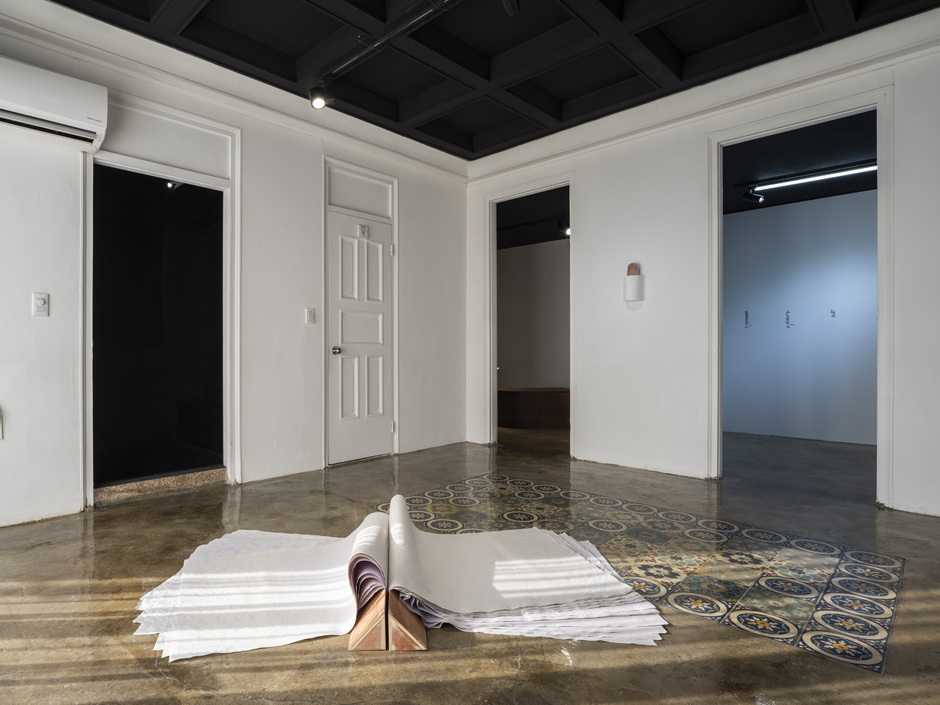
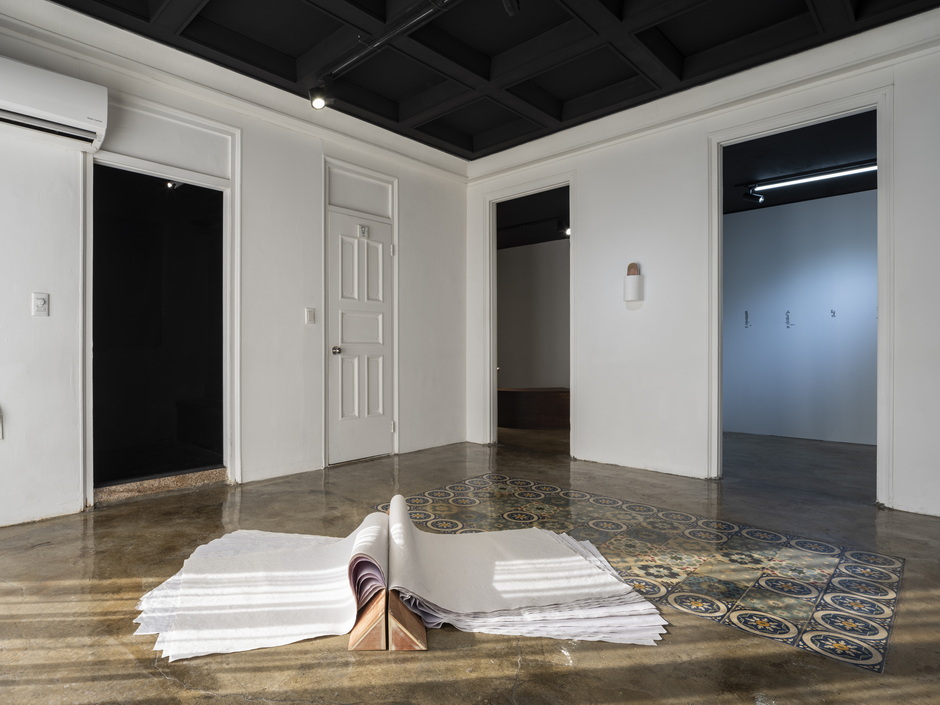
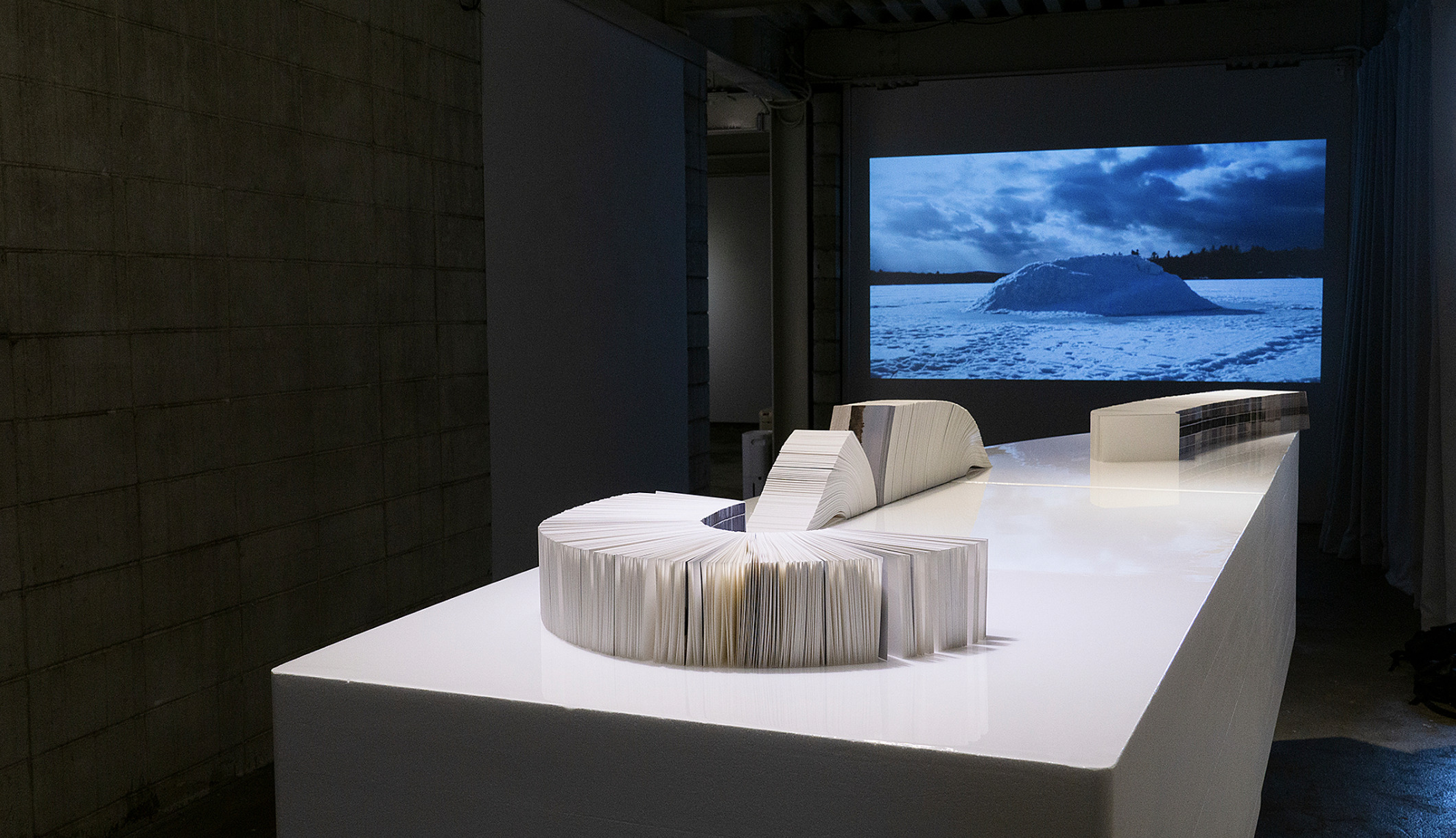
Only then would we be able to rediscover the significance of the fact that Sujin Moon had already created an accordion book by reorganizing the voices of three generations - a grandmother, mother, and daughter - in her 2019 work Mother’sMother’s. We will also be able to learn from Sunghui Lee’s critical essay about Moon’s “tactilization of memory,” which is at the core of this solo exhibition, in her 2021 work Tactile Recall, by copying the handwriting of her “grandmother,” “Ms. Jungja Lee.”
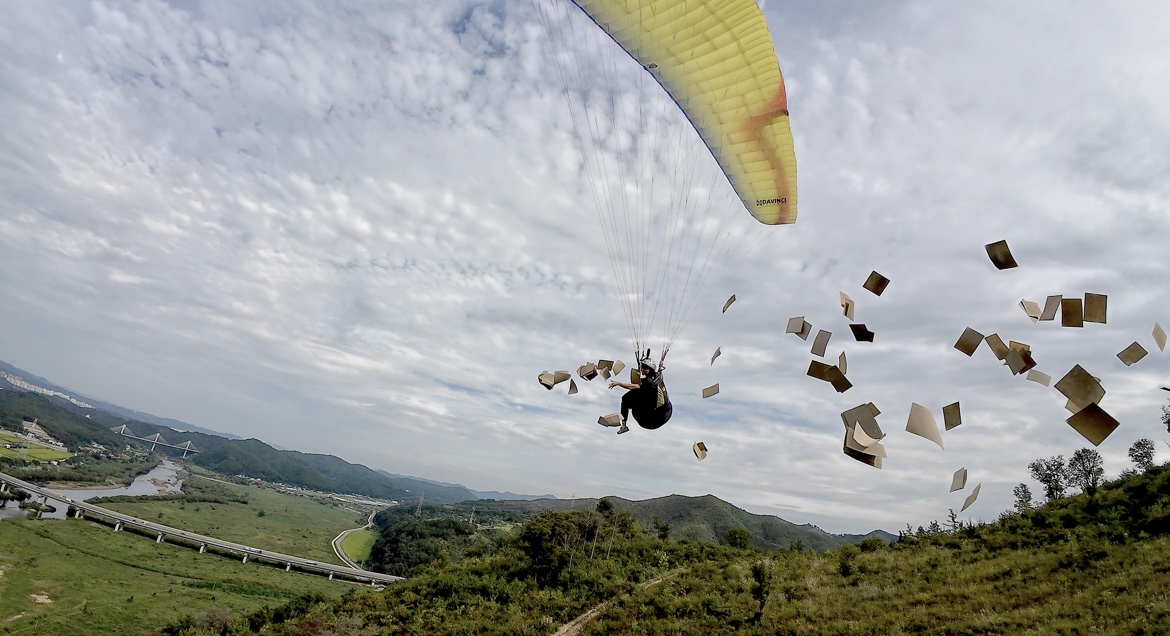
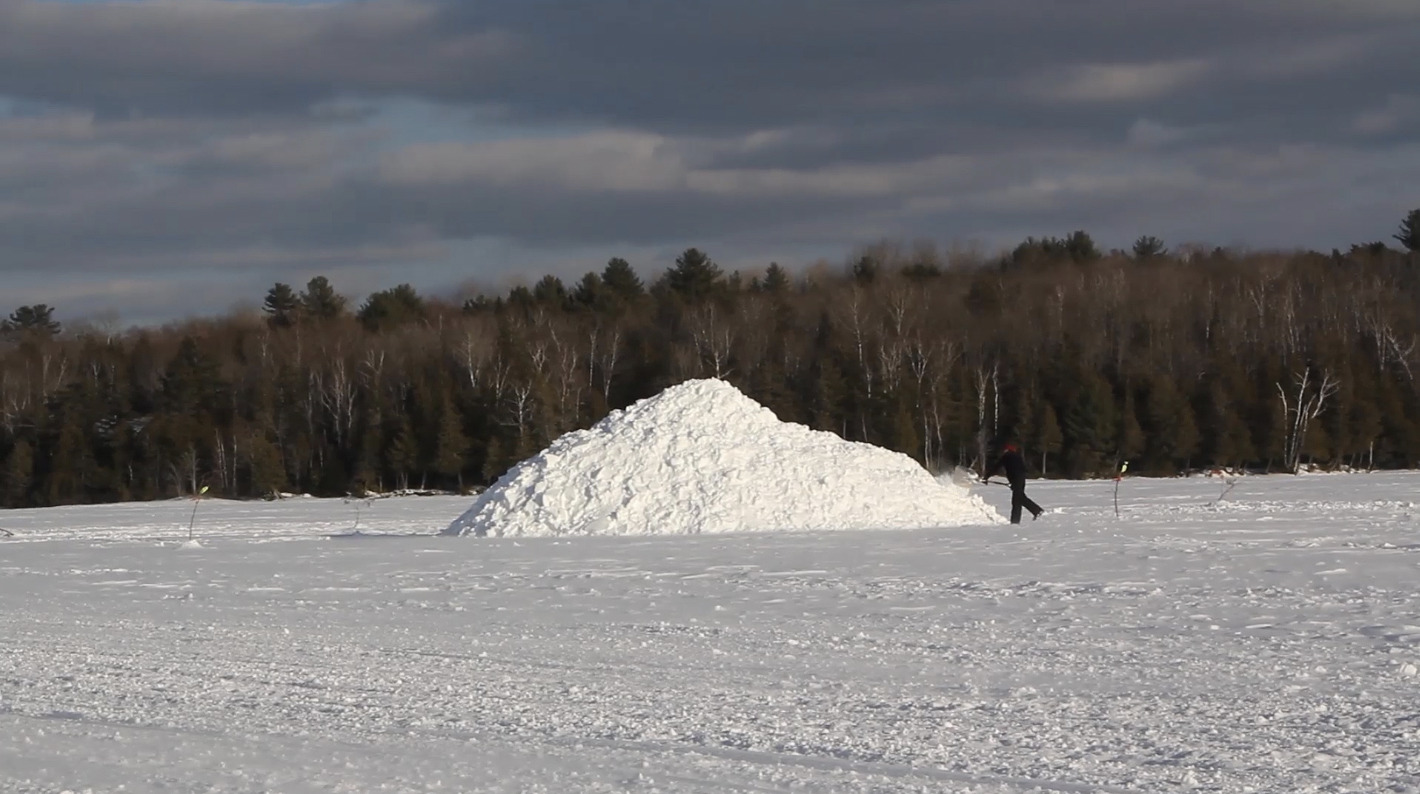
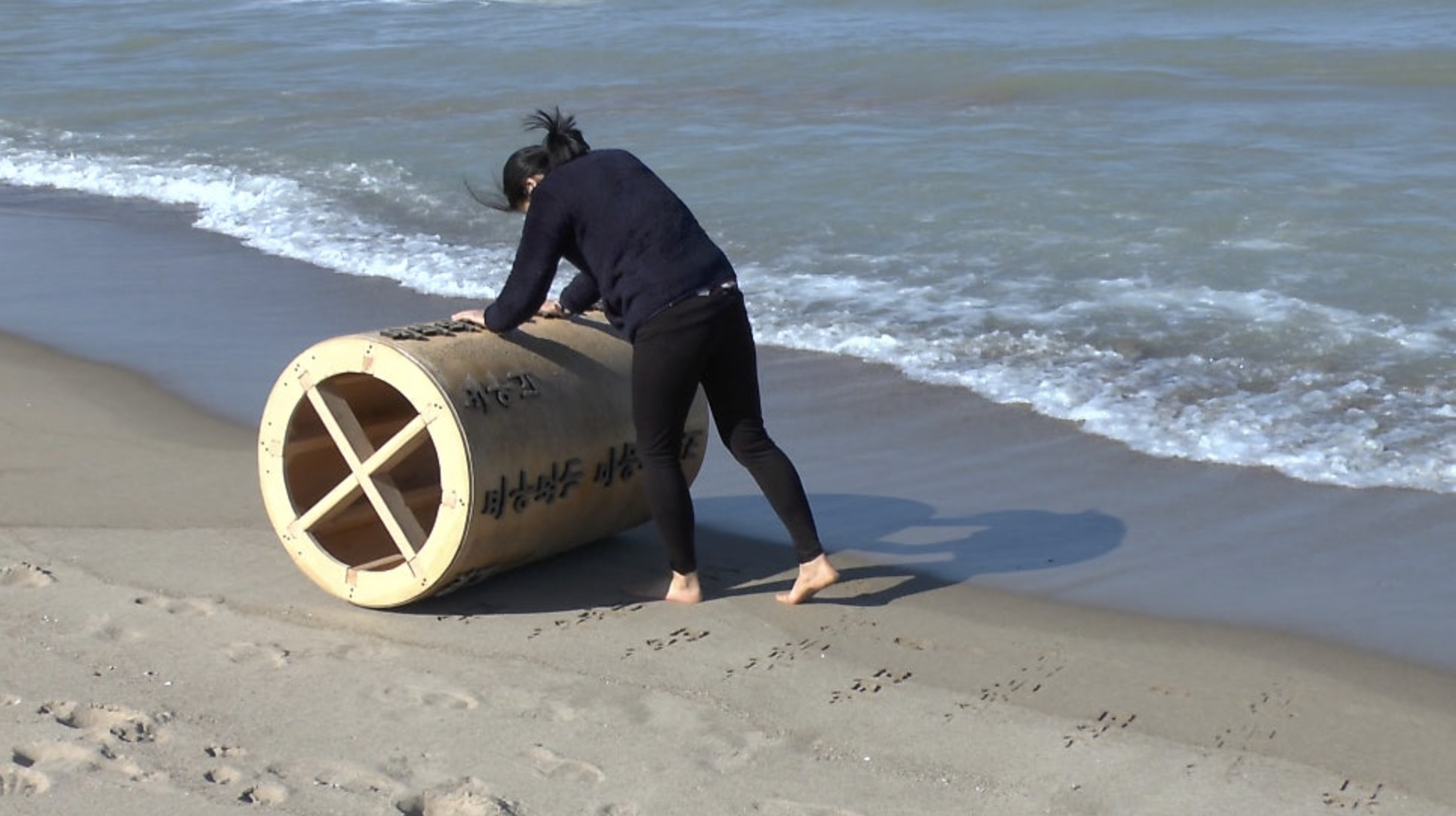
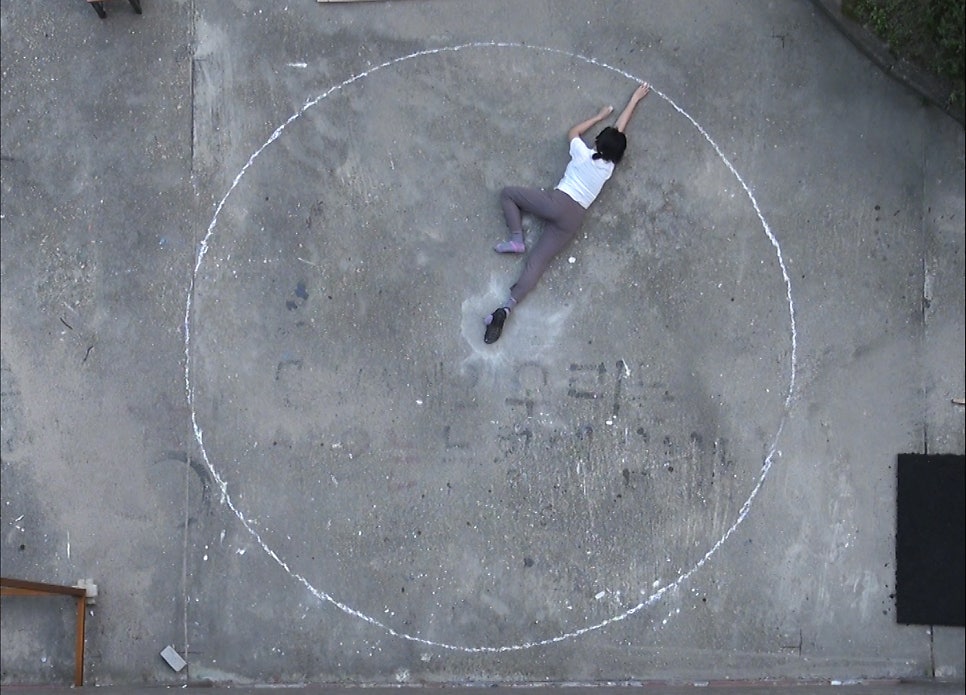
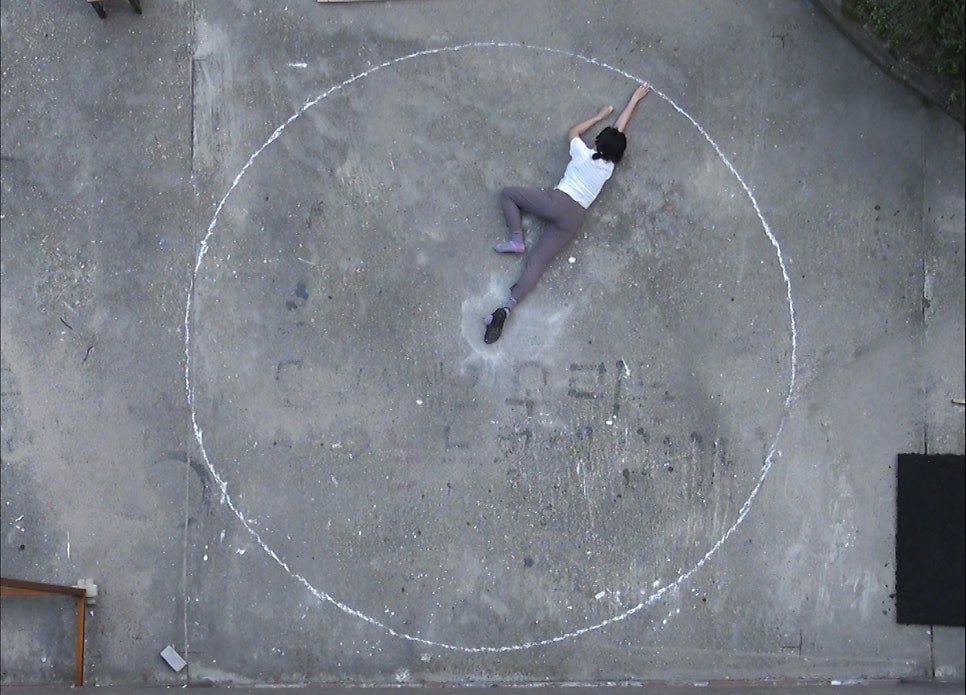
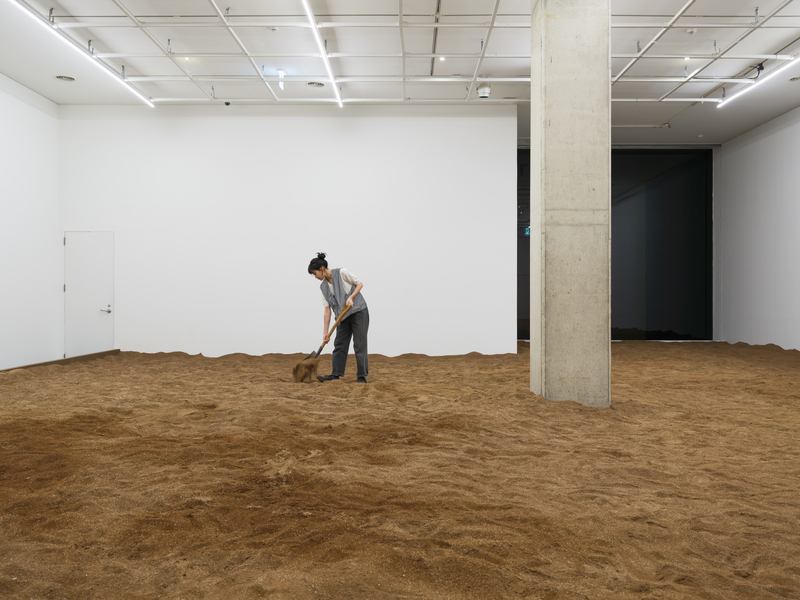
The artist’s interest in touch and memory, which seemed to have slowly taken root upon the artist’s return to Korea, truly began when she defined herself as a “sculptor”who “brings the invisible and untouchable into the material world.” This somewhat freeform definition of a “sculptor” becomes clearer when you take a look at Sujin Moon’s previous works on her webpage, such as Climbing Route: “Two Become One”,Gwan-ak Mt. (2016), The Biggest Circle That I Draw (2016), Breaking Words: Through Body (2018), Worldmaps (2019), Living Island (2020), Speech (2021), and Tail (2022). Rather than taking interest in sculpting to create “artworks,” which are artistic subjects and objects, Moon explains that sculpting is more a verb than a noun, that is, a “bodily act of touching, fondling a surface of something and carrying the weight.”
The noun and subject from the conventional definition, which are missing in Sujin Moon’s sculpture, are replaced by “something” and the “bodily act of touching” that constitute the entire movement on a material level. Then is Moon trying to (critically) deconstruct the components that make up the art genre and media that is sculpting from the inside? In other words, does she insist on calling herself a “sculptor” and not a “performer” because she wishes to compete with the solid and lofty “concept” of sculpture? (From this point of view, it would be appropriate to call 《Tactile Recall》 a return to (female) “narrative,” as it slightly differs from the formal experiments on the “concept”of sculpture that is so prominent in Moon’s previous works.)
However, there is a story I would like to mention at this point. At the exhibition, Sujin Moon explained the process of how egg cartons are produced, which is the material and the work itself of All We Are the Romantic Consequence of Failure of Love, and how egg cartons are an outstanding industrial product and itself a beautiful “artwork.” On the one hand, I was able to confirm the affection Sujin Moon had for things that were not sculptures but were “sculptural” objects, which include (mostly discarded) industrial products, furniture, and above all, books. On the other hand, I suddenly thought that she seemed to be like a psychometrist, someone with supernatural powers to read the compiled memories in objects.
Putting the dispute surrounding the existence of supernatural powers aside, it is said that psychometrics manifests by touching objects and “feeling”specific “emotions” attached to objects, unlike clairvoyance, which allows someone to acquire information on a particular object without seeing it. In other words, psychometrics is the ability to discover “memories” through the “feeling” of an object and find out why and how the object came to exist in that way.
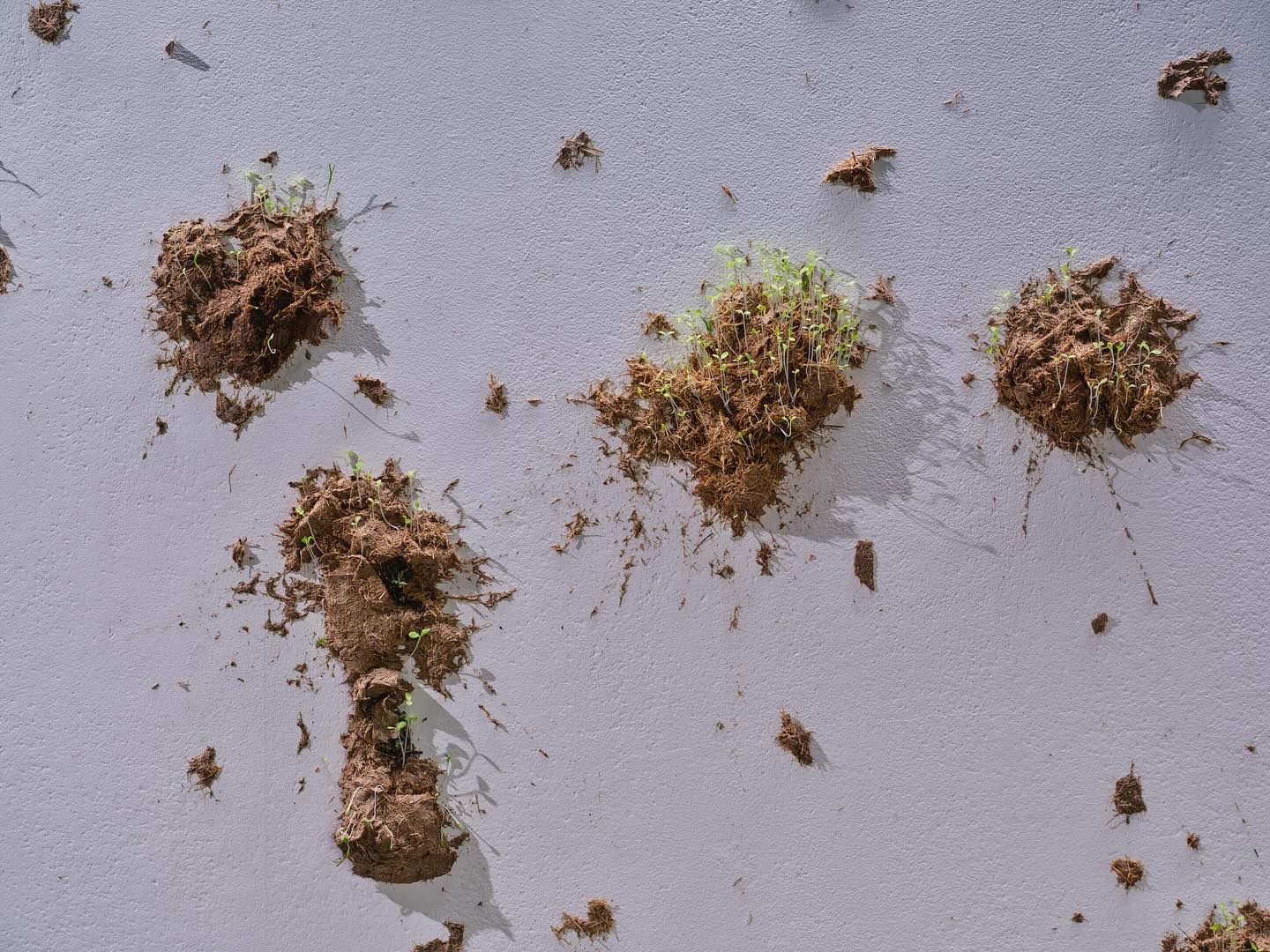
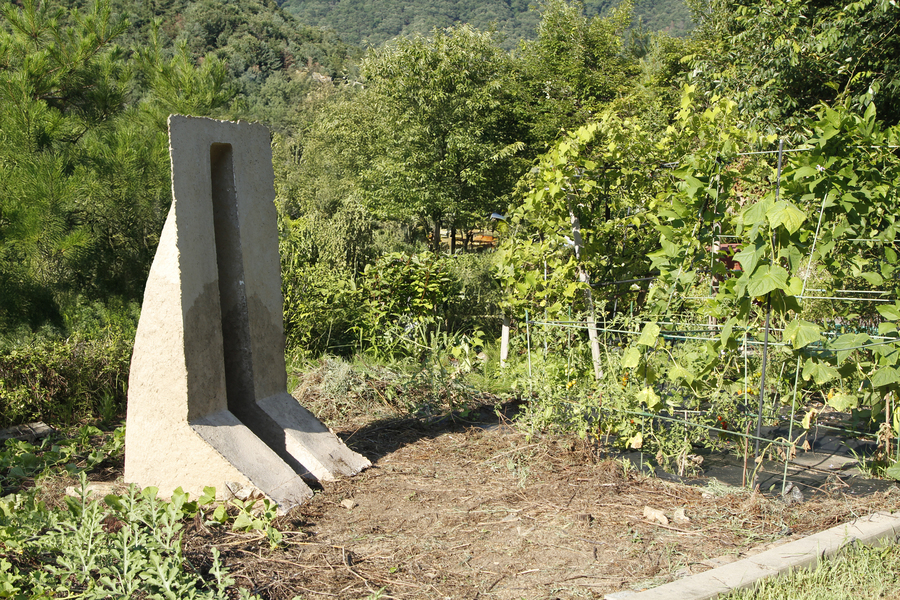
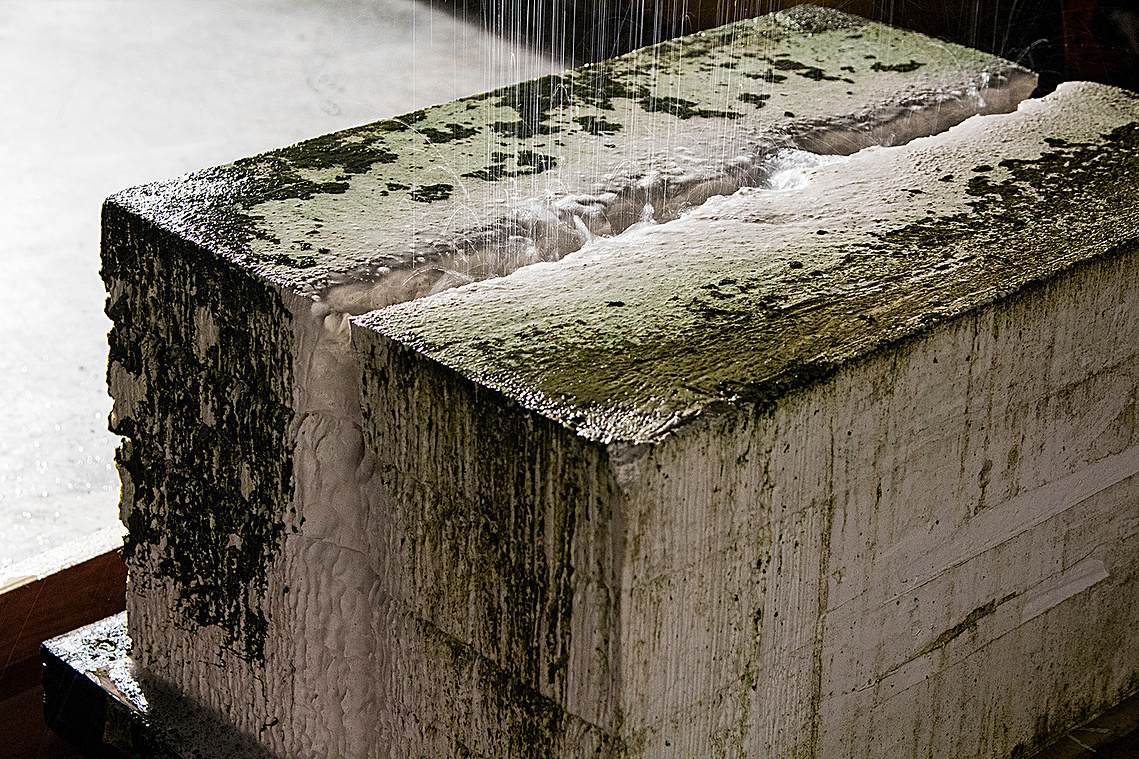
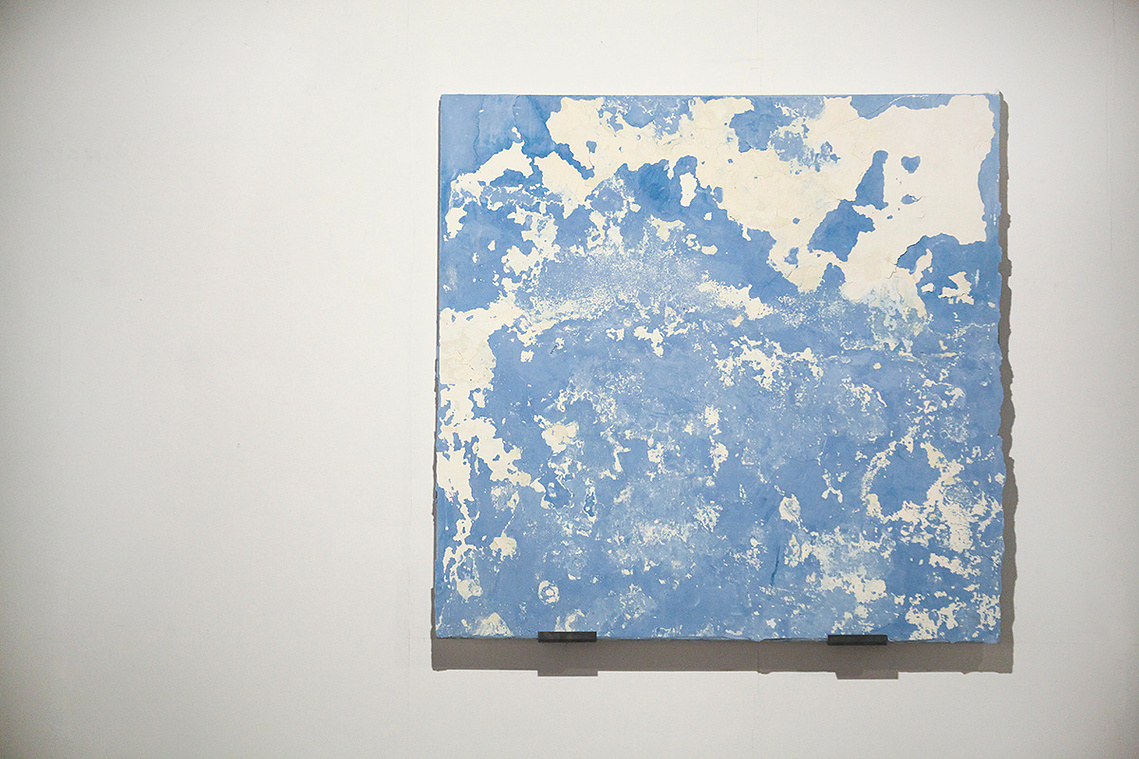
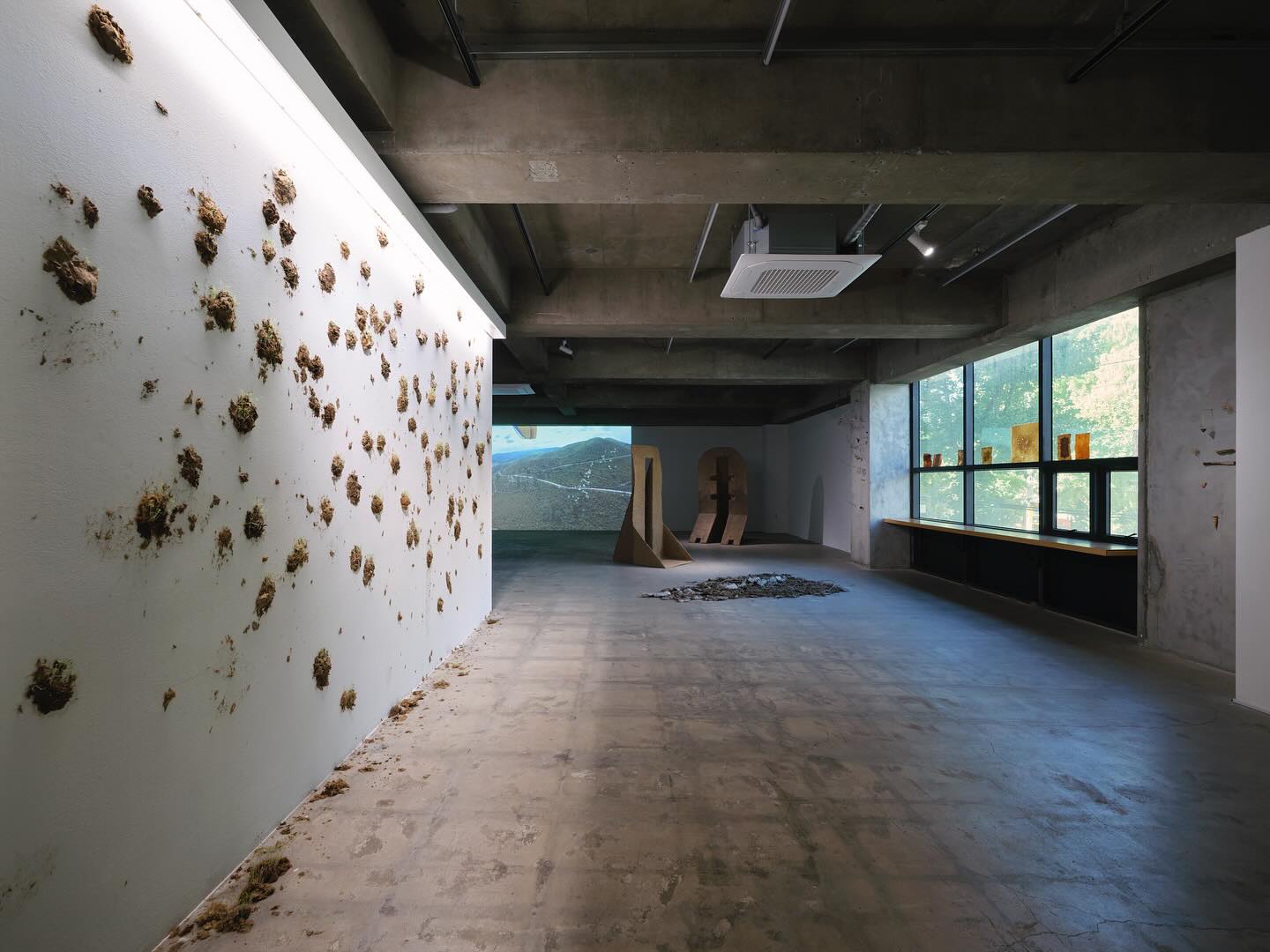
Works such as I am Your Daughter, which is an installation of leave the artist picked up; You and I Are Still Young and Already Old, through which the artist put mosquito repellants to resemble an abstract painting; What Was Your Sorrow, a small piece of aluminum, which was found nearby a metal worker’s shop; What Was Your Happiness, through which the artist piled up birch plywood pulled from drill bits to resemble cork stoppers; I Am the Place Where You Are Buried, a work consisting of a plaster cylinder cut in half with a calloused slipper, are all “emotional” objects and“narrative” sculptures rescued by Sujin Moon. Then it would be fair to say that when Sujin Moon describes sculpting as a “bodily act of touching” “something” “invisible and untouchable,” it is not to attack the “concept” of sculpture,” but to reinstate the “sculptural” things abandoned by sculpture as a “sculptor.”
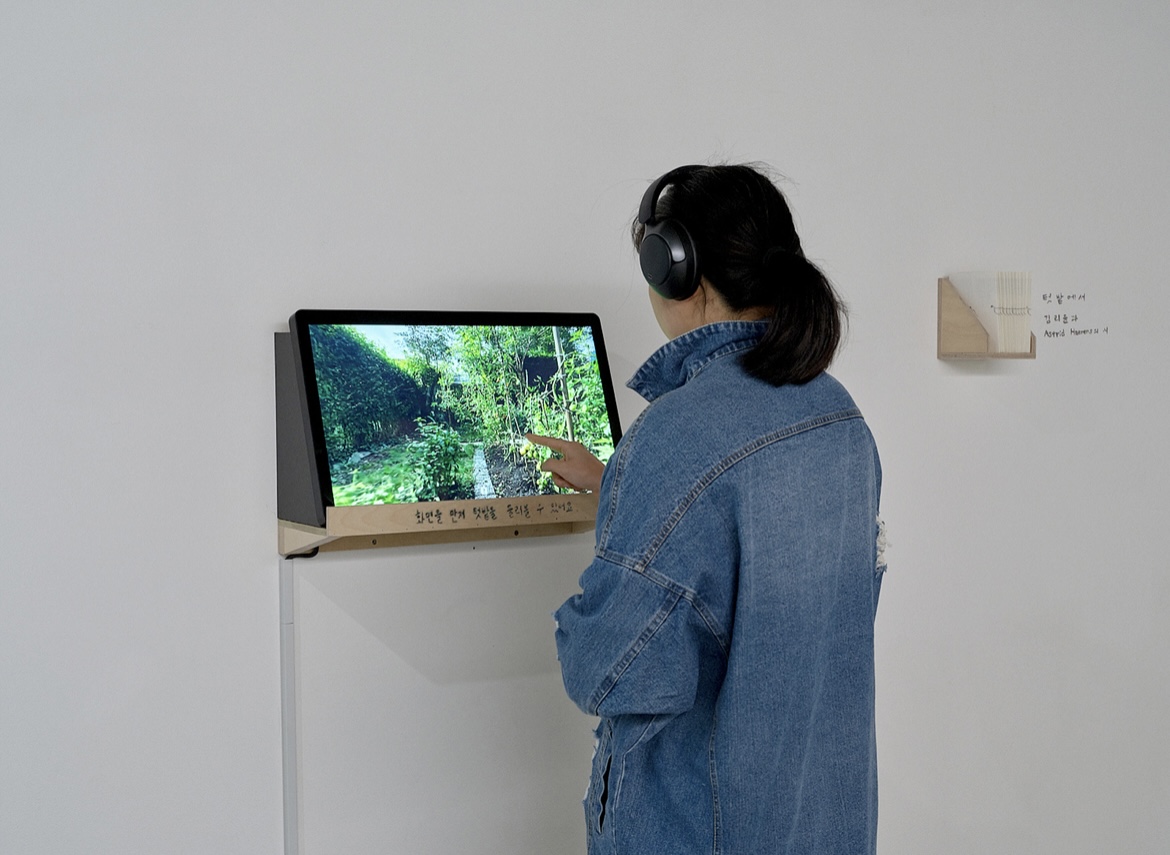
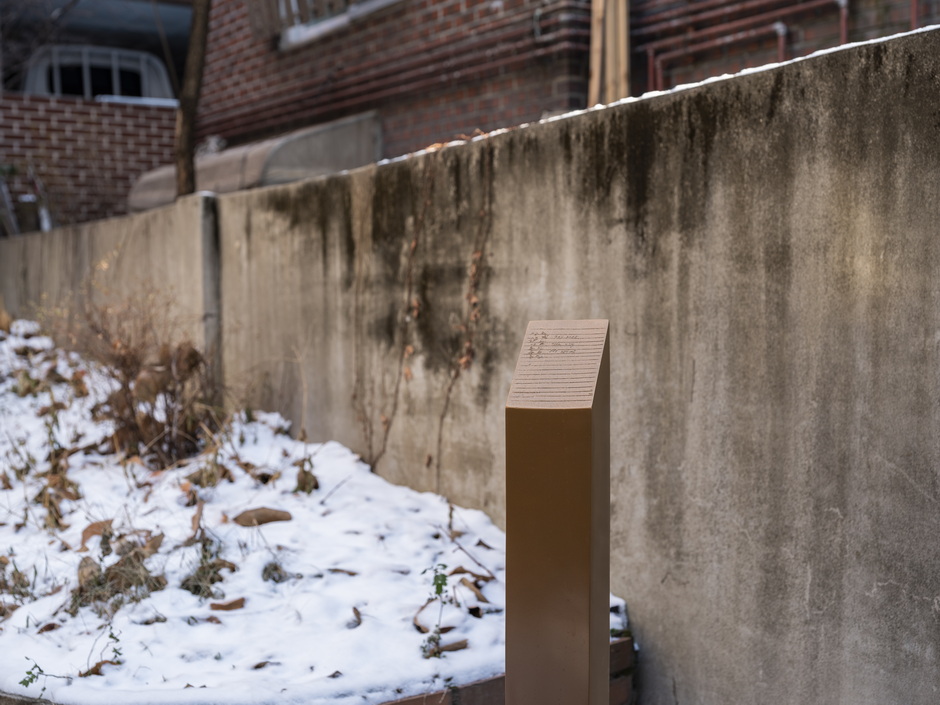
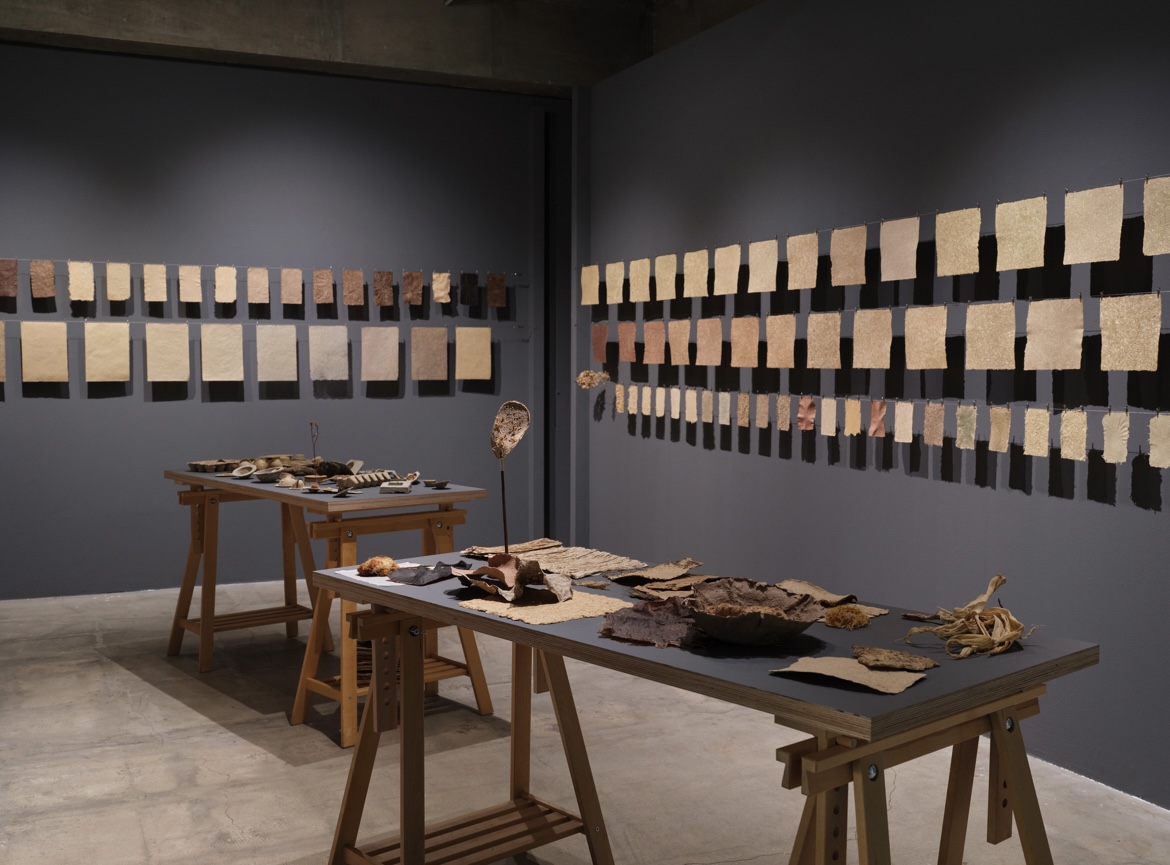
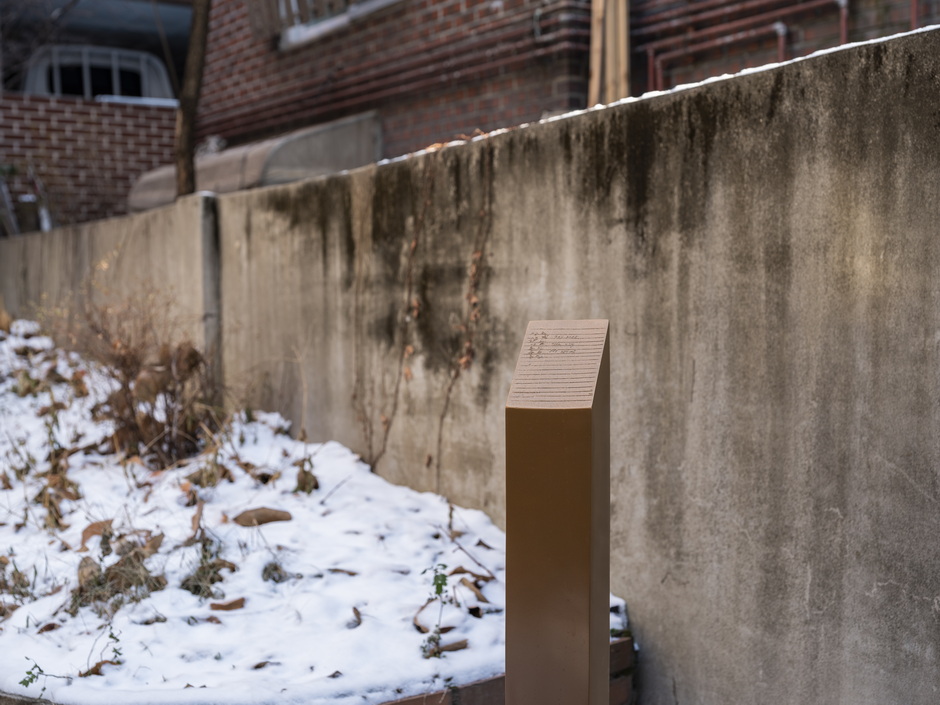
On the surface, the theme of 《Tactile Recall》 seems to be the artist’s “grandmother,” but not all the object-sculptures are directly related to the “grandmother.” While works that actively refer to the tactile memories of the artist’s “grandmother,” such as PhoneBook Headstone, Her Silence: Spoken Words, Phone Book, and Her Silence: Dialog with the Dead, are “central” to the exhibition, the works hold the same existential weight as the other works, because of the design of the exhibition hall, which is a renovated house, and also because these works are also “silent” as the others. In the exhibition, the “grandmother” and objects are the same. As can be inferred from the work titles, Sujin Moon attempts to speak to the absence of her “grandmother” and the objects through this exhibition.
Her speech is doomed to fail because they will never be able to respond back. However, the artist mentions in her notes that understanding the “tactile senses” of touching her nonexistent “grandmother,” “Ms. Jungja Lee,” who “does not have a history” through her “physical memory” and speaking about it through the “language of sculpture” is a “sculptor’s work.” Then what is this “work”? “Things that are invisible and untouchable, ”that is, people and animals that passed away years ago, burnt and discarded objects, words, and stories that have not been passed on, fleeting feelings, passing emotions, histories too small to be remembered... Perhaps bringing them back into our world and translating them is what Sujin Moon calls the “sculptor’s work.”
This “work” involves rescuing, preserving, and taking responsibility for others’ memories that have been forgotten, discarded, and rejected in the artist’s own way, that is, through the “language of sculpture” because we all have been raised through such “indecipherable” “powerful physical language” of others. Now is the time to return to the beginning of this essay and provide an answer to the question of “female narratives.” As the phallic-logos-visual-centered art or sculpting denounced the physical and material senses, such as touch, as animalistic and feminine and considered them secondary and inferior, the history of things that are part of the history of sculpting but have been rejected, or the “chronicles of things without history” have been abandoned from History itself. We, of course, may as well call the act of insisting on speaking to such abandoned things a “female narrative”or a “sculptor’s work.”
* All the direct quotes in this essay are from the artist’s notes provided by the artist Sujin Moon