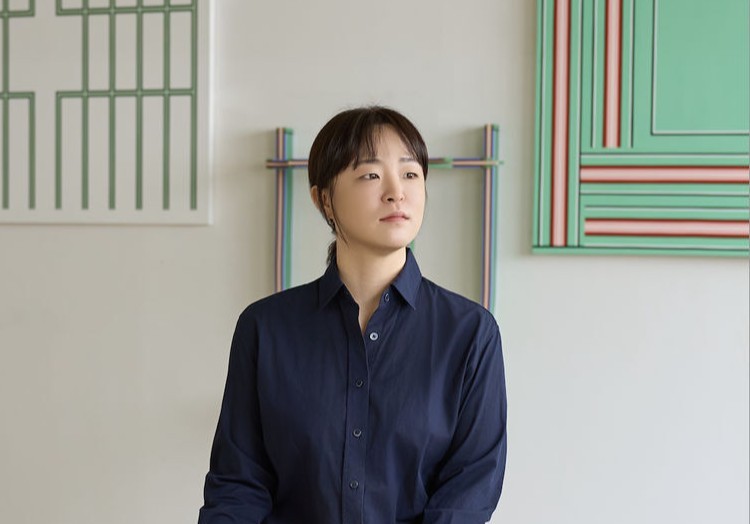
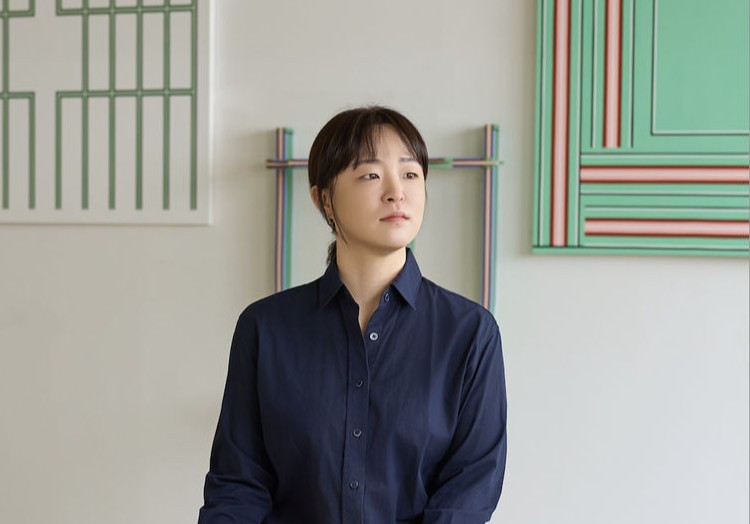
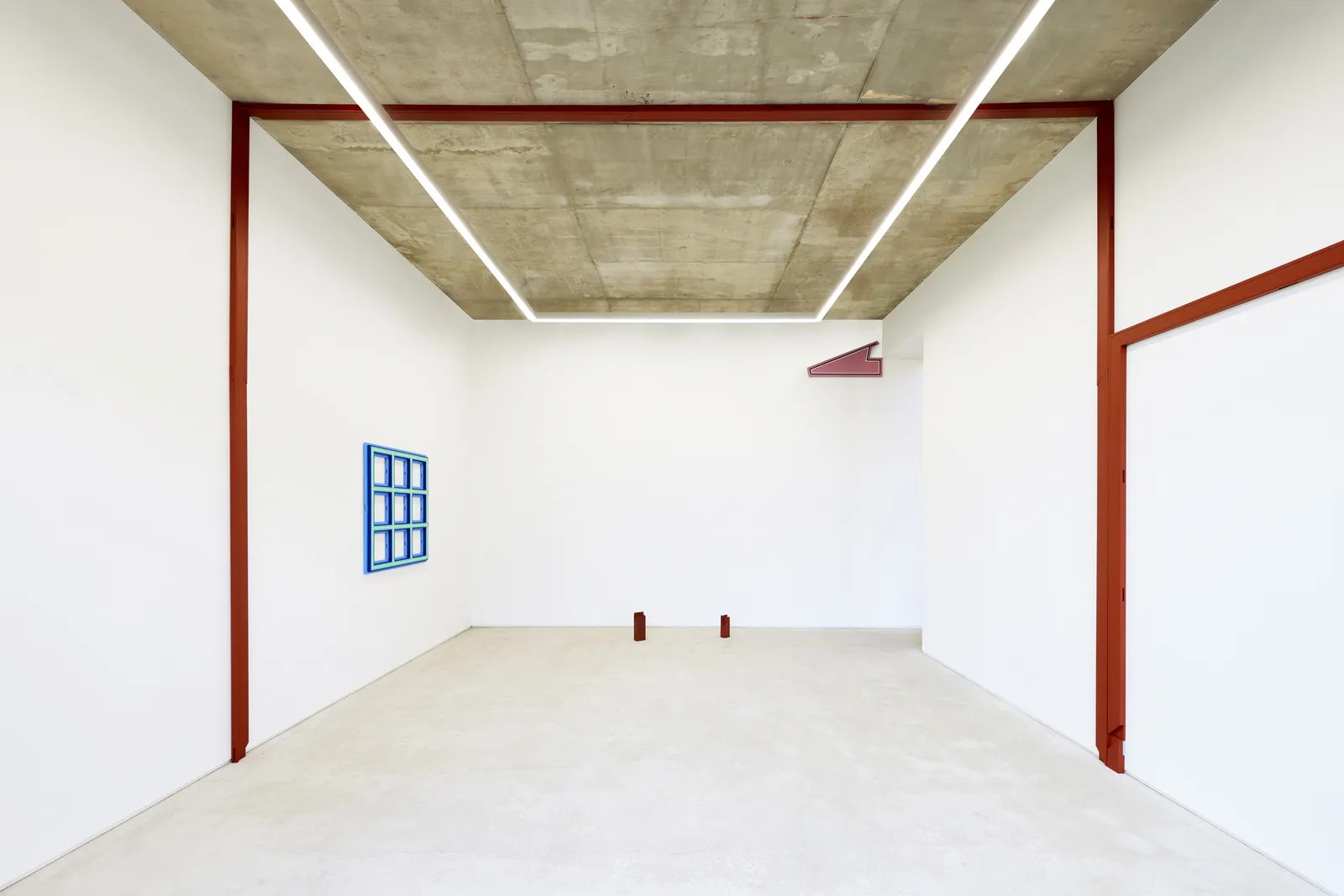
In 2021, Ahra Kim had an opportunity to enter the inner courts of Deoksugung Palace, one of five royal palaces in central Seoul. The opportunity came through a project opened within the venue. White walls, windows, and window frames. Kim found the indoor structures uncanny, unhomely.
In traditional Korean housing structures, there is no clear distinction between door and window. Changmun, the Korean term for window, comes from the Sino-Korean 窓門, meaning "sky door". This ambiguous portal between the inside and outside, door and window, are not as common in Western architecture. Hanok windows can be detached and reattached, an accessible way to open and close the very space it bears boundary to.
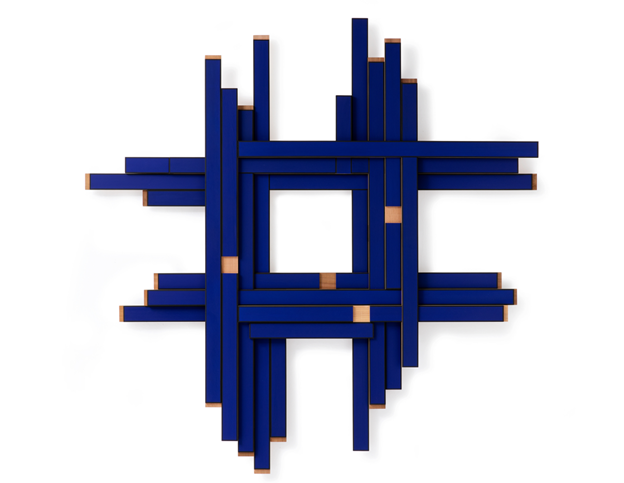
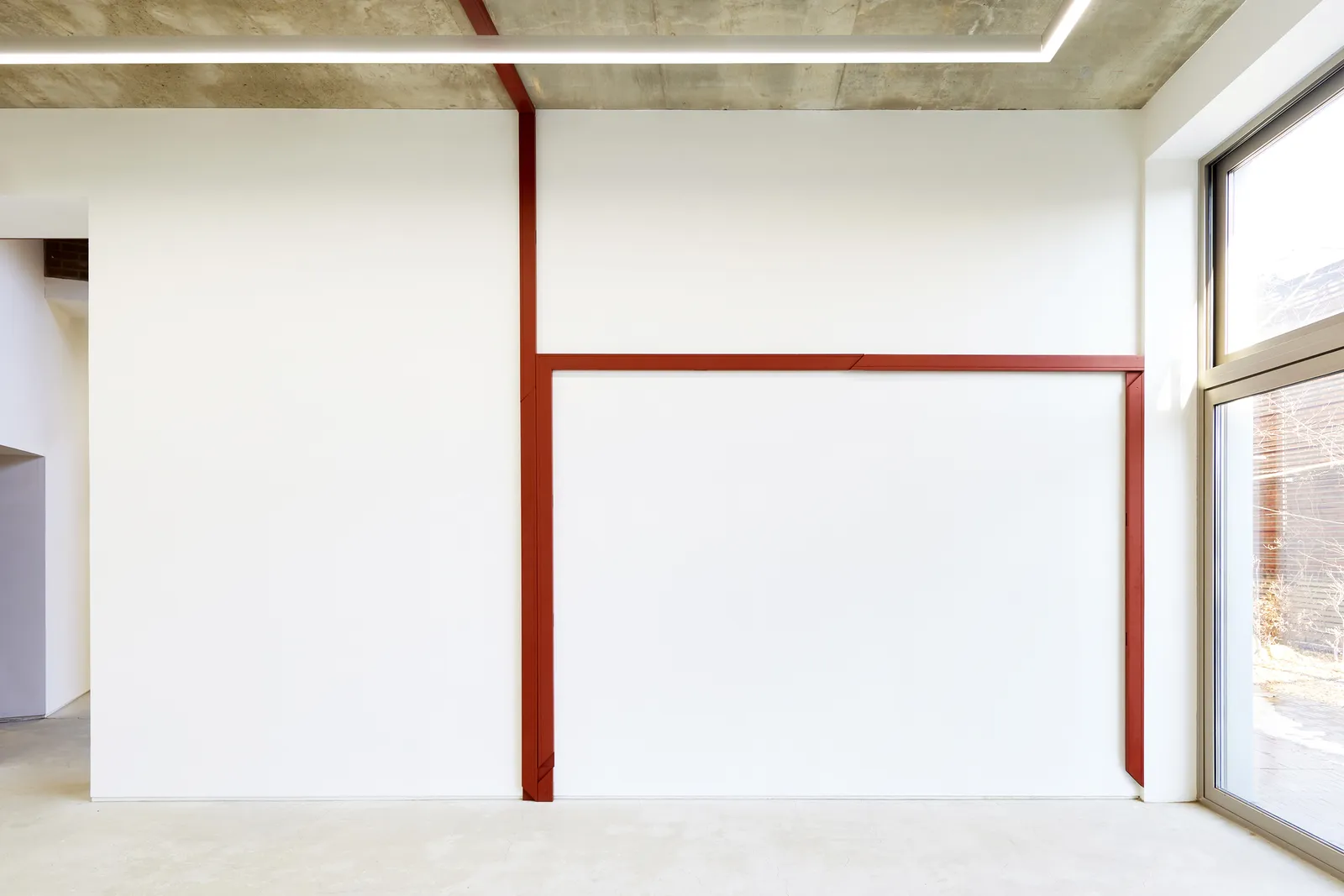
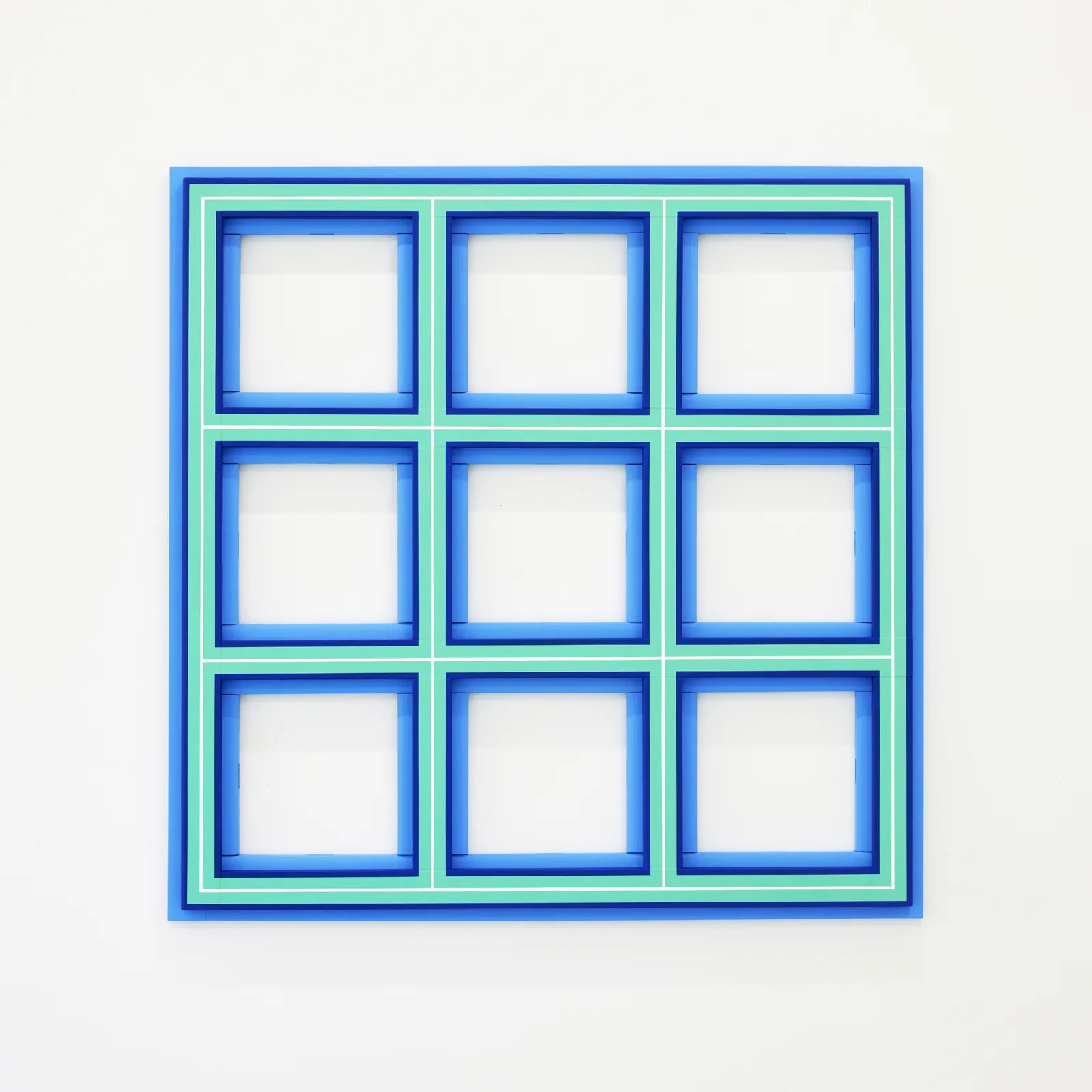
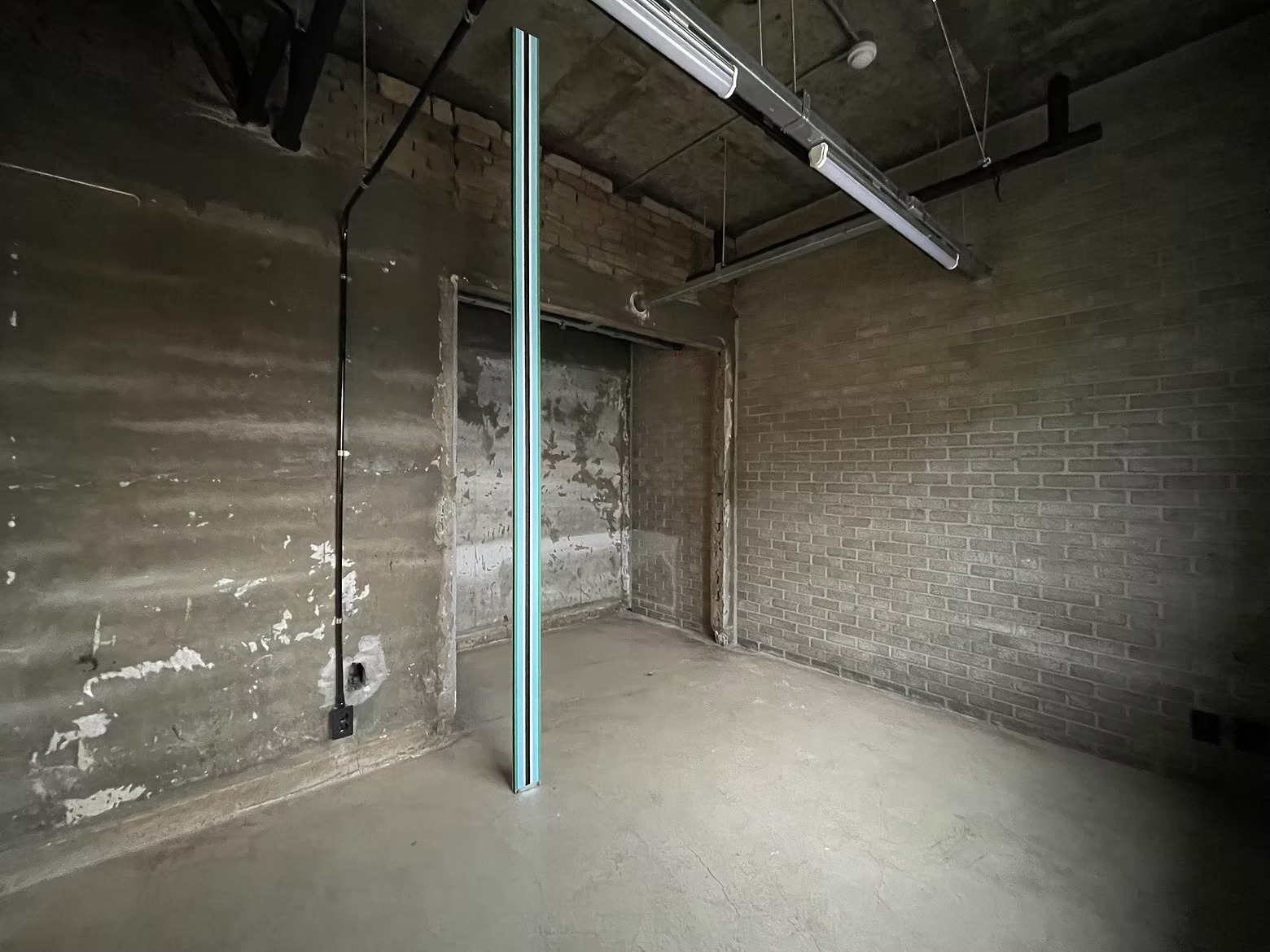
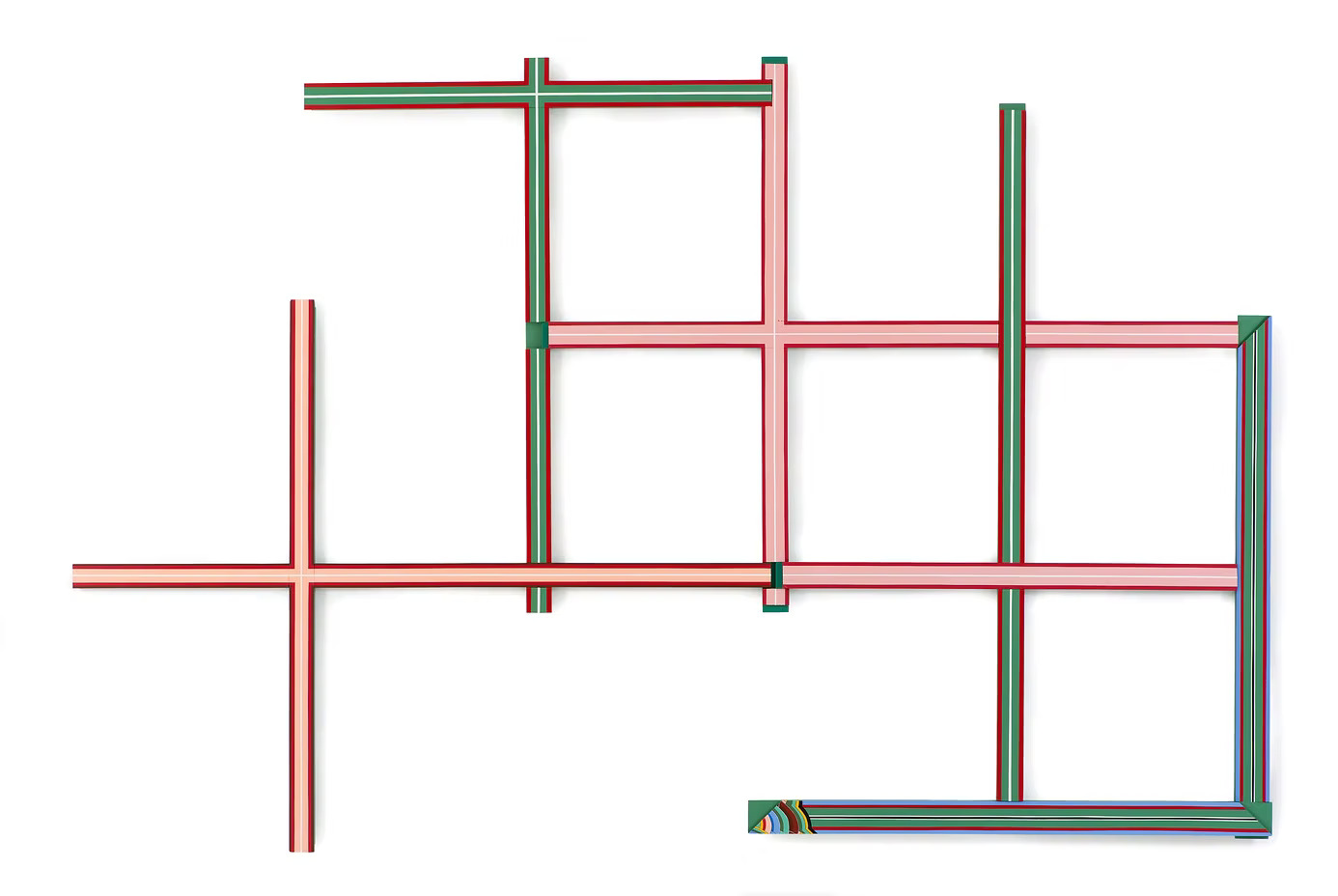
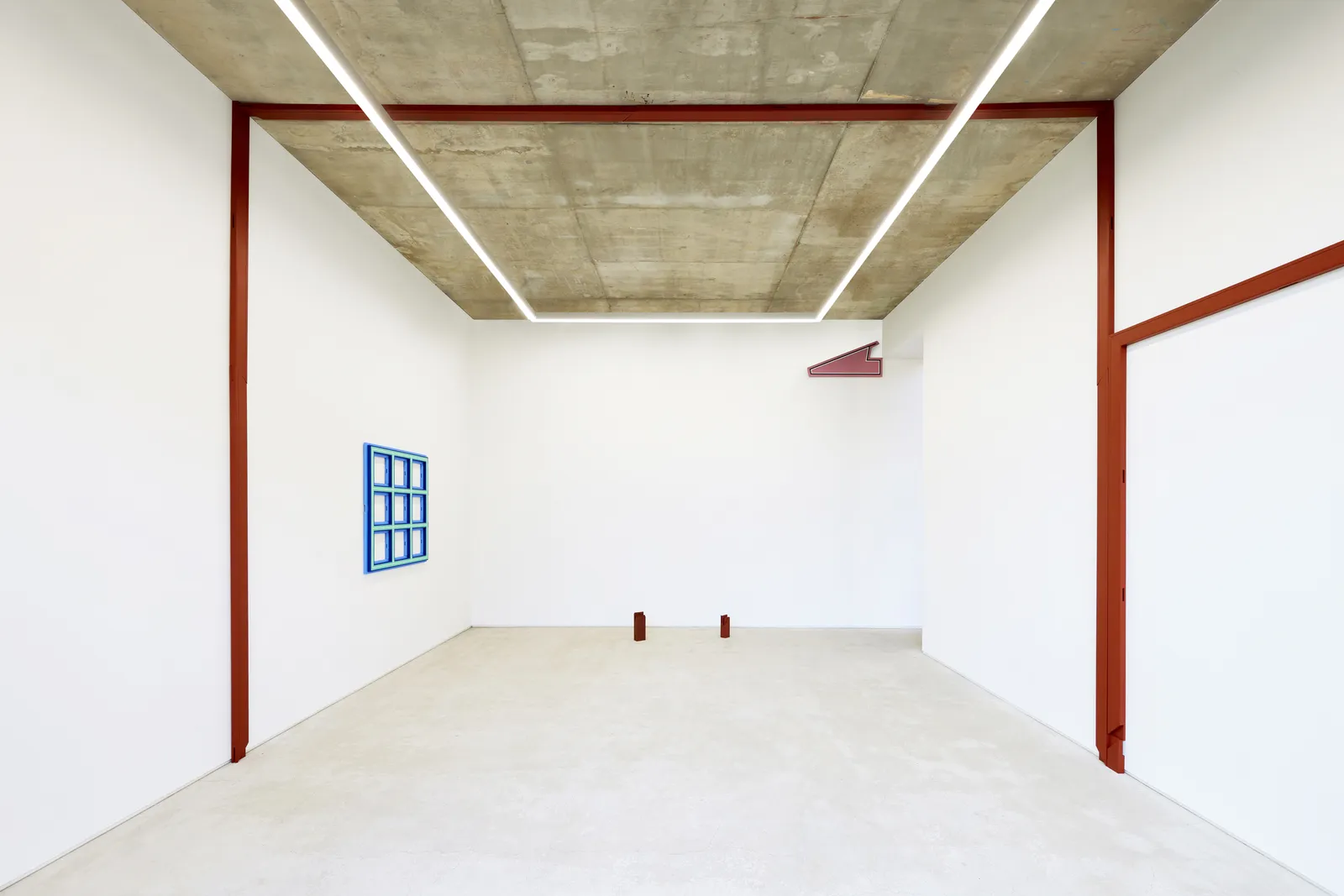
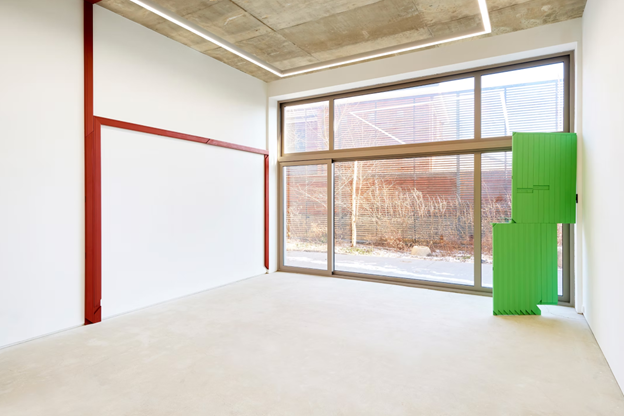
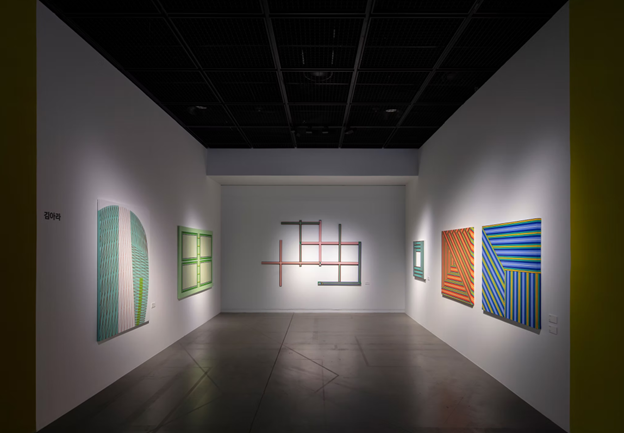
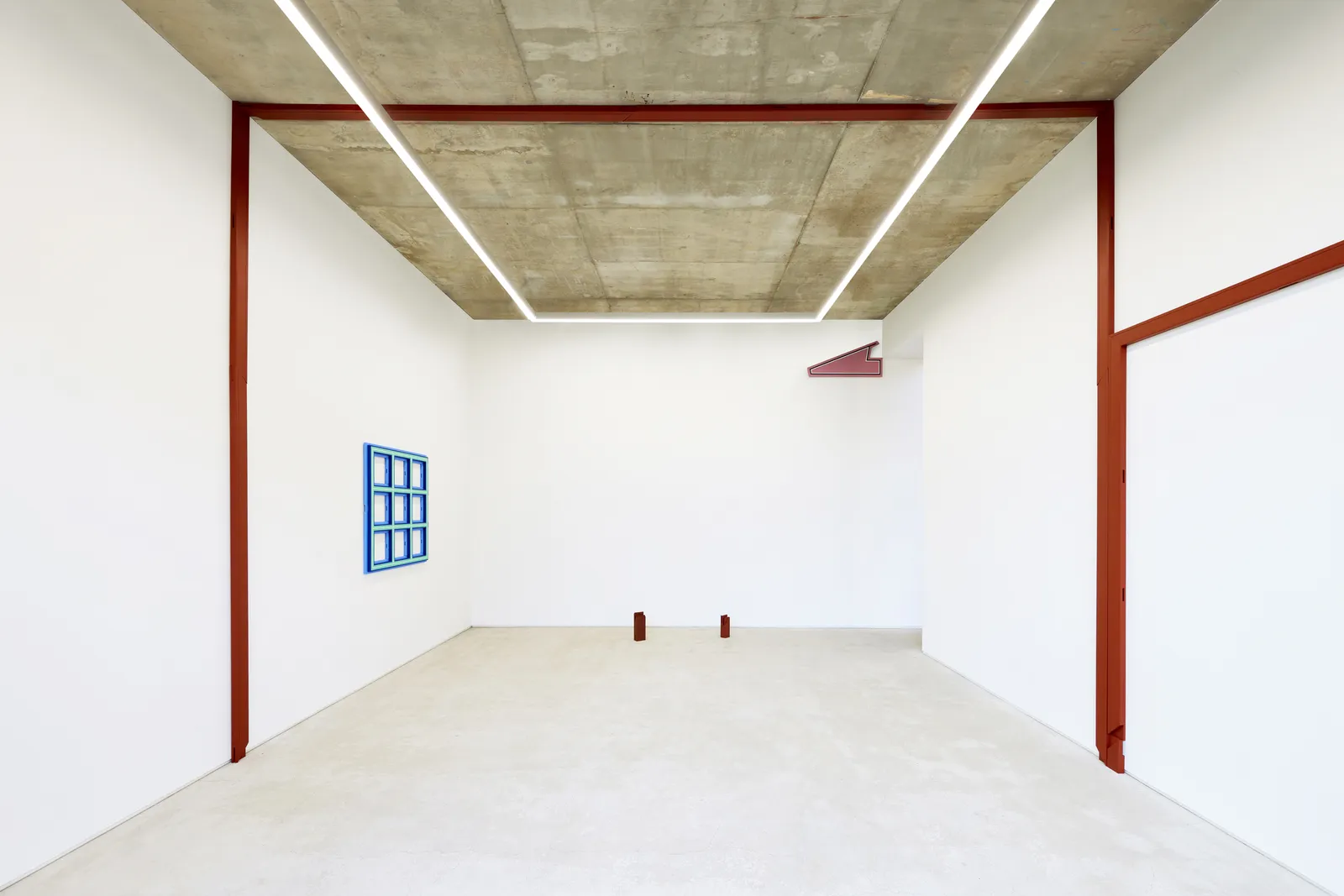
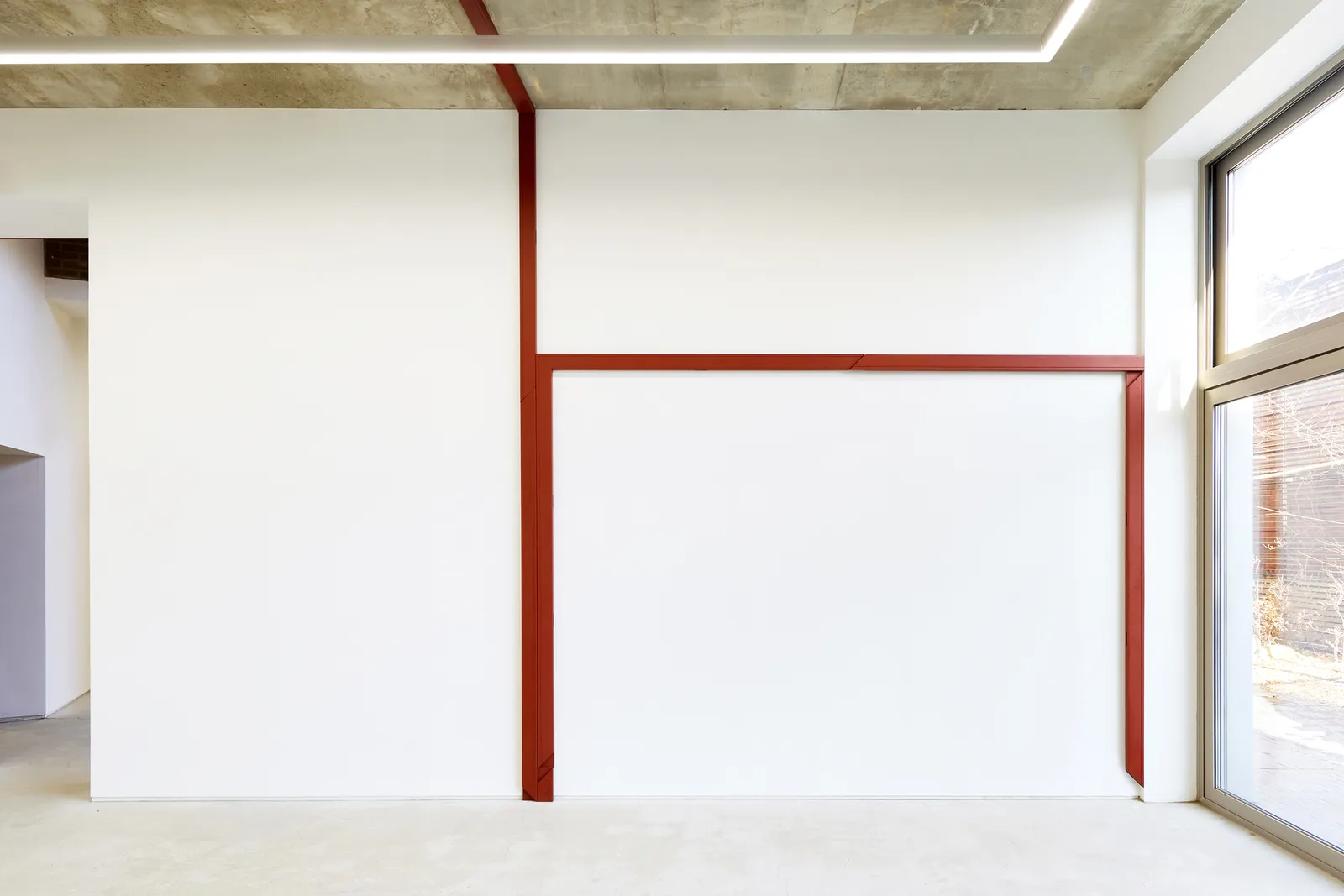
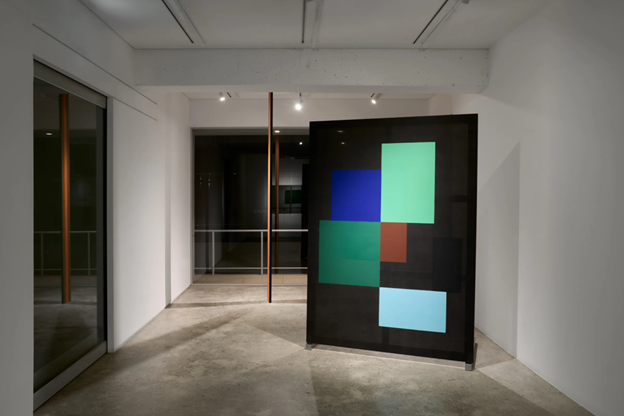
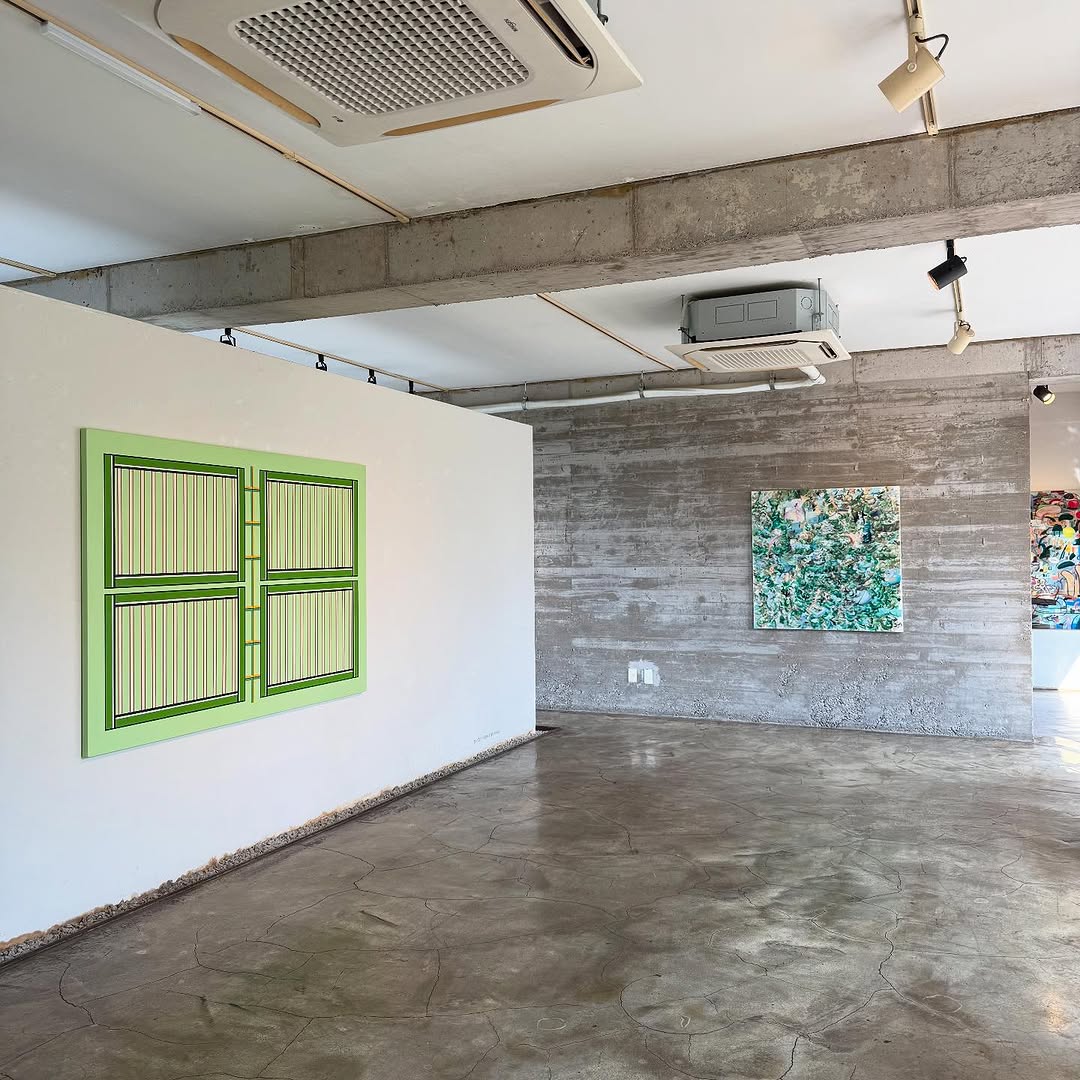
The vertically and horizontally verticed and structured windows have an architectural utility of limiting and delimiting space, while also in itself displaying a structured sense of beauty. The exhibition by Kim introduces such inner structures of the hanok and reconstructs it in the exhibition space.
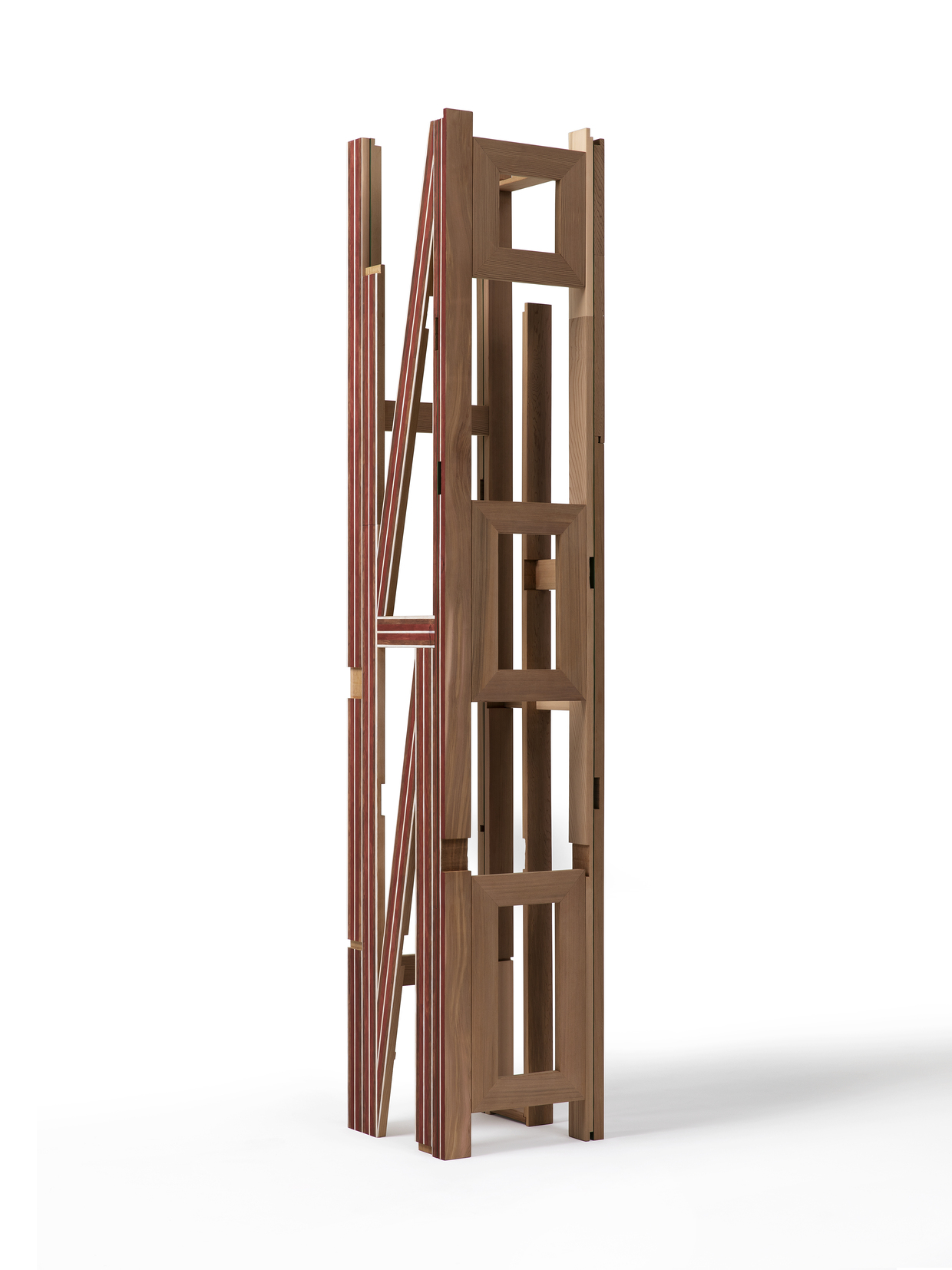
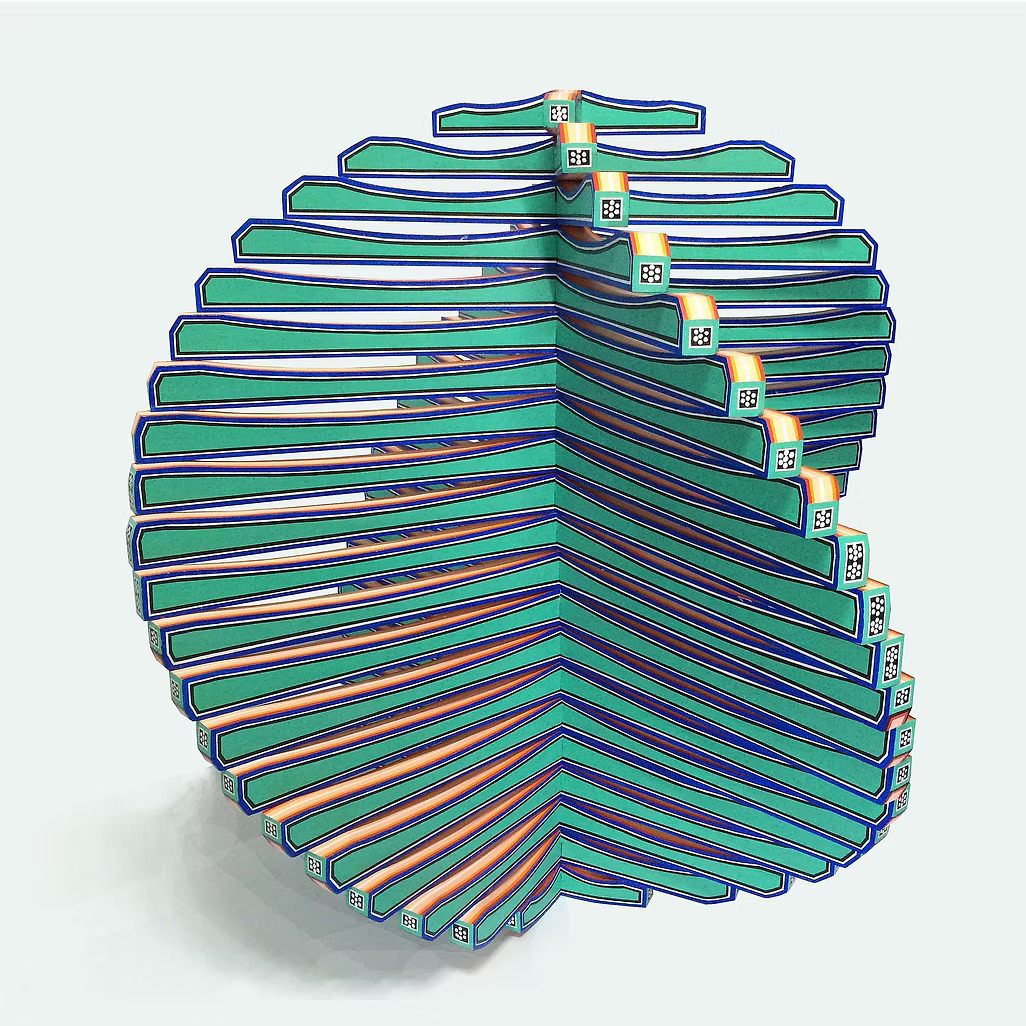
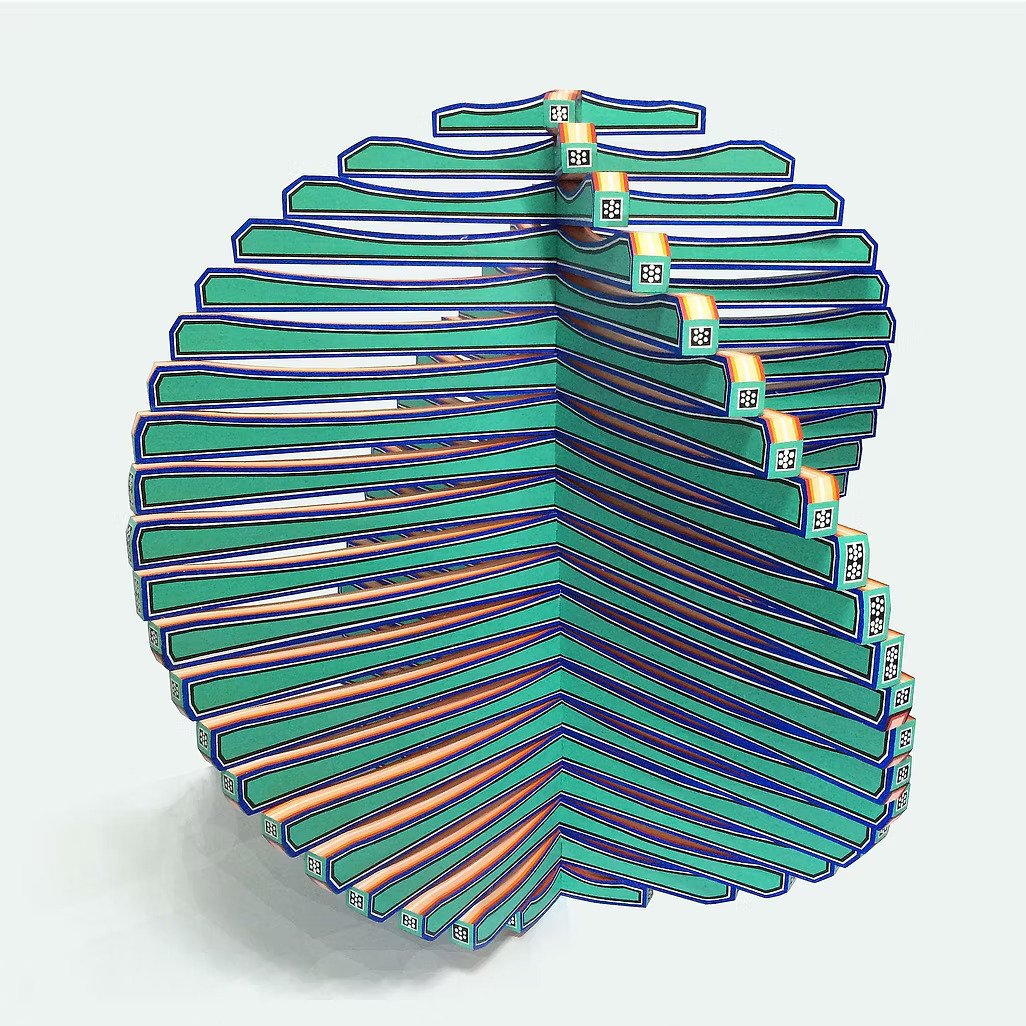
The artist's deep fascination with structure can also be found in her previous work that explored and utilized gongpo (栱包 - bracket structure) of the hanok. Gongpo is an in-between space of pillars and the roof, distributing load of the roof to the lower structures. One of its characteristic features is that the wooden beams are joined without nails, but with precise joints.
Kim's sculptural background resonated with the concepts of gongpo; its iterative and rule-based nature captured her with a sense of inner calm and as well as curiosity for its technicality. We are quick to overlook the most amazing things once we perceive them through an understanding of axioms, equilibrium, and iteration. Kim found comfort and visual appeal in this wood-joint structure, where rational judgement was sufficient, and no emotional projection was necessary.
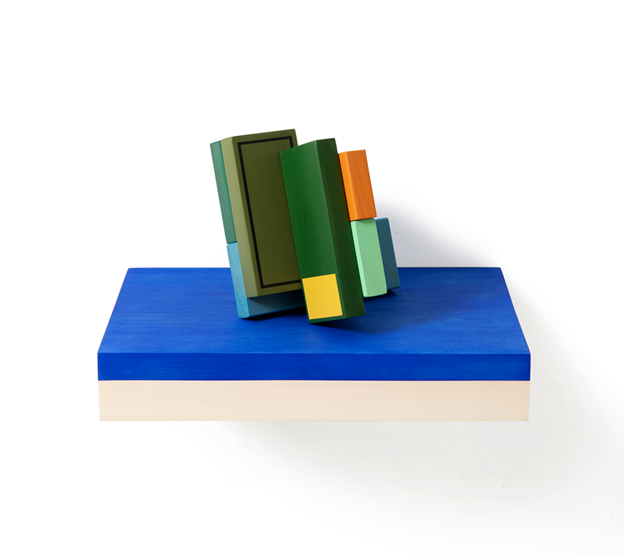
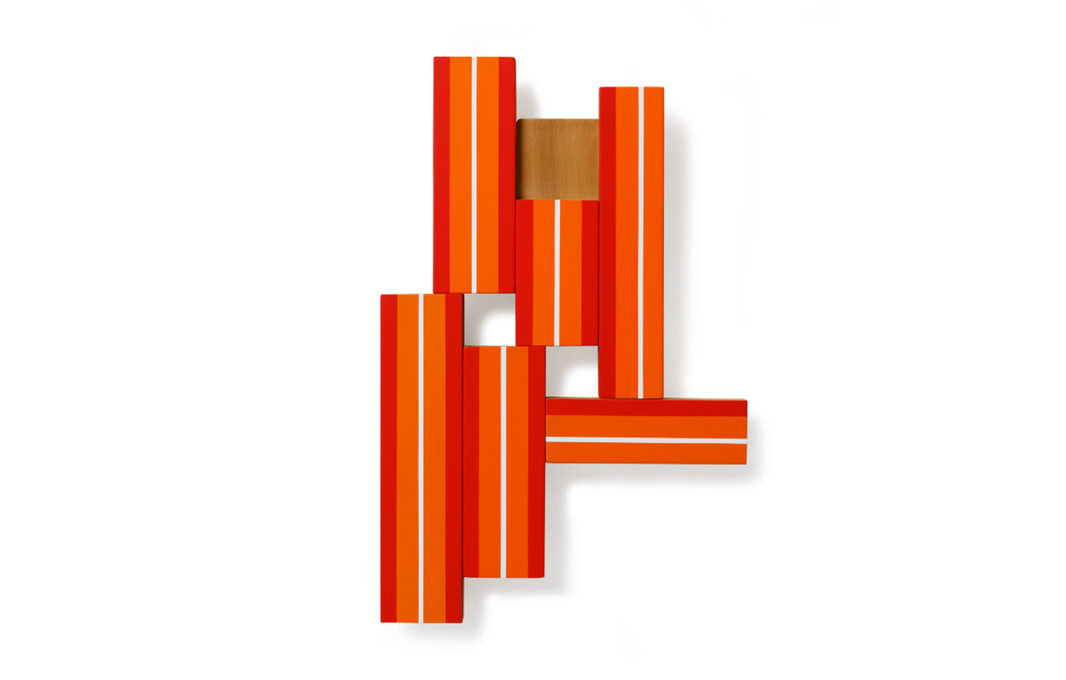
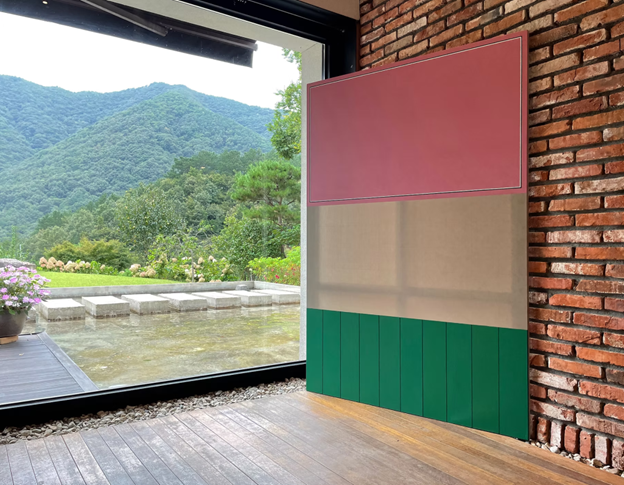
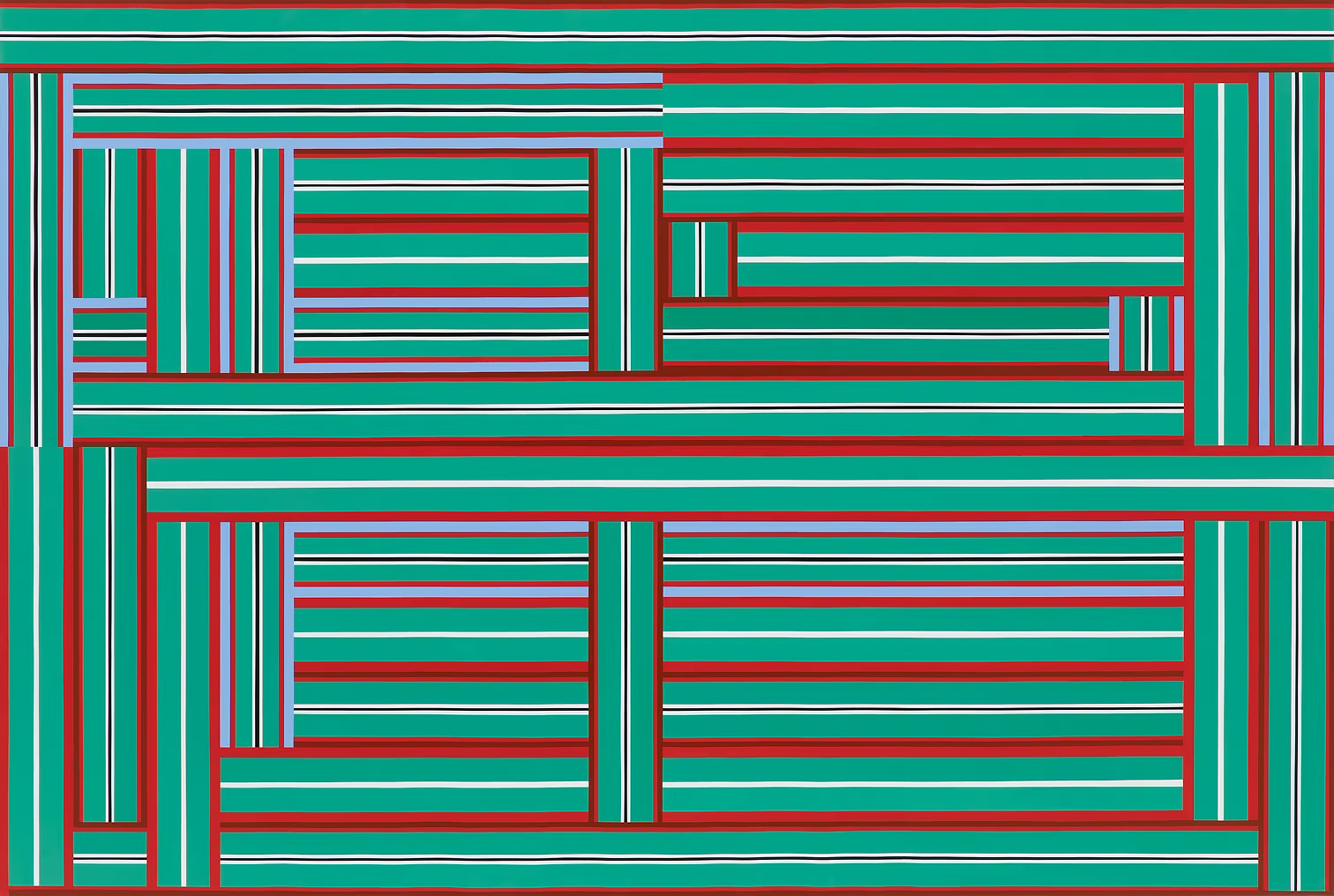
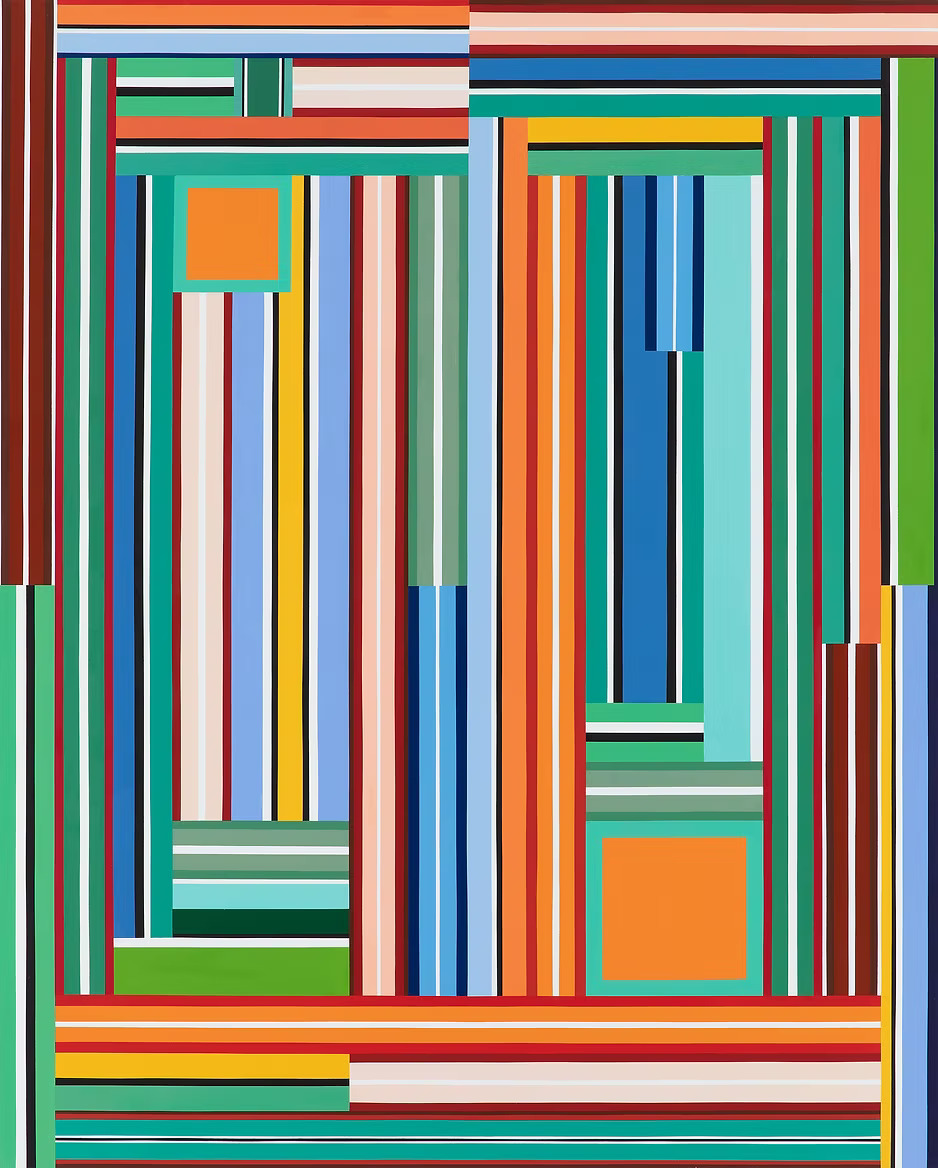
Ahra Kim's latest works use the canvas' wooden frames - not unlike the gongpo structures found in hanok. They are both of wooden structures with horizontal and vertical order. The artist's first solo exhibition was in 2016. Her presentations were limited to paintings, as there had been some spatial limitations to her practice.
The three-dimensional forms can be scaled by adding or subtracting material, but with a painting, the canvas surface is the limit where any given form is bound by its size. Kim continues to work on canvas, but it was also its physical limitation that encouraged her to seek more versatile means in sculptural work.
Changing perspectives often change our understanding of objects. In this case, Kim had stripped a framed canvas of its canvas, and was struck by the barren wooden frame. The materiality of the wooden frame and the wooden grooves and joints reminded her of the traditional wooden structures of hanok, namely gongpo.