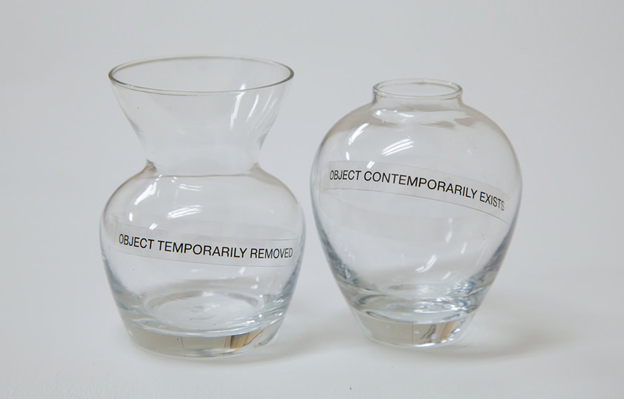
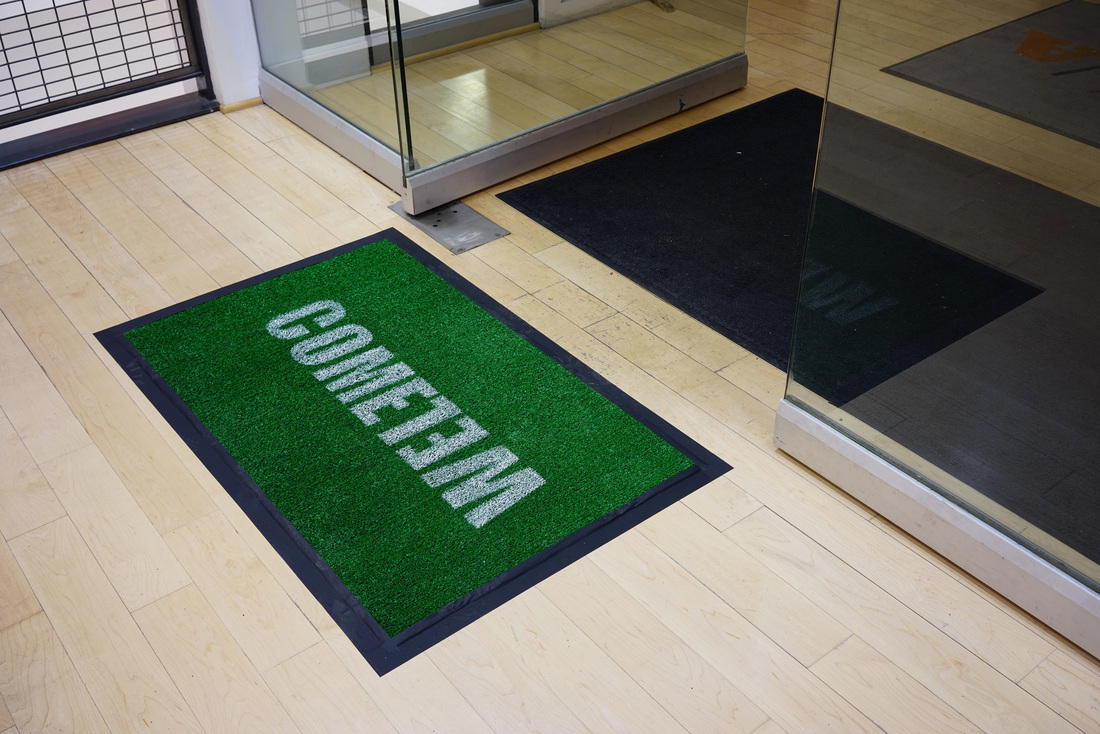
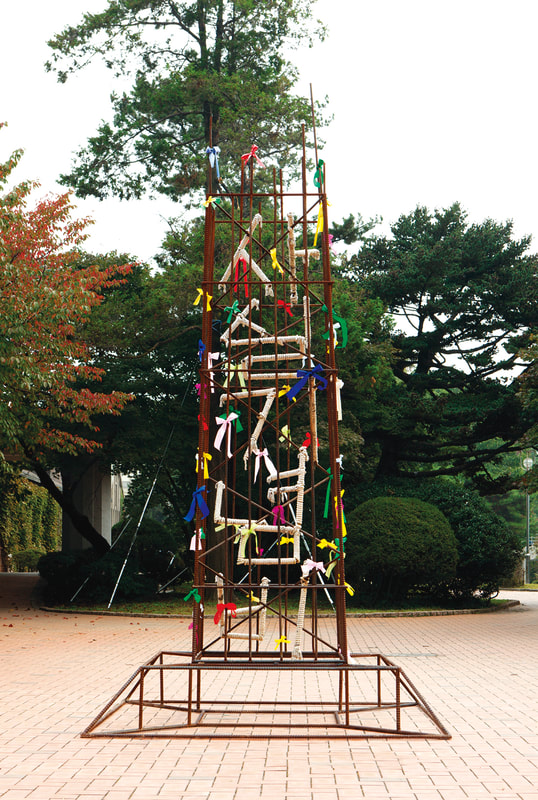
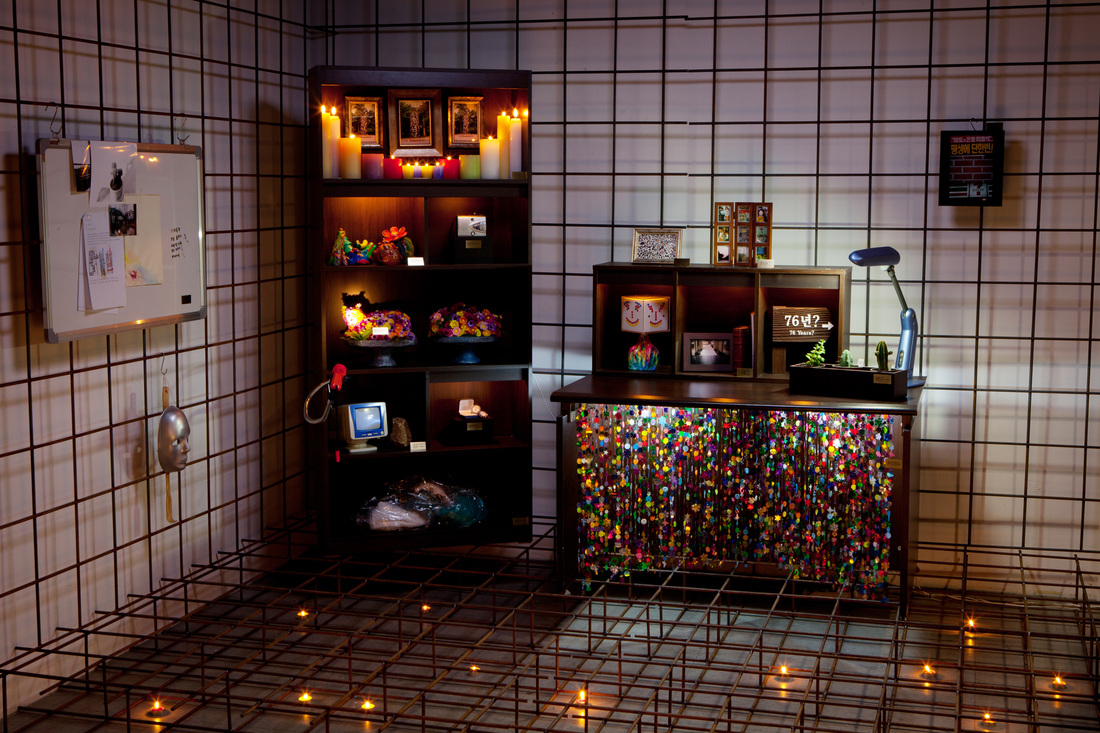
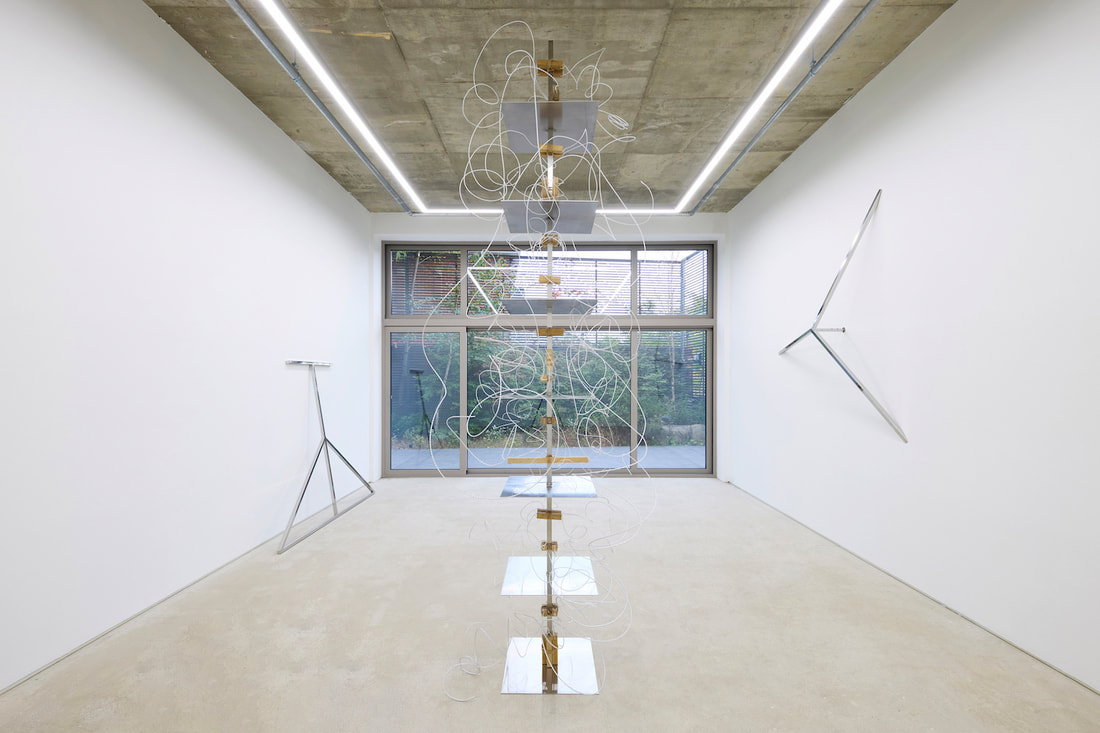
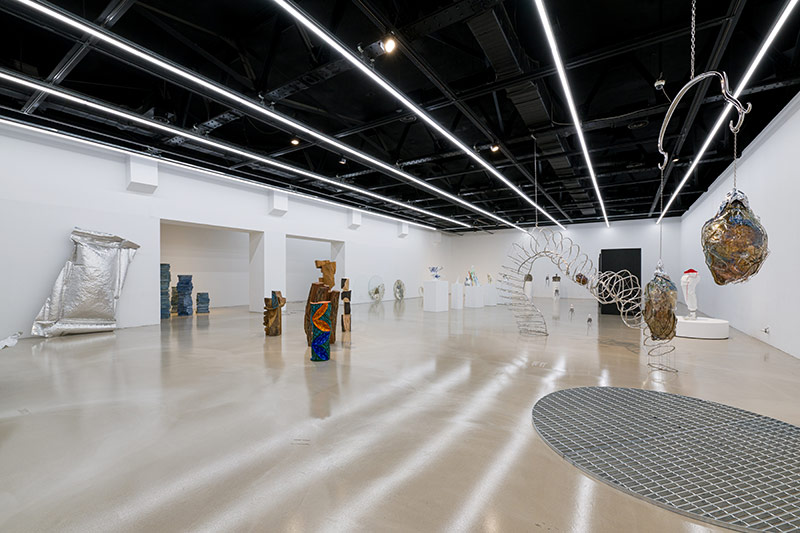
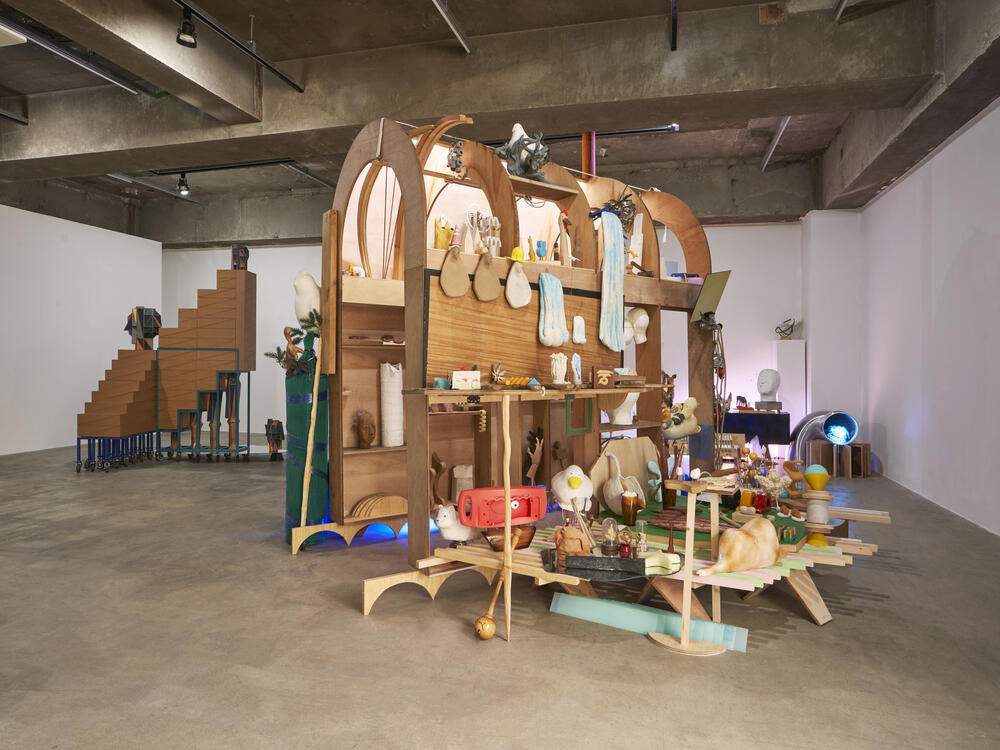
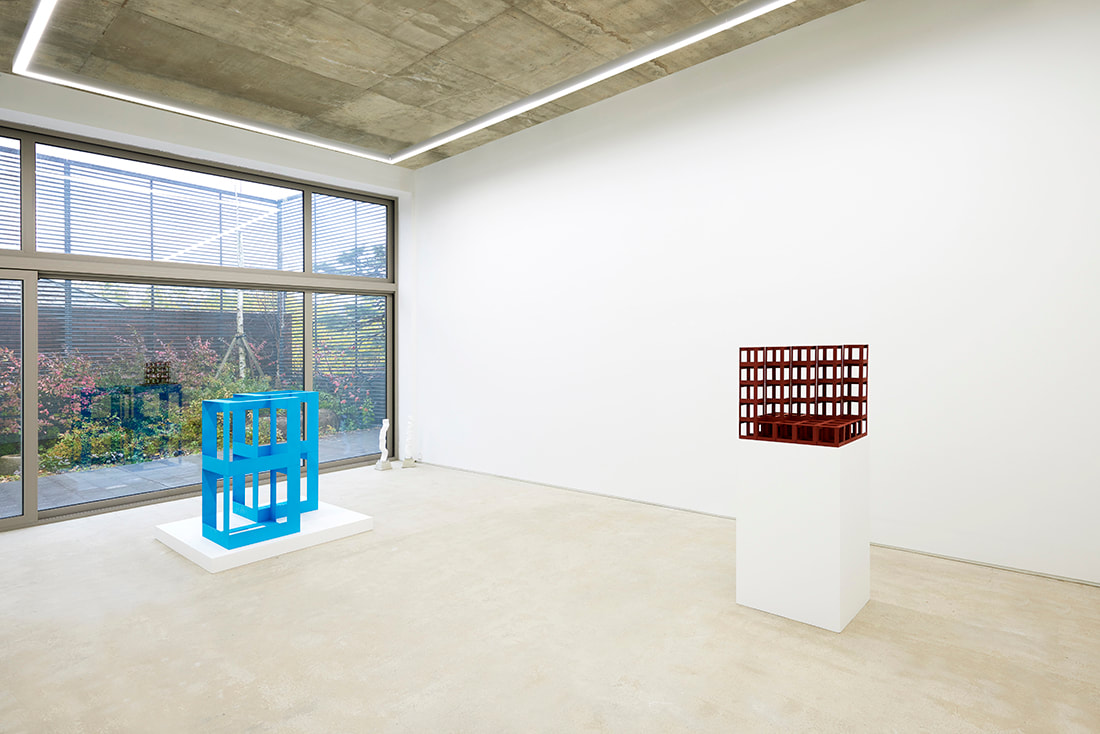
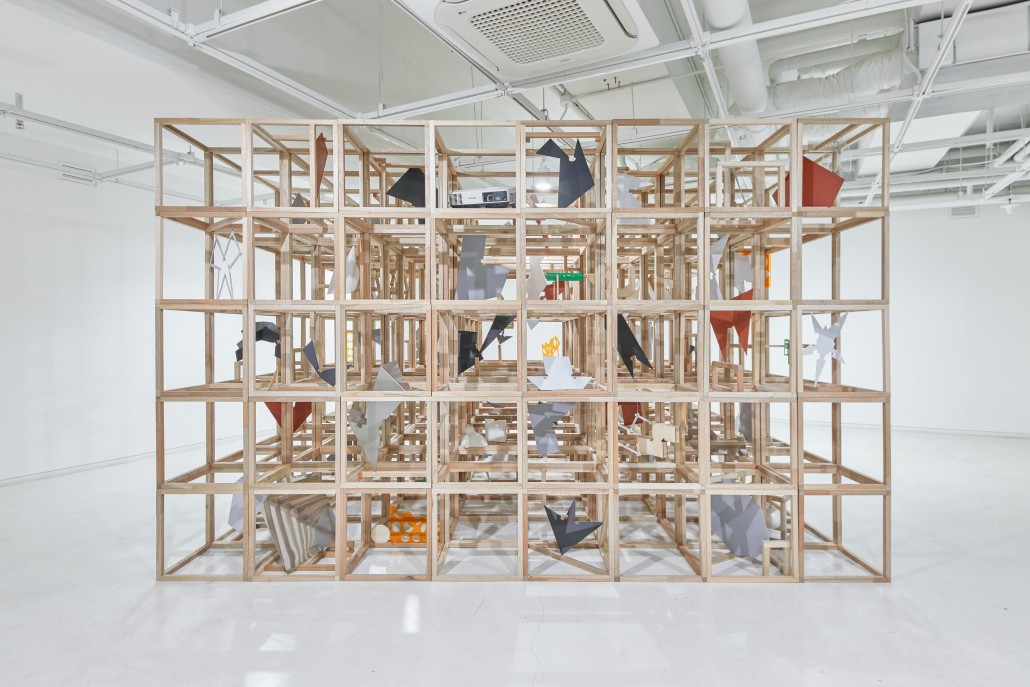
So, in some sense—or perhaps entirely—this text fails to properly explain Taeyeon Kim’s work. Any precise explanation of the work will ultimately fail. There is a clear reason for using the word “failure,” despite its negative connotation. I consider even those aspects that the artist did not mention or perhaps even denied to be part of the work. Like 'Rubin’s vase', an image that shows either a cup or the profiles of two faces depending on the reversal of figure and ground, her sculptures repeatedly exchange the positions of what is included and what is excluded.
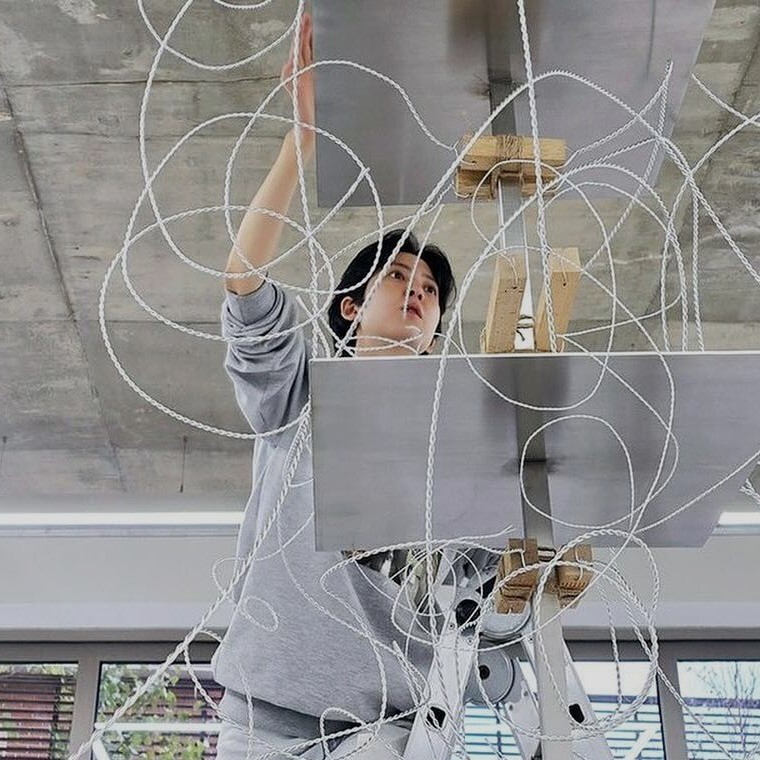
A “hole” can mean a pierced or hollowed-out space, a way to overcome difficulty, a flaw or weakness, or a break in logic where things do not quite add up. These meanings can even contradict one another. It can be physical or conceptual. Depending on what one focuses on, a hole can be an escape route or a trap. The artist says she became interested in holes precisely because they do not converge into a single context and instead contain conflicting meanings. Considering her previous works, which imagined various possibilities beyond established “frames” or subtly twisted them, her interest in holes appears entirely natural.
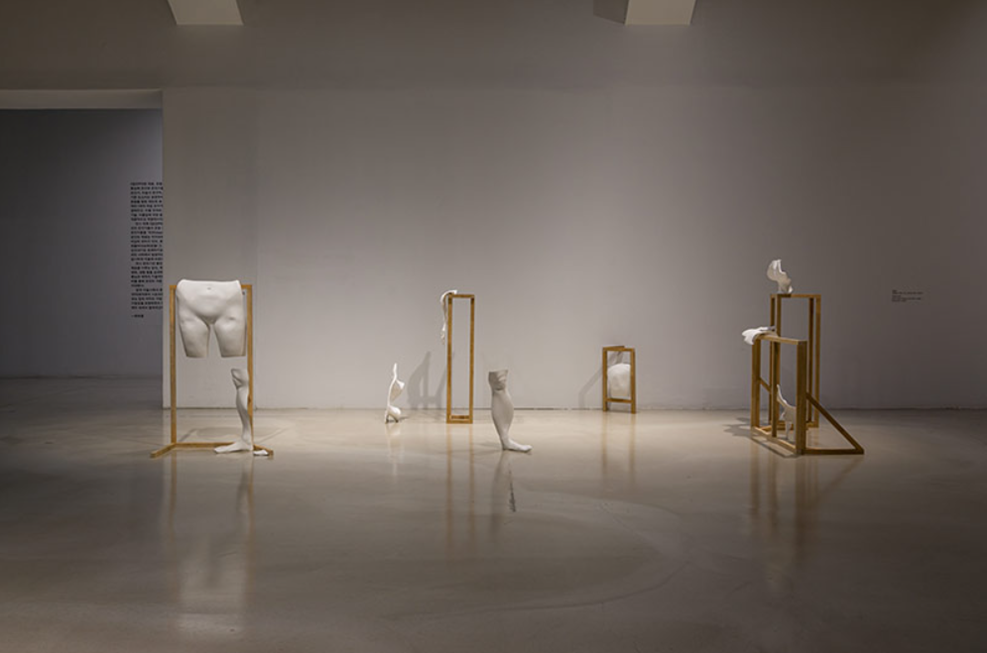
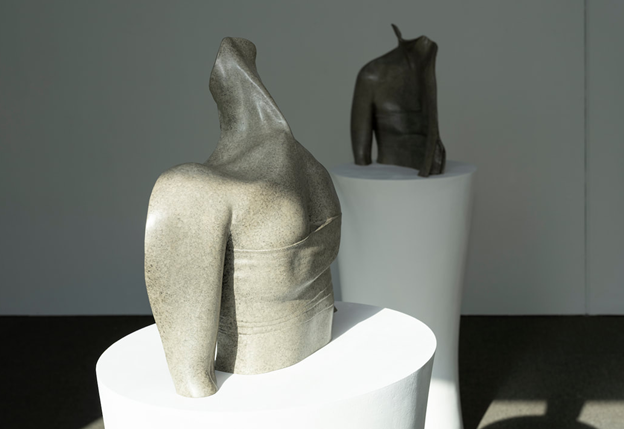
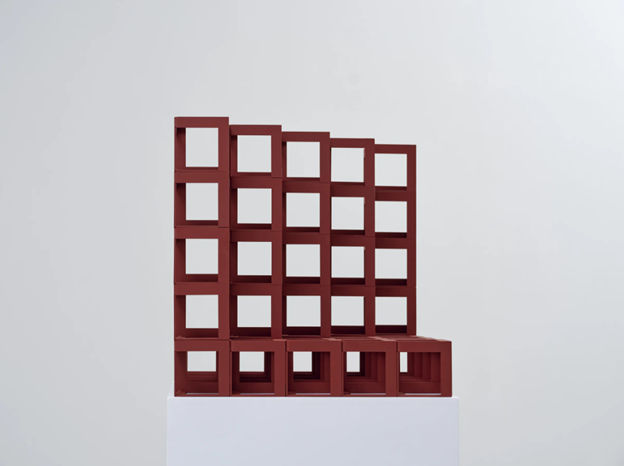
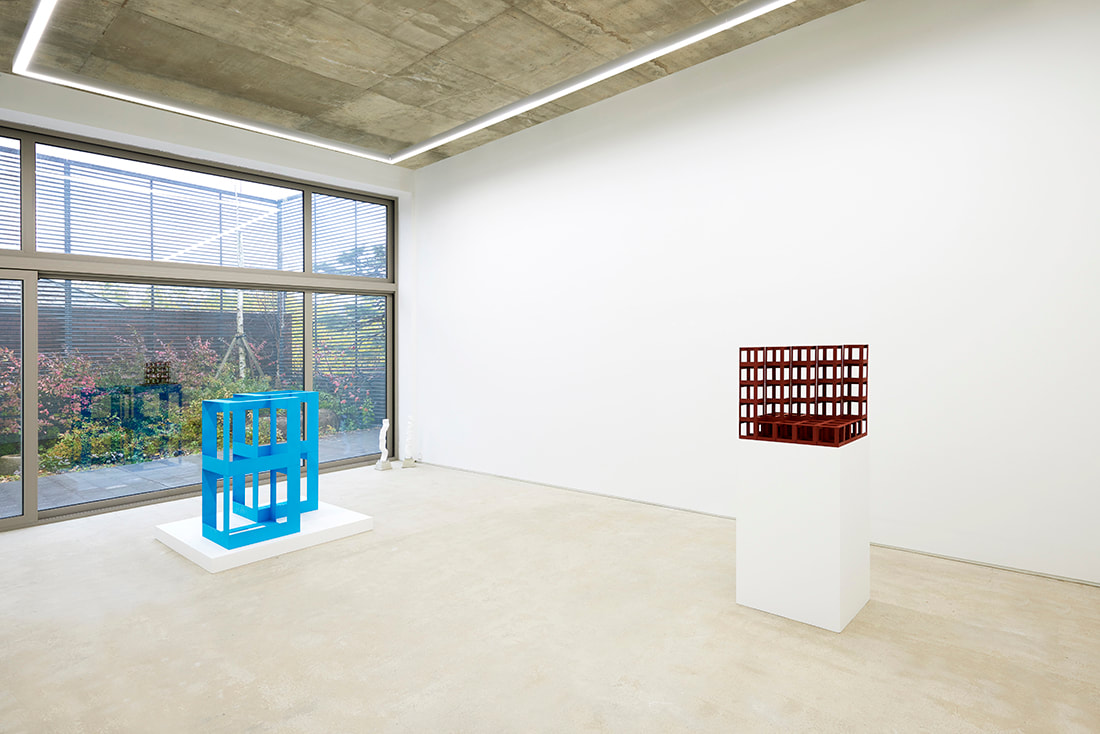
Taeyeon Kim has regarded standardized ready-made objects as a kind of “frame,” transforming or reprocessing them, or rendering them non-functional. However (or perhaps because of this), what is interesting about this exhibition is that the work begins not from ready-made objects but from the human body. The human body quietly takes the place once occupied by ready-made objects. Although the material has shifted from industrial objects to the body, the formal experimentation of altering existing forms remains unchanged.
This raises a question: can the body truly replace the role that ready-made objects previously occupied in Kim’s work? Ready-made objects are, by definition, items produced according to predetermined standards. Difference is not allowed; we call it “defect” or “flaw.” The human body, however, is inherently individual. The characteristics of my body differ from those of yours. Furthermore, these characteristics are not fixed but continuously change—we call this “growth” or “aging.” (At least) I consider the body to be an irreplaceable original, a continuously changing variable. Yet Kim appears to treat the body as a kind of specimen that can replace a ready-made object, a fixed value in which individual characteristics are solidified.
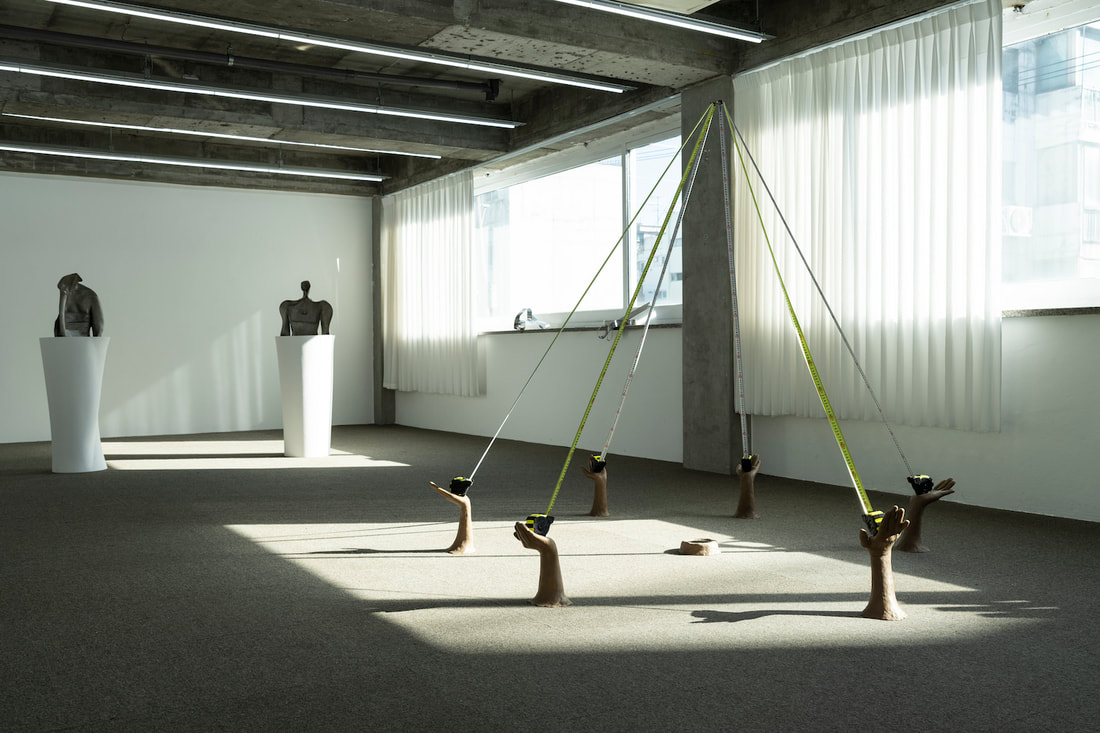
The ironic opposition between ready-made objects and the body is clearly demonstrated in Ways of leaning against. What makes this work intriguing is that the human body serves as a pedestal supporting a ready-made measuring tape. A closer look reveals that the size of the hands and the thickness of the wrists acting as pedestals all differ, while the measuring tapes they support are identical products. The dichotomy of “standardized pedestal versus irreplaceable sculpture” is overturned.
This does not imply a glorification of ready-made objects; rather, her focus lies on the non-standardized or transformed pedestal. Although Kim uses the body as material, she insists that his work is “not at all” concerned with corporeality. Even so, can her sculpture truly be free from the meaning of the body? The body is an index of the individual, a marker that distinguishes oneself from others. While we often think of the body as a simple visible entity, nothing is more complex or difficult to understand. How free, then, is Kim’s sculpture from this complexity—a body that says everything while saying nothing? It seems that only distance can be adjusted; complete detachment appears impossible.
Whether intended or not, these recent works involving the human body appear more “human” than her earlier works. This is partly due to the appearance of bodily forms, but also due to the material shift in the sculptures. Sculpture, as a physical entity, is always directly linked to the properties of specific materials. In sculpture, material functions both as surface and support. In painting, pigment, canvas surface, and canvas structure are separate elements, but in sculpture they are integrated into a single material.
Kim uses oil clay and bronze in her figurative sculptures. Both materials are malleable and easy to form, making them commonly used in sculpture. That is about where their similarities end. I am more interested in their differences. Bronze is durable and resistant to climate, while clay does not harden and softens easily with heat. The human body is represented through both an extremely rigid material and an extremely soft one. The body is both the strongest and the most fragile—or perhaps neither.
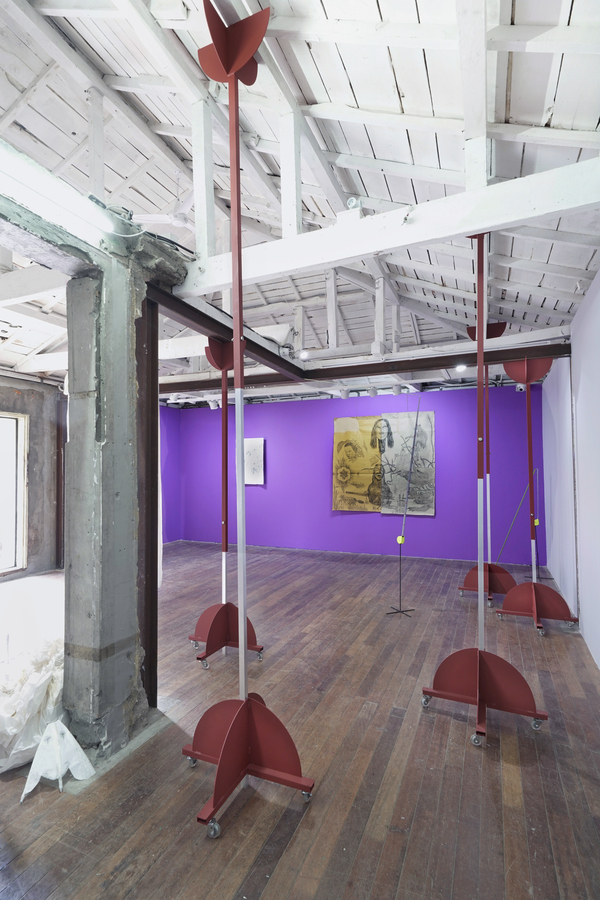
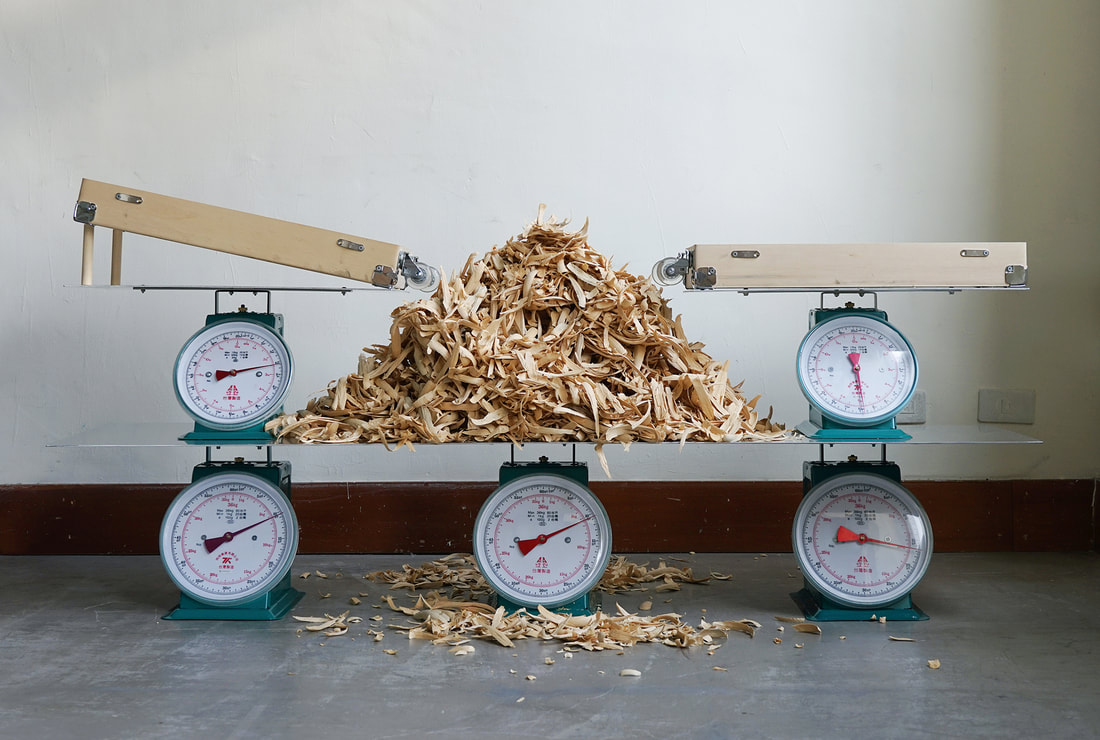
From ready-made objects to the human body, from industrial materials to clay and bronze—does this exhibition occupy the exact opposite position of her previous work? It seems to me that the artist is now expressing more directly what she had previously articulated in a more circuitous way. Her current work, in fact, recalls her earlier work. When she used certain tools, was what he truly wanted to show their function and form?
Creating a hole in a completed, closed object or slightly twisting it to allow it to breathe, and then seeking new possibilities from that opening—the object in question could be society, or oneself, or both. The previous statement must be revised. It is not that “the human body has slipped into the place of ready-made objects,” but rather that “ready-made objects had long occupied the place of the body.”