The exhibition 《After the Unsustainable》 traces the process of artistic praxis for ecology, environment, and sustainability conducted by artists Taeyeon Kim, Juhee Youn, and Jaiyoung Cho, and the MIX n FIX group (Jaehoi Koo, Donghyun Gwon, Ikkyun Shin, Chulho Yeom, and Joowon Choi) through sculpture. It is an attempt to find the best possible alternative after acknowledging what we cannot do, as if balancing like a firmly standing Jenga puzzle even after losing many pieces.
“The era of global warming has ended; the era of global boiling has arrived.” (UN announcement, July 28, 2023).
Nowadays, we are facing unprecedented abnormal climate and environmental problems. The pace of change and a sense of crisis have made ecology, environment, and sustainability the most urgent subjects of mankind and force us to find and do whatever we can. Individuals are imposed to perform tasks for action by unsupported justification and required to do something unless they are “not able to” without verifying if it is an effective and essential alternative to solve the huge crisis of humanity.
We do not even properly discuss high priorities and non-urgent issues. If so, how should creative works and exhibitions, which are products of impractical surplus, stand in this social demand of sustainable development?
The creative process of collecting and experimenting with unique and rare materials for a new sense of beauty involves numerous byproducts and waste. An exhibition is created through the consumption of countless resources such as materials and energies for the exhibition composition, production of works, installation of walls and facilities, shipping, and design.
After the exhibition is over, efficient disposal is also executed for the next exhibition. Creators continue to be required to produce new and better works, but most of the works are kept in the corner of a studio until they are sold. If an artist can no longer afford to store old works, they are likely to be discarded.
Considering this, it is quite ironic that art mentions the environment. Because creators are no exception to current problems, they also feel ambiguous between the unknown guilt of participating in environmental destruction and the desire to create new works. What can or cannot a creator do?
In this context, this exhibition explores how meaningful our actions can be from a huge ecological perspective and how they can be delivered through the process of creative activities, works, and exhibitions.
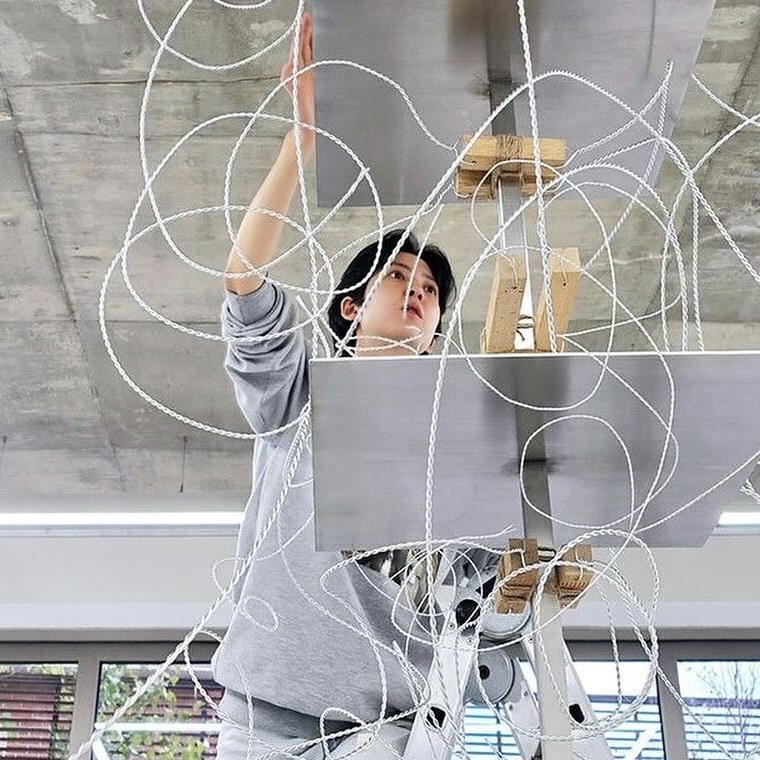
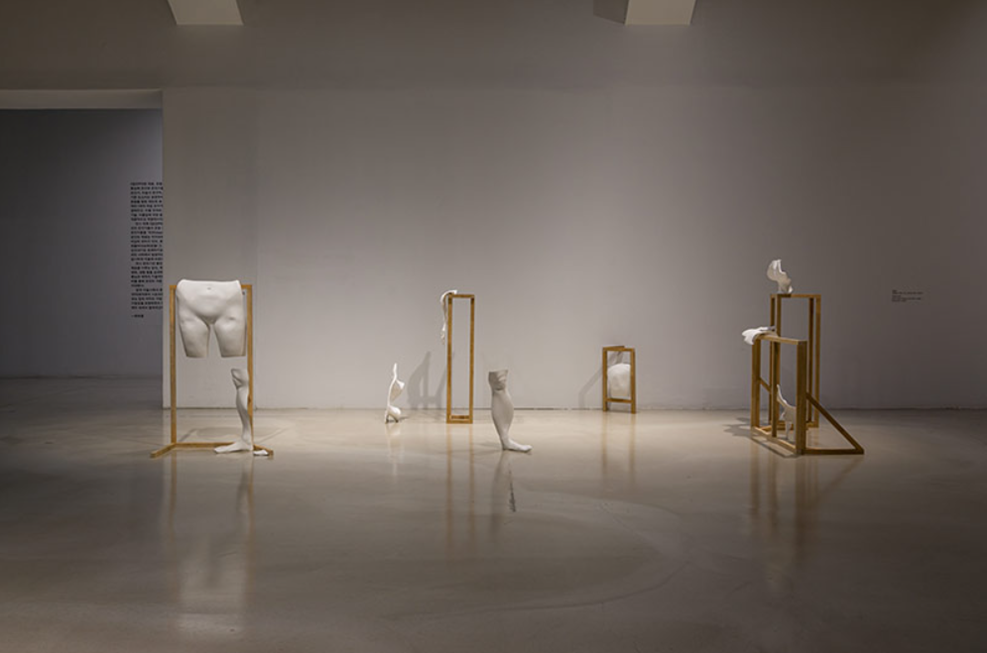
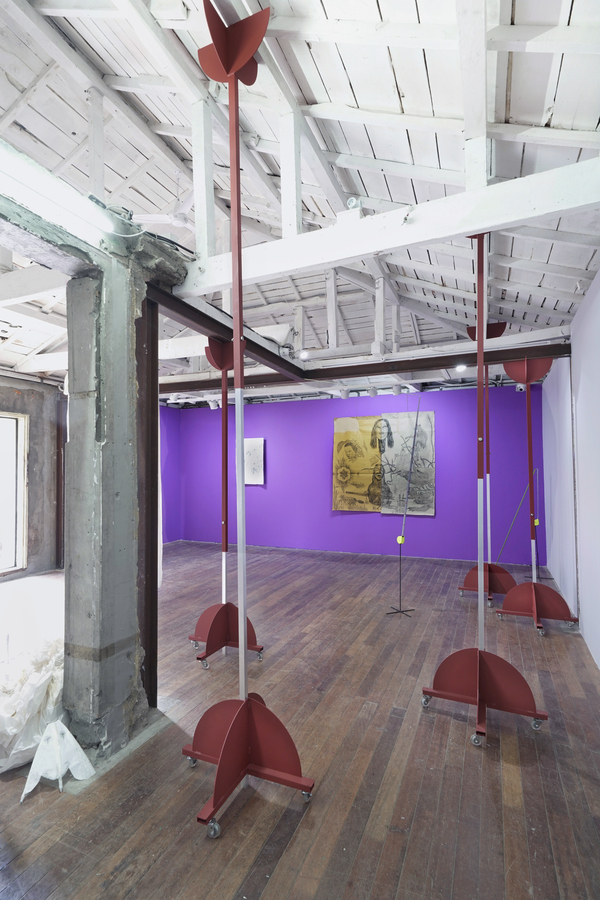
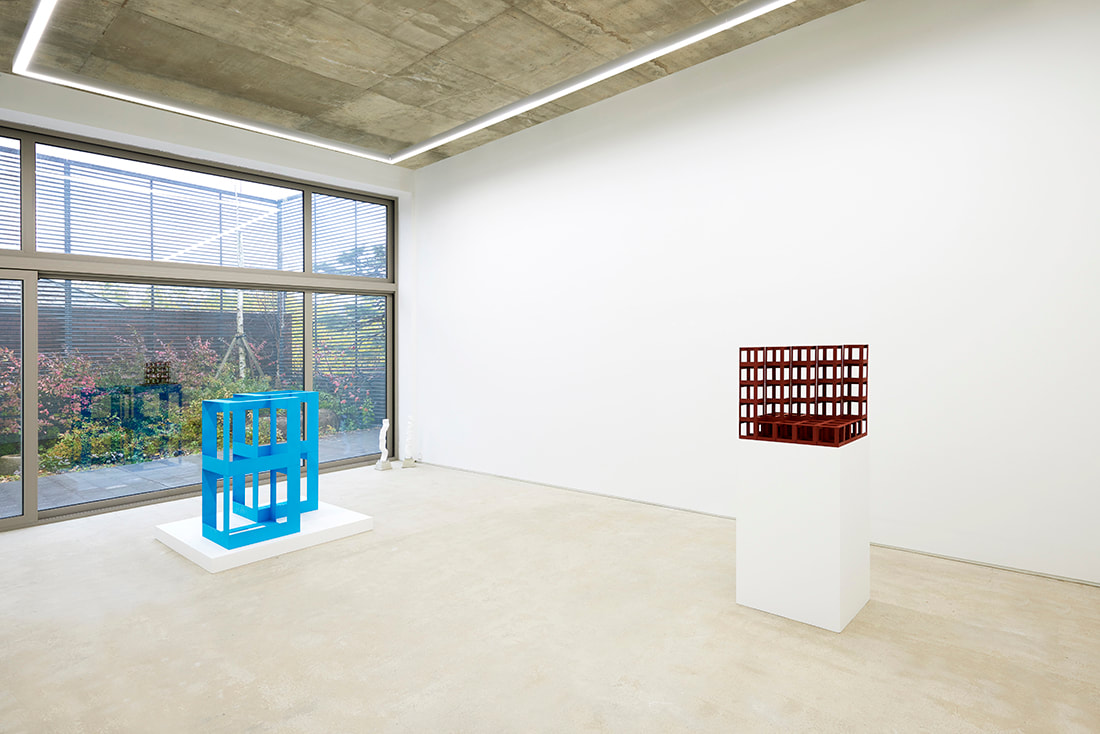
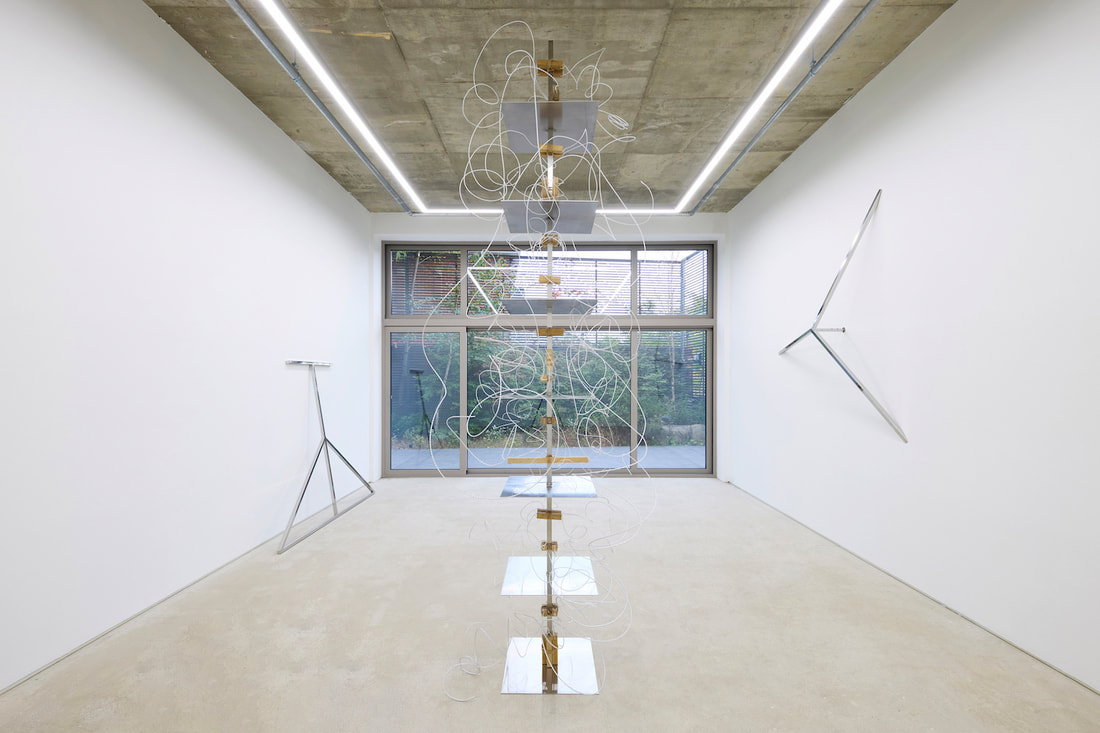
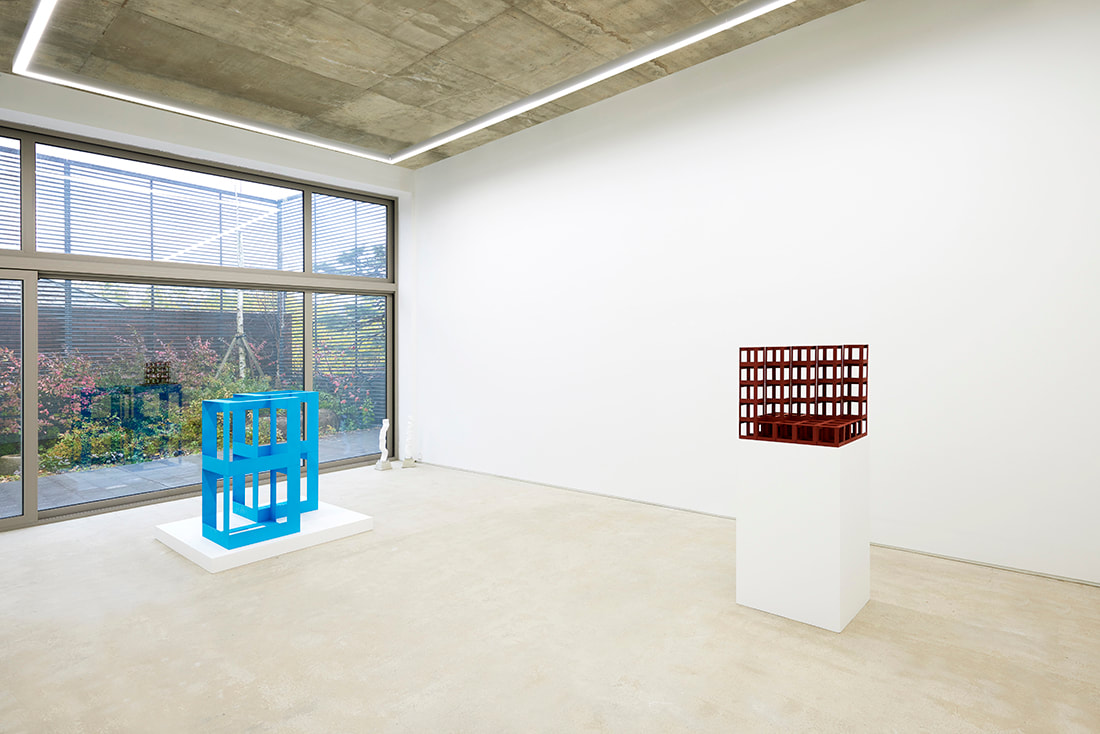
Taeyeon Kim attempts a “new interpretation of old work” as sustainability of a creation transcending time and space. Neutral Structure reveals how supplemental objects, such as supports and holders, which were used to support the installation works and stored in containers after exhibitions, can complement each other beyond their assistive roles and re-emerge as the main subjects. Foams looks for reserved sustainability by providing a special revision of an old work that had difficulties in storage due to its large size and frail materials.
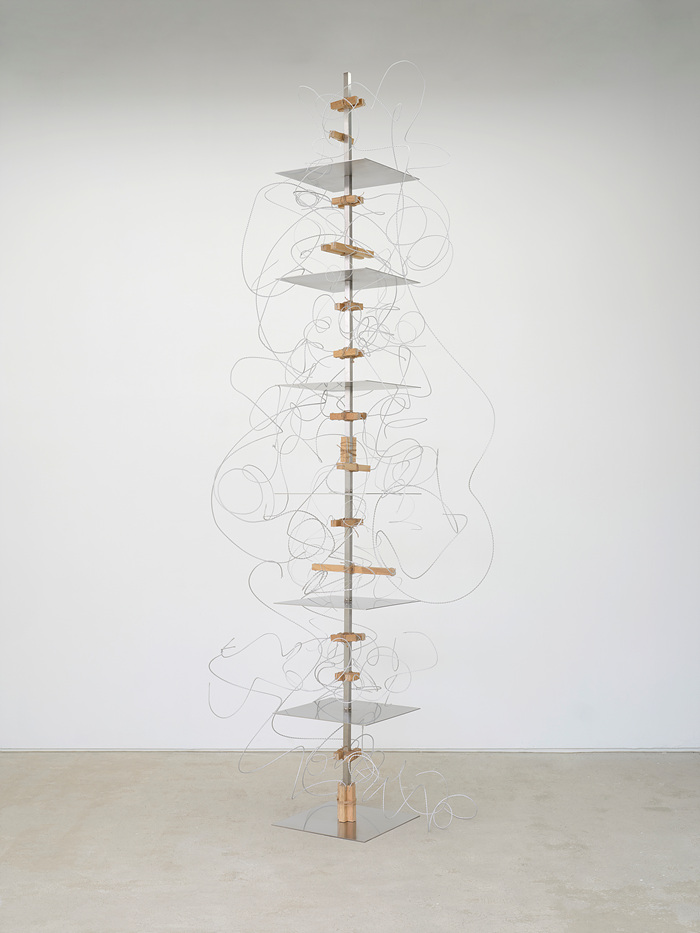
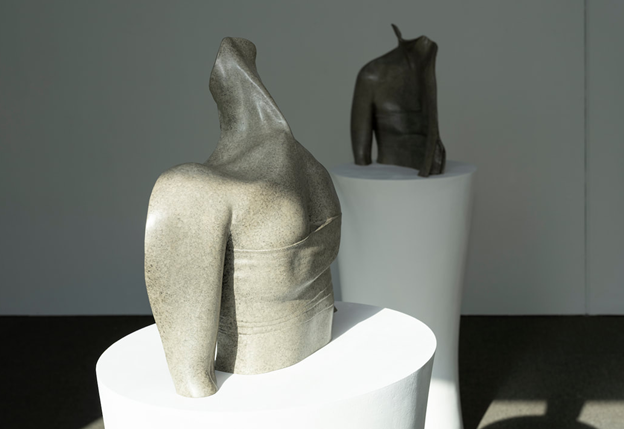
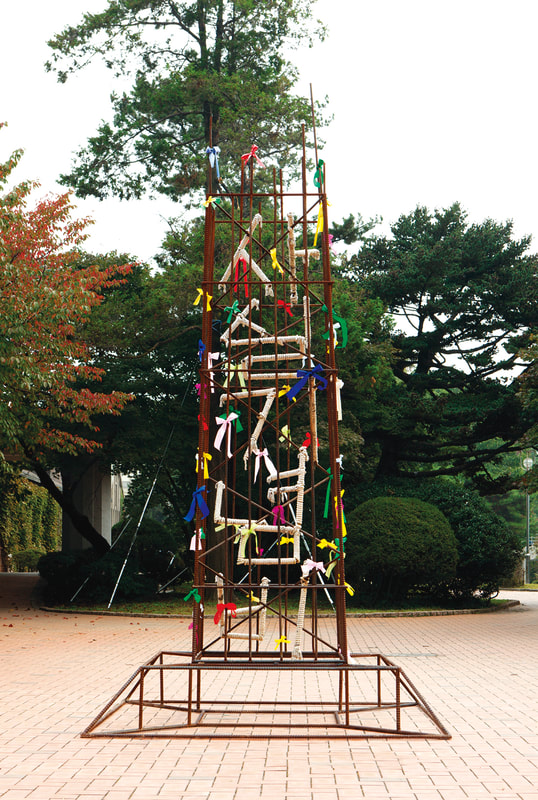
Juhee Youn transformed her previous work Monument for Those Living a Long Day, a sculpture that symbolizes the will to live, into a new work Why Bother. The artist splits the sturdy work into a fragmented, unstable, and precarious shape, allowing it to occupy another position. This may be another answer of her own to the question “why bother [to rework a previous work]?” that was constantly repeated in the process of reworking the existing work. Youn expects spactators to have an opportunity to be resonated with sustainable way of life sitting on a segmented structure.
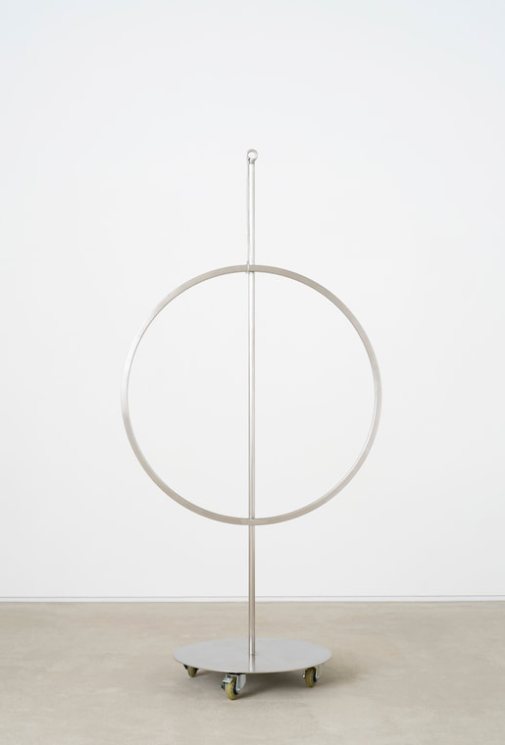
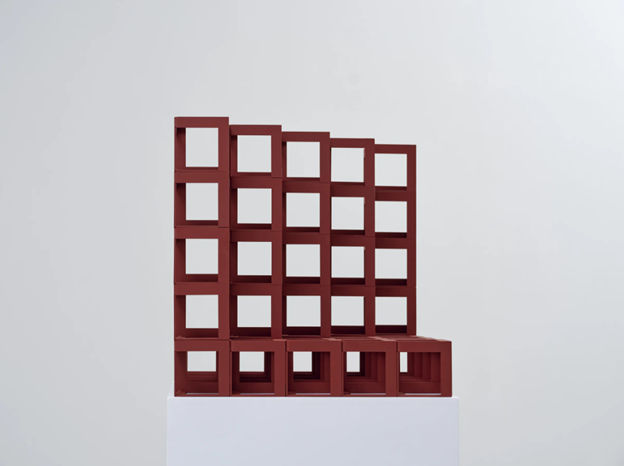
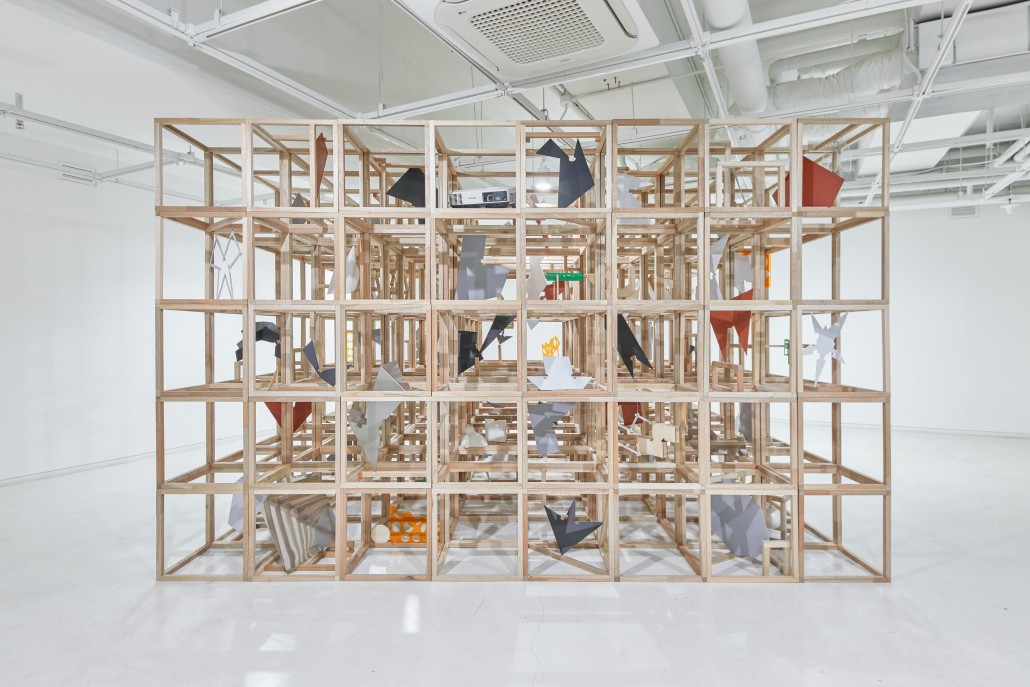
Jaiyoung Cho explores the similarity between environmental problems and the essence of sculpture containing the possibility of proliferation and transformation. Alice’s Room makes us rethink the definition of a fixed, immutable proposition by being dismantled and reconstructed as a unit rather than a piece in an immovable state.
For Cho, sustainable development, like sculpture completed through fluid changes according to the physical conditions of existence, focuses on the moment of transformation/modification that is infinitely multiplying and emptying out to find the core rather than limited activities and standardized answers.
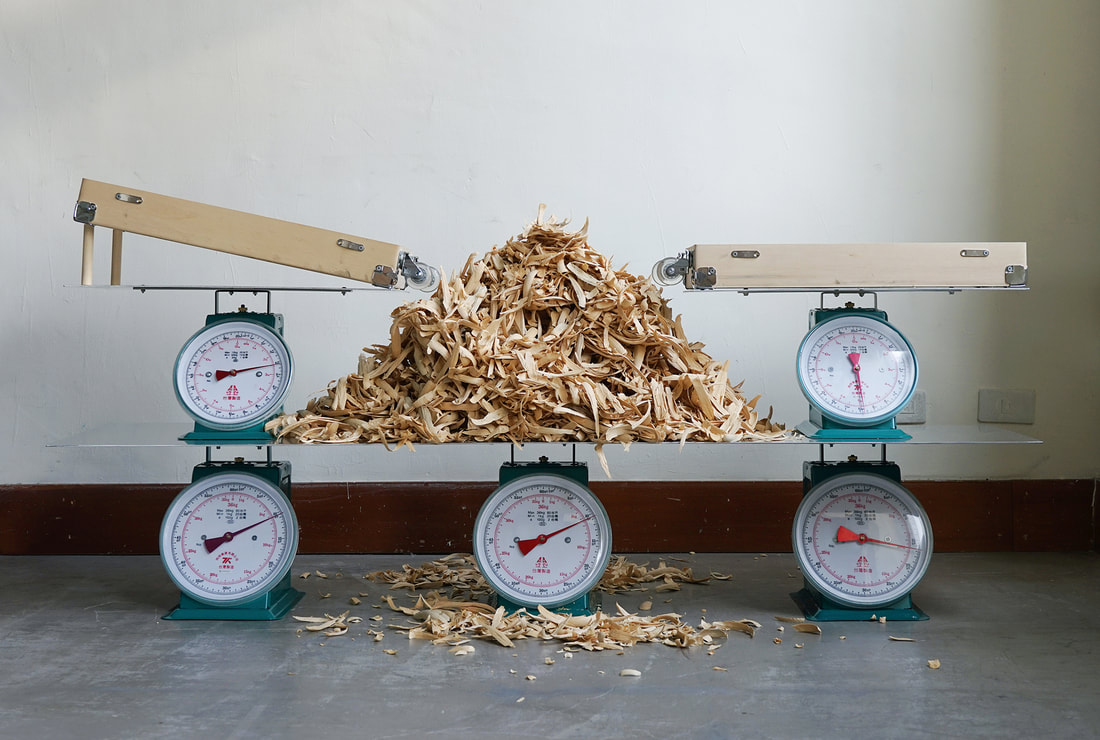
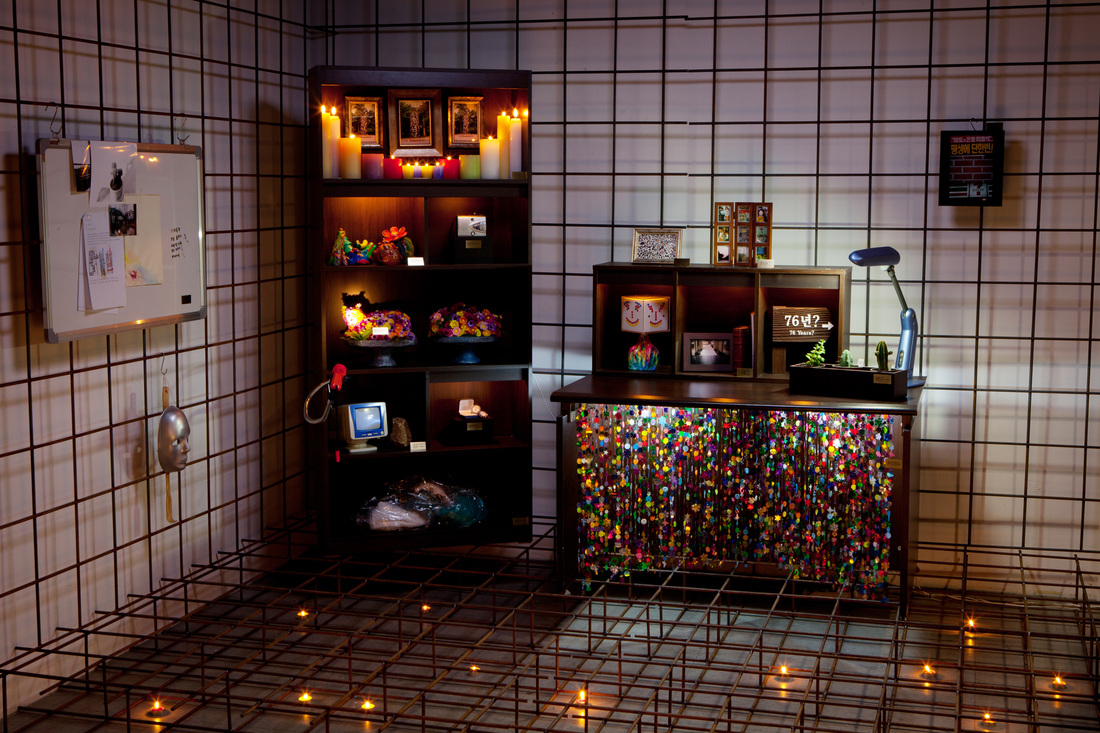
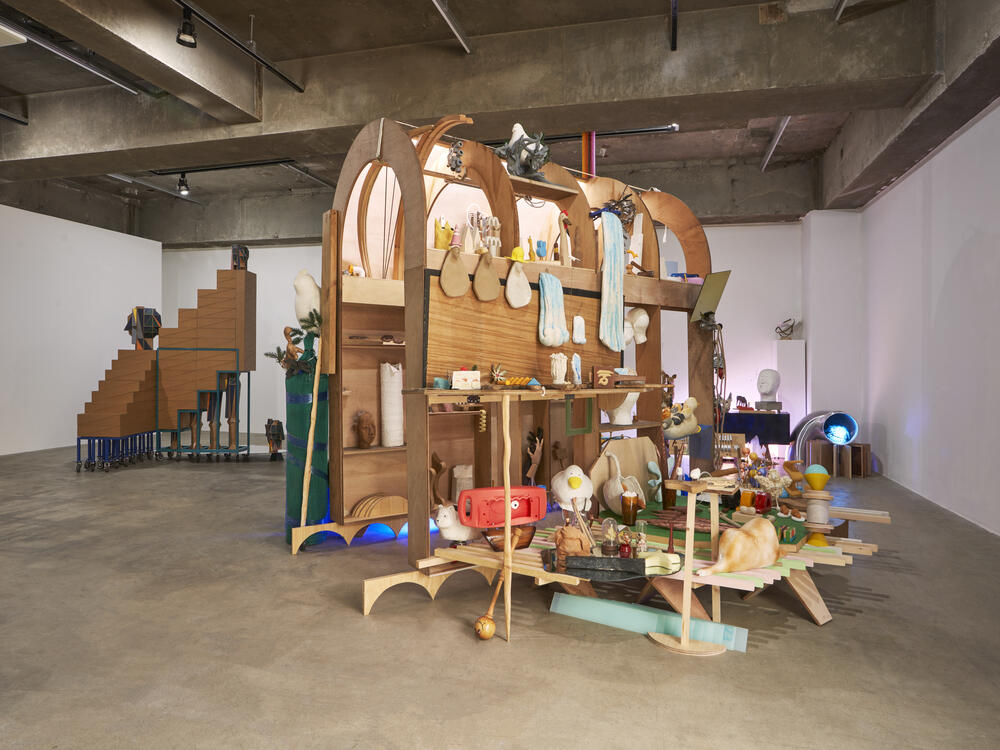
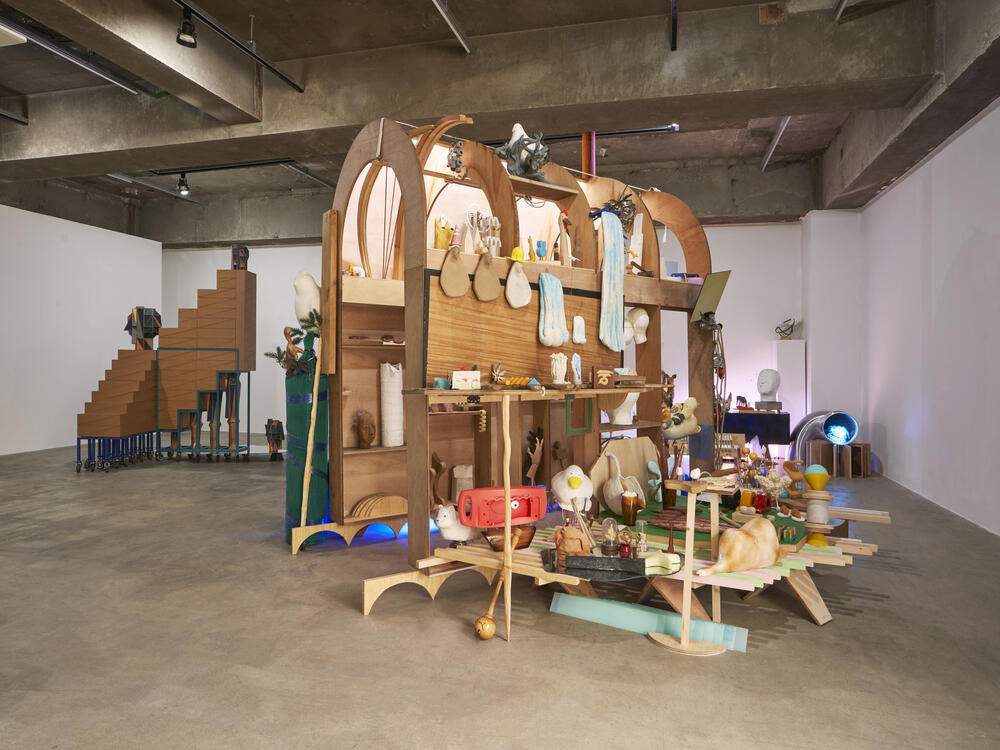
MIX n FIX reproduces the beauty of a flea or garage market by collecting and recombining objects that have not been made into artworks yet cannot be thrown away. The group was formed to supplement and share the works that are burdensome to individual artists or exceeds one’s capacity through the collaboration of five artists.
They fill a tunnel-shaped display in a corner of their studio with inefficient objects for meaningful sharing. Objects that look like odds and ends evoke the values of using, abandoning, possessing, and sharing through new formality in disorder.
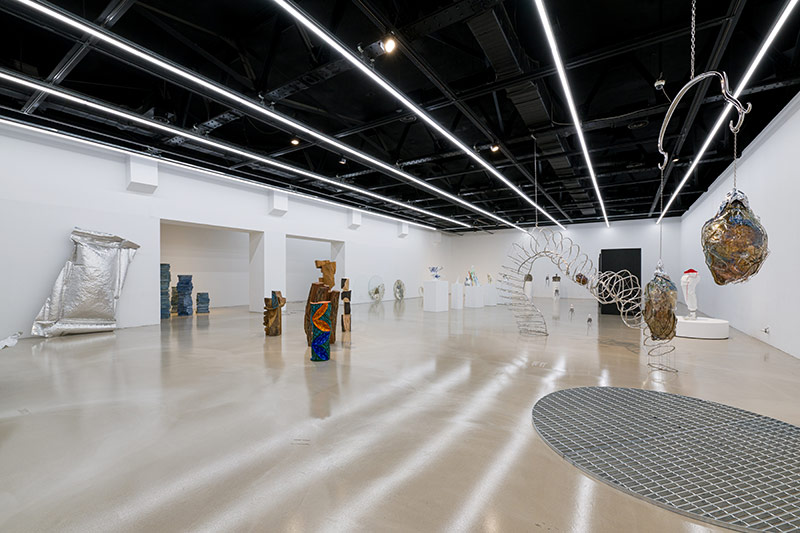
The exhibition 《After the Unsustainable》 demonstrates the process of artistic praxis for ecology, environment, and sustainability through sculptures created by four artists and team. The artists rethink their works, dismantle them into the smallest units, and reexamine the meaning of sharing within the physical conditions of existence.
This exhibition, in this context, is a critical interpretation of the tragedy generated by the constant proliferation and infinite desires of capitalism in the name of efficiency and utility value. It is also a way of believing that we should seriously look for an alternative to current environmental issues without turning our eyes from unsolved problems of humankind.
Ultimately, it is an attempt to find the best possible alternative after acknowledging what we cannot do and find the balance within sharp tension like a firmly standing Jenga puzzle even after losing many pieces.