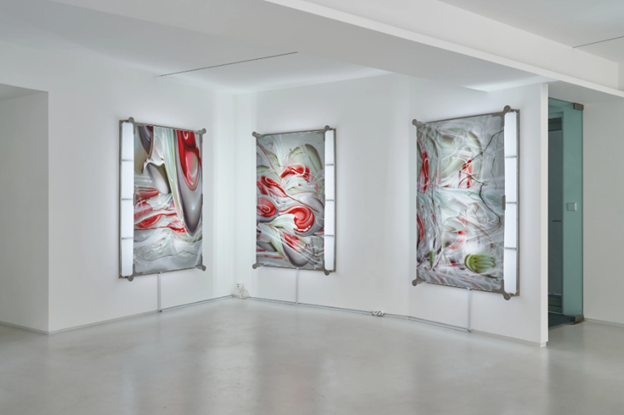
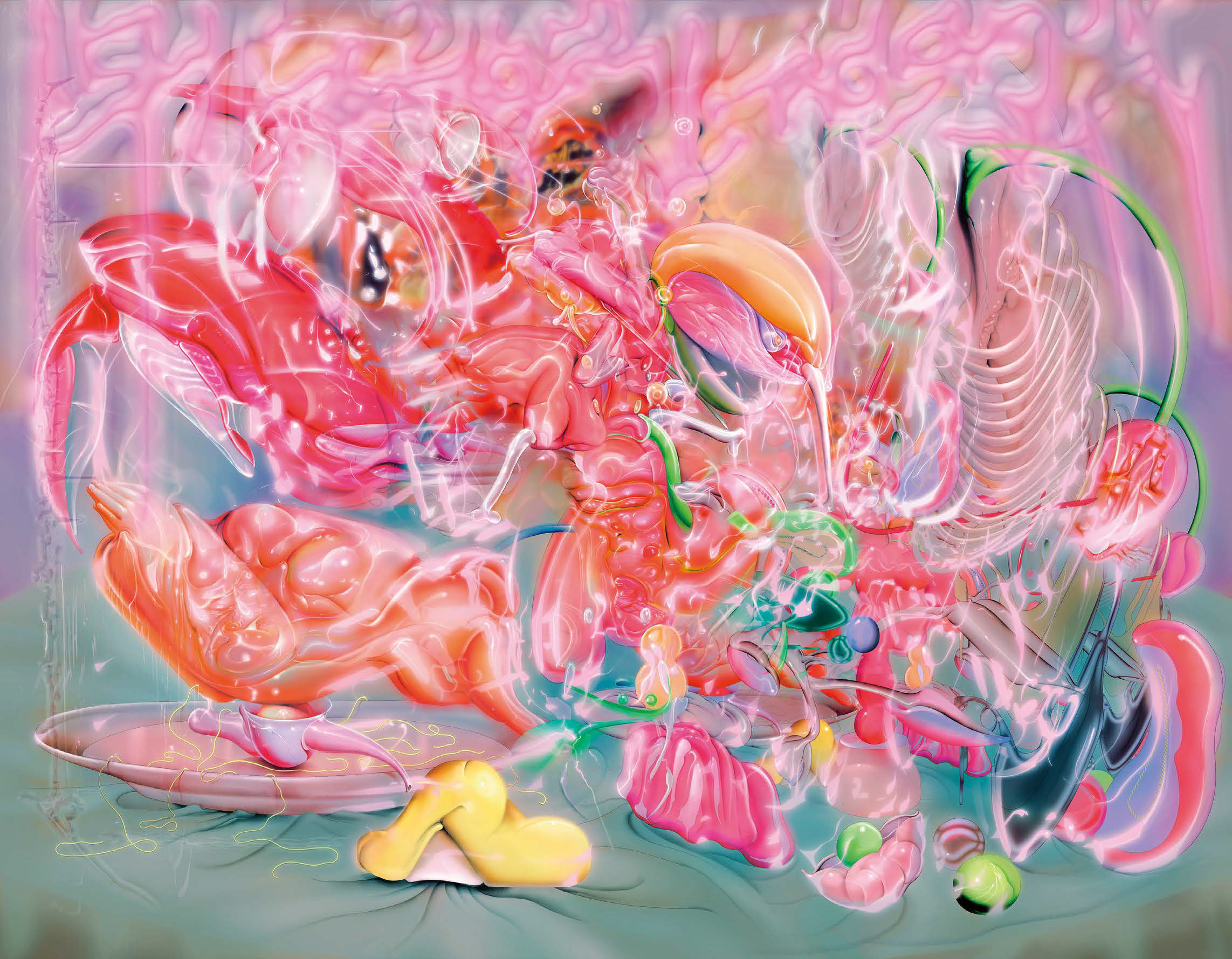
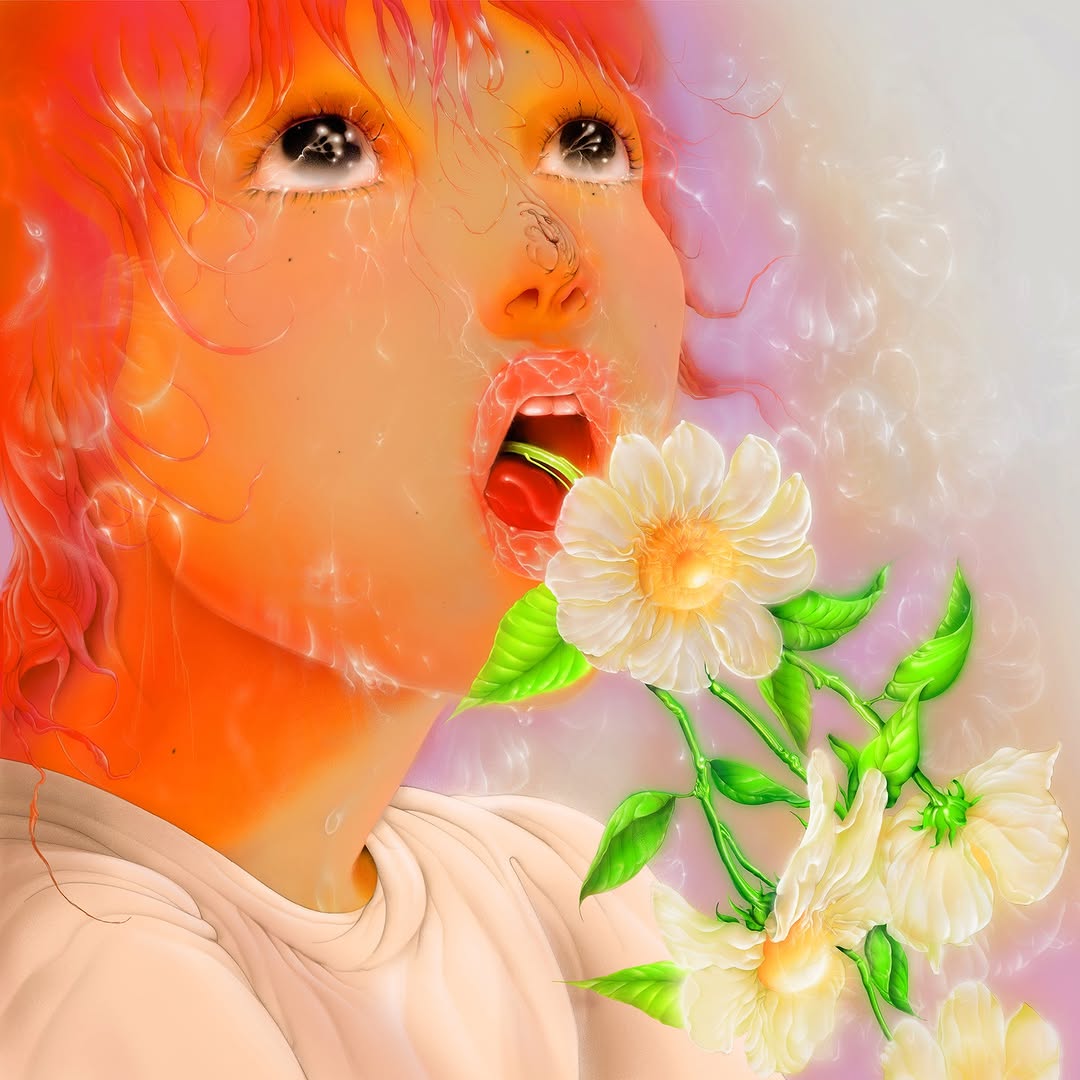
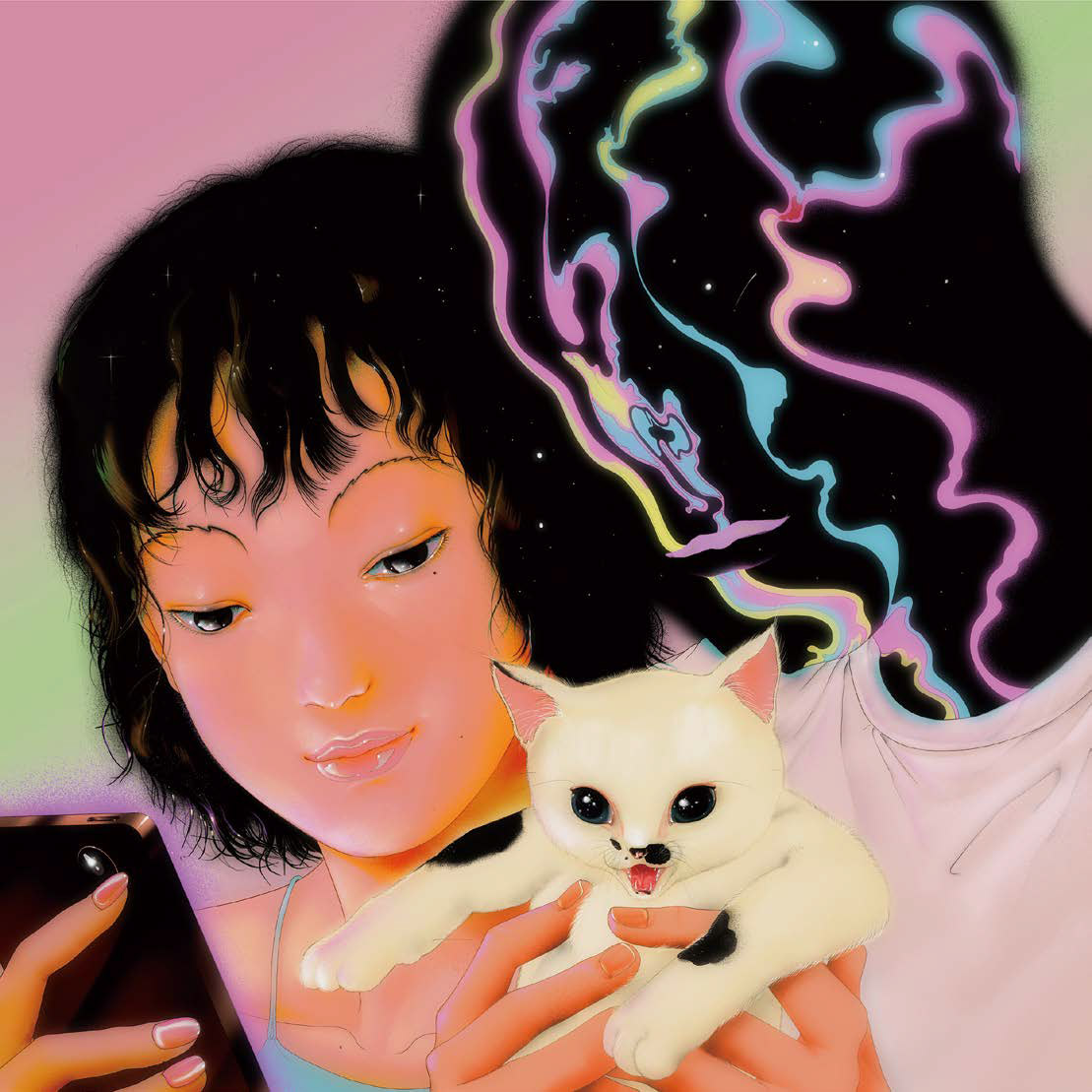
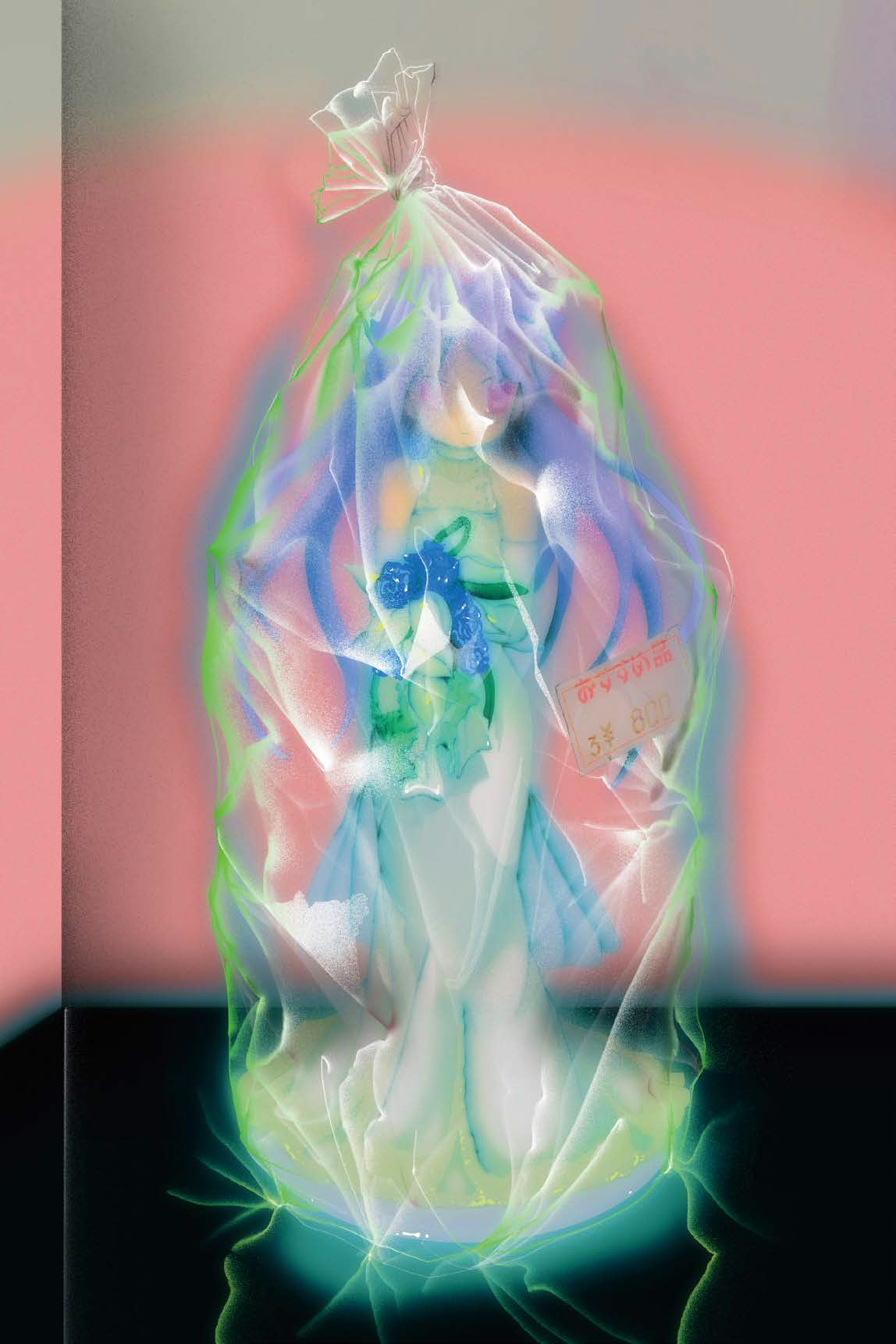
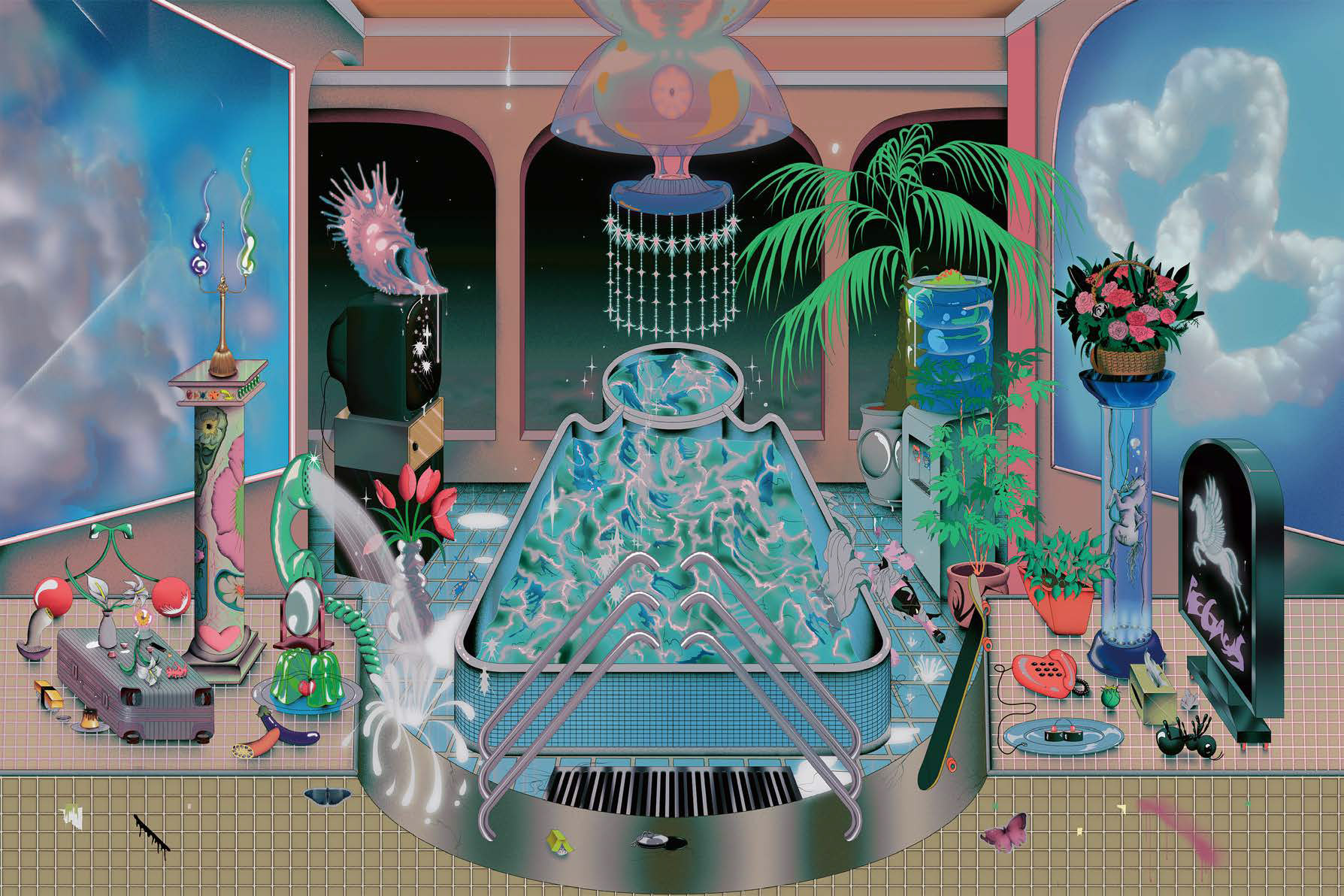
“Through the act of creating images that can actually fill the
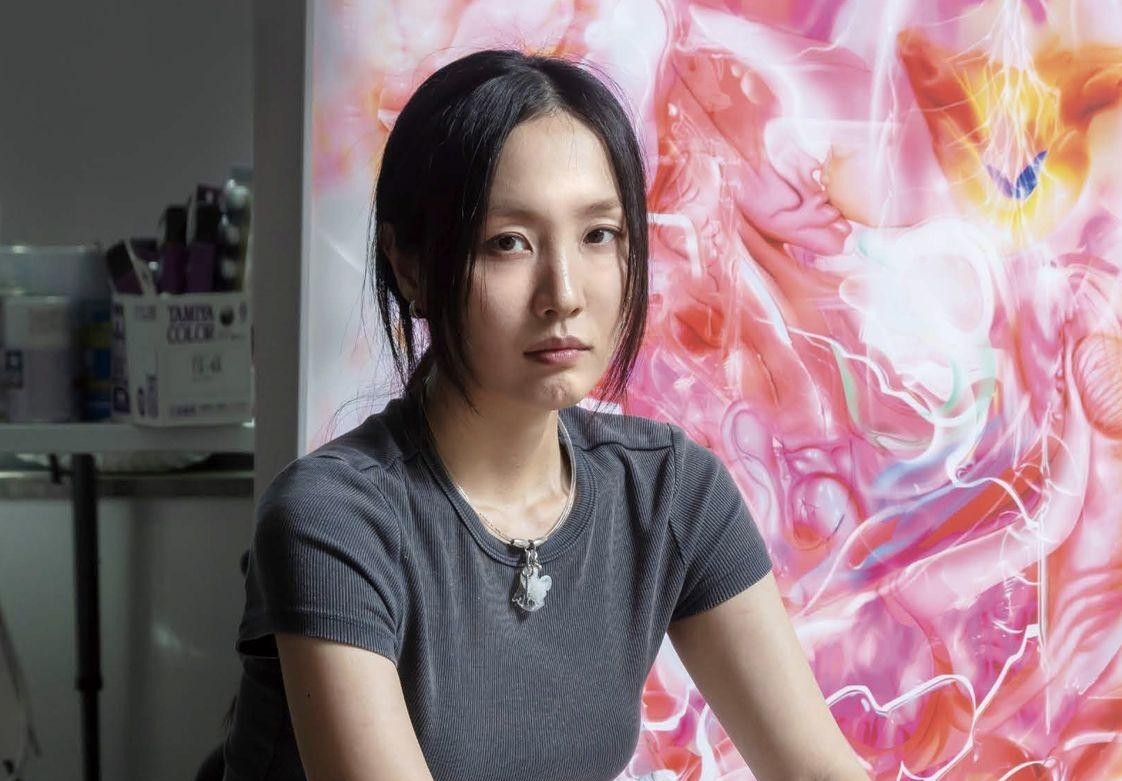
stomach and stimulate the sense of taste in another world, I became a chef.” — Artist’s note by Ram Han
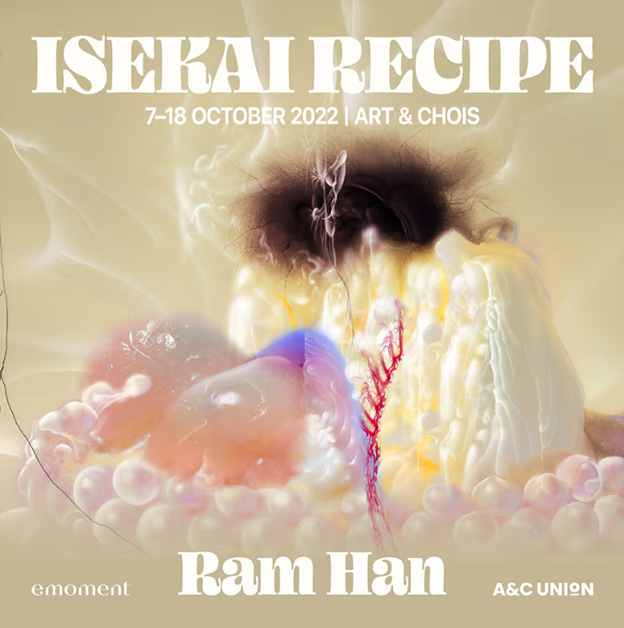
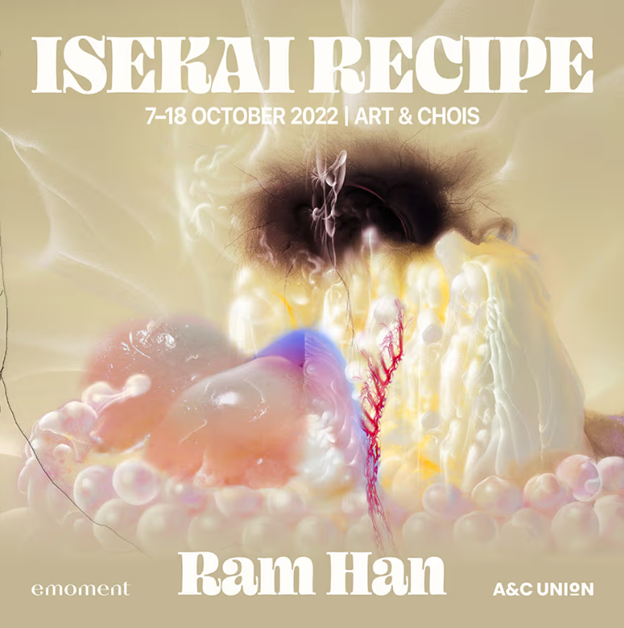
The exhibition title 《ISEKAI RECIPE》 directly adopts the Japanese
pronunciation “isekai,” meaning “another world.” “Isekai” refers to a world
different from the reality in which we live and is a concept that originated
primarily in Japanese subculture. Today it is widely used in web novels and
webtoons. In this exhibition, the artist positions herself as a chef working in
this other world.
AI Generative Art
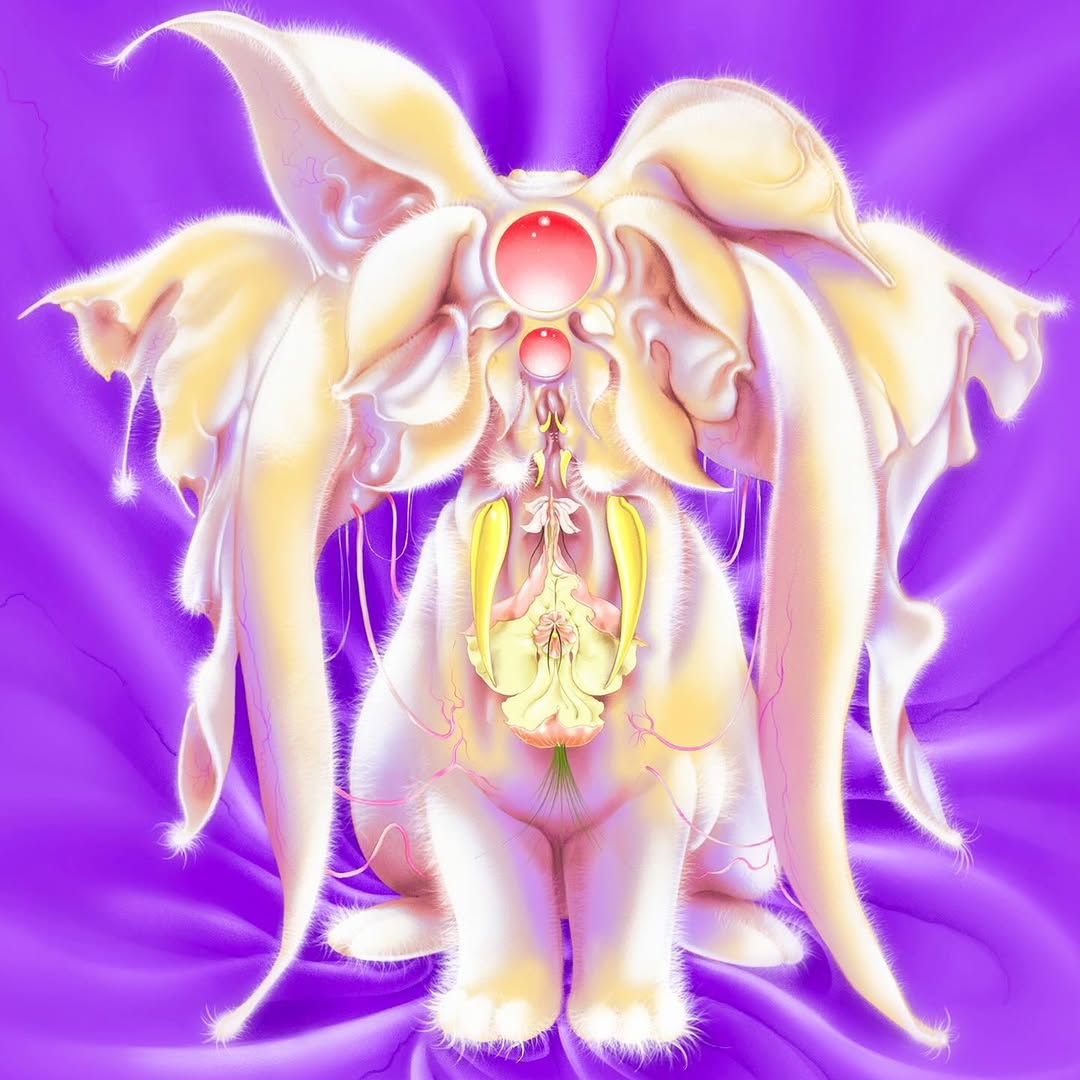
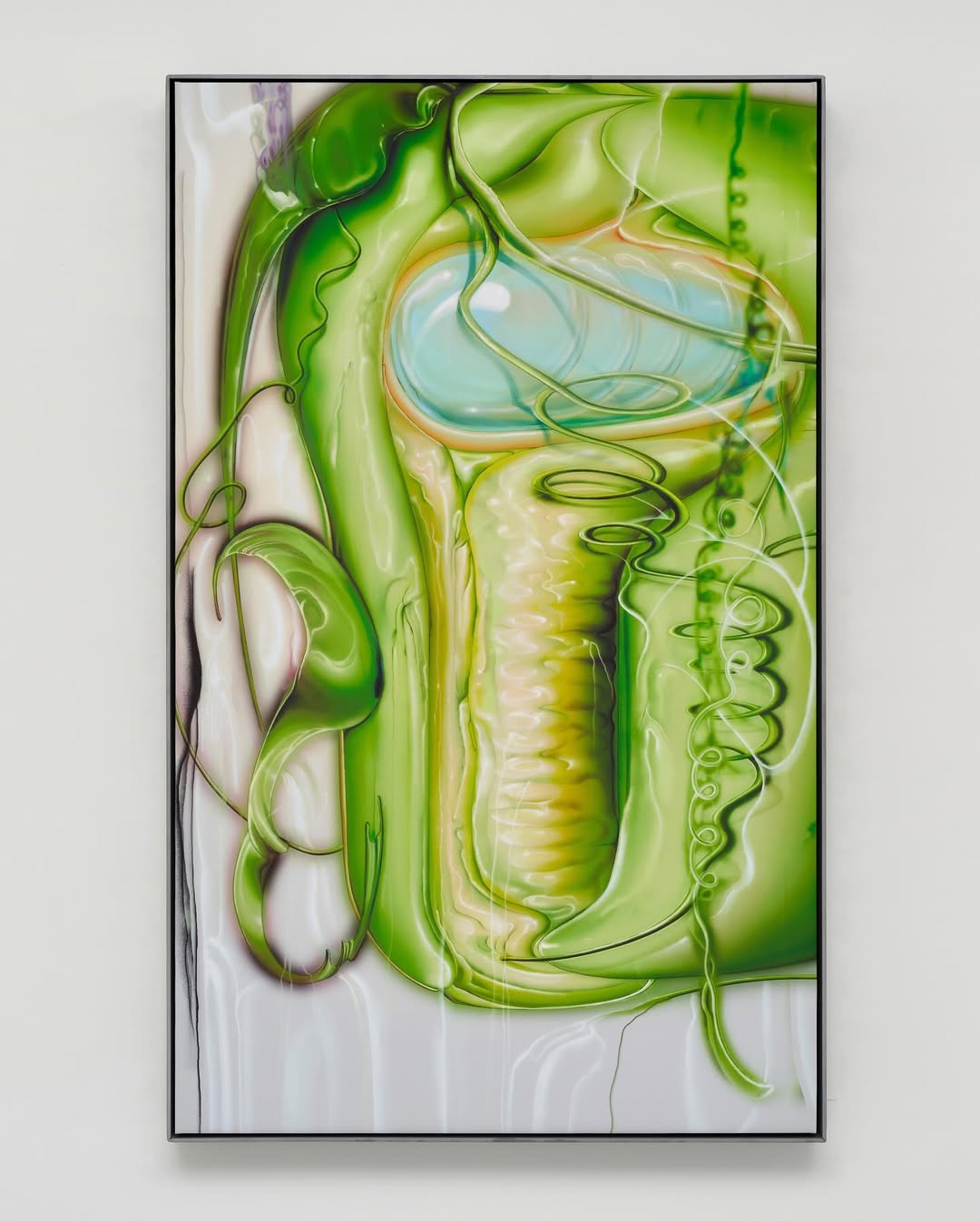
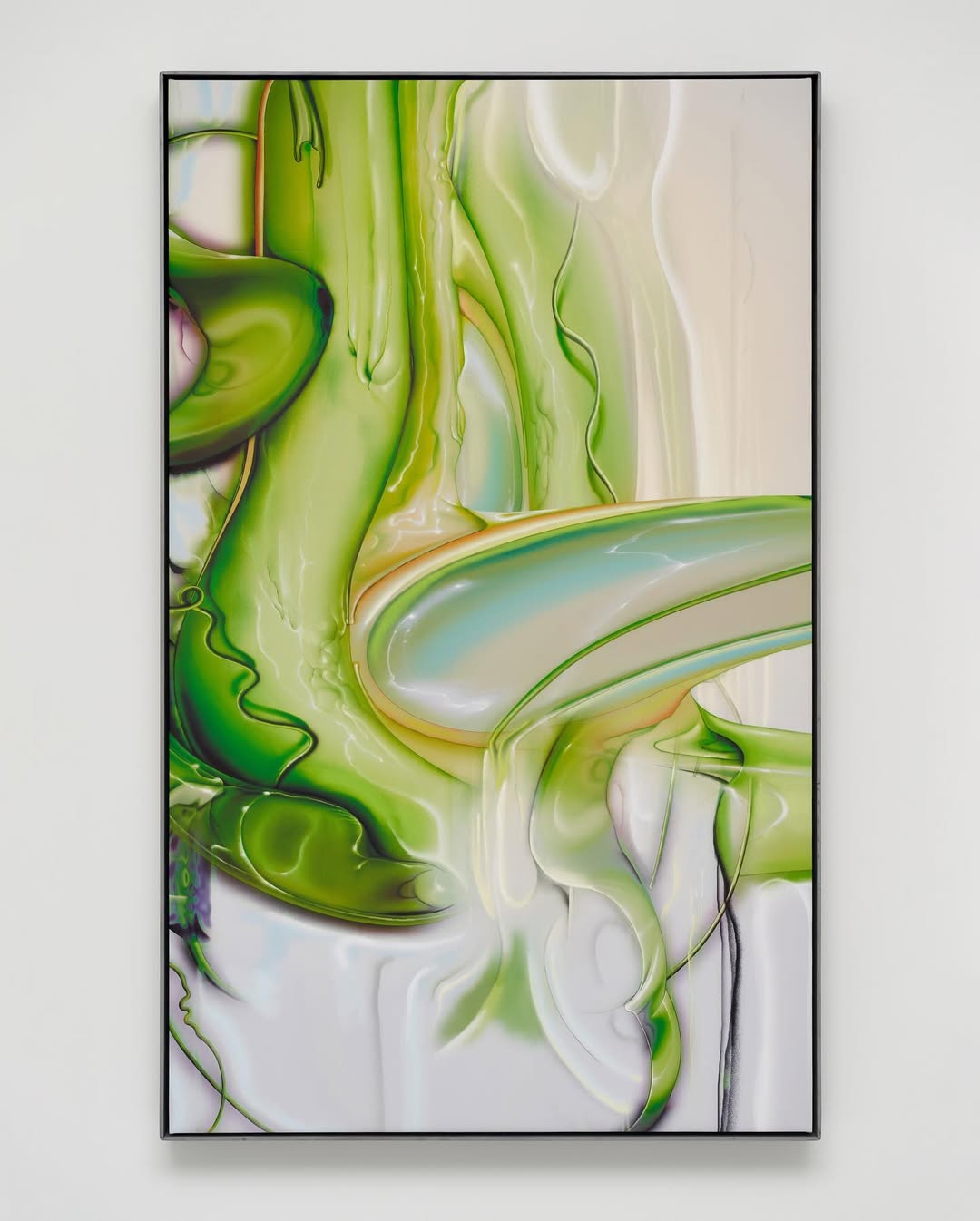
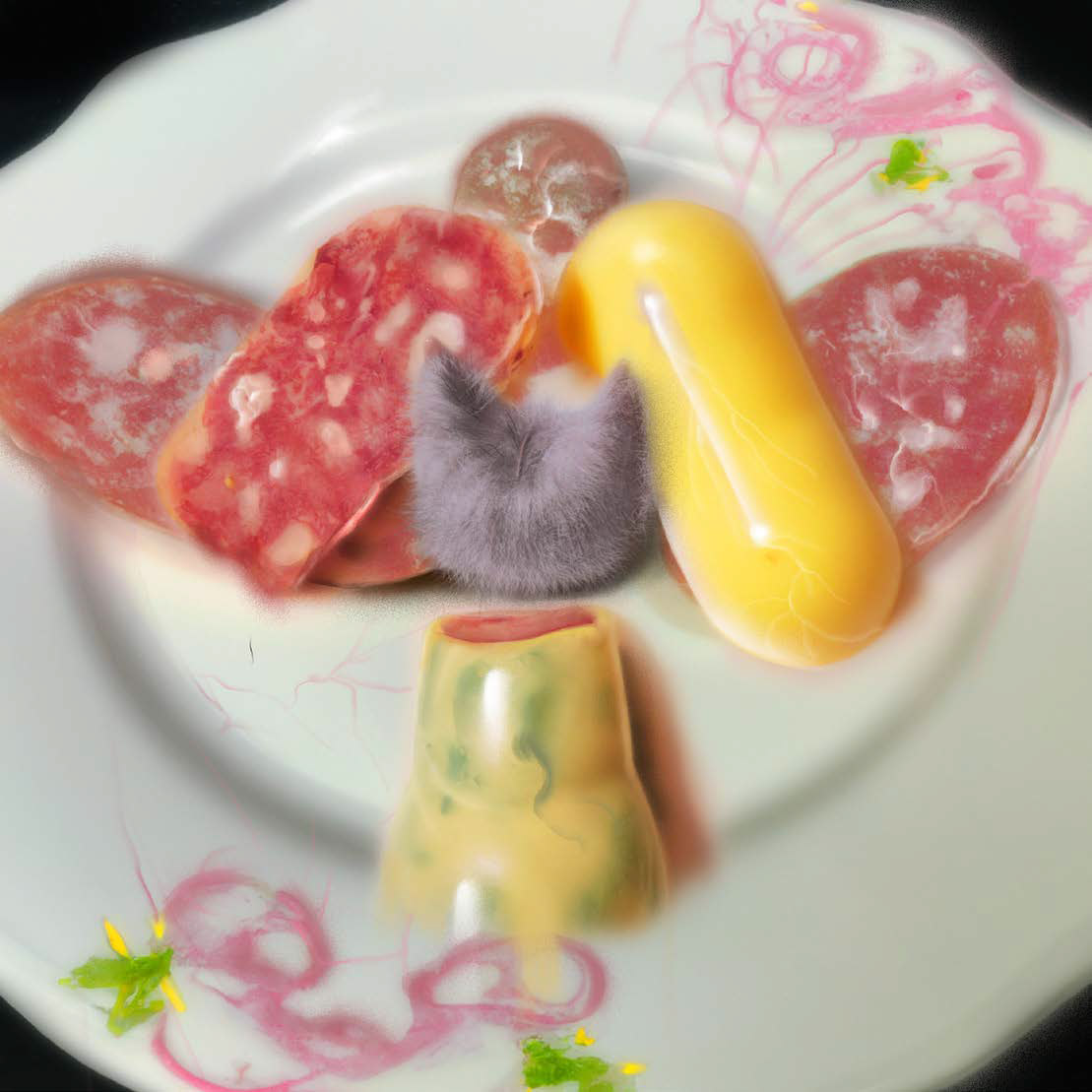
The “dishes” that Ram Han presents to viewers are AI generative
artworks created using an artificial intelligence–based image generation
platform. Photographs of food circulating on the internet and social media
served as the basis for the images generated by the artist. The countless food
photos uploaded by users reflect how food today has expanded from the pleasure
of eating to the pleasure of looking and sharing, becoming an object of
consumption. Through a single posted photograph, users can subtly—or sometimes
overtly—reveal clues about special places, actions, atmospheres, and various
cultural contexts that differ from their everyday lives.
Images generated by AI through vast amounts of data often appear
almost indistinguishable from real photographs. This is largely because the
characteristics of food photography—sharp focus, pronounced texture and color,
and close-up framing of the subject—are strongly reflected in images extracted
through AI generators. The artist repeatedly input keywords that do not
normally correspond with food photography or that seem unusual in that context.
Through this process, she produced ambiguous images that appear real yet not
entirely real, or images in which realistic and ambiguous elements coexist.
A Chef in a World That Feels Real Enough
The artist connects her work with the concept of omakase, where a
chef presents a unique gastronomic narrative in a creative and personal manner.
The ten new works presented in this exhibition are produced in a square format,
echoing the aspect ratio commonly used in photographs posted on social media,
and they are all made in a consistent size. Subjects such as sandwiches,
pudding, and steak occupy most of the frame, and the works follow the sequence
of appetizers, main dishes, and desserts.
Continuing her exploration of sensory stimulation—previously
centered on senses such as sight and touch—the artist here engages with the
sense of taste. Viewers experience visual pleasure through photographs of real
food, and the virtual images recreated from these photographs extend sensations
of sight and touch toward the imagined sensations within the mouth.
How far can virtual food—images of food that do not actually
exist—stimulate our senses? To this question, the artist responds that “our
reality is already deeply intertwined with the virtual world,” and that “rather
than making a clear distinction between the two, it is more meaningful to focus
on their ambiguous boundary.” Because it is neither entirely real nor entirely
virtual, the imaginative realm becomes a space where anything is possible,
allowing the domain of artistic creation to expand infinitely. Emphasizing her
ongoing interest in the “intermingling of reality and the virtual,” the artist
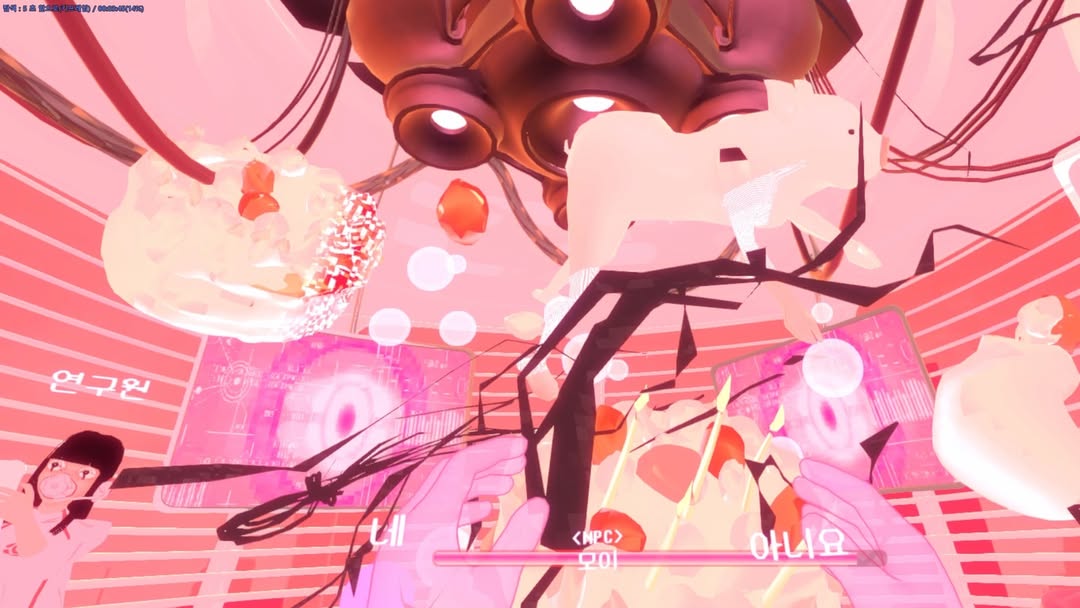
also incorporated AR (augmented reality) works into this exhibition.
In a world that feels sufficiently real—or in a reality that feels
sufficiently virtual—the dishes depicted in Ram Han’s works exist
simultaneously as offline paintings and as images within a tablet screen.
Through these works, viewers are invited to experience the diverse sensory
realms stimulated by these dishes.
This exhibition is a pop-up exhibition organized by emoment
(emoment.kr), an online art content platform operated by Liusion Co., Ltd., in
collaboration with ANC Union. All works introduced in the pop-up exhibition can
also be viewed on emoment (www.emoment.kr) and are available for purchase
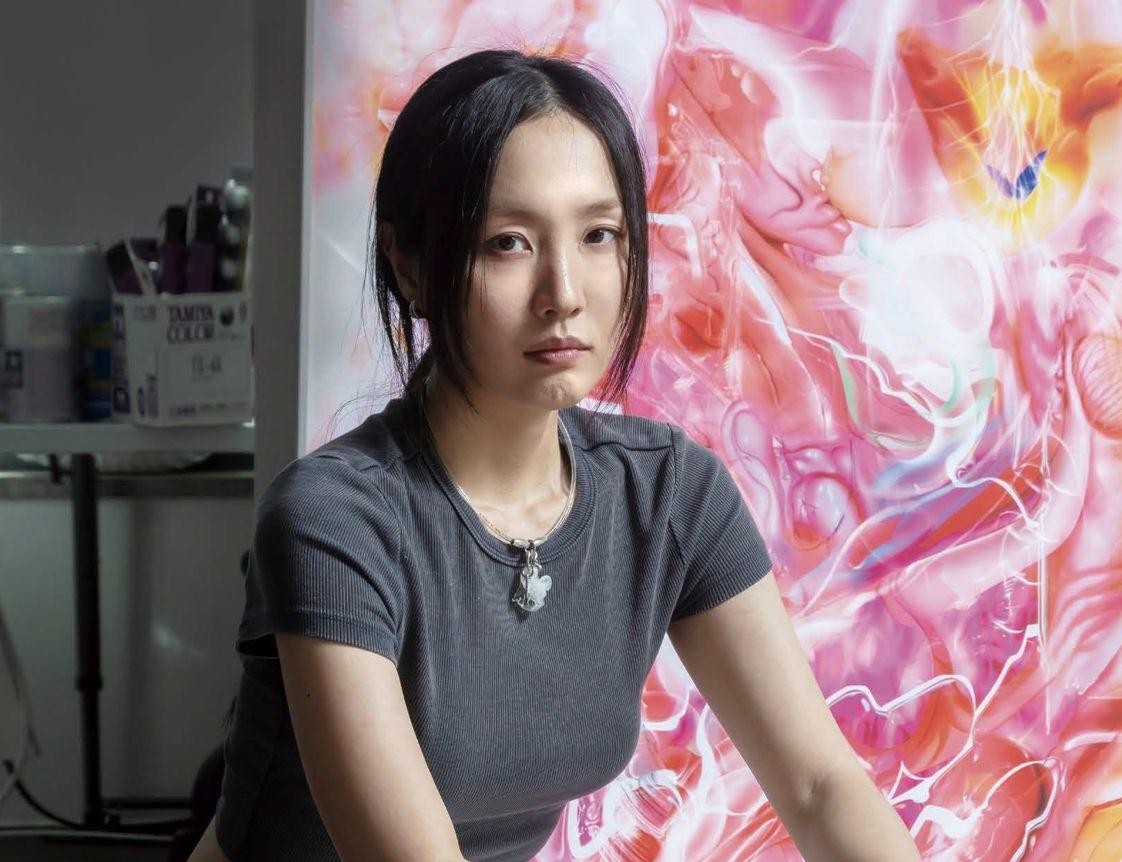
online. In addition to purchasing artworks, visitors can also explore interview
content conducted in the artist Ram Han’s studio located in Incheon.