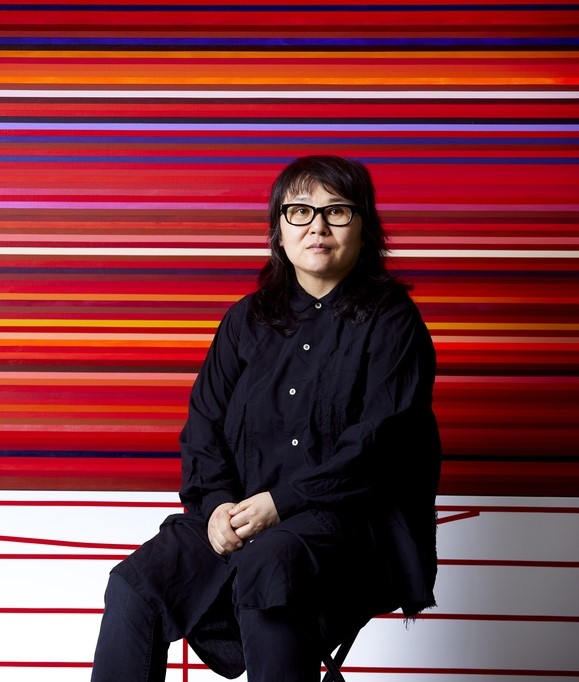
Park Meena and Sasa[44] share several
similarities: both were born in Korea in the early 1970s and received formal
artistic training at art schools in Korea and the United States. While each
artist has pursued individual practices, they have also collaborated under the
name Meena & Sasa. A consistent concern that emerges across both their
individual and collaborative works is the collection, recording, listing,
organization, and analysis of information related to objects and phenomena.
Although the two artists work together,
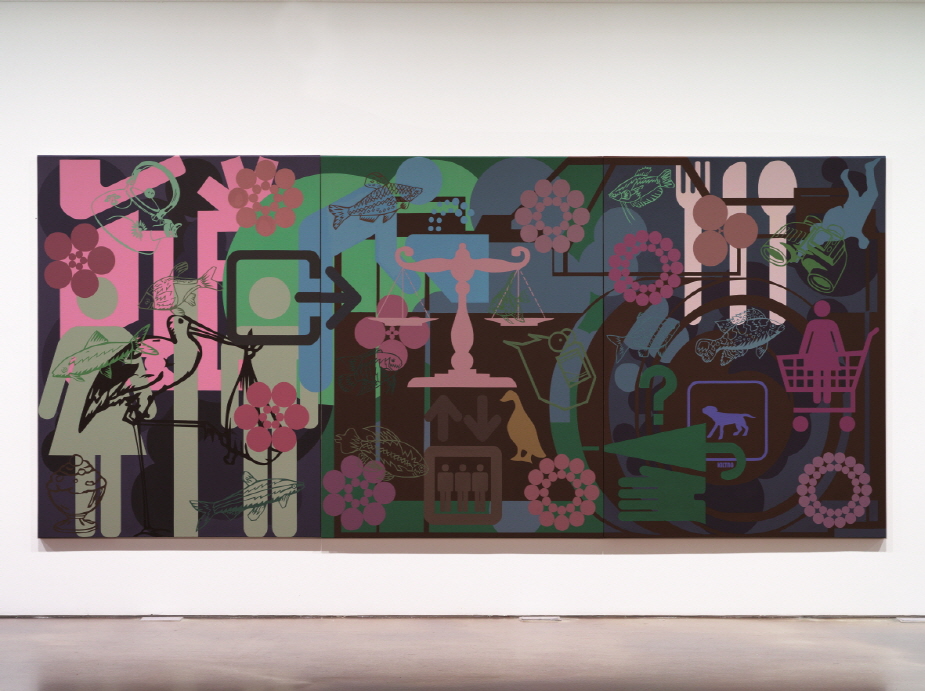
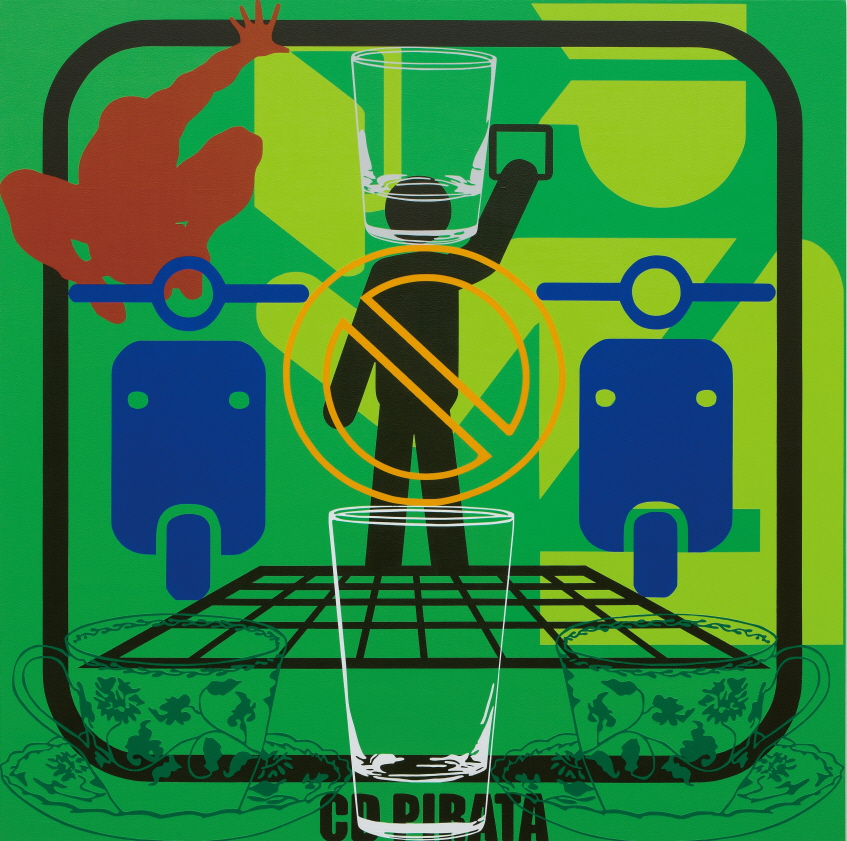
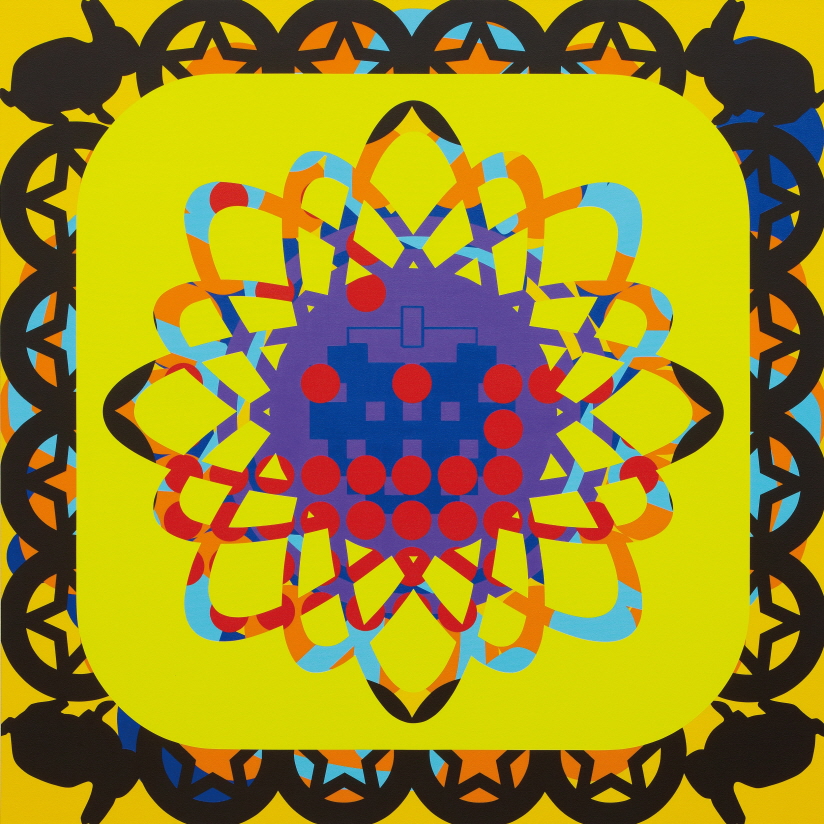
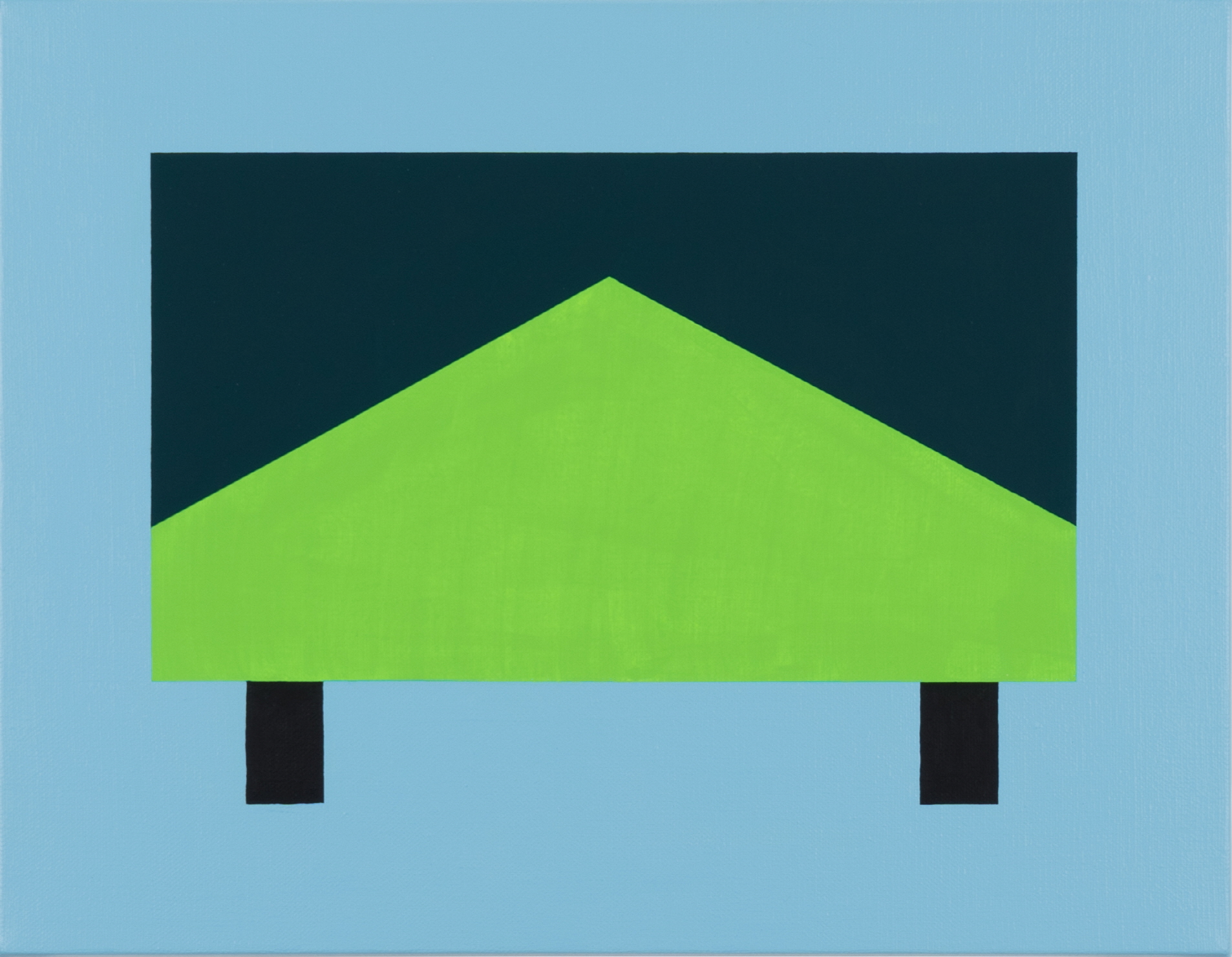
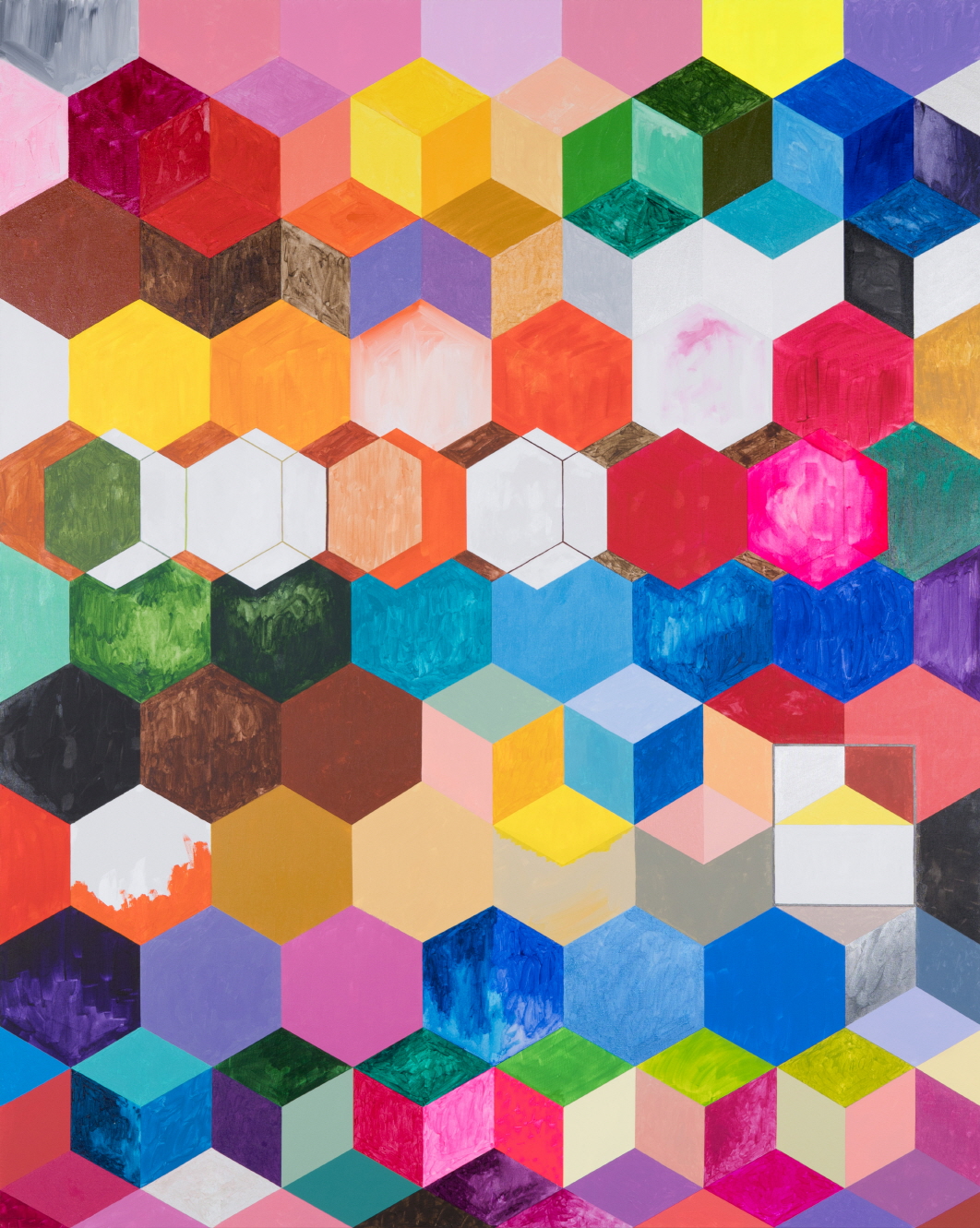
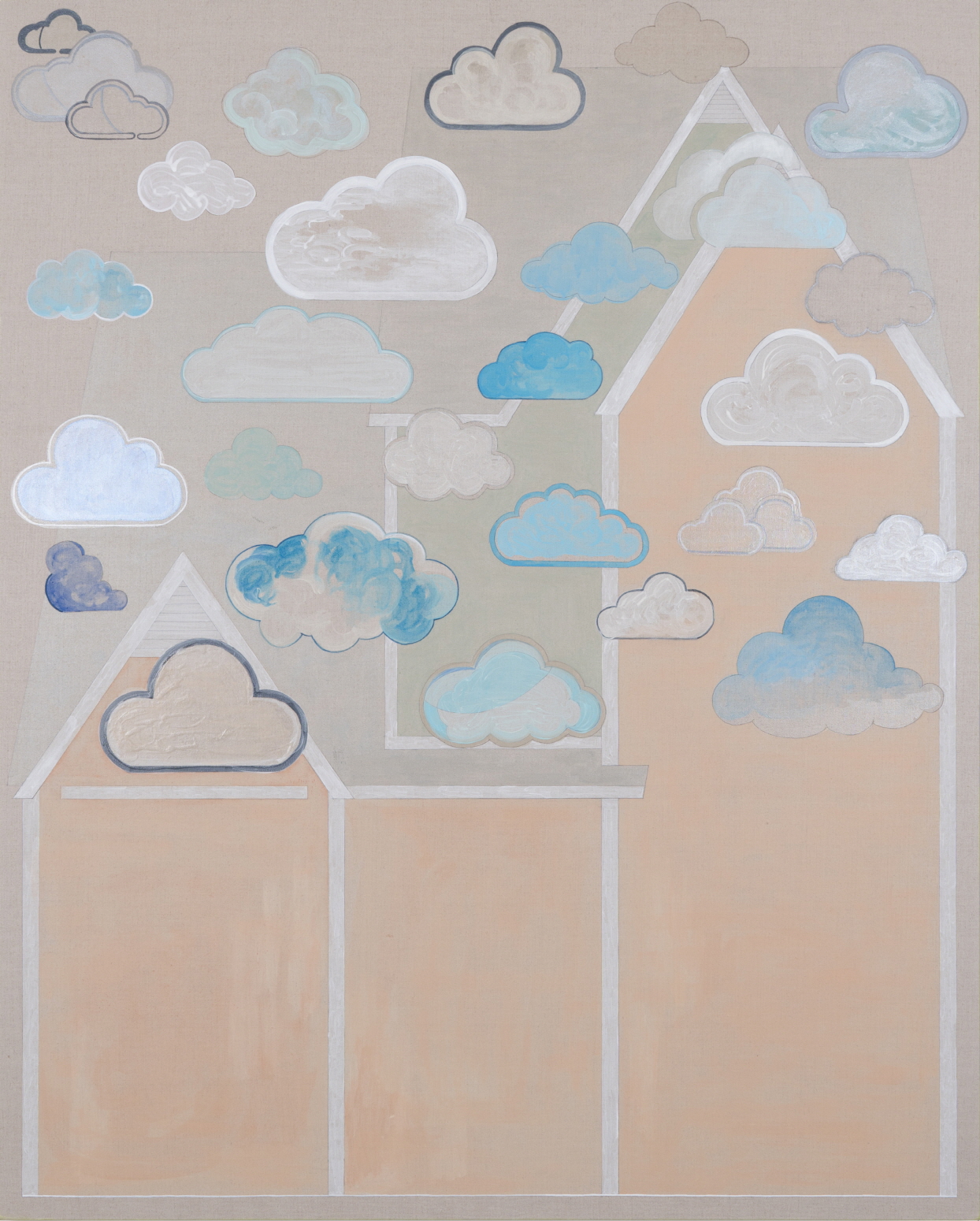
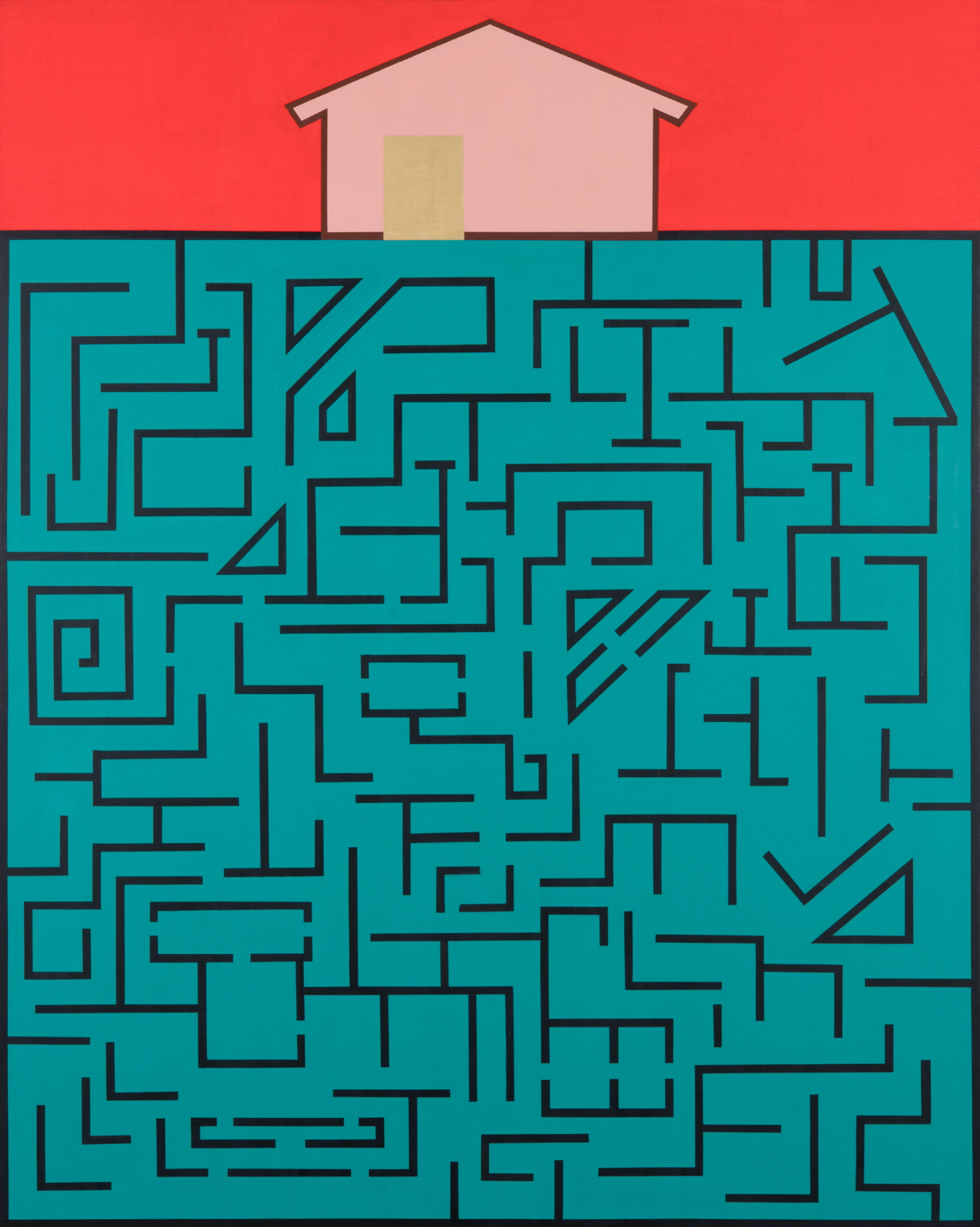
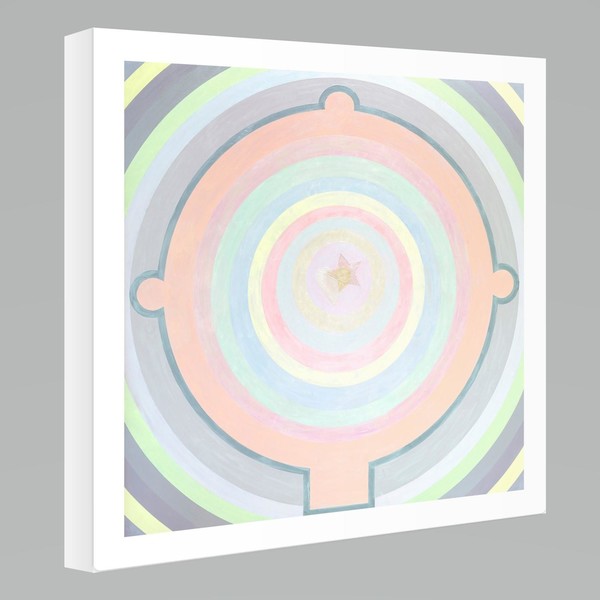
their artistic methods and materials differ considerably. Park Meena primarily
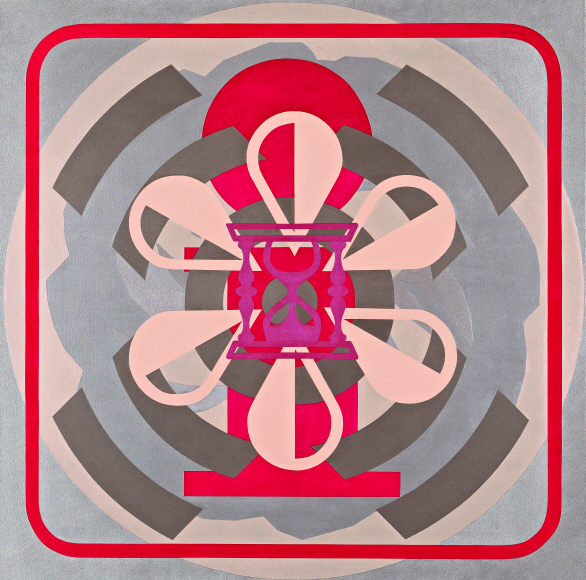
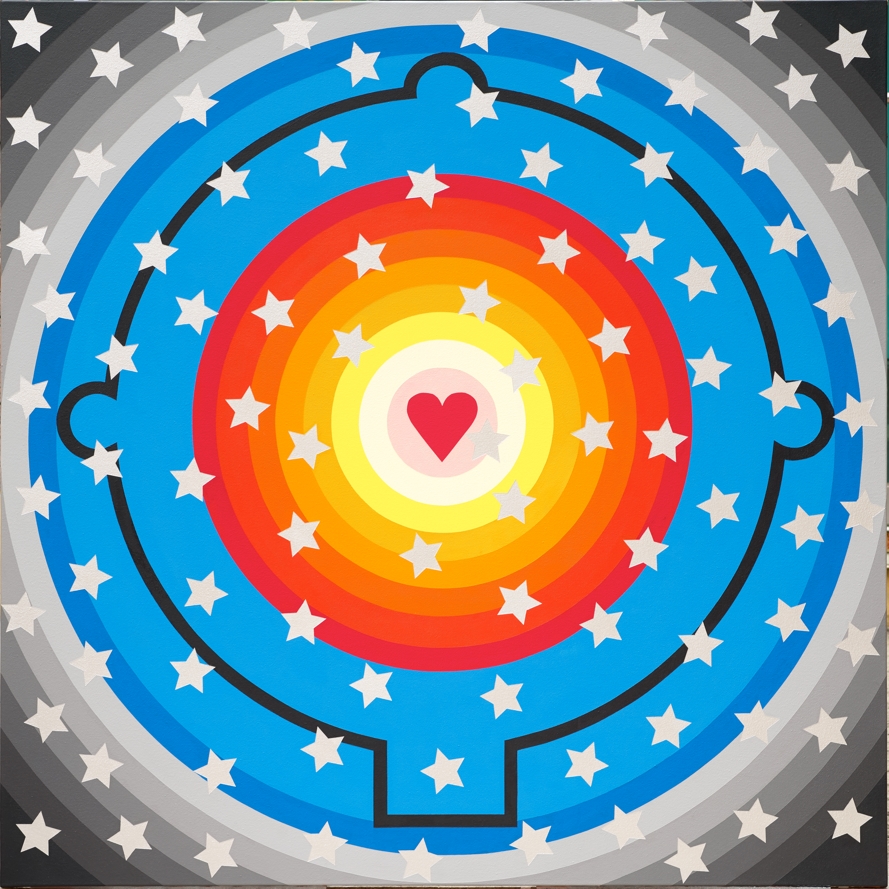
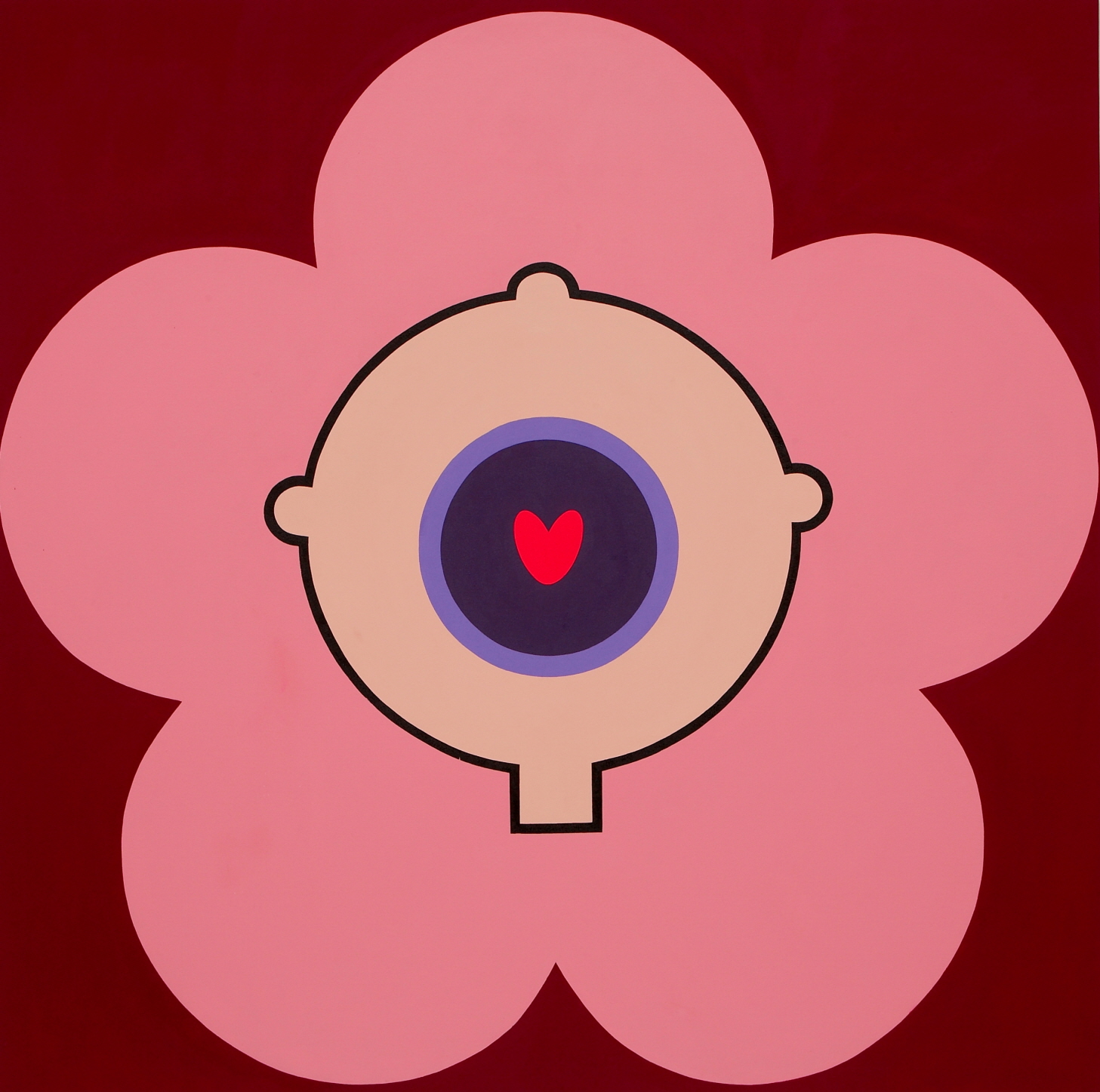
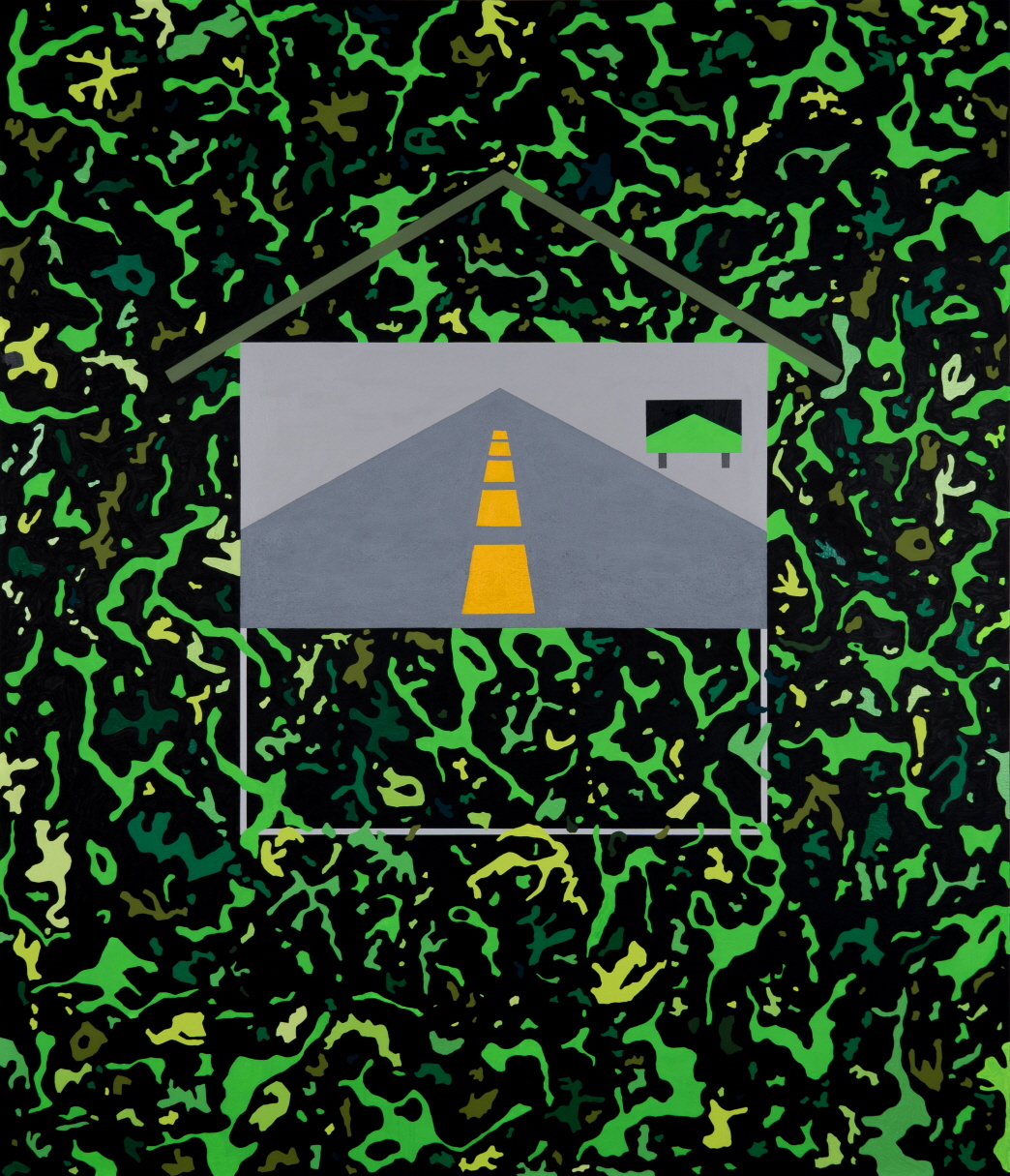
works on the flat surface of the canvas using traditional materials such as
acrylic paint, combining patterned motifs and bands of color to produce new
visual signs. Sasa[44], by contrast, tends to work less with painting and
instead uses media such as photography, video, and installation to extract new
elements from existing images.
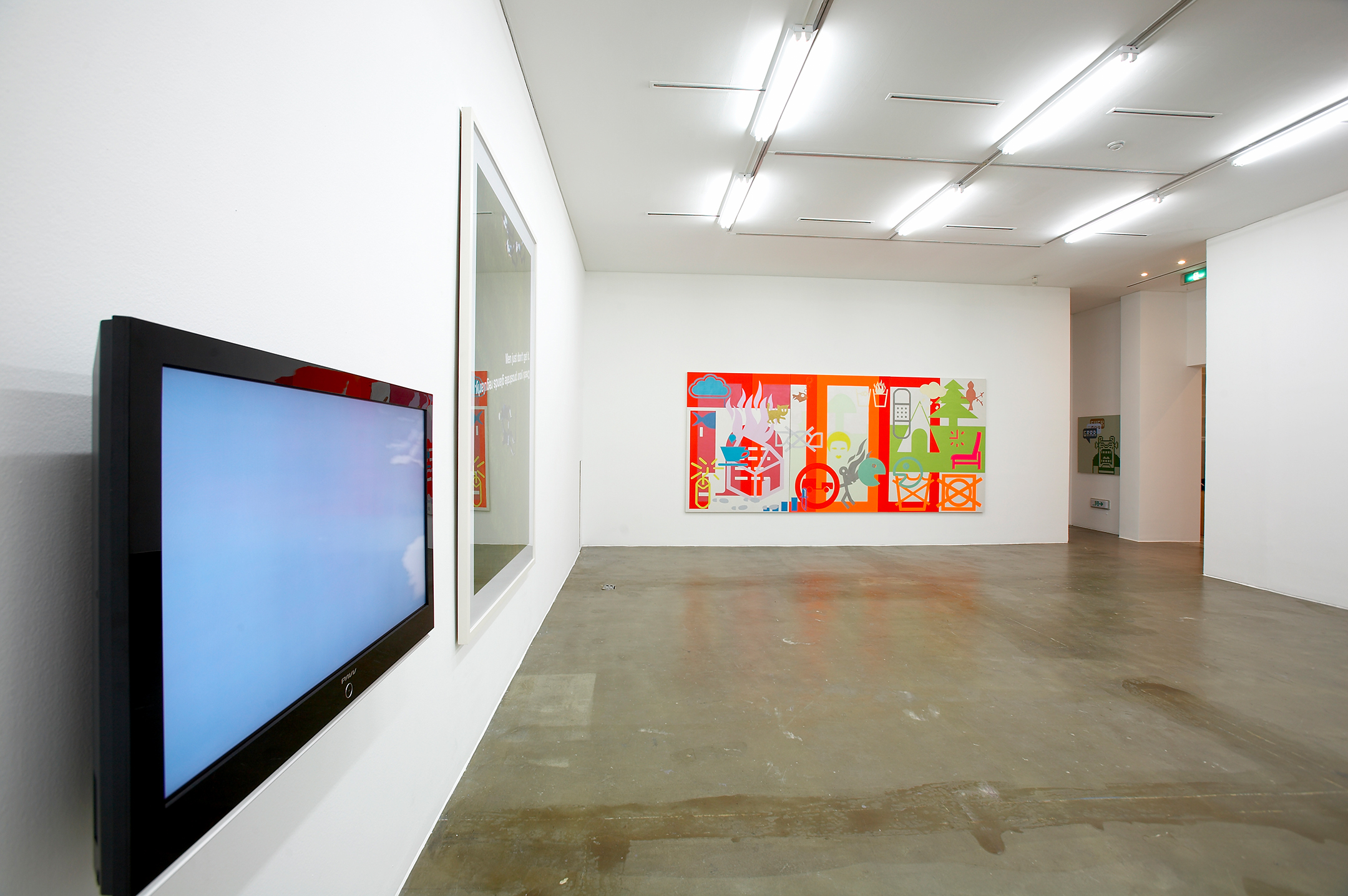
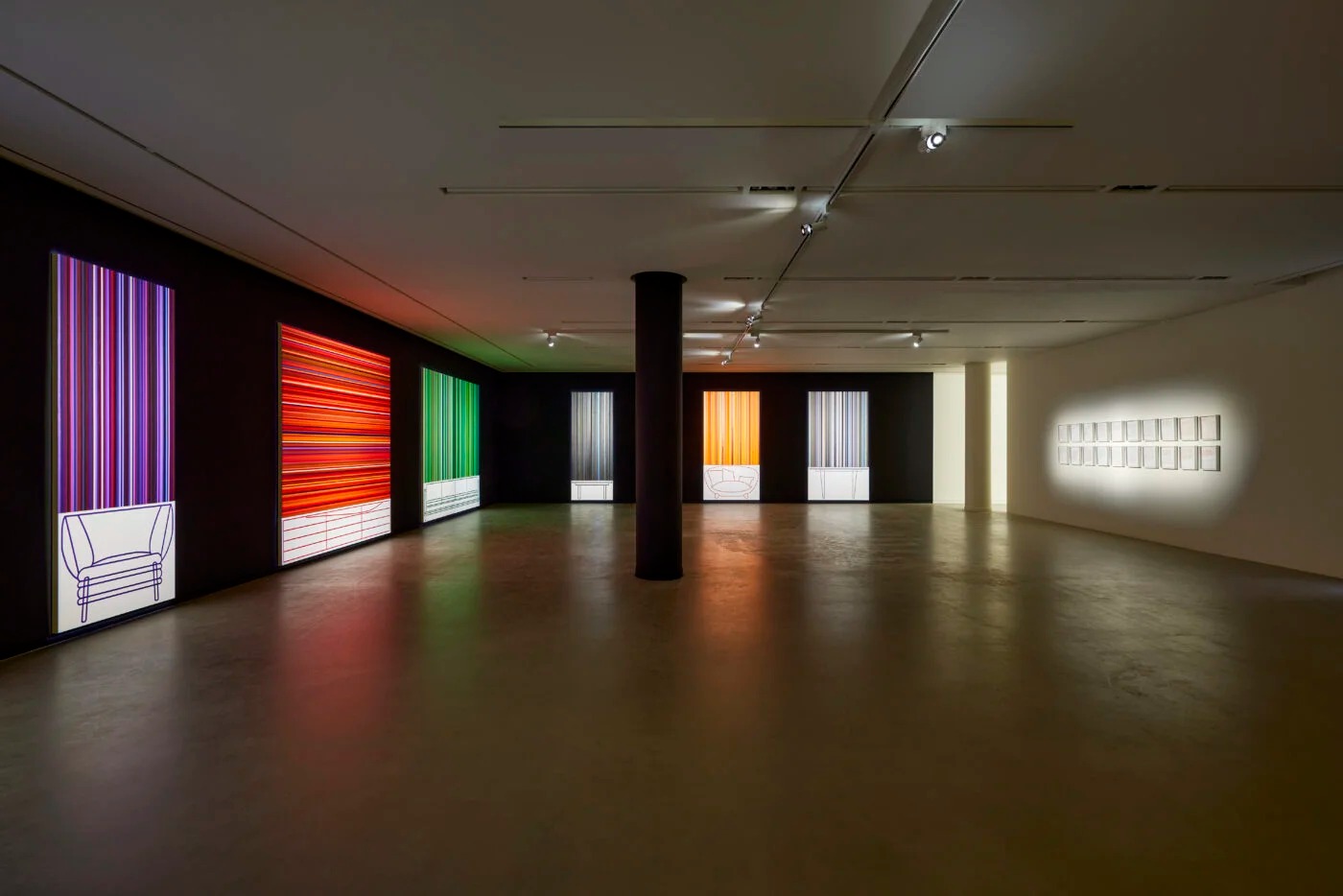
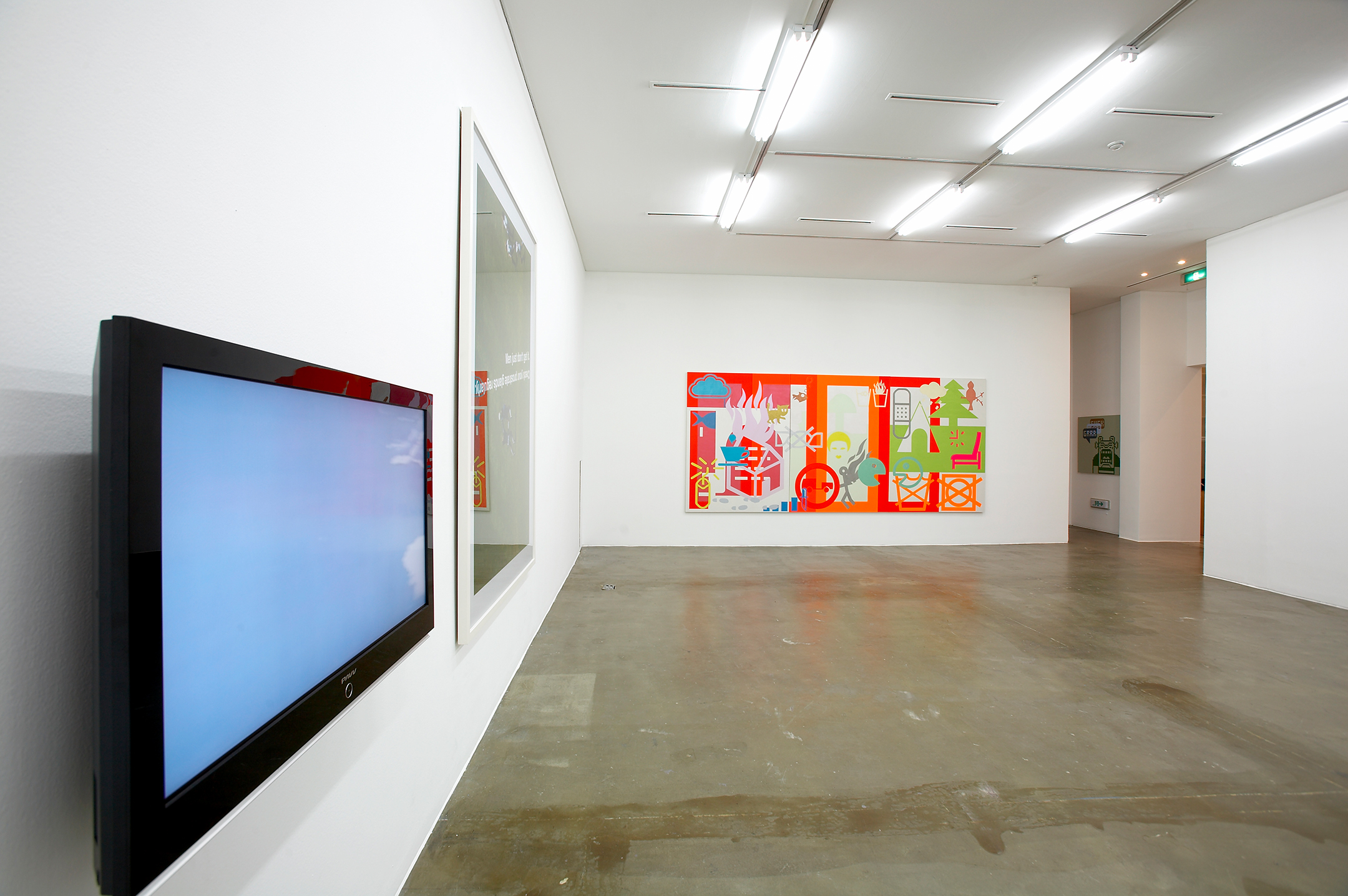
The collaborative project presented at
Kukje Gallery can be understood as a two-person exhibition composed of works by
both artists. It also marks the fifth exhibition resulting from their
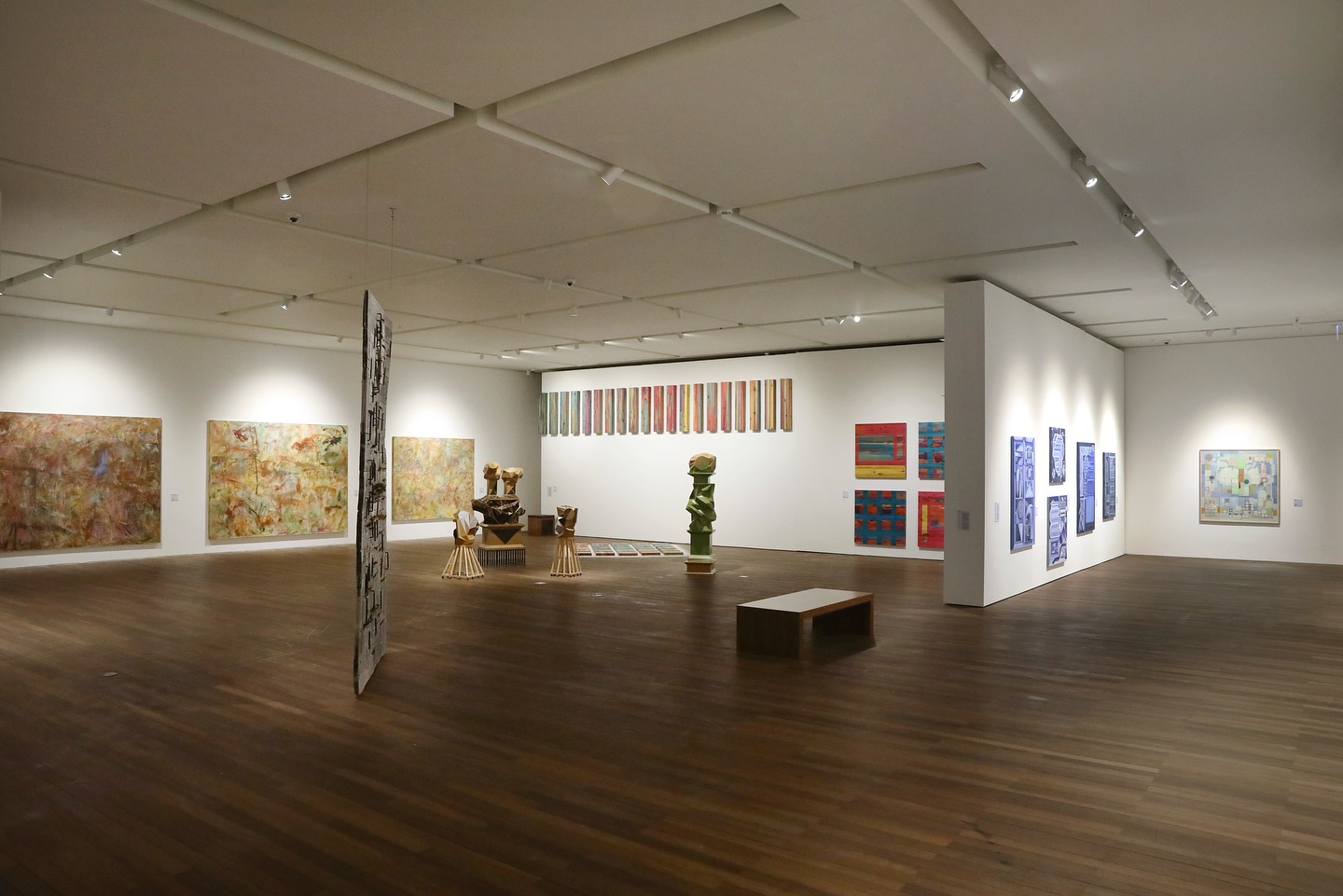
collaborative practice, which began in 2003. The exhibition space is divided
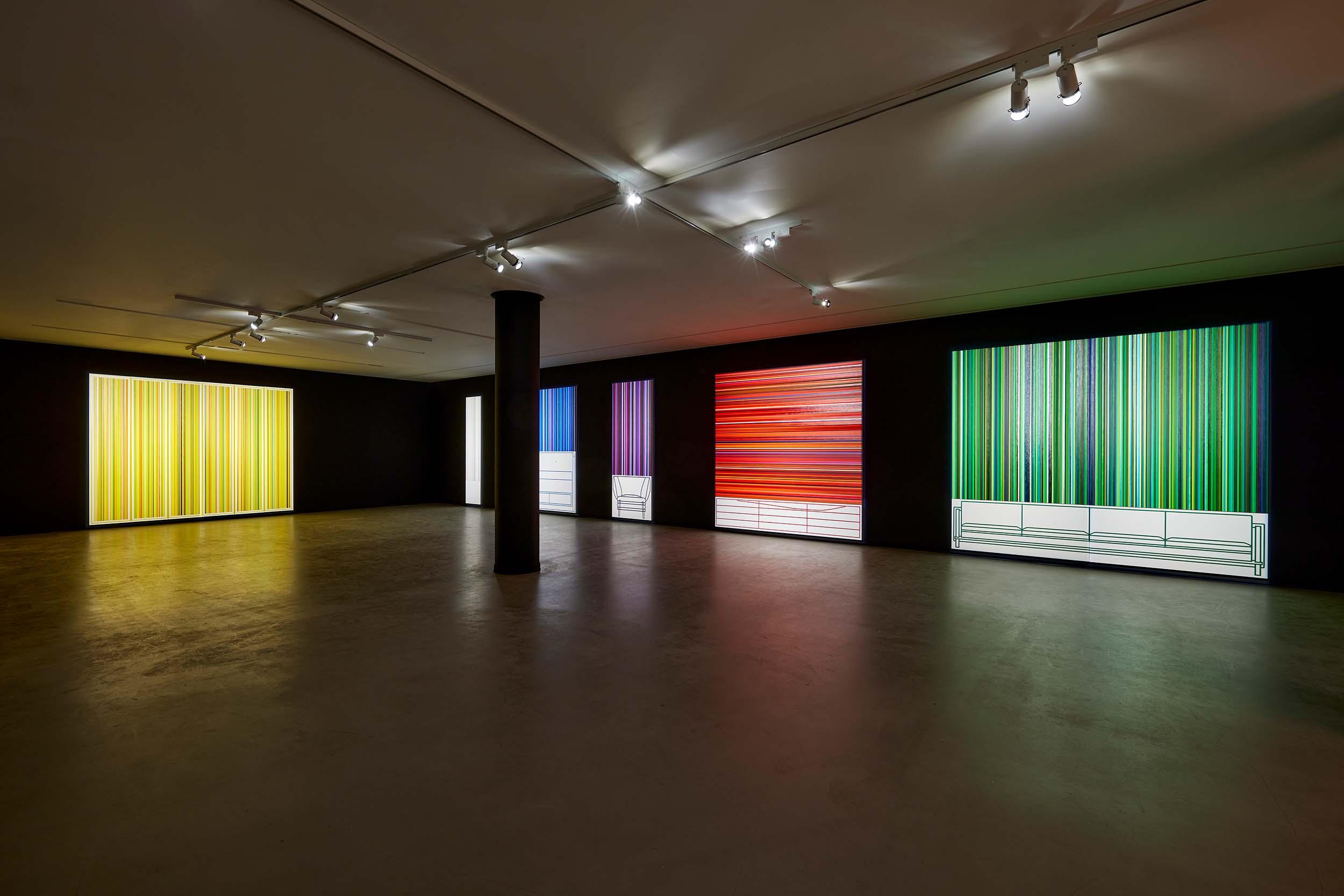
into two main levels: the lower floor and the upper floor. The lower floor can
further be divided into the entrance area and an inner gallery space. Within
this arrangement, Park Meena primarily presents paintings, while Sasa[44]
exhibits video and installation works.
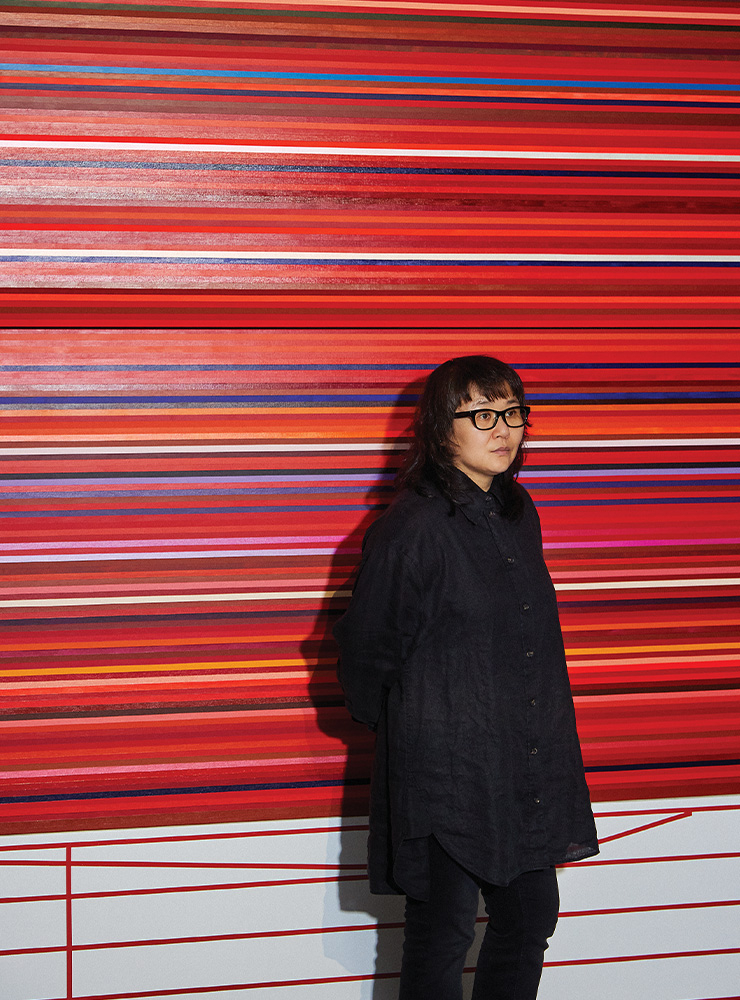
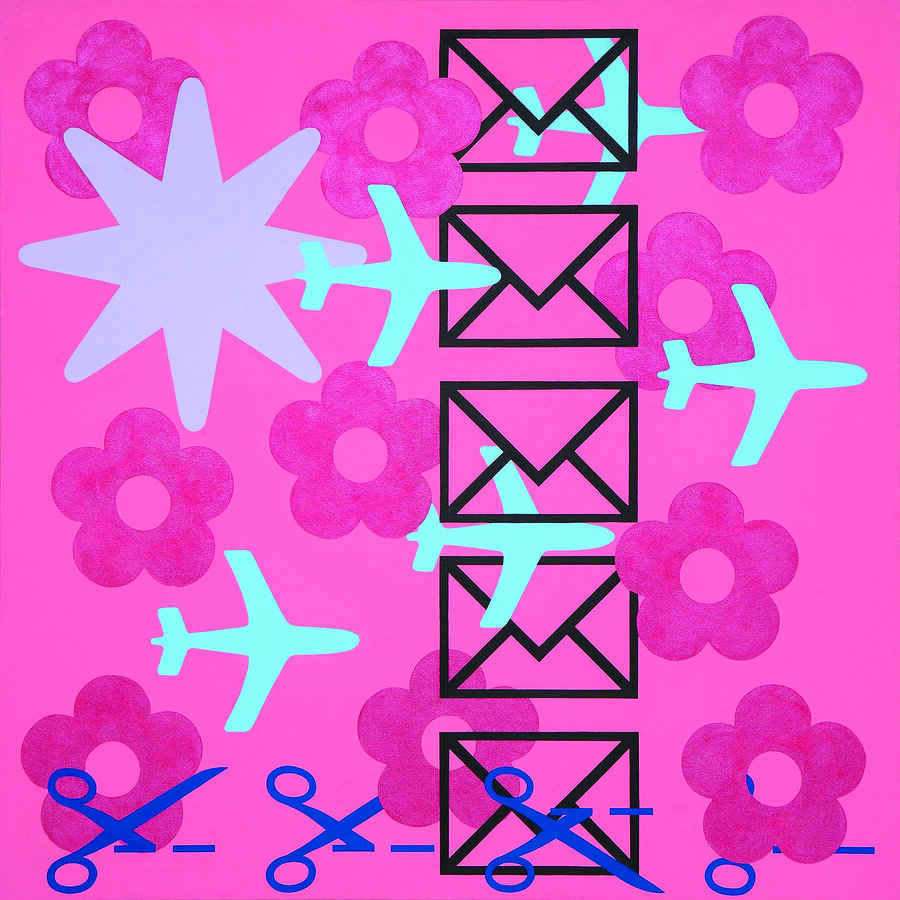
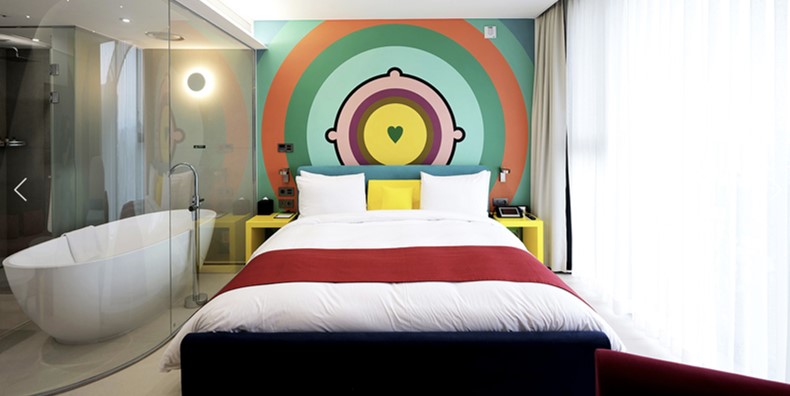
Having long been interested in patterns
and color, Park Meena adopts the dingbat font—a type of pictographic symbol
popular among internet users—as a key visual element in this exhibition. By
employing this decorative symbolic system, the artist experiments with a new
form of communication that transcends the limitations of language. For
instance, in large-scale works reminiscent of Matisse’s papier collé, she
explores the function of images as a form of language capable of exceeding the
boundaries of visual communication, while also suggesting a metaphor for a
visual communication system.
Sasa[44] also shares an interest in the
internet, yet unlike Park Meena he focuses less on painting and more on media
such as video, installation, photography, and comics. By appropriating and
reinterpreting existing images and footage, Sasa[44] reveals his own concerns.
Through a single event, he traces and lists the numerous related events that
emerge from it, probing the meanings that arise within the relational context
of art and society.
For example, in the '1986' series, he reconstructs major
events that took place around the world during that year through photographs
and texts. Recalling incidents such as the Challenger space shuttle explosion,
Diego Maradona’s infamous “Hand of God” goal during the World Cup, and the
Chernobyl nuclear reactor disaster in Russia, the artist combines
internet-sourced images with fragments of his own childhood memories to
construct his works.
This exhibition demonstrated the wit and
sharp insight of two young artists who grew up immersed in the seemingly
infinite flow of information and images available through the internet,
treating it almost as a necessity of everyday life. At the same time, however,
for viewers from generations less familiar with this cultural code, the
exhibition could prove somewhat disorienting.