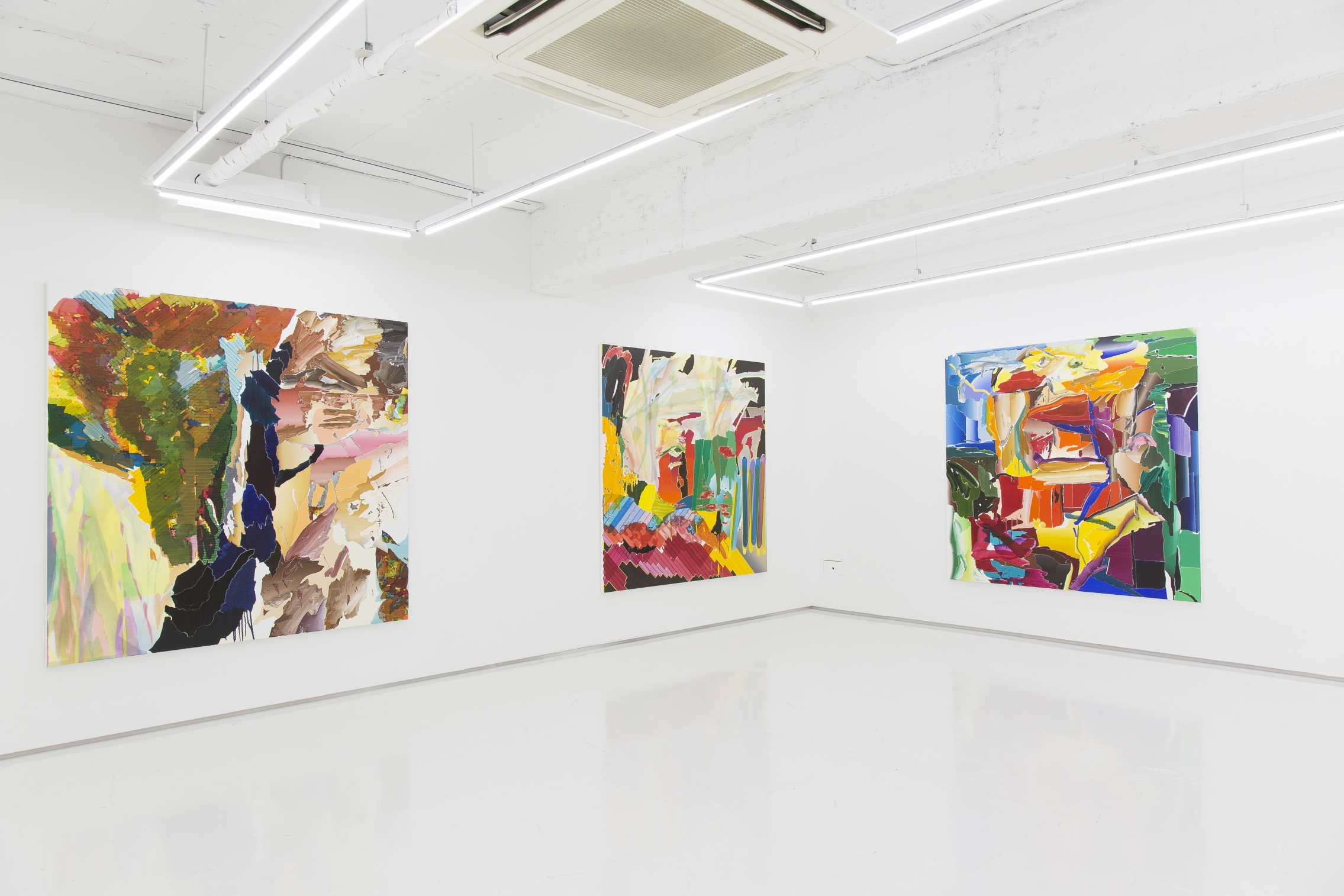
Even though it is acceptable to look at a piece of artwork and be
satisfied with one’s own interpretation, there are also some art that become
more compelling after listening to the artist’s ideas and intentions for the
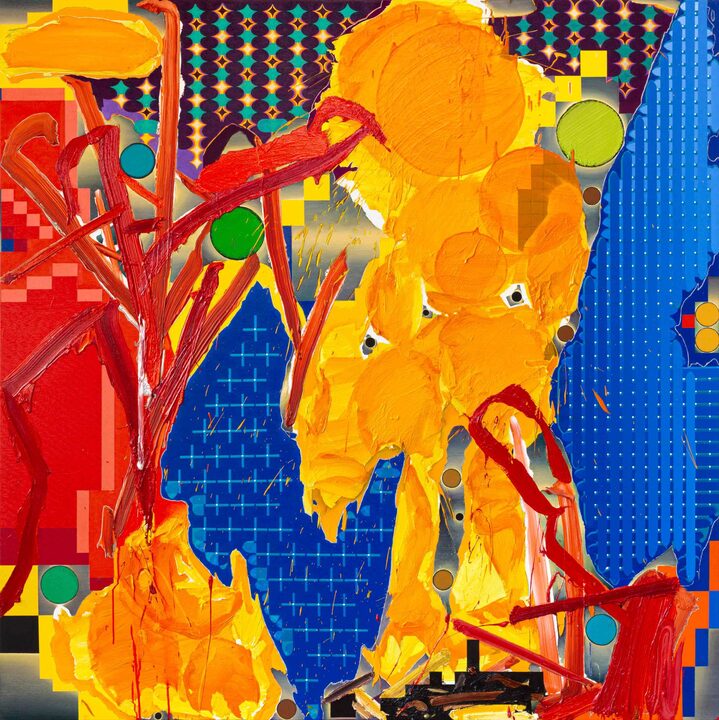
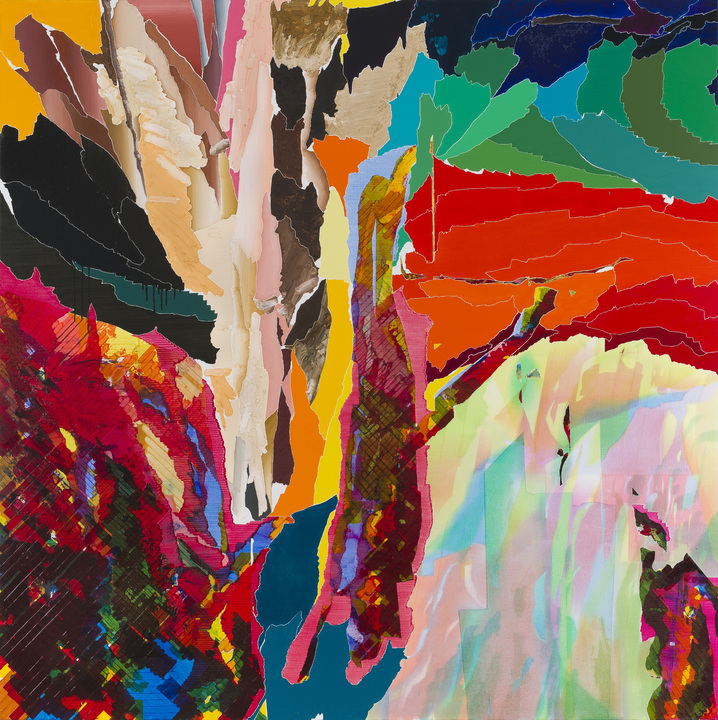
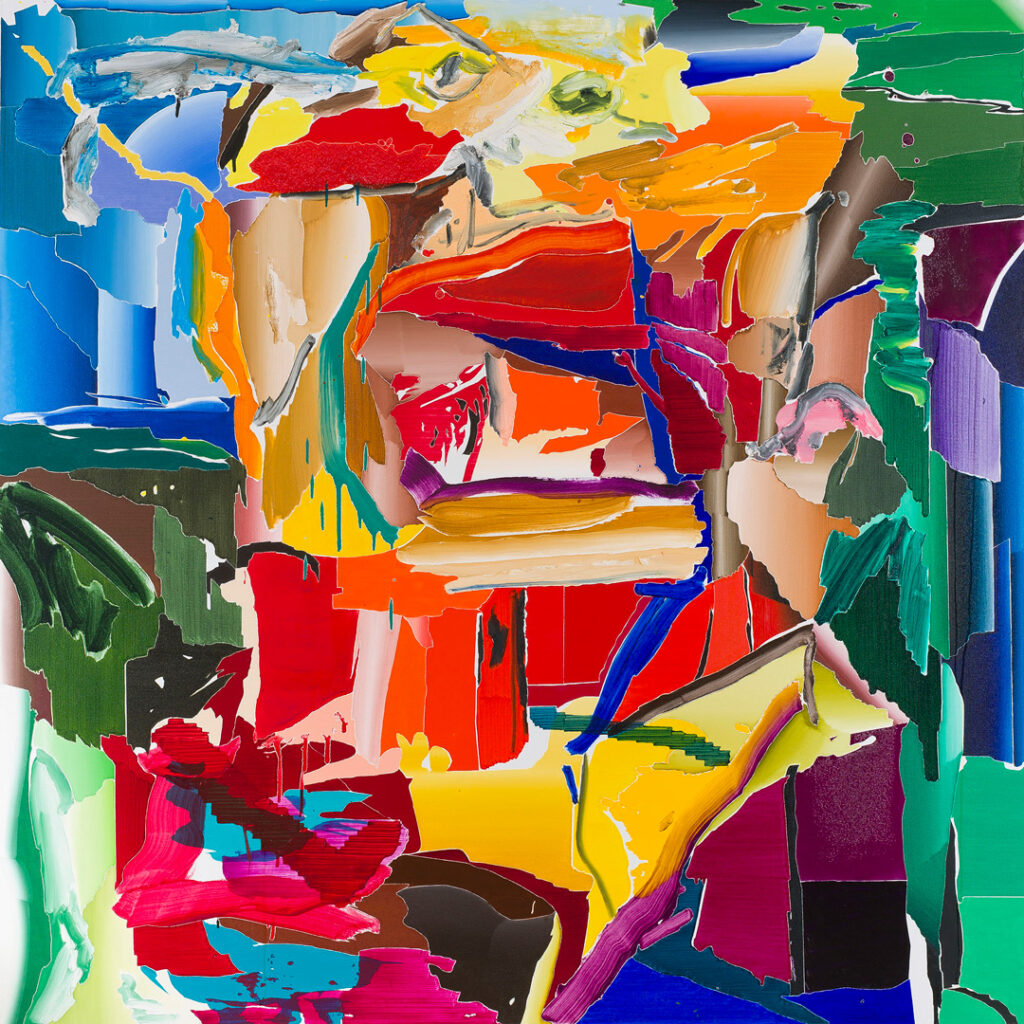
piece; Kim’s artwork falls under the latter. Seoul Kim’s art at a glance seem
like they portray what is called ‘warm abstraction,’ where colors are freely
used; however the power of ‘reason,’ which can be seen with the usage of
‘gaps,’ is first unveiled through his cogitation in color selection. Old
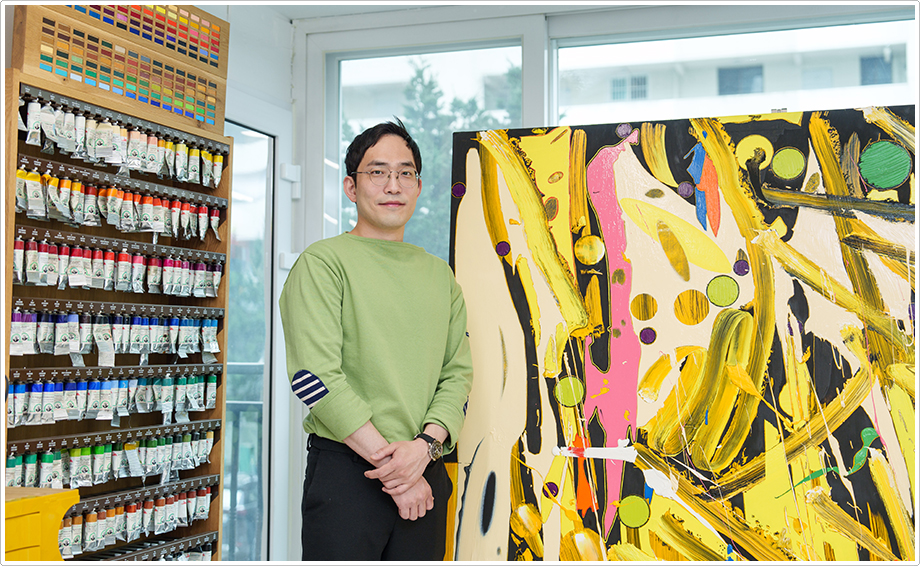
Holland is Netherlands’s oil paint manufacturer who makes and sells a total of
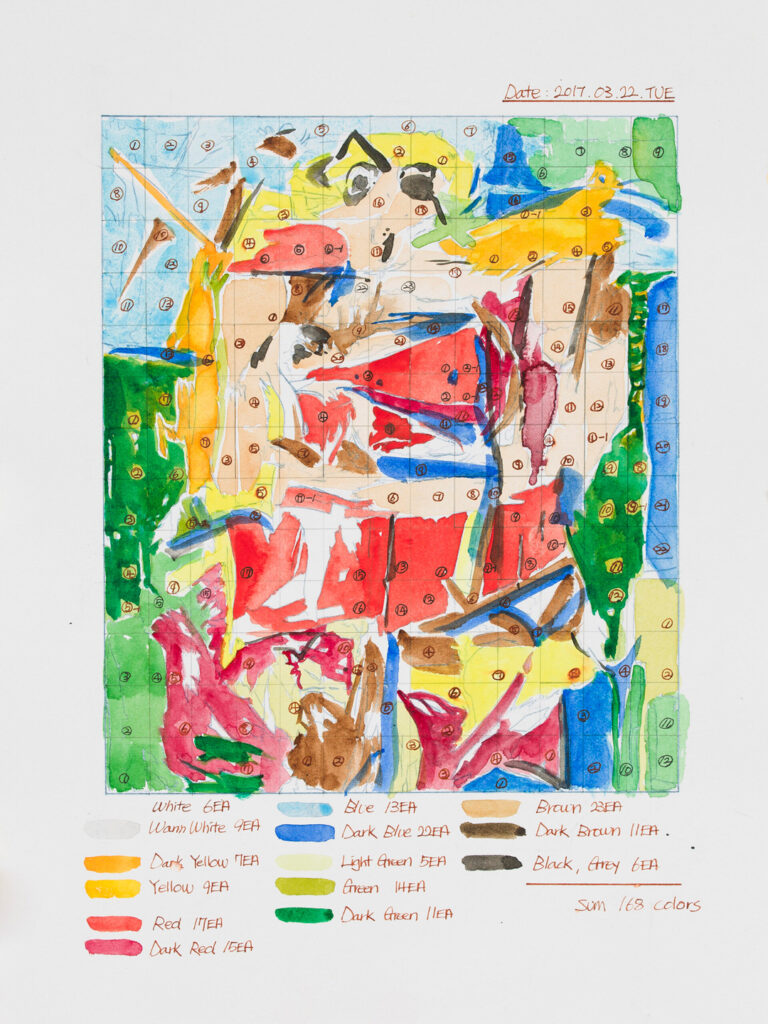
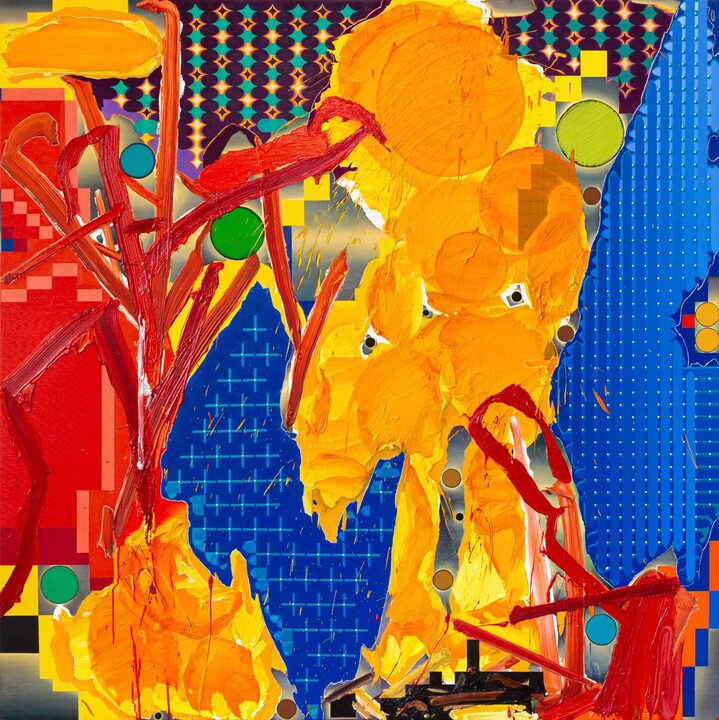
168 colors, which were all used by Seoul Kim in the making of After De
Kooning.
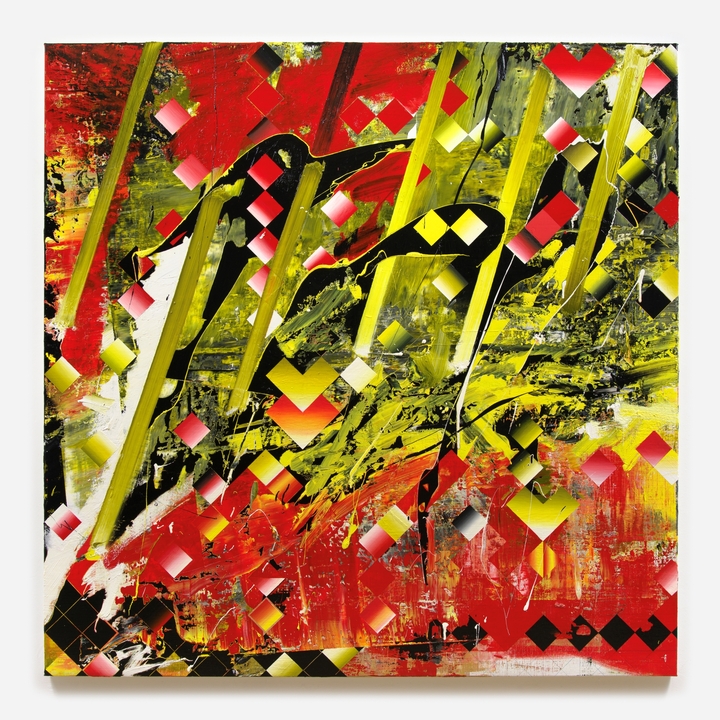
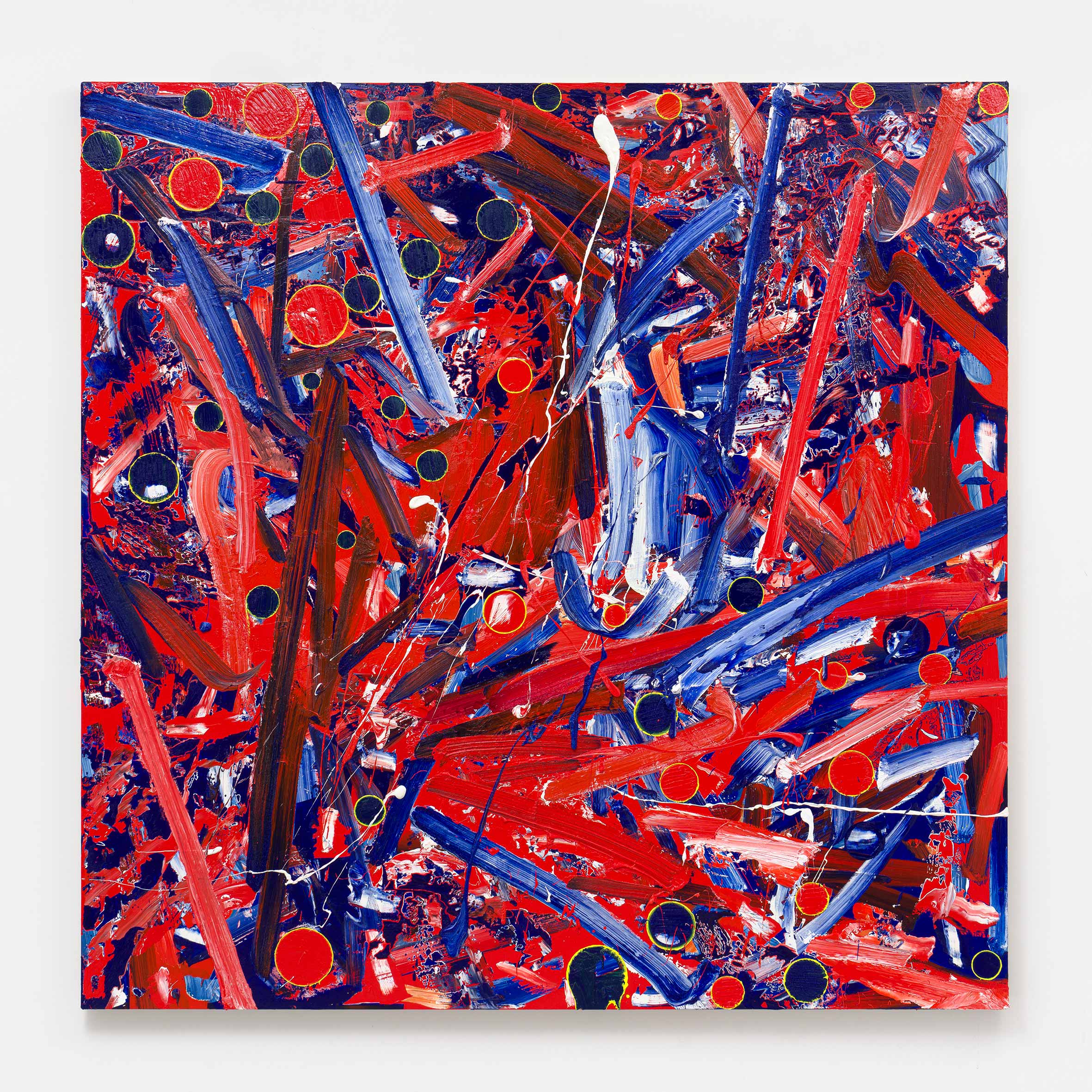
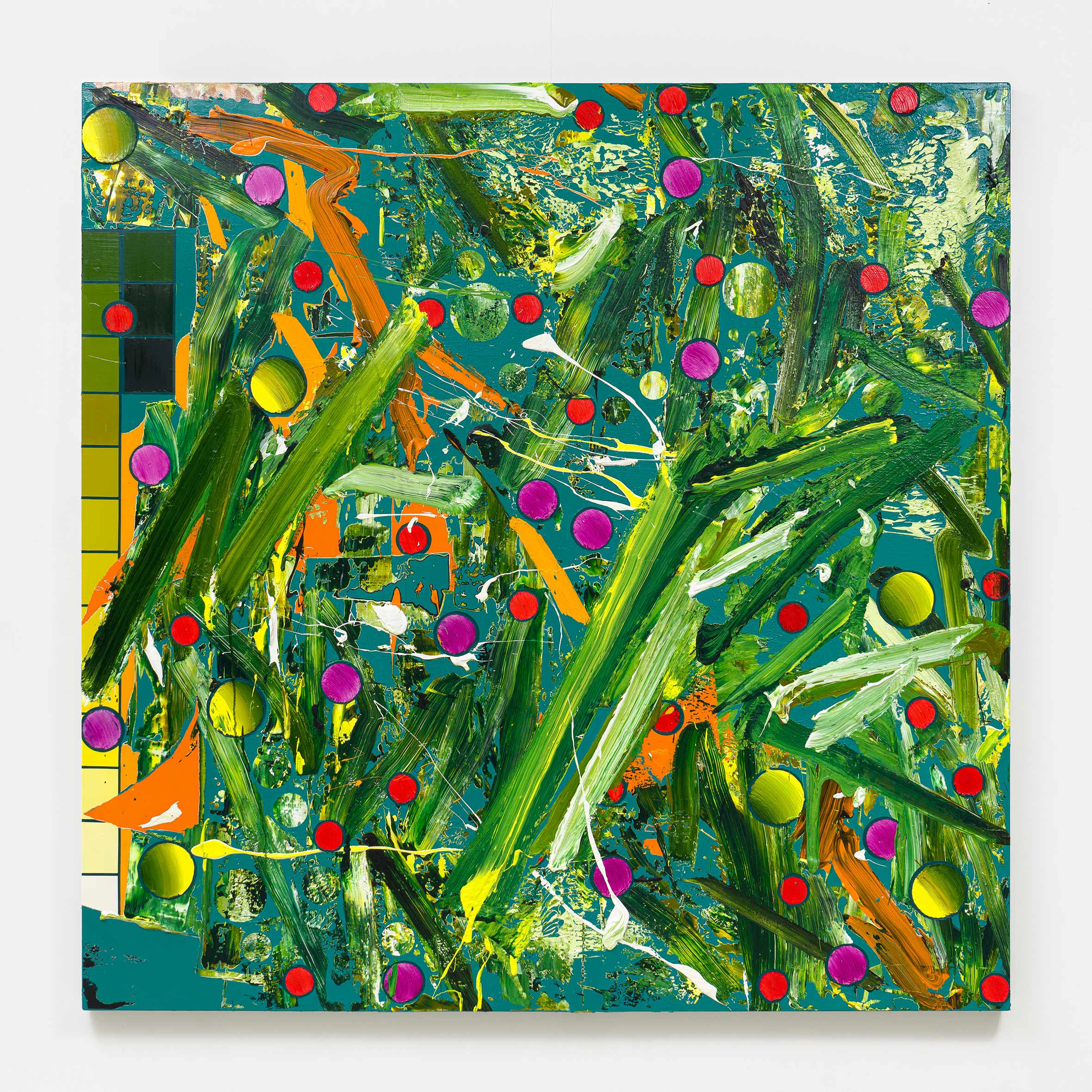
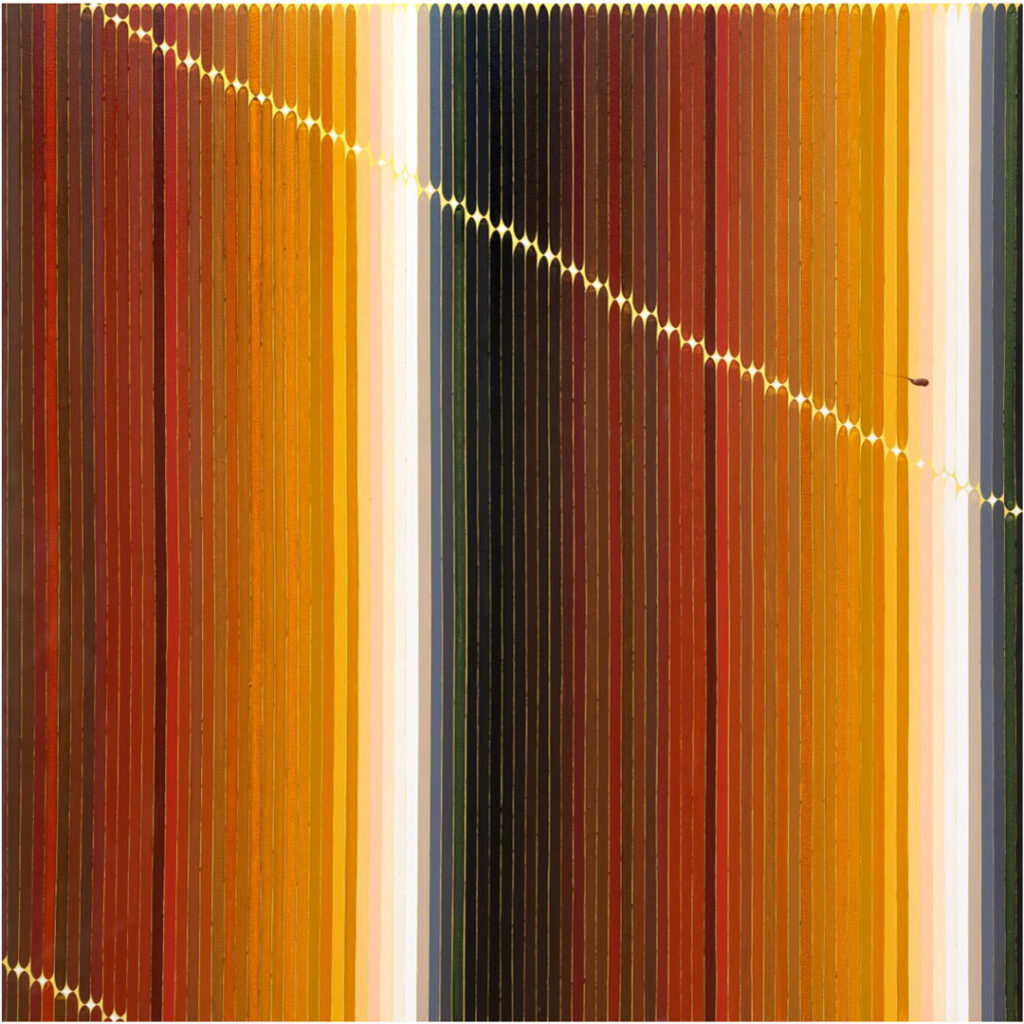
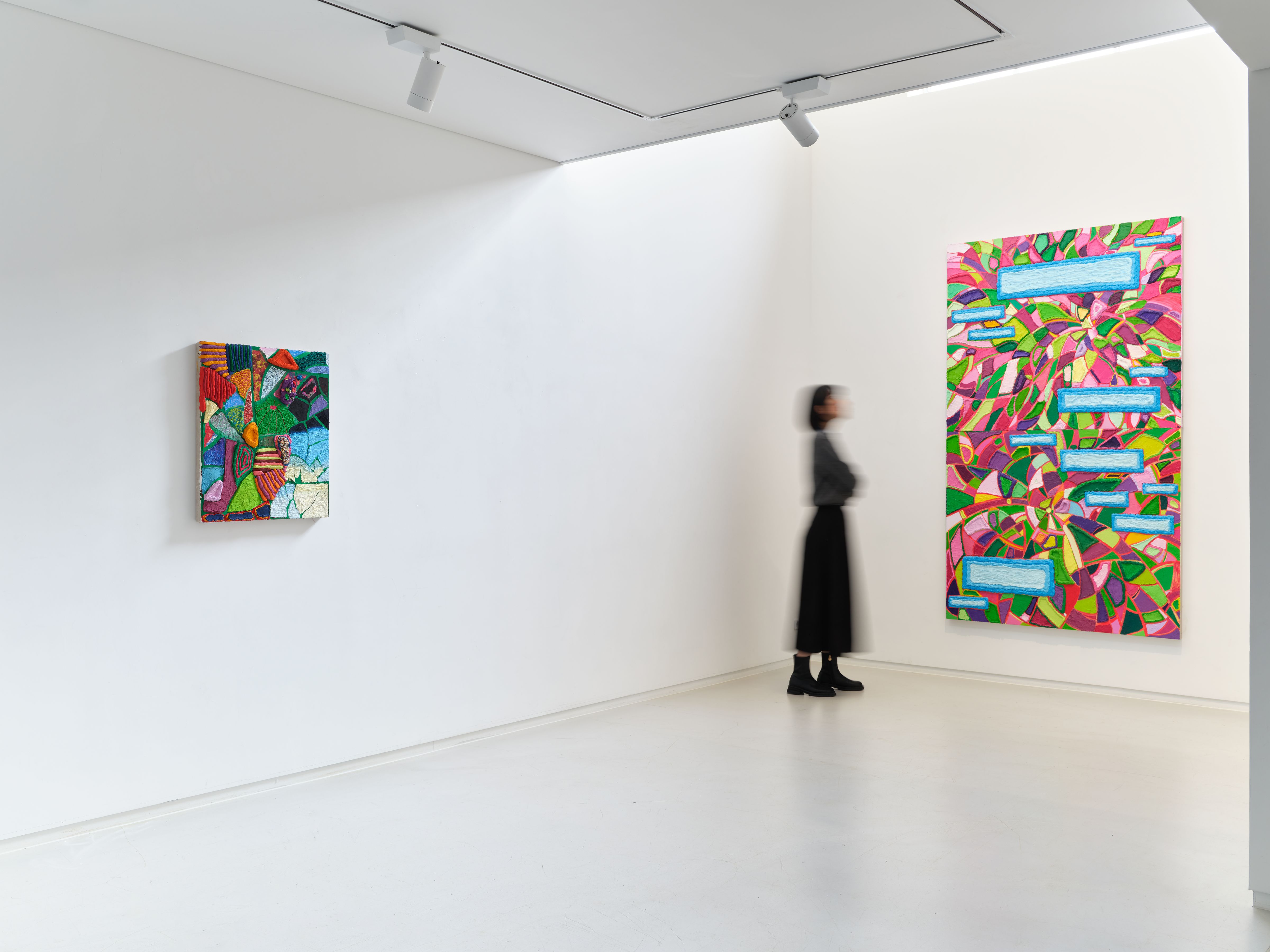
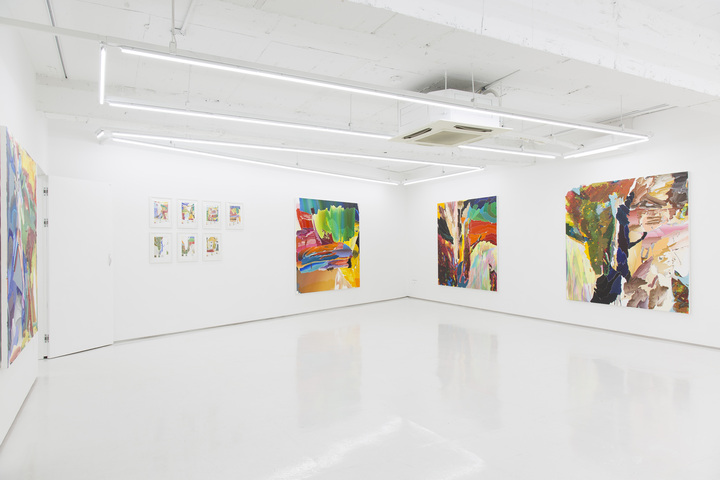
The conditions that the artist adheres to for all his
paintings is to “use all 168 colors ‘democratically,’ avoid blending, use
similar amounts of each color, and create 168 fragments to fill up the canvas.”
Instead of generating a textbook-like portrayal of factitious conformity and
harmony, he only focused on satisfying his own conditions. Kim, who says the
reason behind why he uses a 172 cm square canvas is because “it is the most
efficient size to minimize the loss of fabric,” does not sugarcoat nor provide
idealistic reasoning over his artwork nor his attitude.
Just like how a chef meticulously studies each ingredient’s distinct
characteristic in order to bring out the ‘ingredient’s natural flavor,’ Kim
purchased all the colors from Old Holland and tried each one, figuring out the
oil paint’s characteristic, which took nearly over 2 years. Aside from hue,
saturation, and brightness, there are other attributes that can be discovered
only after testing. The artist paints in a way that best reveals the unique
personality of each paint by asking himself a silly question like “if each paint
could speak, what would it say?”
For example, synthetic pigment is
comparatively transparent, which its characteristic can be described to have a
high dependency, therefore making one think that one needs to paint on multiple
layers. Another example, believing the subtle difference in color between those
painted with a similar hue and placed adjacent to one another becomes more
prominent, Kim painted colors with a red hue on one side of the canvas.
It is possible to make hundreds and thousands of different colored paints by
changing the mixing ratio of colors, but the reason why there are just 168
varieties is because paint consumers of today do not find the need for more.
This color spectrum was determined by the needs of present consumers. In other
words, it is noted that color varieties and its quantity are not definite, but
is a product of time and societal needs. Generally, depending on personal color
preference and interests, it is common for painters to become more partial
towards a certain color.
However, Kim, on the other hand, tries to use all 168
colors fairly as if he were a machine programmed to follow only a certain set
of conditions. Kim has intentionally limited his own freedom when choosing
colors. He also appropriately titled his artwork, apt with his painting
methodology, by placing a serial number after the main title like ‘After De
Kooning No. 1.’ His work is distinct in that each canvas does not possess any
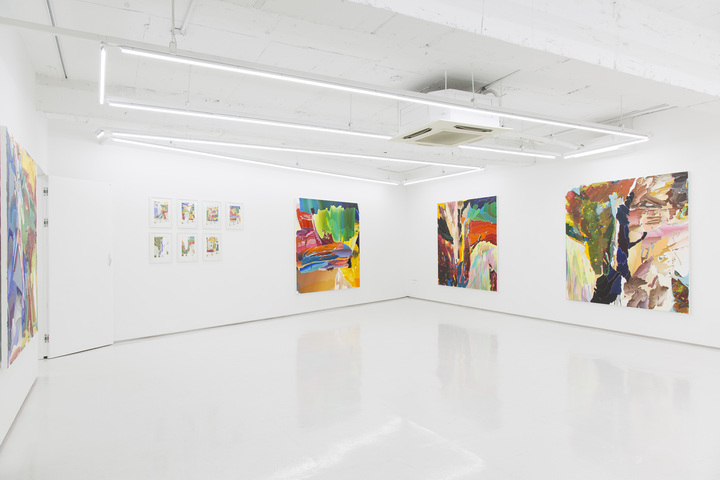
individual significance, but when the series is grouped together collectively,
its overall meaning becomes accentuated.