Exhibitions
《Do Not Go Gentle into That Good Night》, 2020.12.17 – 2021.01.30, Chapter II & Chapter II Yard
December 15, 2020
Chapter II & Chapter II Yard
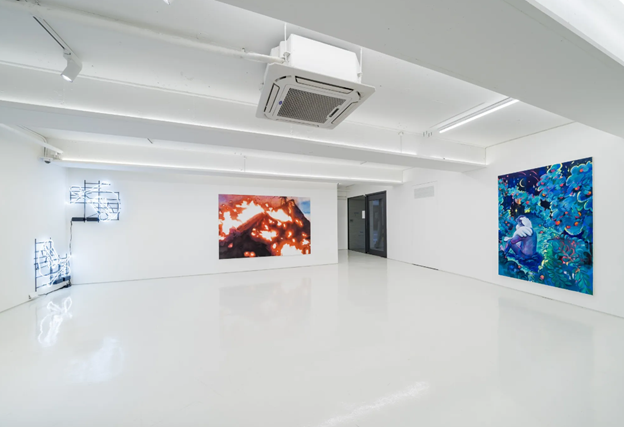
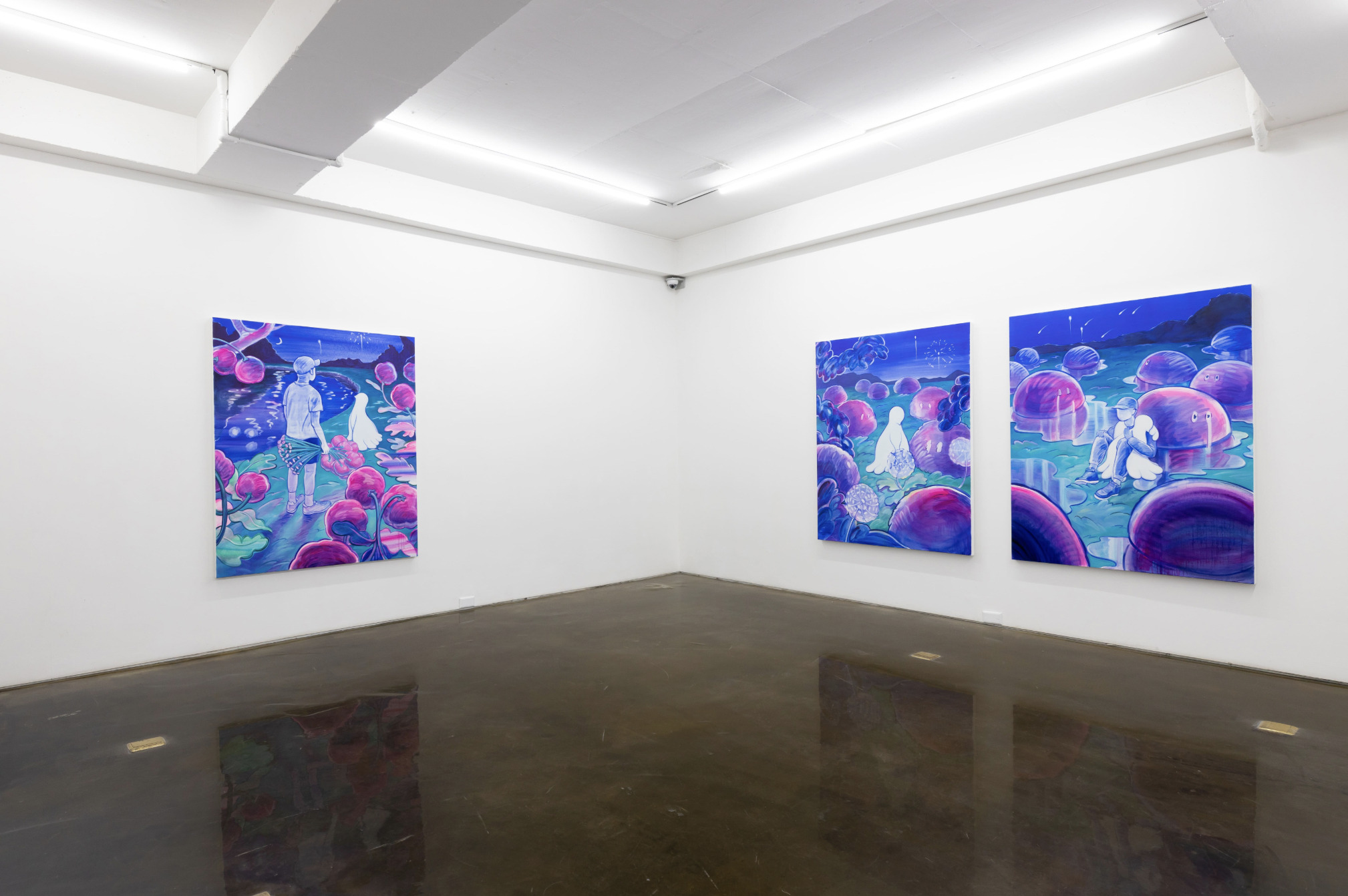
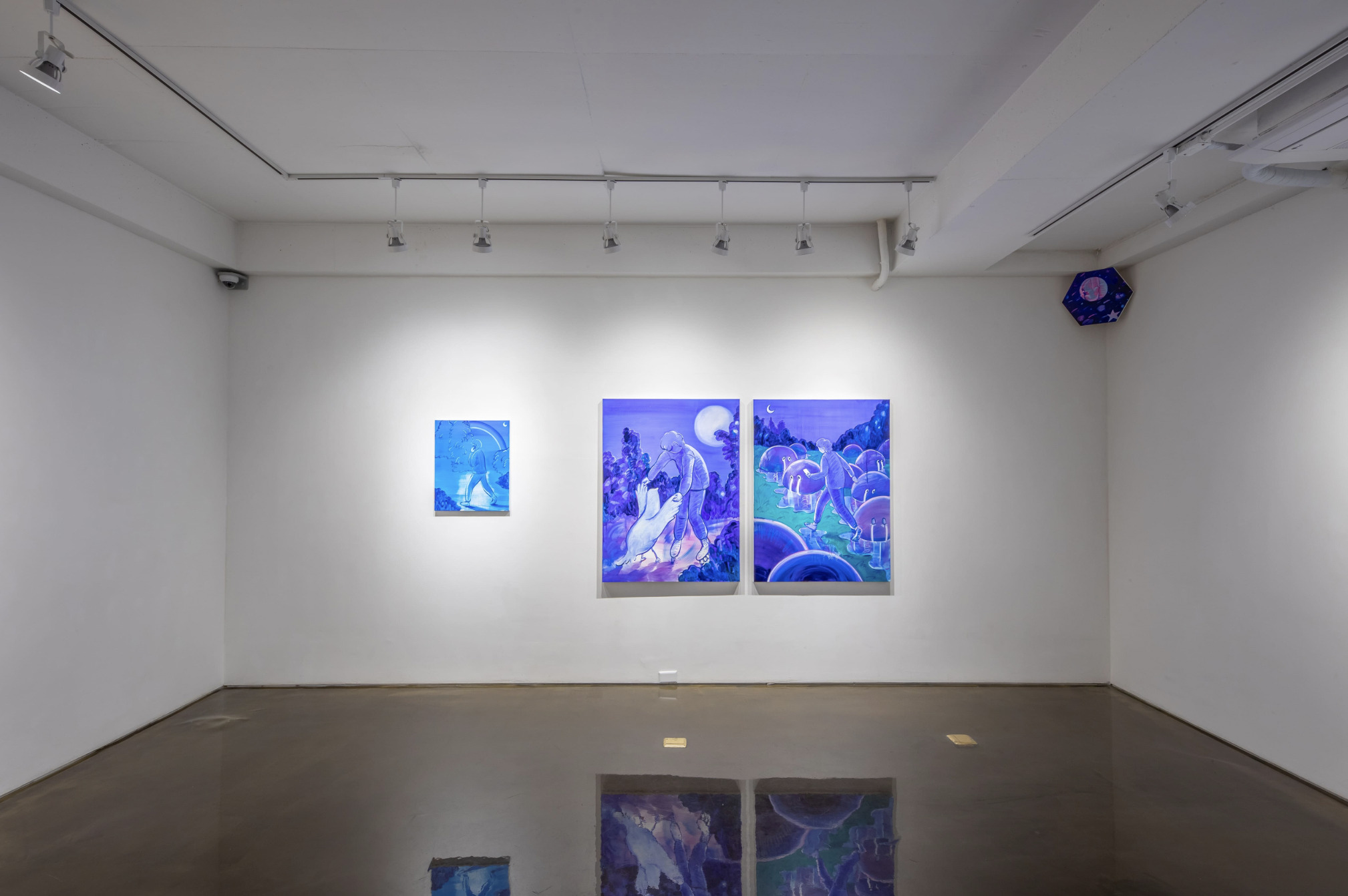
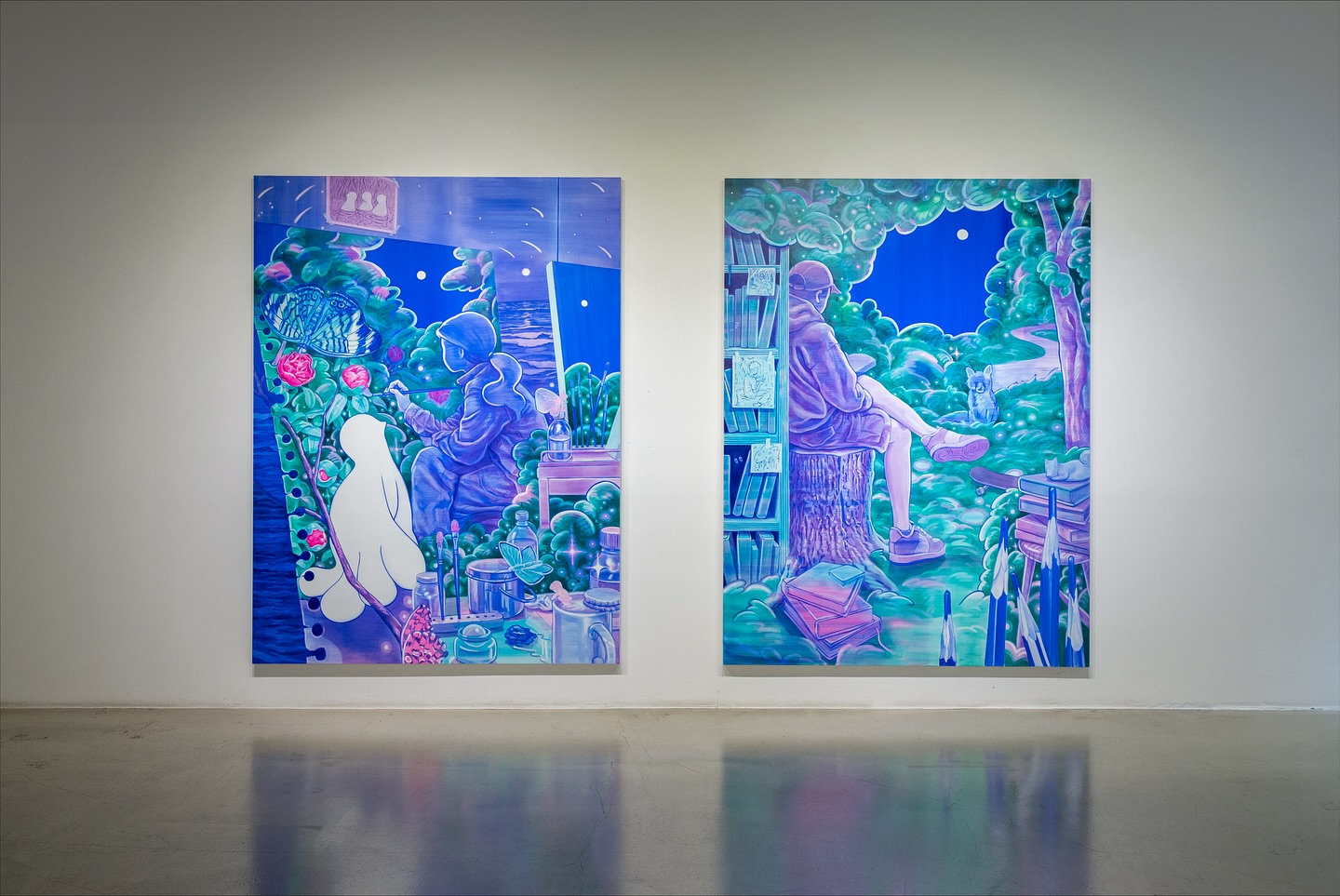
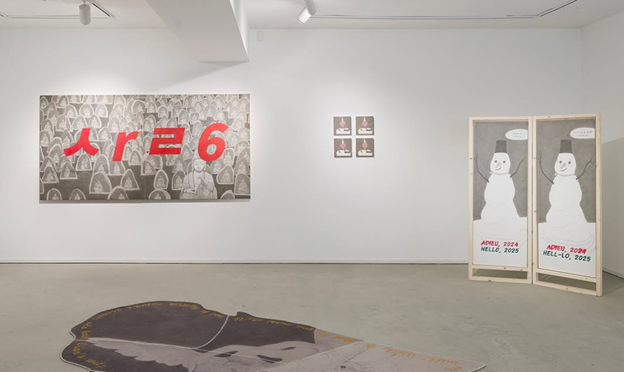
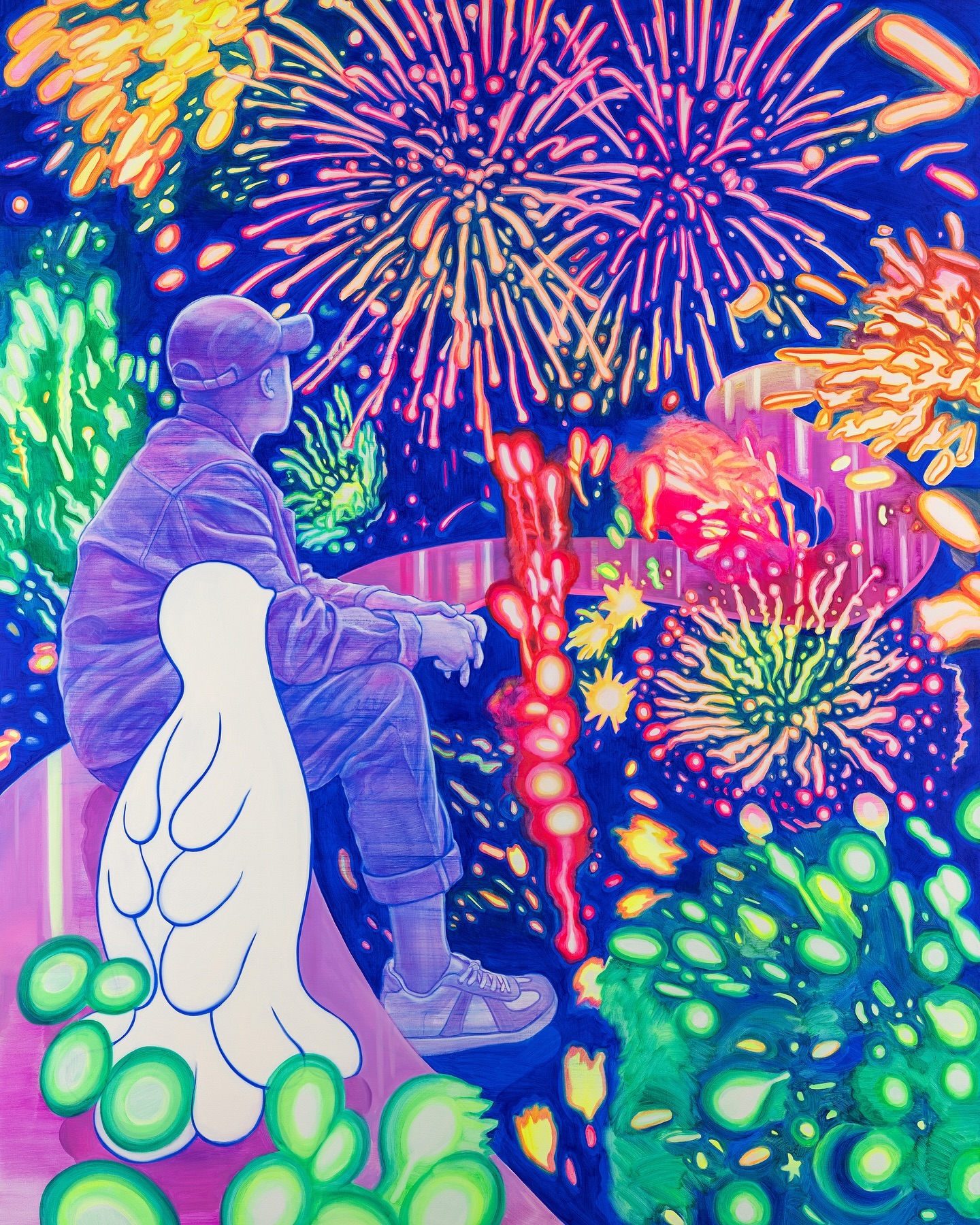
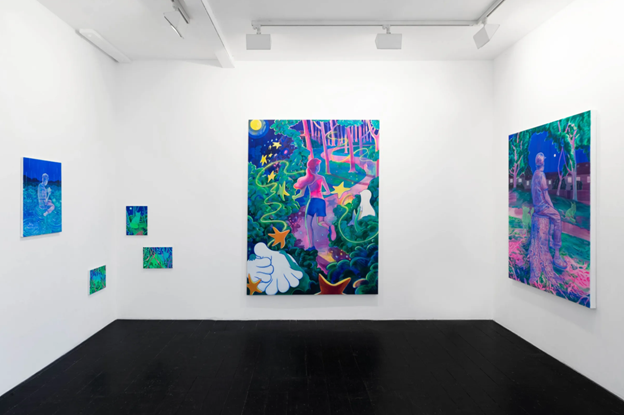
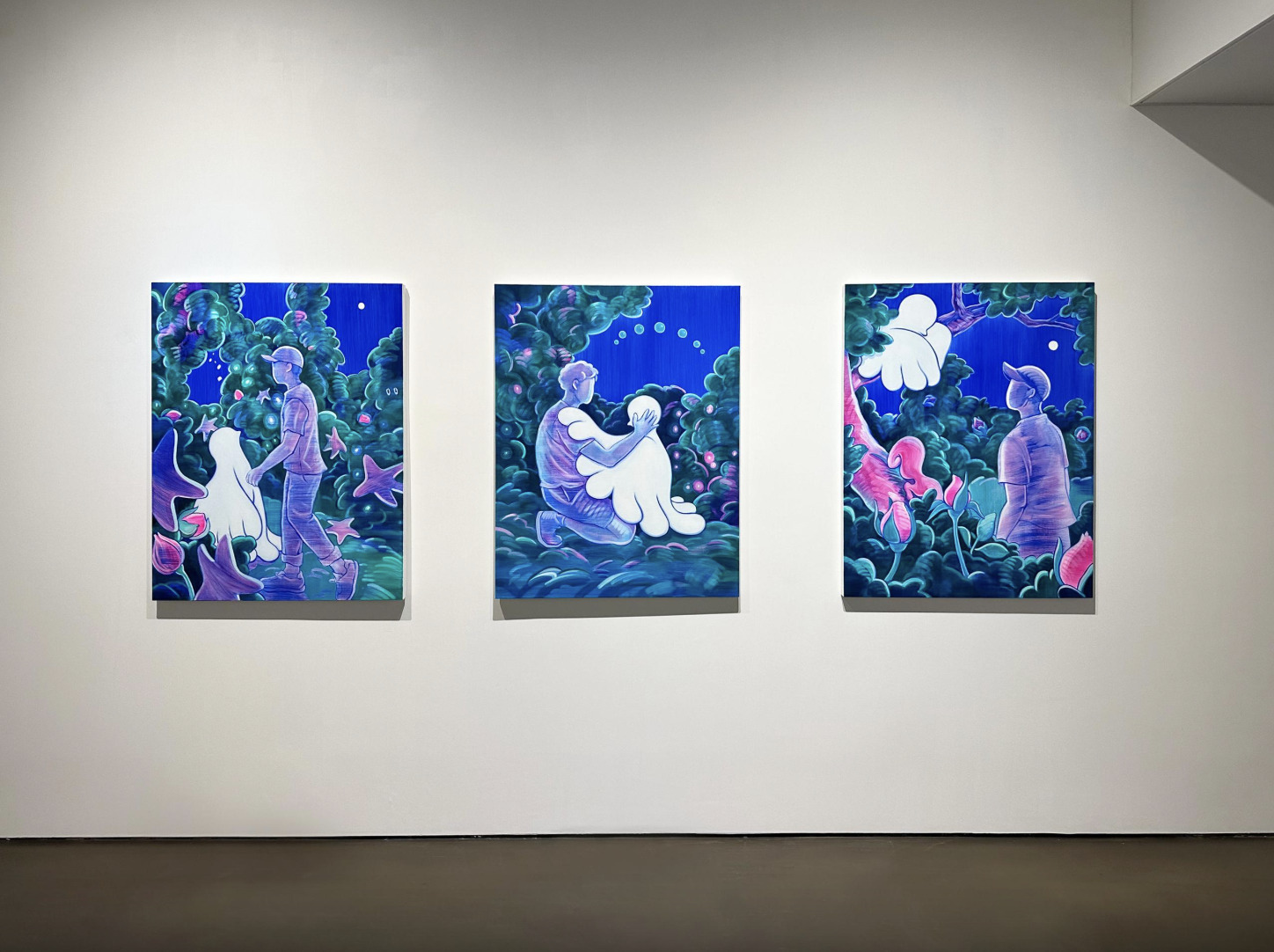
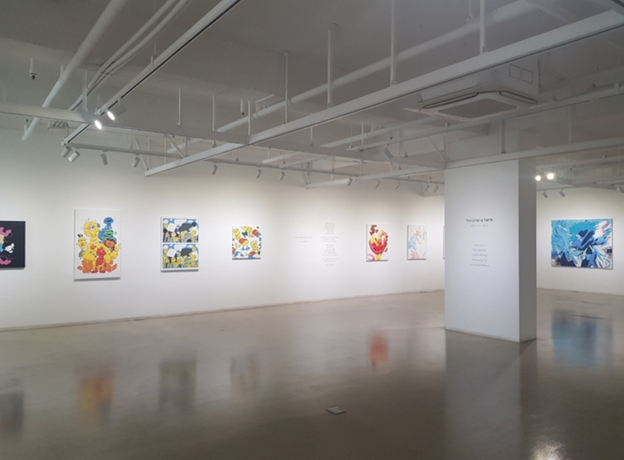
Installation view of 《Do Not Go Gentle into That Good Night》
© Chapter II
The
group exhibition 《Do Not Go
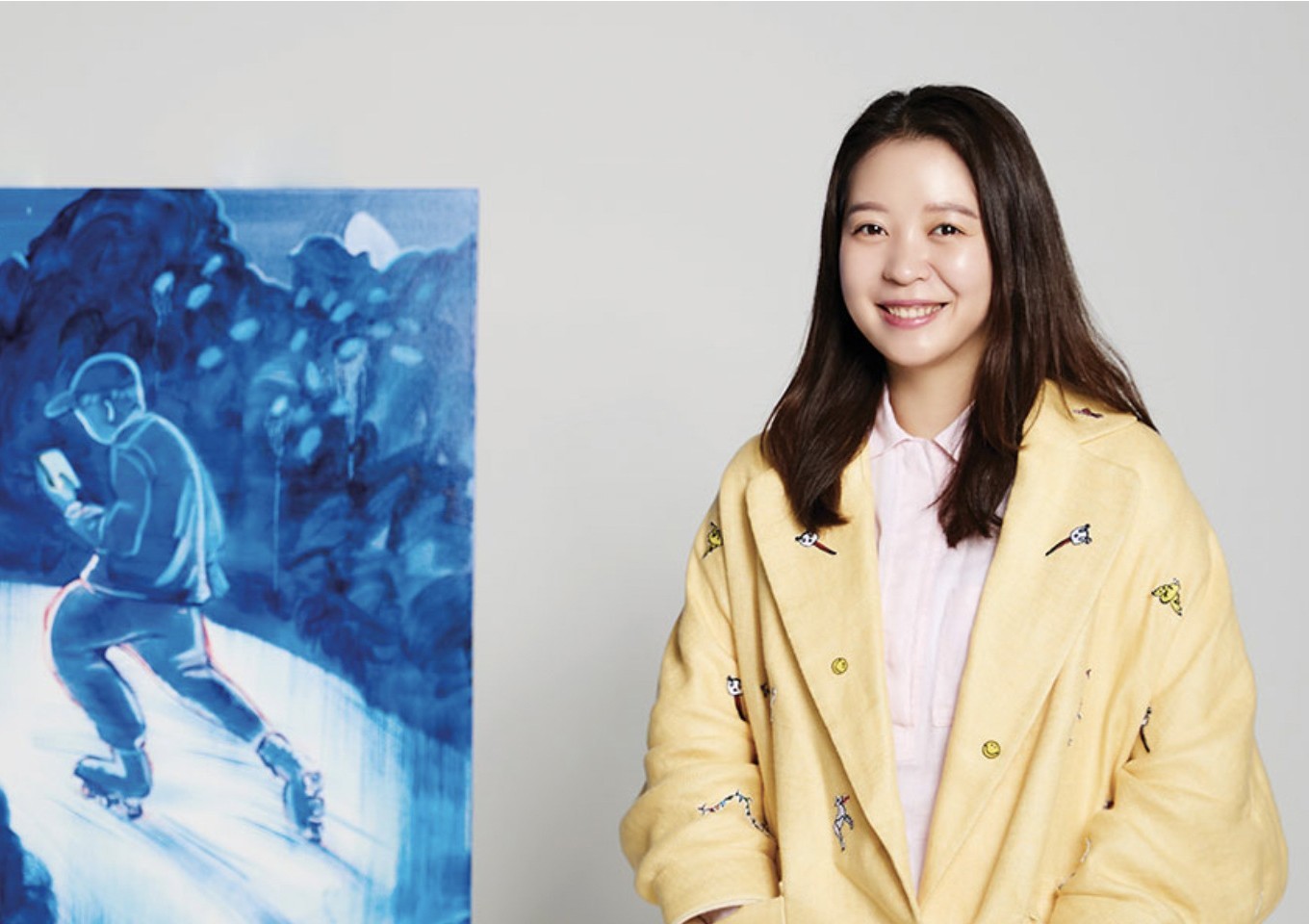
Gentle into That Good Night》, featuring Soomin Song,
Jungsu Woo, Jaeyeon Yoo, and Mokha Lee, takes its title from the renowned poem
by Welsh poet Dylan Thomas (1914–1953). With its repeated refrain—“Rage, rage
against the dying of the light”—the poem resonates like a distant cry addressed
to a world thrown into confusion by the pandemic, which seemed to have stolen
an entire year from us.
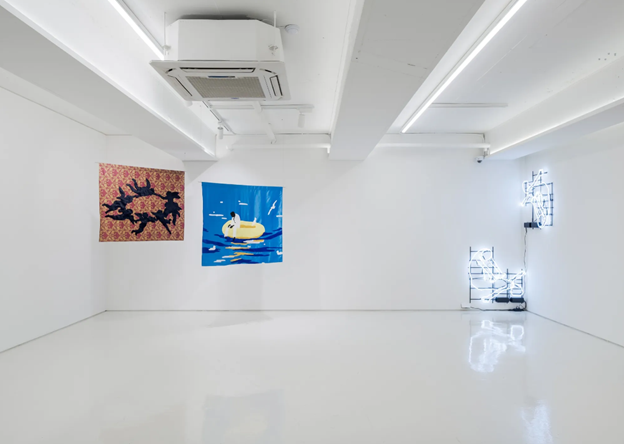
Installation view of 《Do Not Go Gentle into That Good Night》
© Chapter II
This
exhibition was conceived as a response to the question: What meaning does art
hold in a daily reality where fundamental rights such as free movement and
assembly are restricted, and survival becomes the central concern? Measured by
common standards, the intrinsic value of art cannot be quantified, nor does it
offer immediate prosperity, material happiness, or direct solutions to
scattered social problems. In a contemporary society saturated with AI and
industrial technologies of extreme precision, art exists as a “totality of
emotions”—an accumulation of human imperfection, layered thoughts, habits, and
choices—thus resisting concise, definitive answers.
Nevertheless,
art stimulates our vision and emotions, urging us to think and feel, and to
reflect on both the work itself and the intentions concealed within it. Though
once regarded as a uniquely human intellectual function, this act has been
eroded under the pressures of efficiency, automation, standardization, and the
overflow of media and social networks. Art rekindles this function. Its
essential value lies in awakening and encouraging the human instinct to
establish individuality and pursue spiritual elevation through observation,
contemplation, and accumulated experience. In times of confusion, art calls us
back to being human.
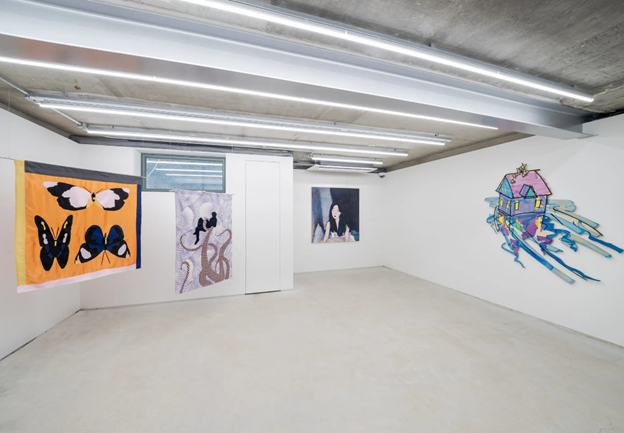
Installation view of 《Do Not Go Gentle into That Good Night》
© Chapter II
The
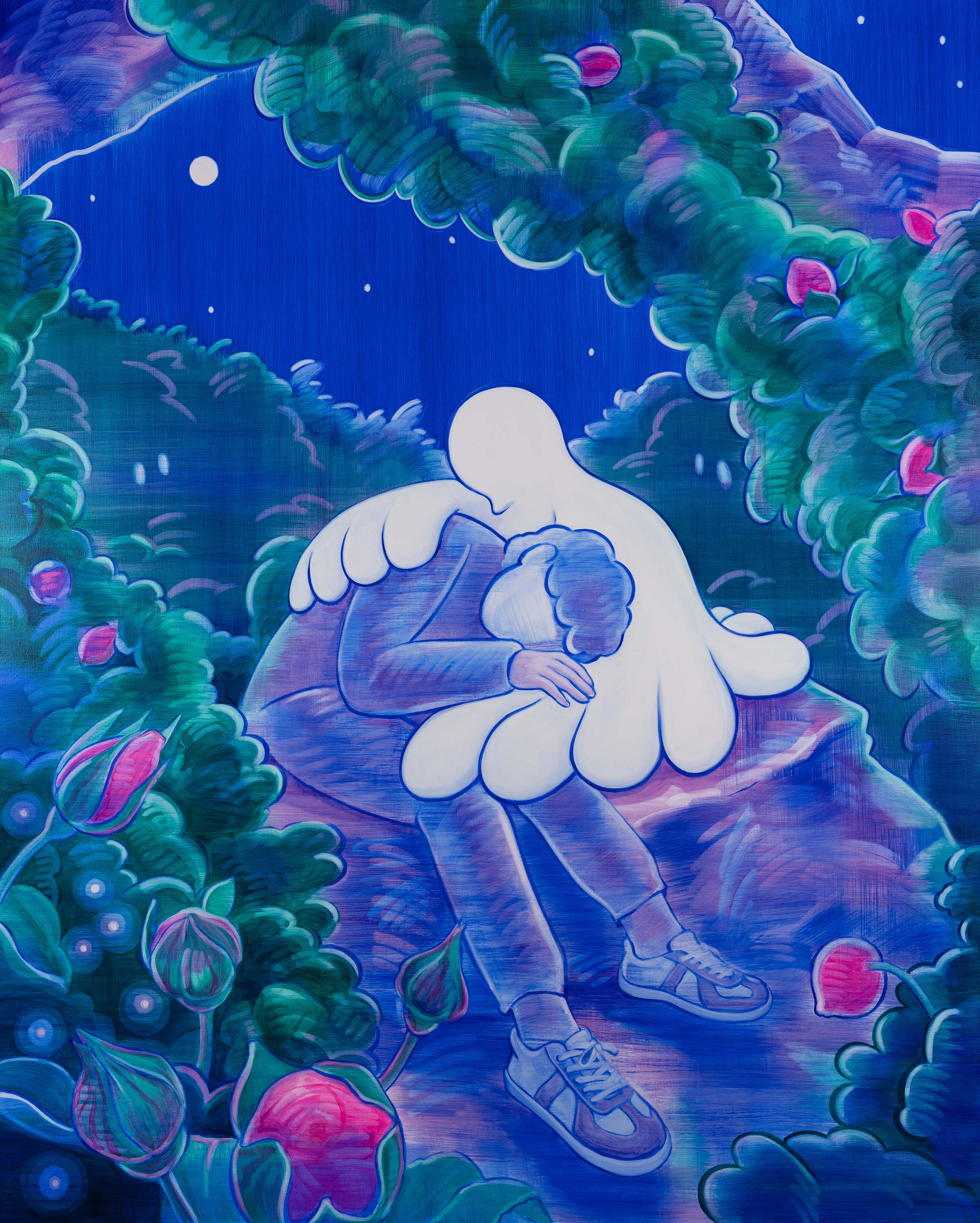
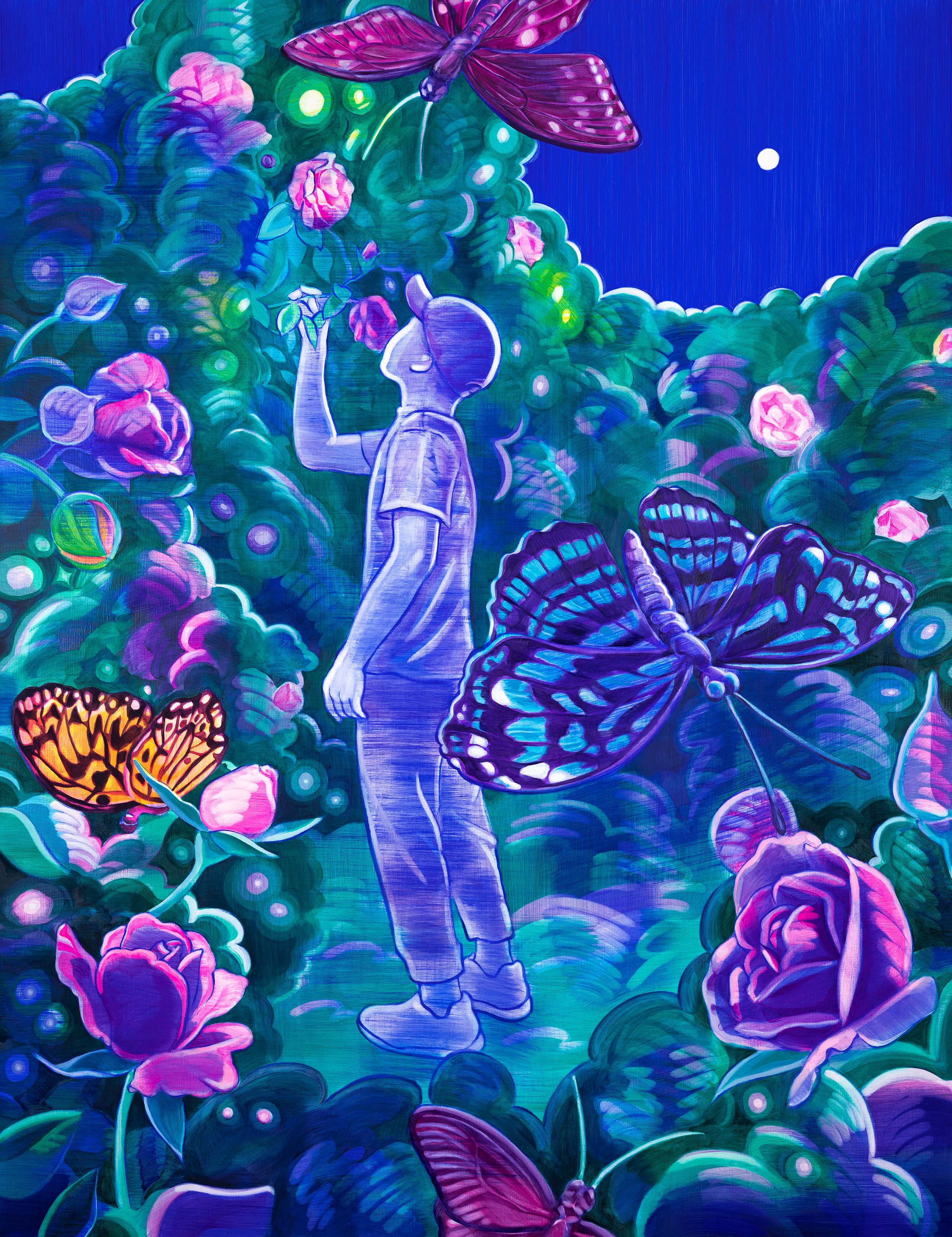
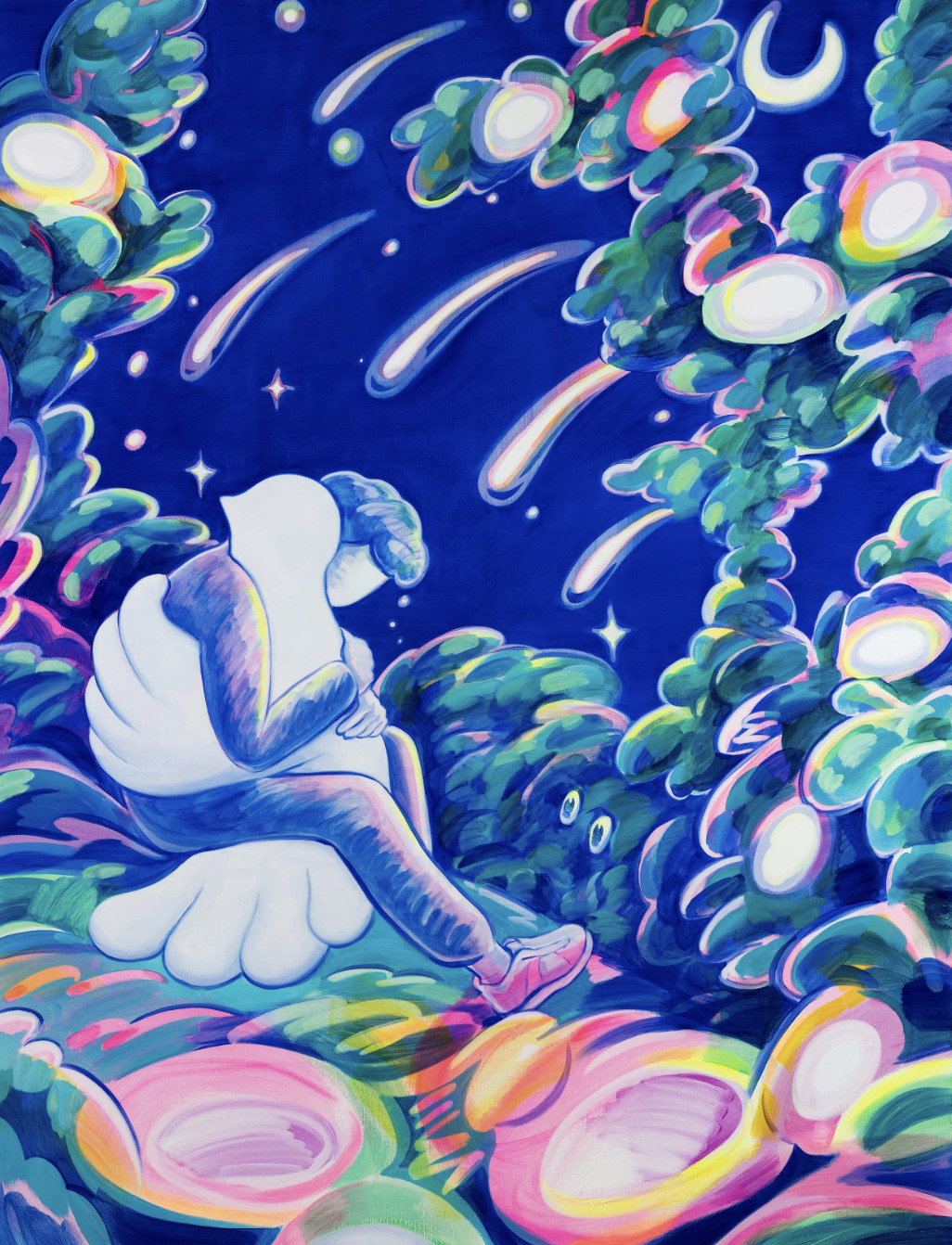
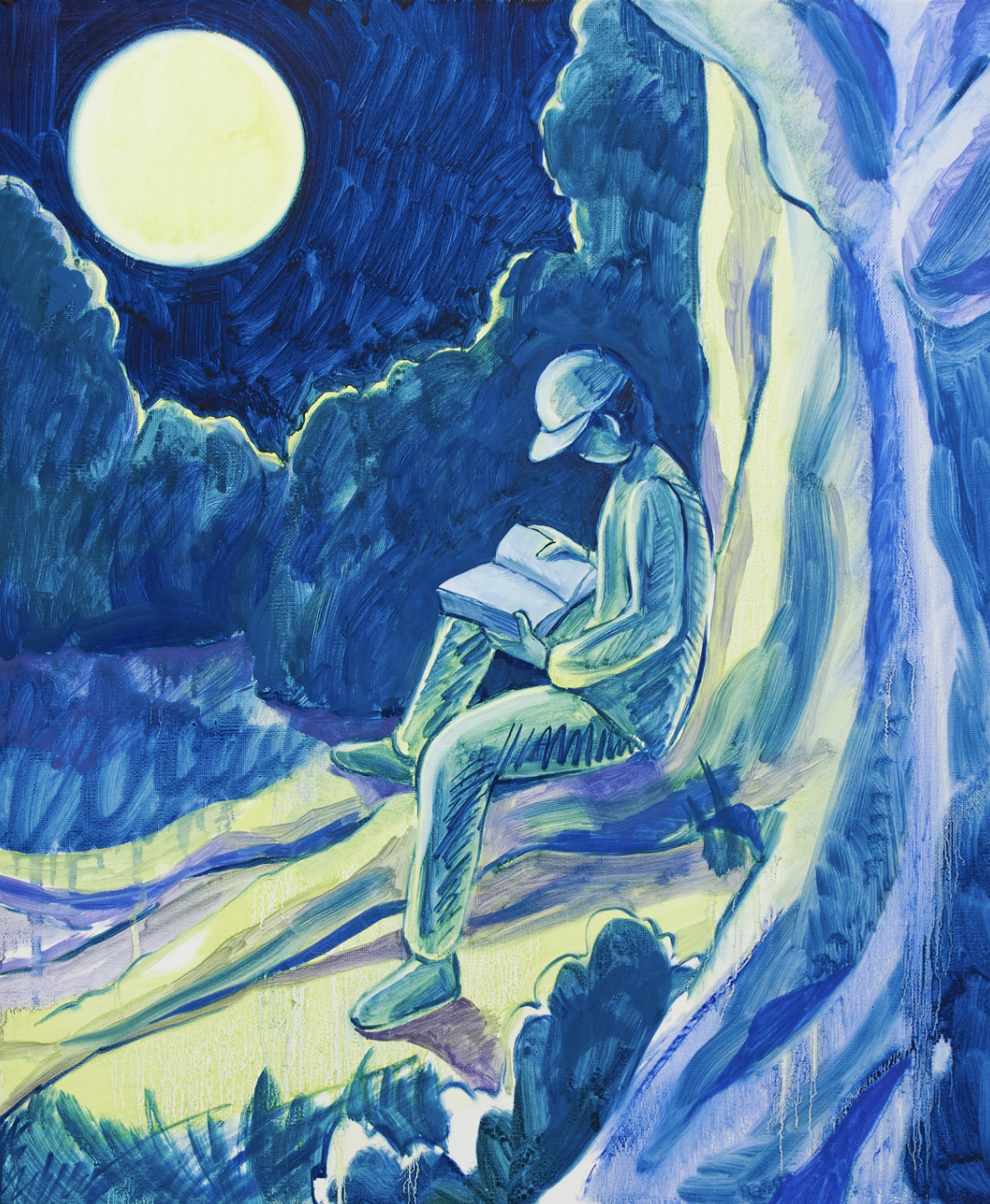
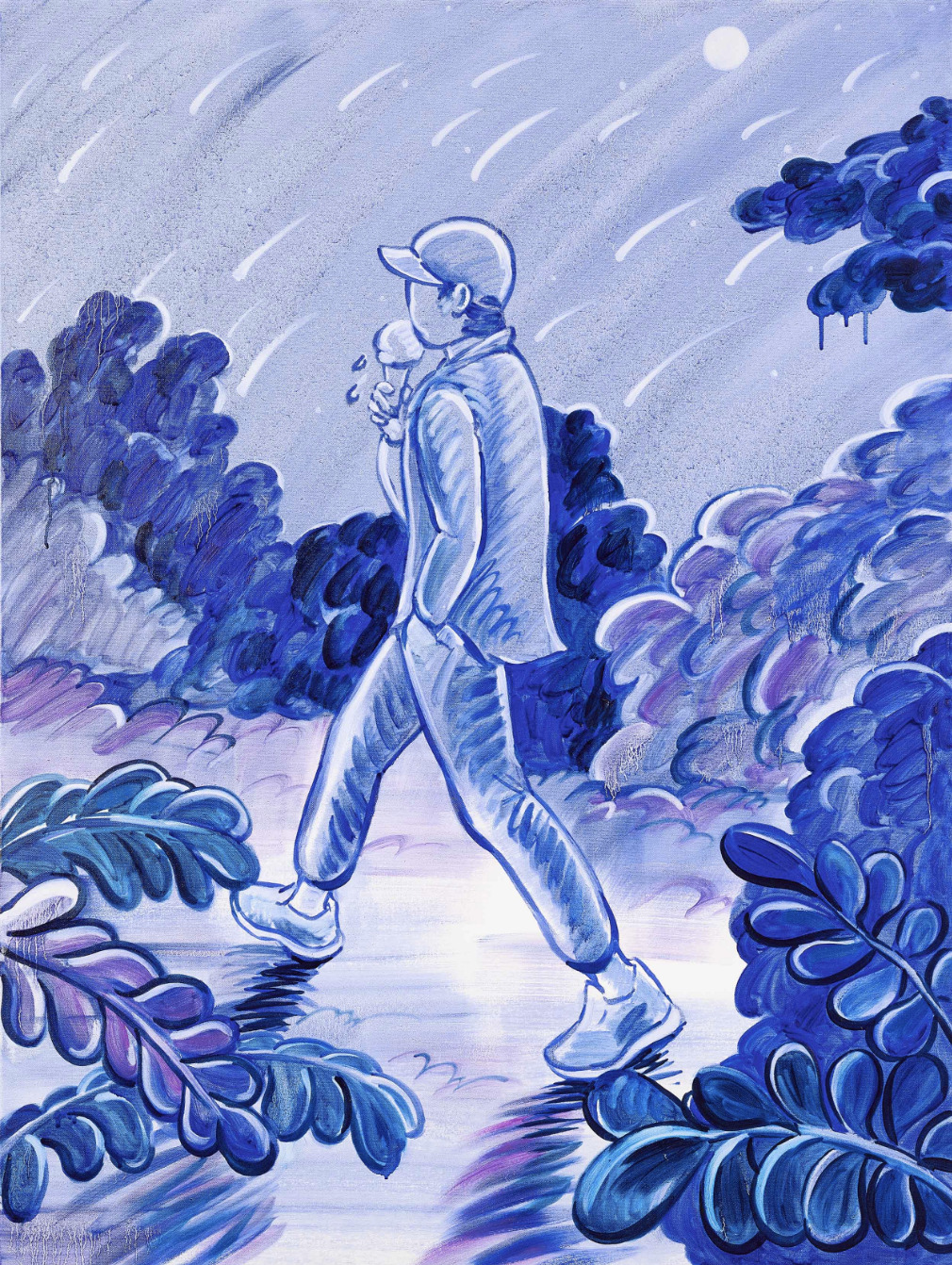
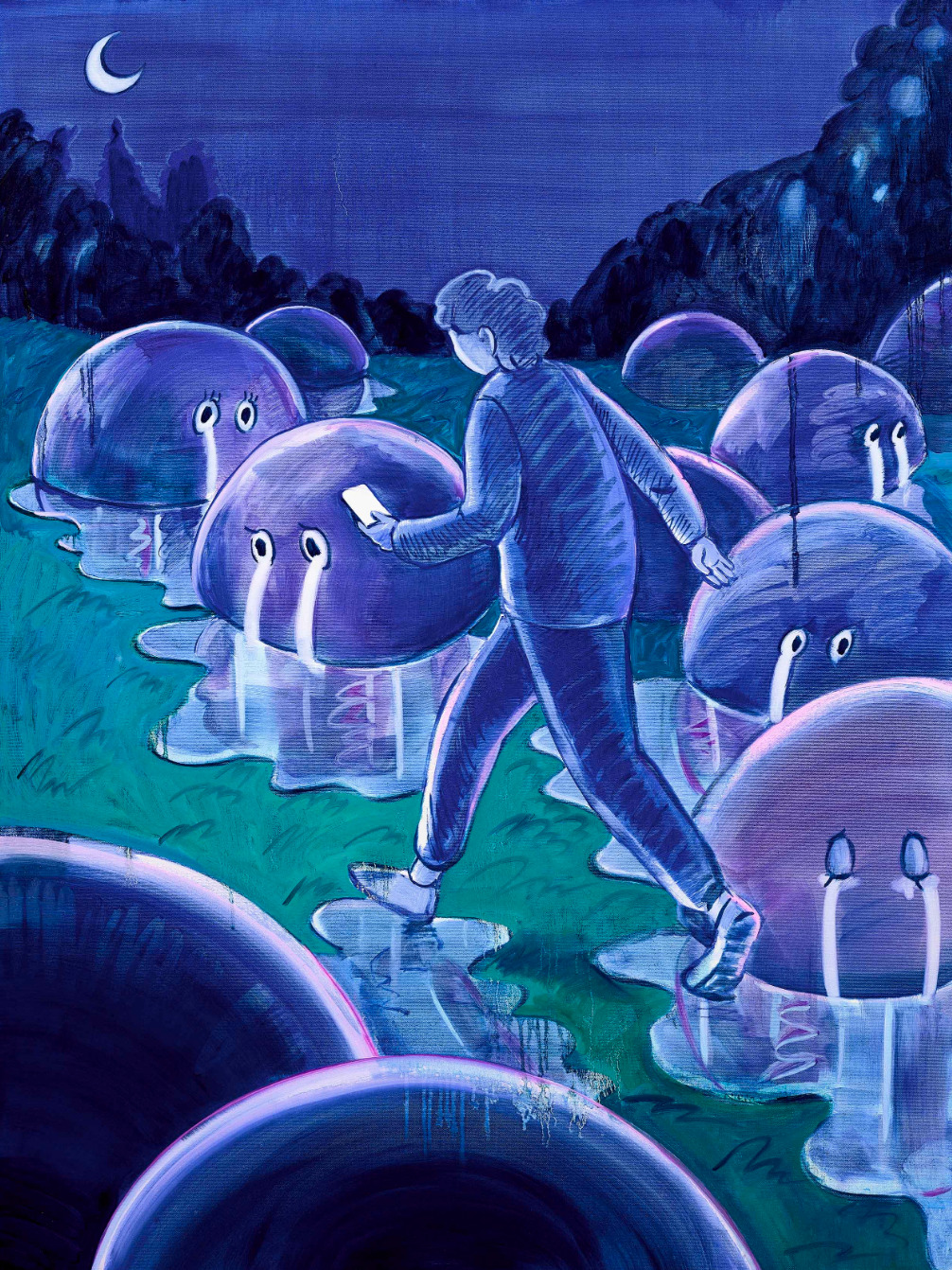
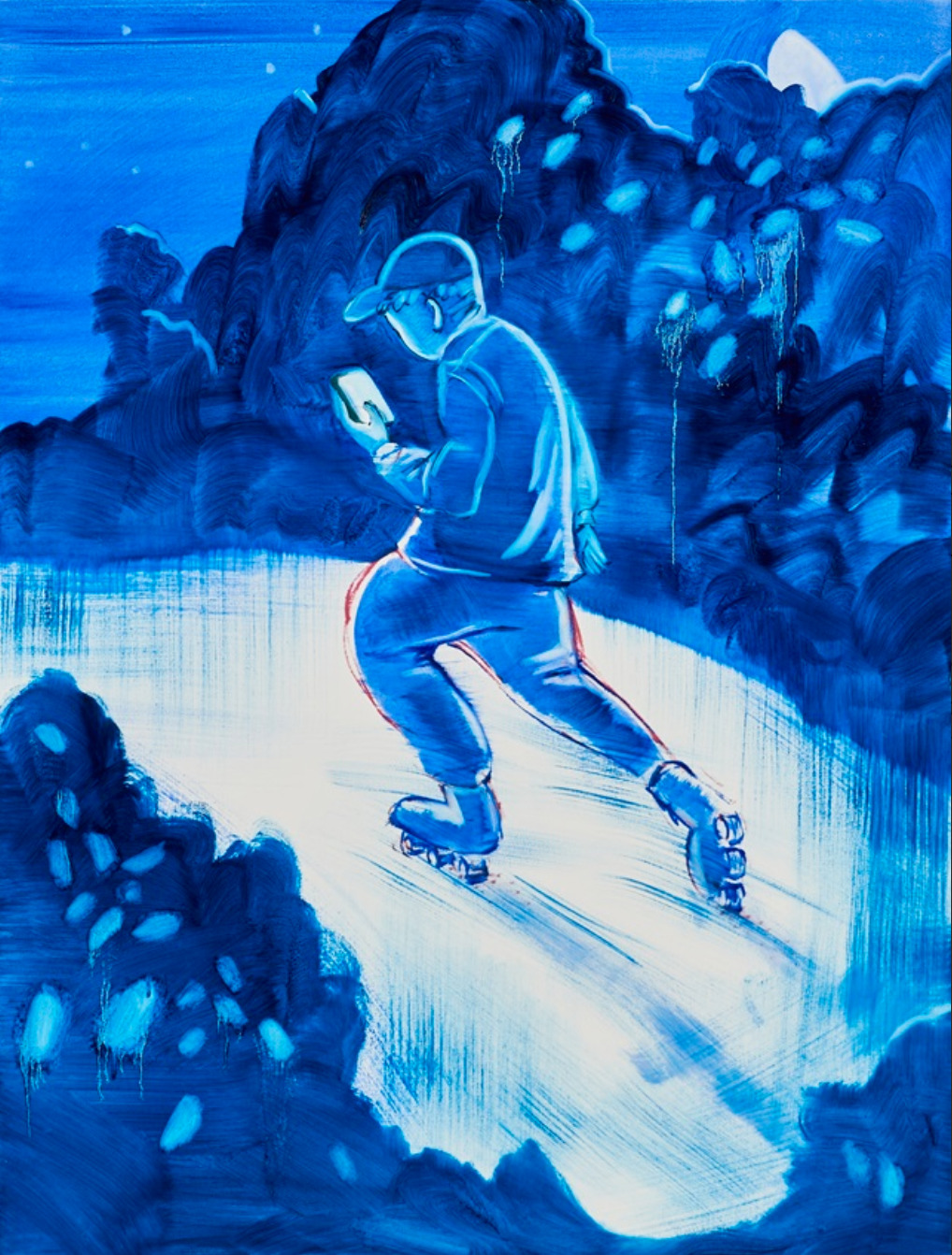
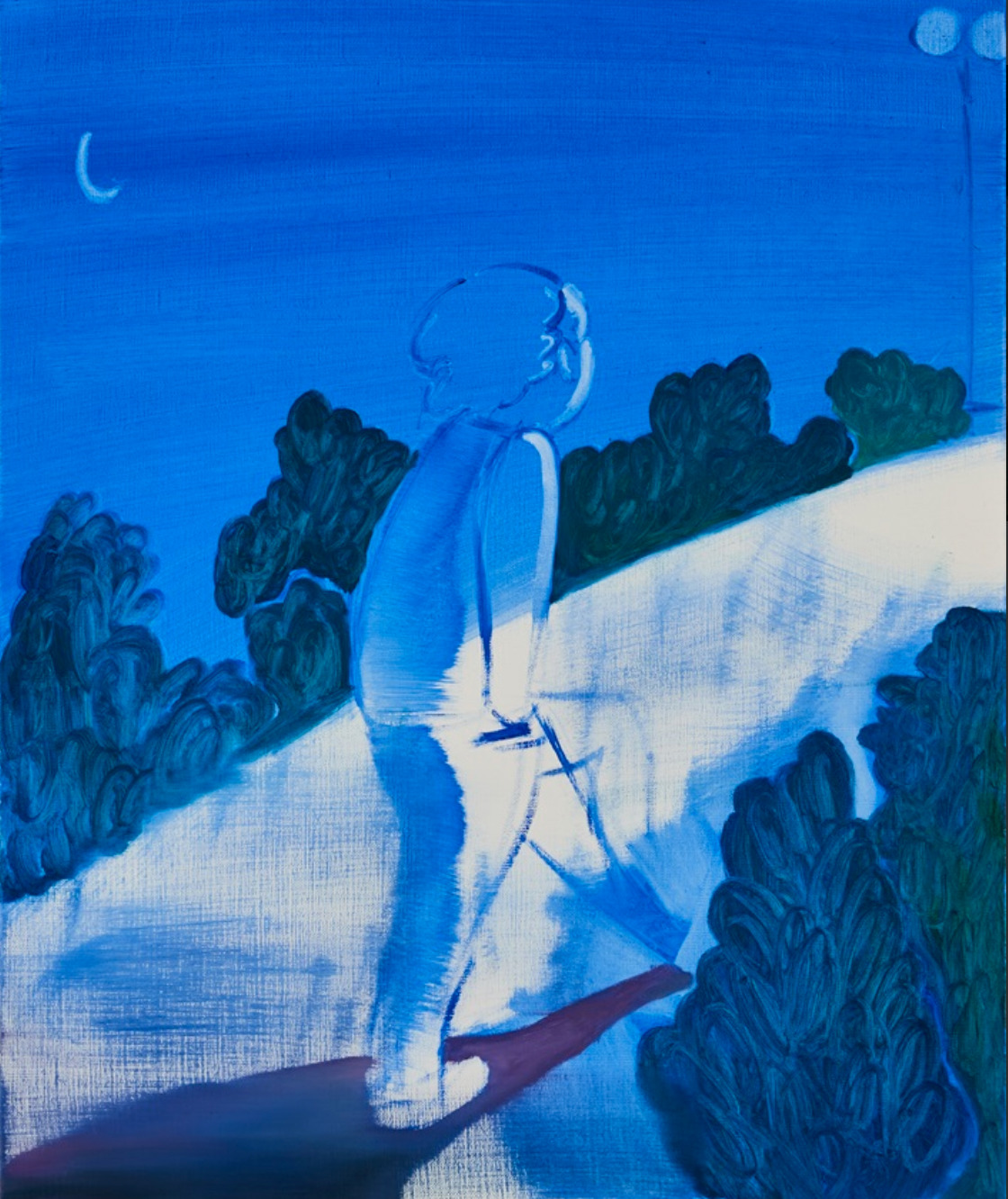
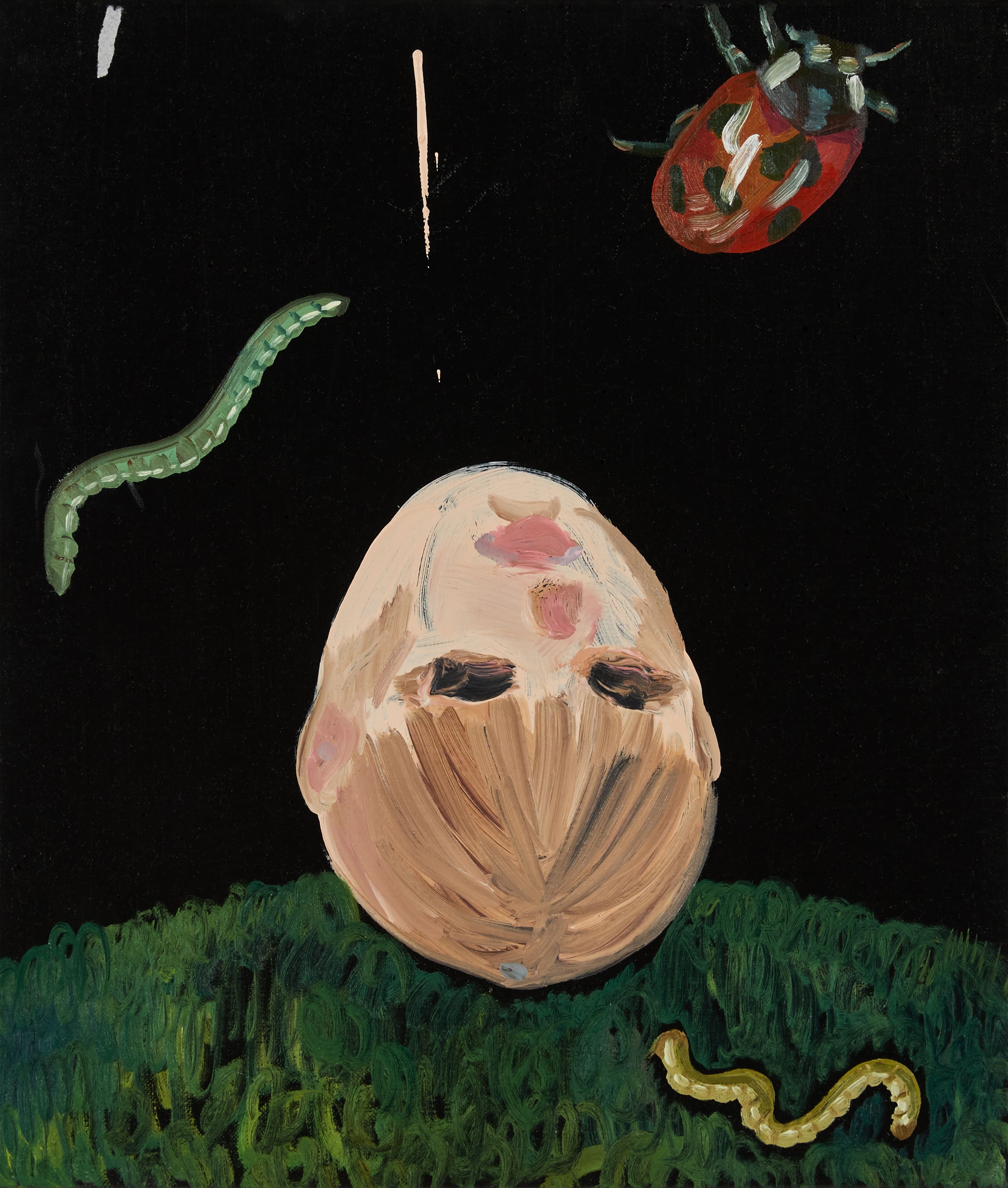
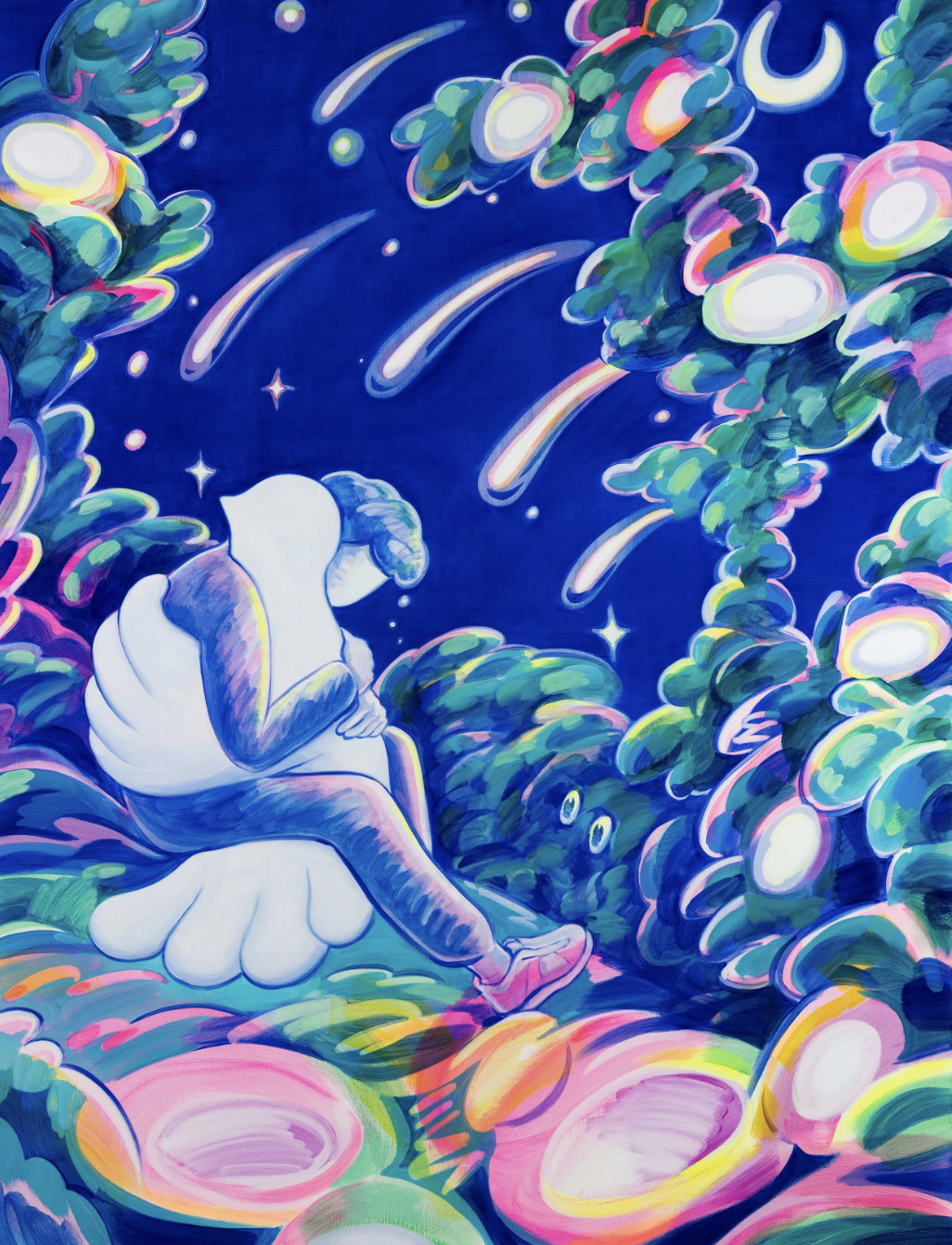
four artists—each shaped by different environments and pursuing distinct styles
as professional practitioners—interconnect within this exhibition, forming a
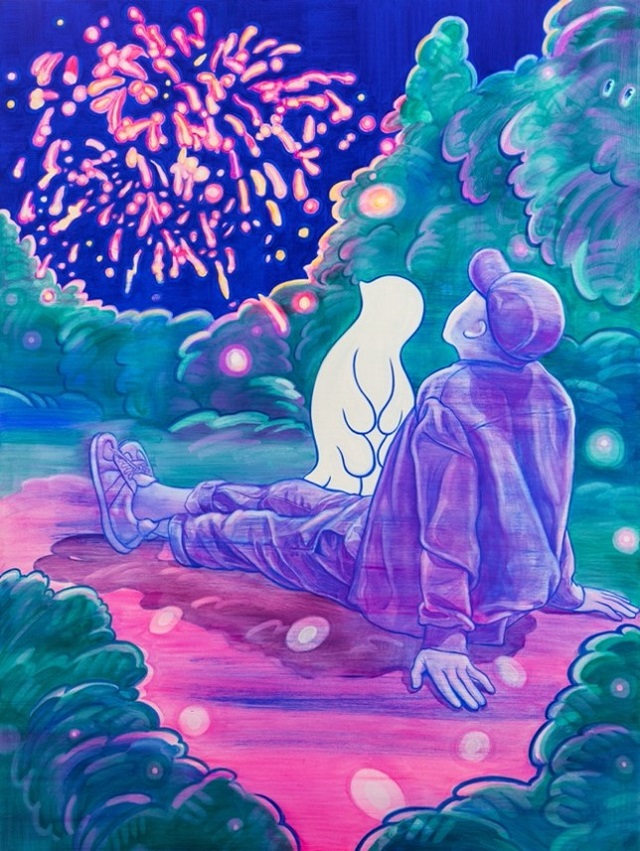
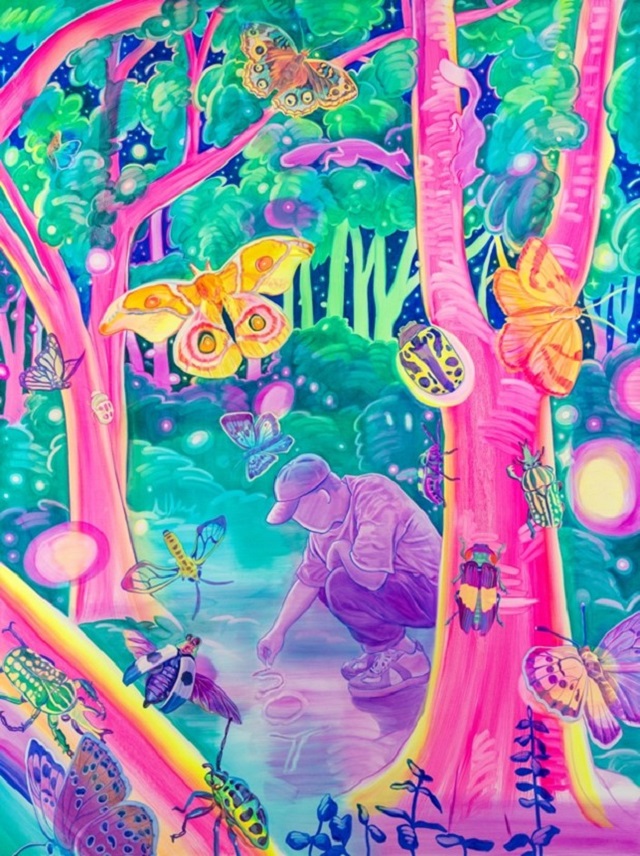
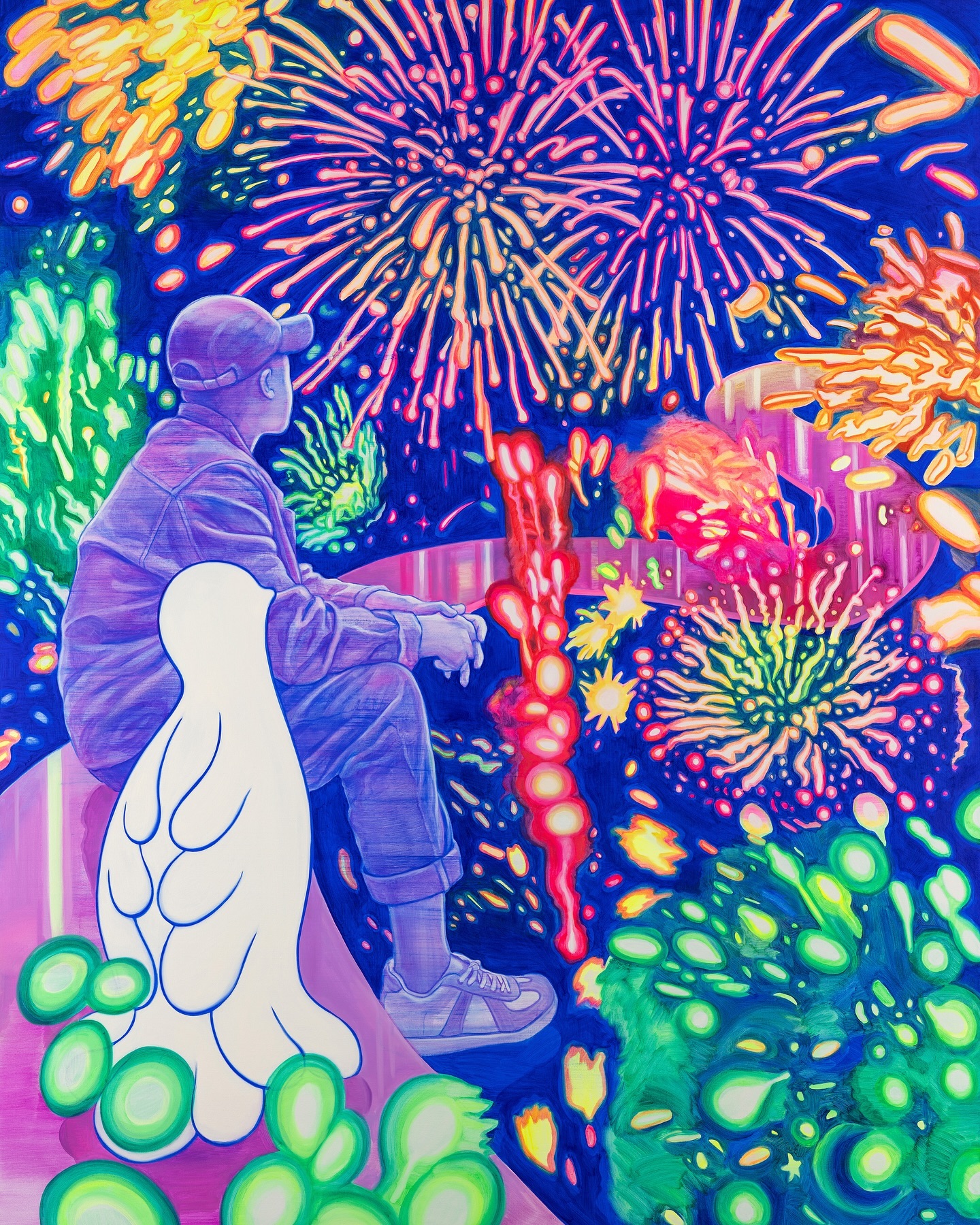
unified yet rhizomatic message. Their works contain clues such as “creative
citation of historical iconography,” “the strange coexistence of tranquility
and systemic failure,” “persistent inquiry into otherness,” and “a fairy tale
about the gap between fantasy and reality.” Occupying the exhibition space,
these works visually evoke a lingering end-of-the-century atmosphere.
Bearing
the label of 2020 as an “age of impossibility,” the works function as markers
of transformation nurtured by the participating artists. They appear to
silently address us—those who have endured and ultimately accepted a year
overshadowed by fear—not to hastily bid farewell to 2020 in anticipation of an
uncertain future, but to rage against the fading year, to remember what was
meaningful, and to reflect.