It has already been five years since the
publication of The Apartment Republic by French geographer
Valérie Gelézeau, a book that drew attention for its incisive analysis of
Korean apartment culture. Since then, numerous critical studies by domestic
theorists on Korea’s apartment housing and real estate issues have been
published, yet few have received as much attention as Gelézeau’s work.
This is
likely due to her objective perspective as an outsider and her ability to
highlight Korea’s unique characteristics through comparison with European
cases. According to her, while apartment complexes in France are typically
located on the outskirts of cities and are associated with low-income
populations and problematic areas—thus symbolizing “urban alienation”—apartment
complexes in Seoul, by contrast, are located within the city center and
symbolize “assimilation into the city,” as they are widely desired due to their
convenience, functionality, and high economic value.
Ultimately, Gelézeau’s
investigation into Korea’s distinctive housing conditions may be understood as
an inquiry into the broader issues of housing and ownership within capitalist
society. Such inquiries are not limited to disciplines like geography or
sociology. In contemporary art, which actively engages with its social context,
issues of housing, the city, ownership, and class have likewise become central
themes.
As early as the 1970s, Gordon Matta-Clark resisted indiscriminate urban
redevelopment and the excesses of capitalism in New York City through acts of
“anarchitecture,” including the deliberate cutting of buildings scheduled for
demolition and the symbolic act of purchasing unusable land in urban outskirts
to resell in galleries.
Around the same time, Hans Haacke challenged the “social
system” through works that exposed the real estate holdings of Harry Shapolsky,
a major landlord responsible for driving up rents in Manhattan. In Korea as
well, from the late 1990s to the present, numerous artists have critically
engaged with the country’s distorted housing reality centered on apartments and
reckless urban redevelopment.
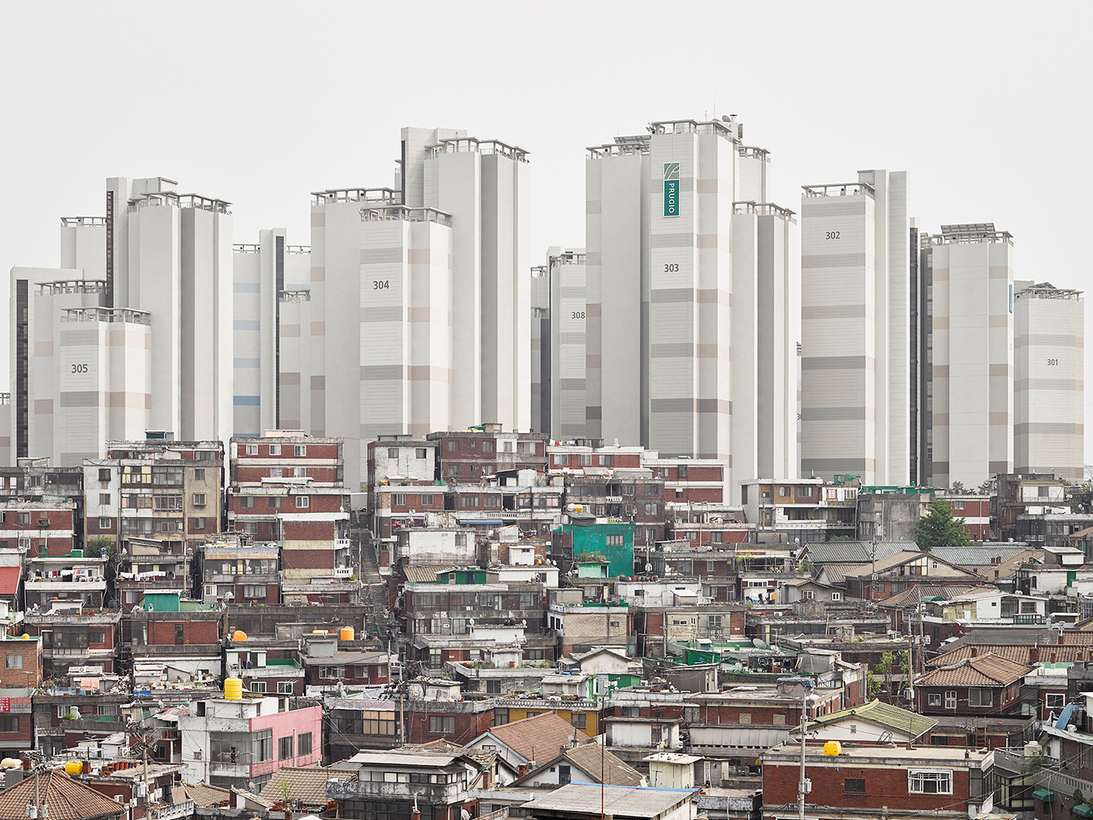
Within this context, photographer Park
Chanmin has explored Korean apartments and Scottish collective housing through
two photographic series, 'intimate city' (2007–2009) and 'Blocks' (2011).
Through this process, a perspective of comparison and contrast naturally
emerged, allowing the artist to develop his own viewpoint on housing and
habitation. Born in 1970 and raised in Dongbu Ichon-dong in Seoul—an area that
led the development of early luxury apartment complexes—Park belongs to the
first generation to grow up accepting apartments as a normative form of
housing.
Following his father’s business failure, he moved from a high-end
apartment complex to a deteriorated multi-family housing area nearby, where he
experienced social comparison with peers from the same school. Through this, he
came to realize that in Korea, apartments function not merely as housing but as
indicators of wealth and class. Later, while living in a new-town apartment
complex on the outskirts of Seoul, he developed a sustained interest in Korea’s
housing culture and the social issues surrounding it.
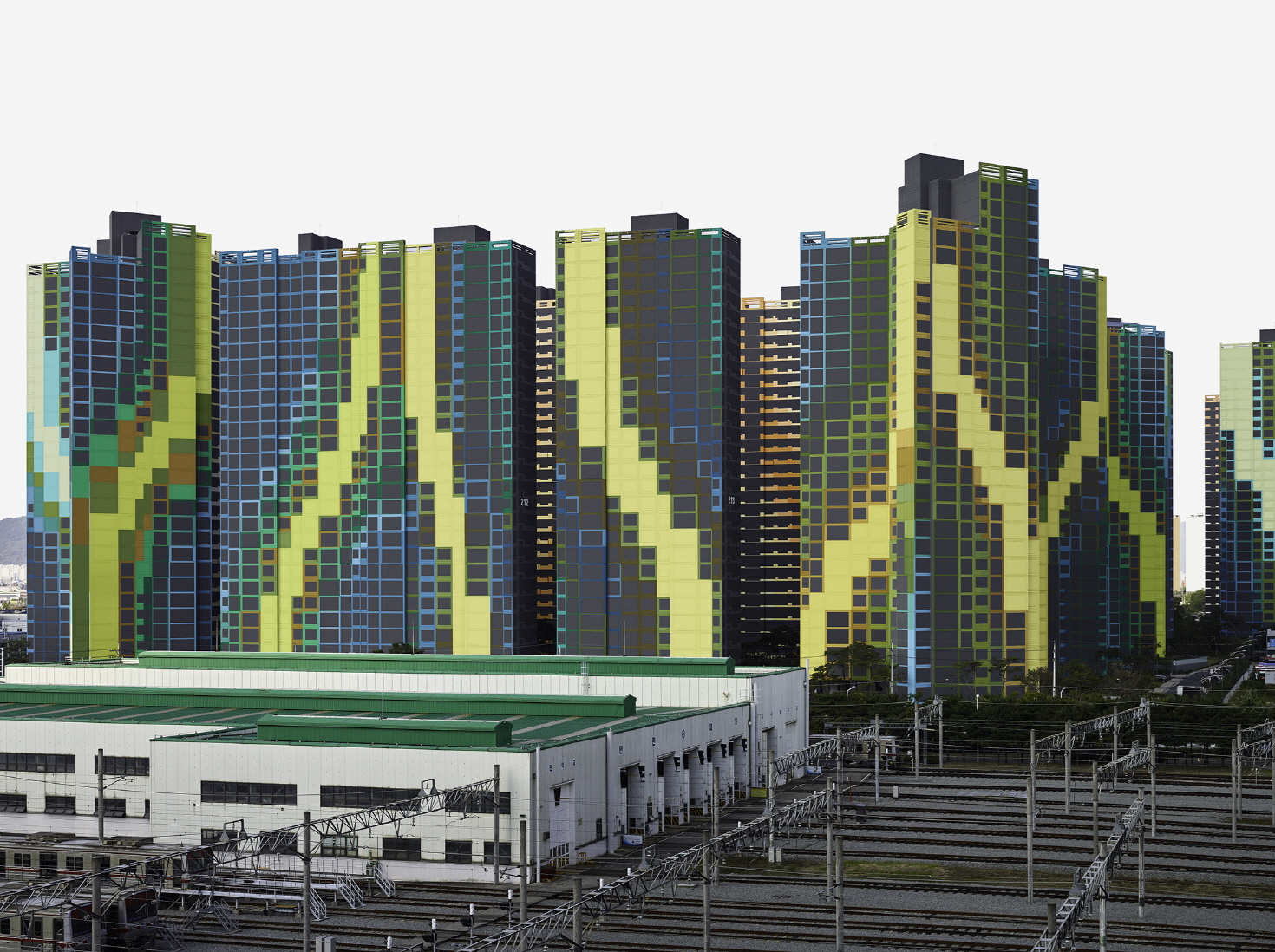
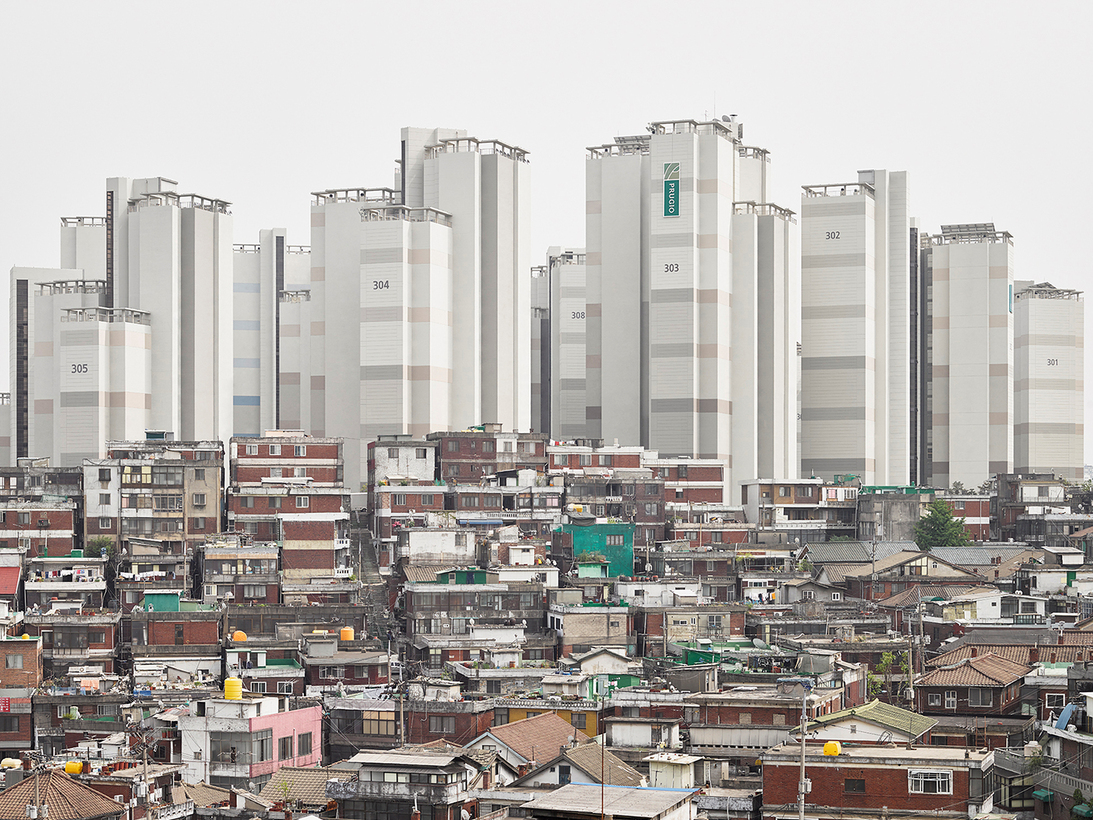
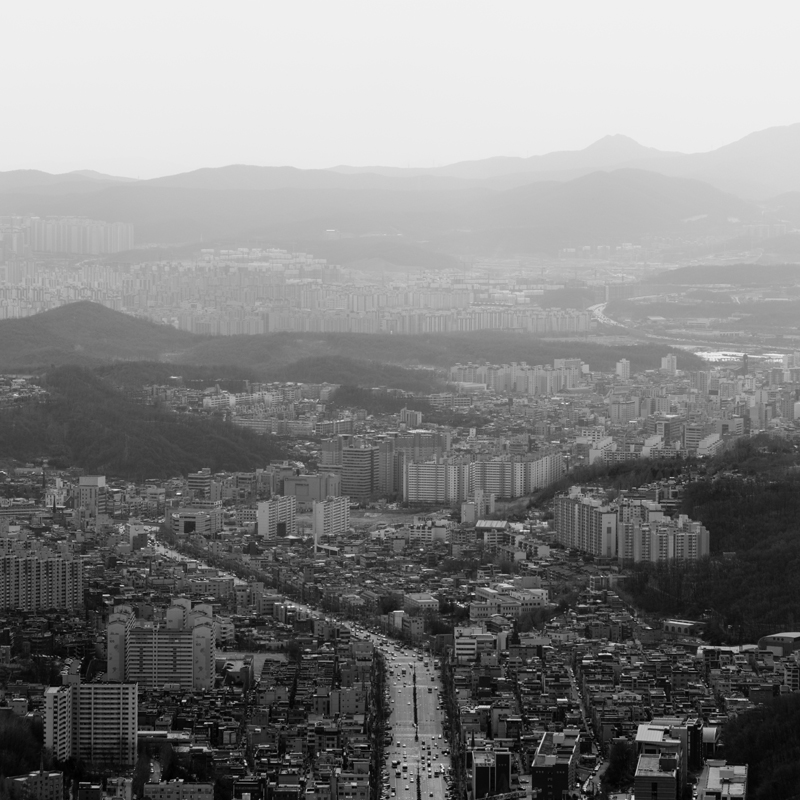
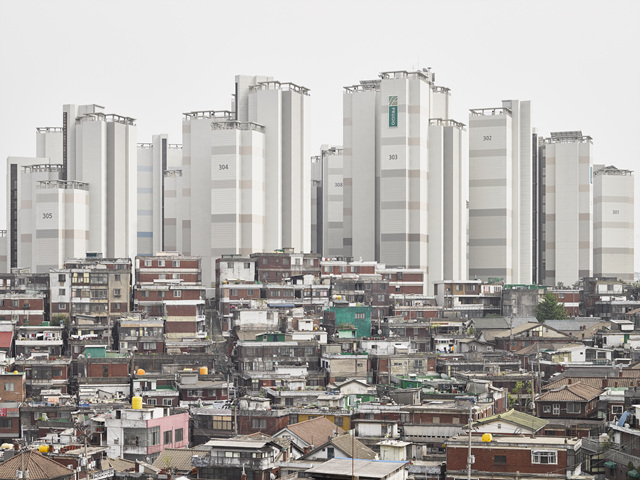
His first photographic
series, 'intimate city', consists of black-and-white photographs of densely
packed apartment complexes in areas such as Mapo, Yangcheon, and Yongsan in
Seoul, as well as in Incheon and Busan. Given Korea’s distinctive
topography—where mountains are often present within urban areas—the artist’s
images depict a layered coexistence of the “real mountains” in the distance and
the “artificial mountains” of apartment complexes in the foreground, forming a
21st-century Korean landscape rendered in stark tonal contrast. Although these
works appear to be traditional black-and-white photographs, they are in fact
digitally produced images that have undergone subtle manipulation. Notably, the
artist removes only the names of the apartment complexes—small yet significant
details—while leaving the rest intact. By doing so, he emphasizes the
standardized and distorted nature of apartment living environments, reducing
them to anonymous structures identified only by numbers. At the same time, he
underscores how deeply personal and intimate aspects of life become homogenized
within such uniform housing conditions. In other words, while life within
apartment complexes increasingly follows similar patterns due to standardized
spatial layouts and shared amenities, the dominance of apartment living
paradoxically leads to greater isolation and self-imposed separation among
individuals.
Immersed in the specificity of Korean
apartment culture as a dominant housing form, the artist later moved to
Scotland, where he expanded his research to include local collective housing.
In the UK, including Scotland, housing originally developed around large
estates owned by the aristocracy. However, following the Industrial Revolution
and the World Wars, urban population growth led to the construction of
high-density collective housing that maximized land use.
These “flats,”
equivalent to Korea’s multi-family housing or apartments, were largely built by
state or municipal initiatives to address housing supply, and due to relatively
low rent, they came to be occupied primarily by lower-income populations. Poor
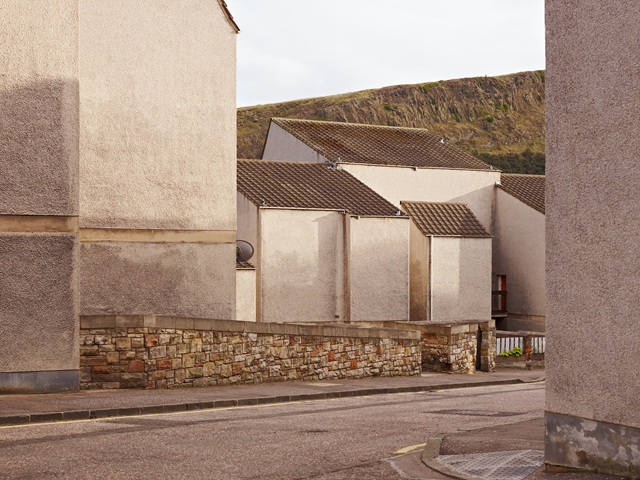
maintenance has led many of these areas to become slums. Park’s 'Blocks' series
depicts housing complexes primarily located in the outskirts of cities such as
Edinburgh and Glasgow. These areas, characterized by a mix of high-rise tower
blocks and low- to mid-rise flats, consist largely of council housing built in
the 1950s, some of which were partially privatized from the mid-1980s onward.
Many of these flats have recently been demolished or face demolition under new
public housing policies. Why, then, does a housing form that shares the same
fundamental goal—high-density collective living—become a symbol of aspiration
and middle-class life in Korea, while in Scotland it is associated with urban
decline and social problems?
The boom in collective housing
construction in Europe preceded that of Korea by roughly two decades. Initially
popular in the 1950s and 1960s due to urbanization and the rise of nuclear
families, these housing complexes later became less desirable due to issues
such as maintenance and aging infrastructure, leading middle-class populations
to move toward private housing.
In contrast, Korean apartment complexes, which
initially held a negative image as low-income housing, underwent a
transformation in the 1970s as they became associated with high-end living,
aided by corporate branding. Today, they are widely embraced by the middle and
upper classes. While this contrast may partly be explained by Korea’s
exceptionally high population density—especially in Seoul—and the resulting
large-scale supply and demand for housing, it may also reflect a deeply
ingrained cultural desire for larger and newer homes, as well as a tendency to
view housing primarily as property rather than as a place to live.
Like Europe,
Korea cannot avoid issues related to aging buildings and redevelopment. Yet the
persistent desire for larger and newer homes dulls sensitivity toward the
destruction and rebuilding of existing housing. Despite the fact that such
indiscriminate redevelopment leads to severe and often irreversible
consequences—environmental degradation, urban inequality, social isolation,
real estate bubbles, and economic downturn—the cycle continues.
Recognizing
these conditions, the artist turns to Europe, where similar issues have already
unfolded, and indirectly invites reflection on Korea’s present situation. This
is why, in Scotland—a country known for its natural landscapes overlooking the
North Sea and dotted with castles and grand estates—Park focuses instead on the
collective housing complexes on the urban periphery.
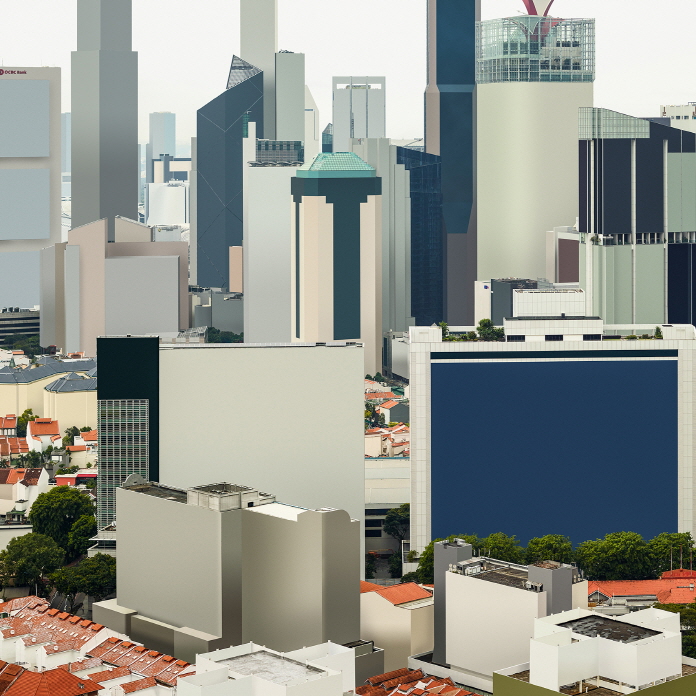
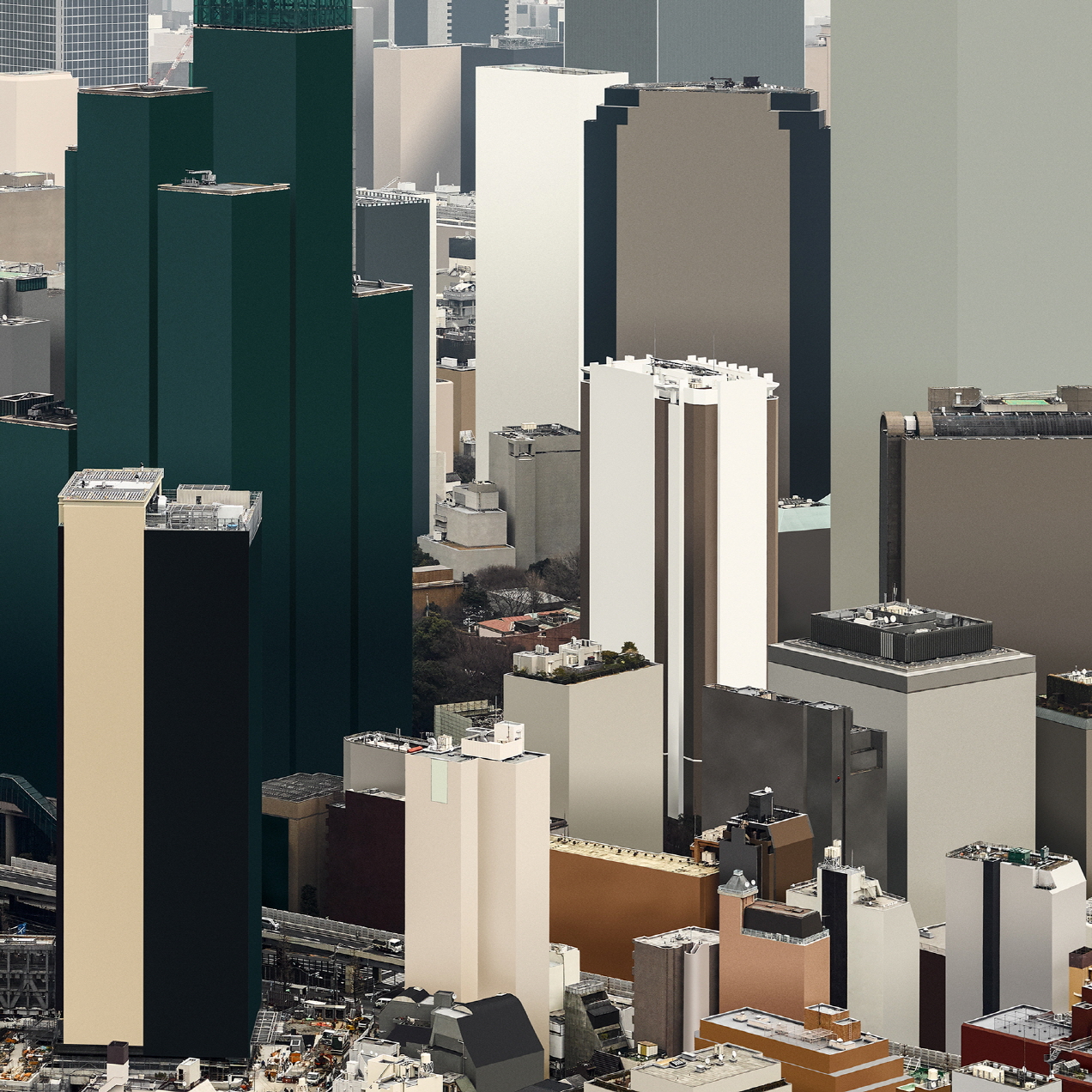
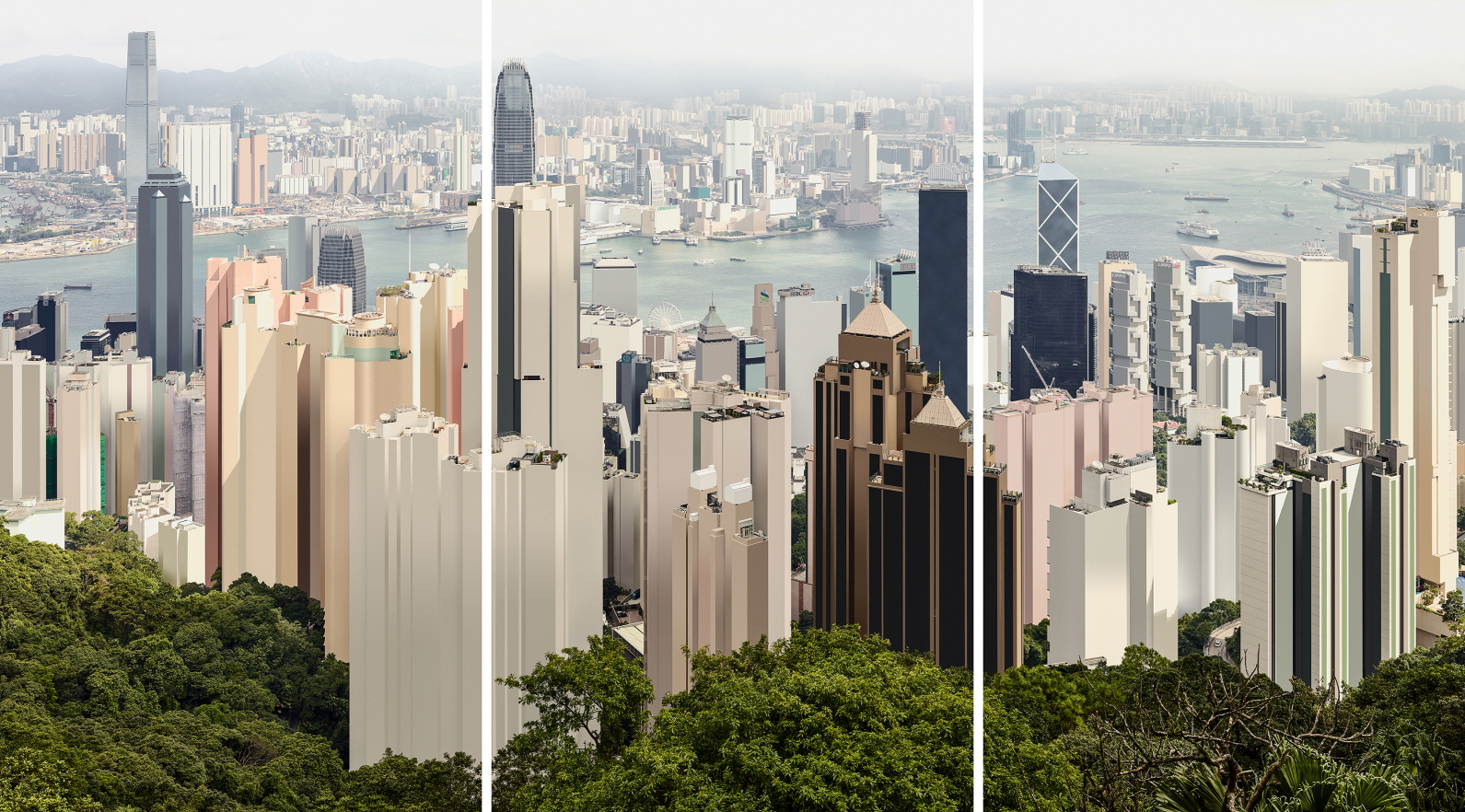
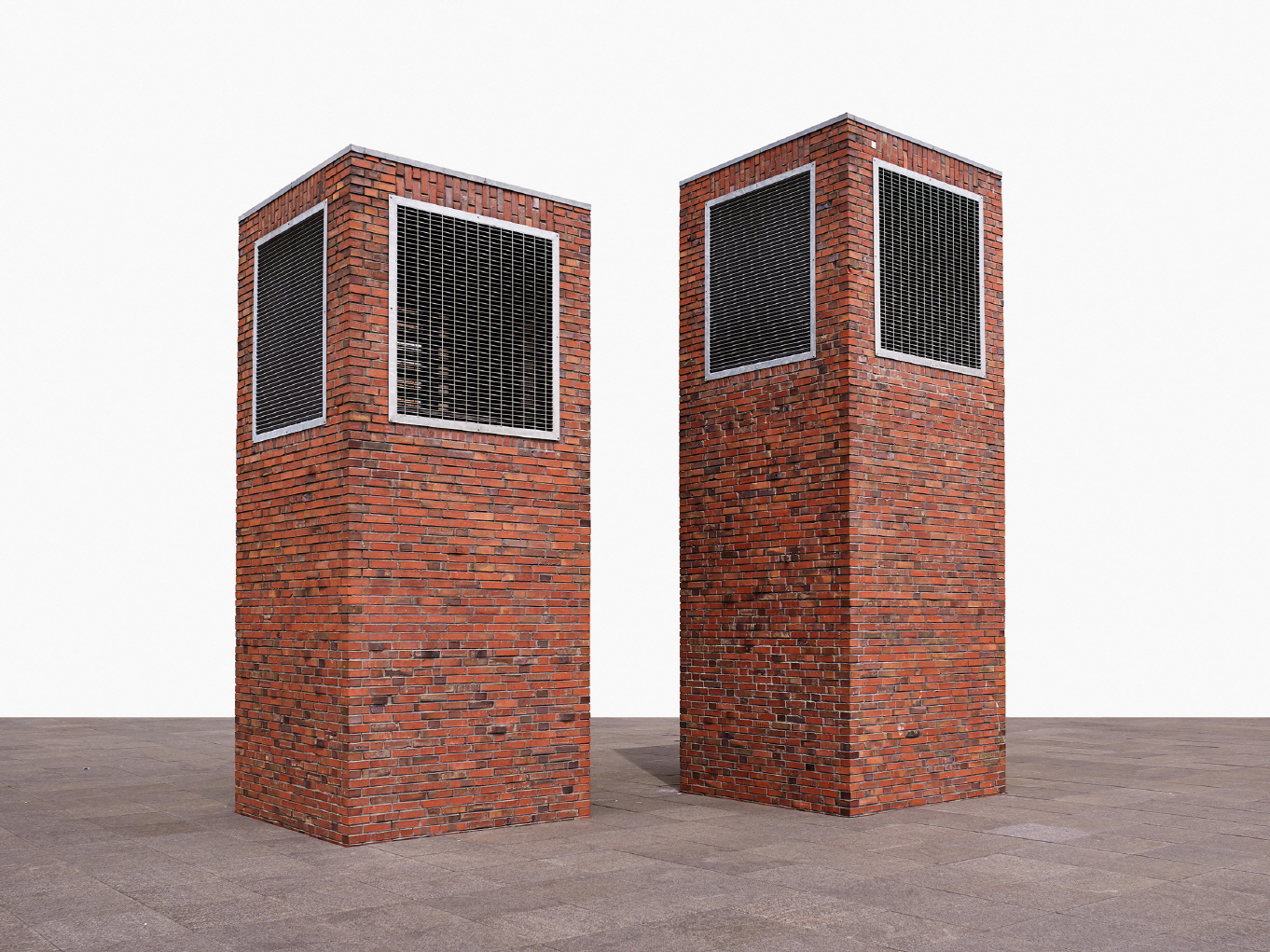
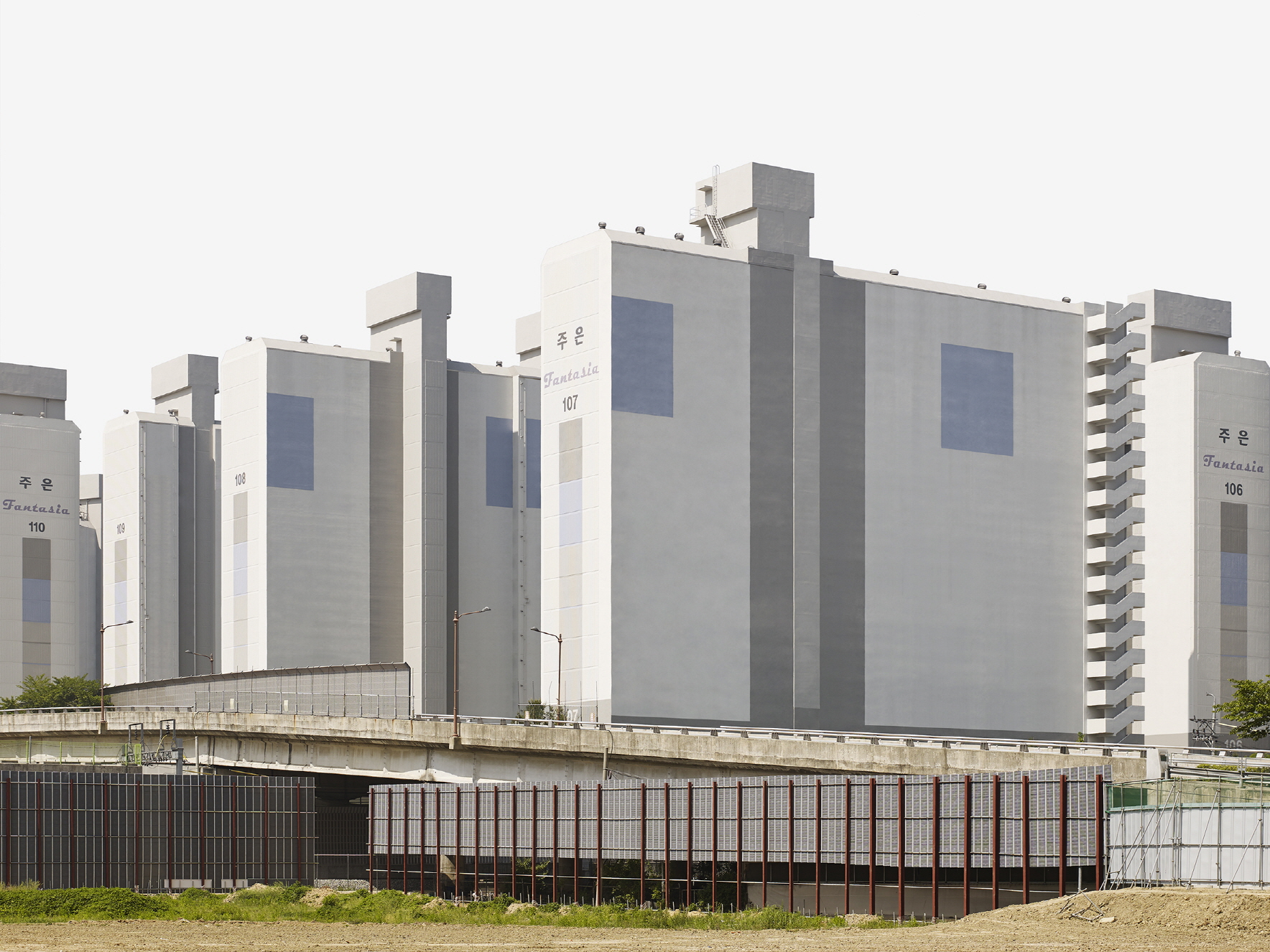
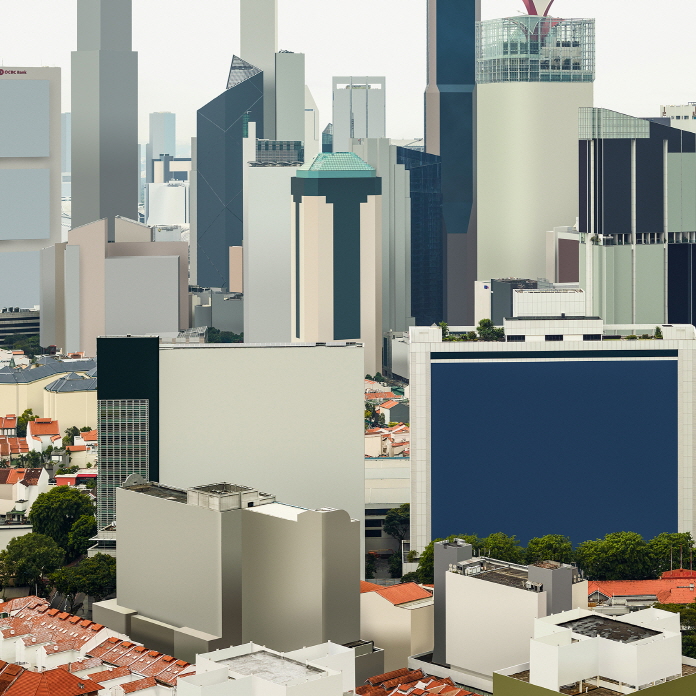
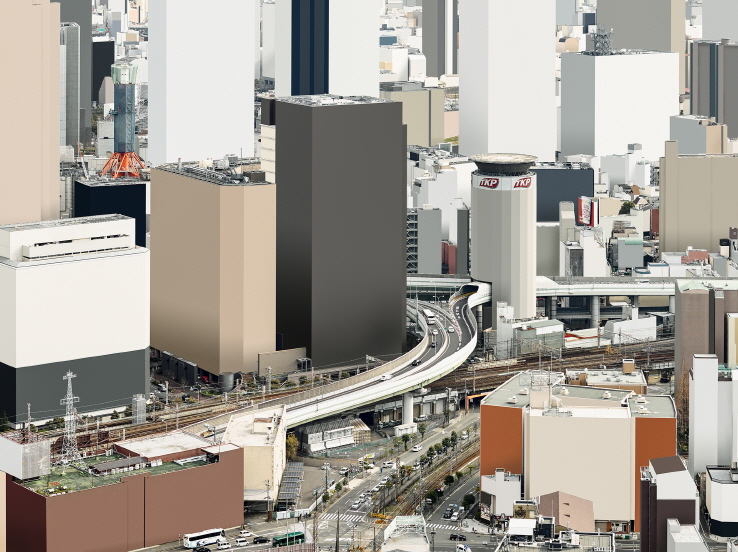
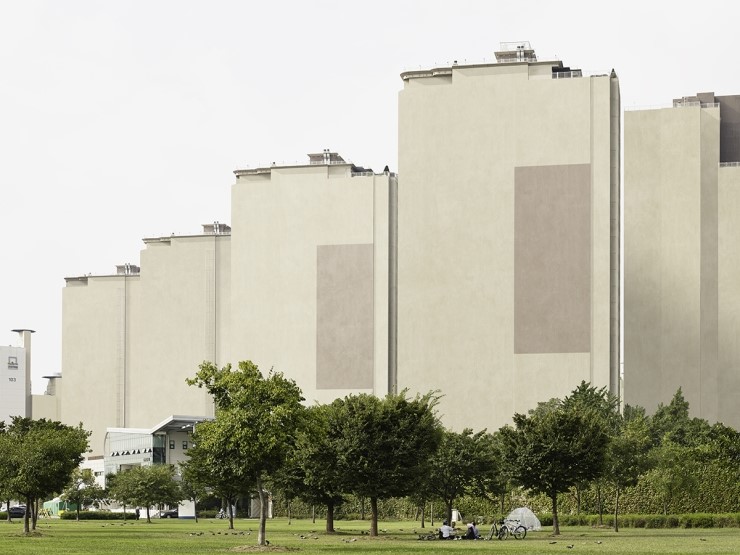
The buildings in 'Blocks' evoke a strange
sense of unfamiliarity. At first glance, they appear to be large-scale
structures located in Western suburban areas, yet upon closer inspection, they
resist identification in terms of specific place or time. They resemble storage
warehouses or even monuments of an indeterminate type, rather than spaces for
human habitation, and appear less like contemporary buildings than like
structures of a possible future.
The reason for this uncanny quality lies in a
single intervention: the complete removal of windows. Just as he erased
apartment names in 'intimate city', in 'Blocks' Park removes the windows of
buildings. Through this simple act, the buildings become isolated, anonymous
concrete blocks that transcend time and space, suggesting disconnection and
severance.
Let us imagine a house without windows.
Such a house would admit no light, allow no airflow, and offer no view of the
outside world—in other words, it would be uninhabitable. While artificial
systems might compensate for these deficiencies, such a house could never truly
be considered a good place to live. More importantly, the absence of windows
signifies not only physical discomfort but the absence of “life” itself. In the
original images prior to manipulation, traces of human life were visible through
the windows: balconies adorned with plants, laundry, furniture, or exercise
equipment; windows covered with curtains, blinds, paper, or left bare.
Each
reflected the habits and preferences of its inhabitants. Above all, windows
serve as the most basic indicator of habitation—of whether someone lives there.
A lived-in house reveals itself through the opening and closing of windows,
through light escaping at night. An uninhabited house remains sealed and dark.
If the primary function of a house is habitation, then the window becomes its
defining symbol. By removing windows, Park eliminates not only functional
elements but also individuality and the traces of life, reducing housing to
anonymous units devoid of human presence.
In 'Blocks', the buildings become standardized
“blocks” within a system of mass production—spaces where human relations are
effectively “blocked,” akin to storage containers or industrial products.
Through this, the artist critiques the commodification of housing and the
dominance of real estate value over lived experience in contemporary Korean
society.
Many artists have explored housing,
architecture, and the city as subjects of artistic practice. In photography in
particular, numerous practitioners have engaged with these themes through
typological architectural photography in Germany or neutral landscape
photography in the United States. Park Chanmin’s work may be situated somewhere
between these traditions.
Yet as a photographer from Korea in the 21st century,
he establishes a distinct artistic identity. This is evident both before and
after the act of photographing. Prior to shooting, the artist conducts
extensive research using the internet and books. Rather than wandering the city
like a 19th-century flâneur, he plans his images in detail using tools such as
Google Earth and street-view mapping. Each photograph is accompanied by
coordinates indicating the building’s latitude and longitude.
After shooting,
instead of developing prints in a darkroom, he processes high-resolution
digital images on a computer, meticulously editing and removing elements using
Photoshop before producing digital prints. He is thus unmistakably an artist of
the digital age. Yet in spirit, his work resonates with that of the
Impressionist painters of 19th-century Paris, who observed and shaped modern
urban life, as well as with Edward Hopper, who captured the solitude of
American cities between the World Wars.
In an era of globalization and
neoliberalism, where artistic concerns are no longer confined to national
boundaries, Park Chanmin begins with Korea’s housing reality and urban culture,
expanding his inquiry through comparison and contrast to present broader and
more diverse realities. It may be something anyone could attempt—but not
something anyone can achieve. His body of work offers a meaningful photographic
reflection on housing and the city in the 21st century.