The concept of landscape (paysage) is
often taken as self-evident, yet in reality it varies significantly across
cultures. Augustin Berque defines landscape in opposition to environment
(environnement). According to Berque, “the environment is defined as the
factual aspect of the surrounding world, that is, the relationship between
space, nature, and a given society, whereas landscape encompasses more than the
sensory dimension of such relationships.
While human society may be perceived
as a refined and organized environment, landscape is not necessarily identified
in the same way across cultures” (Augustin Berque, Les raisons du
paysage: de la Chine antique aux environnements de synthèse). For
instance, in the Chinese conception of landscape grounded in a monistic
cosmology, shan-shui (mountain and water) forms the basis of a harmonious unity
between environment and landscape. In contrast, the Western notion of landscape
does not simply refer to natural scenery but to a world shaped by human
intervention, governed by language and reason—logos.
What is crucial here is
the markedly cultural dimension of landscape, which operates similarly within
the realms of painting and photography. Major American landscape photographers
such as Ansel Adams, Edward Weston, and Minor White constructed a mythology of
landscape, revealing the sublimity of vast natural spaces through their images.
In European culture, however, landscape is understood as an unstable
conjunction of nature and culture, of natural environment and urbanity.
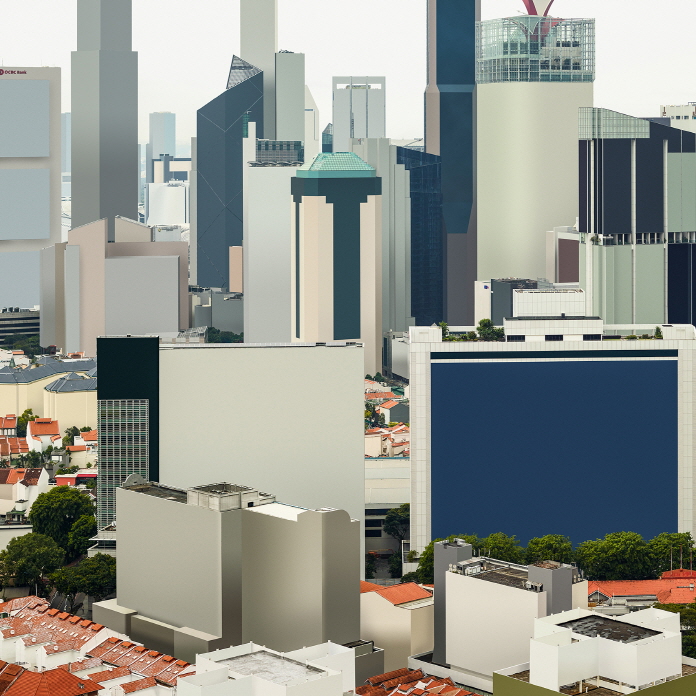
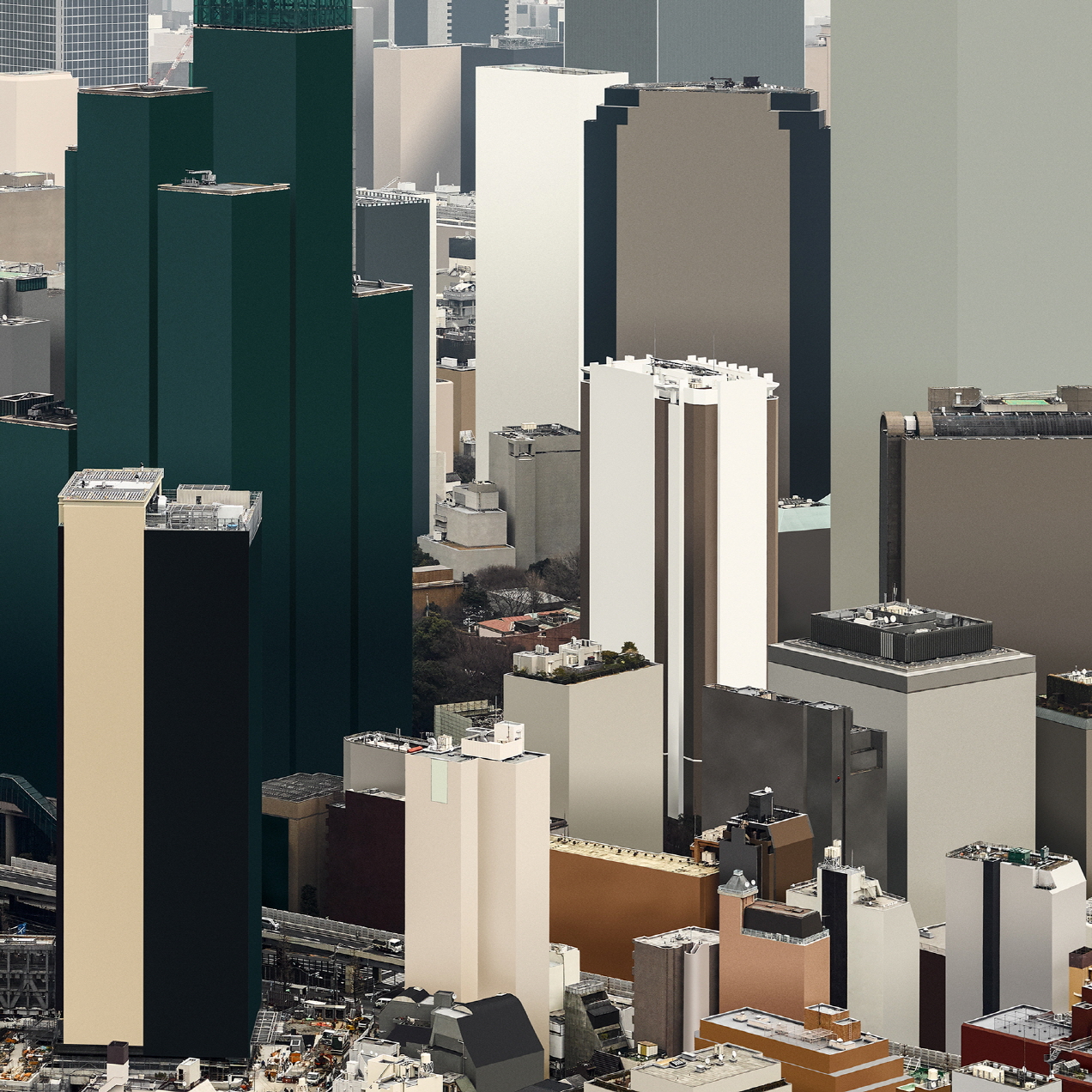
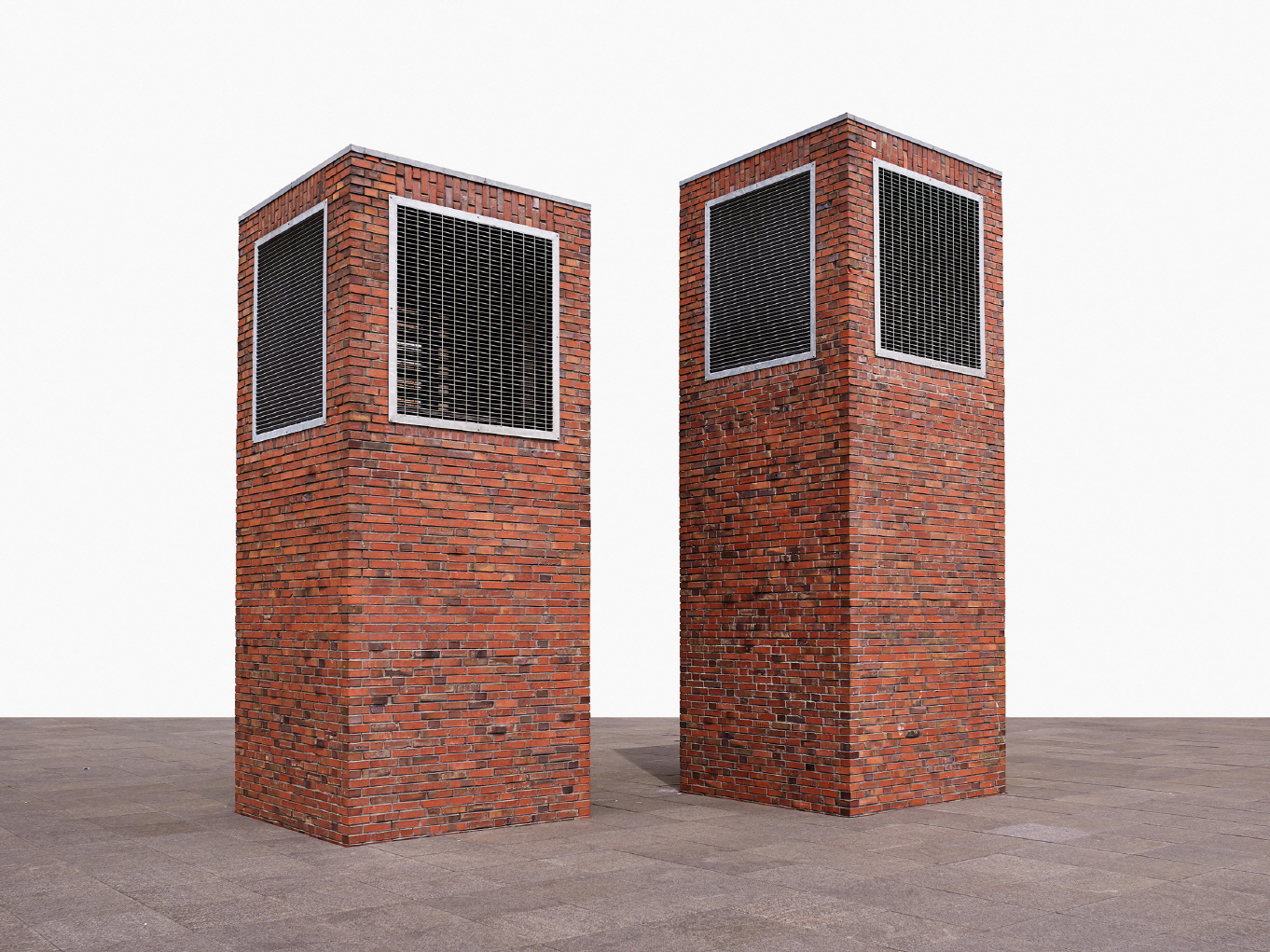
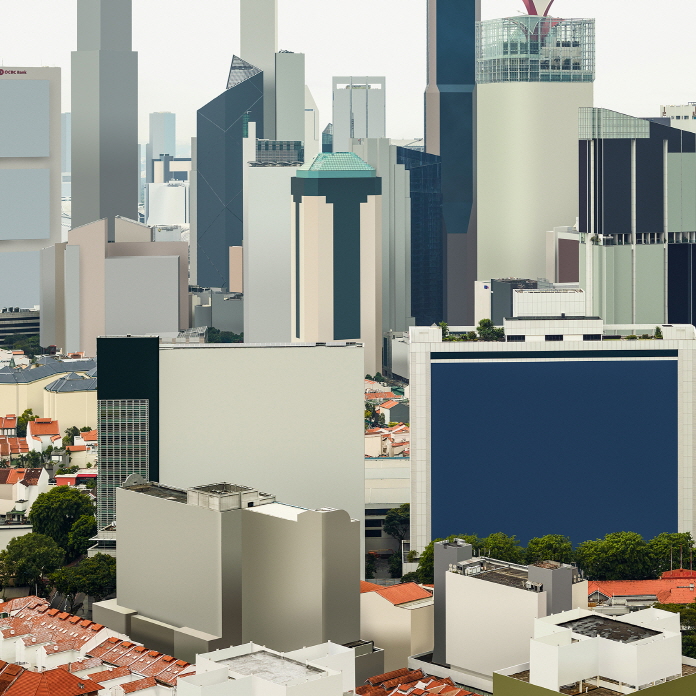
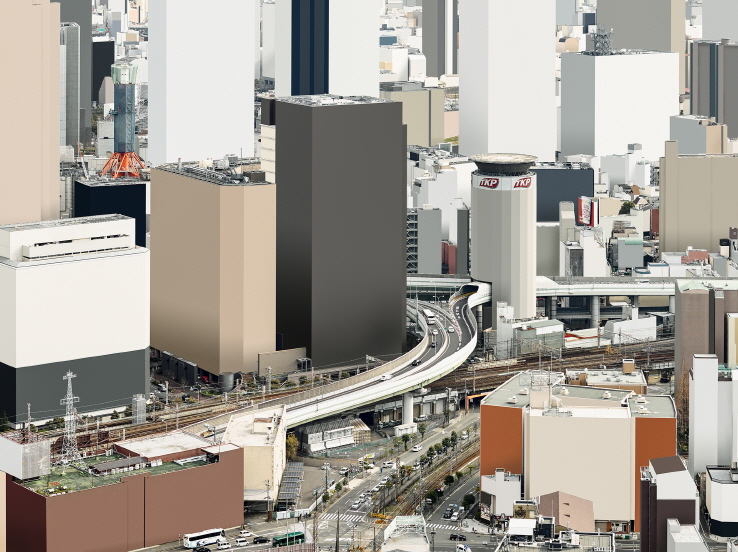
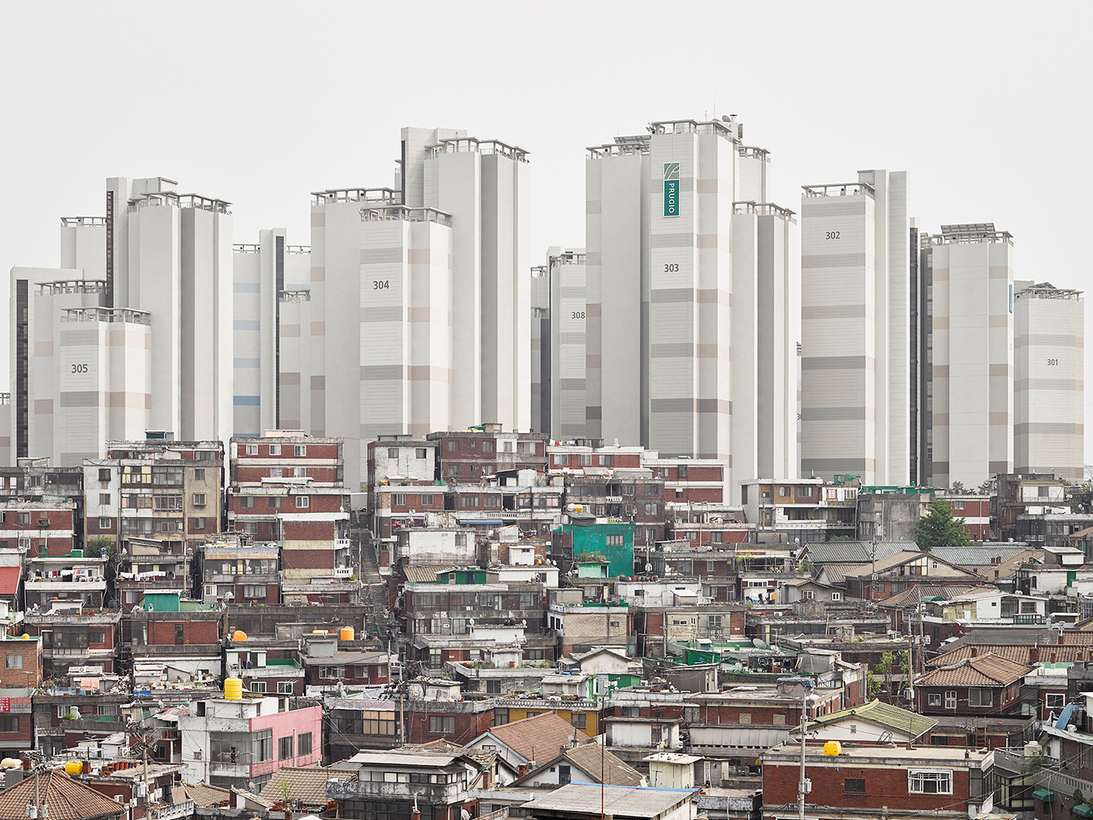
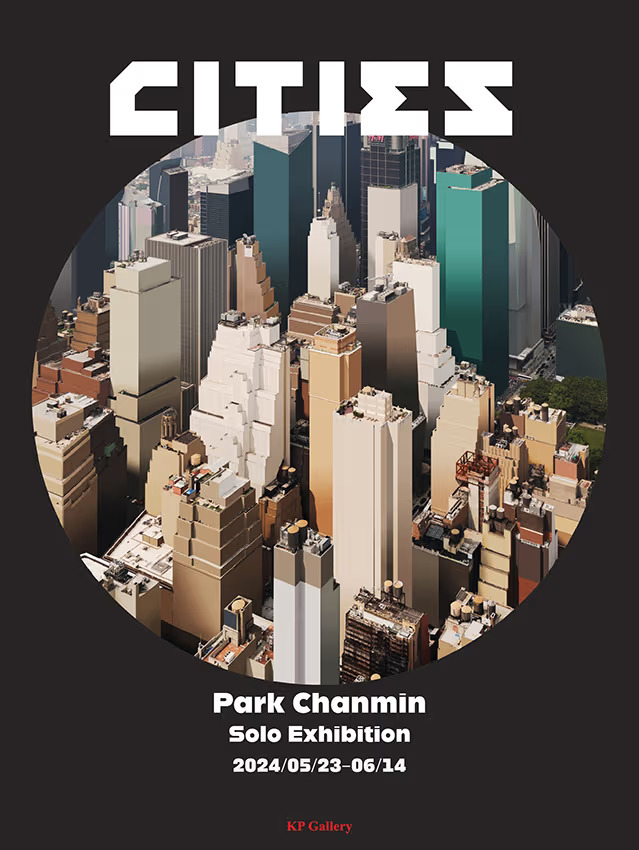
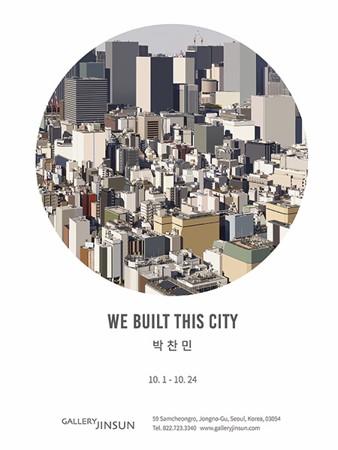
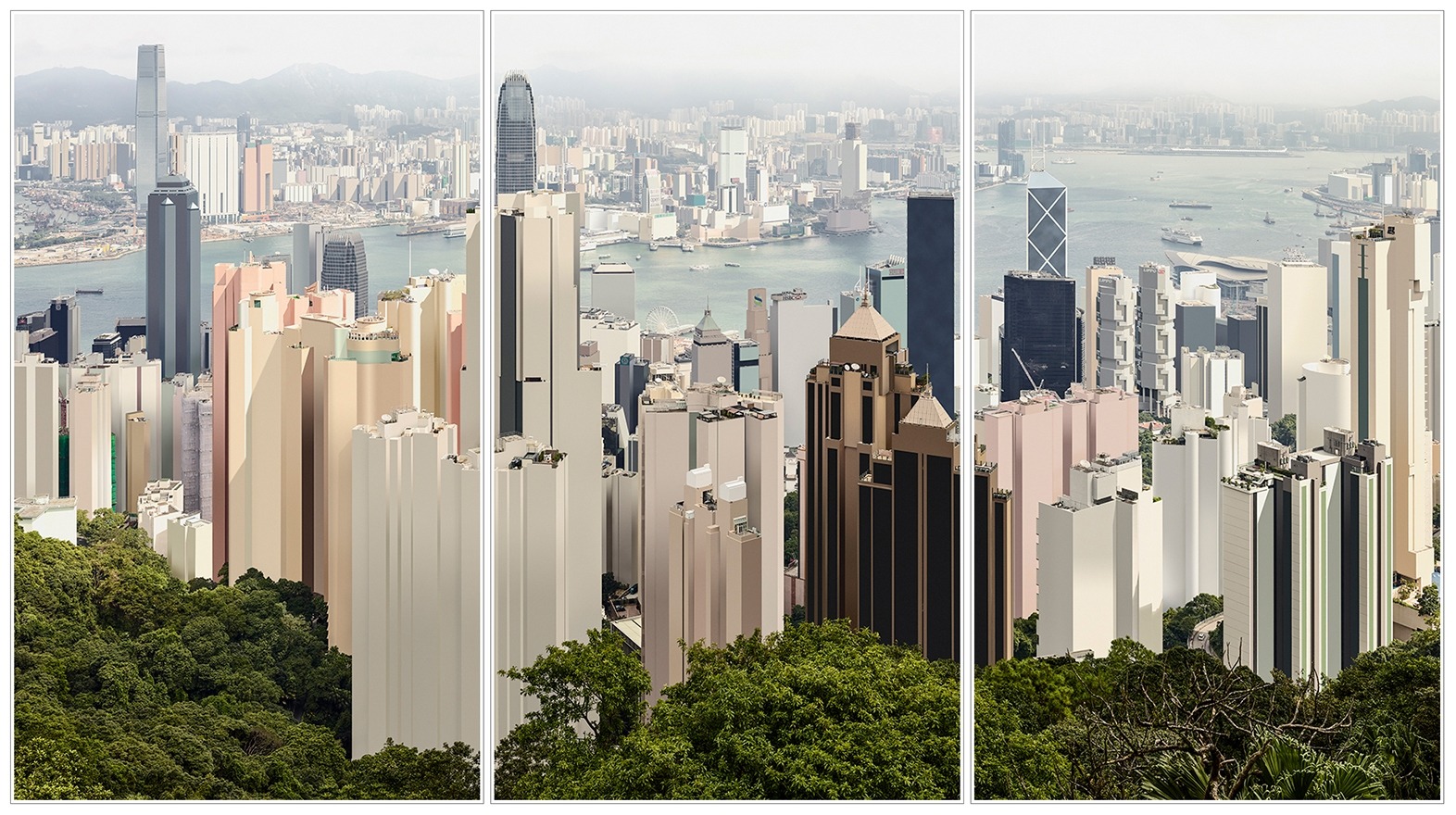
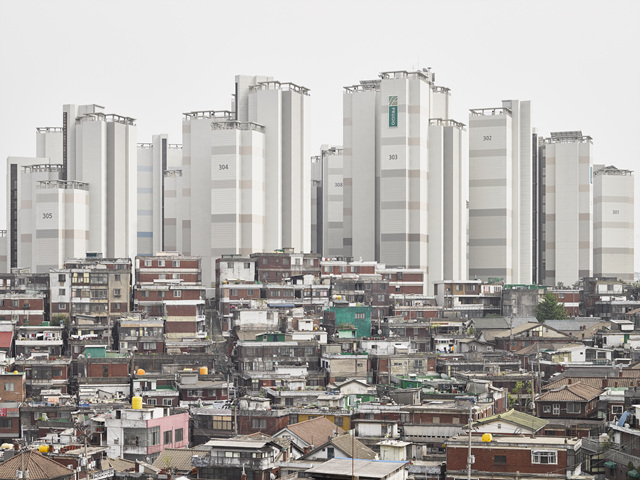
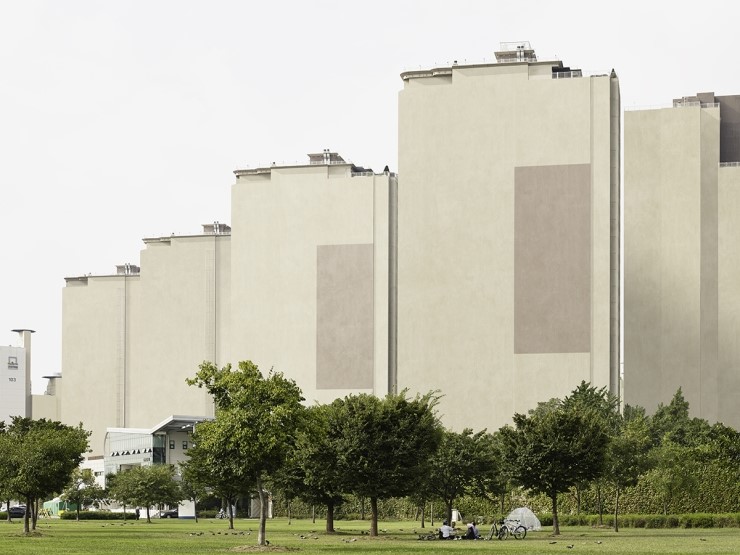
Park Chanmin approaches the urban
landscape through the dual perspectives of environment and landscape, adopting
an analytical view of contemporary modes of living in the city. He selects a
brief period around noon—when buildings cast almost no shadows—and compresses
urban scenes into a single frame using a telephoto lens. These scenes combine
architectural structures—signifiers of a society’s values and systems, such as
apartments and office buildings—with the specific topography of Korea.
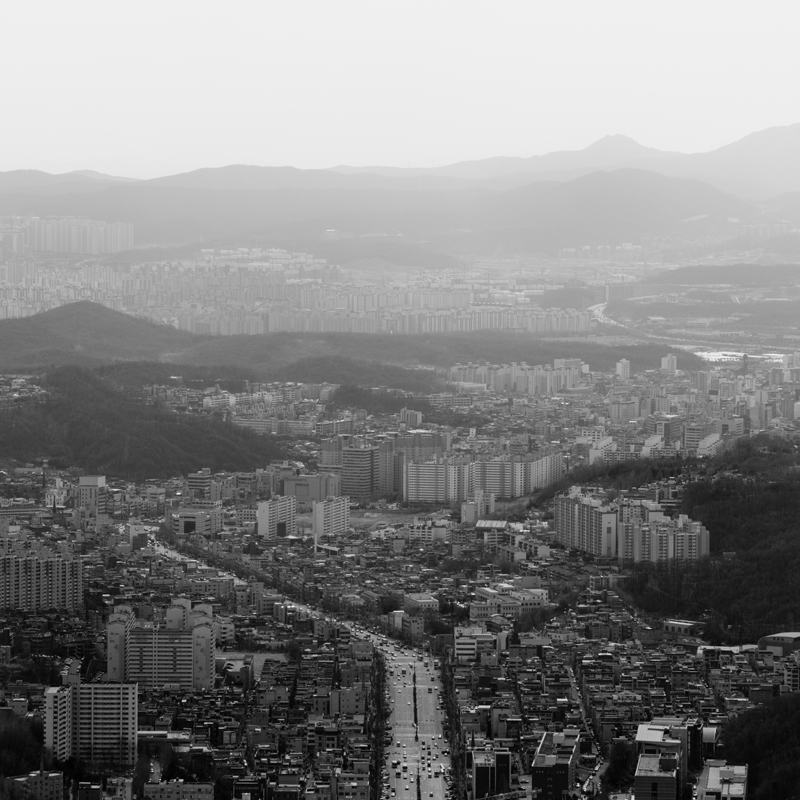
Due to
the mechanical properties of the telephoto lens, the photographic image appears
flattened. The cityscapes he presents are neither the threatened urban
environments marked by disaster and rupture, as seen in the works of Lewis
Baltz or Anthony Hernandez, nor the sustainable cities envisioned by Gabriele
Basilico, nor even the dystopian Los Angeles of Blade Runner, which has served
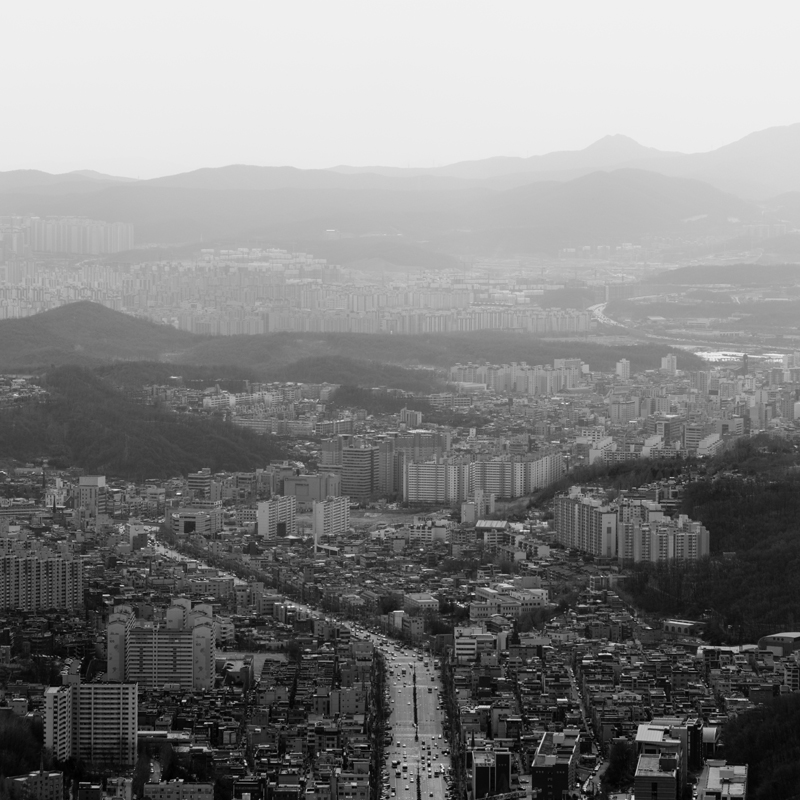
as a visual reference for many artists. Instead, his images reflect a
distinctly Korean landscape culture, reminiscent of the traditional compositional
principle of baesanimsu—mountains at the back and water in the front—where
water flows in the foreground, buildings occupy the middle ground, and
mountains embrace the background, encompassing the developmental aspects of
industrial society.
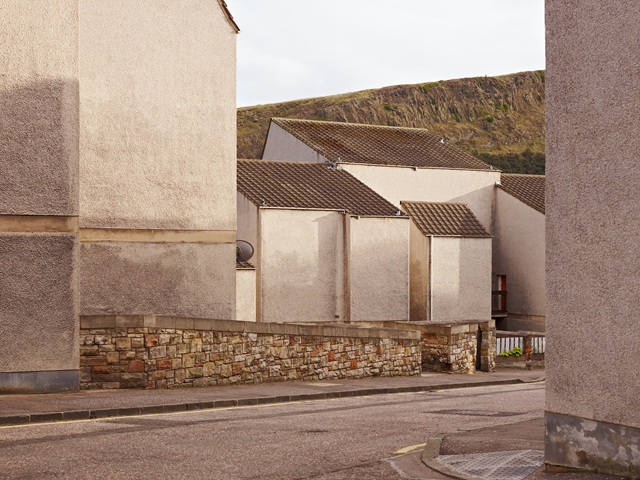
His work merges the landscape as nature with urbanity as a
constructed form that deconstructs and reassembles that very nature. Human
presence is erased, leaving only spaces of living, devoid of any staged
elements. These photographs, taken across various Korean cities, suggest both
the uniformity of urban forms throughout the country and, paradoxically, the
intricate and complex networks of relationships formed within them—relations
that, like the smog within the images, obscure and render ambiguous their own
essence.
As Sartre described the solitude of urban crowds as a “plurality of
solitudes,” we, living in cities surrounded by modern architecture,
increasingly inhabit environments where our presence is erased and anonymity is
amplified. The weak and ambiguous identification with the photographic subject
resists the fixation of meaning and destabilizes the viewer’s position within
these familiar urban landscapes.
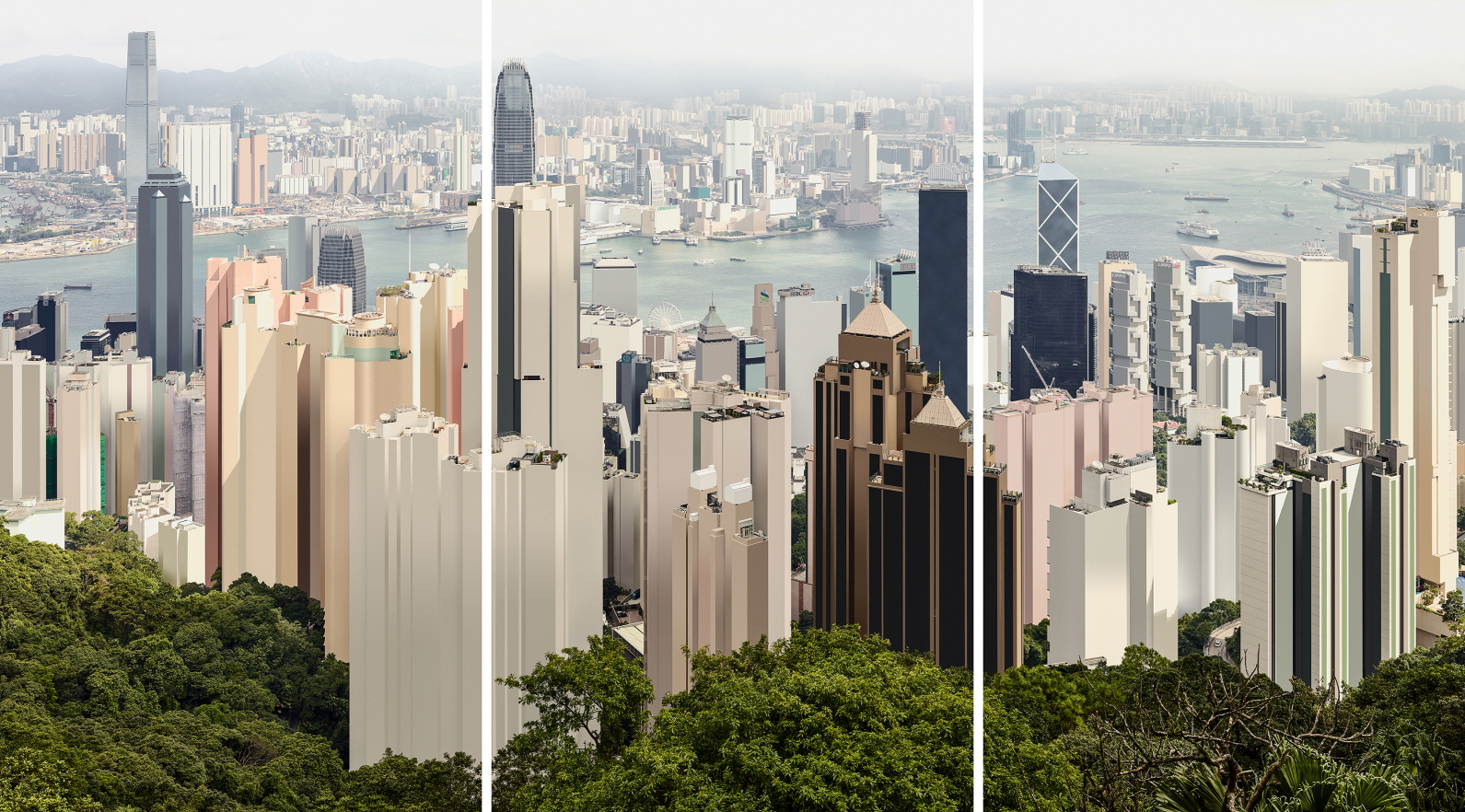
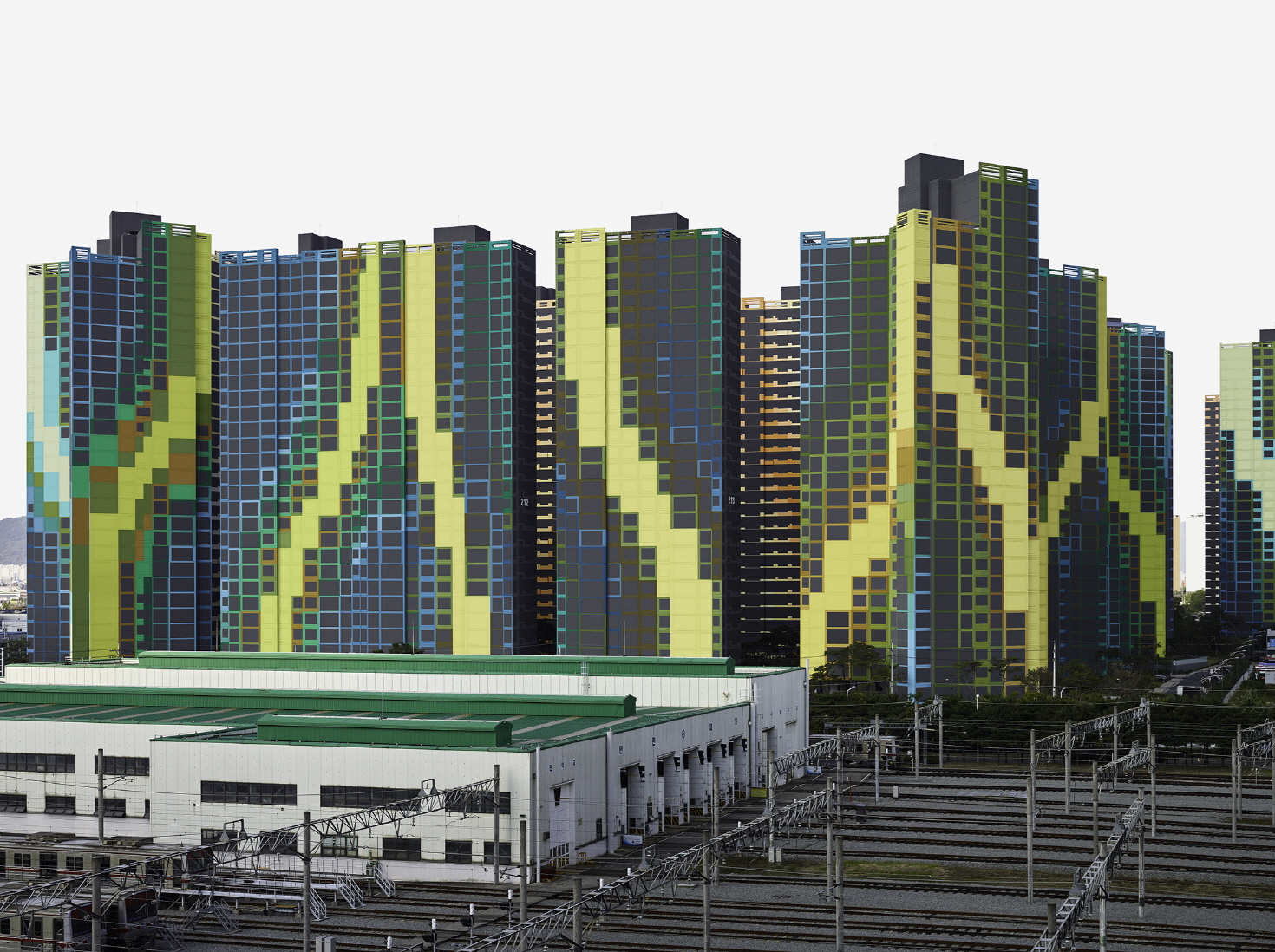
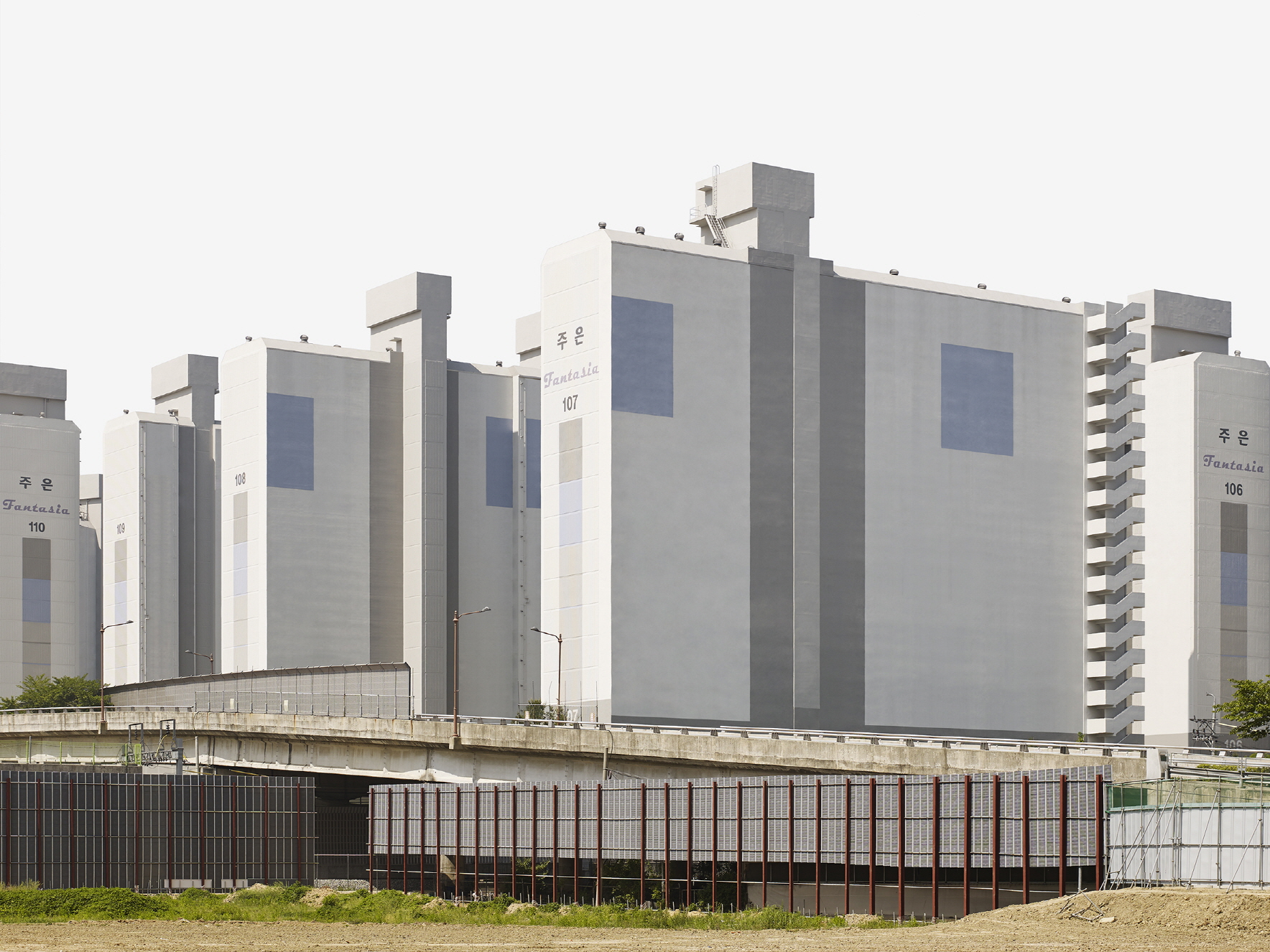
While in his earlier work Park Chanmin
sensorially captured artificial structures within natural landscapes, in his
current practice he systematically employs digital tools to construct urban
landscapes through a process of codification—based on resemblance to reality.
He removes specific identifiers such as the names of apartment complexes or
buildings, leaving only minimal markers, such as numbers, or in the case of
panoramic formats, assembling individually captured images into a precise and
realistic photographic composition.
The loss of realism resulting from the
modification of conventional representational codes is compensated by the sheer
volume of information presented—the accumulation of detail and the clarity of
visual data. The resulting urban landscapes inscribe architectural and graphic
codes onto the photographic image. These characteristics both justify and stem
from digital manipulation.
Despite the expressionistic concerns evident in
these works, we need not fall into Baudrillardian science-fiction fantasies of
a reality stripped away and replaced by simulation; rather, we can consider the
destabilization of photography’s representational function in a more balanced
way. The originality of his work lies in the carefully chosen perspective, an
appropriate sense of distance, and a melancholic, finely tuned sensibility.
As Bruce Nauman once remarked of his neon
works, “true artists use the world to strip away supernatural truths,” Park
Chanmin reveals the urban landscape of Korea through complex layers—urban life
and environmental construction—articulating the tensions between nature and
civilization, past and future, painting and photography, and ultimately fiction
and reality.
At the same time, he employs digital technology to unfold these
tensions within a compelling dialectic between the monumental and the minute, thereby
accelerating critical discourse. His urban landscapes, in which the dimensions
of urban environment and Korean landscape coexist, prompt us to objectify and
reflect upon the spaces we inhabit, leading us to reconsider the hidden aspects
and underlying truths embedded within everyday life.