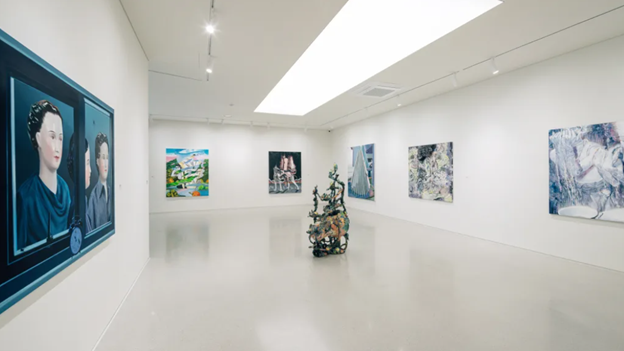
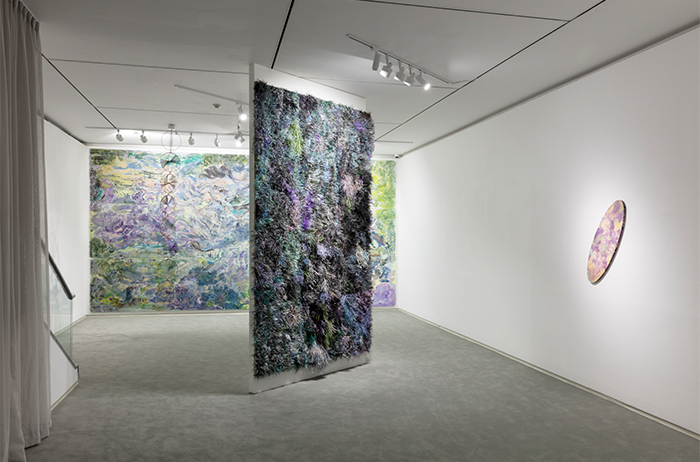
We pursue a situation that is not “1.” From the earliest planning
stage, convergence into “1” was not our concern. For us, “1” represents a
conventional exhibition structured under a specific theme. When artists and
curators began discussing this exhibition, they easily agreed that if it were
to proceed in a conventional exhibition format, there would be no need to
repeat it. Then what could this exhibition be? We attempt to begin by placing
“you” in the position of the subject and “me” in the position of the object.
The title 《Tu m’》 is a condensation of our attitude. We have known each other for as
long as twenty years, or as short as two or three years. We have trusted and
encouraged each other’s artistic paths. The process of seeking answers to what
art—and contemporary art—means has been each individual’s task. Placing myself
as the subject of creation, I believed this path was inevitably lonely and
painful.
At times impatient, always thirsty for recognition and understanding.
Yet it is strange. We are all grappling with the same concerns—why then does
this path feel like a tunnel dug underground, dark and without light? So, you?
We pose this simple question. We begin again from you and learn from attempts
to understand you. Empathy is requested here. We take time to think about you
by recalling the aspects of your works.
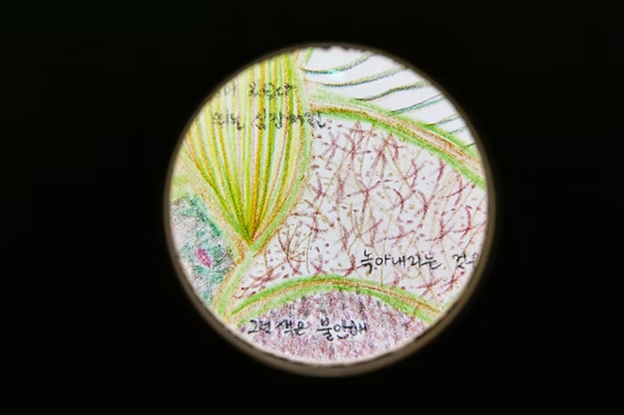
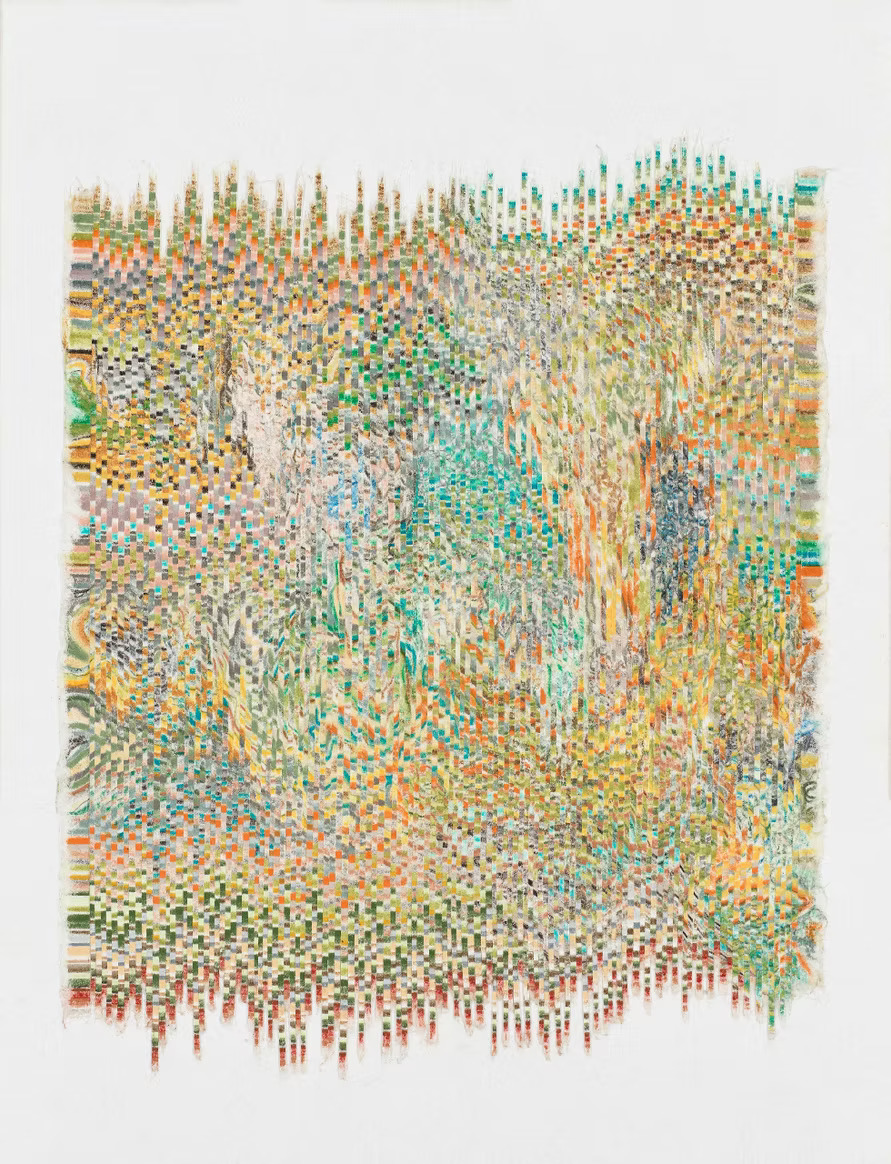
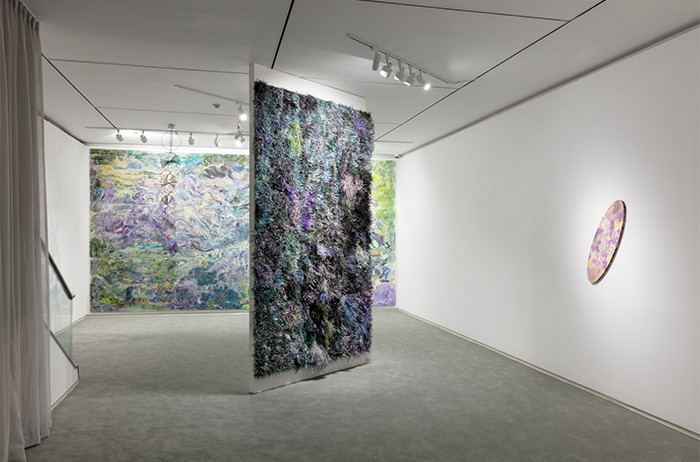
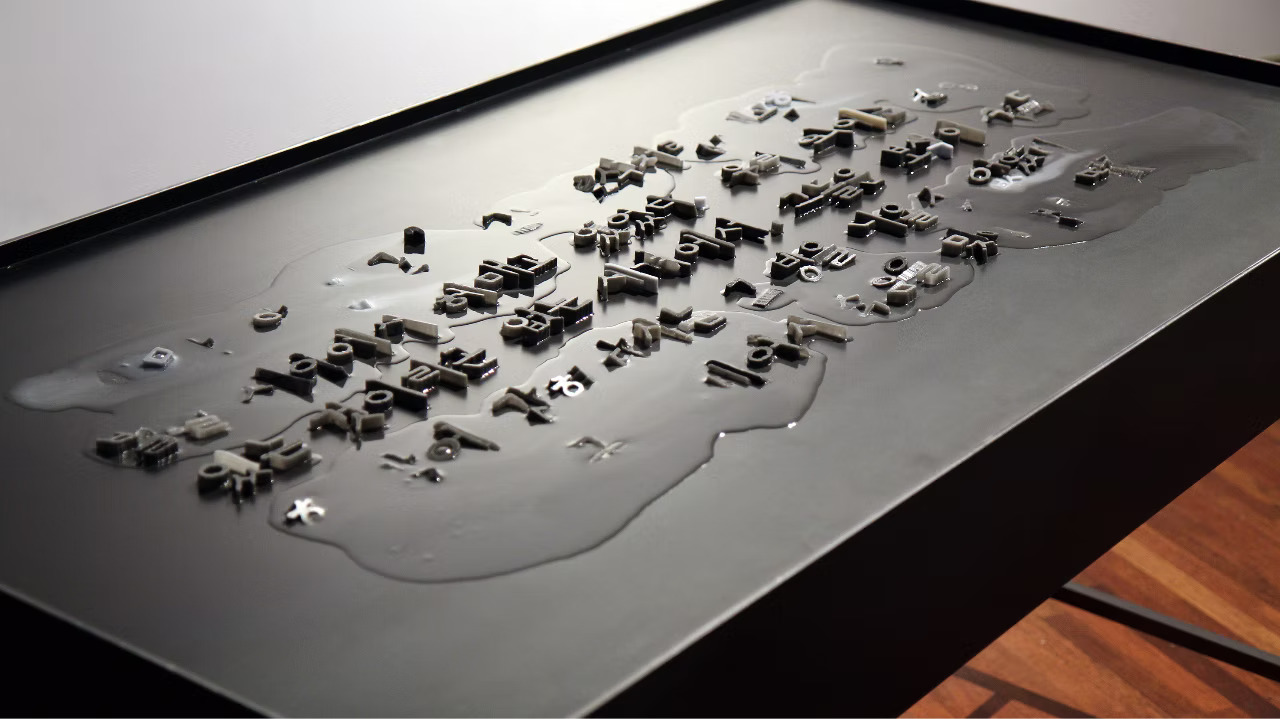
Kwak Hanul translates Son Seungbeom’s contemplative attitude into
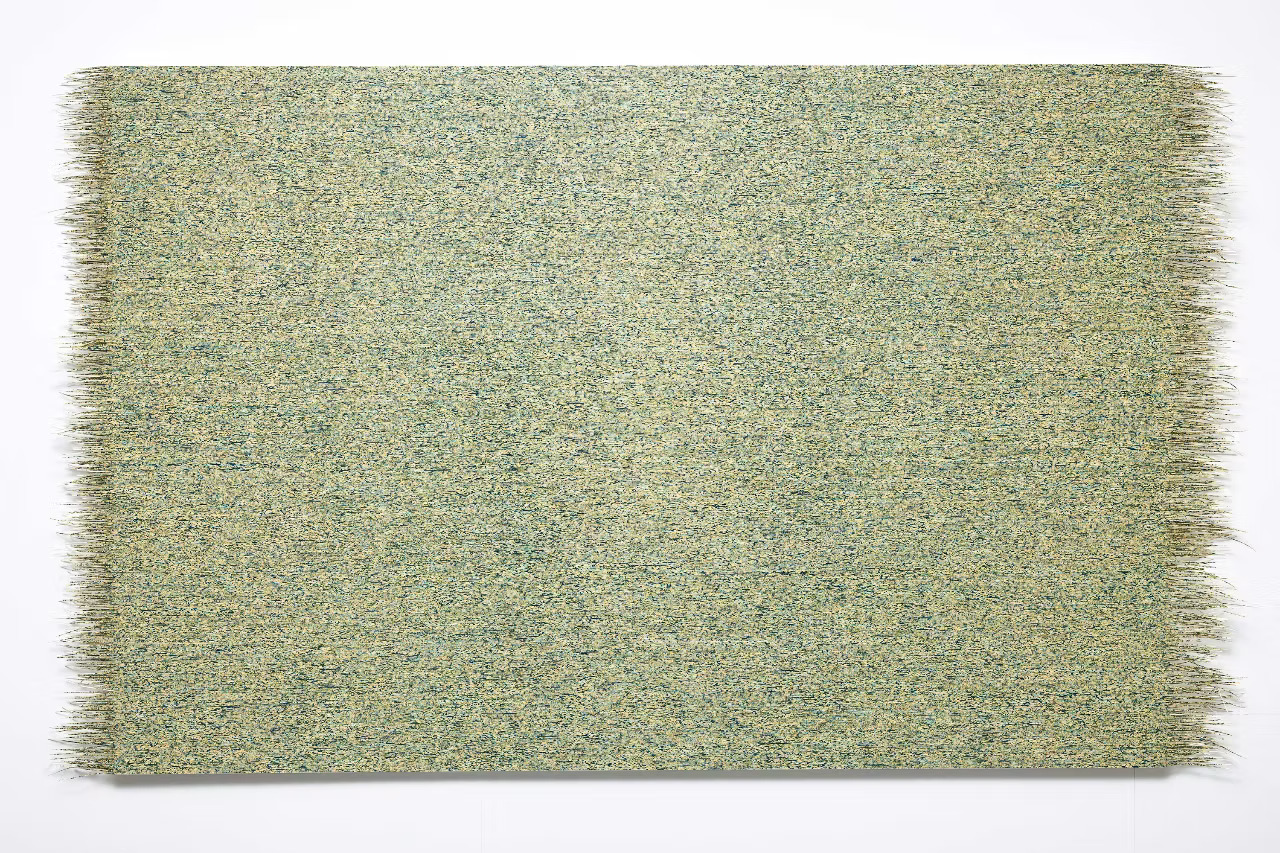
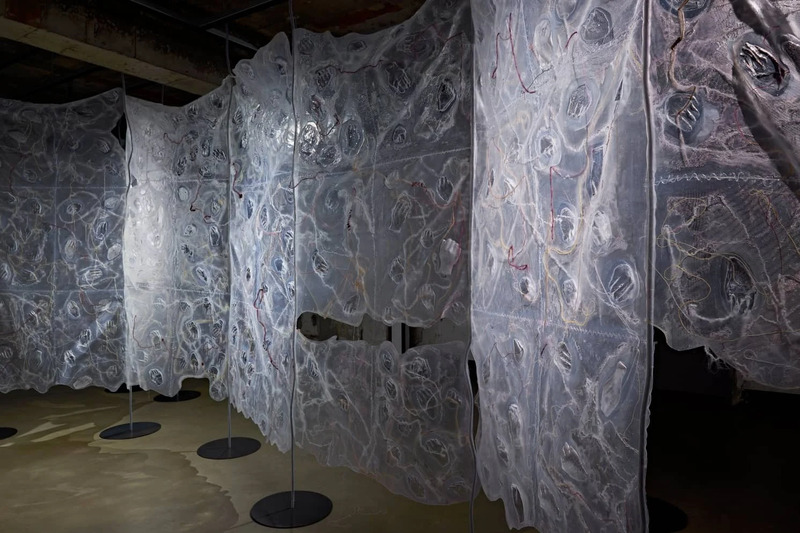
flowers. Facing Jung Cheolgyu, who makes hand-sewn drawings, across a piece of
fabric, he takes his needle and returns it. He also collaborates with his
longtime friend Wonjin Kim to acknowledge errors that accompany understanding.
In this process, the relationships formed among them inevitably contain time
differences. Wonjin Kim acknowledges this condition and collaborates with Kwak
Hanul, recording the collective act of sewing that now includes Kwak and Jung
under the title Promenade.
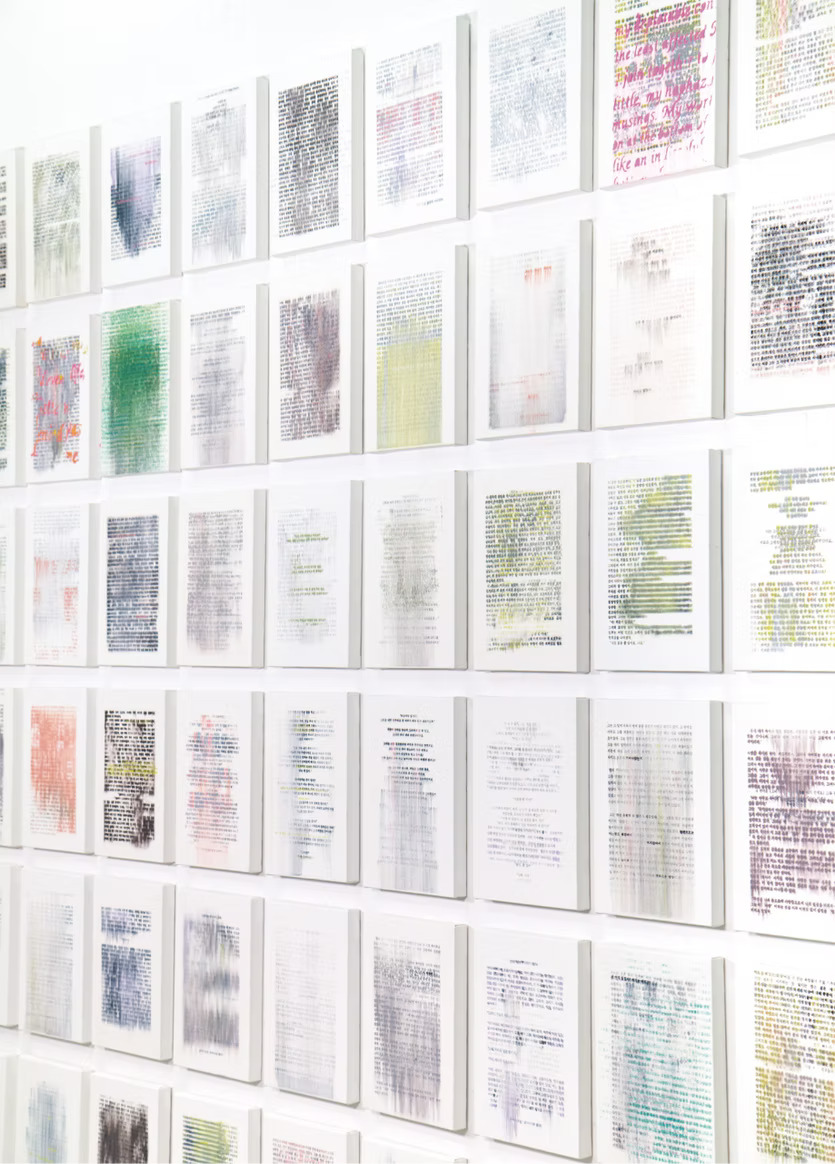
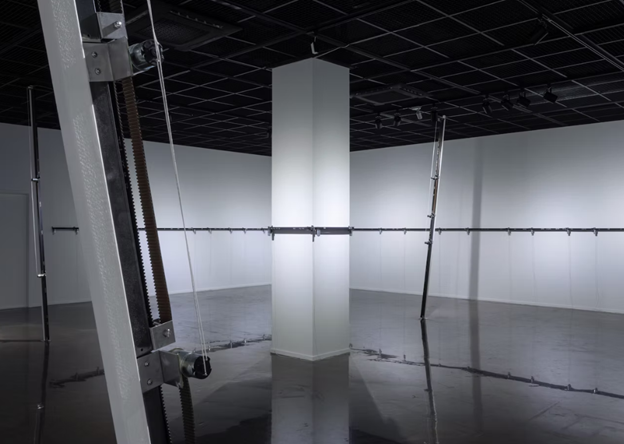
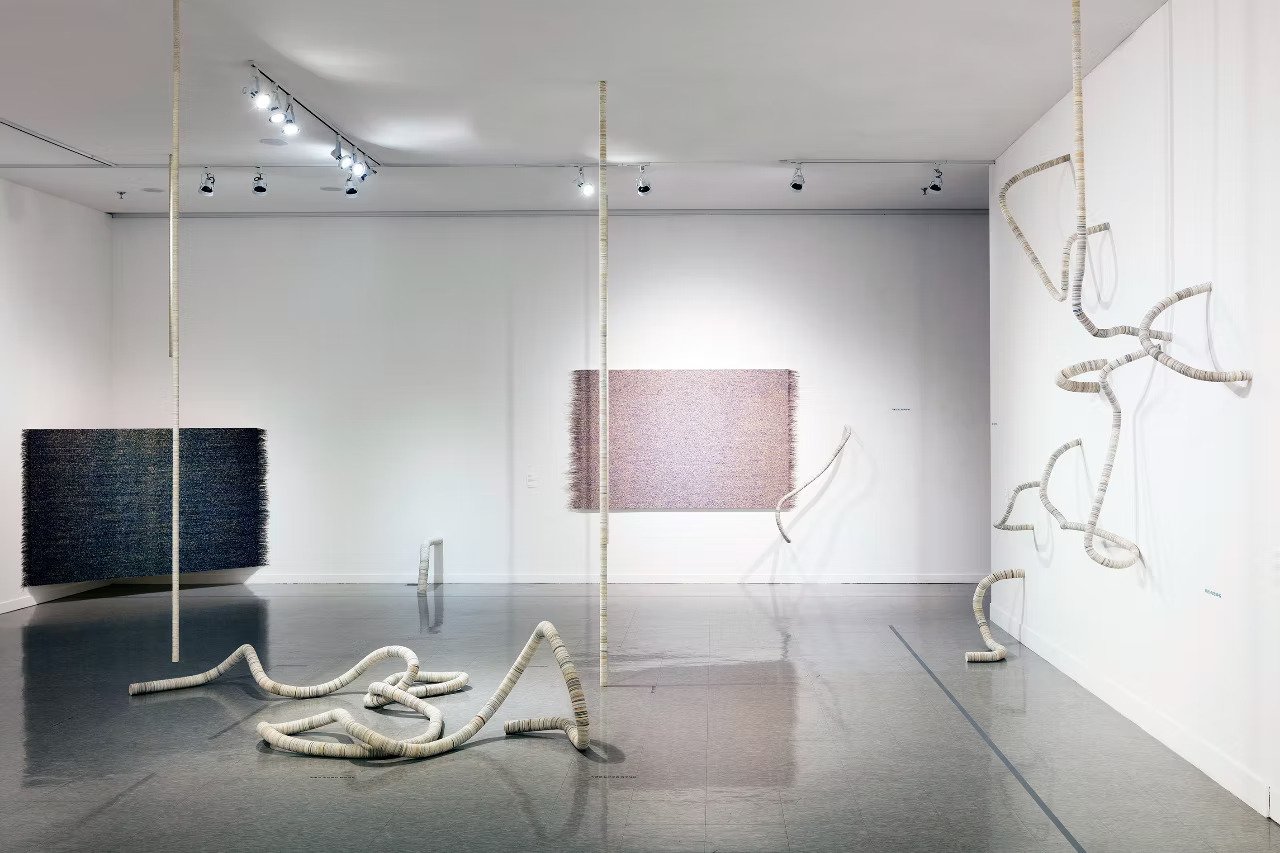
Wonjin Kim explores alignment of
artistic opinions with Son Seungbeom, yet his work Eye to Eye
resembles not agreement itself but the radiant ordinariness of encounters
filled with understanding and misunderstanding. If Kwak Hanul and Wonjin Kim
engage in push-and-pull processes while facing others, Son Seungbeom and Jung
Cheolgyu draw circular formations. Jung Cheolgyu seems to believe love is
closer to unrequited love. When love is closer to unrequited love, it becomes
more vivid. In moments of fascination, when we hope to reach you, we trace all
your words, actions, and traces. We steal those things and place them in a box.
In the exhibition, we open each box to listen to your story that resembles my
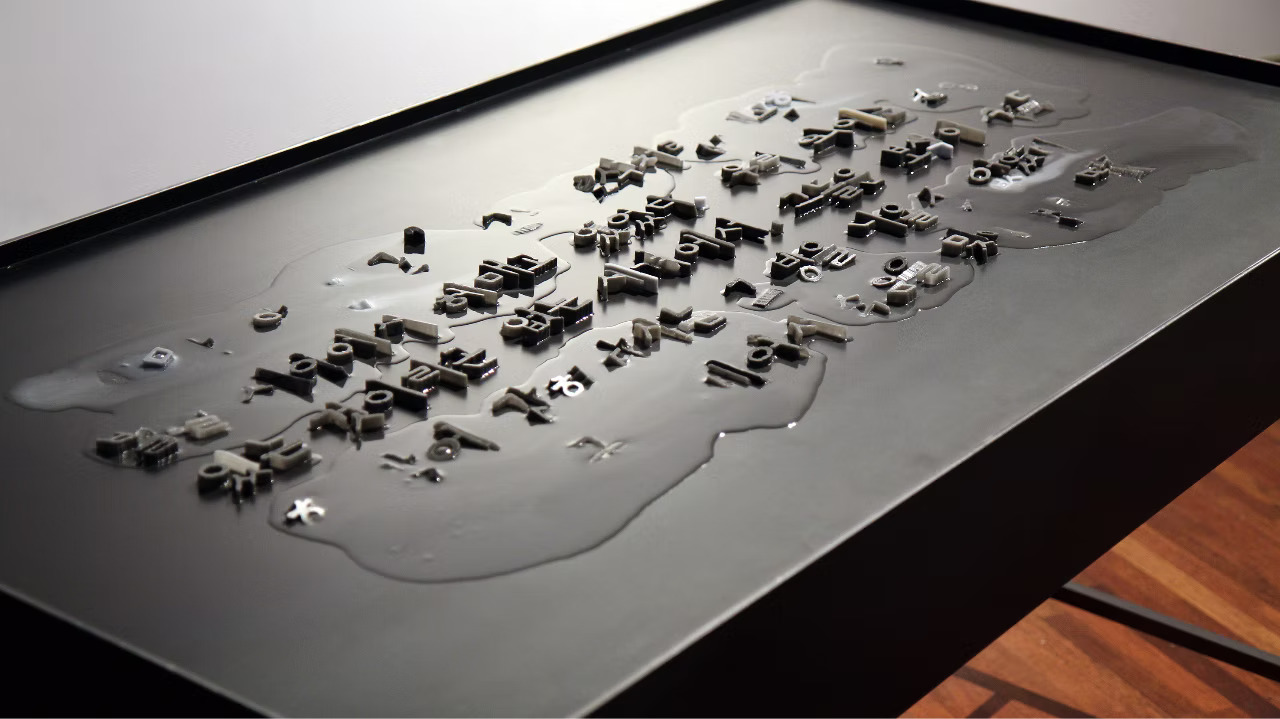
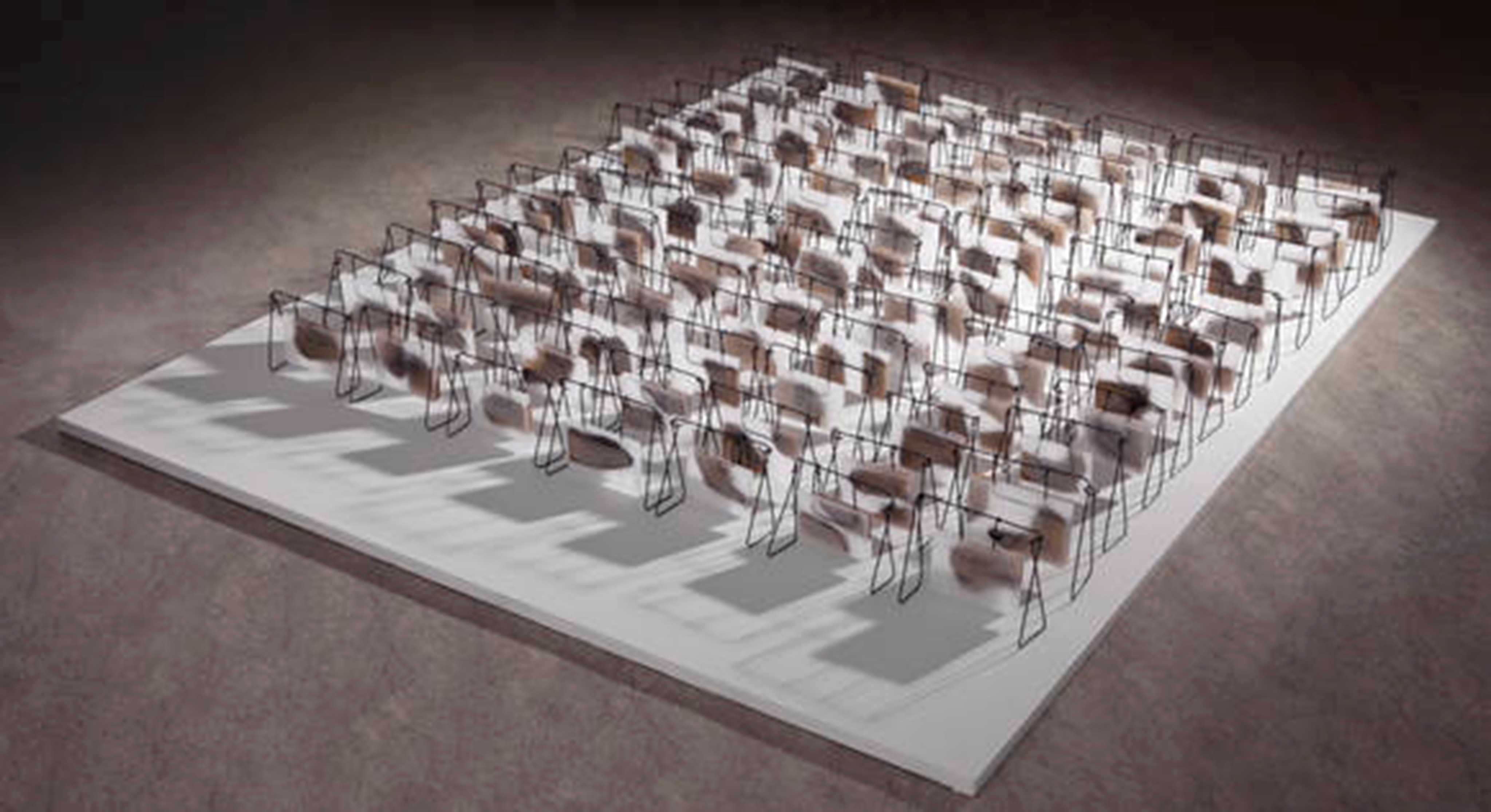
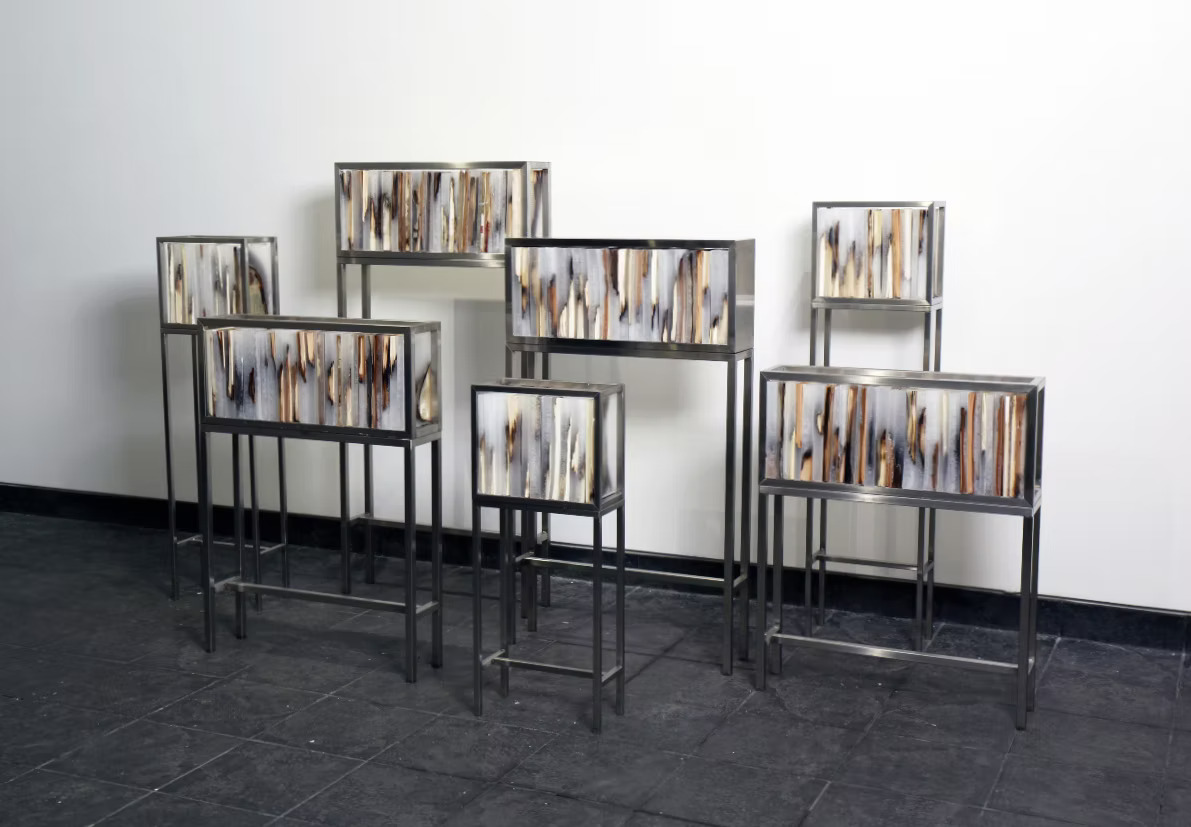
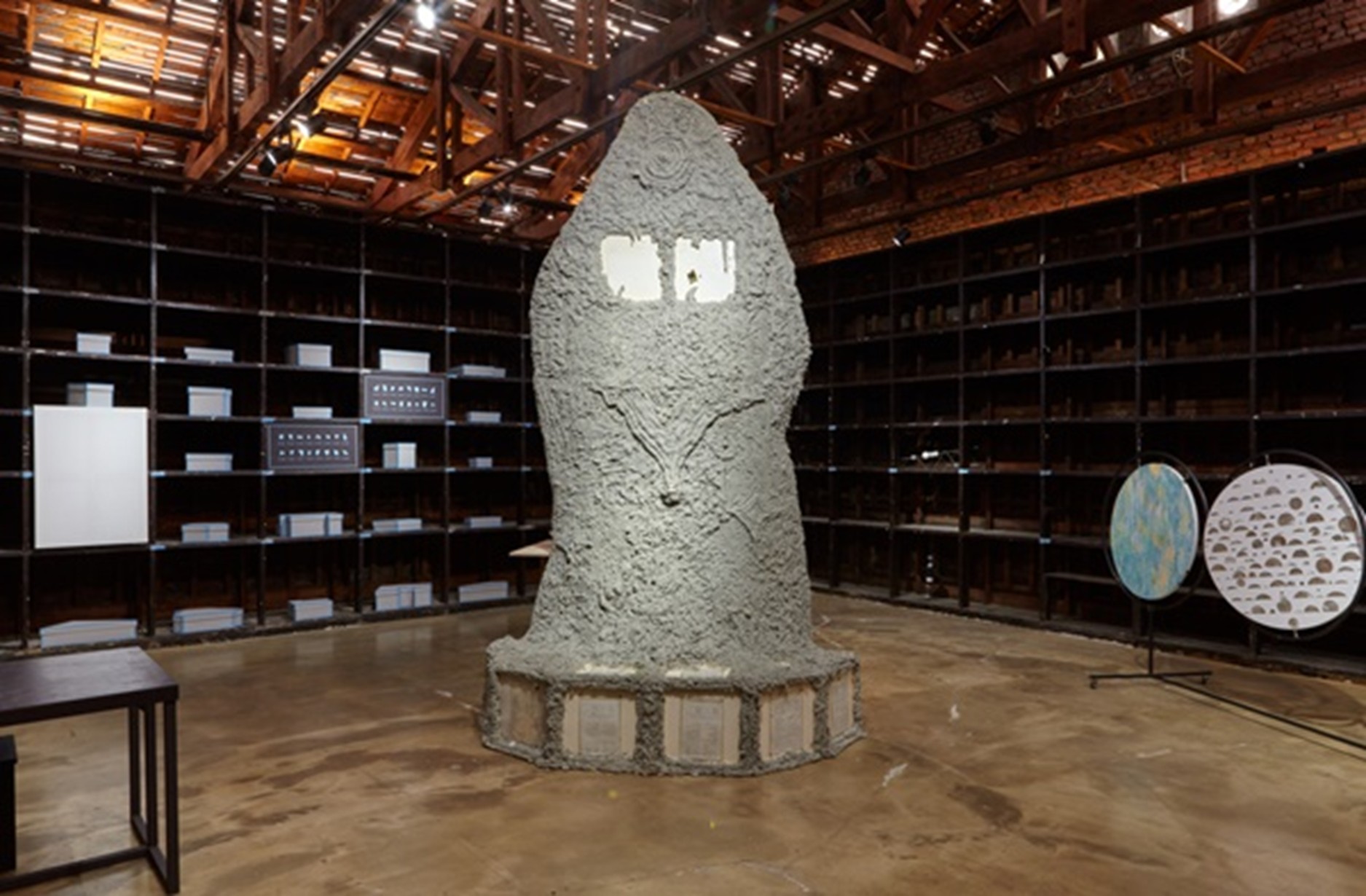
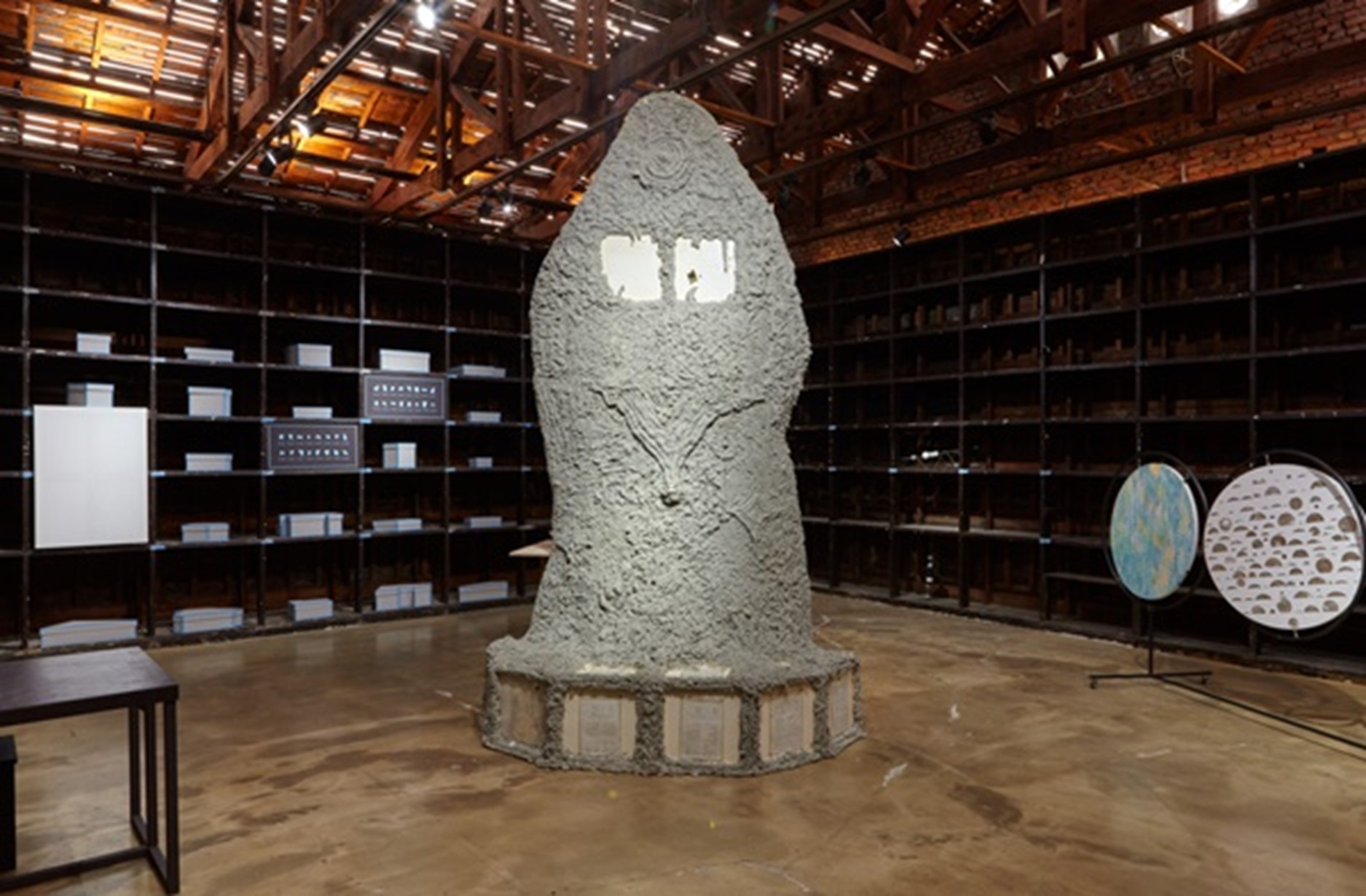
unrequited love. Son Seungbeom gathers objects left in difficult states in
other artists’ studios and transforms them into monuments. In the creative
process, things other than artworks are often treated as by-products and
discarded or left behind. Yet Son Seungbeom, who normally hesitated before
grand cycles of circulation, breathes new life into what arrived from the
studios of Kwak Hanul, Wonjin Kim, and Jung Cheolgyu, reviving them.
There is no adequate word for this method, so it is often
described as collaboration, but our collaboration is not about finding a safe
center of gravity. Rather than seeking balance, we attempt differently named
gestures within the push and pull between us. If collaboration is something
temporarily achieved at a point between arrows moving back and forth, our
collaboration is an externalization shaped by my questions and modes of
understanding, even as it happens together with you.
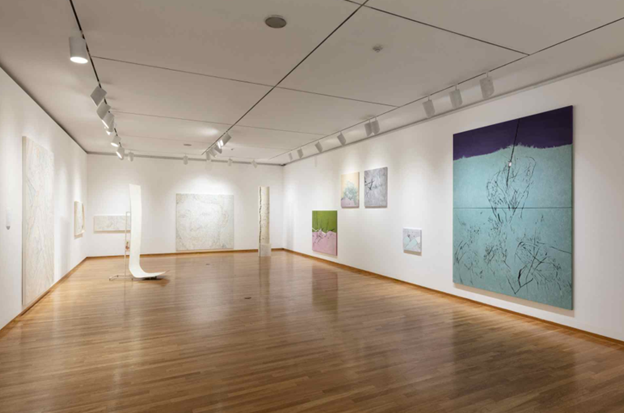
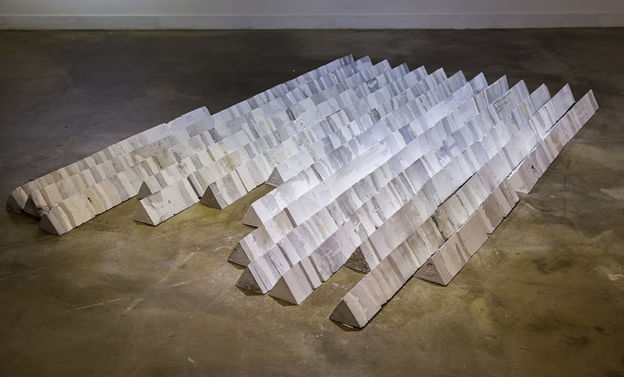
《Tu m’》 seeks an
exhibition that is both an experiment in creative form and a revelation of that
process. Although it advocates formal experimentation, its process and content
are each artist’s specific response to contemporary art. In this experiment
composed of various combinations, most of us are not merely emerging artists,
but “emerging-not-emerging” artists. The coming and going of arrows is clearly
not a two-dimensional event; it bends, breaks, and is redrawn between us,
generating concrete outcomes. Though it begins with four artists and two
curators, we hope to meet another friend, place that friend in the position of
the subject, and continue to see and hear more as “You ___ Me.”