3. There are things that should be said, and there are things that
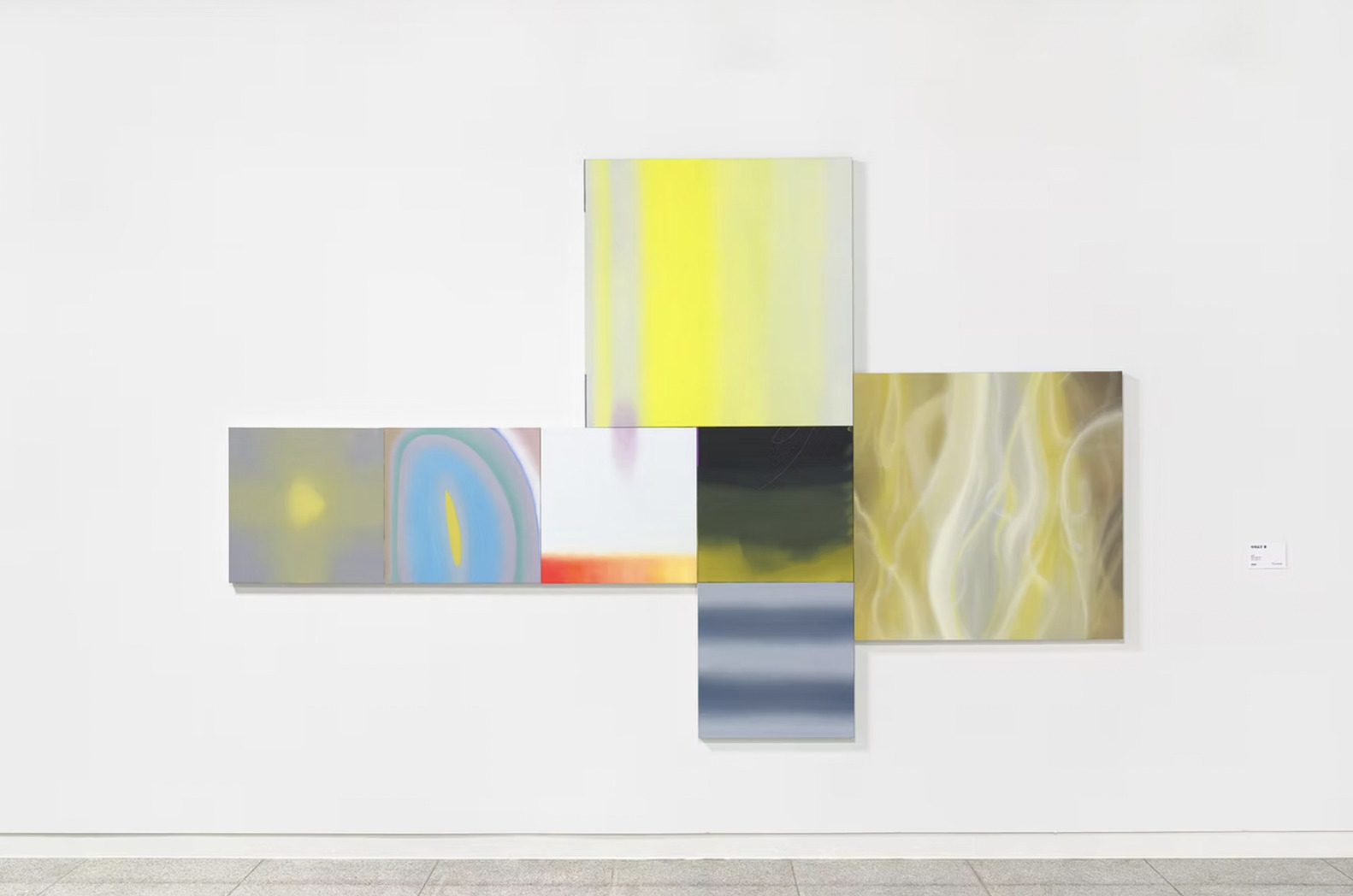
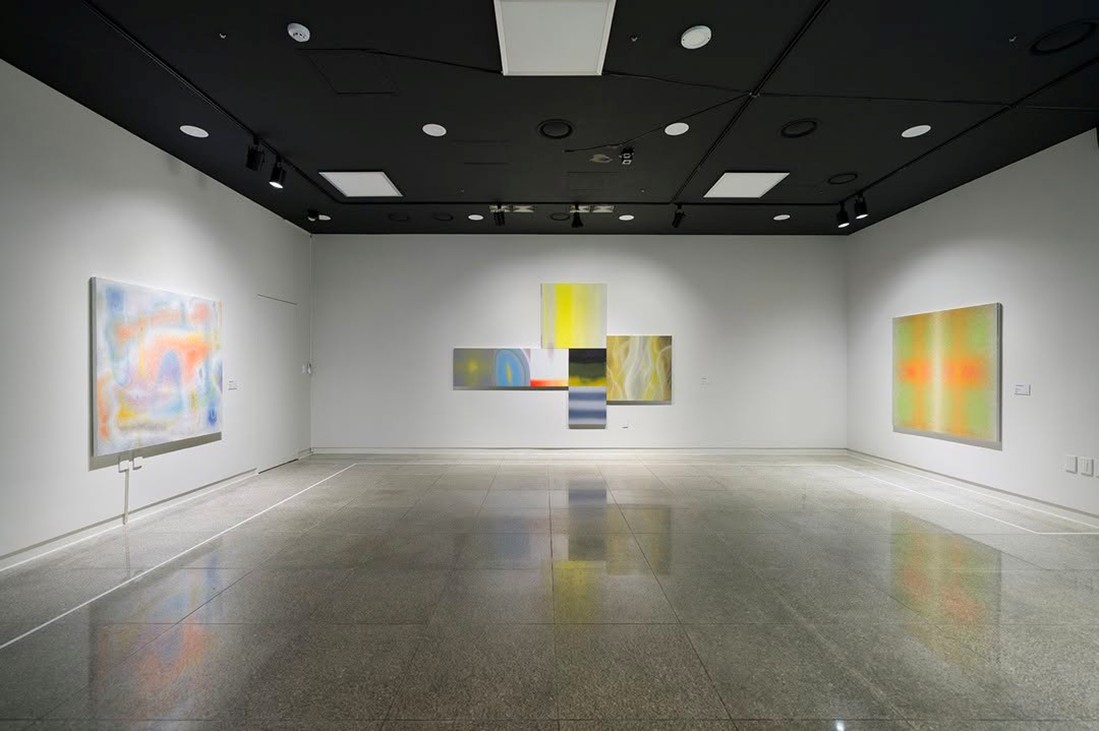
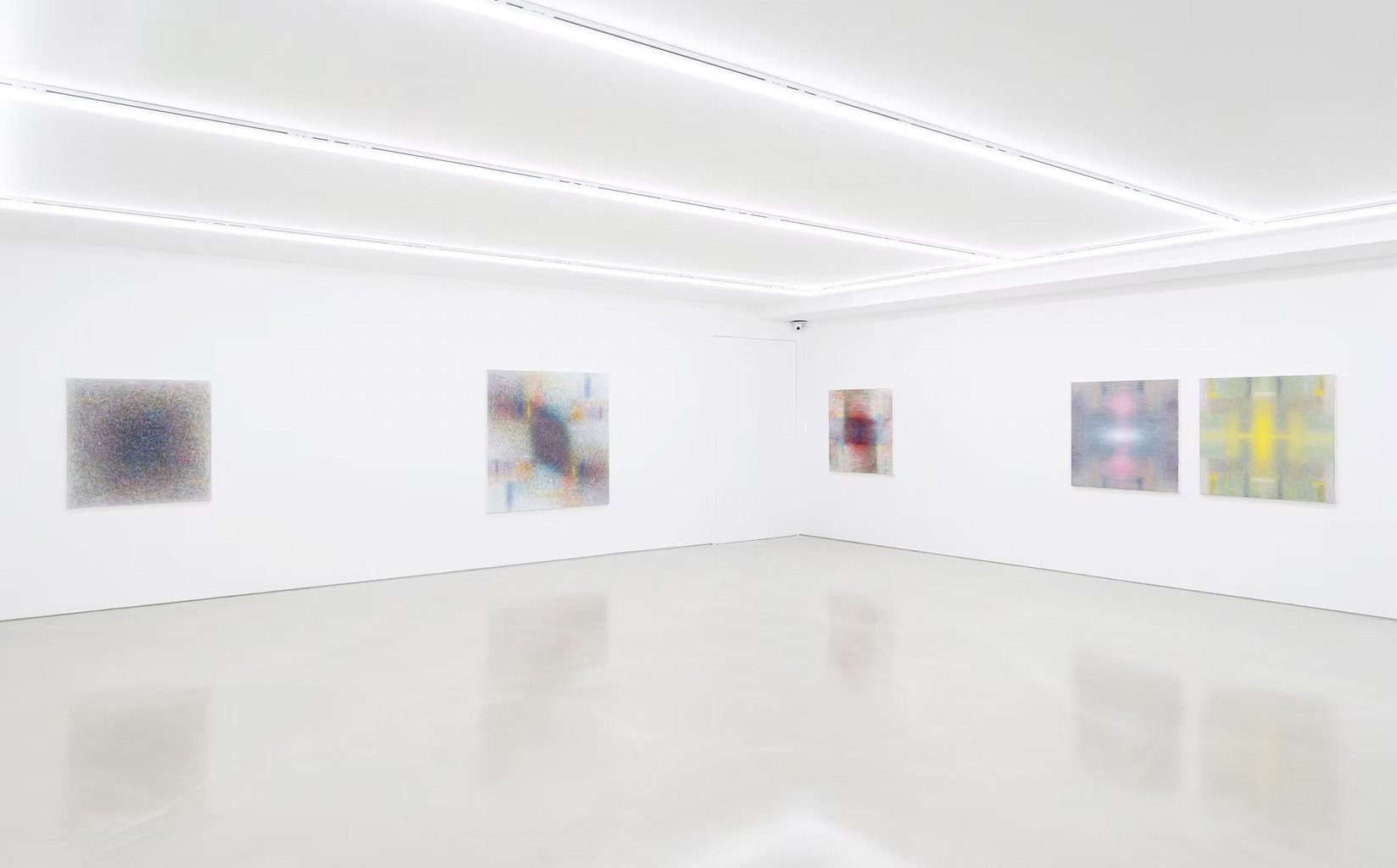
must be shown. They reveal themselves. Yang's Short Truth resembles the
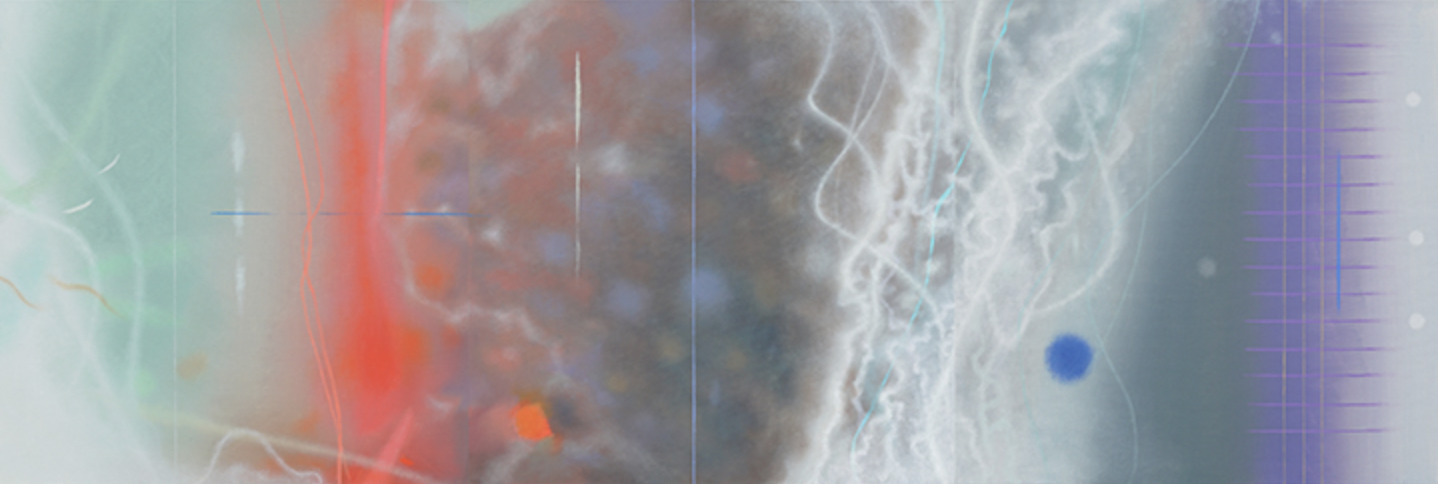
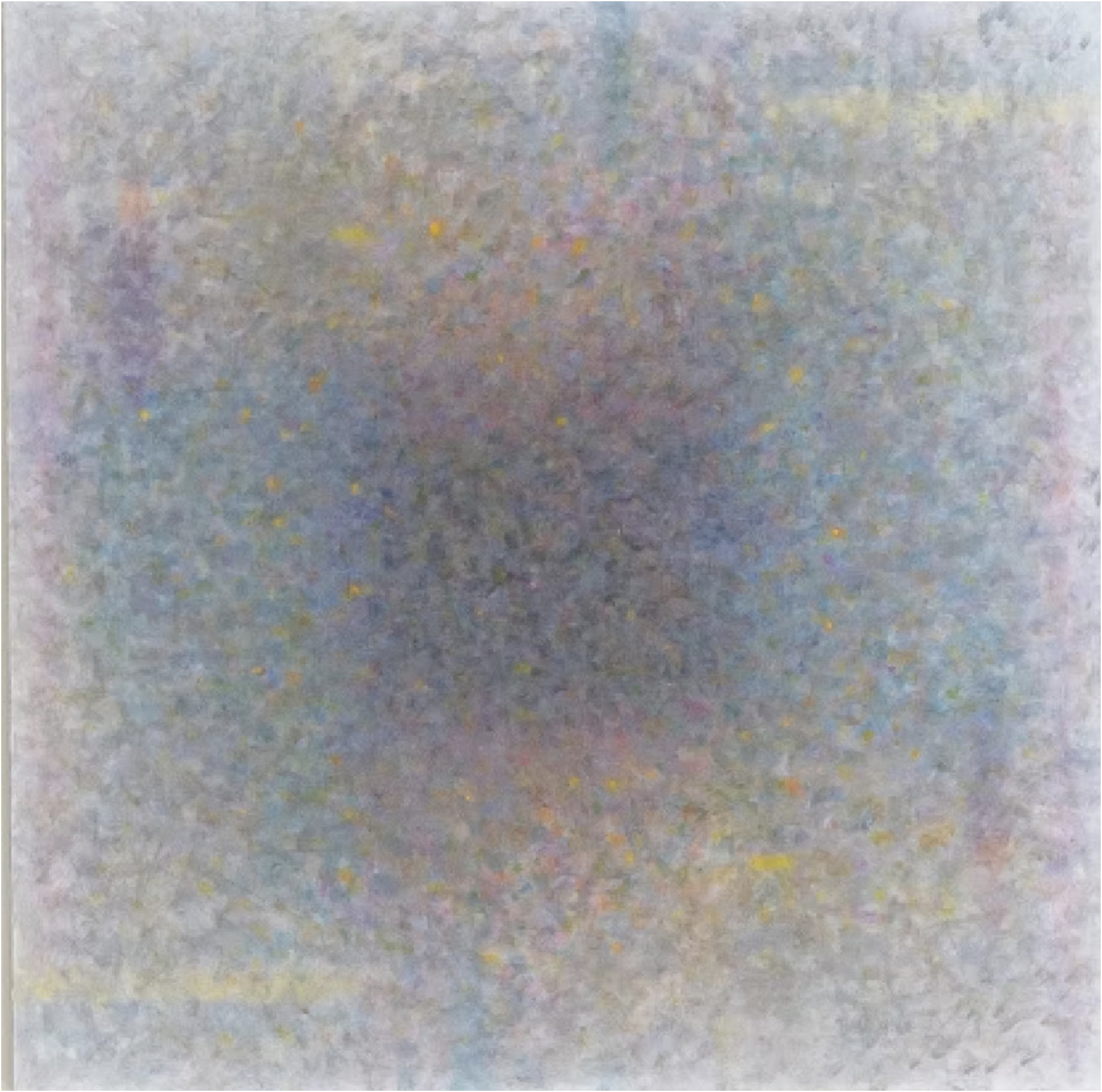
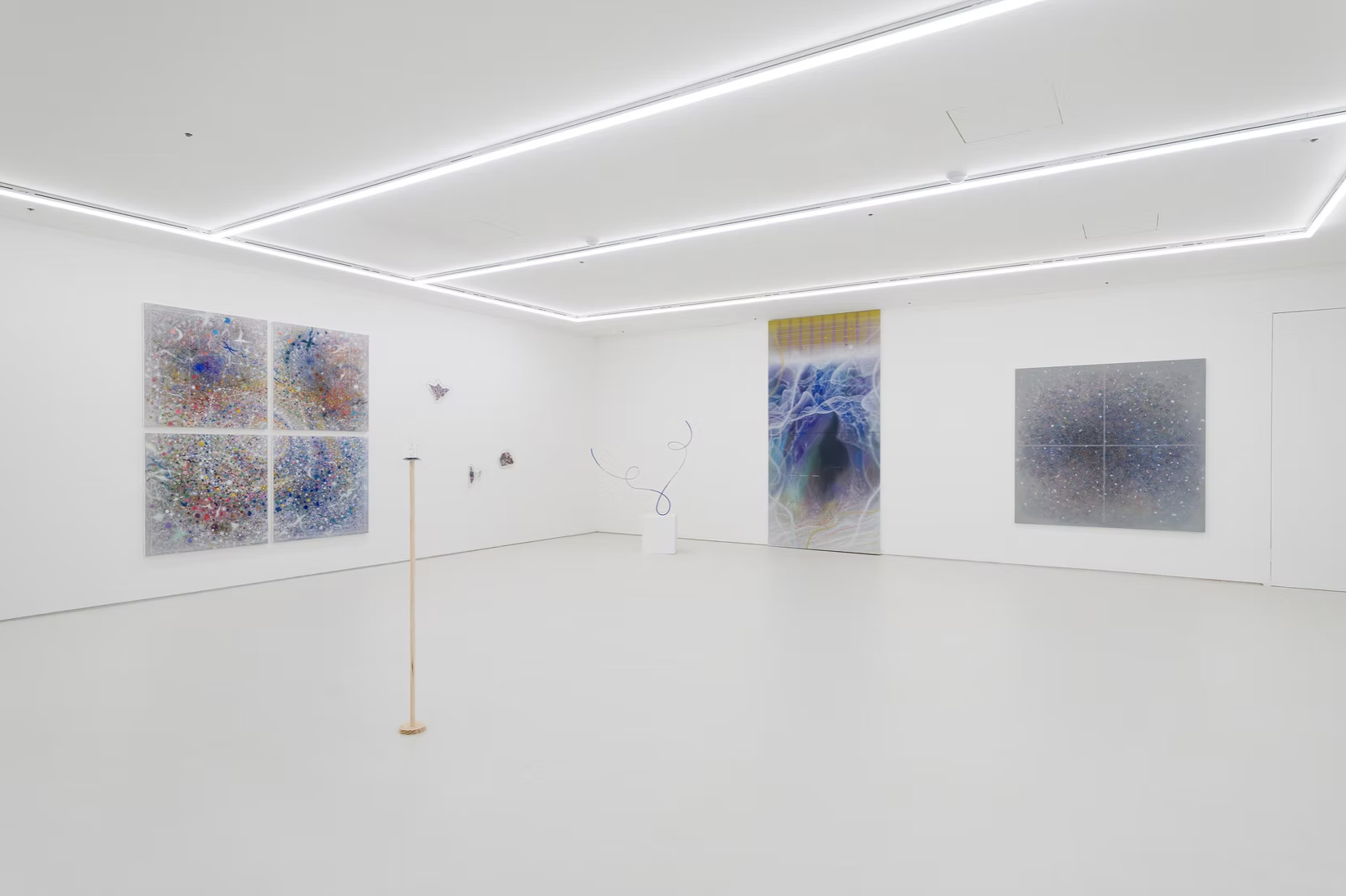
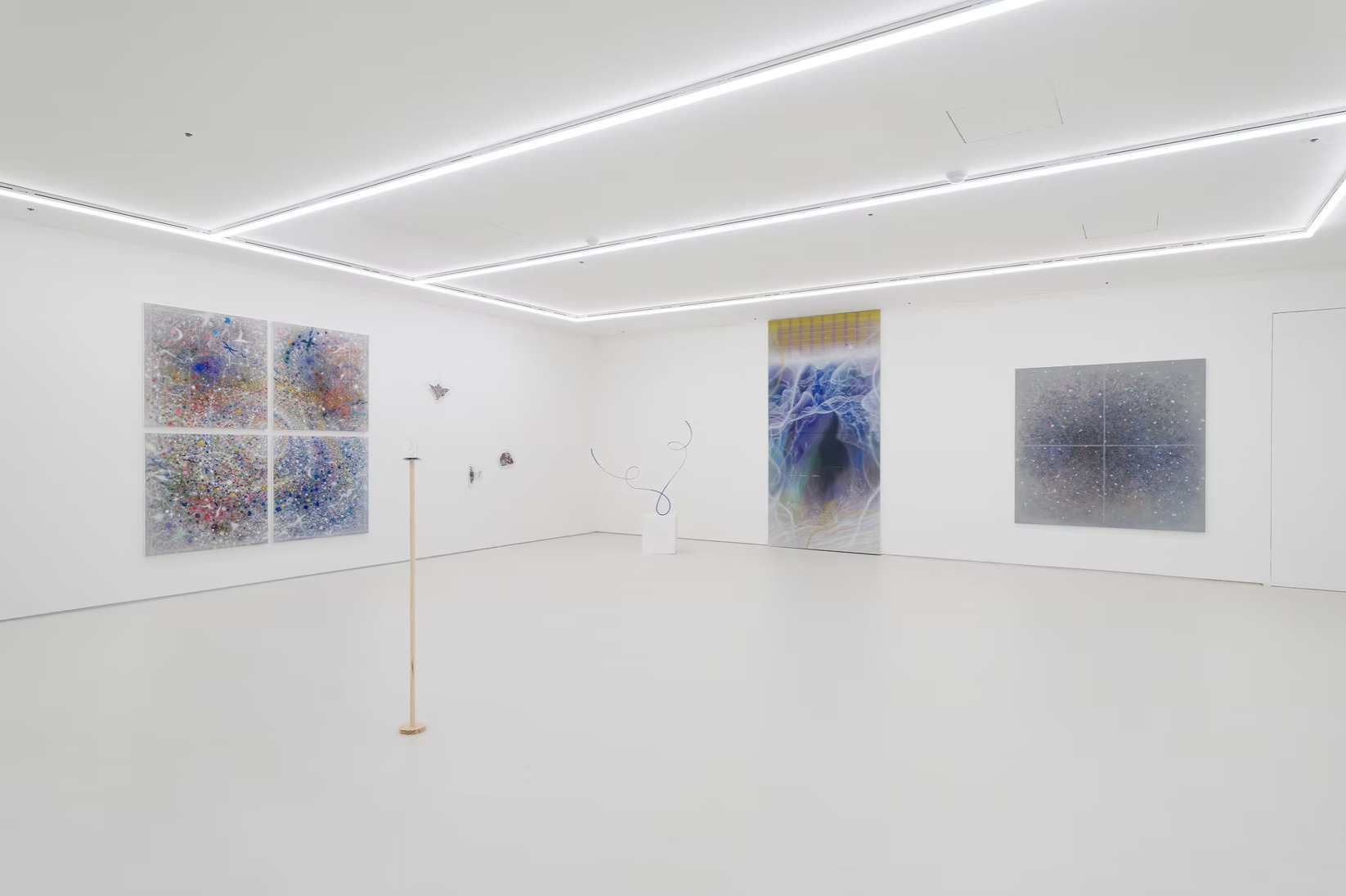
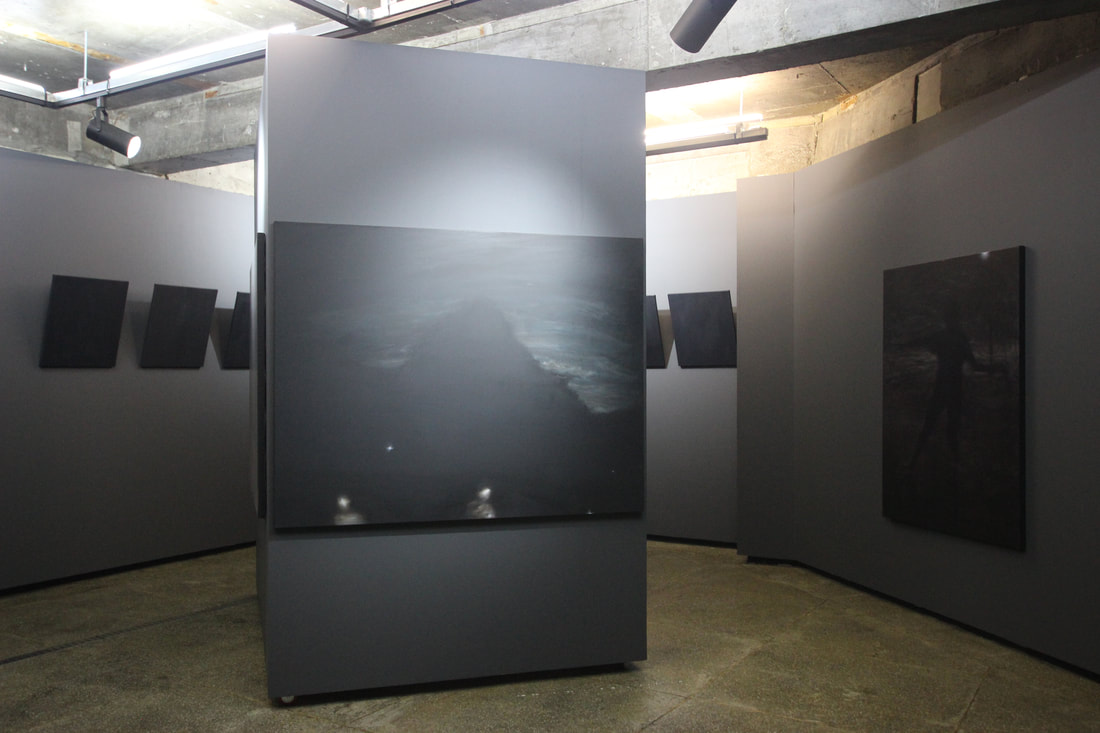
universe. Why do his paintings increasingly resemble the universe? Perhaps it’s
because his brush points to himself and beyond to a wider world. Unlike many
“abstract” artists, he does not commence from within. Yang says that he was
inspired by the scenery outside his window in the series 'Floating Today'—but
does the scenery outside the window really change much? Nevertheless, he sees
eternity in a moment. What he sees is the “past and future,” a peacock spider,
“brilliant but sad”, the wind, “hateful but sparkling”, a star above the city,
and something "close to me or resembling me. Yang posits that he wants to
“measure what I can't measure.” He sees himself and the world at the same time.
It is an inside-view, a mysterious event.
Yang once expressed anxiety that his style was constantly
changing. At that time, I said that it is both an advantage and a disadvantage.
Constant change indicates a certain shrewdness in keeping pace with society,
but also commonly characterizes artists struggling with self-effacement. But
that was my misjudgment, as I didn't understand the artist deeply enough to
realize that he was trying to paint the unspeakable.
I should’ve realized that
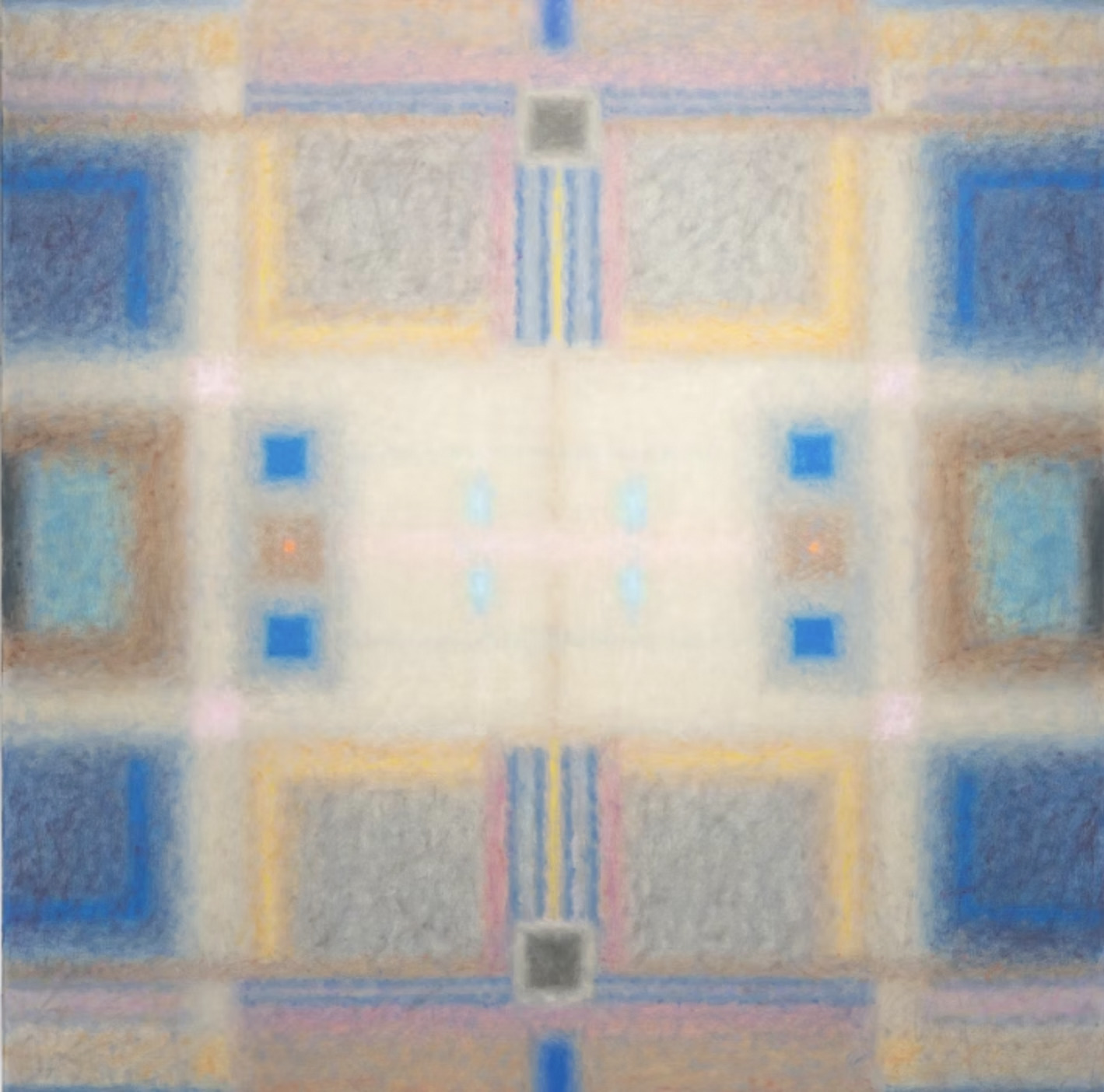
Yang is an artist aligning himself to the world, ever since his works ‘Burning
Symmetry’—when the ‘Shield’ series felt like more like a door rather than a
shield, and his notes constantly stated a certain view that simultaneously
aligned himself to the world. This is why when he asked me to redo his note, I
was happy to oblige. He is an artist that has always sought to capture and draw
the world.
Trying to “measure the immeasurable” is the greatest cause of his
anxiety. As implied, it’d be something he cannot count nor discuss.
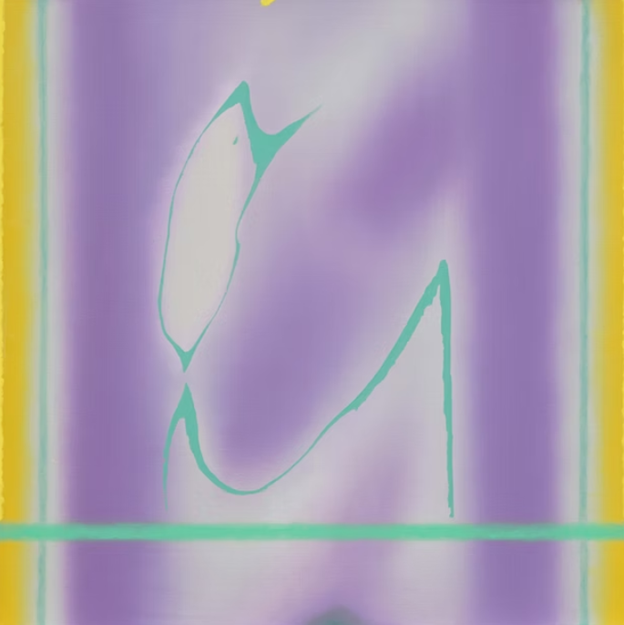
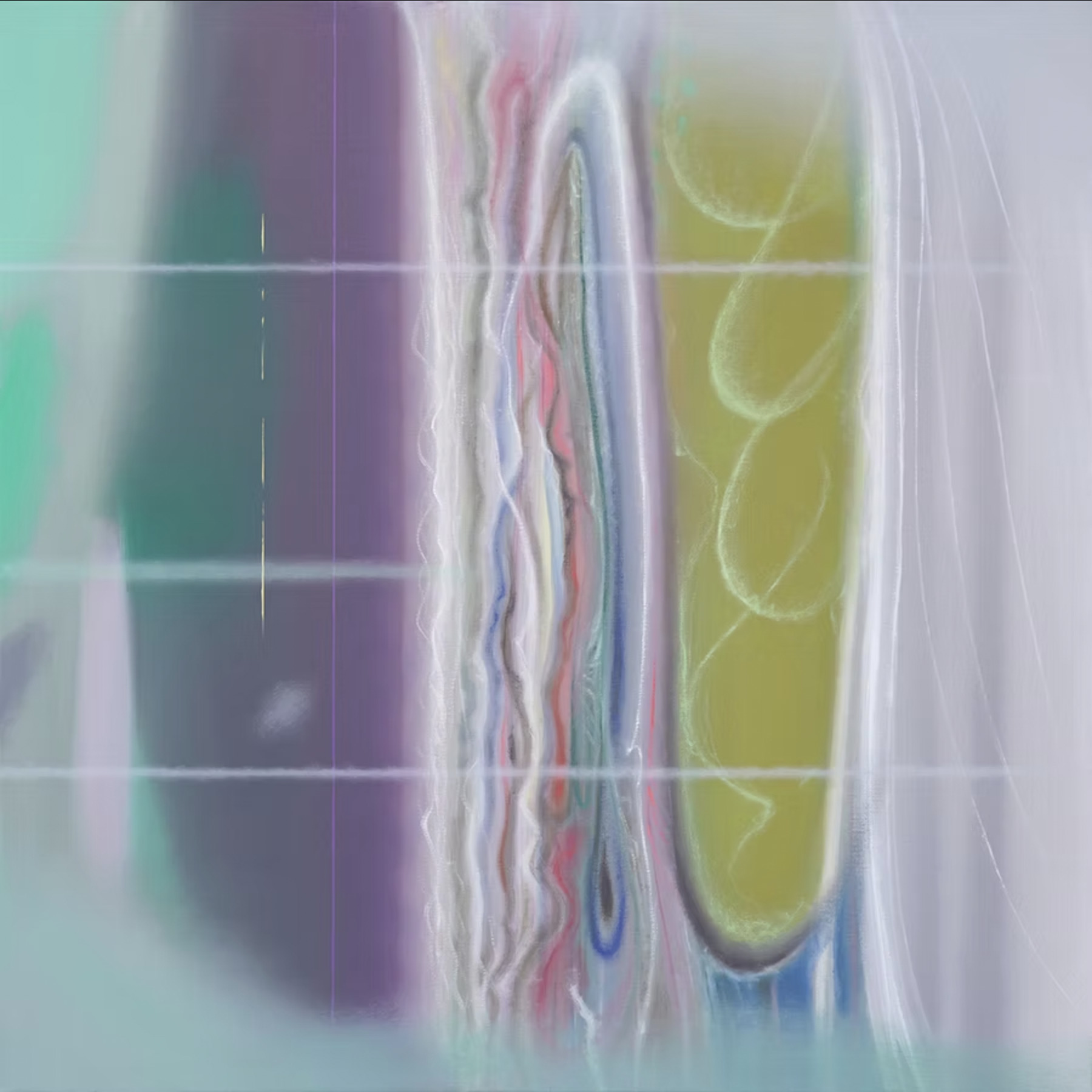
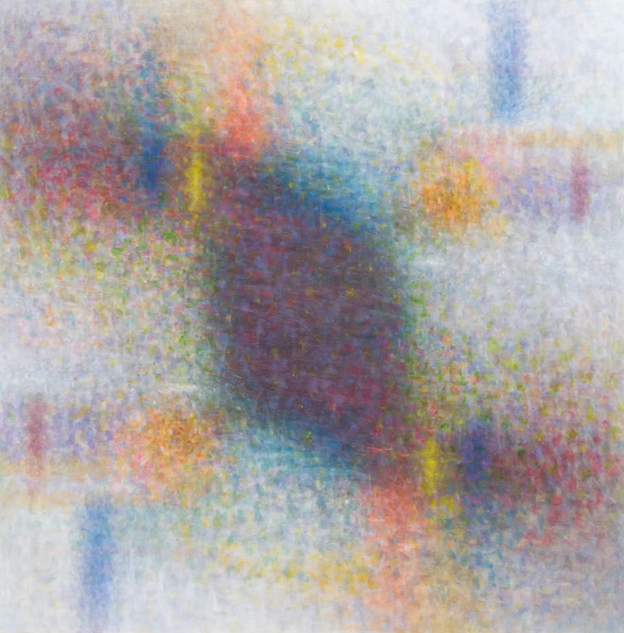
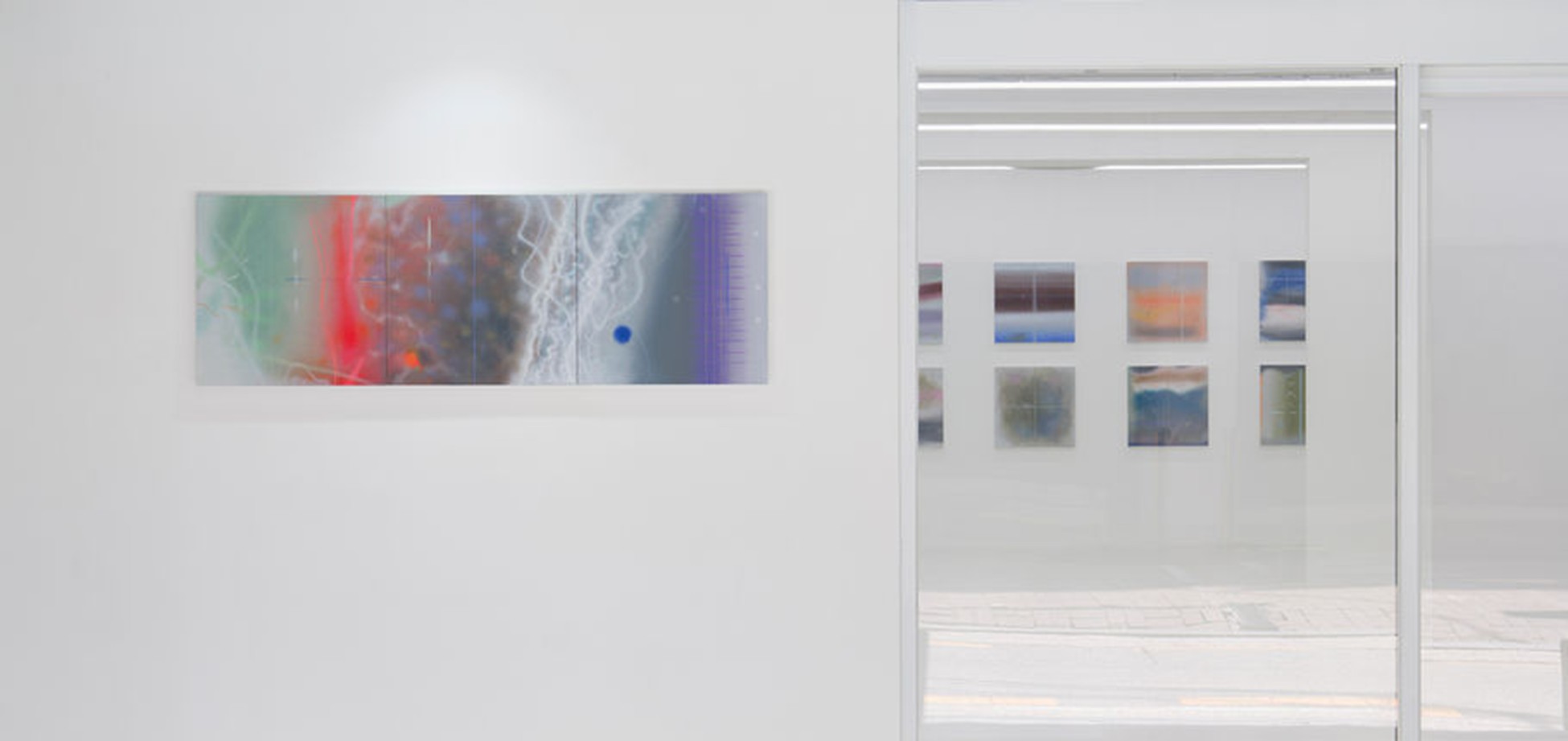
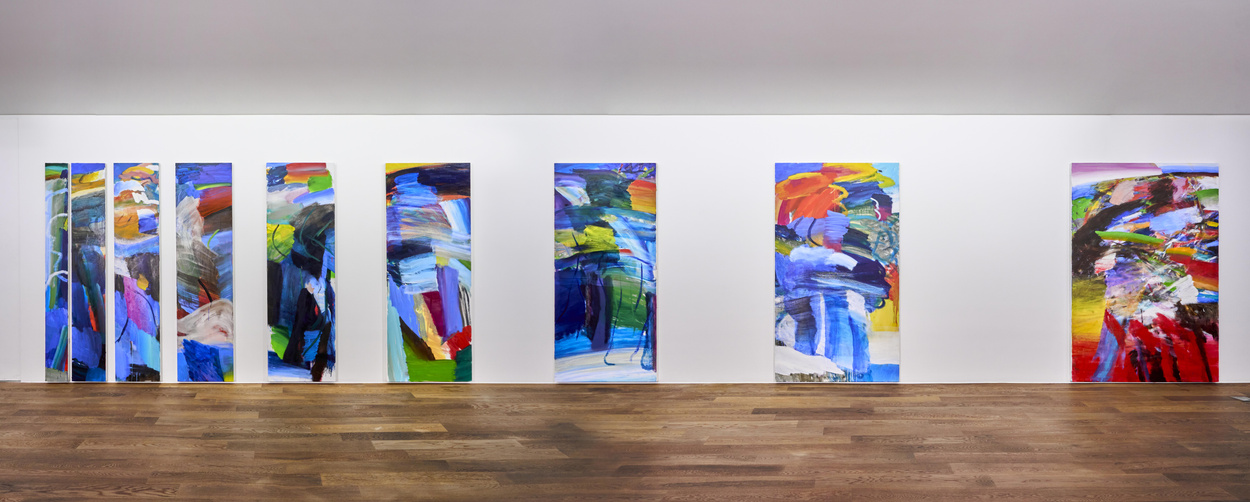
Fortunately, he seems to accept his anxiety as a fact, as shown in Flexible
Forms 07.02. Here, the lines bring a sense of stability to what would
otherwise be a chaotic screen. The horizontal line that divides the screen into
thirds, and the vertical lines that intersect it, serve to ground the eye and
contain the excessive bouncing of colors and atypical shapes.
In most of Yang's
works, straight lines are a metaphor for the human attitude of living life to
the fullest. Can he shake off his anxiety? If it entails complete liberation or
salvation, I think it is impossible. If the path that Yang envisions still
faces the world, the ineffable nature of such an endeavor bodes anxiety. But
this unique path is one that only honest people can walk. It is nonsense to say
that life is fleeting.
In the end, determining Yang's work depends contextually on the
viewer. The uniquely aesthetic experience of his works functions as a formative
device to understand oneself in accordance with the world. Art cannot speak,
but it must show us that world, and that is the Short Truth of Yang's work.
Phenomenology and analytic philosophy, the only two kinds of philosophy that
can stand on the lectern, meet again only when discussing art and the world. “I
am my world (microcosm).”13
1) Wittgenstein, Ludwig, Tractatus Logico-Philosophicus, 이영현 역, 책세상, 2006, p.128.
2) Clement Greenberg, 「Seminar III: Can Taste Be Objective?」 in
Artnews, 1973, p.23.
3) Wittgenstein, Tractatus Logico-Philosophicus, p.127.
4) Joseph Kosuth, 「Art After Philosophy and After」 in 『Art After Philosophy And After Collected Writings』, Gabriele Guercio ed, MIT Press, 1991, p.20.
5) Refer to Wittgenstein’s commentary on homonyms in Tractatus
Logico-Philosophicus (6.1, 6.22, 6.23).
6) 경험이 필요하다는 반론에 대해서는 다음을 볼 것. Willard Quine, 「Two Dogmas of Empiricism」 , Philosophical
Review 60(1), 1951, pp.20-43.
7) Martin Heidegger, 「The Origin of the Work of Art」 , Julian
Young & Kenneth Haynes trans, Cambridge University Press, 2014.
8) Joseph Kosuth, 「Art After Philosophy and After」 in 『Art After Philosophy And After Collected Writings』, Gabriele Guercio ed, MIT Press, 1991, p.21
9) Wittgenstein, Tractatus Logico-Philosophicus, p.125.
11) Wittgenstein, Tractatus Logico-Philosophicus, p.124.
12) Wittgenstein, Tractatus Logico-Philosophicus, p.129.
13) Wittgenstein, Tractatus Logico-Philosophicus, p.101.