Exhibitions
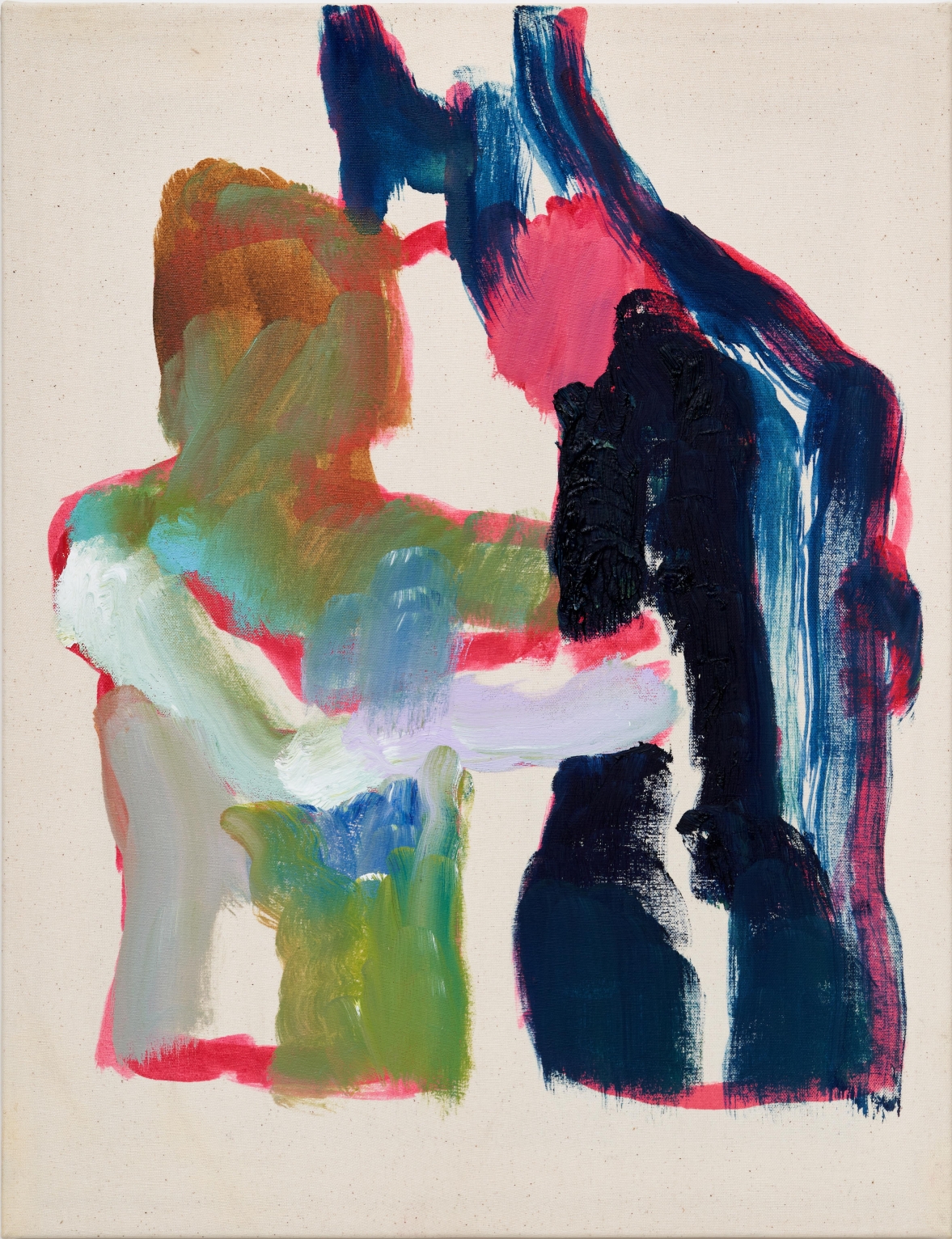
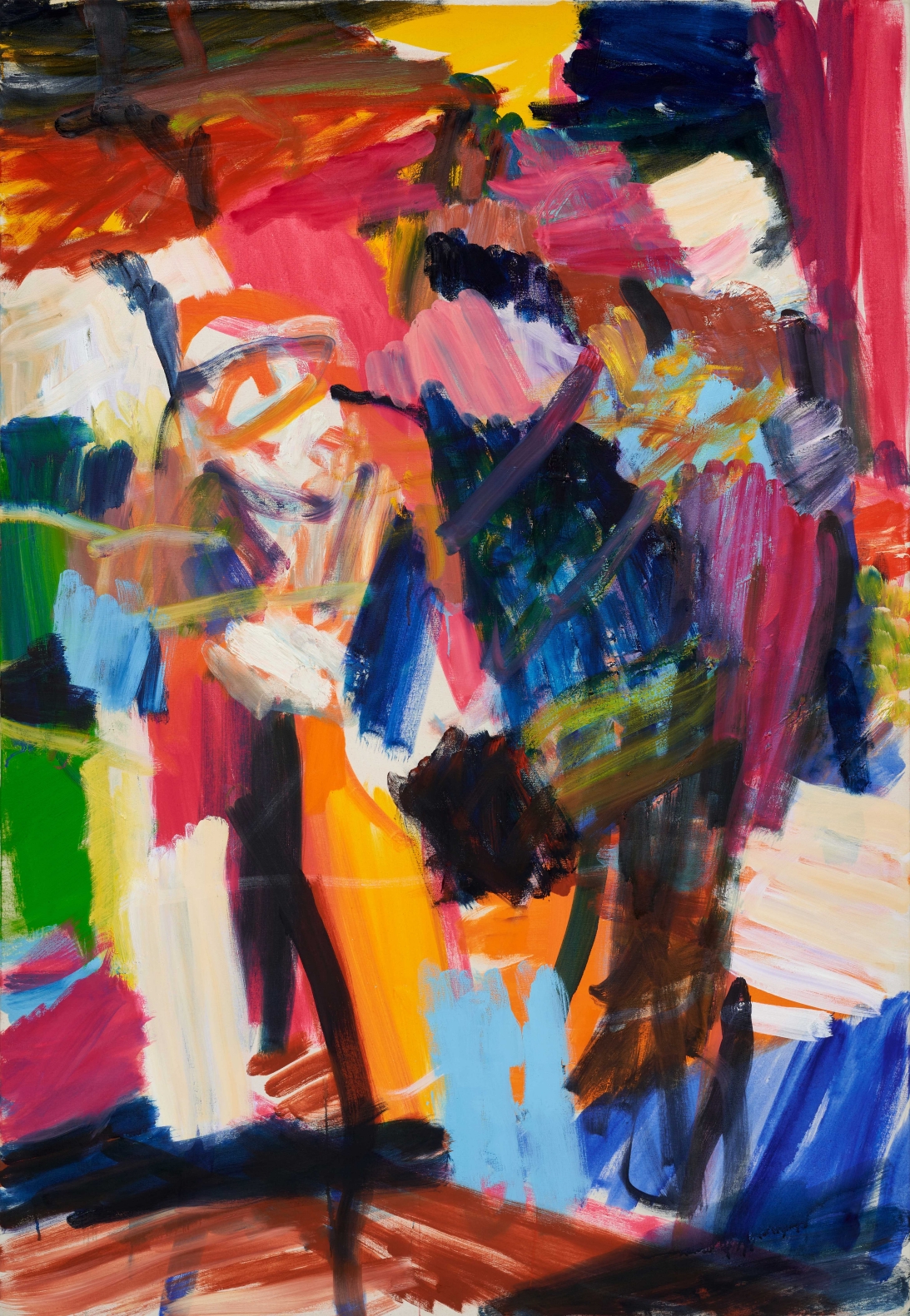
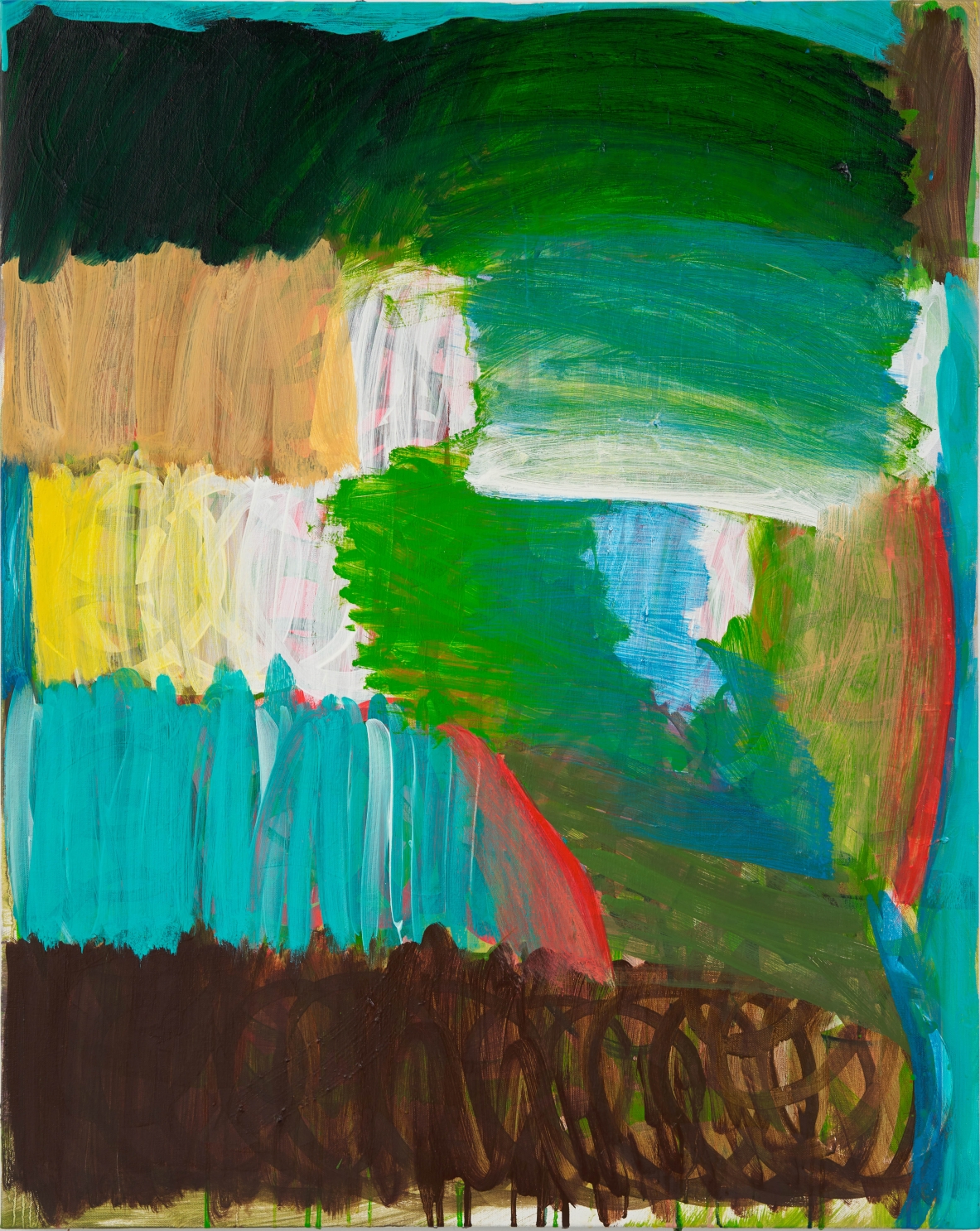
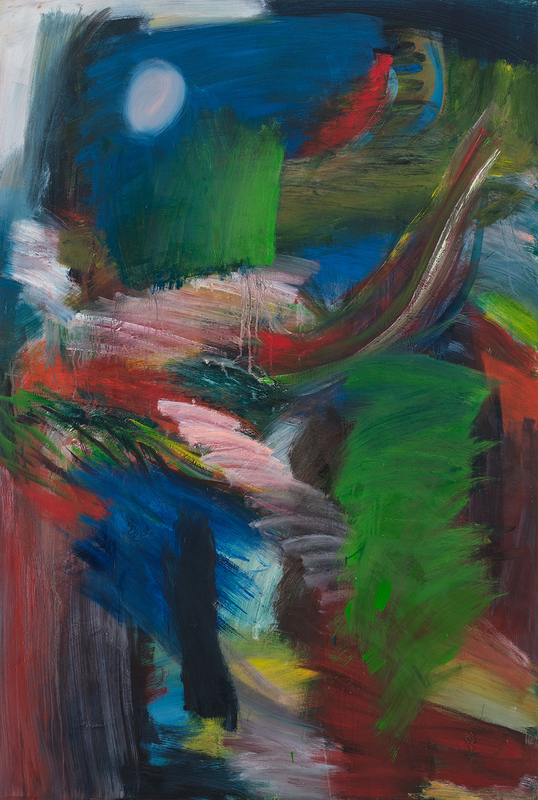
《FREE PRACTICE》, 2025.01.17 – 2025.02.15, ROY Gallery
January 15, 2025
ROY Gallery
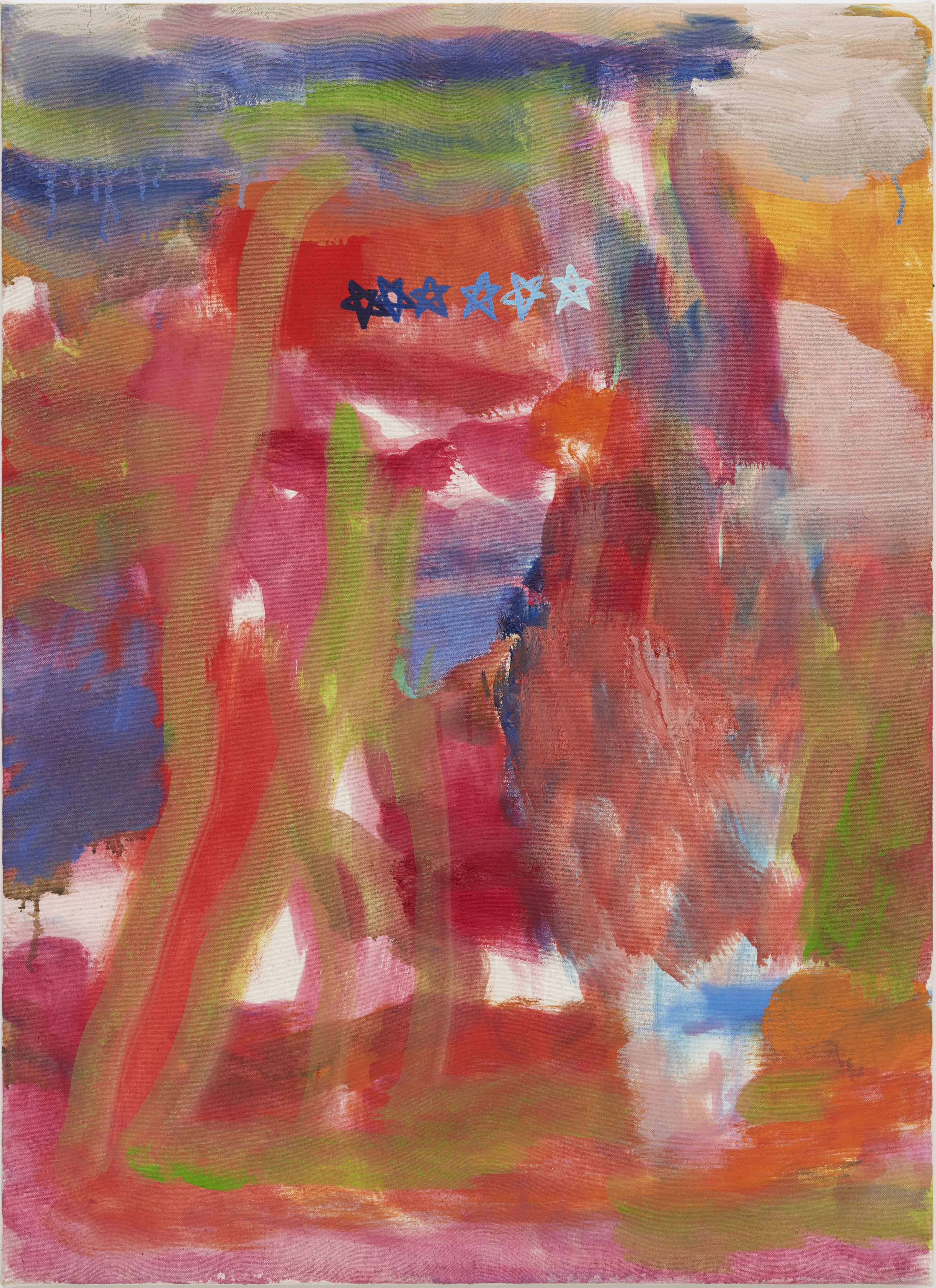
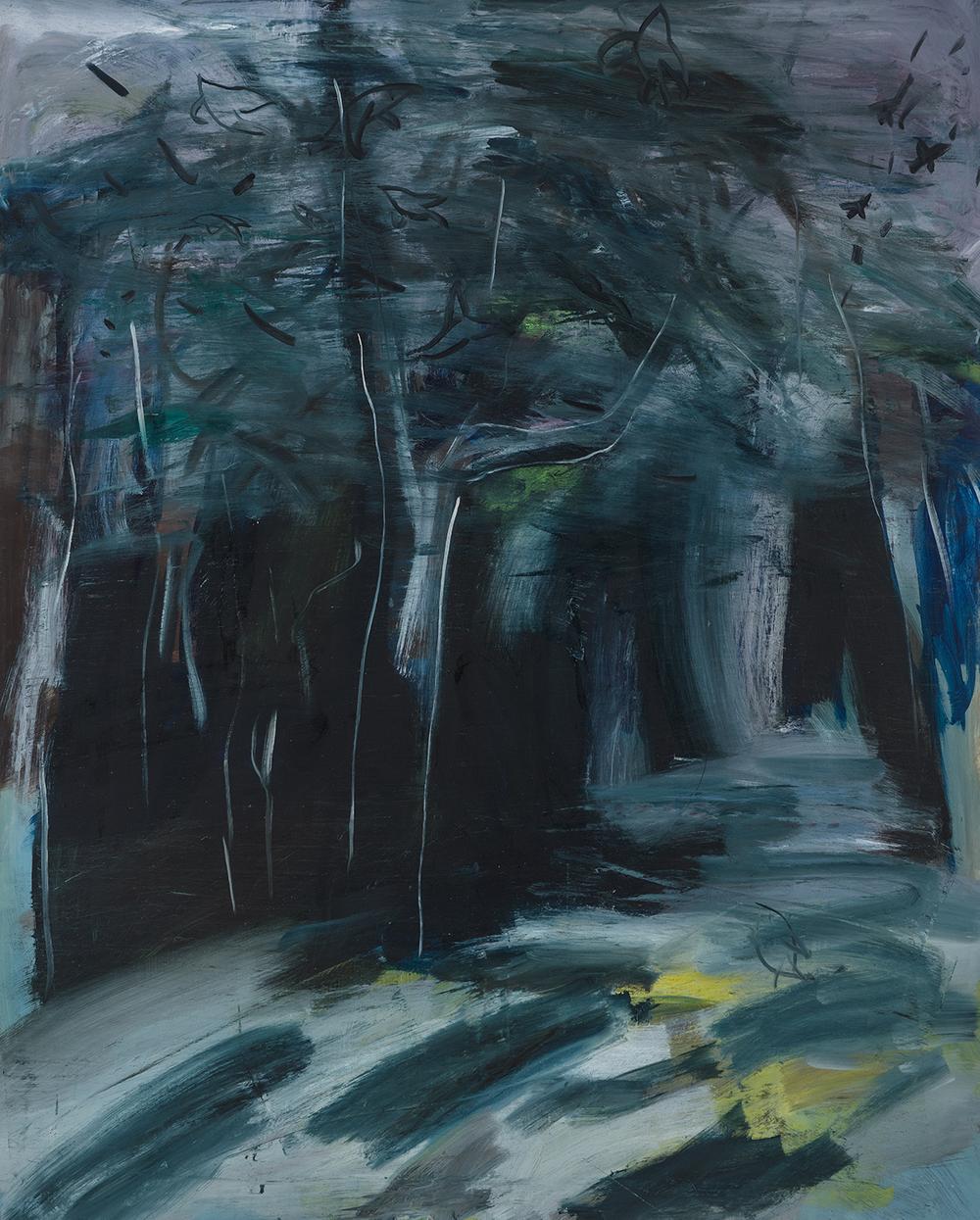
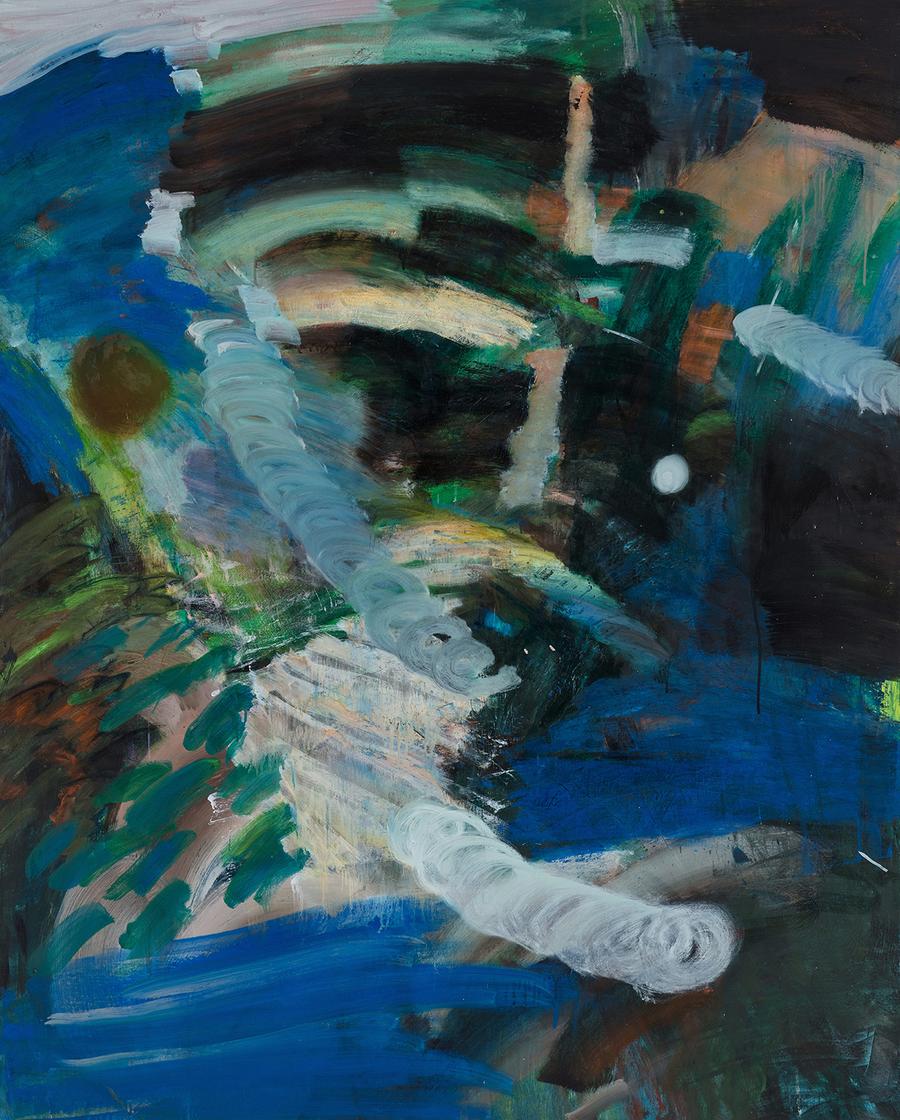
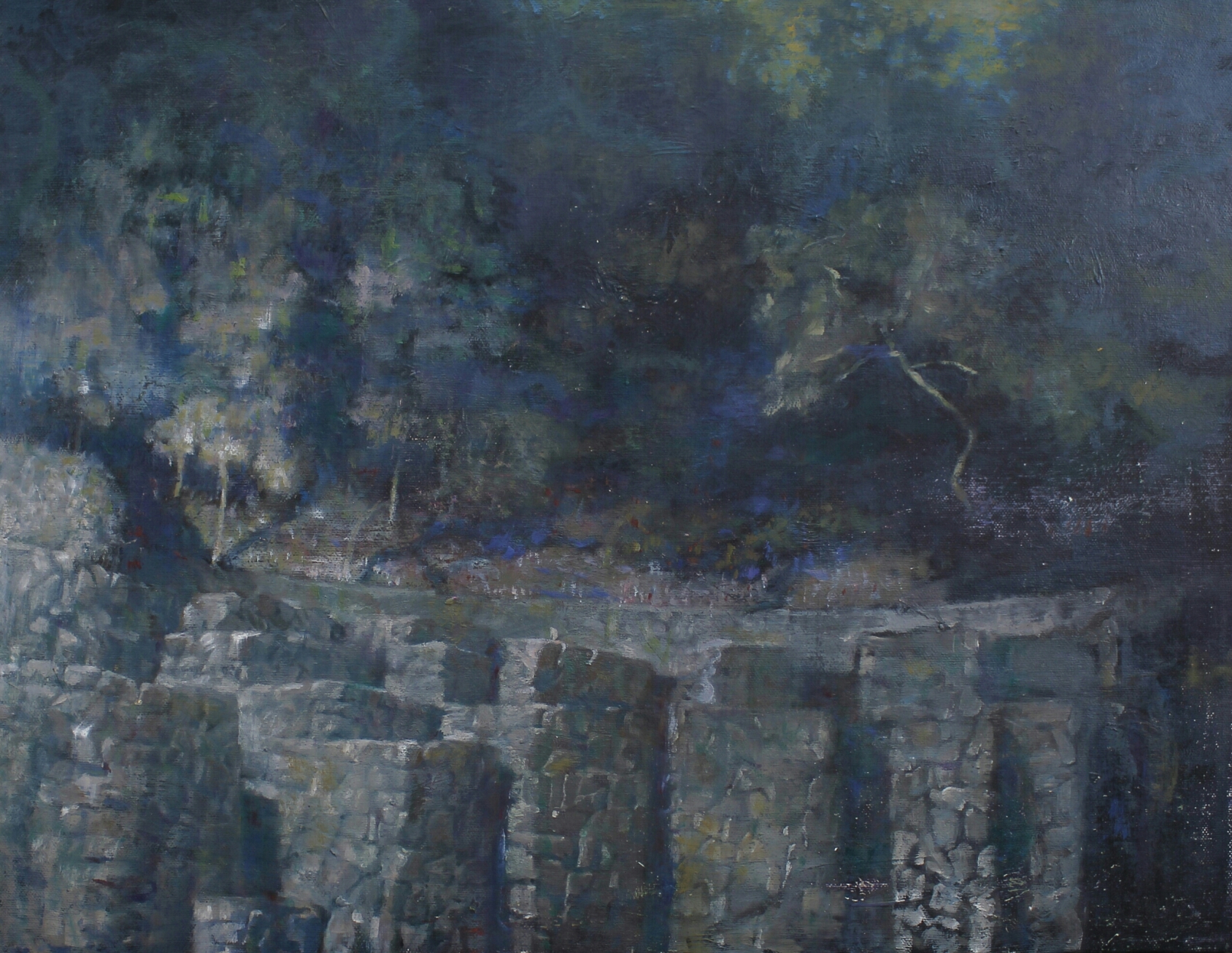
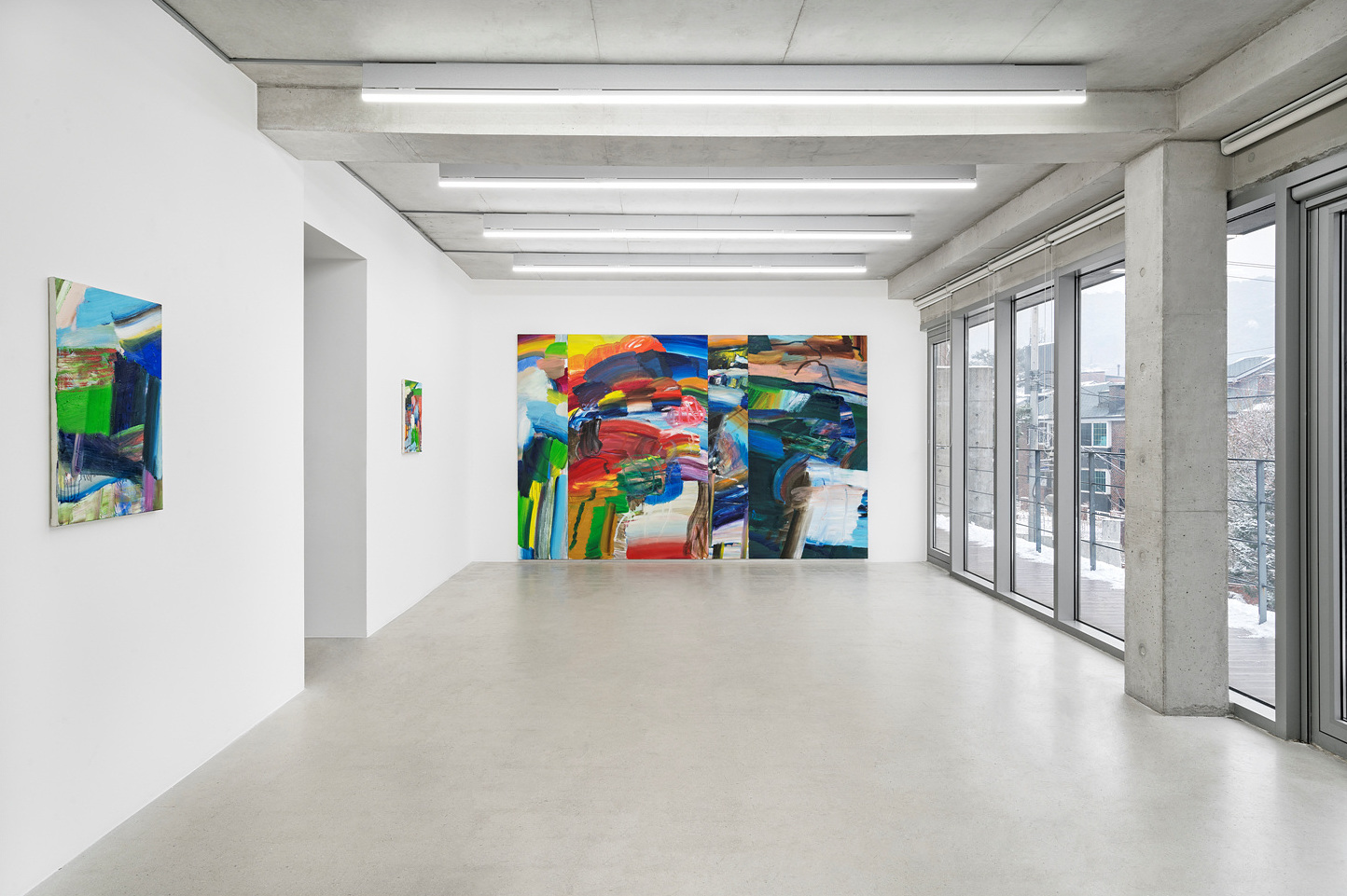
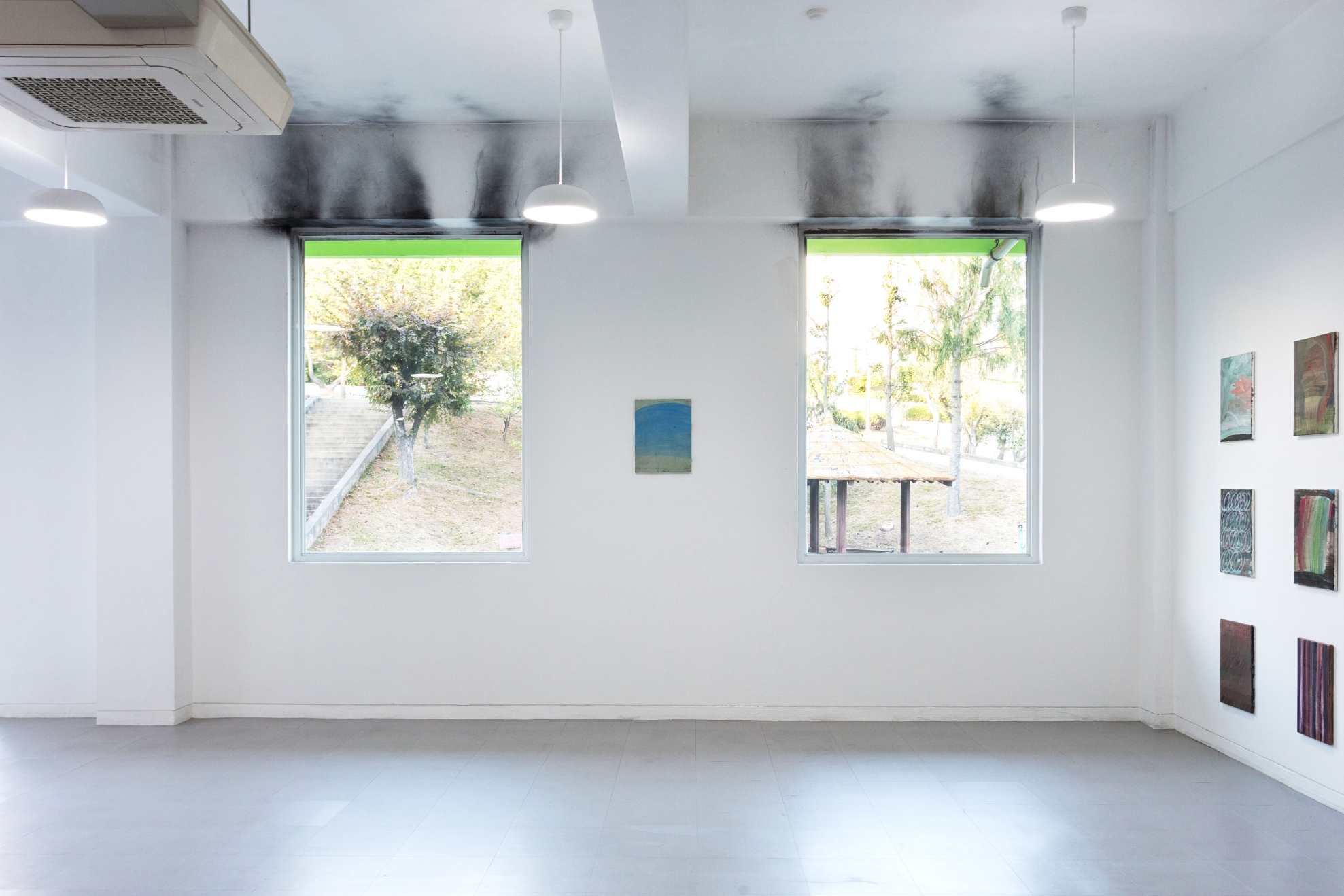
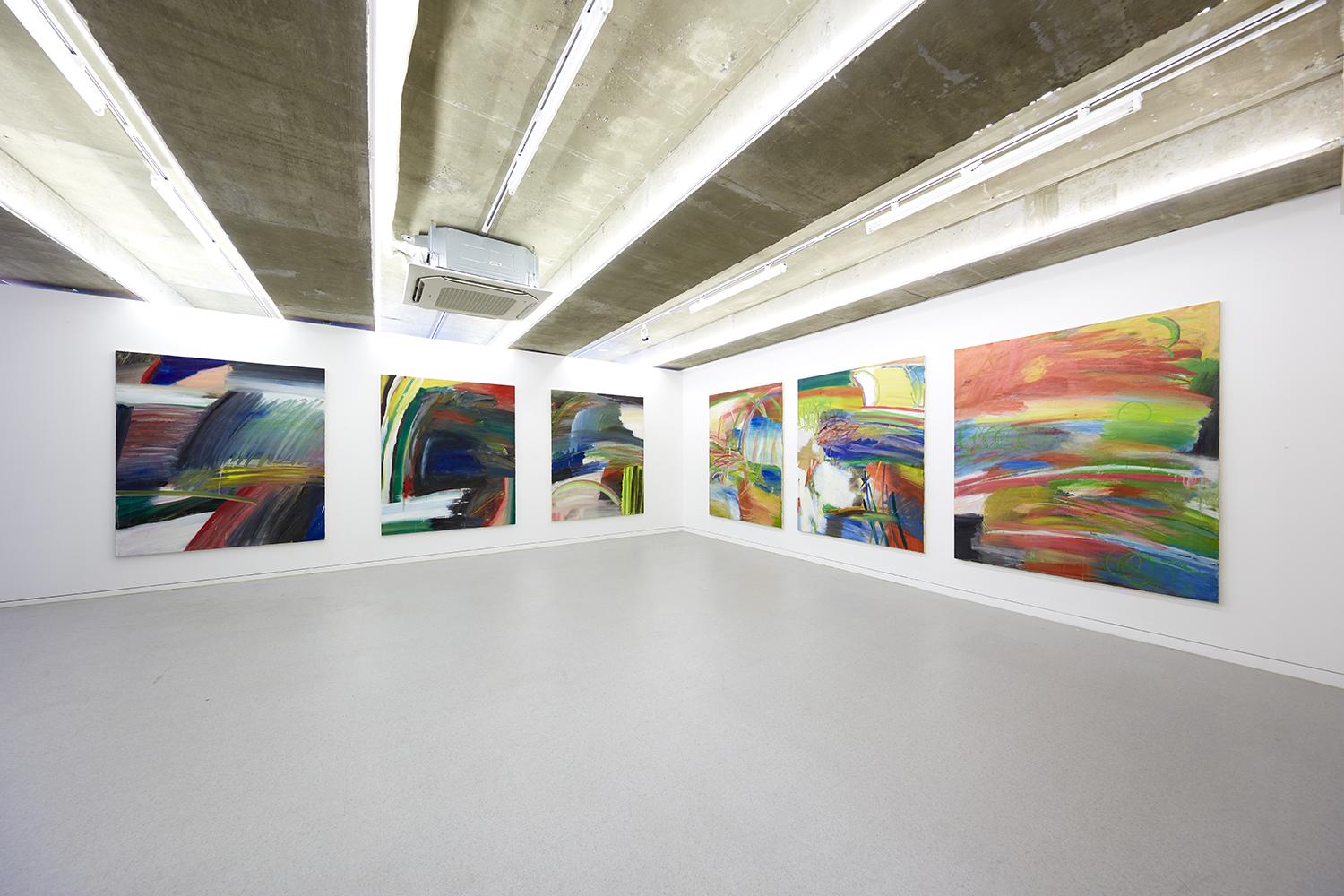
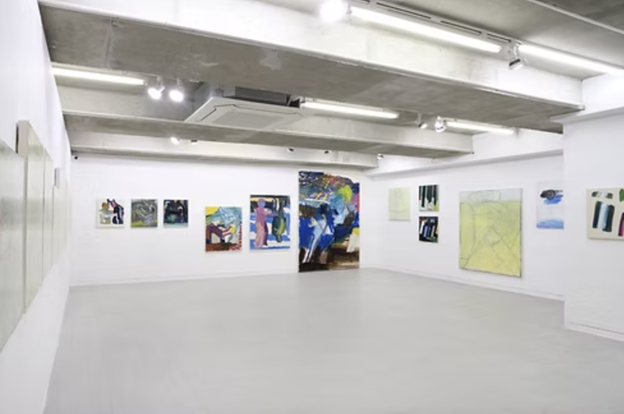
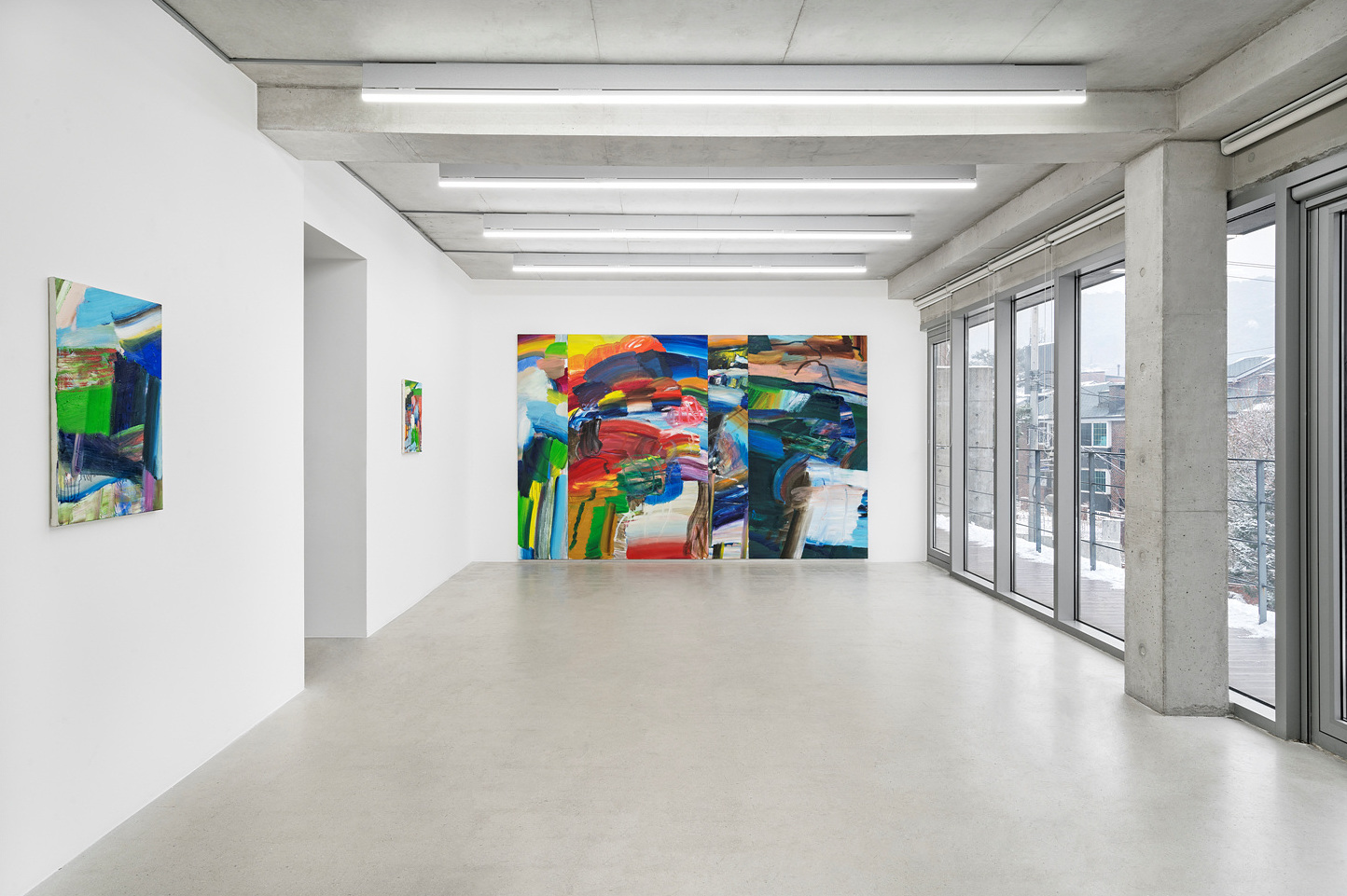
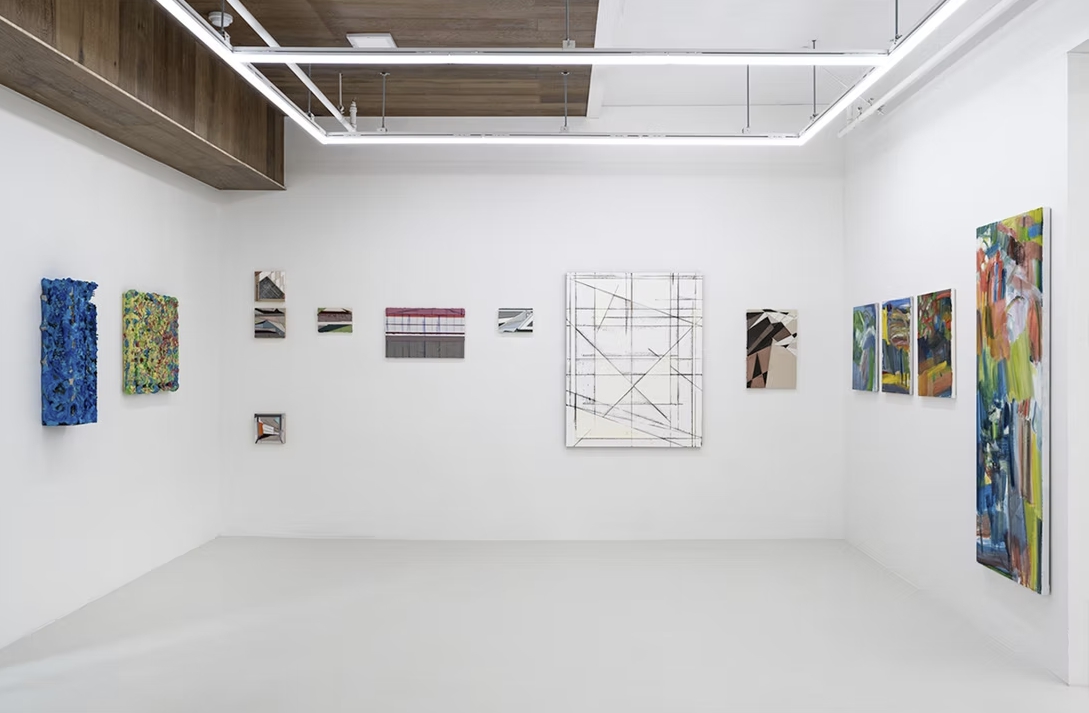 Installation view © Roy Gallery
Art has gradually shifted its
emphasis from the transparency of the medium to its opacity; the medium can now
function not merely as a means but as an end in itself. Like popular culture,
art is subject to trends, and in an era when nearly all data related to art is
accessible to anyone with the will to seek it, artists are continually
pressured—both internally and externally—to transform the media they command.
Yet a change of medium extends beyond a matter of technique. The artist’s
intention and process must support such a transformation, and the final outcome
becomes the evidence that proves its necessity.
This exhibition takes inspiration
from the “Free Practice” session in Formula 1 (F1), highlighting within an
artistic context the stages of experimentation and exploration that precede the
completion of a work. If Free Practice in F1 is a preparatory phase leading up
to the main race, this exhibition focuses on the formal experiments and
processes artists undergo in the course of their practice. The artist searches
for a new “circuit” on which to race—or rather, to devote (傾注) art—and the trajectory that unfolds in this
process corresponds to a practice lap as an aesthetic inquiry.
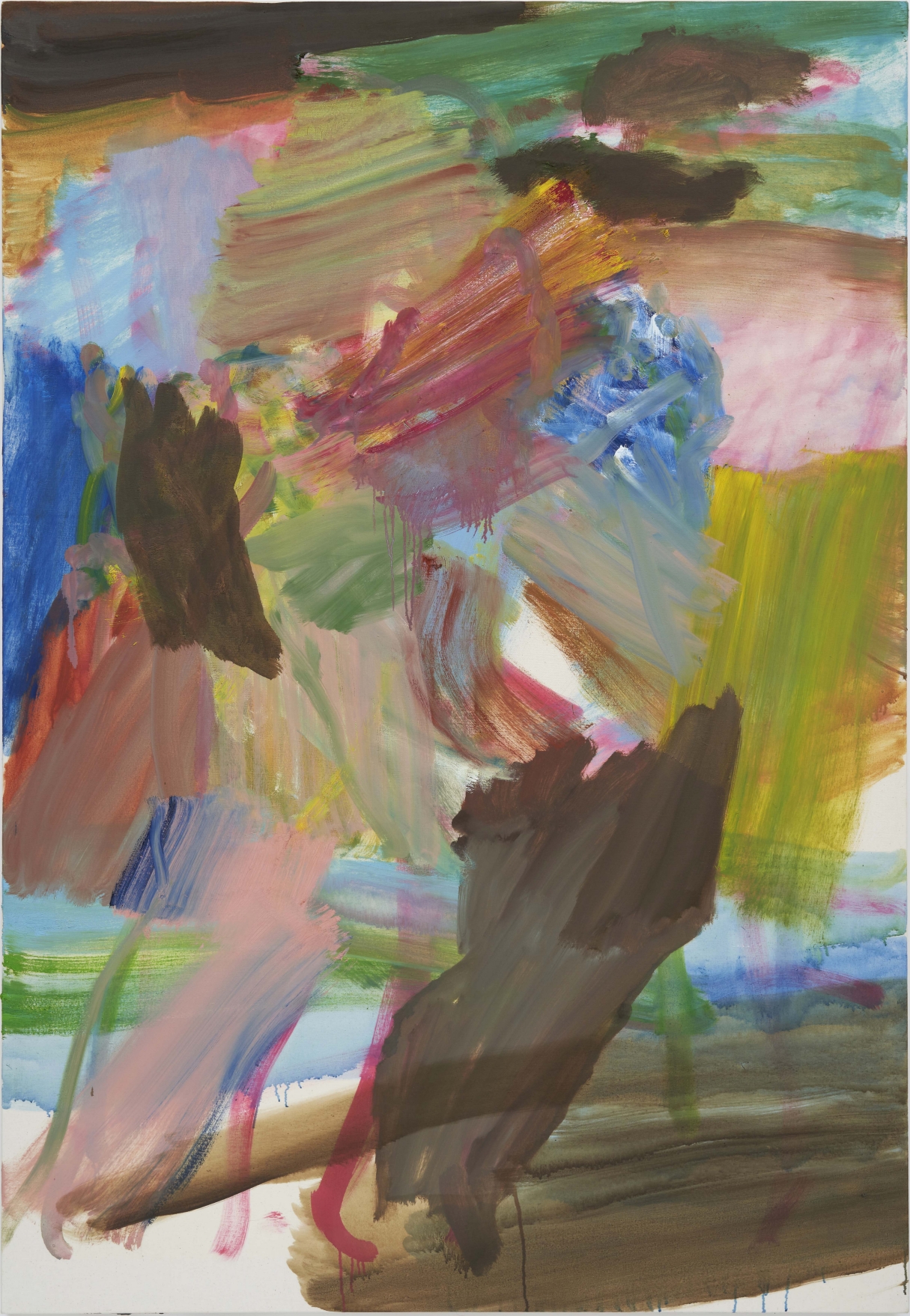
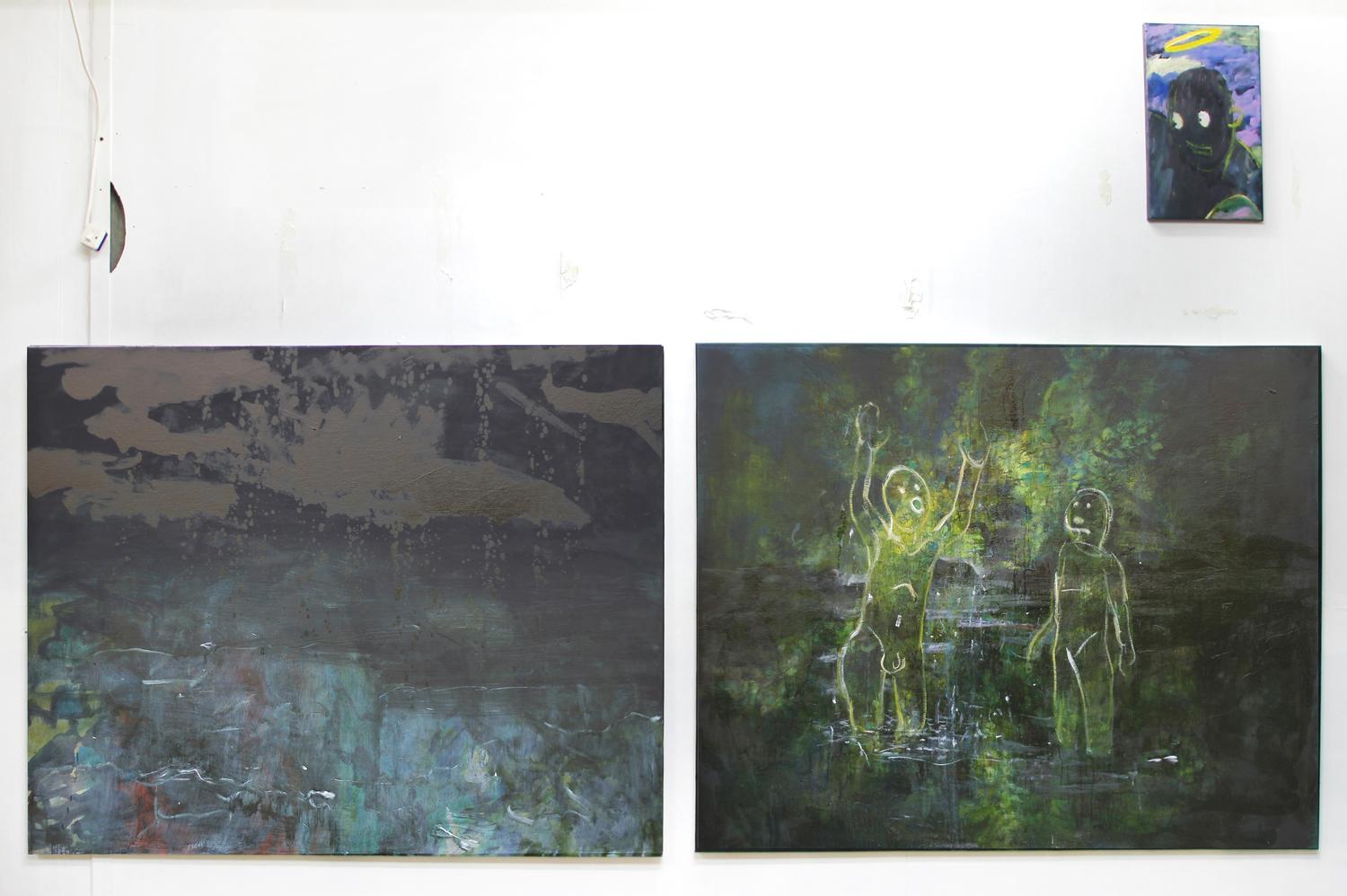
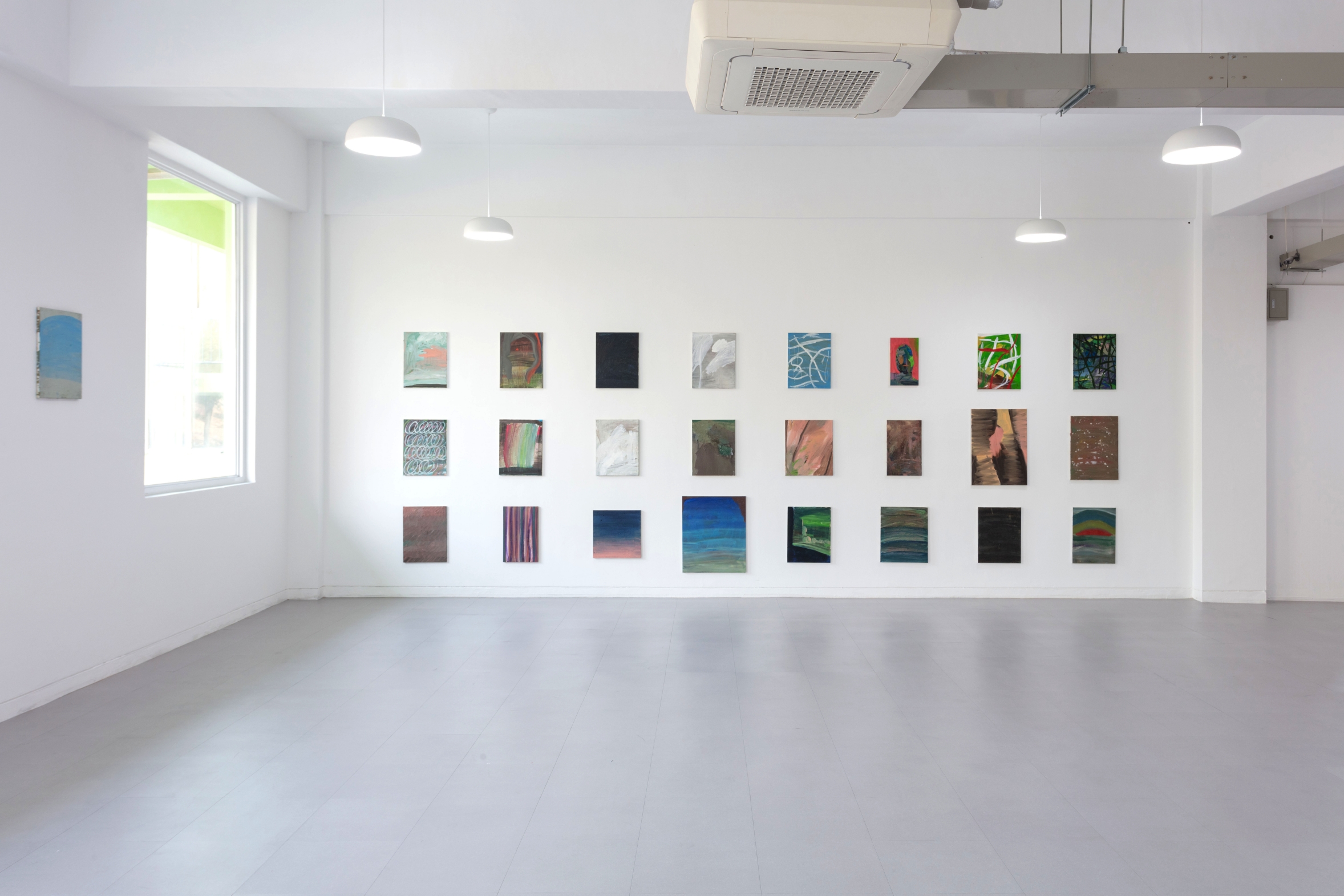
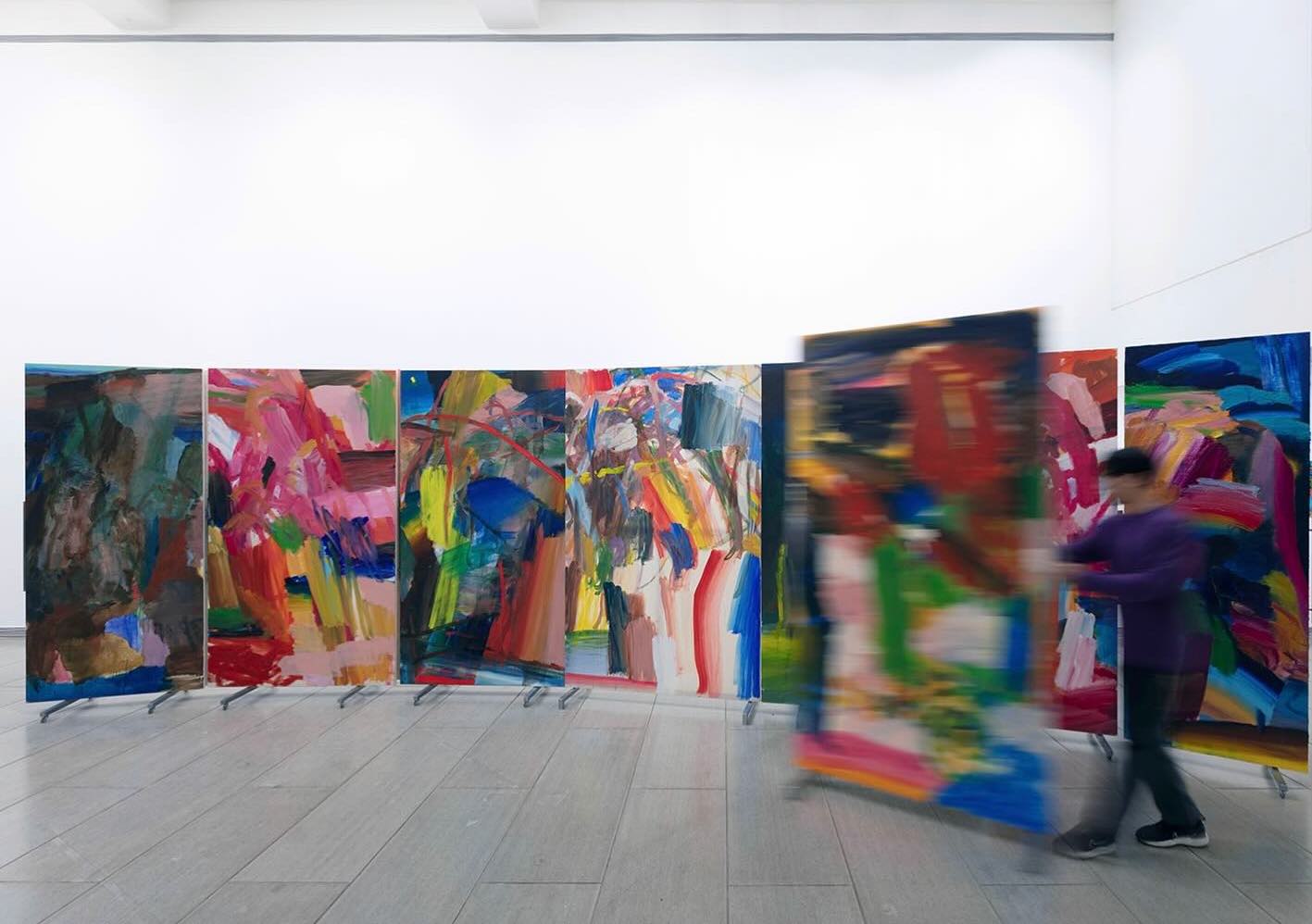
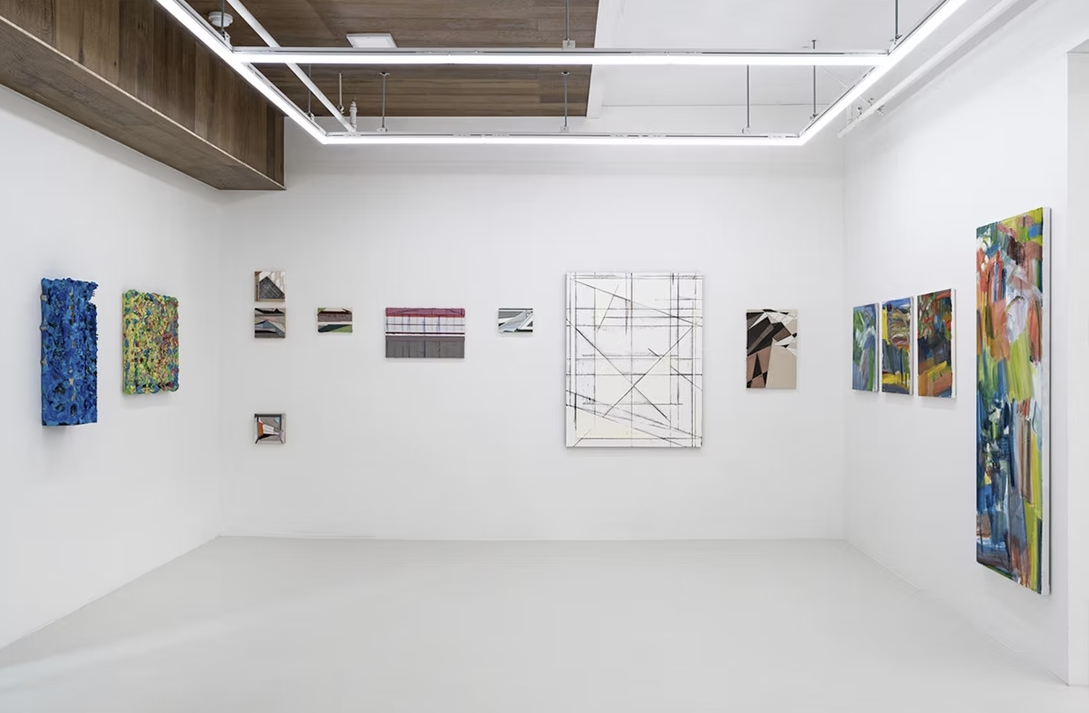
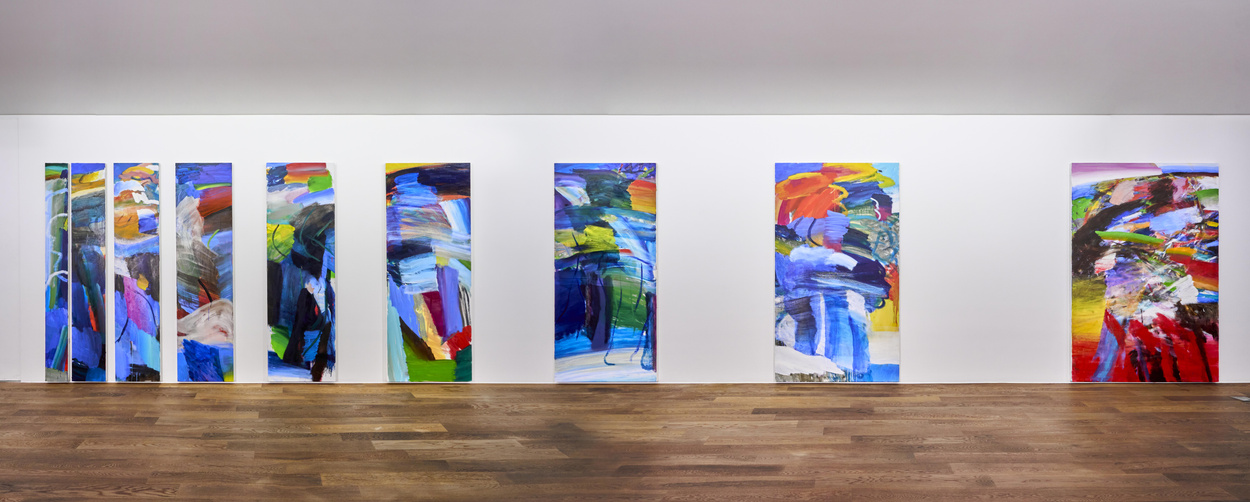
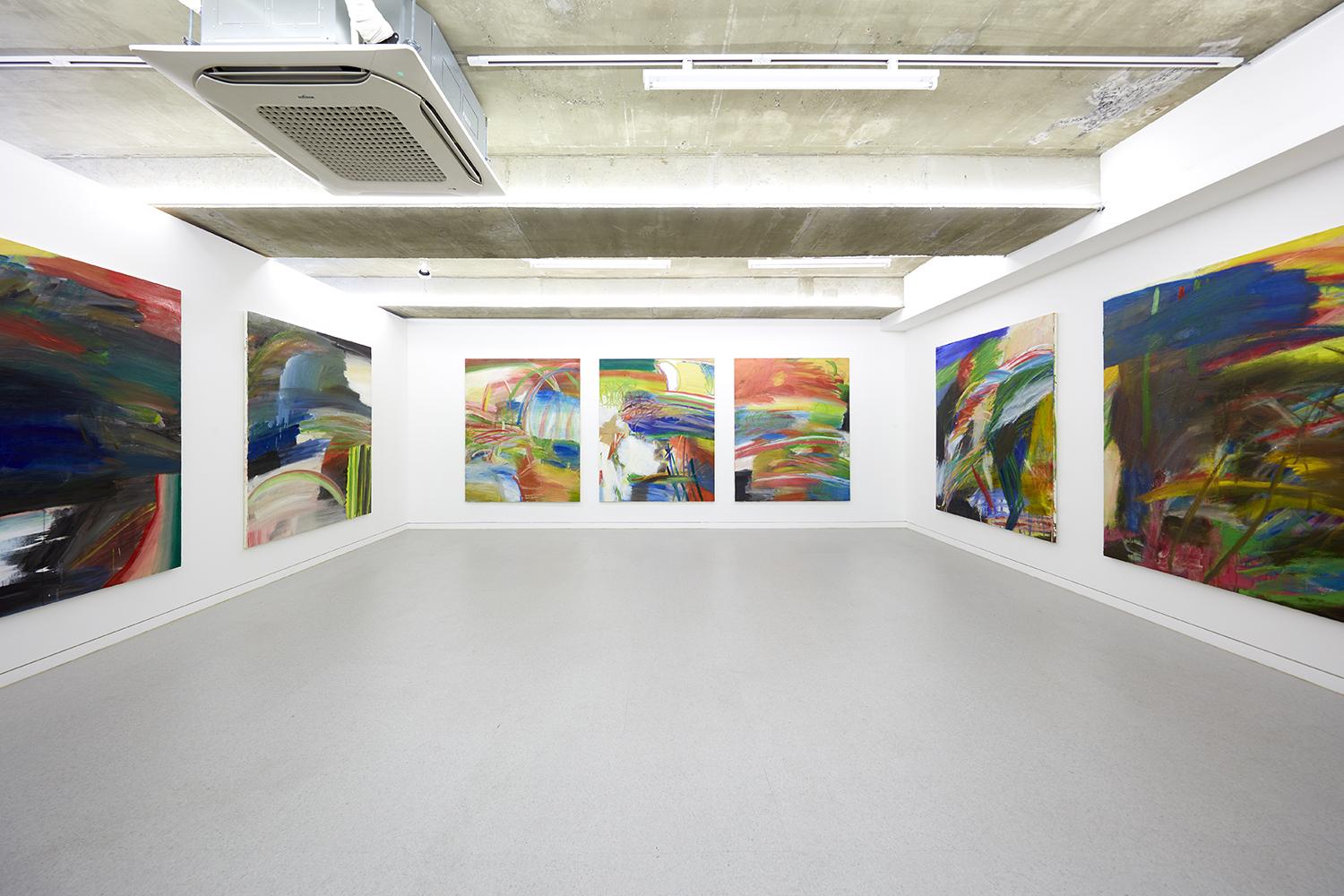
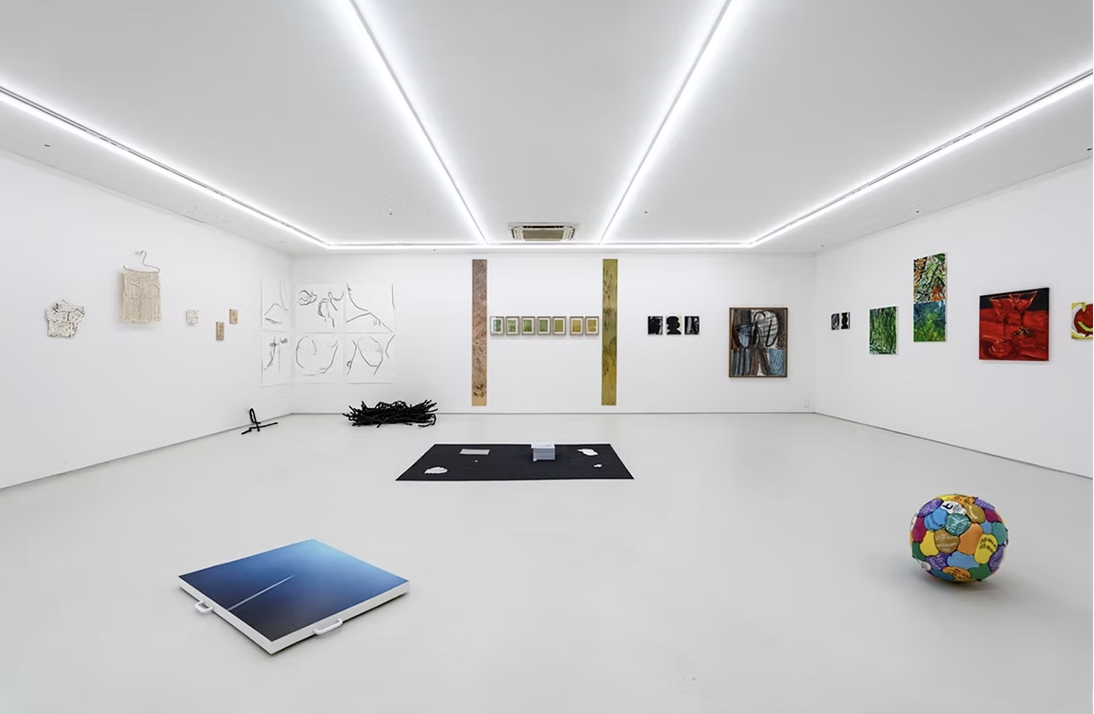 Installation view © Roy Gallery
Artists possess an innate
formative language that includes unconscious and bodily movements, closely tied
to the medium they have handled for a long time. For this reason, a
transformation of medium is rare, and transitioning to a new one entails
psychological and cognitive burdens akin to an adult learning an unfamiliar
foreign language. However, in the process of acquiring a new medium,
unfamiliarity becomes a stimulus, prompting the artist to move beyond his own
established world. Simply replicating the conventional uses of an existing
medium holds little meaning; instead, more active experimentation is required
of the artist.
Media continuously hold shifting
boundaries in response to technological and temporal change, as seen
historically in the tensions and interactions between painting and photography,
or painting and video. Today, the advancement of digital tools renders these
boundaries even more ambiguous and stimulates experimentation across them.
A
transition of medium should therefore be understood not merely as a technical
shift but as a reconfiguration of a system that entails changes in artistic
thinking and expression. When the medium an artist possesses can no longer
realize its latent creative potential, it becomes necessary to explore and
introduce new media through experimentation.
This process involves both
rupture and the search for new connections, revealing how art remains vital in
relation to the currents of its time. The expansion of media is not a one-time
event but repeatedly influences an artist’s practice. Ultimately, artists find
themselves in a position where they must continuously learn, experiment, and
expand their own boundaries.