Preface
Nayeon
Gu (Art Critic)
Park
Junghae seems like somebody who imagines all inexhaustible, uncountable layers
of 8 P.M.s, accumulated underneath the actual time marked by the clock hand at
8 P.M. The clock announces a certain time by making a regular measuring
circulation every morning and afternoon. That said, the hand – in fact – never
touches the same time but runs on its summoning of all the 8 P.M.s of the past,
the future, the current present, and elsewhere’s time. Park, meanwhile, might
bring an imagery of all 8 P.M.s, drawing them horizontally expandable next to
the actual 8 P.M. In the end, this absolute yet relational temporal moment that
is called 8 P.M. penetrates the universe while being condensed into and within
me.
Space
solidifies the tangibility of sensible time. This particular figuring of space
resonates with Georges Perec’s notion that all the spaces that one has once
inhabited as “make(ing) an inventory, as exhaustive and as accurate as
possible,” and “the space of the bedroom (la chambre)* works for me like a
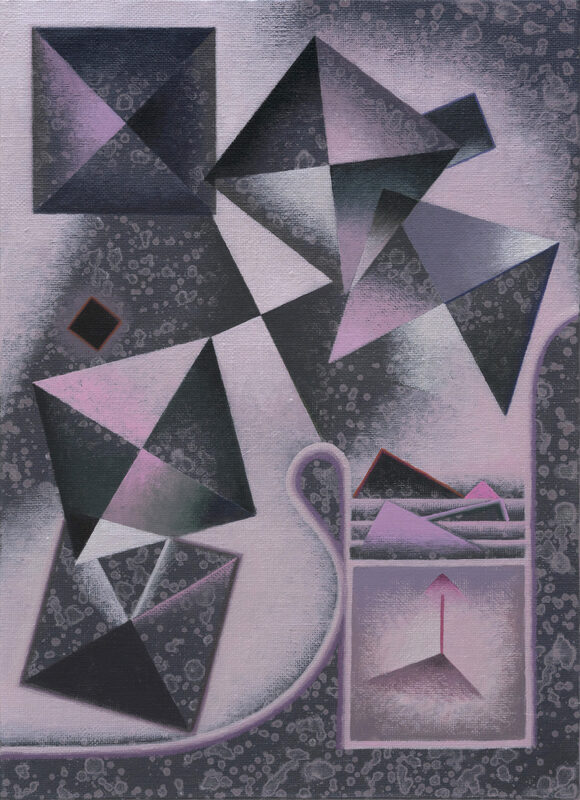
Proustian madeleine.” This room sustains the enigmatic darkness that echoes the
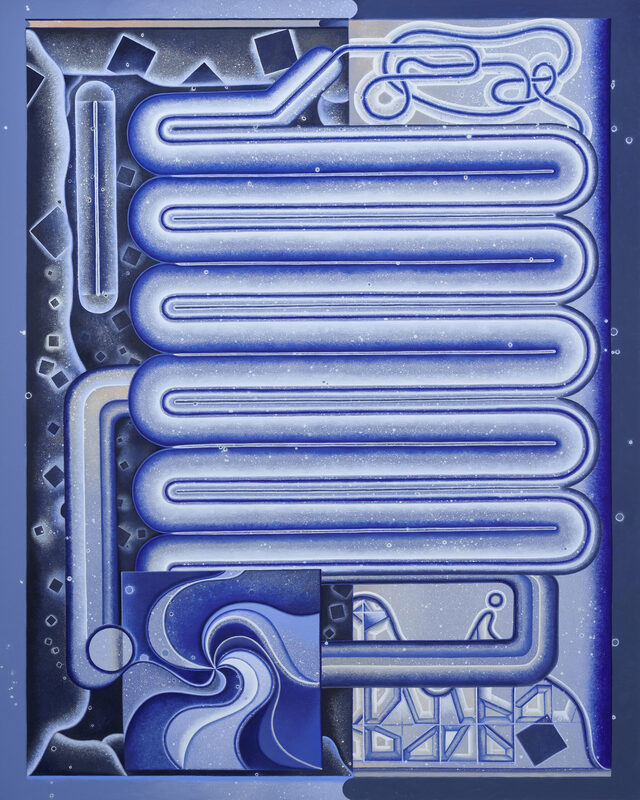
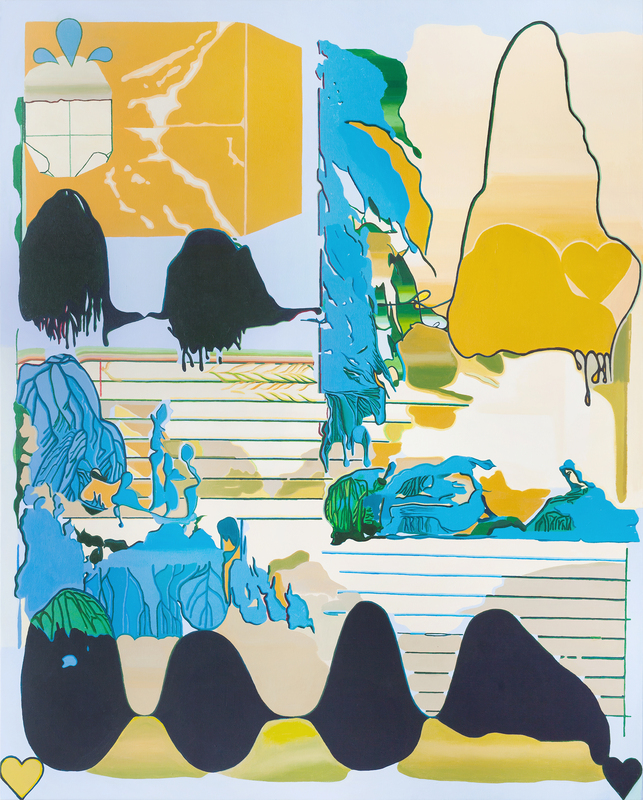
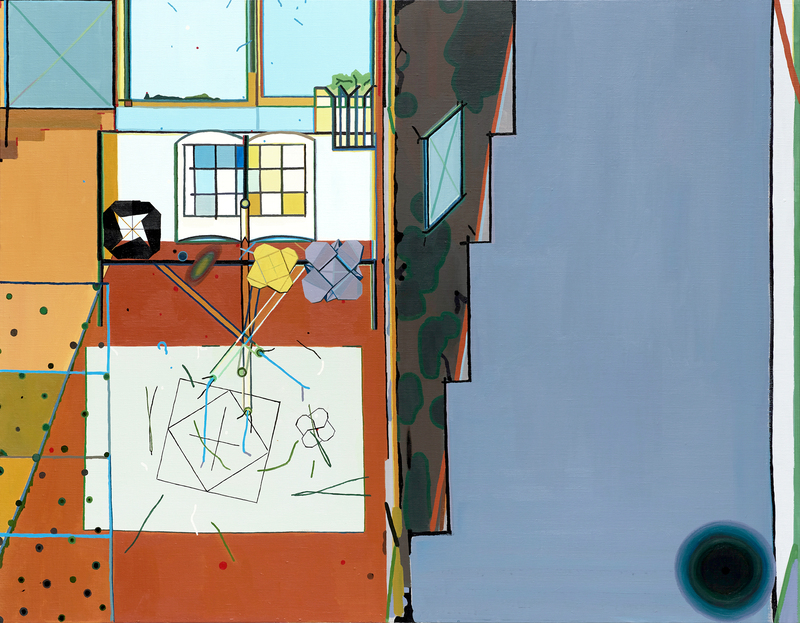
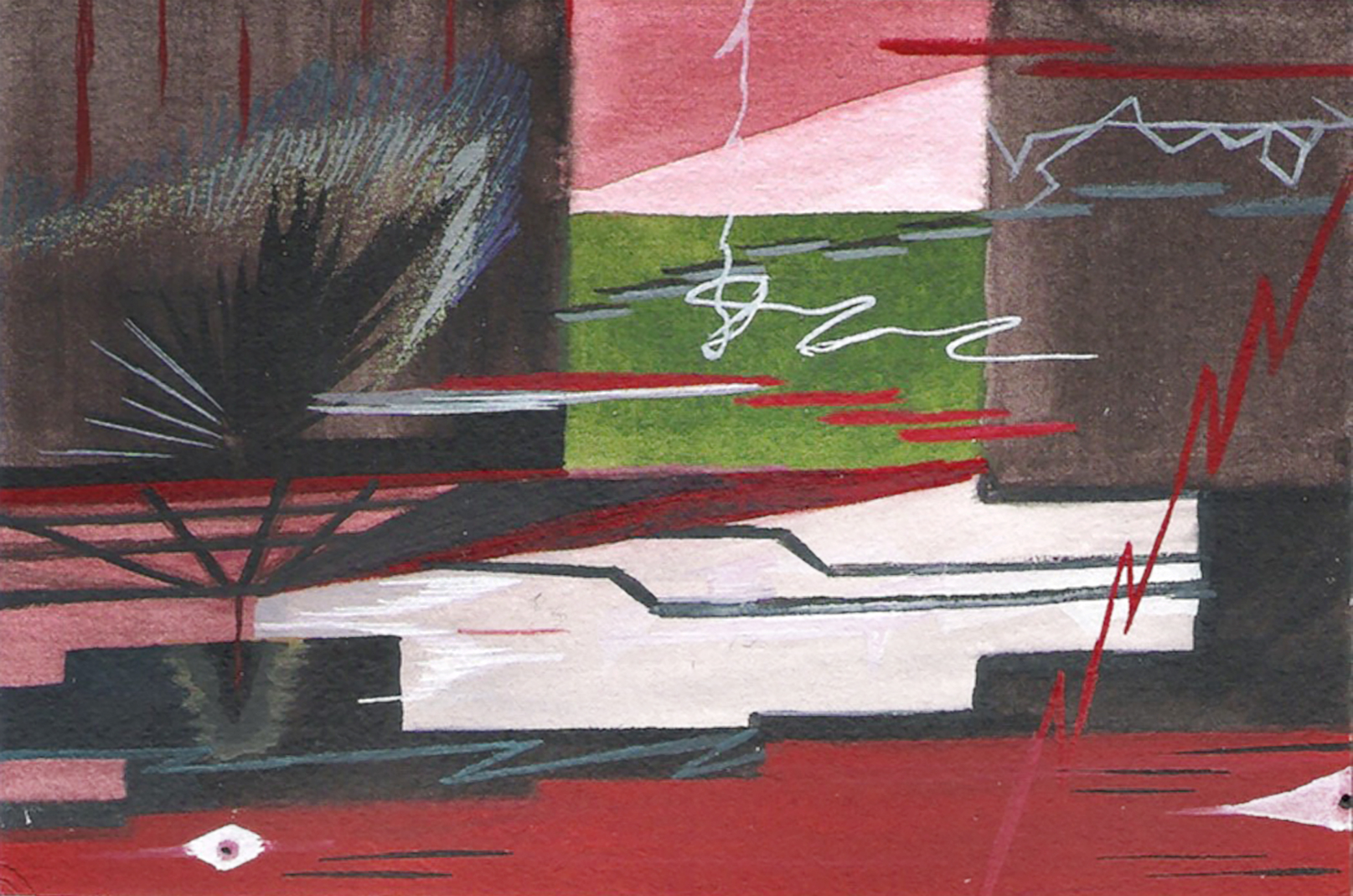
sound note that is only audible to me, as depicted in Park’s Tinnitus
(2025) while unearthing a distinct gaze that exists in the between-ness of
everything in there. The painter’s eyes rest on familiar objects and they will
weave intimate relationships with her as configuring themselves to be her
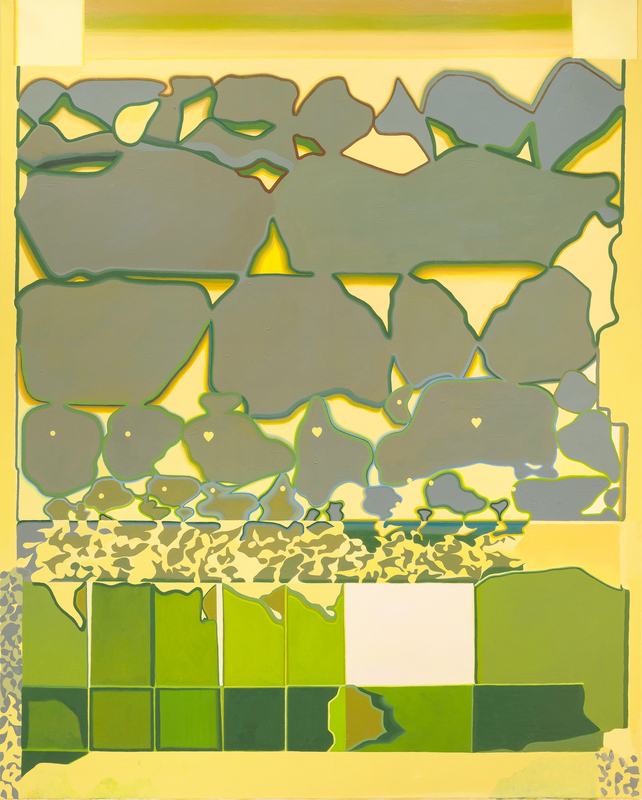
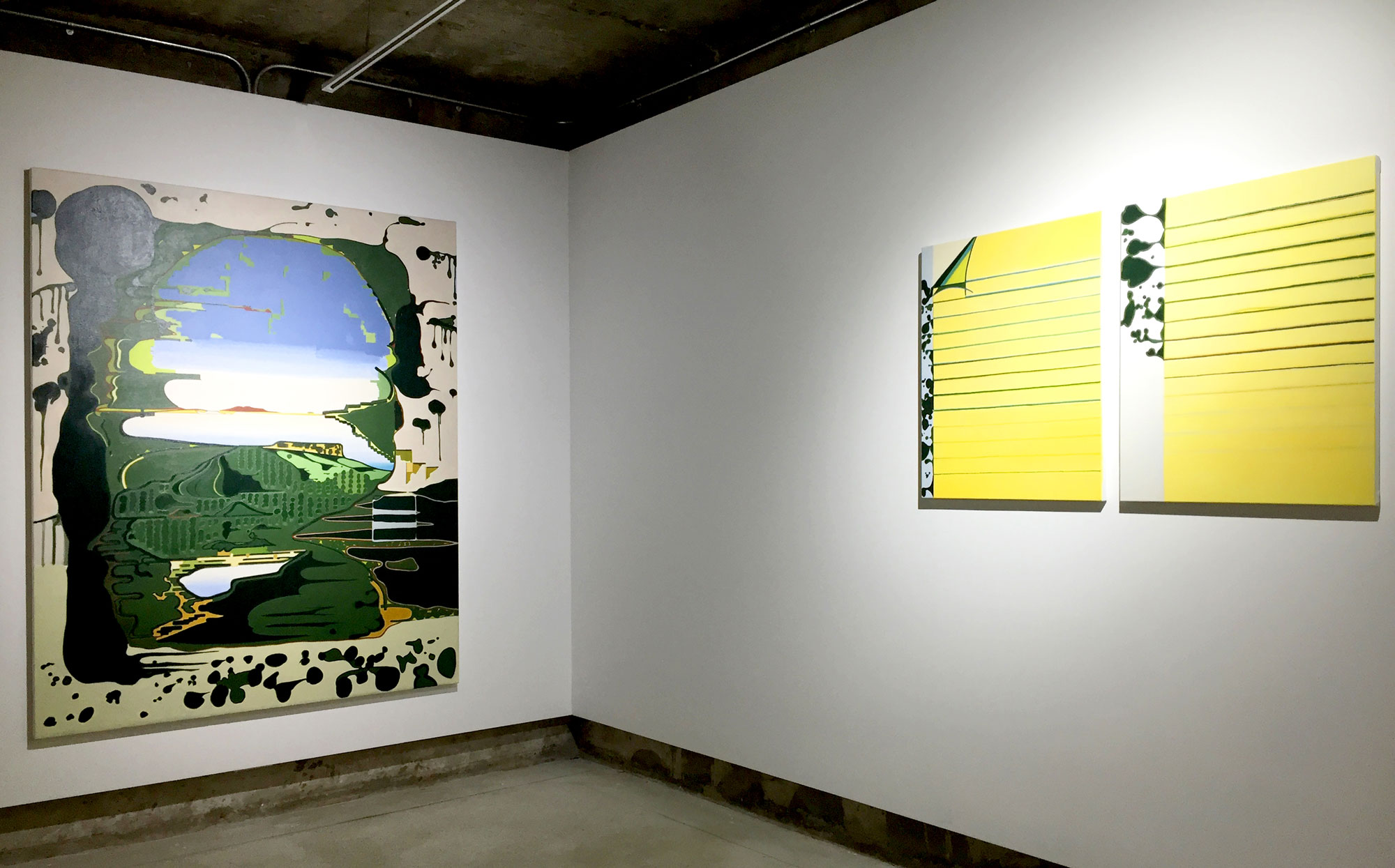
traces or times. Oftentimes, the pictorial space that has well preserved the
artist’s temporality will stubbornly remain, stacked in the corner of the room,
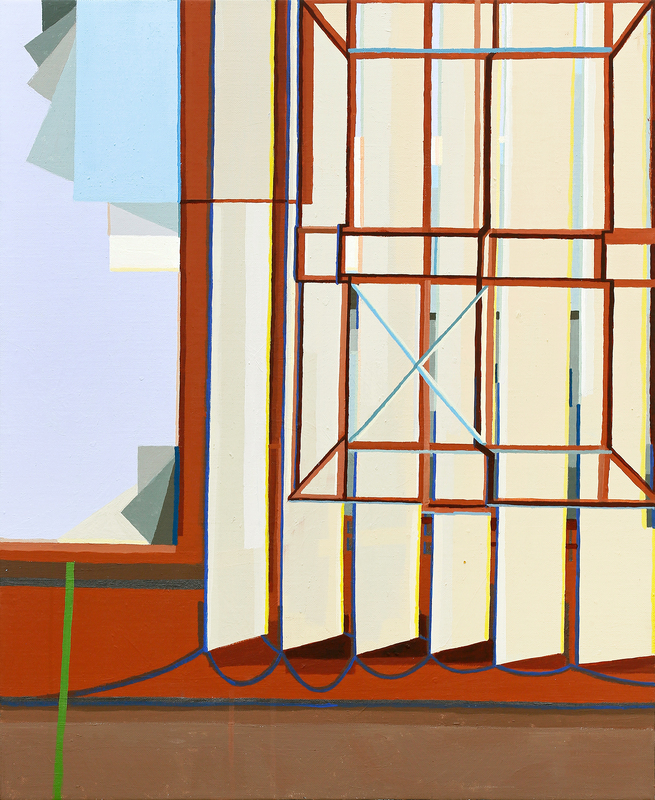
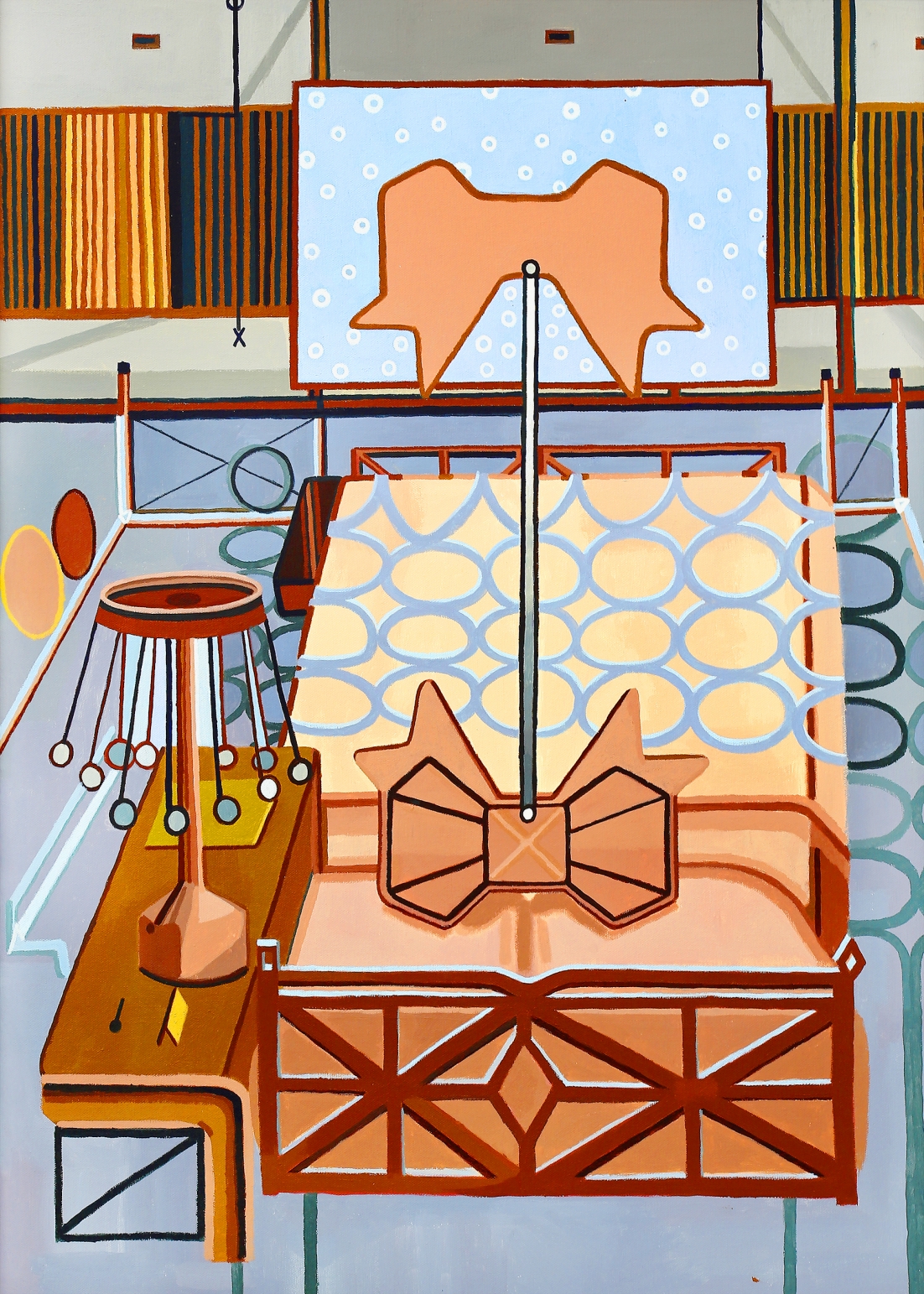
as in Sleep has her house (2025) – even if she has already
fallen asleep. Escalating its velocity through time, Park’s dreams will paste
thick layers of spaces.
Likewise,
the temporal unit called a day continues to superimpose in tandem with the
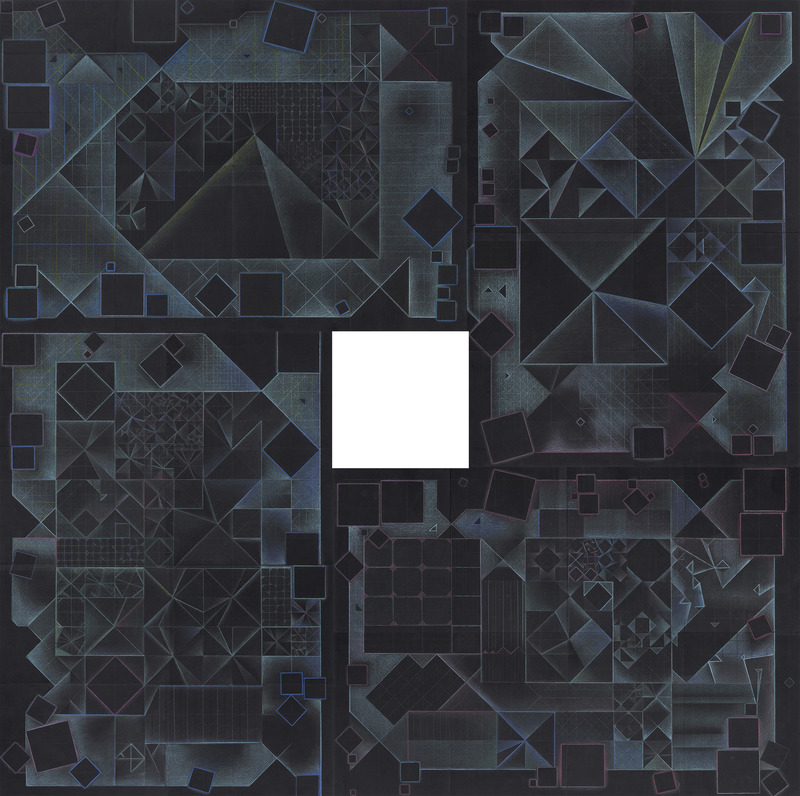
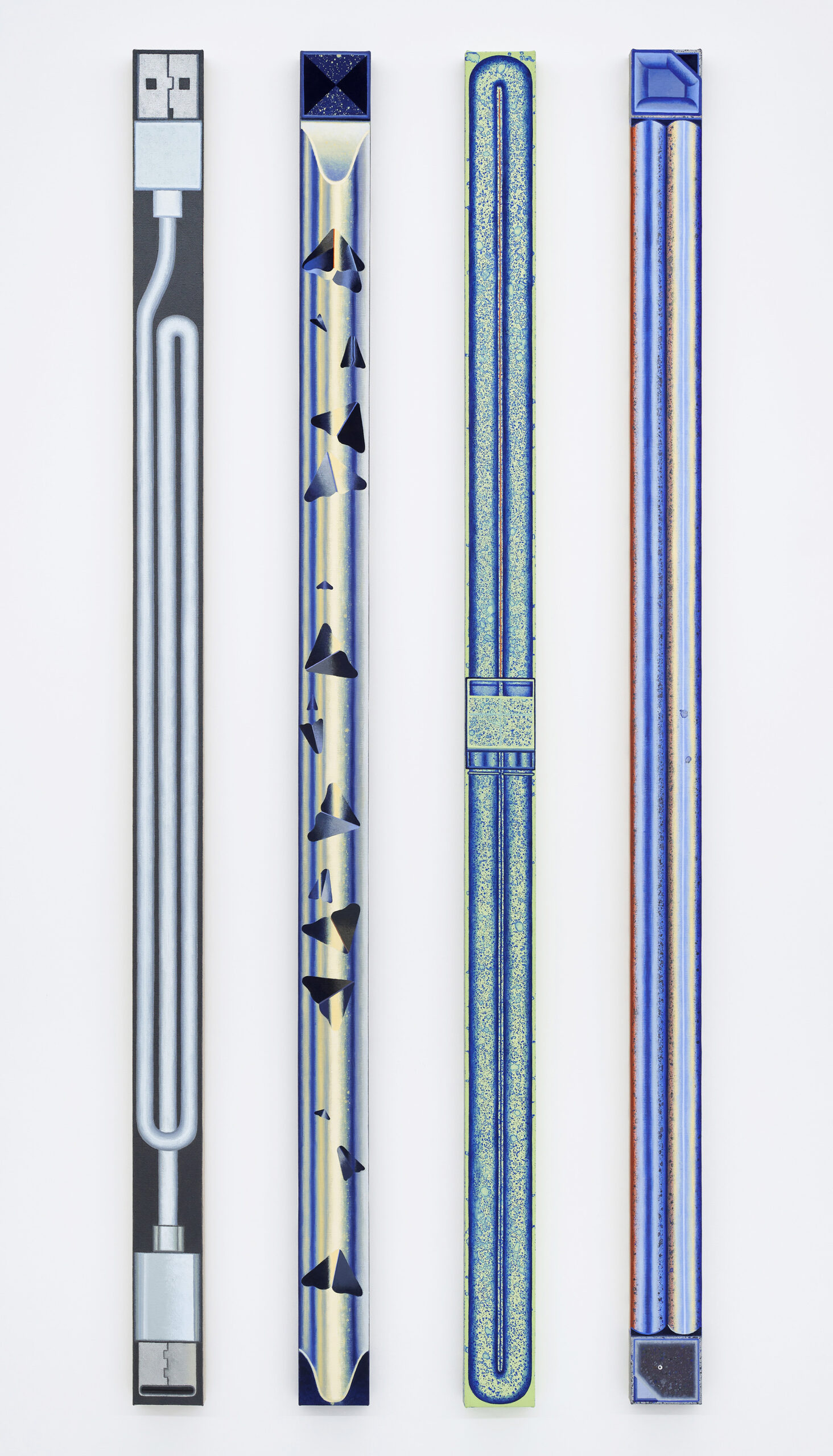
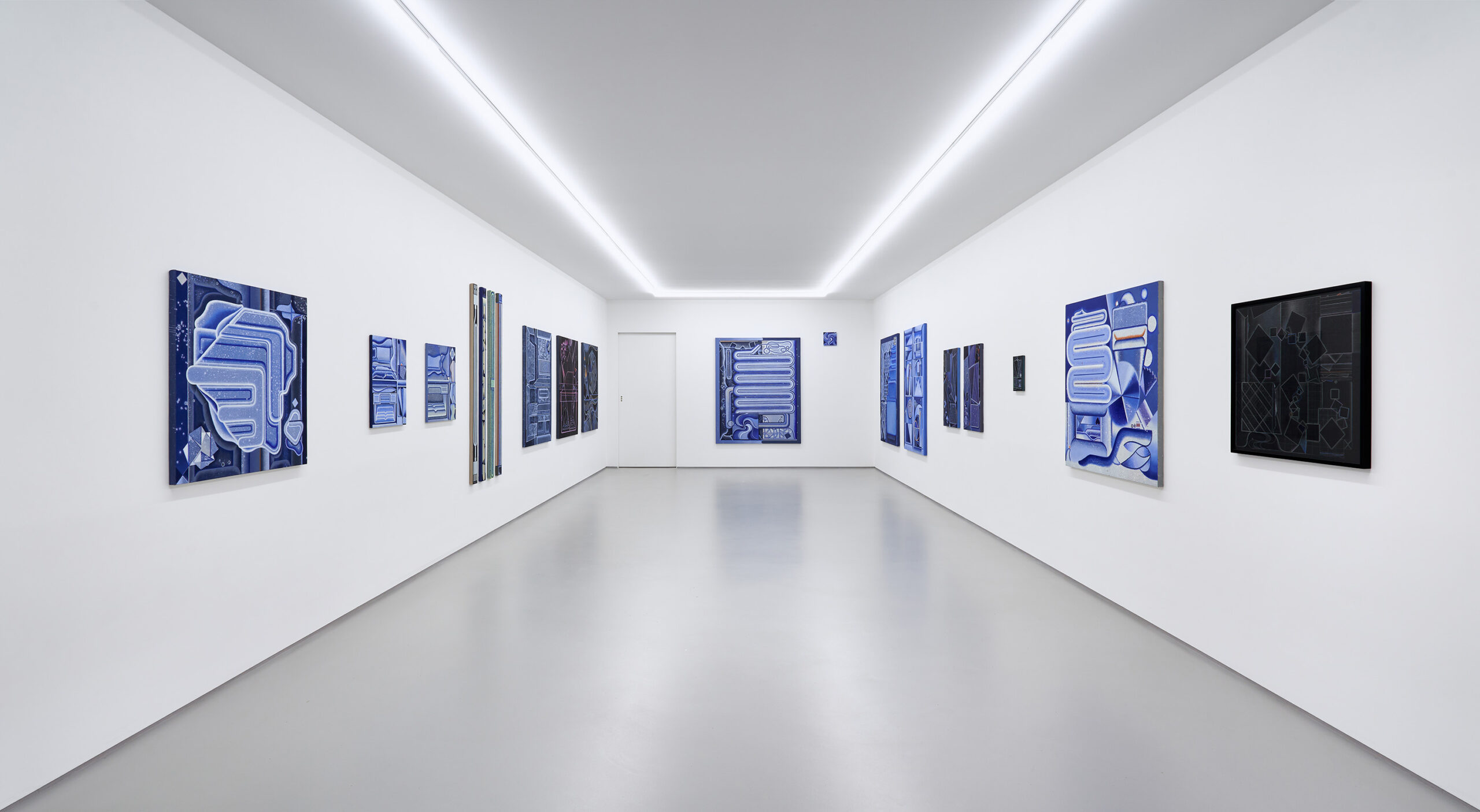
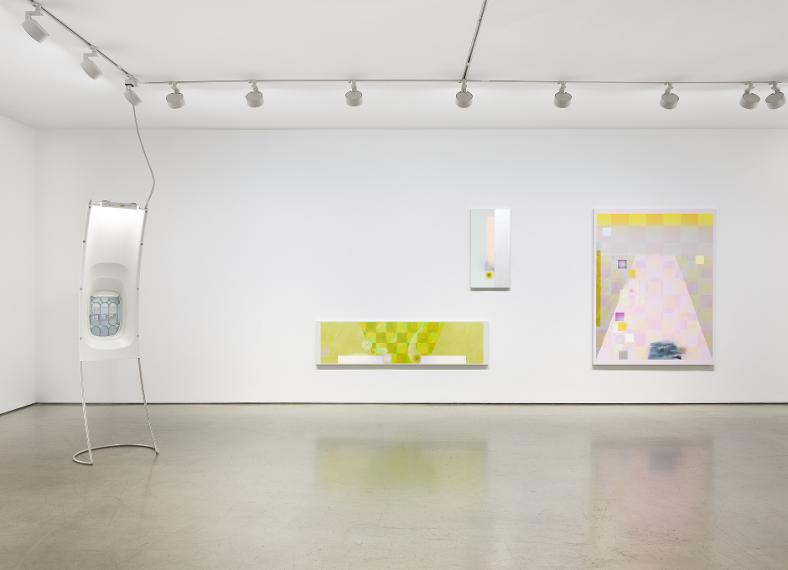
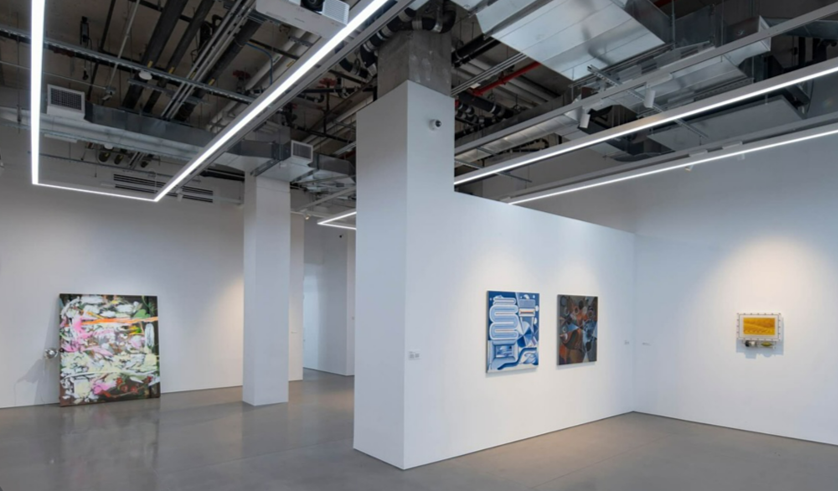
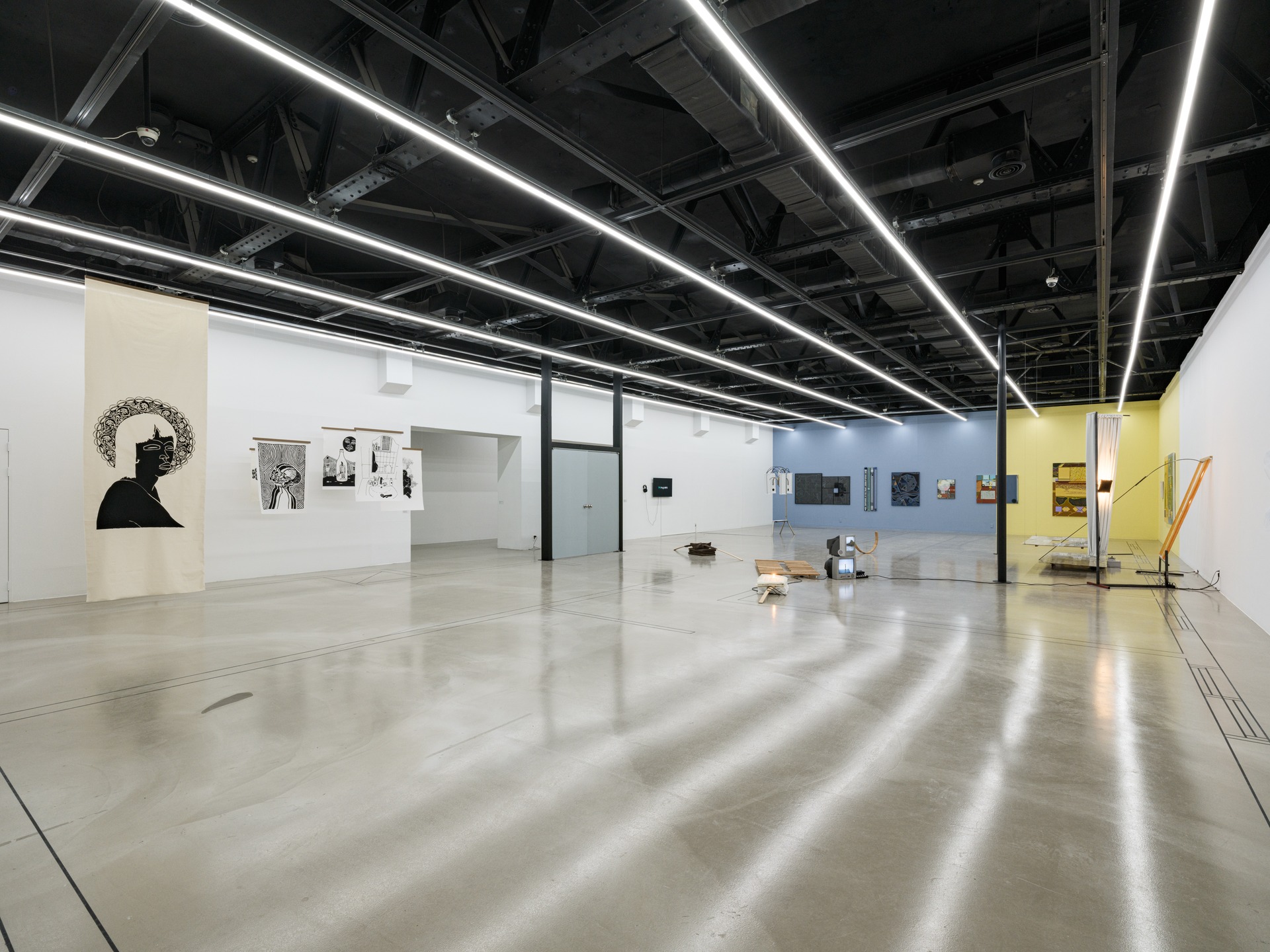
accumulated weight given by its spatiality. 《Zettelkasten》 represents as a catalyst, a
list, and an index of Park’s temporal and spatial congregations. A time is
contained within a space, and it acquires movements when the space emerges into
its actual manifestation. All these voluminous spaces and dynamic times get to
be well preserved in Park’s paintings through various forms and shapes. The
word, ‘zettelkasten’, whose etymology means a note-taking, organizational
system in a box, represents a foursquare space that traverses flows of time on
continuous variation. And, this stands as a figurative crux in Park’s practice.
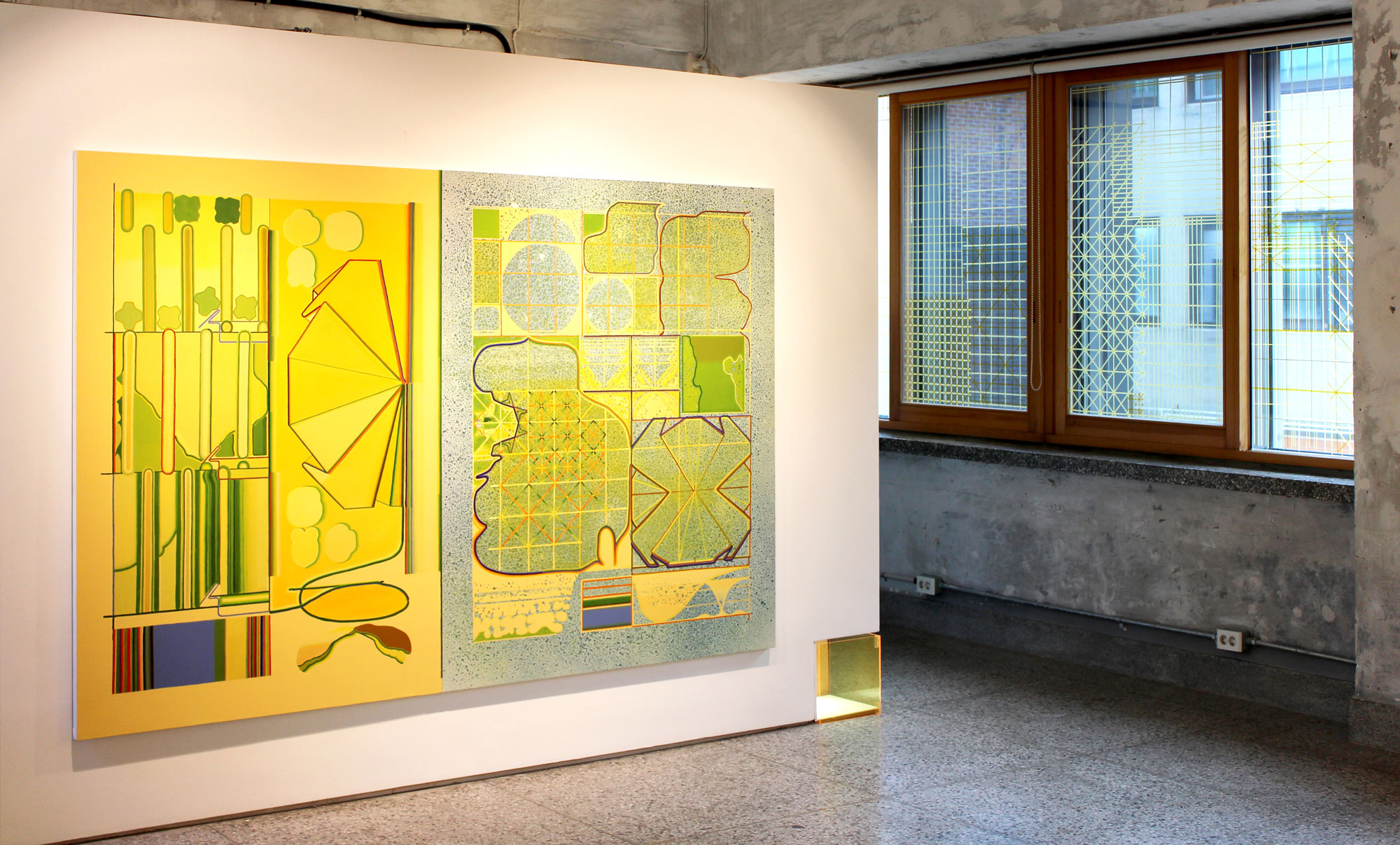
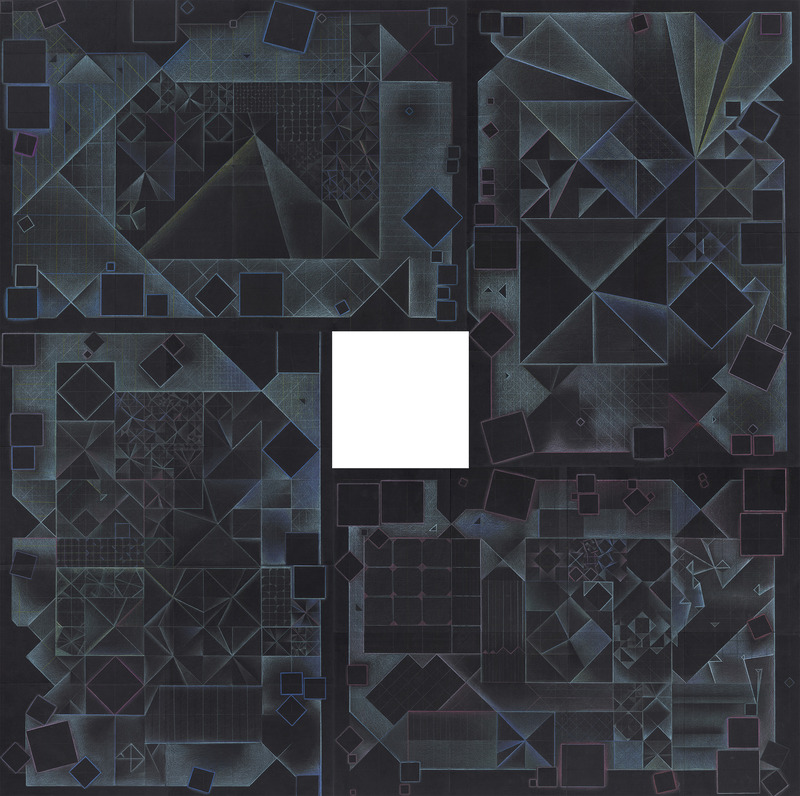
In
this body of work of ‘Zettelkasten’, the world formed in square grids is
constituted on the surface of Park’s paintings, with her inherent frame of
reference that desires to see the world through her own eye only. The square
keeps on repeating generative variables, using the endpoint of each interval as
a node of another fold. Park, then, lands at the finality through persistent,
figurative turns, folding the squares’ vertexes inwards. This transgressive
intensity defines a location, and the locality is the ontological location of
the self. Constituted by the locality and ontological existence, I converge
many worlds into I, and they face the world revealing itself at another turn of
its unfolding. Park’s base tactility itself touches the world through the act
of folding the singular surface of her squares. These hand-born figures densens
the paintings’ interiorities.
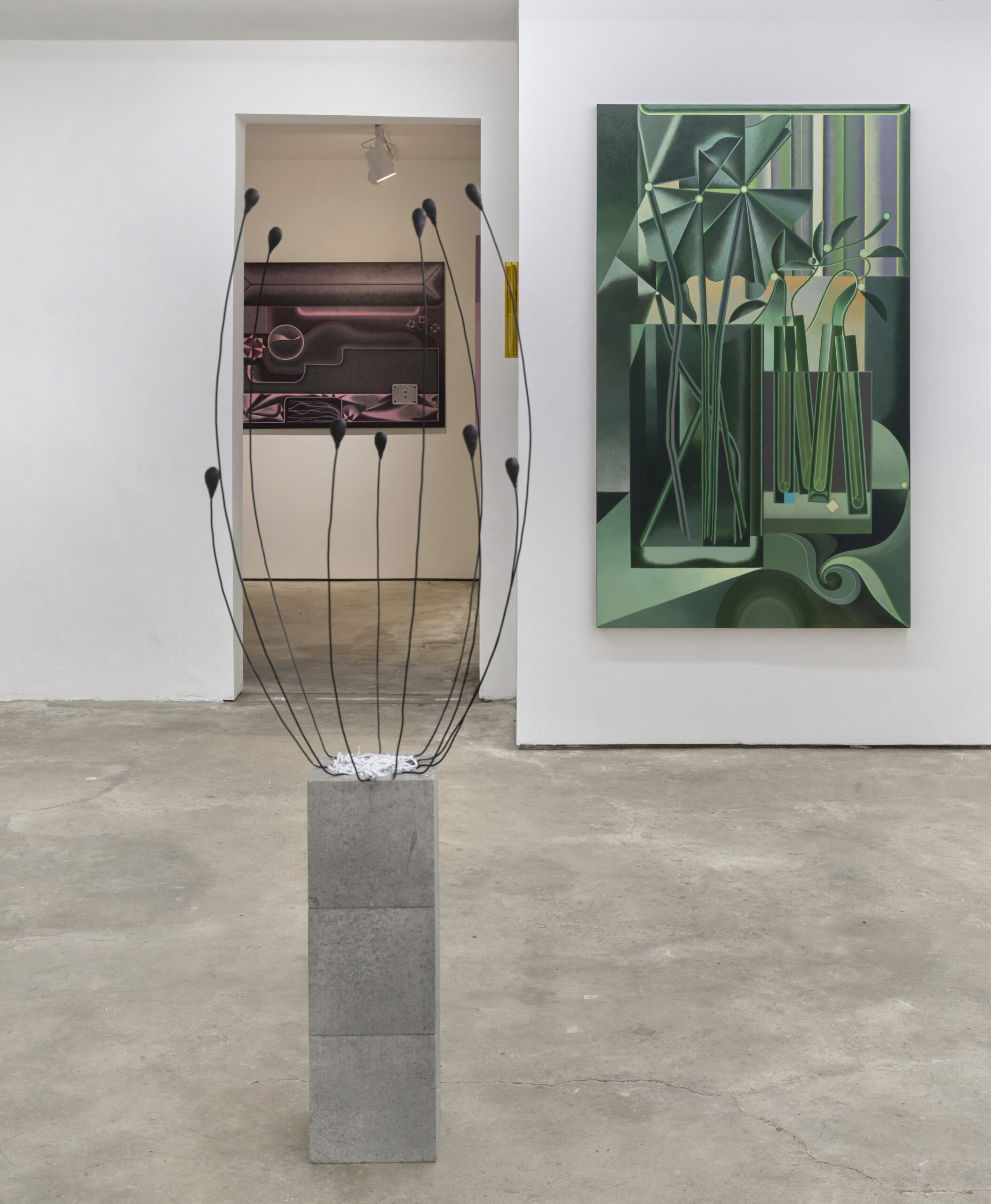
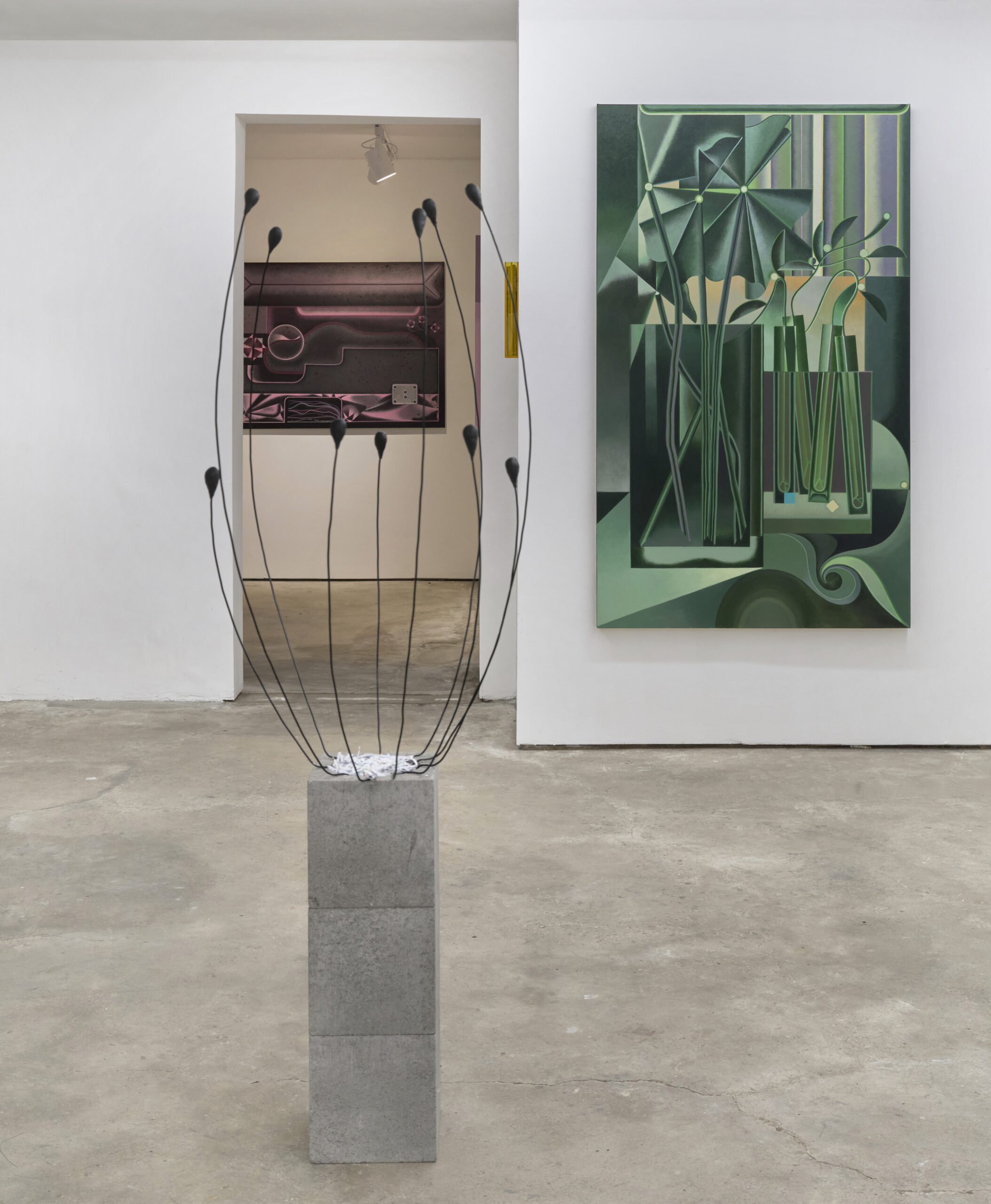
‘Zettelkasten’
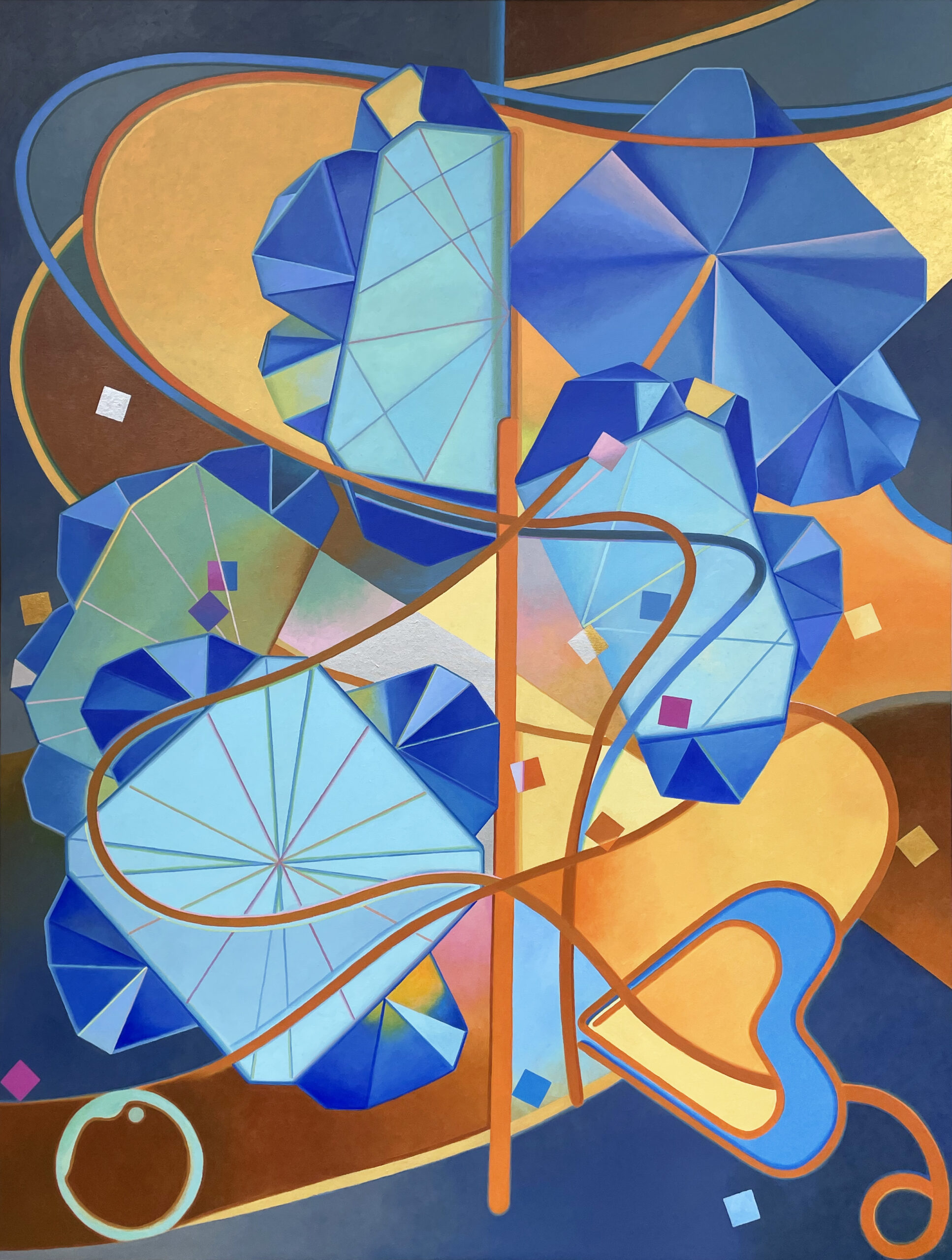
is a collection of memories assembled as a congregation of “tiny heads of
hydrangea” and “figurative shapes of thoughts,” described by the artist. It
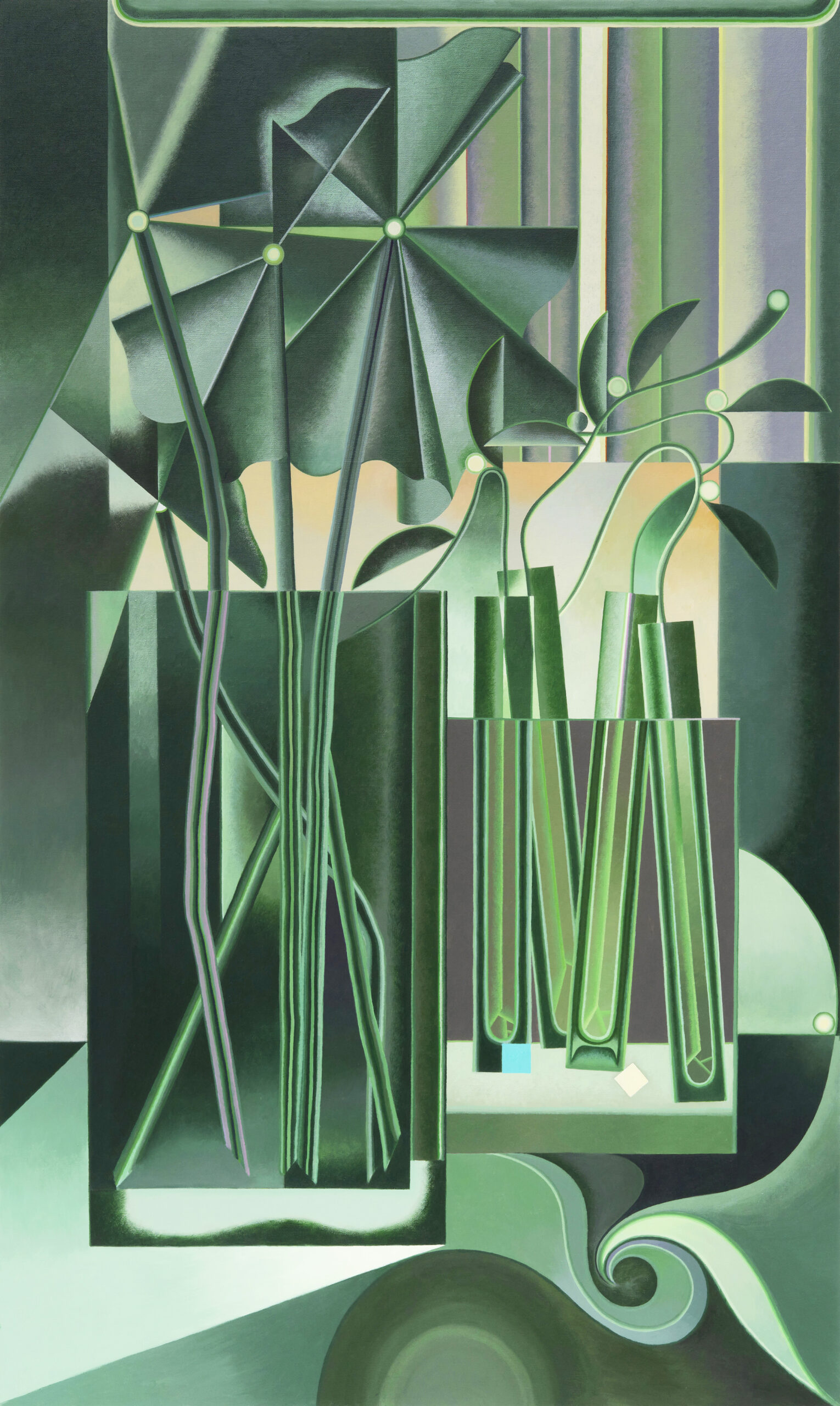
also is a collection of the archived tactility folded in her hands. Like in her
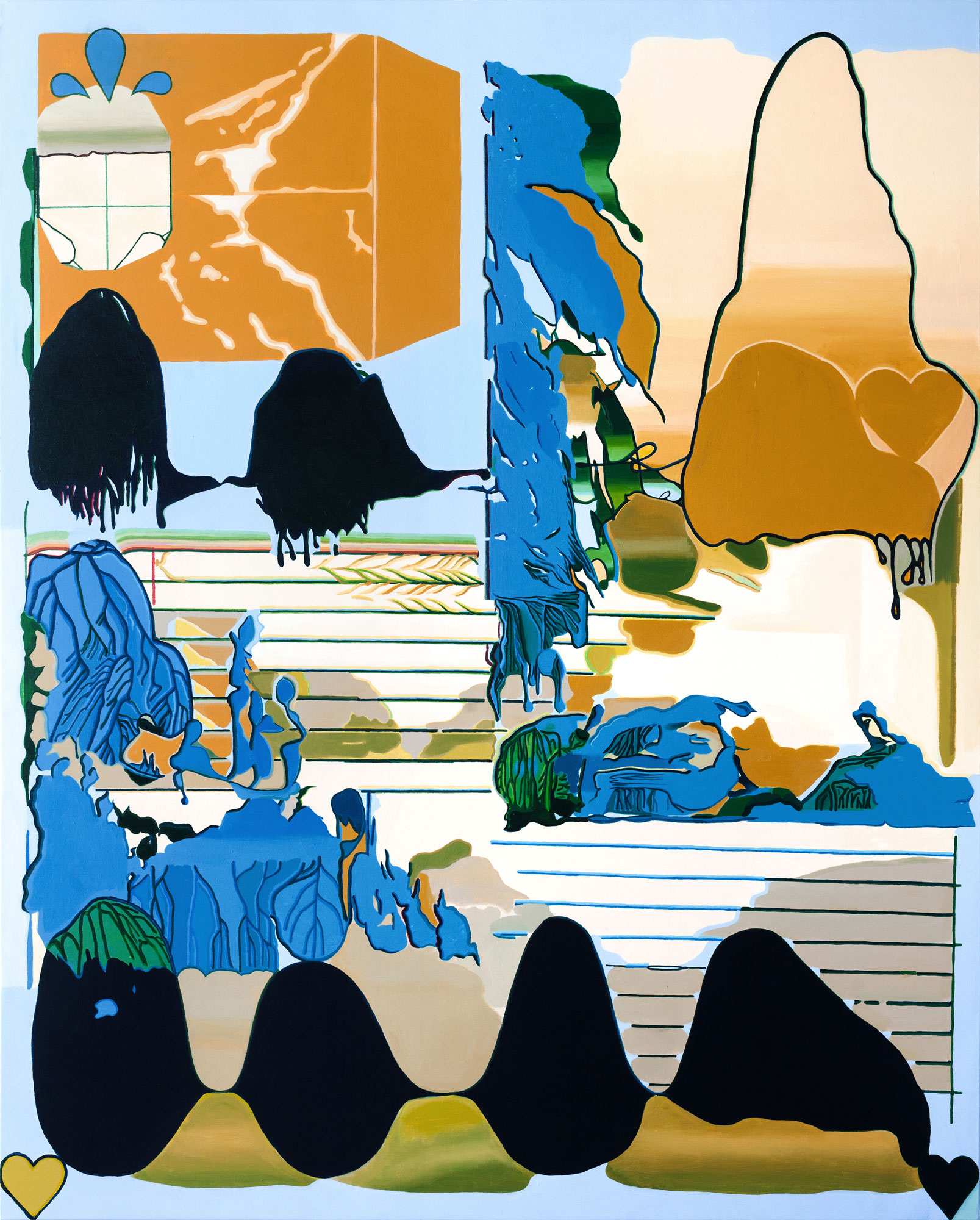
work, Clock Flower (2025), Blooming Hours
(2025), Bouquet (2025), the extension of time signifies
memories that are gathered into a handful of blossoms. Everyday moments turn
into objects that are piled up with one another in their respective
arrangements. These individual objects are often sharp, attached with separate
memos on them, or disassembled in different colors. The afterimages of the
unclassifiable memories sometimes fill the transparent, foresquare box with
shattered paper strips and replace the box with chaos.
This visual methodology
manifests the notion of the absolute time and space that have entered the
artist. It also signifies her semantic operation of memory contemplated through
objects’ metonyms. Such fabrics woven and expanded through newly inserted
semantics are transferred into the surface landscape of her paintings.
Likewise, Park’s pictorial space completes itself through the figuring which
allude to the contemplation and perception on time, and finally transforms into
a time that renews and coalesces all the trajectories of her practice.
*
Georges Perec. Species of spaces and other pieces. Penguin Press. 2008. 22;
Georges Perec, Espèces d’espaces, Galilèe, 1974, 34.