In
1819, Francisco Goya bought a small house that was called the Villa of the Deaf
Man. Goya lived there until before he exiled to Bordeaux, France in 1824. While
he was living in the villa, he created 14 pieces of wall painting, and they
include his famous Saturn Devouring His Son and The
Dog, which were part of them. The gloomy and violent shapes that
became famous for their dark colors and dreary atmosphere are seen in the
depiction of the god devouring his son and the dog that can only be seen with
its head as if it is buried somewhere. These paintings came to be called ‘The
Black Paintings’ at a later date. ‘The Black Paintings’, painted by the
secluding old master with a broken body and heart, drive the viewers to some
existential anxiety by representing the bleak landscapes like nightmares.
It
is interesting that this series is called ‘The Black Paintings’. The color
black used to be an ominous color or a color of a nightmare from time to time,
therefore the name fitted well when representational and narrative functions
were still operating in paintings. However, after about a century from when
‘The Black Paintings’ were made, the use of black color was discovered from
somewhere very different.
In
1913, Kazimir Malevich created Black Square. On the
empty canvas, the black square was painted in oils. This painting means the
possibility to a new world completed from inside as the absolute symbol that
does not represent or show anything. As the
‘zero point of painting,’ Black Square opened
up the new horizon of visual form, becoming the icon of Suprematism and the
religious Icon.
Nevertheless,
when modernism and the relevant art was weakened later, Black
Square became to be sublimed or degraded as the subject of
jokes. Because the representativeness, earned from its particular simple shape,
was appropriate to become subject of appropriation, it was inspirational in
many ways. Among the inspired ones, Ad Reinhardt made the screens that directly
counteracted to Black Square and tried to think about the “Ultimate” grammar of
painting. Reinhardt created ‘quasi -Black Painting’ and
then added the bald title, ‘Abstract Painting’, to make paintings that
operate critically about the abstract form caused by Suprematism.
His quasi-screens accomplished the black screens without using black
color, making them half-playful and half-critical.
This
was a story related to the black color but not all about it. As Reinhardt did,
taking an approach to the black color by not using the color was the result of
a more delicate thought about the sedimentation of the stratum (in painting)
after the certain moment in history. Although every applicable color in a
painting has its own gravity, the weight of black offered by an artist is
sometimes slightly different from that of red, green, or blue.
Park
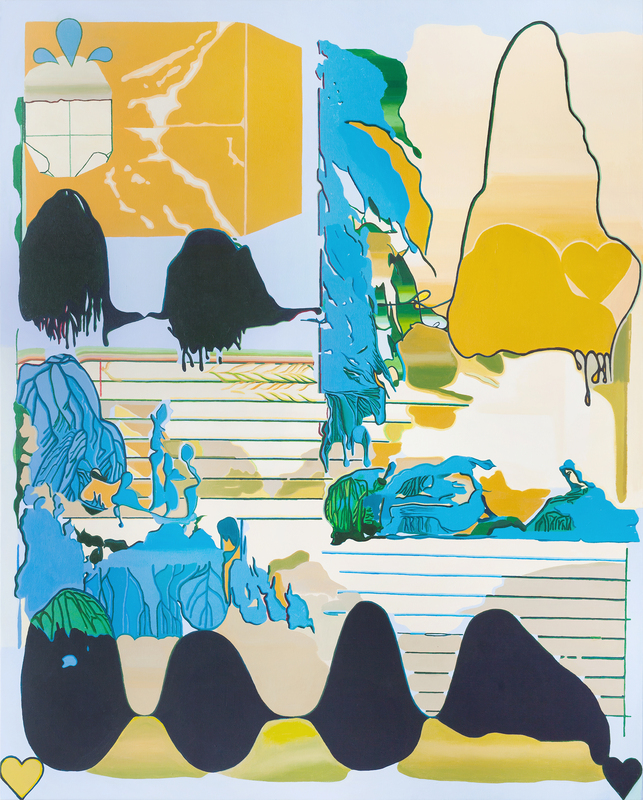
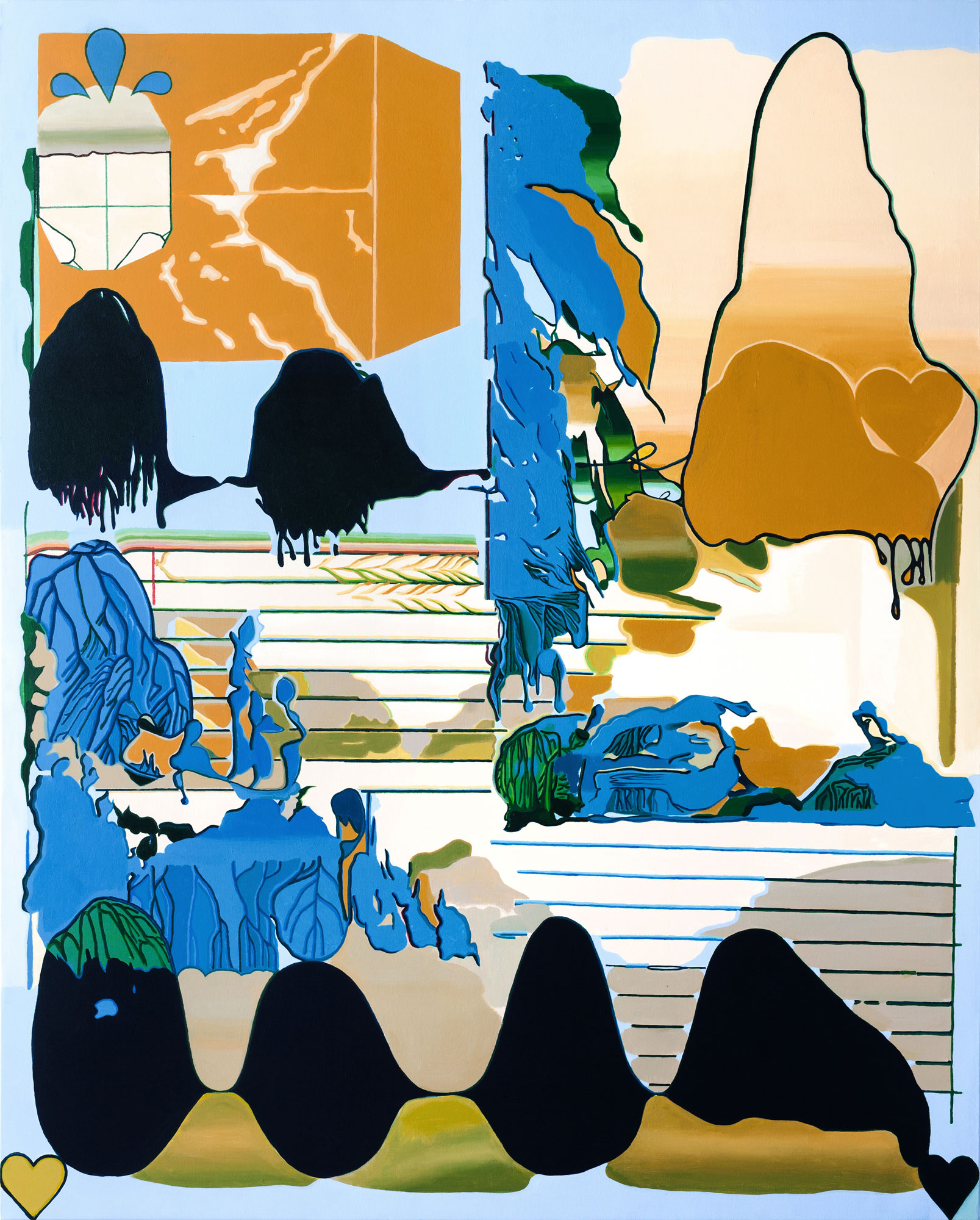
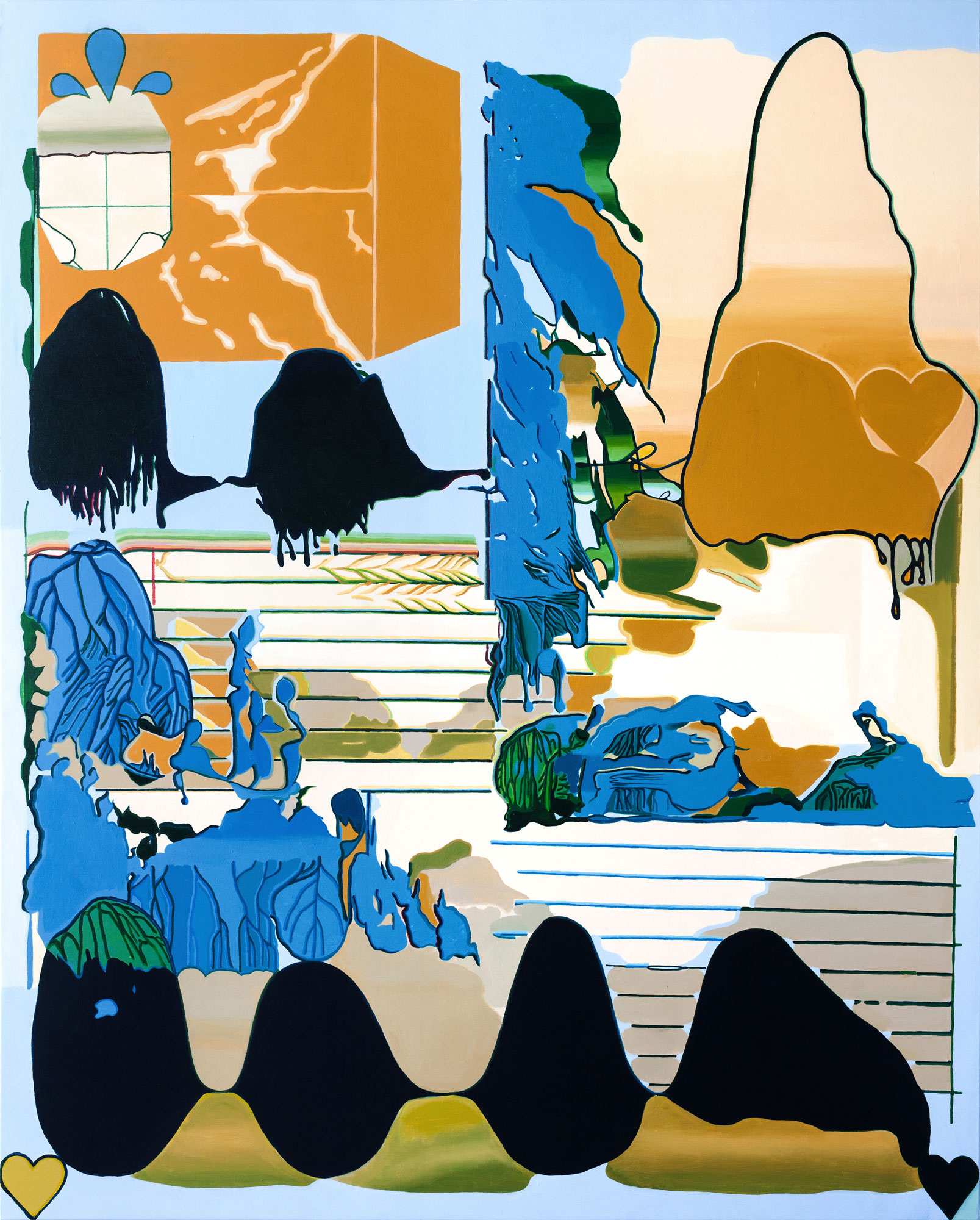
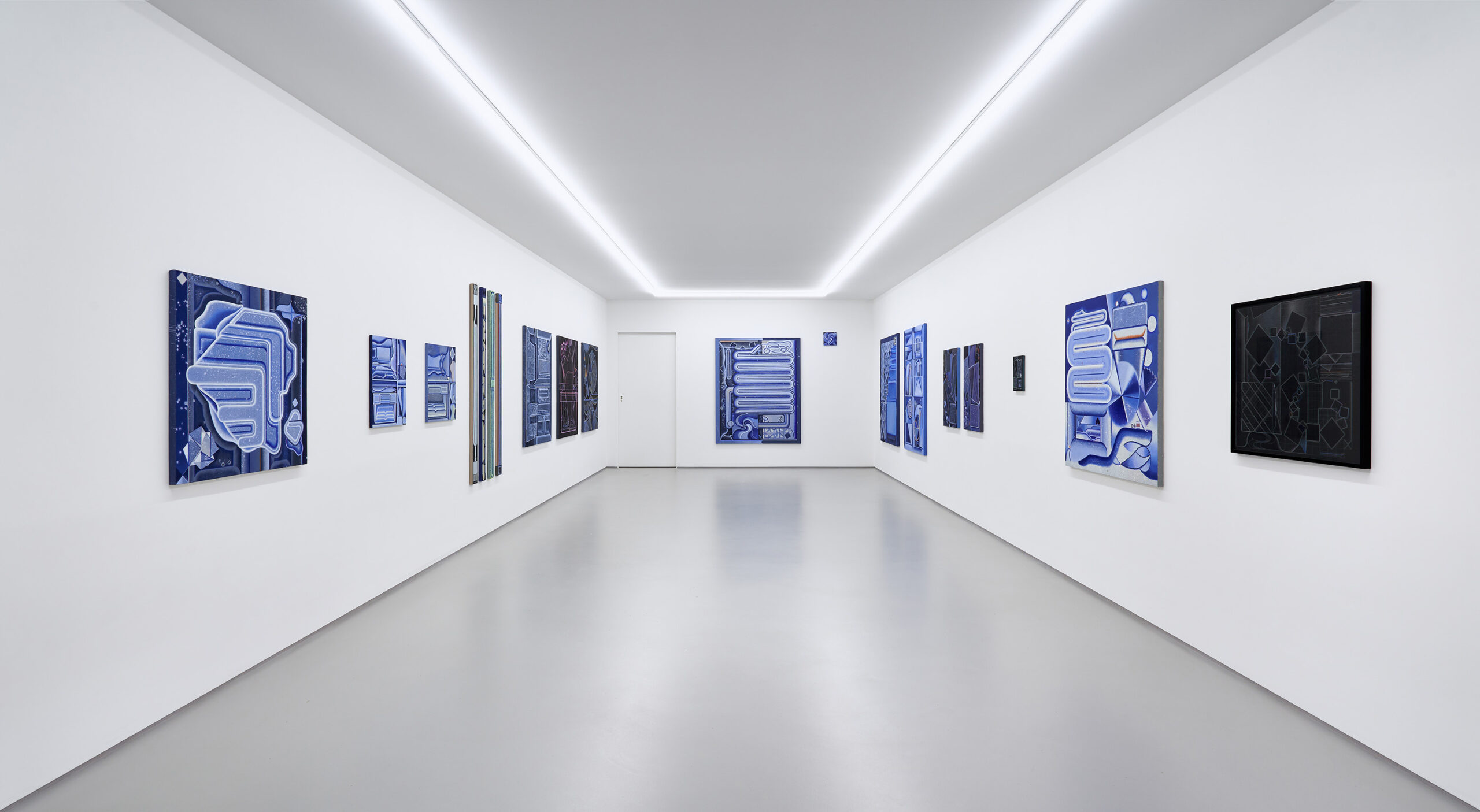
Junghae’s Dear, Drops also has the impressive
black color. The black drop on a side of the painting looks black, but it is
not entirely so. On the tip of the side, completely different colors drip from
it and show themselves furtively. This device implies that the black in the
painting is, in fact, an illusion.
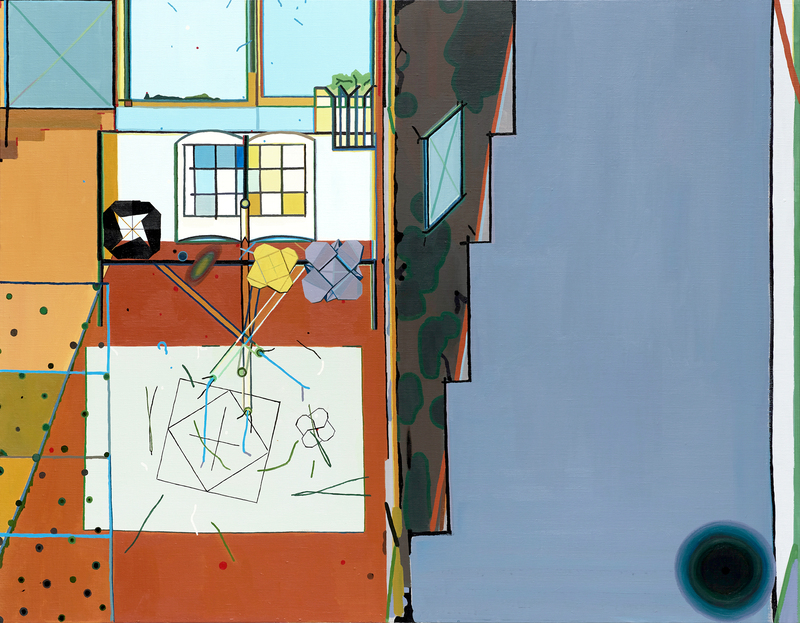
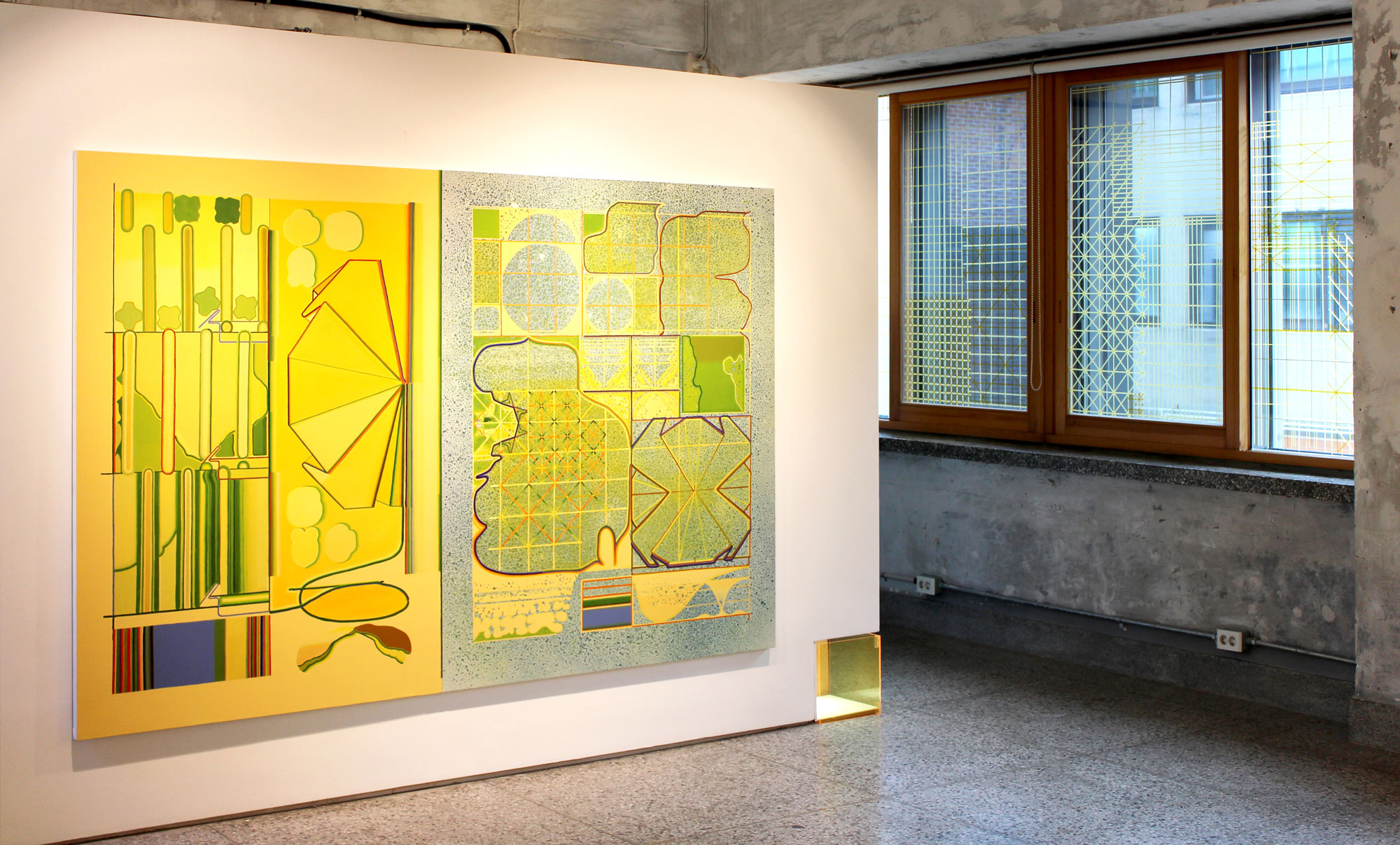
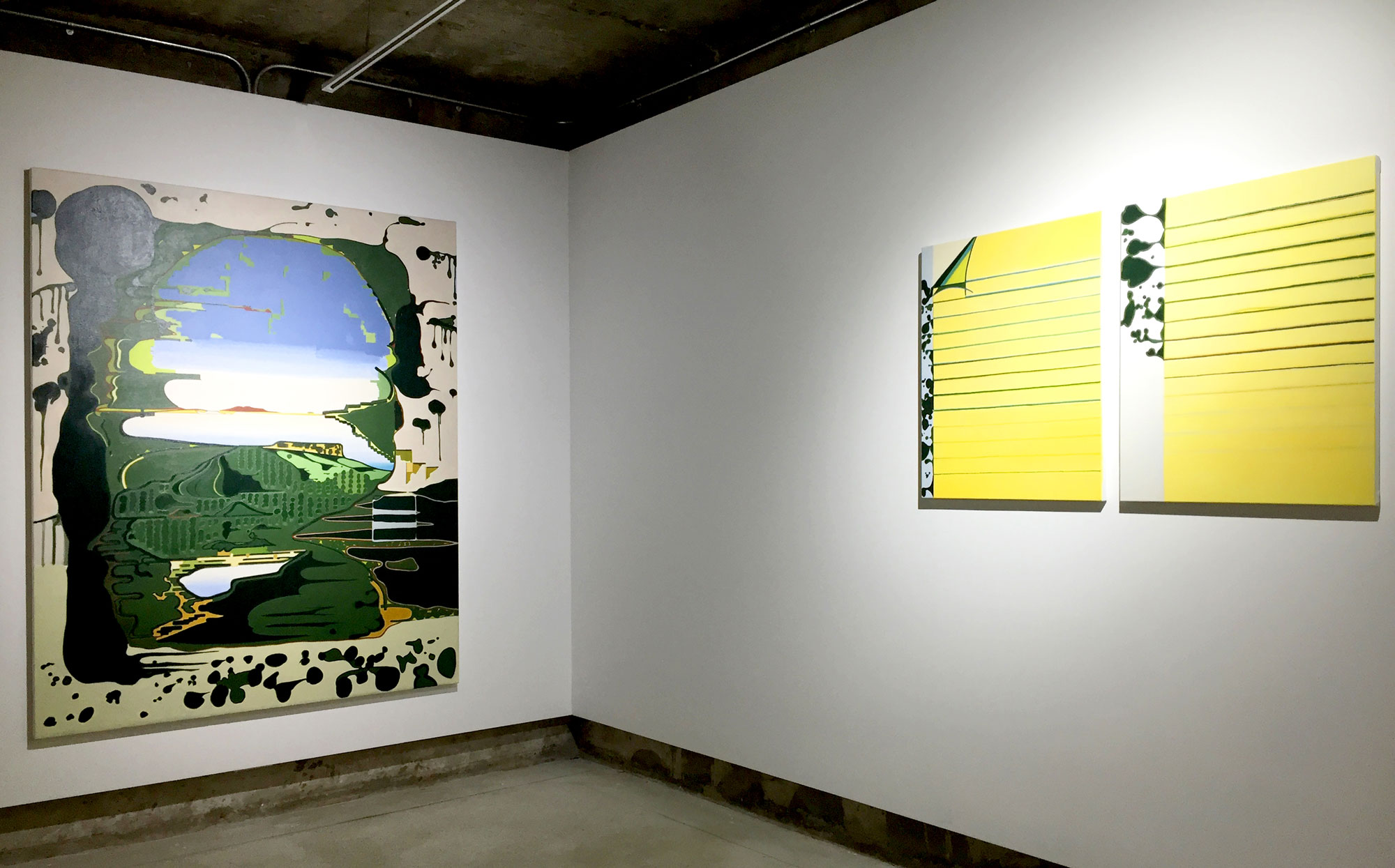
Although it might not be a story that can be
applied to all of her paintings, Park is conscious of a certain story about the
color when she paints. Because of the consciousness, the drop implies to a
certain degree about how her paintings are created. So to speak, this method
seems like the method hypothesizing a certain point in the middle, which should
be considered in order to deal with the certain number of forces in a flexible
way. In the process, the screen that is neither representational nor abstract
refers and eliminates each trait, and is (in)completed as something that is
‘not representational’ and ‘not abstract.’
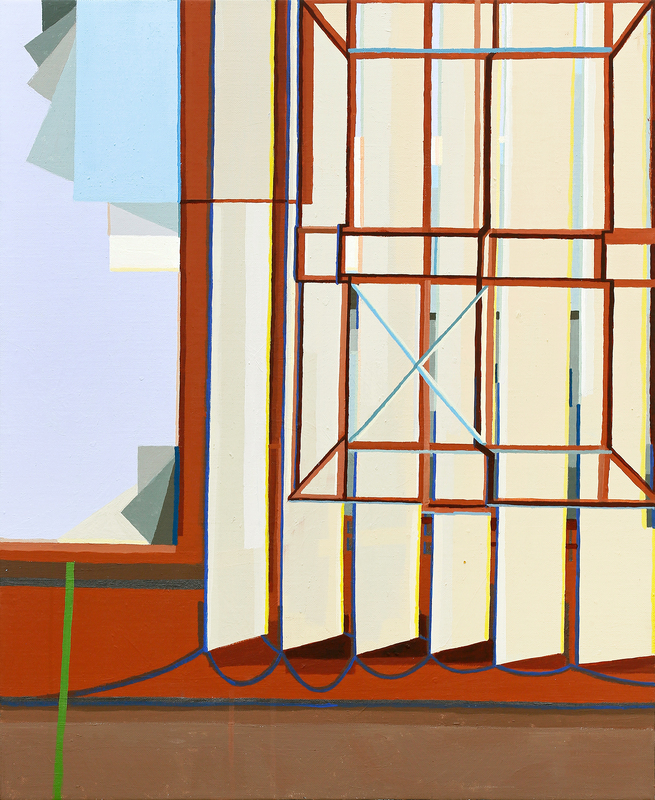
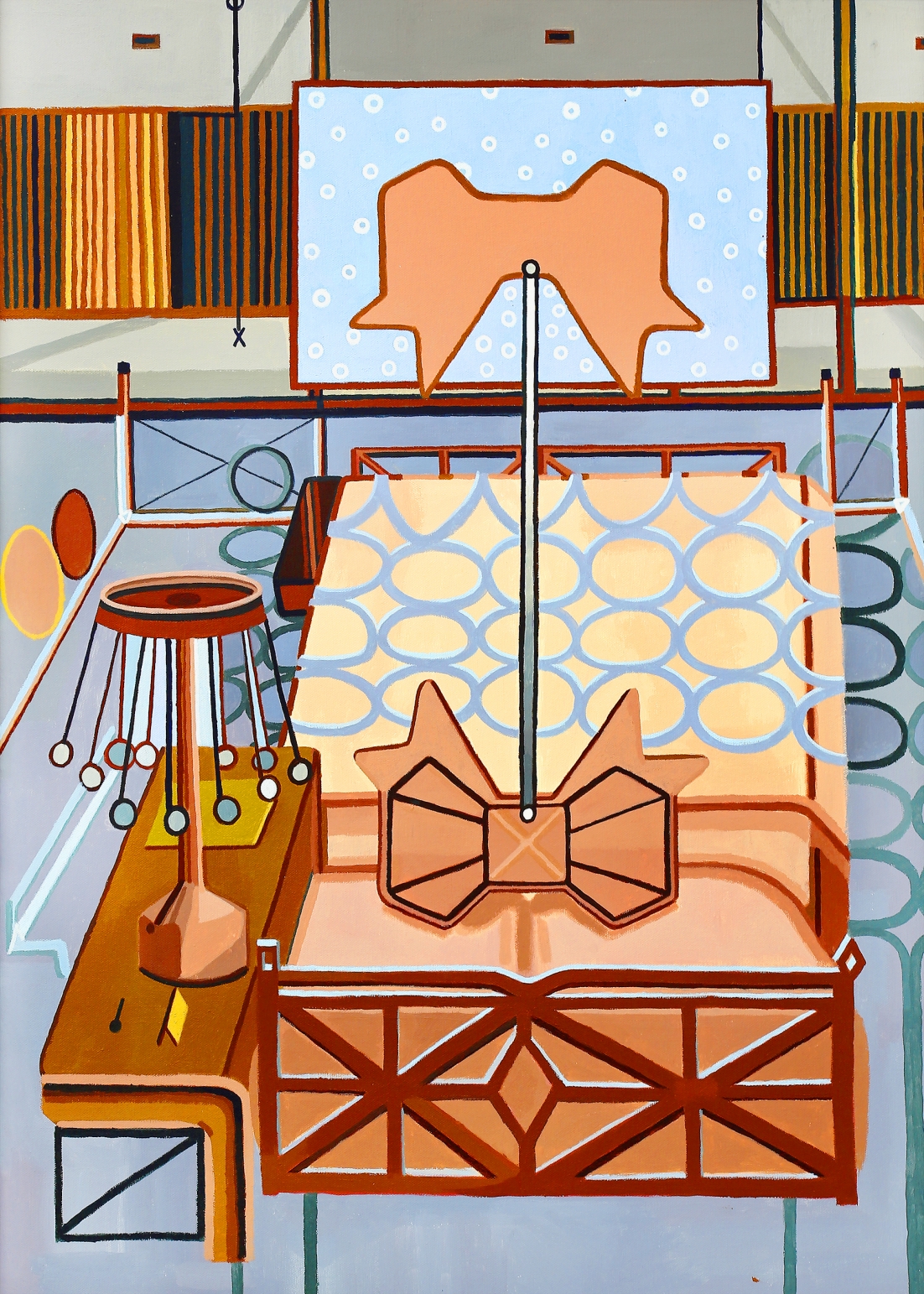
Her screens roam around the
possibility/impossibility and meaning/meaninglessness, and the still life that
is not still life and the landscape that is not landscape are used to do their
job to observe and take the ungraspable present. They leave the temporary
scenes on canvases and disappear. What we can see darkly through the black is
not the linear narrative that overcomes or criticizes, but the temporary
moment. The screen Park creates is also related to this grammar of the
moments.