Exhibitions
《The Flexible Boundaries》, 2022.01.12 – 2022.02.12, Gallery Baton
January 12, 2022
Gallery Baton
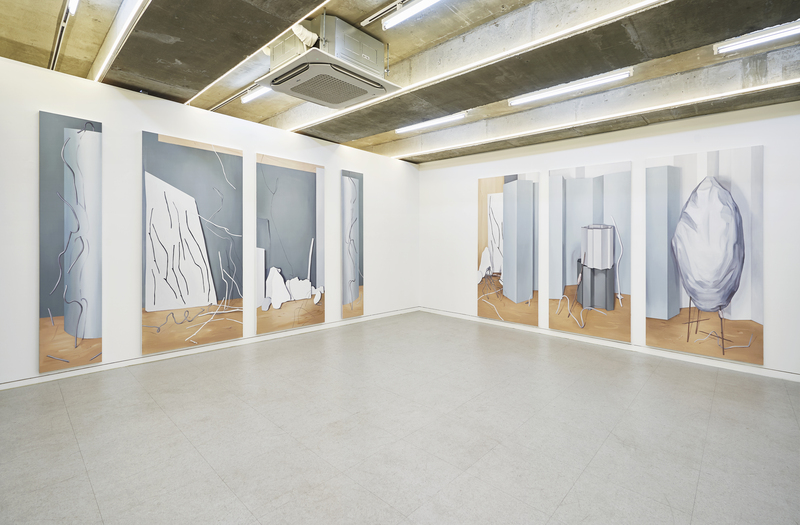
 Installation
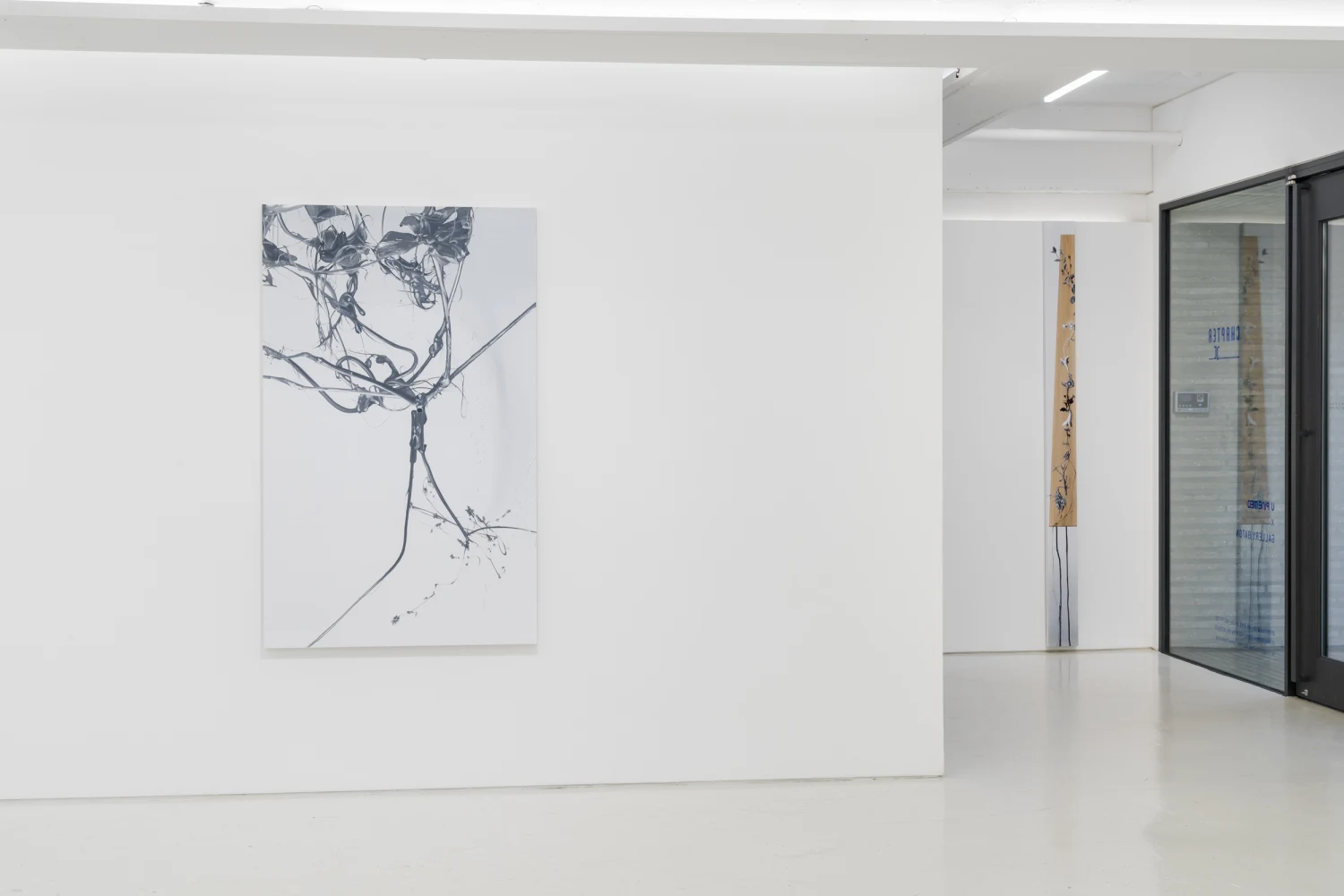
view of 《The Flexible Boundaries》 © Gallery Baton
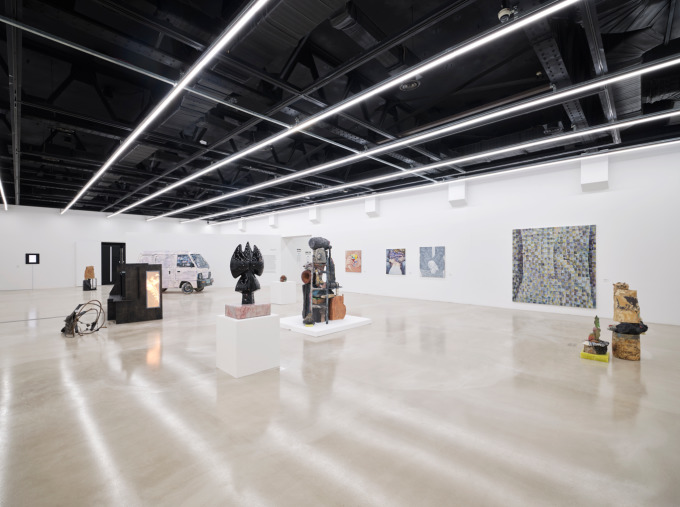
Installation
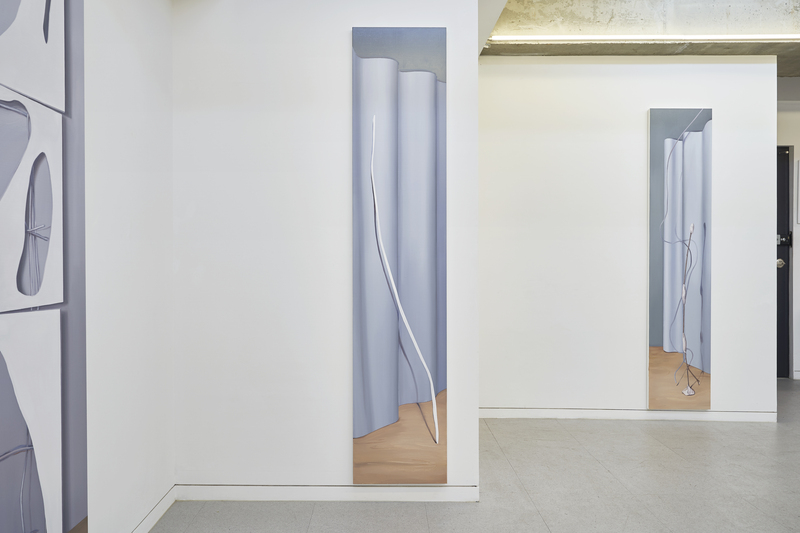
view of 《The Flexible Boundaries》 © Gallery Baton
Gallery Baton is pleased to
announce 《The Flexible Boundaries》, a group exhibition of works by 6 Korean artists, from 12th
January to 12th February 2022 in Hannam-dong, Seoul.
The lexical definition of 'Fine
Art' suggests only a vague boundary in broad terms. What practically matters in
terms of ‘art’ and ‘artworks’—action and its results respectively—is producing
a complete outcome. Although a variety of approaches and interpretations appear
in the phase of criticism and appreciation and what the artworks indicate can
be combined with social-political implications, these objectively belong to the
territory of interpretation rather than creation.
In order to create a certain
visual experience, artists’ creative motives and ideas need to be intertwined
with physical elements—media or materials. Thus, the physical limits inevitably
follow throughout the process of creation. The framework of ‘Visual Art’ often
demands ‘moderation’ in artworks since they can not transcend general
constraints such as weight, breadth and height perceived depending on standard
scales of human bodies and feasible recognition ranges.
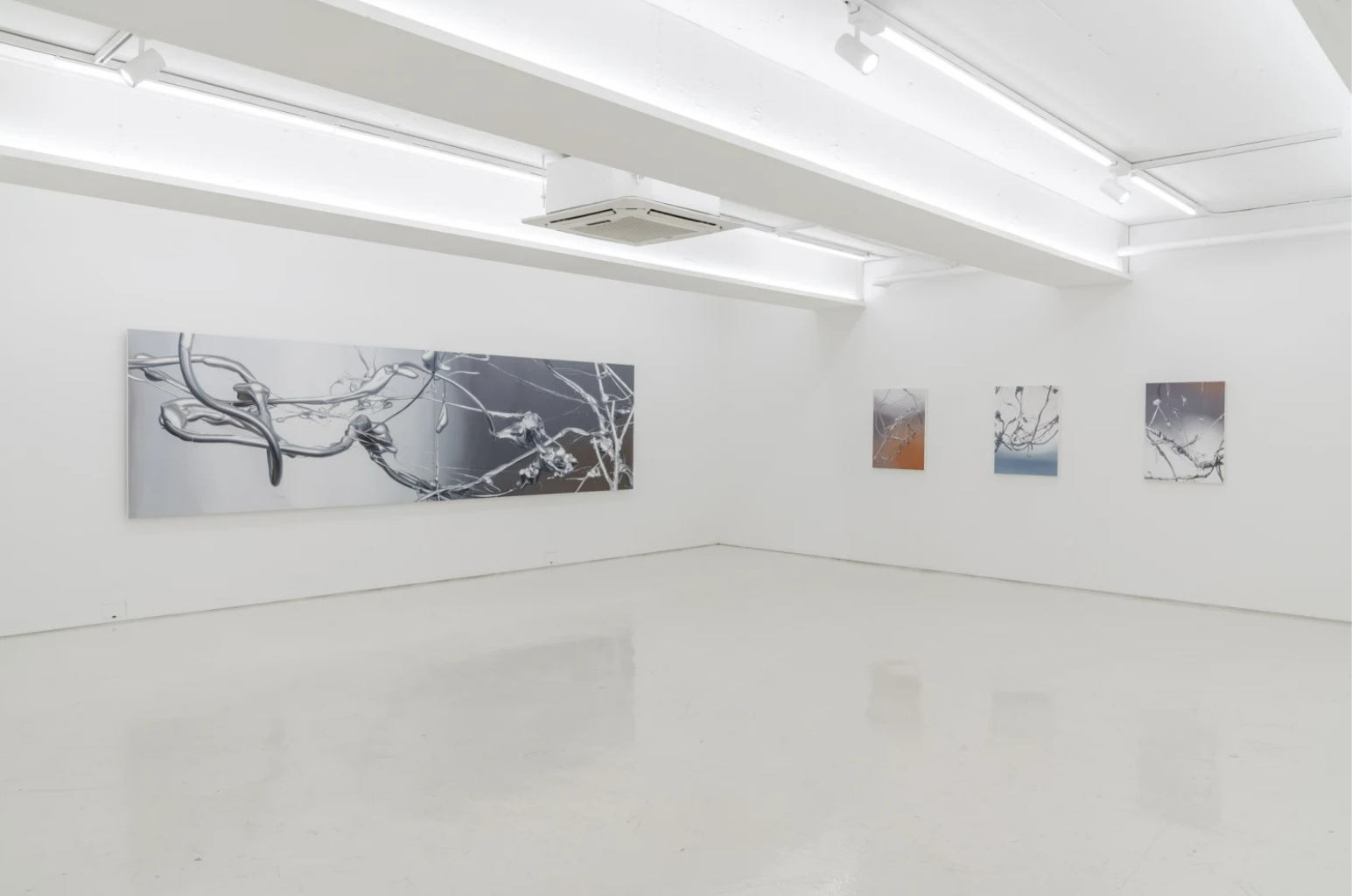
 Installation view of 《The Flexible Boundaries》 ©
Gallery Baton
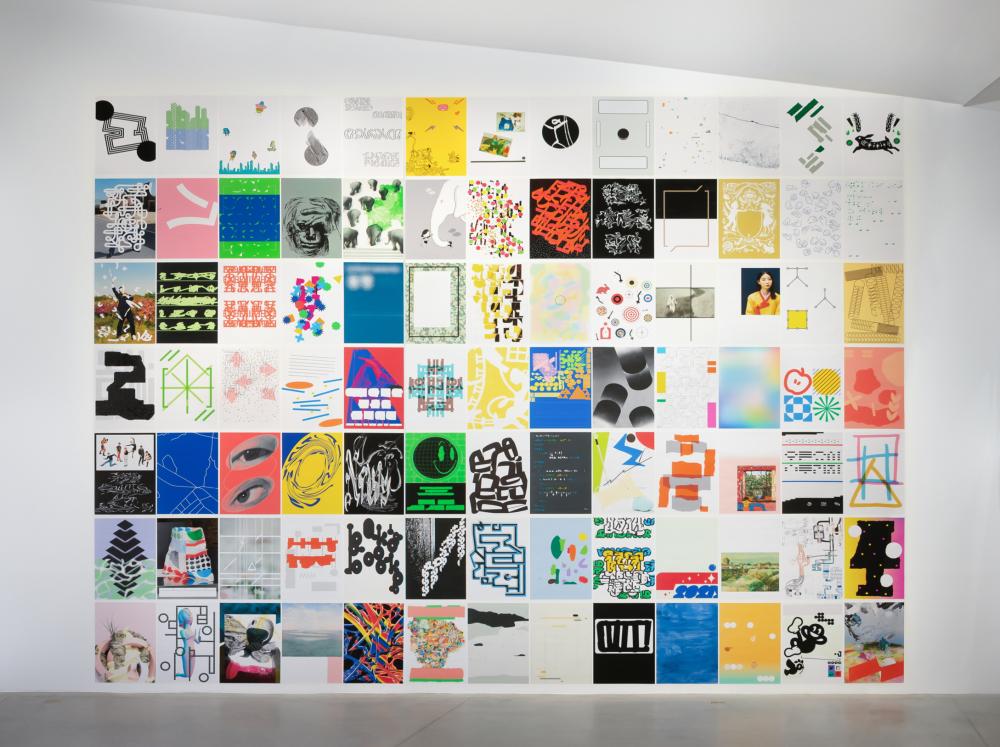
Installation view of 《The Flexible Boundaries》 ©
Gallery Baton
This exhibition has an omnibus
structure presenting each result of challenging, accepting and breaking such
limits by the six artists, Bae YoonHwan, Rho Eunjoo, Kang CheolGyu, Lee
UeSung, Rhee ChaeEun and Choi SooJung. What the audience could
enjoy in the exhibition is a rhizomatic harmony achieved by different
approaches; an extension and modification of fundamental limitations and
properties of specific media (Choi SooJung, Lee UeSung); an investigation into
possibilities of coexistence between fine art and particular messages (Bae
YoonHwan, Kang CheolGyu, Rhee ChaeEun); a new alternative of painting’s
performative procedures (Rho Eunjoo).
The signatures of previous works
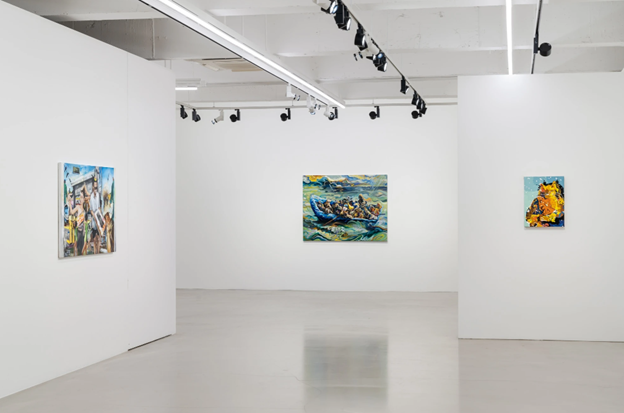
by Bae YoonHwan (b. 1983) were ingeniously rearranging apocryphal
stories remaining in one’s subconscious mind and vividly describing them with
rough brush strokes whereas he has brought personified animals in his new work
to create a witty yet eccentric ambience and subtly unveil a substantial
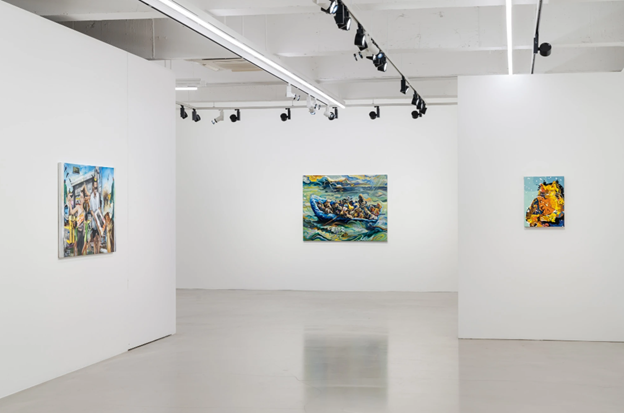
context behind the surface. Sunbathing on the Ice (2021)
depicting a raucous moment of a group of bears on a blue boat creates an
impending tension caused by the composition dividing the upper and lower parts
and movements of the subjects embodied in dynamic strokes.
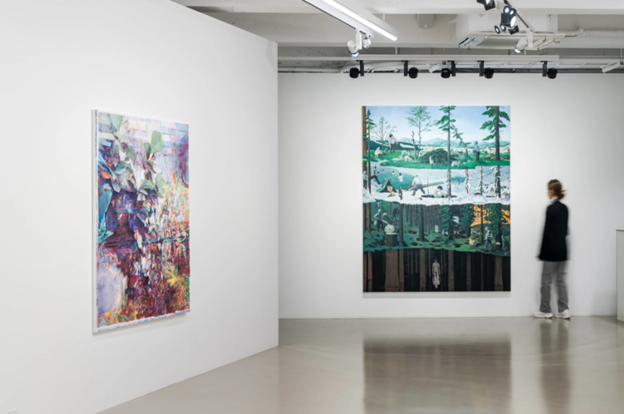
Having his novelist’s career, the
way Kang CheolGyu (b. 1990) unfolds his narratives and motifs onto
canvases has similarities with how he writes a novel. By selecting painting as
a mediator, Kang allows the characters and their surroundings in his practice
to penetrate into the unknown realm beyond language constructing a delicate
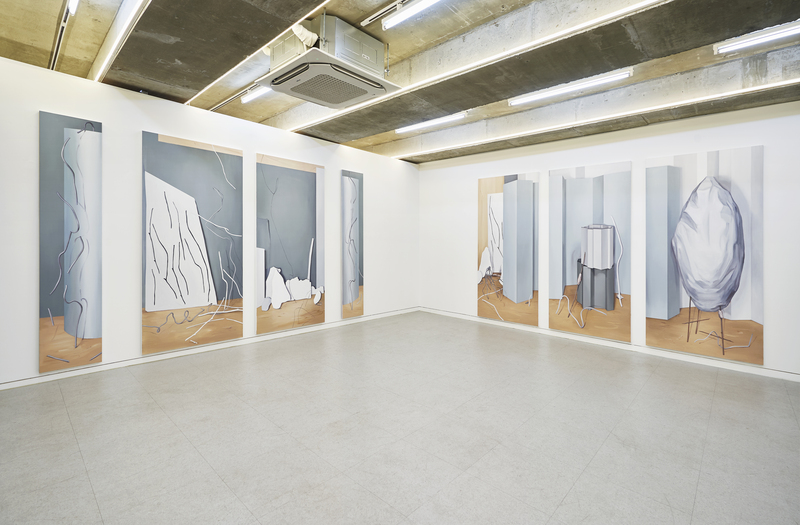
hierarchy. Penetration (2021) whose four parts are
vertically juxtaposed deals with a sensitive issue of the forest’s development
and destruction depending on the change of seasons and time lapse with his
detailed expression. The sequences show interaction among sophisticatedly
arrayed separate sections and the flows of the climax as though they
established a condensed storyline of a novel.
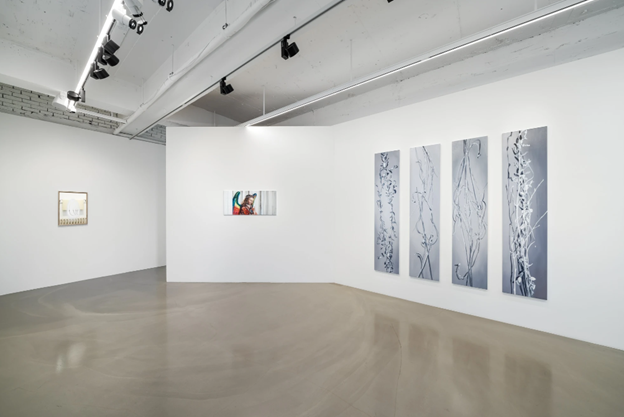
Rhee ChaeEun (b.
1979) has been concentrating on selecting social phenomena of the contemporary
society where she belongs and the dynamics of its members to reflect them onto
her paintings. While her previous works had several traits of ‘reportage’, she
has recently experimented on an organic combination of the depicted scenes’
allegorical compositions with all-over painting techniques through consistent
observation and subjective investigation on the style of paintings in the
Renaissance. In the case of Rainbow Wings (2021),
Rhee adopts the upper half figure of the Angel Gabriel in The
Annunciation (1434-36) by Jan van Eyck; she manages to not only
maintain the technical details of the original work but also reveal the
contemporary aspects by employing dramatic formations evoking the cropped
layout and applying the effect of air-brush.
 Installation view of 《The Flexible Boundaries》 ©
Gallery Baton
Installation view of 《The Flexible Boundaries》 ©
Gallery Baton
Choi SooJung (b. 1977) has
made recent advances in embroidering in color threads over shapes painted in
acrylics on canvases since her time in the CAN Foundation Residency. She
depicts a forest landscape where exotic plants grow; the scenery re-encoded on
the basis of the RGB color mechanism still has the appearance of the original
image while it is seen as three-dimensional causing an optical illusion in
which the outlines are smudged. Refraction (2021)
has an effect in which the spectrum of the images filtered into the three
primary colors overlaps emphasizing a partial abstract impression. The
extrusion of the integrated vivid embroidered lines in the irregular pattern
from a stamen to a branch ultimately vitalizes the entire space of a canvas responding
to rays of light.
Lee UeSung (b. 1982) has
explored how each life of individuals has connected to the complex social
structures and how art can raise some questions about the situation and address
alternatives. The signature of his methodology is that he leaves the appearances
of objects as they are however he dramatically shifts their intrinsic material
characteristics. Benefiting from Dadaism’s tradition, these elaborately
produced works deliver the artist’s point of view in a metaphorical
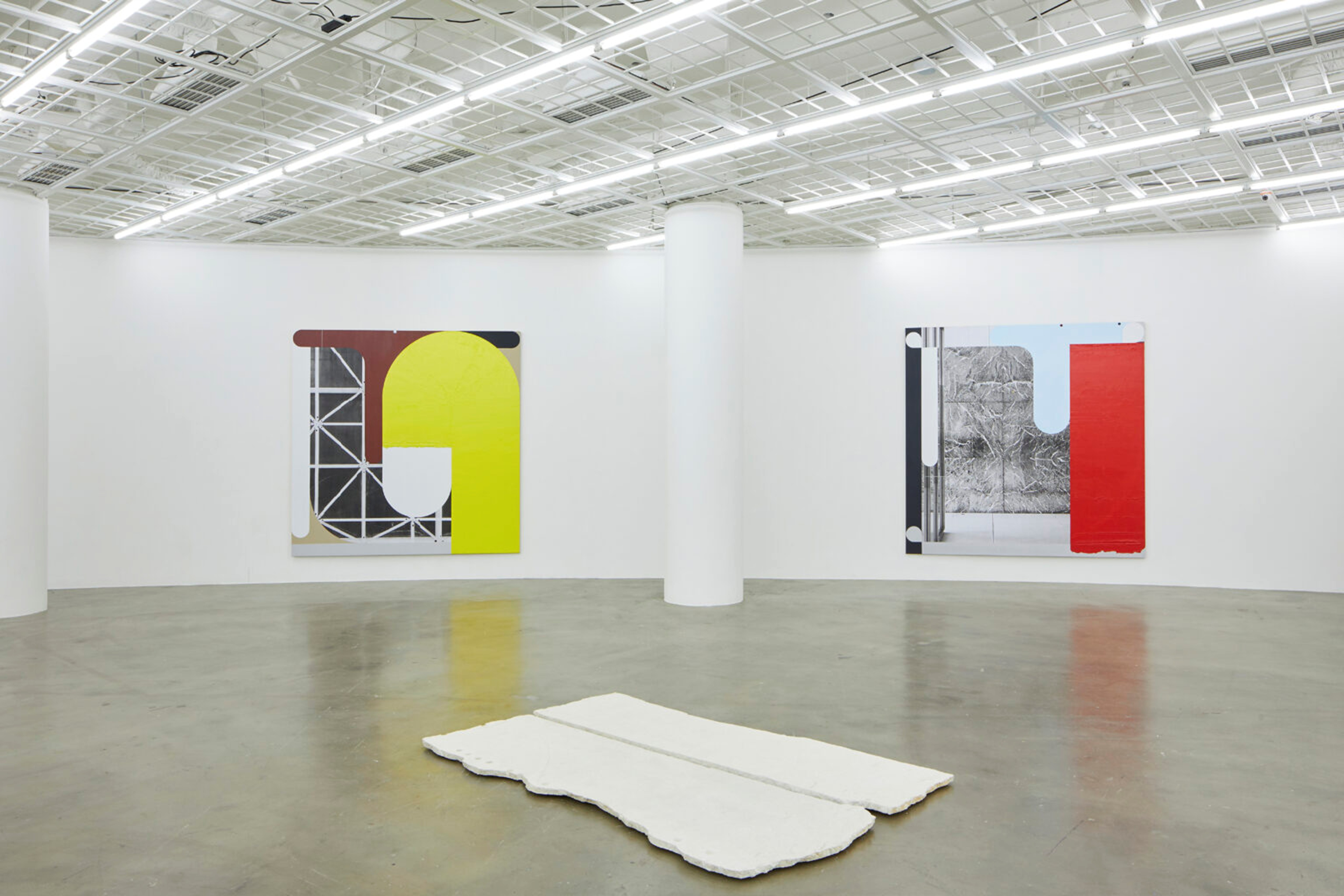
manner. Thermo°layer (2019) displayed in a
separate space facing aside the road represents the typical wall whose glass
windows are framed in a grid arrangement at a glimpse, though the glass shapes
are actually wax panels in the shape of air bubble sheets. Although this
installation which can be categorized in Sol LeWitt’s concept of ‘Structure’
borrows the Ready-made format, it is paradoxically opposed to what the word
fundamentally means.
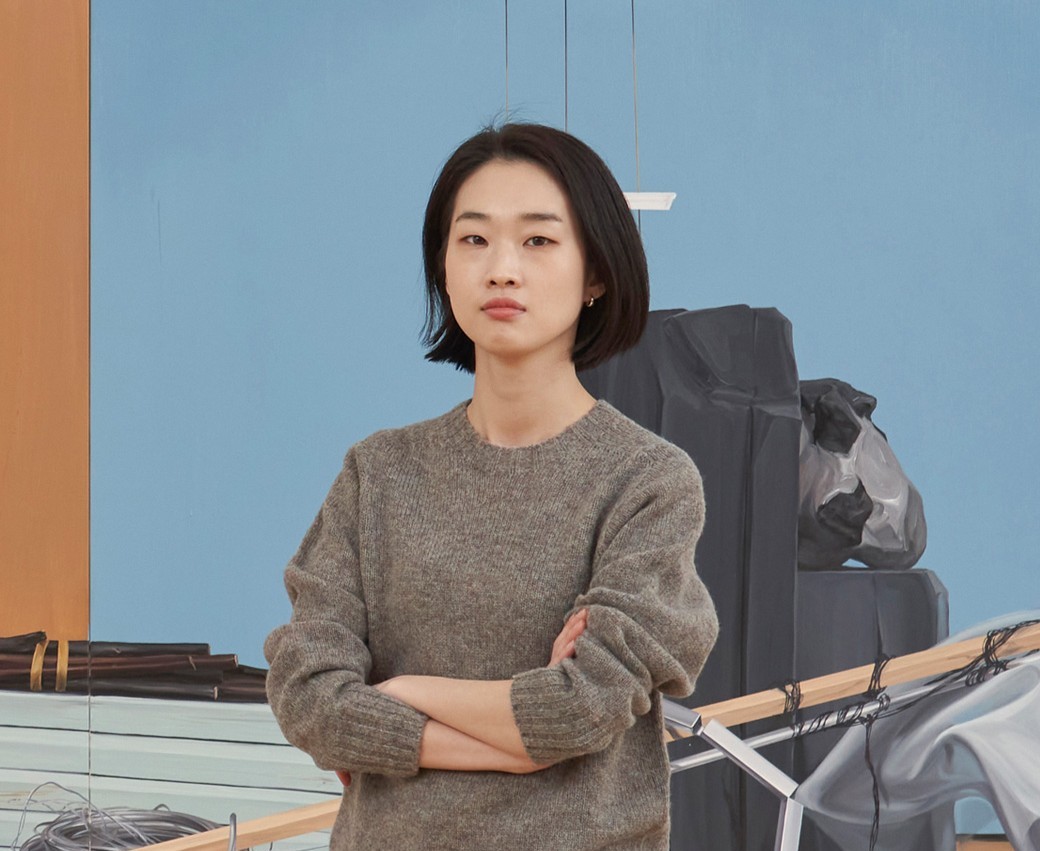
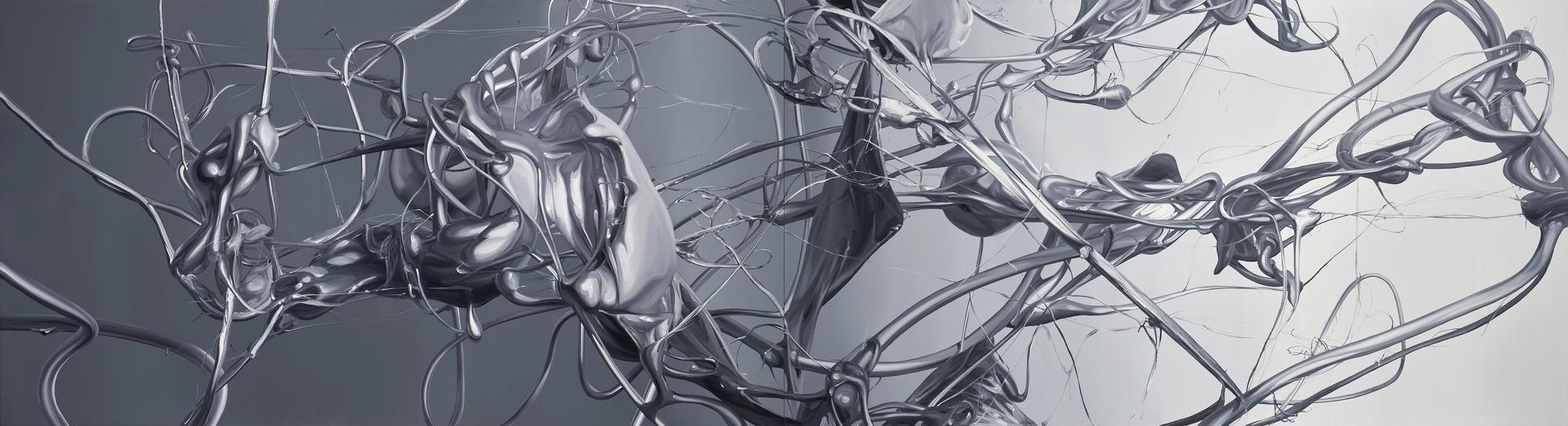
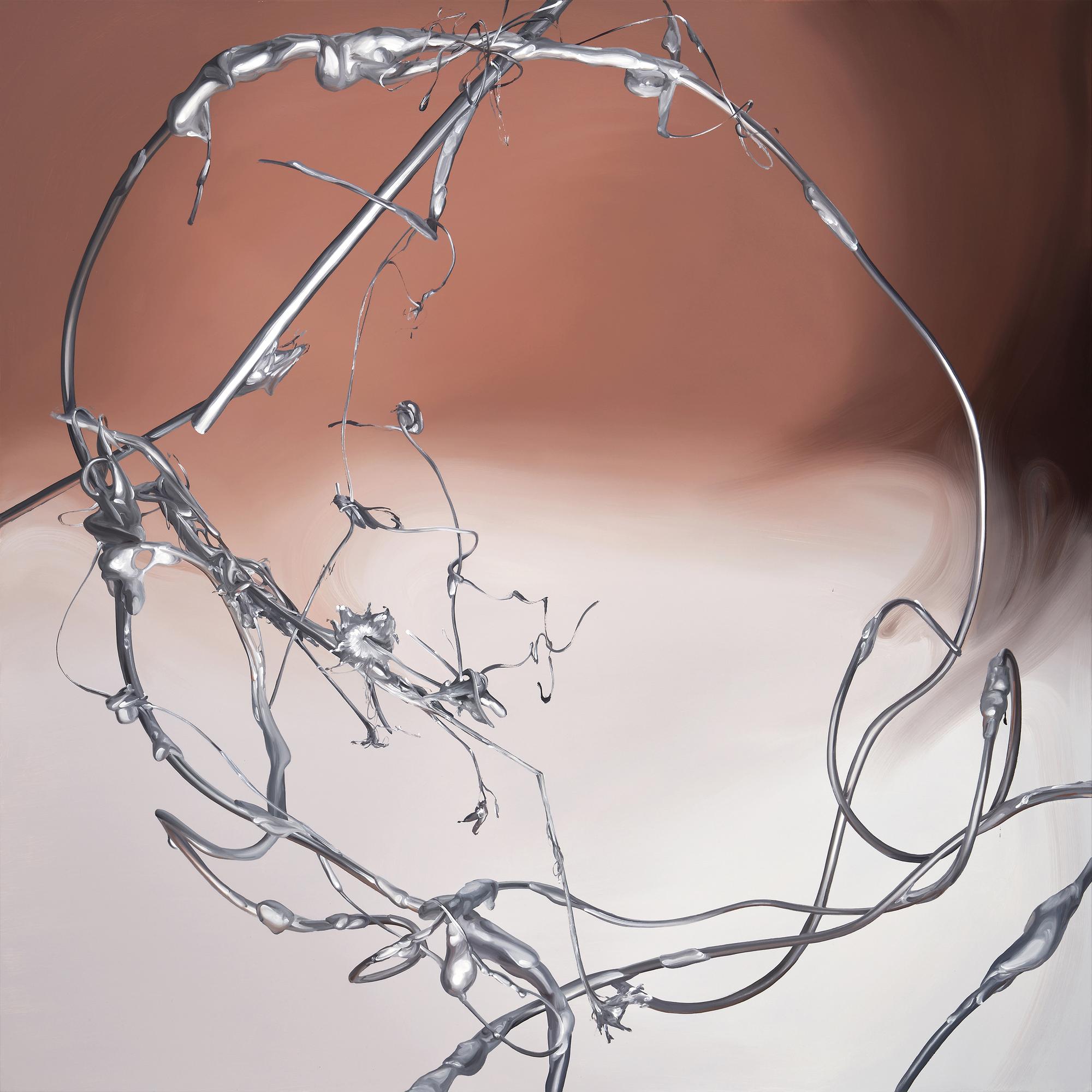
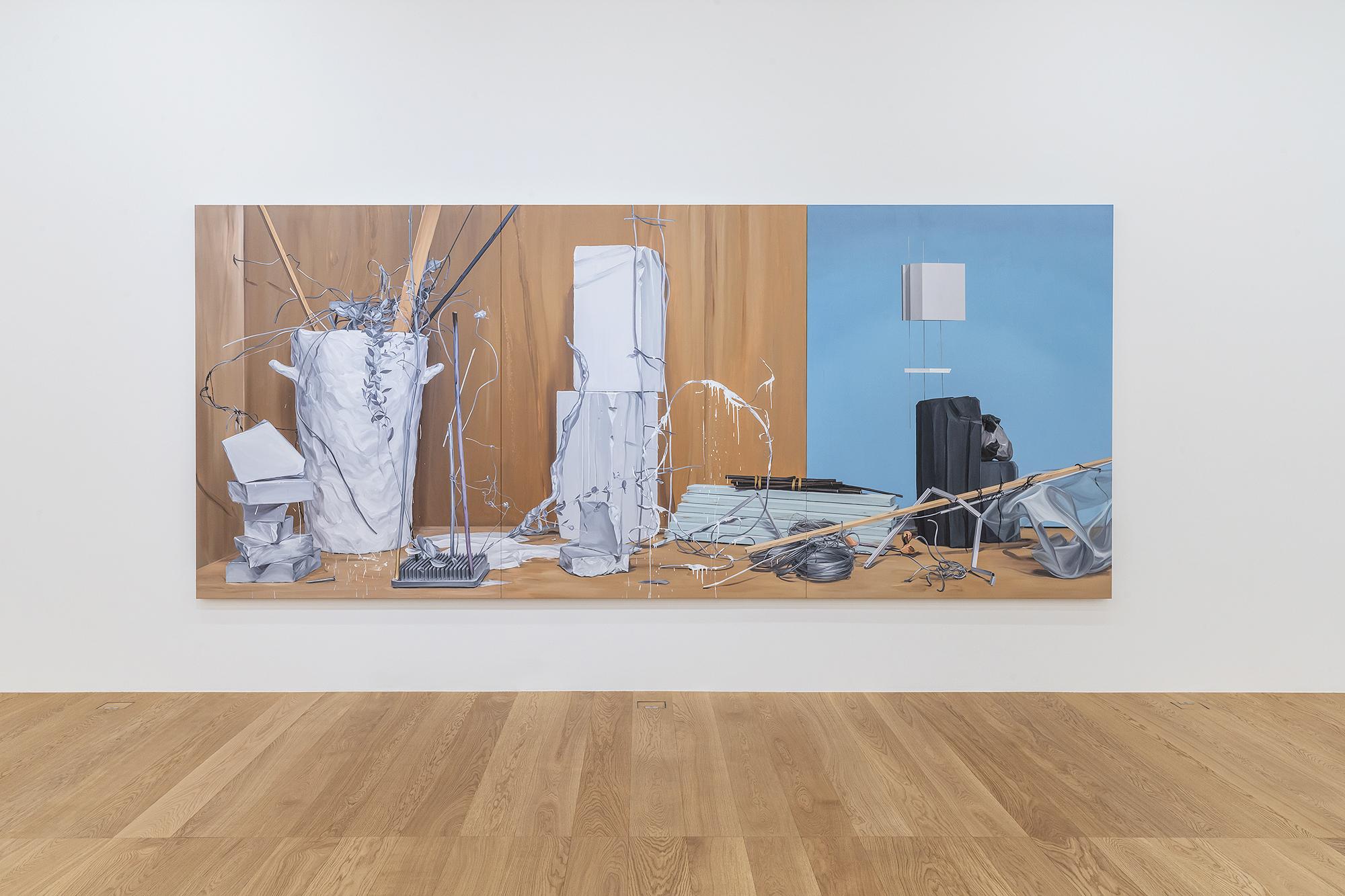
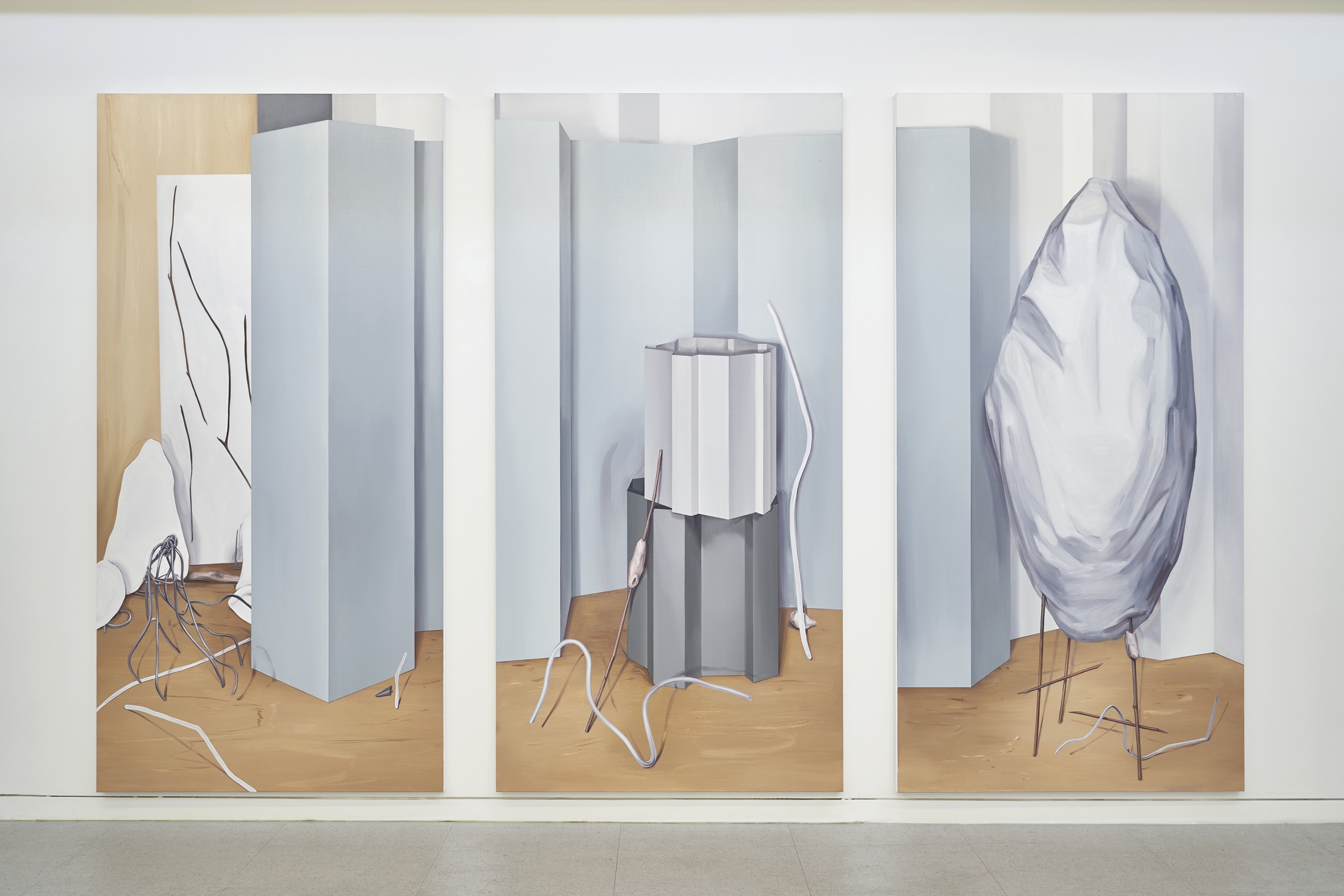
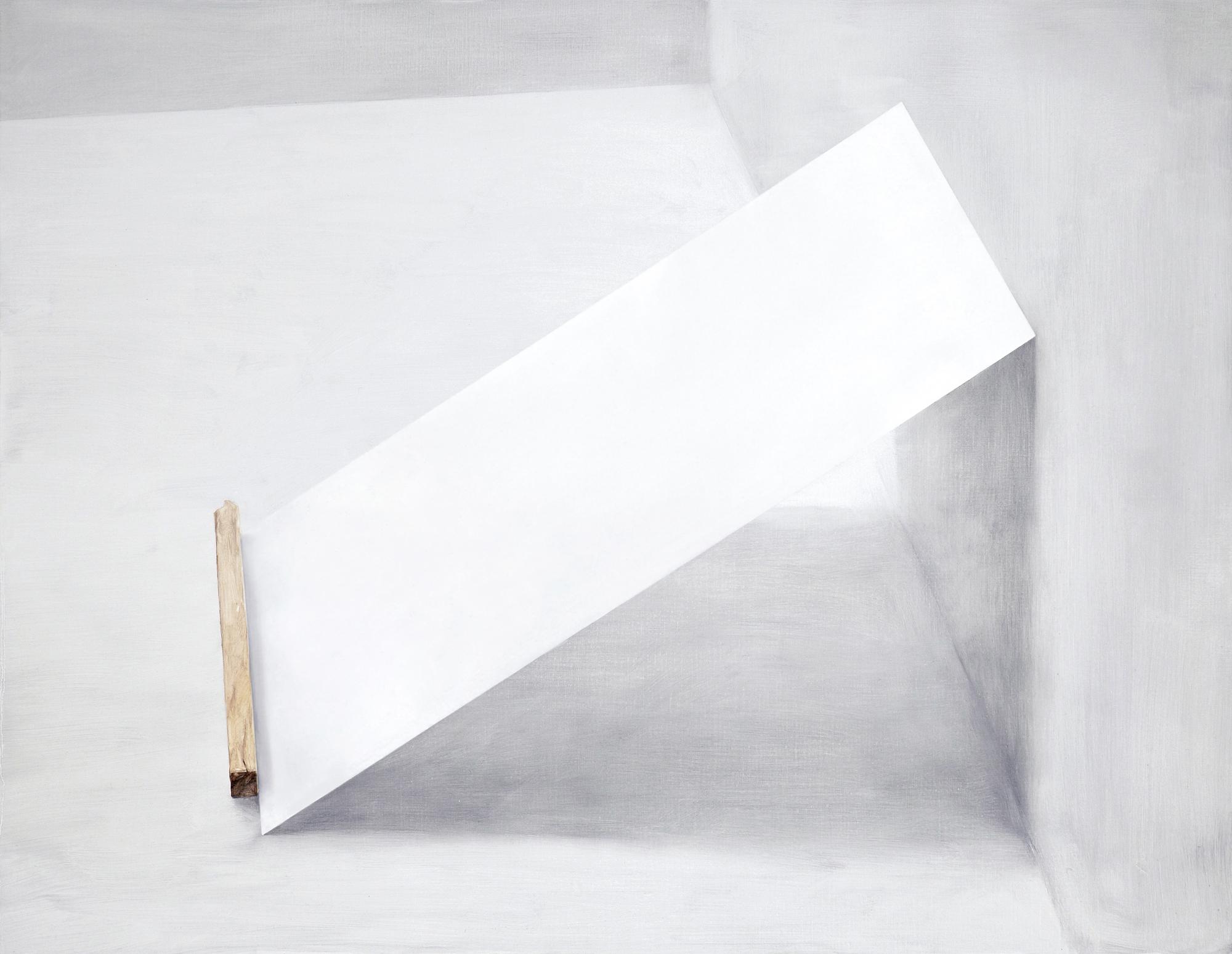
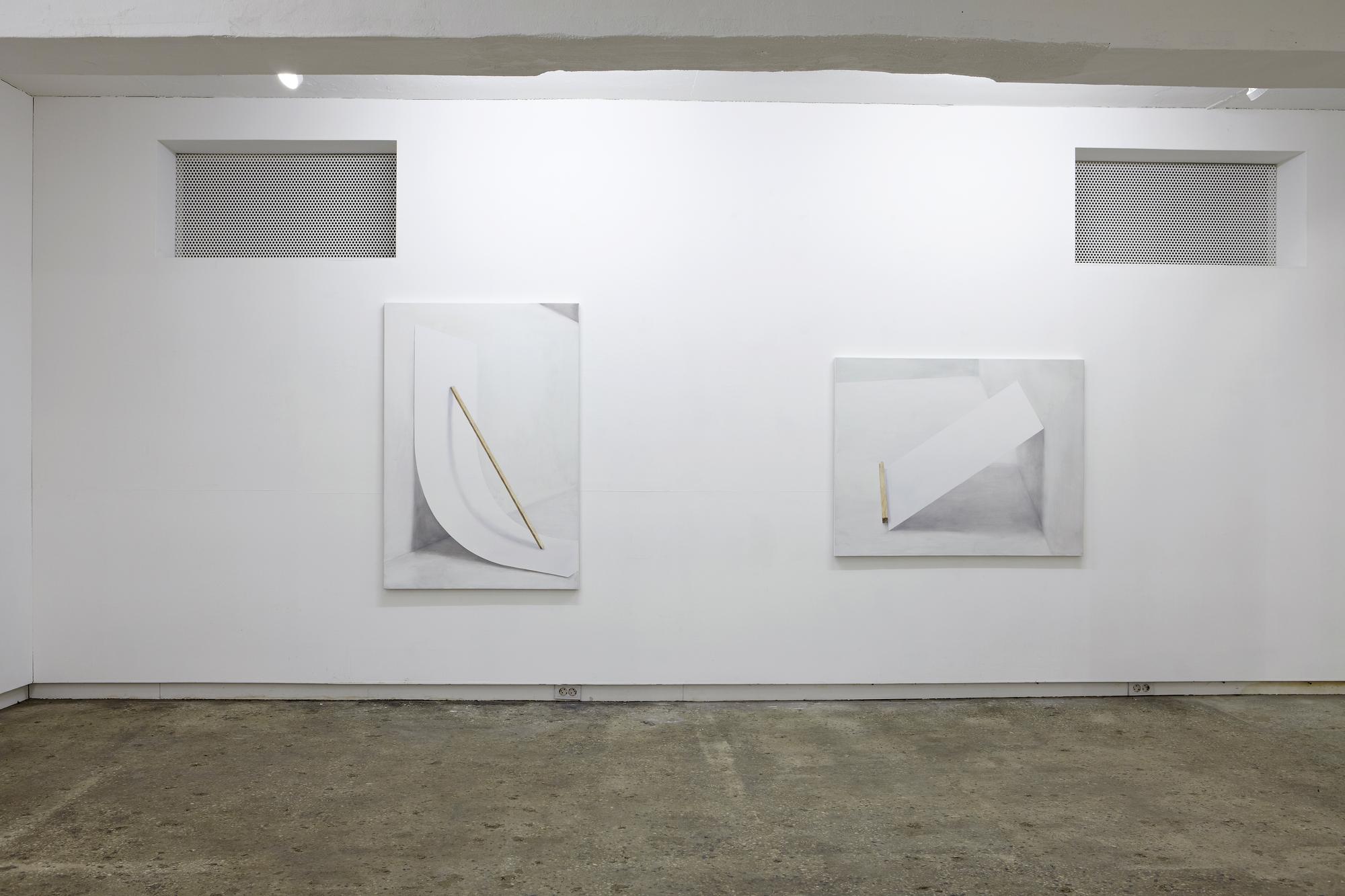
Rho Eunjoo (b. 1988) has
sought to discover an alternative against the universality of painting’s
performative process which allows impromptu and coincidences. Similar to the
diorama form, Rho visualizes an assemblage of the objects whose identities are
ambiguous according to what she observes after modeling the target images and
their backgrounds which are the subjects of representation in order to
demonstrate the context and probability of the space that the images
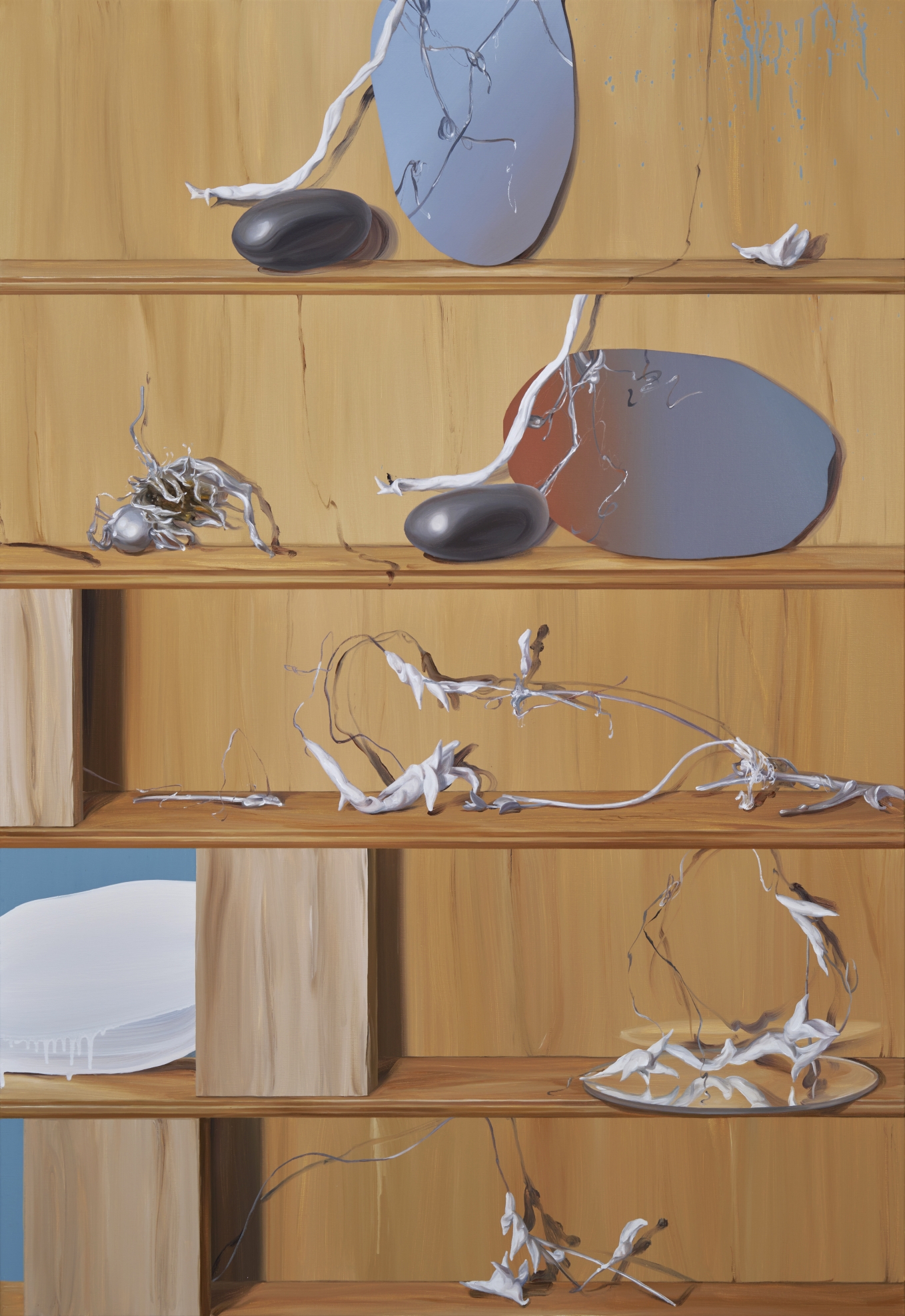
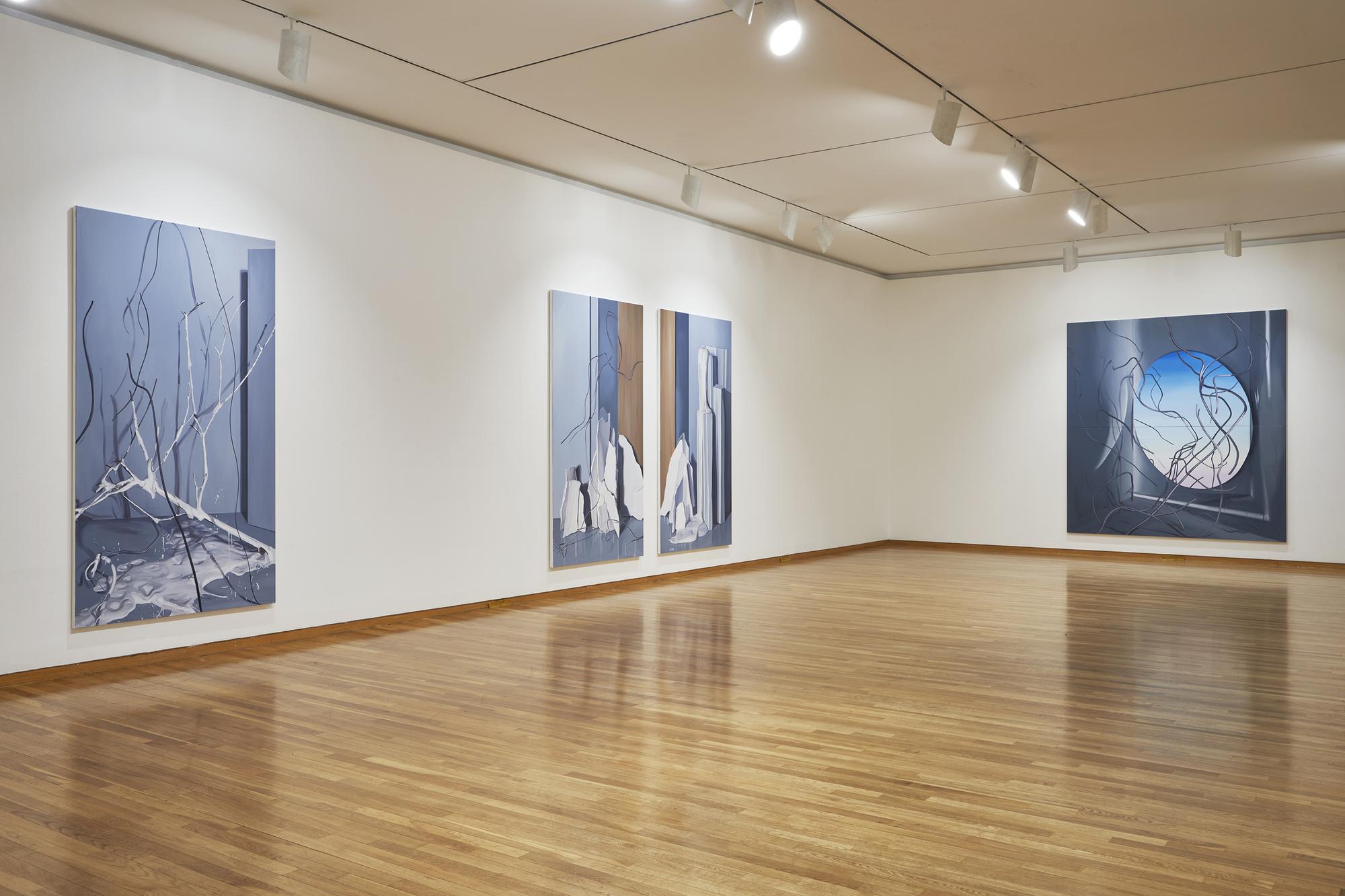
occupy. Portrait-Day (2021) is a piece of oil
paint-based work that consists of an artificial sky blue background and a white
lump of oil paint supported by steel wires in the center of the entire plane.
The back panel of the canvas’s right back side plays a role in extending the
depth of the space and the thick pink borders are painted along the edges of
the canvas as if it attempted to lock the objects in the represented space. The
solid white flowers and the bough diagonally crossing the plane increase the
sense of reality in the work.