Exhibitions
《Flip Over》, 2024.01.12 – 2024.03.02, ThisWeekendRoom
January 10, 2024
ThisWeekendRoom
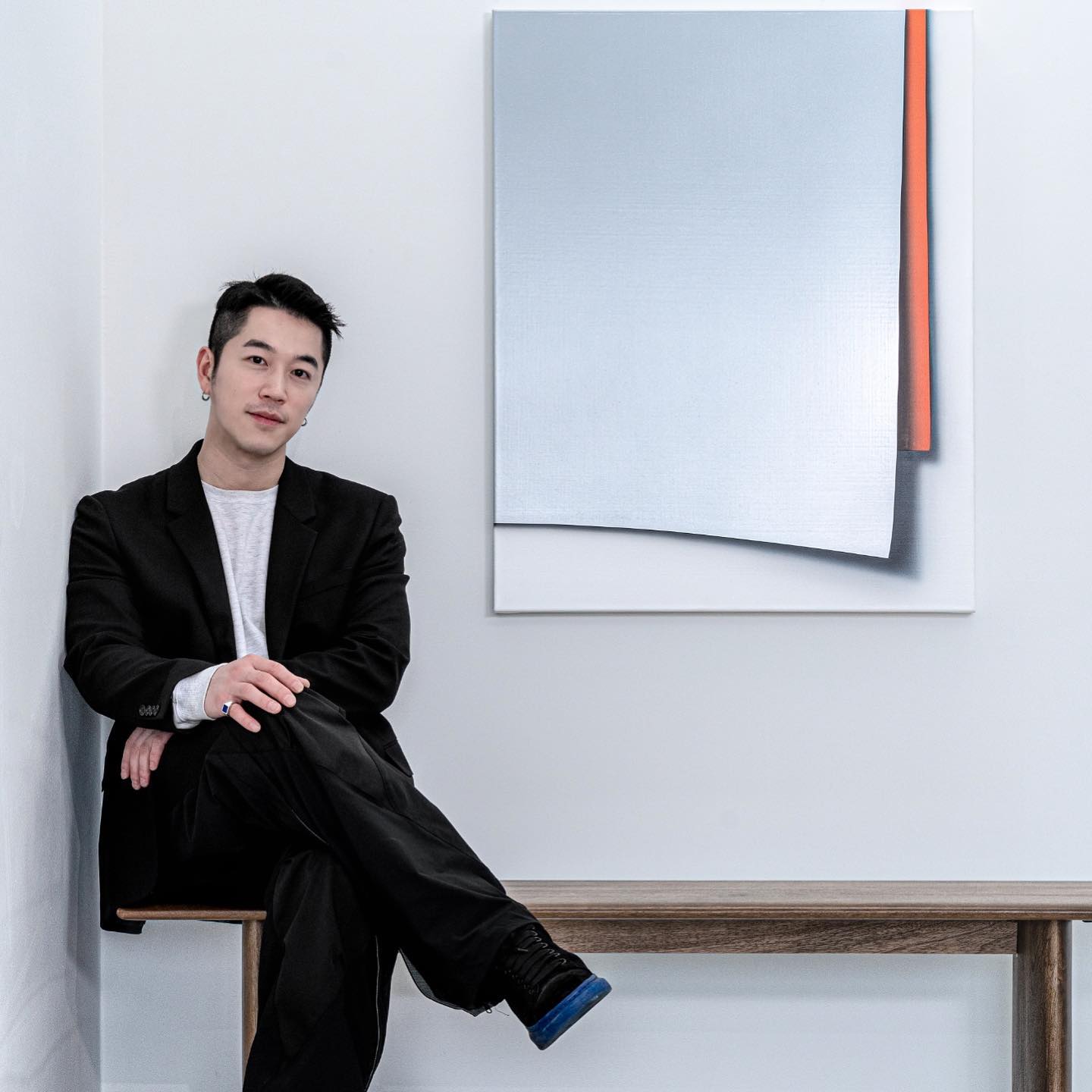
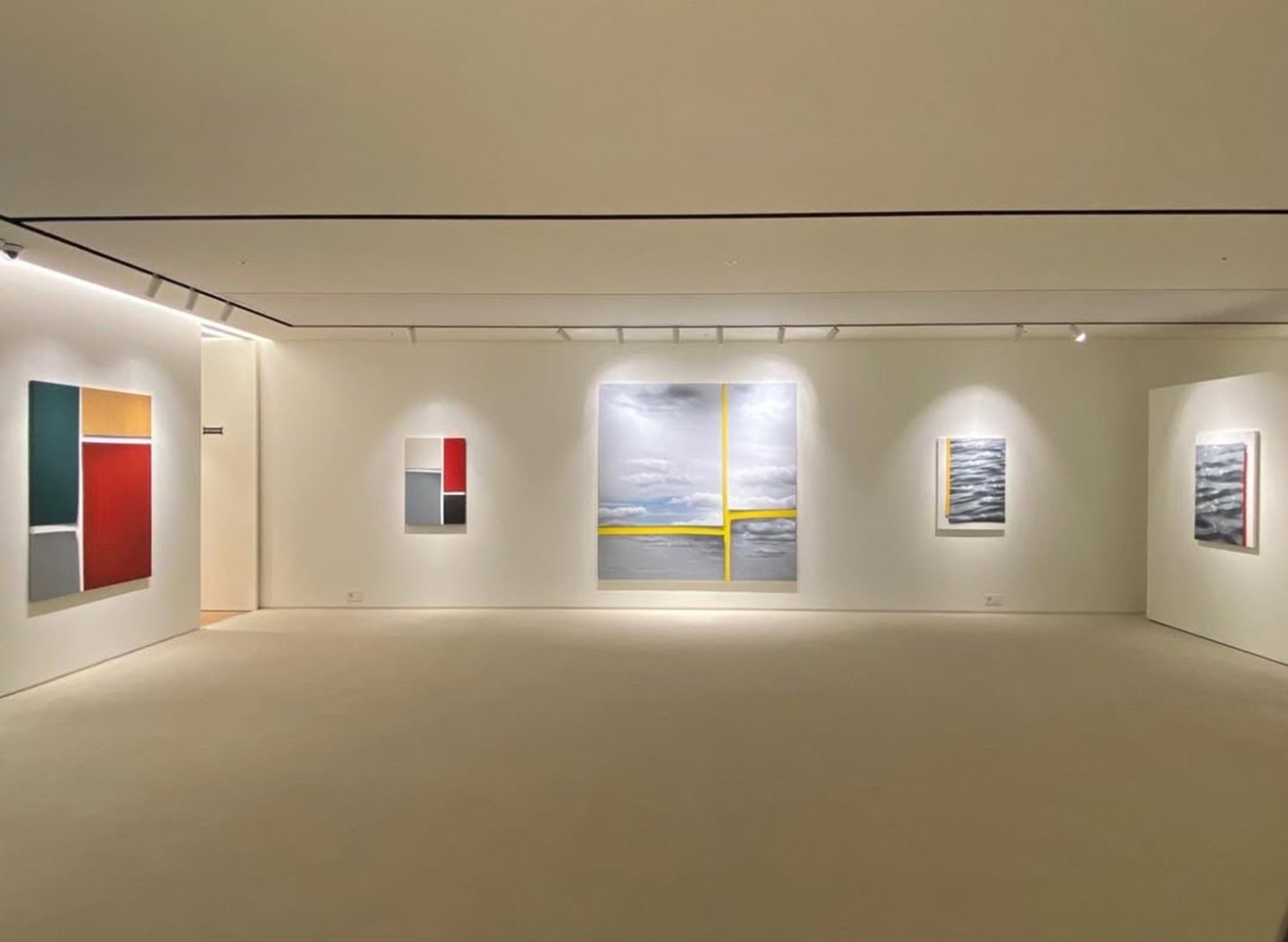
 Installation
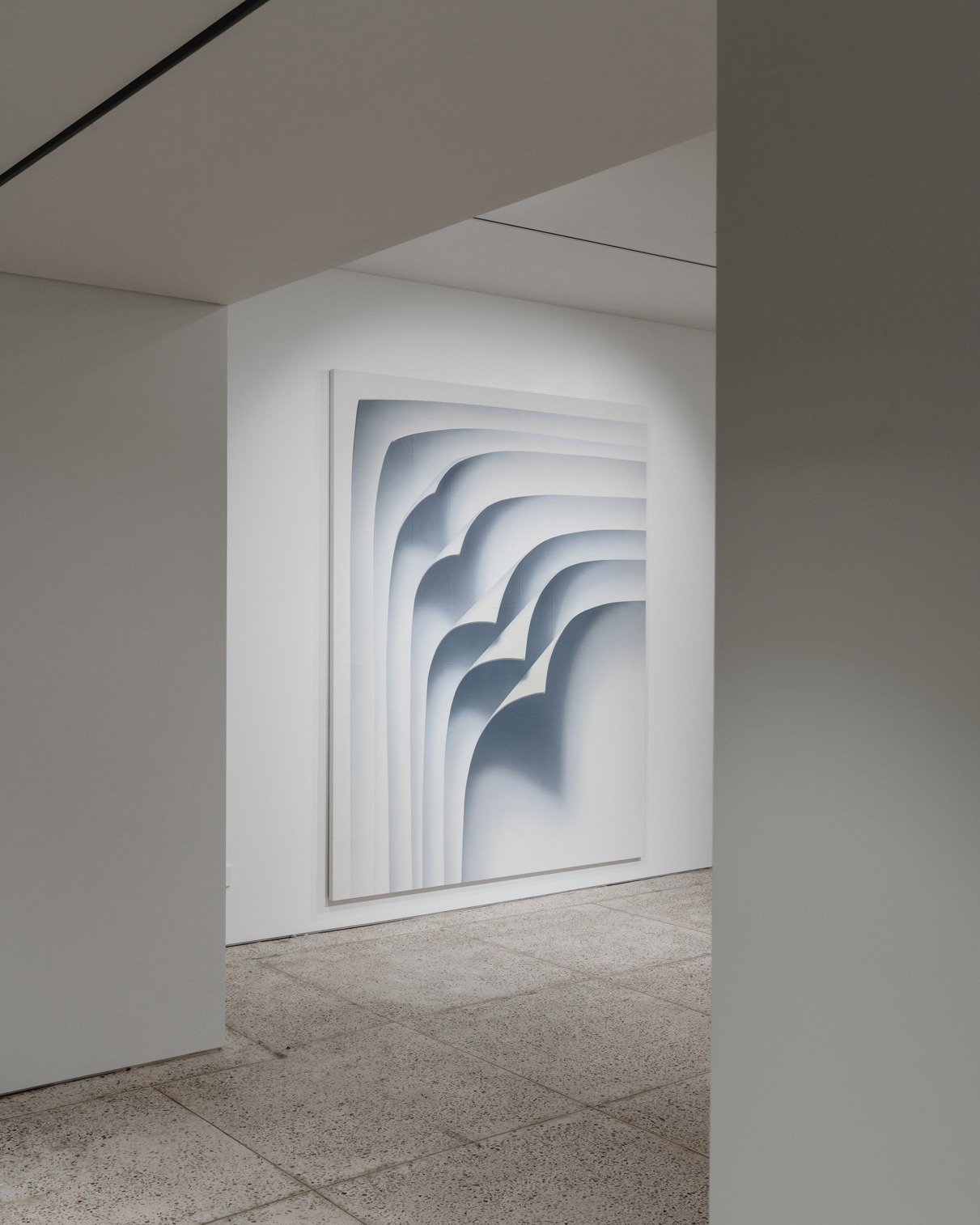
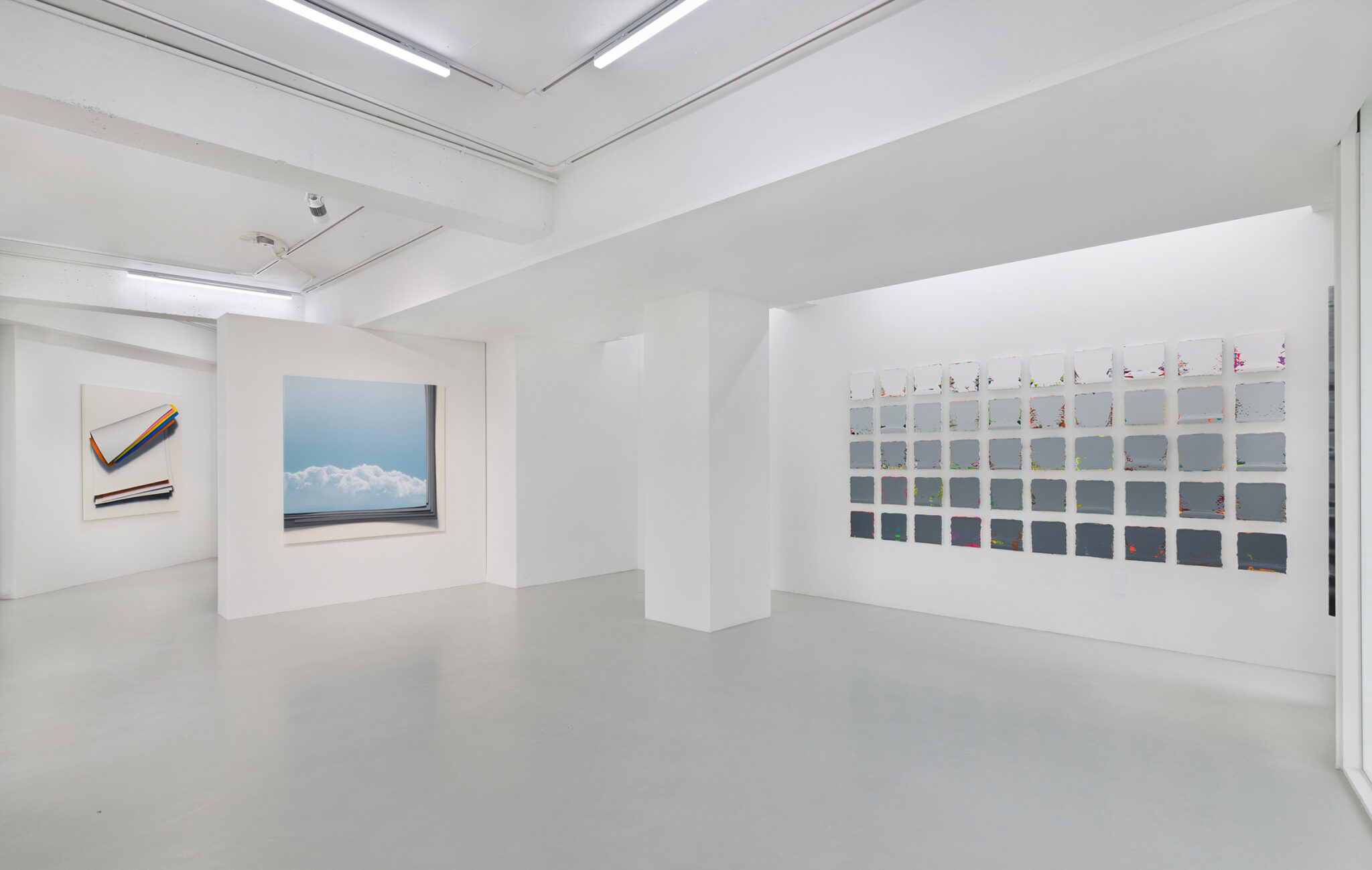
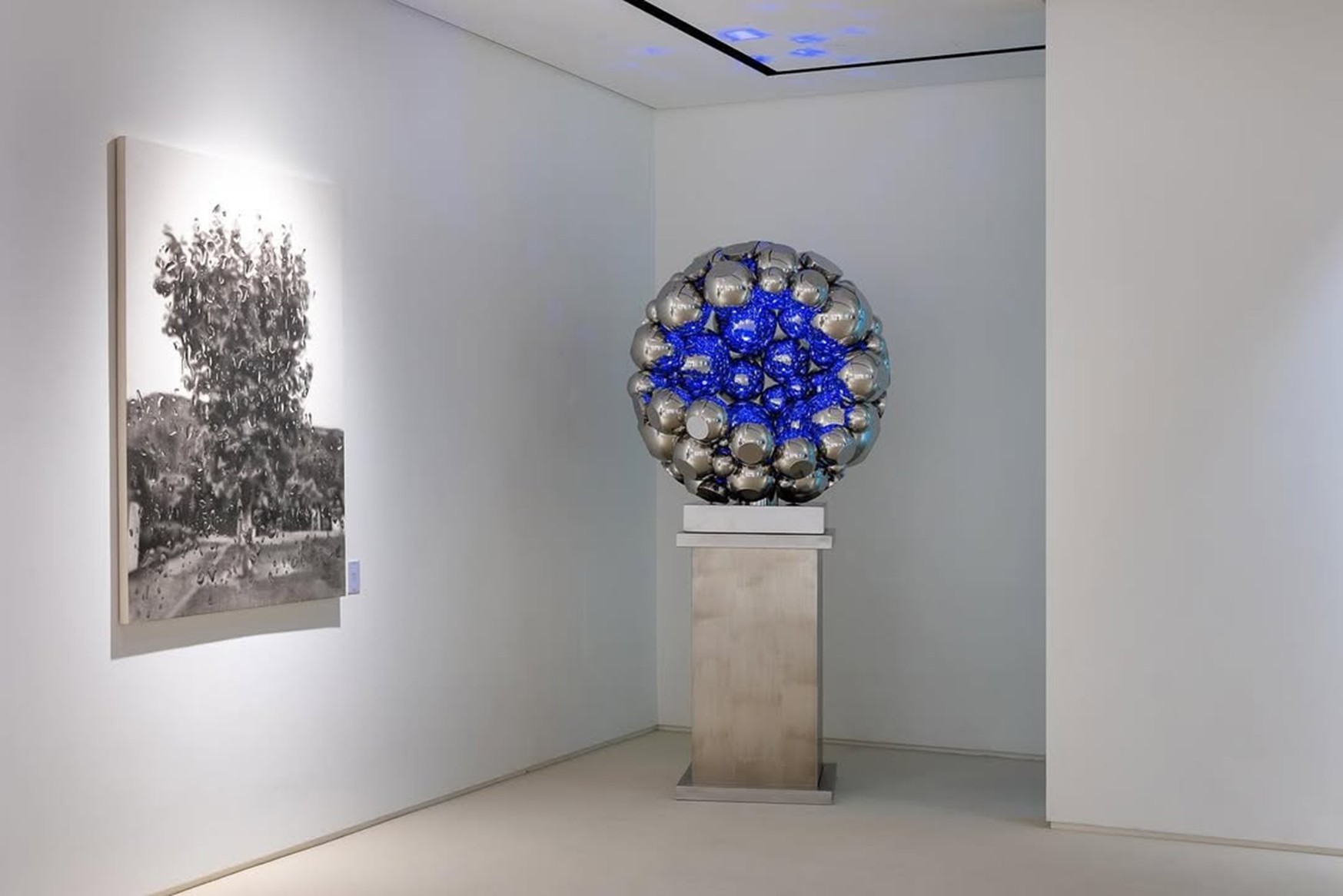
view of 《Flip Over》
© ThisWeekendRoom
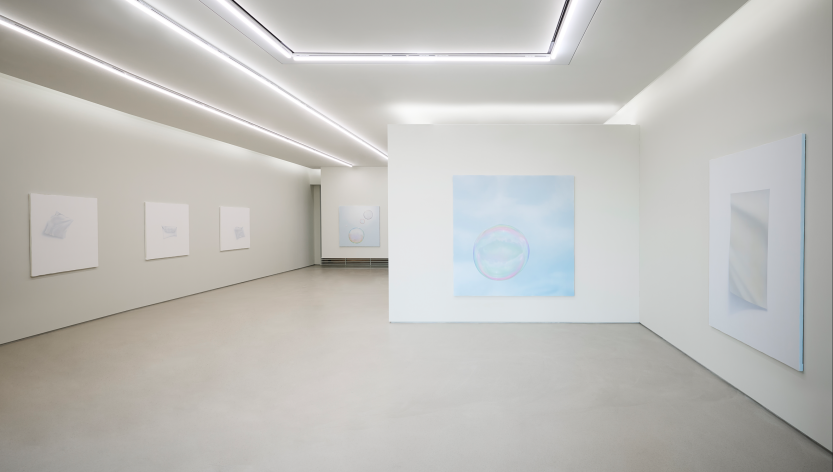
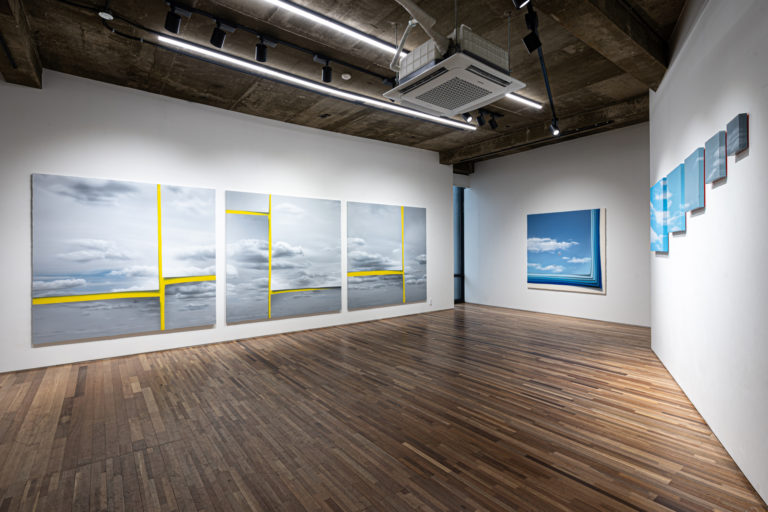
Installation
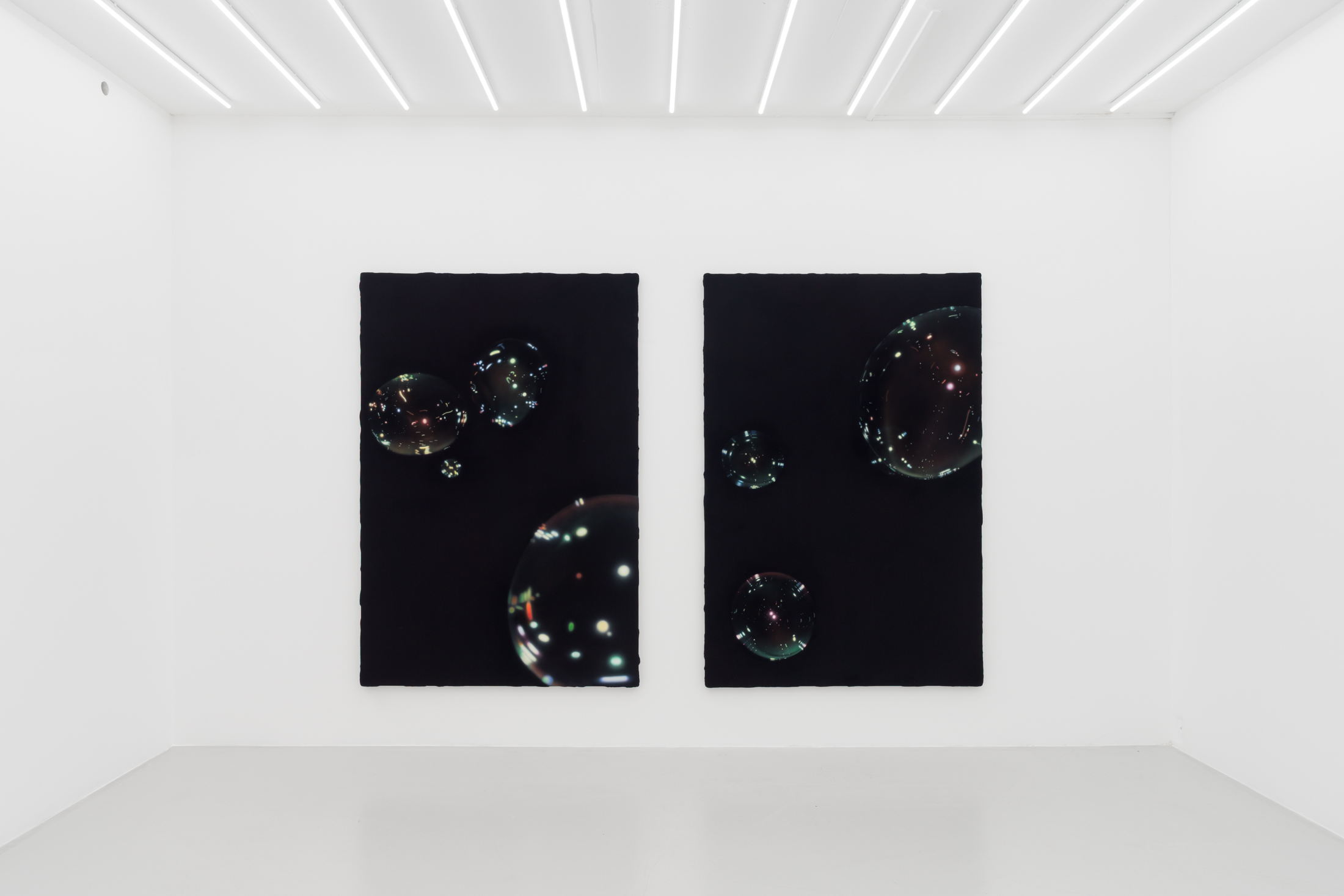
view of 《Flip Over》
© ThisWeekendRoom
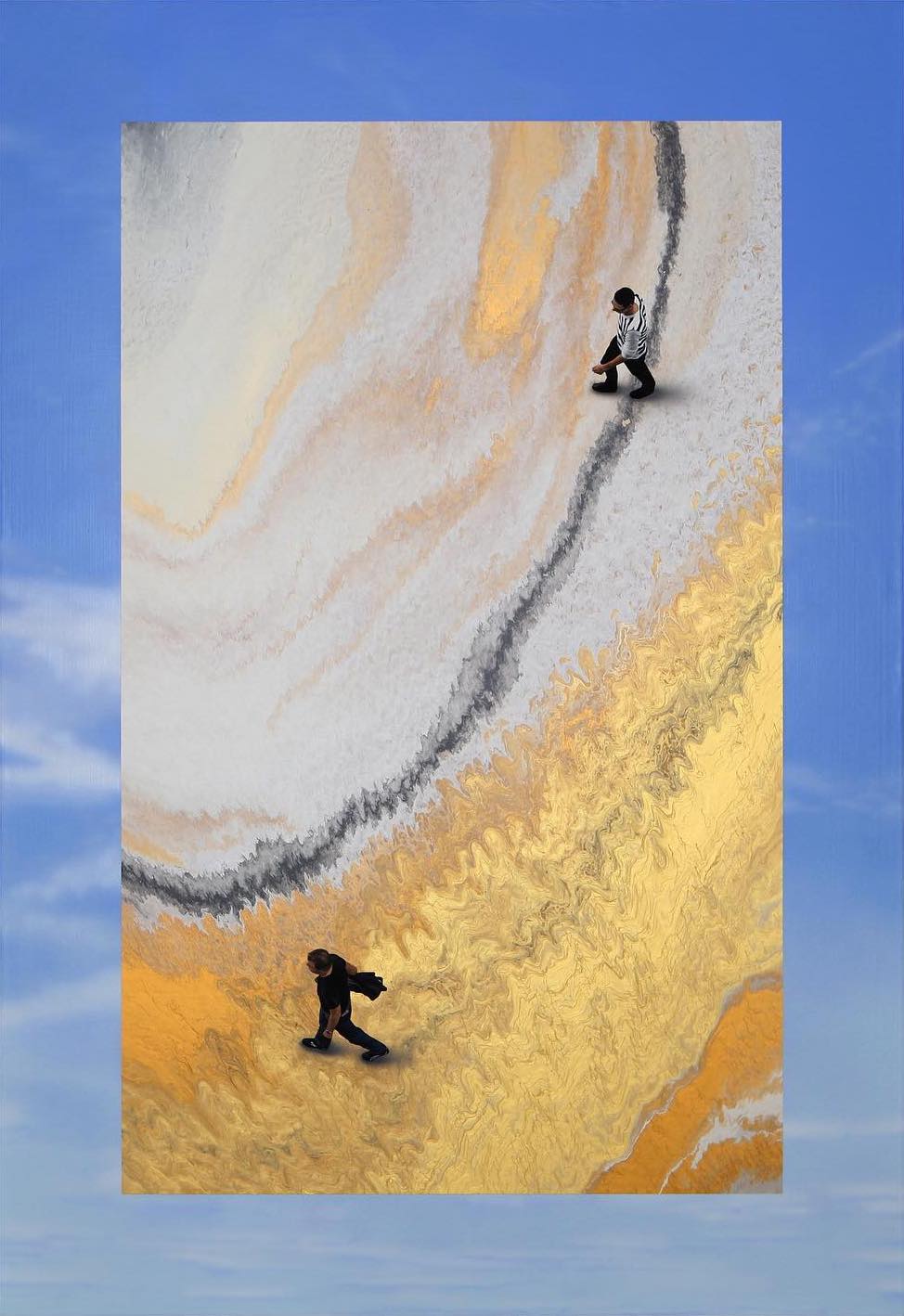
Here are images on different surfaces with various masses. If
there is weight in illusion, it would not be difficult to compare the
difference between the two. However, the illusion is only a shell of an image
with a sense of reality. Now it is required to enter the meaning of the
representation created by Philip Loersch and Seong Joon Hong. 《Flip Over》 explores the power of ambivalence hidden in the artistic practices
of these two artists, who are based in Germany and South Korea respectively.
Labor-intensive processes are undoubtedly central to their work. Both artists
enjoy the intensive process of creating images and their desire and curiosity
about the act of drawing/painting are evident in their work.
However the images
they create imply paradoxical and transpositional characteristics in different
ways. Following the phrase from Roland Barthes, their representations hold
secrets that scatter the material into the image rather than display it; at the
same time they leave room for the raw material to speak for itself.1 In
short, they move between form and materiality, interested in dismantling the
solidity of culture and logic created by previous generations and discovering a
renewed visual vocabulary in between.
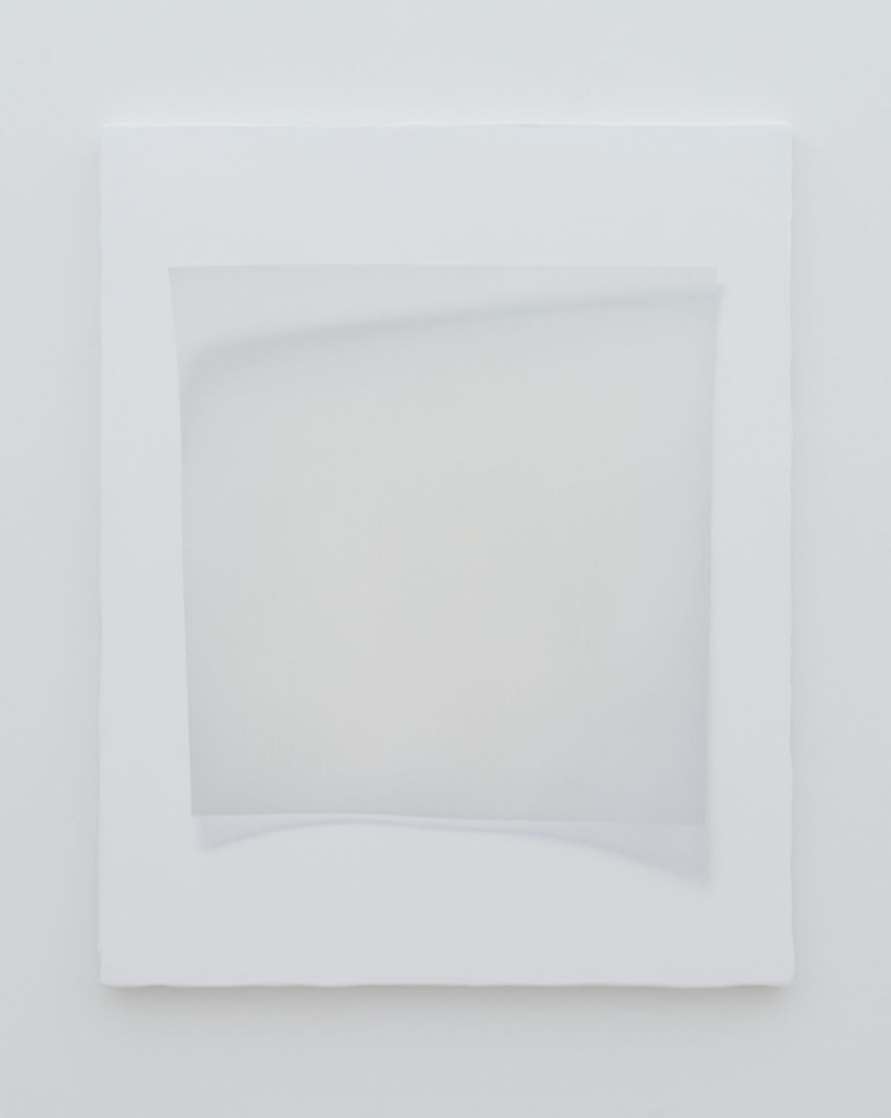
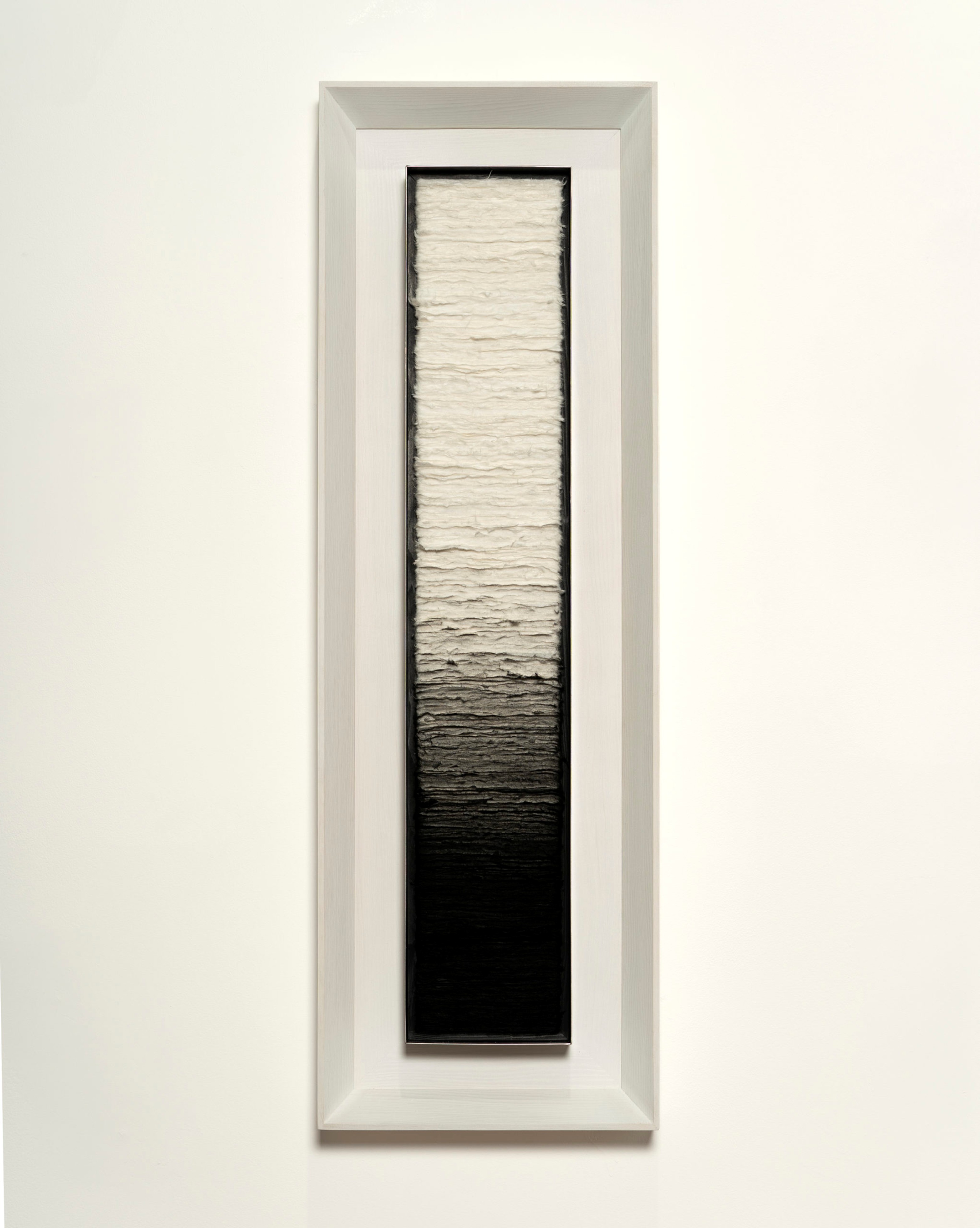
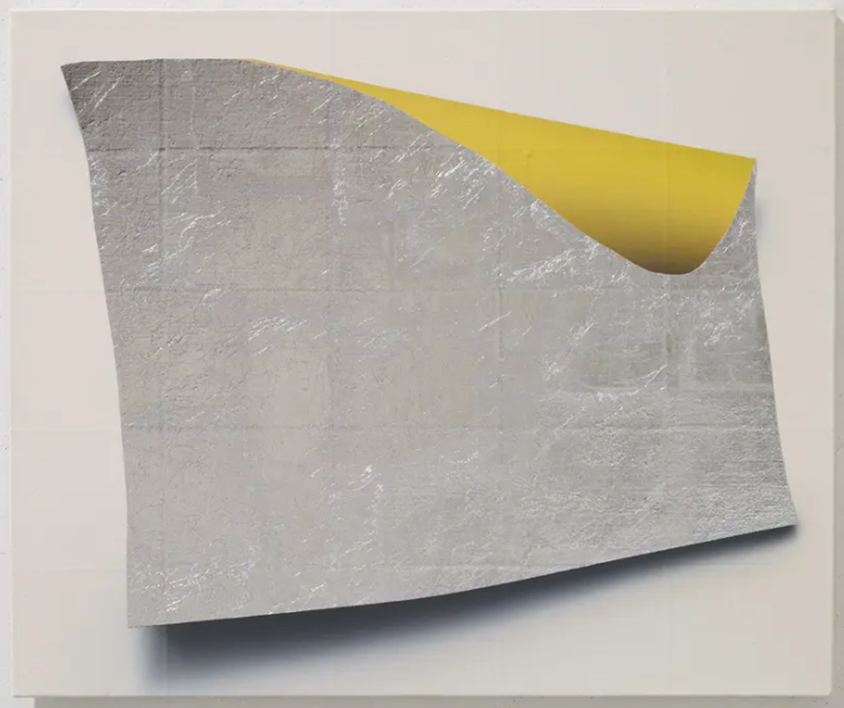
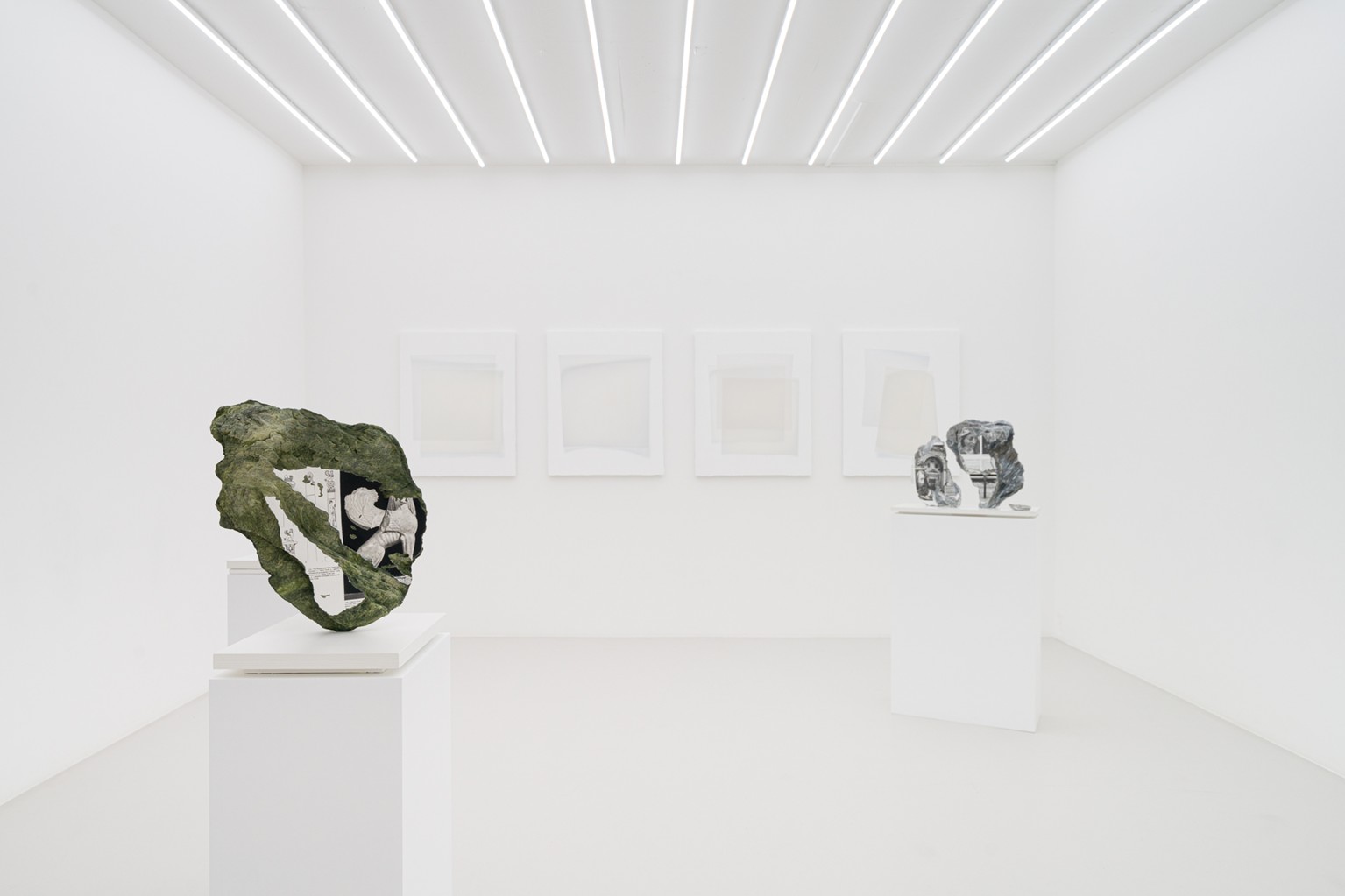
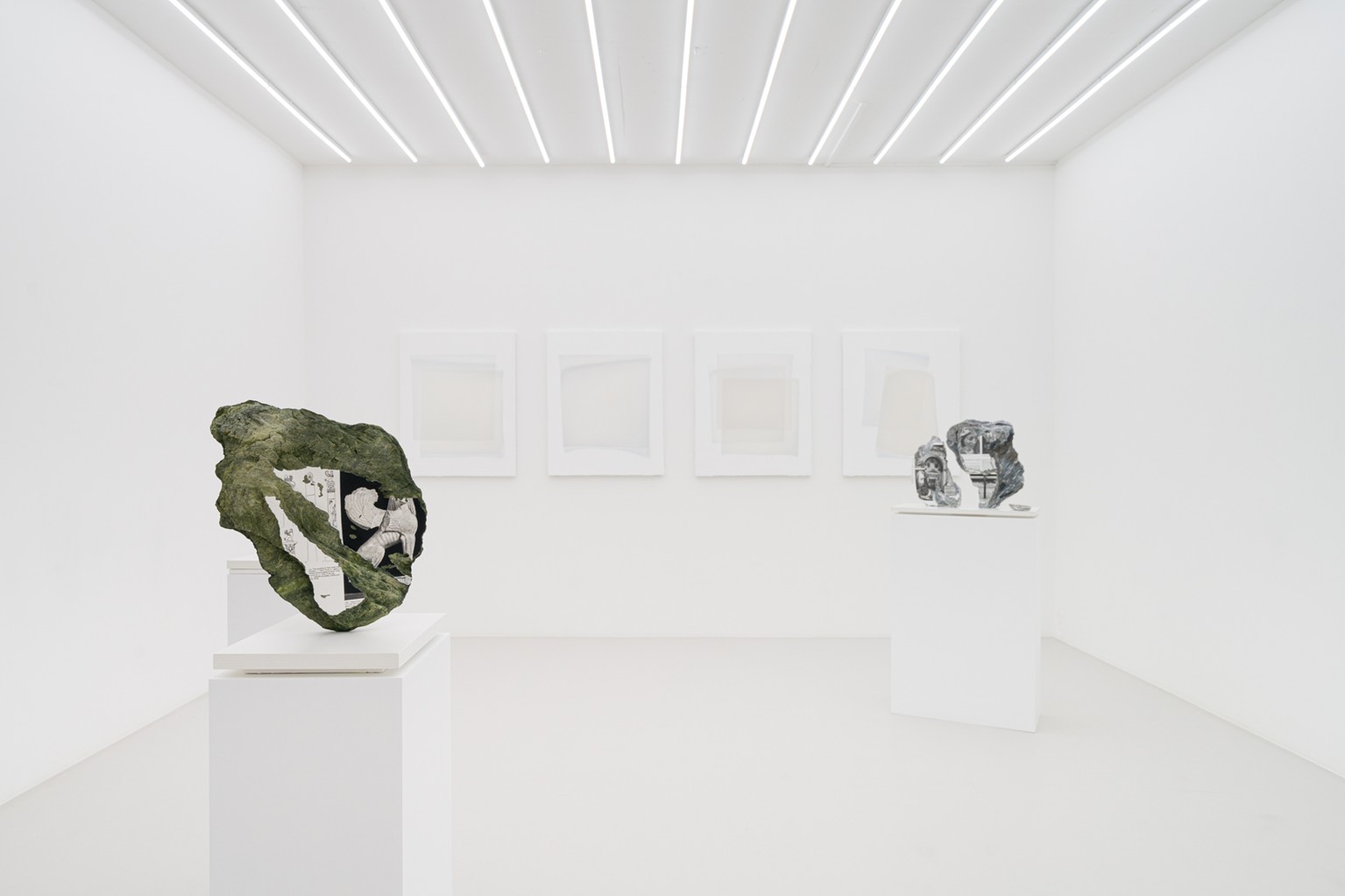
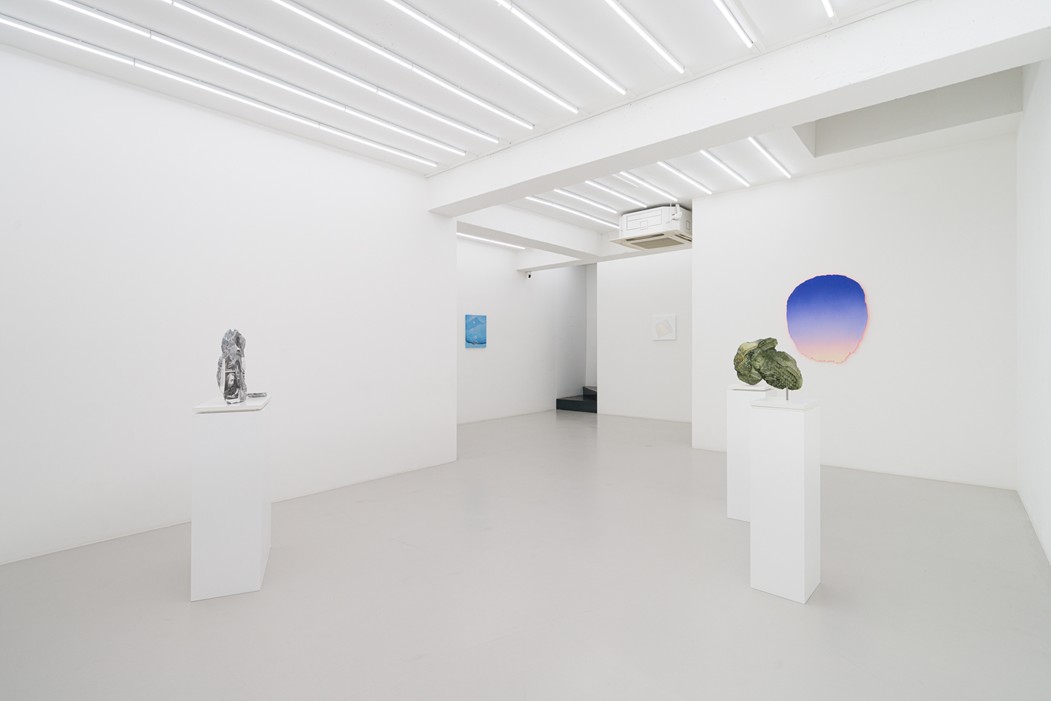
Loersch has been working on drawings, sculptures and installations
that take mathematical formulas, scientific propositions and symbols of
cultural origin and give them an aesthetic dimension in his way. He enjoys the
flows of free thought that arise between the layers of intellect, creating fine
cracks in the logical structures that are created in search of explicit
principles or answers. The works in this exhibition, in particular, dismantle
the standards of value defined by the legacy of art in the past.
Often on the
surface of stone or blank pages of books, he persistently draws sections of
pages from books on Greek civilization, Donatello, minimalism, color, and more.
His work refutes the power and weight of history that books imply while
transforming them into unknown objects whose contents can no longer be easily
accessed. Solid knowledge is inevitably adjusted in the face of this
hyper-realistic mass that cannot be turned over. In addition, stone, paper, and
graphite offer a tactile experience as raw materials before being circulated
into other symbolic meanings. The artist recognizes that more cultural
diversity and room for formative imagination can be absorbed into the work,
beyond the letters sealed by the hard surface and heavy mass.
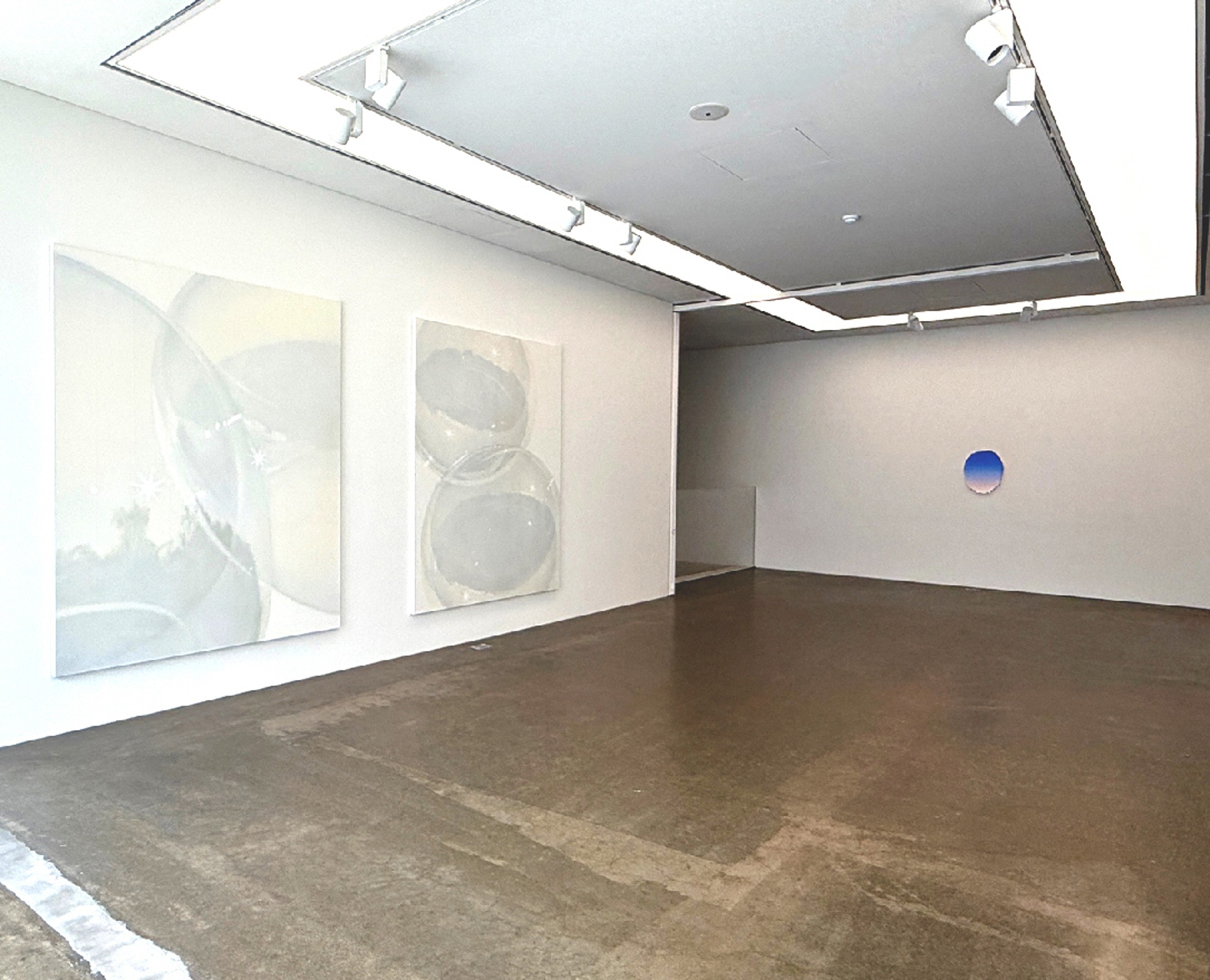
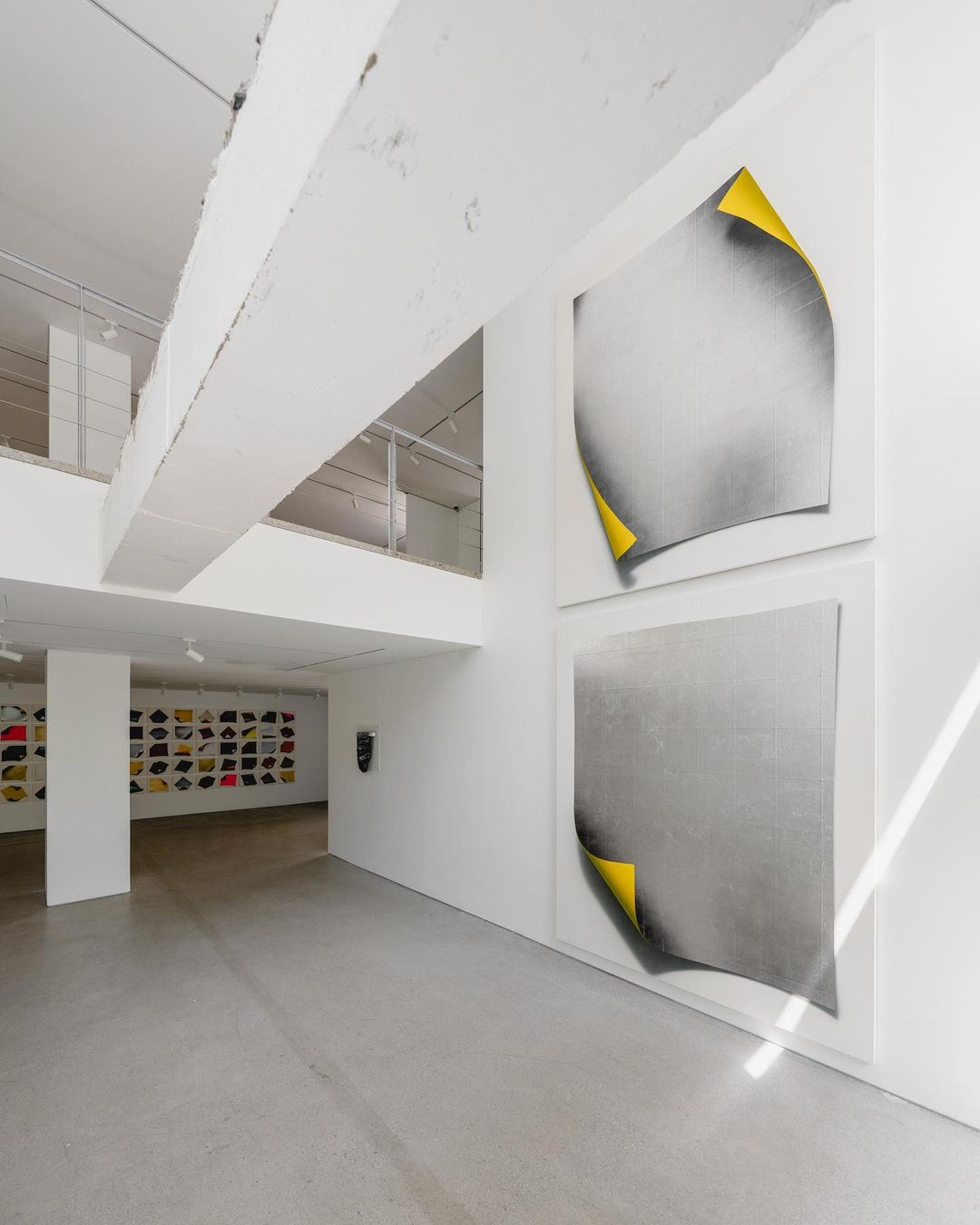
 Installation view of 《Flip
Over》 © ThisWeekendRoom
Installation view of 《Flip
Over》 © ThisWeekendRoom
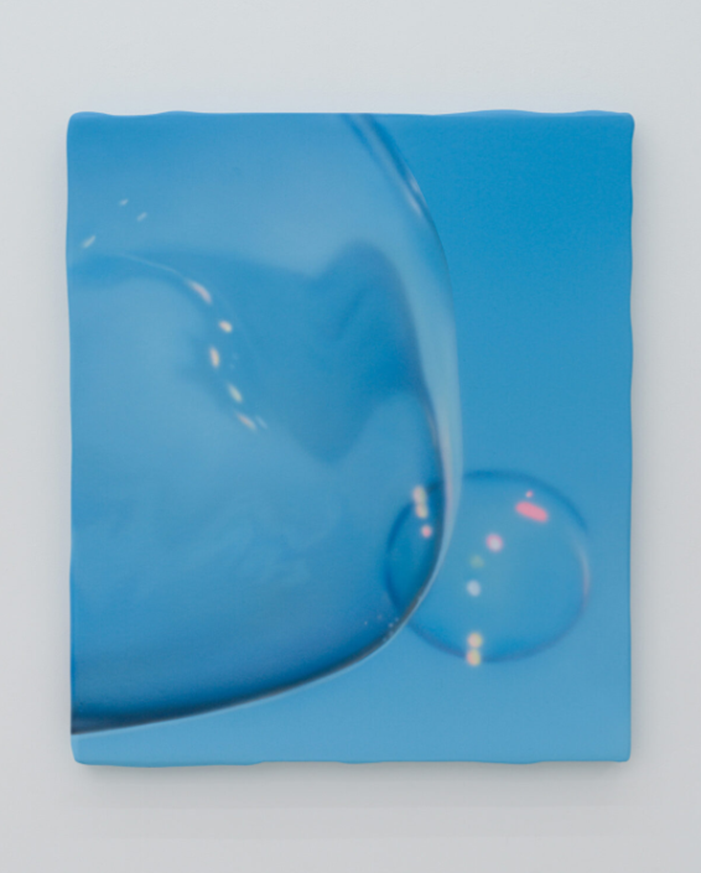
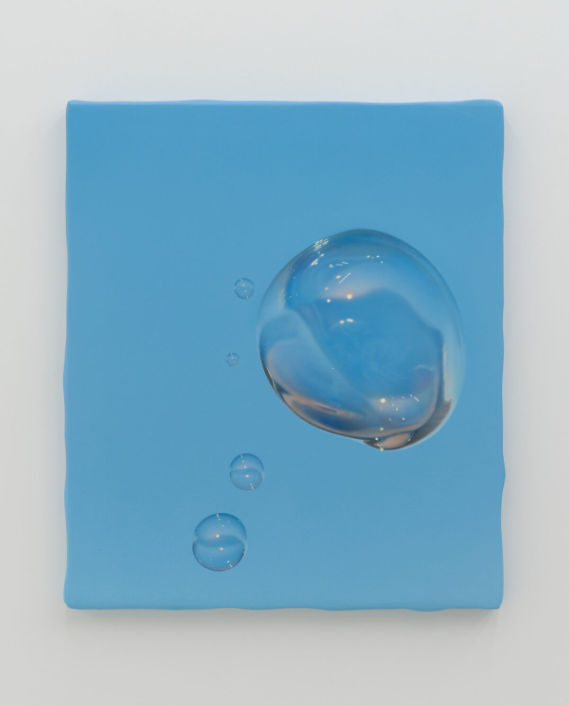
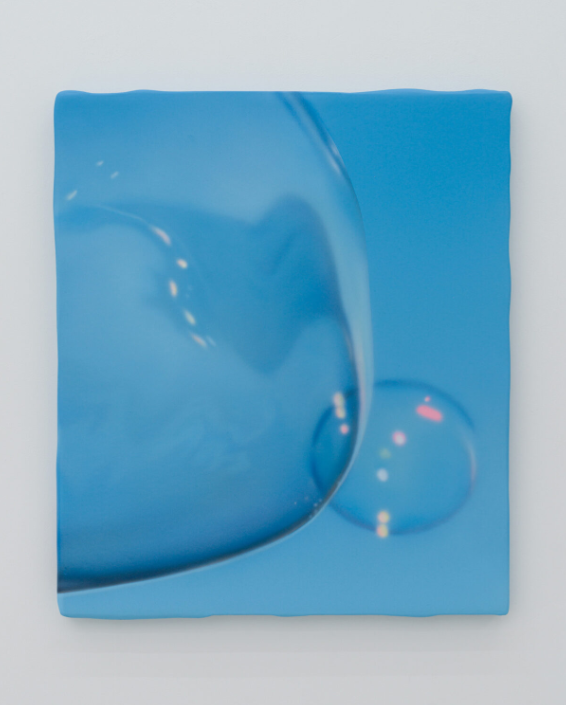
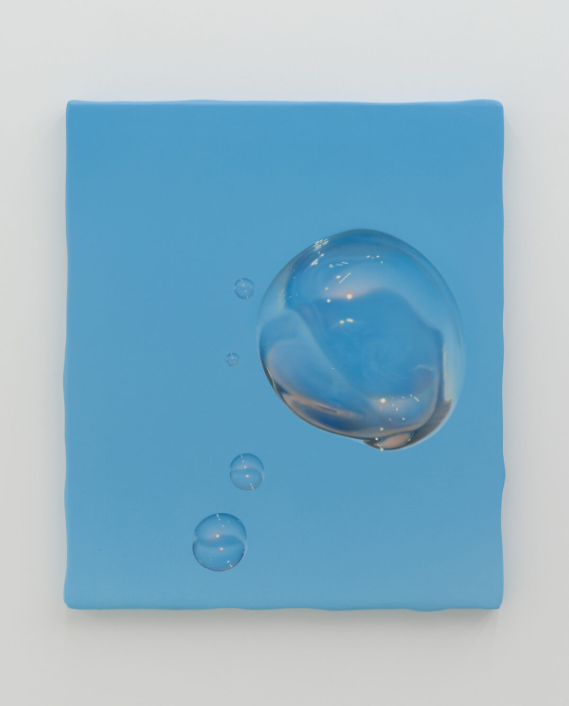
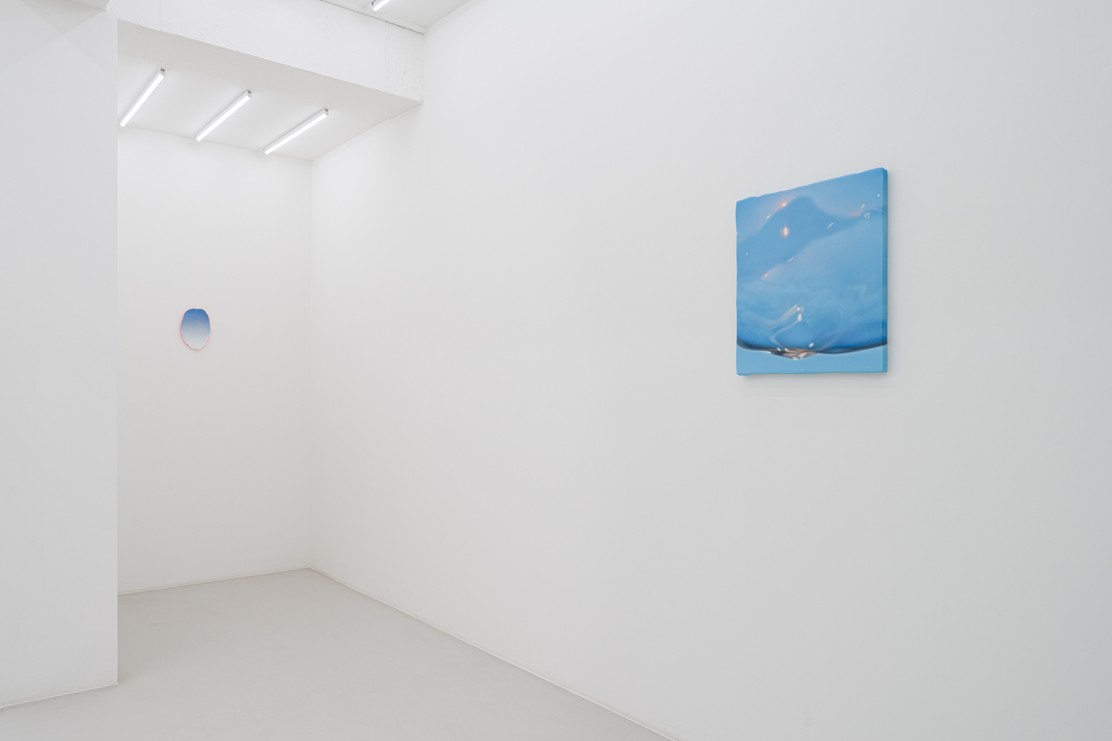
On the
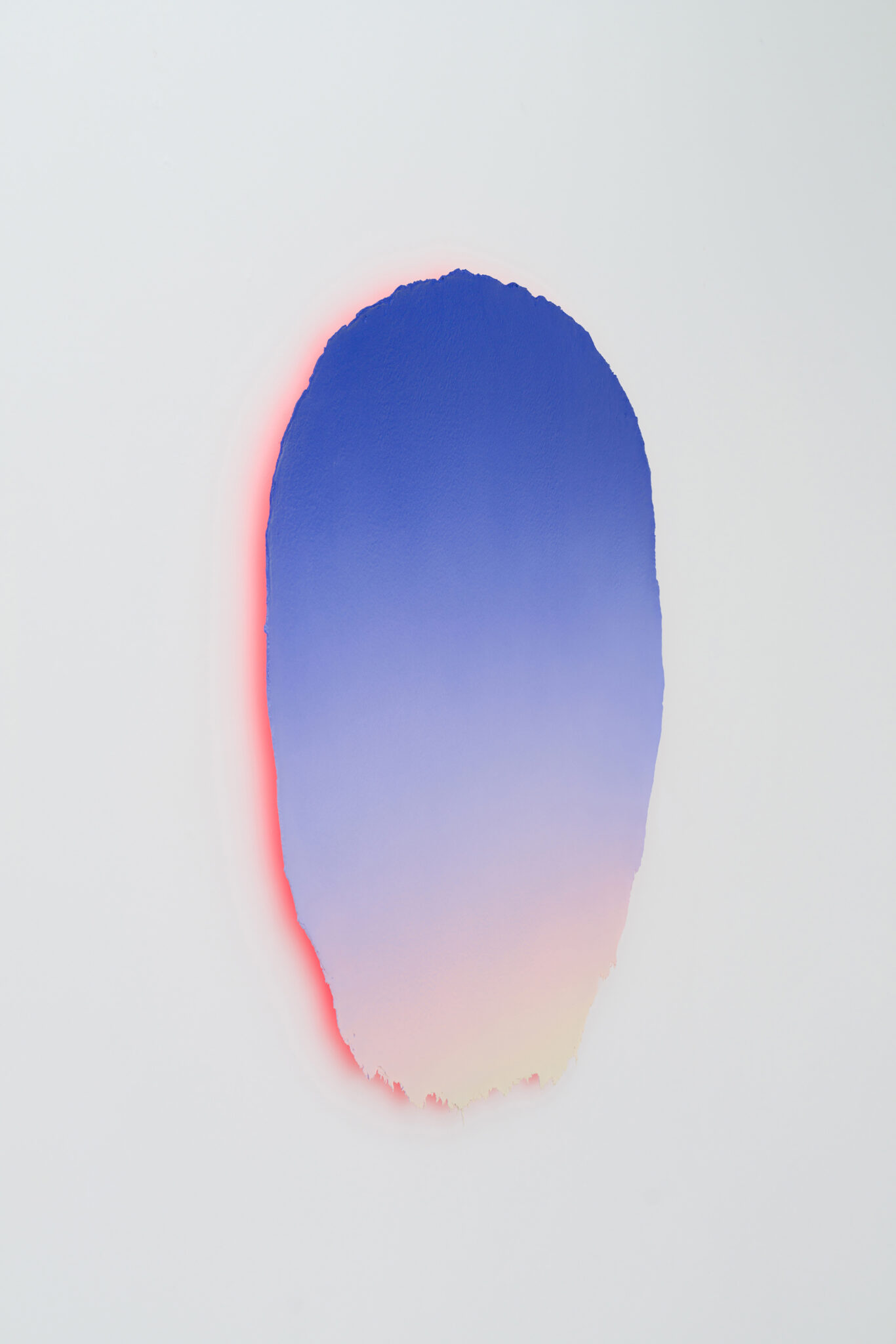
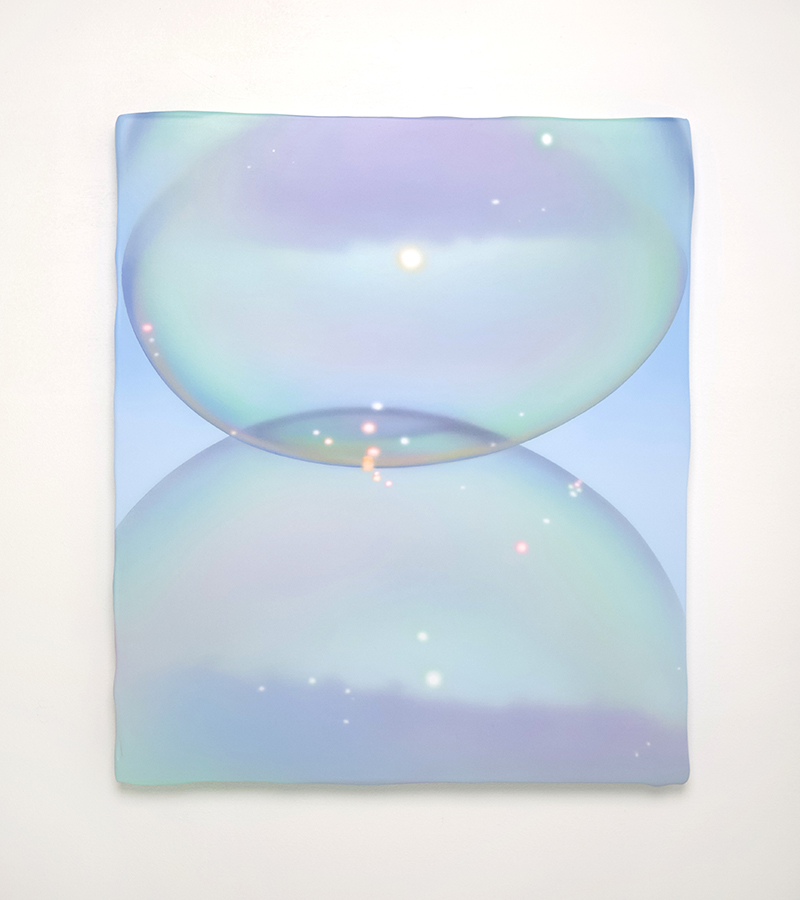
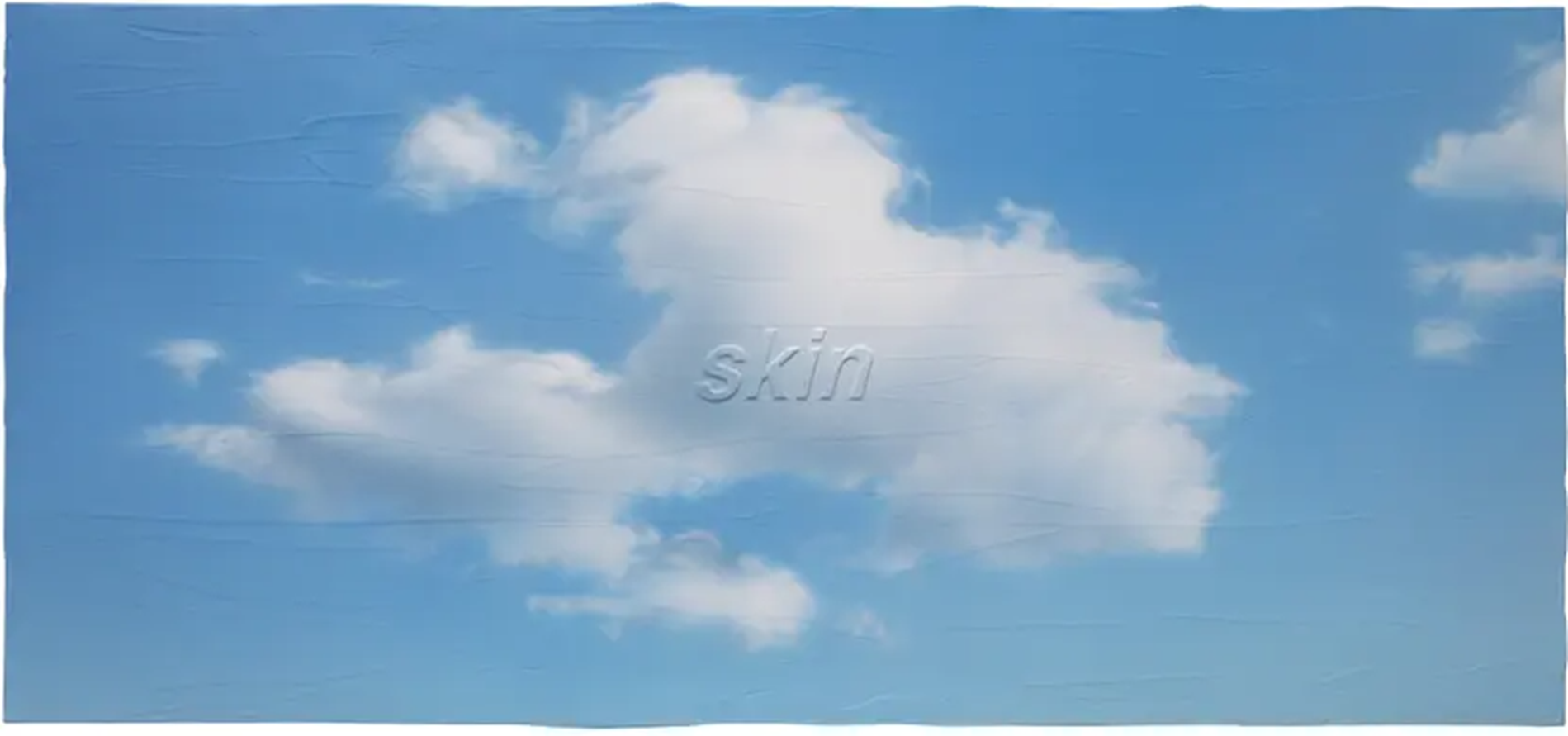
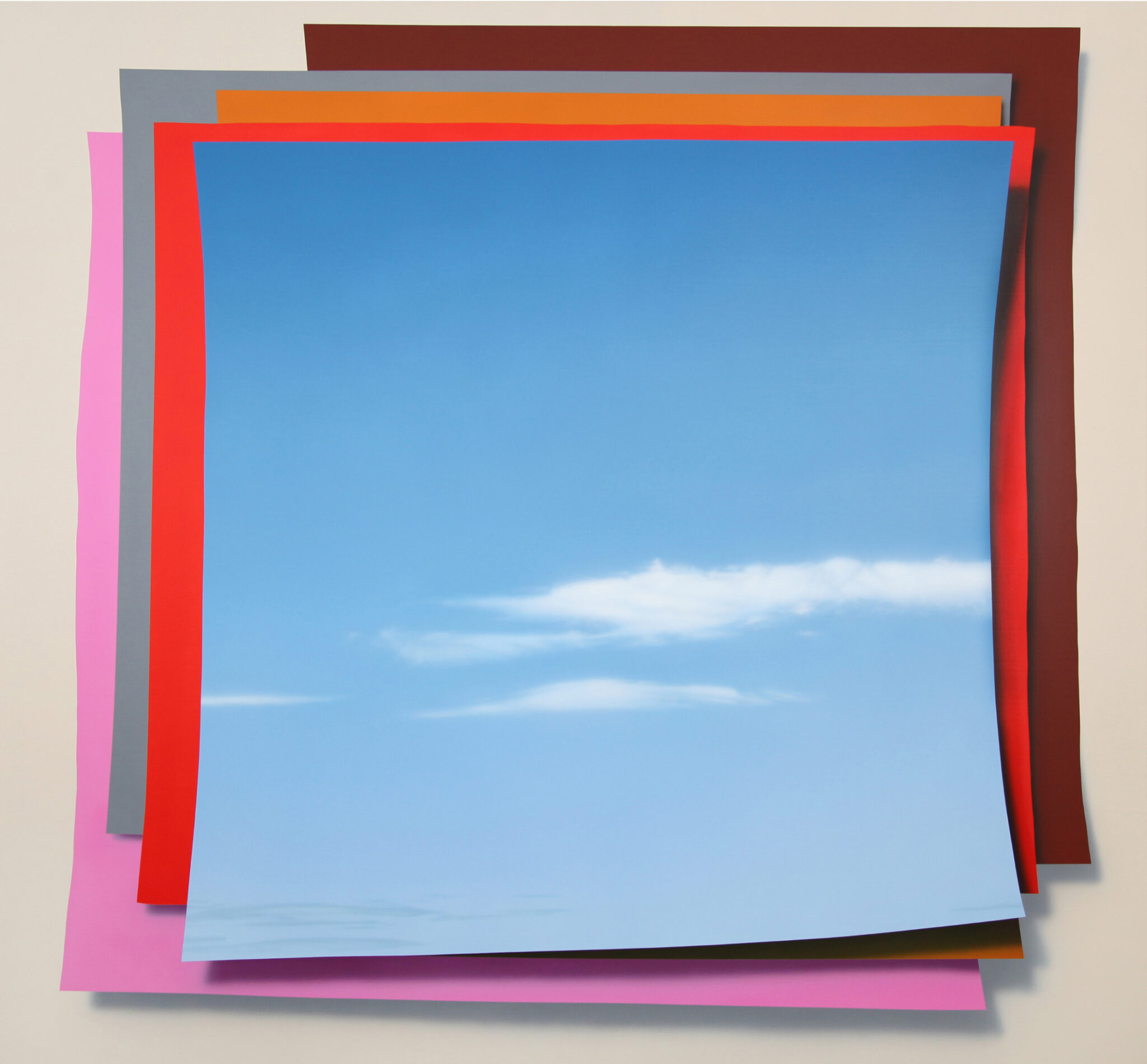
other hand, Hong’s Illusion, which is infinitely thin and light, is based on
the recognition that what is presented in the painting is the result of the
combination and progression of numerous commodity materials. He has repeatedly
drawn scenes with layers of smooth, thin, or translucent membranes, secretly
exposing the flat canvas surface and the materials that compose it. However, he
goes a step further and begins to devise a form in which the material utilized
as a means of painting on the canvas can stand on its own as a pragma.
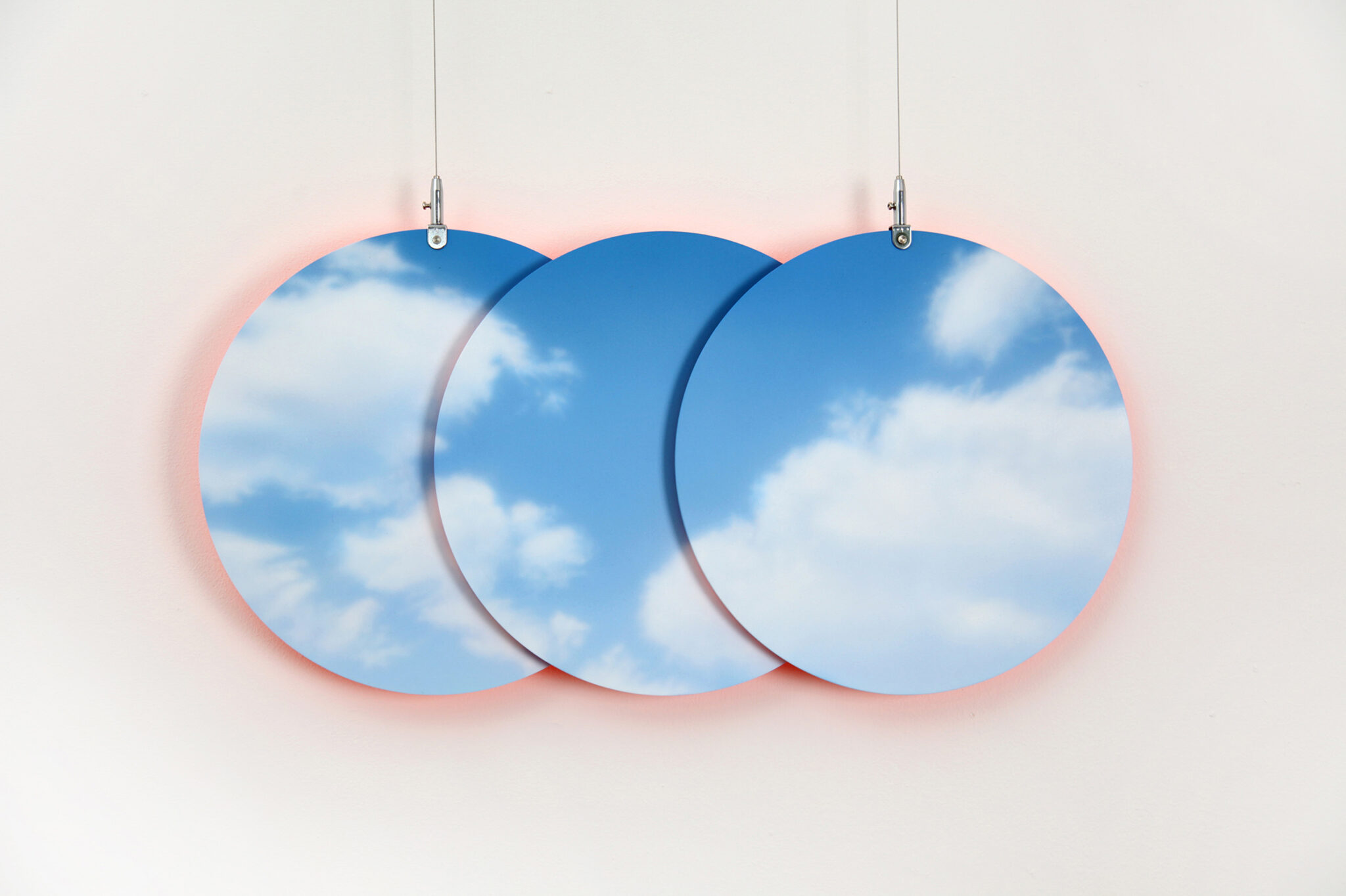
Interestingly, shadows and reflective light become directly involved in the
mixtures presented while being shallowly floated on the wall, and soon another
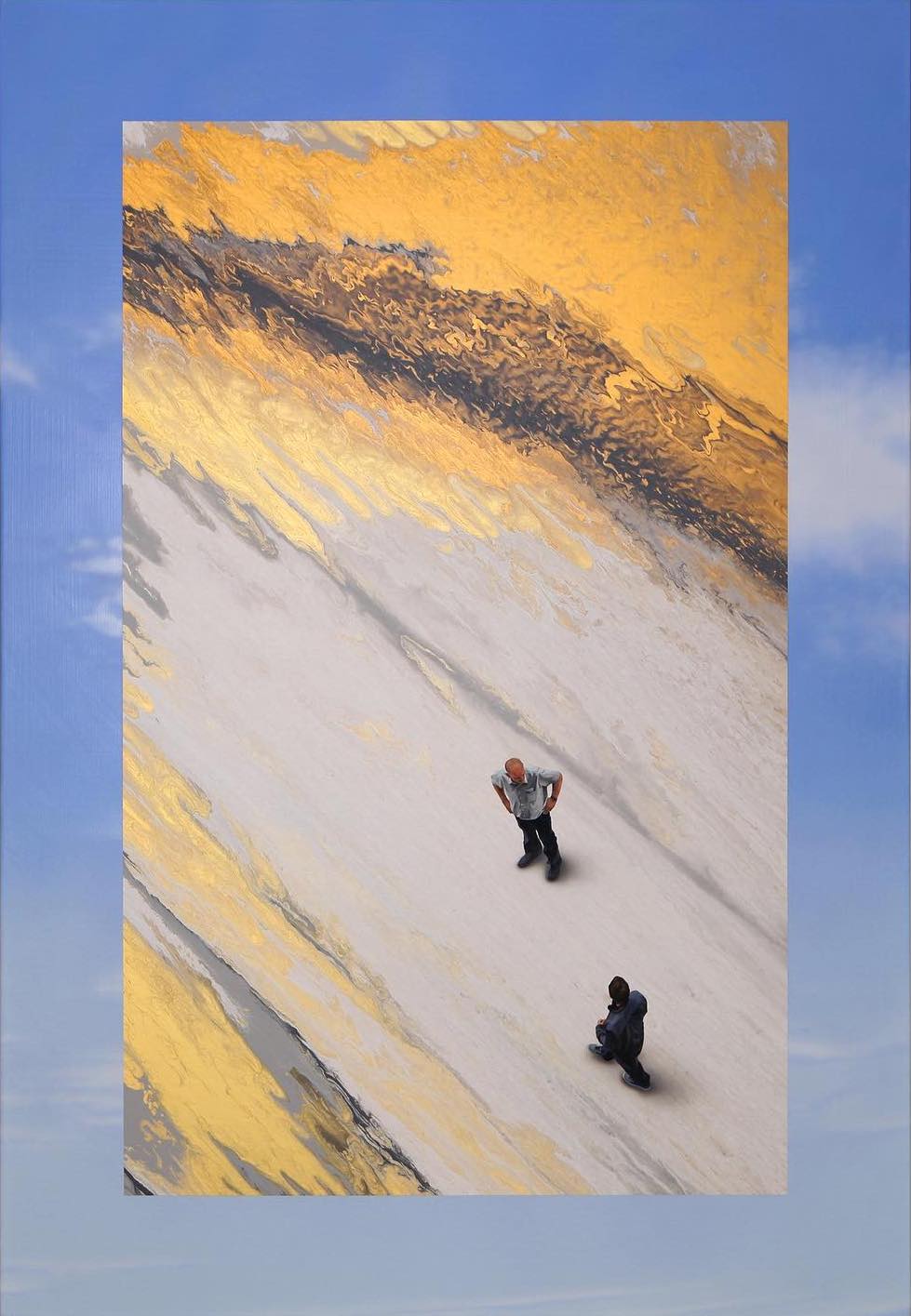
illusion appears around the shape. In other words, he uses this dual mechanism
in his works; returning the images he reproduces into the physical conditions
of the painting, and extracting the hint of representation from the material
itself. This attitude also stems from the sensation gained by traversing
between digital interface environments and the physical dimension.
 Installation view of 《Flip
Over》 © ThisWeekendRoom
Installation view of 《Flip
Over》 © ThisWeekendRoom
The
illusions they deal with seek to move away from the rhetorical meaning of the
drawing/painting as a window that opens up a virtual dimension. Instead,
Loersch digs into the accumulation of texts and visual symbols that solidify
the canons of art and culture with his own visual languages, while Hong builds
a network of relationships between visual representation and physical
experience by extending the characteristics of constantly discovered new
painting materials to the characteristics of contemporary environments. Thus,
we can diagnose them as meticulous actors who faithfully fulfil one side of the
representation, but then flip over to the other side, dreaming of physical
combinations and variations that will offset the sanctity of the old discourse.
1 Roland Barthes, “The Wisdom of Art”, Image and Writing, translated by
Insik Kim, Seoul:World History, 1993, pp. 27-29.
TextㅣJihyung Park (Curator, ThisWeekendRoom)