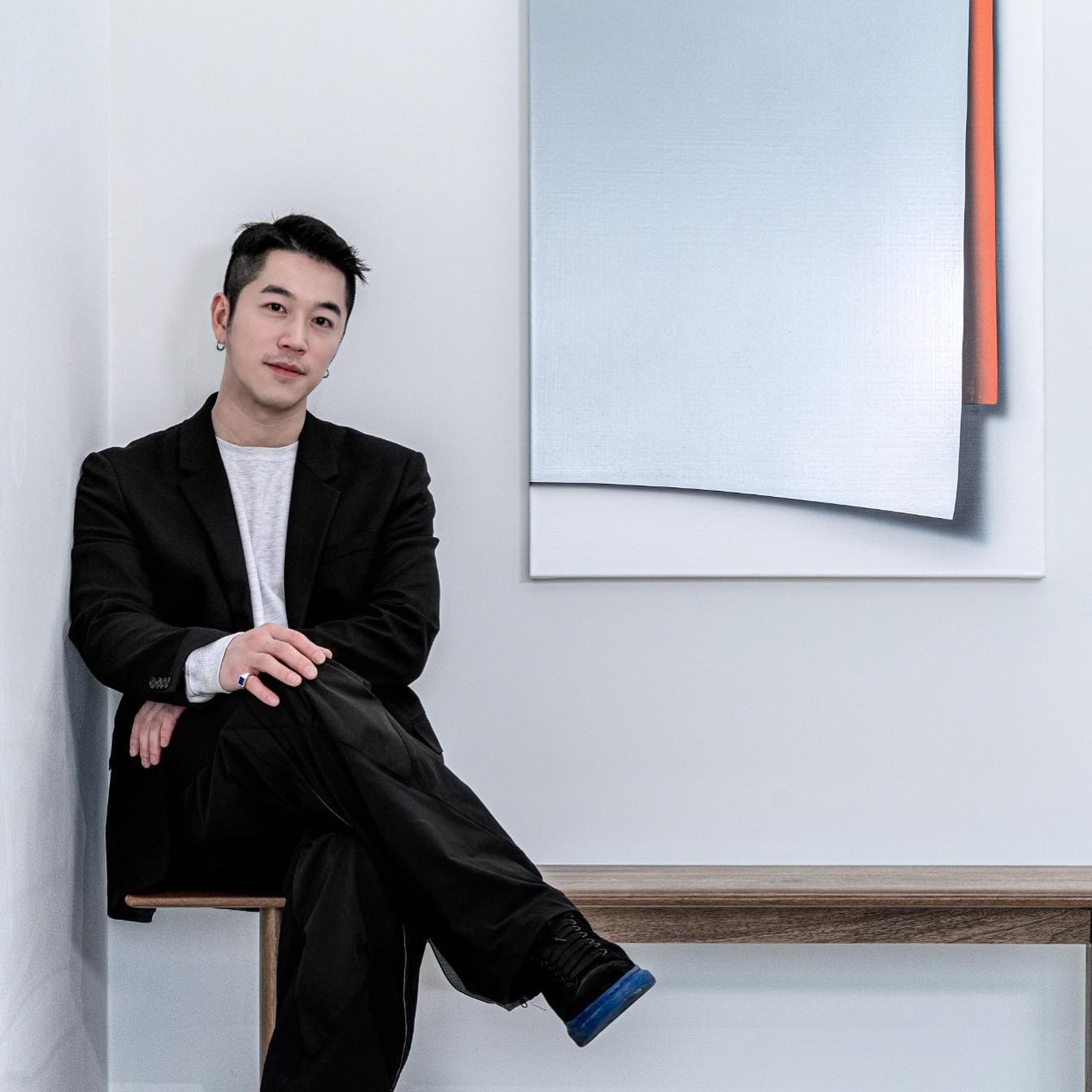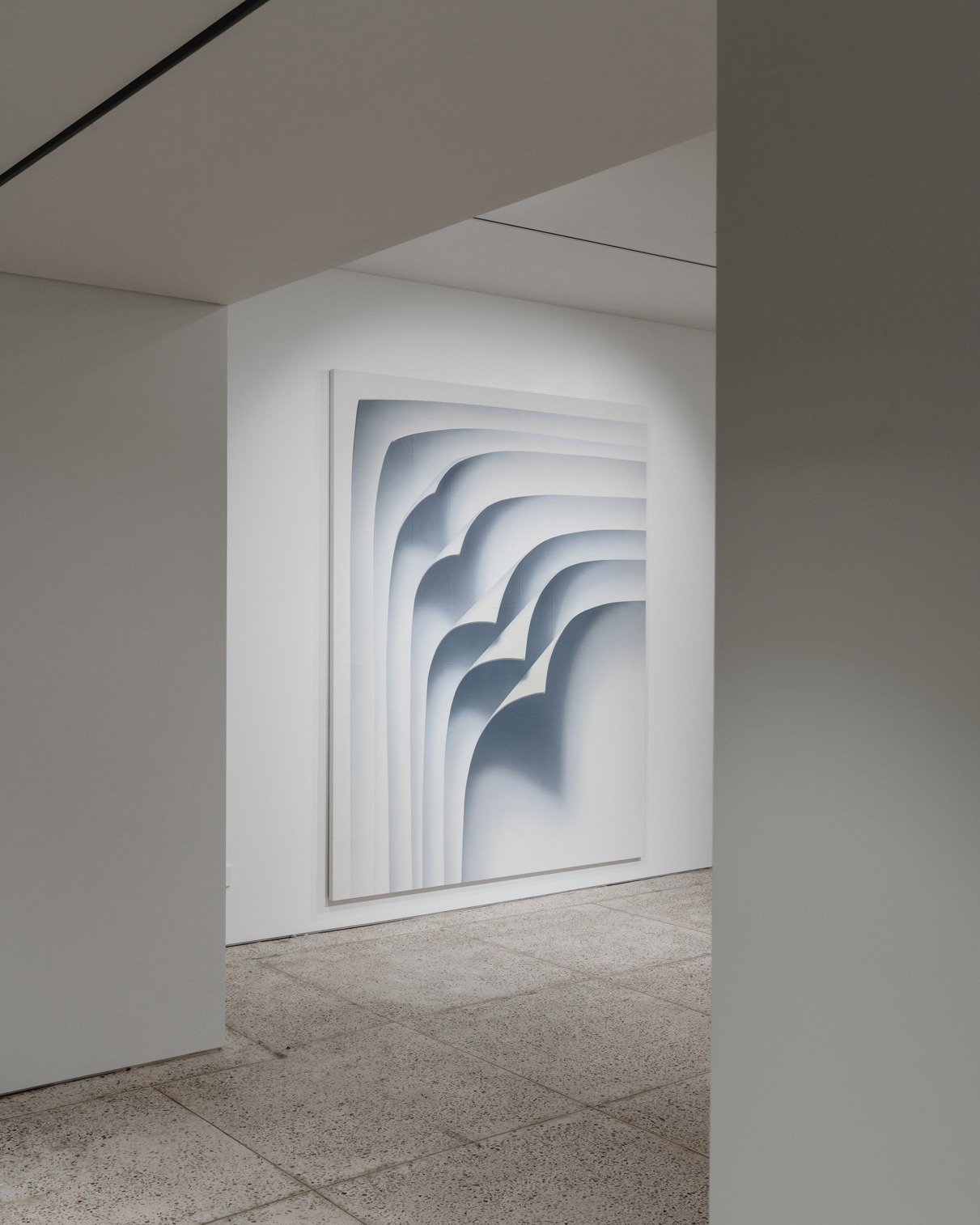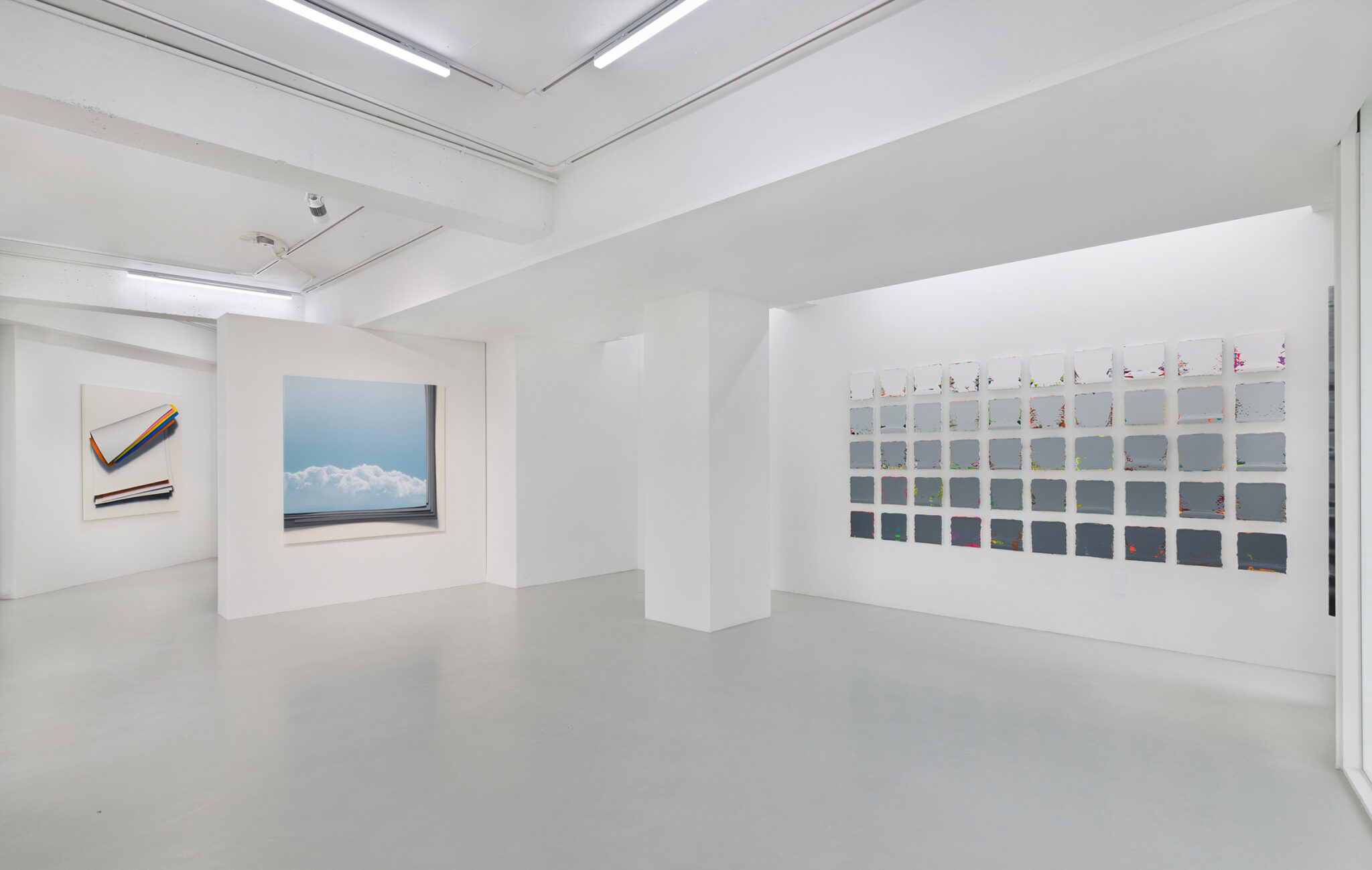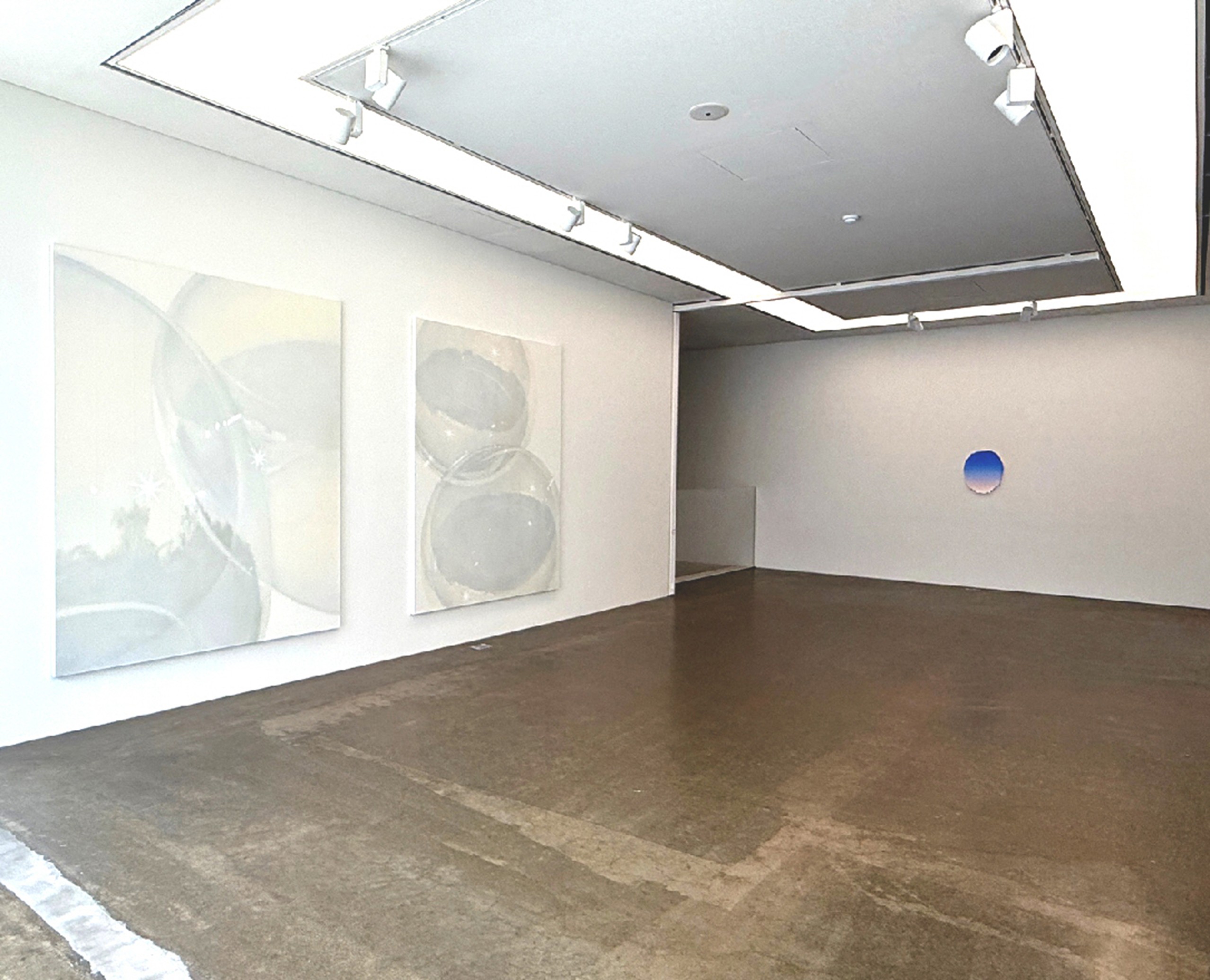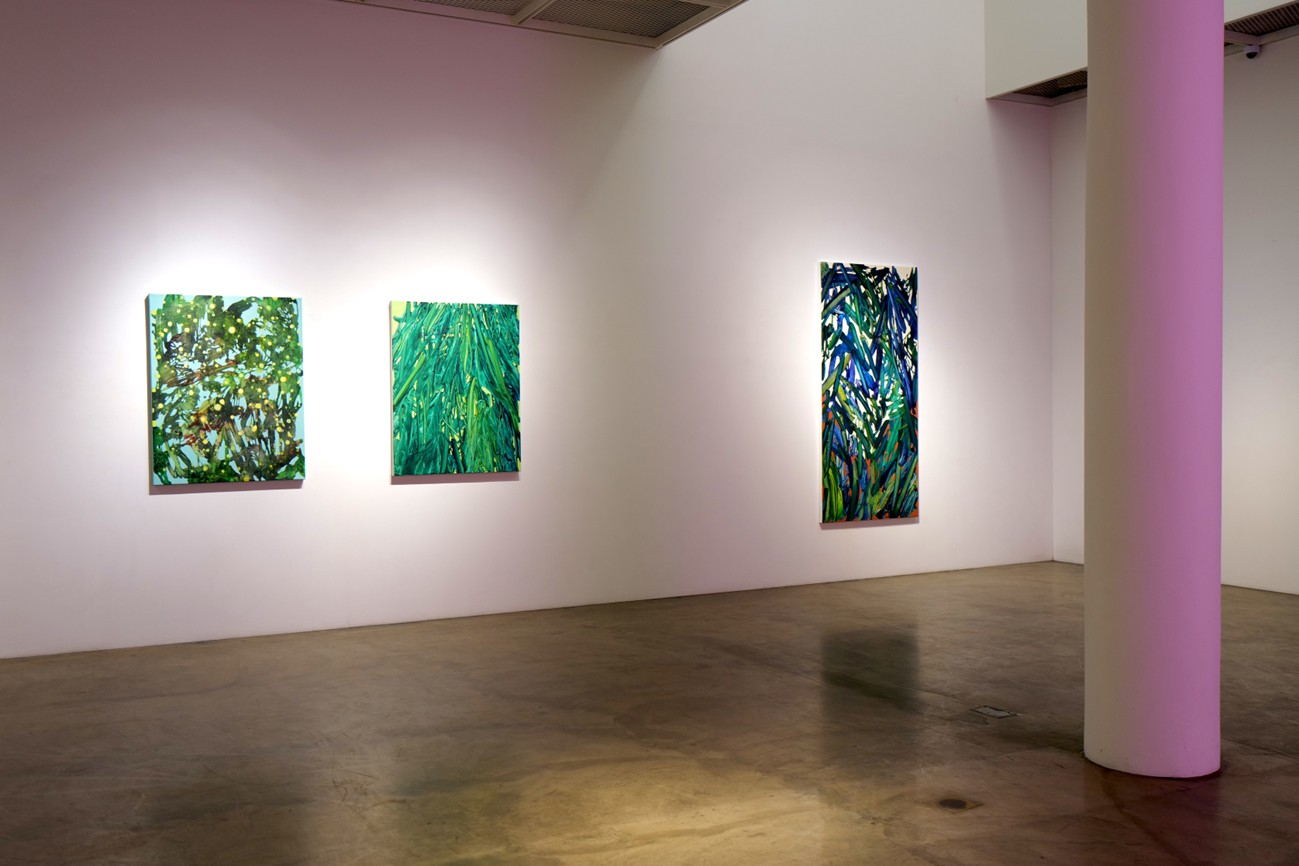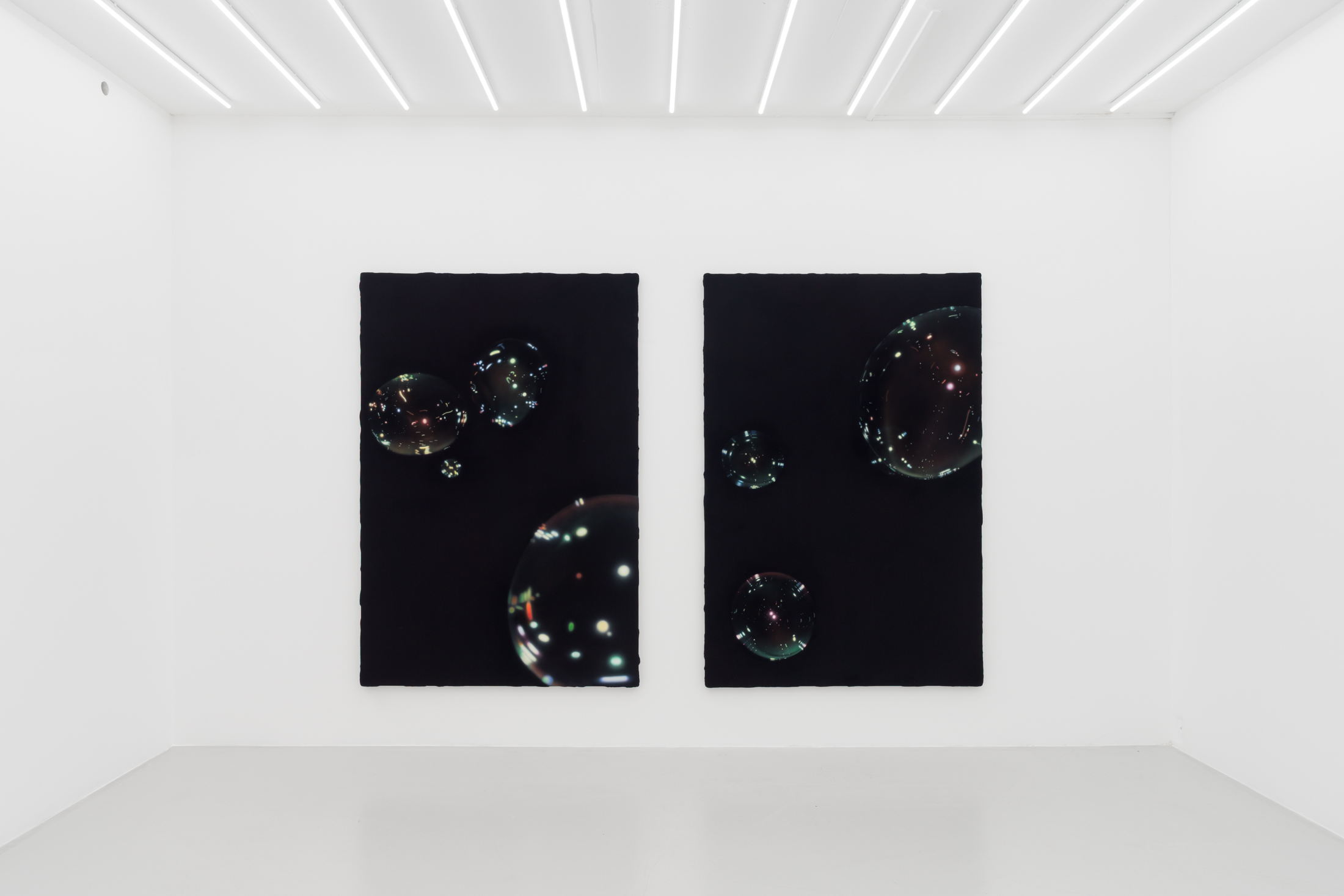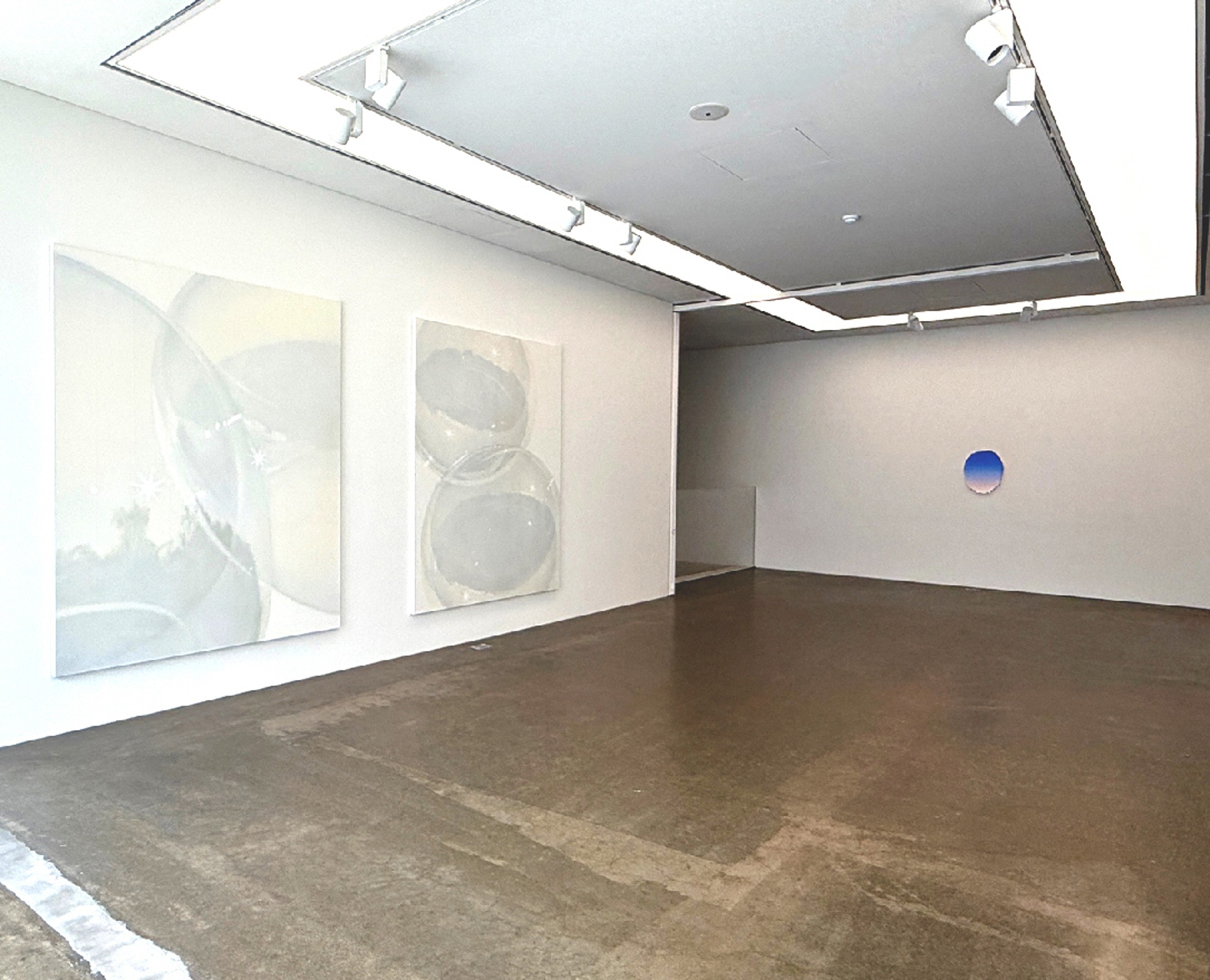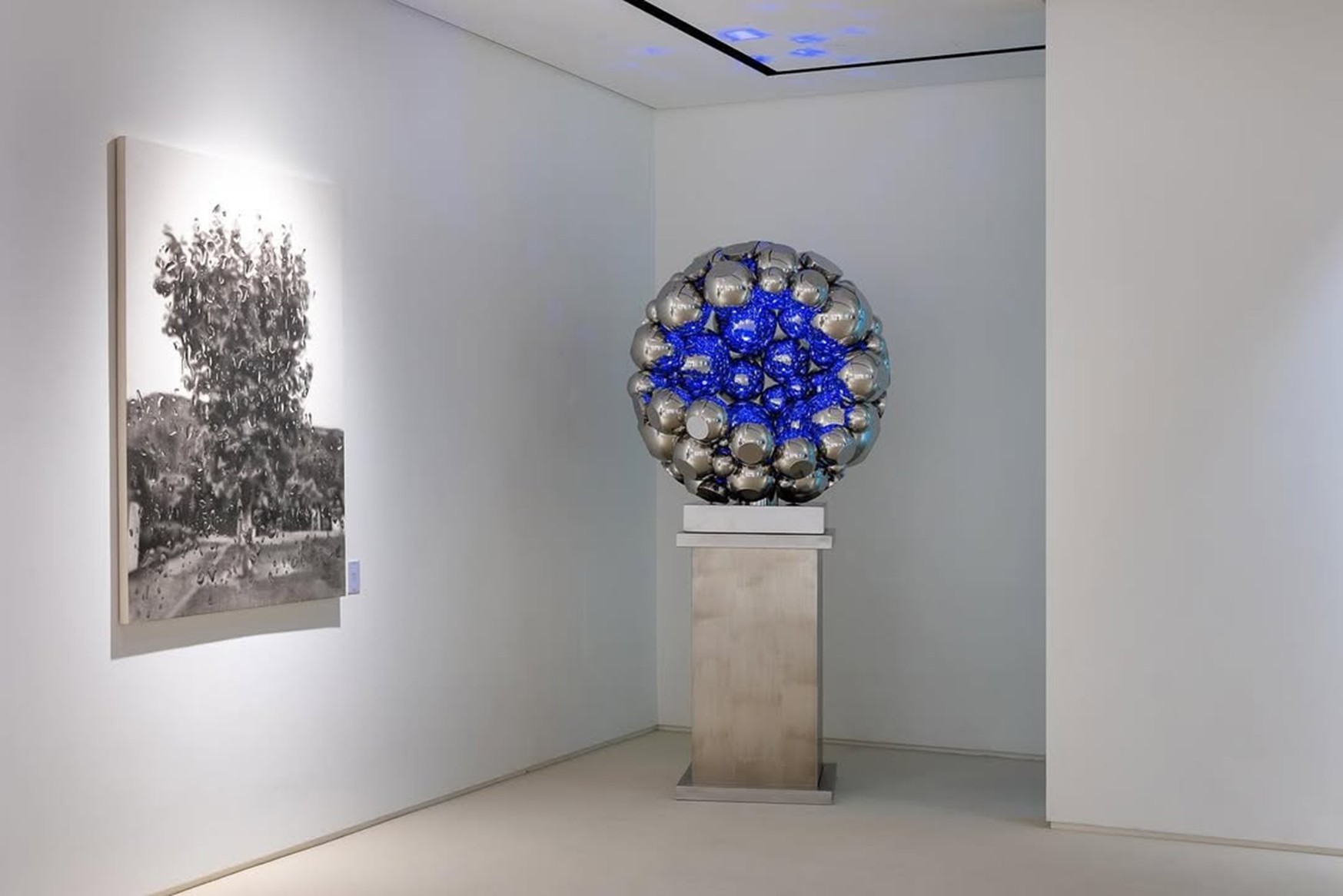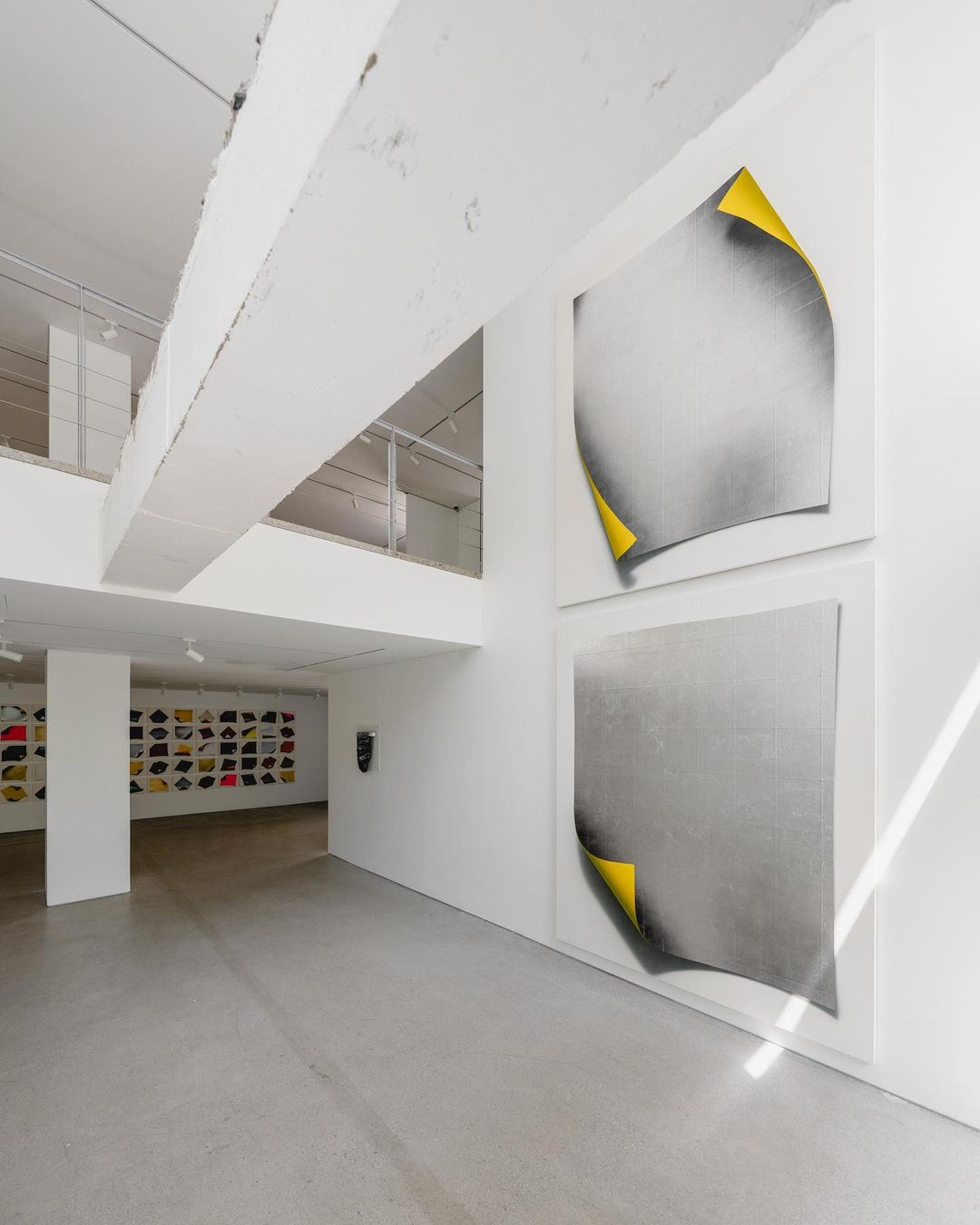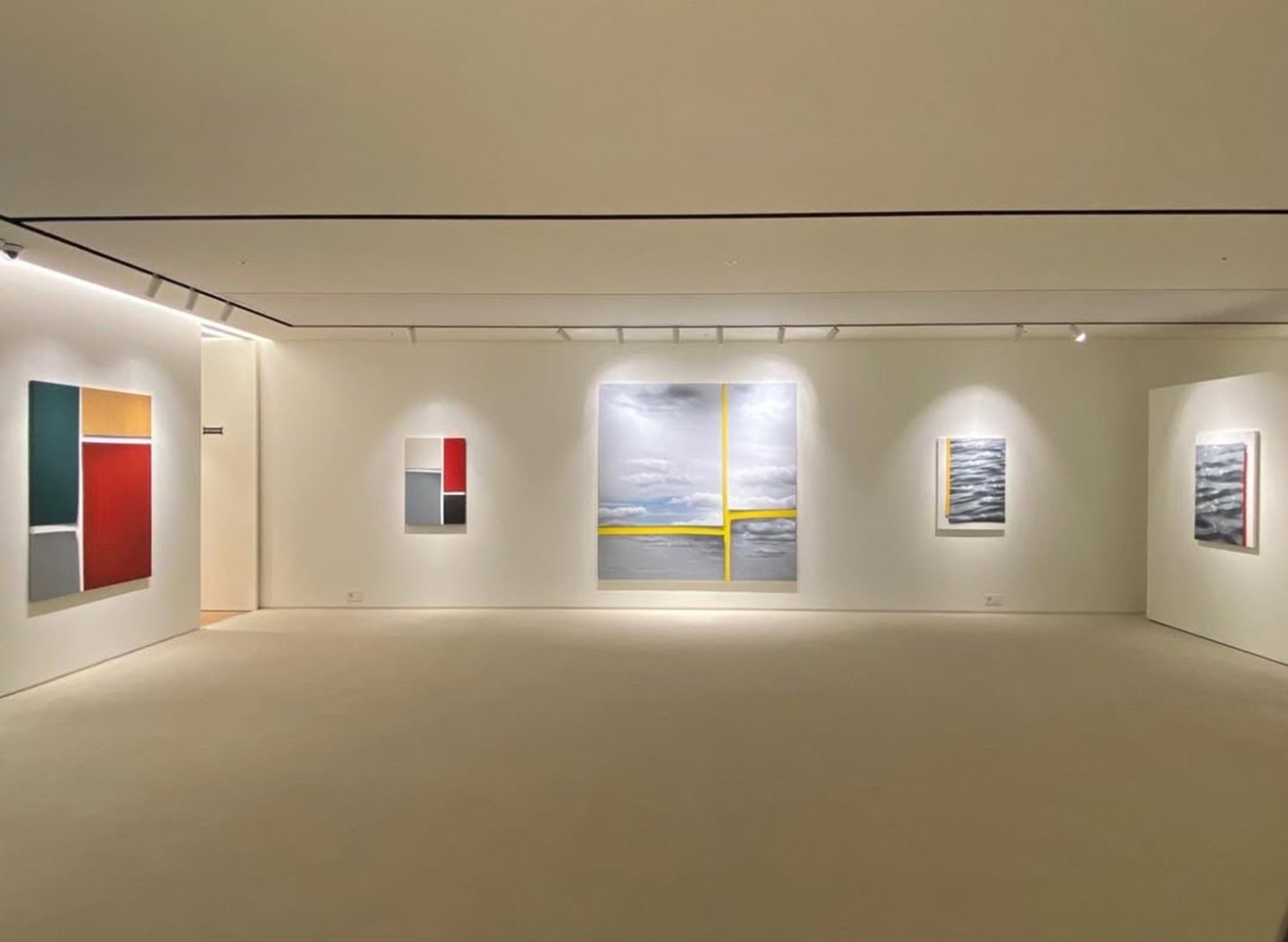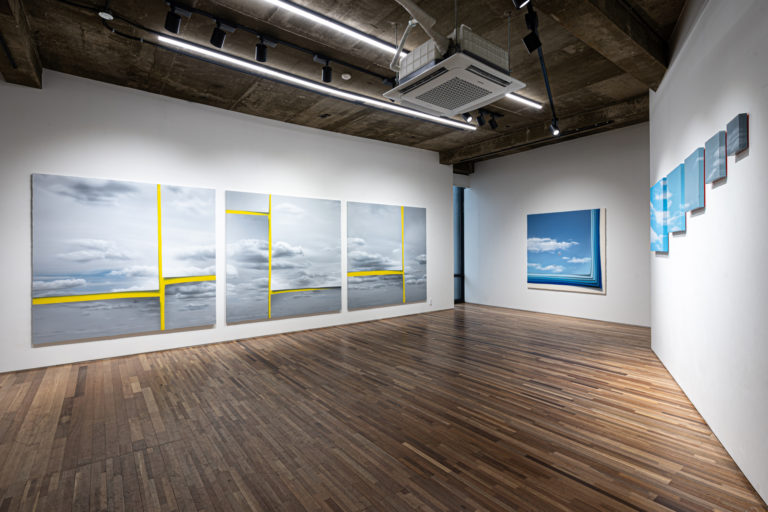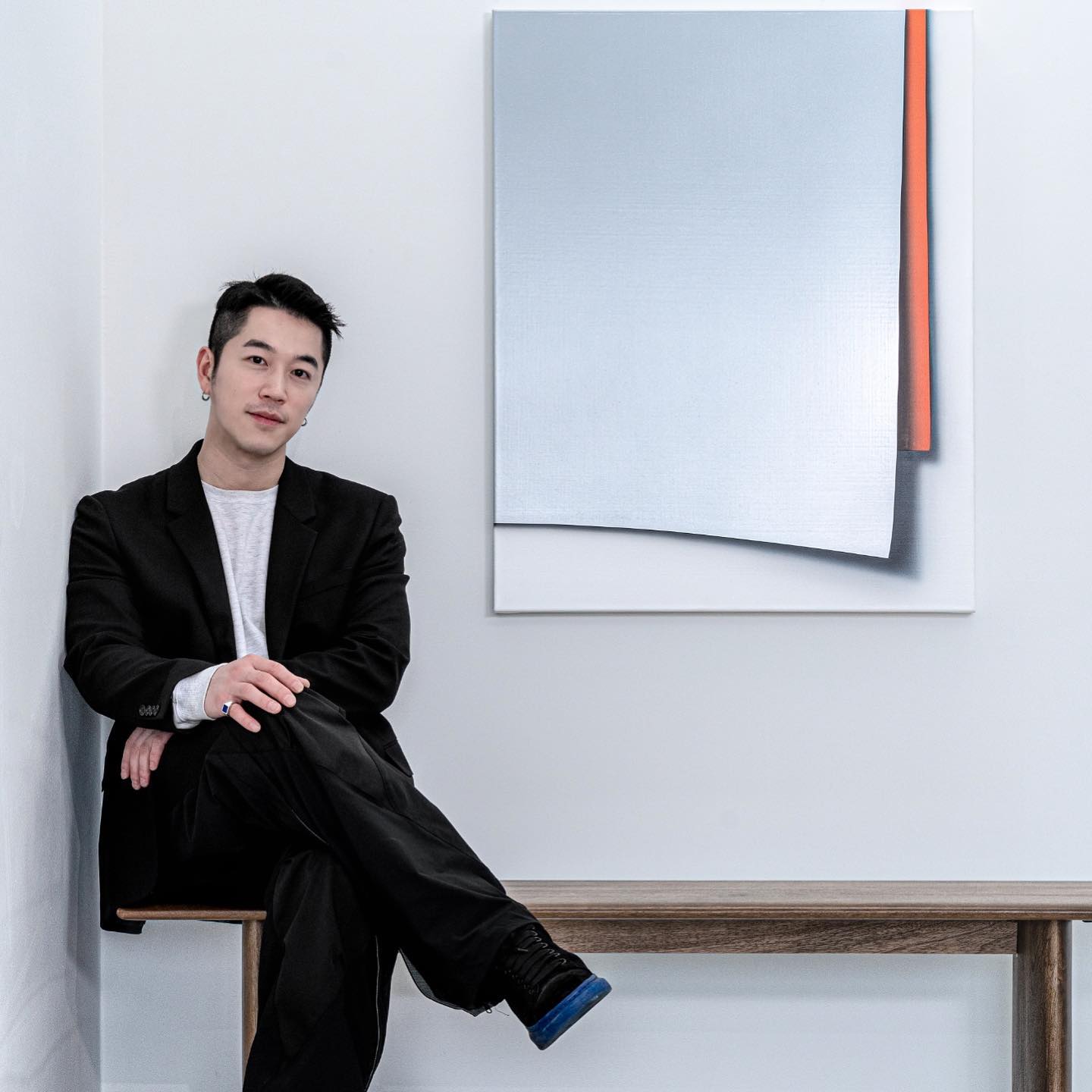

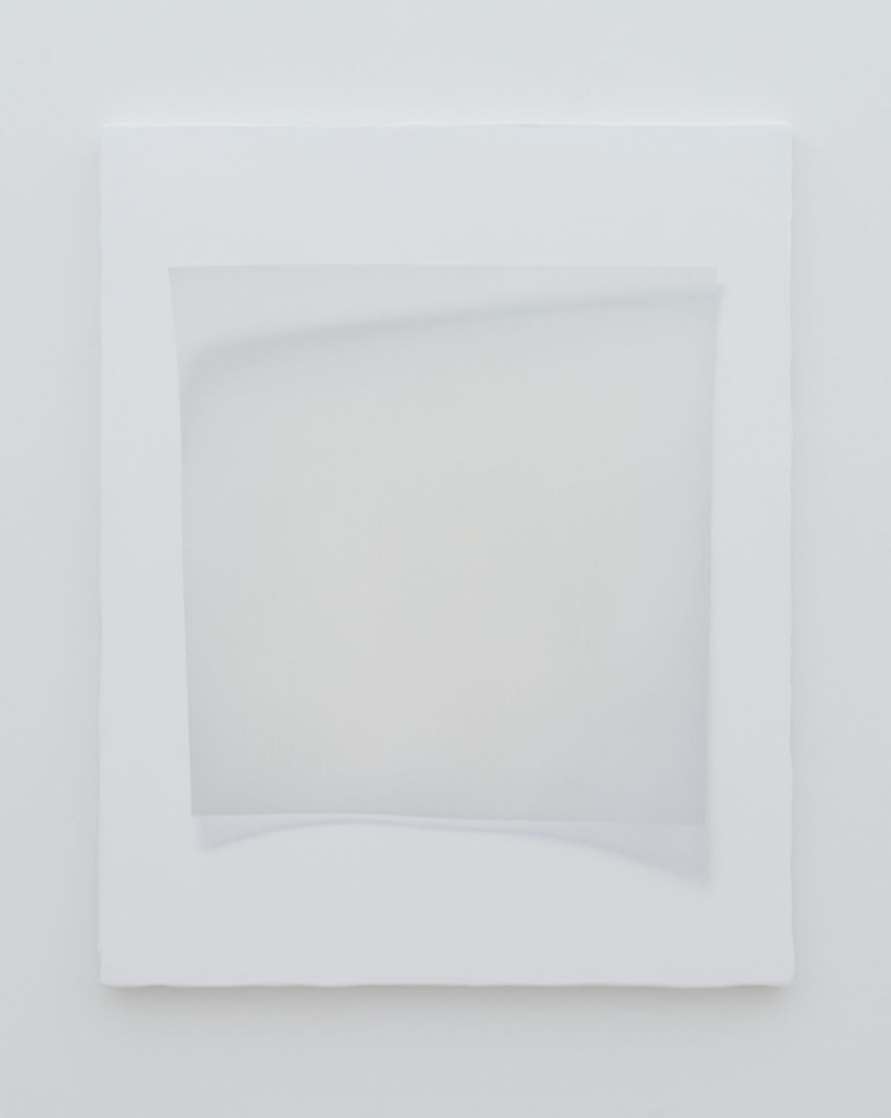
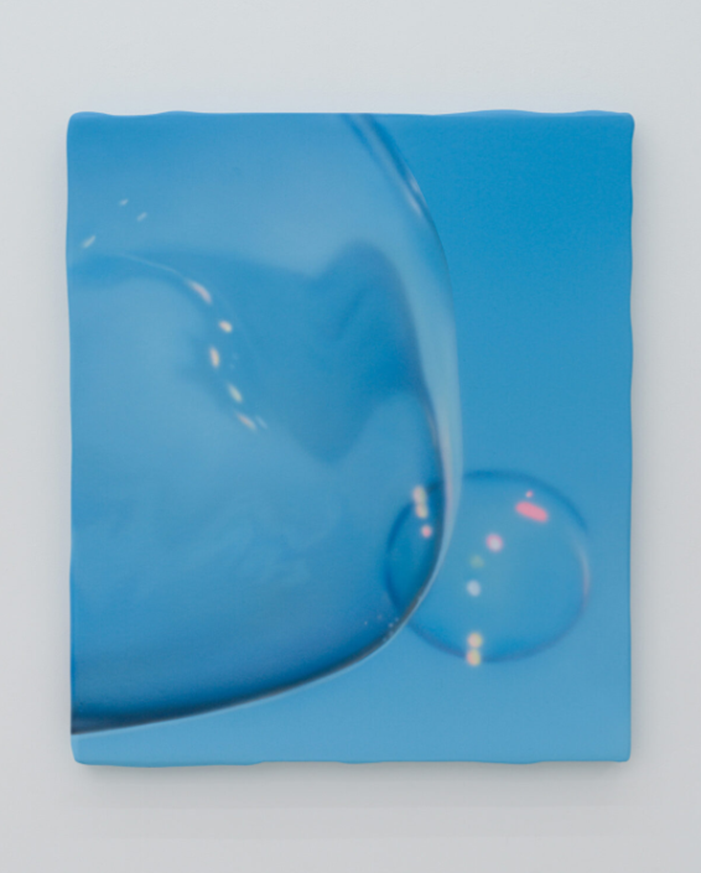
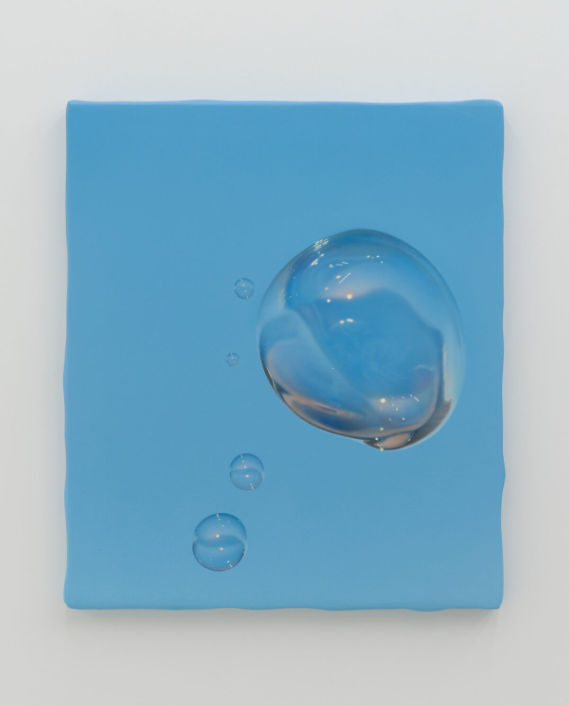
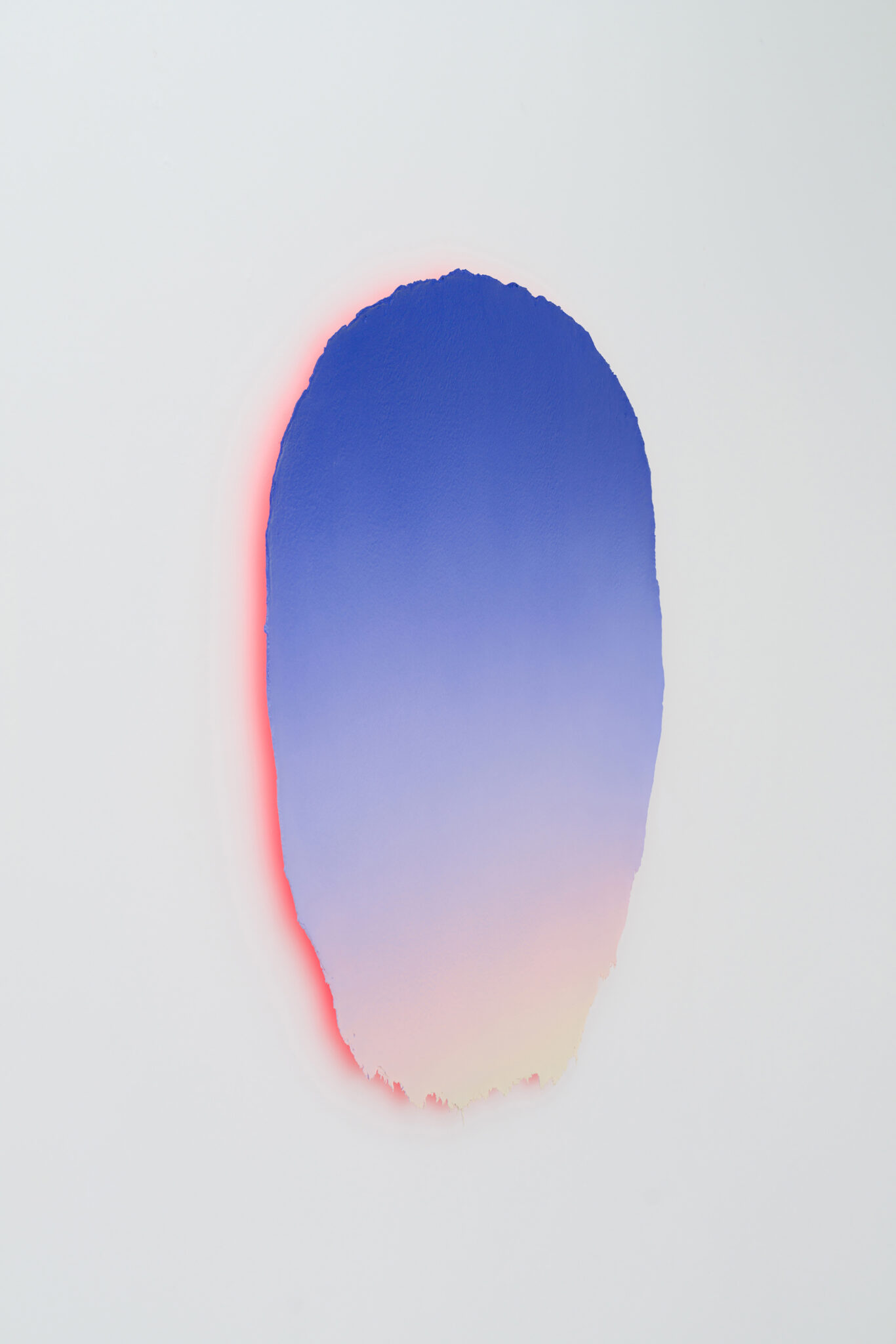
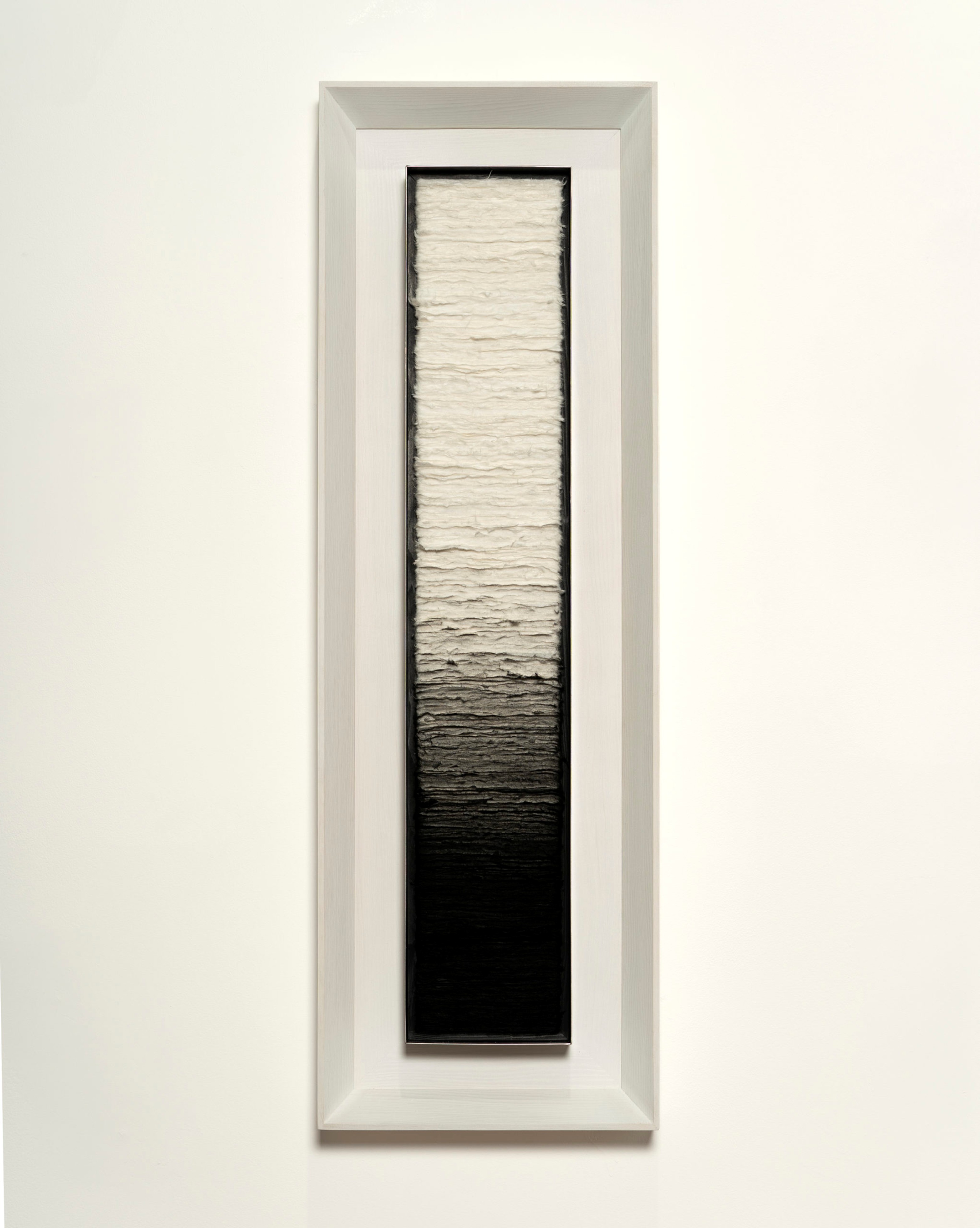
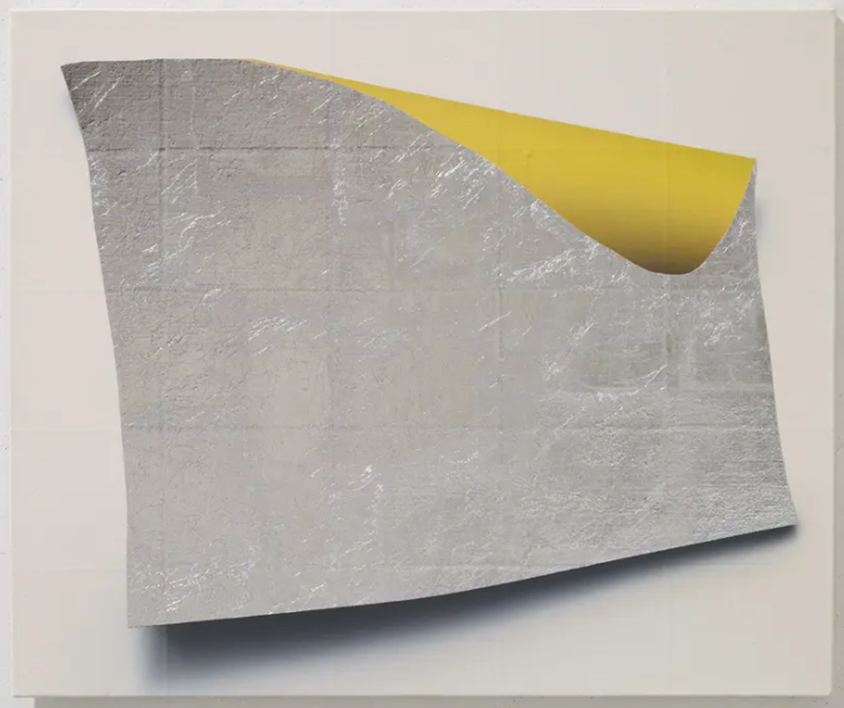
Installation view of 《All Makes Sense》 © ARTSIDE Gallery

There is a term, “haptic.” Derived from the Greek word haptesthai, meaning “to touch,” it refers not to simple tactile sensation but to a bodily experience distinct from it. Unlike pure visual (optic) perception, which is associated with seeing through the eyes, haptic perception relates to touching with the eyes. It is an experience of sensing an object with the entire body.

The exhibition 《All Makes Sense》, presented at ARTSIDE Gallery with three artists—Junyoung Kang, Junghyun Yoo, and Seong Joon Hong—was conceived to stimulate precisely this haptic sensibility, offering works that can be “touched” with the eyes. In a digitally inclined society that tends to remain at the level of surface scanning across screens via fingertips rather than engaging active sensory perception, this exhibition proposes an experience that allows viewers to feel the materiality of painting.

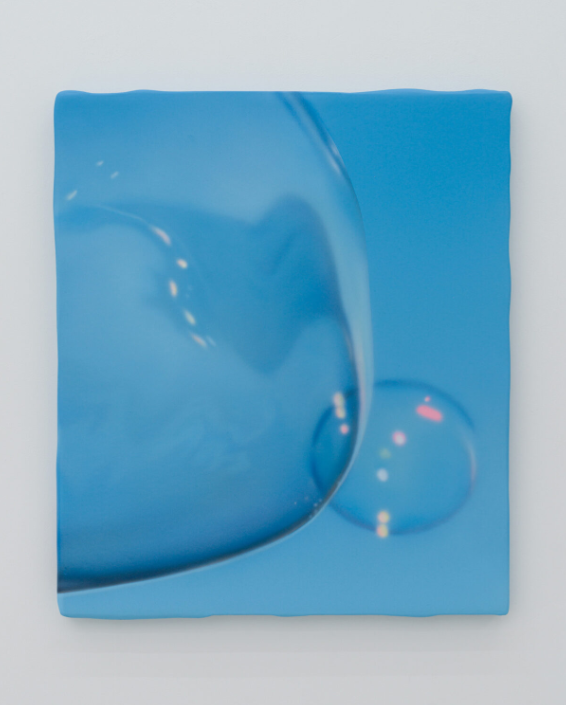
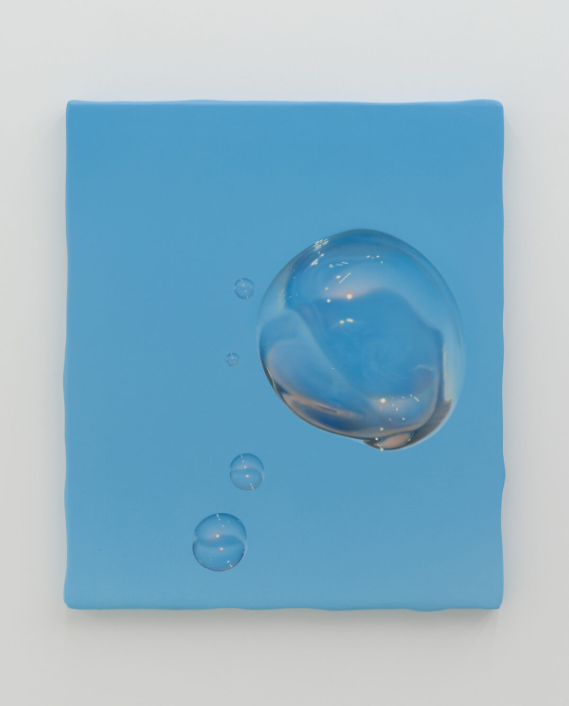
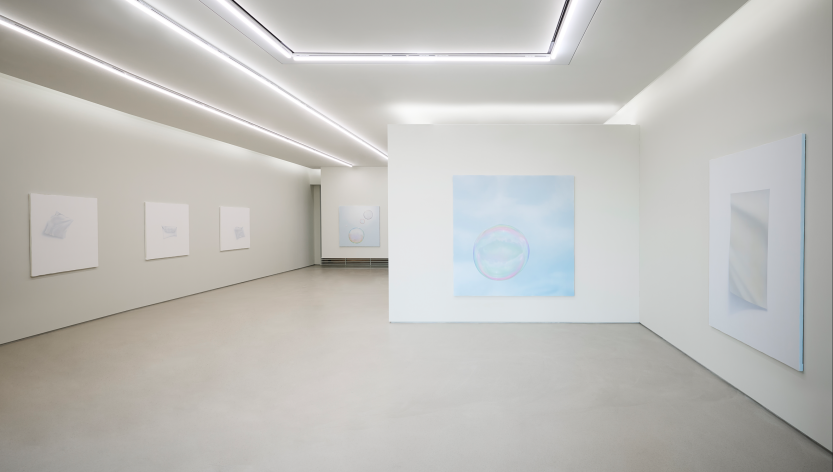
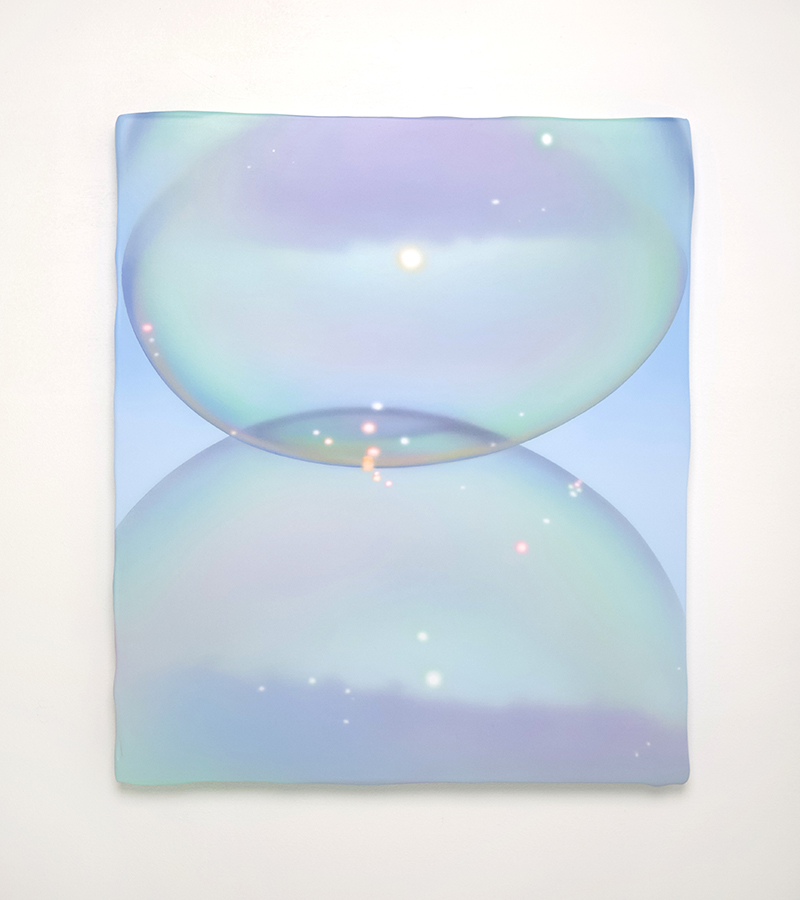
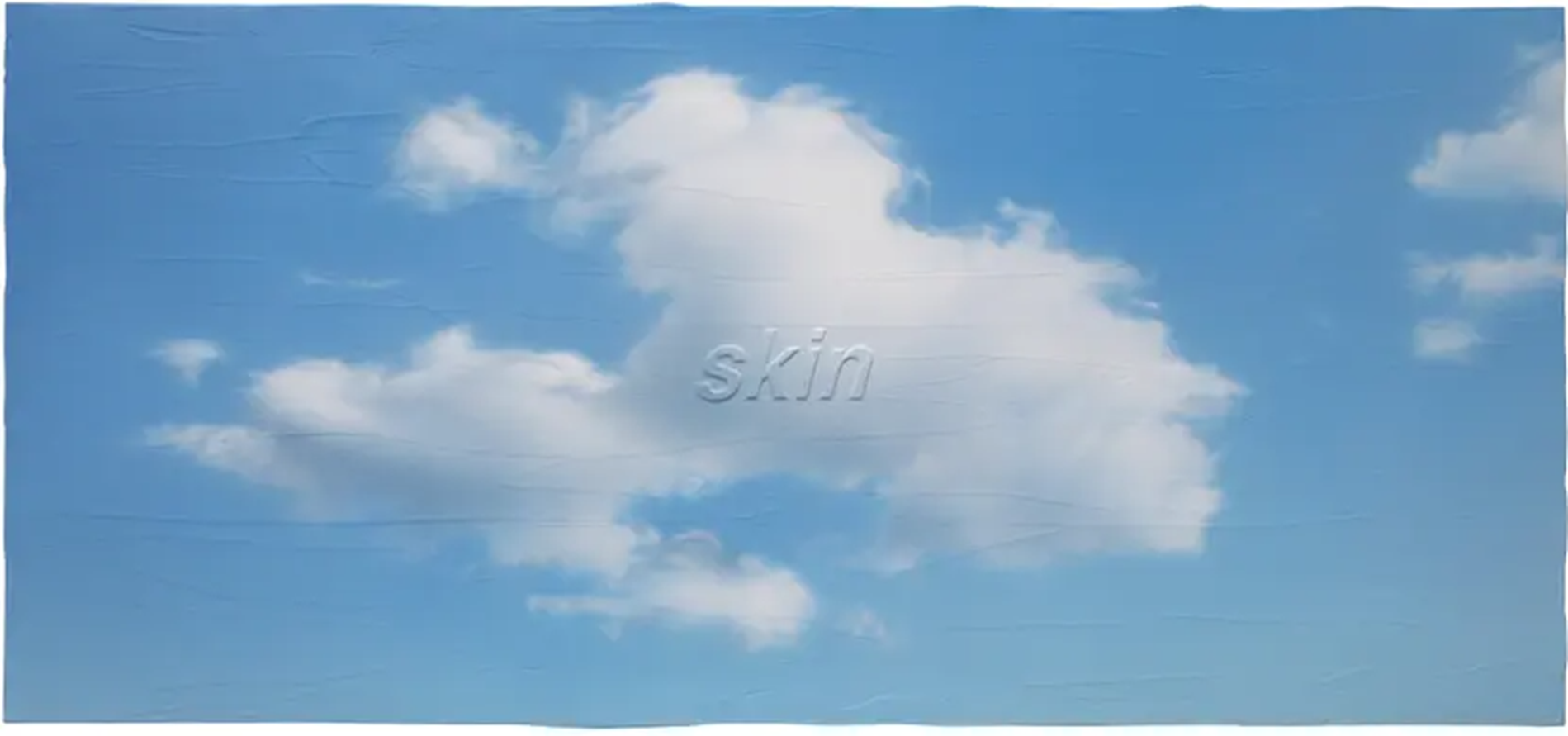
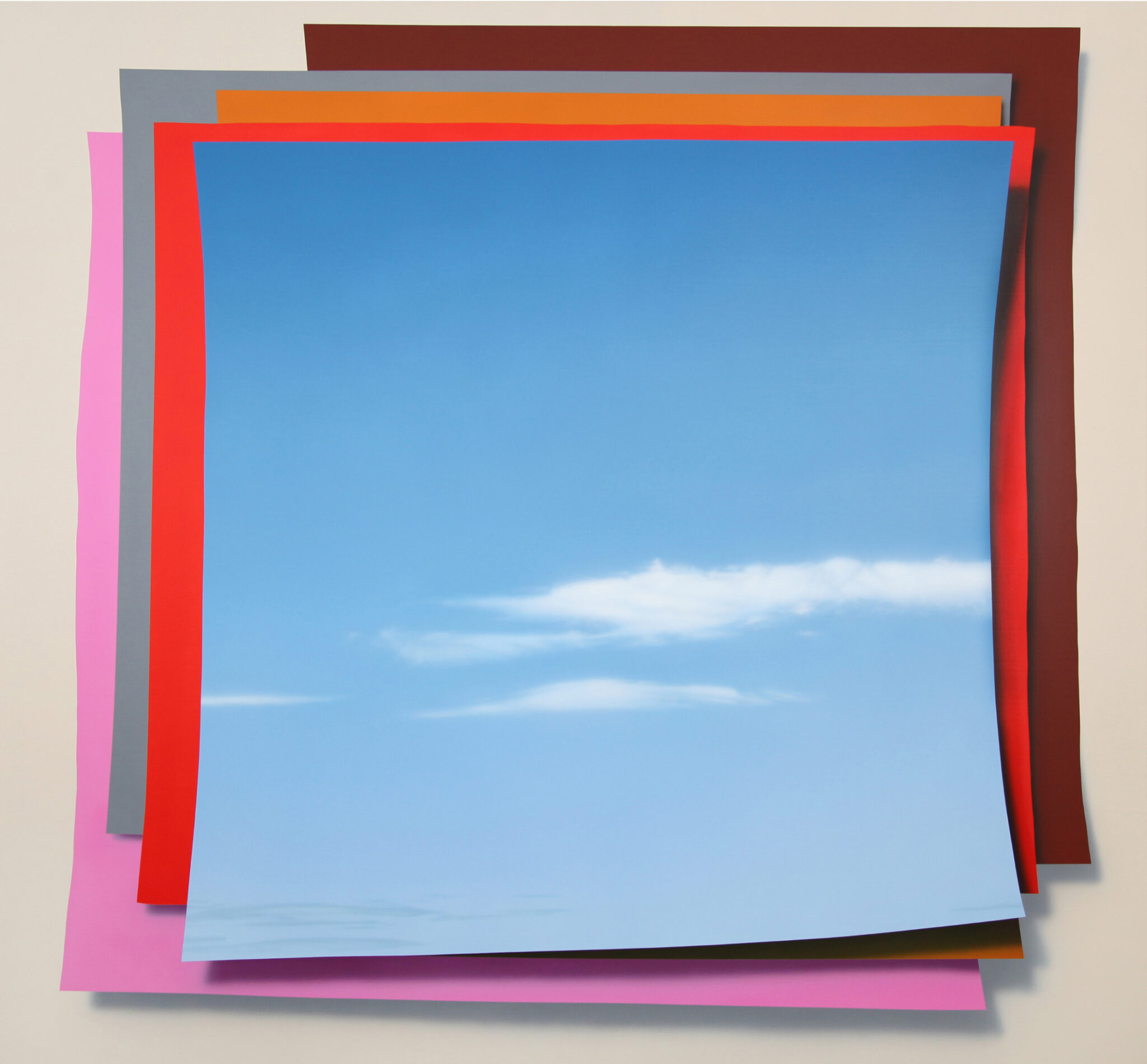
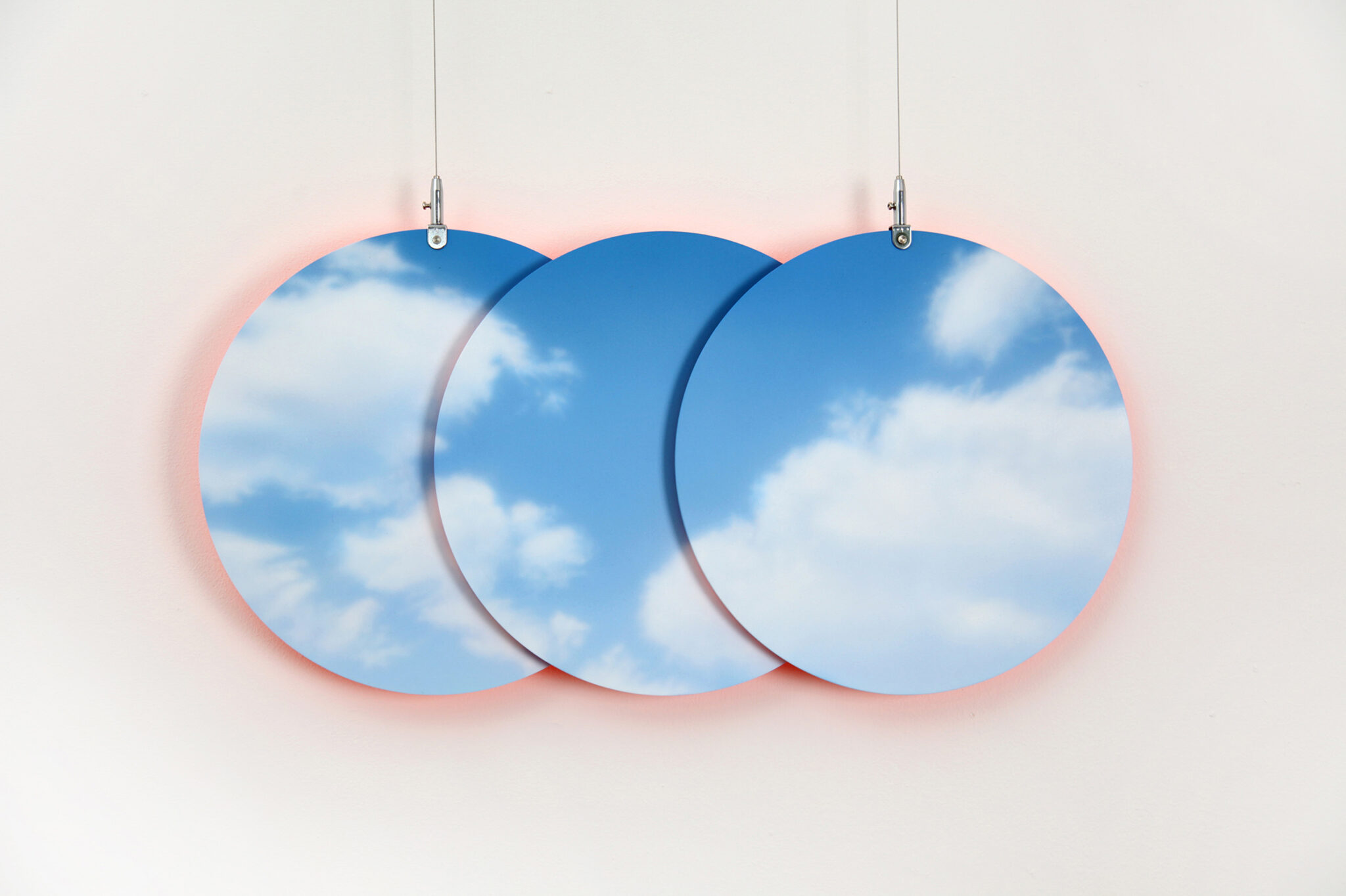
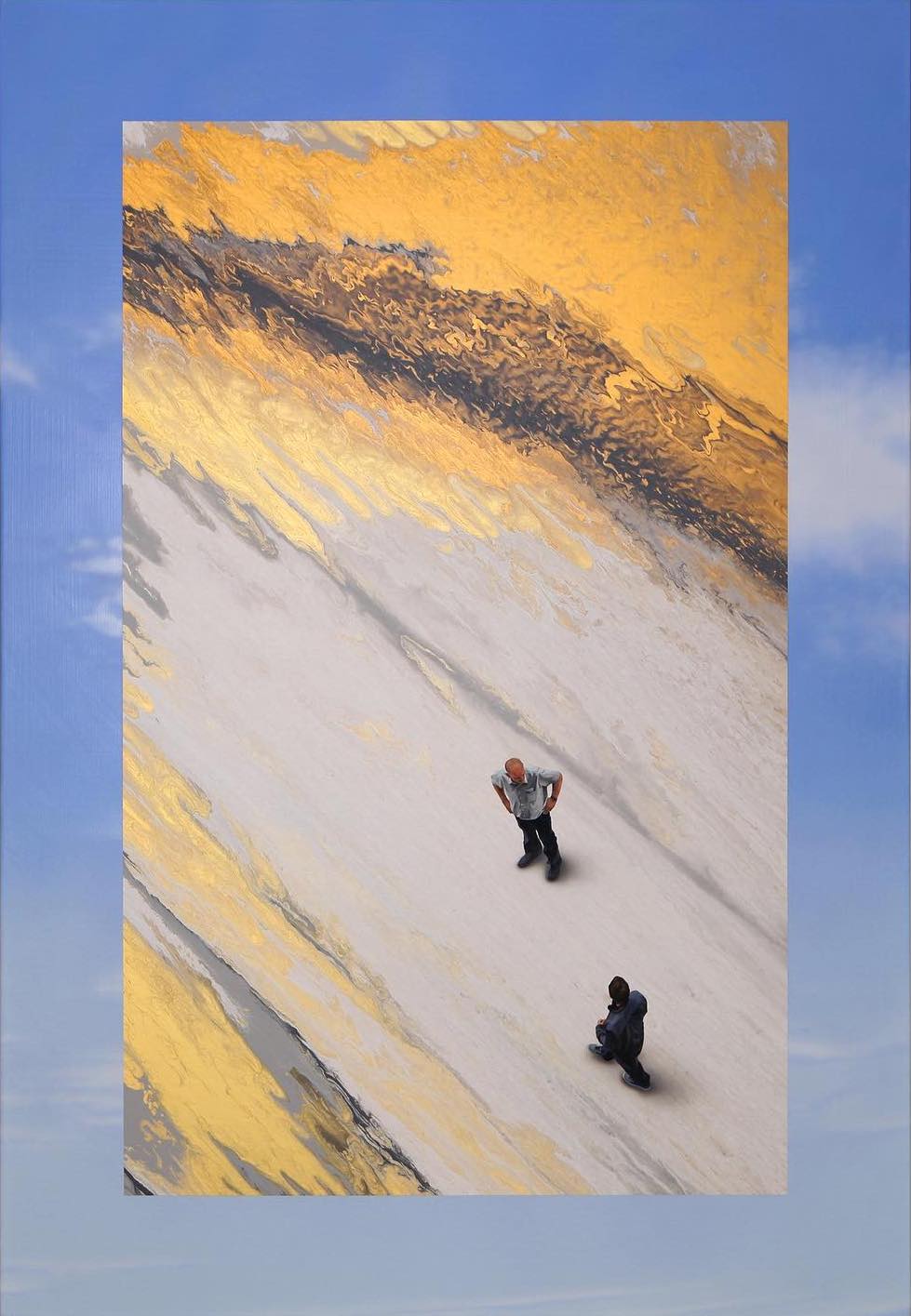
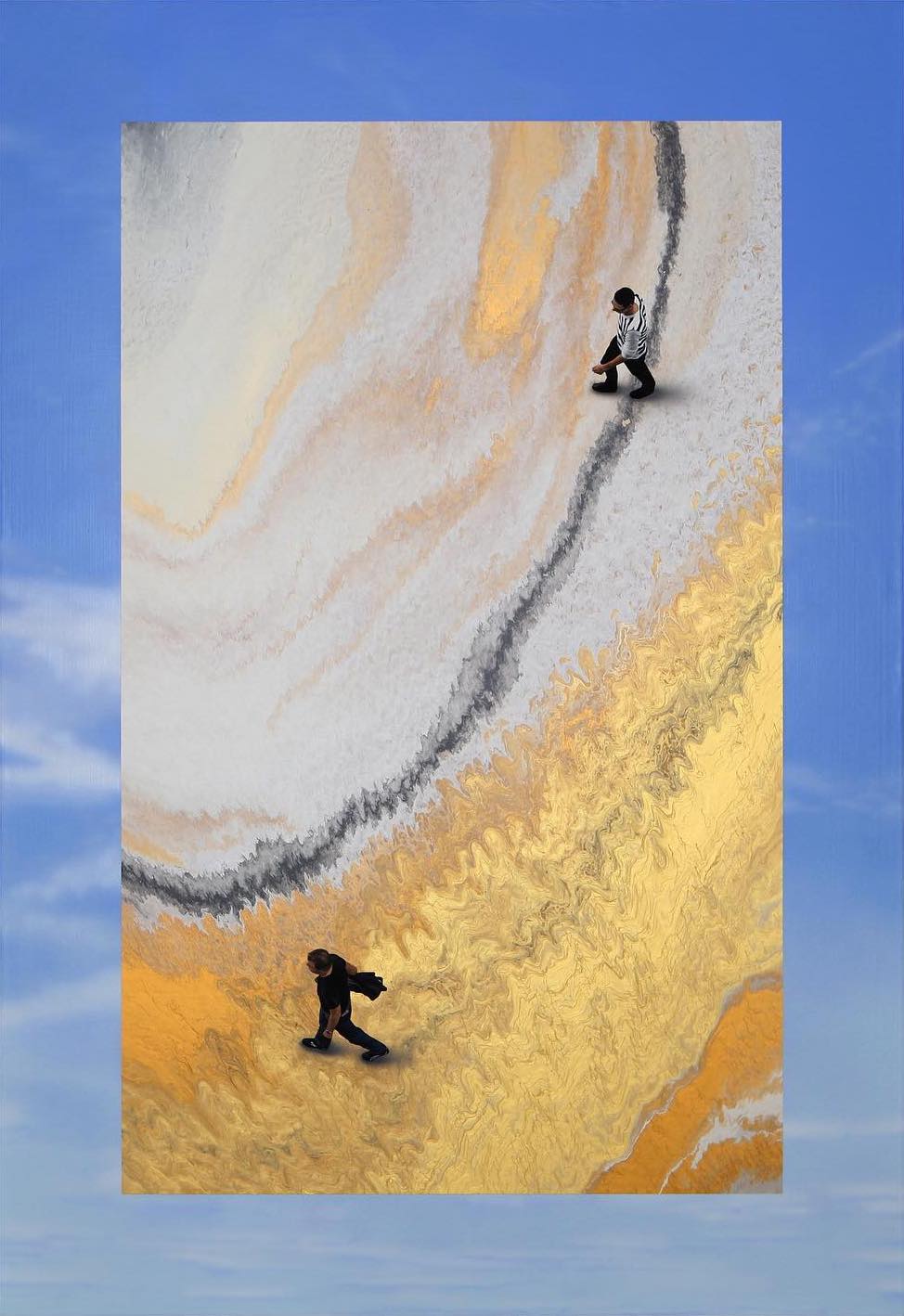
Seong Joon Hong (b. 1987) explores the concept of “layers” through formal structures in which transparent objects—such as soap bubbles, clouds, skies, and thin plastic—transmit and reflect light. The characteristics of layers produced through permeability and superimposition, as well as the reflection and distortion of light, culminate in light and transparent illusions. To achieve this, the artist deliberately removes traces of his presence—such as painterly matter or brushstrokes—from the smoothly finished surface of the canvas.

Instead, behind the canvas, he applies medium to the fabric, allows it to dry, sands and flattens the surface, and then repeatedly erases, overlays, and revises existing images using an airbrush, engaging in performative durations of labor. The canvas, objectified through such labor, presents a surface that appears clean and fantastical, almost as if printed, inviting viewers into the tactile painterly world he has cultivated.

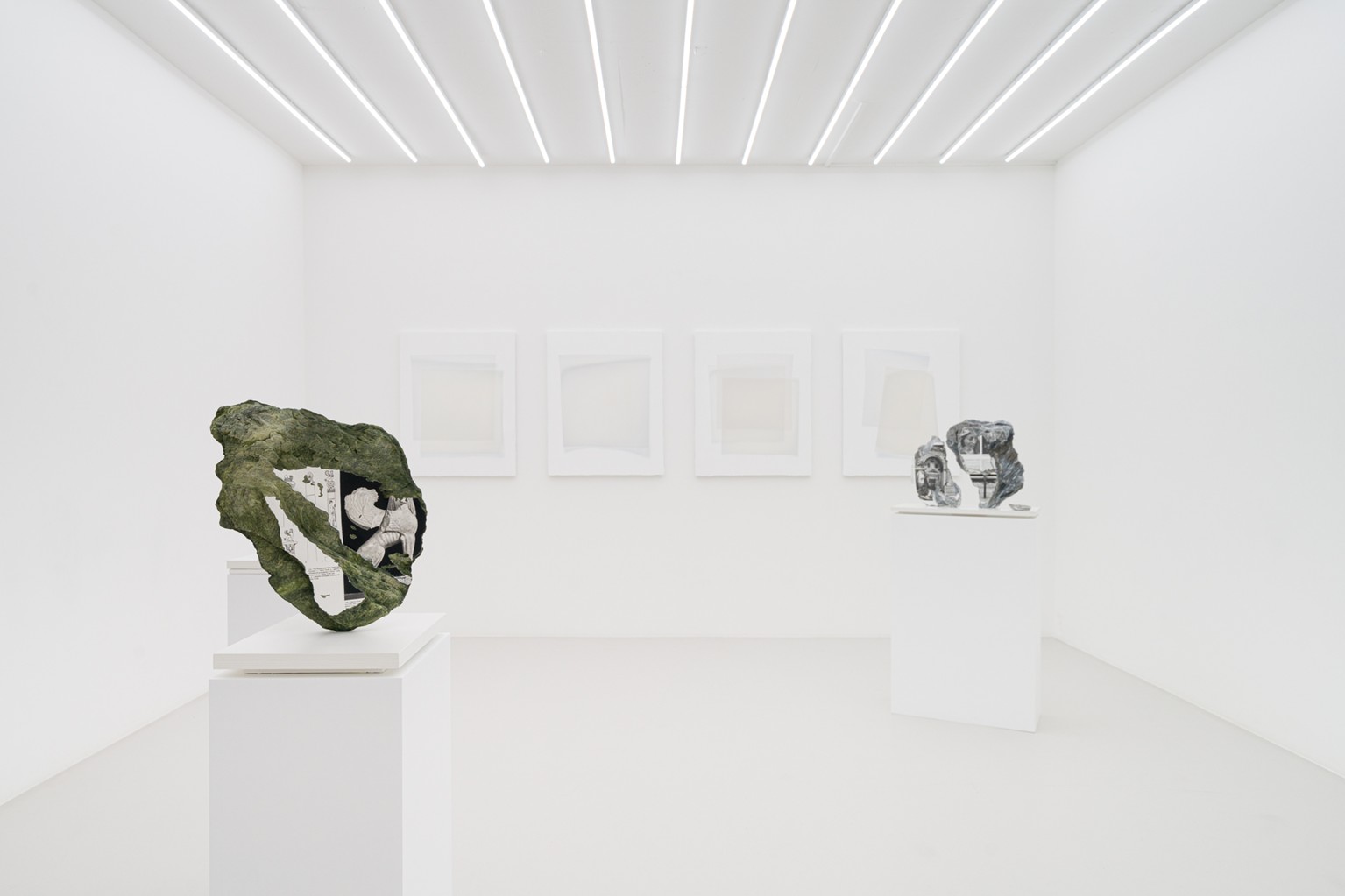
Installation view of 《All Makes Sense》 © ARTSIDE Gallery

The act of embedding repetition, performativity, and the resulting haptic texture into the canvas also resonates with the work of Junghyun Yoo (b. 1973). The vigorous brushstrokes entangled across the surface unfold a sequence of narratives according to the order in which they overlap—narratives that trace the artist’s process of capturing moments where chance and inevitability intersect. Depending on the physical force applied by the artist, paint-laden brushes grow faint or bold, dense or thin, carrying elements of contingency.

In recent works, Yoo experiments with a range of colors and often inserts ruler-straight horizontal signs that run counter to the fluid flow of his brushstrokes. These clean, abstract “lines,” sharply contrasted with the tangled traces around them, interrupt the viewer’s impulse to recognize plant-like forms and immerse themselves in the green-toned surfaces, colliding the boundary between figuration and abstraction and producing a doubled sensory experience.

Junyoung Kang (b. 1979) speaks of warmth and love commensurate with the thick layers of paint he builds up. The love he conveys directly through text is not something extraordinary, but rather something modest and universally relatable. The paintings presented in this exhibition are predominantly composed of white tones, intentionally reducing color in order to heighten attention to texture. The distinctive surface effects produced through these thick applications expand into the viewer’s physical space through ceramic works displayed at the center of the exhibition. Kang’s sensuous pink hues and ornate decorative expressions encounter rough clay transformed by glaze and fire into smooth ceramic surfaces, once again endowing them with compelling tactility and proposing material presence.

The exhibition title 《All Makes Sense》 encapsulates two meanings. Literally, it suggests that the works by the participating artists generate multiple “senses.” Idiomatically, it conveys that everything finally “makes sense,” becoming natural and coherent as it should. Accordingly, this exhibition seeks to offer an experience that feels “finally natural” by presenting haptic sensibility—intrinsic to human perception—in the material dimensions of the works themselves or in the visually apprehended sensations they ultimately generate, allowing viewers to momentarily step outside a digitally fatigued society.

References