Exhibitions
《Gazing Between Layers》, 2022.07.07 – 2022.08.06, Gallery BHAK
July 07, 2022
Gallery BHAK
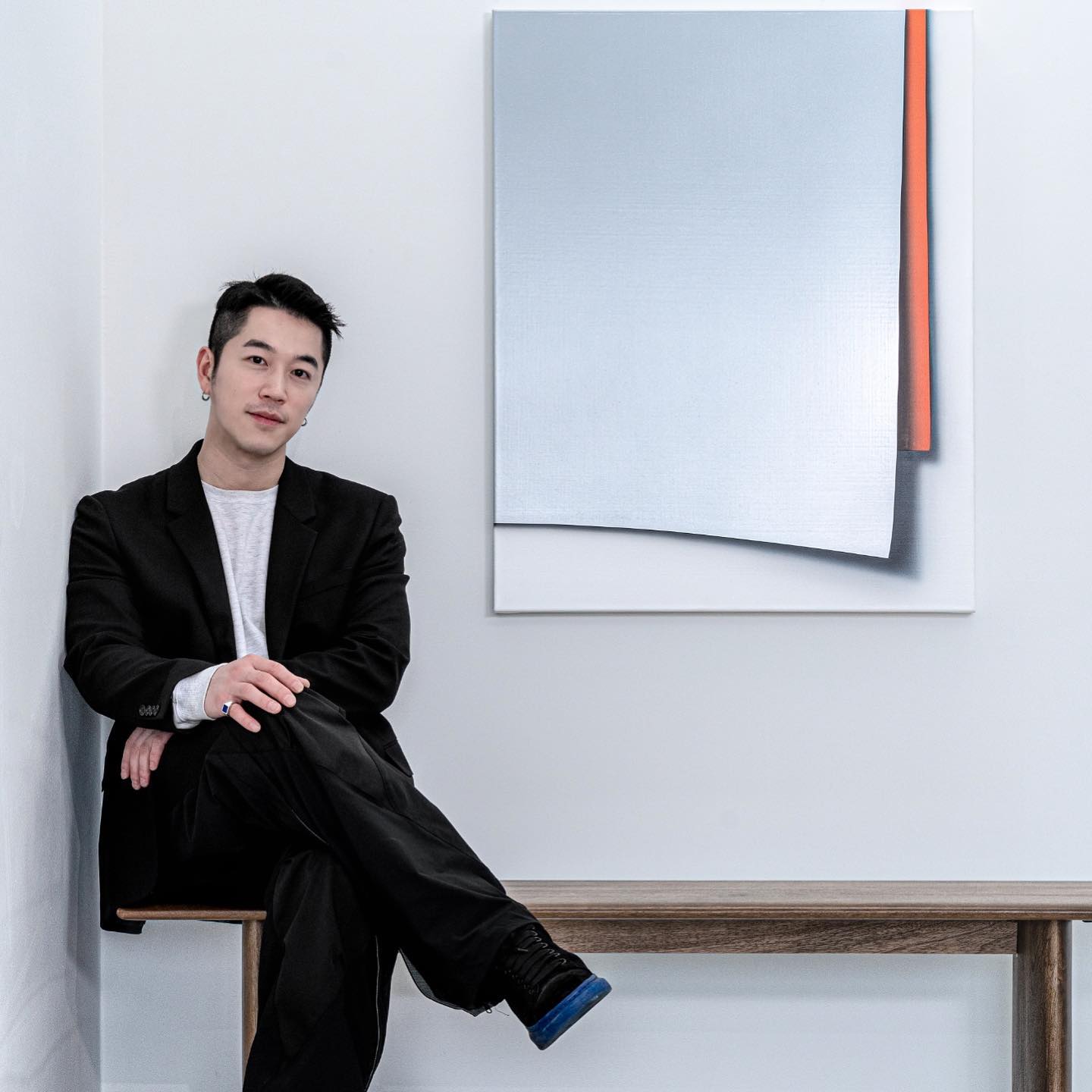
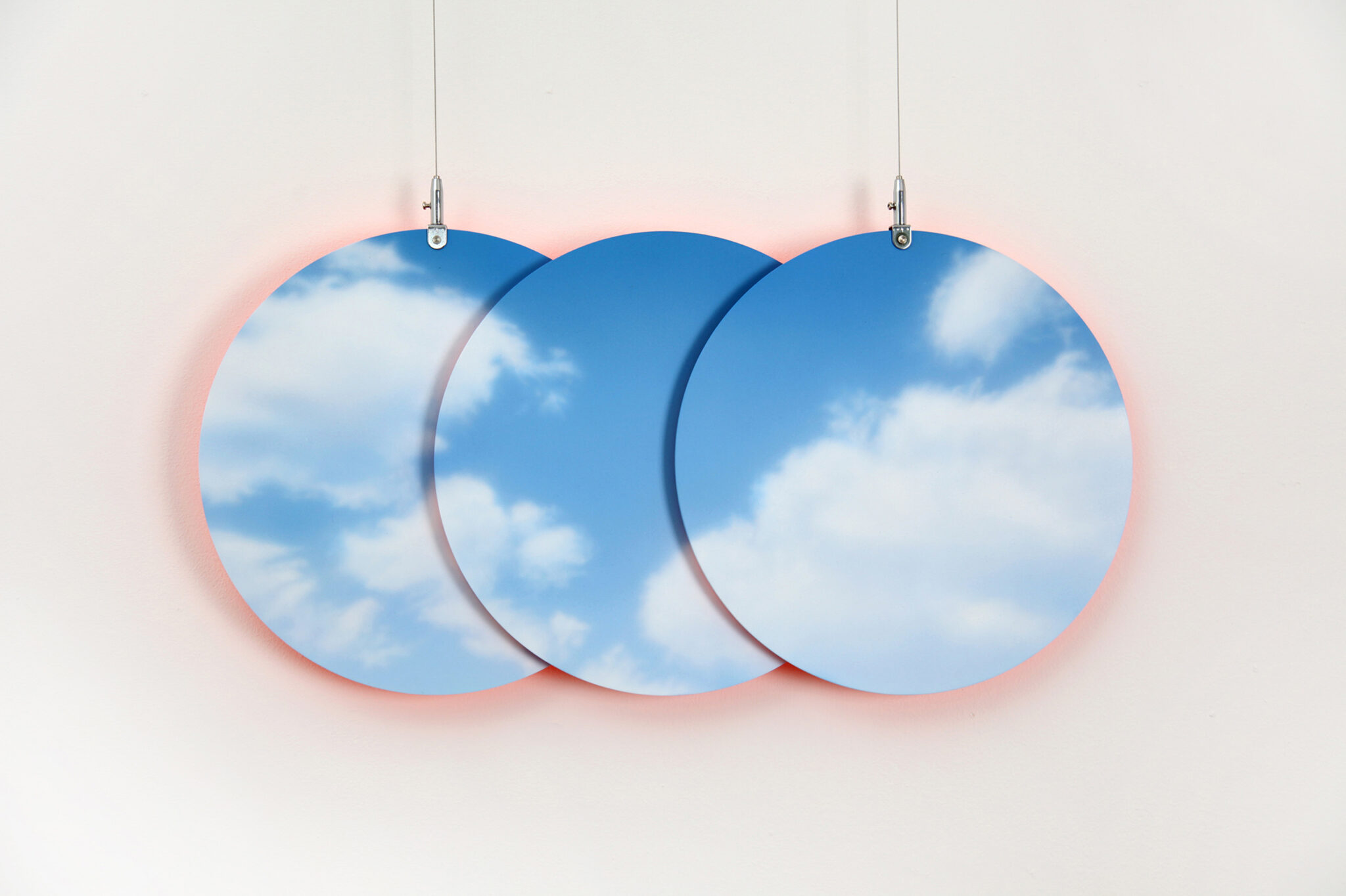
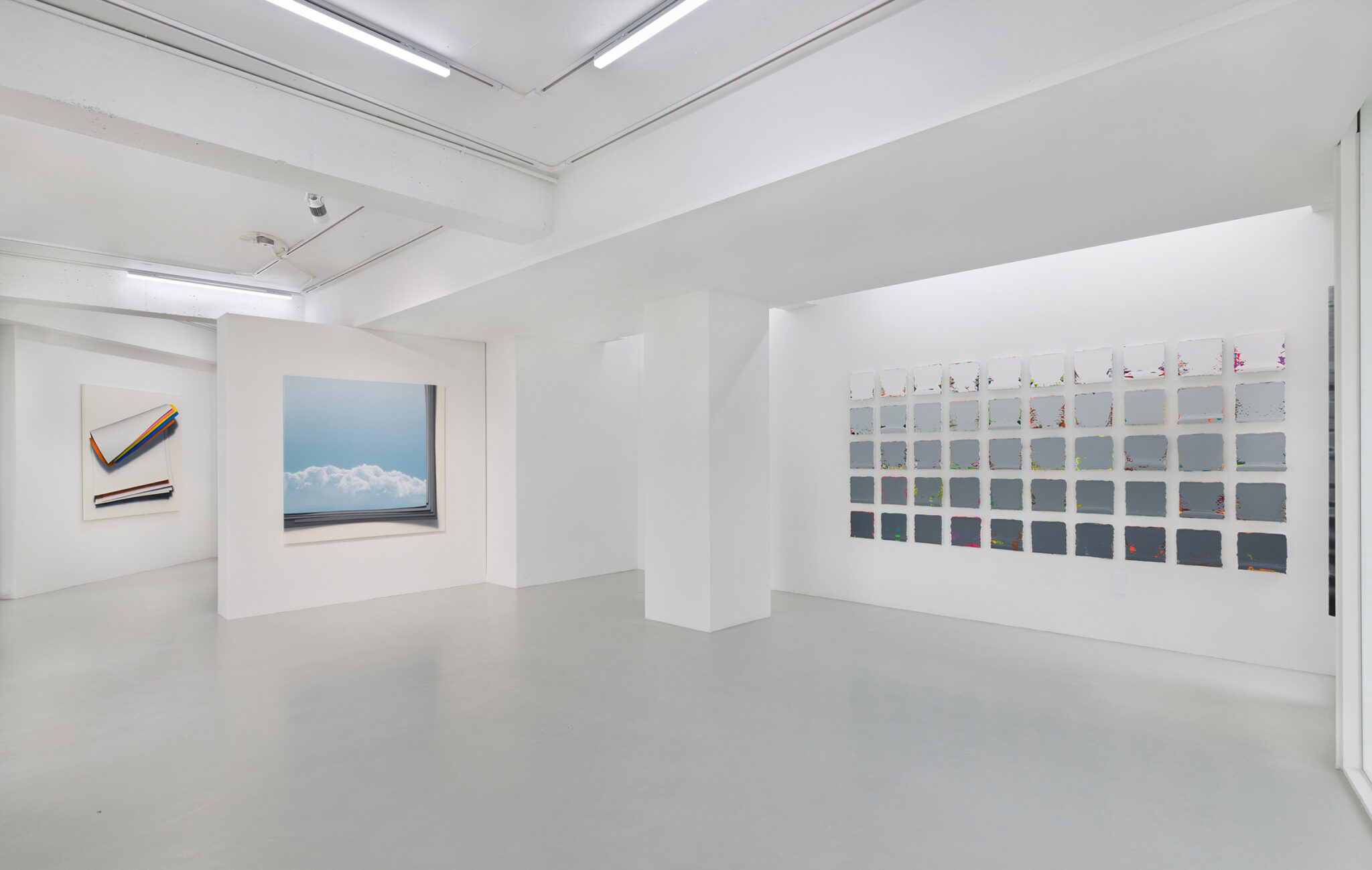
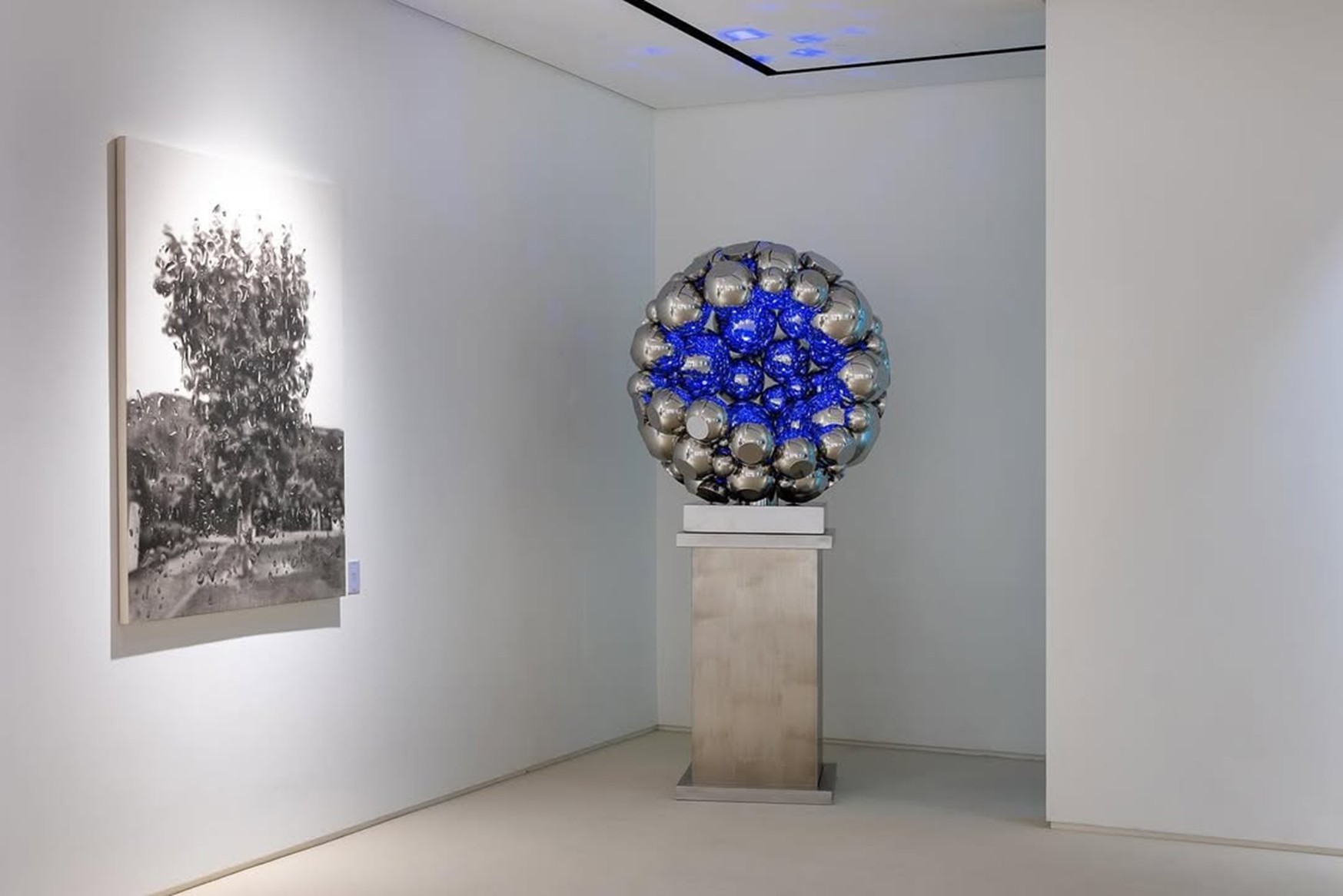
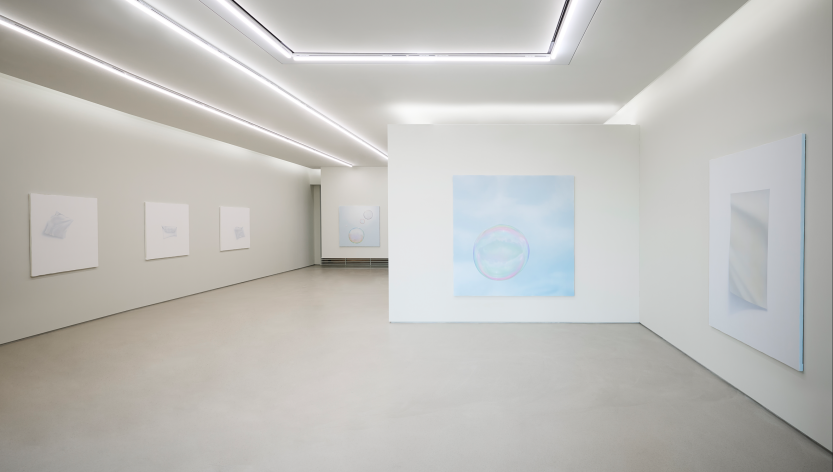
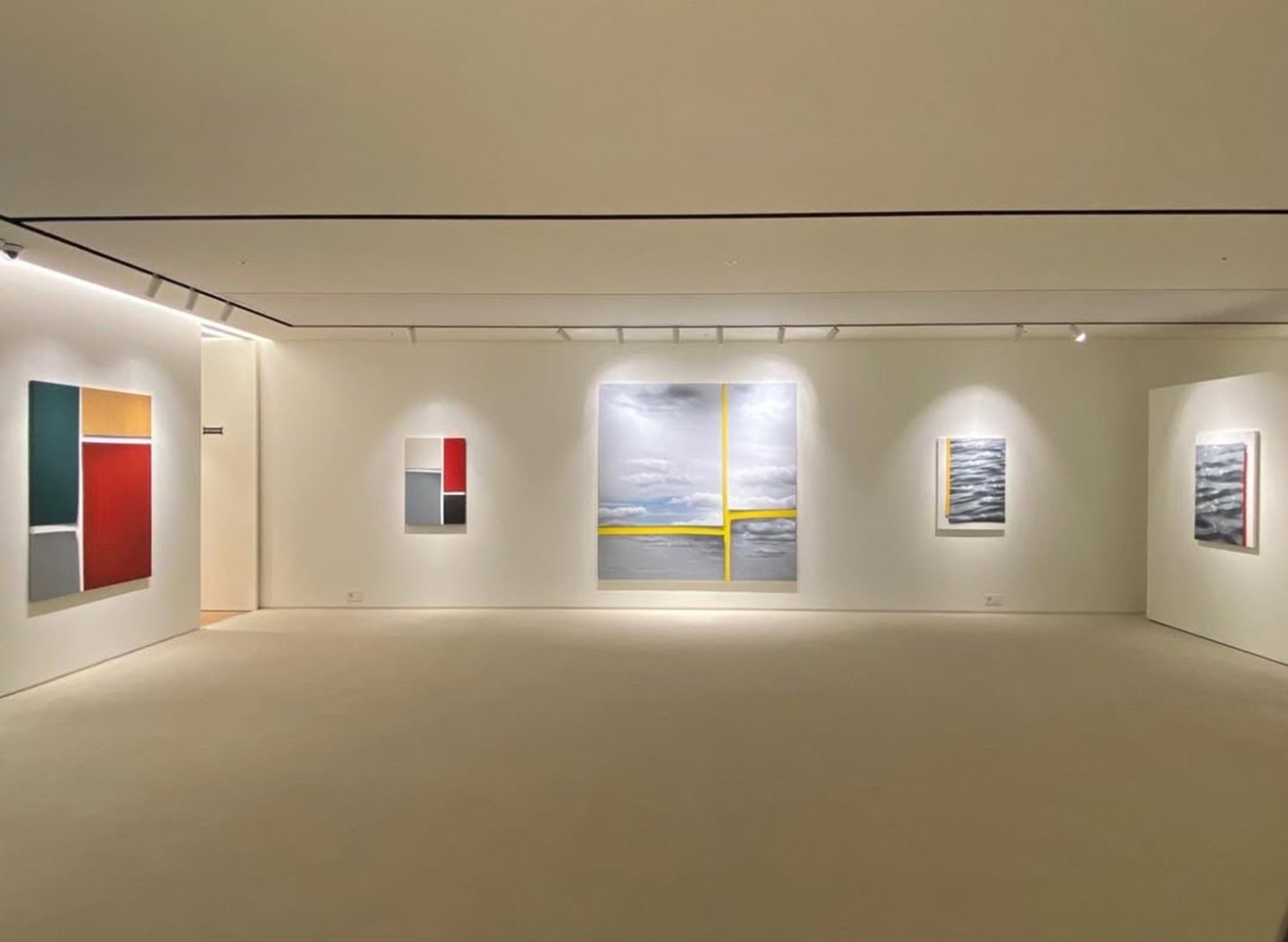
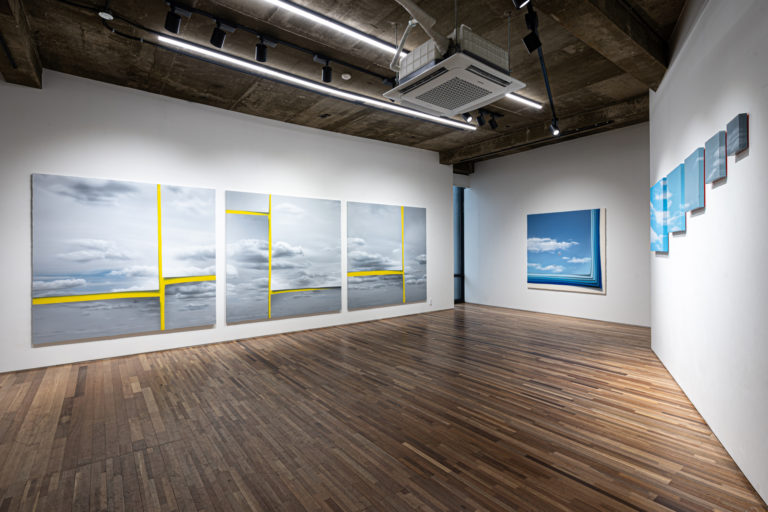
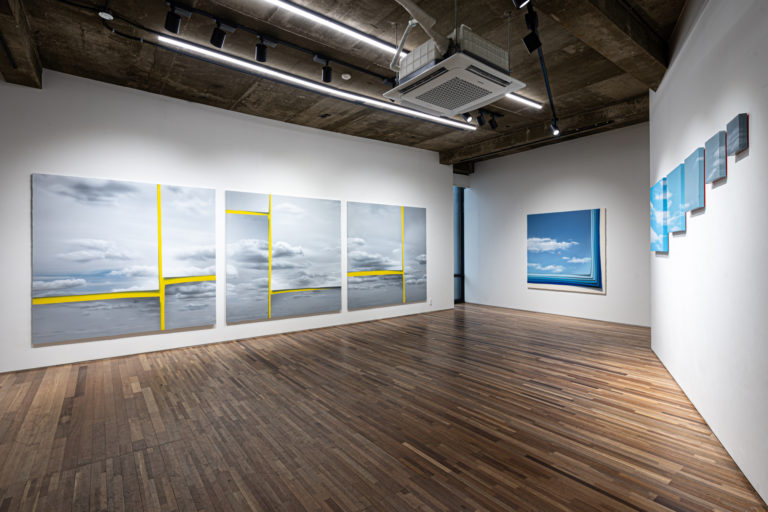 Installation view of 《Gazing Between Layers》 (Gallery BHAK, 2022) ©Gallery BHAK
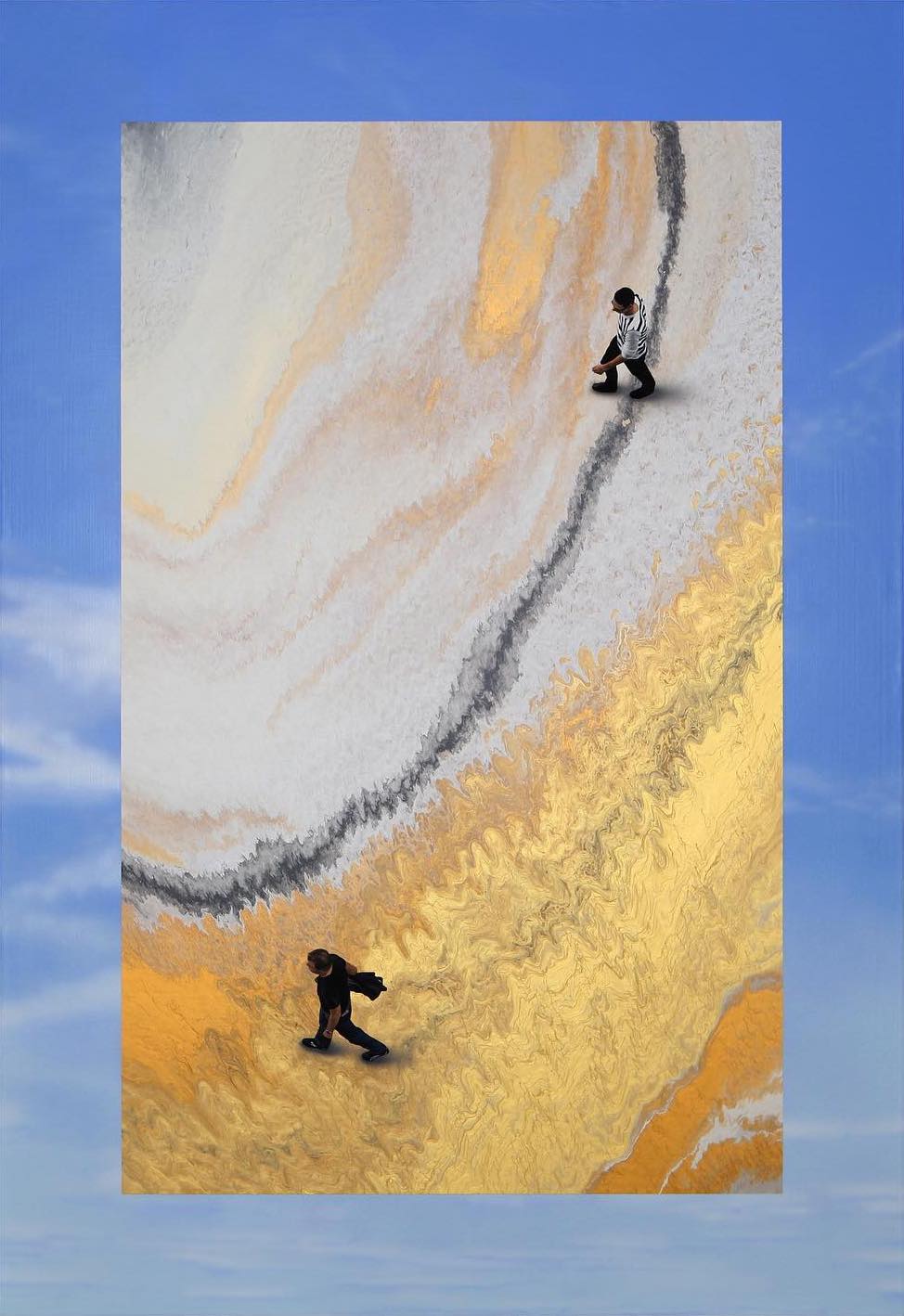
The
sky, which should be far away, appears right before one’s eyes. A sky that
gradually brightens in accordance with the size of the canvas, a clear and
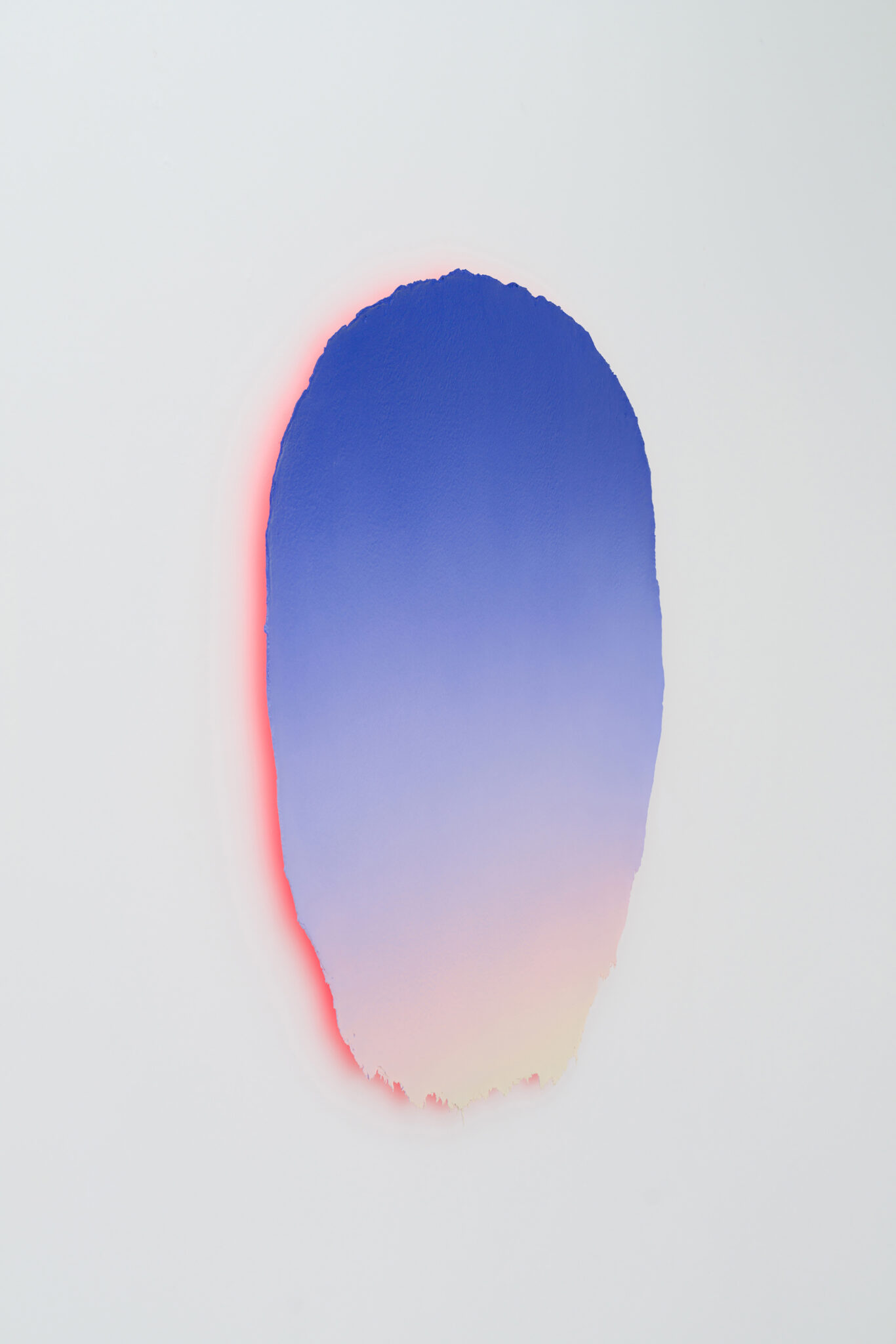
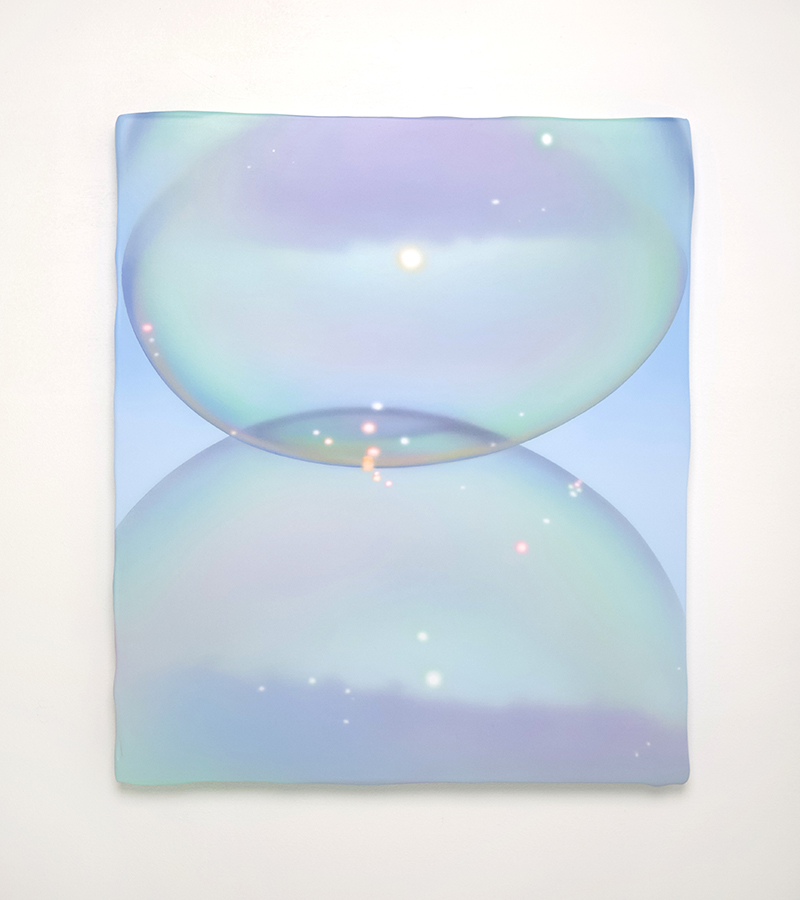
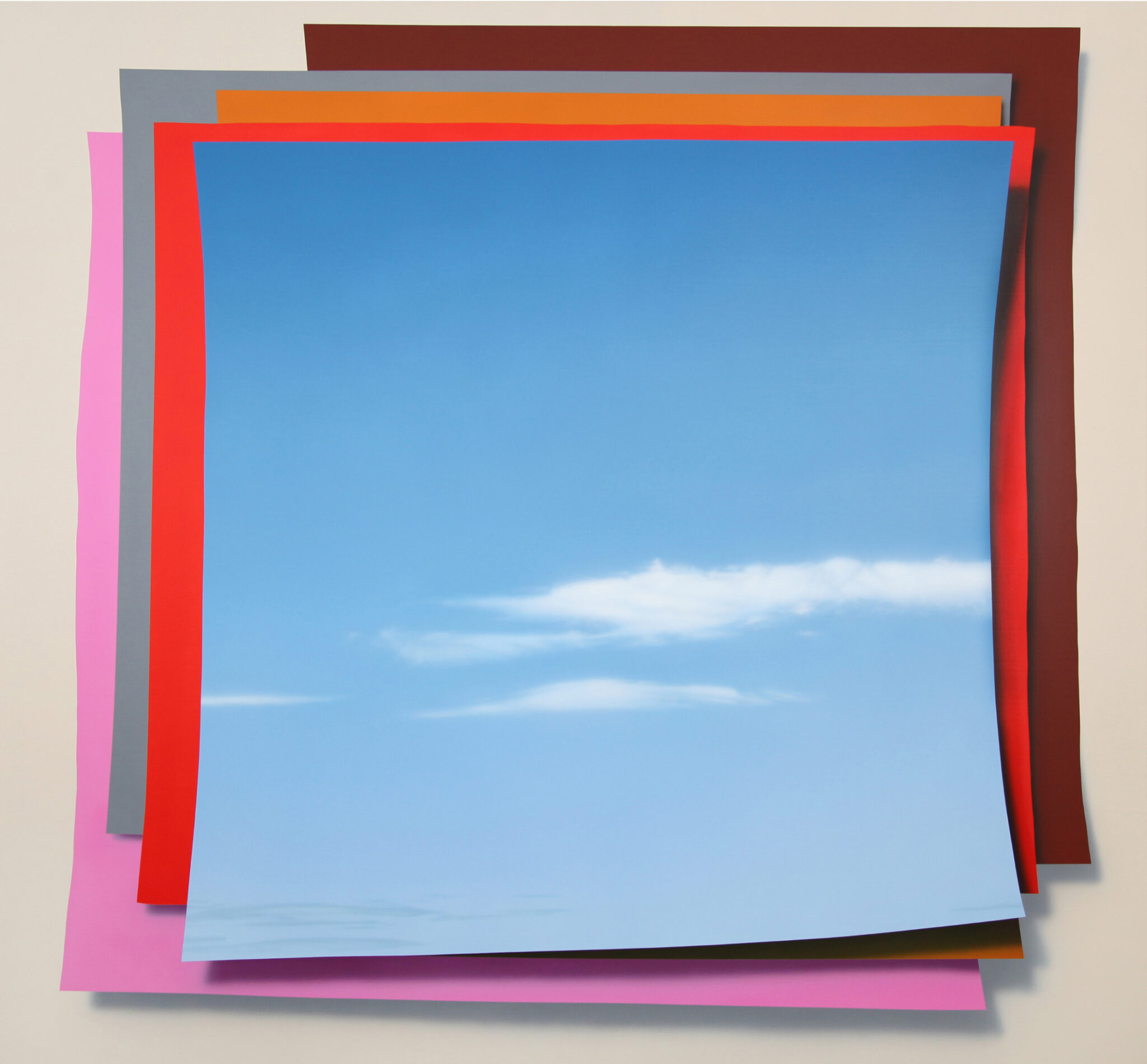
refreshing sky painted on stacked paper, and skies fragmented and dispersed
across multiple planes—these are all new works by Seong Joon Hong presented in 《Gazing Between Layers》. The works in this
exhibition meticulously reveal both the formal origins of painting through
Hong’s long-standing exploration of natural landscapes rendered in layered
forms, and his recent interest in temporality perceived between accumulated
masses of layers and overlapping strata.
Seong
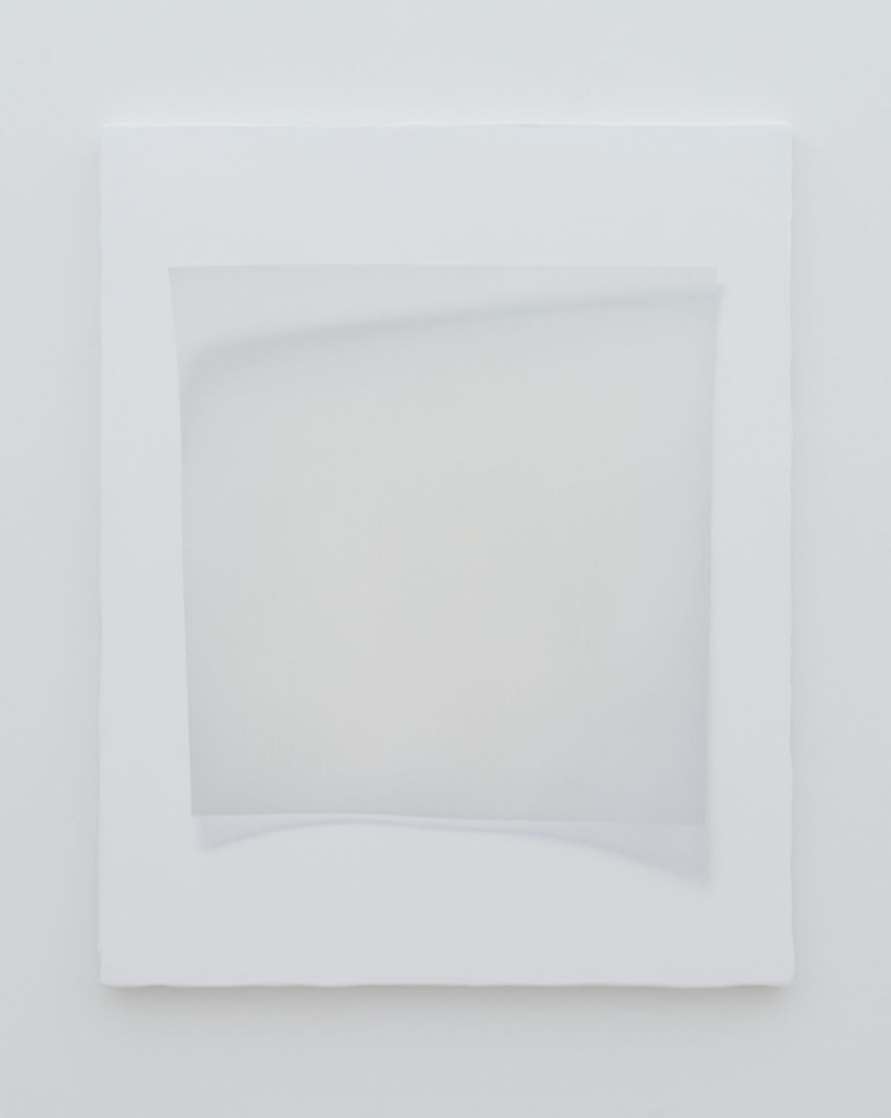
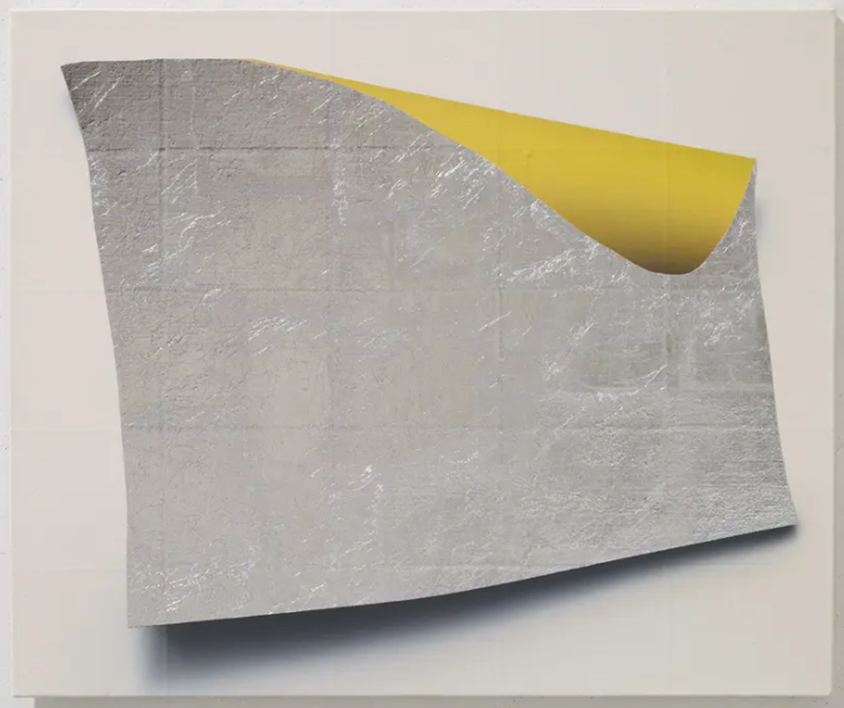
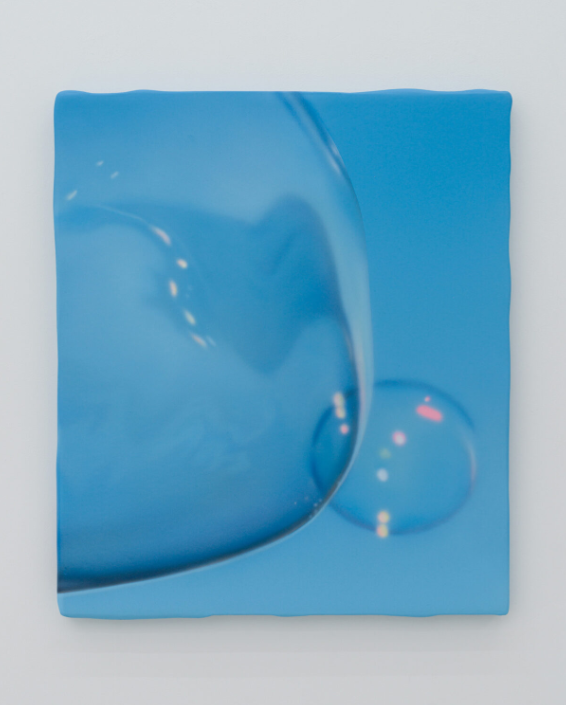
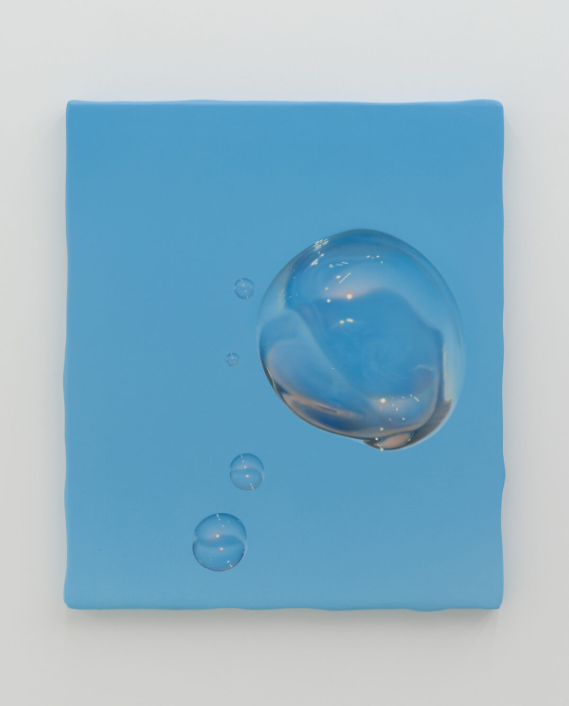
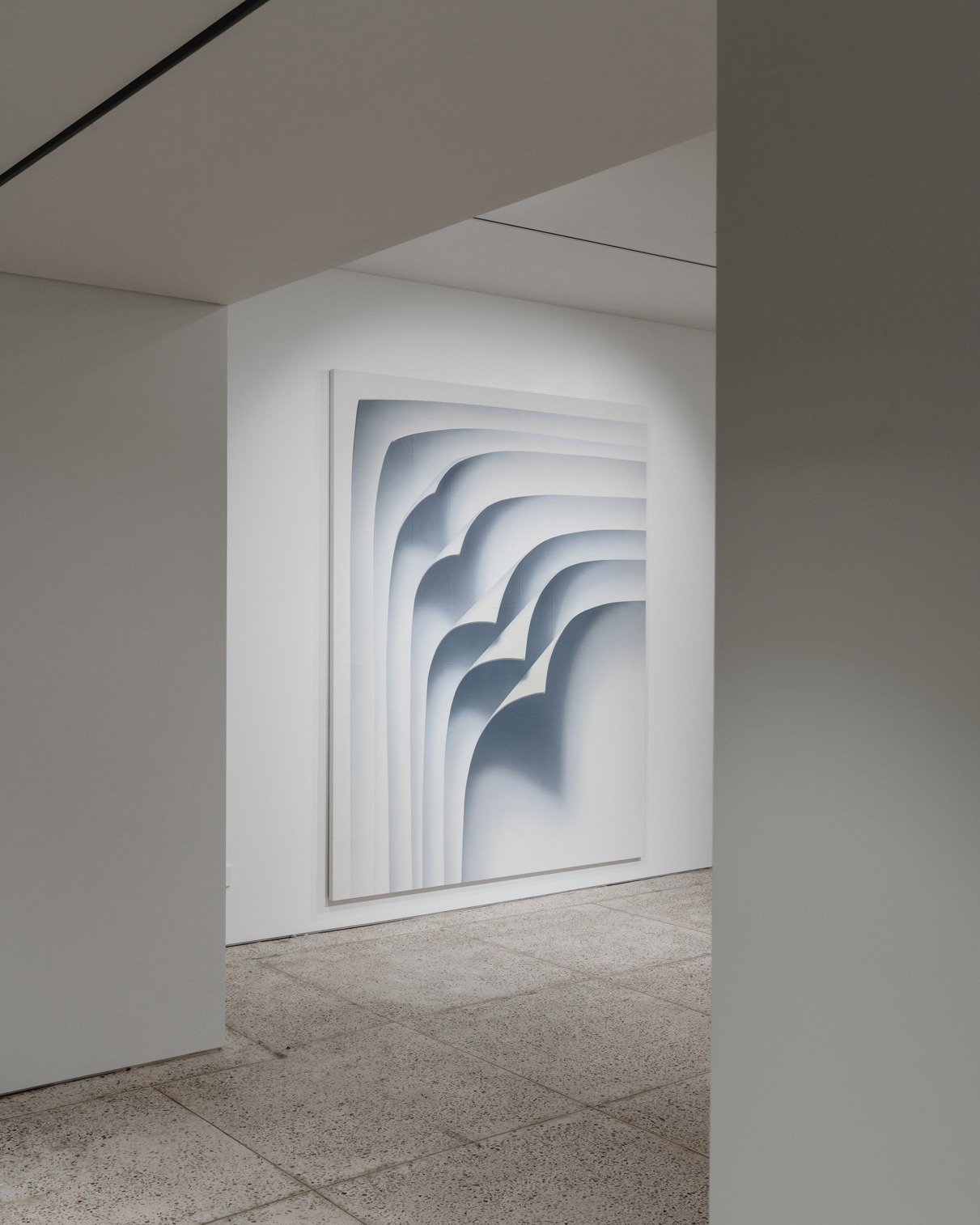
Joon Hong’s 'Layers' series, which simultaneously evokes an experience of real
landscapes while making the viewer aware that they are illusory images, relies
on strong illusionistic techniques to summon both flatness and spatial depth.
This is evident in the photographically precise depiction of landscape motifs,
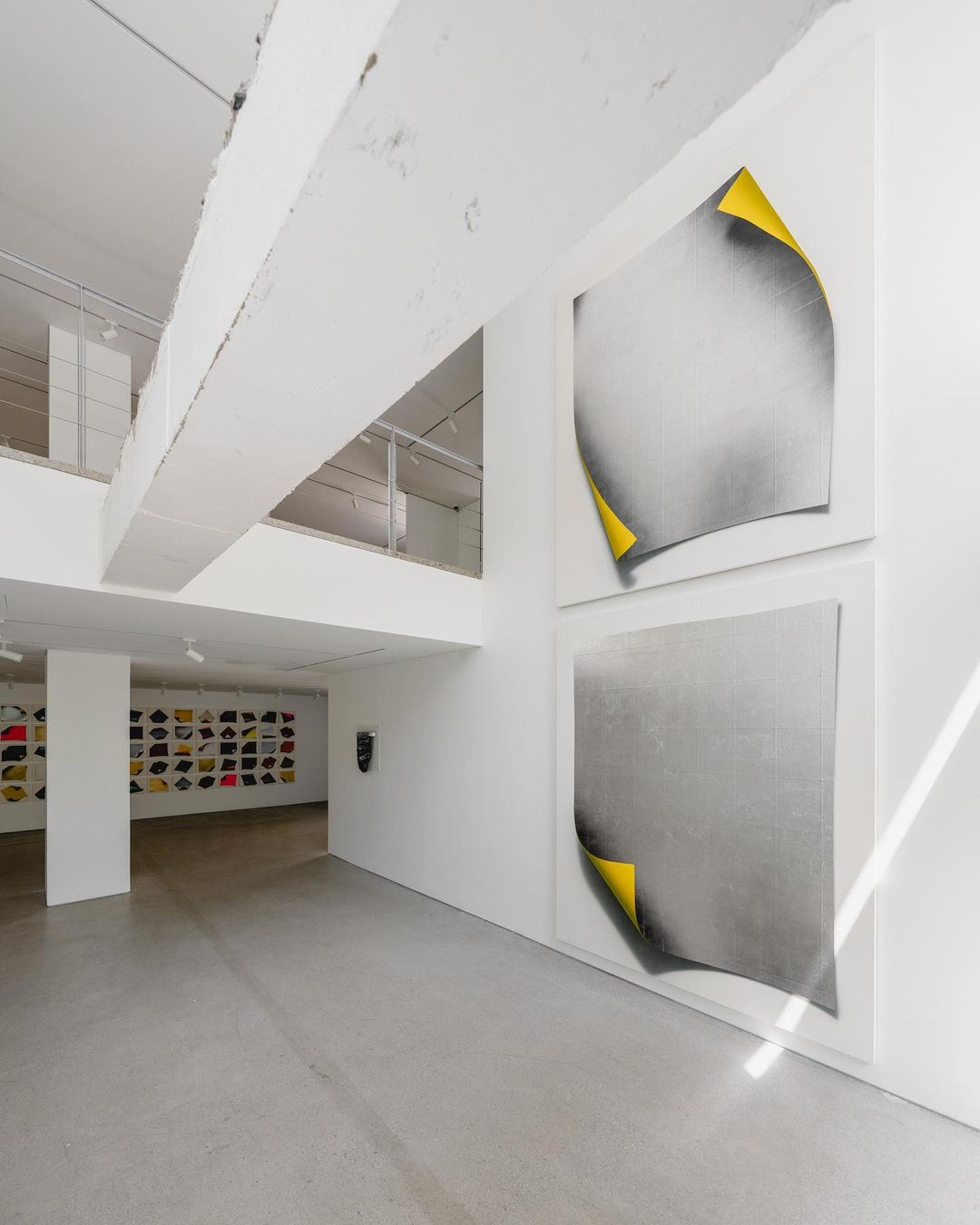
as well as the three-dimensionality produced by curled paper edges and the
shadows they cast.
Although such illusionistic execution may resemble
traditional artistic modes such as seventeenth-century ceiling paintings or
trompe-l’œil, its underlying nature differs fundamentally. Whereas painters of
the past created illusion through chiaroscuro, perspective, and foreshortening
using only brush and paint, Seong Joon Hong approaches not only representation
but also the method of production itself through the concept of layering,
thereby articulating visual and tactile illusions on the surface.
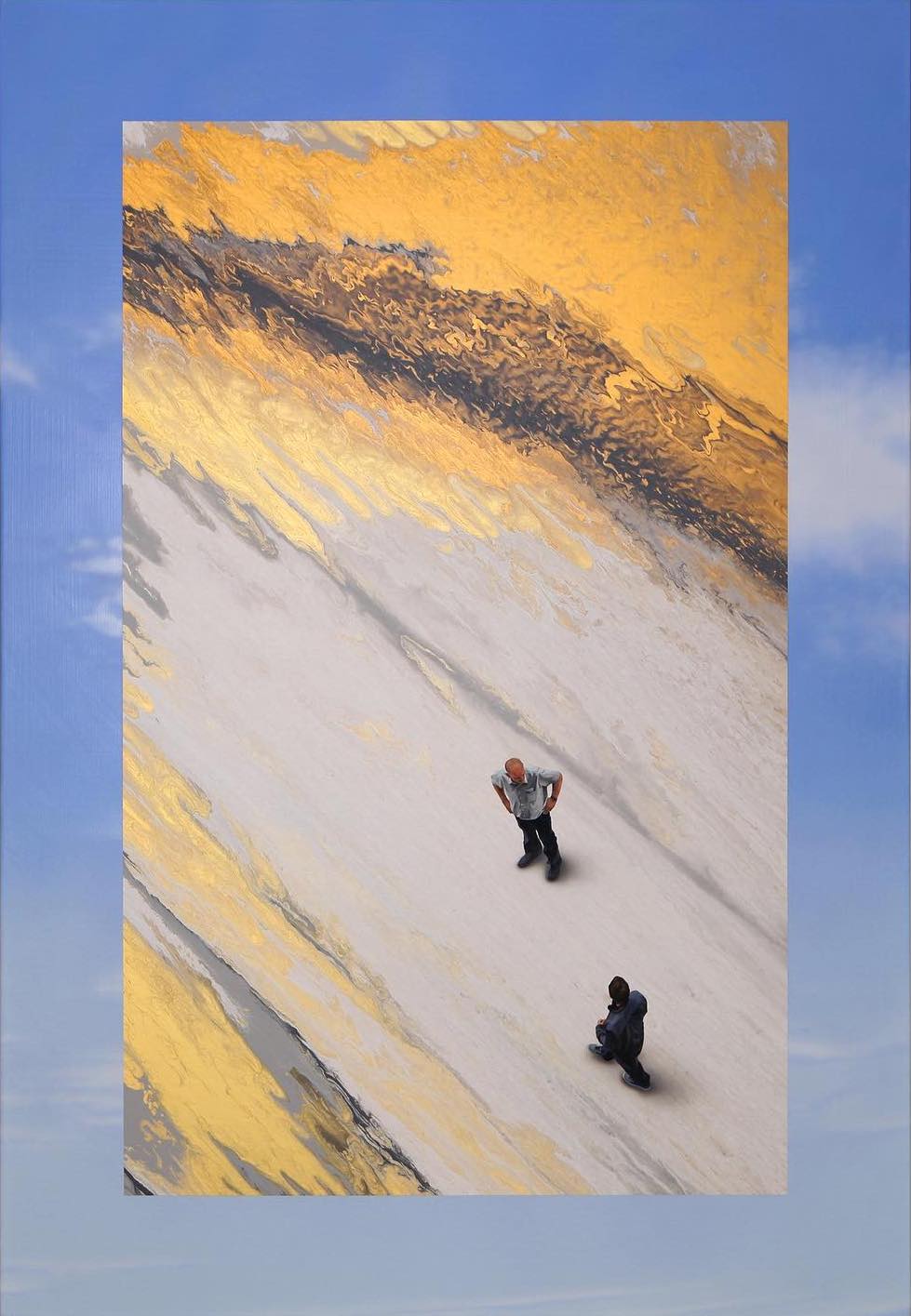
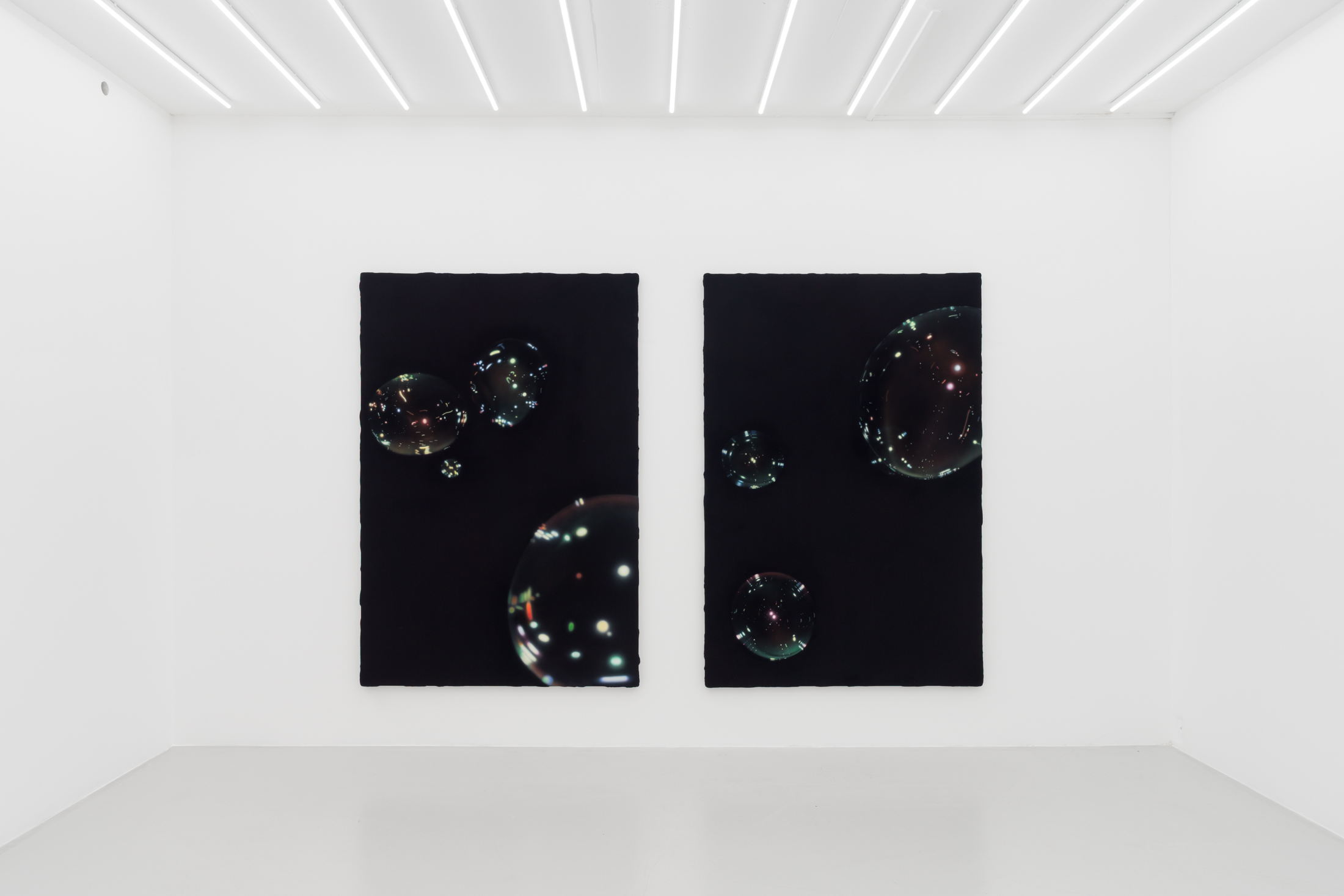
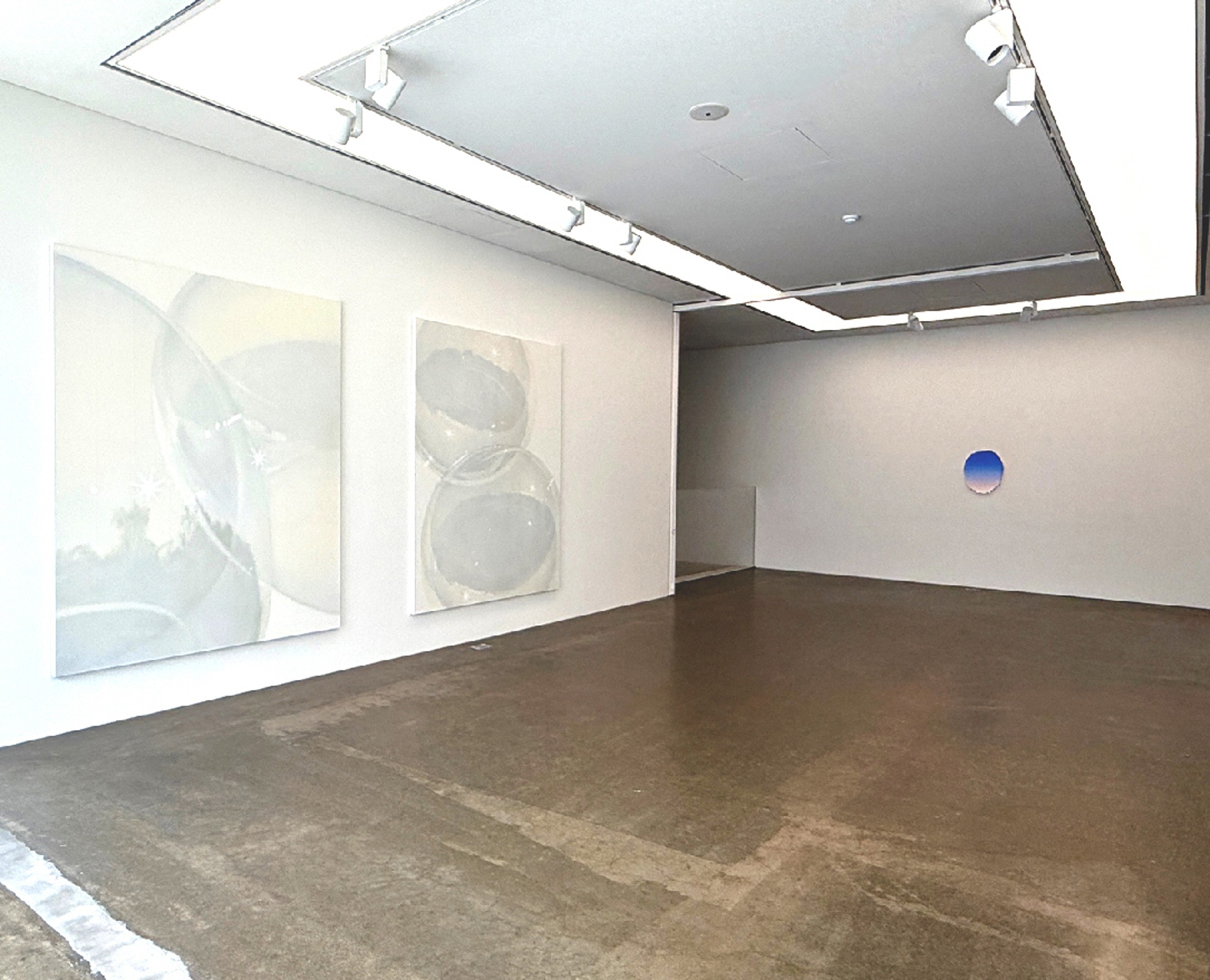
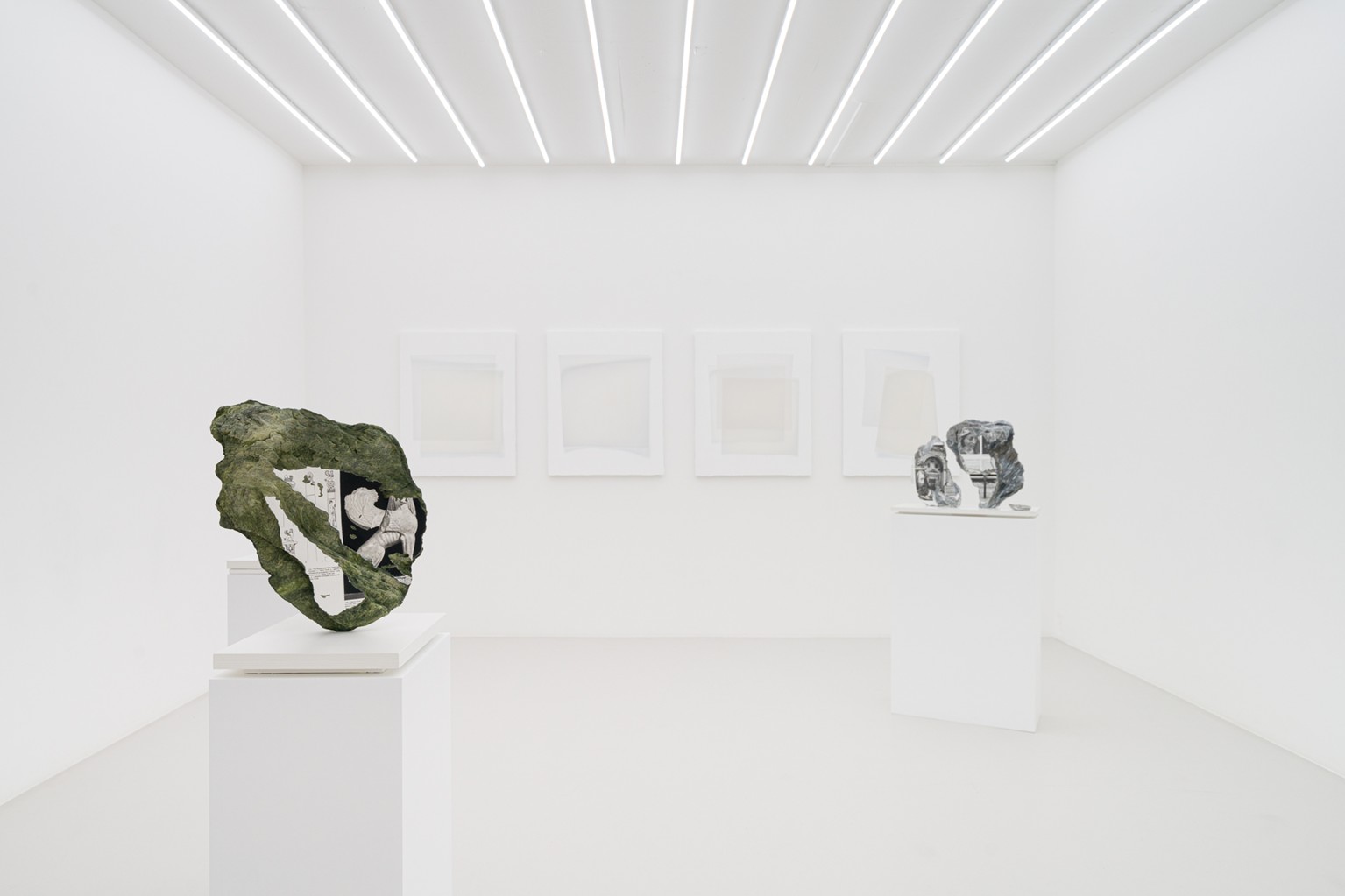
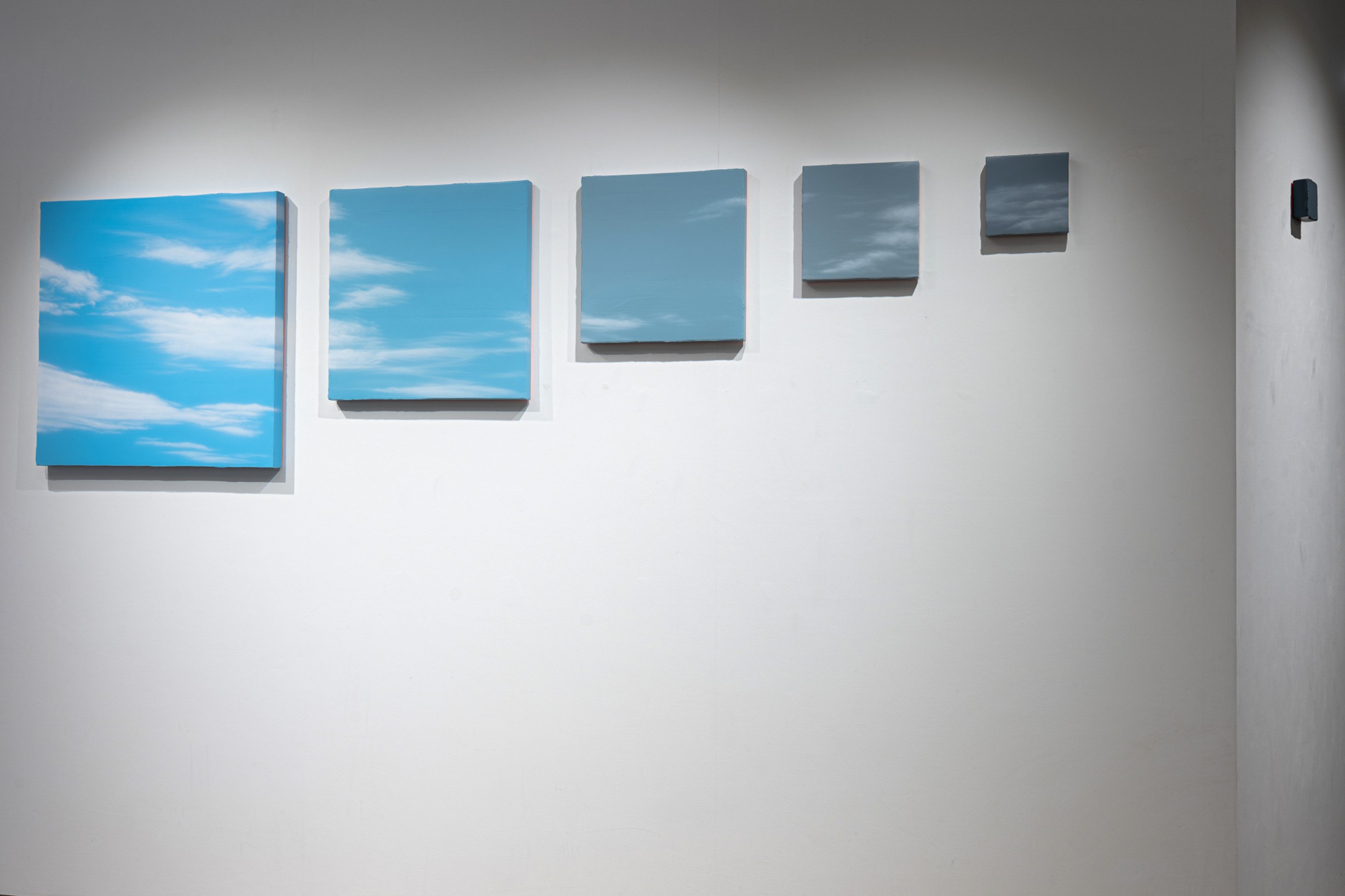 Installation view of 《Gazing Between Layers》 (Gallery BHAK, 2022) ©Gallery BHAK
Accordingly,
beyond the layers that are visually perceptible, additional layers—both within
and beyond the painting—are subtly rendered in Seong Joon Hong’s works. These
include pigments sprayed onto the surface with an airbrush without friction
against the canvas; combinations of hanji and fabric layered onto the canvas;
traces of paint that seep beyond the canvas and solidify; and neon light
reflected onto the wall from fluorescent pigment applied to the back of the
canvas. The surfaces of these accumulated layers, constructed through diverse
materials and tools, compose a sense of time akin to sedimentary strata.
This
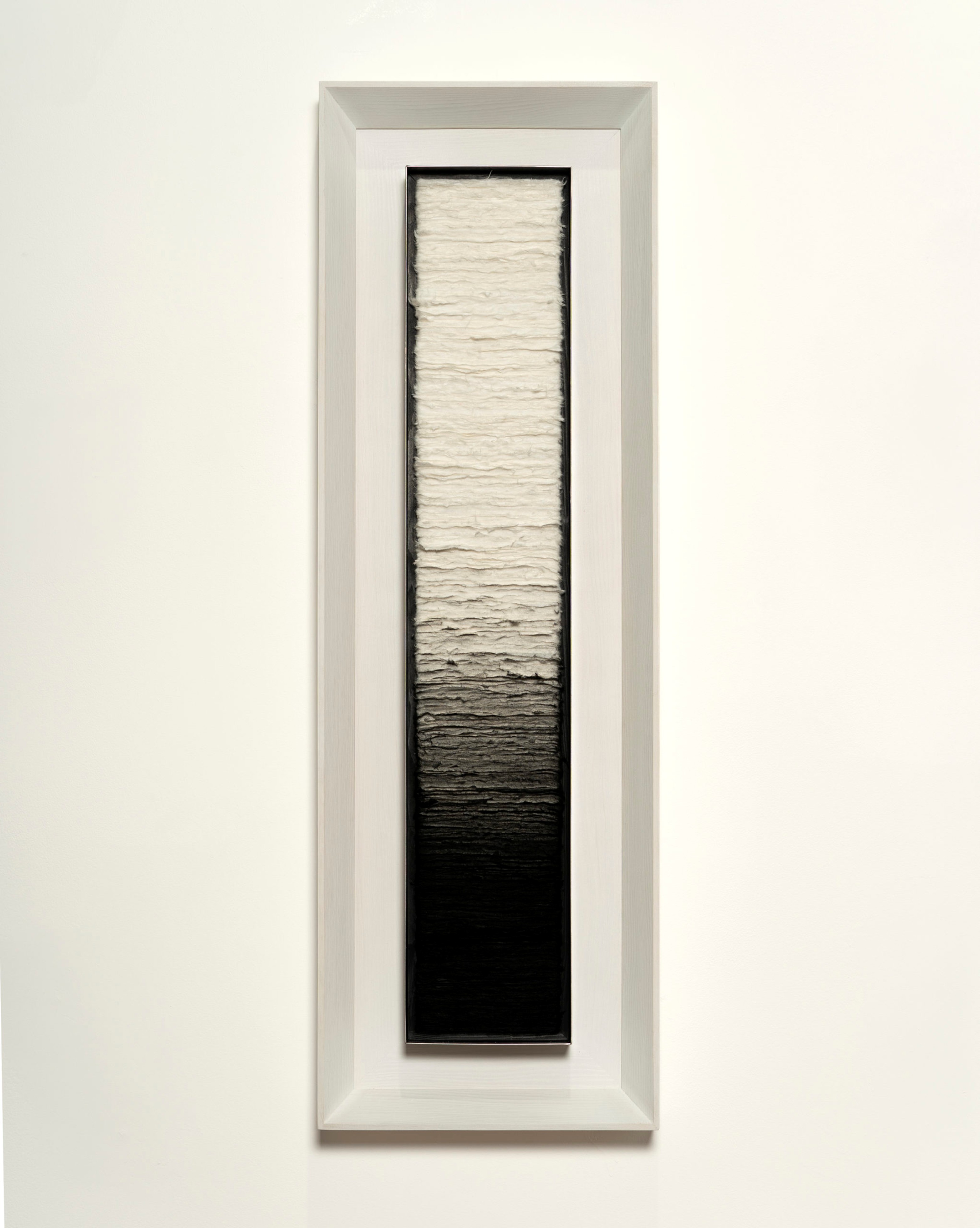
aspect is clearly manifested in the black-and-white works Study
Layers 40, Study Layers 41, and Study
Layers 42, which evoke a sense of recollection; in the installation
work Condensed Layer (Wave_1), which displays the
energy of compressed layers through stacked gradated hanji; and in Layers
of the Air 6-1, 2, 3, 4, 5,
and 6, where increasing scale and brightness articulate
temporal distance and degree.
Thus,
in 《Gazing Between Layers》,
the visible and invisible layers that constitute the works can be understood as
metaphors for both the materiality and futility of painting, as well as layers
of time. Here, the form of time flowing between layers—though unseen—conveys
energies of varying scales that permeate and expand inside and outside the
works. Ultimately, these layers transport the diverse phenomena that surround
us and invite those of us living within the same temporal strata into a space
of artistic communication.
Text
by Sohui Lim (Curator, BHAK)