0. A Hole That Mediates Intrusion
In “Visual
Pleasure and Narrative Cinema”, Laura Mulvey exposes how the eroticism of the
gaze codes femininity, and how cinematic illusion has long relied on
representations of women. She writes: *“It has often been thought that
analyzing pleasure, or beauty, destroys it. That is the intention of this
article.”*²
And
now, here, a photographer preparing for separation. Through the destruction of
what has been regarded as aesthetic, Yezoi Hwang lightly betrays conventional
expectations and attempts a decisive break. The thrill that comes from leaving
the past behind without denying it. The traveler advances—enduring the
gravitational pull of home, erasing the urge to run back and embrace it,
generating repulsive force with each step. It is a struggle. Everything
you wish to see, I intend to turn into a weapon.
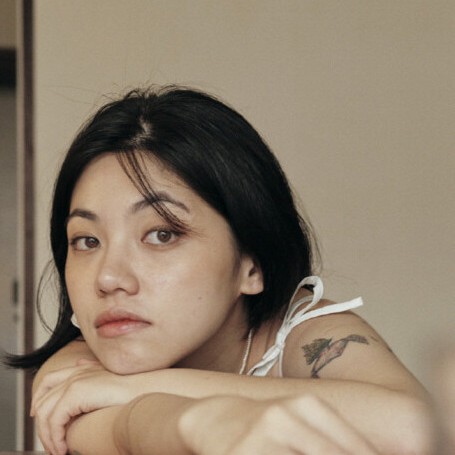
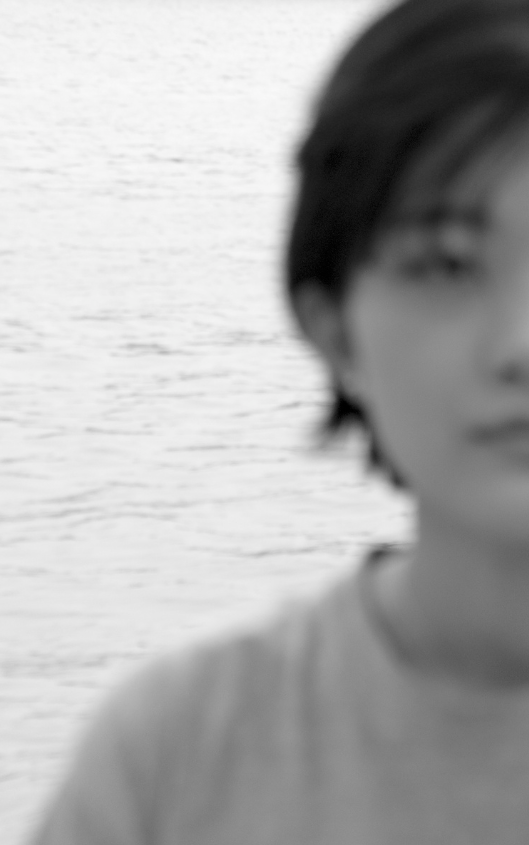
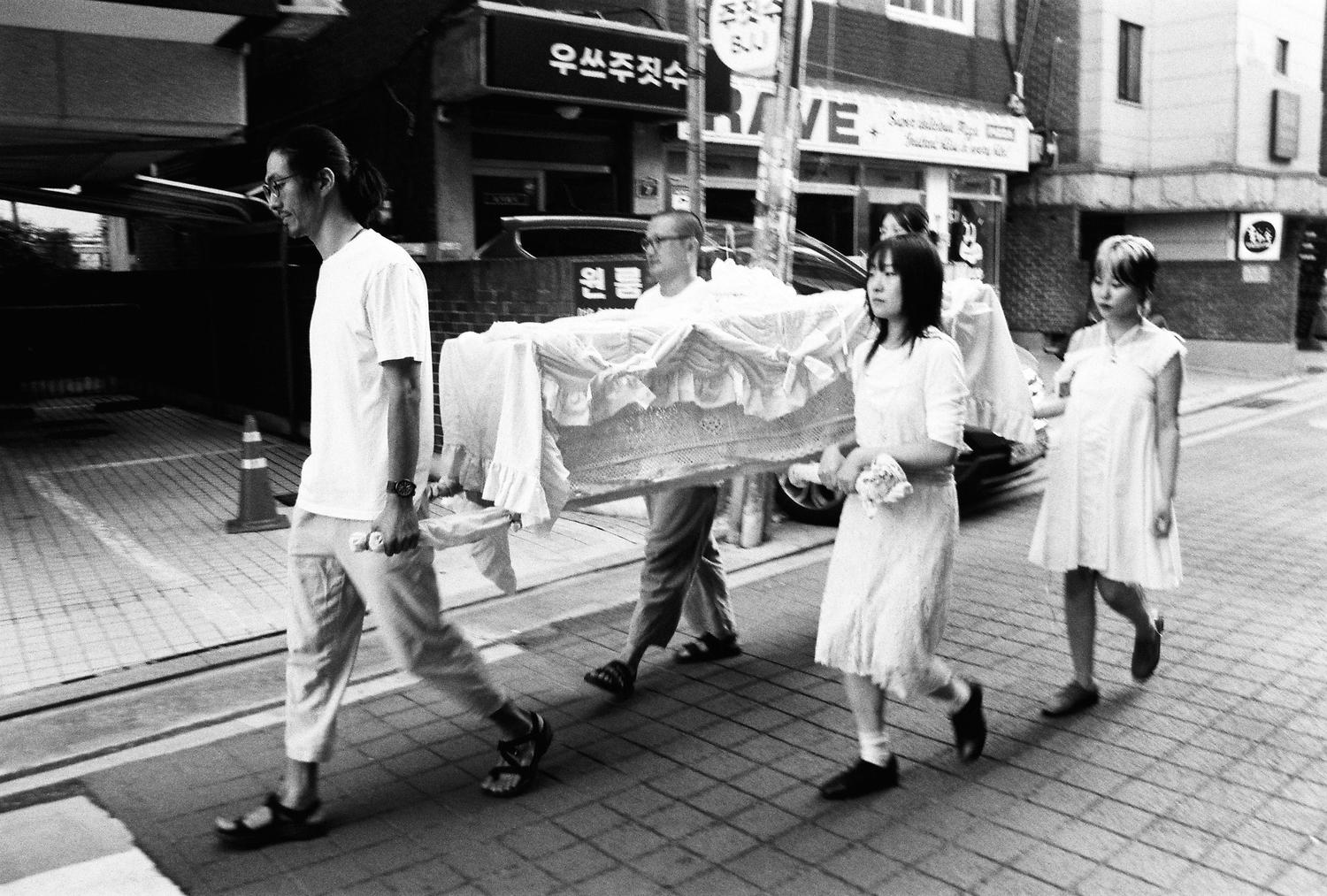
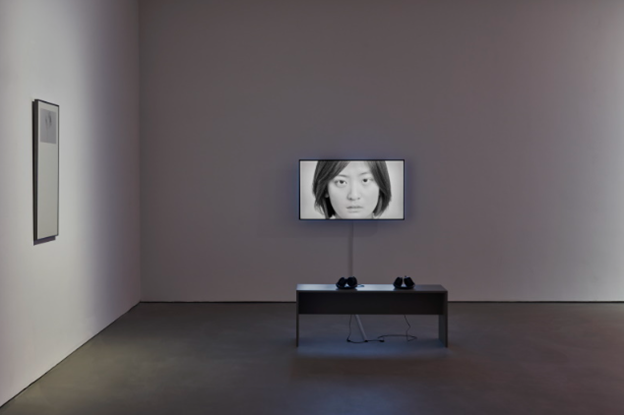
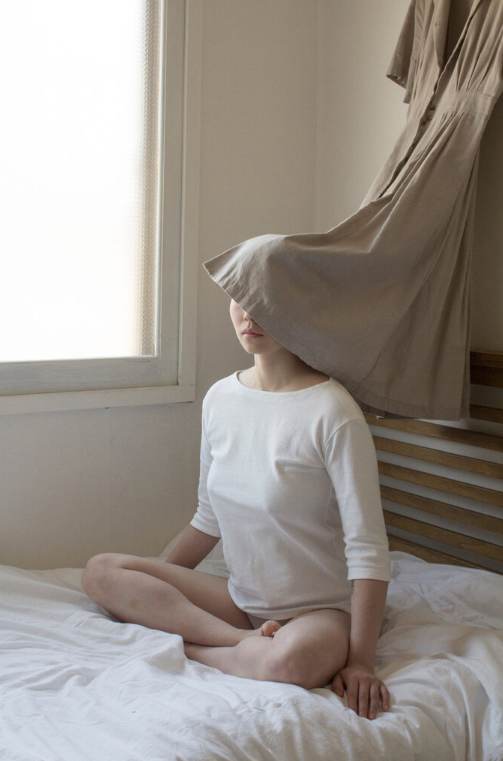
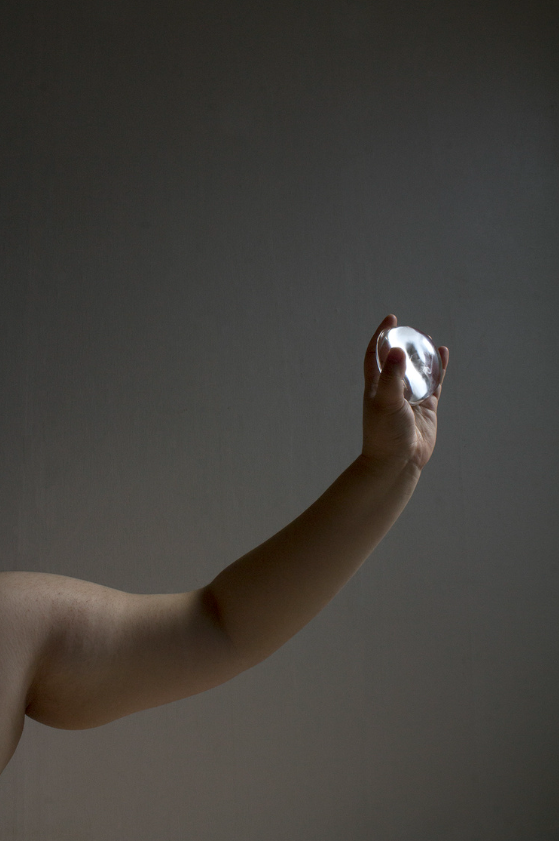
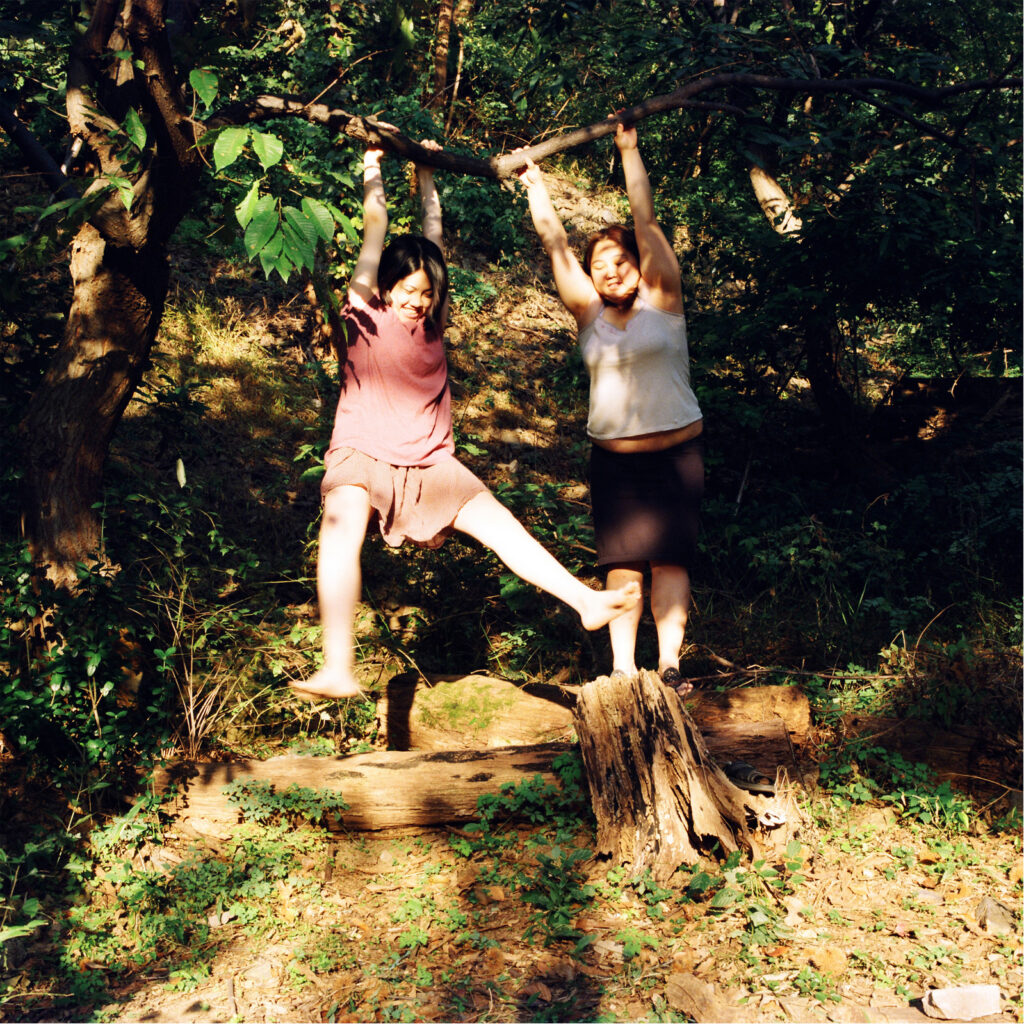
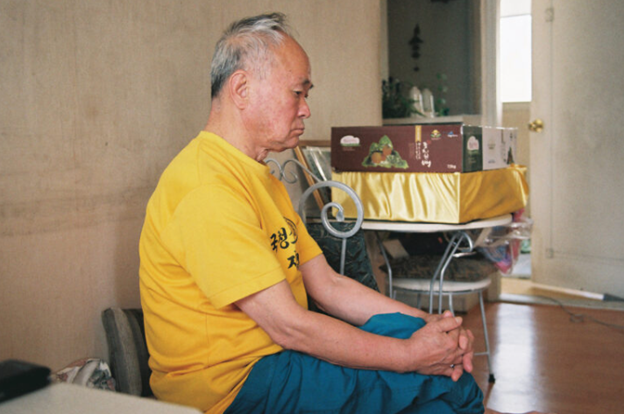
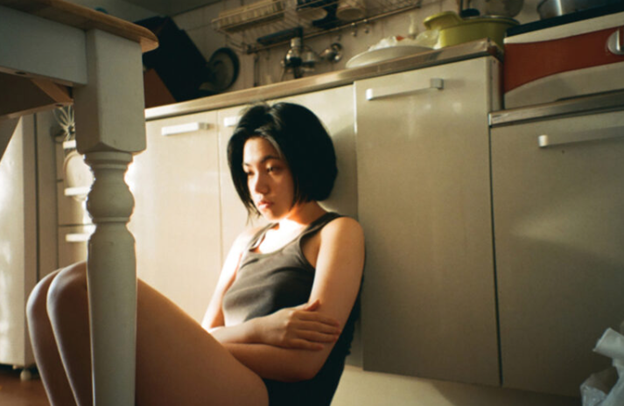
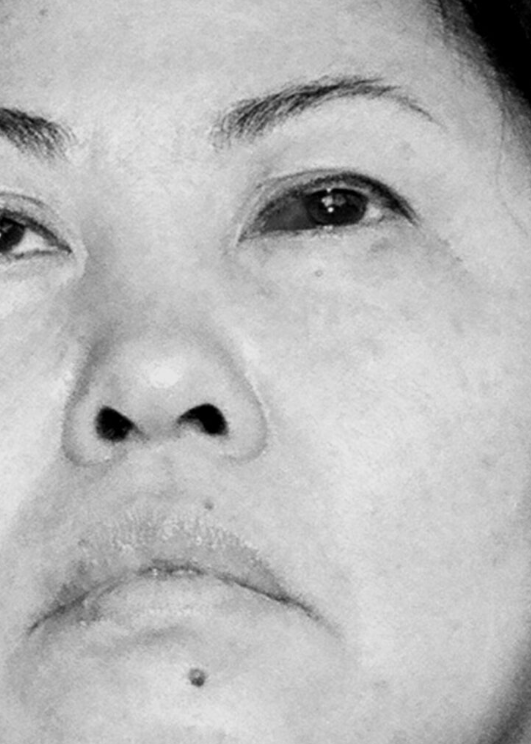
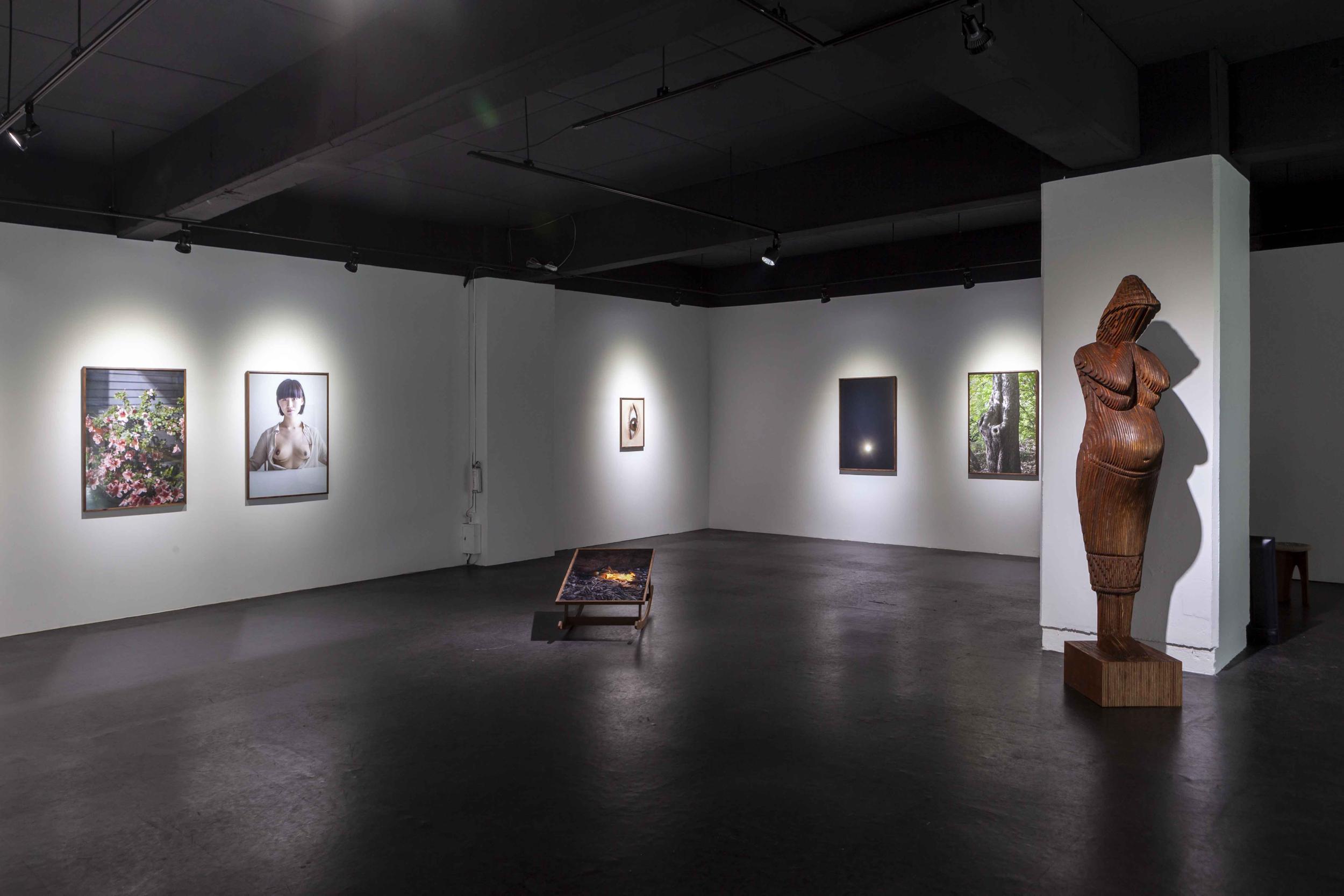
The
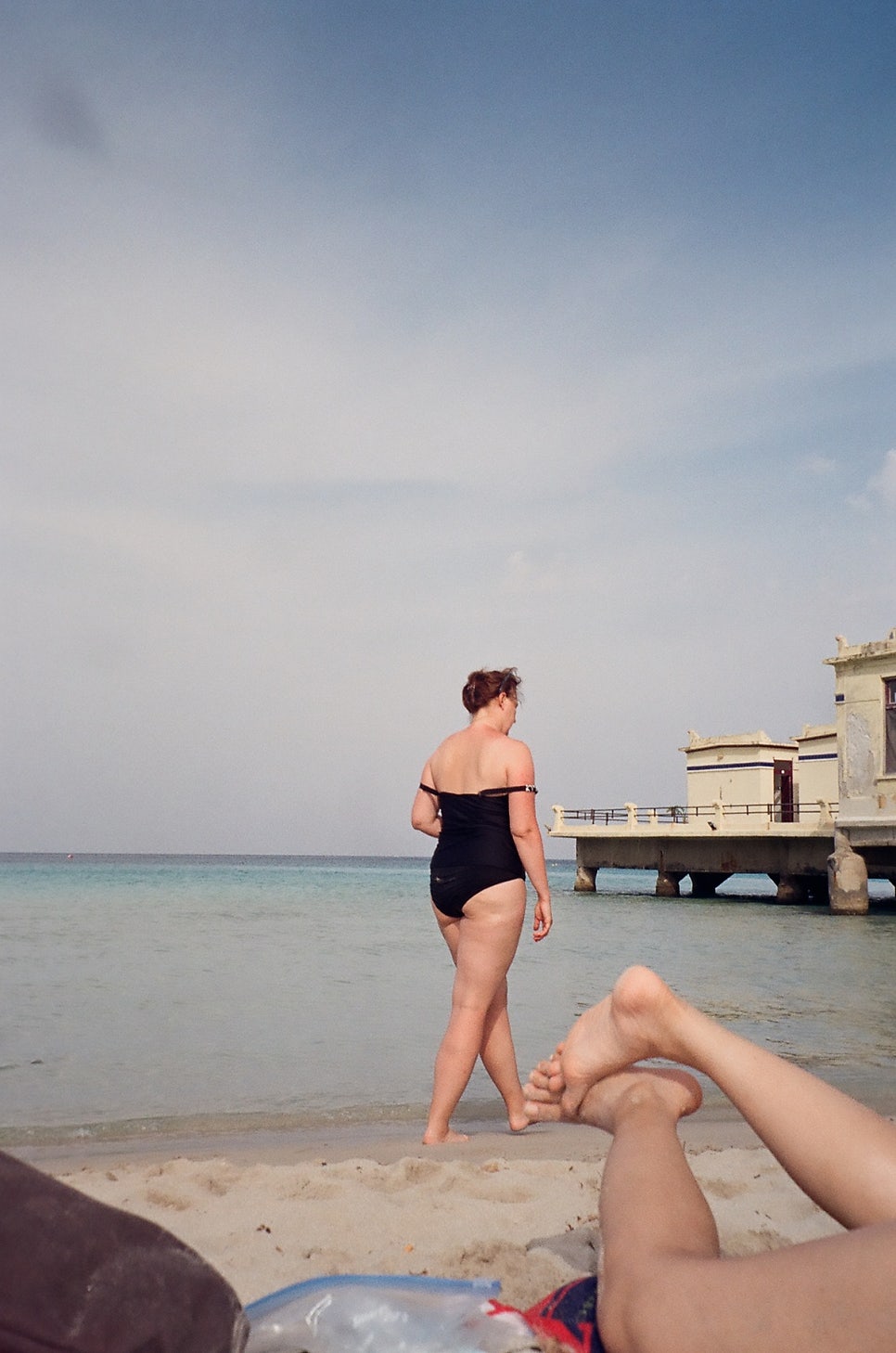
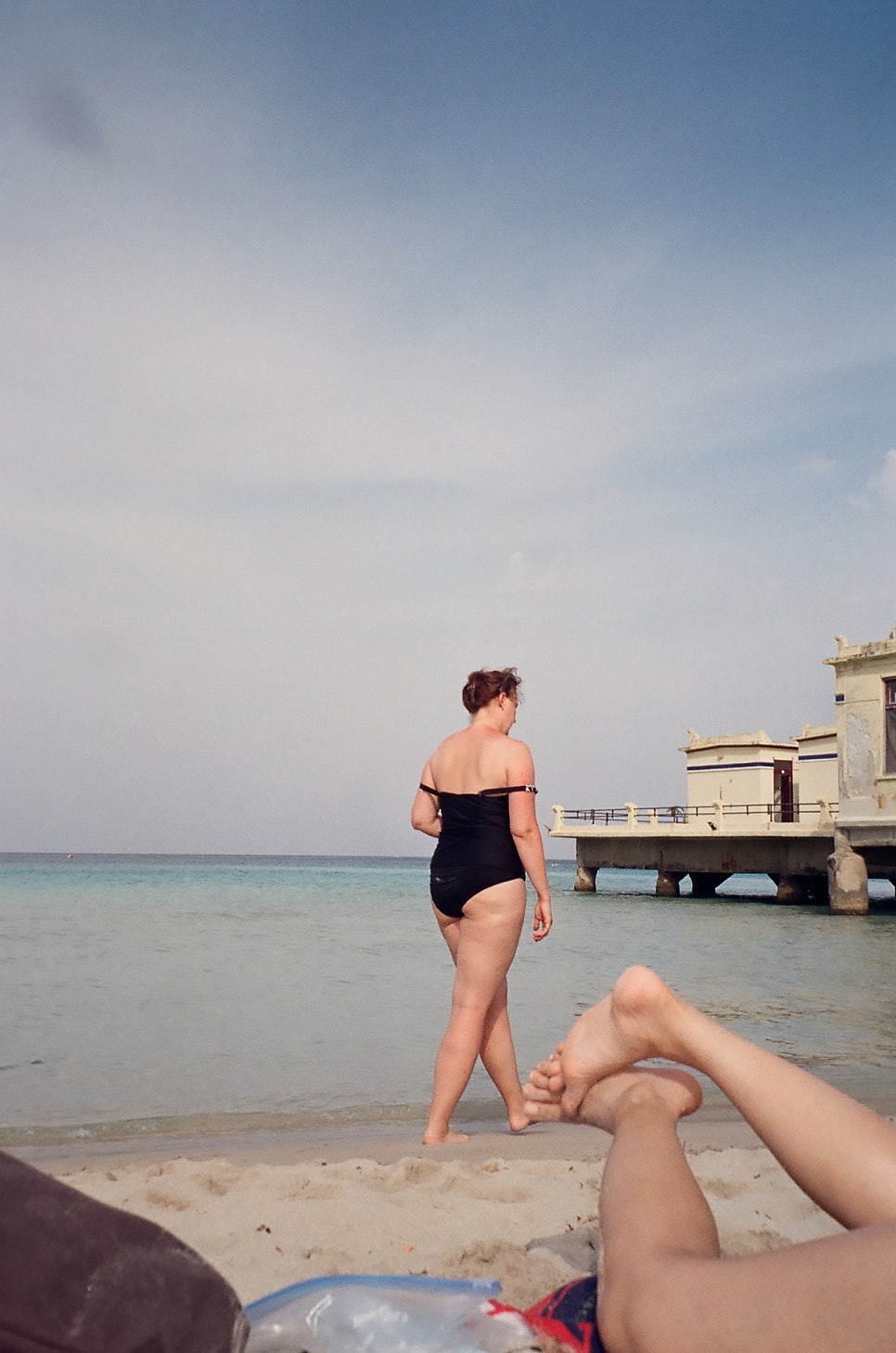
erasure of facial features in Hwang’s photographs resembles the form of death.
Figures appear as fragmented bodies, or as ghostly apparitions with cloth
draped over their heads. Or as corpses packaged and awaiting transport. She
plants apparitions throughout cities where she temporarily stays. Yet these
memento mori materials do not merely embody sentimentality over absence or
loss. Why are the faces in her portraits of women concealed, presented only as
fragments or traces?
Let
us recall once again the misreading at the journey’s outset—the gap between the
two confused words. We may form a hypothesis, but the process remains eternally
unknown. In the realm of perception, it is empty. Likewise, we may hypothesize
forms upon the vanished face, but what we see is the space from which old
desires have exited: a hole that is both entrance and exit.
The
deprivation felt by the viewer intensifies upon encountering a stone split
open, or the hollowed-out bust of a white man with its center emptied—this
evokes the sensation of a hole. A hole may be understood as a gap mediating
inside and outside, or as an expansion of space. Within visual pleasure as
produced by images, femininity has been represented as radically deprived of
space. Women’s images, especially, have been displayed flat against walls like
pin-up girls, arousing sexual vitality. According to Mulvey, while objectified
femininity functions flatly on screen, men—subjects of narrative—are
internalized as super-egos possessing control over space. They transcend the
screen’s limits and move actively.
Thus,
the hole constructed by Hwang is a decision to restore the third dimension of
space. Female sexual allure has long been described through metaphors such as
black holes or vertigo.³ Yet the holes in Hwang’s photographs refuse to become
either black holes that absorb everything or white holes that expel. What
remains is a hole that only mediates intrusion—a wormhole, rather. A domain
behind perception where only eternal hypotheses are possible, never
interpretation or conquest. (Interstellar travel through wormholes is
mathematically possible only.)
0. I Have the Right to Destroy Myself⁴
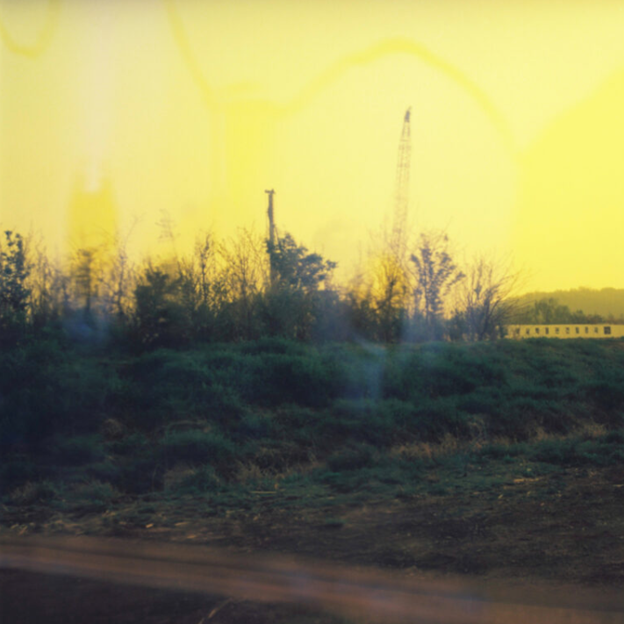
Vacuum
and hyperventilation; the dead and the living; ascending jets of water and
hands waiting to descend. The visual drop occurring between images is a
breathing method devised by a photographer with sensitive tonsils. She probes
balance among images that seek either erosion or overflow. Breathing through
the aura that flows between colliding opposites, she comes to rescue us from
suffocation—as the announcement voice issued at the brink of suffocation.
Are
the recurring vivid reds—scarlet bloodstains or red lighting—symbols of a
savior? Or merely reflections on the destruction she has committed,
metaphorized through the intensity of red? Or perhaps they are warnings of the
time we must endure together behind collapsed things.
Returning
from provisional landscapes to the world of continuity, she now considers
sustainable separation and solidarity within provisionality.
Though she
approaches her subjects through immediate bodily sensation, the scenes that
appear accidentally acquired are in fact languages of the body that Hwang has
persistently explored and accumulated. She seems as if she has once inhabited
another’s body, so well does she understand the grip with which one holds
another. Lives overflowing and dissolving in her arms. While respecting the
right to self-destruction, she resolves never to let them die alone. Yezoi
Hwang embraces apparitions. Ave Maria. Ave Maria.
¹
Borrowed from lyrics of the song Dala by musician
Kim Sawol.
² Laura Mulvey, Visual Pleasure and Narrative Cinema, trans. Nanji Yoon.
³ In Alfred Hitchcock’s film Vertigo (1958), the female protagonist
Judy is represented as both voyeuristic object and fetishistic allure for the
male protagonist Scottie.
⁴ A sentence from correspondence with Yezoi Hwang, originally by Françoise
Sagan. In the letter, Hwang adds: “Trying to suppress the desire not to
live, ink once again stained my body.”