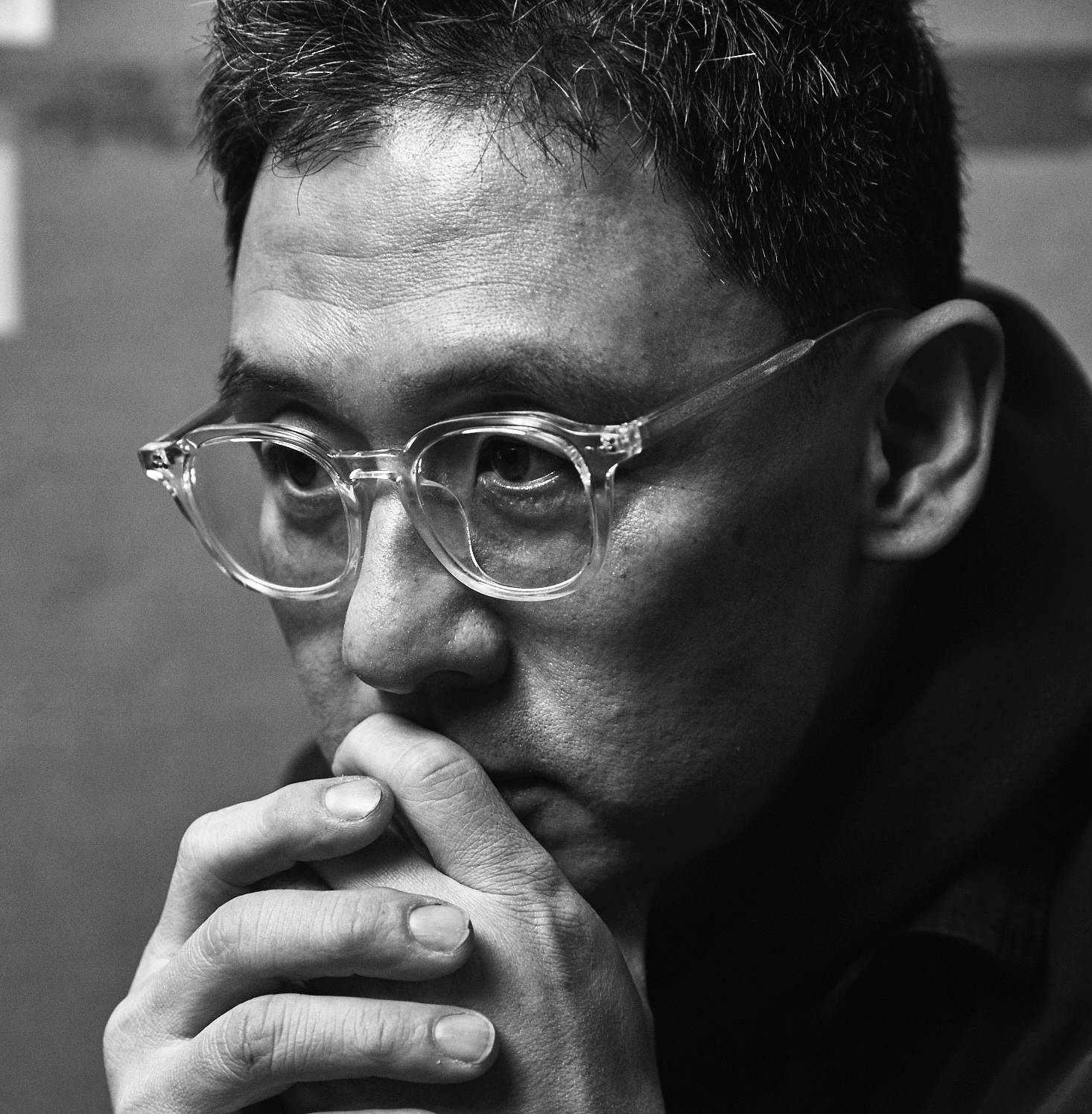
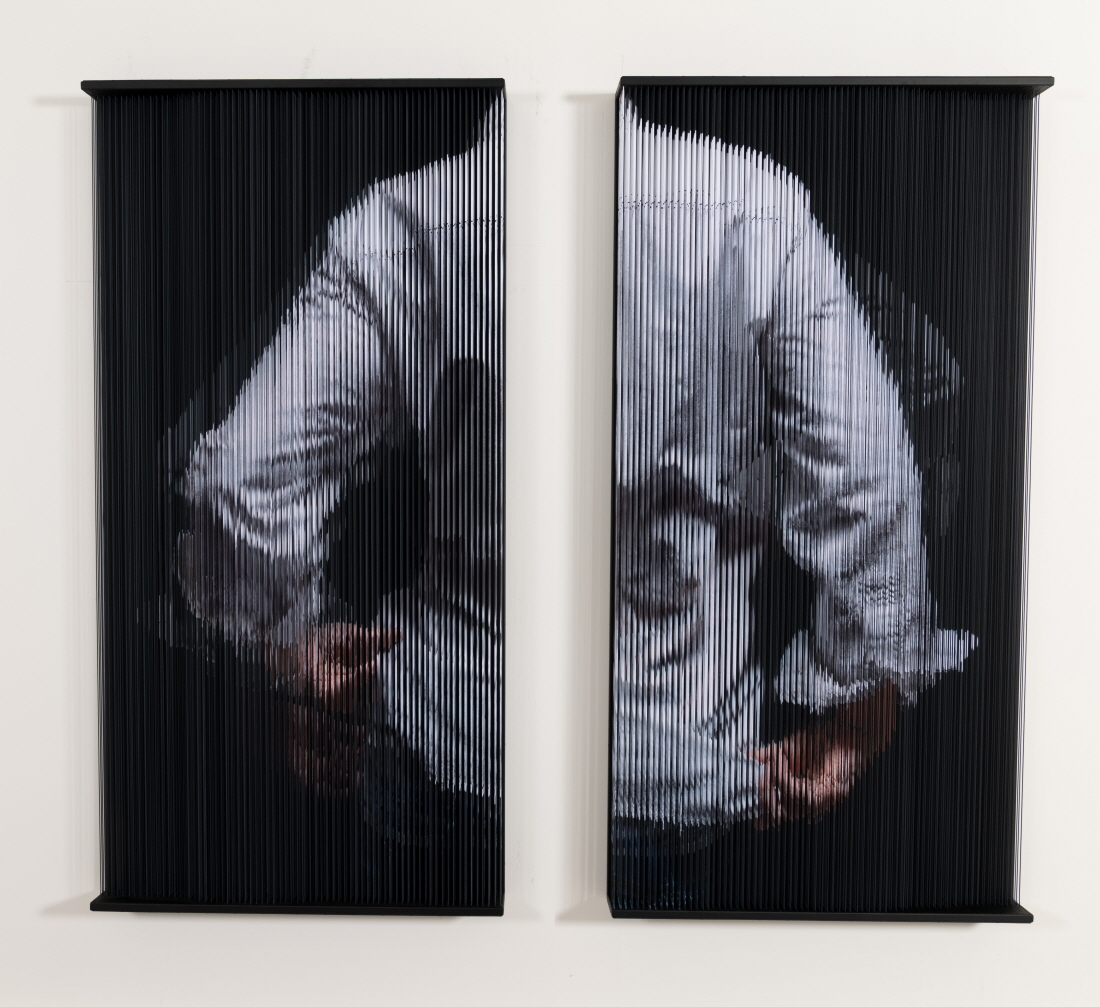
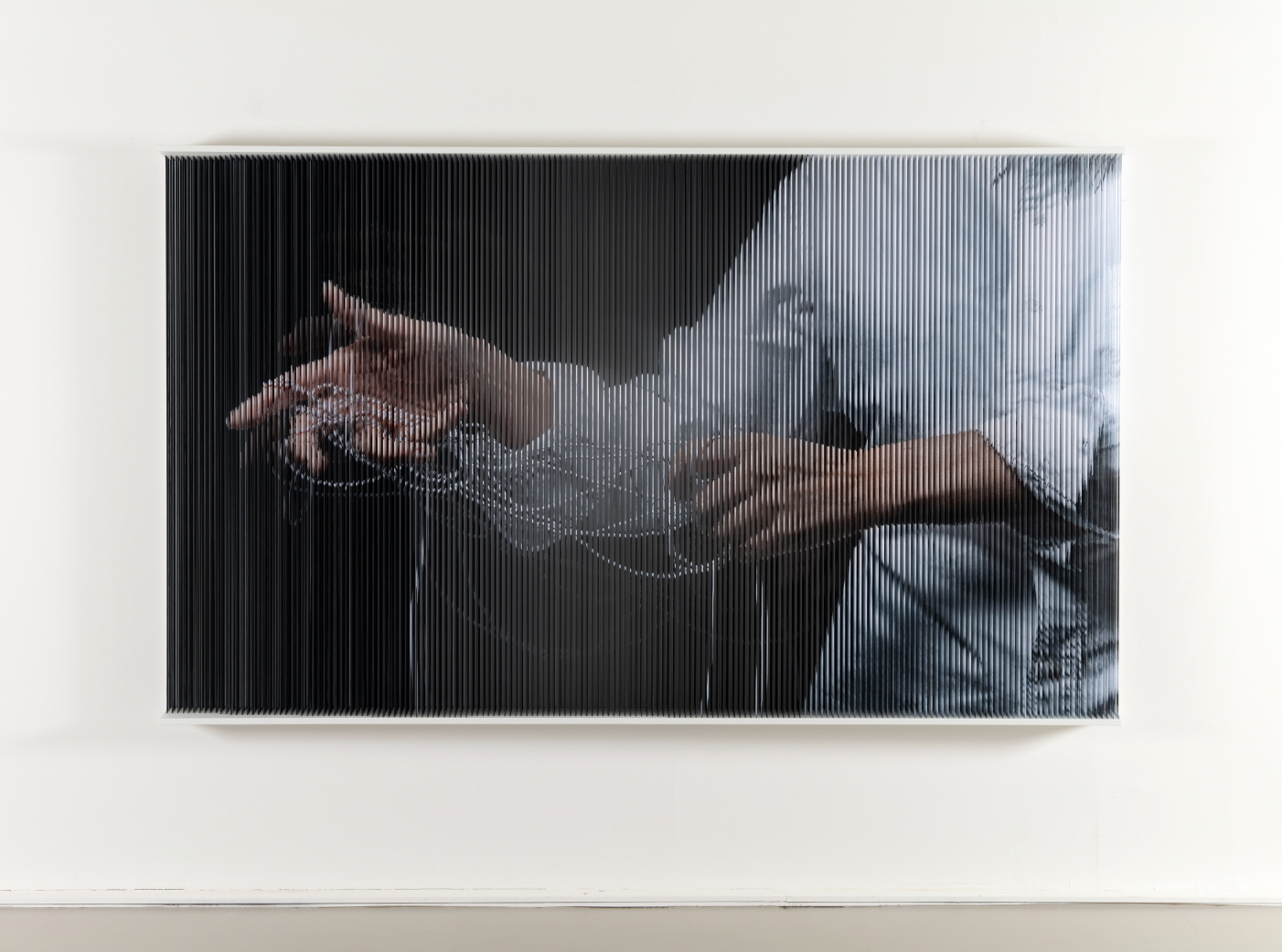
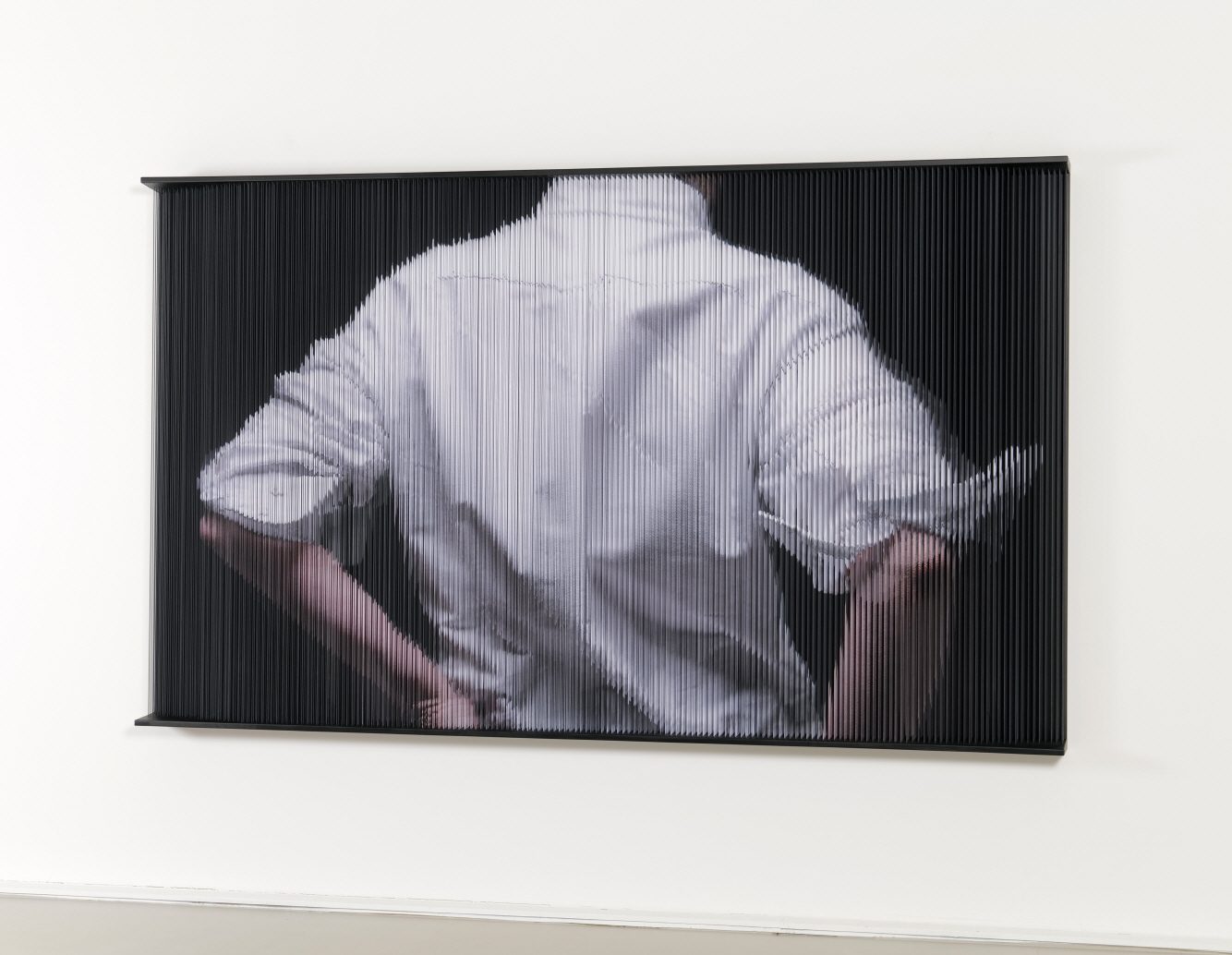
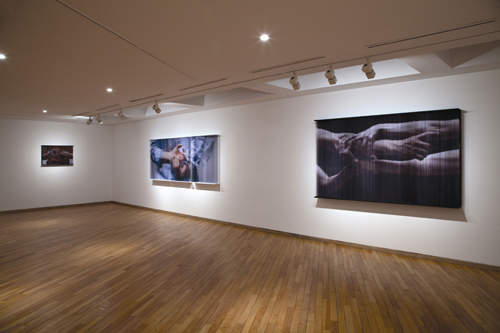
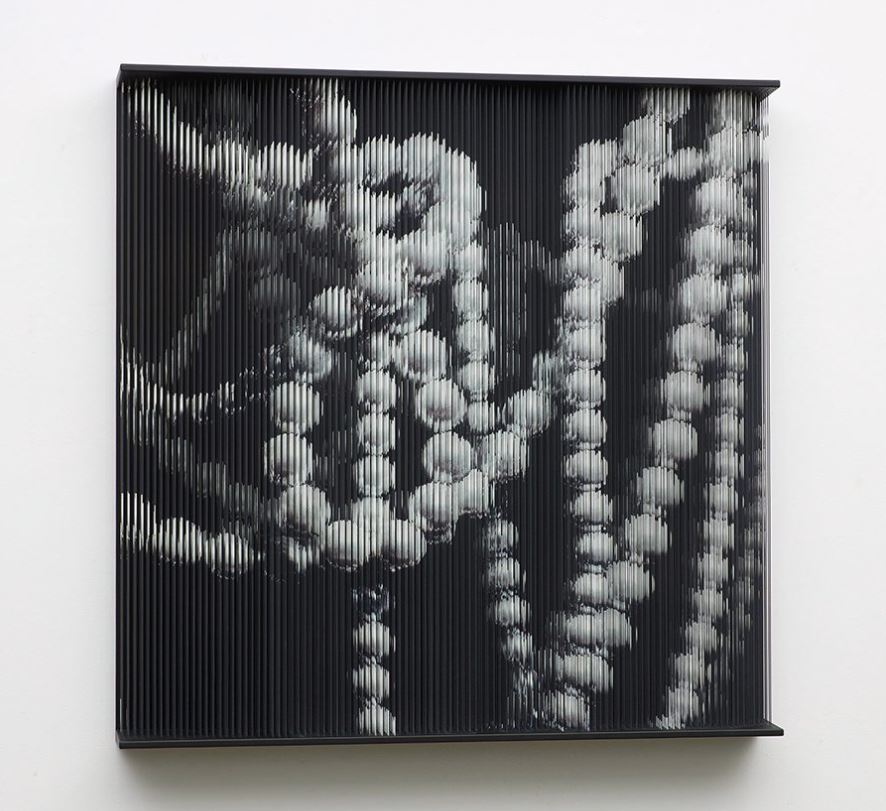
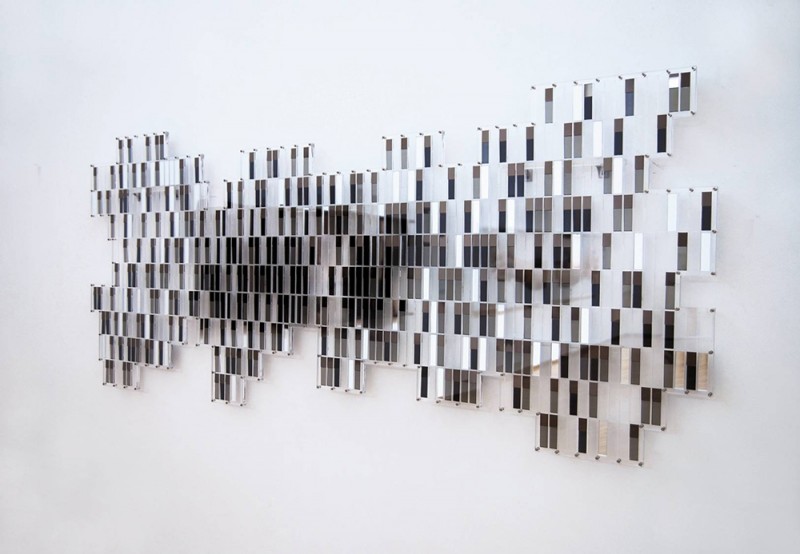
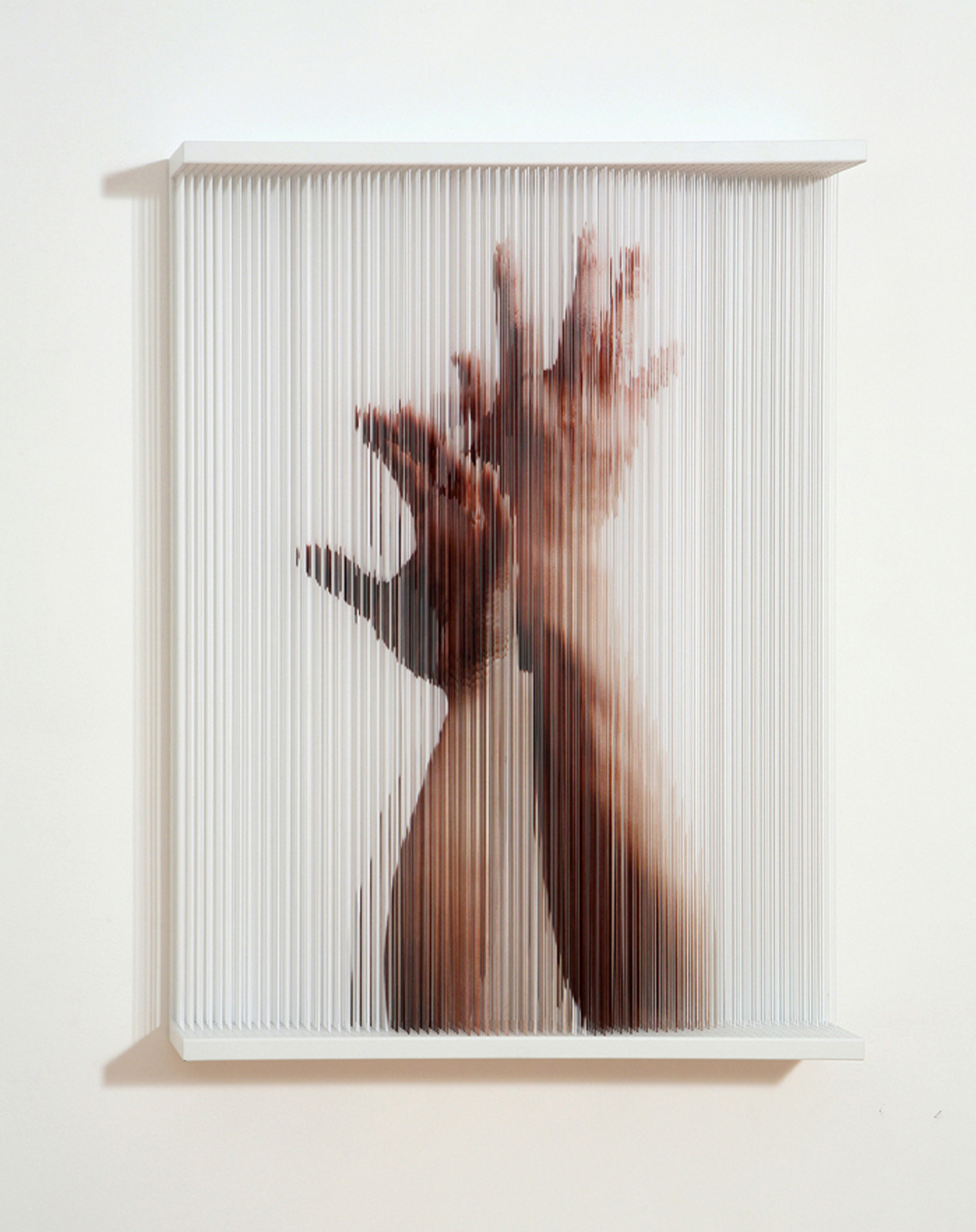
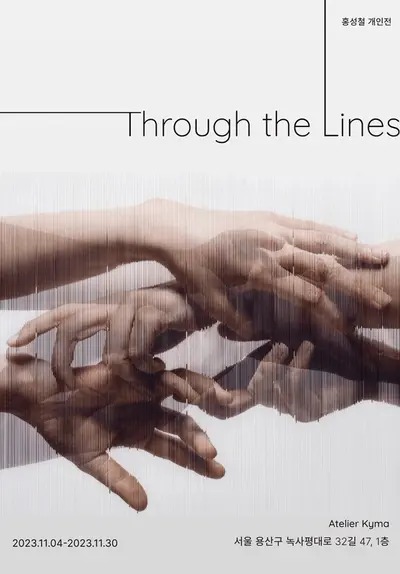
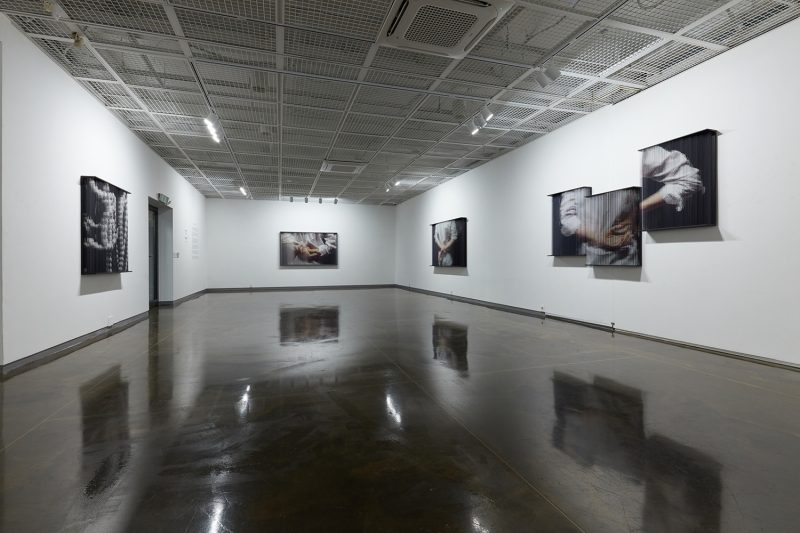
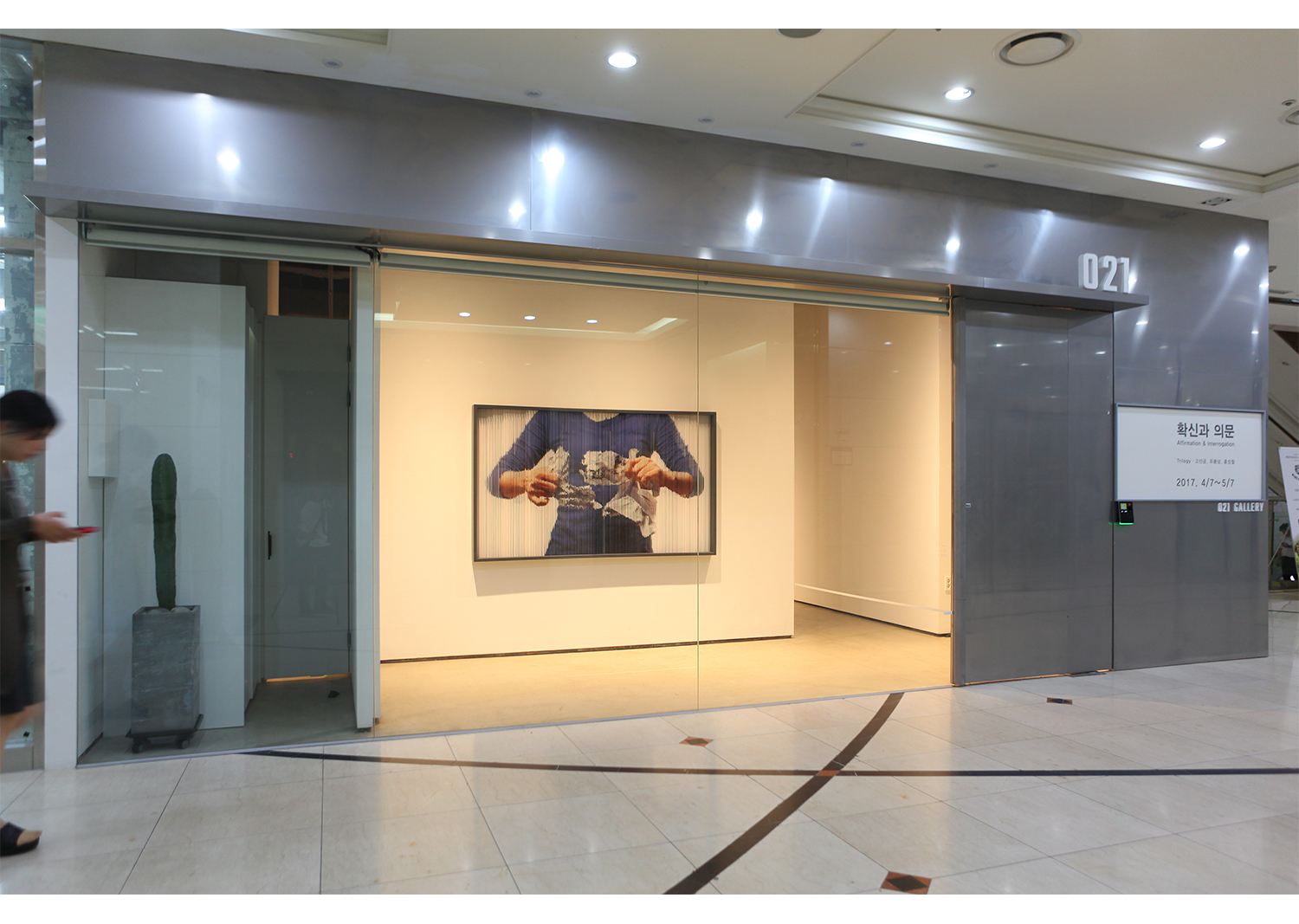
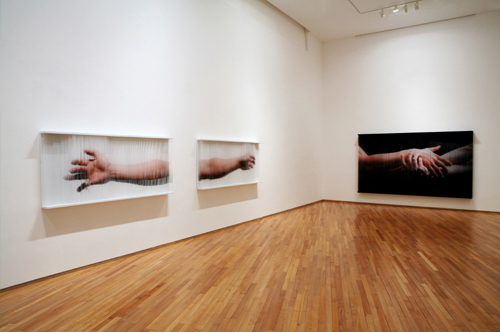
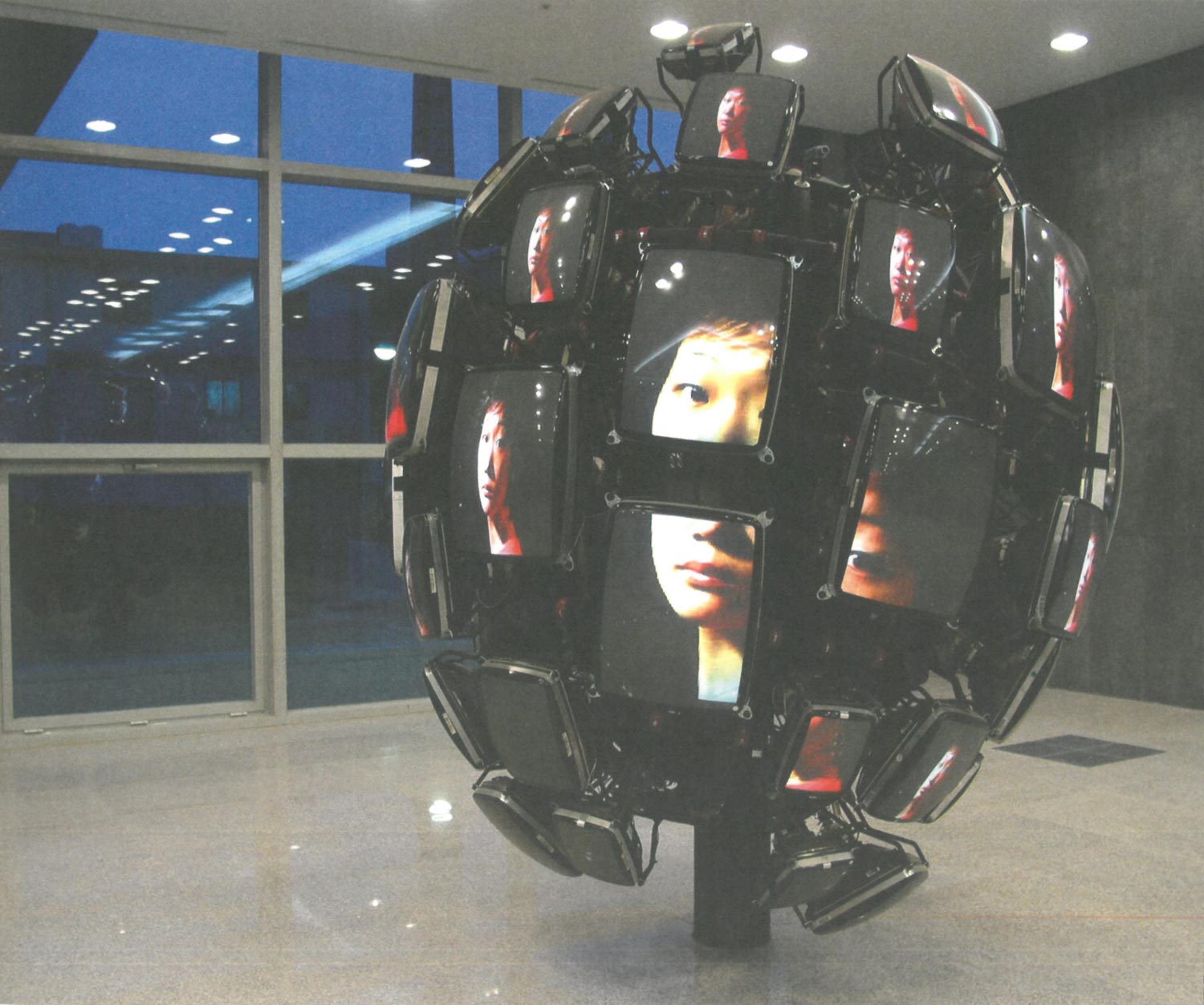
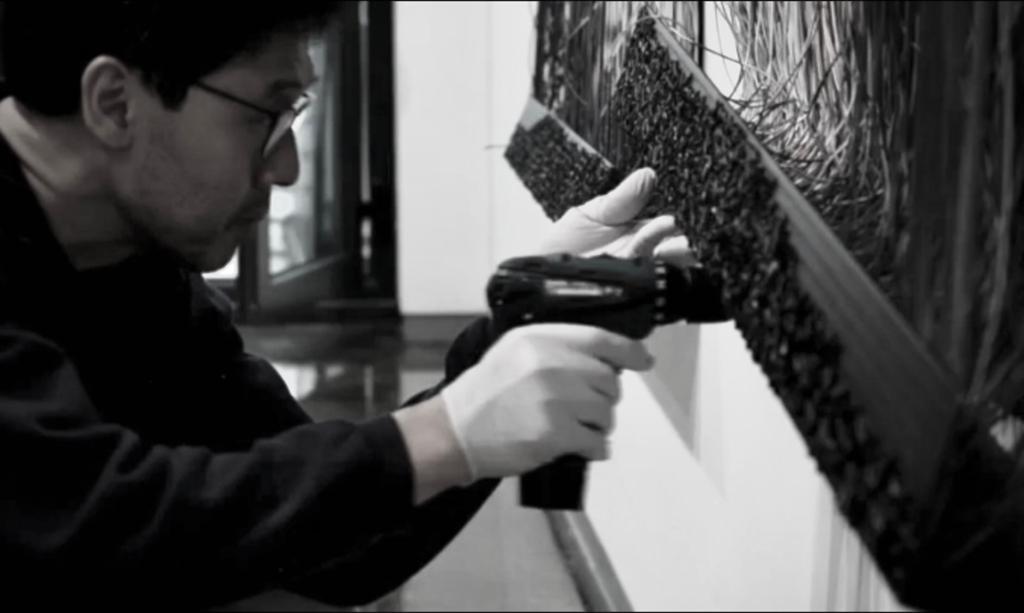
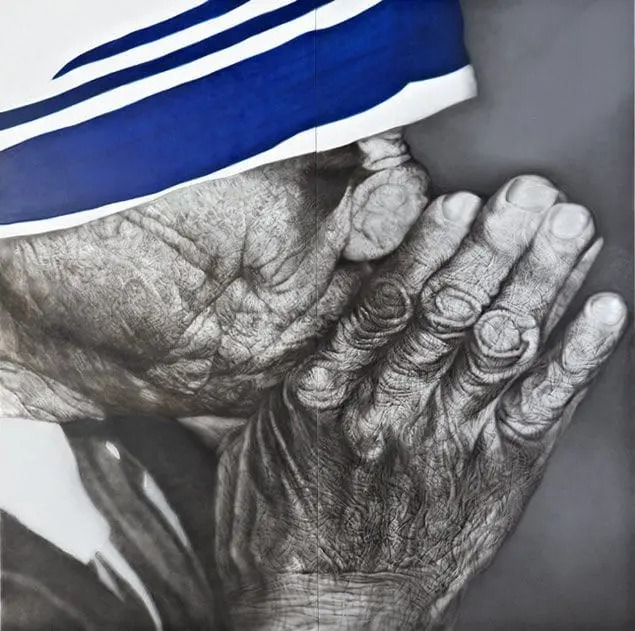
Hong Sungchul introduces multimedia art as
a narrative medium through which to address the essence of life and the origins
of art. The moving images produced through such technological media differ from
the expressive qualities of traditional media, in that they can function as
products of the mind that externalize and solidify, as a kind of social
phenomenon, the intimate and densely layered aspects of the artist’s mental
state in relation to concrete events of life.
In this way, an artwork—as the
specific product of an individual—begins to generate its own aesthetic
channels, centered on diverse modes of communication with society. From this
perspective, Hong Sungchul’s work may be regarded as a terminal point that
produces the singular specificity of meaning. Furthermore, the reason his work
can be discussed within the framework of multimedia art lies in the fact that
what emerges as the content of his work seeks a dimension in which the artist’s
artistic consciousness and the viewer’s act of perception can directly and
interactively communicate through moving-image media.
However, his work, beyond
the particular aesthetic specificity of the individual artist, expands as a
phenomenon reflecting the social character of contemporary society—much like
the tools of image production themselves—extending beyond purely artistic
concerns to become a force that shapes the impressions of society at large.
The basis of artistic activity that
artificially generates meaning is fundamentally related to human survival, and
the impulse for creation operating on that foundation gains its legitimacy
through the aesthetic orientation of individuals who seek the semantic richness
of life. According to the German philosopher Kant, humans have refined the
effort to create a natural order through artworks as a fundamental worldview of
artistic creation. Within this context, images—now widely categorized under the
general term “video” as a major current in contemporary art—are produced
through various technological outcomes of modern science and function within
society almost as independent ontological entities.
These images have already
moved beyond the stage of defining their meaning and have begun to operate as
part of our everyday lives. In such a situation, defining the essence and
characteristics of particular human-made objects may no longer hold significant
meaning. This is because, first, the structure or form of meaning is not the
primary factor in images, and second, there exists far too much diversity to
categorize and distinguish the ontological nature of the countless images that
are continuously produced. This phenomenon began to generalize in the West
after the 1960s, and in Korea more precisely after the late 1980s. Scholars
have attempted to define this indeterminate, pluralistic characteristic of art
and social phenomena through the framework of postmodernism.
Postmodernism, as an attempt to define the
inherently indeterminate nature of artistic and social phenomena of this era,
may appear as a contradictory attitude that seeks to define logic through
seemingly illogical means. It can also be interpreted as an attempt to use
traditional philosophical tools—based on reason, rationality, logic, and
meaning—to interpret phenomena that appear meaningless; that is, as an effort
to project the fragmented pieces of disintegrated meaning onto the events that
commonly occur in this era.
However, within a contextual dimension,
establishing a connection between the traditional aesthetic attempt of
art—which seeks to incorporate forms resembling the universal aspects of human
life into a world structured by its own spatial order—and the contemporary
multimedia art attempt—which appropriates the formal order of representational
images revealed through such frameworks as an analytical structure for
interpreting the specific characteristics of images and video—may be a significant
task in discussions surrounding the identity of multimedia art today.
Images do not produce meaning. In other
words, traditional artworks—including painting and photography—have
fundamentally been premised on the task of generating a third meaning through
images. In contrast, images in multimedia art pursue the viewer’s mental and
physical engagement not through meaning, but through the circulation of
images—that is, through the atmosphere evoked by the flow or movement of
images.
Here, meaning becomes possible not through the discrete stillness of
individual images, but through actual connections of meaning grounded in the
continuous physical movement of the work. The German philosopher Walter
Benjamin argued that the invention of photography made the technical
reproduction of artworks possible, thereby dismantling the aura inherent in
them. His discussion of reproduction begins with the photographic replication
of images from classical works, and he reframes this as a challenge to the
domain of representation that painting had long occupied.
However, the attempt
at representation can be traced either to the intention to fix and preserve the
diverse phenomena of the world as images, or to its origins in the use of
images by primitive humans as magical tools to fulfill their desires. As these
methods of representation became established throughout human history, the
dimension of aesthetic dynamism began to take on greater importance. At this
point, the dimension of art shifts from a formal dimension to an aesthetic one.
The act of accurately depicting existing
objects or phenomena witnessed in everyday life has moved beyond the level of
determining factual truth, expanding instead into an exploration of unforeseen
domains inherent to the work itself—that is, the meanings generated
autonomously by the artwork. This process has constituted the history of art.
It is because the formal devices used to depict the content of artworks
inevitably give rise to spontaneous engagement with social contexts, surpassing
the logical connections of their formal structures.
Such phenomena may be
interpreted as connected to the totality of life, in the sense that everything
exerts some degree of influence on everything else. However, if one were to
take the intention of revealing truth as the primary task of aesthetic
discourse, it would, in some respects, become quite nonsensical. Numerous
social phenomena that suspend judgments of truth and falsehood exist throughout
our lives, and artworks, accordingly, can only be discussed not in terms of
truth and falsity, but in terms of possibility and openness.