Yuja Kim
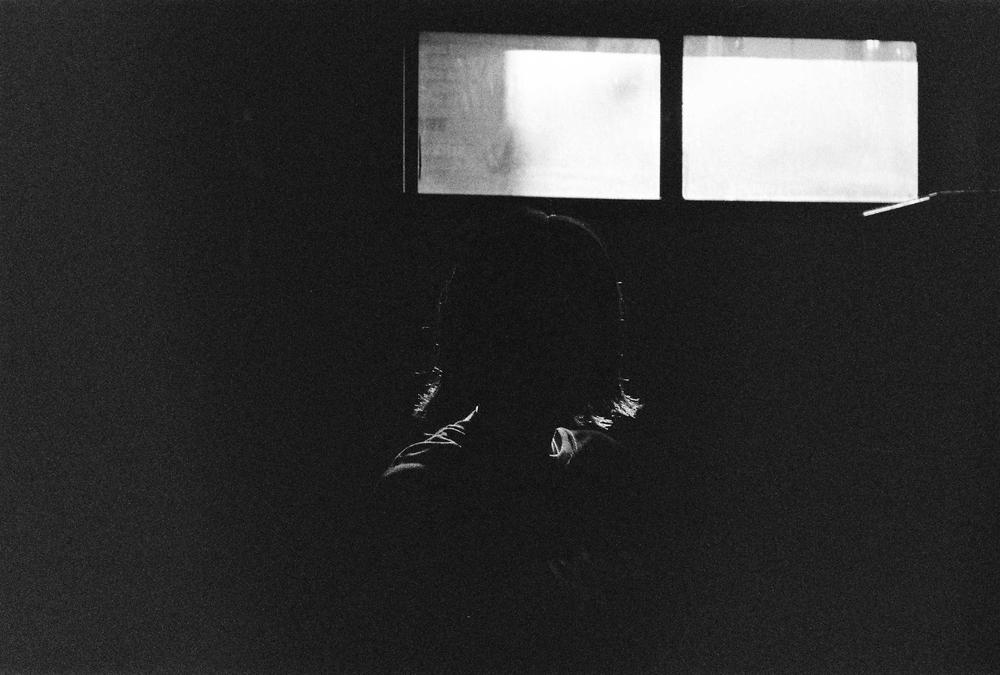
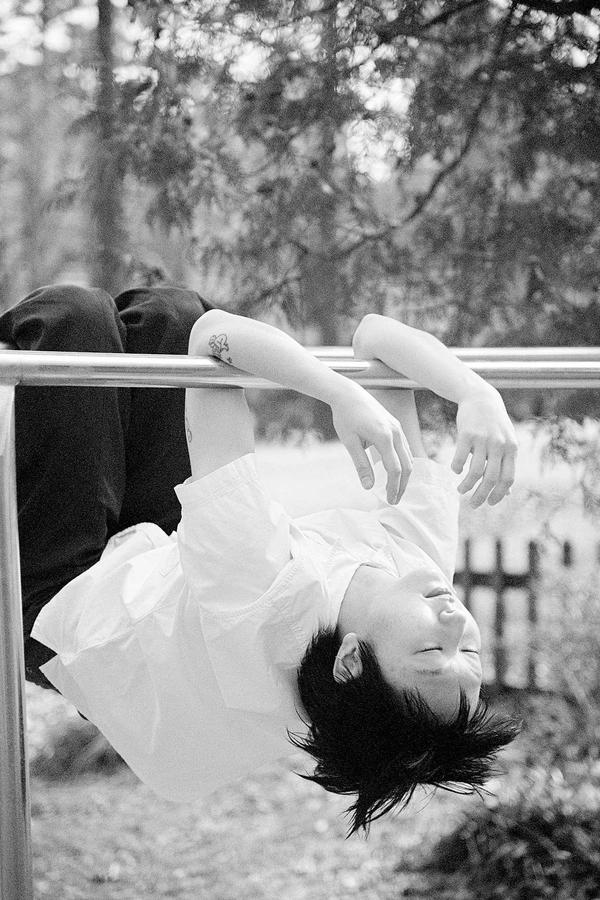
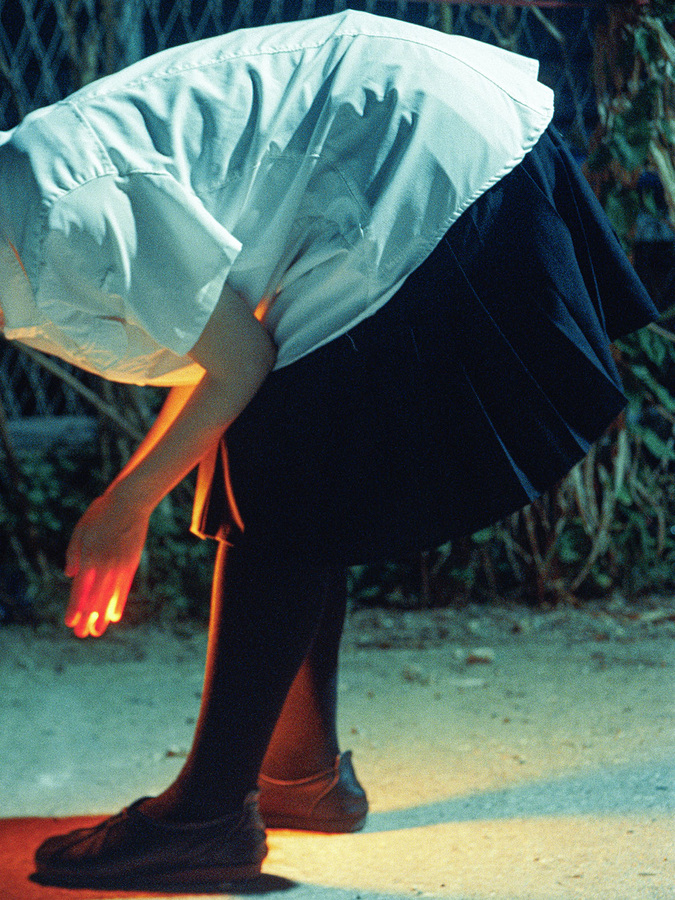
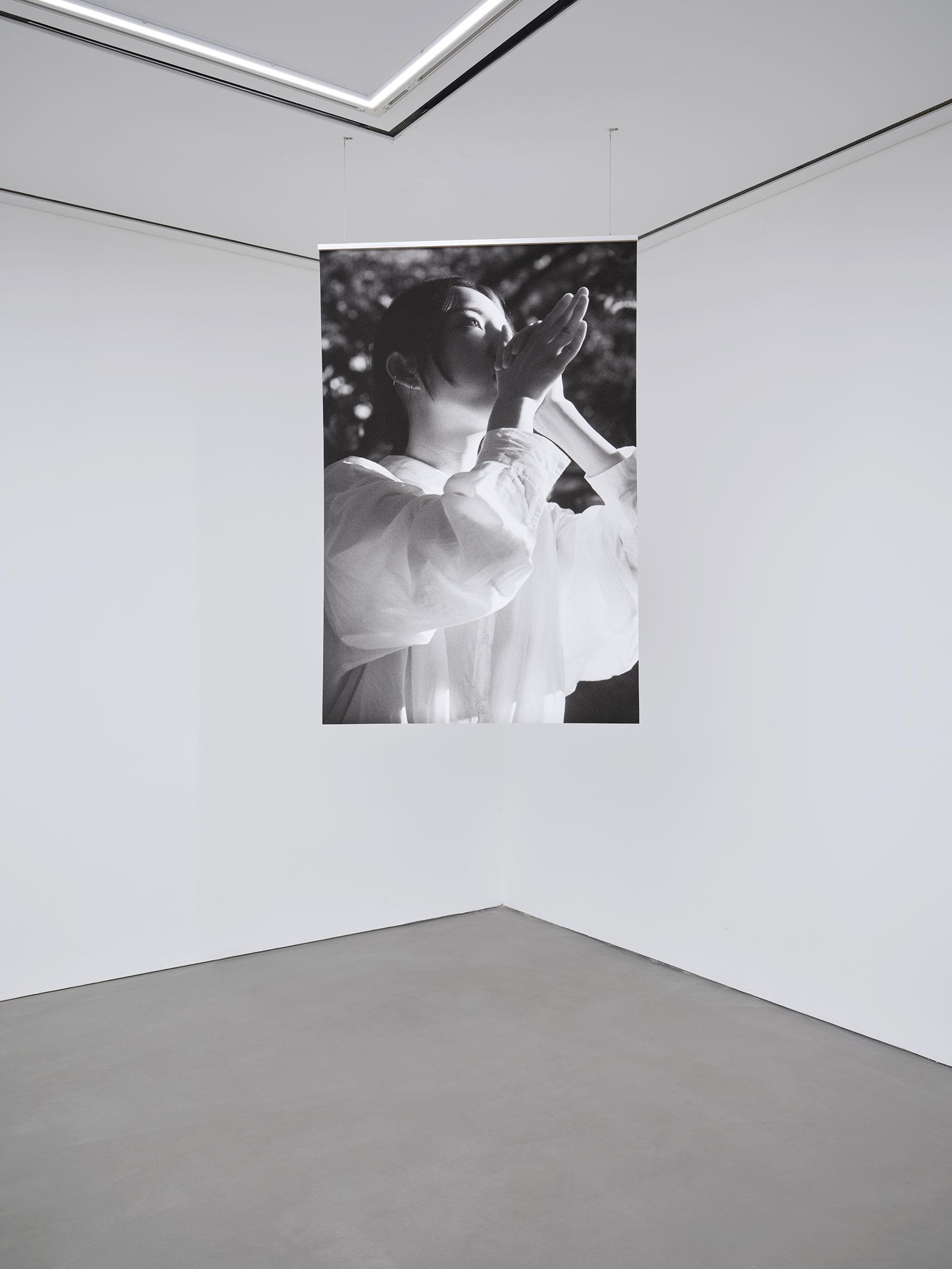
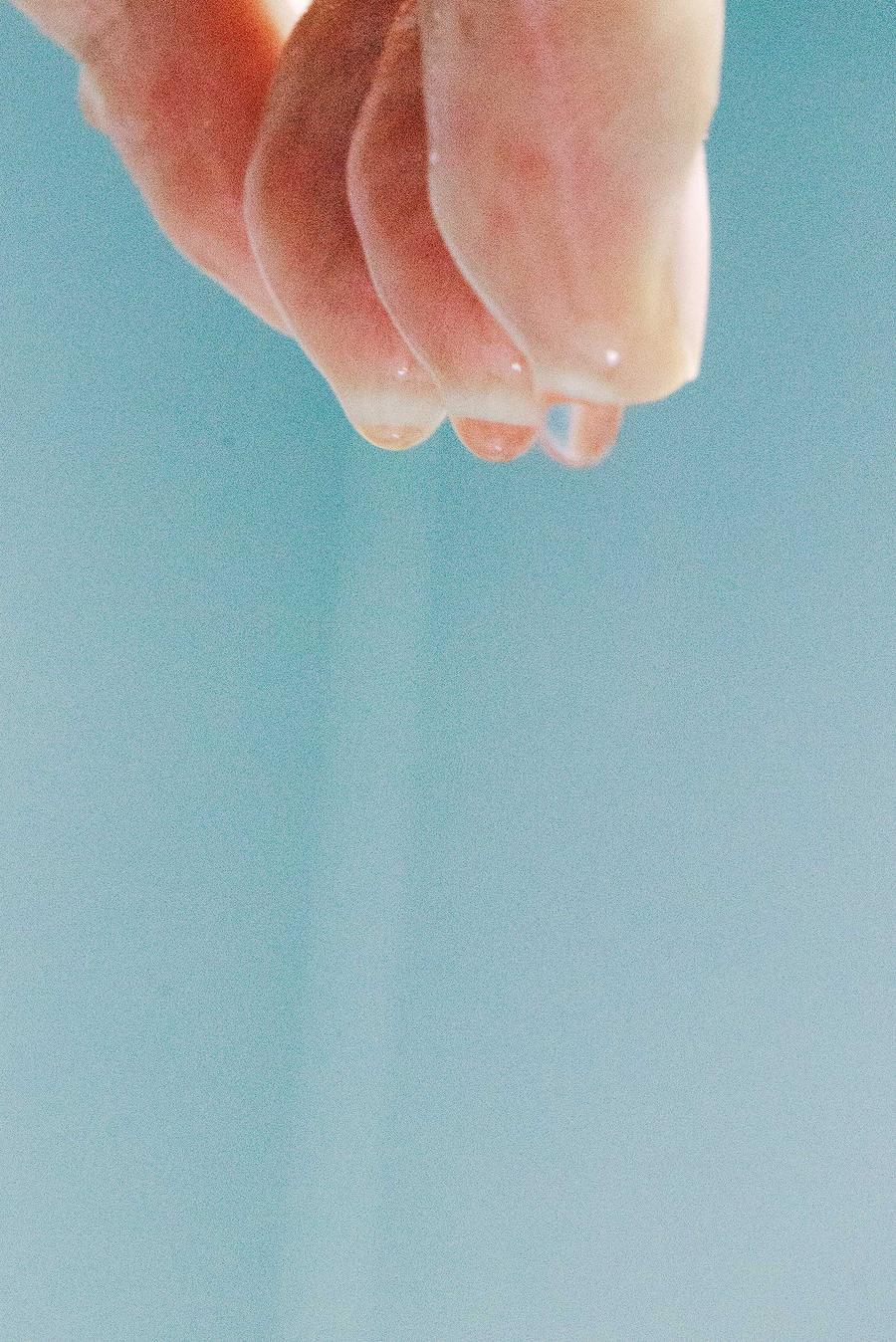
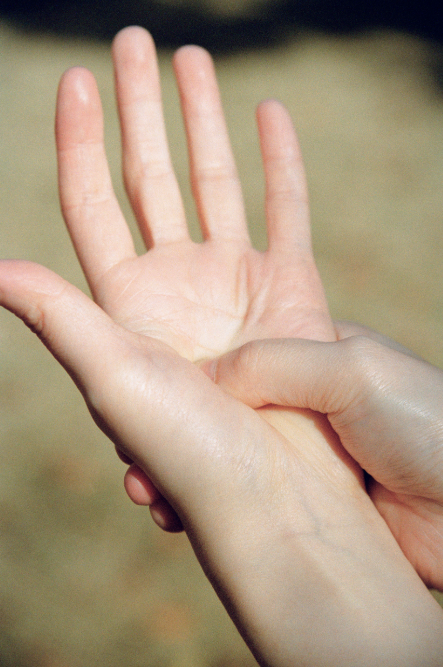
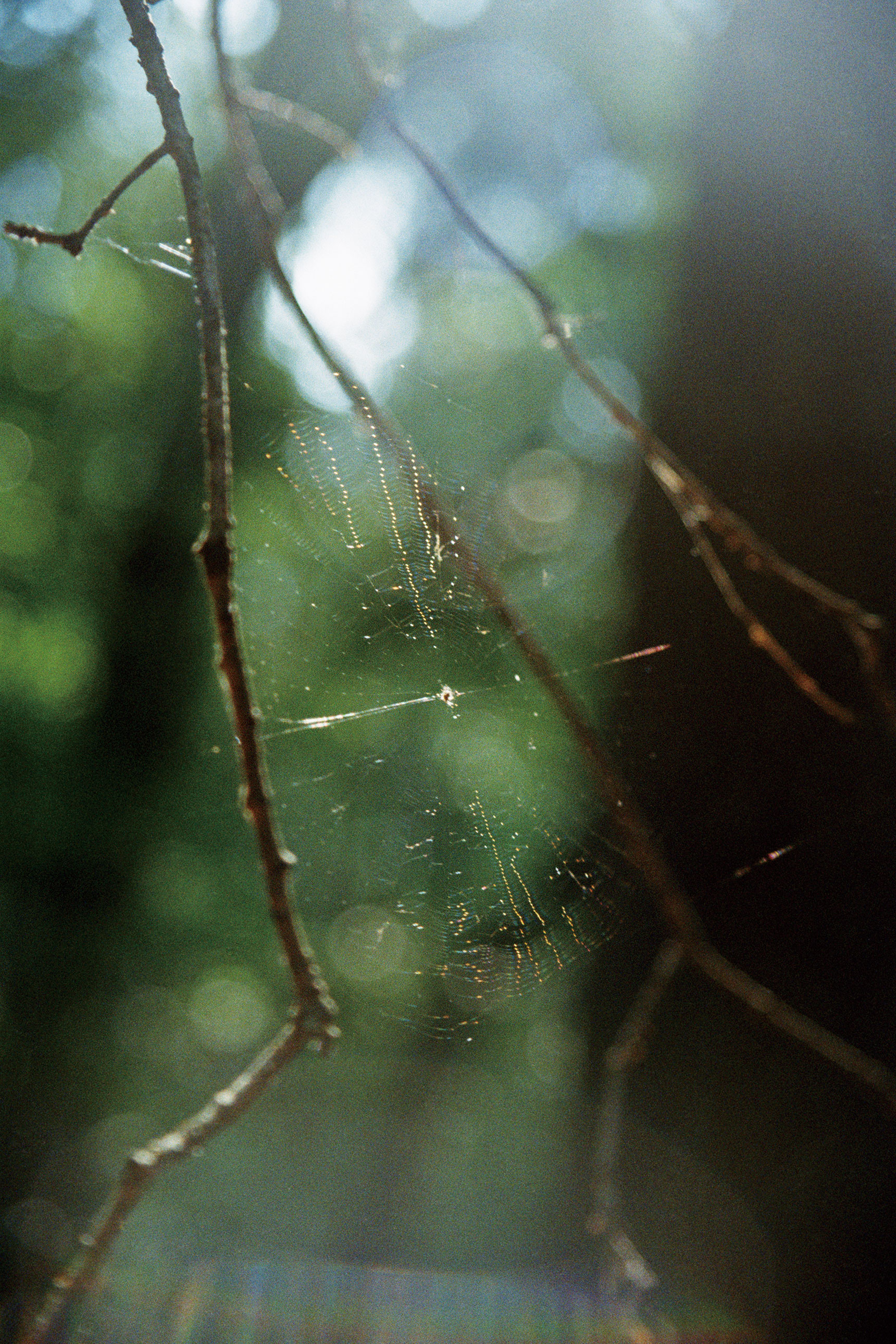
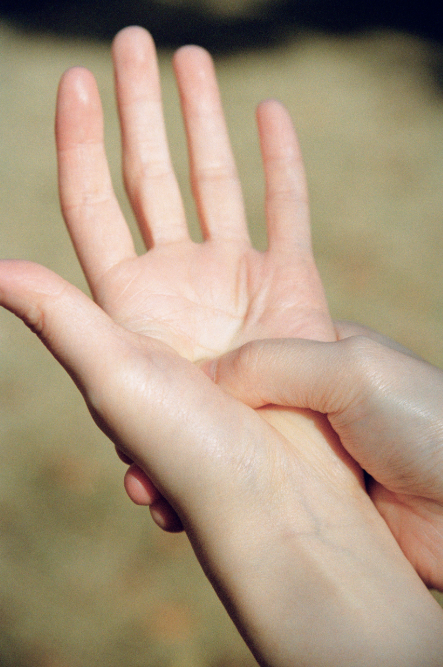
is an artist who has consistently explored sensory fissures that arise between
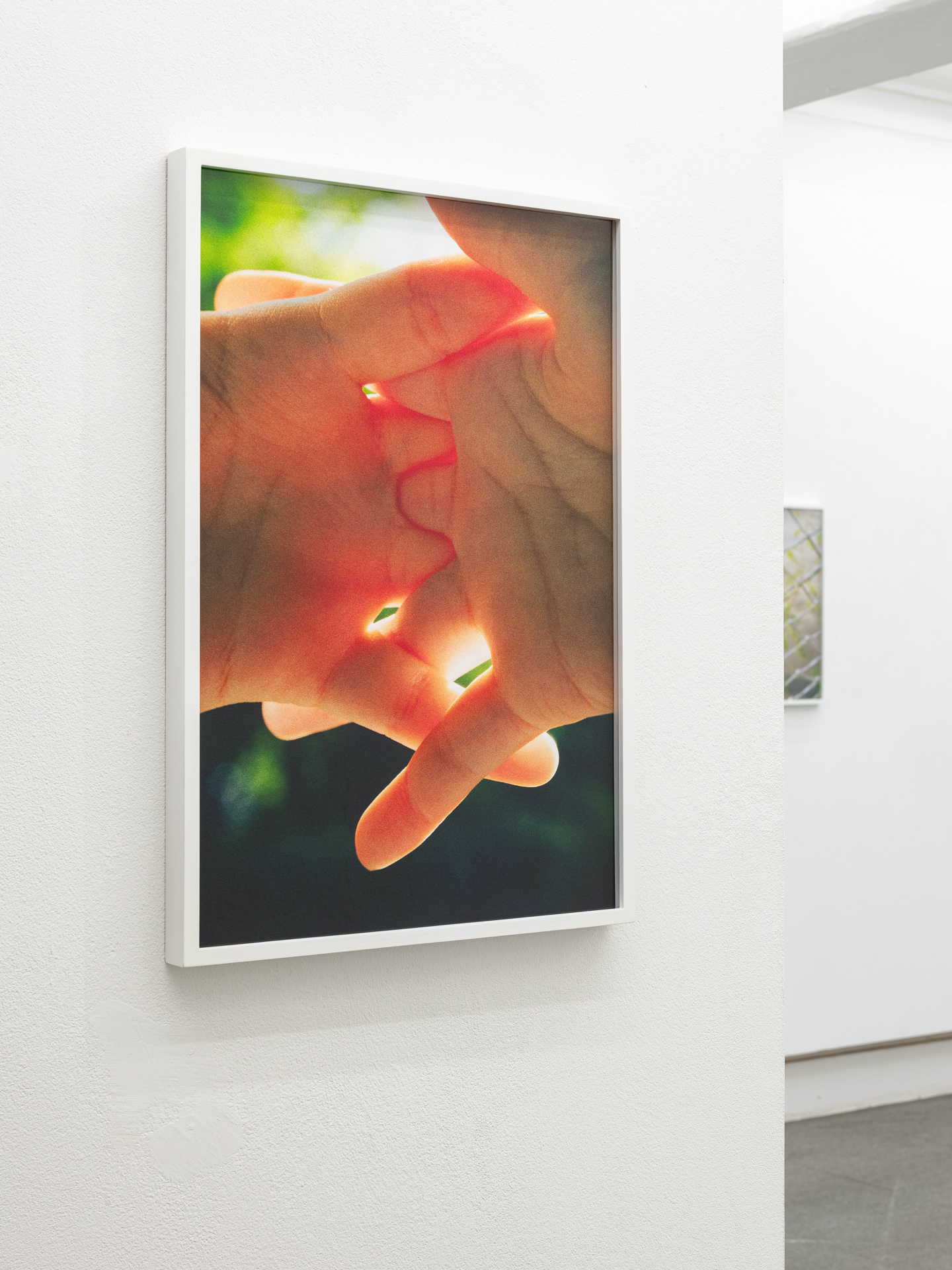
the “visible” and the “invisible” through the medium of photography. While her
works present what appears to be a fixed, singular scene, closer observation
reveals sensations that are difficult to clearly define—subtle movements,
tremors, and faint presences embedded within the image. These sensations extend
beyond the visual, activating tactile and auditory imagination, and lead to an
approach that investigates the potential of photography to function not merely
as a recording device but as a field of polyphonic sensation.
This
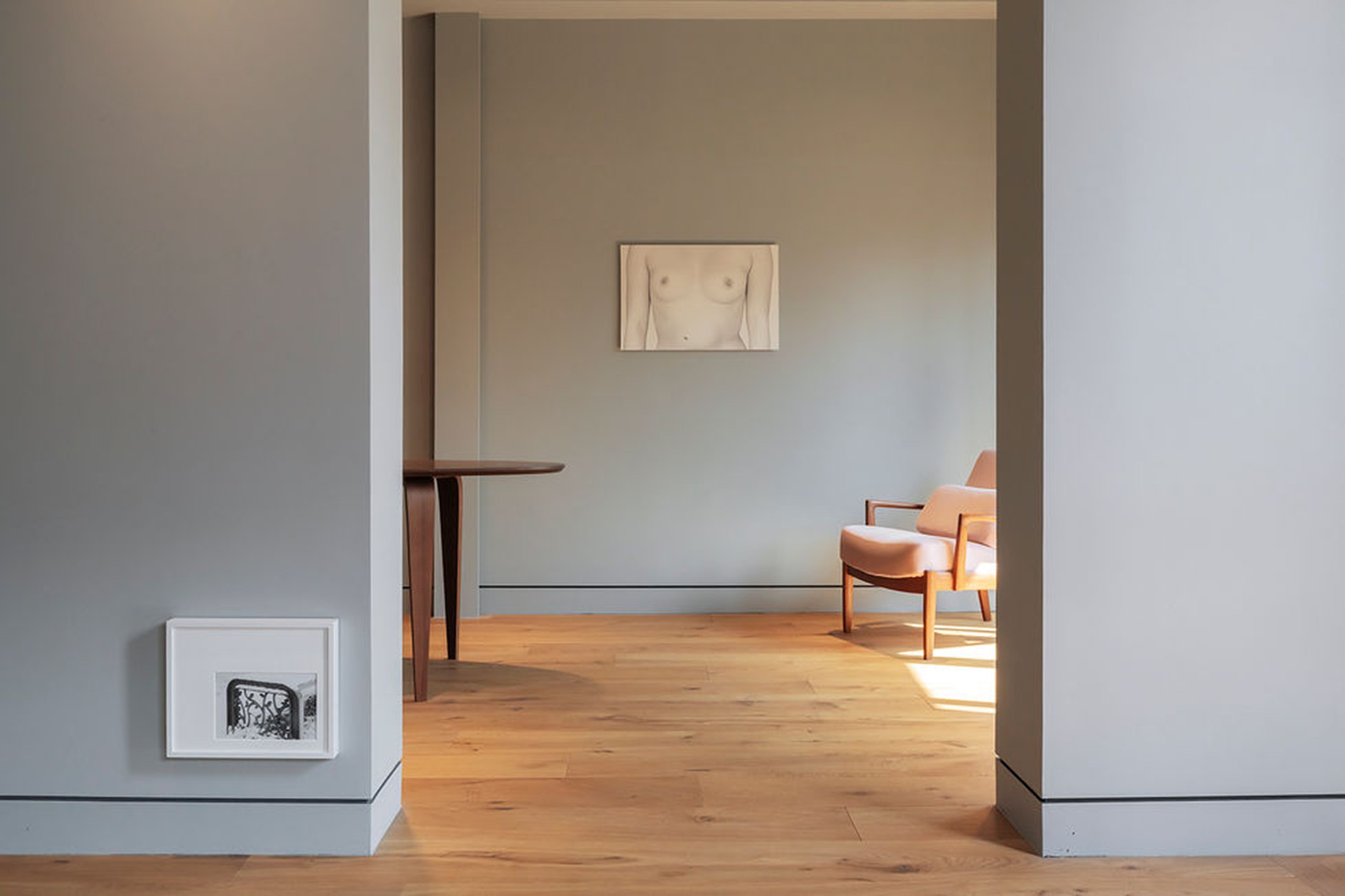
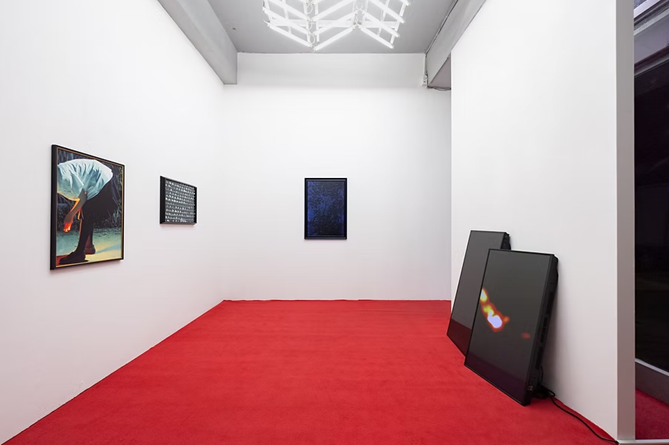
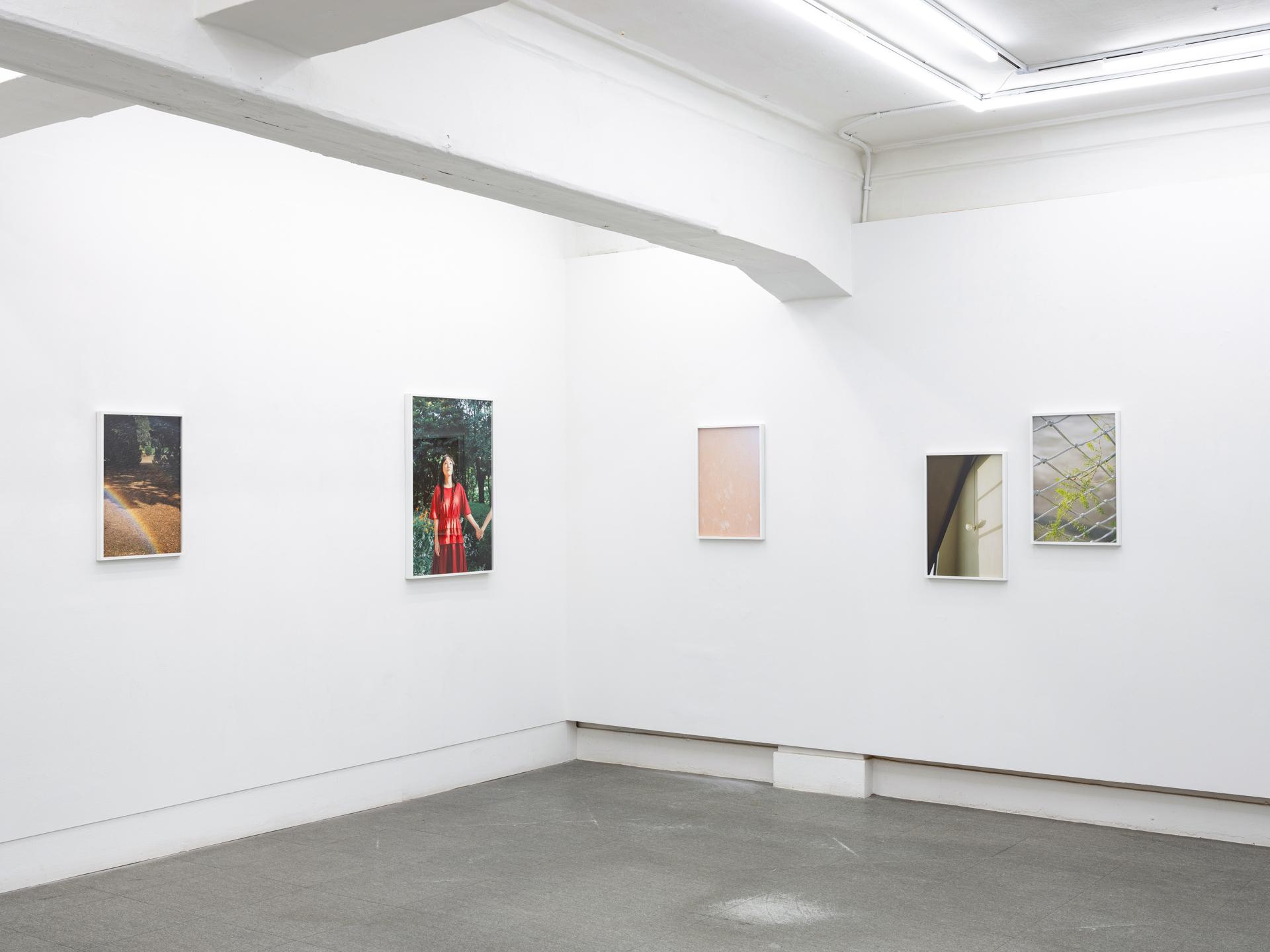
personal line of inquiry becomes especially evident in the exhibition 《Frankie》(N/A, 2021). Originating from the
artist’s own experiences of nightmares, the exhibition presented works such
as Sleep Marks(2021), Downy
Magnolia(2021), and Coming Home(2021), which
visualize bodily traces left after sleep, shifts in the temperature of objects,
and subjects that have disappeared or remain incomplete. Through these works,
Kim renders the sense of unease and void that emerges both inside and outside
the body. Here, photography does not aim to clarify or explain, but instead
operates as a medium that traces residual sensations left behind by lived
experience.
In the
'Cusp 1'(2021–2023) series, Kim’s focus expands toward moments of loss and
collision. The work A Cat(2021), in which the subject
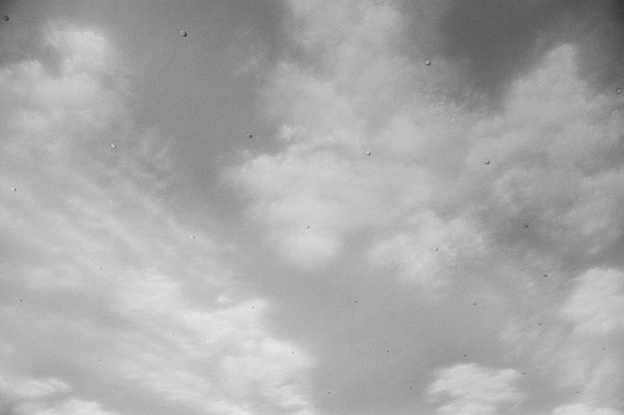
is erased due to damaged film, takes as its starting point the very condition
of no longer being able to see what was once seen. Rather than categorizing
this as failure or defect, Kim confronts the state of loss itself, exploring
the sensations that persist after disappearance and the potential for acts of
mourning embedded within photographic practice.
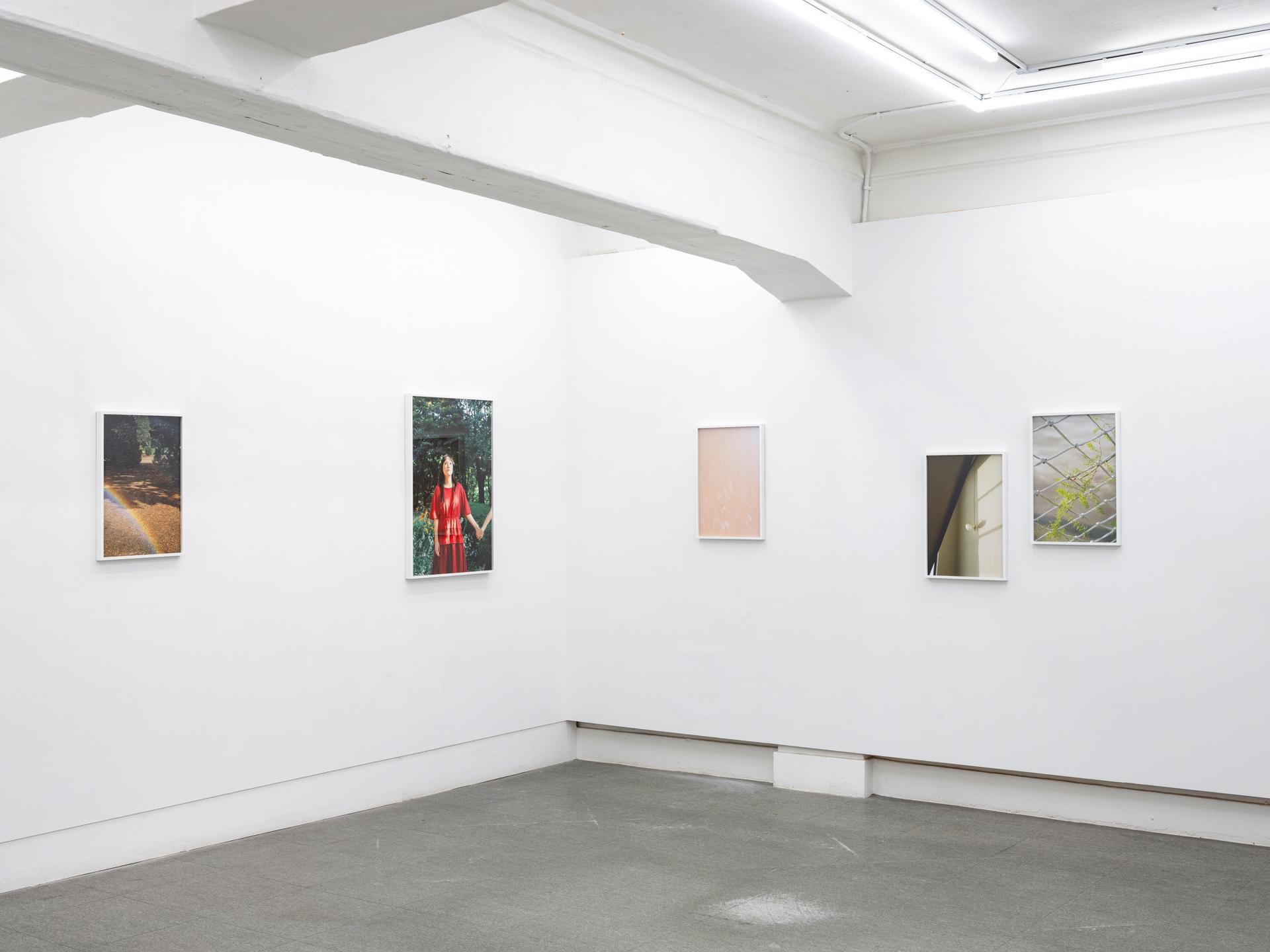
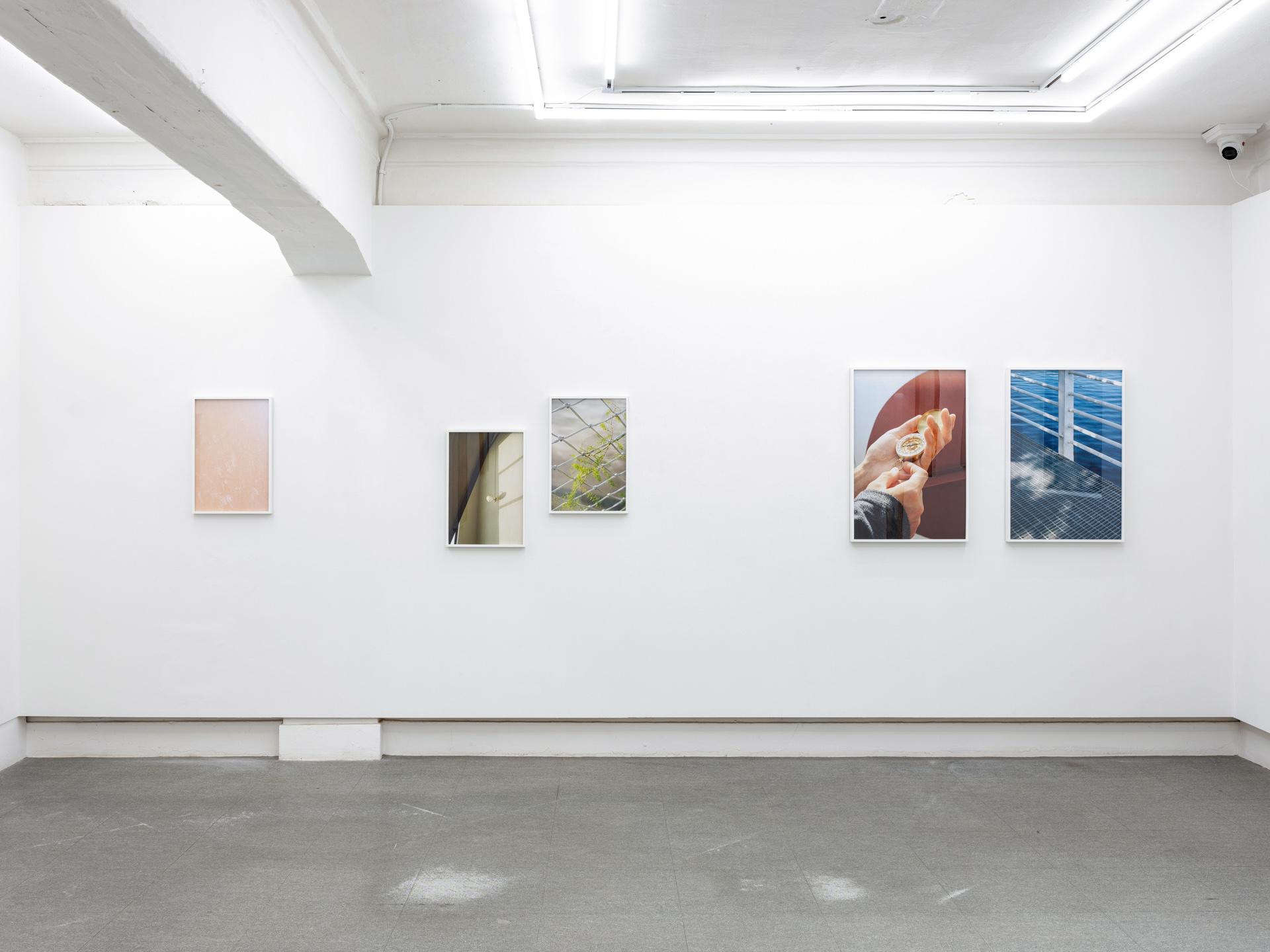
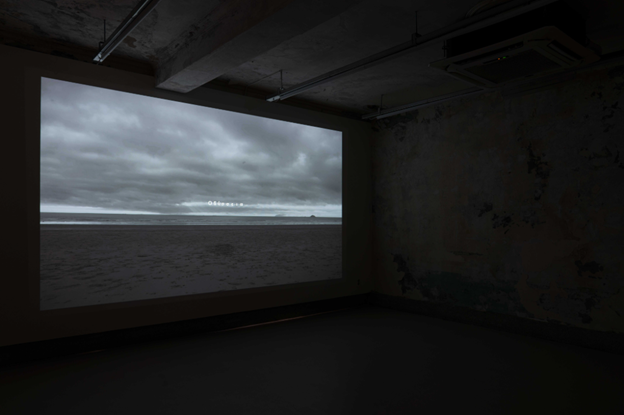
In the
subsequent 'Cusp 2'(2021–2024) series, the artist’s thematic interest shifts
toward stillness, trembling, and the minute vibrations of time. In works such
as Transparent Repetition D(2024)
and Transparent Repetition E#(2024), photographs of
what appears to be the same figure are repeated and arranged, foregrounding
differences in viewpoint rather than narrative events. Through this approach,
the fluctuation of perception and the oscillation of sensation emerge as
central themes, reflecting Kim’s understanding of time and sensation as
layered, overlapping, and non-linear rather than singular and continuous.