For
a while, there was an inescapable jinx. If I missed the navigation’s directions
three times in a row while driving, I would arrive at a place where you once
stood. When I unexpectedly came face to face with a landscape that remembered
you, I would be so overwhelmed by the sudden rush of tears that I had to pull
the car over in a panic. Looking out from inside the car, I could see you
opening the door of a shop and walking in. Your stooped back, your tired
face—at that moment, I felt with piercing clarity the fact that I would never
be able to see you again in this world.
After
this happened several times, at some point I began reciting an incantation in
my heart without even realizing it. If I pass through this unfamiliar road, I
will reach a place I know. I will be able to look at you. I hope that image
will last a little longer… I even imagined this: on this side, you are dead and
gone, but on the other side, as much as you lived, as much as I remember you,
images continue to accumulate and replay without disappearing. This side and
that side, which exist separately, sometimes connect with each other
unexpectedly.
Yuja
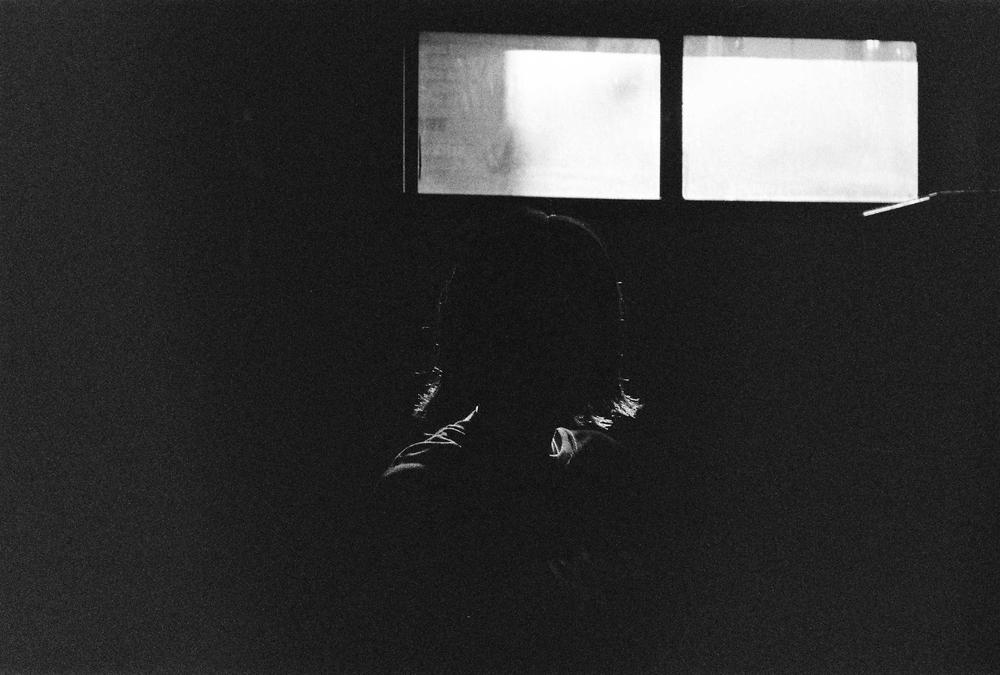
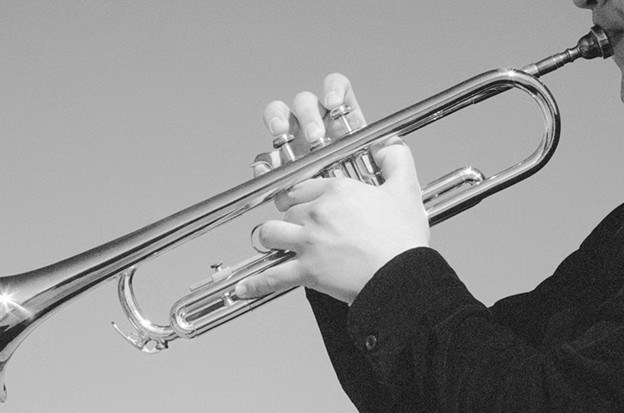
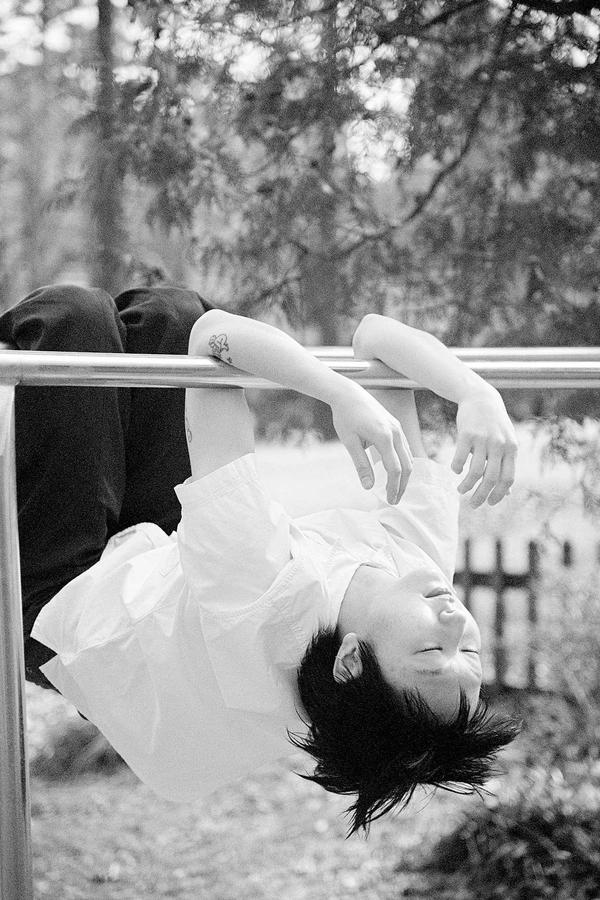
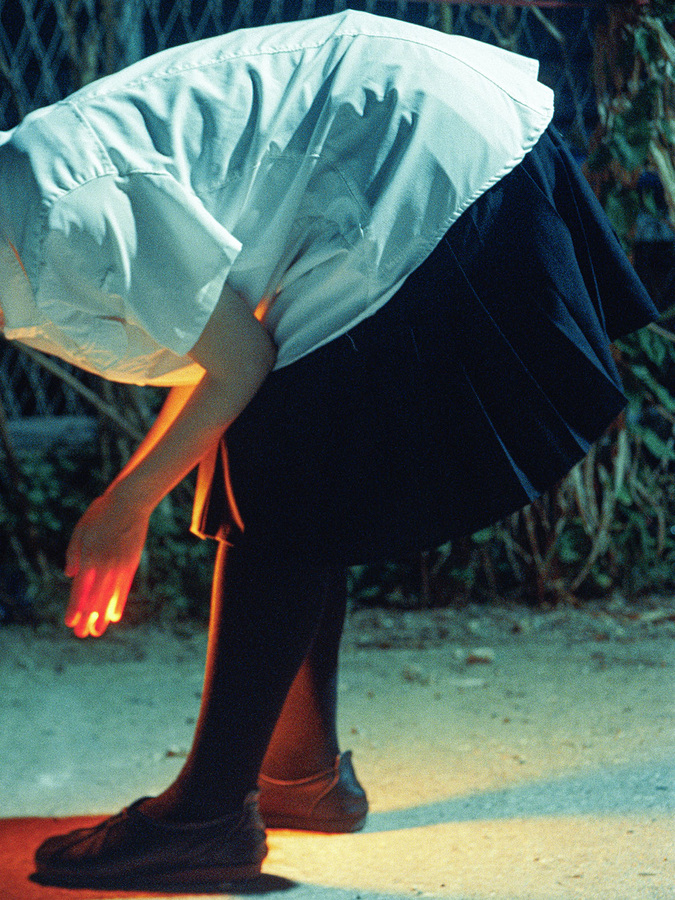
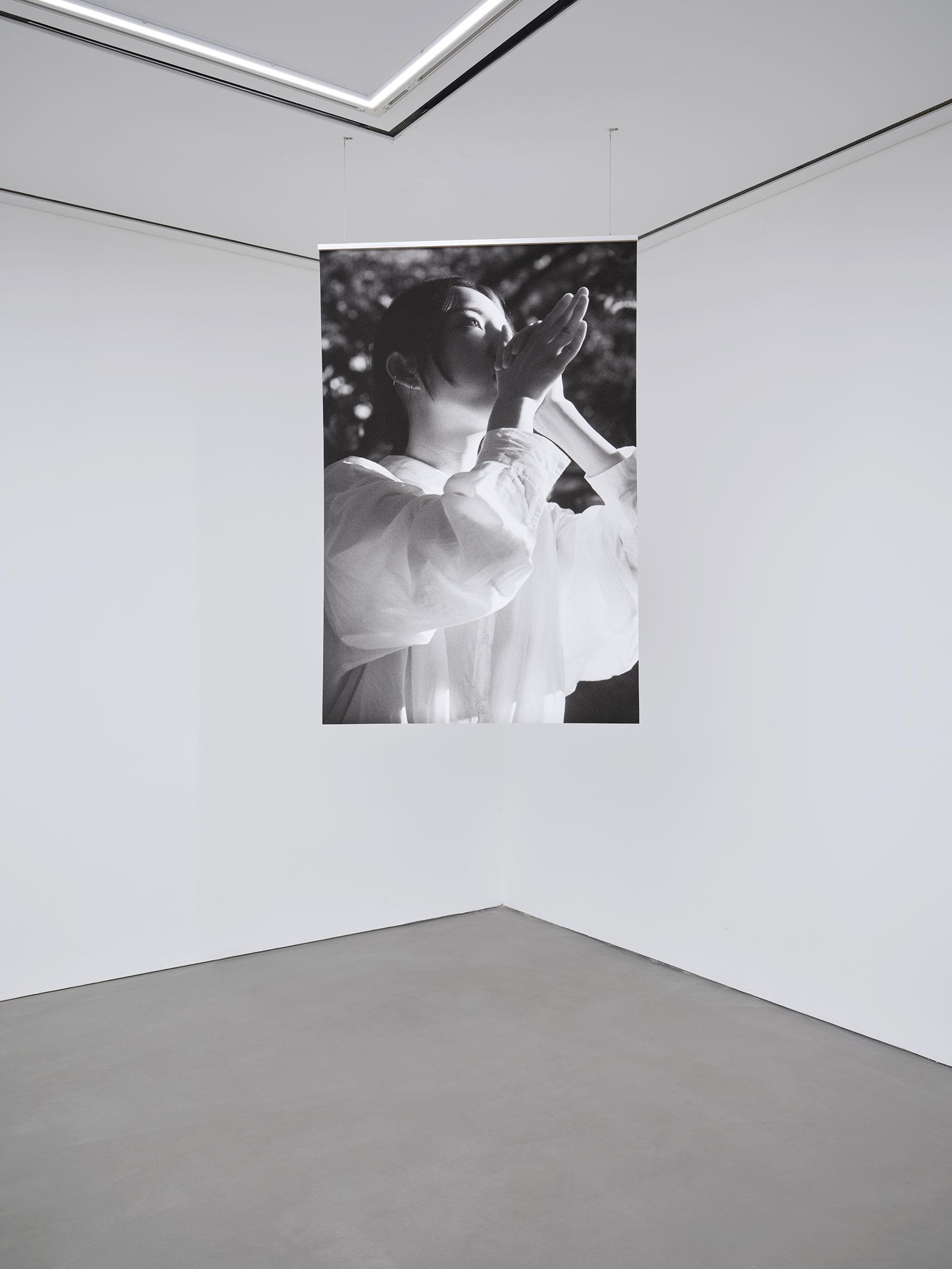
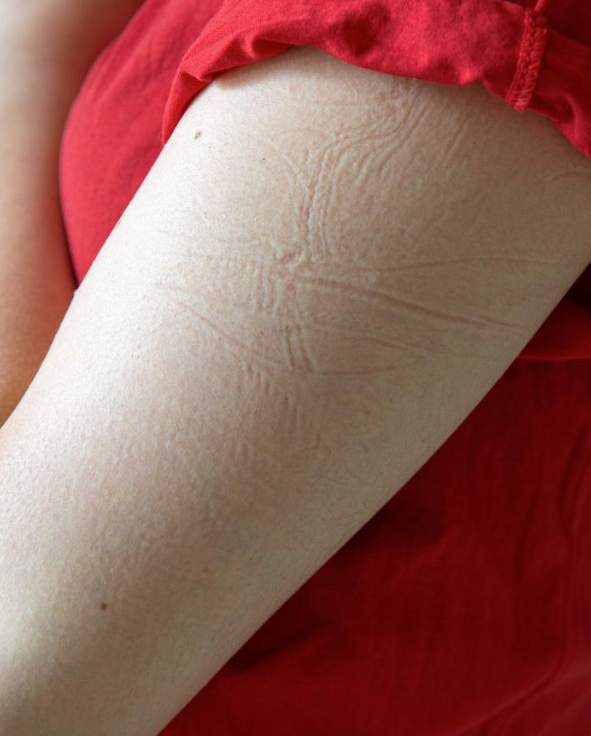
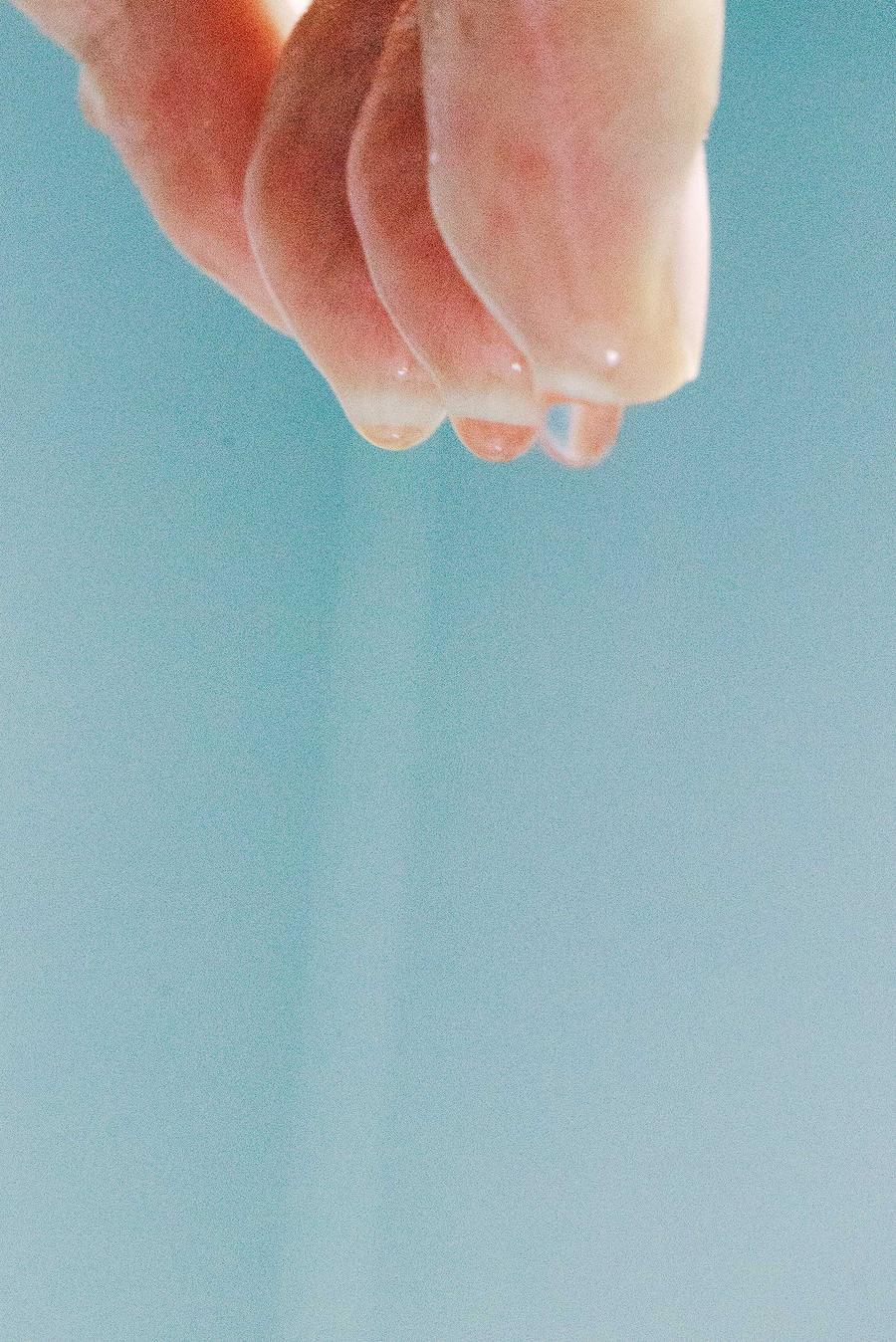
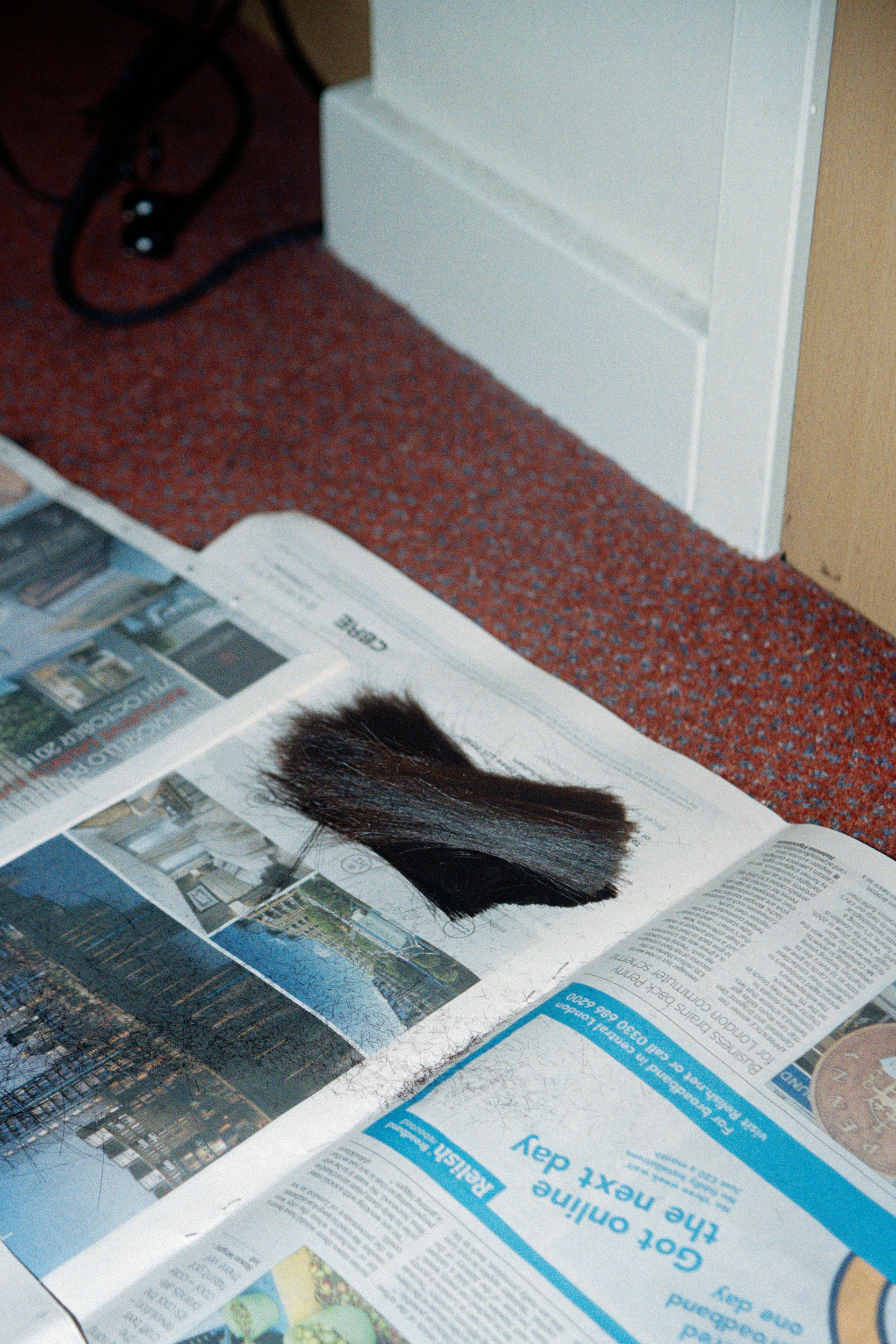
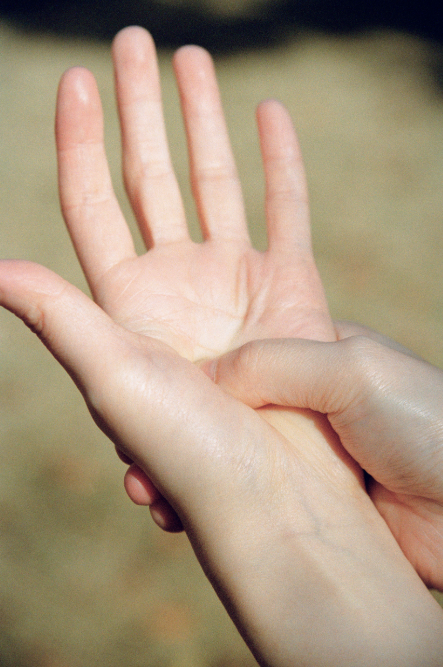
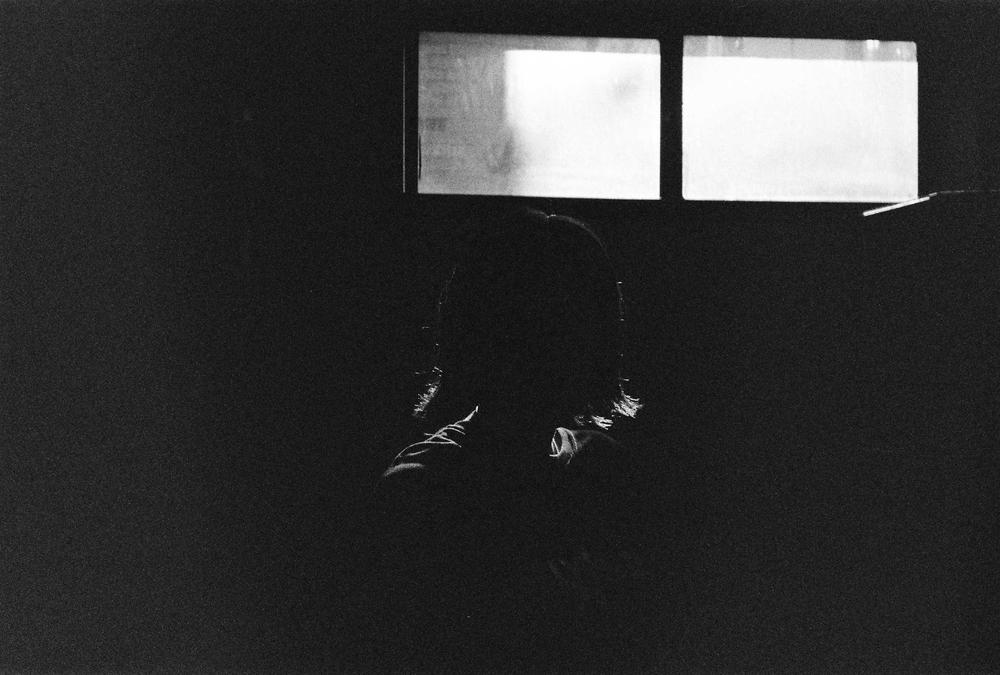
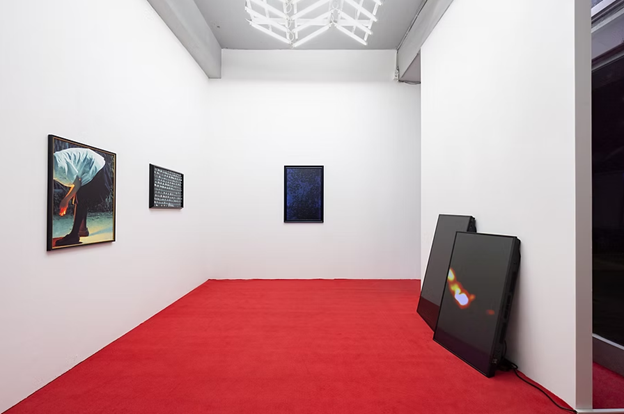
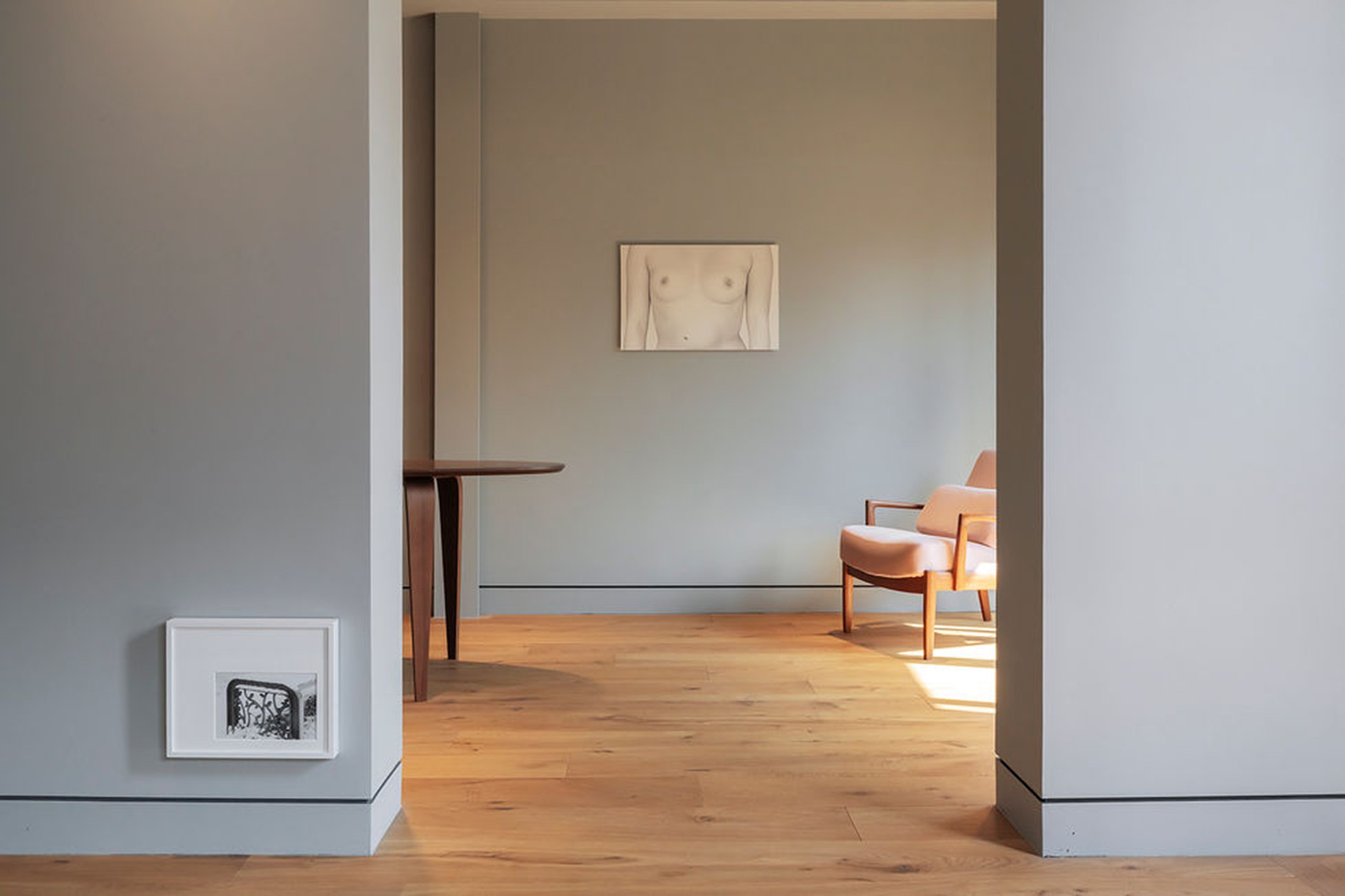
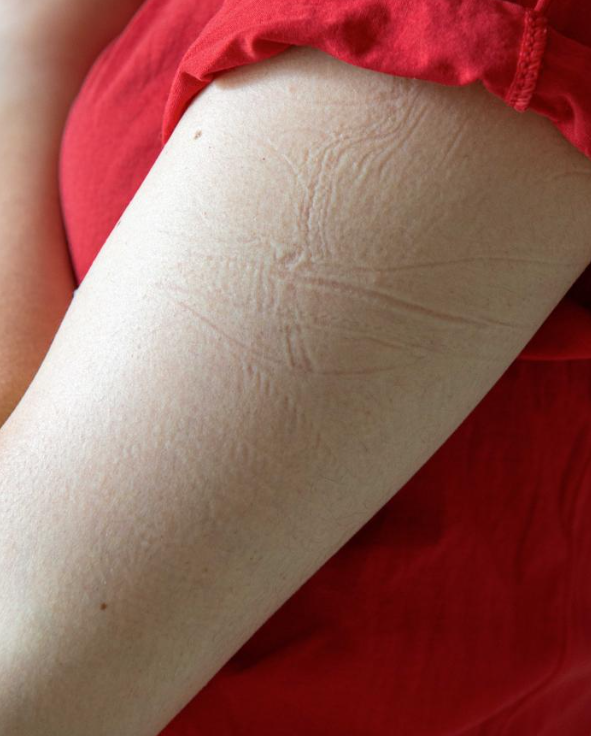
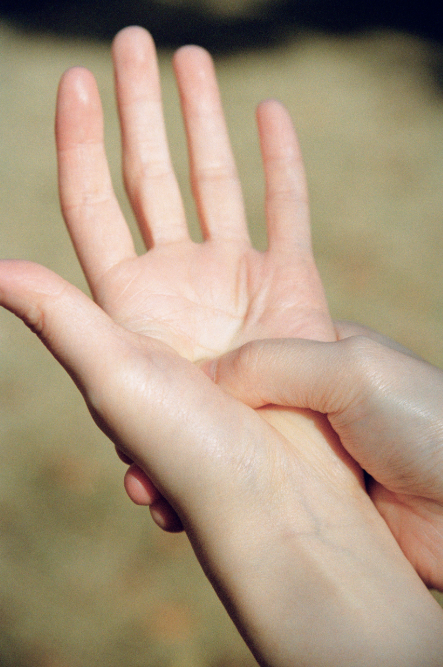
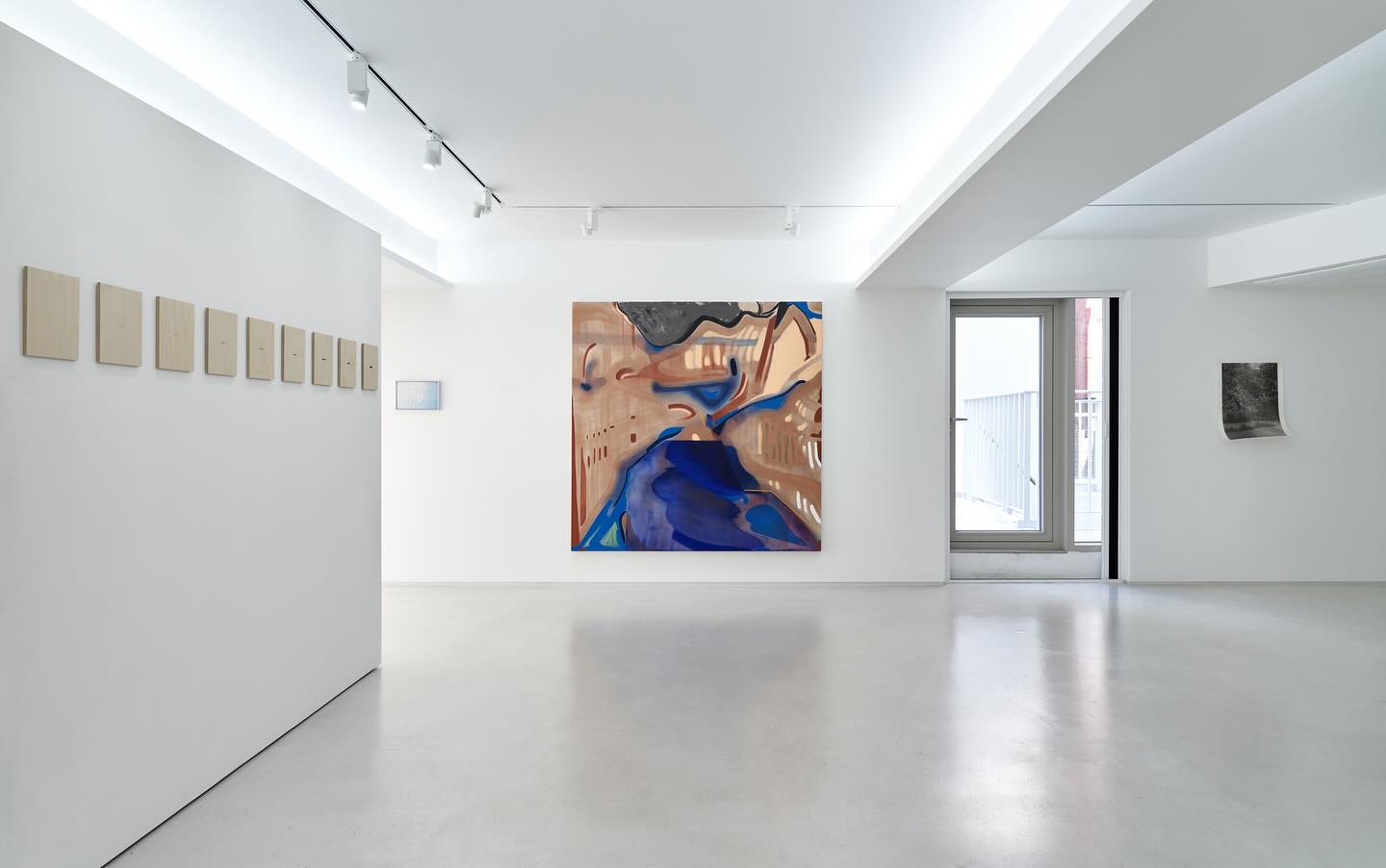
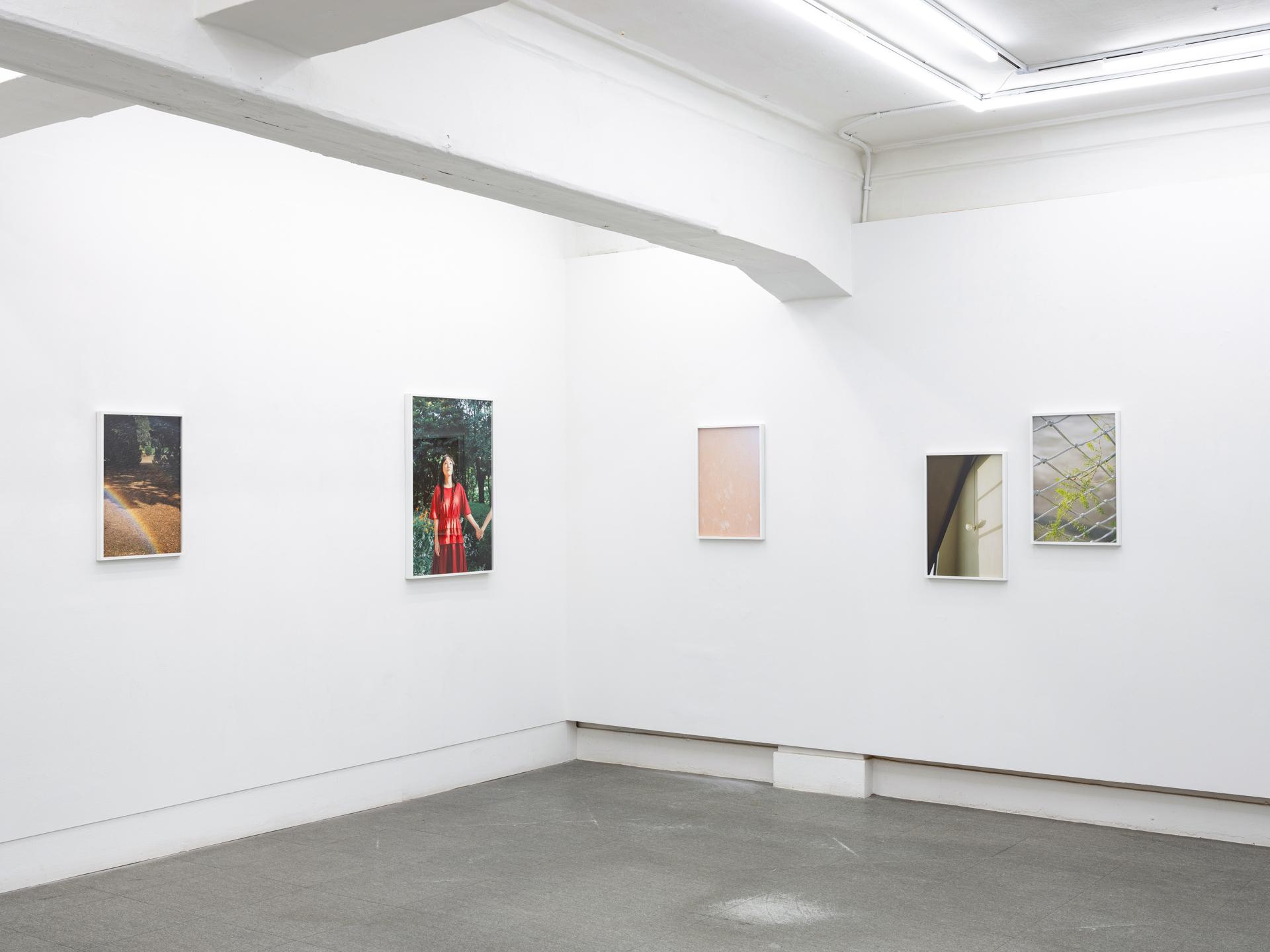
Kim’s photographic work Morning, which unfolds through
the process of retracing the path her late aunt once walked with her mother,
appears as an attempt to fill the gap between these two worlds—this side and
the other side. Moving back and forth between this world, where her aunt’s existence
has vanished and been concealed, and the other world, where her aunt’s image
still remains, the artist imagines and remembers the figure of an aunt she
never met. To do so, Kim first listens to stories about her aunt from four
people who remember her: her grandmother, two uncles, and her mother. Through
this process, the family speaks about the aunt together for the first time, and
her existence—long buried like a secret and erased within the family—begins to
be restored.
The
work then unfolds around the distance between the Seoul School for the Blind,
which her aunt attended as a person with low vision, and her home, centering on
her mother’s memories of walking through those spaces together. From
Singyo-dong to Yongdap-dong, Yuja Kim walks the long route over many days,
sometimes with her mother and sometimes alone, becoming her aunt’s companion.
Walking along the road in step with the rhythm of her mother’s memories, and
with the stride of the aunt she has imagined, this walk becomes a time for
giving voice to the landscapes that meet the eye. Just as her mother, long ago,
may have softly narrated the street scenes to her older sister, the artist
looks on behalf of her aunt and translates what she sees into words.
“There’s
a cute hole in that leaf over there. It looks like an insect nibbled on it.
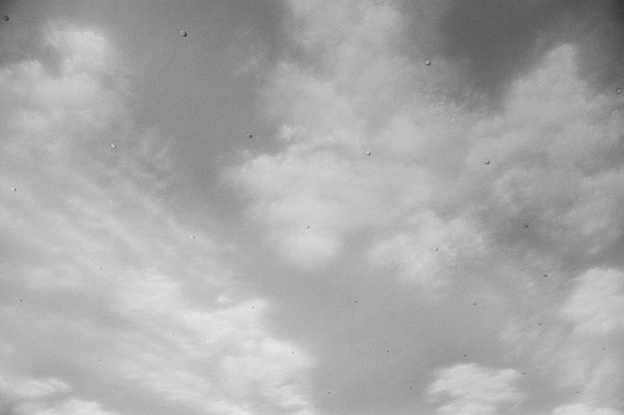
Next to it, freshly washed bedding has been hung out to dry. The sky is
overcast—someone should probably take it in before the raindrops fall…” Yuja
Kim walks the streets, filling them with words addressed to her aunt in a world
where the aunt no longer exists. Then, when a bell suddenly rings from an old
church, she hears, here and now, the same sound that her aunt and mother must
have heard long ago. Feeling quietly glad that she does not have to look, and
reassured by the fact that everyone can hear it together. In this way, the
memory of walking along a street where yesterday and today overlap—together
with her aunt and her mother—softens and warms, just a little, the cold and
rigid gap between this side and the other side.