Reading
poetry is a fundamentally different act from engaging with texts dense with
statements, arguments, and assertions. Rather than processing an abundance of
information sequentially—carefully tracking clues and logic—we pause between
words pared down of weight and volume, between lines, catching our breath,
gathering our thoughts, steadying our emotions. Each of us then fills the empty
spaces in our own way.
There
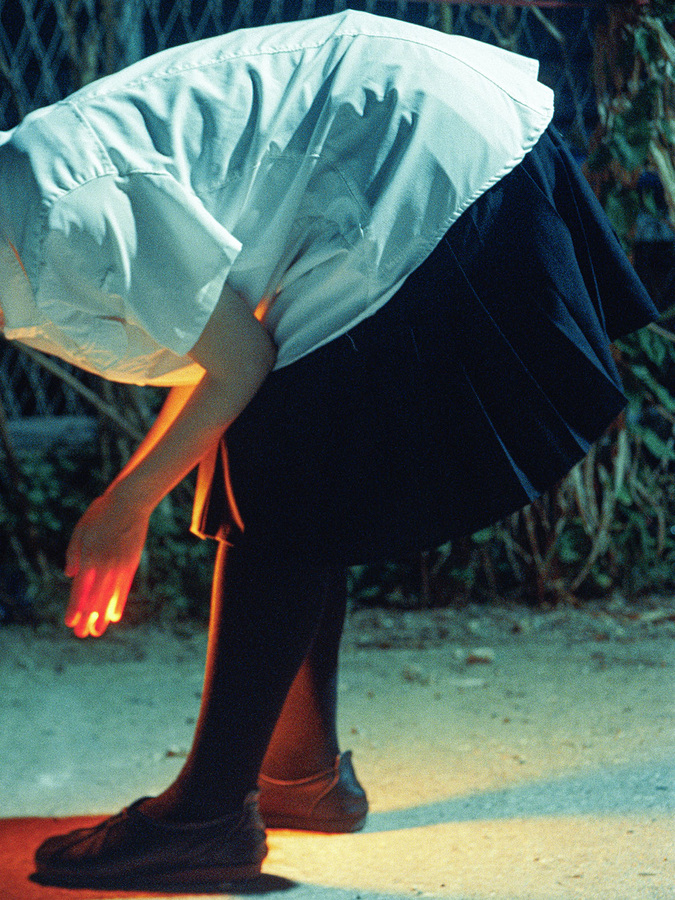
are artists who, through photography—a medium inevitably bound by limited
sensory input and the constraints of framing—nonetheless evoke a comprehensive
synesthetic experience, expanding the scope of imagination beyond the image and
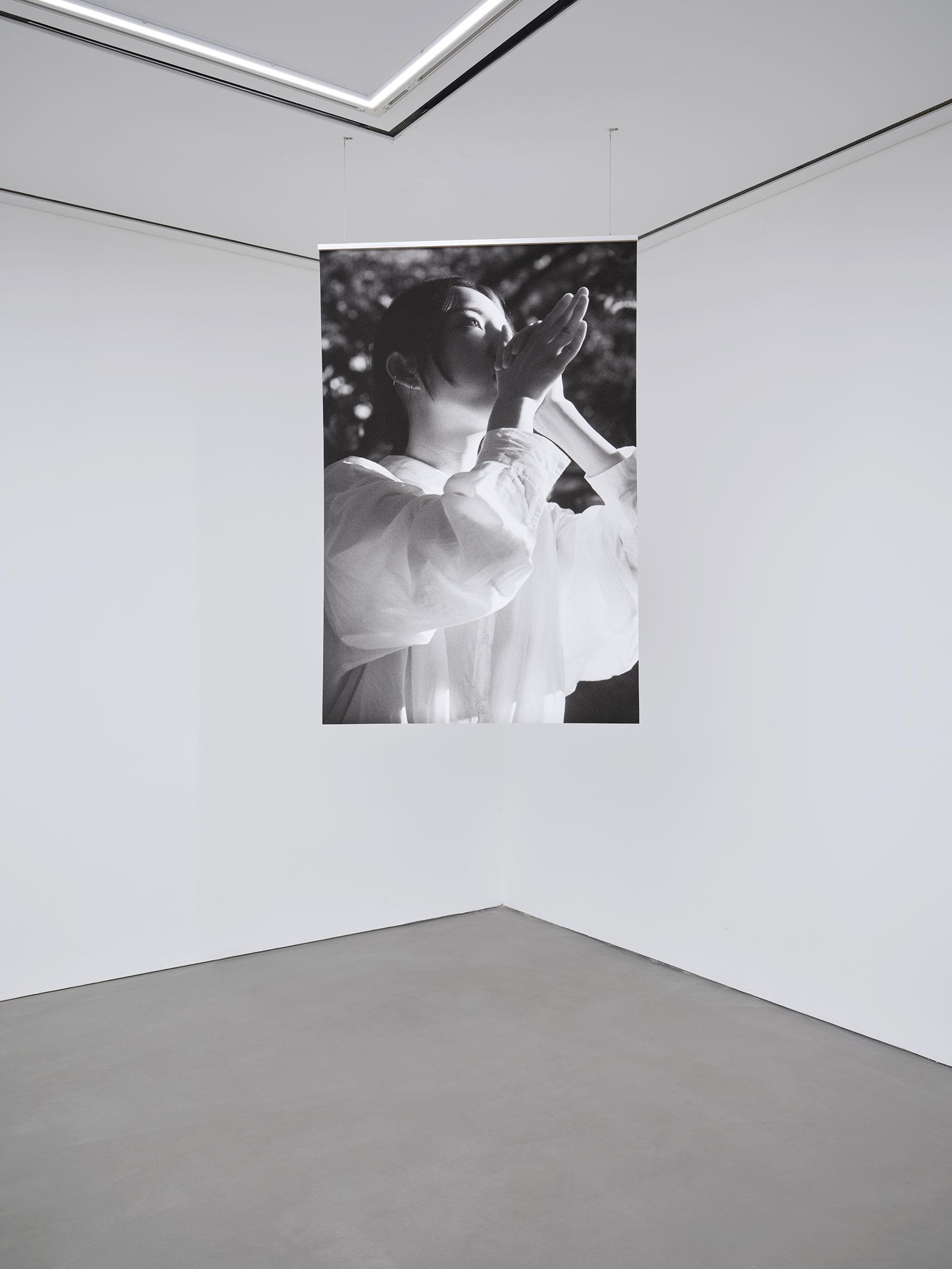
its frame. Eun Chun and Yuja Kim lower their voices and take a step back,
entrusting viewers with the task of recalling memories, conjuring mental
images, and weaving narratives from within the image itself. In the quietly
emptied black-and-white photographs, we may find ourselves experiencing
something akin to reading poetry.
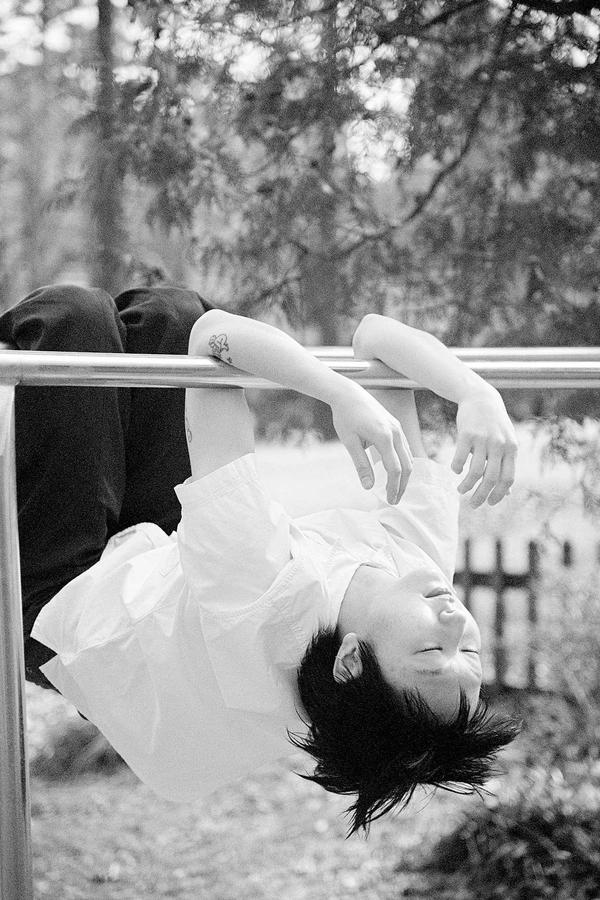
Eun
Chun has long pursued work that recalibrates perceptual systems and expands the
range of the senses through photography. Collaborating with people with
disabilities—who, having been deprived of one sense, refine and rely more
keenly on others—she has reflected on how individuals who use different sensory
modalities form and share images in their minds, and how tactile and gestural
languages such as Braille and sign language fill in areas of absence.
Through
these inquiries, often mediated by specific objects and directed toward
subjects oriented somewhere beyond themselves, Eun Chun ultimately arrived at
what she wished to speak about: “being alive.” Regardless of form or path, the
act of feeling, perceiving, and dreaming as a subject is an expression of
vitality. To embody this, she seeks to realize her own decisive moments—states
stretched taut like a gymnast poised at the threshold of performance, appearing
to hesitate at the previous stage while imagination and sensation have already
crossed into the next. She does not miss the moments that slip between time and
time, space and space.
The
‘Epistolary’ series evokes the emotional register of winter through the harsh
landscape of Russia. The rigid, frozen, and cold period of suspension is a time
of rest in which the energy for transformation is gathered. Within the frozen
scenery already lies the origin of spring, and the seasons will continue to
transition seamlessly. The notion of “winter,” which has long occupied Eun
Chun’s thoughts, resembles waiting for light in darkness, hoping for the first
sign of thaw within hibernation and submersion—a quiet anticipation of spring.
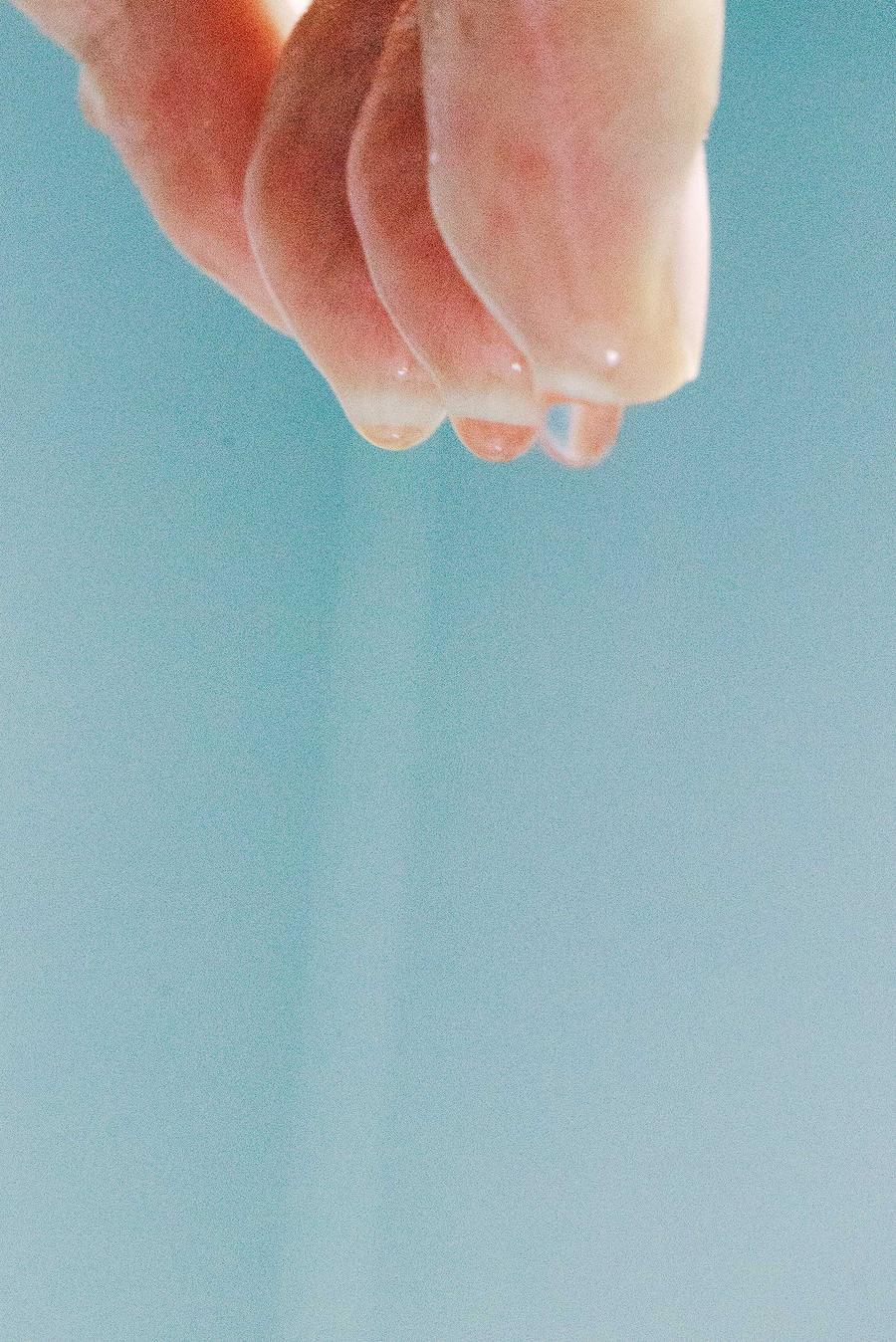
The artist confesses that whether working with people or objects, her focus
repeatedly converges on such situations: states of waiting and dreaming, even
if one has not yet reached the desired beyond. These may reflect the passage of
seasons, the projection of desire, or the held breath between stages.
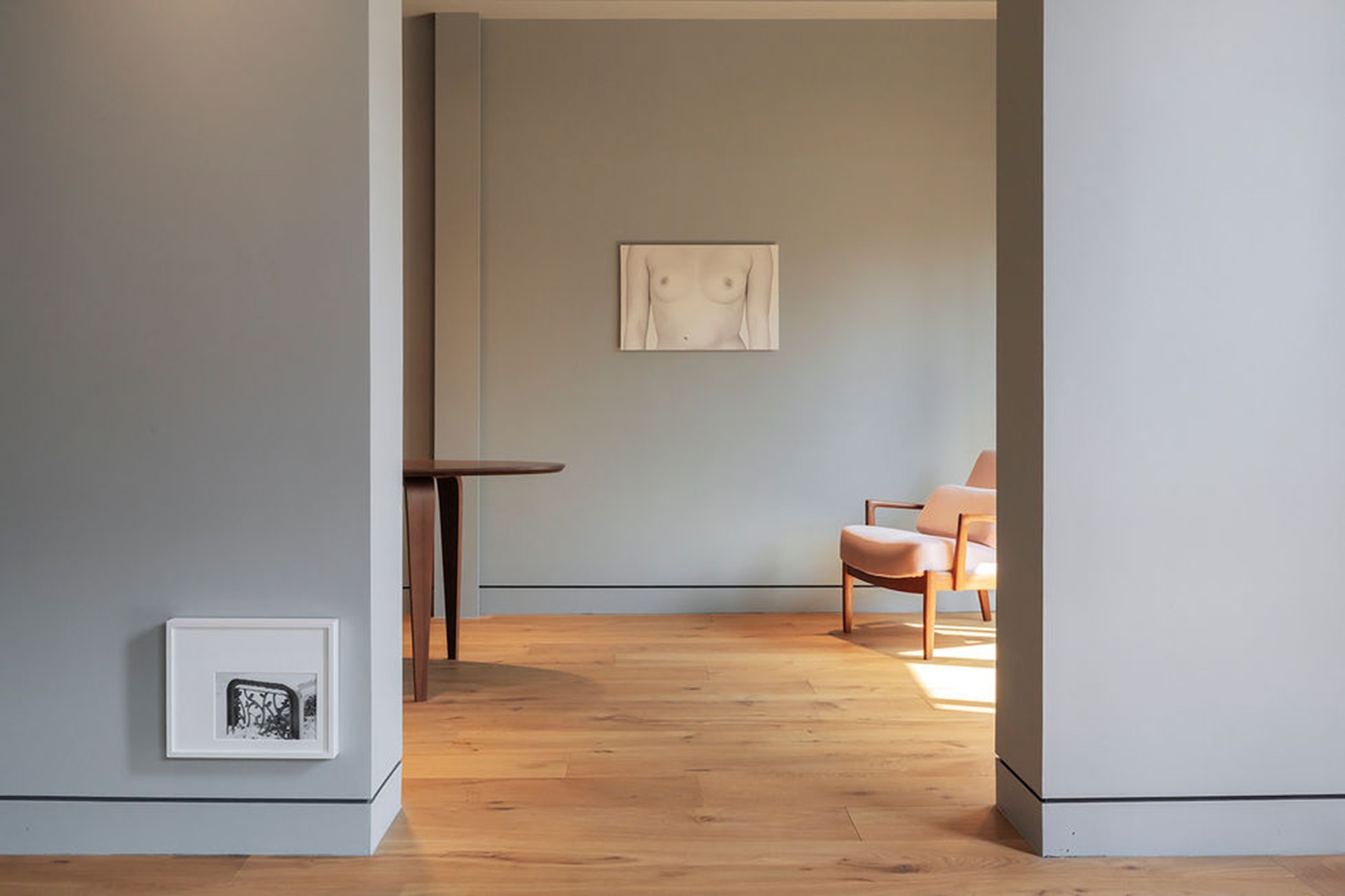
The
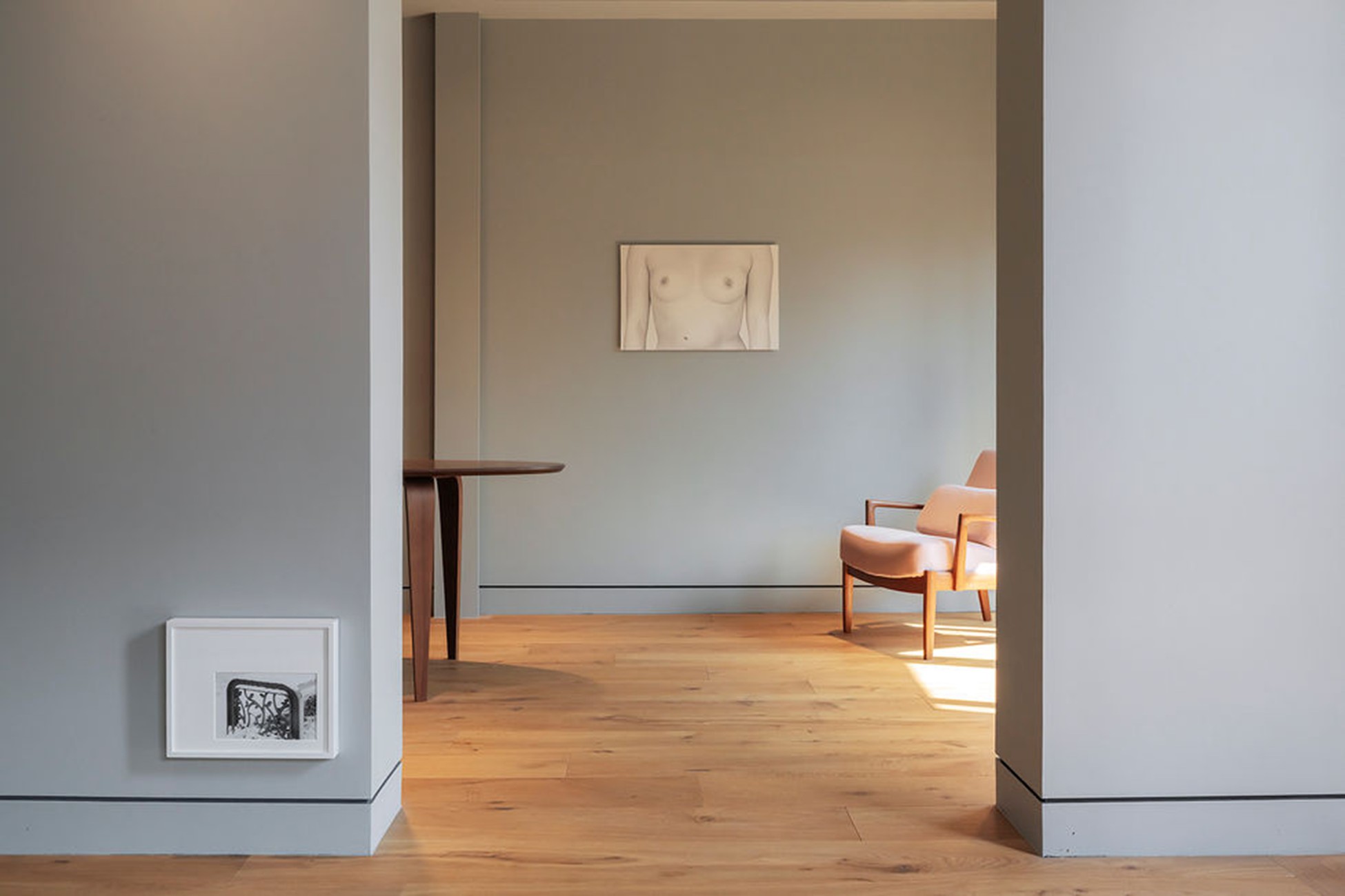
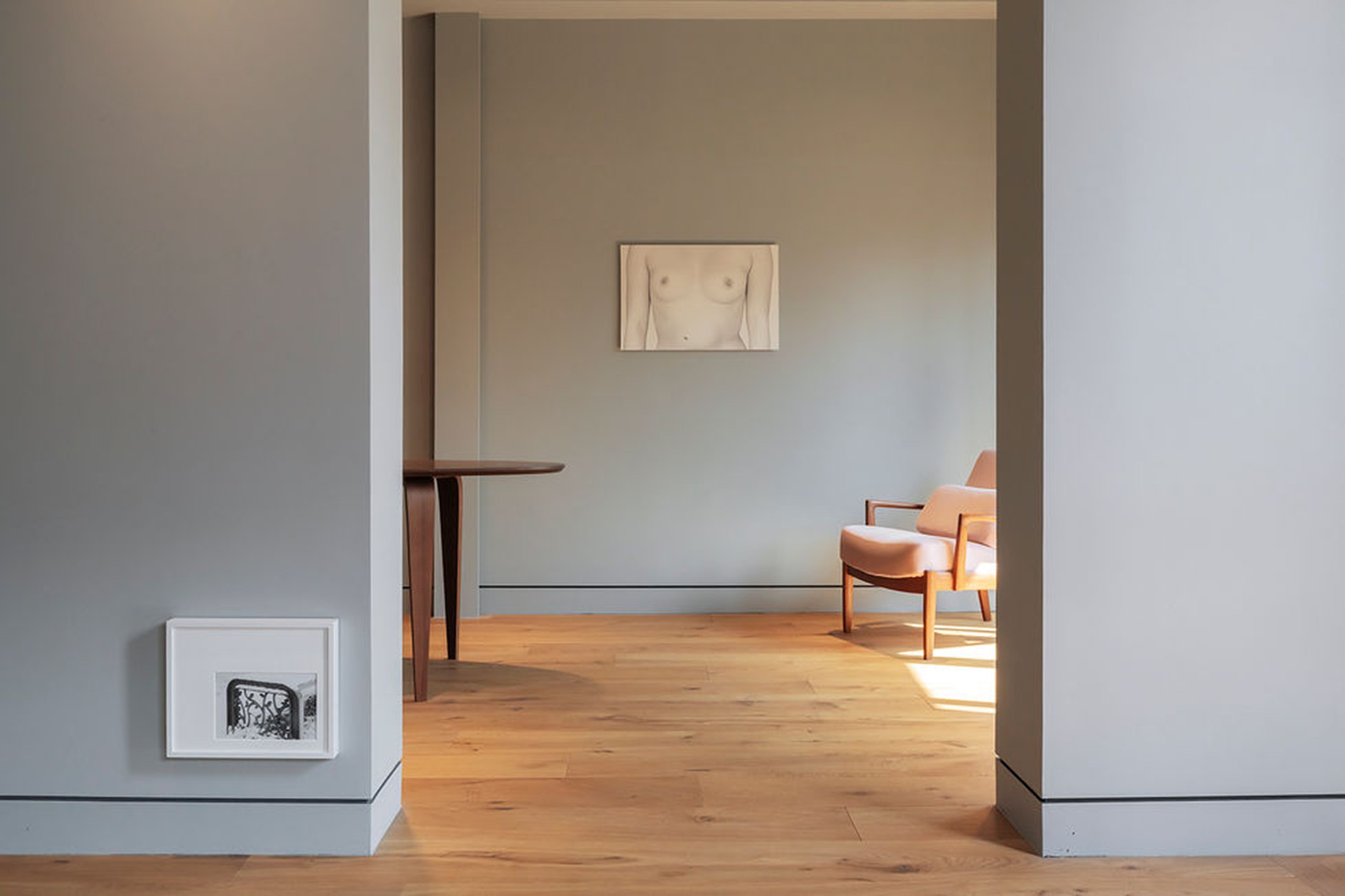
artist’s warm gaze toward her subjects is also evident in Untitled,
which depicts the upper body of a figure. Eun Chun recounts that the subject
stood before the camera without unnecessary solemnity or excess—simply as
herself, as if it were only natural. To convey this calm and ease, the artist
deliberately removed dramatic contours and volumetric emphasis from the torso.
When one is neither swayed by external judgments nor alienates oneself through
self-censorship, when one does not attempt to conceal perceived weaknesses
through forced adornment, one can be dignified anywhere, confident
everywhere—this, we already know. If only we can summon the courage to live as
naturally as flowing water.
The
Dragon Flag captures Yeohyeon-su, a leader of traditional
dragon-flag performance, demonstrating with bare hands the act of wielding an
enormous flag through bodily movement. The artist wedges herself into the
unresolved gaps between one motion and the next, moments that flow like water.
Despite the grueling weight and harsh weather, the leader’s steps remain light,
his movements refined, his face filled with a smile—perhaps because he never
forgets that the path he walks carrying the dragon flag bears the joys and
sorrows of life, along with the timeless power of tradition. By attentively
recording each gesture—solemn yet free, composed yet radiant—the artist pays
homage to the gravity of such a life.
Yuja
Kim, attentive to the imagination prompted by what lies behind compressed
photographic surfaces, seeks to create a kind of “place” for events and
experiences, memories and sensations that once existed but drifted without ever
occupying a position. To this end, she retraced the paths her visually impaired
aunt once walked with her mother, filling in missing senses and lost memories;
elsewhere, she erased the meanings and values assigned to places by walking off
mapped routes, dispersing the fixed relationship between images and language.
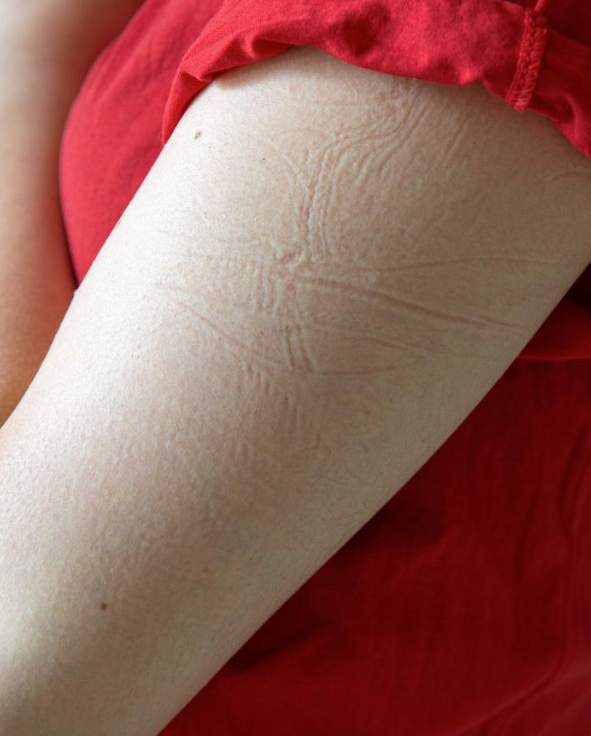
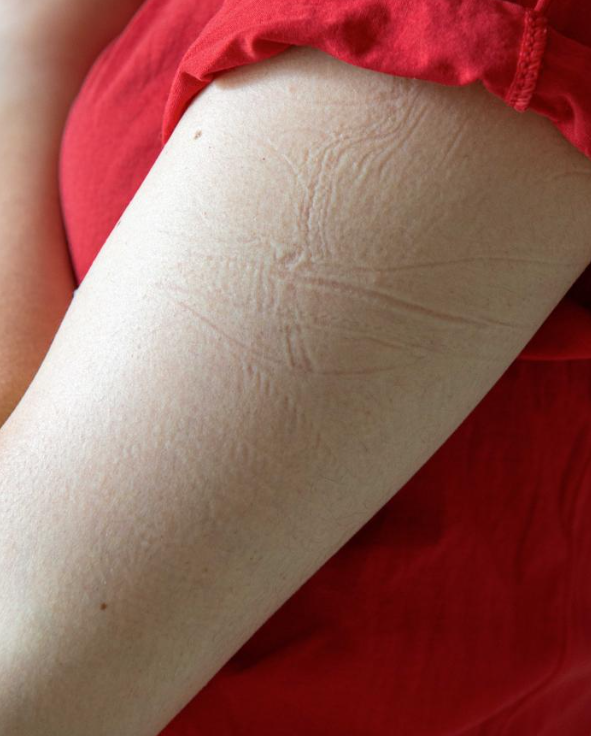
From a cat that vanished by chance within damaged film, to the marks left on
her own body as it swells, subsides, compresses, and refills, the artist probes
the fissures between what is perceived and what is inscribed, carefully
navigating the spaces between fullness and emptiness. Domains that appear to
confront or contrast one another—presence and absence, memory and
forgetting—overlap and cancel each other out, leading us to question whether
such dividing lines ever truly existed.
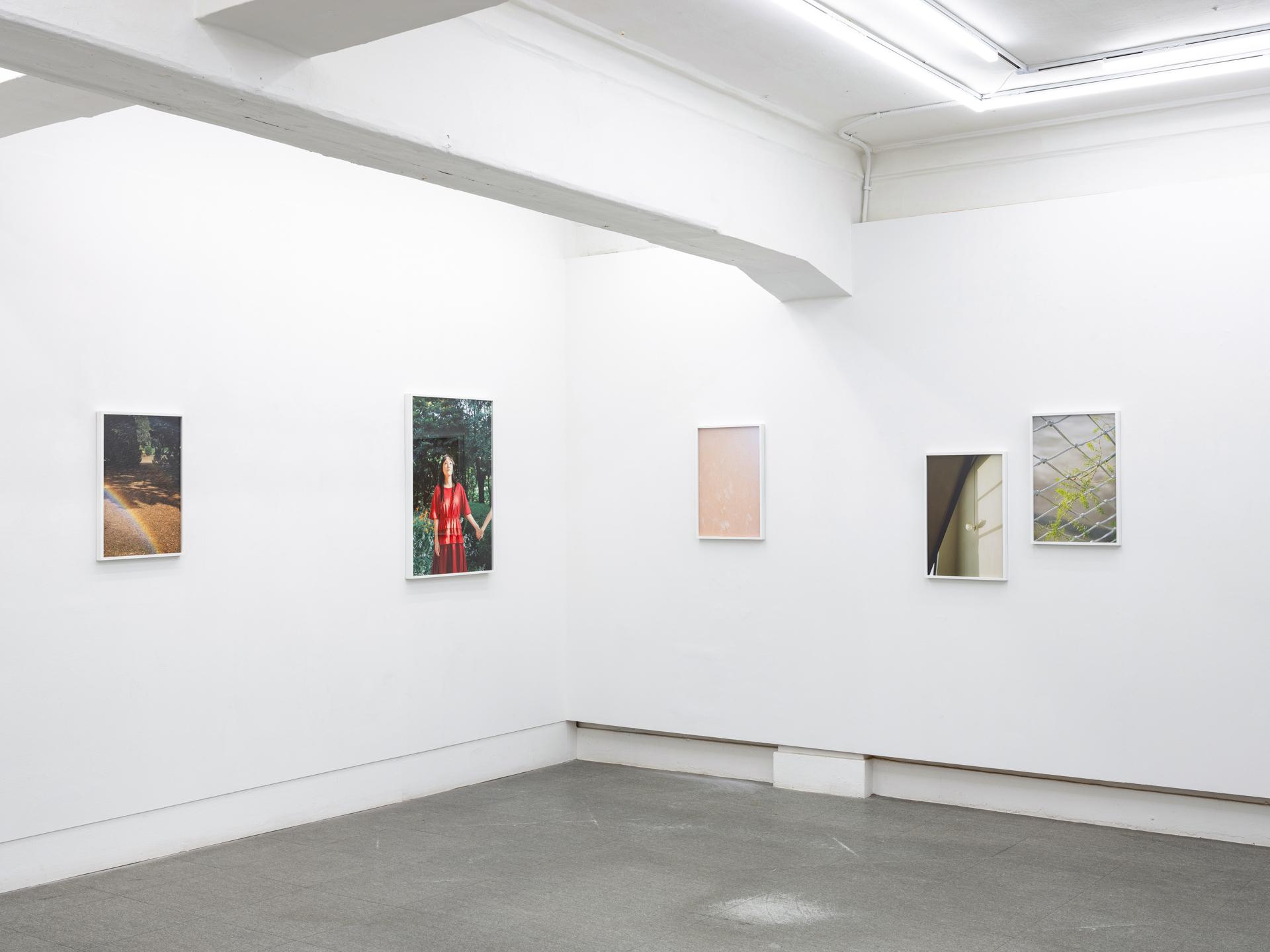
The
artist’s method of conveying these ideas consists of movements so subtle they
may go unnoticed unless carefully observed—like faint fuzz rising gently on a
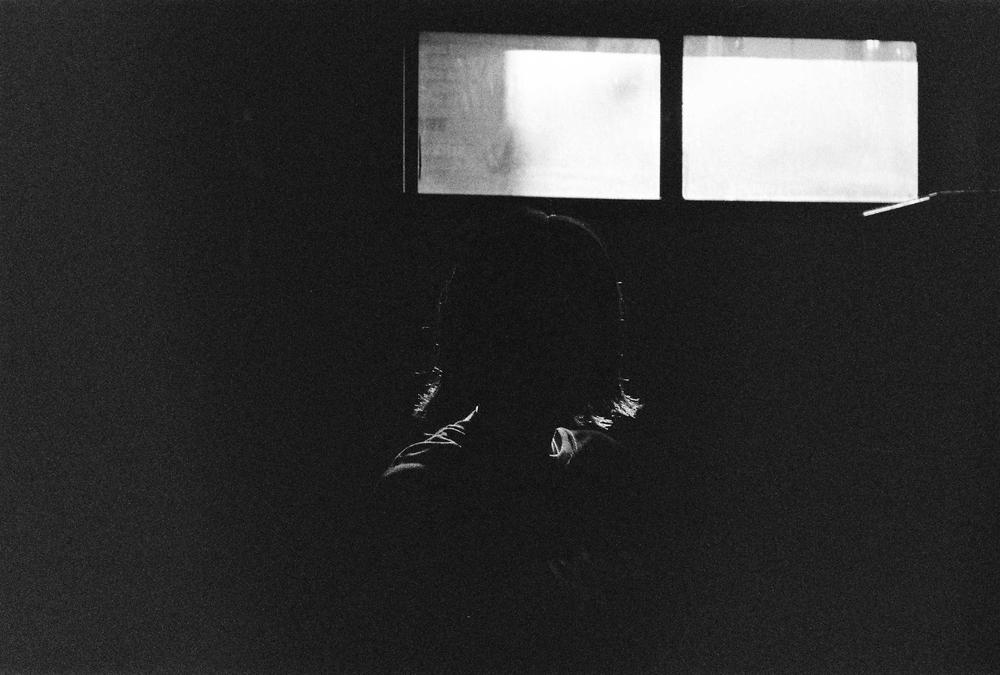
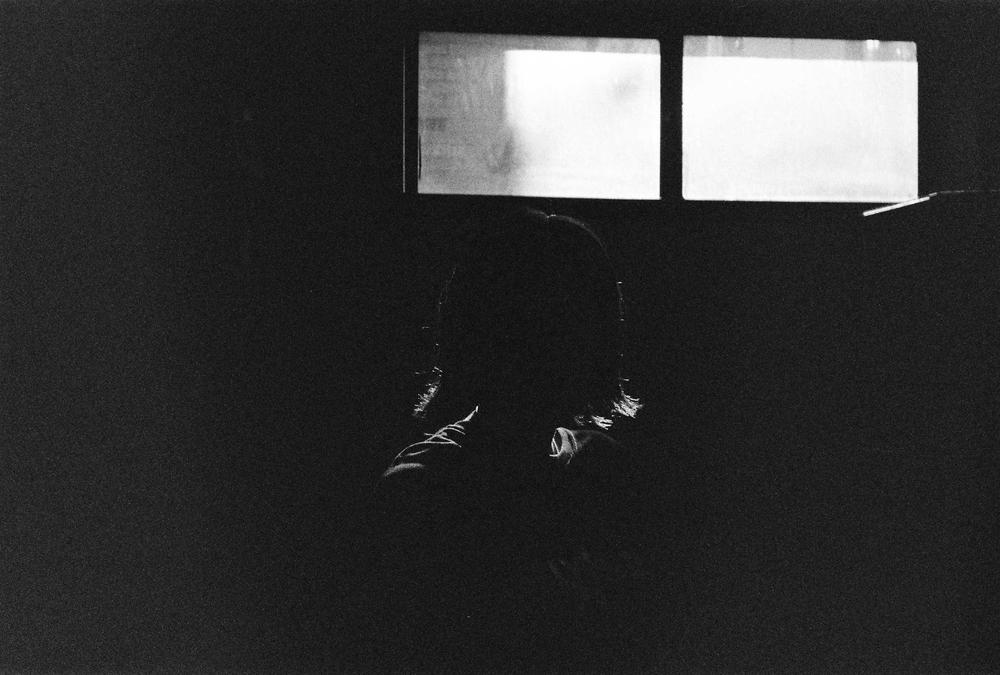
surface. In Repetition of Transparency, a figure sits
like a bird, gazing at a tree as if oblivious to the passage of time. The tree
remains still, yet light infiltrates the spaces between branches, flickering
and proliferating endlessly. Light and shadow, layered thousands of times,
intermingle and vibrate faintly, until once-clear forms and voids lose their
distinction.
Perhaps the figure is watching the light itself. Drawn to such
moments—when a seemingly solid world begins to loosen under someone’s gaze or
touch, when subtle tremors or fissures appear between once-stable
distinctions—the artist placed this work at the opening of the exhibition, like
a prologue. Saying that because photography is static it enables us to imagine
movement, Yuja Kim perceives, even in an empty bench left in a corner of a park
(Until It Becomes as Small as a Dot), the rustle of wind
passing through, the gentle warmth of sunlight slowly seeping in, the laughter
of passersby, and the dreams of chairs waiting together for an encounter yet to
come.
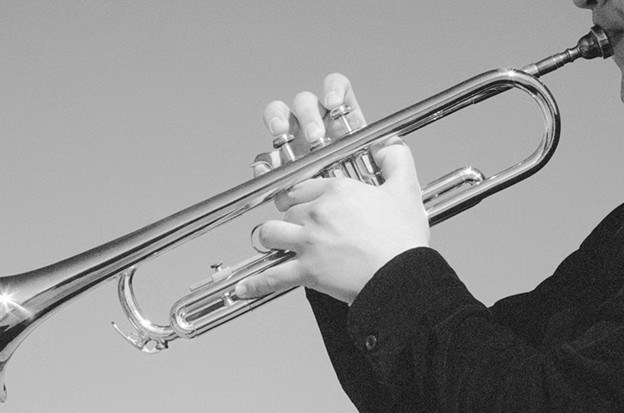
Returning
Sound is a call that summons into an imagined territory a friend
who once existed but no longer does, who was once visible but can no longer be
seen. Sound that bursts forth and stretches outward cannot be contained within
a frame. Perceived through the force of breath being blown, the pressure of
fingers on valves, the cold, gleaming texture of brass, this resolute sound
bravely awakens a world of loss that had sunk heavily into silence.
Moving one
step further from summoning, Dayoung and Youngju no
longer mourns the rupture caused by a departed friend. Instead, it becomes a
personal requiem and, at the same time, a march—pondering how we might continue
together as before, how we might encounter one another in ways previously
unknown. In the sturdy structural form of the glasses temple that Dayoung
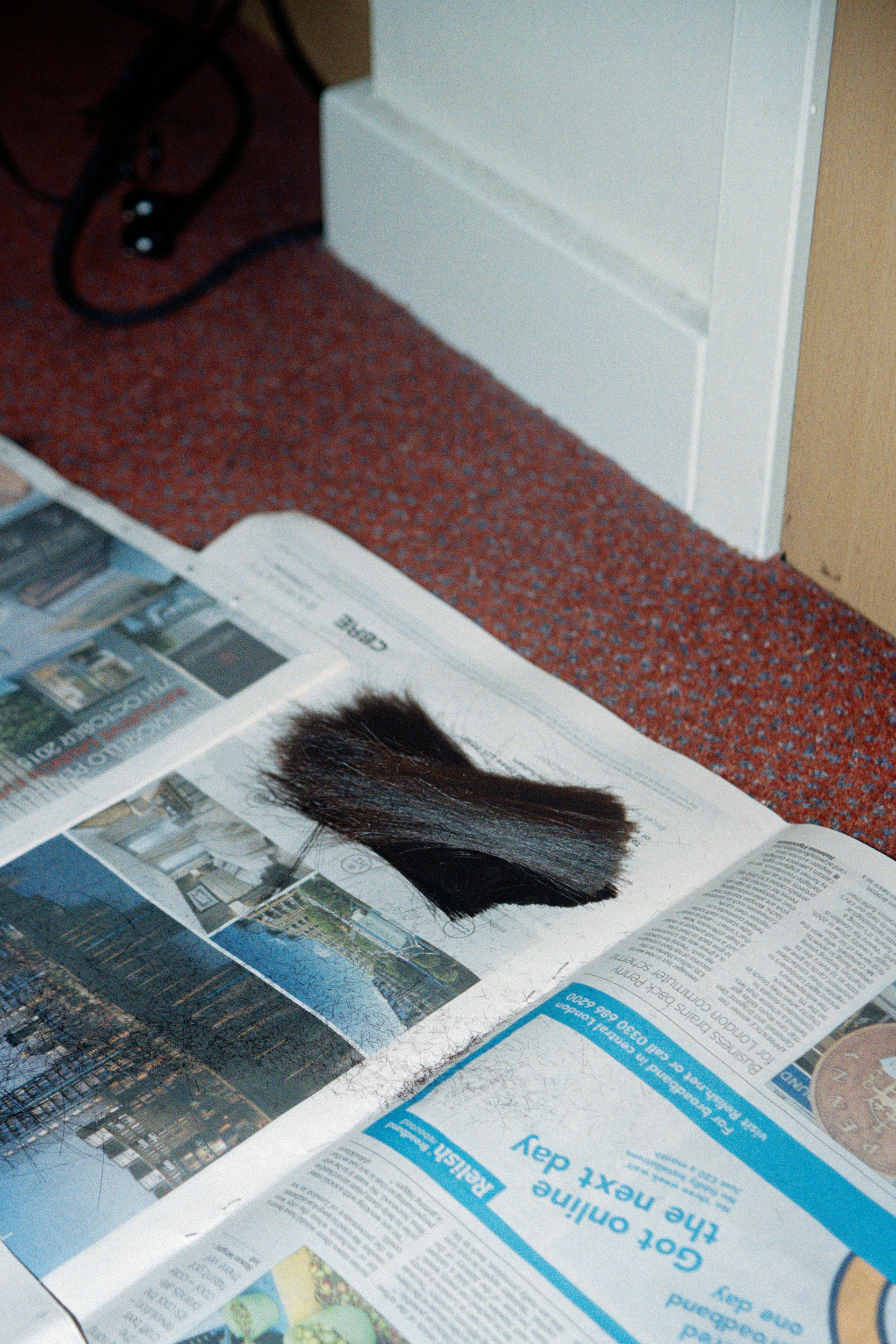
loved, in Youngju’s eyes gazing resolutely outward, in hair that juts upward
without caution, the artist senses the enduring strength they still exert upon
one another.
Discovering
shared ground in their ways of relating to subjects and communicating
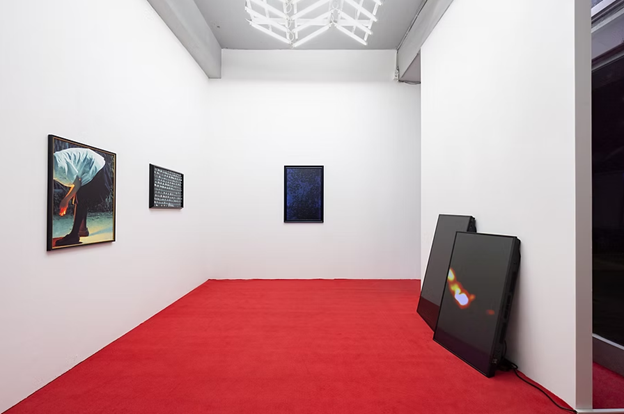
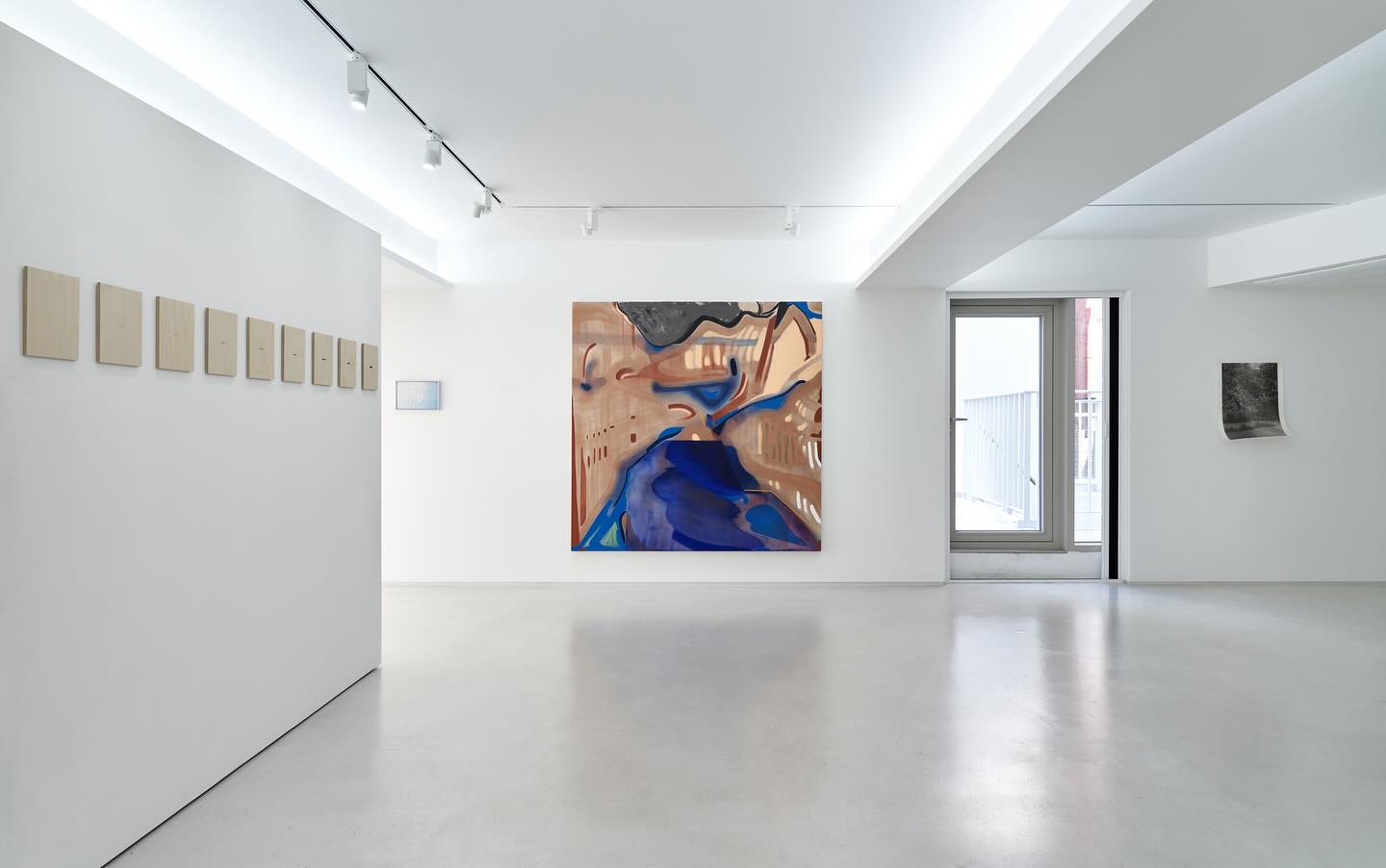
interpretations of the world, Eun Chun and Yuja Kim, in 《Winter Bud》, do not carefully distribute
weight and balance under subtle tension, but instead hope to melt together.
They anticipate the blooming of another totality—without hierarchy, sequence,
or contrast—and the opening of channels in unexpected directions. Like winter
buds wrapped in layers of fur and scales, containing countless flowers, leaves,
and fruits within them, waiting as they dream of stories from a new season.