While
photography remains Joo Yongseong’s primary medium, the way he employs it has
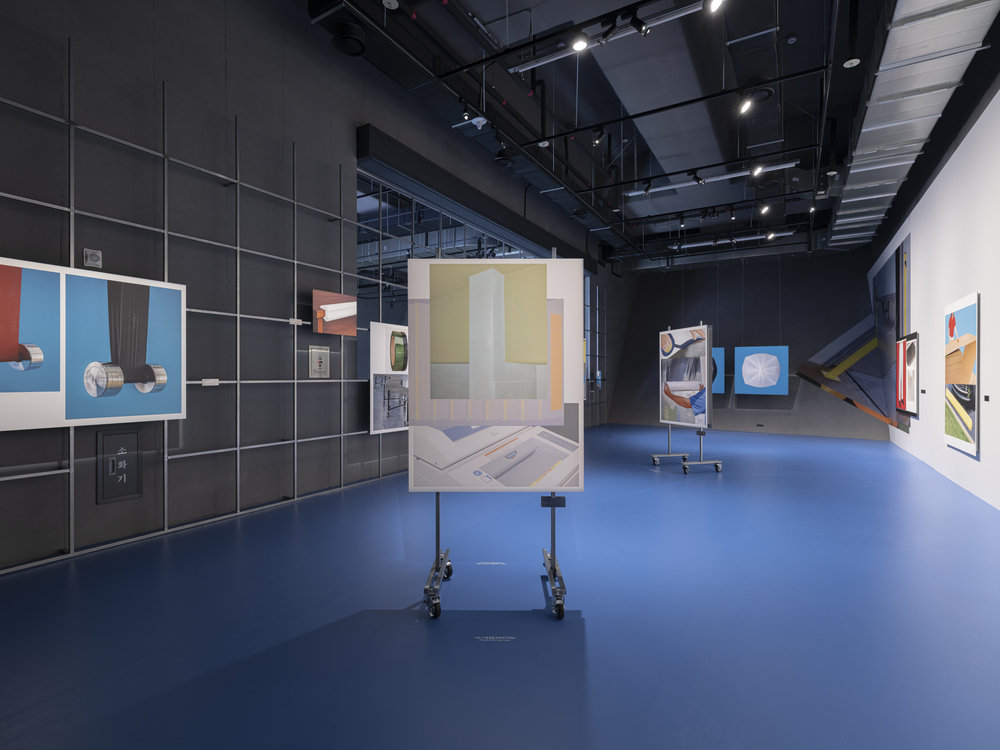
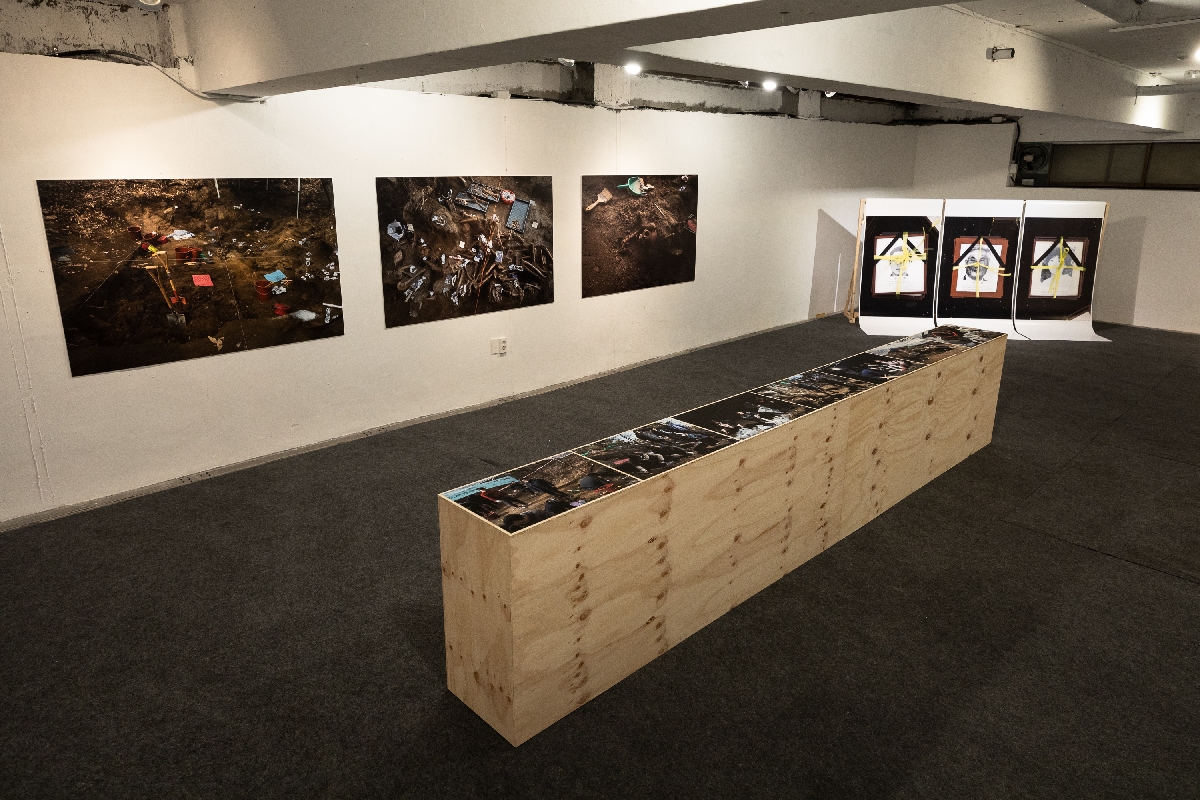
gradually expanded. In 《Lamentation》, photographs are not presented as isolated images but are combined
with structures in an installation format, spatially articulating how memory is
fragmented, arranged, and systematized through institutional logic. In this
context, photography functions less as evidence of events and more as a device
that exposes how scenes of mourning are staged.
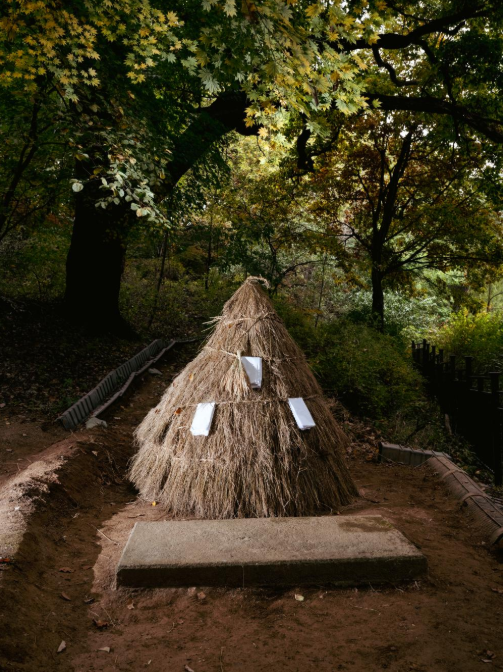
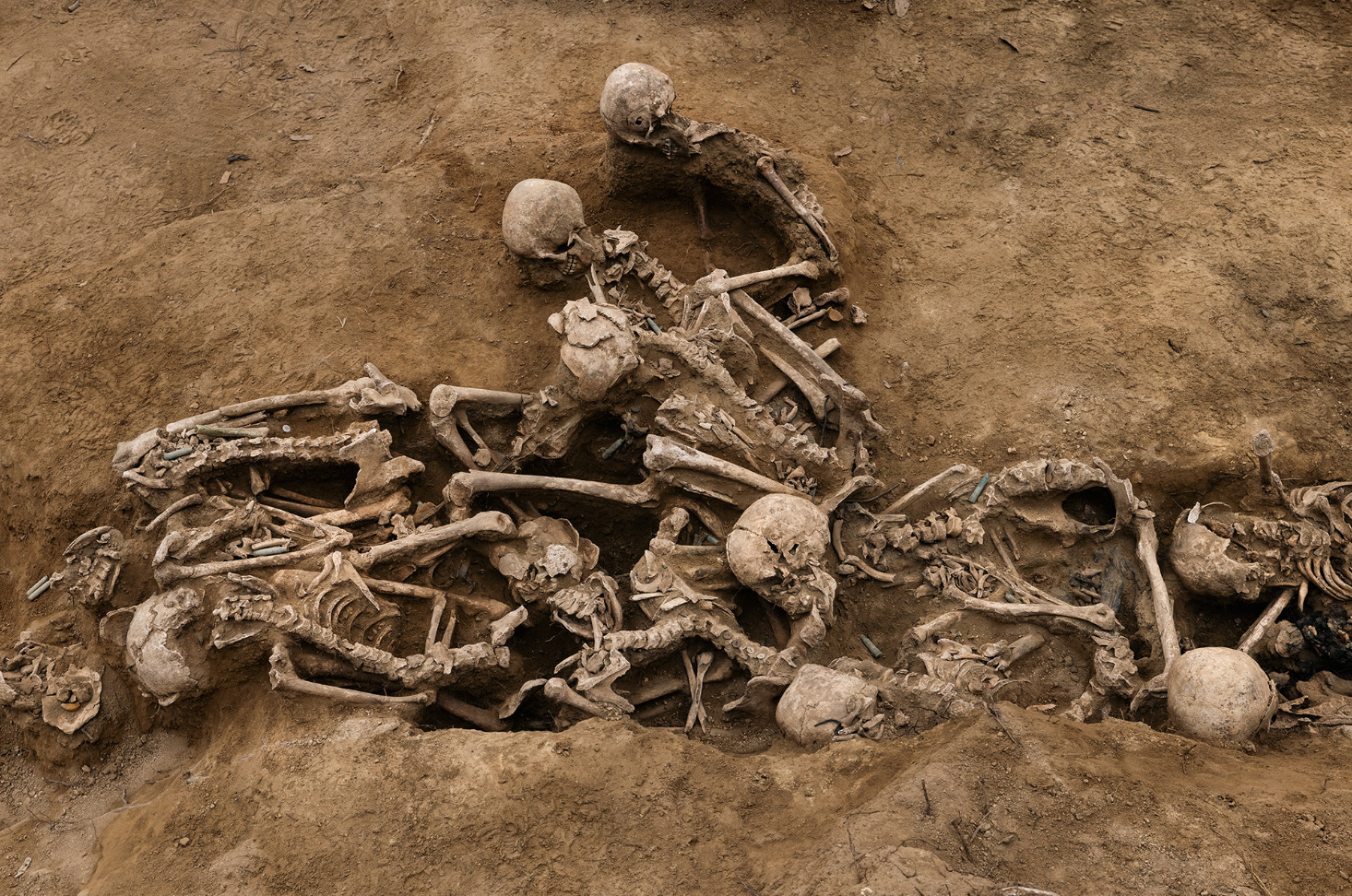
Works from
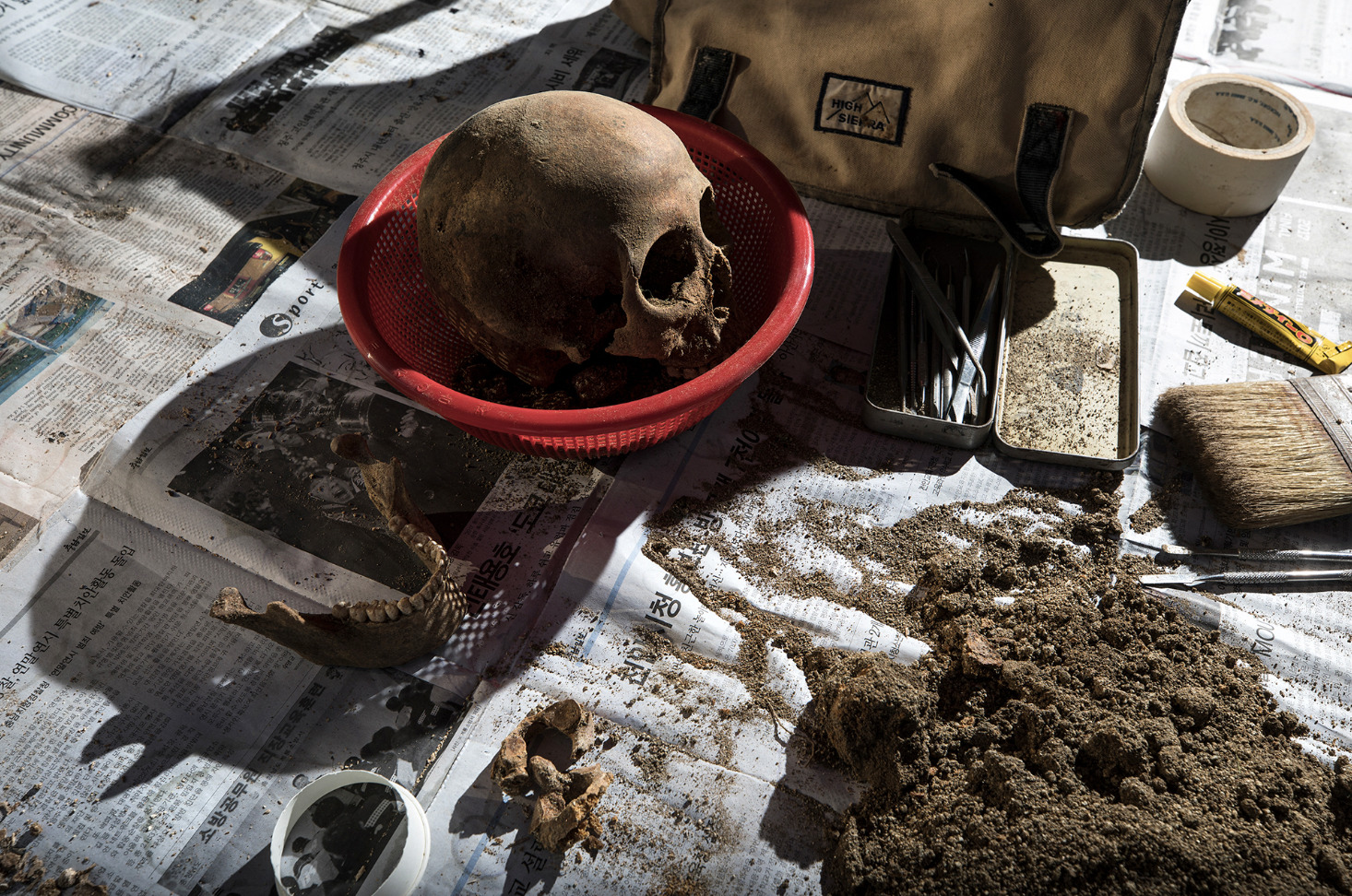
this period were photographed at monumental sites associated with death,
including excavation sites of civilian massacre victims from the Korean War,
Jeju 4·3 Peace Park, and the Enemy Soldiers’ Cemetery in Paju. Pieces such
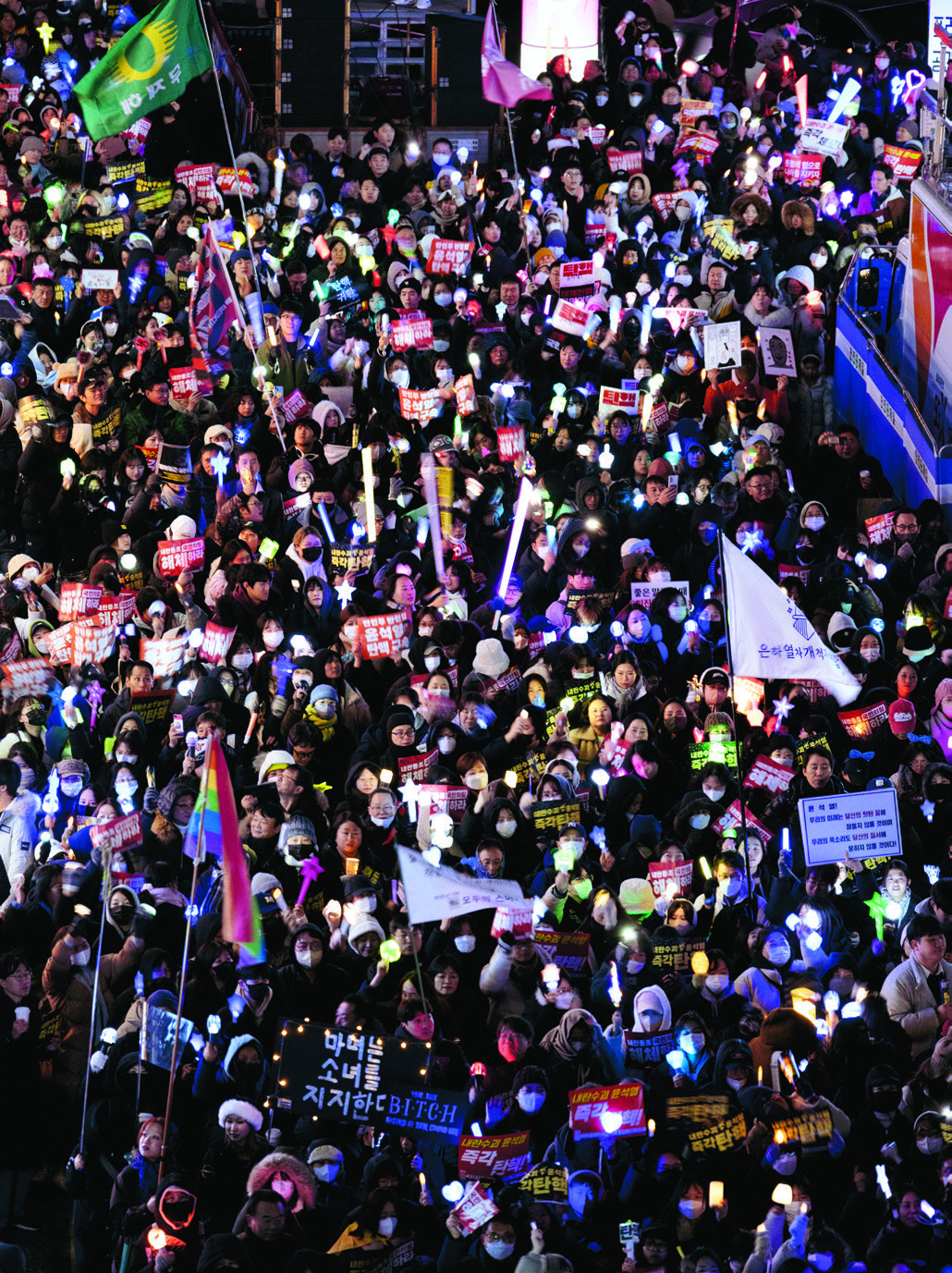
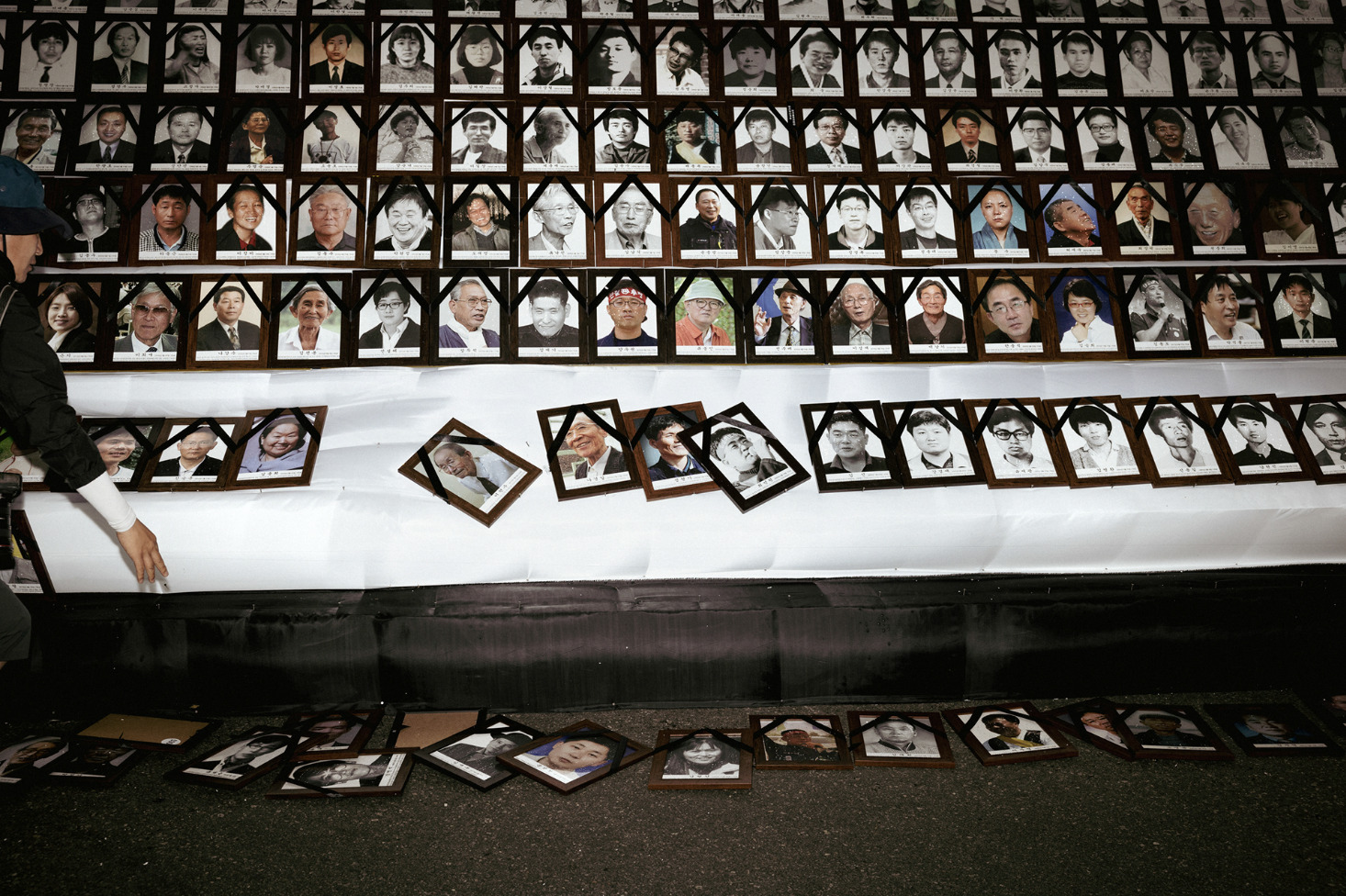
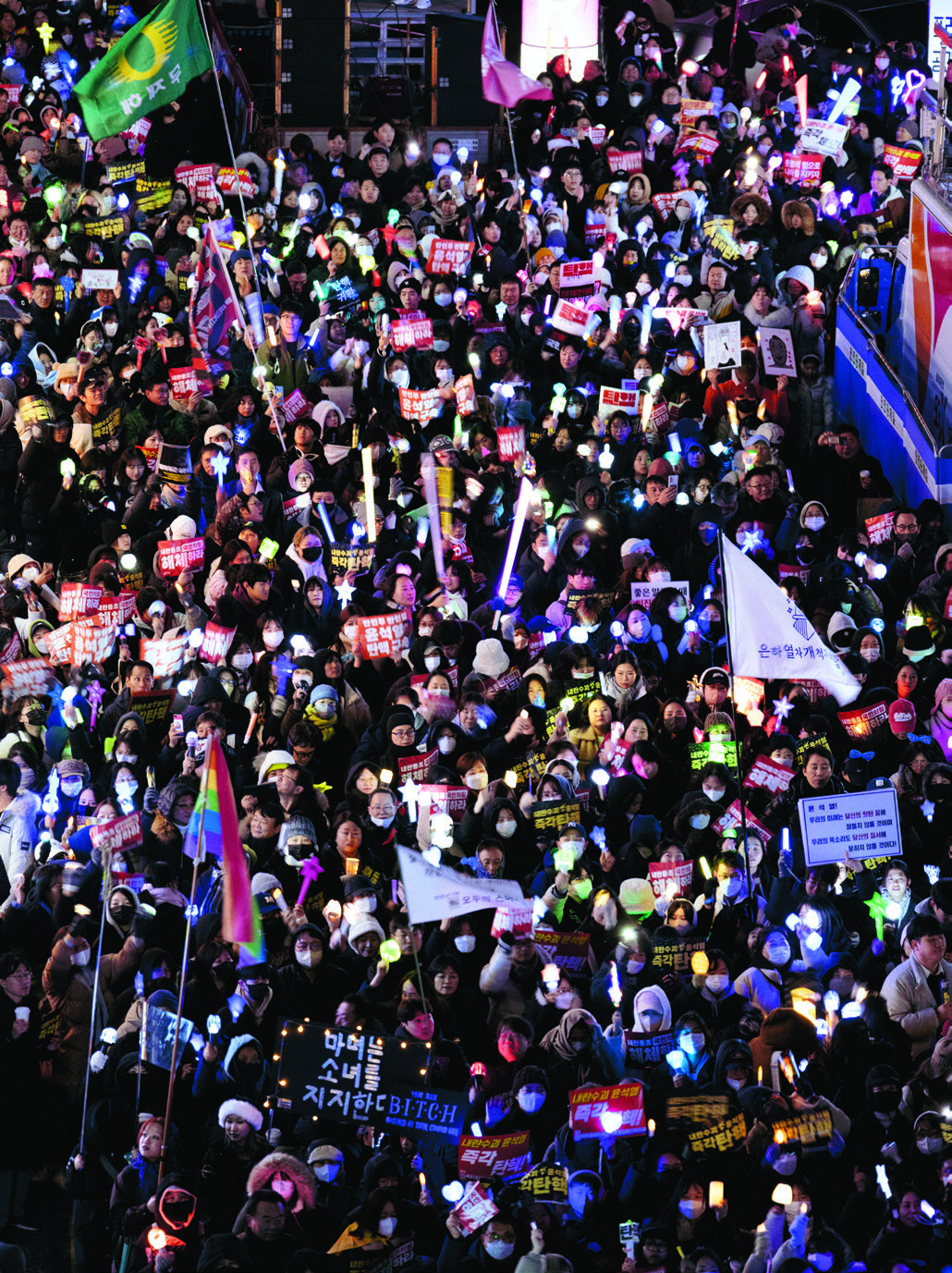
as Government Joint Funeral and Memorial Service for the Sewol
Ferry Victims, Ansan, South Korea(2018) and Memorial
Ceremony for National Democratic Martyrs and Victims, Seoul, South
Korea(2018) capture, in an almost raw manner, how the “moment” of
mourning is highly formalized.
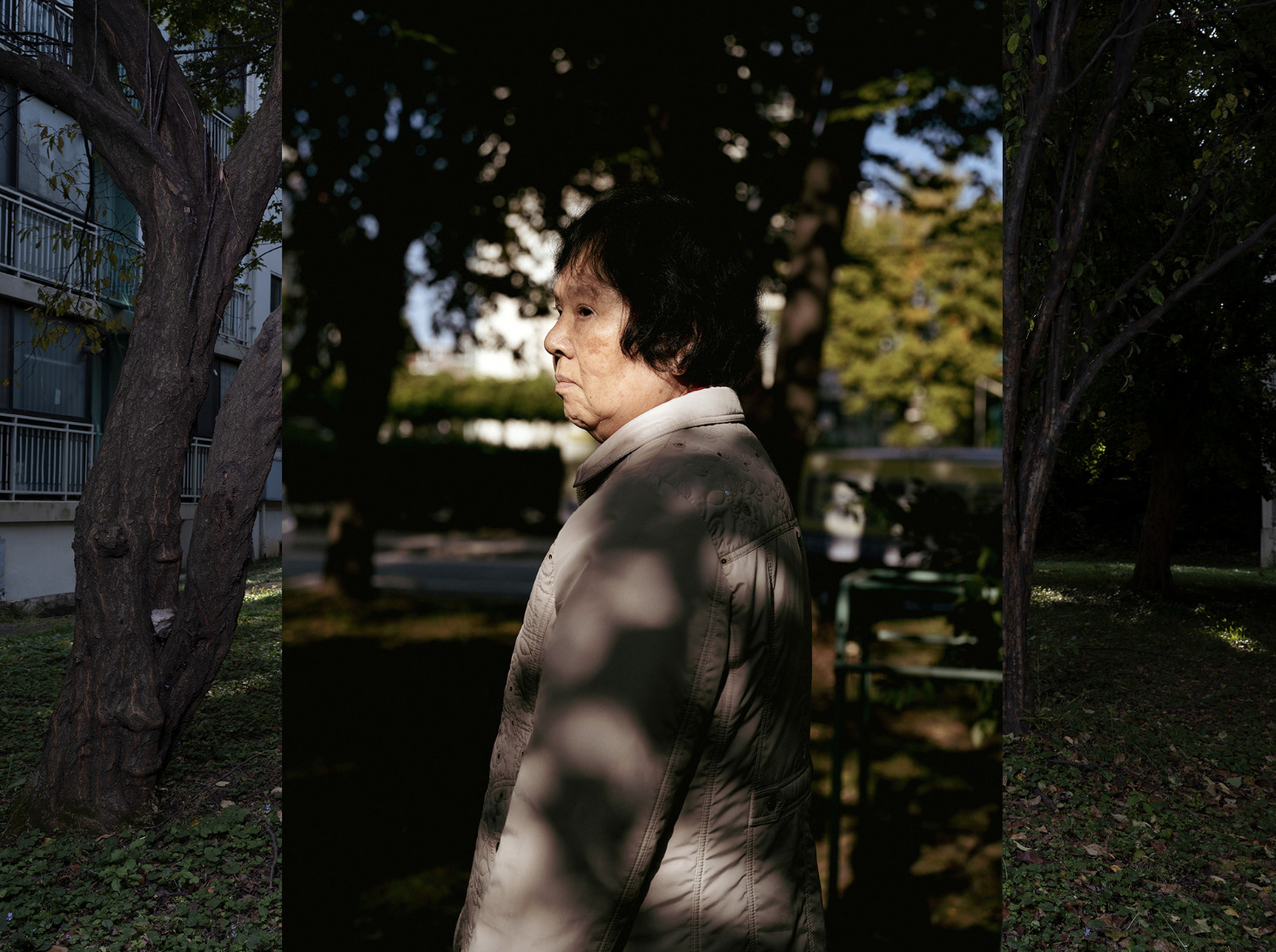
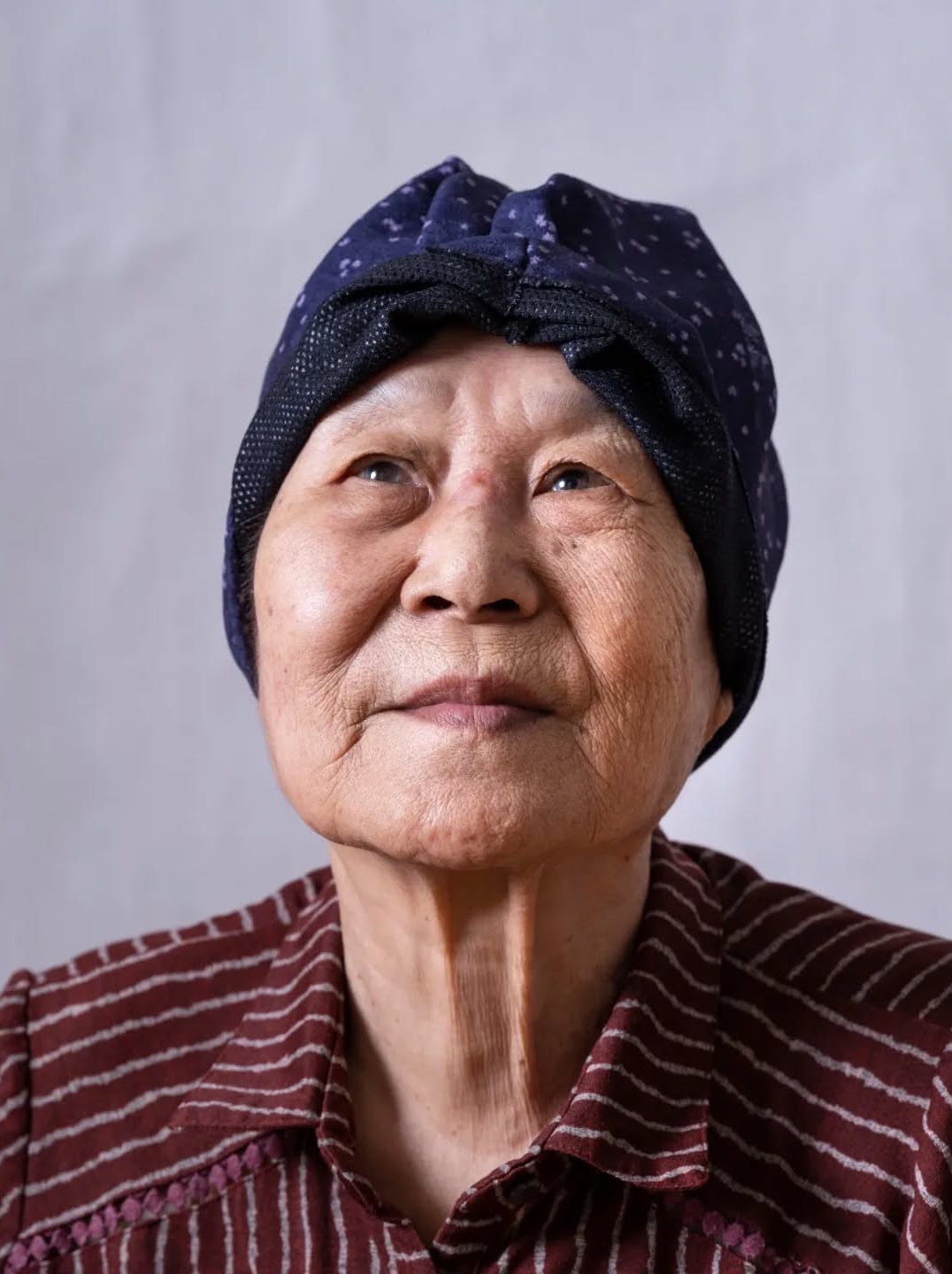
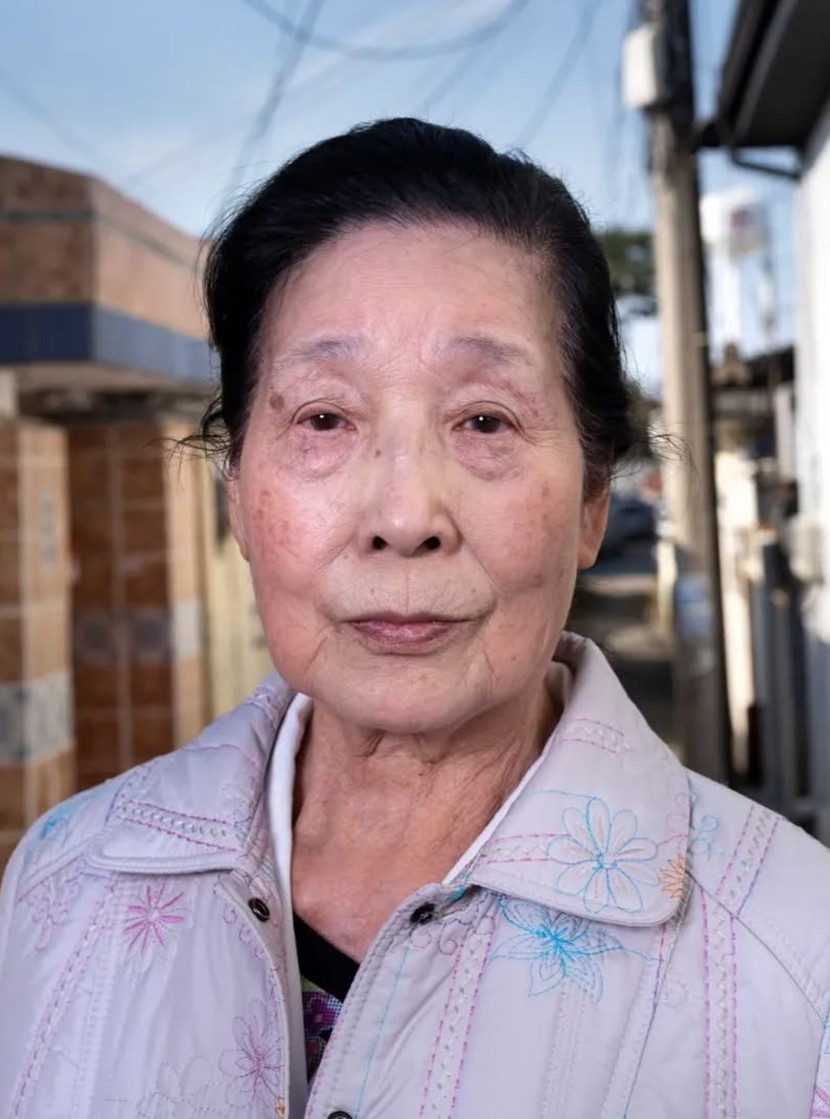
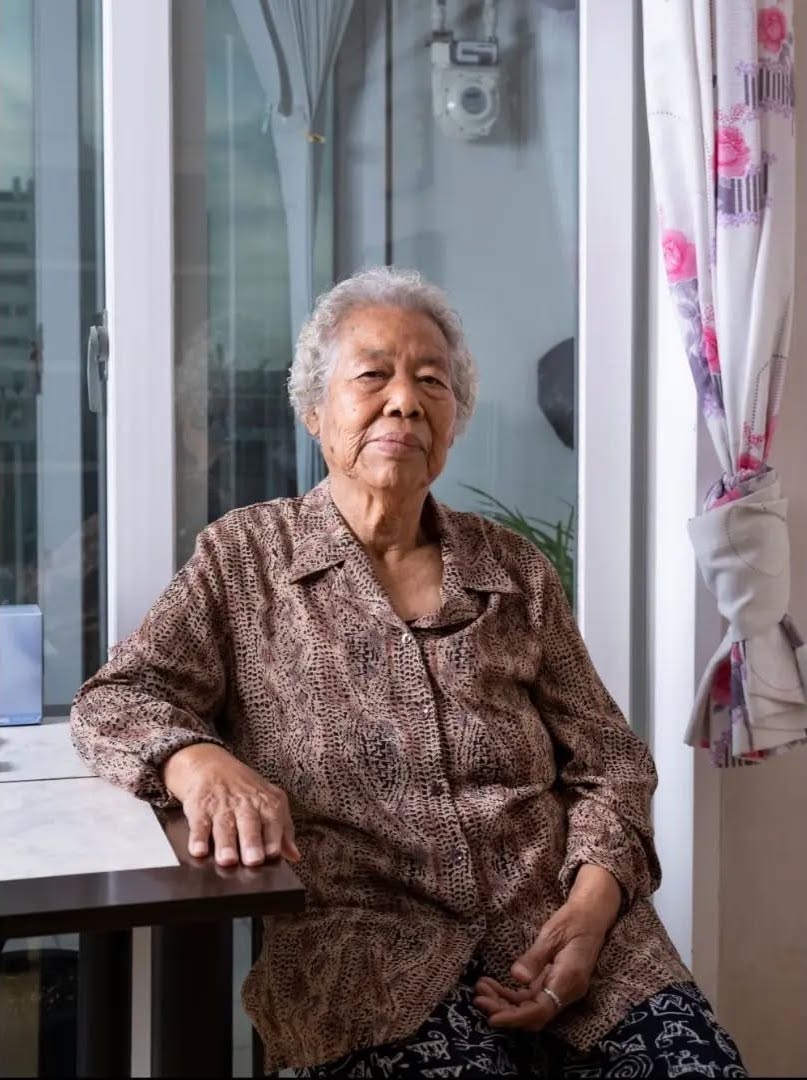
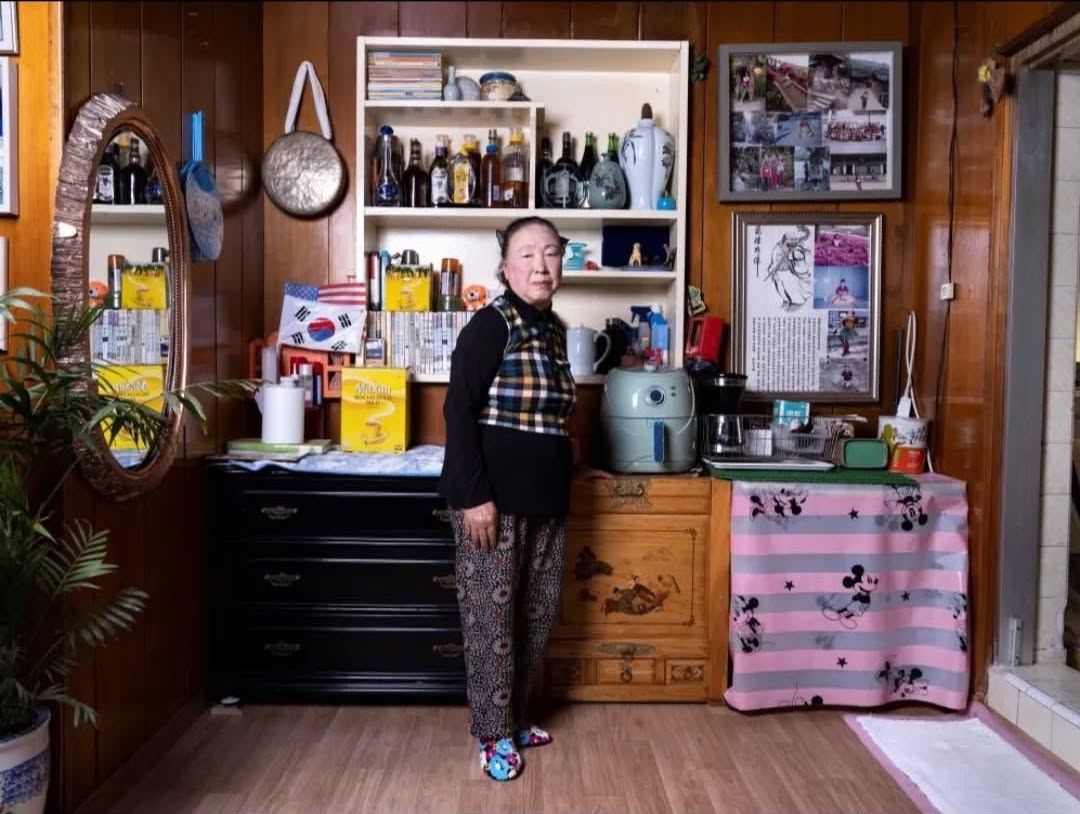
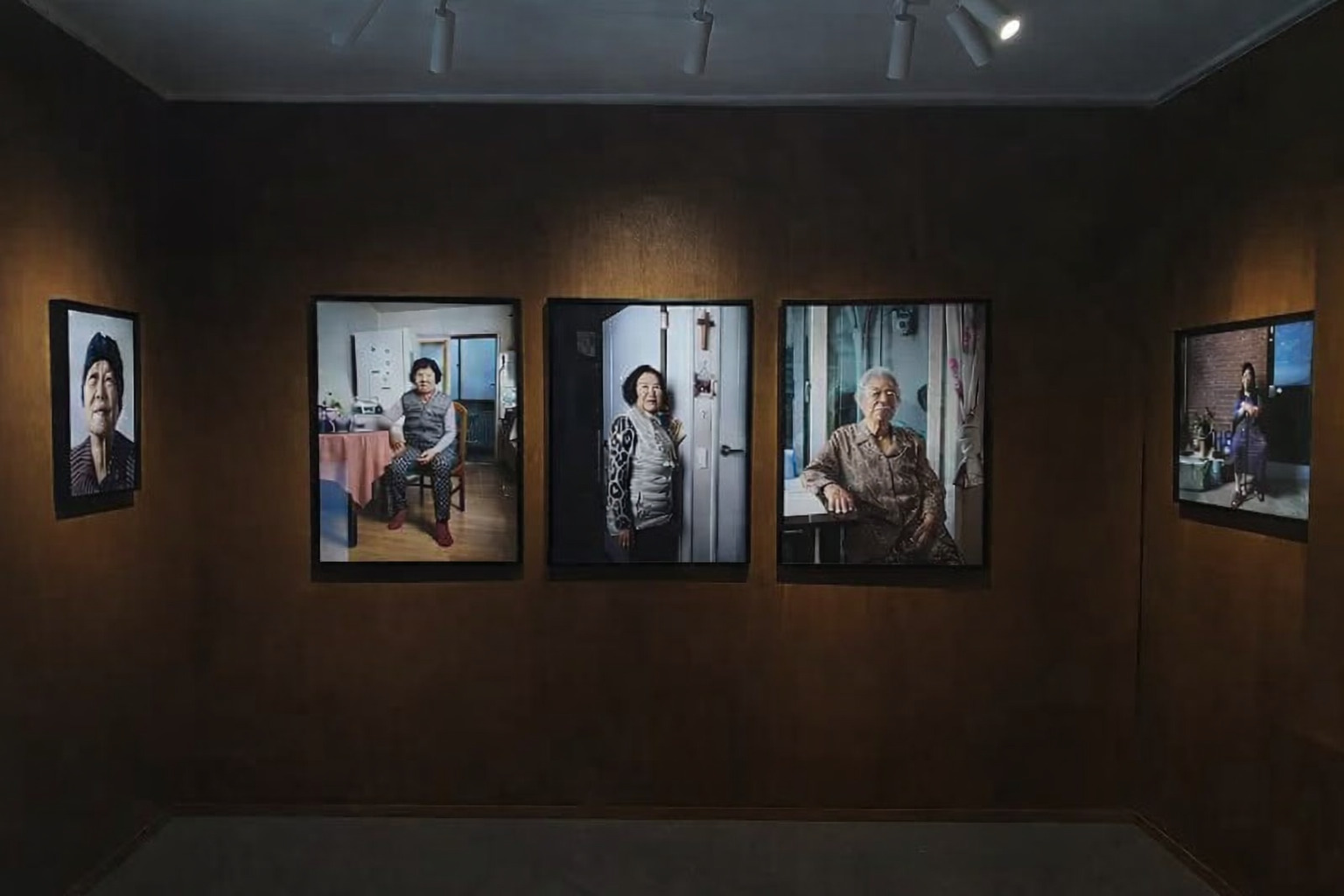
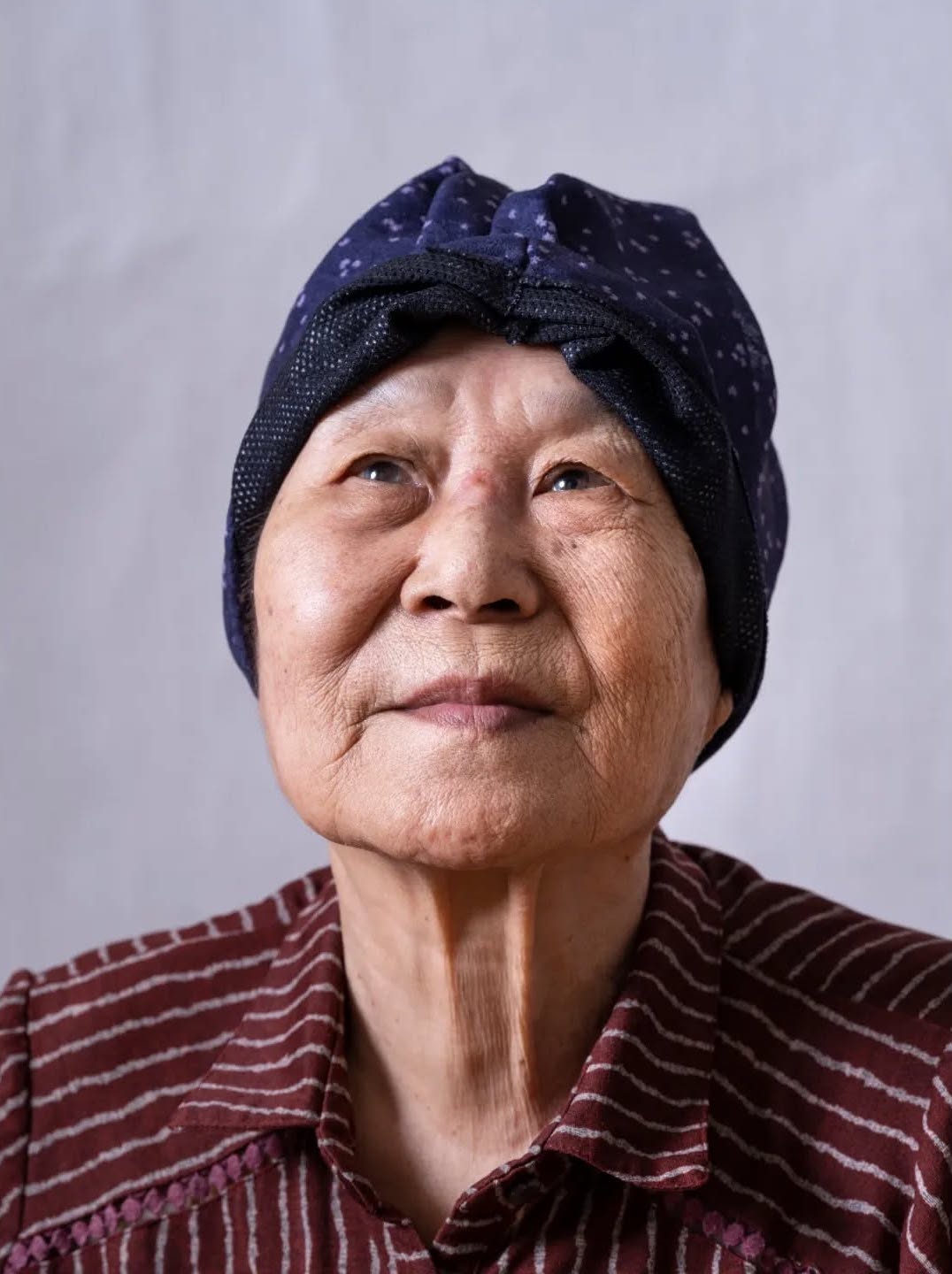
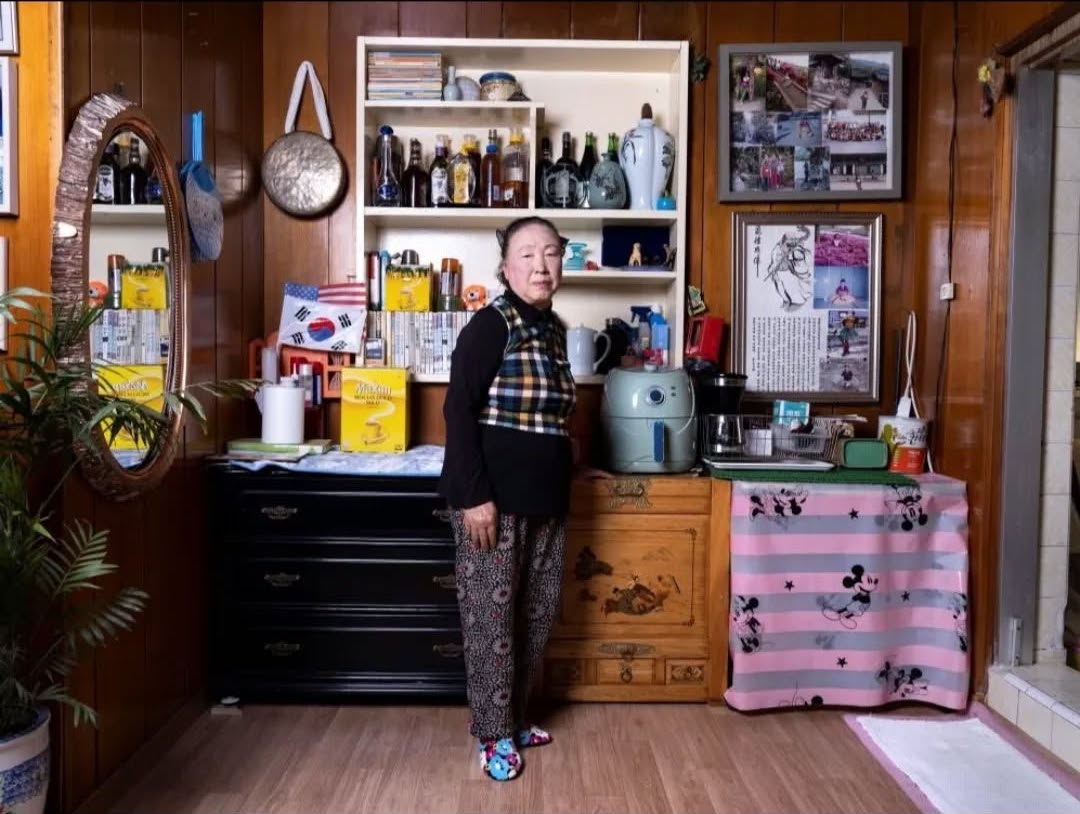
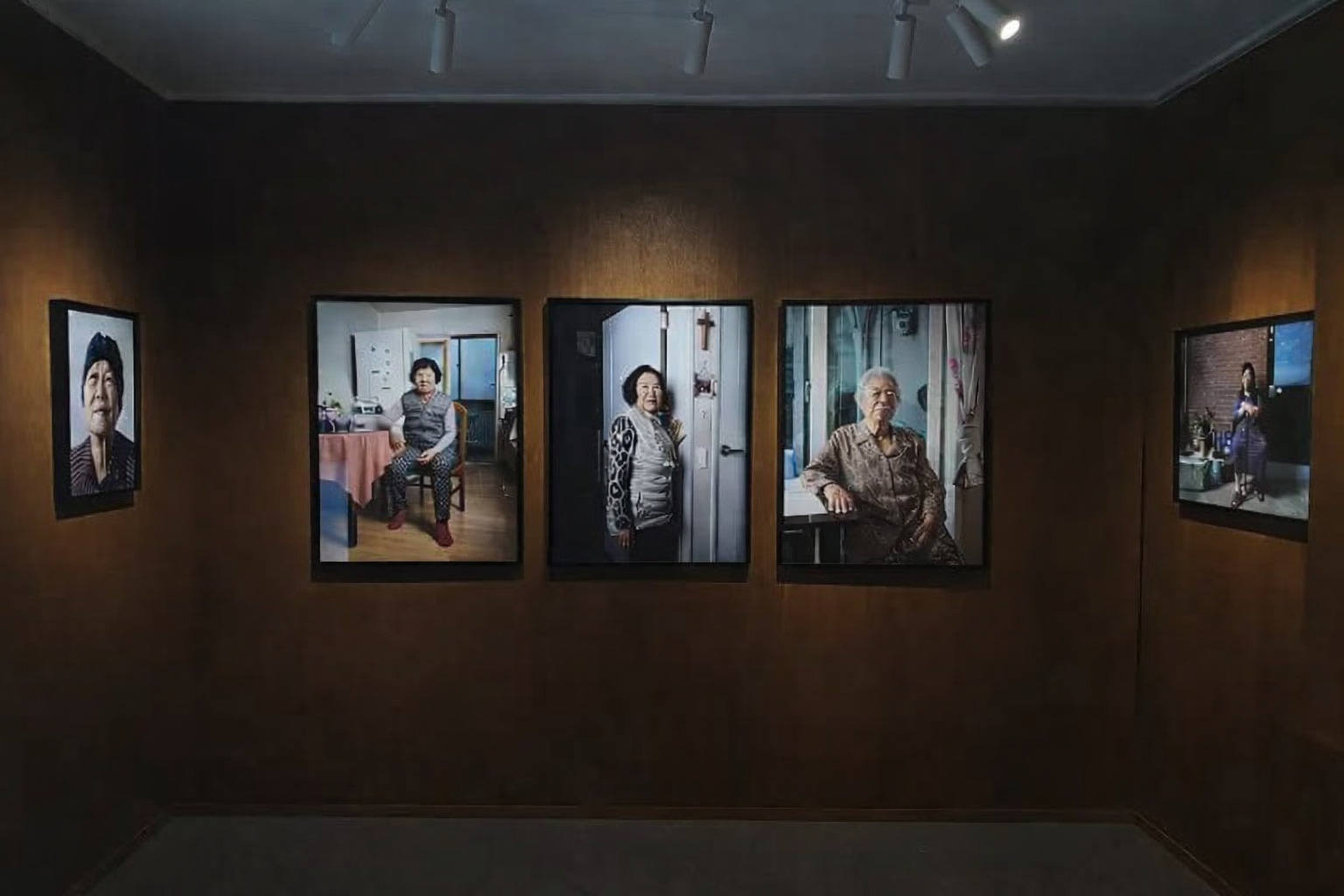
In 《The Day After We Are Gone》, portrait
photography comes to the forefront. Works such as Boknam Kim,
Pyeongtaek, South Korea(2021), Eunja Jo, Pyeongtaek,
South Korea(2021), and Young-rye Park, Pyeongtaek,
South Korea(2021) confront viewers directly with individuals embedded
in specific historical contexts. Here, photography operates not as an
instrument of accusation or documentation, but as a channel through which lives
that could not previously speak are allowed to articulate themselves.
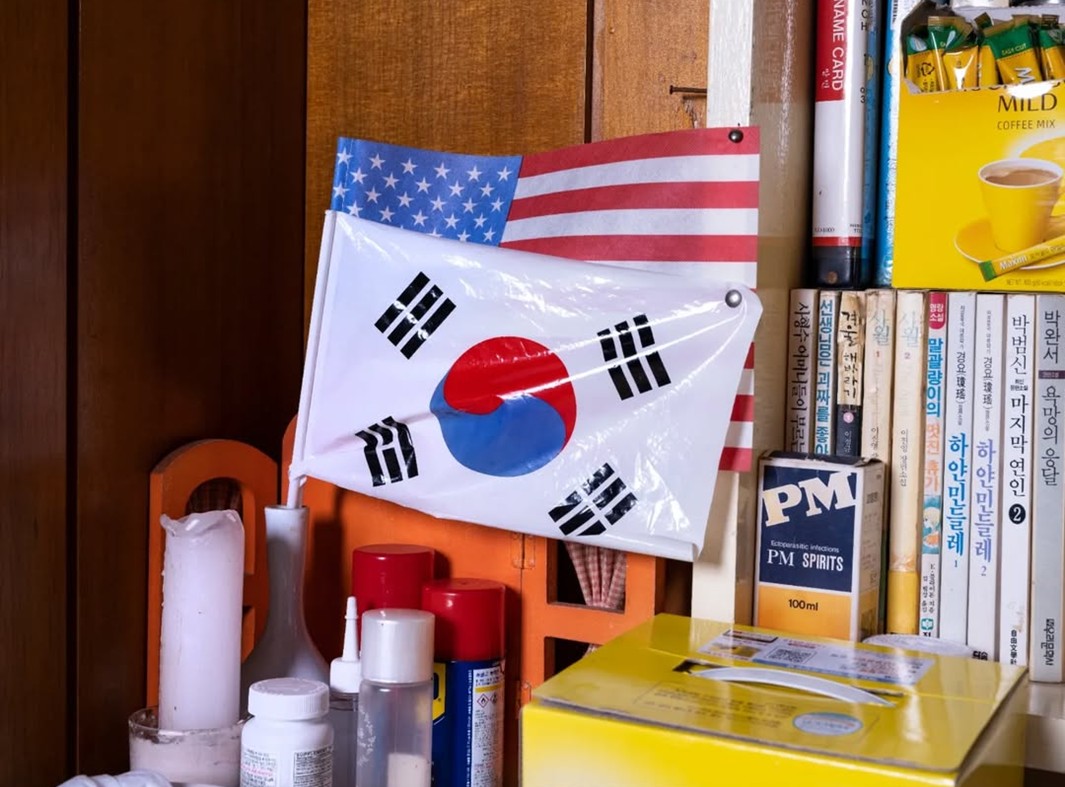
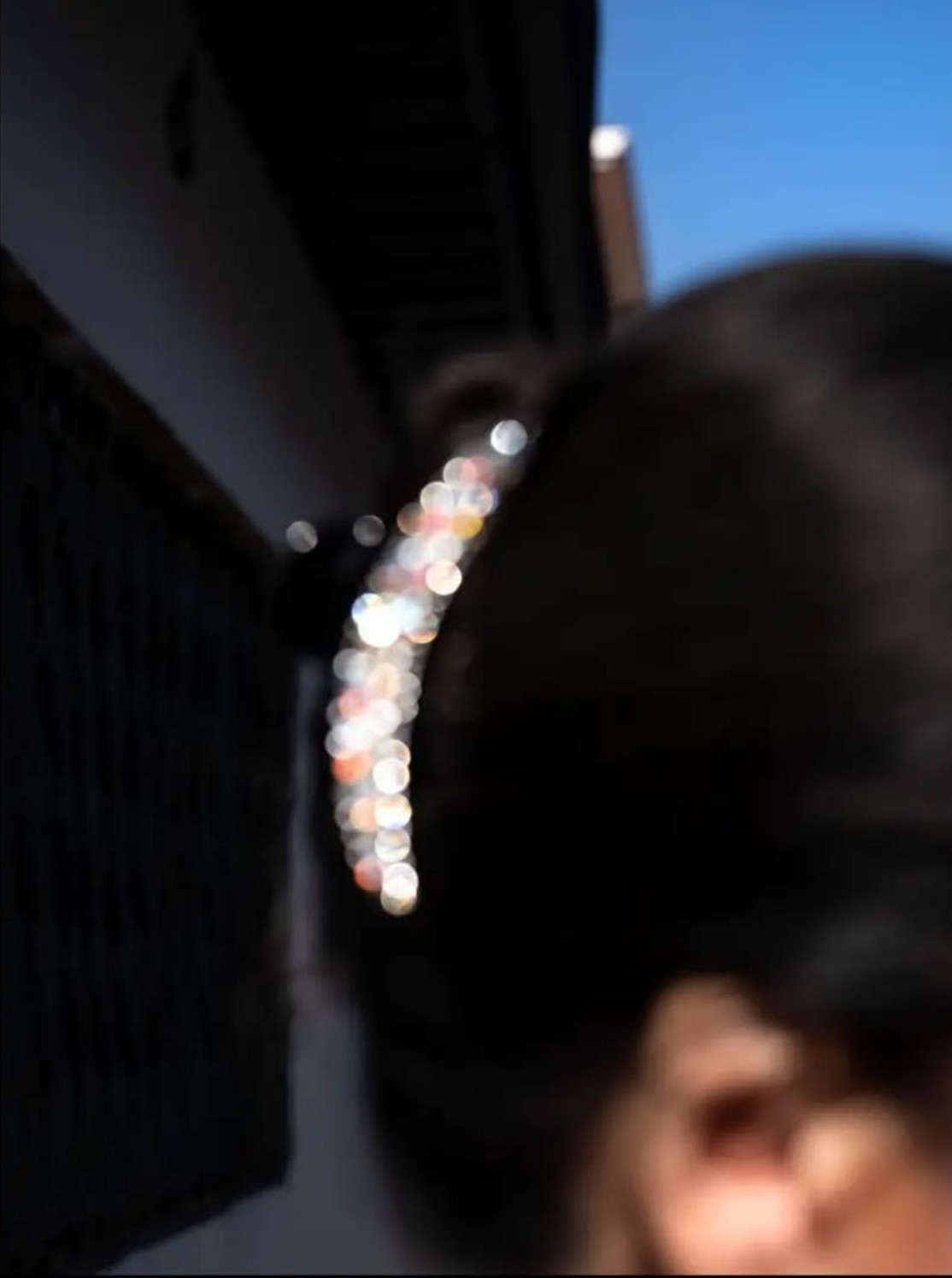
In the
‘Red Seeds’ series, places and objects—human remains and personal
belongings—become central visual elements. Excavated bones, hairpins, glass
beads, and shell casings function simultaneously as traces of individual bodies
and as material evidence of collective violence. By recording these elements
with restraint rather than emotional emphasis, Joo positions photography as a
material record that anchors memory in the present, rather than as a
reenactment of the event itself.