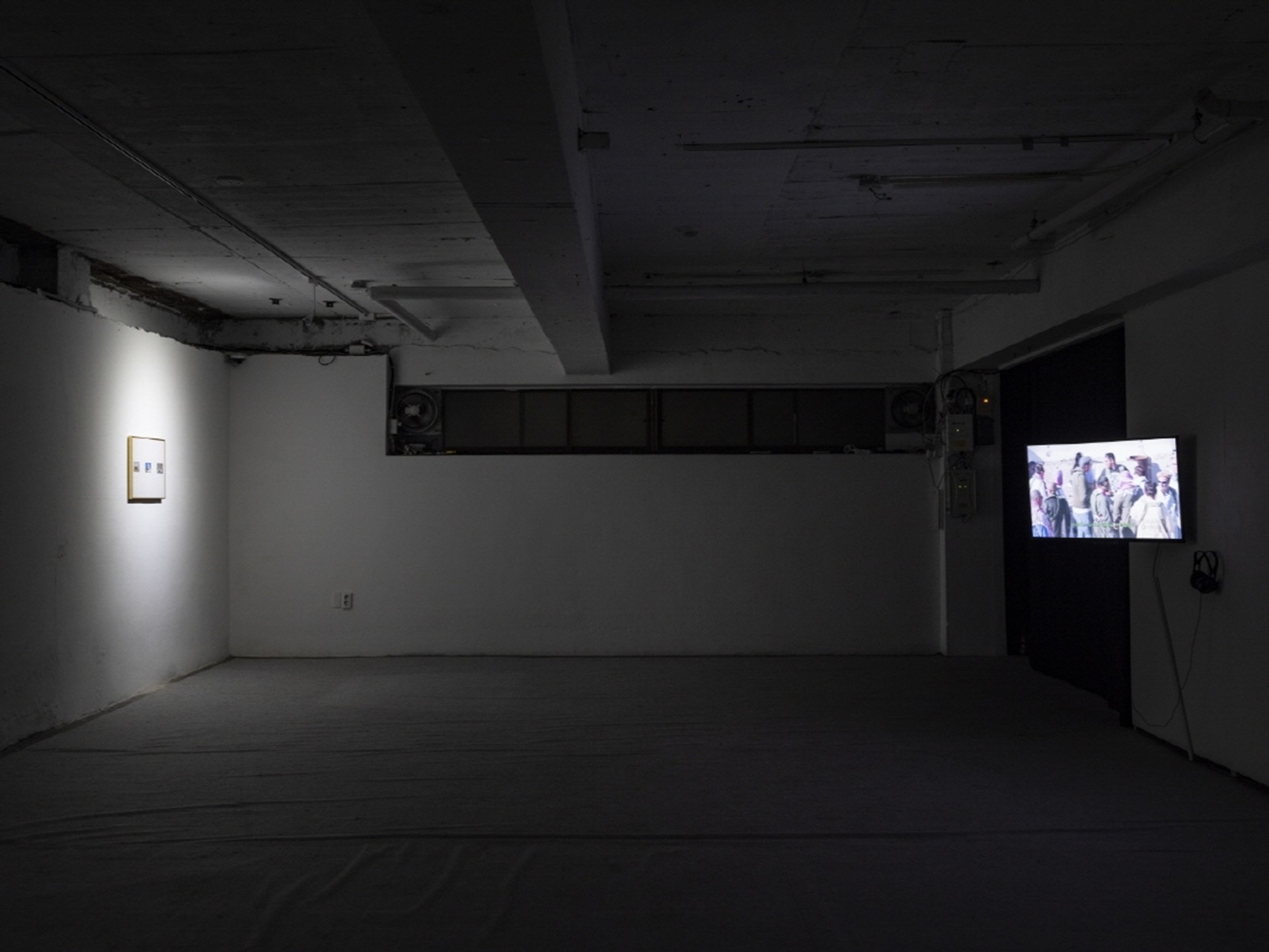
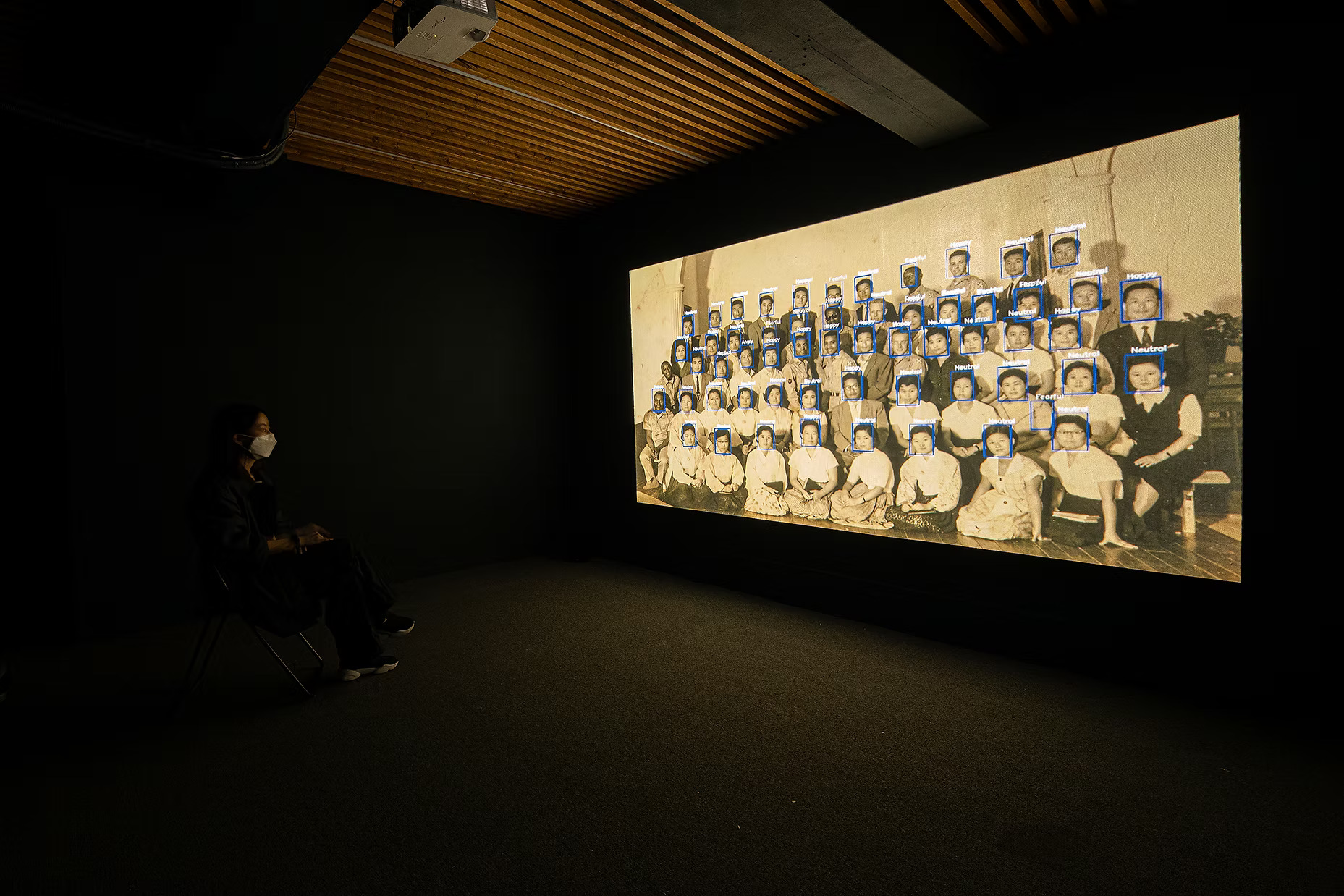
The
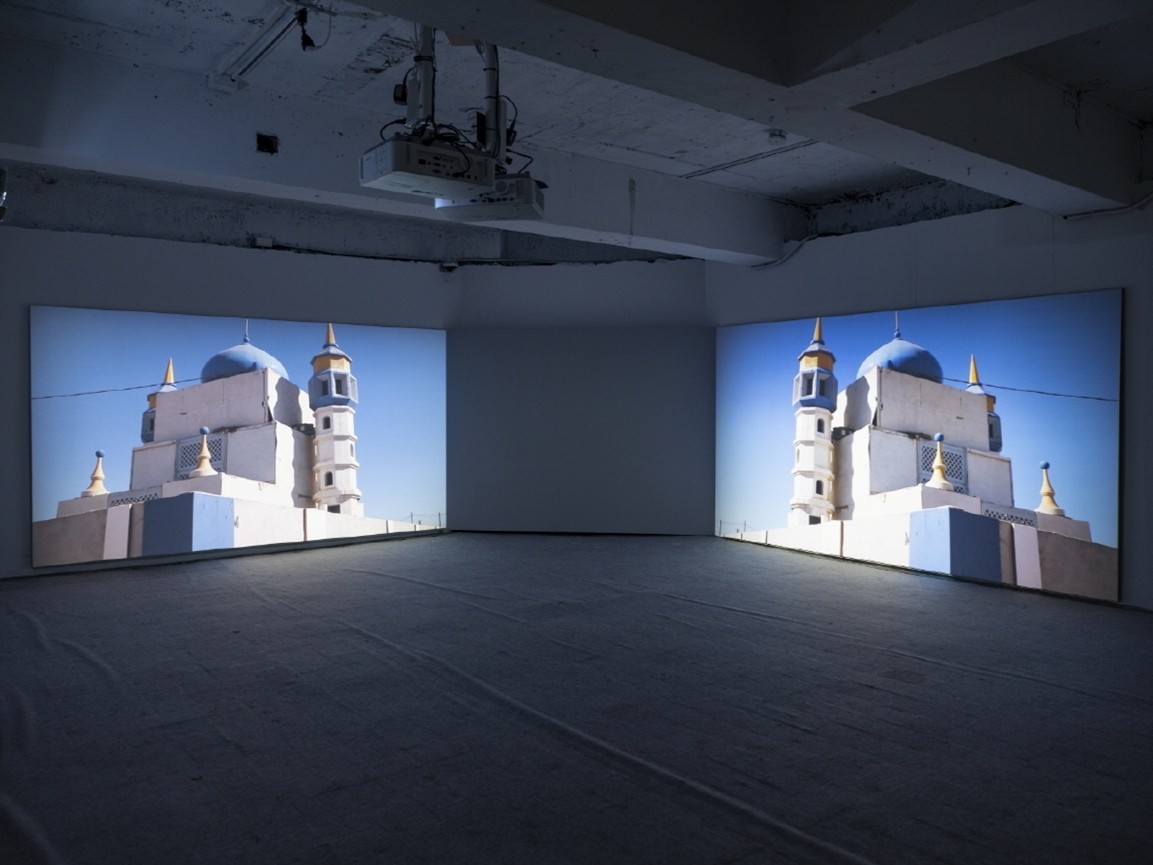
collective METASITU’s video work takes its title, Tora Bora,
from a term used to describe the dust that accumulates on the skin and bodies
of Palestinian laborers working in Palestinian quarries. The limestone—also
known as “Jerusalem stone”—extracted, processed, and exported by these laborers
has long materialized Israeli religious ideology, used to establish a state on
Palestinian land and to push Palestinians into a colonial condition.
The quarry
and stone-processing factory scenes composing Tora Bora do
not present melancholic ruins or scenes of mourning; what we witness is the
production of materials destined for the altar of the occupying force. In this
sense, the quarry dust recalls the urban landscapes of Osaka and Yokohama in
the films of Masao Adachi, who articulated the theory of landscape (Fûkeiron).
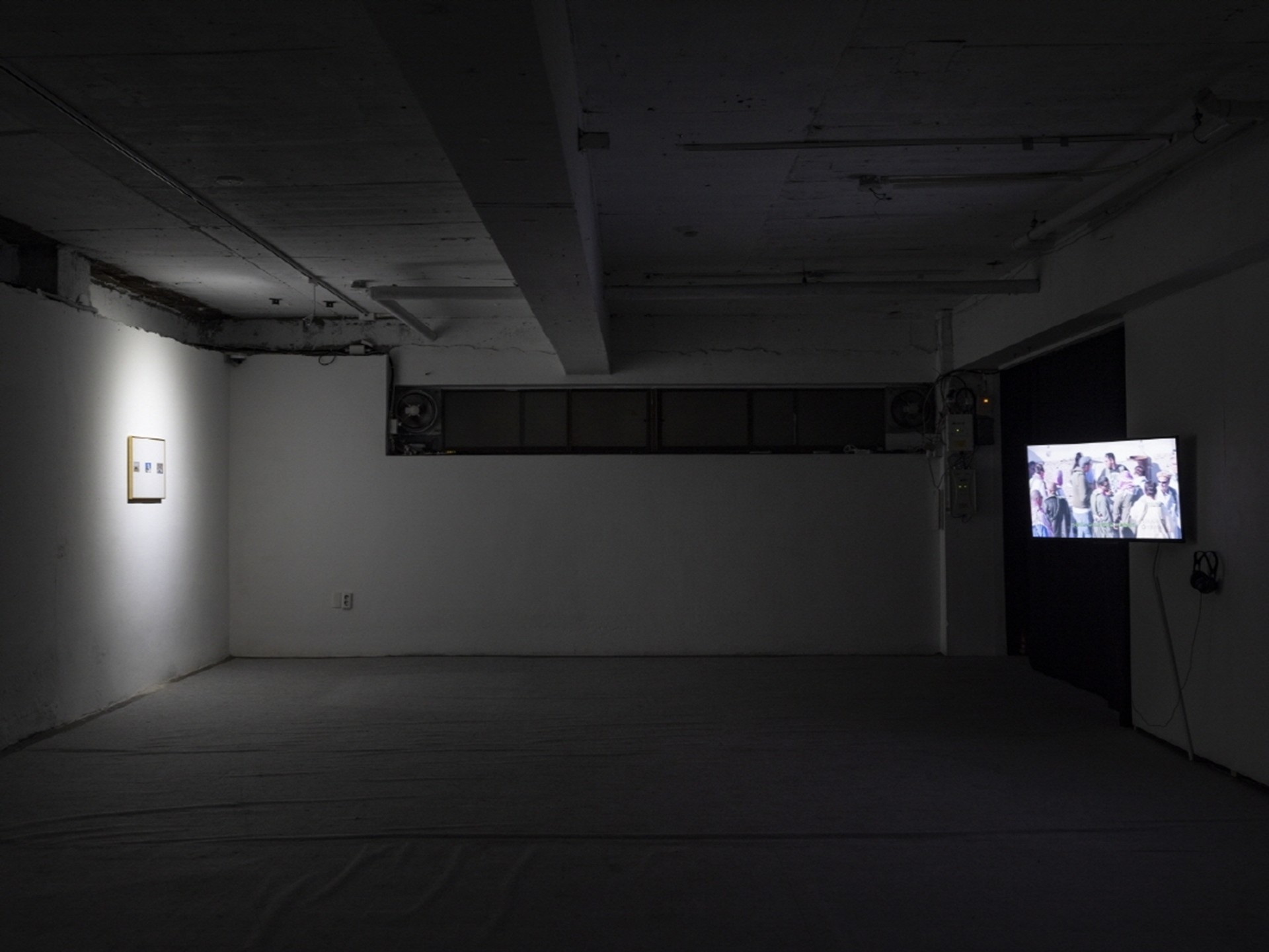
Passing
photographs of Hyundai Construction Equipment excavators used in Israeli
settlements and archival presidential speeches revealing aggressive sales
ambitions toward the UAE, viewers arrive at the prolonged duration of Yeoreum
Jeong’s video work To the Innate Witness, running eight
hours and fifteen minutes. Like the works of Lee, Park, and METASITU, Jeong’s
work is grounded in the contexts of war, conflict, and colonialism, and is
mediated through questions of media. While Park explores war through the lens
of perceptual imagery, Jeong approaches war through its relationship with
media. This thematic concern was already prominent in her earlier works Graeae:
A Stationed Idea and The Long Corridor.
In To
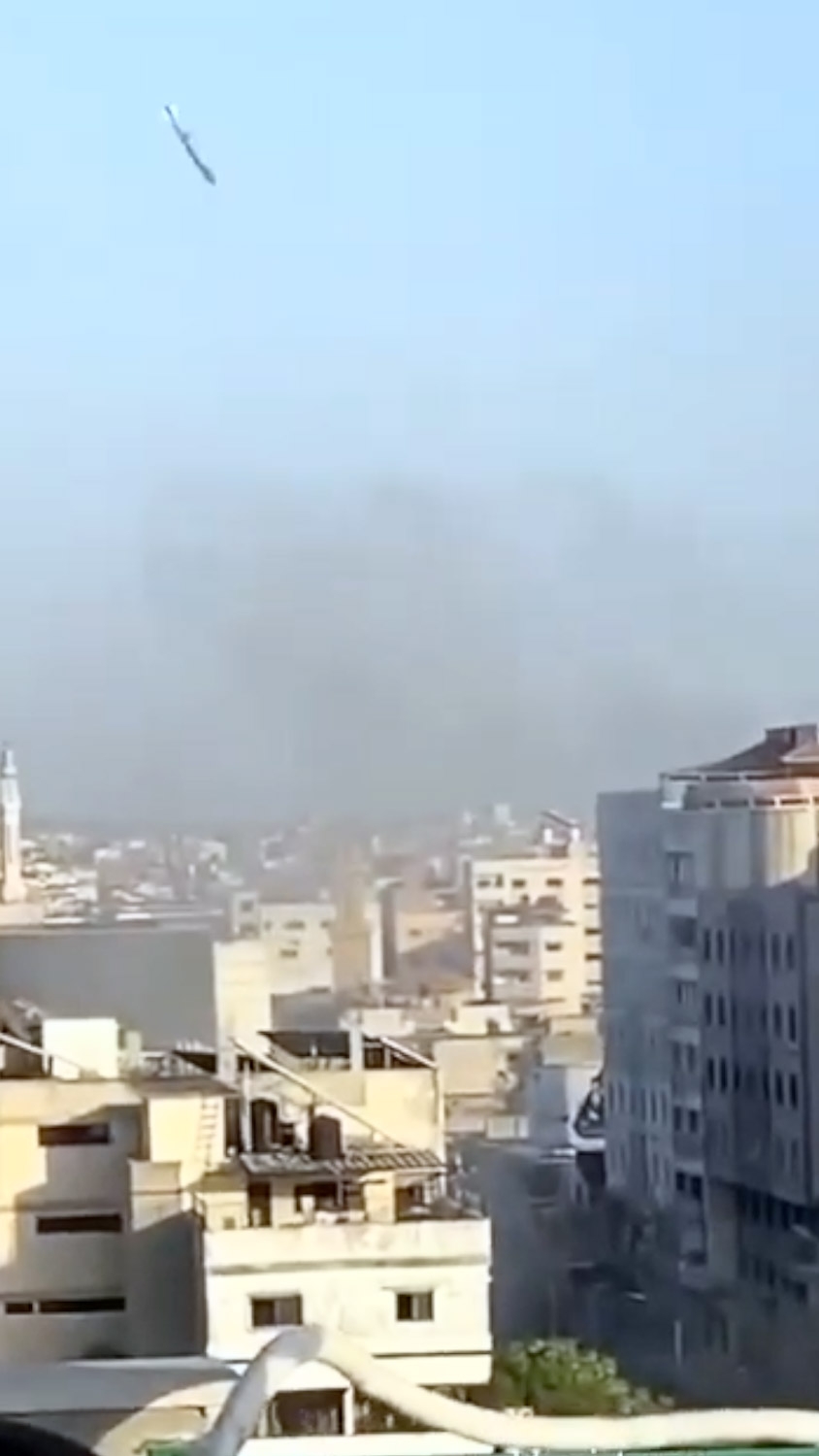
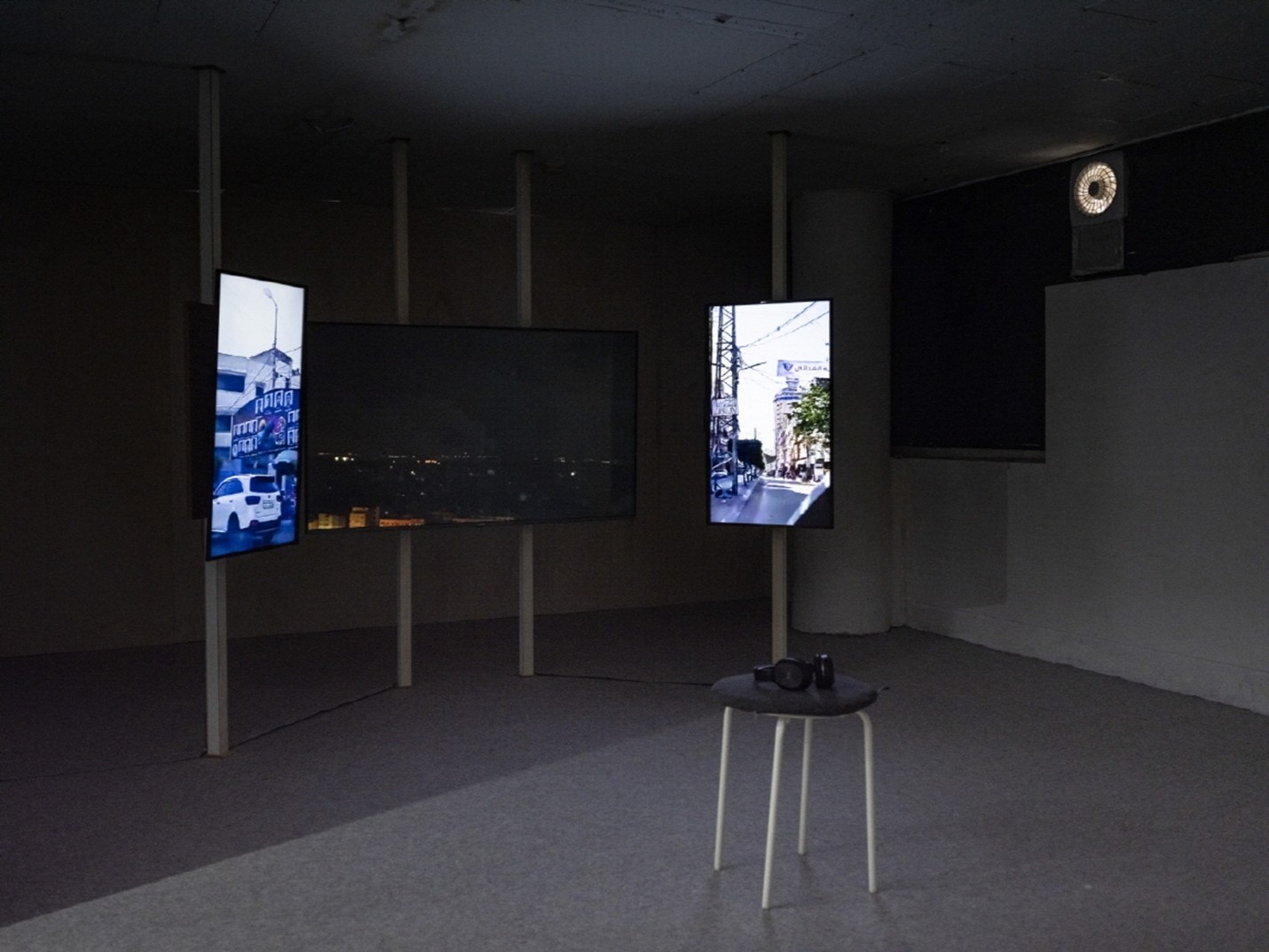
the Innate Witness, the images Jeong endlessly collects—while
remaining connected to the internet, that is, to the spatiotemporal field of
conflict—are videos uploaded by Gaza civilians themselves as airstrikes unfold.
One could readily speak of the significance of Jeong’s archiving practice,
noting her attentiveness to the archive’s capacity to “unexpectedly open onto
unknown worlds,” to offer “vivid preliminary sketches for reinterpretation,”
and to release unforeseeable “reality effects.”⁴ Yet unlike her earlier works,
in which she assembled clues about the operations of unmarked U.S. military
bases, To the Innate Witness delivers the time of
a disaster-stricken world directly before the eyes of witnesses who cannot
avoid being witnesses within today’s media environment.
Does
this work, by presenting unprocessed archives, seek to make contemporary
viewers experience desire and suffering firsthand? The sounds of shells,
darkness, flashes of light, crowds moving without certainty toward refuge, and
images of Gaza in daylight fill videos lasting one hour and thirty minutes, or
eight hours and fifteen minutes. Voiceovers—aftermaths or parables of violent
societies—are woven into the images, often betraying their temporality.
More
than the content of the archive itself, Jeong’s work seems to question the time
spent mining and viewing archives: the time of action, the time of the body,
and the emergence and unfolding of emotions and numbness that adhere to and
eventually overtake the body. Rather than experiencing the time of disaster, we
experience the time of the witness, observer, and spectator—where desire and
ethics sharpen, shaped by anticipation and expectation.
This
is the nature of the experience proposed by the exhibition 《My Fellow Citizens》: to experience a time of
ethics without ethics, and to remember it as a time of conflict in which ethics
must be reestablished from the ground up.
Notes
1.
Ichiro Tomiyama uses the term “interrogation space” to describe spaces
permeated by linguistic violence in which state institutions question and
forcibly extract answers, drawing on Frantz Fanon’s critique of colonialism.
Ichiro Tomiyama, trans. Jung Myung-shim, Knowledge of Beginnings: Frantz
Fanon’s Clinical Thought, Moonji Publishing, 2020.
2.
Paul Virilio refers to the era following World War II—characterized by nuclear
deterrence and generalized civilian anxiety—as the era of “total peace,” a term
that also denotes total war disguised as peace. “Pure war” is closely linked to
total peace but more directly connected to scientific development, referring to
a state in which science and technology eliminate contingency and assume
omnipotence. Paul Virilio, Défense populaire et luttes écologiques, Paris:
Galilée, 1978; L’insécurité du territoire, Paris: Galilée, 1993.
3.
Serge Daney, La maison cinéma et le monde-2. Les années Libé, 1981–1985,
Paris: P.O.L, 2002.
4.
Georges Didi-Huberman, Images Malgré tout, Paris: Éditions de Minuit,
2003.