Find the Hidden Exhibition Space
I
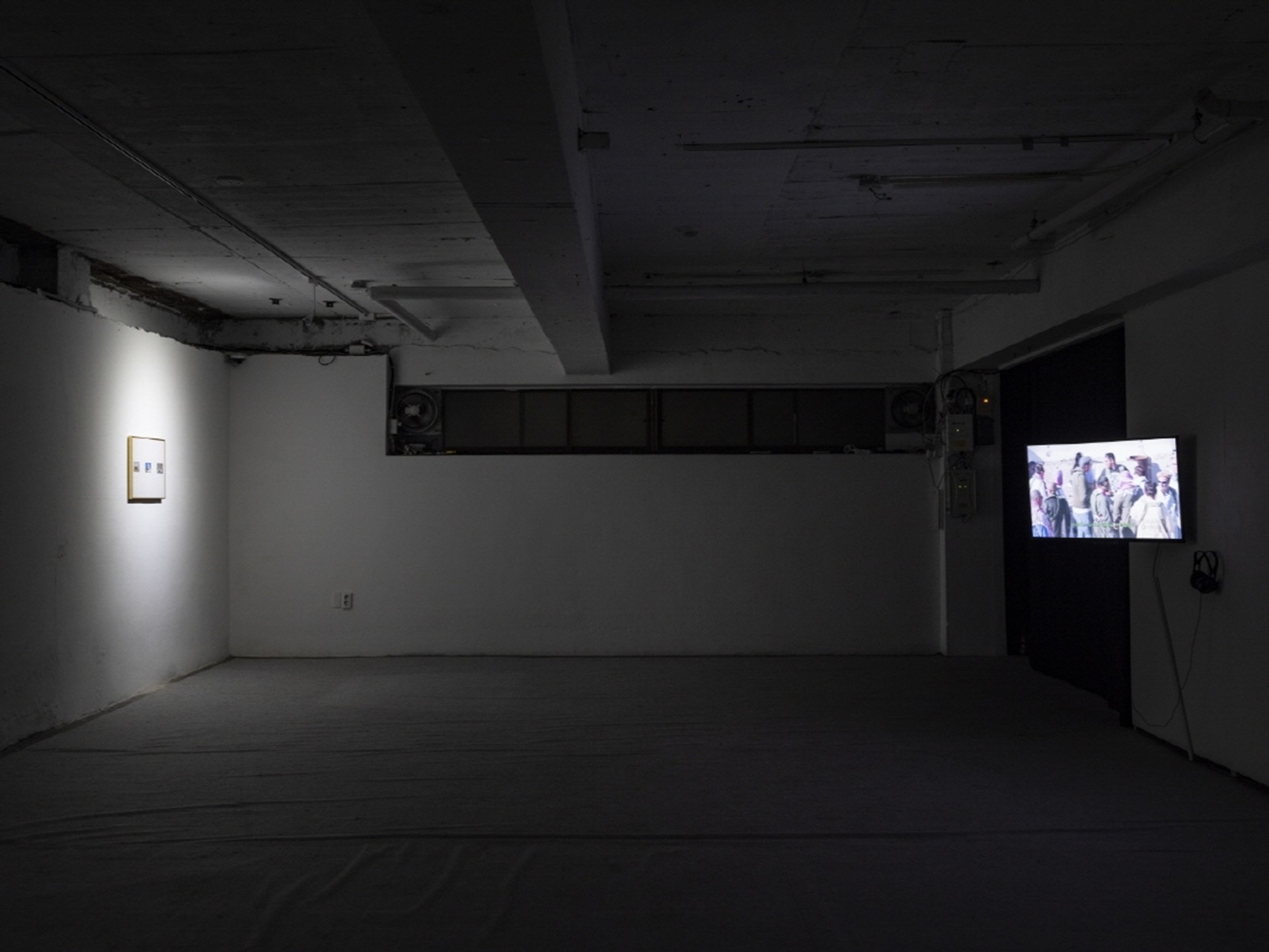
visited Hapjungjigu to see Yeoreum Jeong’s solo exhibition. Unable to find
where the entrance was, I lingered around the area for about five minutes
before realizing that the exhibition had begun behind the door of a basement
office. Upon entering the empty office, I found a guestbook placed on top of an
old filing cabinet, and only after pulling aside a curtain near the door was I
able to enter the exhibition space itself. I had never encountered an
exhibition venue like this before. The fact that the entrance was located
inside an office, and that it was difficult to find, felt entirely new.
The
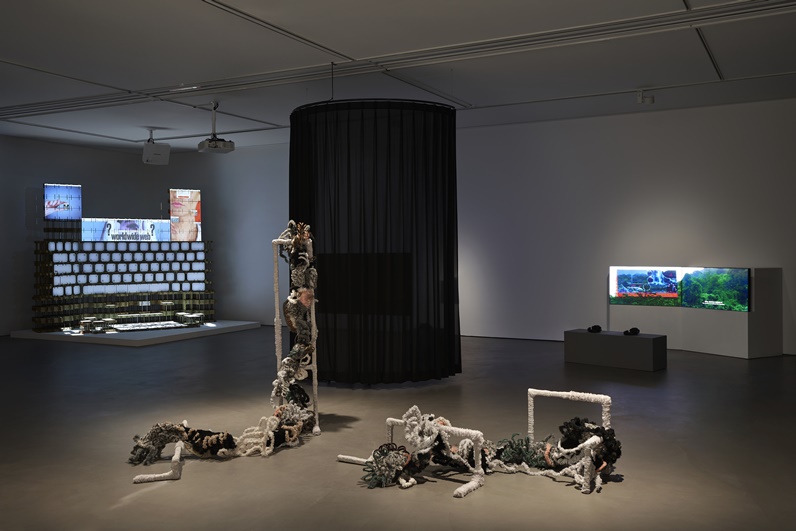
exhibition space was divided between the first floor and the basement, which
were not connected and had to be accessed through separate doors. There were no
guards or staff members present, creating the feeling of discovering a secret
space. At first, this felt simply inconvenient, but as I continued viewing the
exhibition, I came to feel that the space was well aligned with the
exhibition’s theme. The process of searching for the entrance itself became
part of the experience of viewing the exhibition.
Memories of Specters: The Long Hole
Yeoreum
Jeong’s exhibition 《HAPPY TIME IS
GOOD》 addresses U.S. military bases located on the
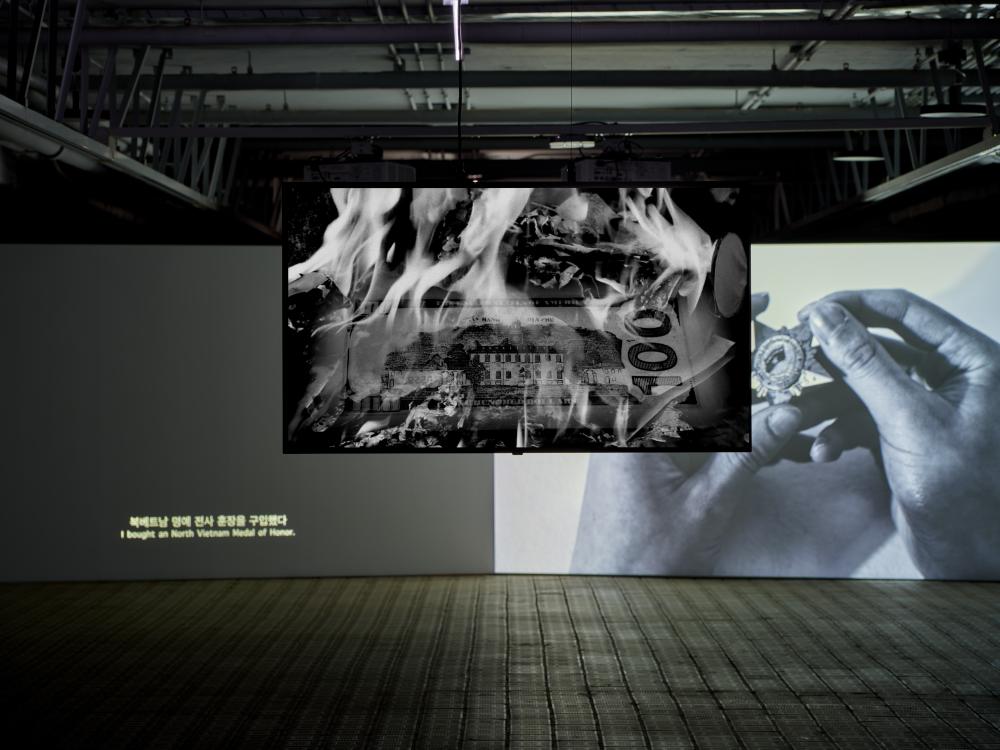
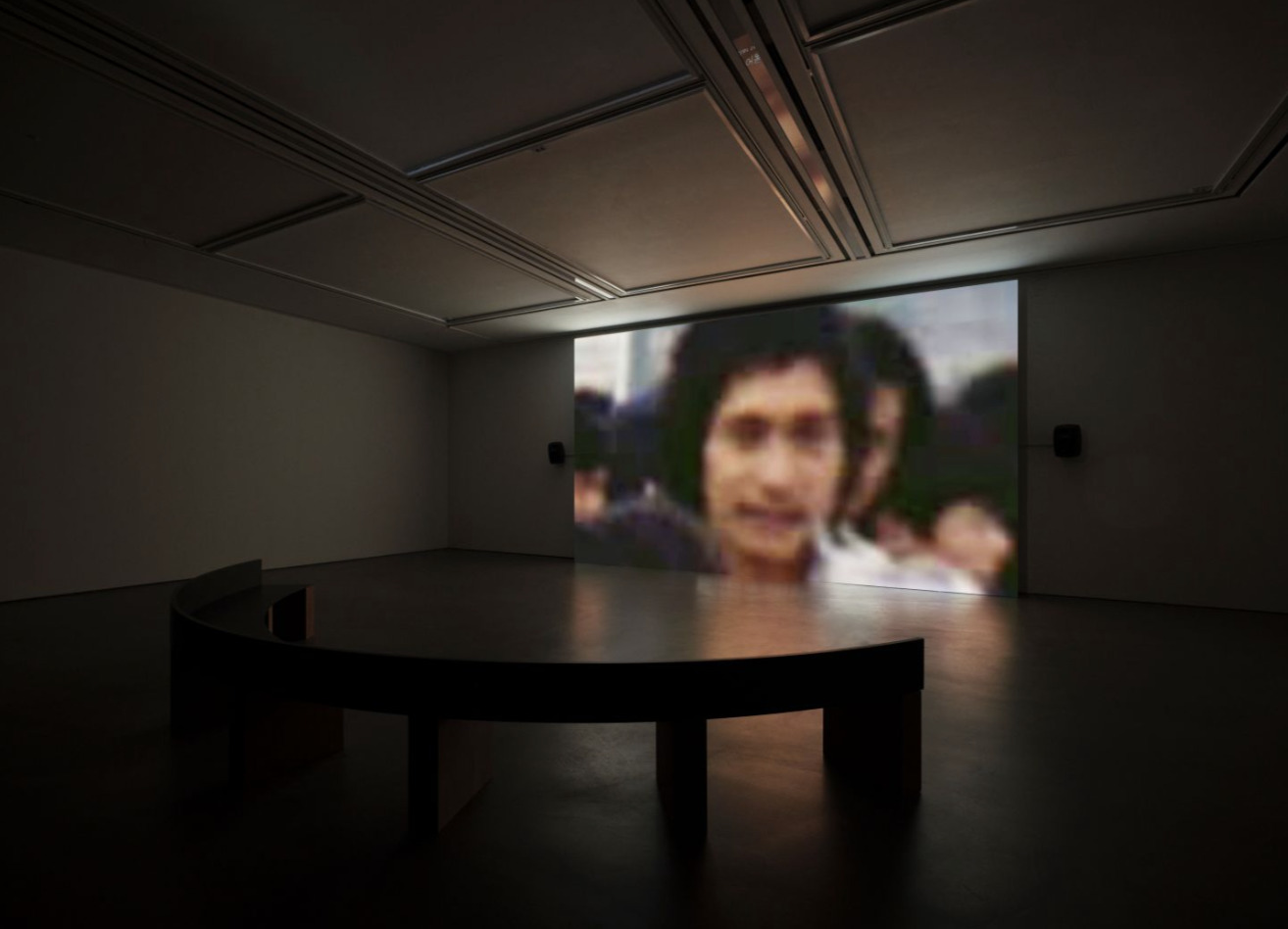
Korean Peninsula. In the basement, the video work The Long Hole is
screened, while on the first floor Graeae: A Stationed Idea is
shown. This review focuses primarily on The Long Hole.
According to curator Jinshil Lee’s text, the exhibition takes as its theme “the
concealment and disguise of place, and the memories embedded there.” Through
this exhibition, the artist reveals hidden truths and spectral memories
surrounding U.S. military bases in Yongsan and Wonju.
The
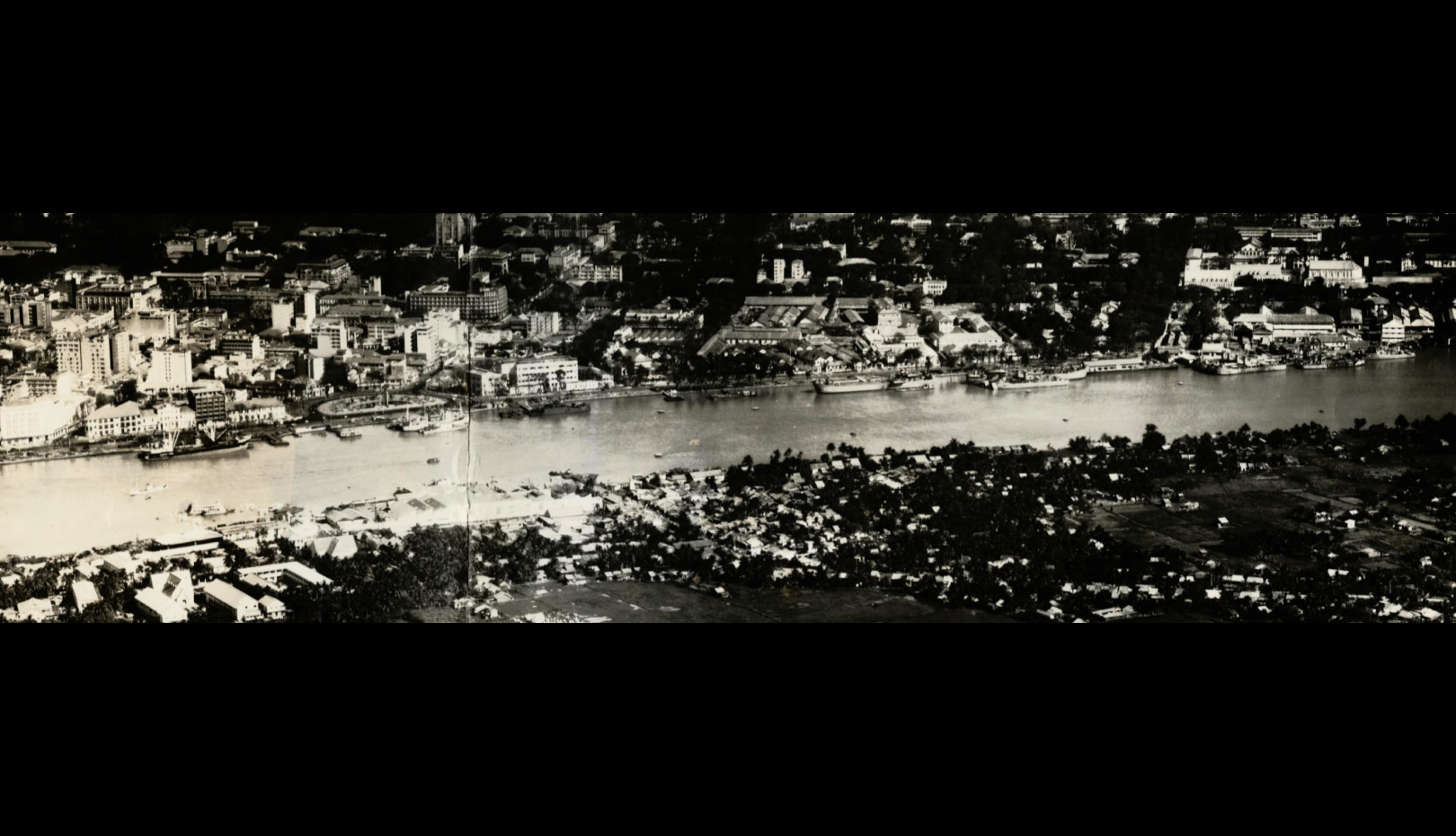
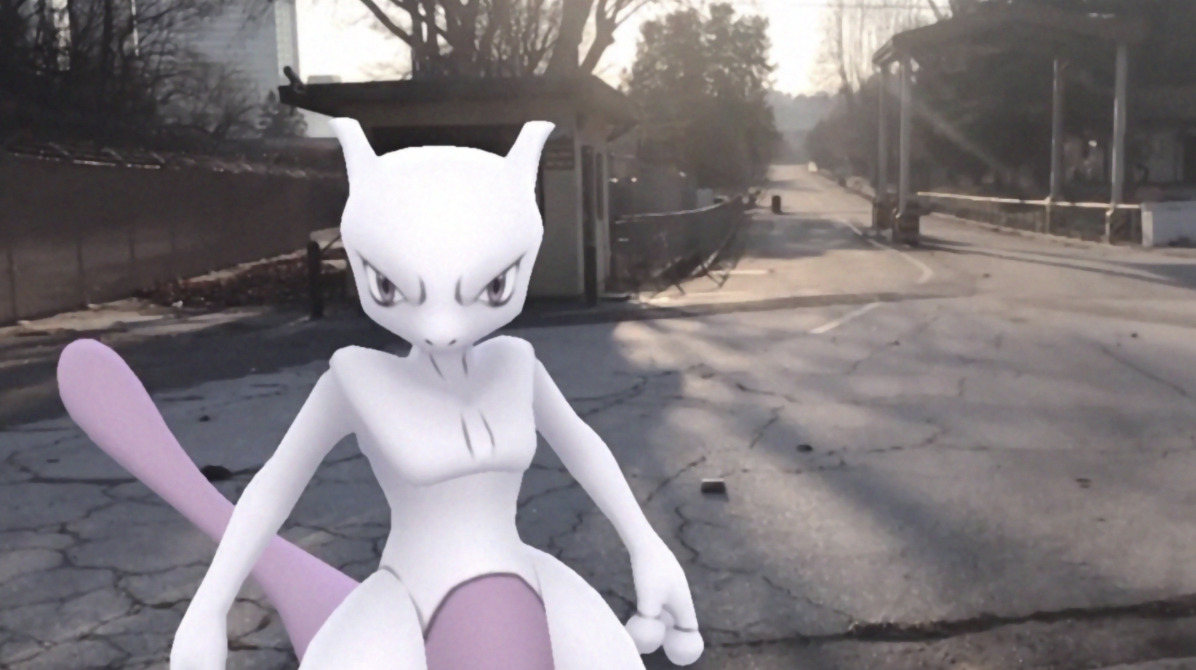
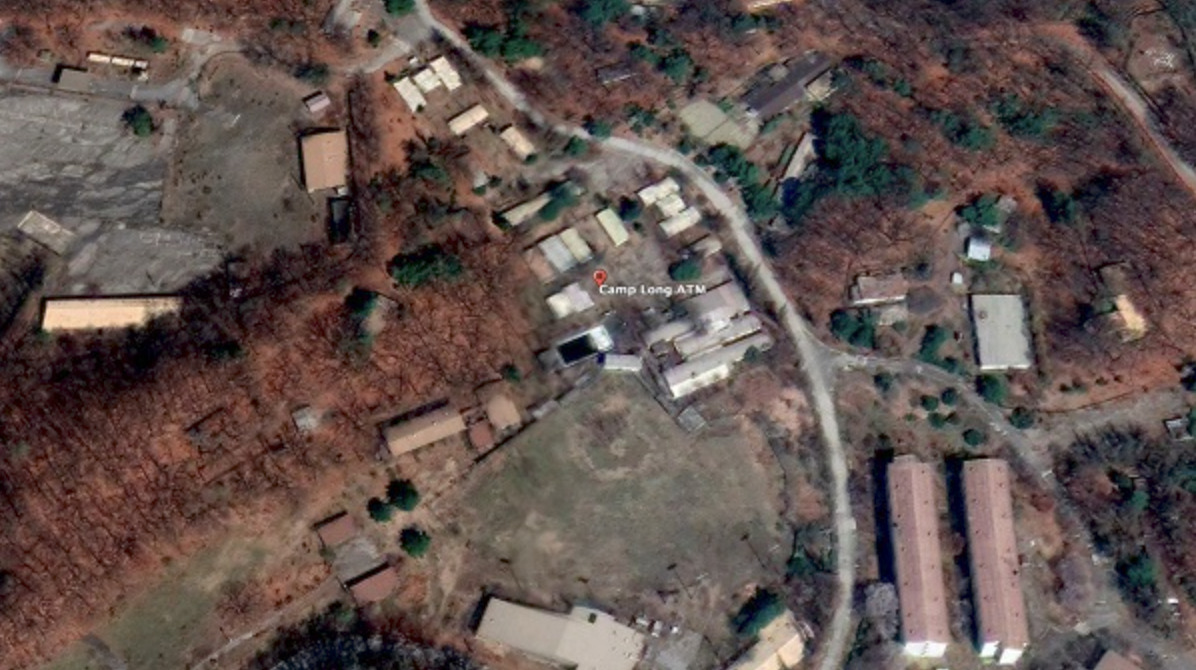
work The Long Hole, viewed in the basement, follows a
detective and an AI as they investigate “Camp Long,” a former U.S. military
base in Wonju. The base was returned to the city of Wonju after 69 years as of
last year. The artist visited “CAMP 2020,” an event celebrating the return of
Camp Long, and this experience became the starting point for the work.
The
people who once lived there lost their homes due to the construction of Camp
Long, yet they reportedly sustained their livelihoods by working as “houseboys”
at the PX. In this sense, the U.S. military base functioned as a paradoxical
space—one that took away livelihoods while simultaneously enabling survival.
Returning
to The Long Hole, the camera moves from the detective’s
perspective, allowing viewers to follow her gaze into ATMs, which once served
as sites for information exchange. As the camera enters the building and
illuminates the dark interior, viewers may feel a chill. Inside the building,
reminiscent of a horror film, there is no one present, yet blood splatters can
be seen on the walls.
Disconnection from Another Earth, Forgetting
As
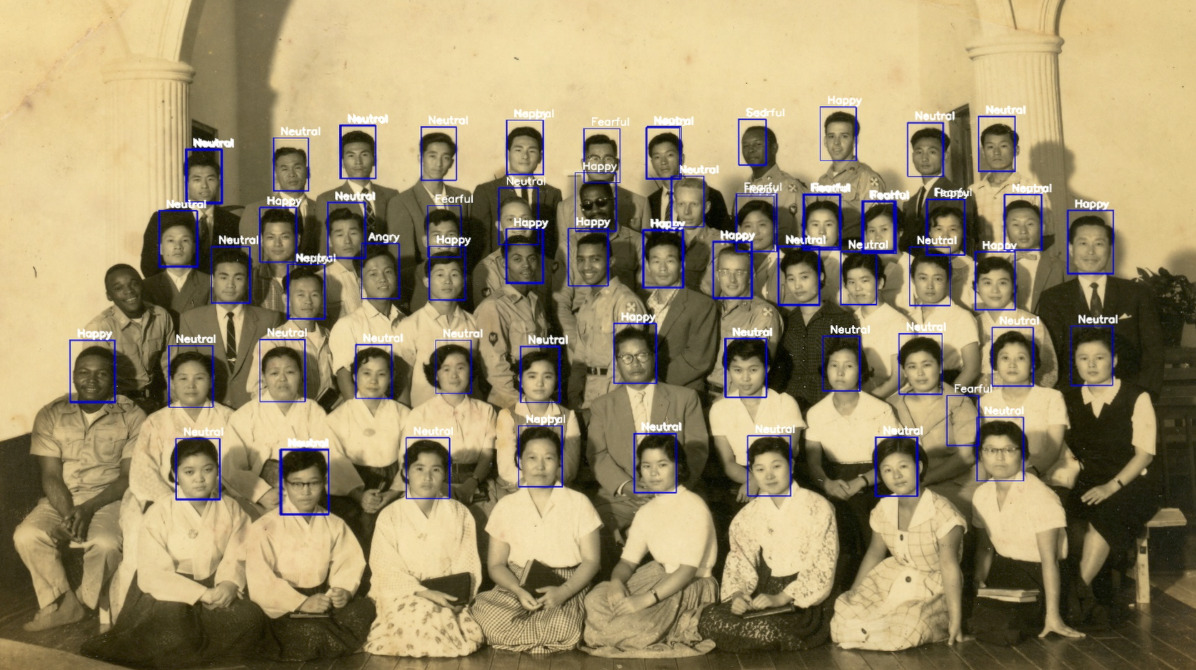
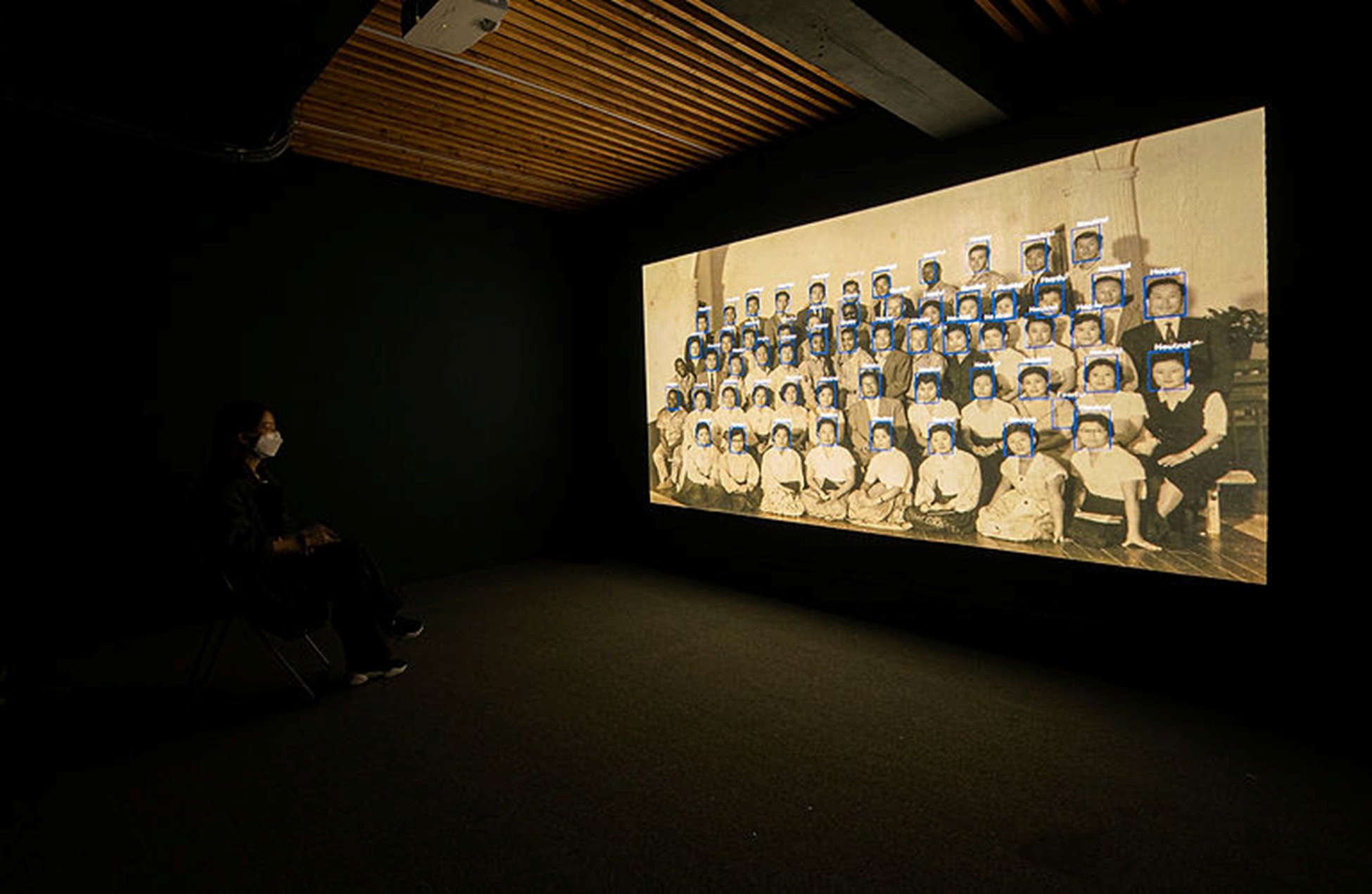
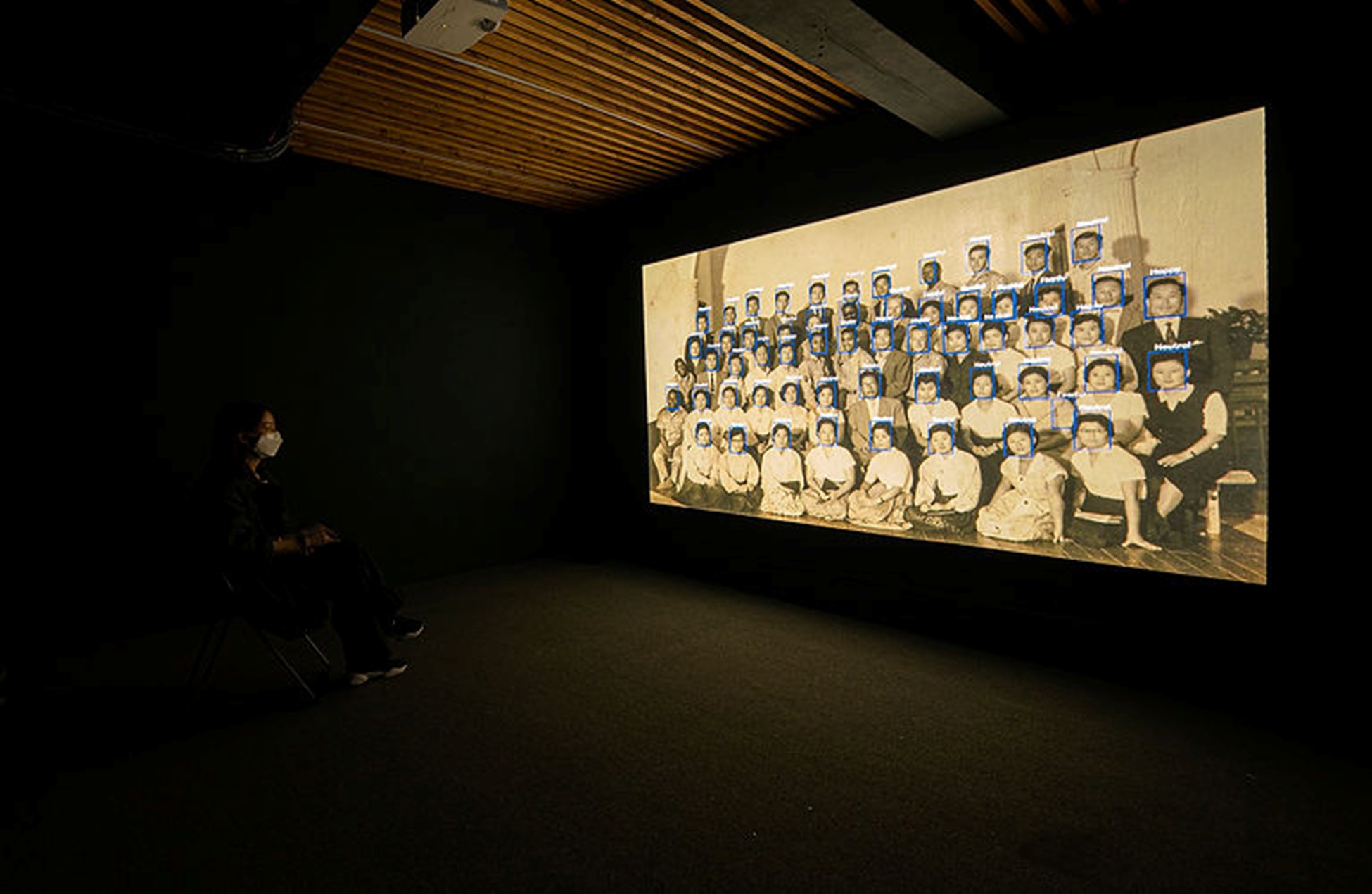
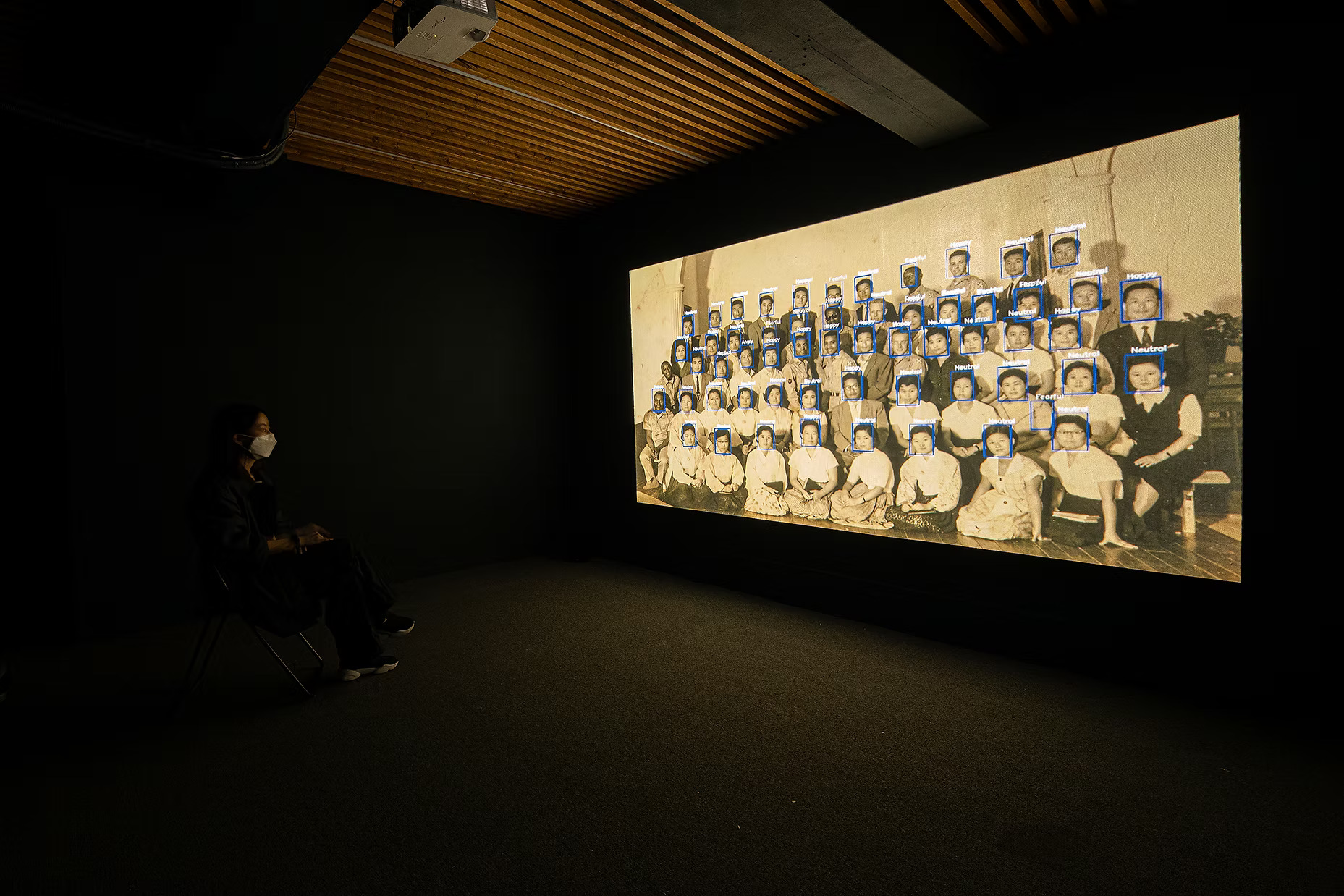
the video continues to provoke curiosity, it points with a blue line to a
specific spot on an empty wall. The rectangular marker soon begins to recognize
the faces of people in black-and-white photographs. This suggests that although
the space now appears empty, those people once existed there and their memories
remain. The artist narrates forgotten or previously unknown truths through a
unique setting she calls “synchronization with another Earth.”
The
premise of this setting is that somewhere in the universe exists another planet
identical to Earth, synchronized to replicate the current state of our world.
However, synchronization sometimes fails, and the cause of this failure is
human “forgetting.” When no one remembers or seeks out a particular event, the
connection between the two Earths is severed.
This
narrative raises pressing questions for our present time. The unresolved
grievances of those who died unjustly, nameless deaths, may all be included
within such forgetting. If memories of the past are erased, humanity on the
other Earth would inevitably repeat the same outcomes. Through this setting,
the artist urges viewers not to forget, insisting that these truths must not
disappear into oblivion.