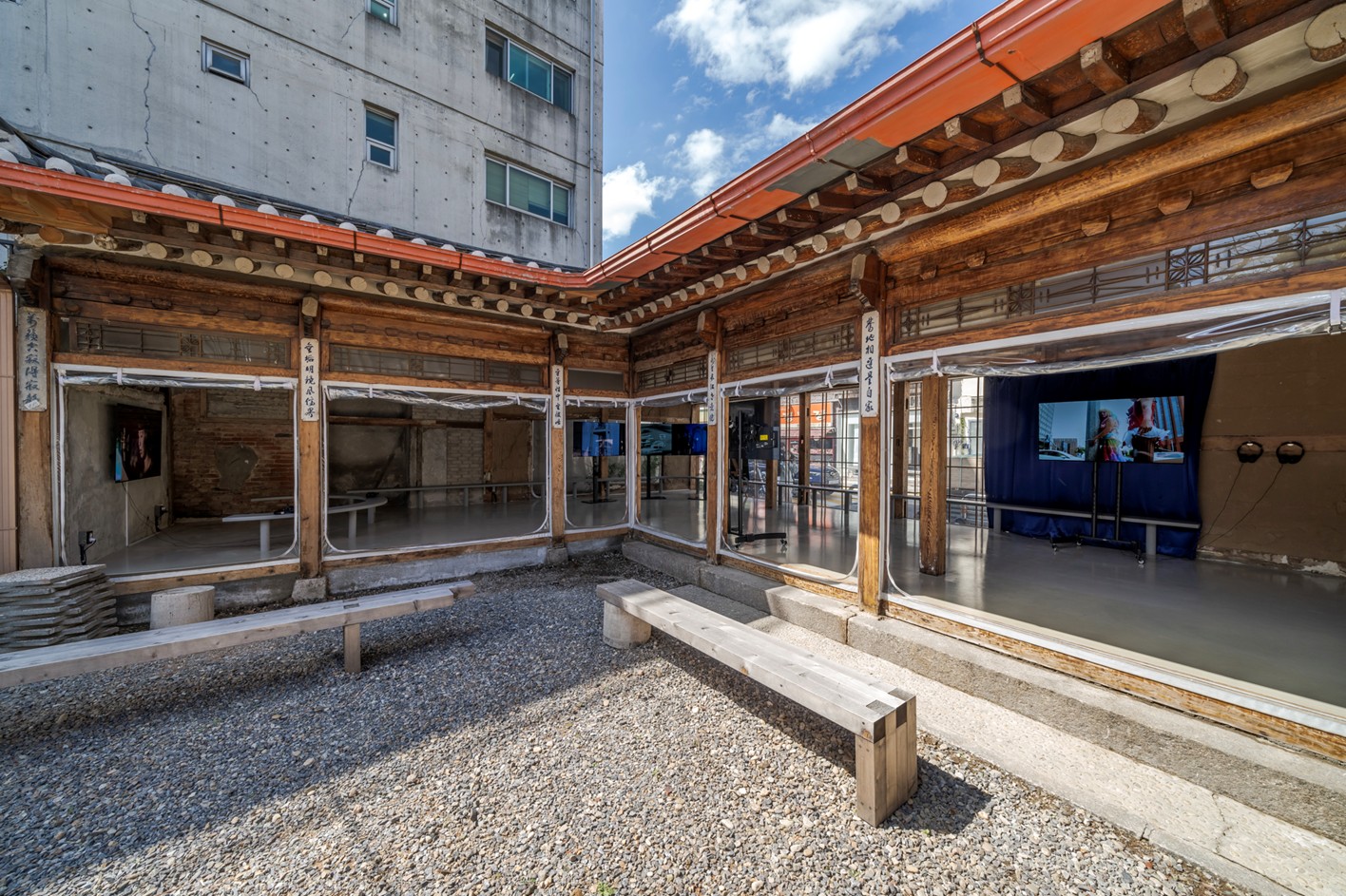
Exhibitions
《You Cannot Elaborate the Dark Thickness of Night As They Can》, 2024.05.15 – 2024.06.22, DOOSAN Gallery
May 15, 2024
DOOSAN Gallery
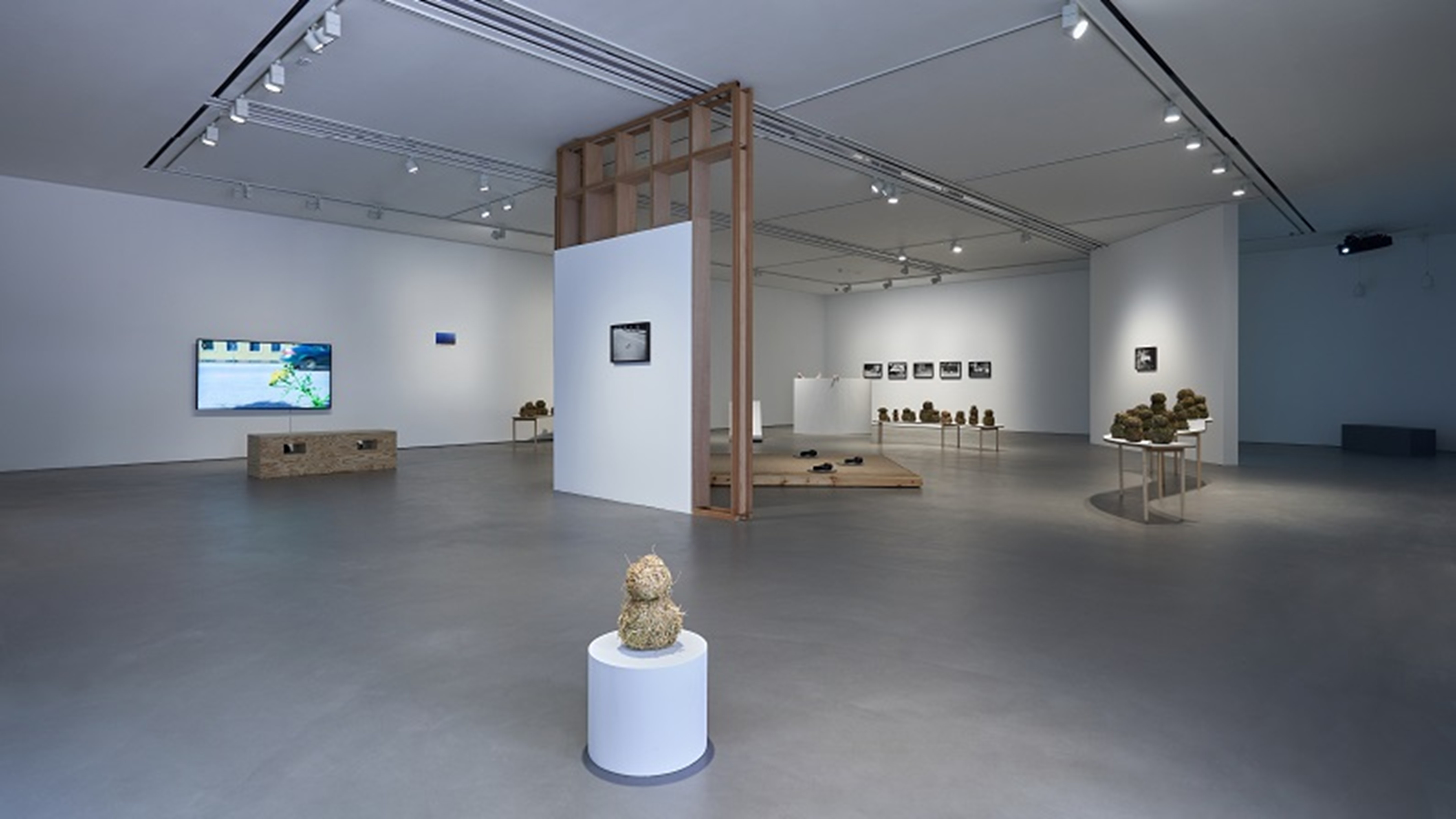 Installation
view of 《You Cannot
Elaborate the Dark Thickness of Night As They Can》 ©
DOOSAN Gallery
Installation
view of 《You Cannot
Elaborate the Dark Thickness of Night As They Can》 ©
DOOSAN Gallery
DOOSAN Art Center, DOOSAN Gallery
presents the 2024 DOOSAN Humanities Theater Special Exhibition 《You Cannot Elaborate the
Dark Thickness of Night As They Can》 from
May 15 to June 22, 2024.
《You Cannot
Elaborate the Dark Thickness of Night As They Can》 focuses on the lives of the non-human plants and animals that
share the Earth with human beings. As it shows the entangled nature of the
human/non-human relationship, it proposes consideration of the “whole” rights
of the beings who make up the planet. The exhibition title is taken from a line
in the collection Dog Songs by the American poet
Mary Oliver.*
It is a message that praises the dog’s innate ability to
distinguish various presences even in the darkness through their sight, smell,
and sounds, and it also shows the divide that arises from interspecies
differences between human and non-human beings. If human beings are faced with
the inherent limitation of being unable to escape our humanity, the
perspectives shown by the four artists as they observe the non-human presences
around us and visualize our relationships with them offer a way of transcending
that divide and living together.
The eight works in the exhibition
show non-human beings who have established multiple layers through their
presence on Earth over the ages. The most familiar and common presences shown
in the works—namely dogs and weeds—are differentiated into various forms
through the perspectives of the artists capturing them. They may appear
blithely throughout the main provinces of human life, taking on the appearance
of symbiotic partners or outlaws that threaten other species. At the same time,
they exist within the cycles of nature as all life does: appearing into the
world before eventually fading away.
What the works in this exhibition
illustrate is not merely the object that appears on the canvas, but the ways in
which each individual lives its life and the forms of relationships established
between human and non-human beings—and between each being and its
environment—as they share the same temporal and spatial milieu. As we observe
how the softness and moistness of plants and animals turns rough and dry over
time, just as ours does, the portraits of weeds and dogs in the images become
juxtaposed with ourselves as resonant forms of life. While the exhibition
starts from the divide between human and non-human beings, it attempts to
proceed from there to our commonalities as presences making up a diverse
world.
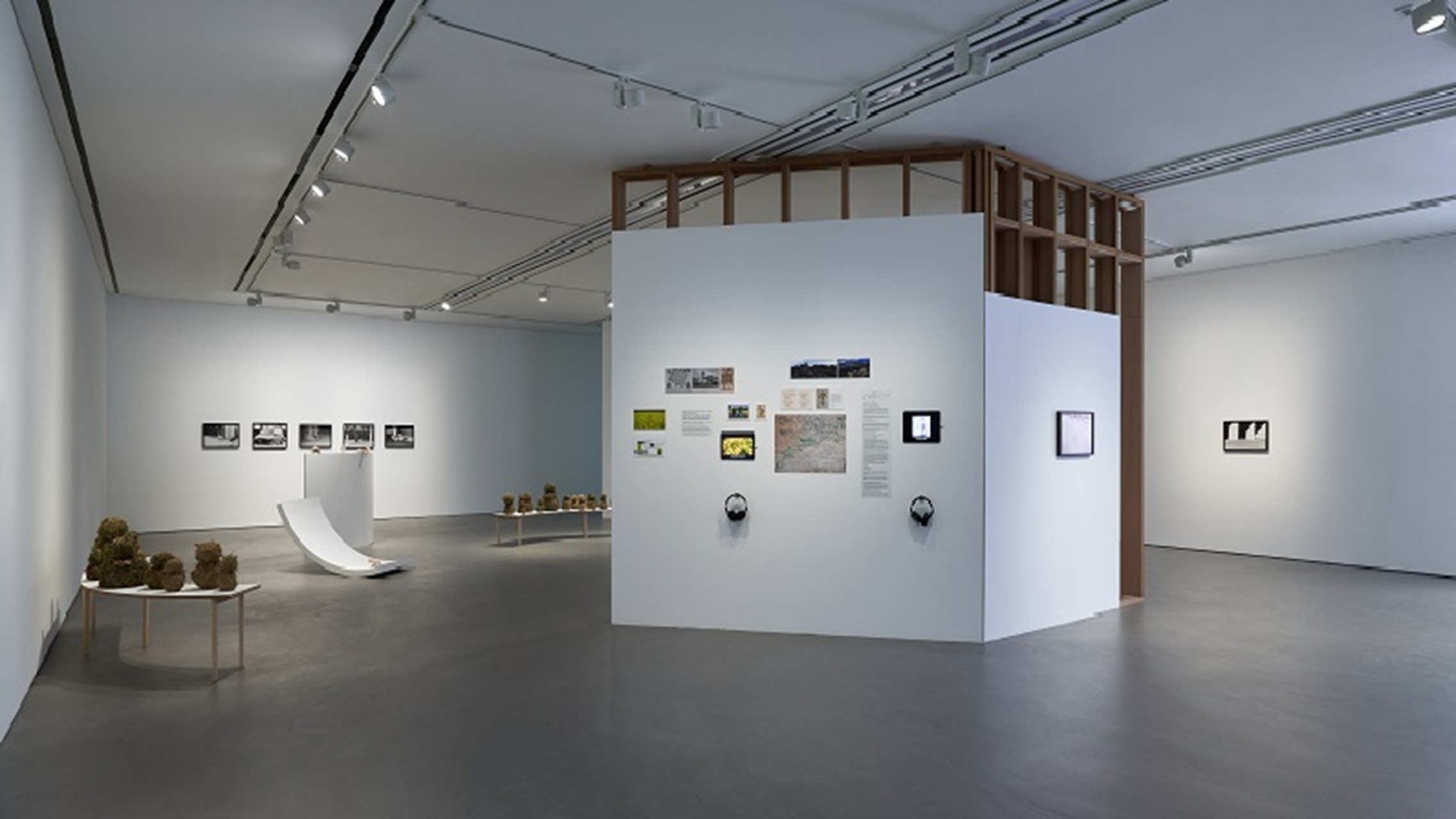 Installation
view of 《You Cannot
Elaborate the Dark Thickness of Night As They Can》 ©
DOOSAN Gallery
Installation
view of 《You Cannot
Elaborate the Dark Thickness of Night As They Can》 ©
DOOSAN Gallery
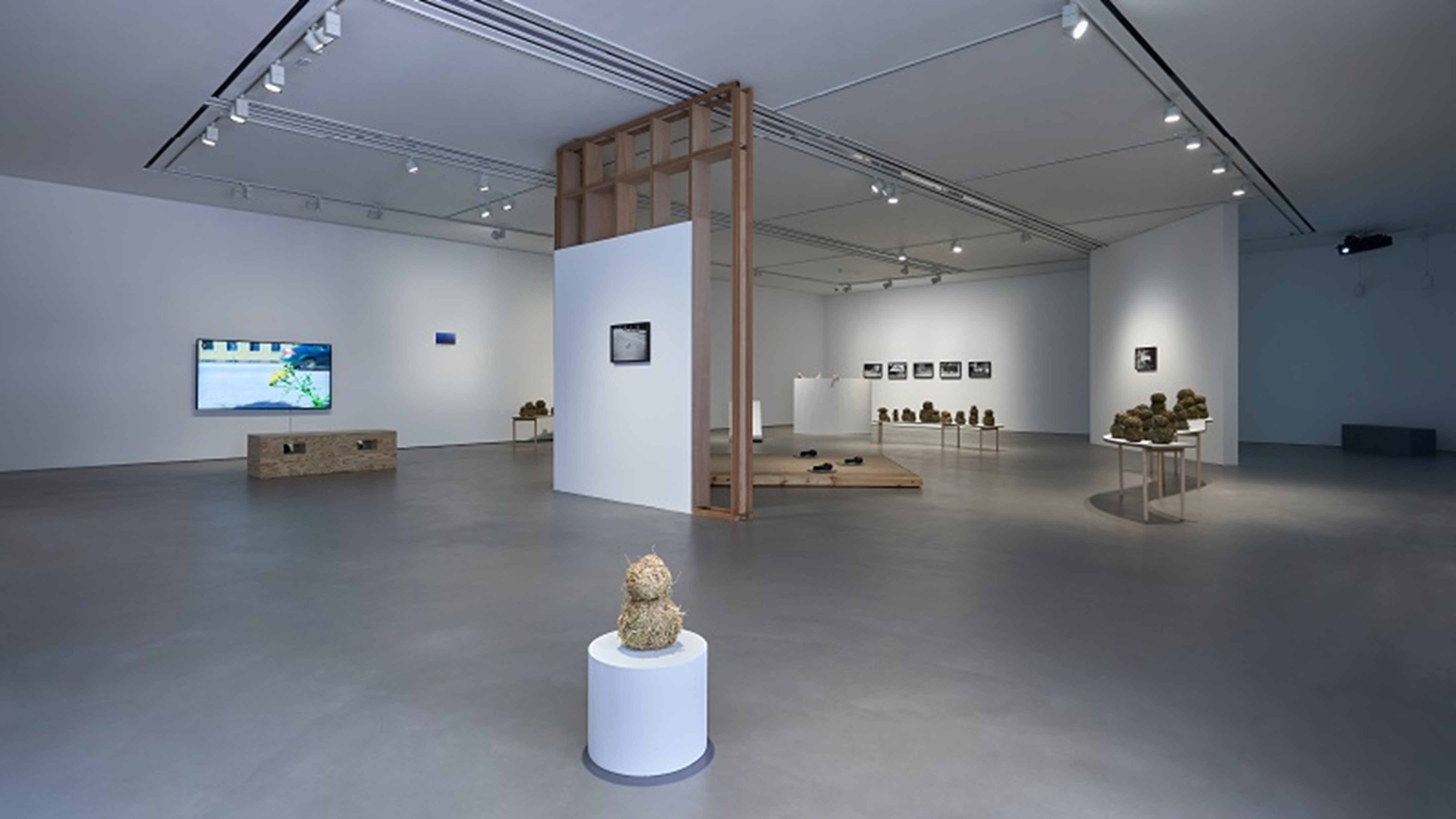
The work of artist Gosari
incorporates the relationships that human beings have formed with plants
through the process of cultivating a village community and eco-friendly garden.
She focuses on weeds as plants that are defined as “unsuitable” within human-centered
ecosystems, as people eradicate them for the sake of their harvests. Her Grass
man series (2021–24) includes pure forms of sculpture, as the
artist hand-shapes removed weeds into something akin to a snowman made from the
snow.
Through the gallery, these figures recall the presence of the plants that
are eliminated as human beings pursue their livelihoods. Earth
star, weed (2024) is an assemblage created by gathering the
different plants that grow in the Earth, which are variously categorized by us
as “crops” and “weeds.” While collecting the weeds, Gosari verified each one’s
name and use. Breaking free from binary divisions, she presents plants with
differing characteristics to show the inherent diversity of life.
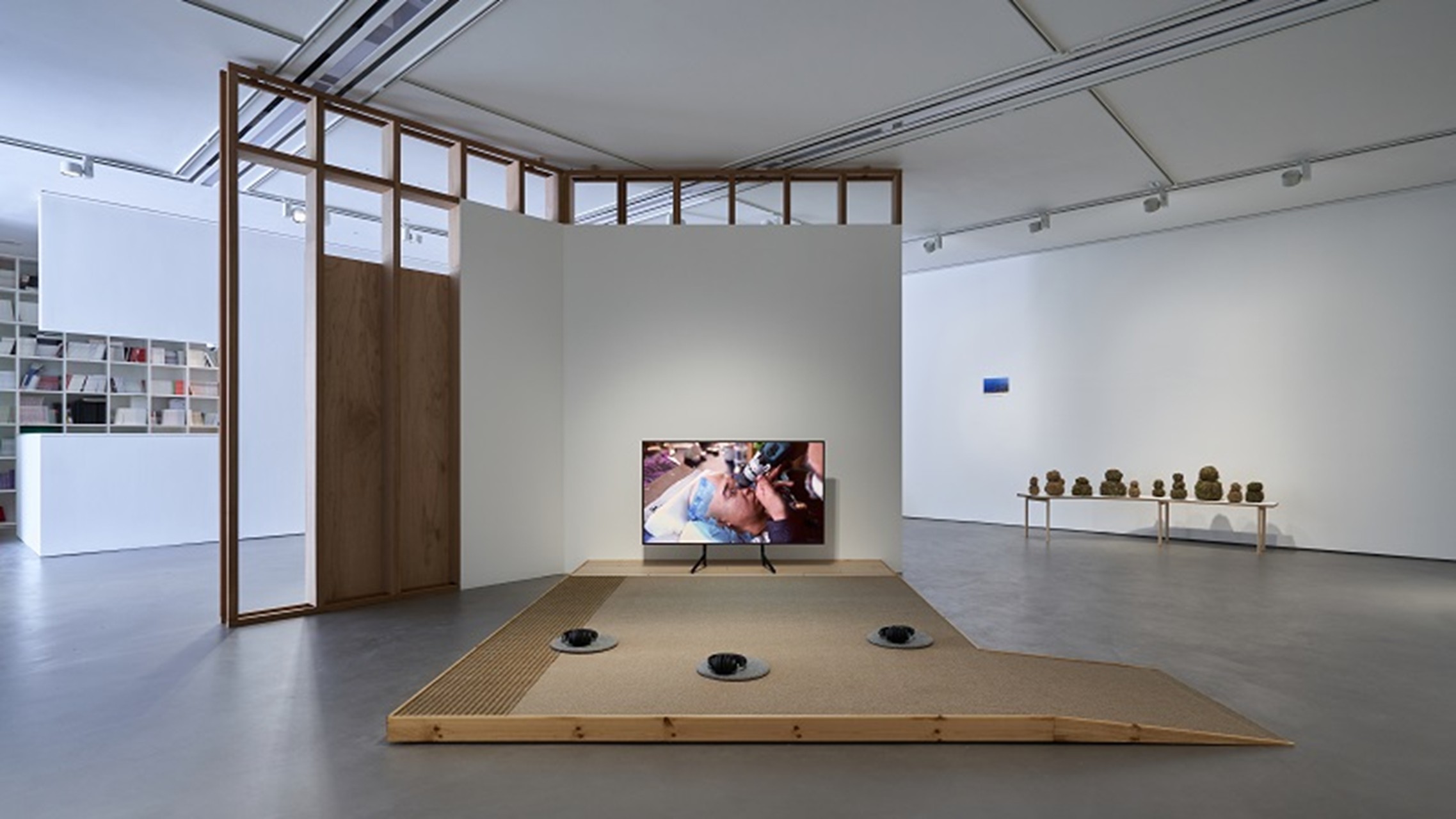
Ellie Kyungran Heo’s work I
Say (2012) shows dogs waiting in front of an impassable
boundary. The dogs share a forceful message in a non-human language. Heo’s
videos show scenes of different beings coexisting in everyday moments, leading
the viewer to ponder ways of coexistence and the influences that we have on
each other.
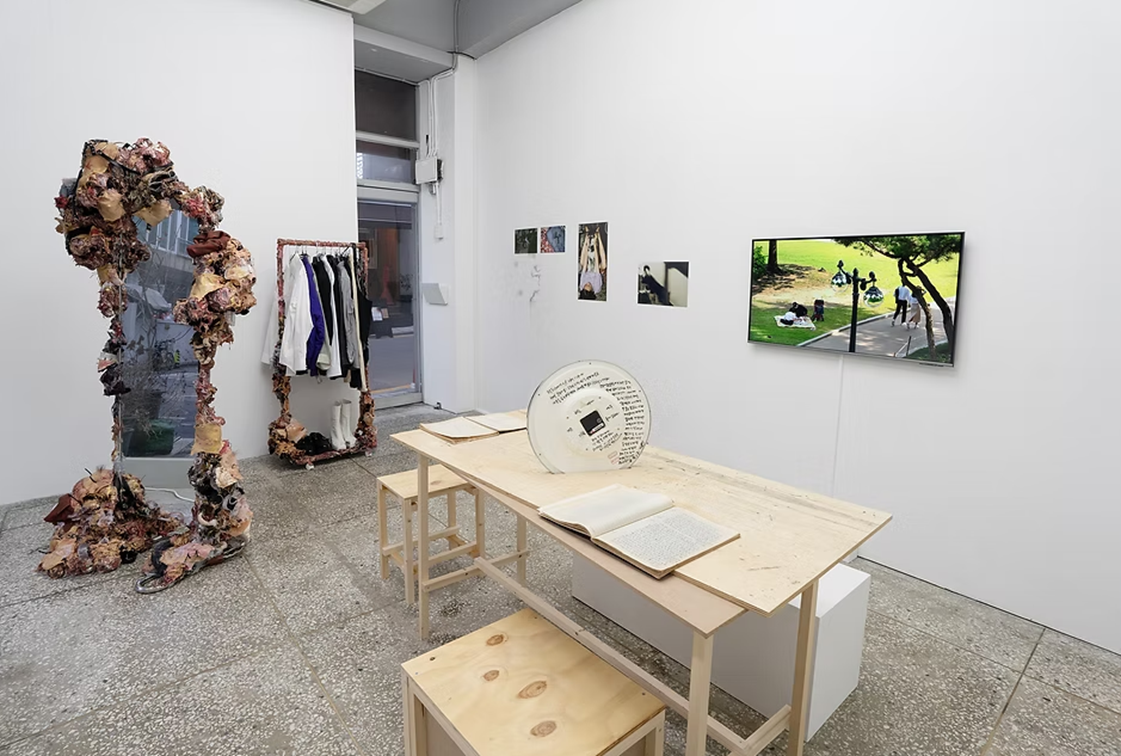
The Ragwort (2023) adopts a video and
archive format to show the artist’s observations of a ragwort, a commonly found
plant in the UK that is categorized as a weed. The video work highlights the
place occupied by plants as they share space with humans, while the archive
provides a look at the conflict surrounding ragwort and the fragmentary history
of a plant that originated in Sicily and has existed with us beyond human memory.
In the process, the work raises questions about our moral standards for
determining “correctness” and “wrongness.”
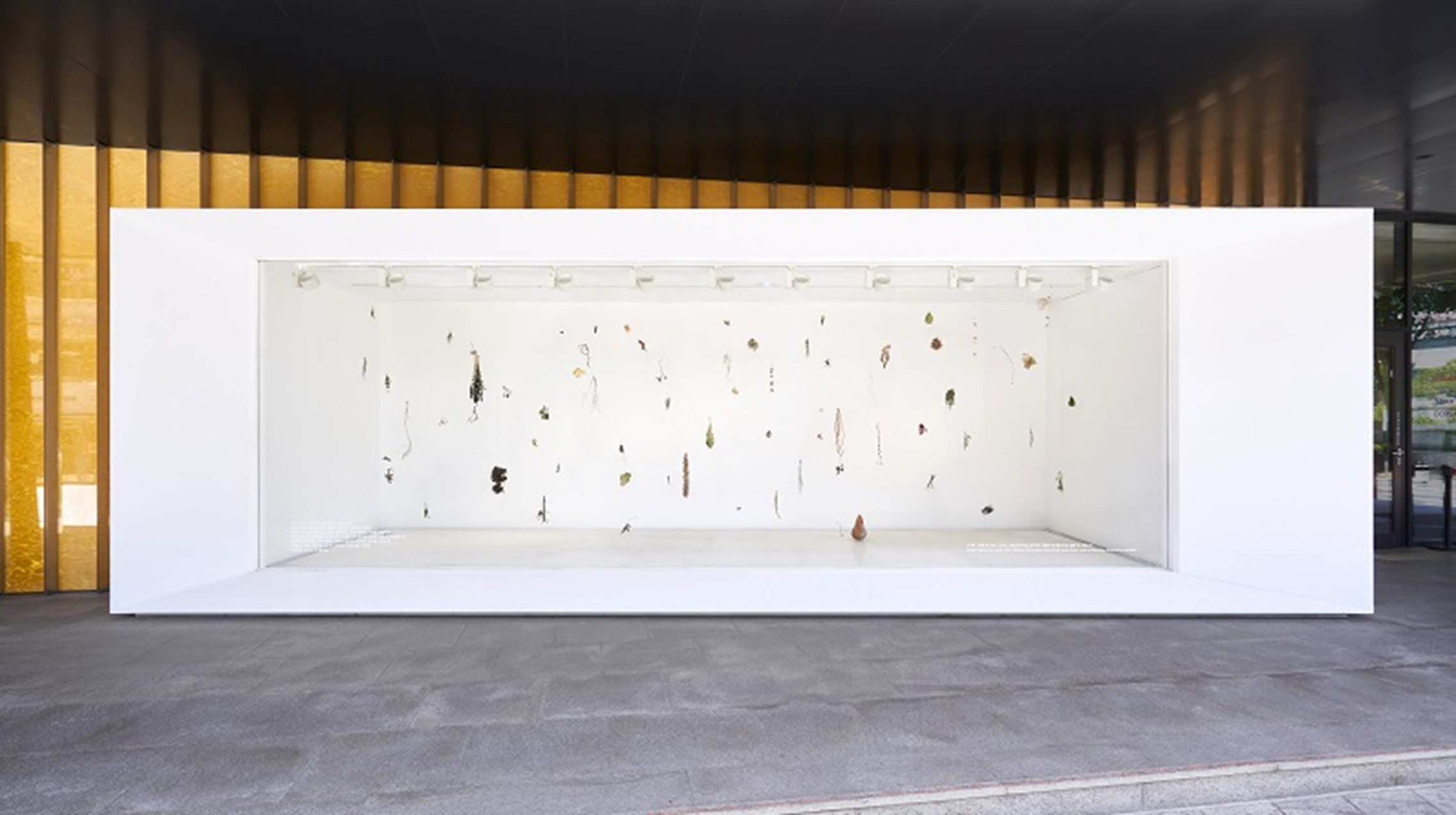 Installation
view of 《You Cannot
Elaborate the Dark Thickness of Night As They Can》 ©
DOOSAN Gallery
Installation
view of 《You Cannot
Elaborate the Dark Thickness of Night As They Can》 ©
DOOSAN Gallery
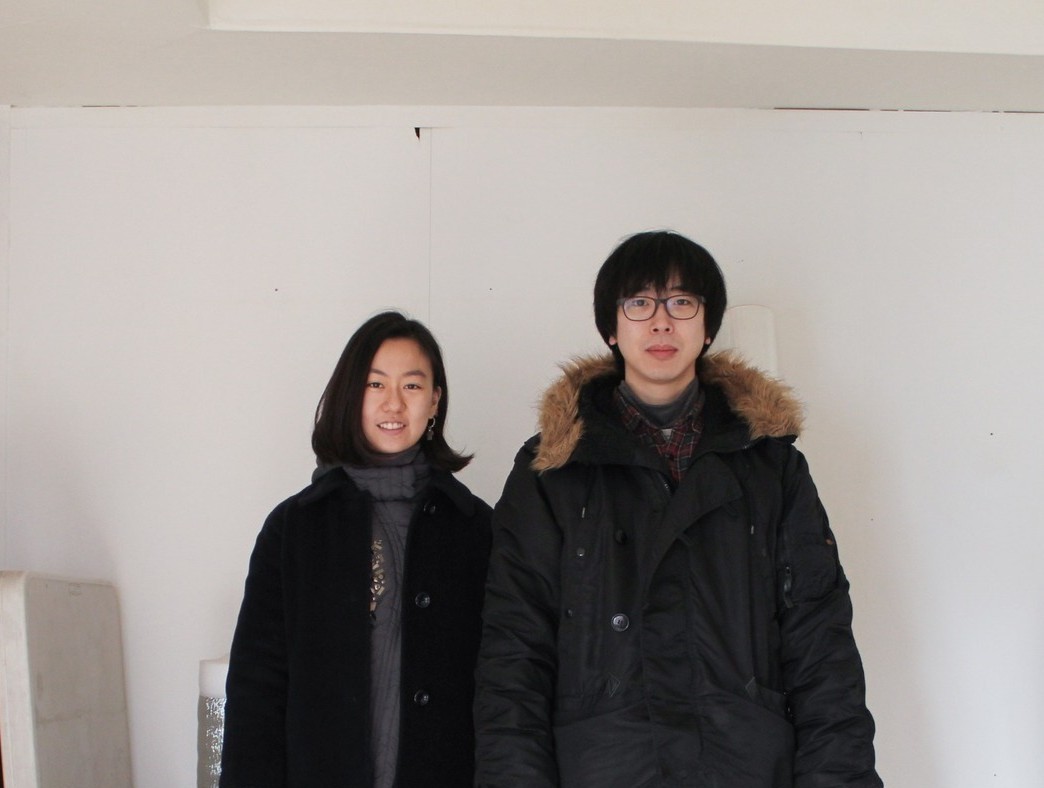
The duo Gwon Donghyun × Kwon Seajung presents works of sculpture and video showing fragments of the
everyday experiences of their dogs, as they comment on the entangled
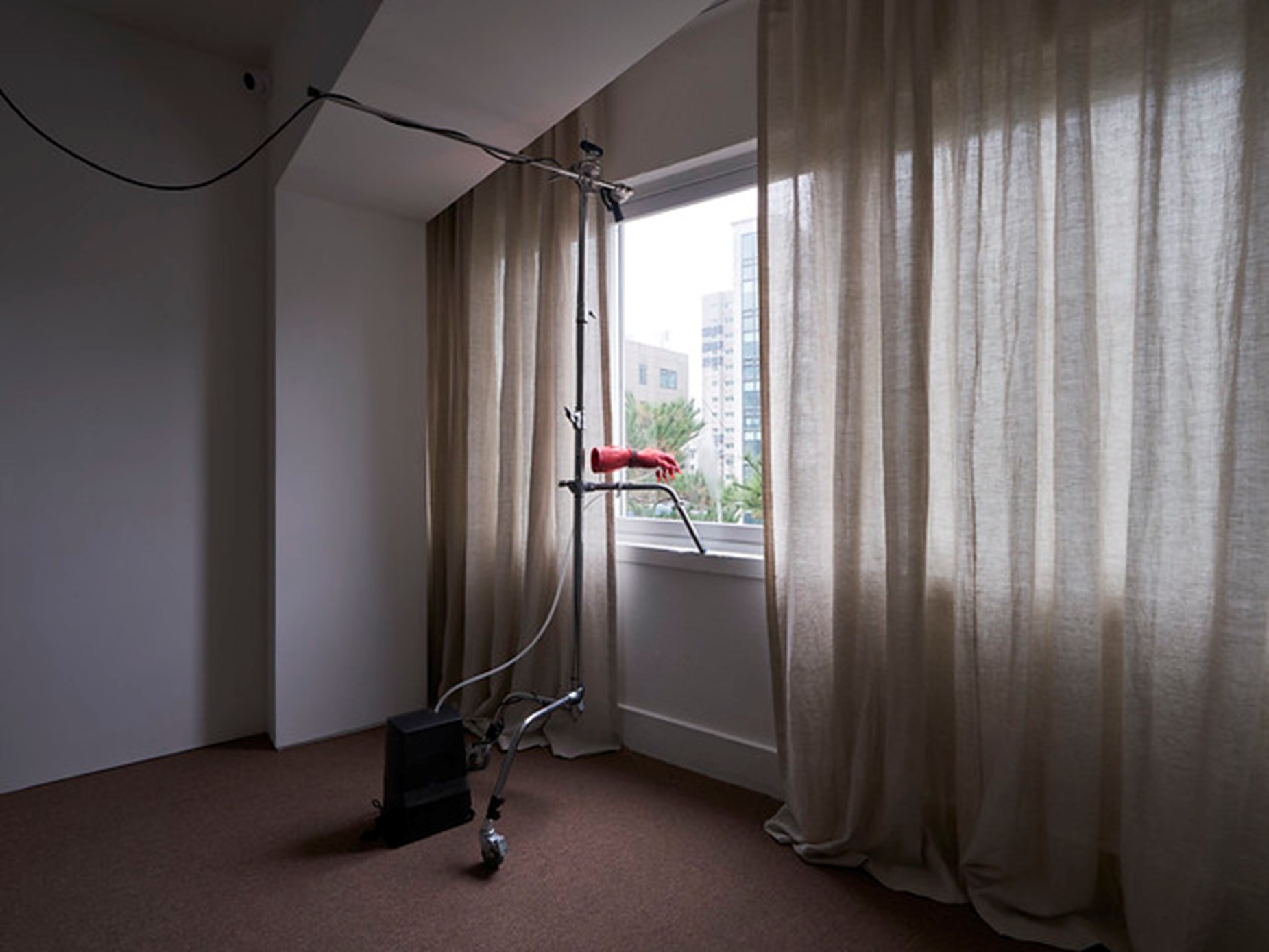
relationships that human and non-human beings form. In Drive me,
Kiss me, Eat me, Dodo(2021–24), the artists link to a pet care robot
named “Seddy” that they have purchased to look after their old dog Dodo; the
device in question has the face of a family member familiar to the dog. The
transformation into Seddy—which has a lower-lying perspective and cruder
movements than Dodo—evokes feelings that are both familiar and strange,
creating a fissure in the caring possible and the familiar relationship between
pet and human being.
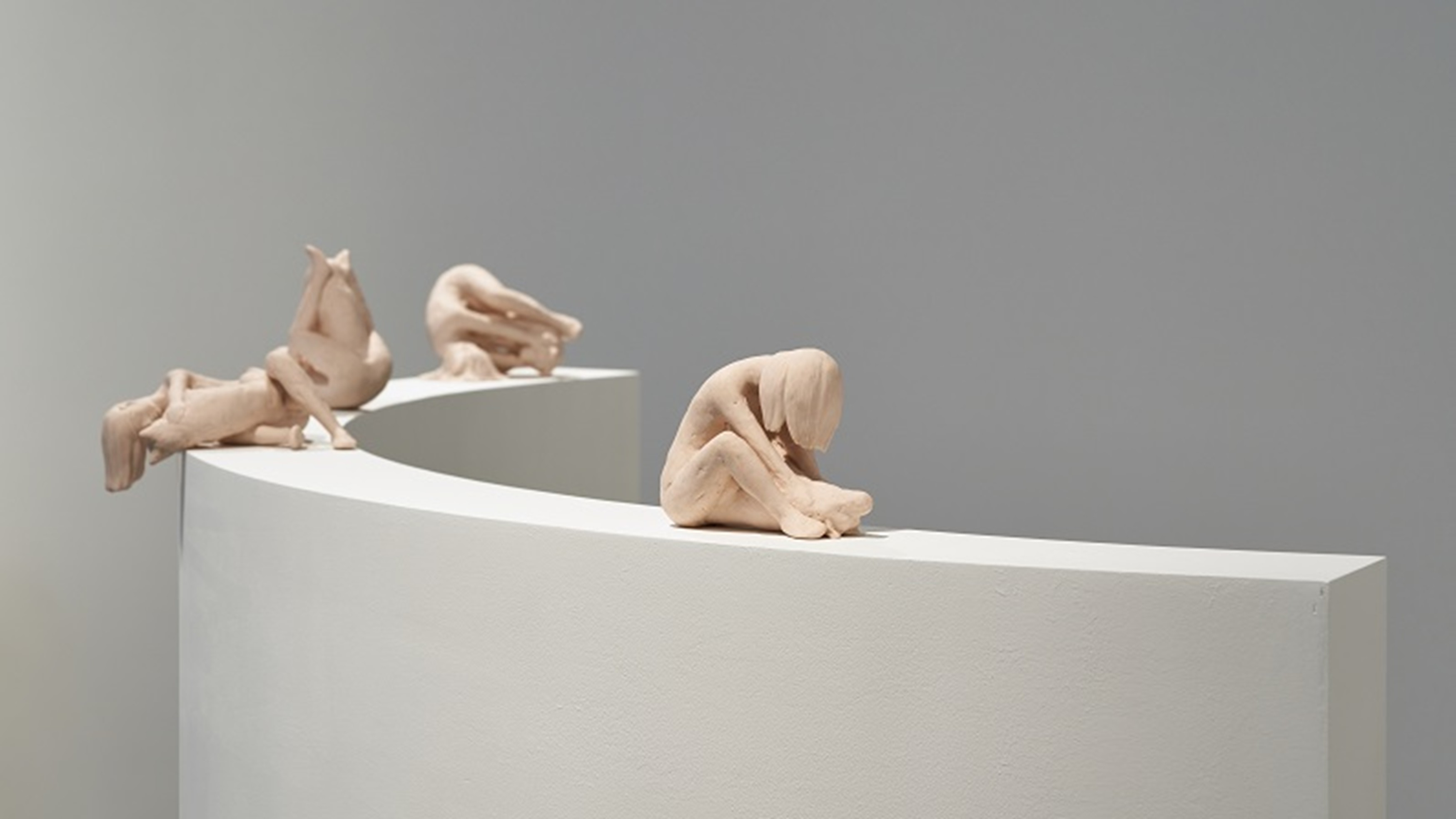
Within the home, floors and beds are spaces where animals
and people can spend time together; Woman with dog, dog with
woman(2023–24), shows these moments of everyday entanglement between
dog and human being. The sculptures are modeled on forms in photographs taken
while caring for a sick dog at home. While conveying a feeling of familiarity,
they also allude to a fluid relationship involving similar yet different
movements, leaving an impression that is likely to linger.
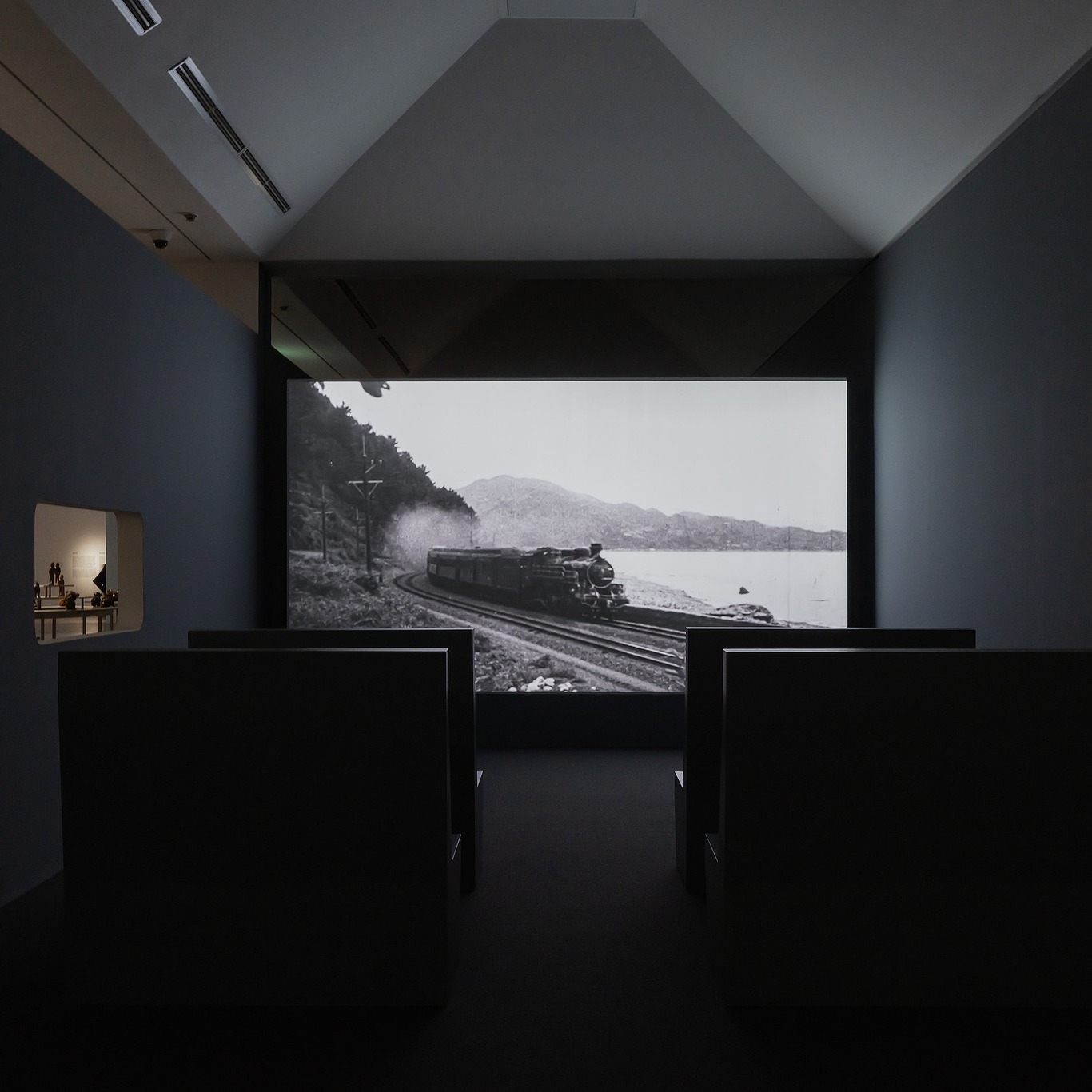
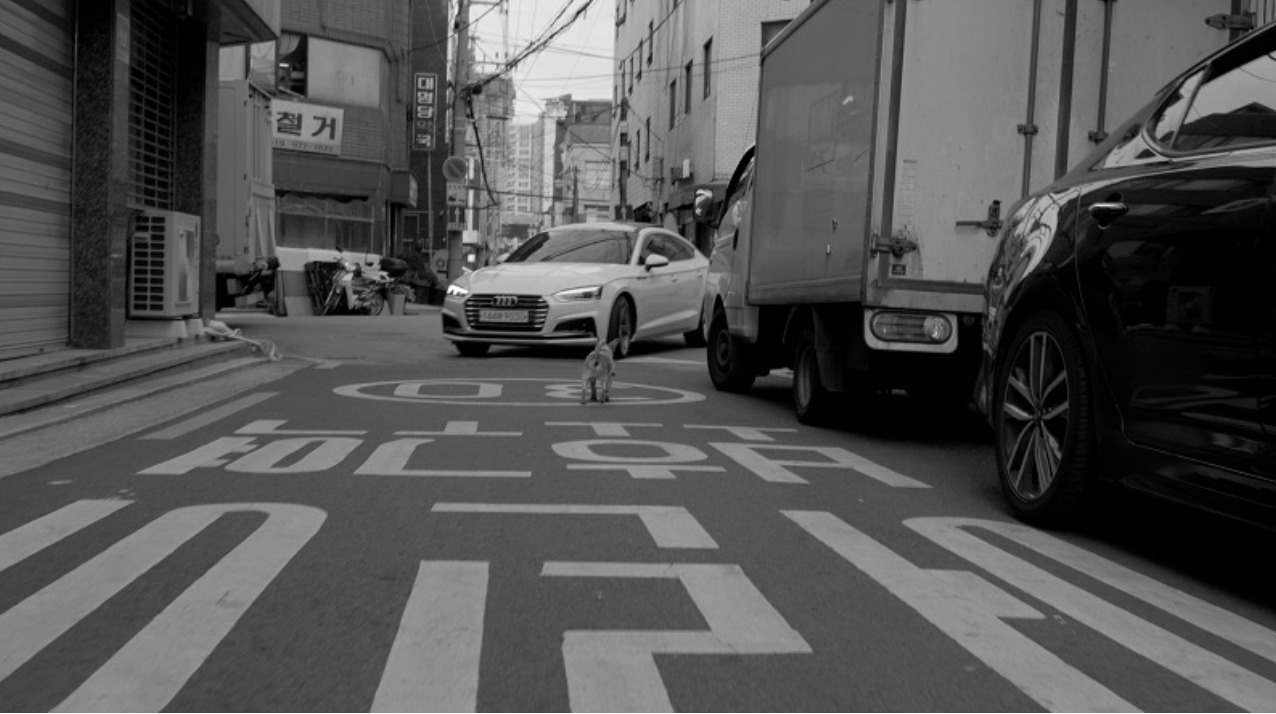
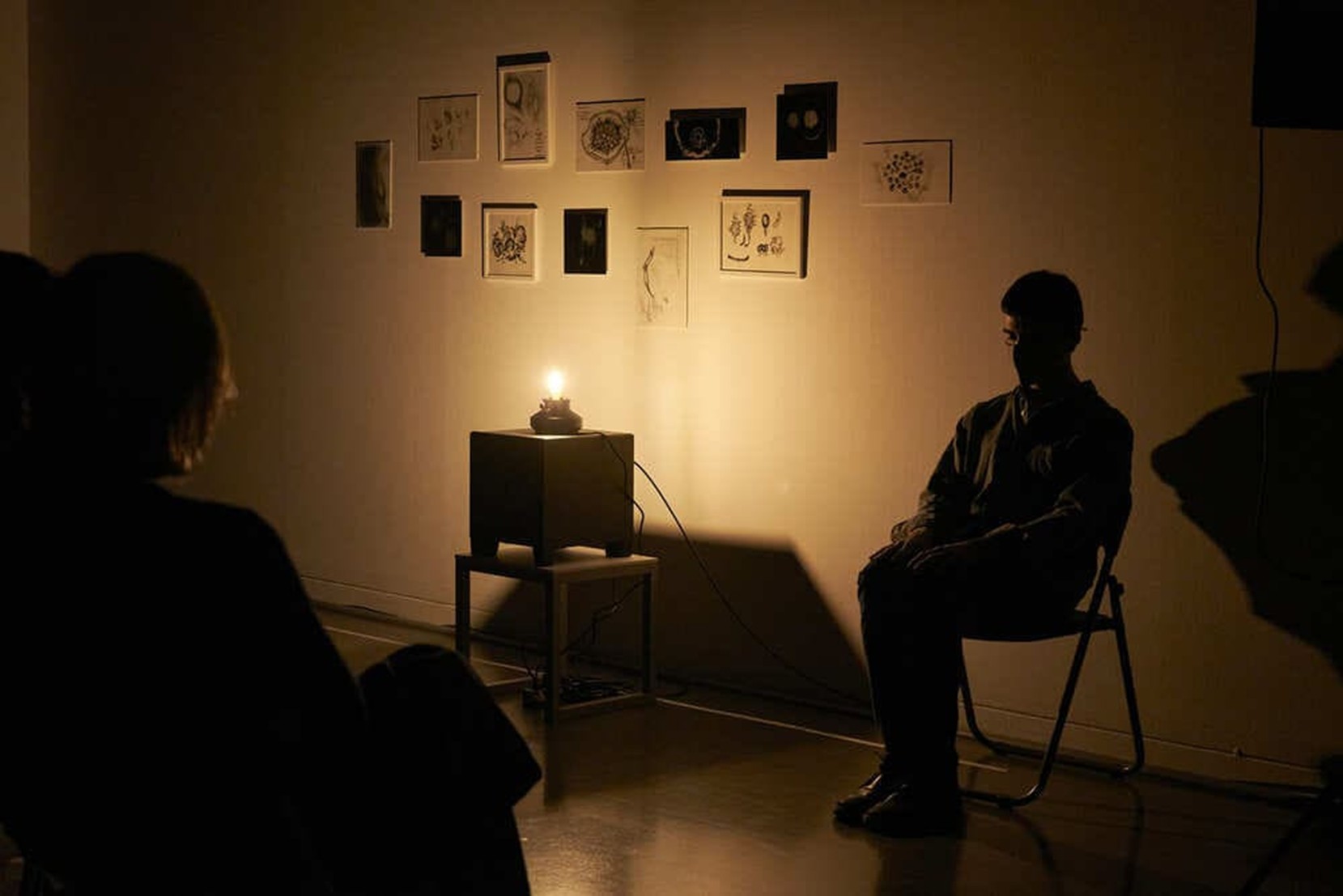
Jaywalker(1998)
by Park Hwa Young is a semi-ary video showing a stray dog. Sensing a kind of
bond with a stray dog that she happened to encounter in her neighborhood, Park
dubbed it “Jaywalker” after her impression of their first meeting, when she
encountered the dog walking across a street. She captured her repeated
encounters with the dog on film and recorded them in drawings. She then used a
camcorder to capture photographs from over a year of activity, adding narration
and sounds to transform them into a video work.
The sounds that appear are like
a secret code—the signals of two beings connecting in a situation where the
language acquired in the human realm is no longer useful. Jaywalker
views the dog not as an object of pity and compassion but as an independent
being living in the city. It expresses the hope of going beyond the
relationship of “dog” and “self” to achieve communication between two
disconnected beings who employ different languages.