
From a Distance, a Painting; Up Close, Humorous Letters
 
“How was your trip to Europe?”
 
“I saw a lot.”
 
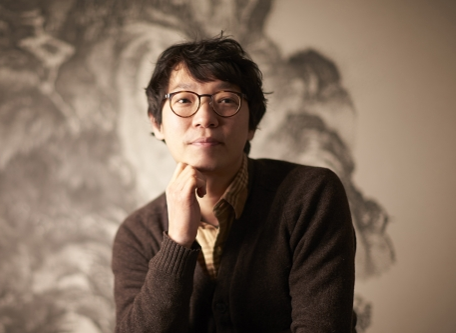
In mid-August, shortly after concluding his first solo exhibition in Korea in four years at Gallery Plant in Sogyeok-dong, Seoul, painter Yoo Seungho departed for Germany the very next day. After visiting contemporary art museums in cities such as Düsseldorf and Berlin and filling himself with ideas and inspiration for new works, he returned to Korea.
 
Having been selected as an artist-in-residence at the Jangheung Atelier Residency, relocating his studio, and launching a newly redesigned website, this young mid-career artist seemed fully energized with a spirit of renewal and transformation.


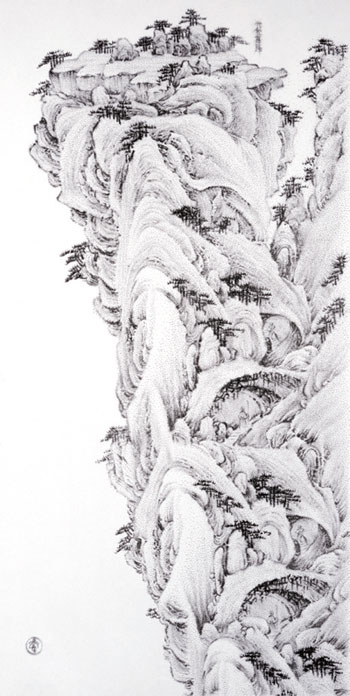
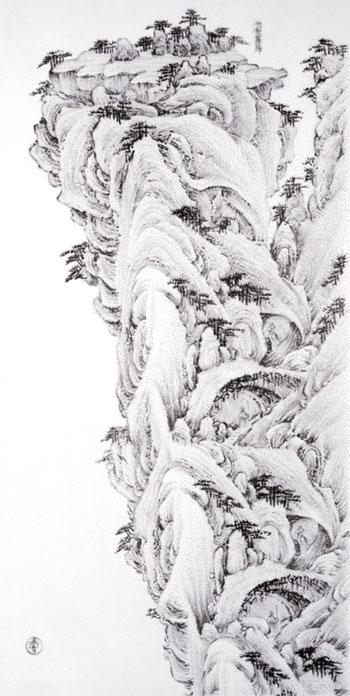
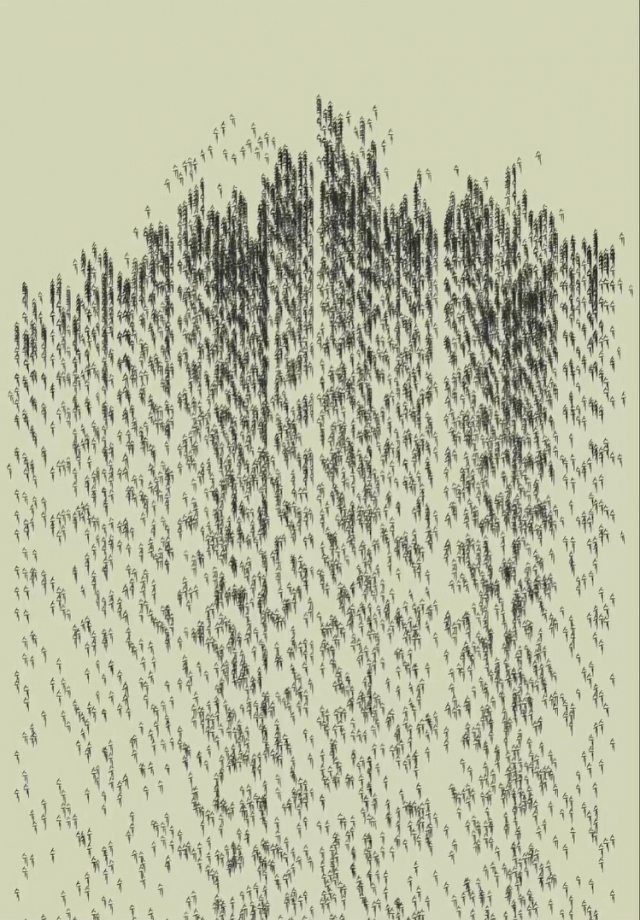
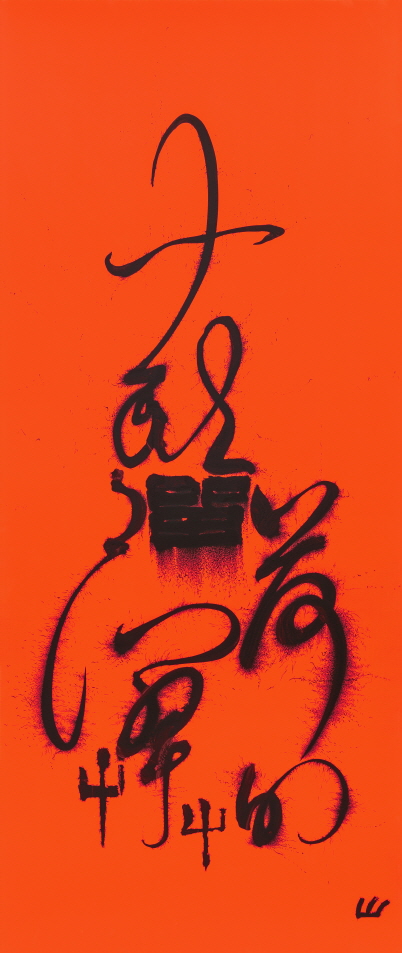
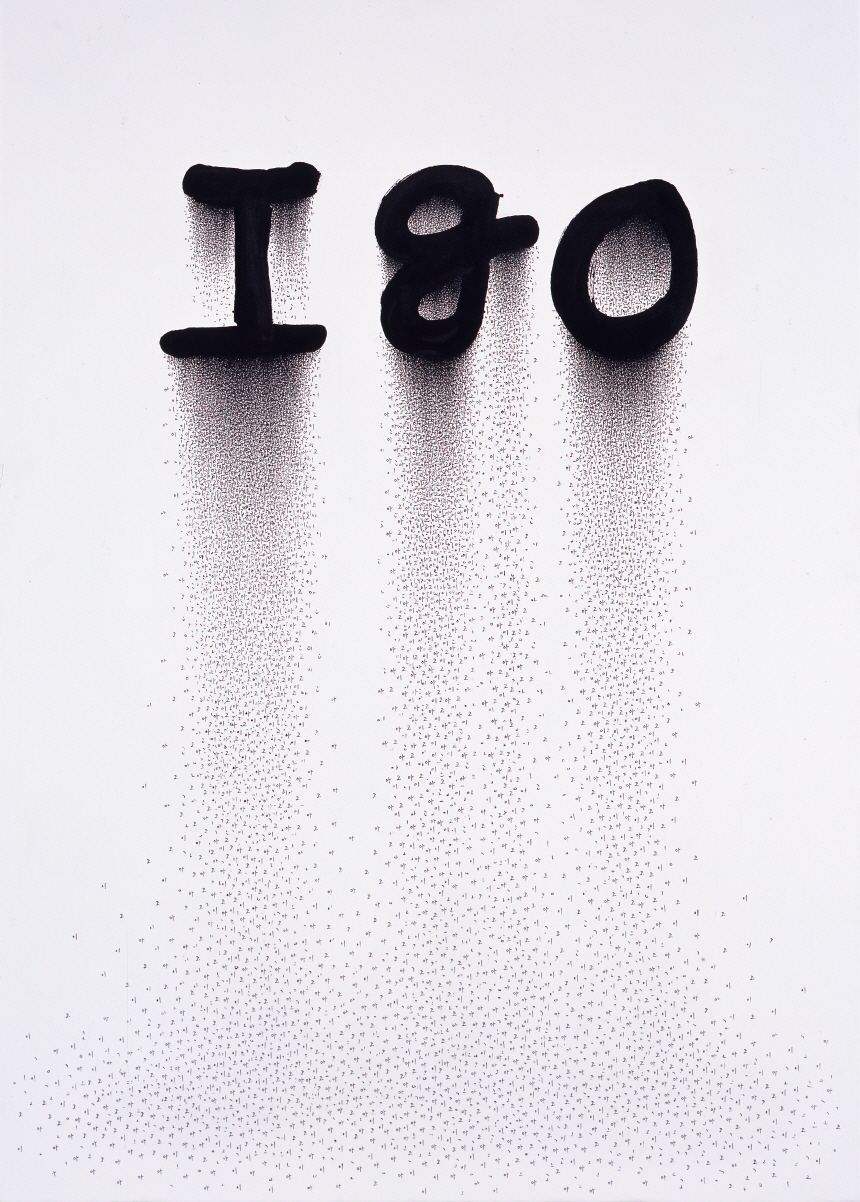
Yoo Seungho, I am different from you, 2006-2007, Ink on paper, 200 x 100.5 cm © Yoo Seungho

It was his “text-based landscapes” that first brought the name Yoo Seungho to the attention of the Korean art world, a practice he began in 1997 while still a junior in college. Reflecting on that time, the artist recalls, “I think I found the direction of my work quite early. I was very excited when I started this. I wondered, ‘Could paintings made with letters really become art?’

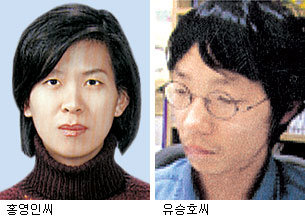
The response around me was positive, and I worked with confidence.” He made his debut through the 1998 Gongsan Art Festival, and the following year, upon graduation, held his first solo exhibition. In 2002, he was invited to the Gwangju Biennale, and in 2003, he was co-awarded the Seoknam Art Prize with Young In Hong, steadily building his career as an artist.

The Mori Art Museum in Roppongi, Tokyo—one of Japan’s leading contemporary art institutions—began collecting Asian contemporary art under the name “Mori Art Collection” in 2005, and in the summer of 2008 held an exhibition featuring works from this collection. Yoo Seungho was the only Korean artist included in that exhibition. He later went on to hold solo exhibitions at galleries abroad.

With such a solid career, many assume that Yoo Seungho is an older artist. However, born in 1973, he still has three more years before turning forty, making him a relatively young artist. While he possesses a mature artistic practice, he remains young enough to embrace new challenges without fear.
 
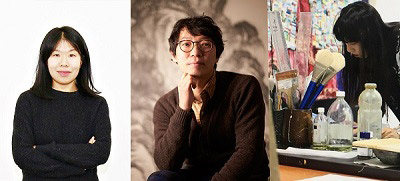
On the door of his studio hangs a nameplate reading “Painter Yoo.” Written in a crooked, uneven hand, the sign parodies the authoritative nameplates of CEOs. A “master painter” in the 21st century! It calls to mind the beret-wearing caricature of an old-fashioned artist. When asked whether there was any special reason for putting it up, he replied that he did it “just for fun.”
 
“Childishness, humor, the childishness of a fool, the sincerity of a true fool—not a disguised fool. If only I could be that. Let’s loosen the screws in the head, let it fly freely. But behind humor, there is always something—something slightly absurd,” he writes in his artist’s note. In previous interviews as well, he has willingly described himself as a “fool.” The reason he plays the fool and refers to himself not as a sophisticated “artist,” as is fashionable today, but as the comical “Painter Yoo,” is simple: he wants “to loosen the screws in his head and let things fly freely.” In fact, without such free-spirited thinking, Yoo Seungho’s paintings would not exist.
 
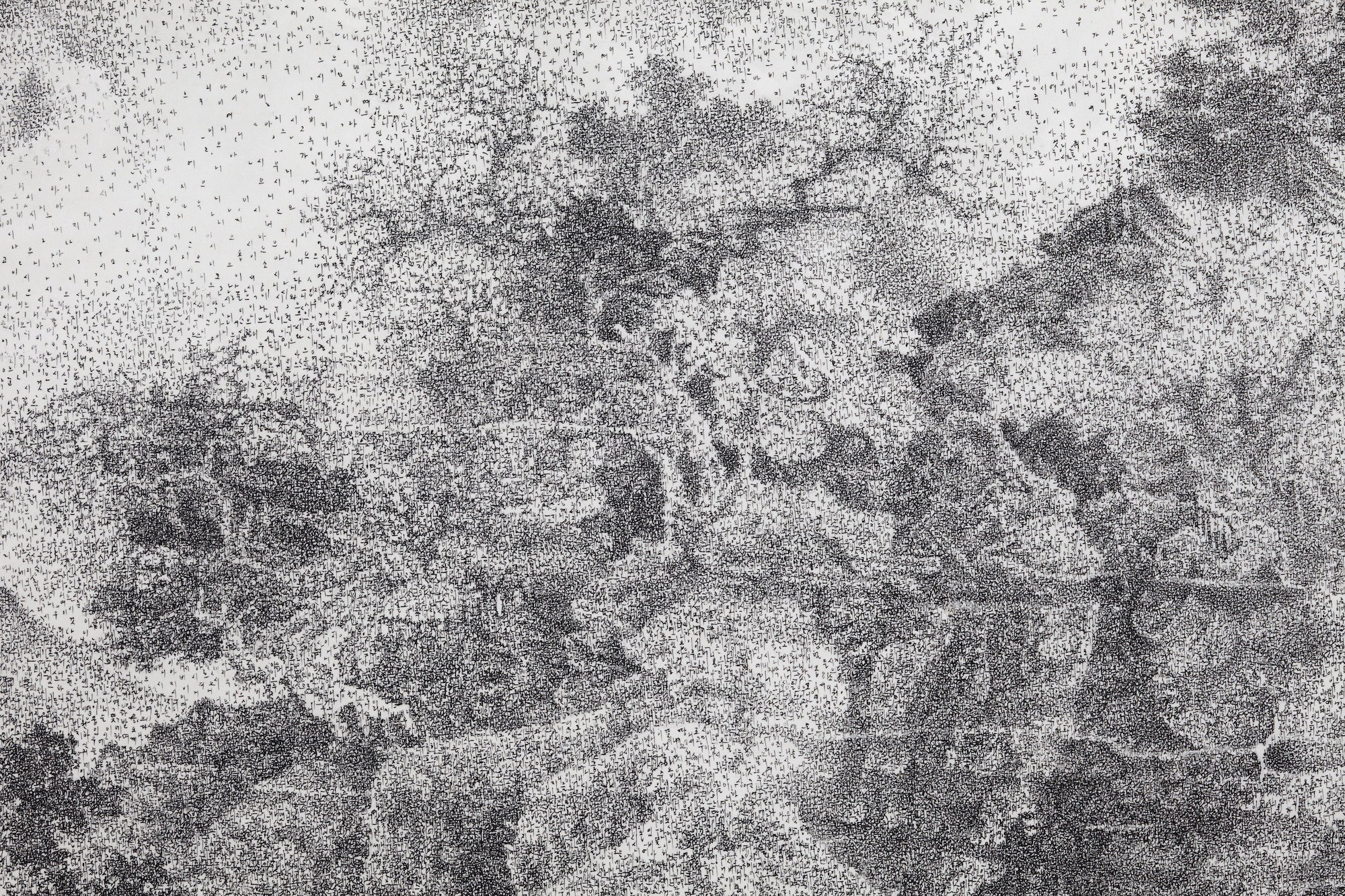
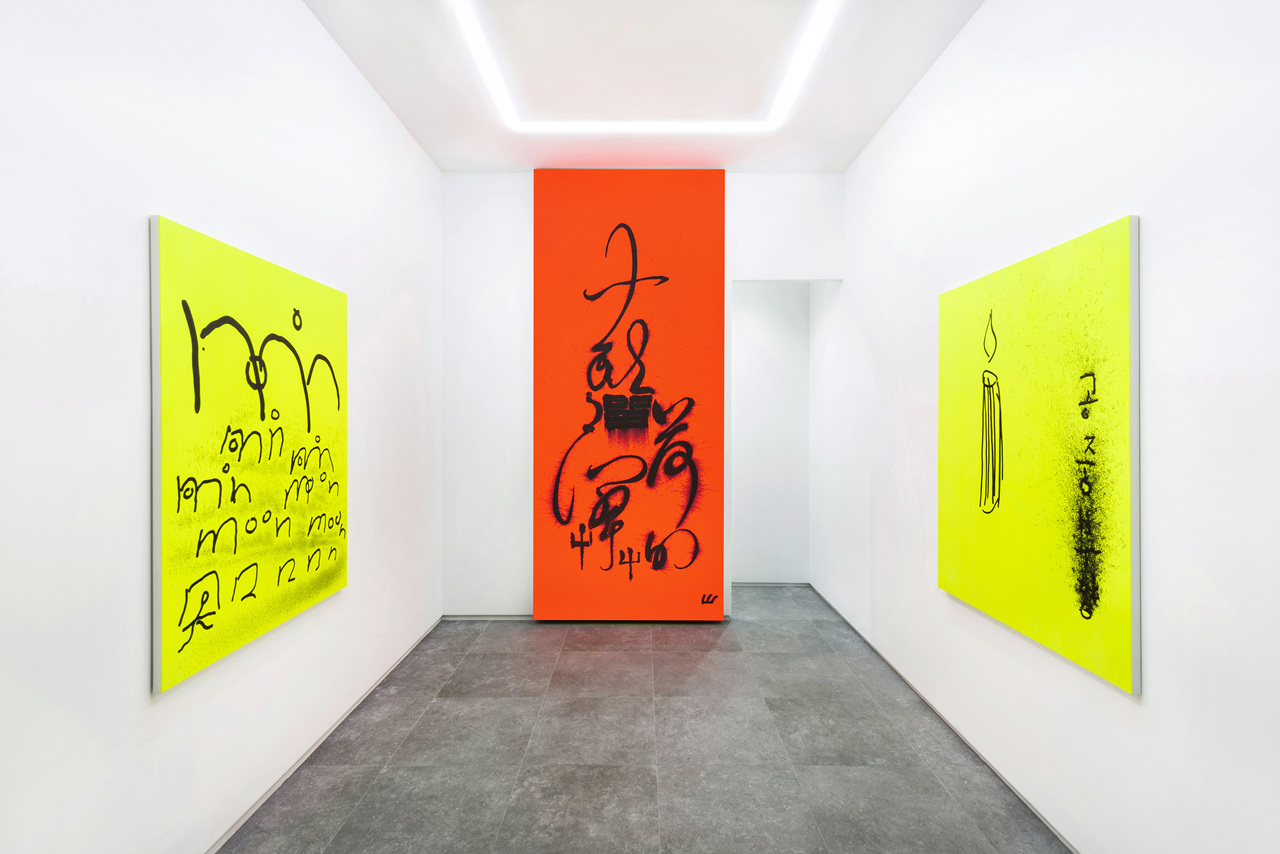
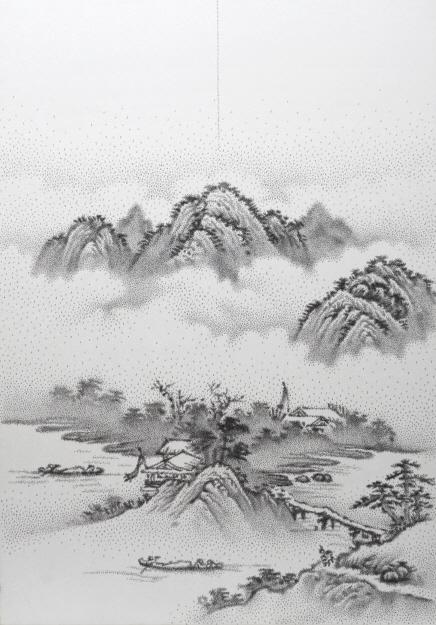
Although he majored in Western painting, he constructs images that are distinctly East Asian; even while creating such imagery, he does not rely on traditional brushwork, instead replacing the units of depiction with letters or dots. The way the phonetic value of these letters (their auditory aspect) freely collides with the image (its visual aspect) is only possible through this kind of “loosely screwed” imaginative freedom.

The images he primarily uses are borrowed from master artists such as Fan Kuan, Guo Xi, Kim Hongdo, and Willem de Kooning, yet the elements that compose these images and their titles consist of colloquial—and at times not entirely refined(?)—kitsch expressions such as “woosusus,” “ya-ho,” “eu-ssi,” “oh dear, how frightening,” “put strength here, relax there,” “mungshil mungshil,” and “shhh~.” Yoo Seungho’s work is a kind of double image.

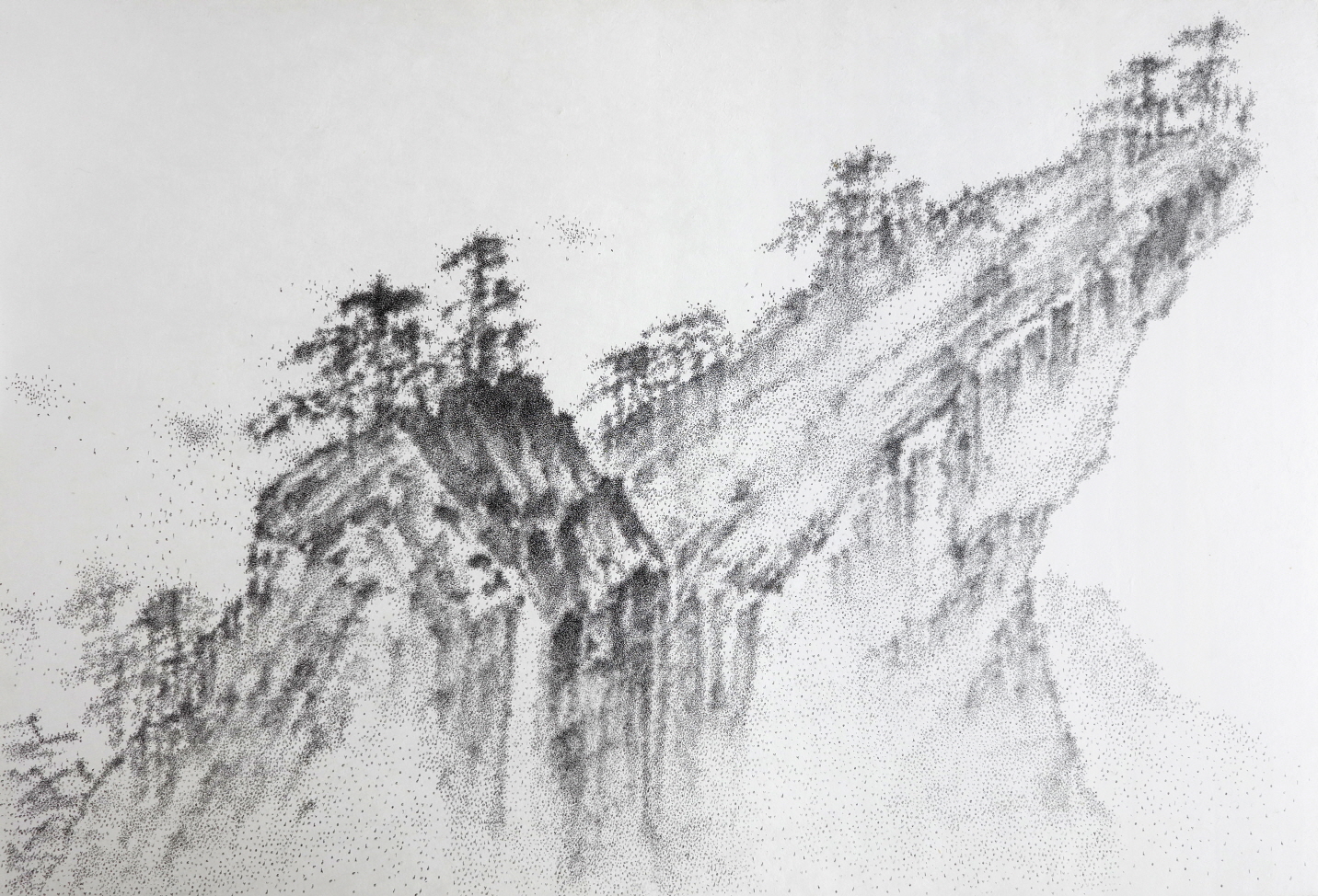
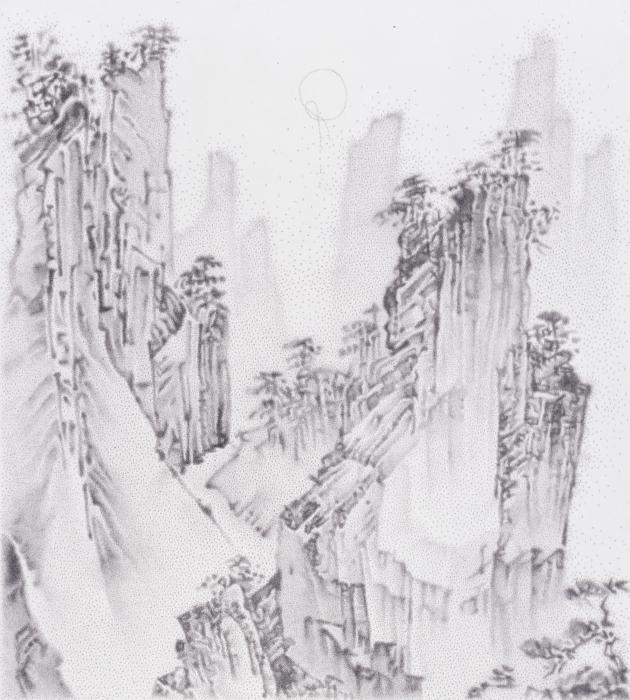
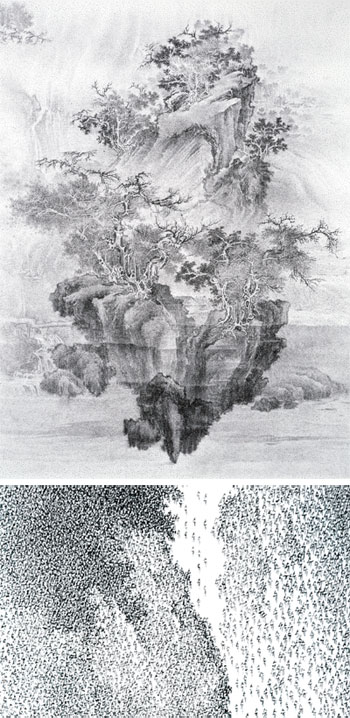
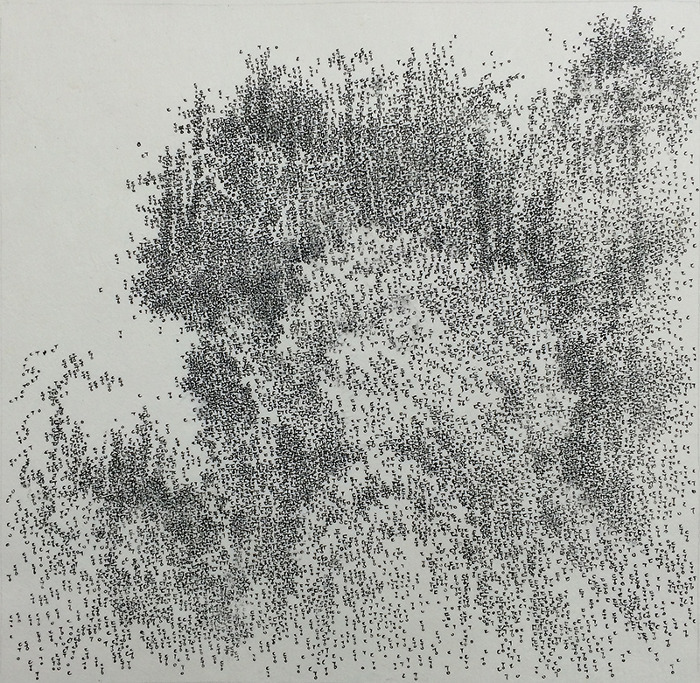
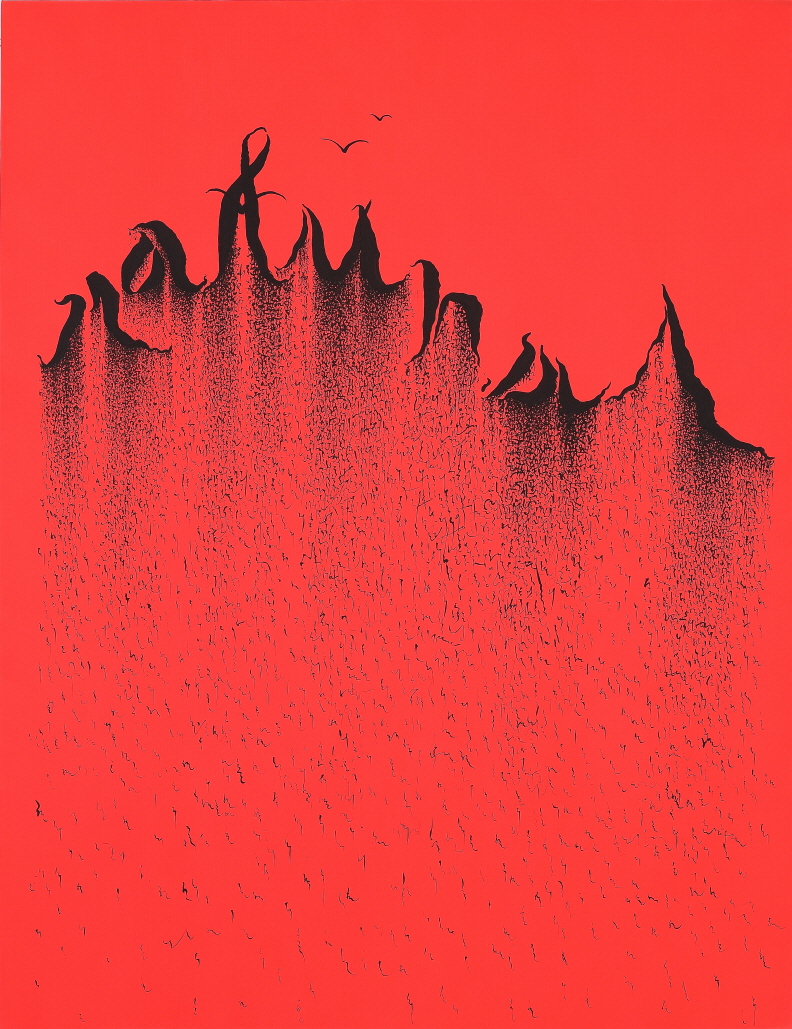
From a distance, one sees a landscape or another large image, but upon closer inspection, these images are composed of countless handwritten onomatopoeic and mimetic words, written one by one with a ballpoint or technical pen. When one considers the process by which these tiny, densely layered letters form contours and ultimately create an image, the immense labor poured into the work feels almost monumental.


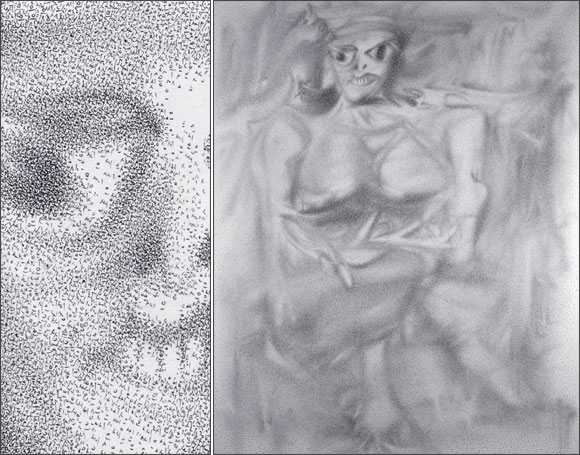
Yoo Seungho, echowords, 2002-2003, Ink on paper, 160 x 122 cm © Yoo Seungho

Willem de Kooning’s “Woman” Re-drawn with the Word “Eugh-ssi”
 
A work currently in progress, when viewed from a distance, is based on a painting by Danwon Kim Hongdo of the Joseon dynasty. Overlaid onto this image are the lyrics of the song “Who Said Love, Love?” made popular in the 1980s by the singer Namgung Ok-bun. As two different eras overlap, and as traditional ink painting and folk song are unexpectedly combined, Kim Hongdo’s landscape transforms into a scene rippling with the excitement of love. Yoo Seungho possesses a remarkable talent for matching images with text. Willem de Kooning’s famous painting Woman is composed of the phrase “eugh-ssi.”

When men look at de Kooning’s work—renowned as one of the most aggressive and unsettling female images of the 20th century—they might well exclaim “eugh-ssi,” and the woman in the painting, in turn, seems as though she would respond the same way to those men. Language and image meet in a subtle and ingenious manner, while the colloquial and everyday qualities of language dismantle the authority of the image, creating something that is both to be seen and to be read. The work is filled with the playful presence of what the artist calls “that slightly absurd something.”


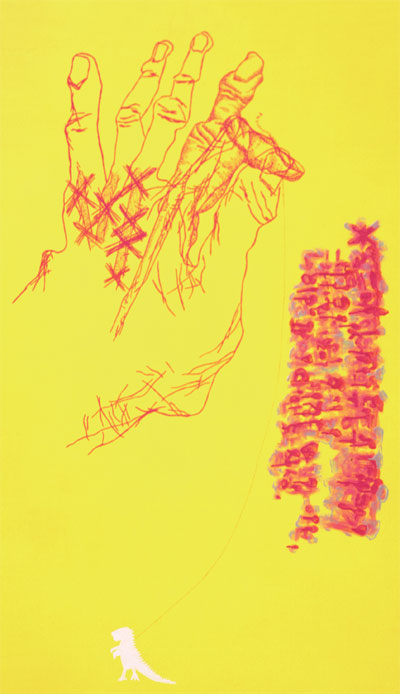
Yoo Seungho, My neck please, 1997, Acrylic on canvas, 160 x 80 cm © Yoo Seungho

Recent works presented in exhibitions consist of images created by placing dots one by one, a series he has titled “ttang-ttang-ttang paintings.” Rather than opting for refined terms such as “points” or “dots,” he deliberately chose a humorous, playful expression. One of the works in this series, Shy Apple, is an ambiguous image that can appear as a human face while also evoking male and female genitalia. The free transformation of images and the fluidity of association lie at the core of his practice. This underlying mechanism can be glimpsed in his drawing works.

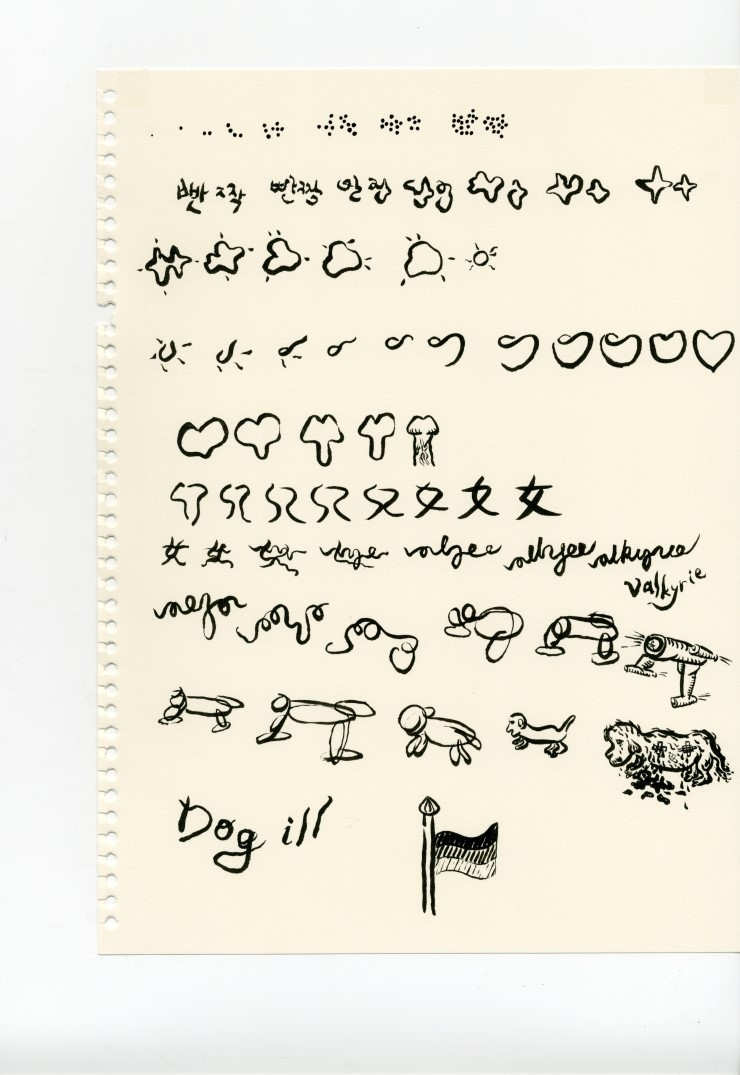
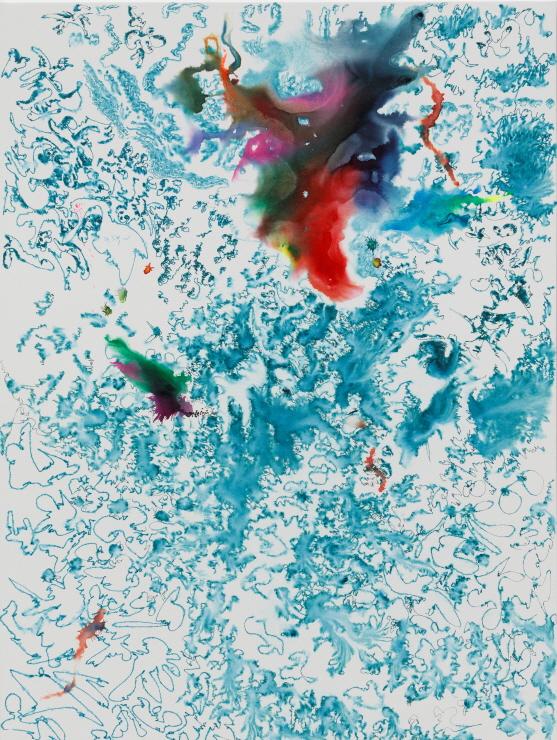
The English words “Jeff Wall” (the American photographer) gradually transform, worm-like, into a robotic arm, then into Chinese characters, then into the form of the Taegeuk symbol, which in turn becomes the figure of a sick dog, eventually turning into the English phrase “dog ill.” Retaining its pronunciation, it then becomes “Germany,” concluding as an image of the German flag. His associations endlessly proliferate as image, text, and form continuously traverse one another. His entire body of work, in that it resists any clear logical foundation, is based on a kind of “foolish” storytelling. His drawings are composed of distinctive lines, which, he notes, are drawn with his left hand.


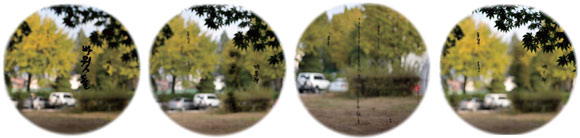
Yoo Seungho, Rear Window, 2009, Binocular, tripod, fishing line, plastic, acrylic, Dimensions variable © Yoo Seungho

“At first, I drew awkwardly and clumsily, but later I became skilled and could draw well. But I don’t like drawing well… Now I even think about whether I should draw with my mouth or with my feet.”
 
If it becomes too well-drawn, it loses its fun. This attitude is an extension of his thorough commitment to being a “fool.” “A feeling of something not yet complete” may well be the state of all things in the process of change. He expresses this image of free transformation and transition succinctly through a children’s song: “Break a rock into stones, break the stones into grains of sand….”

This song, which was also the content of a work exhibited at a show held at the former Defense Security Command building—soon to be converted into the Seoul branch of the National Museum of Modern and Contemporary Art—serves as a kind of theme song for the artist, in that it illustrates “the process by which one entity breaks apart and is generated anew.” The endless transformation of a rock into stones, and stones into sand, forms the fundamental attitude embedded in his work.
 
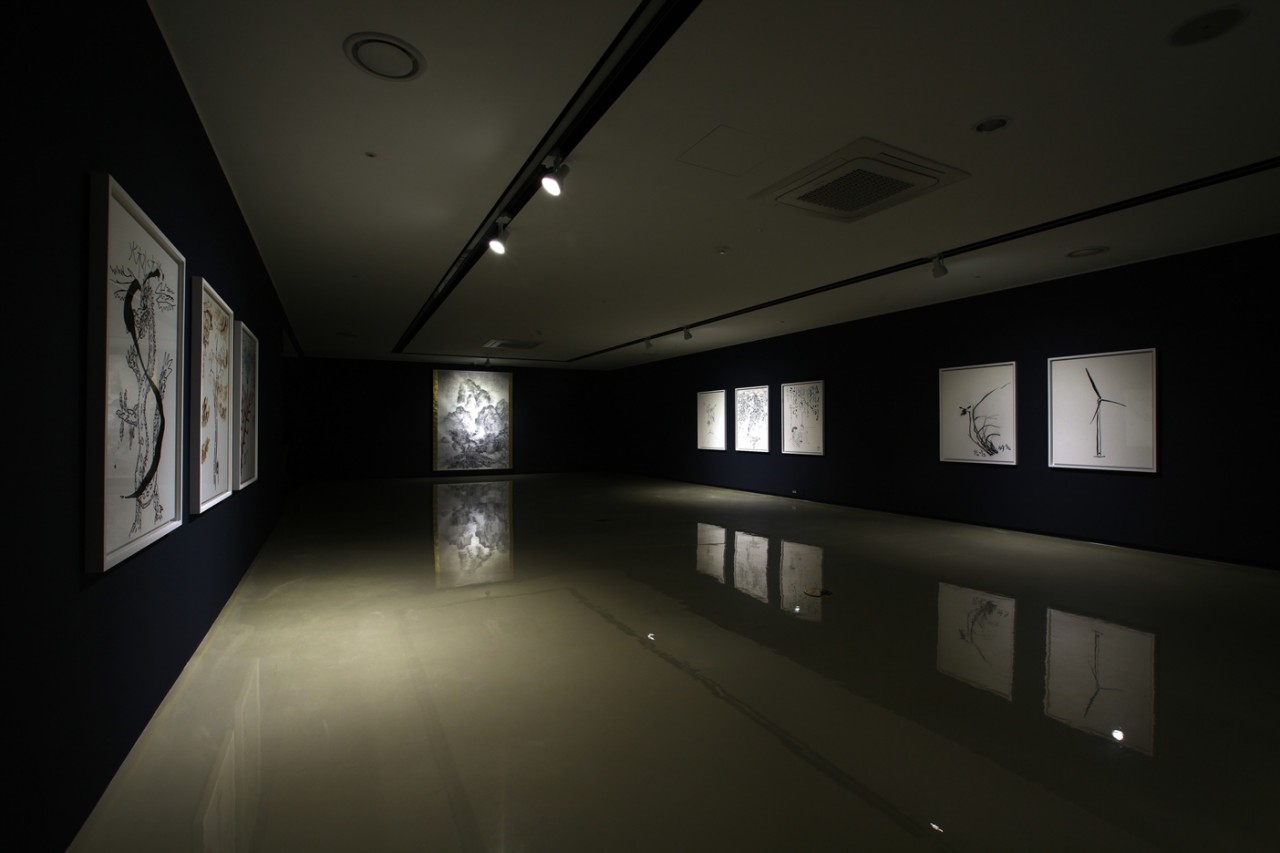
“If my earlier work was personal, my recent work is expanding further toward cultural and social concerns, and toward reflection on them,” he says, as he prepares various plans to present a new phase of Yoo Seungho. This December, he will hold a drawing exhibition at Takeout Drawing Gallery, revealing the secrets of his creative process.

In March 2011, supported by the German company Henkel, he is scheduled to present a three-person exhibition with Lee Dongi and Hong Kyung-taek, where he will introduce not only two-dimensional works but also new installation pieces. Another exhibition is also planned at The Room of Total Museum. It seems that next year, we will encounter many different facets of Yoo Seungho.

References