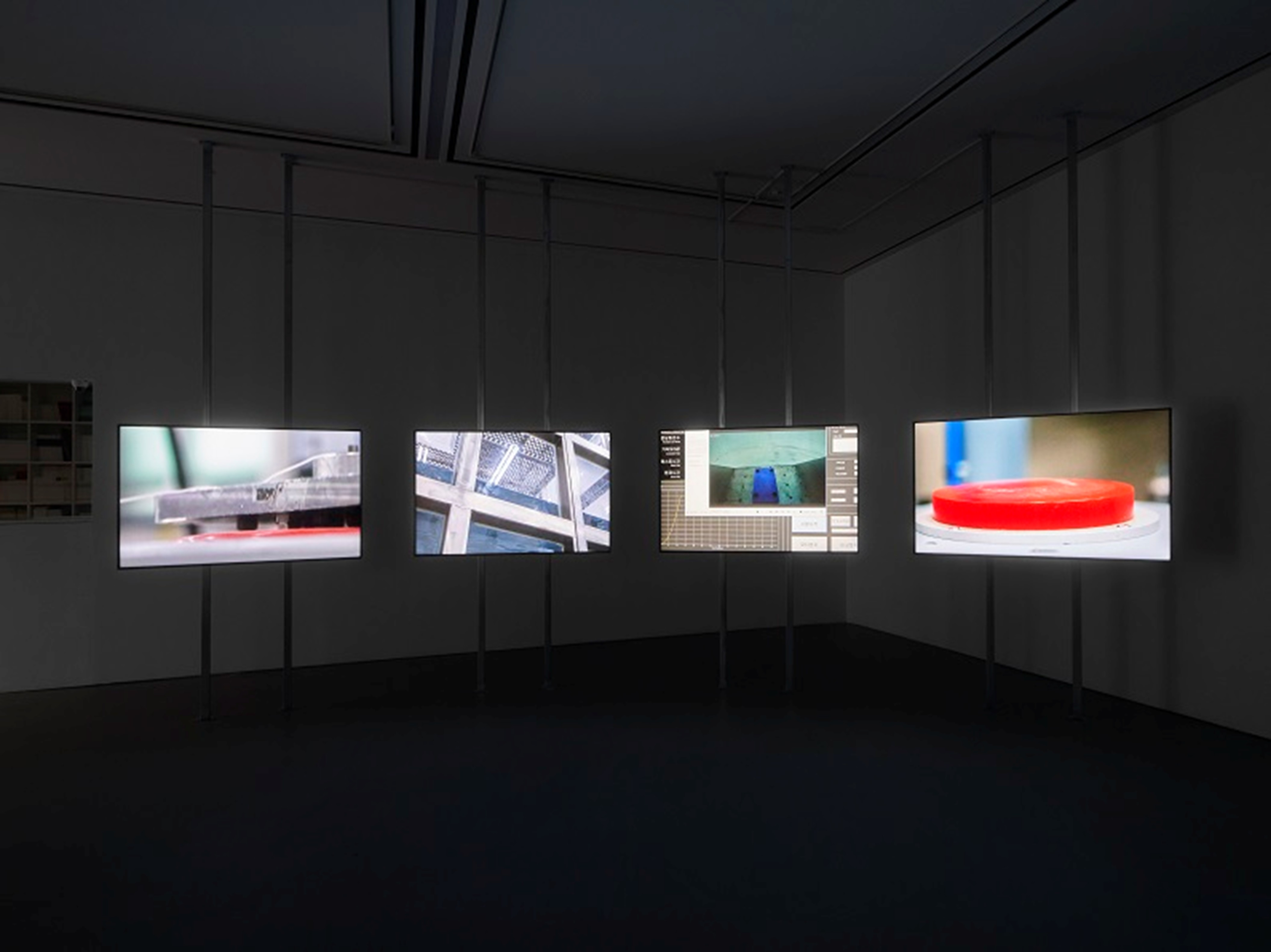
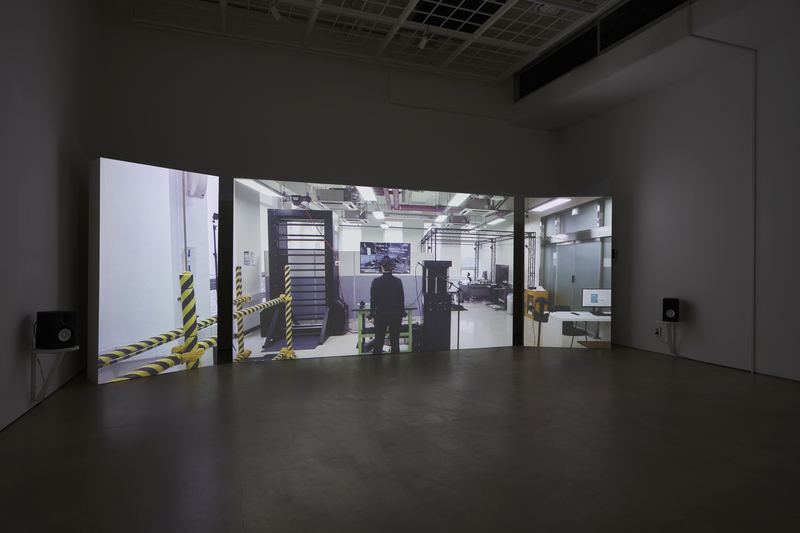
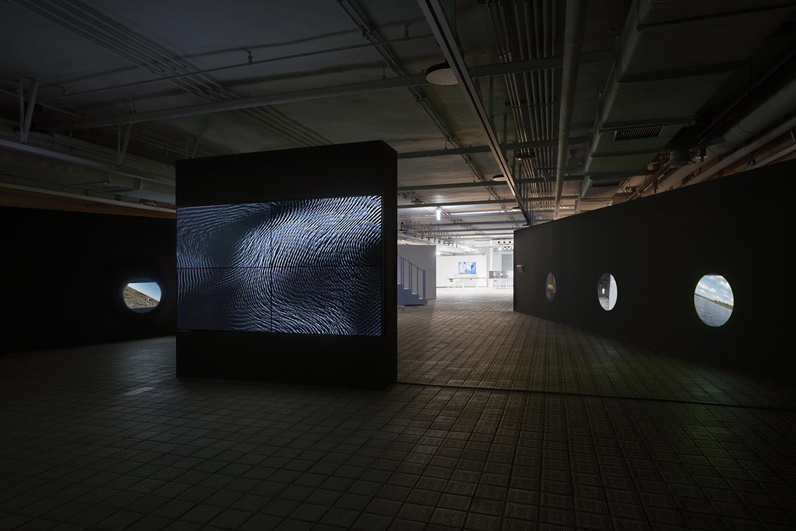
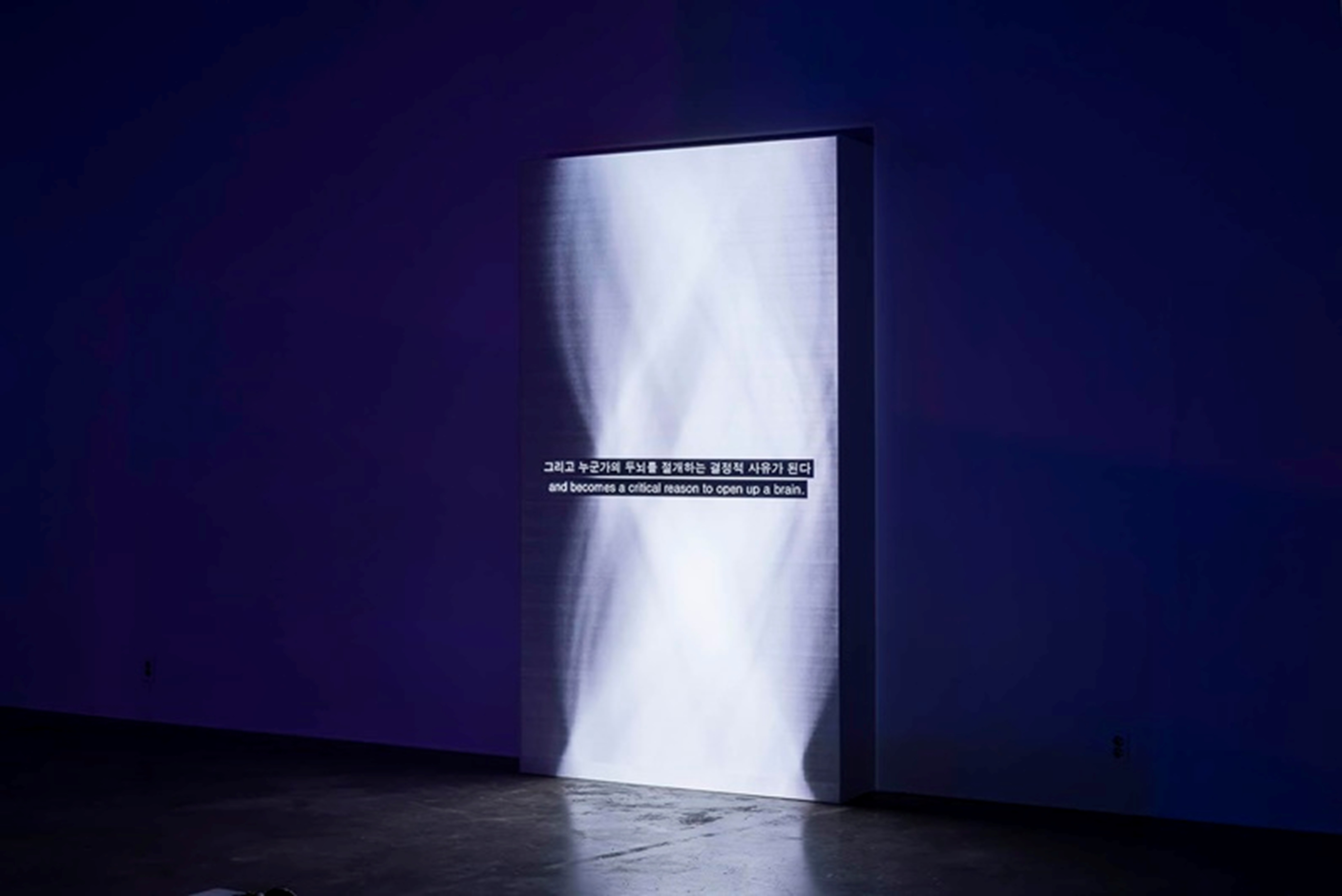
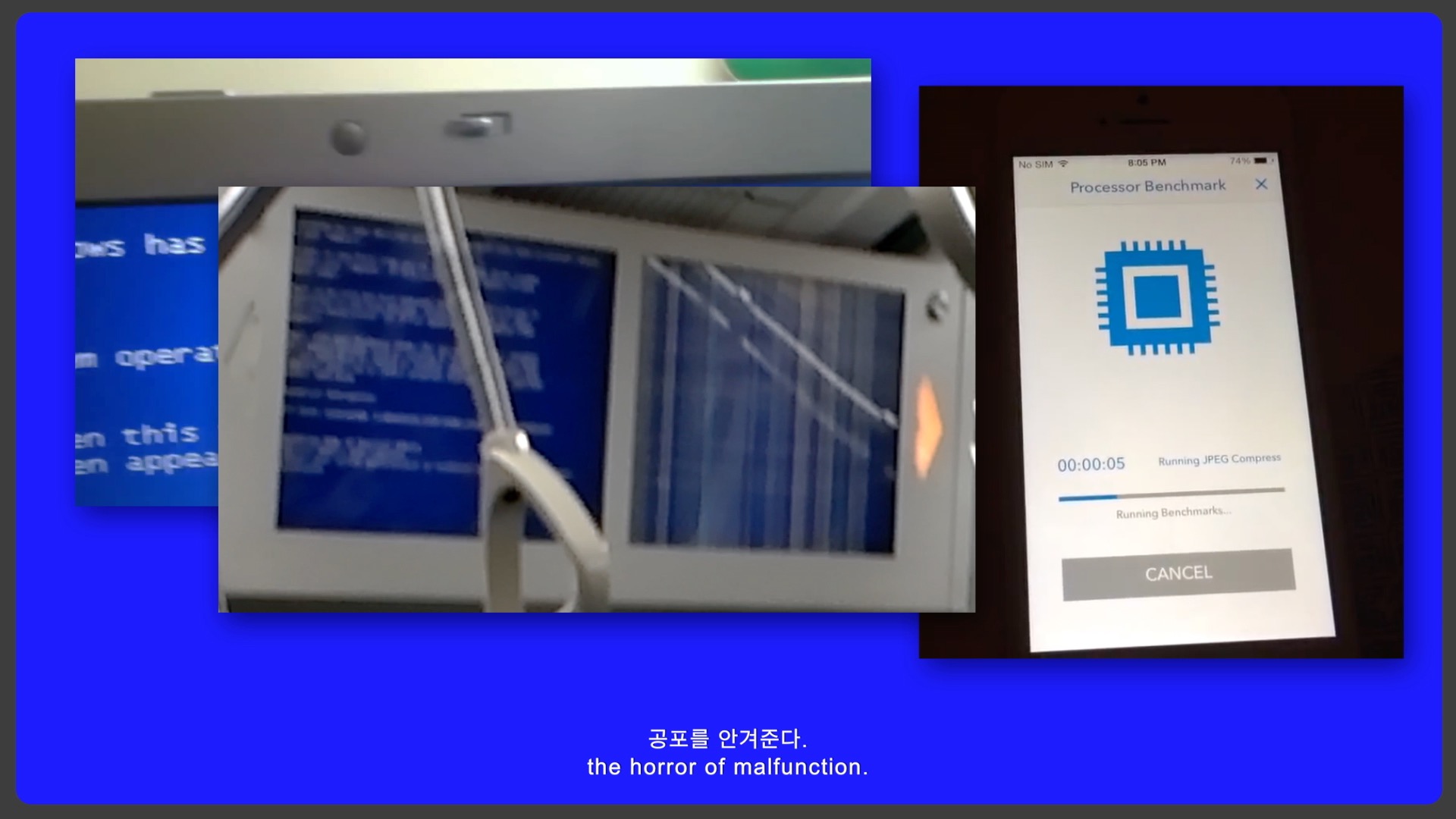
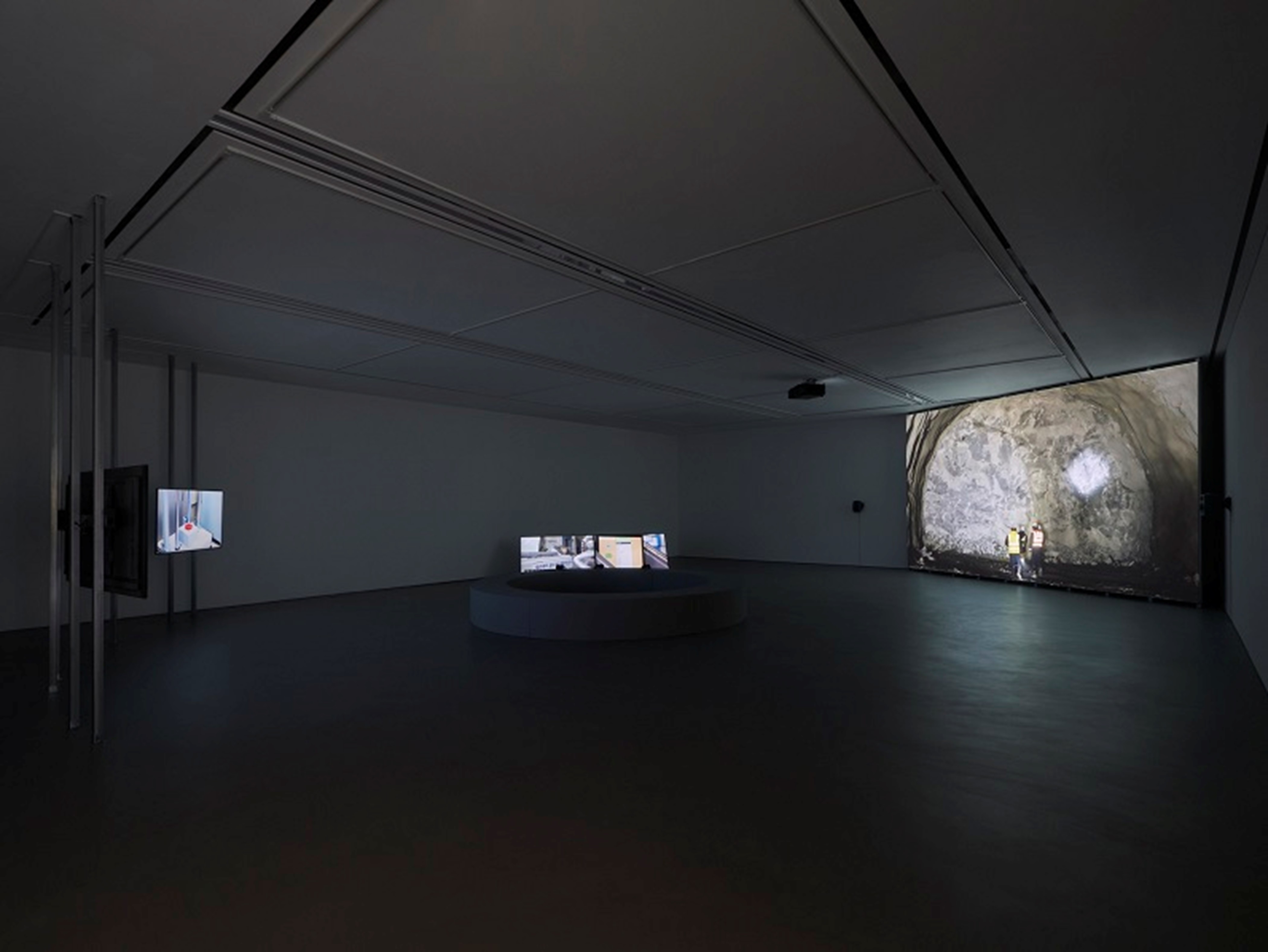
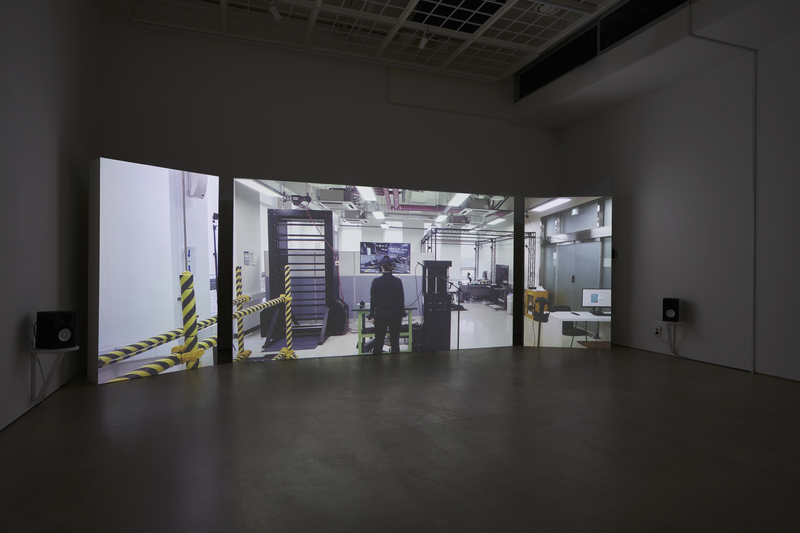
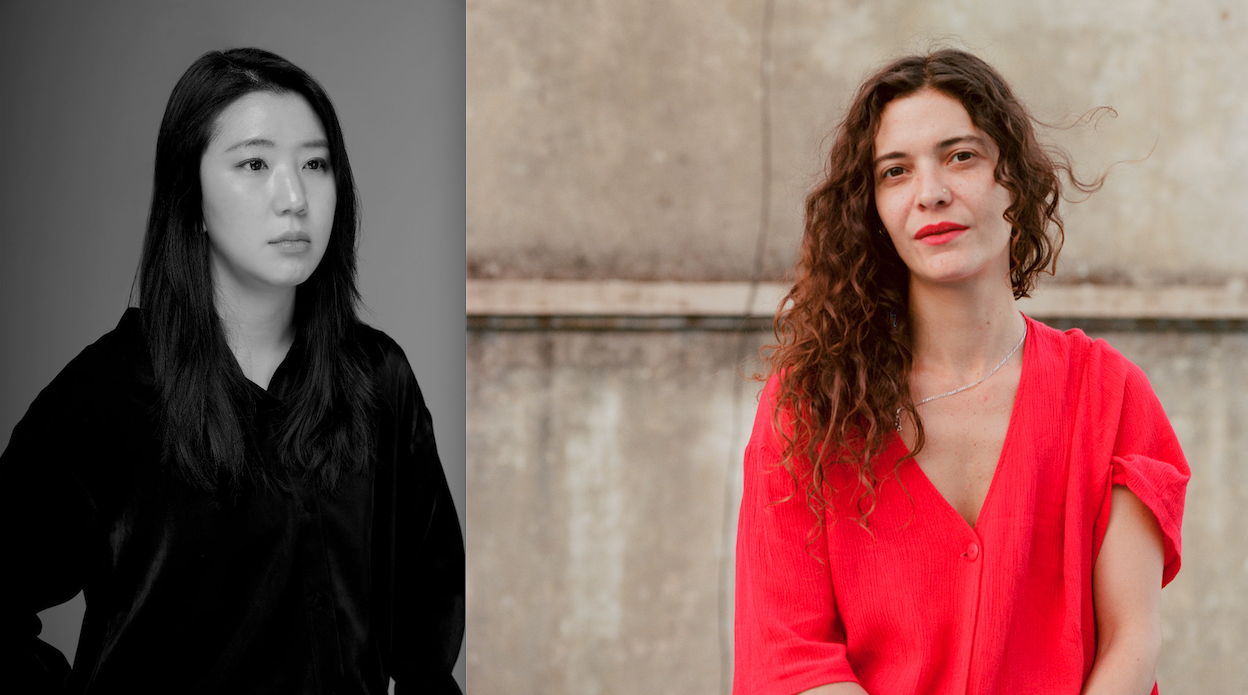
The artist has been tracking the labor behind technology
development, raising the issue of disability, rehabilitation, and assistance
devices. During an instance of the rehabilitation process within her own
family, she discovered that medical machines and the labor that assist the
technology seem to fail to support the patient’s uncomfortable leg movements.
As such, disability supplementation technology tailored to individual needs is
not socially effective as it stands, so it is inevitable that cost will increase,
or the technological development and its commercialization will be slow.
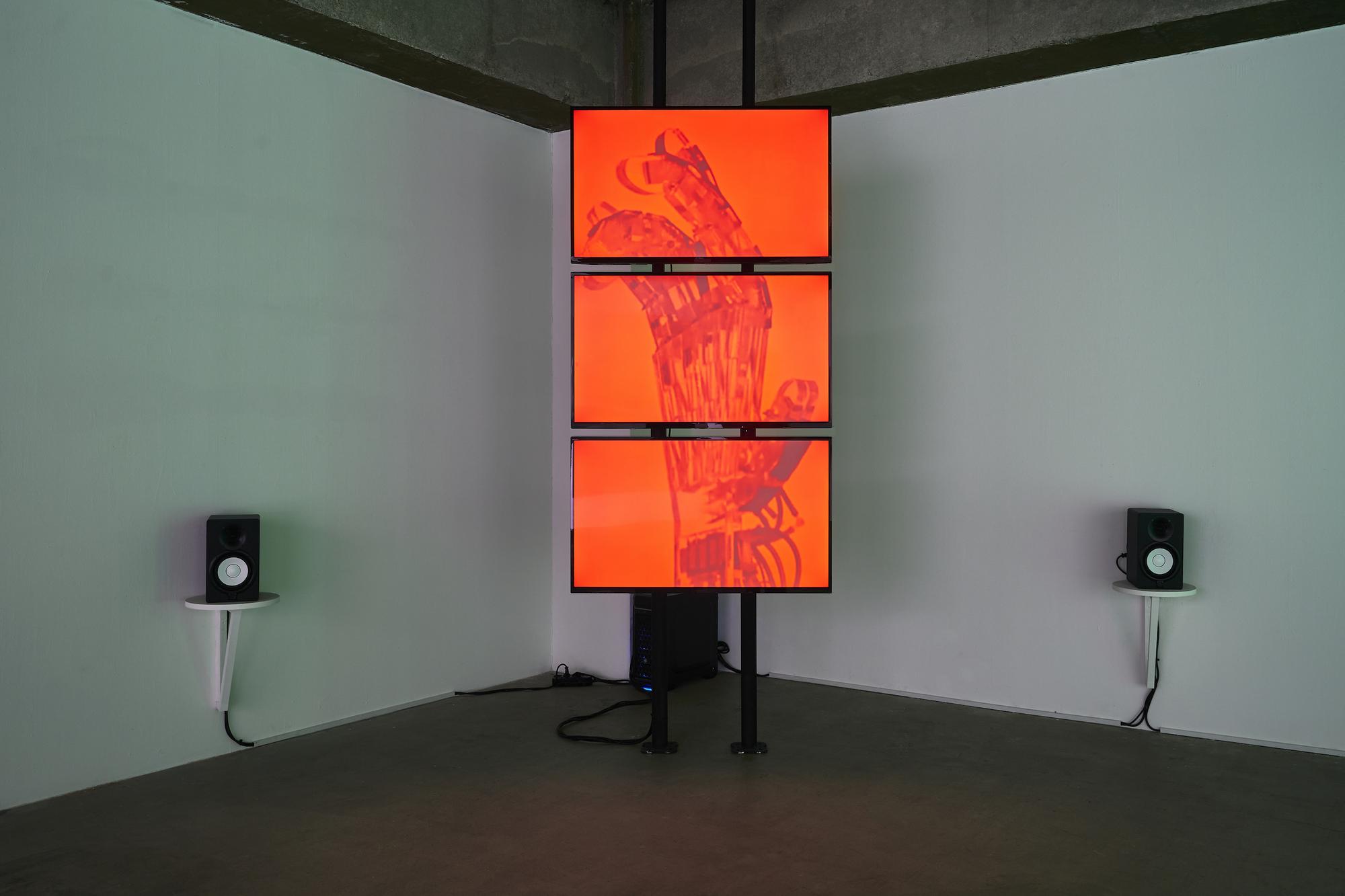
Perhaps that is why the bystander’s perception of disability is presented as an
image of an actor holding a prosthetic hand with a dirty smile in the film, or
of a wheelchair that adjusts the late Stephen William Hawking’s mouth, hands,
and feet in television news. Market apathy for the disabled minority as well as
the negative social gaze towards them alienates only the universal system of
technology/machine production, and this deficiency is again replaced by
manpower. Neo-liberalism allows us to focus on developing robots that replace
simple labor rather than producing complementary products for the disabled
minority.
Relative to the myth of Narcissus, an individual’s self-love
leading to death, Marshall McLuhan penetrated the double-sided ambiguity of new
media as an expansion of human capability as well as self-severance.
Technologies such as computers and mobile phones have emerged to supply
improved qualities of memory and information retrieval easily accessible to
humans, but in the end, human memory itself has not been enhanced, and device
capacity has been increased only through the system of continuously upgraded
machines.
The world of the Internet has made humans dream of a new open
community, but on the contrary, it has made us more self-absorbed and isolated.
Can the media, already preoccupied with expanding the scope of human beings,
replace and supplement human beings, especially those with disabilities? Aren’t
we chasing only a rosy fantasy created by god-like cyborgs and AI robots that
have been perfecting the fact of increasingly incomplete human beings in
reality?
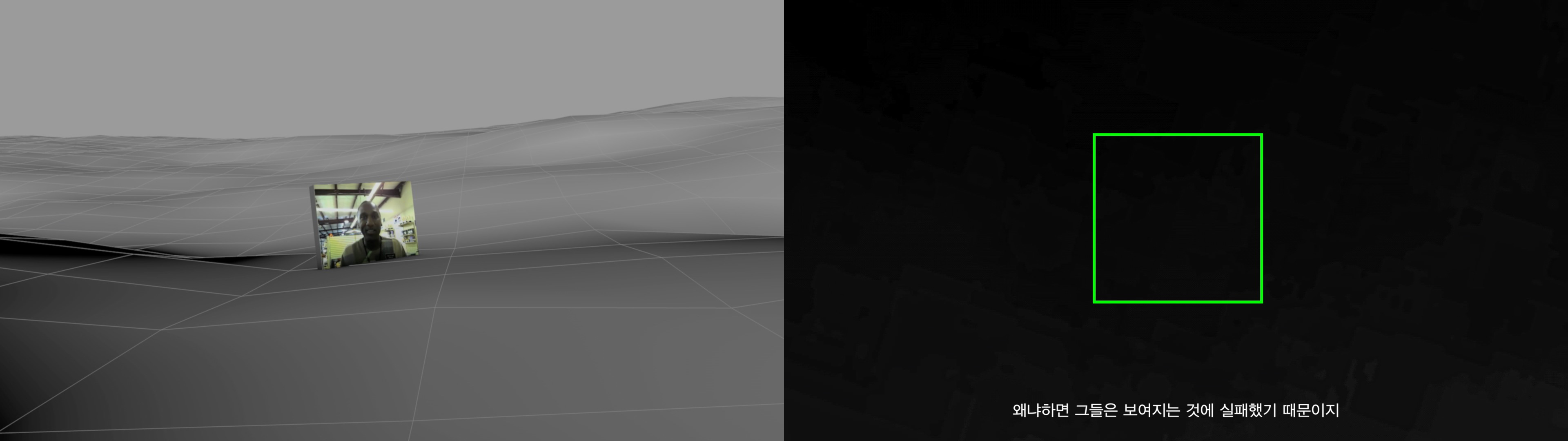
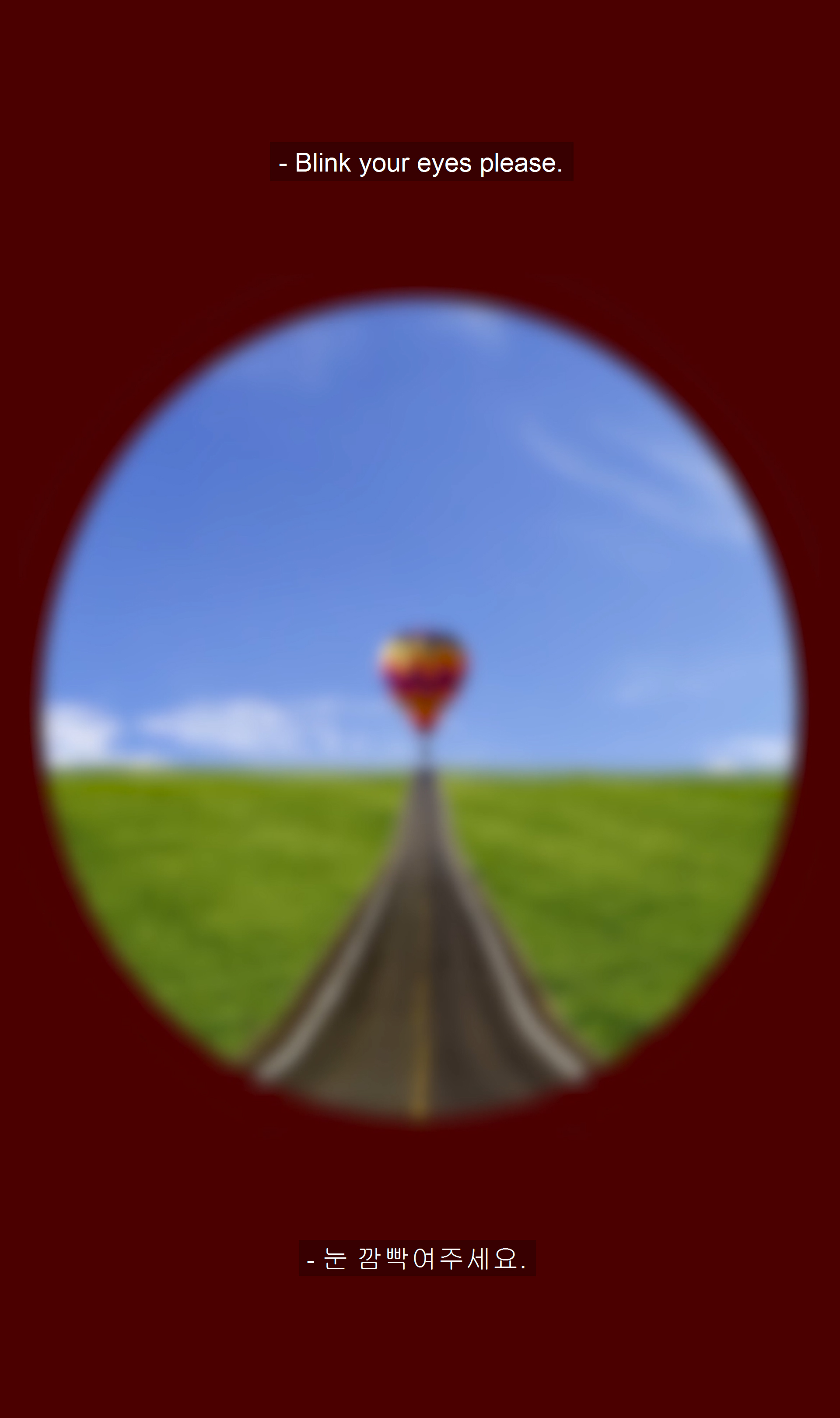
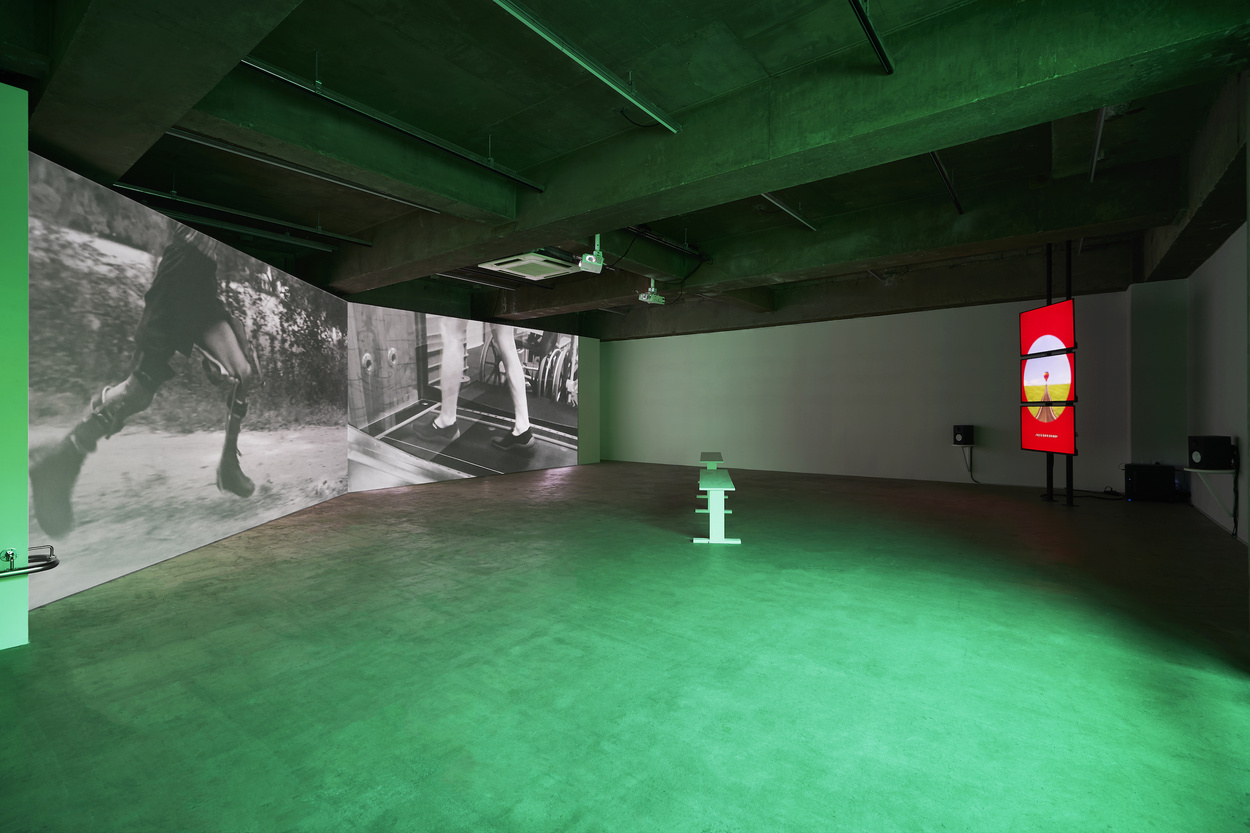
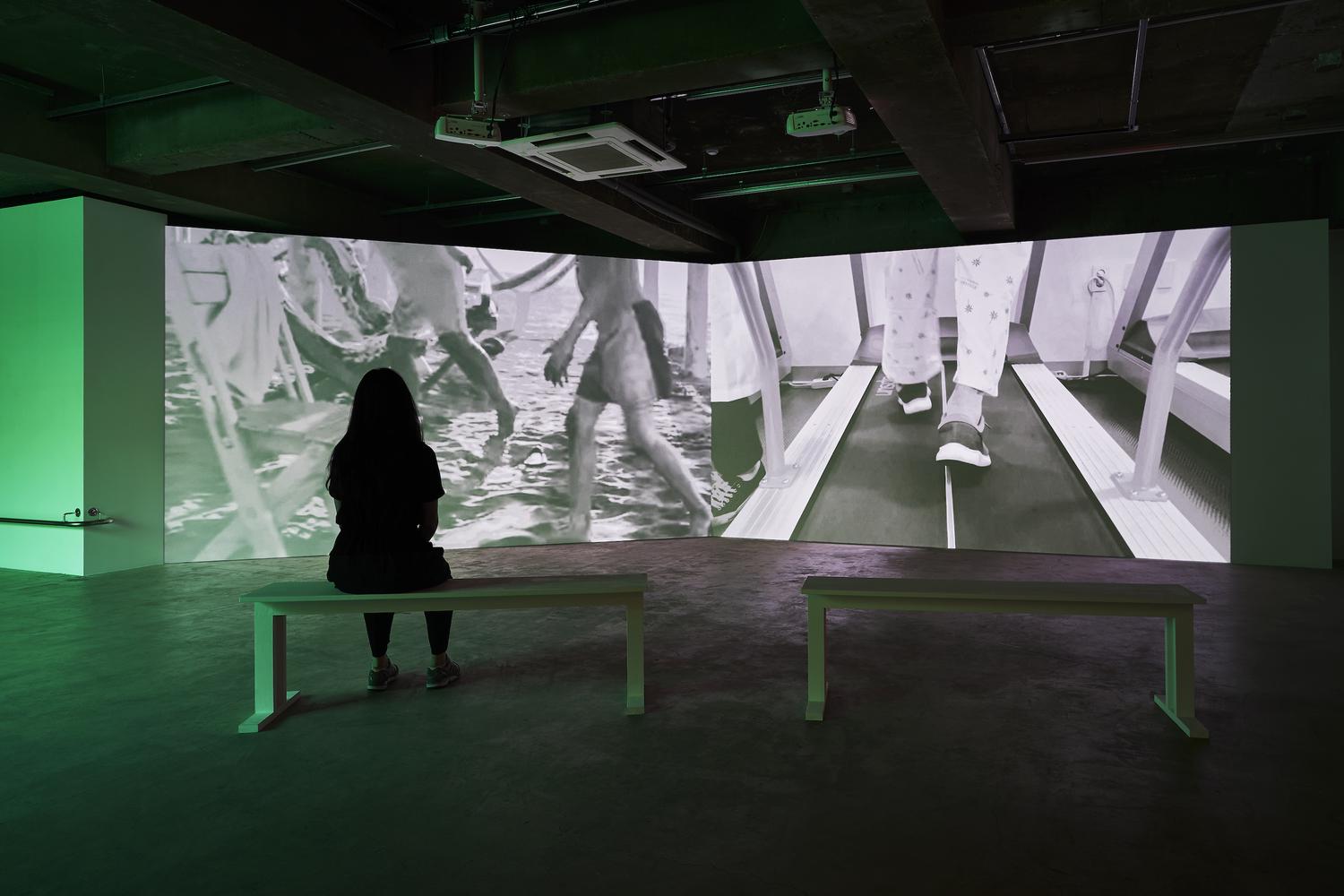
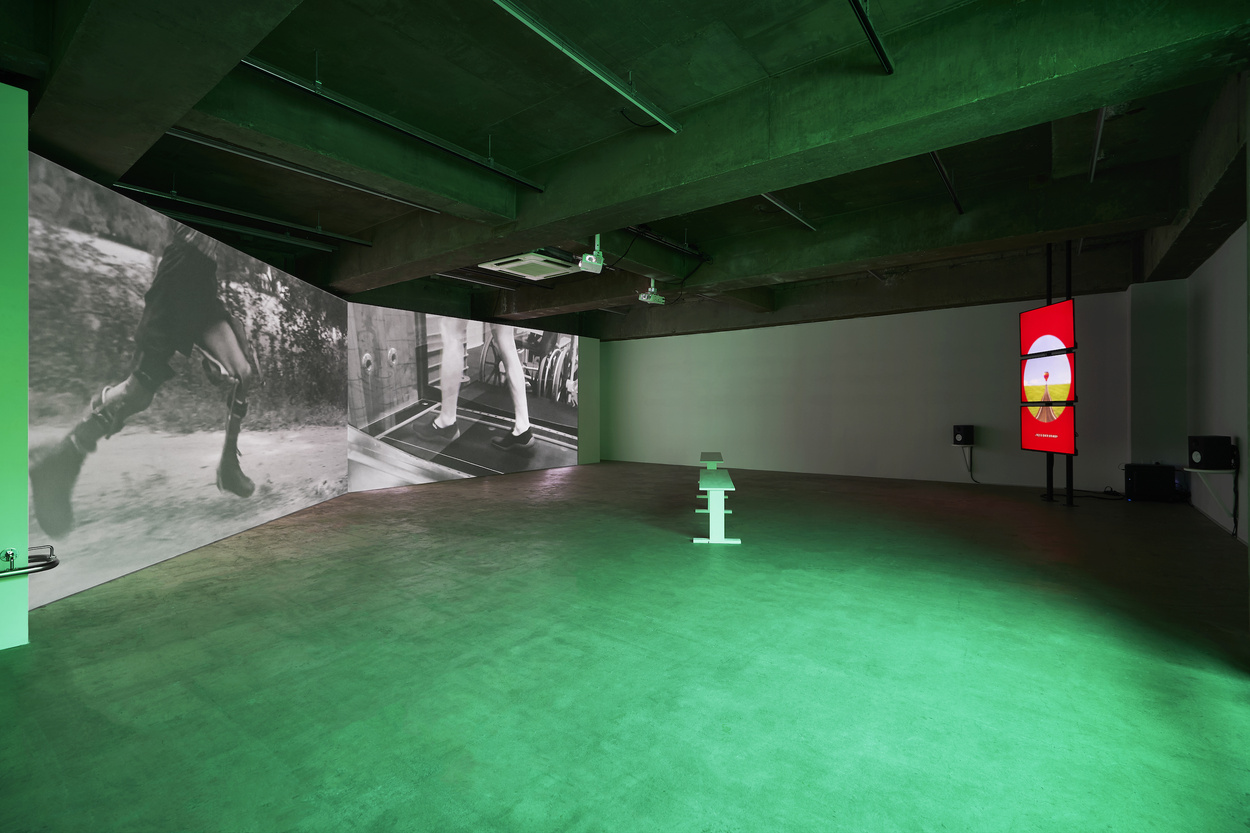
Another new work, LONGING, is a
two-channel video that combines scenes of a main character running and of a
patient undergoing rehabilitation on a treadmill. “The running protagonist in
the movie is free, vulnerable, and quickly escapes from danger, and sometimes
runs frantically… This work, collecting certain modified scenes without
context, creates an mysterious feeling of nostalgia and sentiment, and creates
images like a web-movie…
Contrary to the pain of the patient who reacts slowly
in the course of their treatment, the audience as a bystander develops a
feeling of boredom or longing for a quick recovery,” (from the artist’s notes).
In her notes the artist points out that the awkward difficulties of
rehabilitation suffered by the person with the disability are maximized by
juxtaposing their effort with someone who runs freely. It also illustrates our
indifference and desire to dispense with our boredom, and disengage with the
desperation and pain felt by the patient.