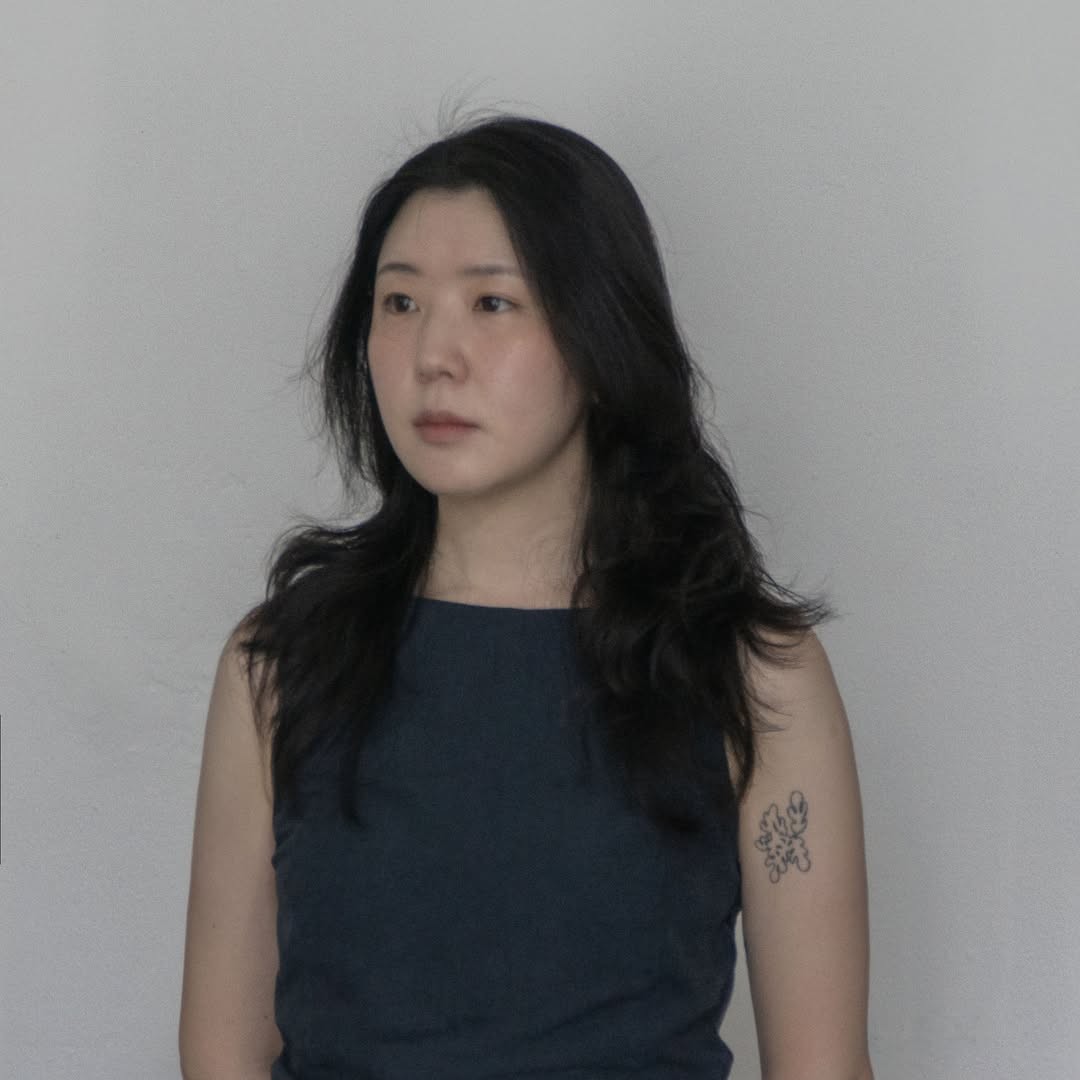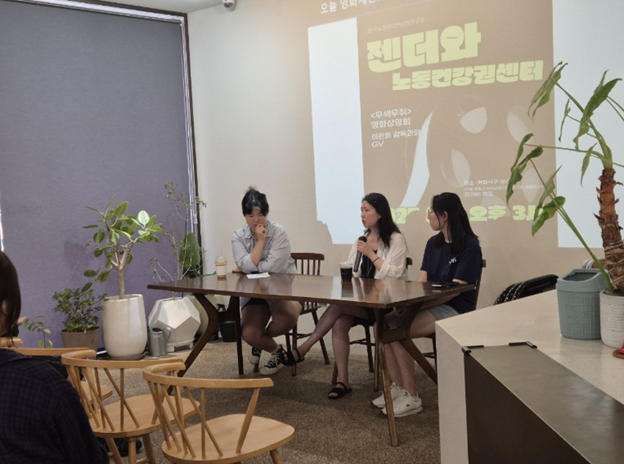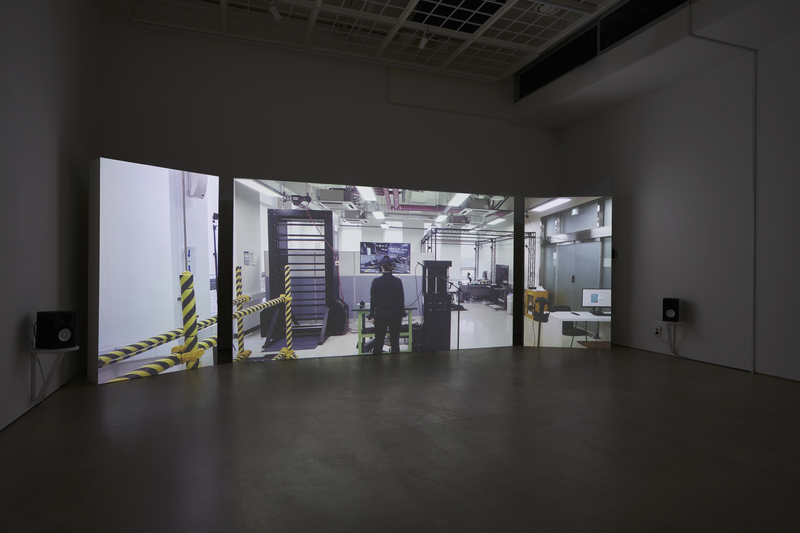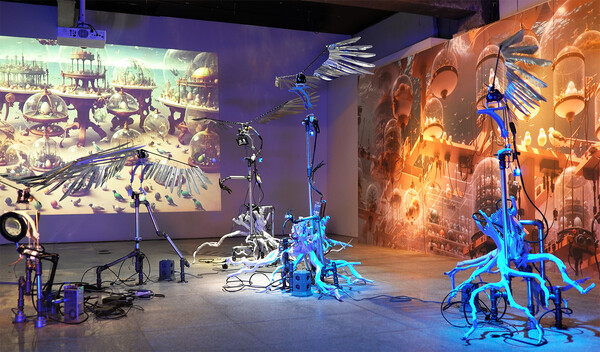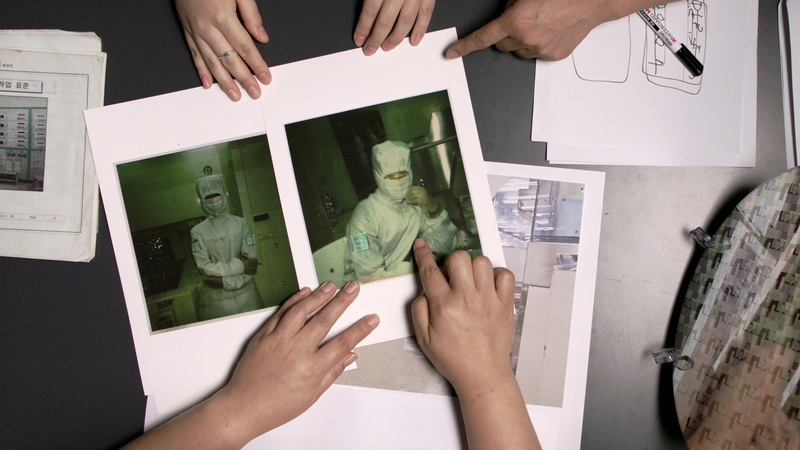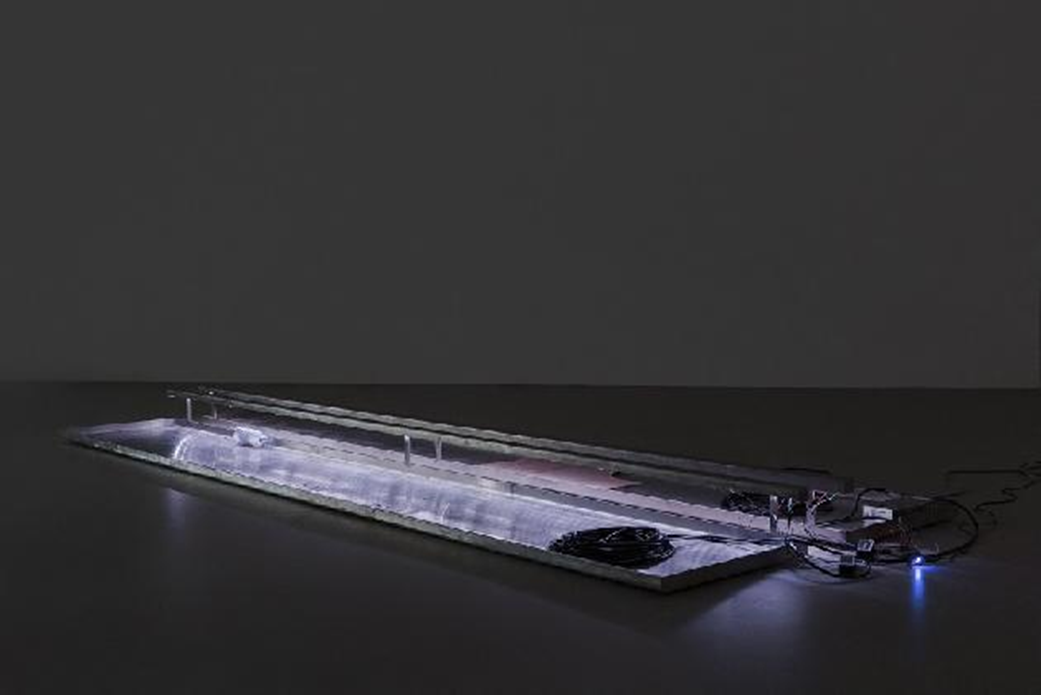


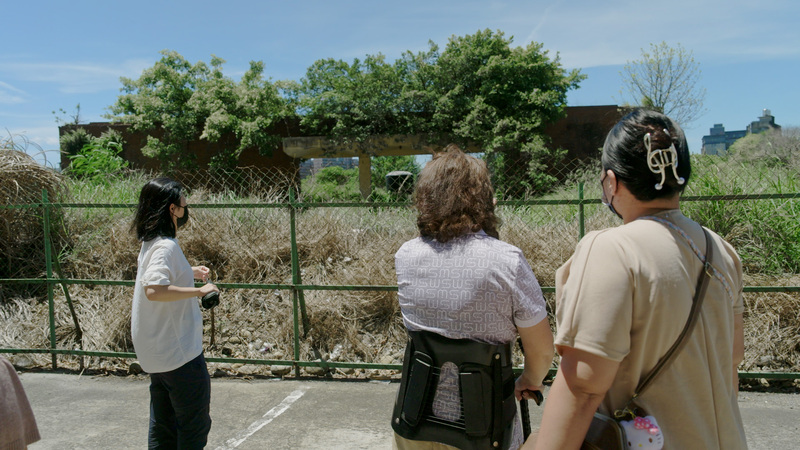
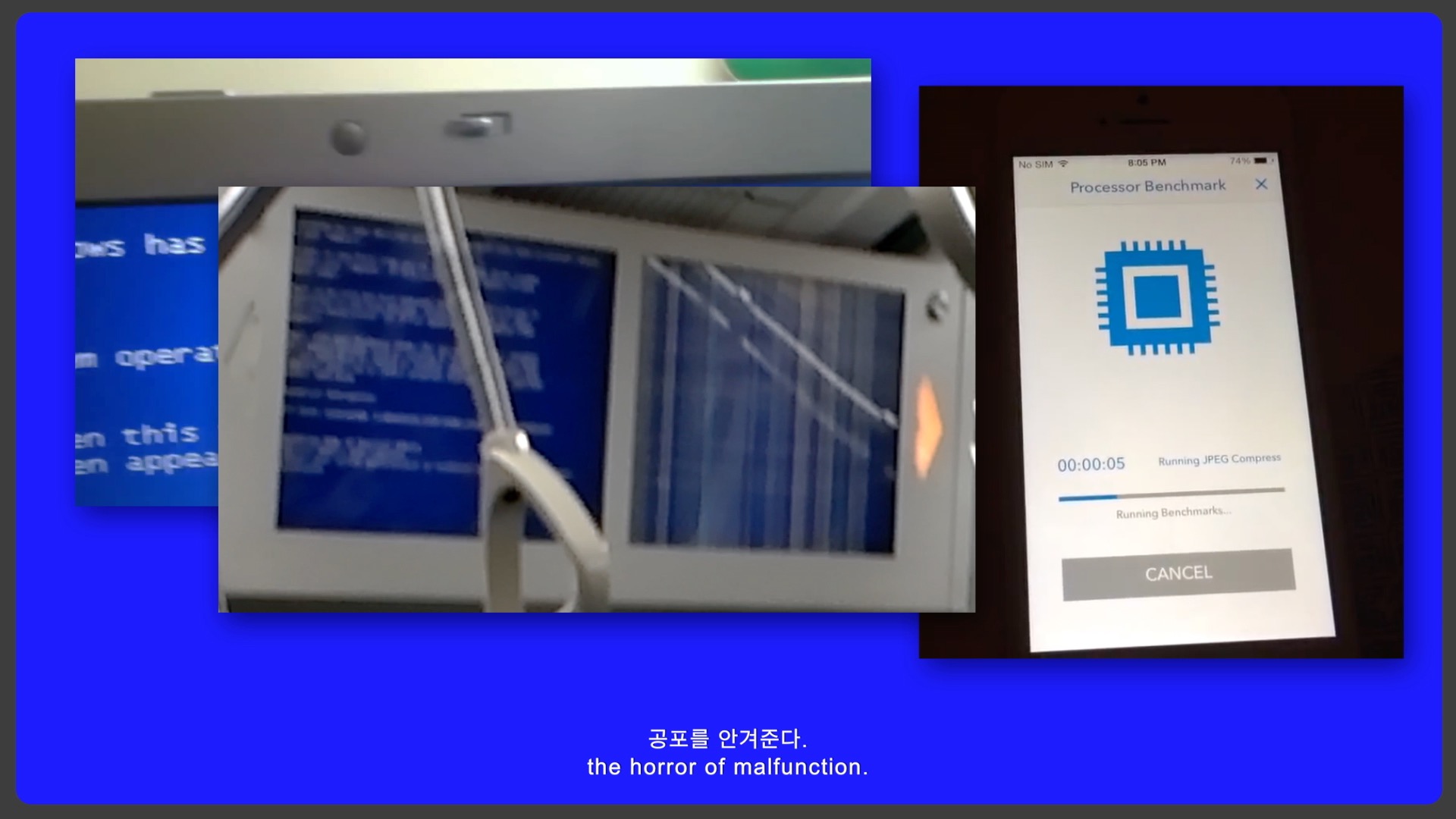
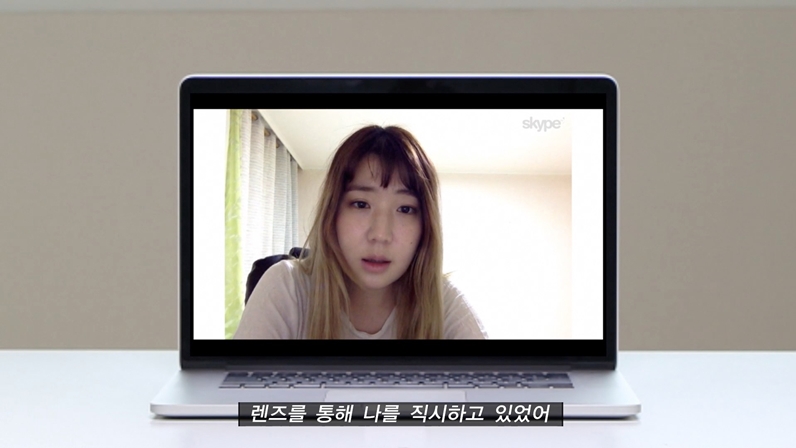
Eunhee Lee (b. 1990) observes the relationships among technological environments, individuals, and images, and addresses social issues through an investigation of the mechanisms of contemporary technology.
 
Viewing technology not merely as a scientific product but as a crystallization of intertwined economic and industrial logics and political interests, Lee presents video works that trace the production, consumption, and obsolescence of today’s technological environments, as well as the forces that lie beneath their surfaces.


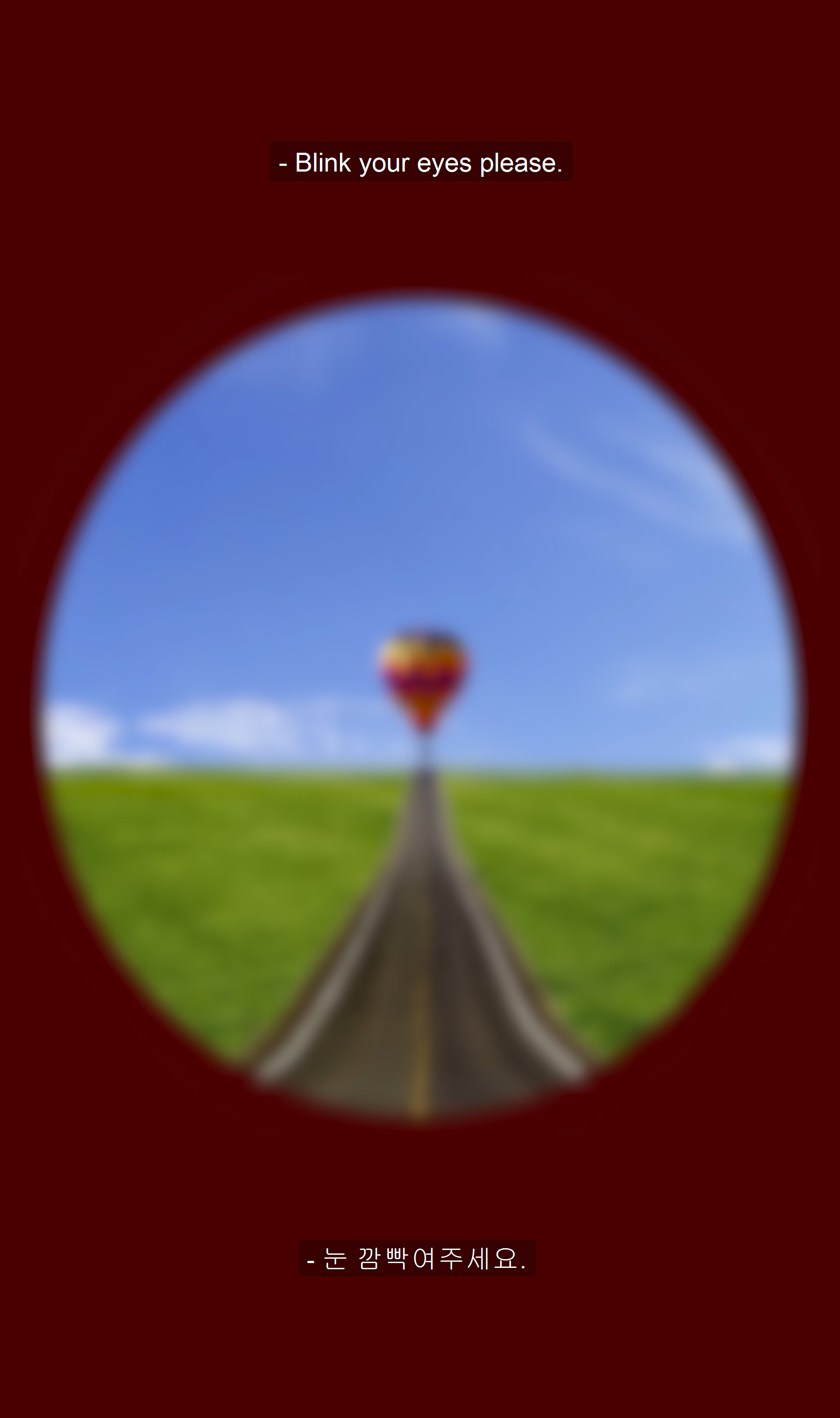
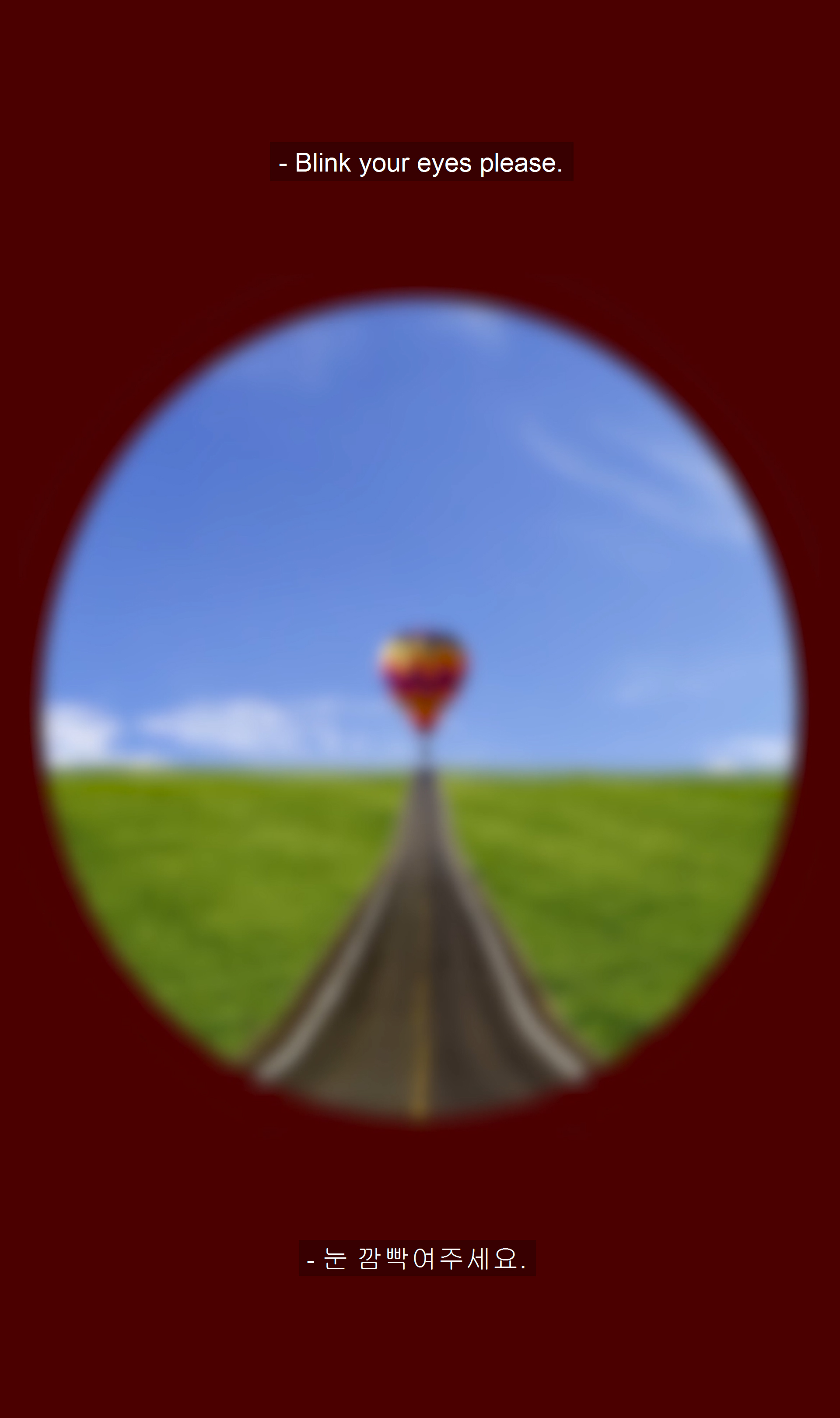
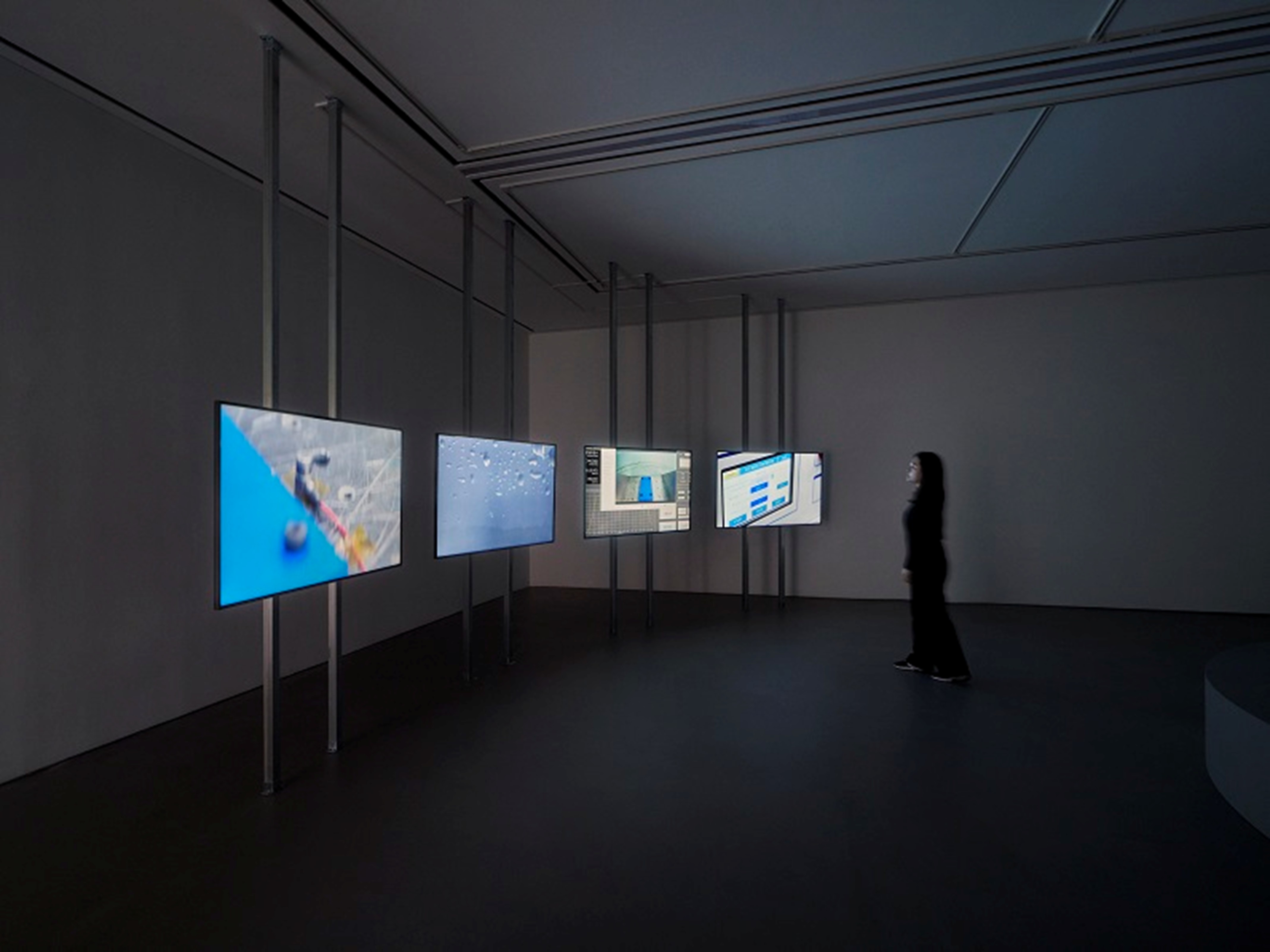
Eunhee Lee, The Flat Blue Sky, 2016, Single-channel video, 6min 47sec. ©Eunhee Lee

Eunhee Lee’s practice begins with a reflection on lives increasingly exposed to digital media, and with an inquiry into the relationships among individuals, images, and data that emerge within such environments. As the pace at which new technologies are developed and permeate everyday life continues to accelerate, individuals undergo processes of transformation or disappearance—fragmented into multiple images or subsumed within vast flows of information.


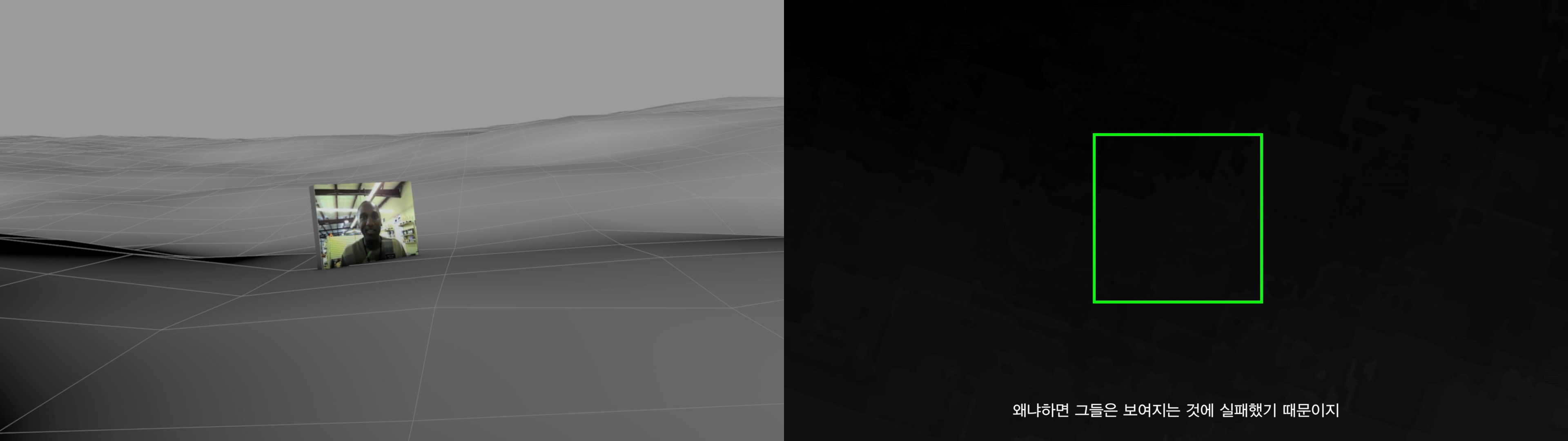
Eunhee Lee, Contrast of Yours, 2017, 2-channel video, color, sound, 15min 43sec. ©Eunhee Lee

In her early works developed through attention to these phenomena, Lee examined cases in which our spheres of action are captured, datafied, and put to use through CCTV, smartphone cameras, vehicle dashcams, and other recording devices, or she presented videos that trace the backgrounds behind the digital media now pervasive in everyday life and the people entangled in their production.
 
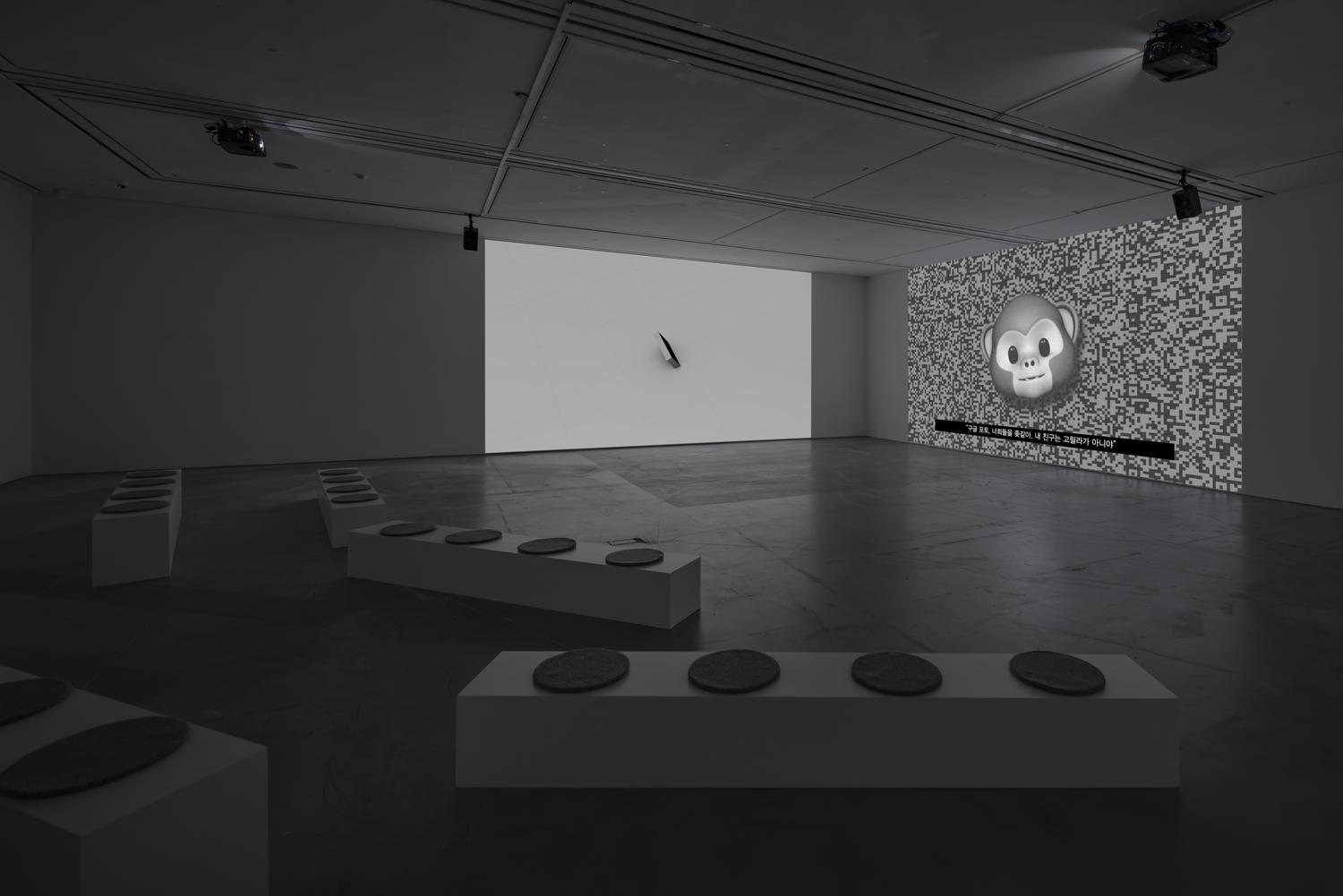
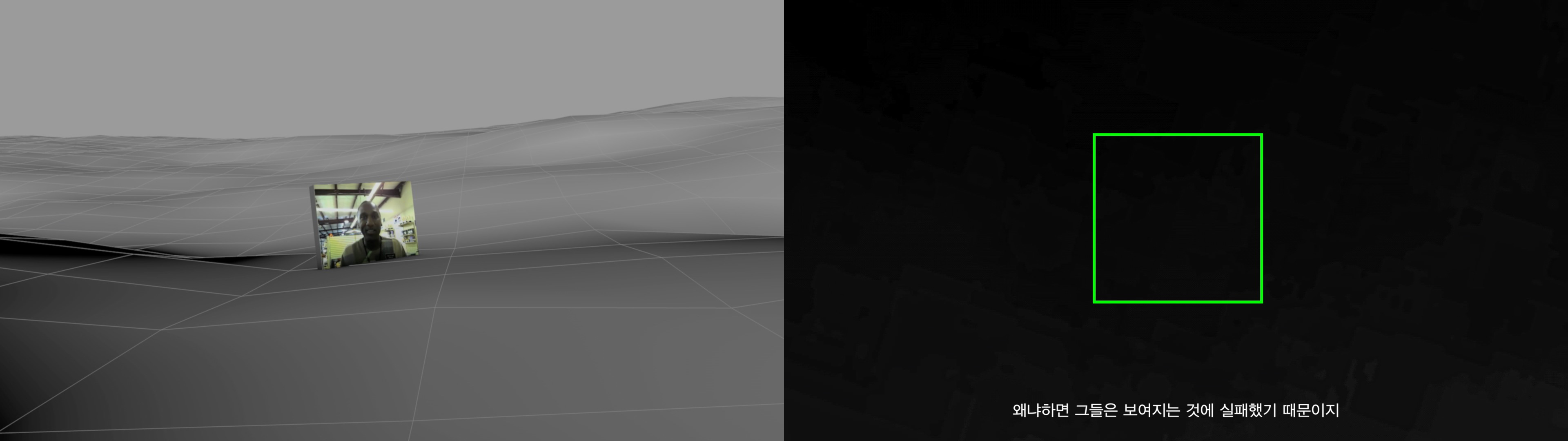
For example, Contrast of Yours (2017) begins from the question of what alternatives might exist within an ambivalent reality in which contemporary surveillance systems—such as CCTV—can be neither wholly rejected nor readily accepted. The video foregrounds real individuals who are deflected or cast out from the surveillance net of facial-recognition technology.
 
In our technological era, inevitably every individual is documented, analyzed, and restructured into images under the value of visibility. Within the flow of these vast information networks, those who are not captured are not merely invisible beings; rather, they may be representations that were excluded from the very outset—figures positioned outside the field of selection itself.

Eunhee Lee, Contrast of Yours, 2017, 2-channel video, color, sound, 15min 43sec., Installation view of 《DOOSAN Art Lab 2019: Part 2》 (DOOSAN Gallery, 2019) ©Eunhee Lee

The real-life cases addressed in the work include instances in which cameras designed to track human movement and automatically adjust their position respond when white individuals move but remain inert in response to the movement of Black individuals, as well as cases in which cameras installed on the streets of predominantly Black neighborhoods for crime prevention misidentify images—mistaking everyday objects for weapons—leading police to rely solely on camera data and fatally shoot Black individuals entirely unrelated to any crime.
 
The work is composed of relatively direct narration, rendered images that transform human figures, related video footage, and interviews. Within an ambivalent reality in which contemporary surveillance systems can be neither fully trusted nor wholly rejected, Lee explores the possibility that those figures might be represented not only as “invisible” or “marginalized” images, but also as “alternative” images—ones that could claim the right to remain unseen.


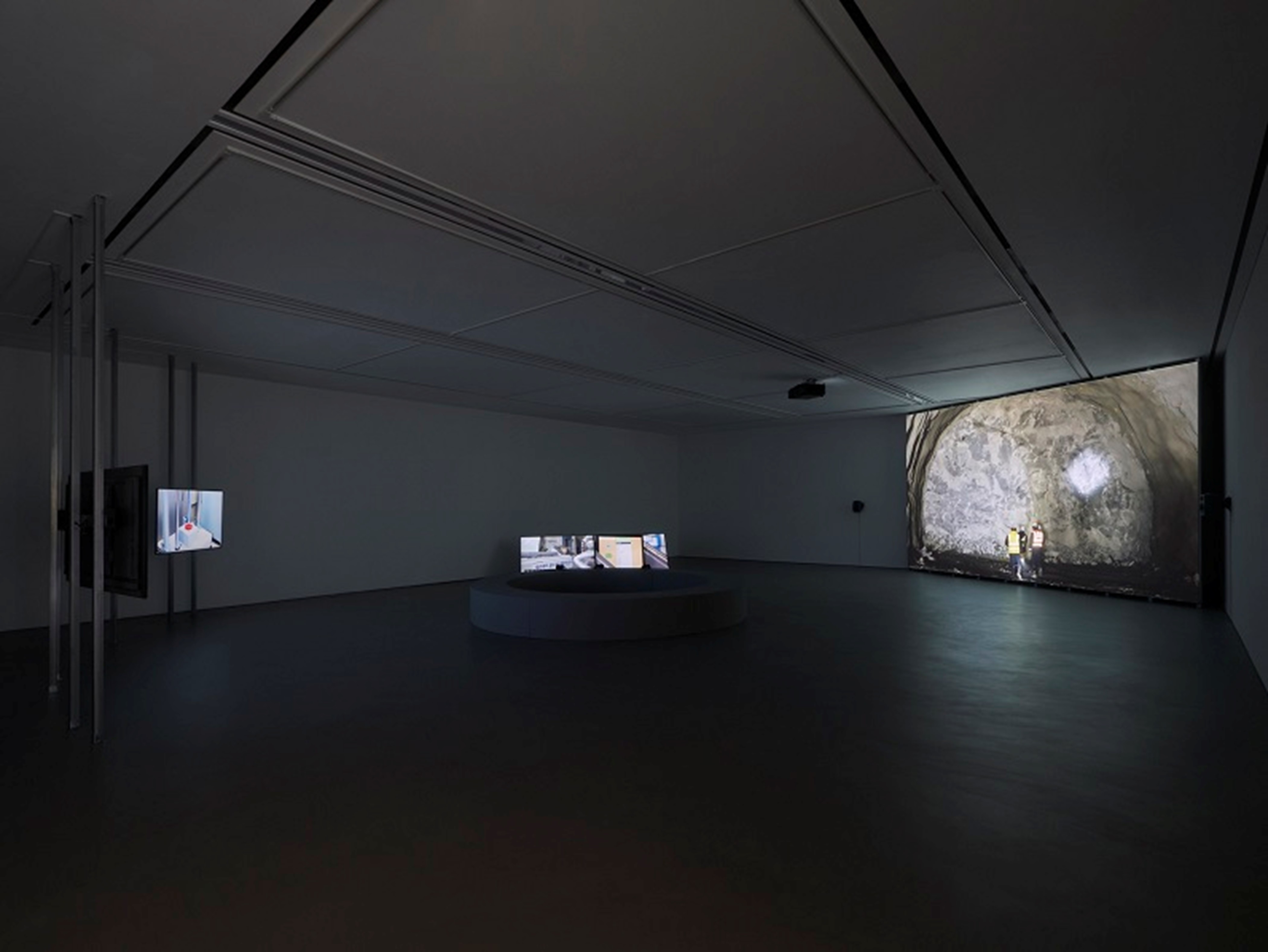
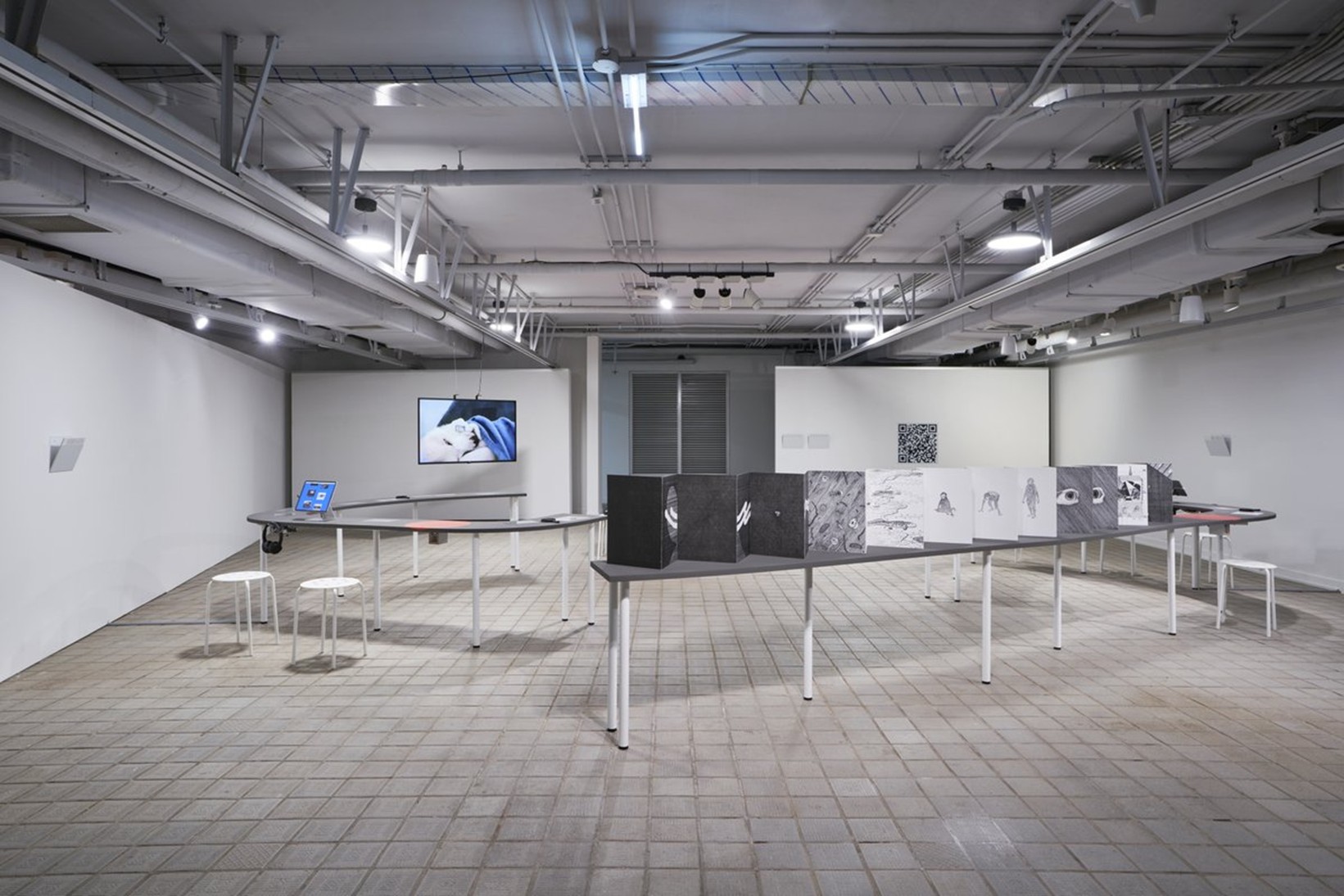
Installation view of 《Cost of Recovery》 (CR Collective, 2020) Photo: Euirock Lee. ©Eunhee Lee

Meanwhile, the solo exhibition 《Cost of Recovery》 (2020), held at CR Collective, presented a body of work tracing the realities obscured behind contemporary technological development. As Lee continued to engage with technological environments in her practice, she began to question whether technologies that change over time can truly be described as progress. At the same time, she grew skeptical of whether what we gain through technological advancement constitutes a form of prosperity that is genuinely shared by all.
 
In this process, Lee turned her attention to the realities of lived life unfolding behind technological progress—namely, the lives of workers. 《Cost of Recovery》 addresses their living conditions and, further, the notion of the economic “body” shaped by these conditions.


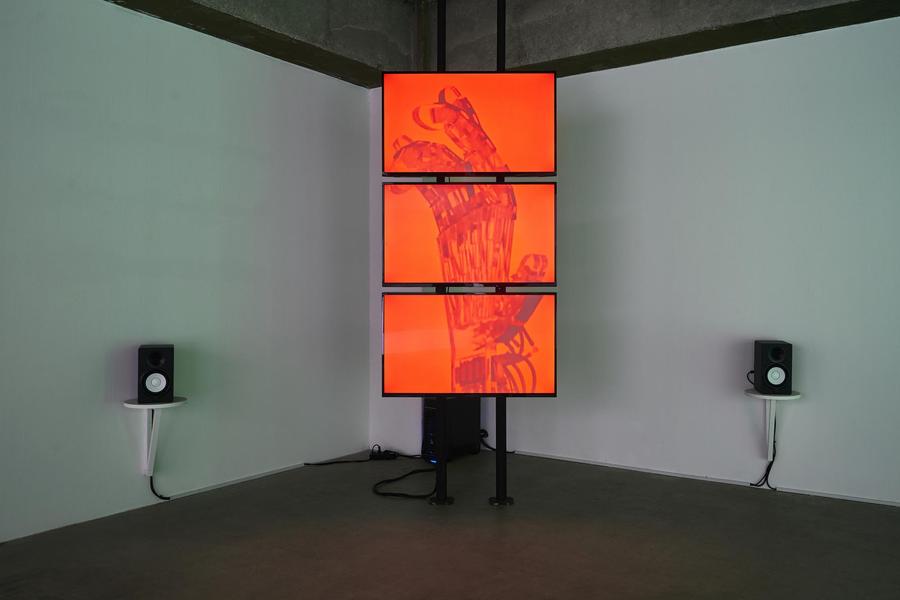
Installation view of 《Cost of Recovery》 (CR Collective, 2020) Photo: Euirock Lee. ©Eunhee Lee

Within the exhibition space, where installation works capturing the landscapes of specific labor environments were presented, videos rendered in gray and red tones were situated throughout. These videos summoned and immersed viewers in memories guided by numerous 3D image references, while simultaneously leading them along the artist’s intended narrative through graphic, flattened text images.
 
In particular, the exhibition probes unsettling points that expose marginalized bodies—from the social codification of disability as separate from non-disability, through the development and capitalization of medical technologies and machinery spanning pathology and rehabilitation processes, to the labor that undergirds these systems yet remains concealed.


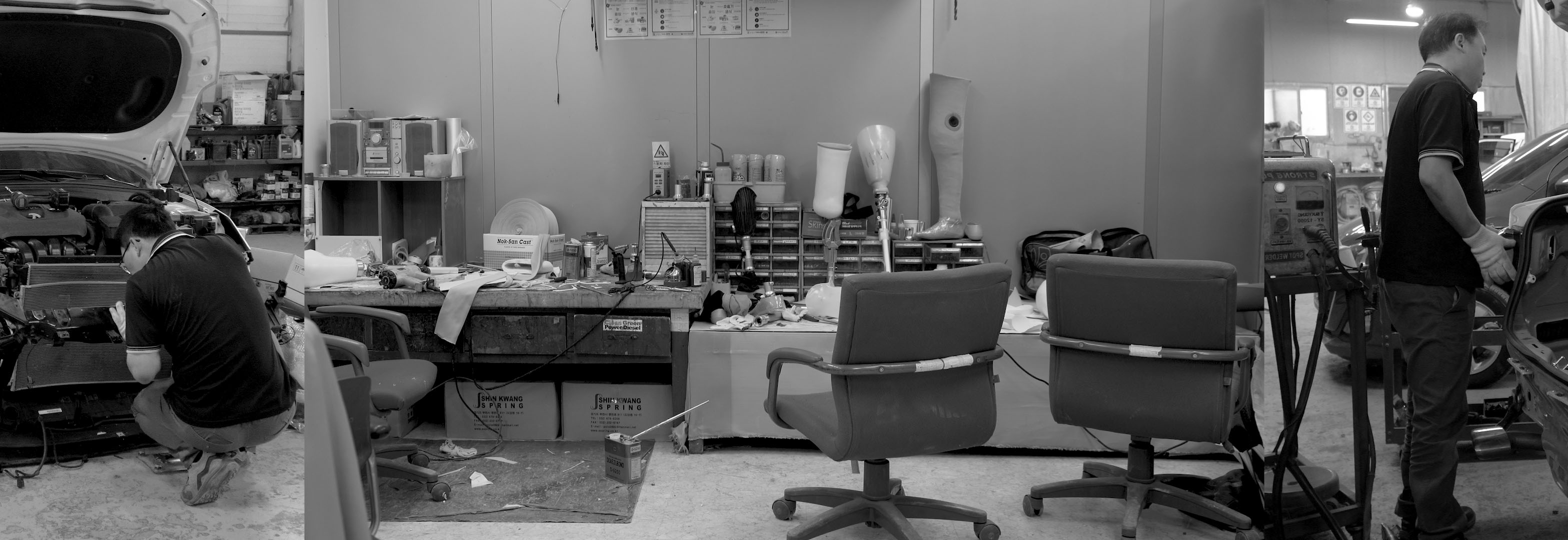
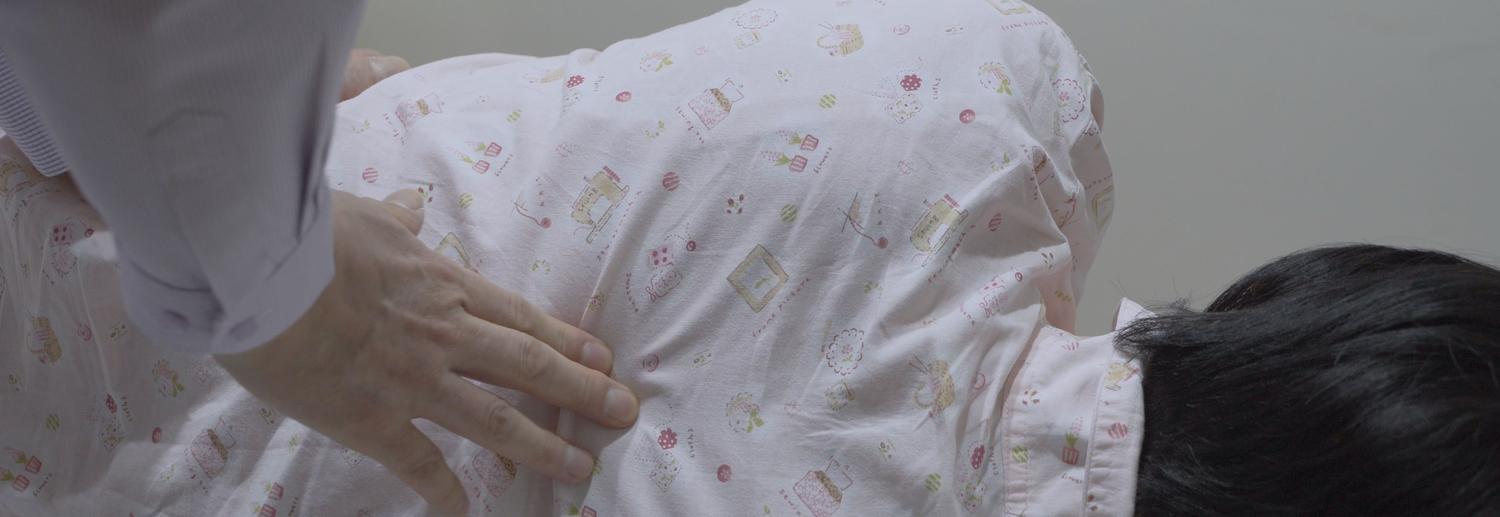
Eunhee Lee, AHANDINACAP, 2020, 3-channel video, 12min 48sec. ©Eunhee Lee

Through this series of videos and installations, the artist seeks to reveal the negative social perception that regards disability as a body stripped of economic productivity—that is, labor power—and the reality in which assistive technologies, assistive machinery, and rehabilitation processes, positioned as compensatory or substitutive measures, do not in fact enable the overcoming of disability but ultimately alienate labor, and by extension the human itself.
 
For example, the video work AHANDINCAP (2020) documents the rehabilitation process through which a “non-productive body” is reshaped into a productive, “normative” body. Here, Lee points to the tendency to replace disability not with the recovery of body and mind, but with a mechanized body that incorporates automation technologies, thereby critiquing the current condition in which the existing body—and labor itself—is supplanted by posthuman technologies.


Installation view of 《Cost of Recovery》 (CR Collective, 2020) Photo: Euirock Lee. ©Eunhee Lee

Another video, EXTRA (2020), raises the issue of poor working conditions and neglected personal care labor. The artist draws attention to the fact that public institutions and corporations have recently been developing and promoting “care robot project” initiatives as a means of replacing such care labor, in response to the steadily increasing proportions of people with disabilities and elderly populations.
 
The video points out that market-driven efforts to minimize labor costs and maximize productivity often begin by eliminating labor deemed easily replaceable. Through this, Lee reveals the unsettling underside of a process in which recovery from bodily impairment extends beyond the personal realm into socio-economic logics that consolidate labor and technology, ultimately encompassing the ways in which advanced technologies come to marginalize and displace existing forms of labor.


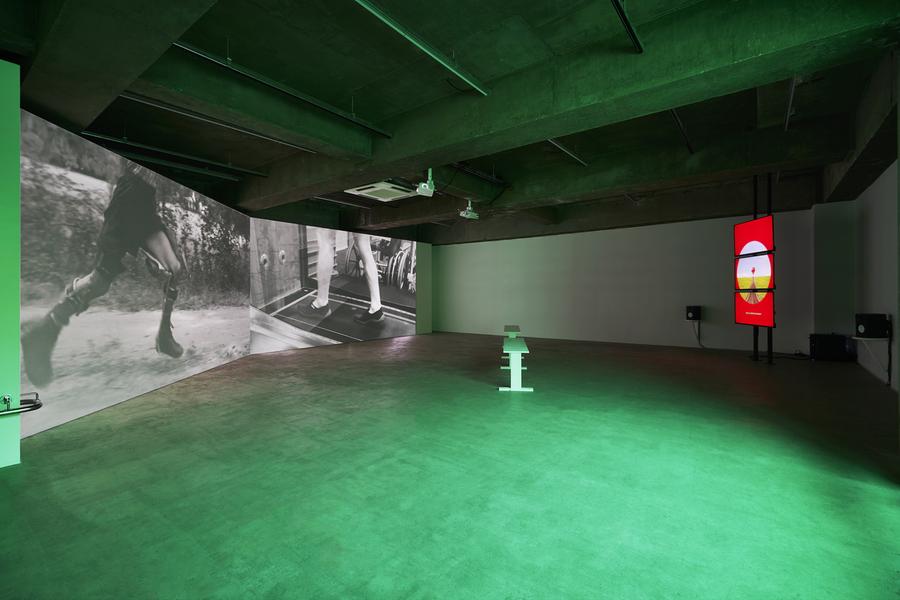
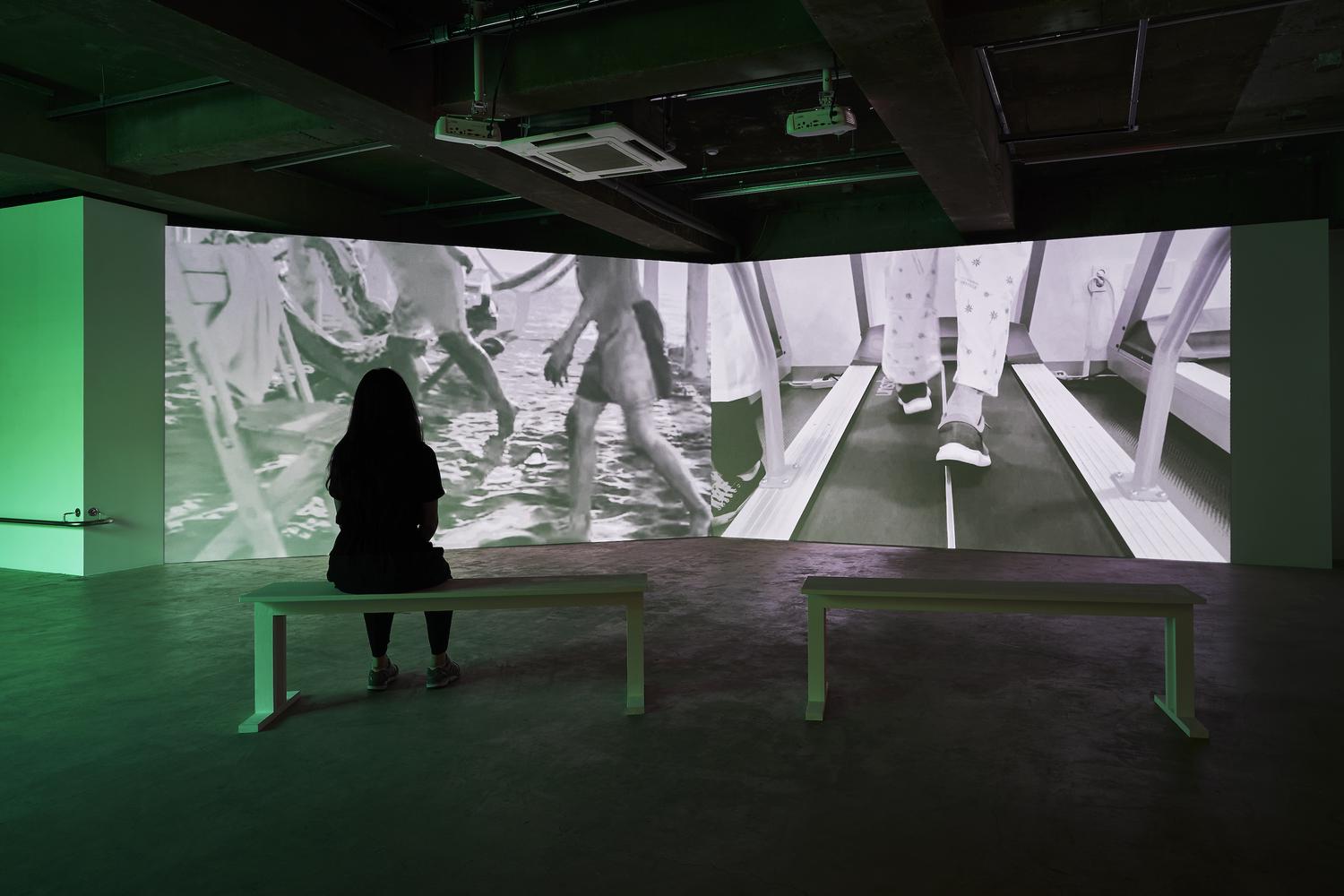
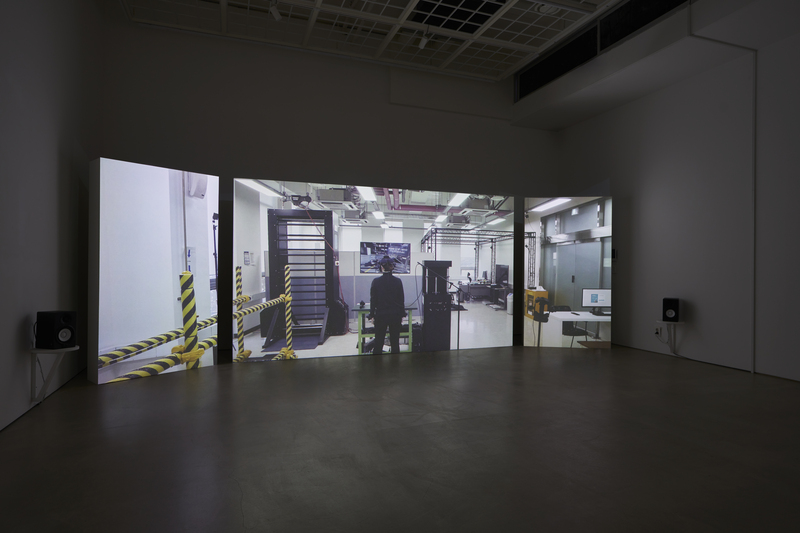
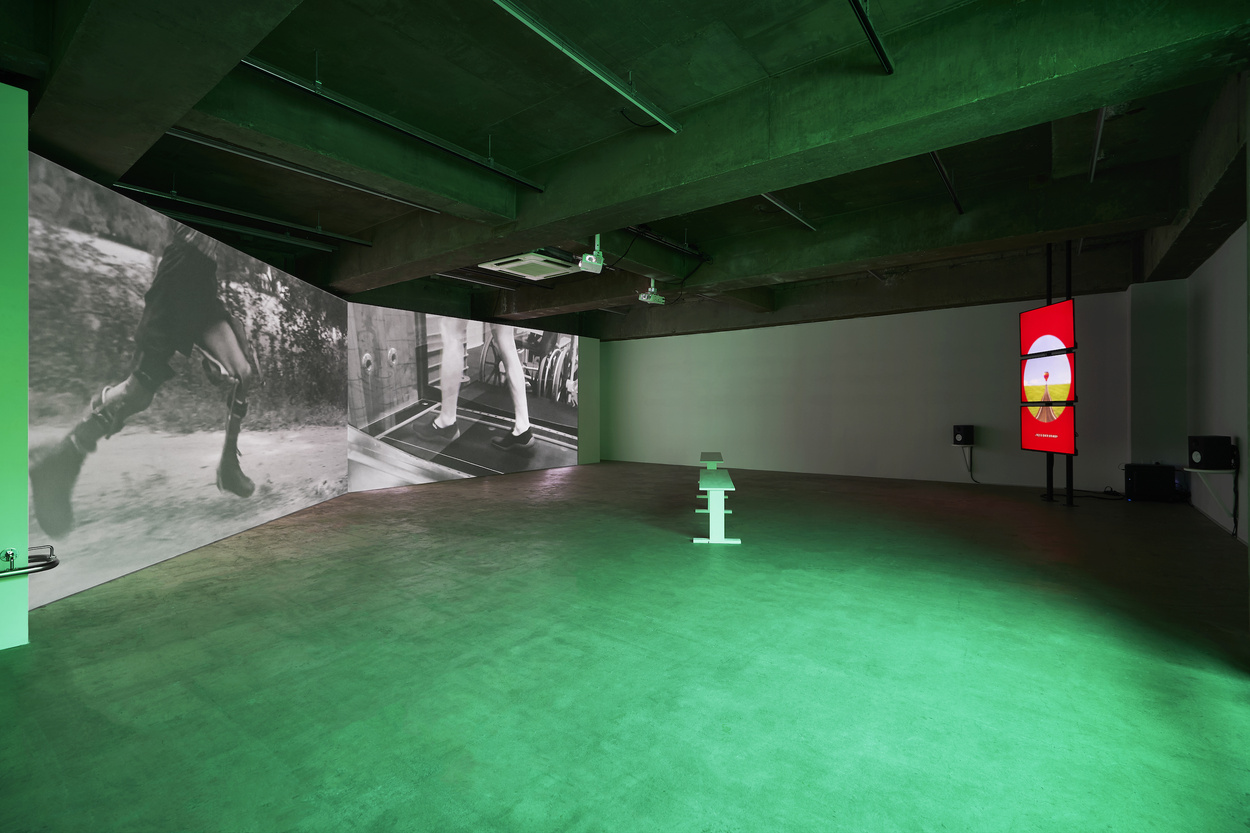
Installation view of 《Stance phase, Swing phase》 (The Reference, 2021) Photo: Euirock Lee. ©Eunhee Lee

In this way, Eunhee Lee has continued a practice that examines the multiple layers of bodies entangled with technological environments. In this extended context, the artist turns her attention to how the “impaired body” today is entangled with technology, labor, and the social structures that surround them, culminating in the solo exhibition 《Stance Phase, Swing Phase》 (2021) at The Reference.
 
In society, disability is understood both as a lack of labor capacity and as a weakening of economic ability. Therefore, rehabilitation technologies do not merely restore physical functions; they also serve to supplement the labor potential of people with disabilities and enable their economic participation.


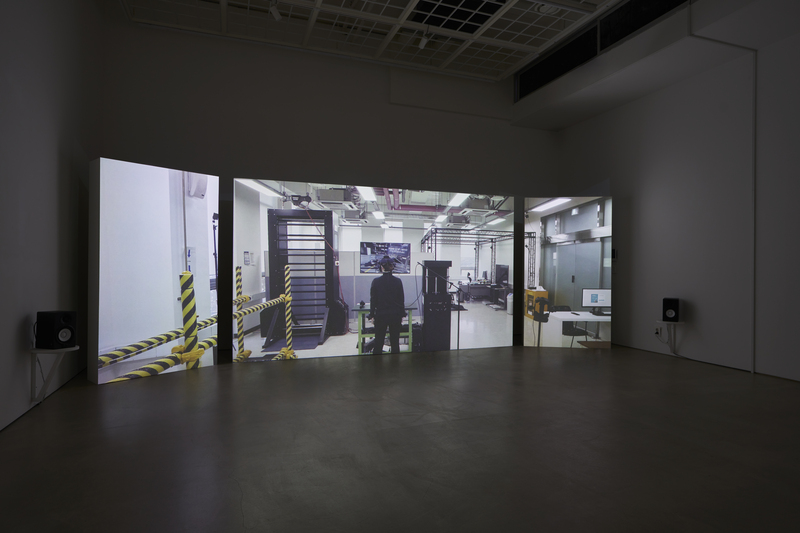
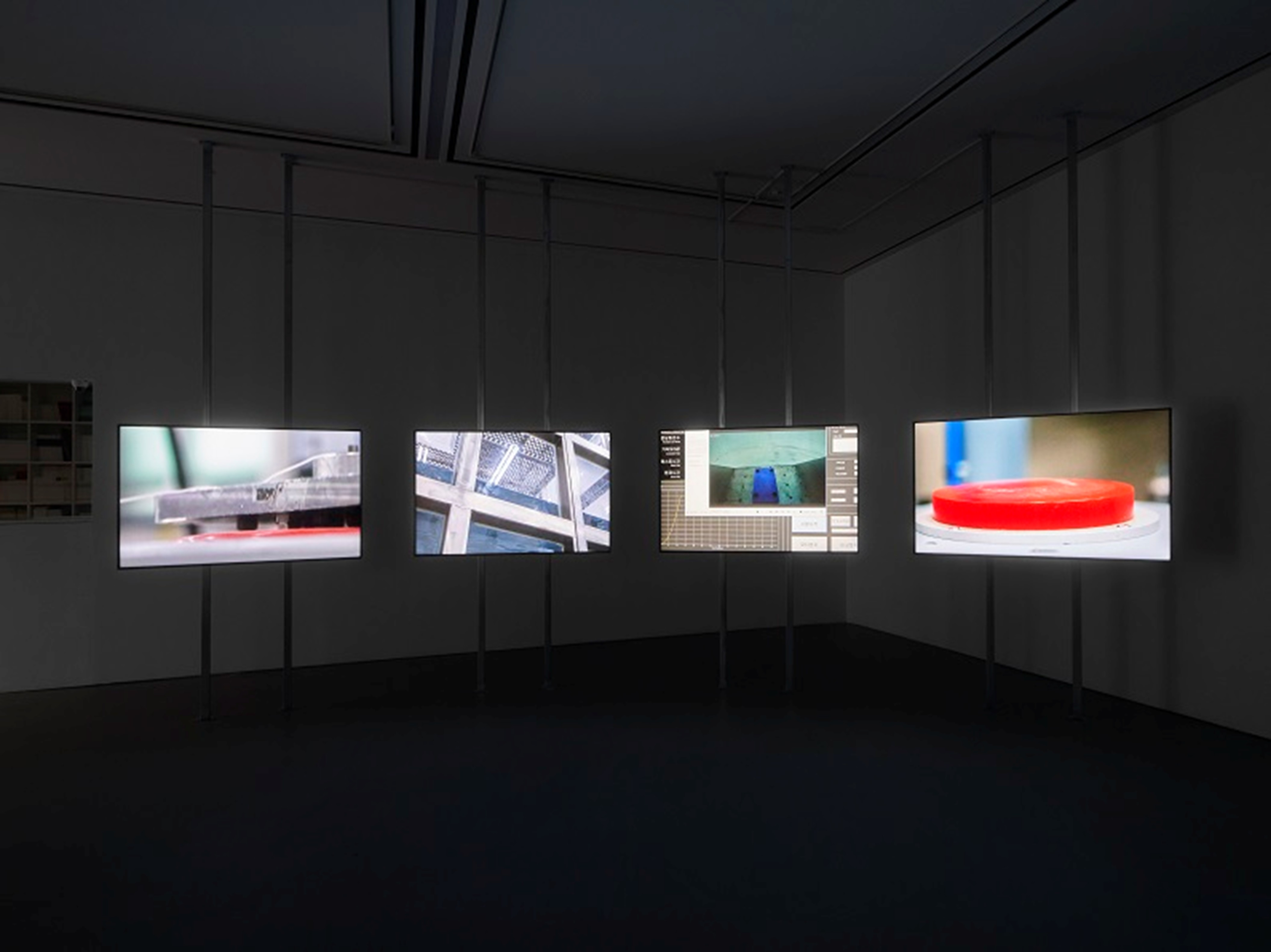
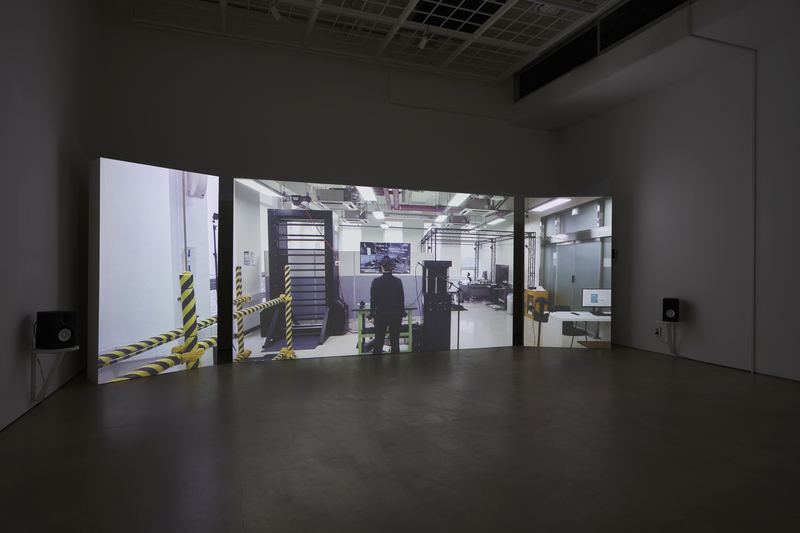
Eunhee Lee, Stance phase, Swing phase, 2021, 3-channel video installation, 32min 14sec. ©Eunhee Lee

At this point, Lee developed her work by noting that while the science and technologies enabling rehabilitation often present highly optimistic blueprints, the sites where these technologies are implemented and enacted constitute complex political assemblages.
 
Through her practice, she sought to examine the structural properties that shape the relationship between humans and technology throughout the processes by which rehabilitation technologies are researched, produced, and deployed. By documenting clinical rehabilitation settings and industrial research laboratories where assistive devices are developed, she observed the operational patterns of both machines and humans.


Eunhee Lee, Stance phase, Swing phase, 2021, 3-channel video installation, 32min 14sec. ©Eunhee Lee

The recorded scenes reveal humans who are assisted by machines, as well as those who manage and operate them—administrators, therapists, and technicians alike—all becoming subordinated to the flow of mechanical operations, emerging together as a single, large organism and collaborative entity.
 
Composed of these works, the exhibition poses fundamental questions about prevailing definitions of disability as bodily deficiency, while redefining the interrelationship between science and technology and the human desire to compensate for such deficiencies.
 
By rendering visible the sites of rehabilitation technology, the exhibition enables viewers to confront the complex and concrete realities that lie behind the abstract and ambiguous images of disability, and prompts critical reflection on the direction in which these systems are moving.


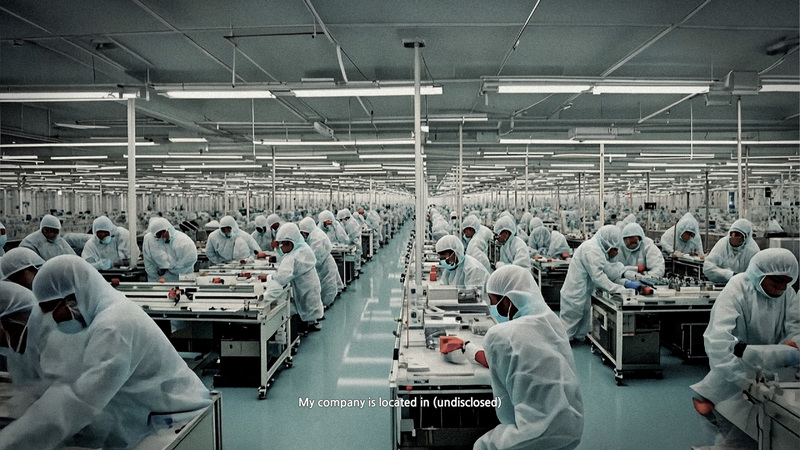
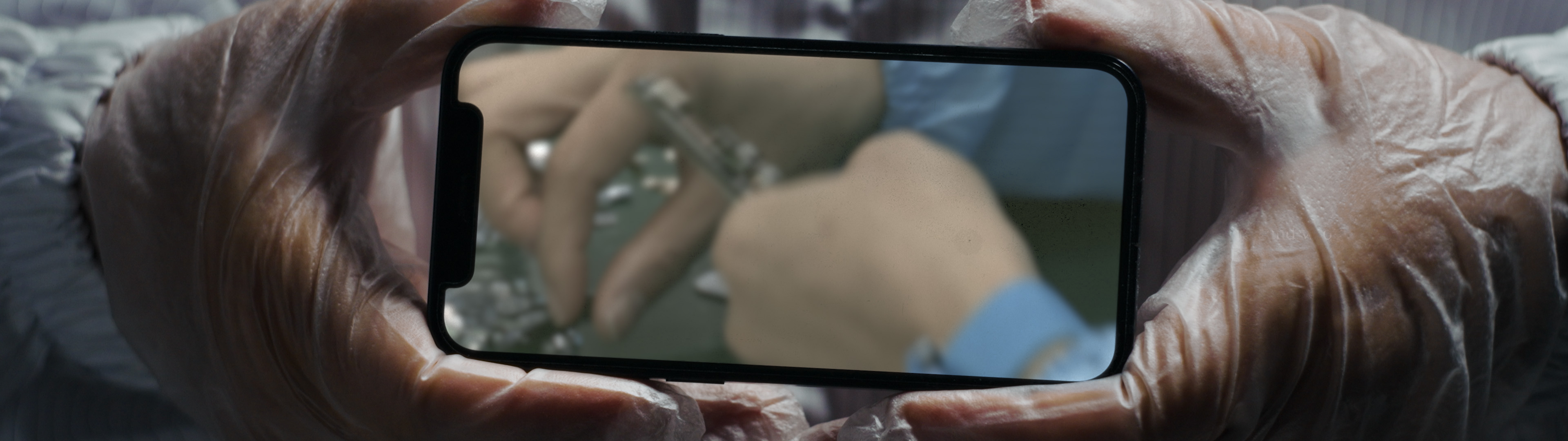
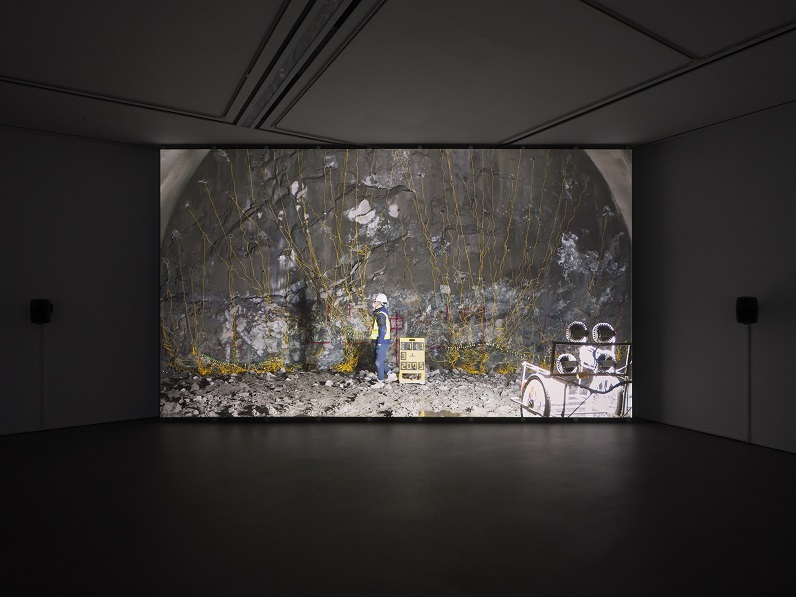
Eunhee Lee, Colorless, Odorless, 2024, Single-channel video, color, sound, 55min. ©Eunhee Lee

Taking a critical view of the illusion of infinity in the digital age and the desires of industrial capital intertwined with it, she has recently created a video work that highlights physical harm occurring at technological industry sites.
 
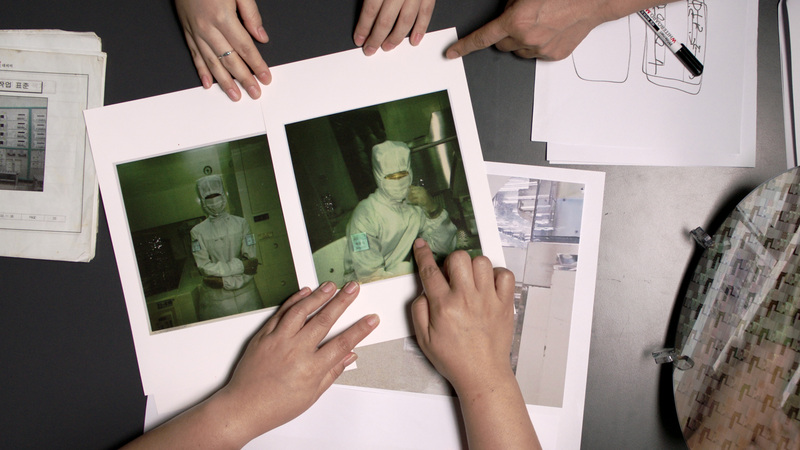
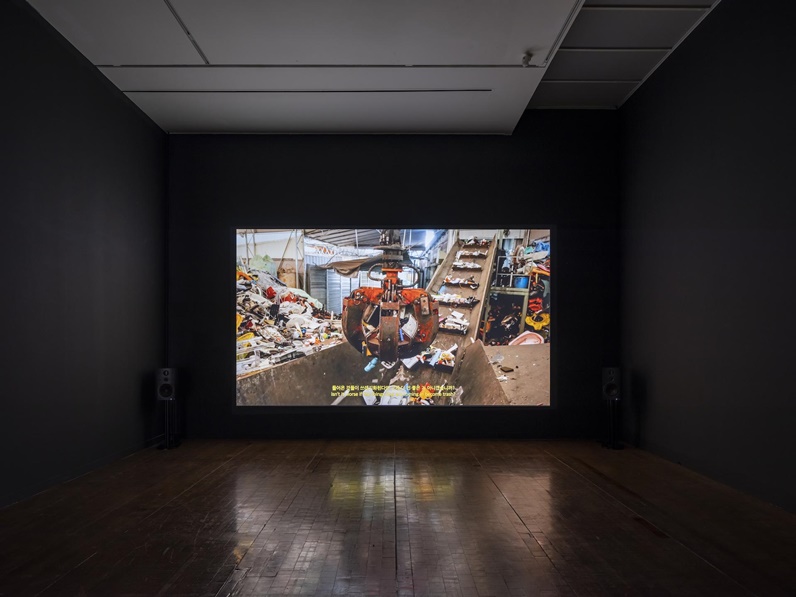
For instance, Colorless, Odorless (2024) follows the work records and archival materials of victims of semiconductor biohazards to trace the smells and actions of substances that cameras cannot capture.


Eunhee Lee, Colorless, Odorless, 2024, Single-channel video, color, sound, 55min. ©Eunhee Lee

The key elements of electronics, such as semiconductors and display components, are produced in “clean rooms,” which are spaces where environmental conditions, including dust, are controlled. However, workers in these clean and sanitized spaces are often exposed to chemicals that are seriously hazardous to their health.
 
Unlike immediate catastrophes, diseases caused by the accumulation of chemicals often go unnoticed and develop slowly over generations. The work begins from the ironic point that the only things that prove the invisible toxicity and dangers of these cutting-edge technology sites are the memories of the bodies and the faint smells of the substances passing through the clean rooms.


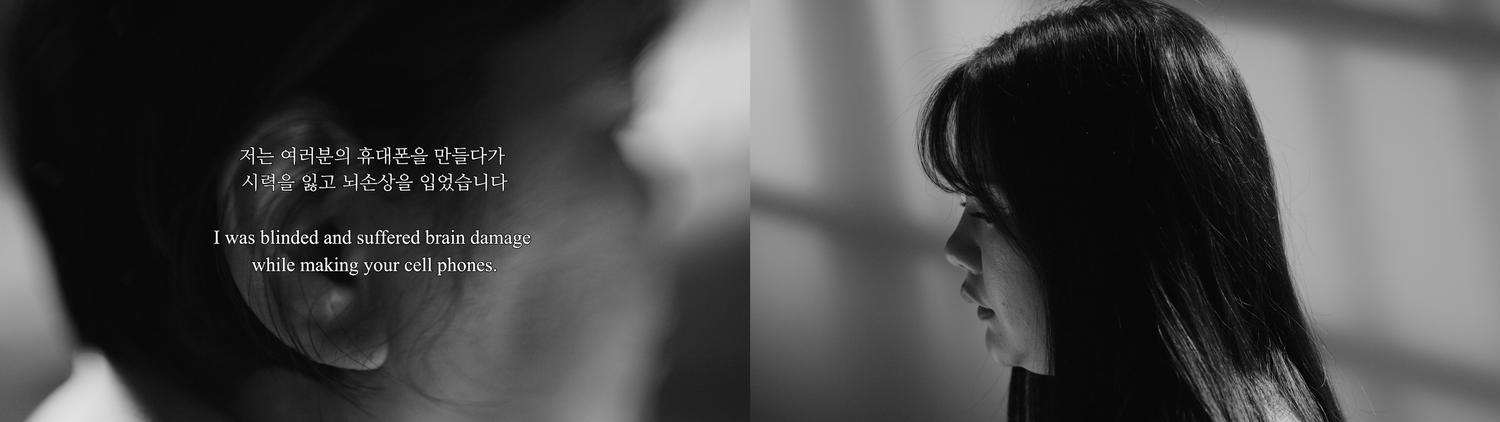
Eunhee Lee, Colorless, Odorless, 2024, Single-channel video, color, sound, 55min. ©Eunhee Lee

To this end, the voices of Asian women and migrant workers, who are exposed to vulnerability, are heard. Testimonies of the past are overlaid on current symptoms, and the disaster repeats itself in other bodies and places.
 
As advanced technology industries are increasingly outsourced and the risks and exploitation embedded in labor environments become globalized, her work gives voice to victims, activist groups, and labor unions who resist these conditions, mapping out a terrain of solidarity.


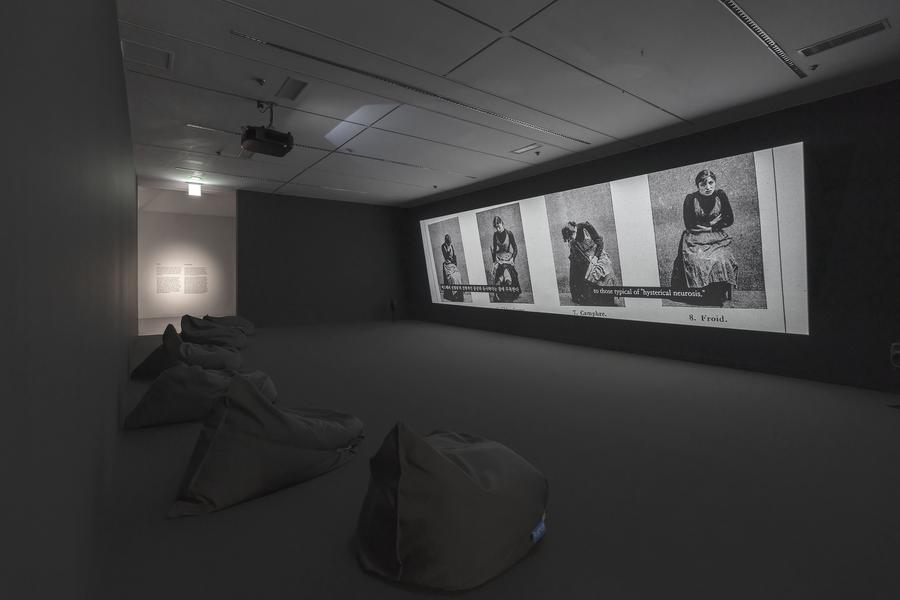
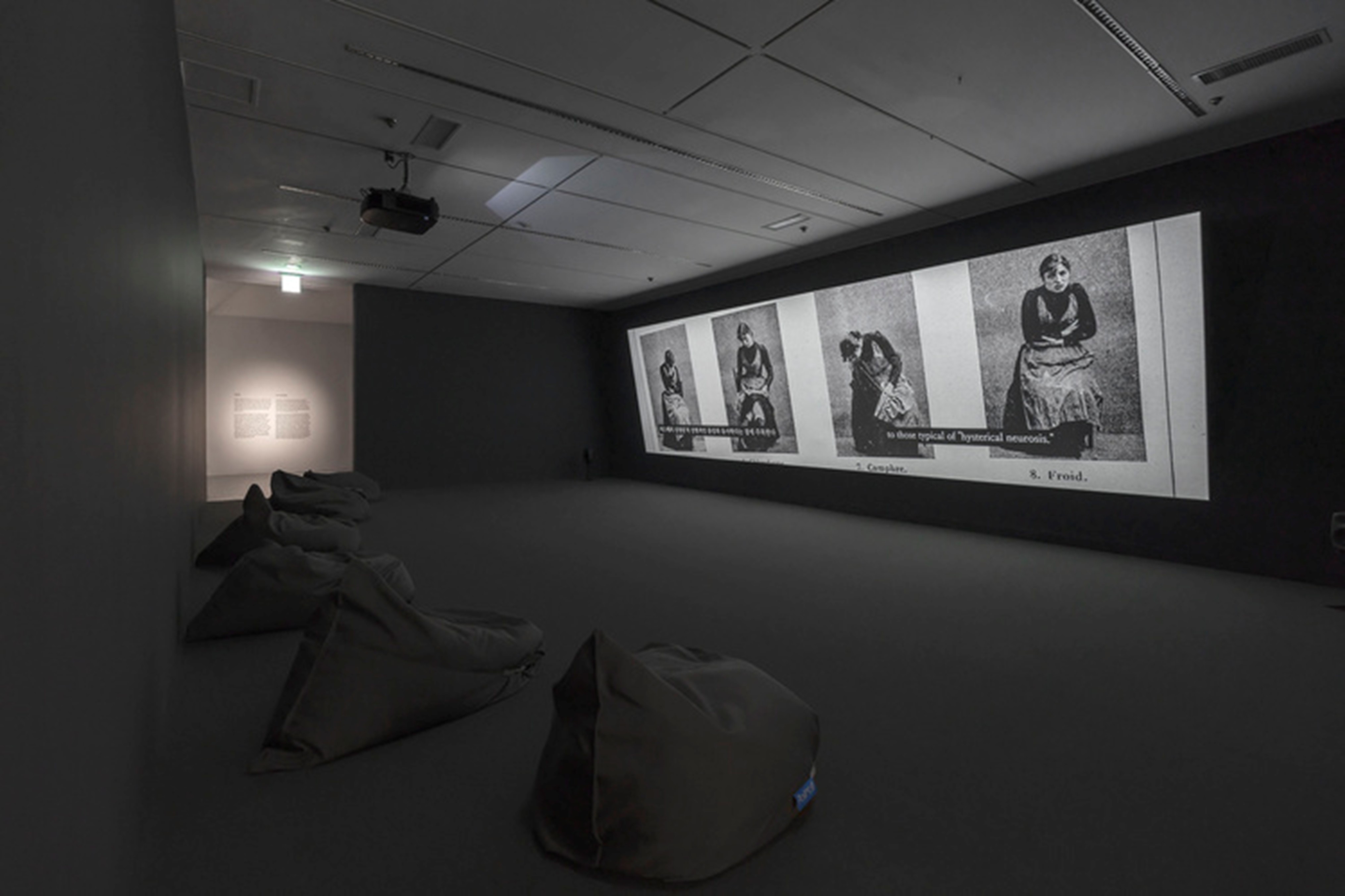
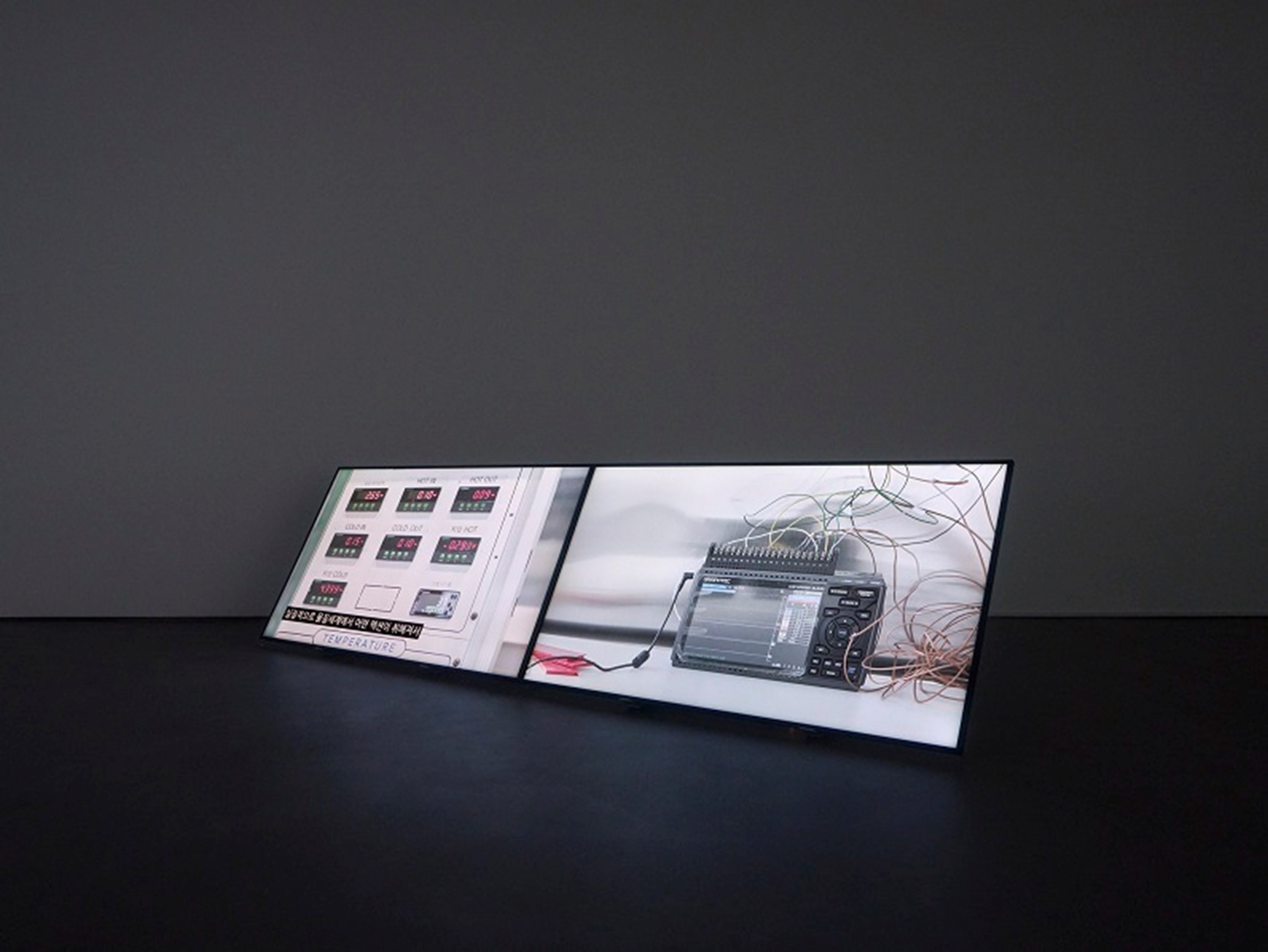
Eunhee Lee, Body Alerts, 2025, 2-channel video, color, sound, 32min. ©Eunhee Lee

Furthermore, the new work Body Alerts (2025), presented in 《Young Korean Artists 2025: Here and Now》 at the National Museum of Modern and Contemporary Art, Korea, extends and articulates narratives that could not be fully addressed even in Colorless, Odorless. While the previous work centered on the stories of contemporary victims of industrial accidents, the new work Body Alerts attempts to map events reaching further back into the past.


Eunhee Lee, Body Alerts, 2025, 2-channel video, color, sound, 32min. ©Eunhee Lee

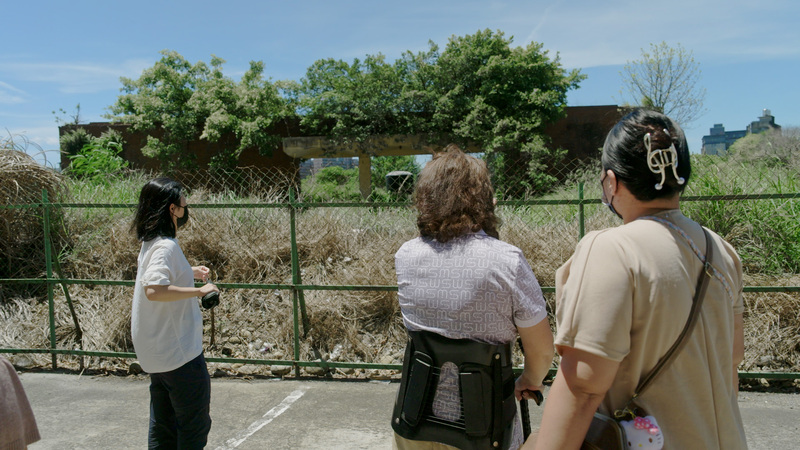
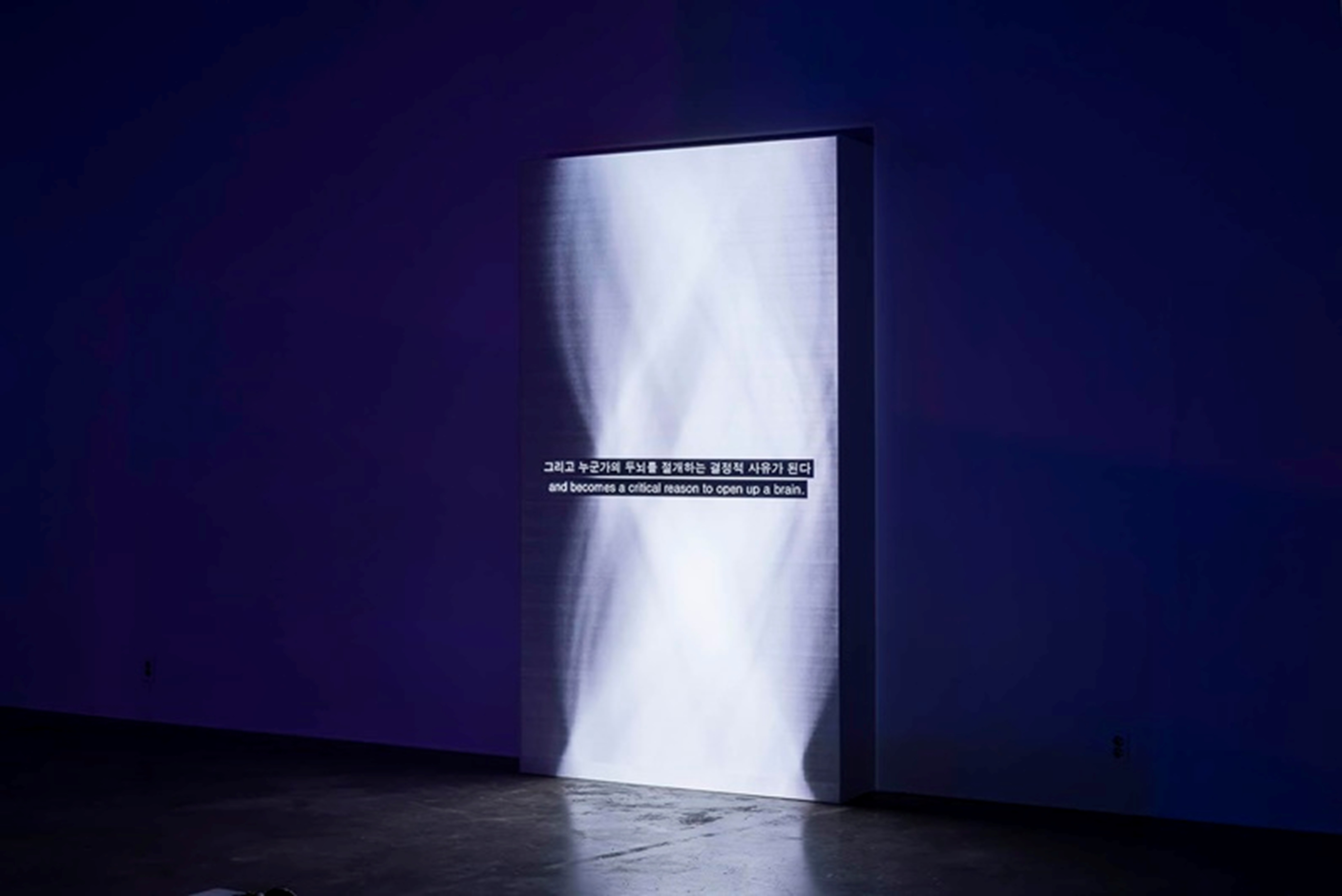
To this end, the new work, Body Alerts (2025), highlights how occupational diseases from the Industrial Revolution are being repeated in similar ways in today’s technological industry. The production of innovative technology involves not only a great deal of labor but also an immense input of materials, which in process generate harmful substances that inflict various physical injuries and illnesses on workers. However, these issues are often silenced or dismissed as personal matters, depending on gender and social status.
 
The video interweaves past disasters and present incidents through key words such as the “reeling room,” referring to factories where textiles were once produced; the “clean room,” a space for semiconductor fabrication; as well as “hysteria” and “nimble fingers,” revealing the persistent desires of industry and capital repeated across disconnected times and spaces. Incorporating a range of historical materials, it also includes performances that document the testimonies and gestures of victims of occupational disease.


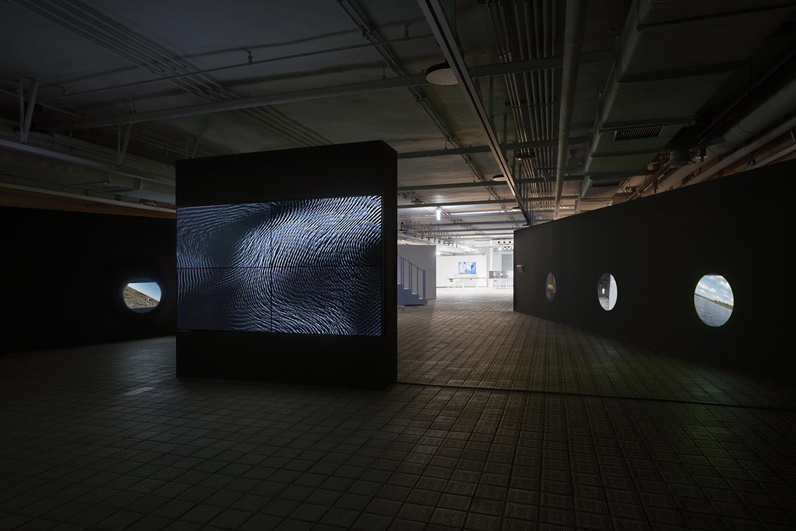
Eunhee Lee, Body Alerts, 2025, 2-channel video, color, sound, 32min., Installation view of 《Young Korean Artists 2025: Here and Now》 (MMCA, 2025) ©Eunhee Lee

Observing and reflecting on such technological sites through artistic means can be understood, for Eunhee Lee, as both an attempt to understand the world and a process of striving to narrow the gap between the strange, absurd conditions of society and our understanding of them.
 
Through this body of work, Lee prompts reflection on the contemporary technological world by questioning how contradictory and fragile so-called cutting-edge industries and technologies can be, despite being labeled as “advanced” or “progressive.”

 “Out of a desire to understand this complex and strange world more clearly, I begin by formulating a hypothesis. Yet as I attempt to construct the groundwork to persuade the audience of that hypothesis, I come to realize, inversely, that the world cannot arrive at a single conclusion. (…) Acknowledging the complexity in which disability, labor, and technology are entangled, and showing the differing positions of those involved within this environment, felt like the most meaningful role I could take on.”  (Eunhee Lee, from an interview with The Stream)


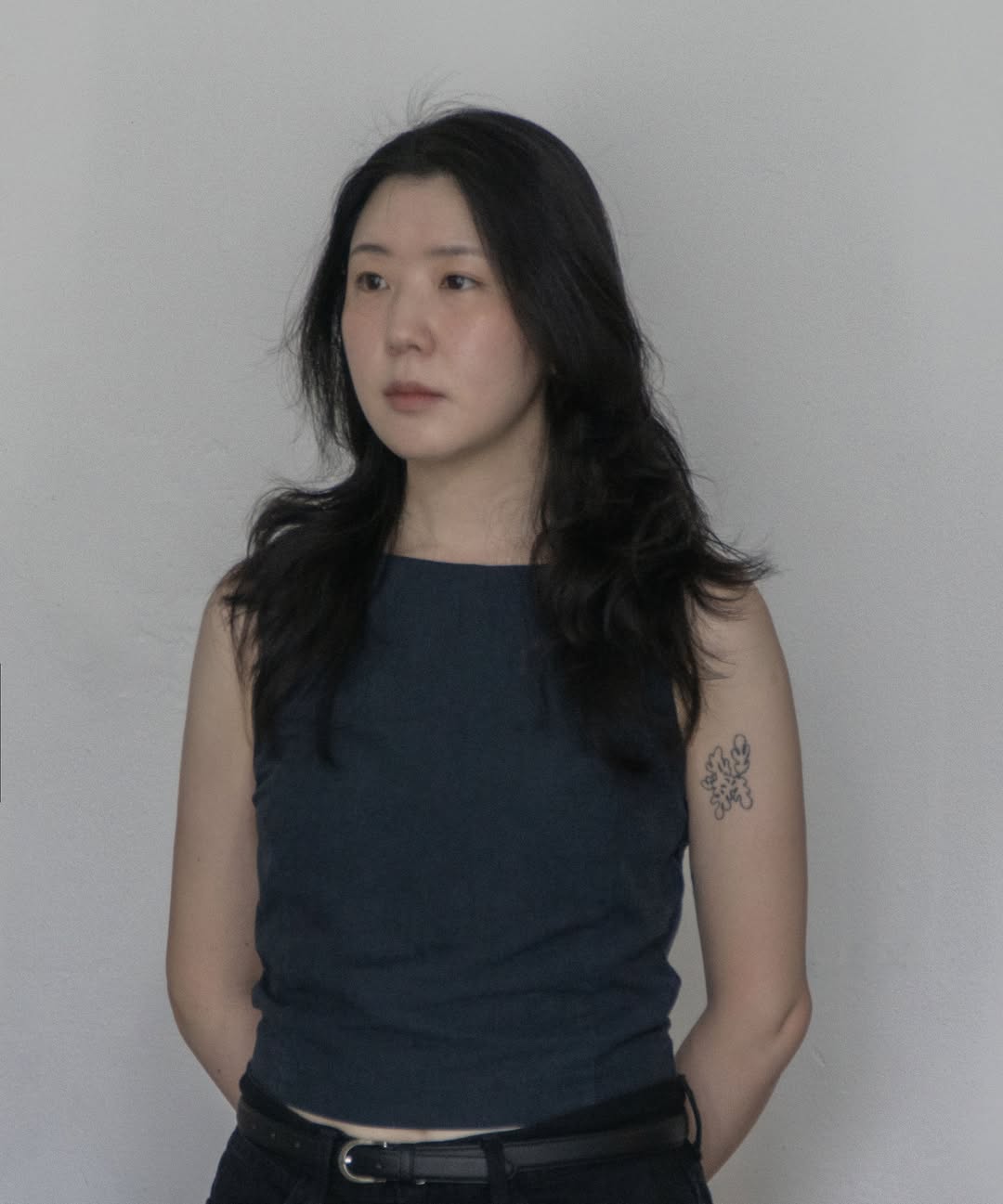
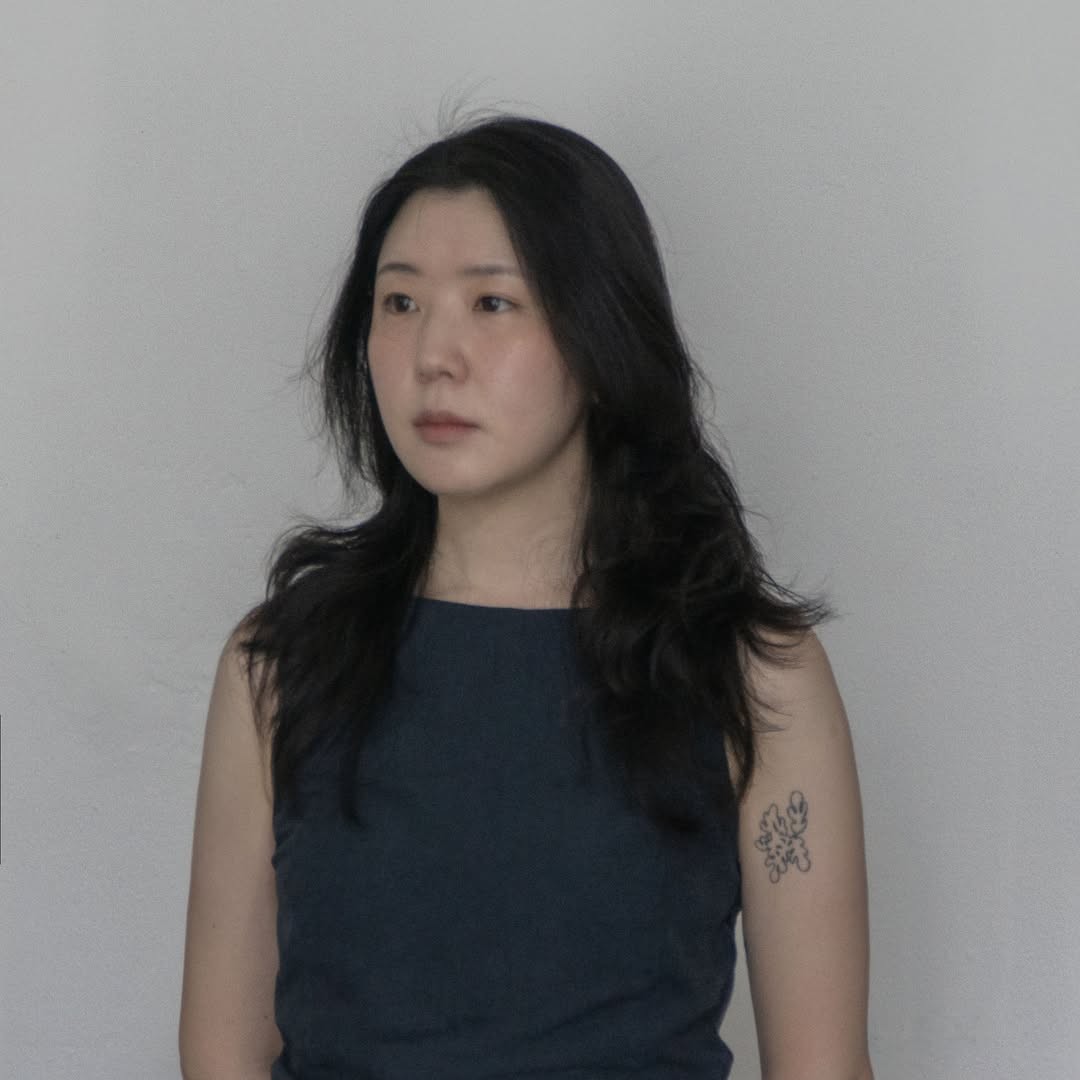
Artist Eunhee Lee ©MMCA

Eunhee Lee received her Absolvent and Meisterschüler degrees in Fine Art from the Universität der Künste Berlin, and earned her MFA from the Korea National University of Arts. Her recent solo exhibitions include 《Clean Room, Reeling Room》 (MOCA Taipei, Taiwan, 2025), 《Colorless, Odorless》 (Room Room x Art Hub Copenhagen, Denmark, 2025), 《Mechanics of Stress》 (DOOSAN Gallery, Seoul, 2023), and 《Stance phase, Swing phase》 (The Reference, Seoul, 2021).
 
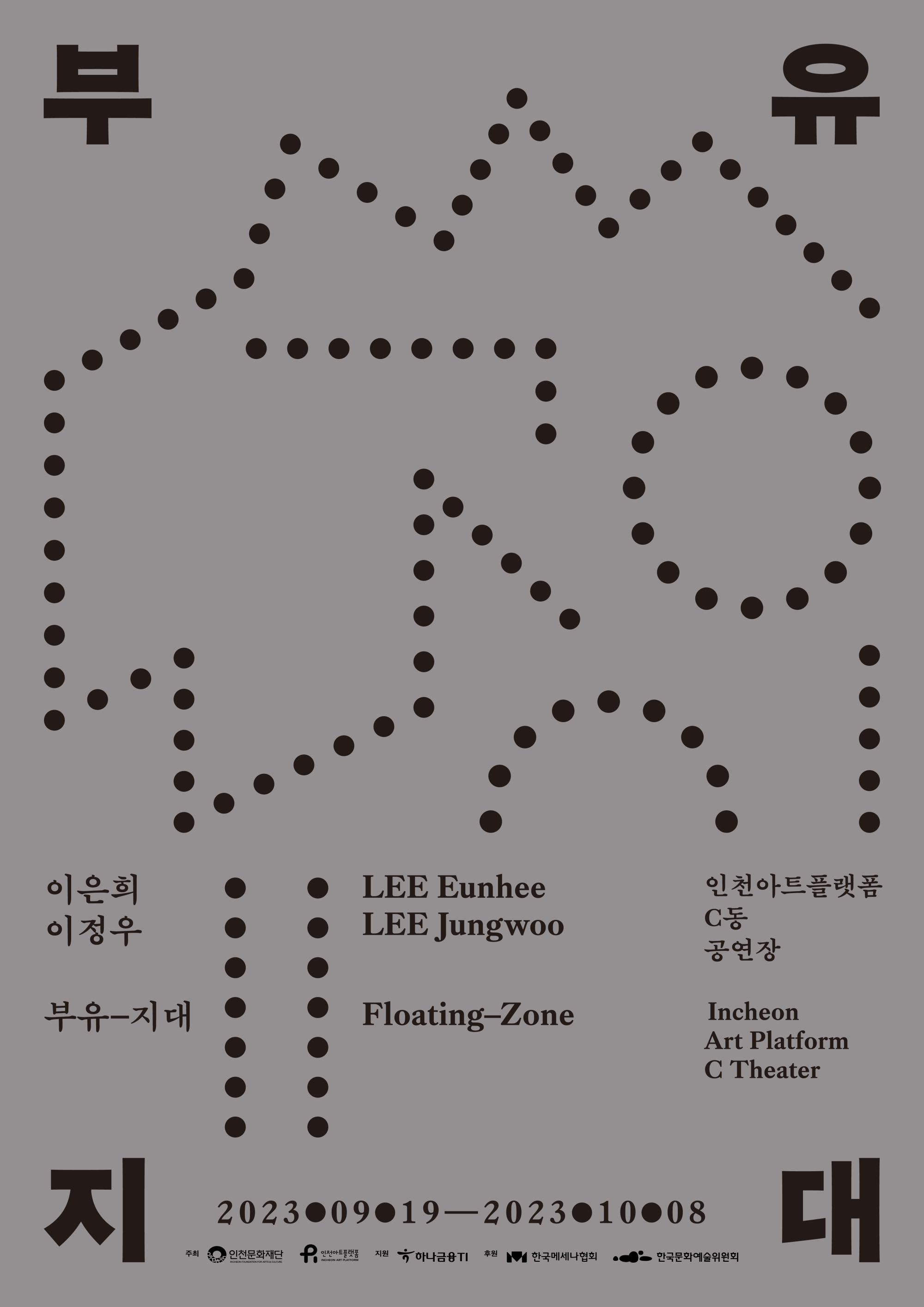
She has also participated in numerous group exhibitions, including 《Young Korean Artists 2025: Here and Now》 (MMCA, Gwacheon, 2025), 《SeMA Omnibus: I Want to Love Us》 (Buk-Seoul Museum of Art, Seoul, 2024), 《Floating-Zone》 (Incheon Art Platform, Incheon, 2023), 《Frieze Film 2023: It was the way of walking through narrative》 (BOAN1942, Seoul, 2022), 《Watch and Chill 2.0: Streaming Senses》 (MMCA, Seoul, 2022), 《Digital Art Festival Taipei 2021: Boderless Shelter》 (Taipei, Taiwan, 2021), and more.
 
Her films have been screened at the Jeonju International Film Festival (2025), DMZ International Documentary Film Festival (2022), EXiS Experimental Film Festival (2018/2019), and the Seoul International NewMedia Festival (2023/2018). And her works are held in collections of Gyeongnam Art Museum, Busan Museum of Art, Seoul Museum of Art, and Museum of Contemporary Art Busan. 
References