Exhibitions
《We Go》, 2024.03.20 – 2024.04.20, DOOSAN Gallery
March 20, 2024
DOOSAN Gallery
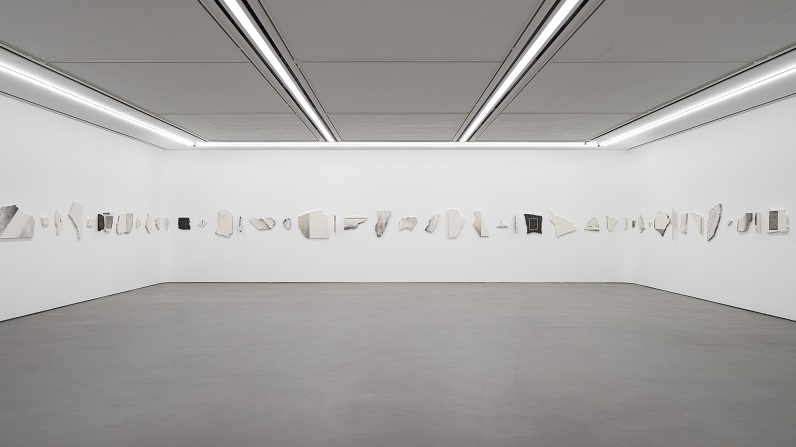
Installation
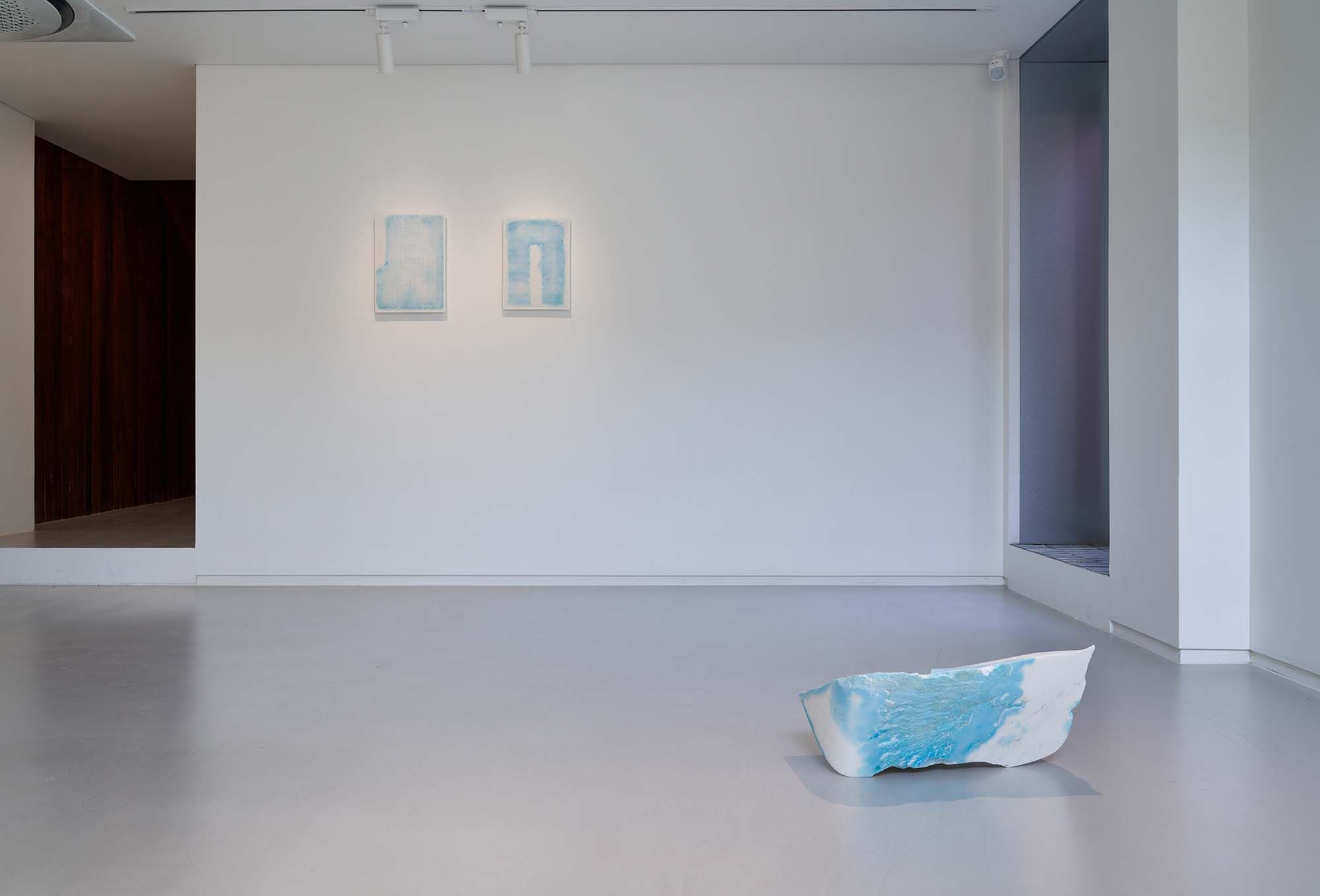
view of 《We Go》
(DOOSAN Gallery, 2024) ©DOOSAN Art Center
Kwon
Hyun Bhin’s solo exhibition, 《We Go》, envisages movements of objects
that have seemingly come to an end. In the title, “we” encompasses the various
subjects that a sculpture involves, and “go” represents the many kinds of
movements that a sculpture necessitates. Identifying these often requires a few
shifts in timeline and adjustments in spatial distance.
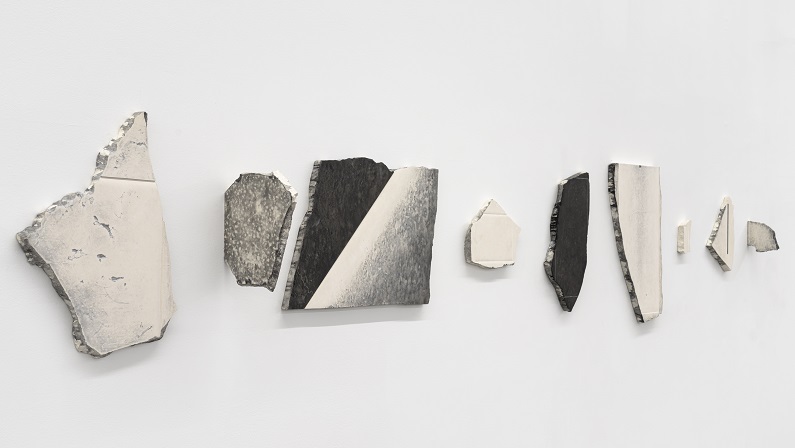
Installation
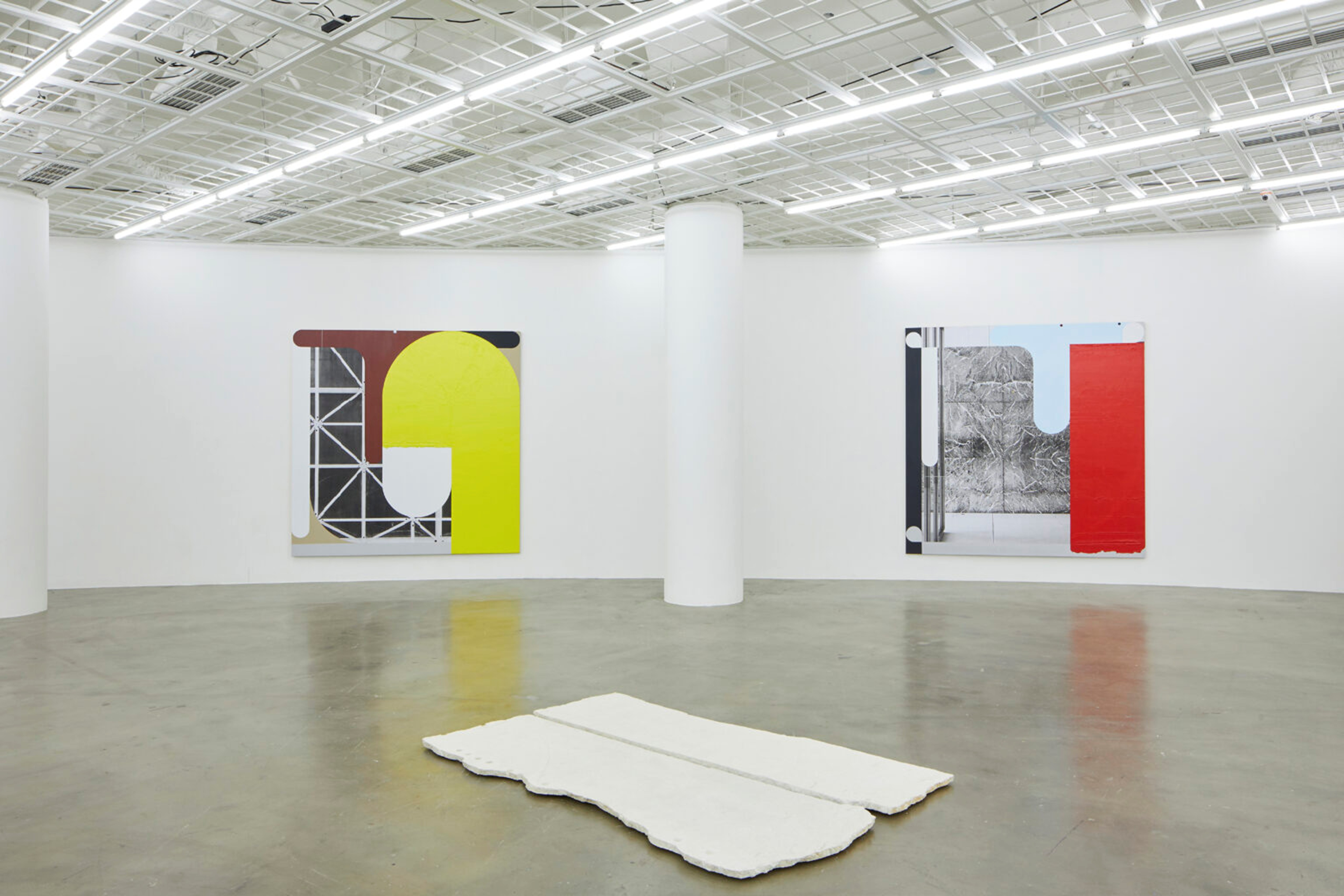
view of 《We Go》
(DOOSAN Gallery, 2024) ©DOOSAN Art Center
Kwon
regards her sculptures as traces of time—that the past, present, and future of
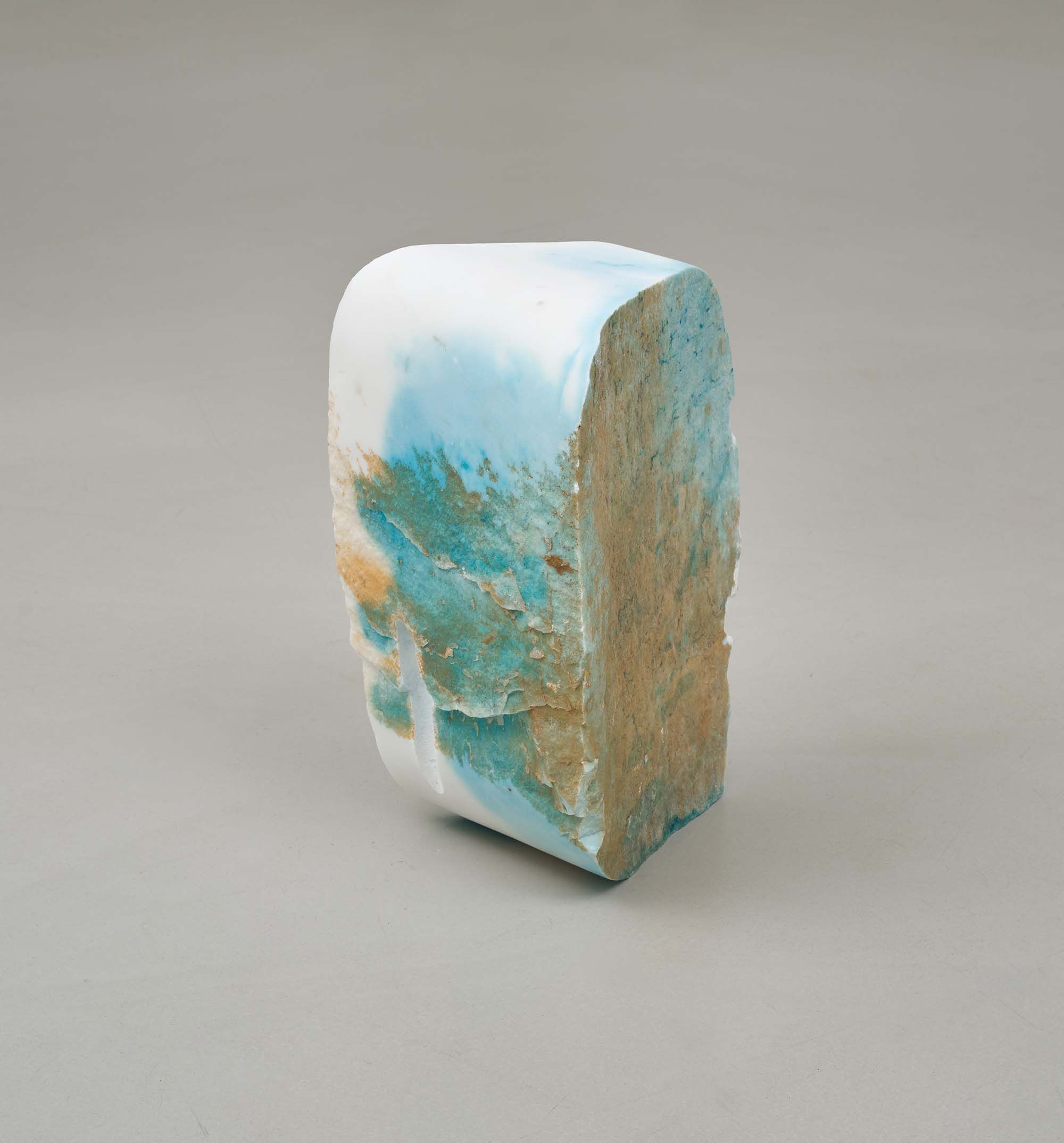
a material culminate in the sculptures. Working primarily with stone, she
tracks down the weakest spot. She observes it for a long time, discovers the
very spot where the stone willingly cracks open, then taps, carves, and
conjoins the pieces.
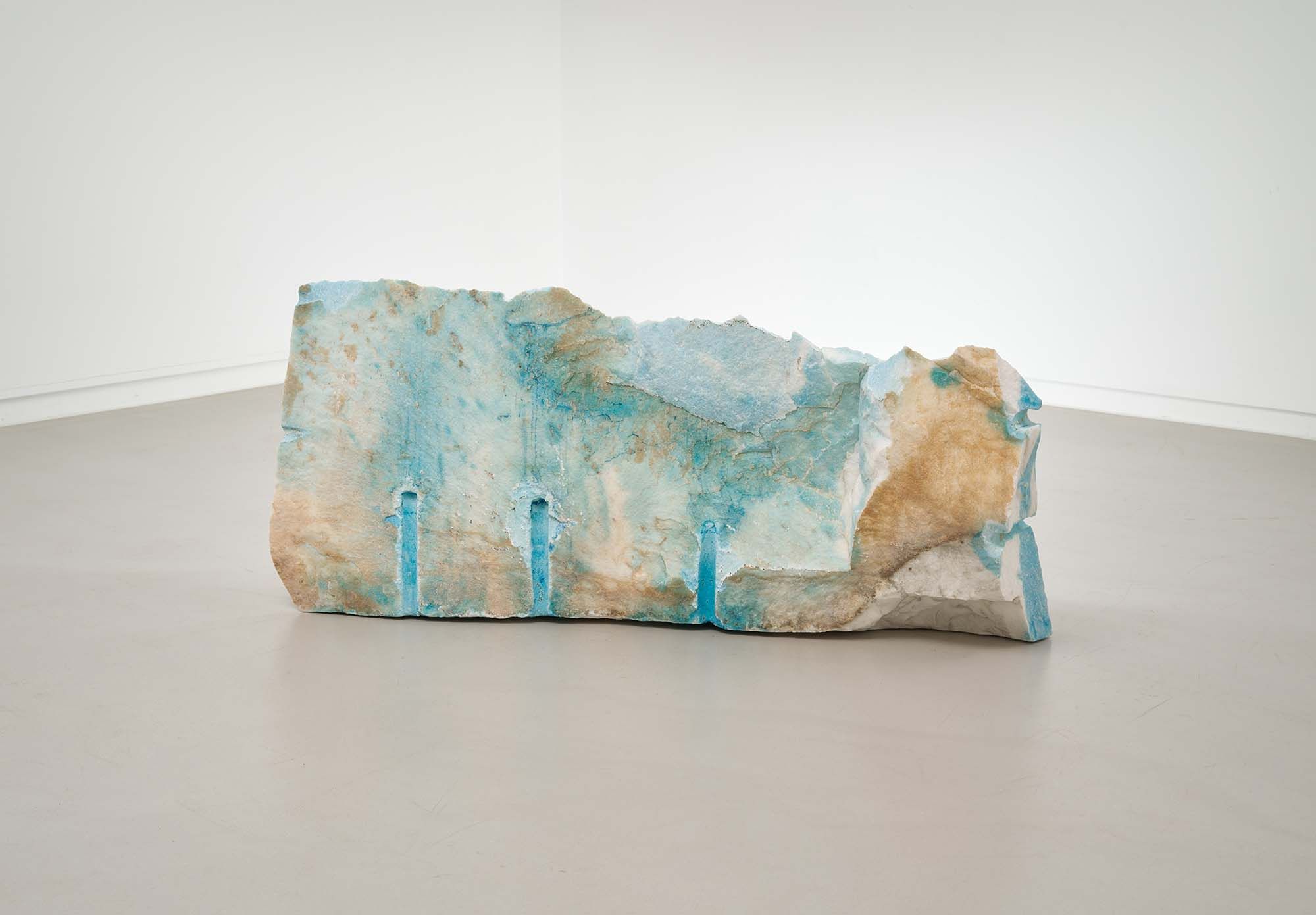
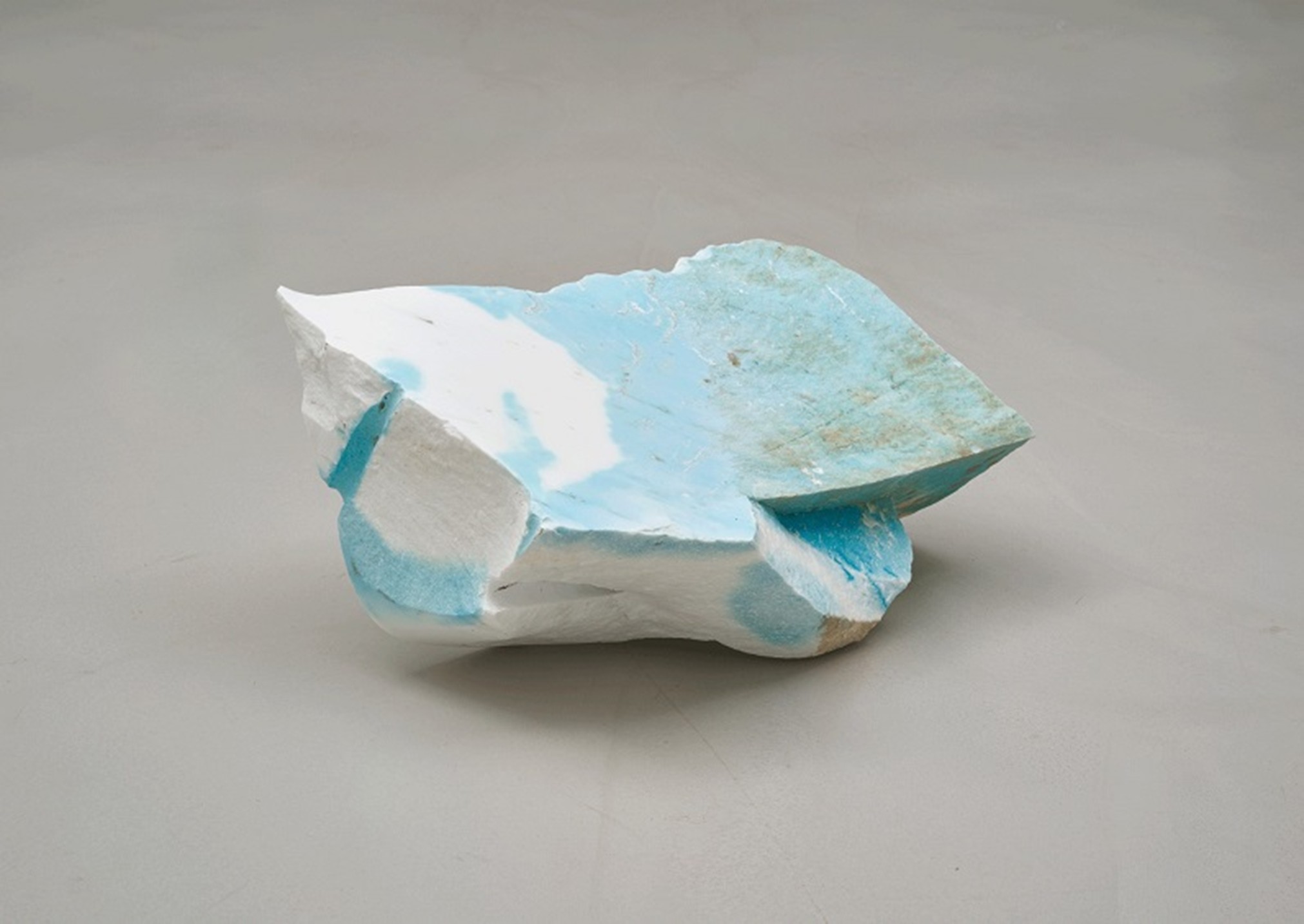
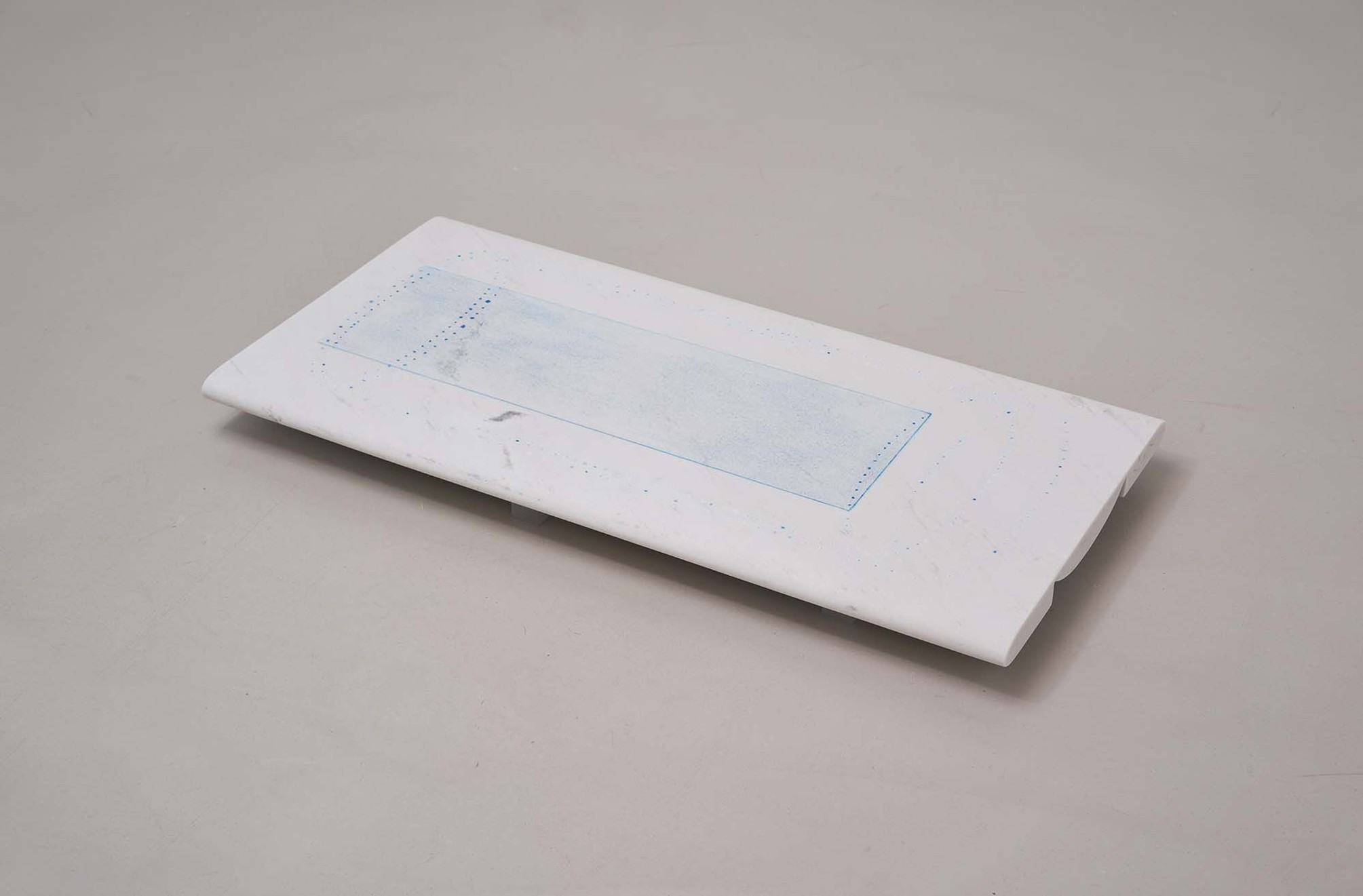
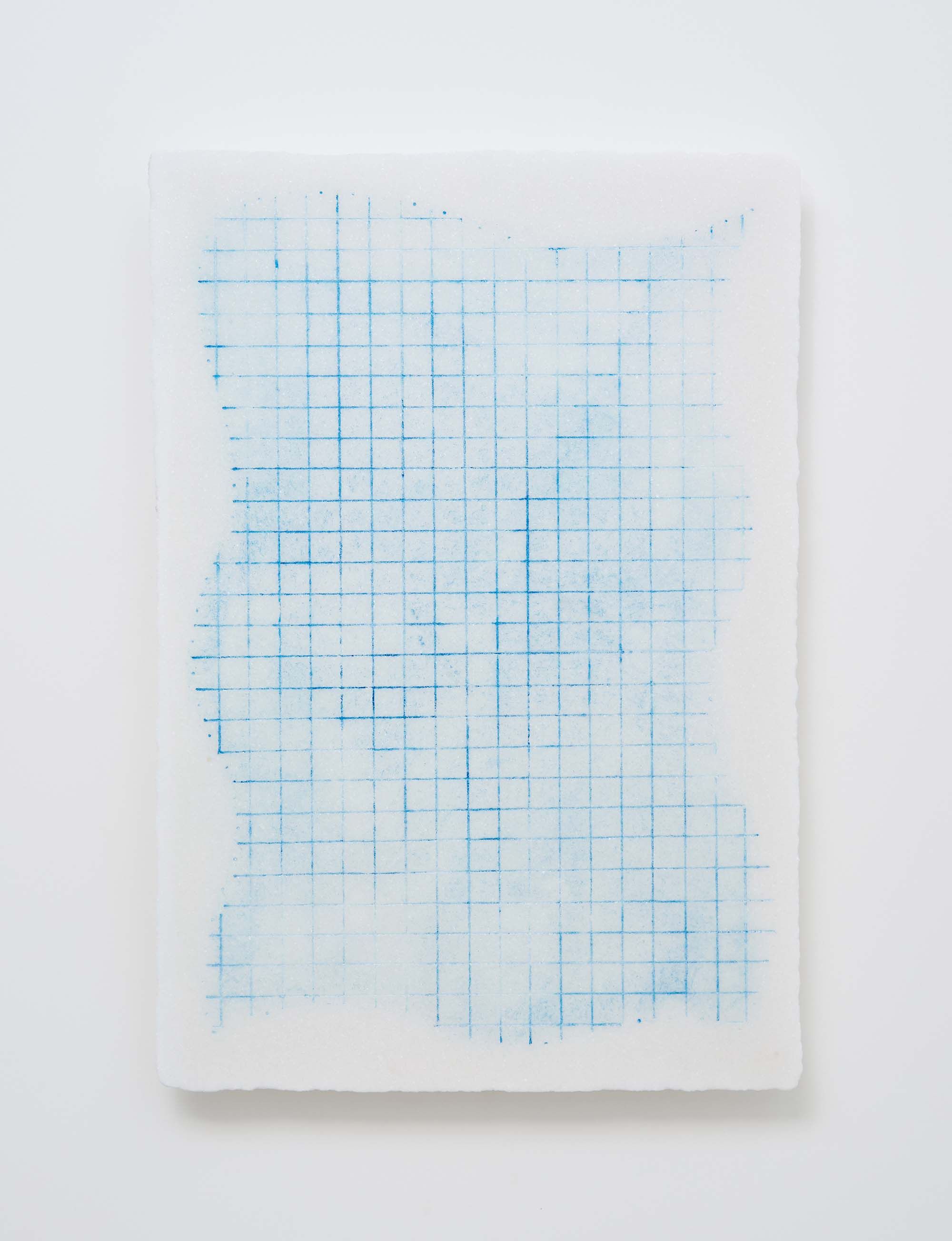
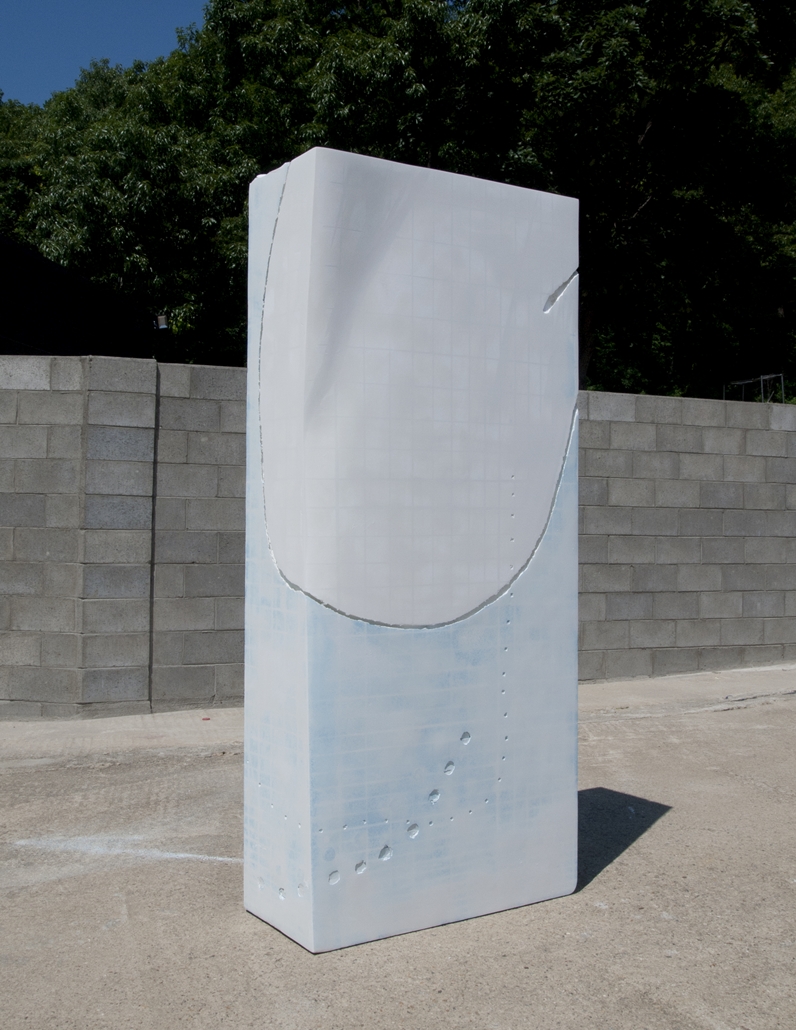
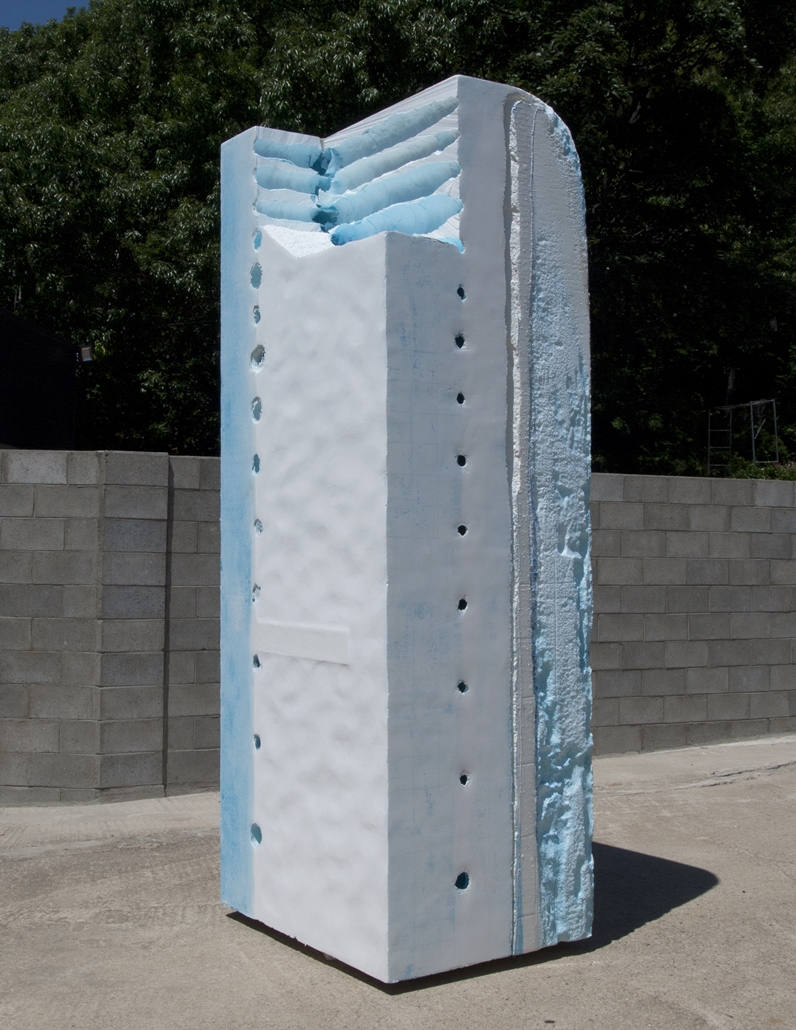
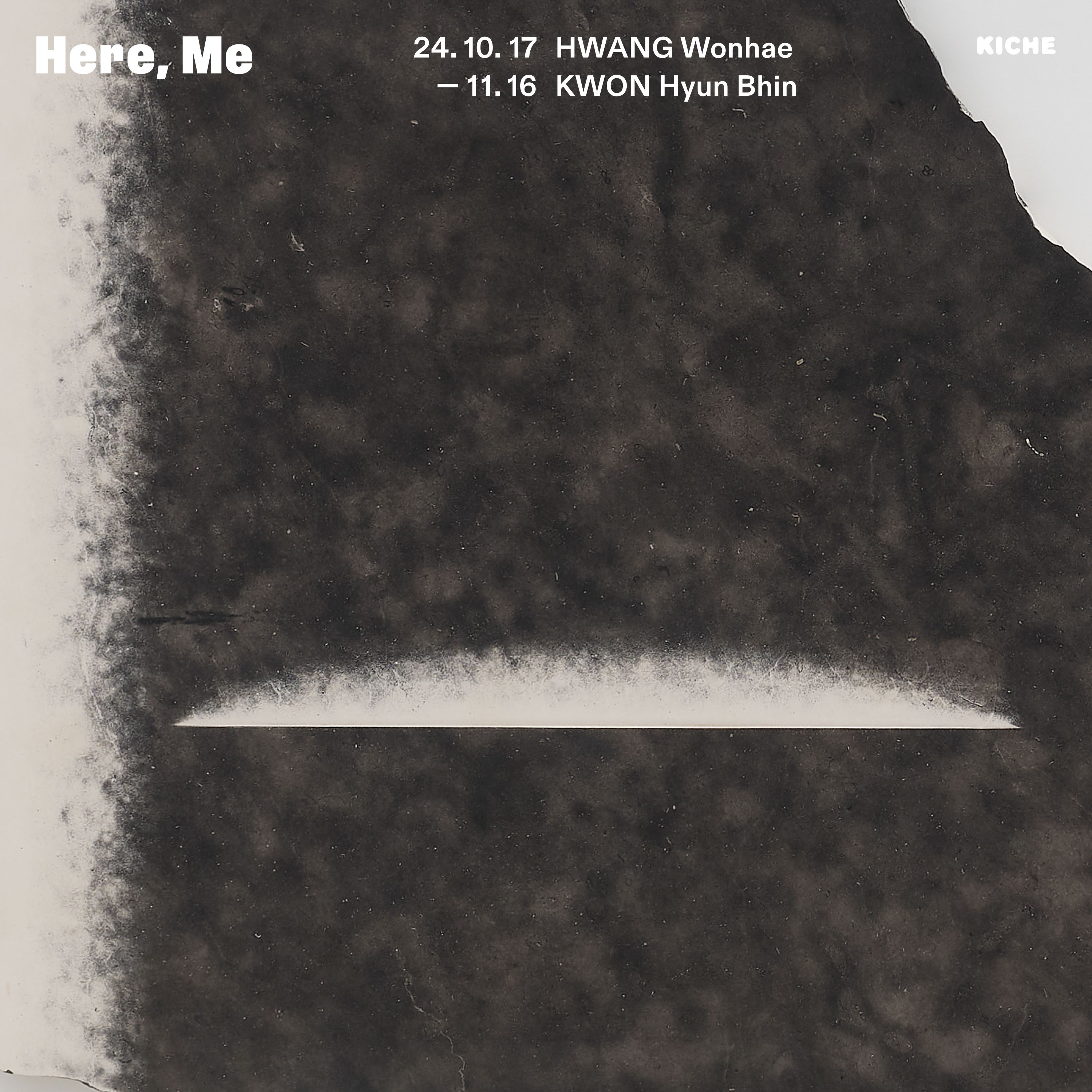
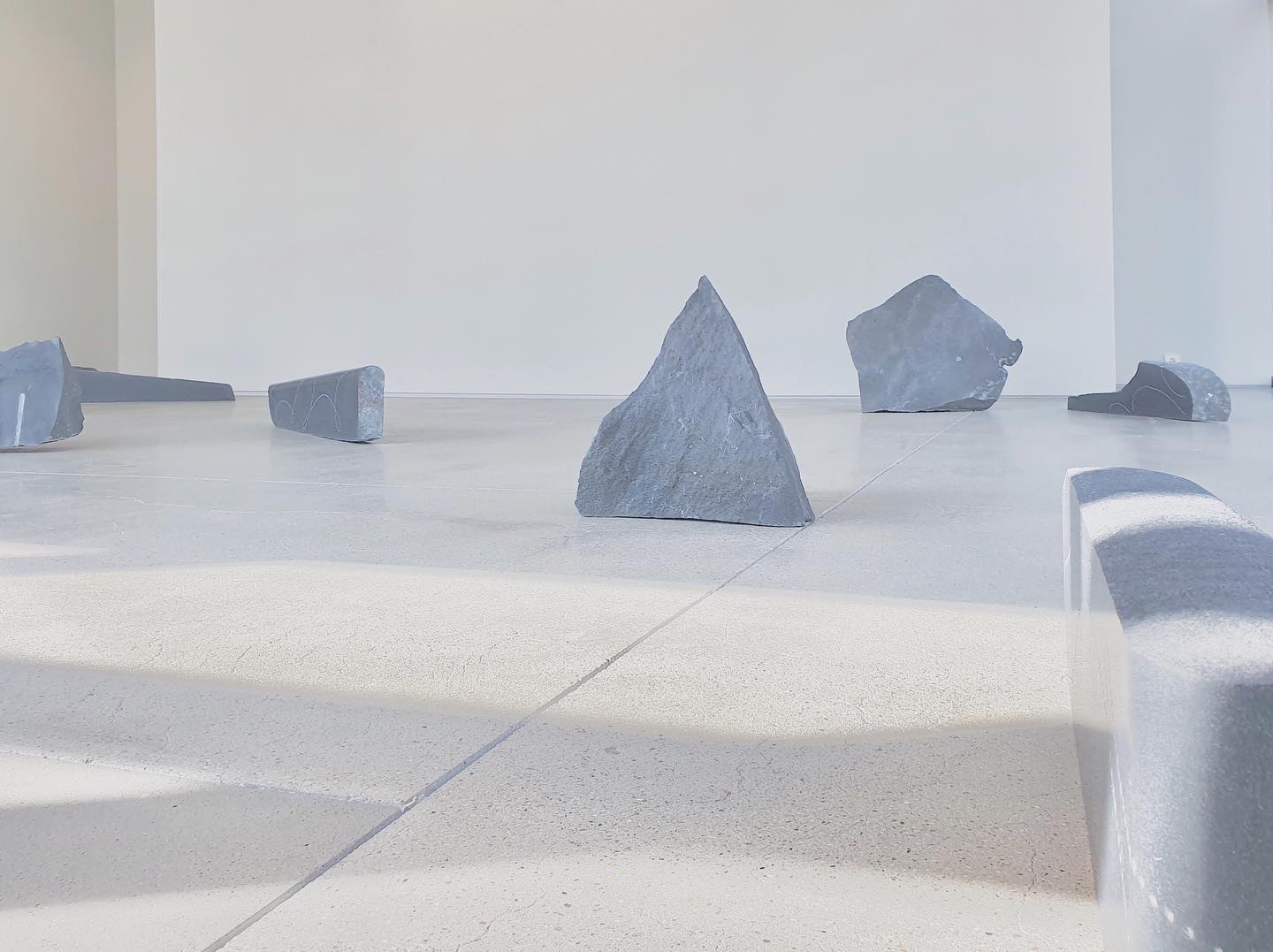
The lines, planes, and colors on the stone sculptures
might suggest intent, but they are closer to traces of Kwon’s time spent with
the material. To Kwon, the act of “sculpting” a stone with interlocking layers
of time is less a means to an end but a continued signal of what is to come, a
state of constantly reducing and cracking open.
Is
it ever possible to understand the time a stone embodies? An object that seems
like a condensation of eternity? By virtue of the artist, the stone halts its
movement and assumes a form. Shattered fragments allude to its whole, and a
broken line points to a corner it seeks to complete. Black ink bears the abyss
that absorbs all light and color. Nevertheless, the stone, by nature, refuses
to be moored, lessening the pigment’s vibrancy that strove to penetrate even
further or crumbling to even smaller pieces. It reminds us that, as a part of
nature, its clock is yet to stand still.
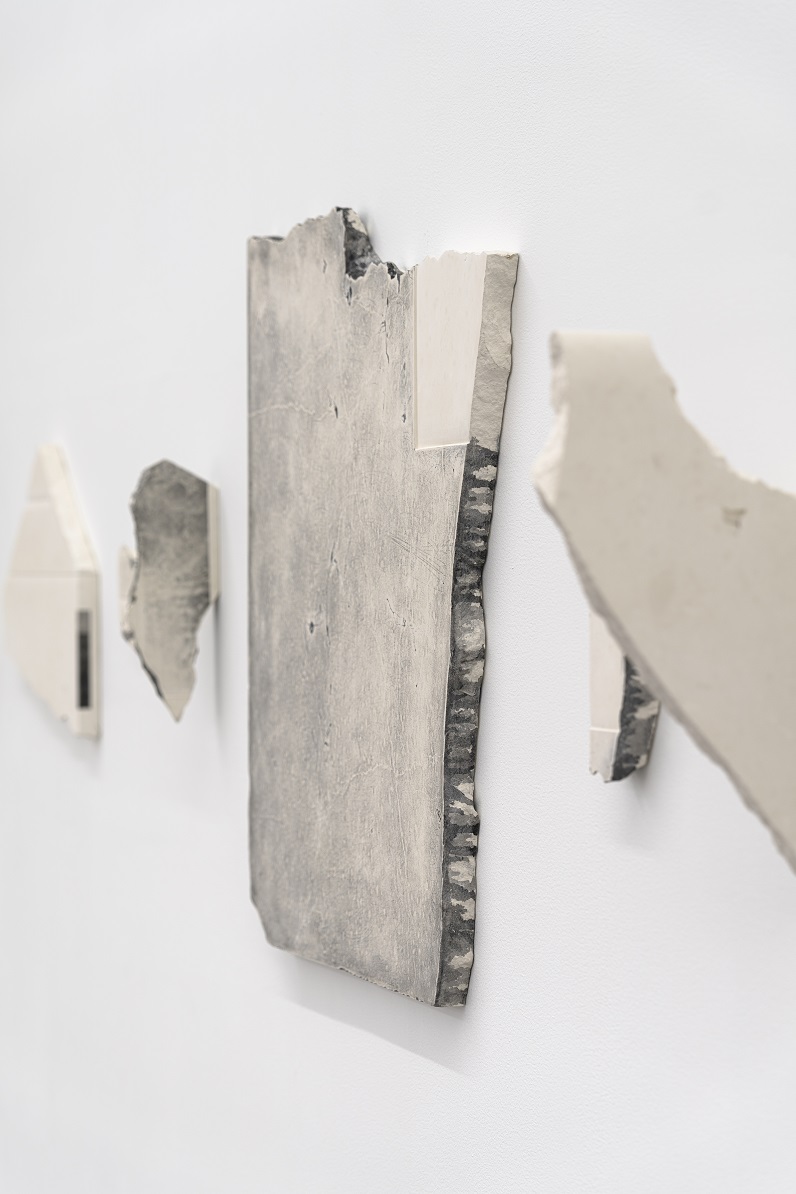
Installation
view of 《We Go》
(DOOSAN Gallery, 2024) ©DOOSAN Art Center
When
these stone sculptures are introduced to the exhibition space, the definition
of “subject” extends to include those experiencing the sculptures. If
experiencing a painting can be seen as observing a surface and engaging in an
illusion, then experiencing a sculpture is akin to journeying from one surface
to the next and tiling them together to envision a form. Hence, such experience
results in movement, as it requires the subject to physically navigate around
the work.
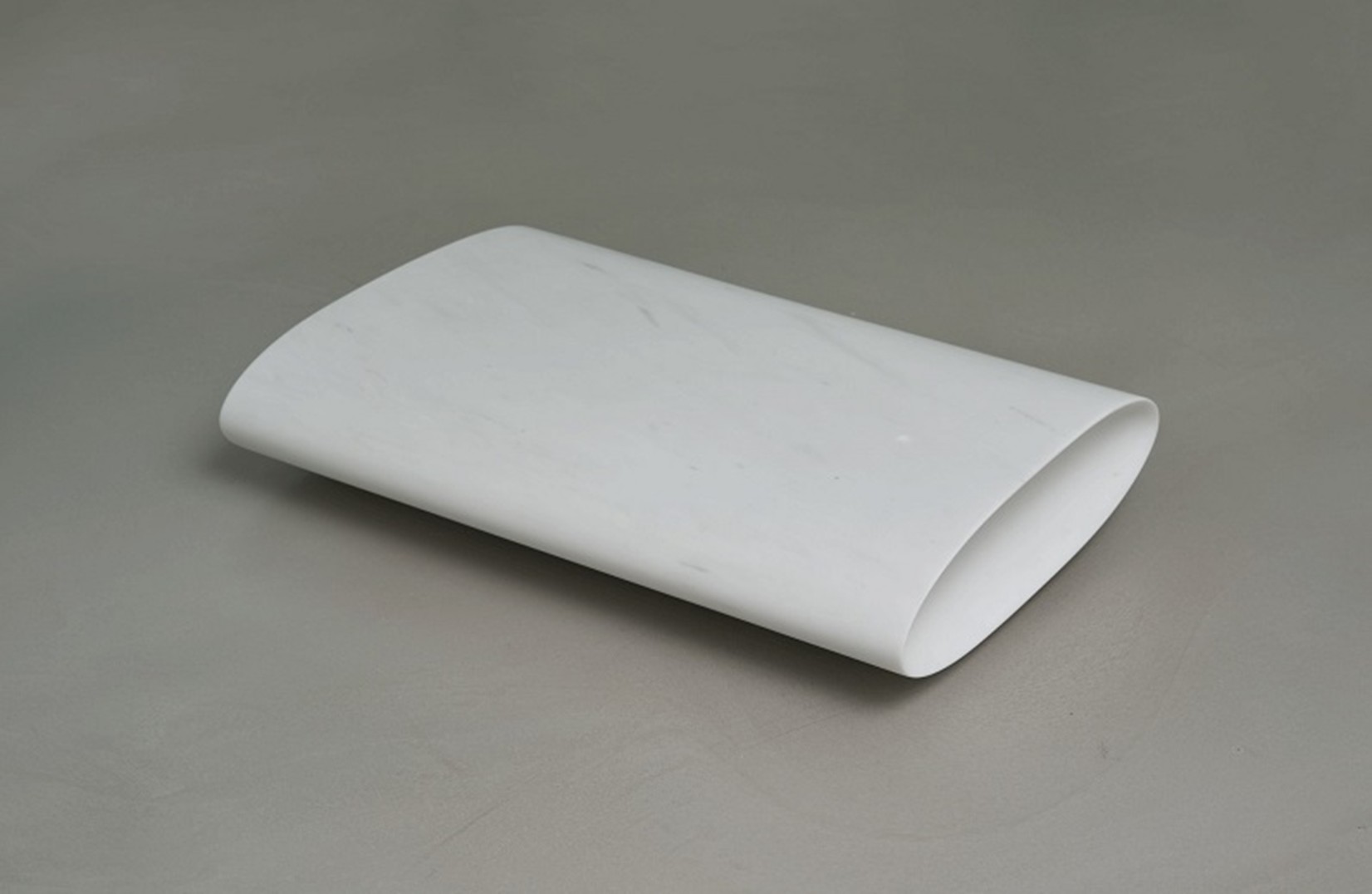
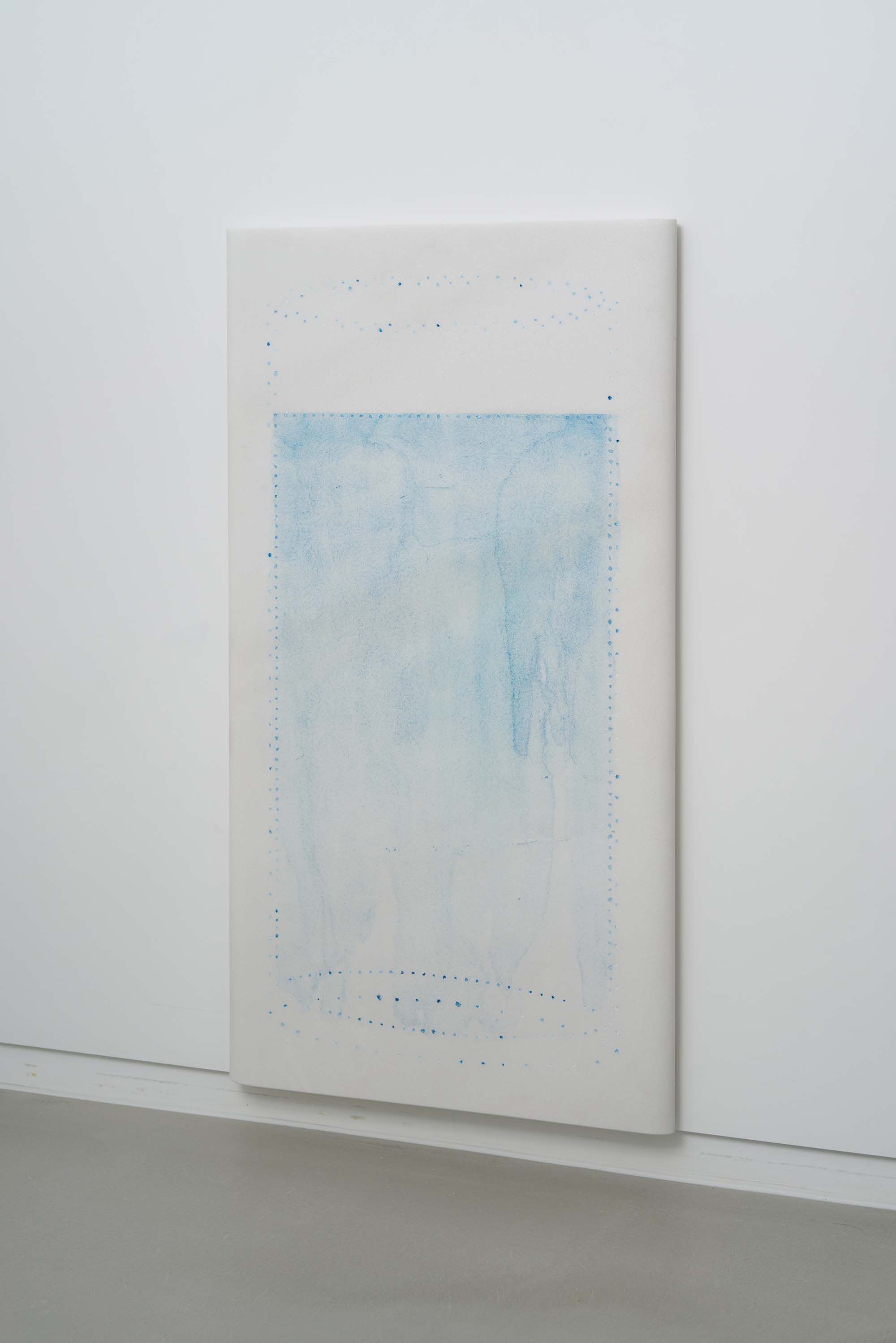
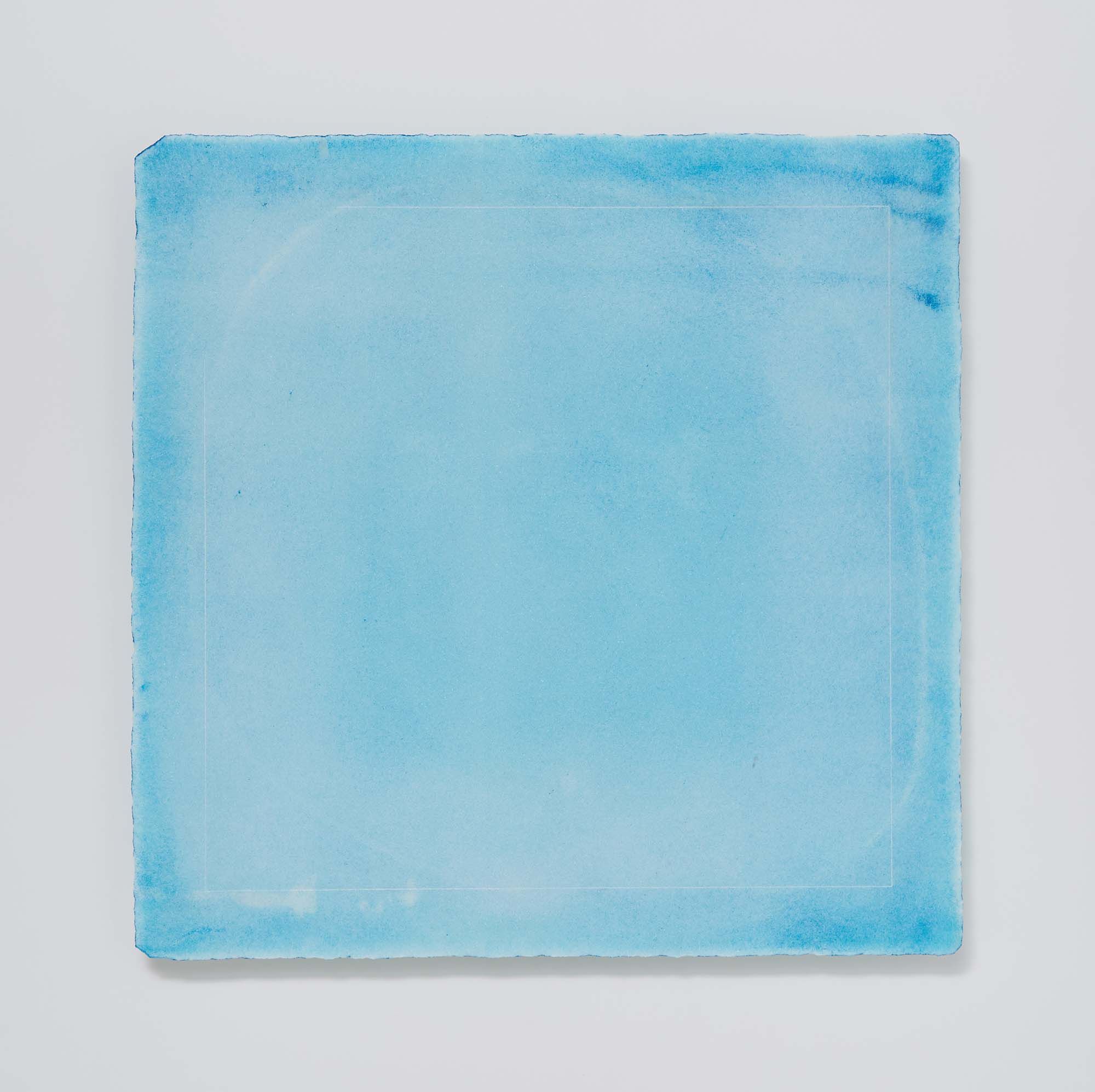
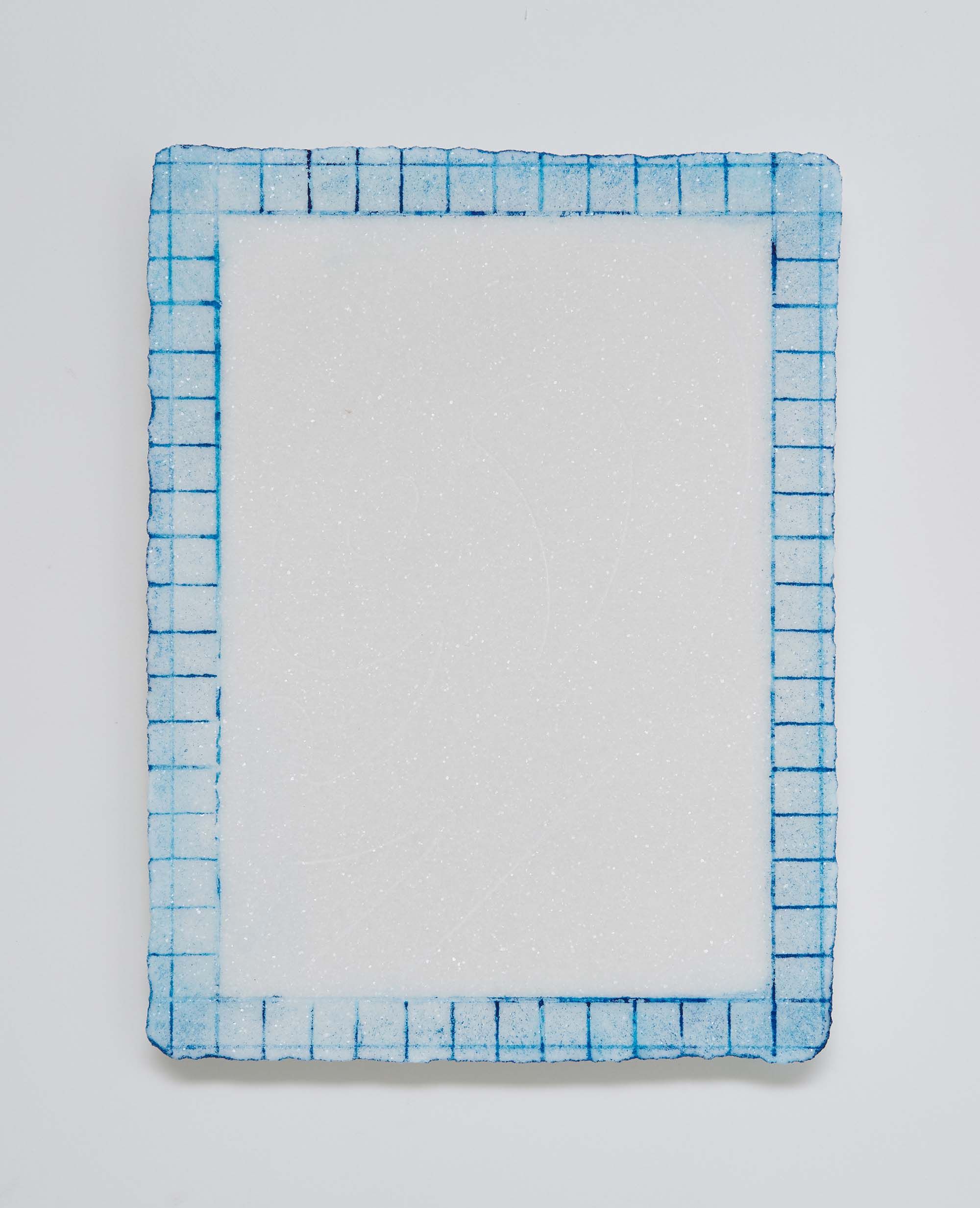
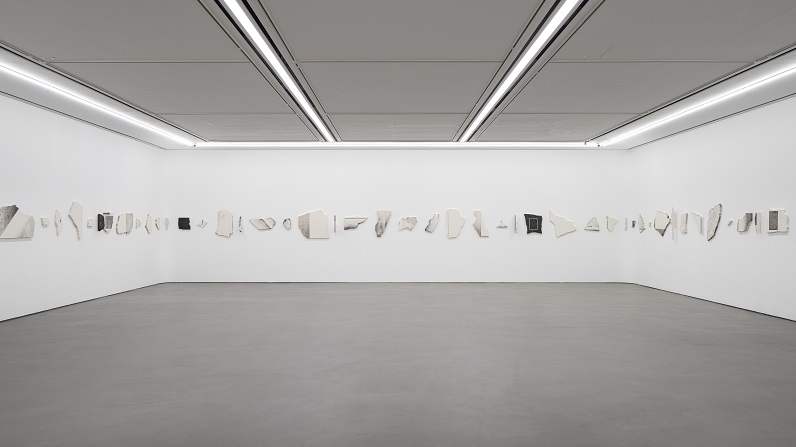
The flat sculptures on the wall might appear to be abstract paintings
on shaped canvases, but their depth is not quite the indicator of what they
are. What is crucial is the fact that they are fragments broken off of a larger
whole. The procession of wall-hanging pieces is, therefore, like a blueprint
that lays out the numerous facets of a whole—the original sculpture or span of
time.
The
task of the viewer is to reassemble these pieces and trace back their previous
forms and times. To stitch these times together, the viewer must stand in the
center of the space and piece the surrounding sculptures into a connected
narrative or step closer to the sculptures and search for hints of an
unfinished story. When the movement of the artist and the movement of the
viewer interact, the “sculptural experience” at that moment, is when scattered
subjects fall into line and separate spacetimes come into contact.