Exhibitions
《4 and one-half, knuckle》, 2021.11.18 – 2021.11.29, Art Space Hanchigak, Pyeongtaek
November 17, 2021
Art Space Hanchigak, Pyeongtaek
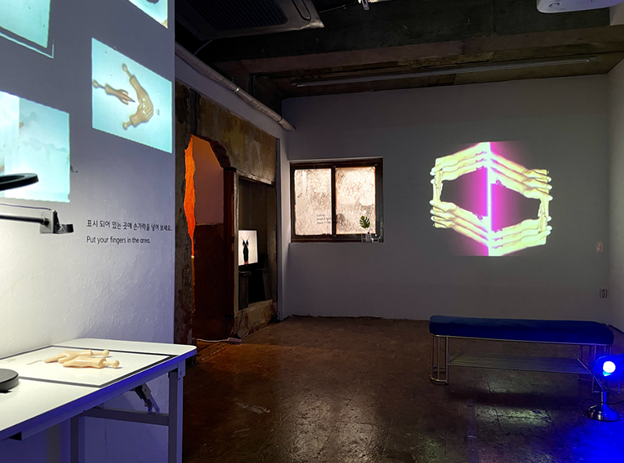
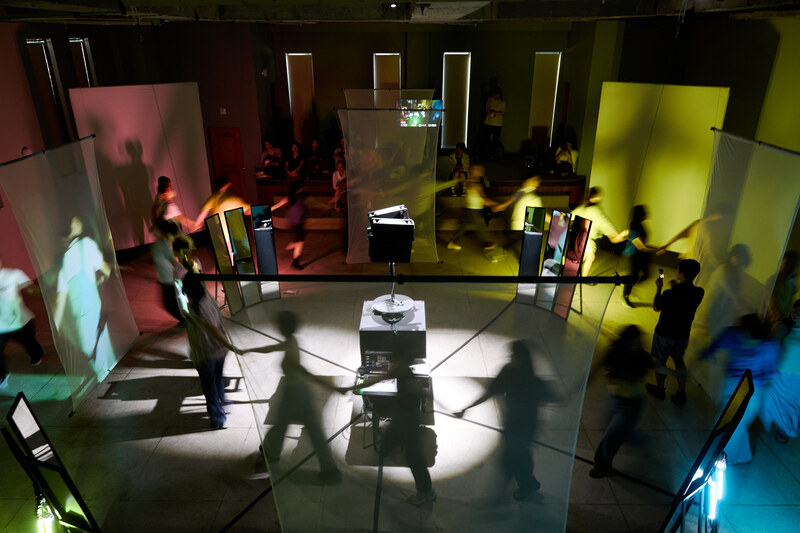
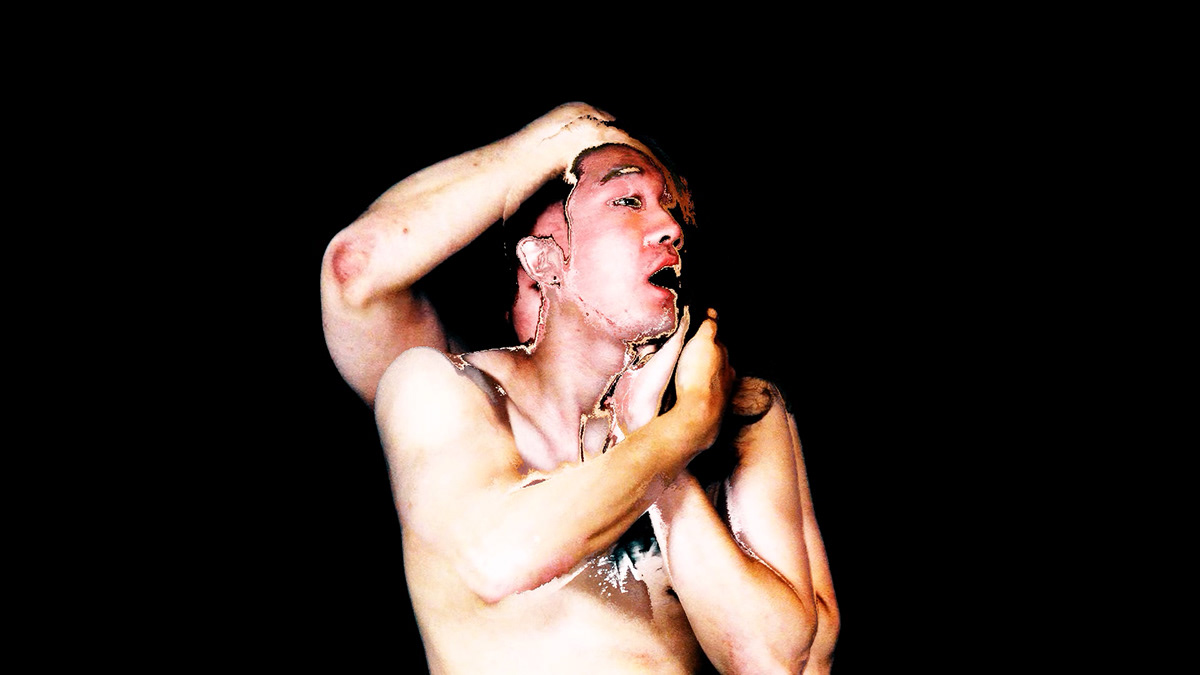
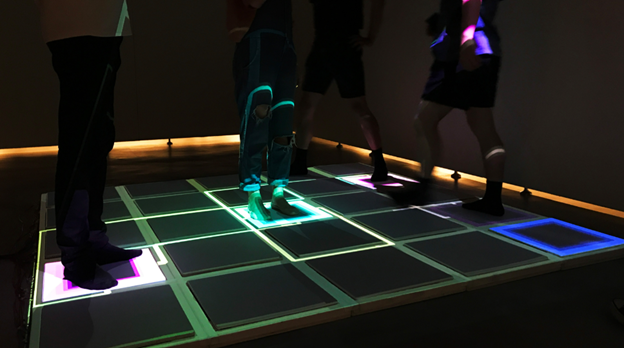
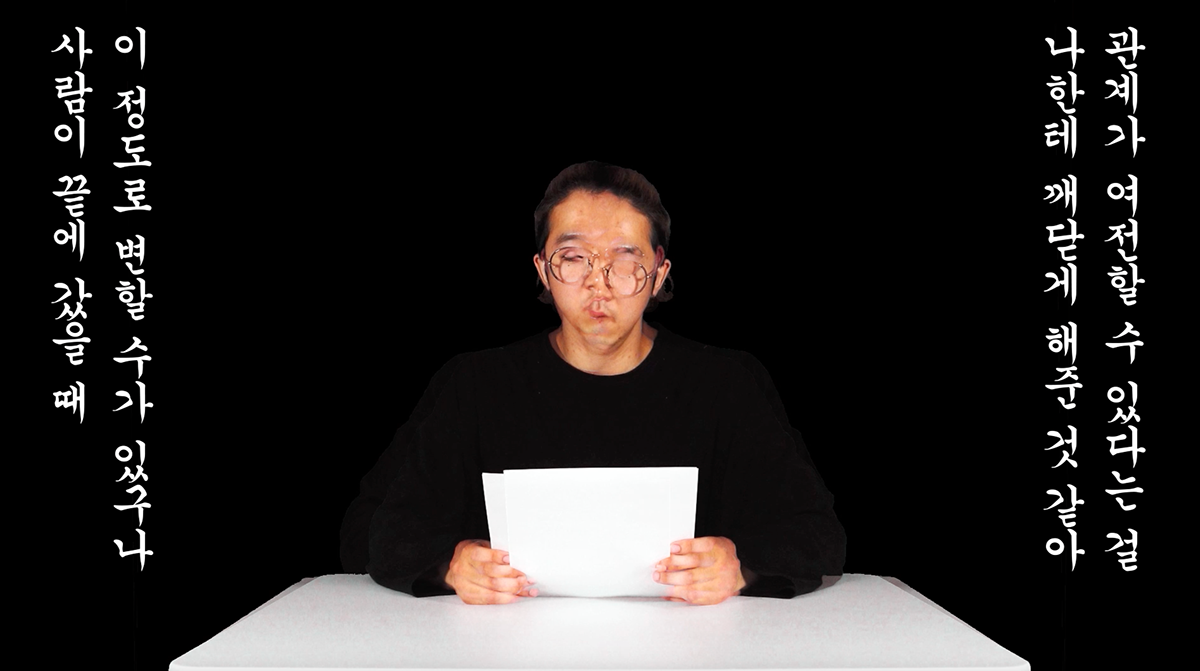
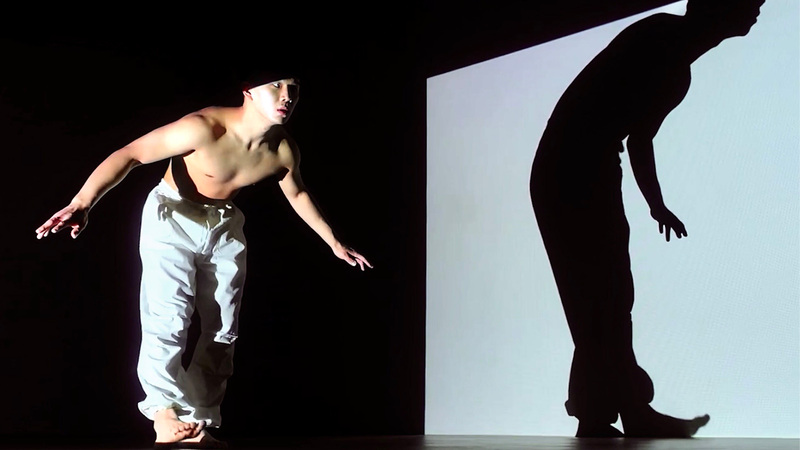
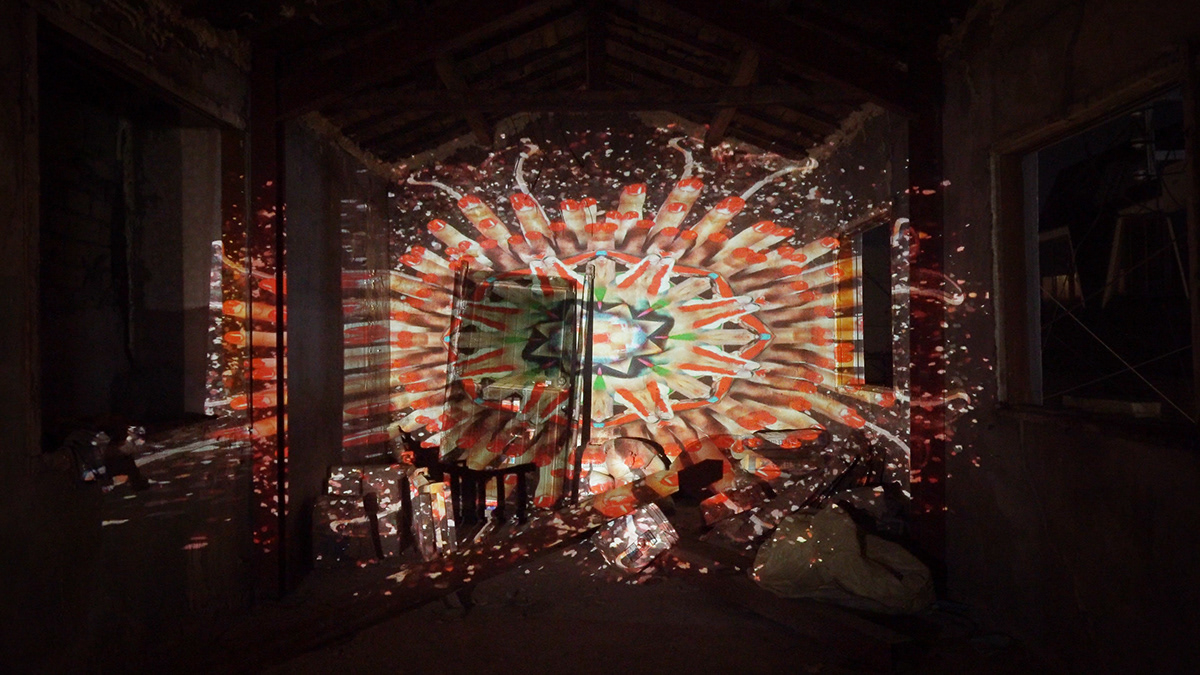
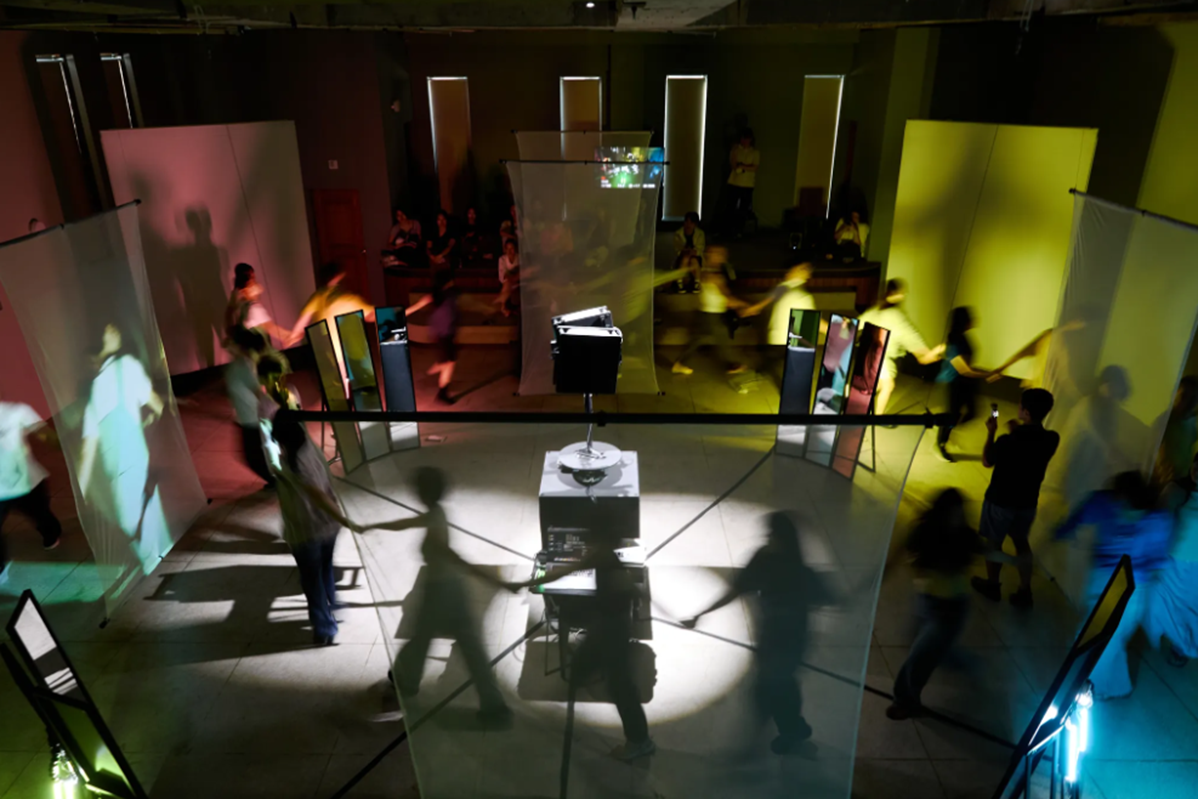
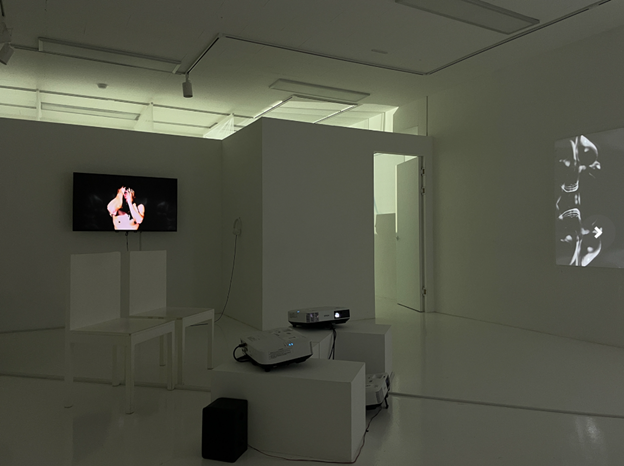
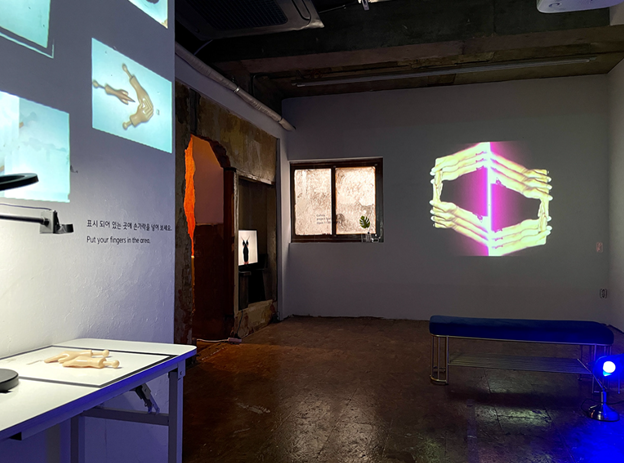
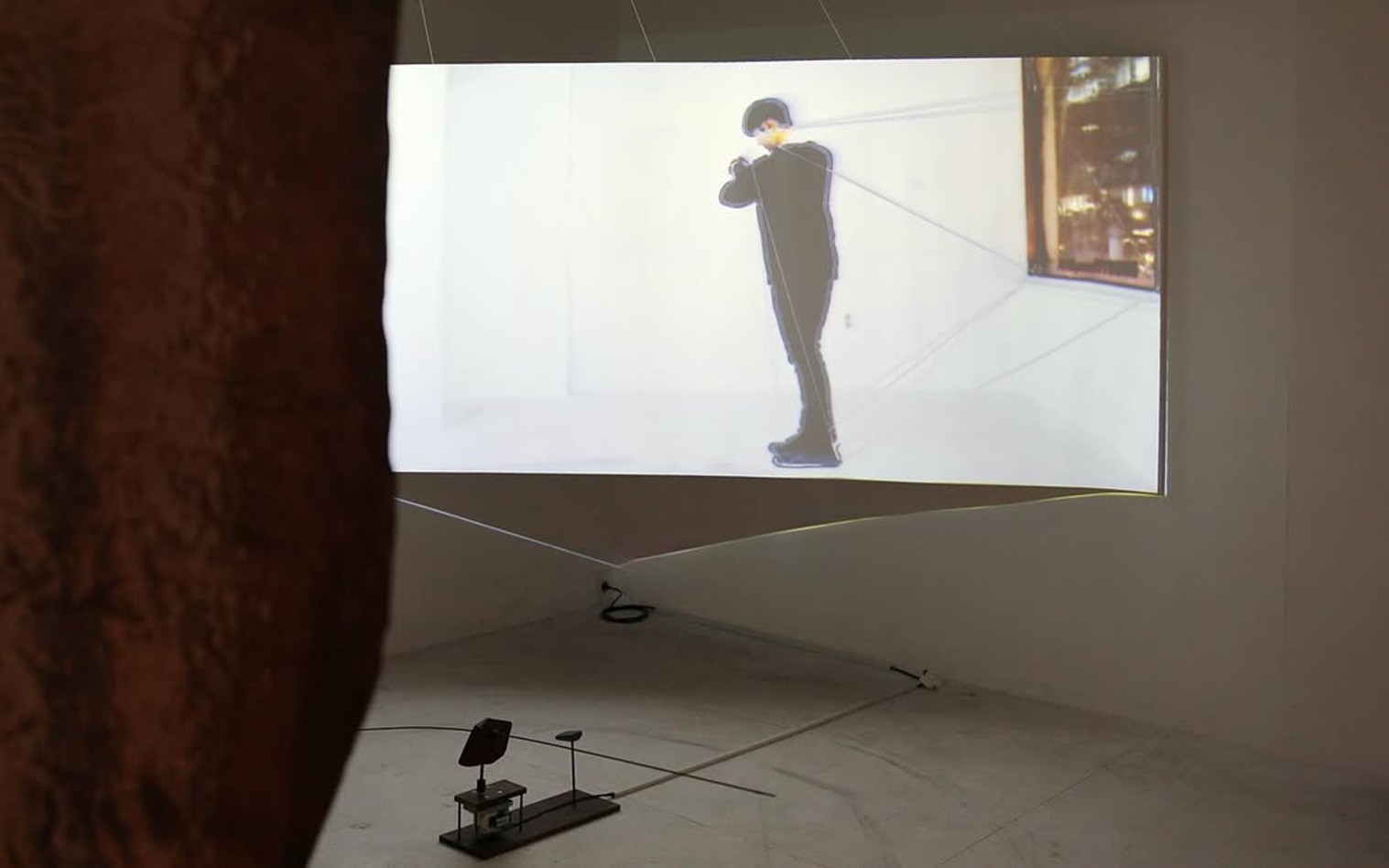
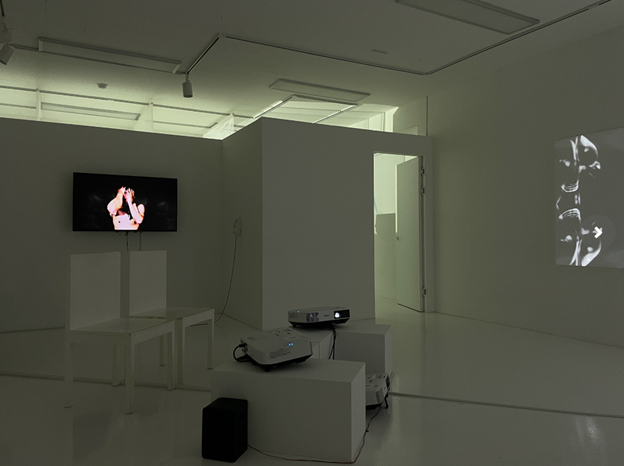
Installation view of 《4 and one-half, knuckle》 (Art Space Hanchigak, 2021) ©Daewon Yun
Delusions
about the body
1. Two
eyes. Two ears. One nose. One mouth.
Two arms and two legs attached to a single torso, and five fingers and five
toes connected to them.
This is a “body.” With just this small list of words, we can be made to imagine
a “body.”
2. Length
of limbs, shoulder width and waist circumference, head size, hip size, weight n
kg, height n cm.
This is “someone.” Even if the body is the same, through these numerical values
we can imagine a particular person.
A body
whose form is absolute, while size and length are relative.
Only the numbers differ, yet the body always takes the same shape.
At some
point, this began to feel strange and stifling to me. I reconsidered the
seemingly obvious thought: “Perhaps people obsess over relative measurements
precisely because bodies share the same basic form, and decorate or cover their
bodies with something in order to differentiate themselves from others.” But
what if, to begin with, all bodies had different forms? What if form were
relative and size and length were absolute? What if instead of n cm, there were
n limbs, and instead of n kg, n joints?
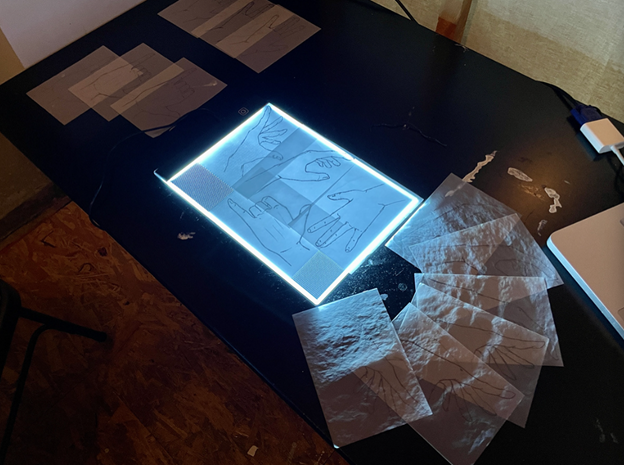
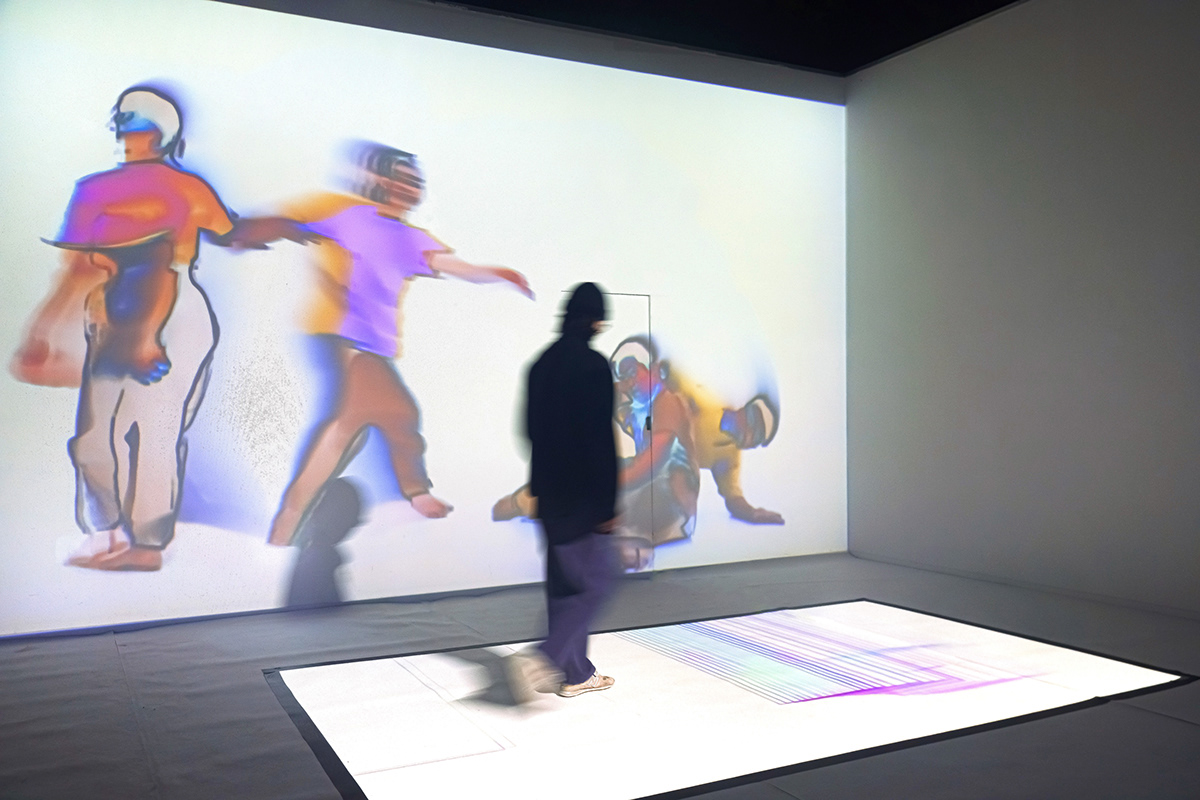
Installation view of 《4 and one-half, knuckle》 (Art Space Hanchigak, 2021) ©Daewon Yun
On dance
When I dance, I fall even deeper into these delusions.
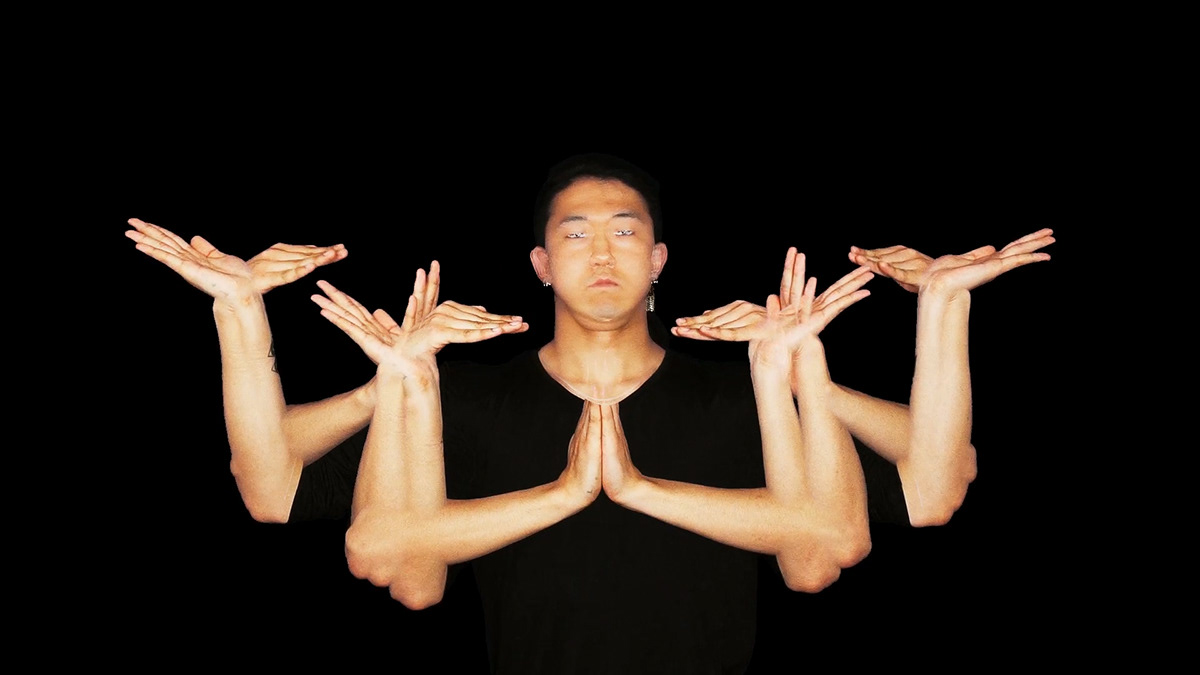
If, while dancing in front of a mirror, my body had four arms, five knees, a
neck that could rotate 360 degrees, arms that could extend as much as I wanted,
an upper body that could separate, or joints that could bend in all
directions—what kind of movements would be possible?
In truth, what makes us admire someone else’s dance is that,
despite having the “same body,” they perform movements that we cannot. Even
when the movements are identical, differences in proficiency generate different
auras and evoke emotions that are difficult to put into words. Then what kind
of aura might be produced by the gestures created by the images in my
delusions—that is, by “bodies with different forms”?
The Dance of the Avatar
Digital media proved to be particularly well suited to unraveling
these concerns. Once my body was converted into digital signals, it could be
edited, dismantled, and recomposed in various ways, allowing it to expand into
a “new form of body.”
I began to dance by fragmenting and reassembling my body
and its gestures. Naturally, my dance was unable to contain the emotions that
arise when moving the body directly. Instead, however, I was able to discover a
strange sense of attraction in places I had never anticipated.
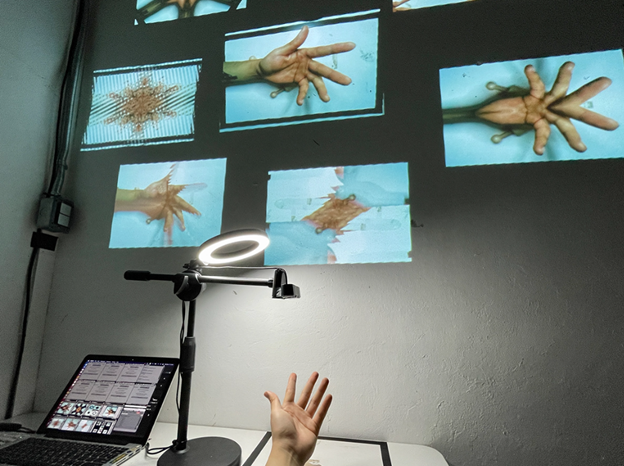
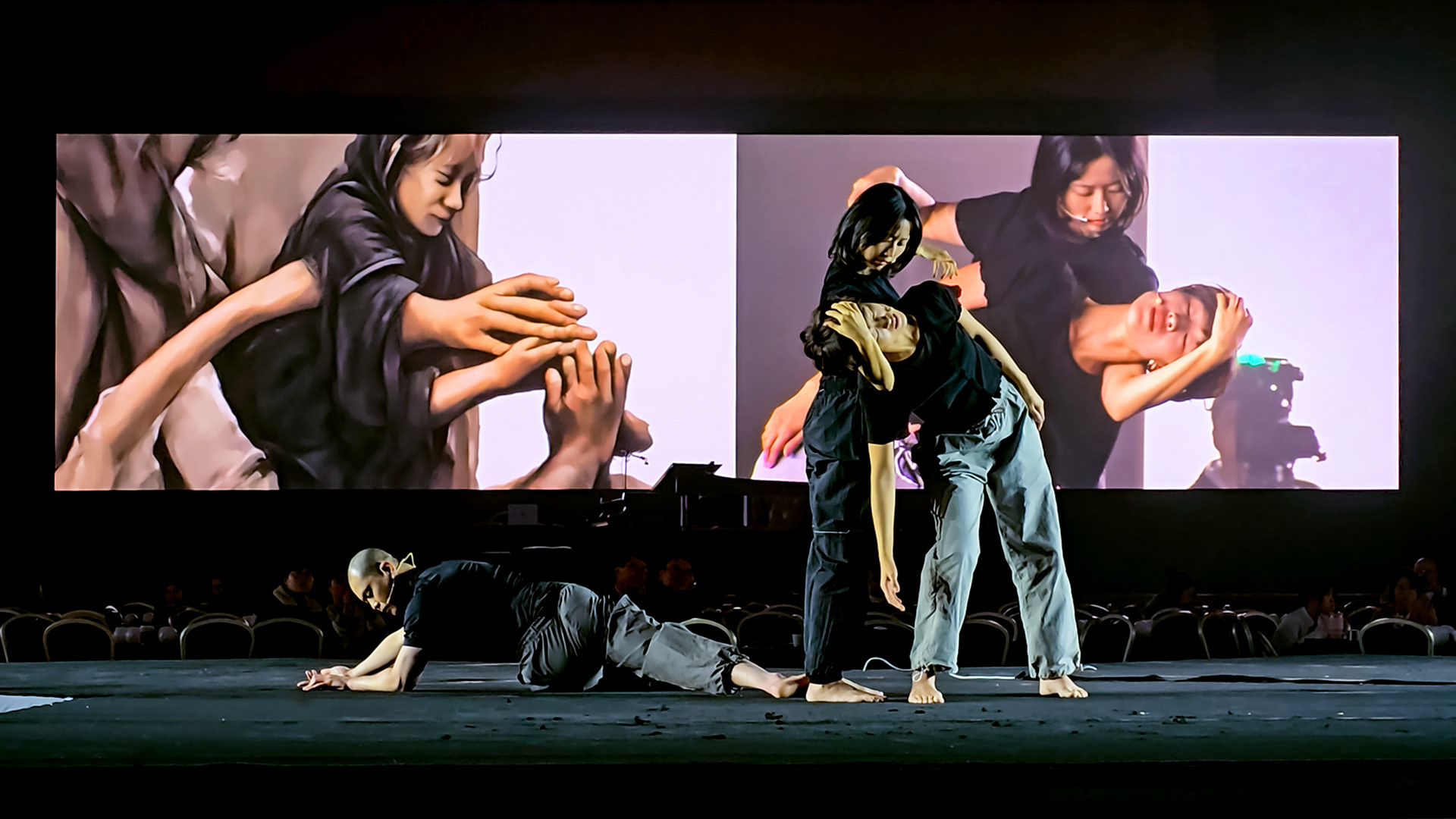
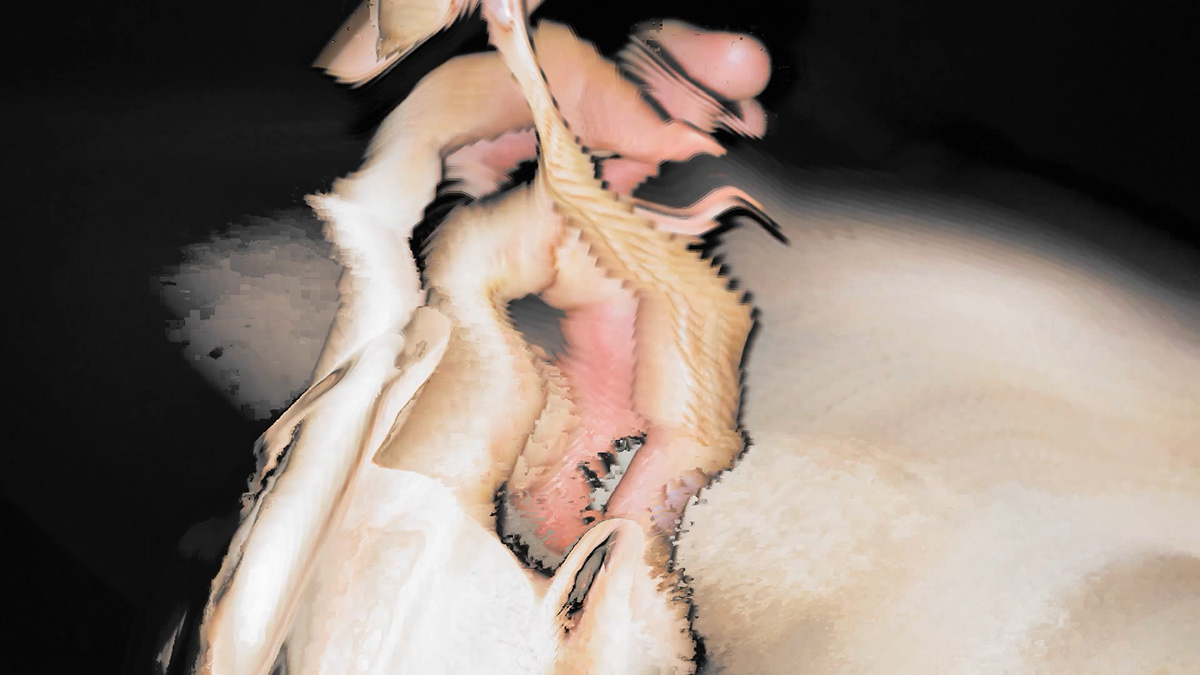
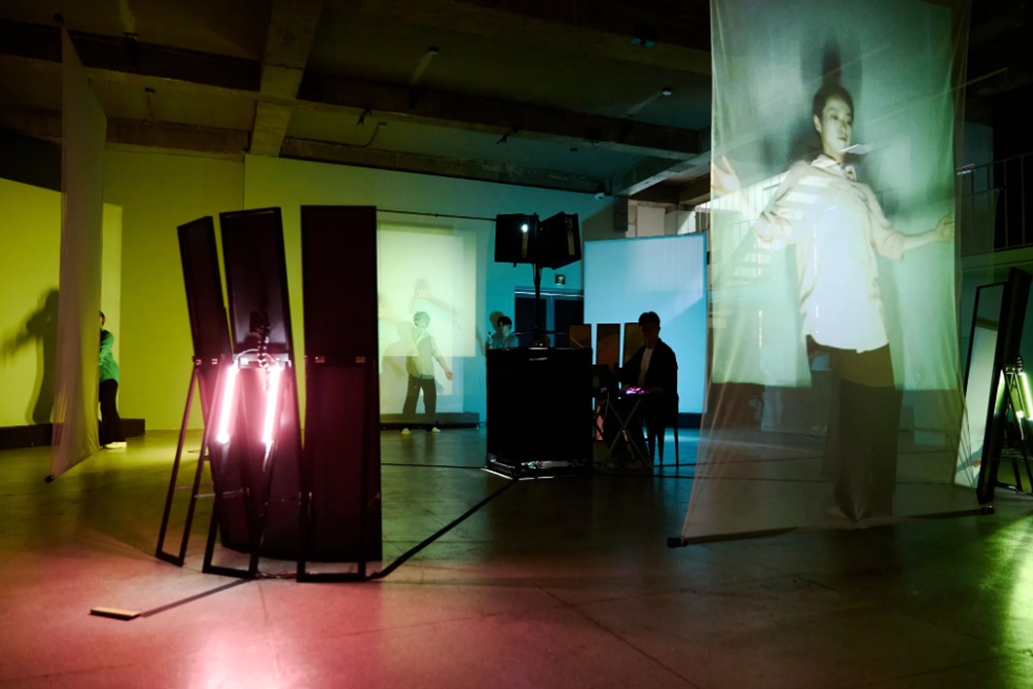
Installation view of 《4 and one-half, knuckle》 (Art Space Hanchigak, 2021) ©Daewon Yun
Searching for the grotesque
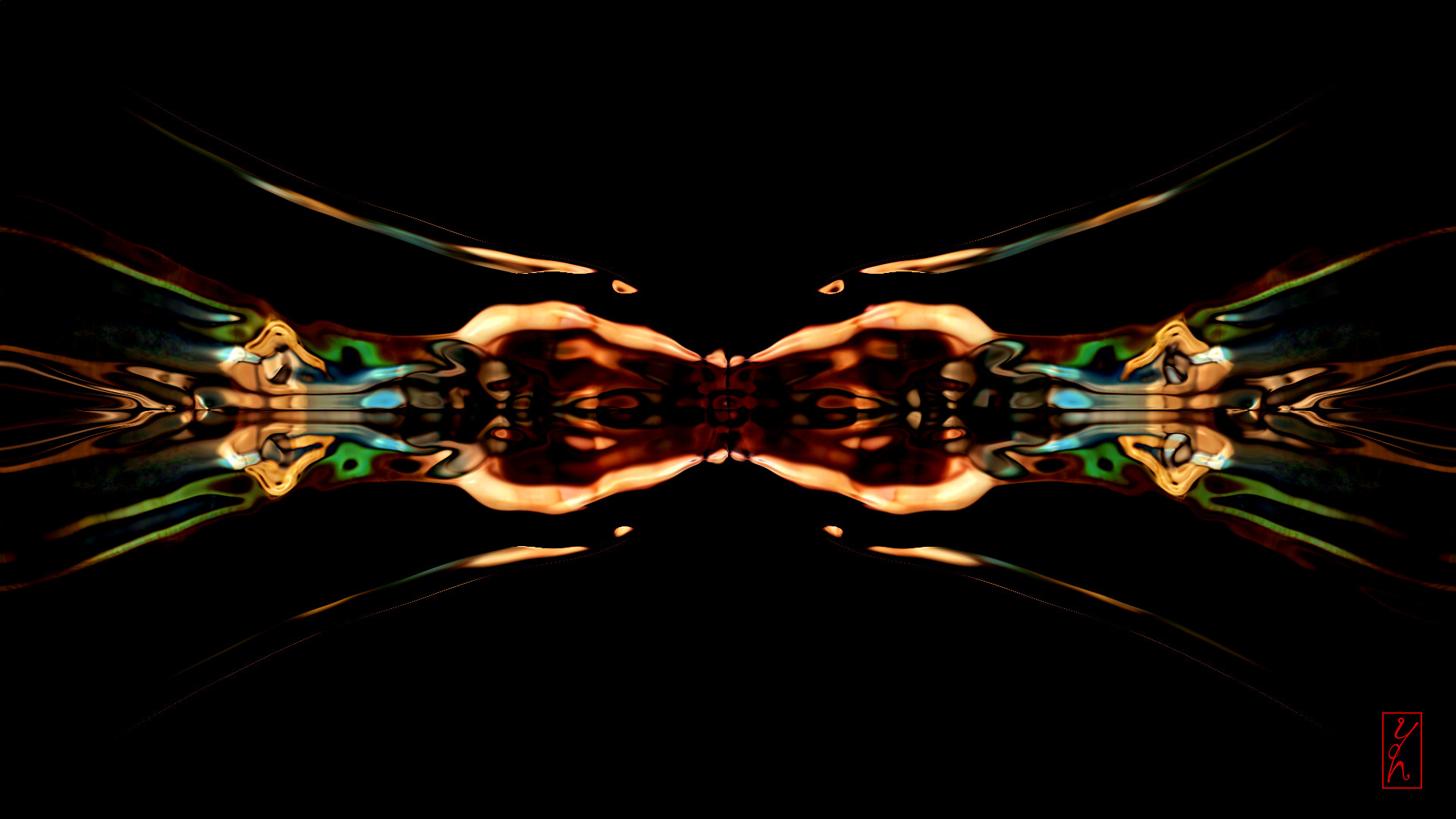
All of my dances contained an element of the “grotesque.” Perhaps
this, like the aura produced by conventional dance, arises precisely because
bodies share the same form.
It is a quality that naturally emerges when the familiar form of the body—so
familiar that we no longer even recognize it as familiar—is rendered
unfamiliar.
Contrary to my expectations, however, the source of the grotesque
was not the form of the body, but the “edited gesture.” Could it be that this,
created by fantastical movements freed from the laws of physics, constitutes
another aura that my dance can possess?
I began a strange research project to find this “grotesqueness.” I
established my own rules, edited gestures in various ways according to certain
criteria, and documented the process.
Through this process, I discovered that when movements are “perfectly”
symmetrical, “perfectly” aligned, “perfectly” identical and endlessly repeated,
or move at a “perfectly” identical speed, my dance becomes increasingly
grotesque. From this, I derived a new keyword: “perfection.” Gestures placed
upon numerically calculated coordinates revealed a balance between the perfect
and the imperfect.
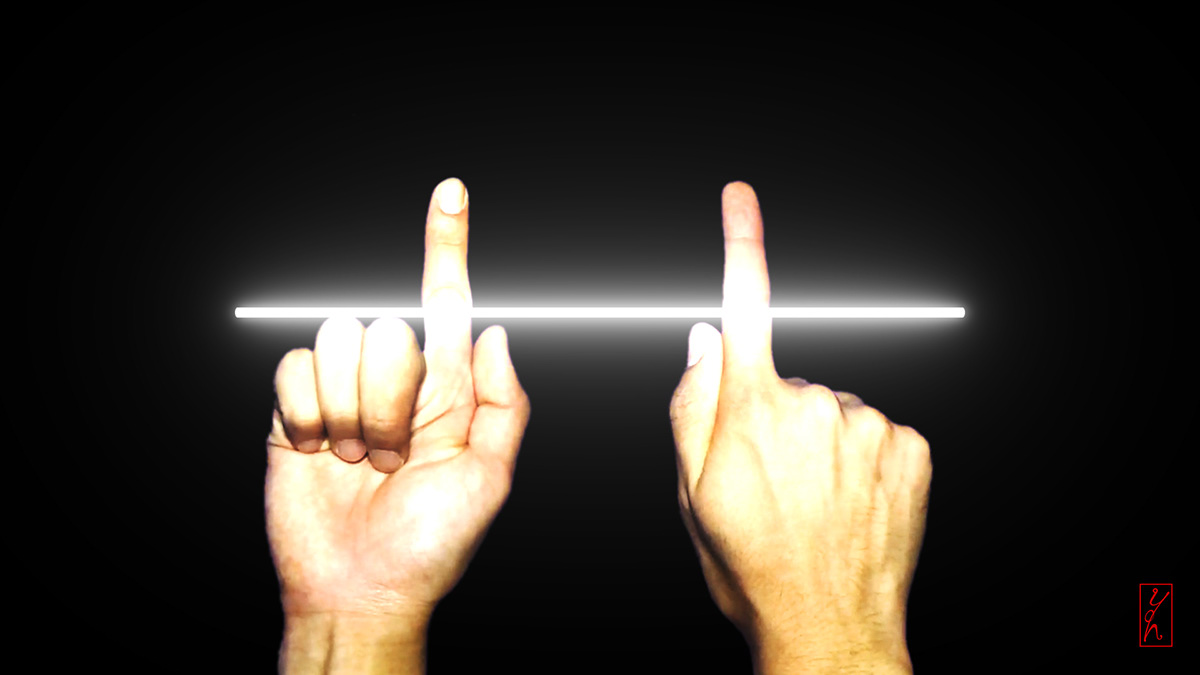
Perhaps the reason I am conducting this strange research is to
search for a hidden number—like four and one-half—within the collision between
the digital (machine), which outputs perfect values of 0 and 1, and bodily
gestures, which can never be perfect and therefore evoke emotion.