Street Woman Fighter and Daewon Yun
One
of the reasons Street Woman Fighter (hereafter SWF)
attracted such extraordinary attention may be that its protagonists were doubly
othered figures. They were not institutional dancers, but street dancers—and at
the same time, women. In the way they spoke, dressed, and danced, a distinctly
non-institutional resistance remained intact, something rarely seen in
conventional competition programs.
By
contrast, Korean ink painting (hangukhwa), rooted in China and constrained by
tradition, has long struggled to encounter contemporaneity, which demands a
rejection of the present while oscillating between the “already” and the “not
yet.” In this sense—particularly within university education—hangukhwa can
be said to be doubly othered: both from its own past and from contemporary art.
Daewon
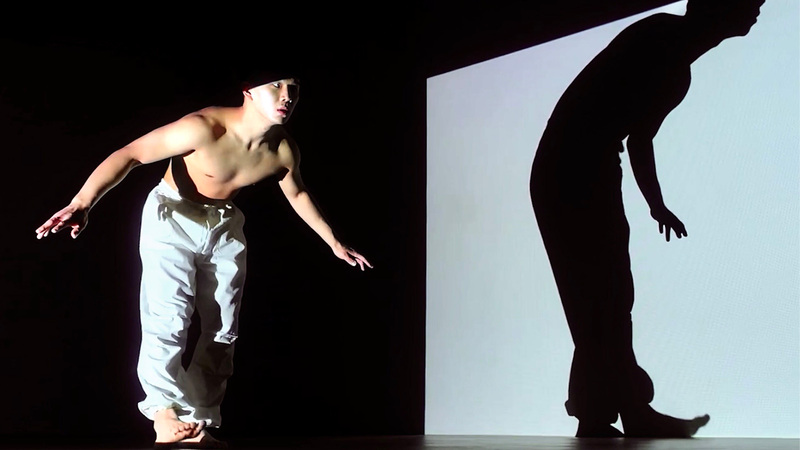
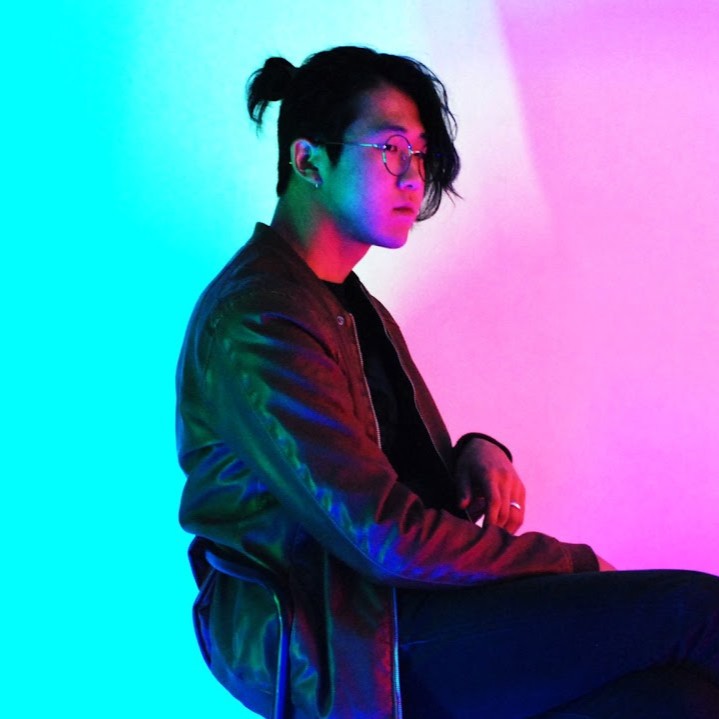
Yun is a former street dancer who also majored in Korean painting. For him,
street dance may have represented a “young body” that one is almost inevitably
forced to abandon with age. Meanwhile, in the digital moment of 2021—when the
Seoul Metropolitan Government declared itself a “metaverse city”—Korean
painting could likewise appear as an anachronistic medium or aesthetic that one
might naturally fold away.
At
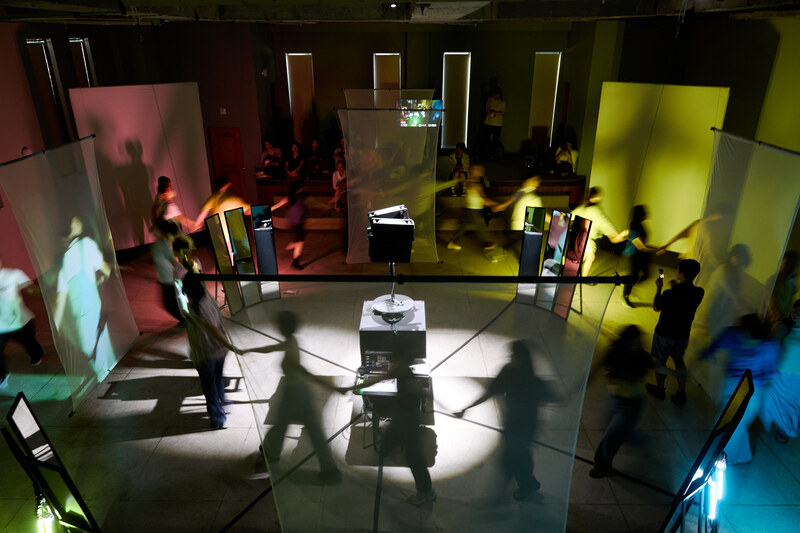
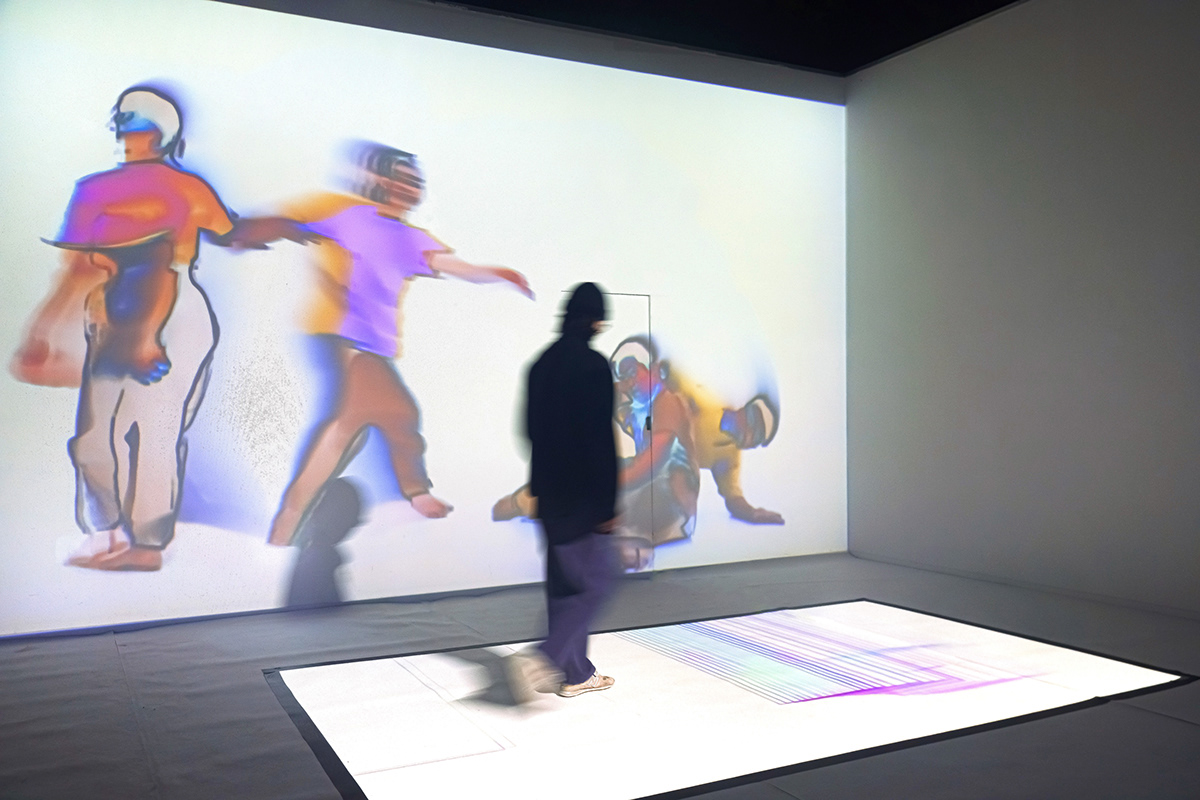
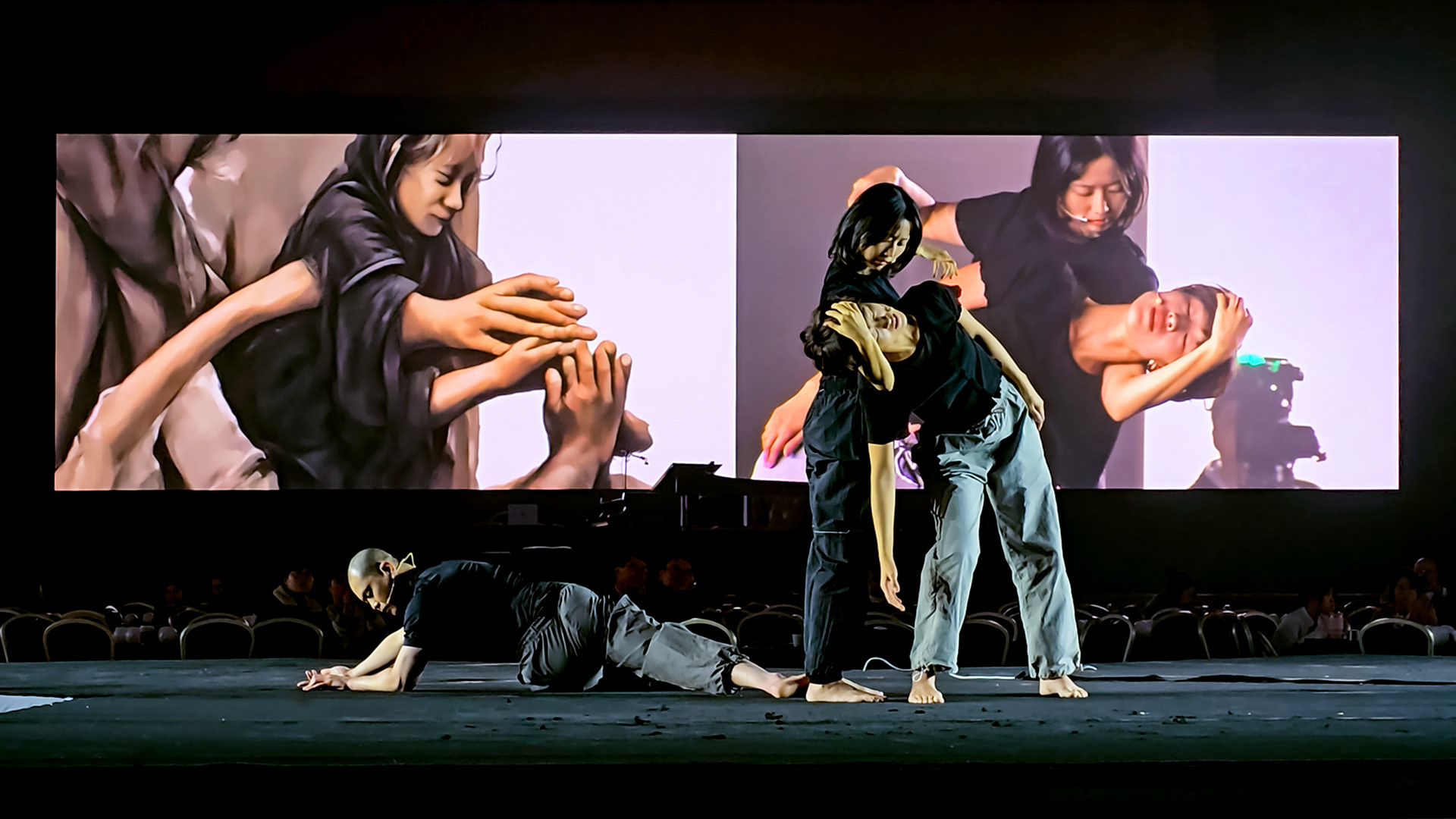
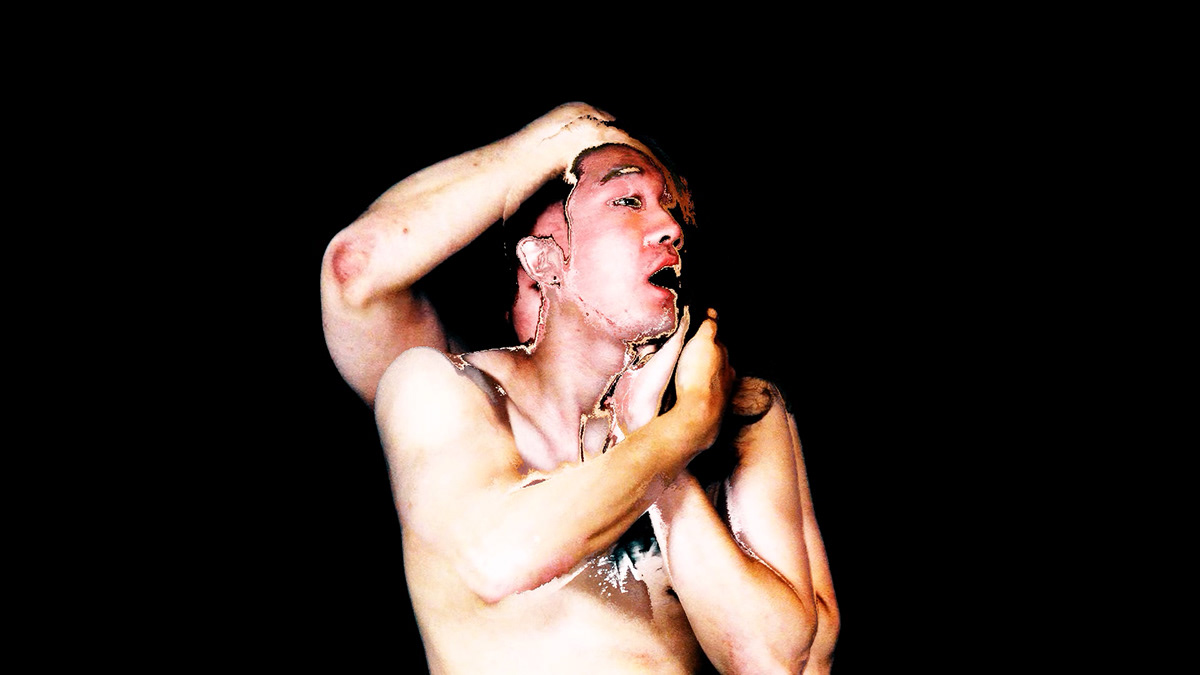
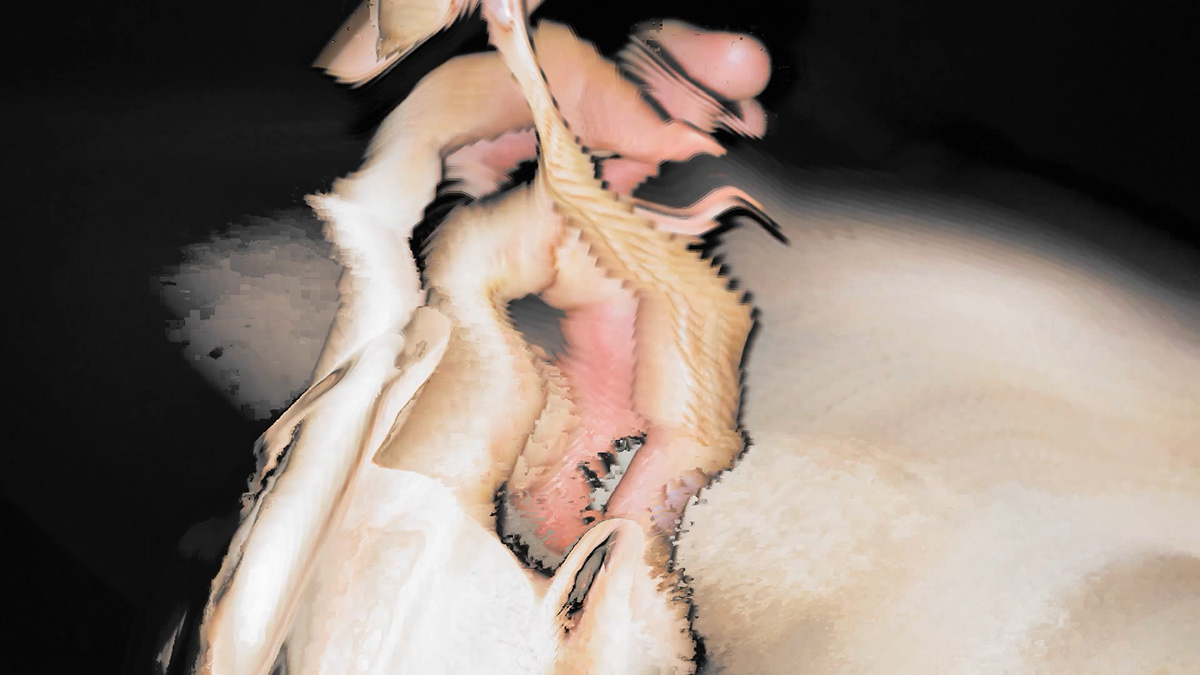
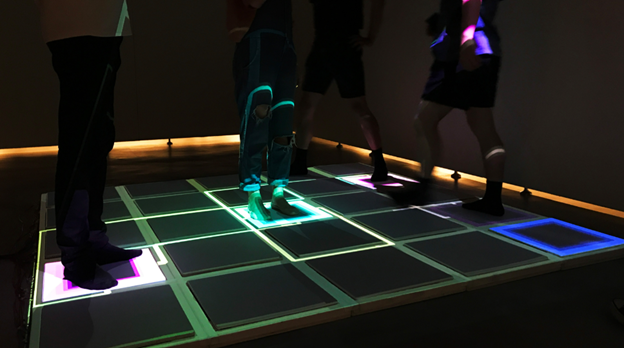
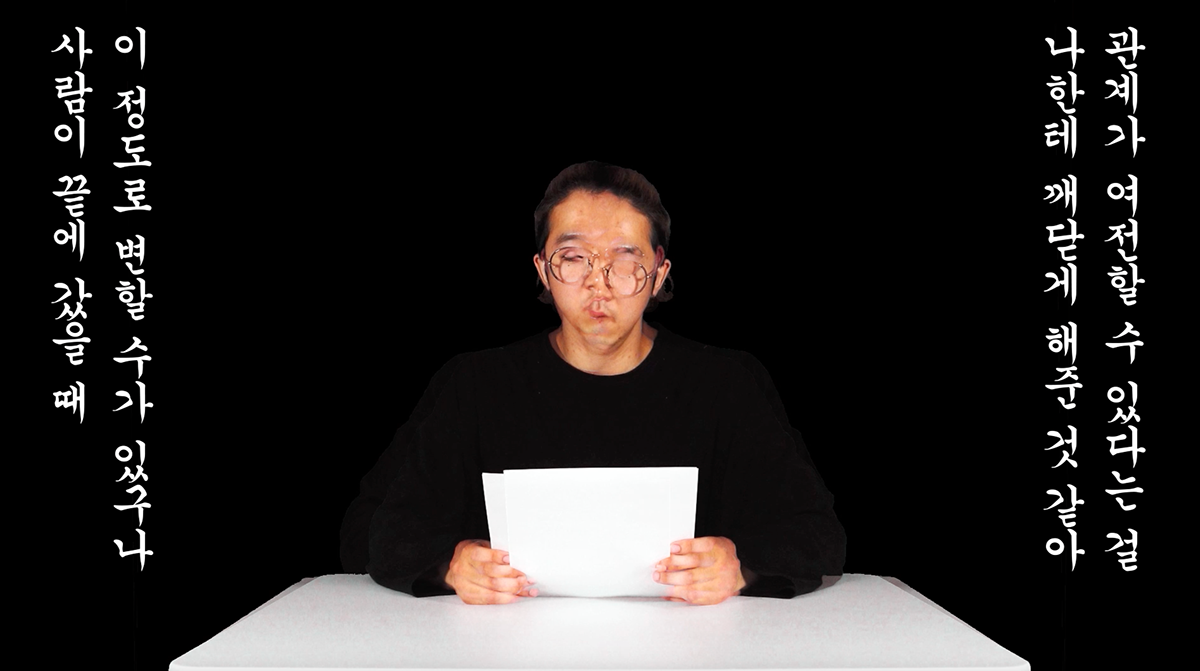
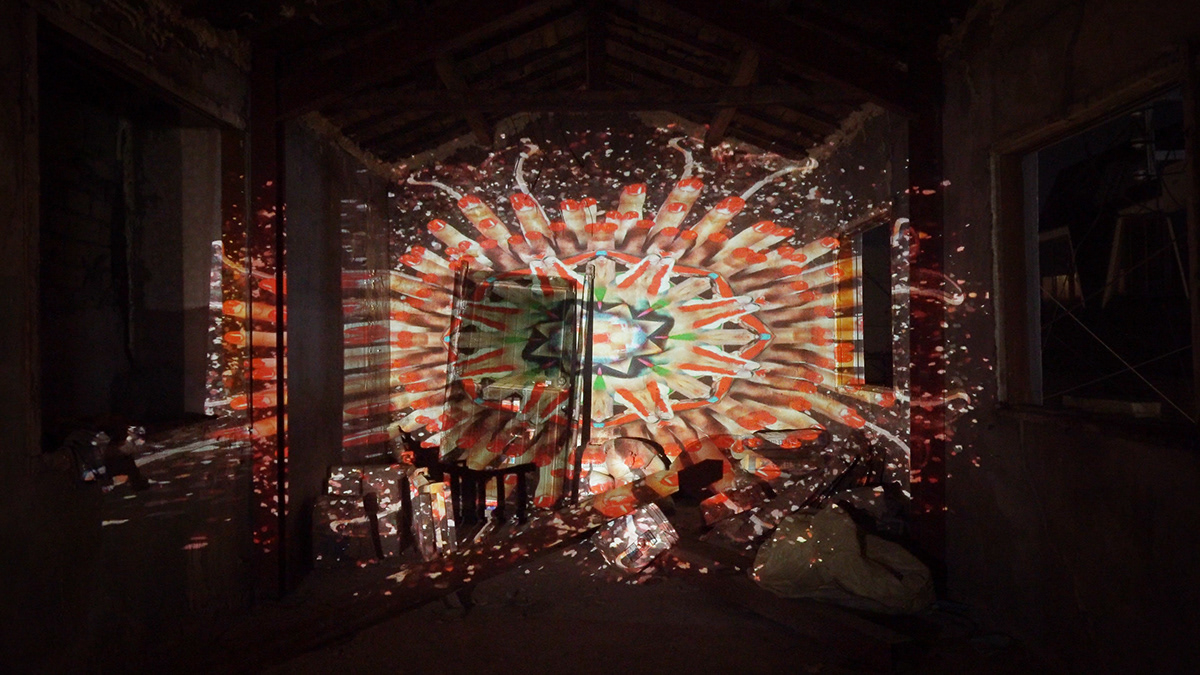
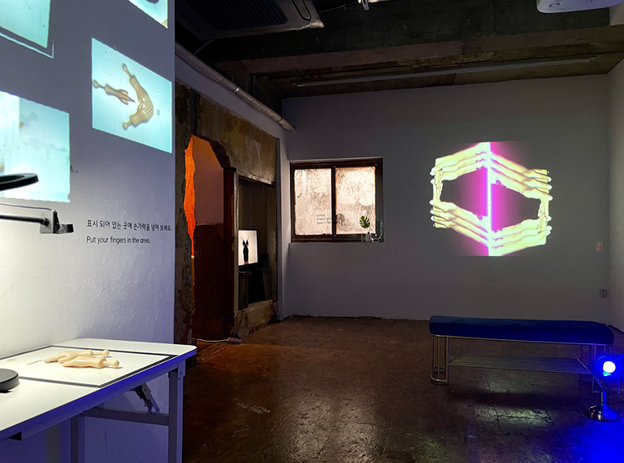
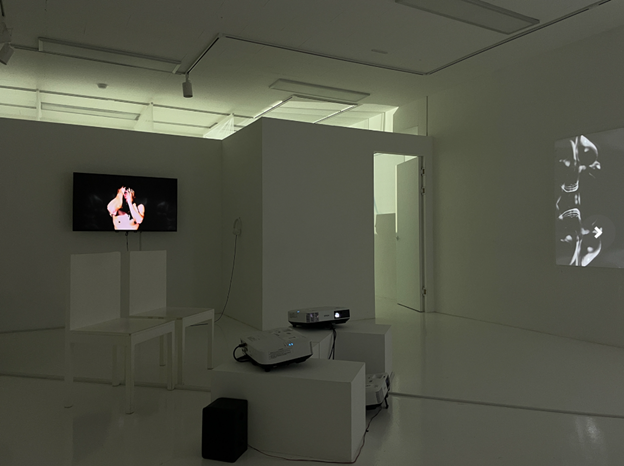
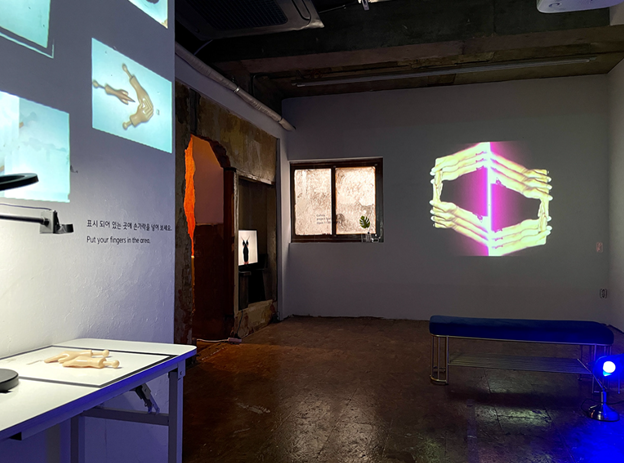
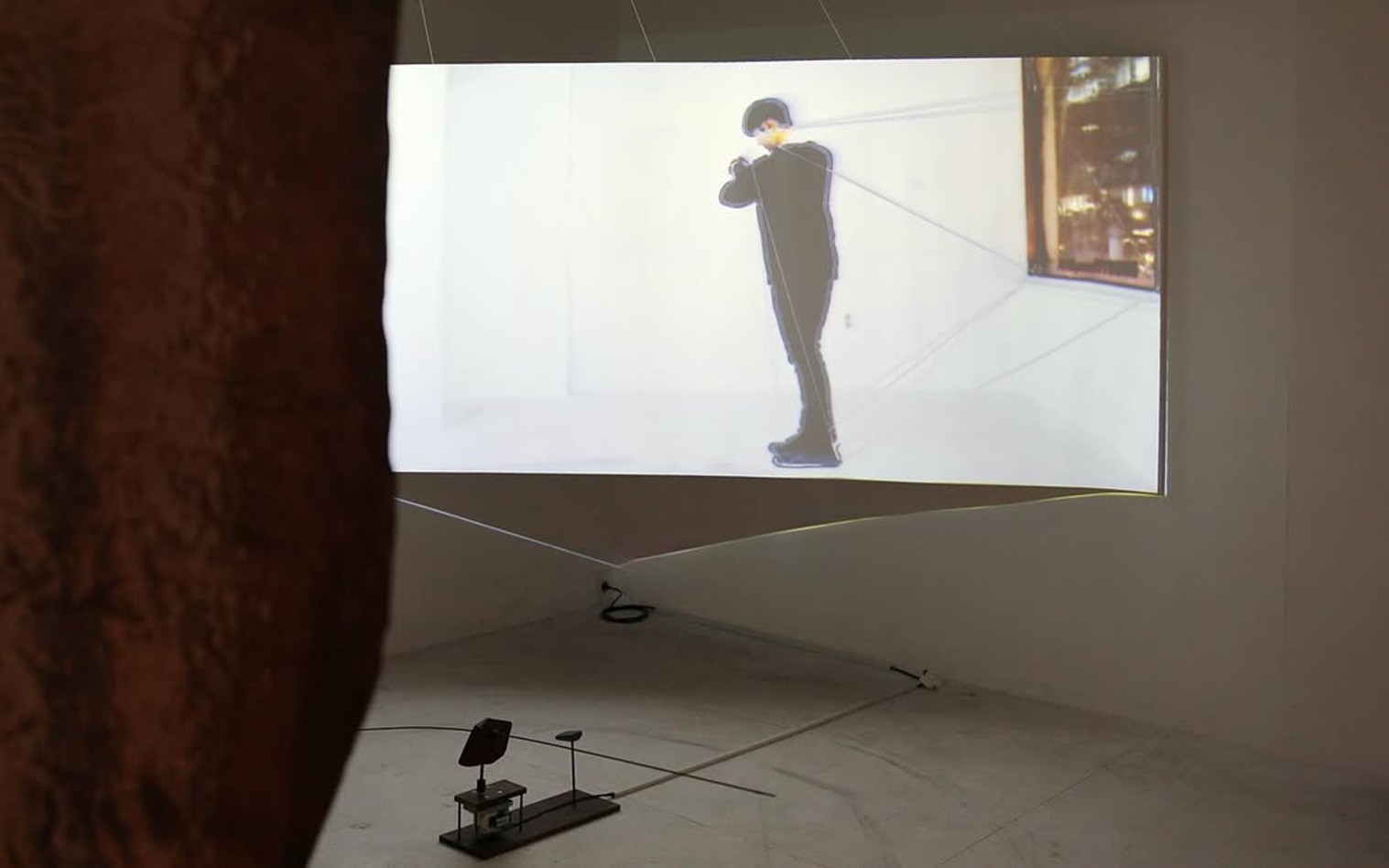
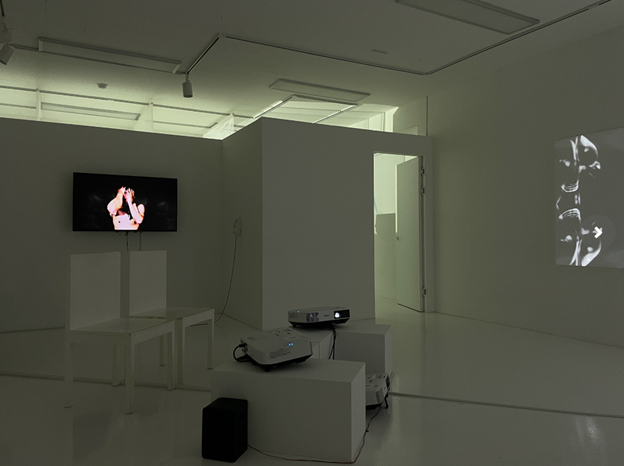
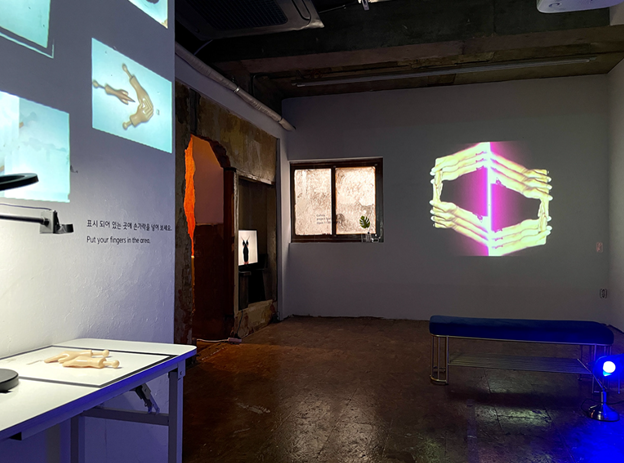
his solo exhibition at Hanchigak, digital graphic videos and NFT works are
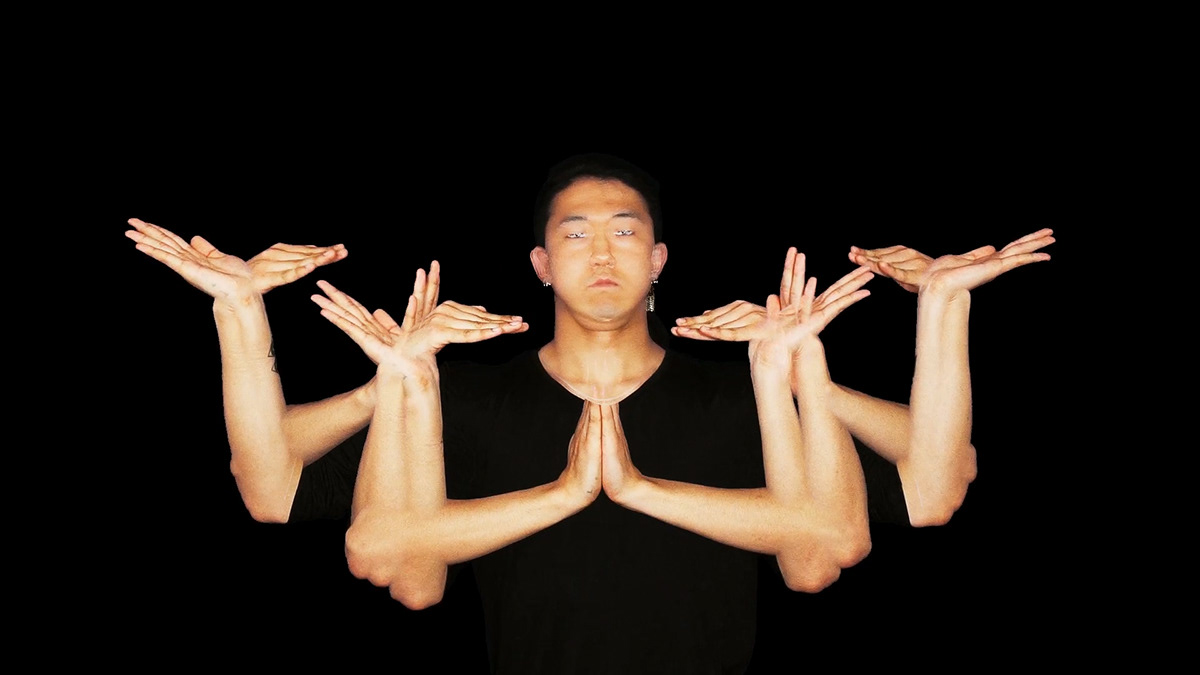
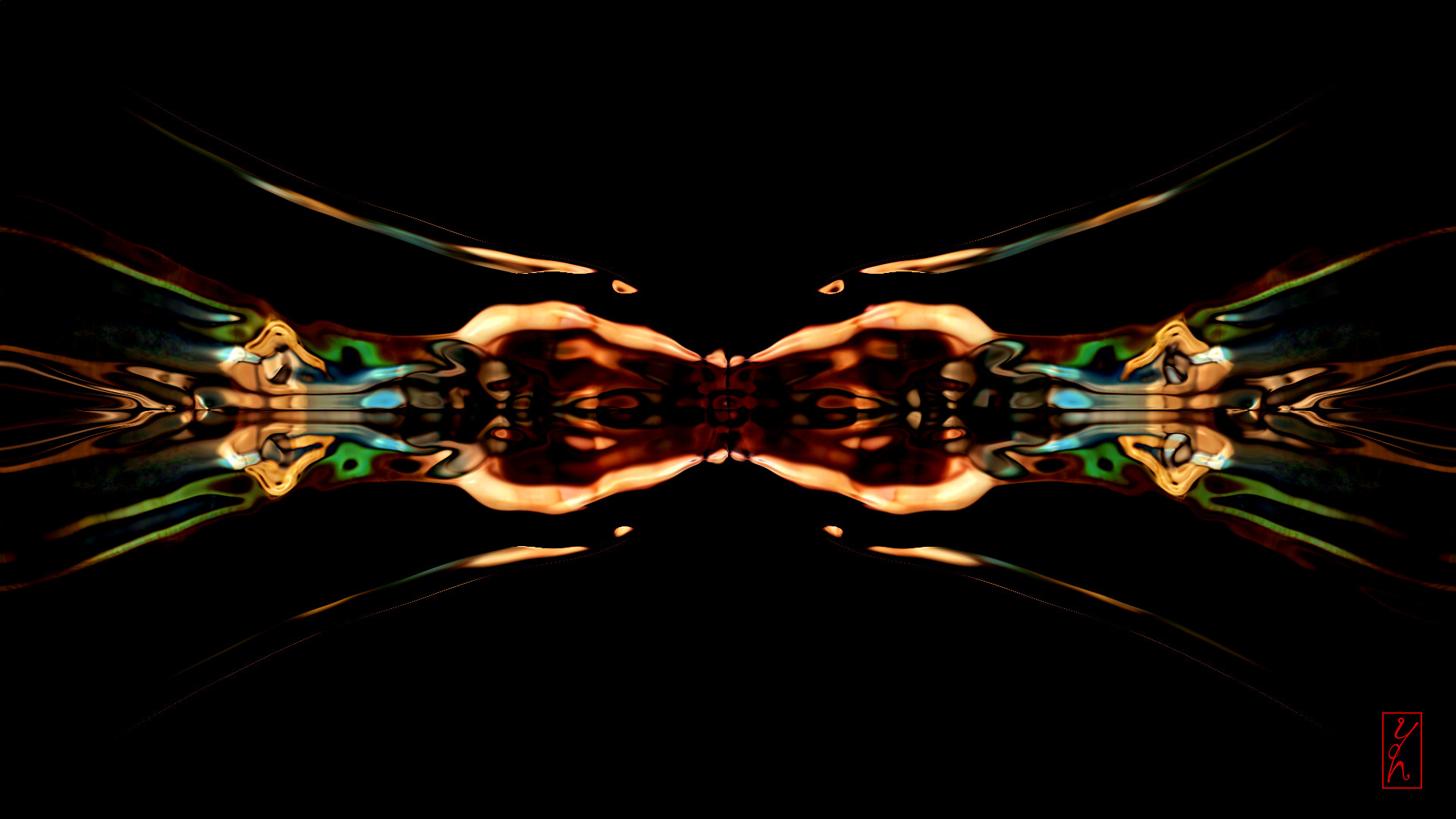
presented—befitting a young artist in his twenties. The ‘Virtual Body Lab’ video
series includes Yun’s own body and movements, yet the body of the street dancer
is erased, replaced by a body that conforms to digital signs. This develops
into graphic videos reminiscent of a kaleidoscope. A “body that conforms to
digital signs” suggests a fragmented and distorted body that fits seamlessly
into the digital or virtual world.
If
the aesthetics of contemporary art favor dissonance over harmony, instability
over stability, shock or discomfort over visual pleasure, unease over comfort,
and negativity rather than positivity, this cannot simply be praised. Yun’s
strategy—his idea—of “repetition” has been familiar since Andy Warhol, and
“distortion or transformation” has long ceased to feel unfamiliar or novel
since the Surrealists.
Of
course, repetition, distortion, and transformation remain strategies frequently
employed by contemporary artists. The question, then, is at what point these
strategies become justified for some artists, yet have their legitimacy
questioned in Yun’s case. Earlier, Yun’s strategy was referred to as an “idea.”
If we insist on distinguishing idea from concept, then an idea is what carries
a concept forward.
First,
we must ask: for what kind of concept was this idea adopted? Second, how do
these ideas connect to the contemporaneity we inhabit—no longer the era of
Warhol or Surrealism? These may be harsh questions for a young artist just
debuting, but if we agree that irreducibility to anyone else is the highest
virtue of an artist, then these are questions Yun must prepare to answer.
Yun
states that although the NFT video was sold, he does not know exactly who the
buyer is. Paradoxically, the most interesting work may be NFT-BODY COIN,
the only work in the exhibition that was financially compensated. This piece
does not deny that it itself is a form of virtual currency.
1.
The artist does not know who the buyer is.
2.
The image of a cryptocurrency was sold and paid for with cryptocurrency.
3.
The work was sold, yet remains exhibitable.
Although
it is the most commercial work, this sequence is paradoxically new and ironic.
For some, this situation may appear “uncomfortable,” “unstable,” or even
“abnormal.” For a young artist in his twenties debuting in the art world, it is
natural that video, digital media, virtual space, and NFTs—already common
media—are recognized as appropriate means of approaching contemporary art. The
issue is precisely that these media are already normalized in
contemporary art.
Amid
countless artists using the same media, and within kaleidoscopic and
mandala-like imagery already extensively explored, how can Yun’s work avoid
dissolving into one among innumerable anonymous forms within the mandala?
Perhaps Hanchigak, located in a market alley in Pyeongtaek—a peripheral
counterpart to Yun’s Itaewon—poses this very question to the artist by boldly
selecting a young artist through its open call.
The
market alley in front of the U.S. Air Force base in Pyeongtaek, where Hanchigak
is located, may be one of the places most distant from contemporary art in the
Seoul–Gyeonggi region. In a neighborhood largely populated by soldiers or those
connected to military-related industries, it is rare for passersby to casually
visit and engage with the gallery’s curation.
By contrast, Yun’s
Itaewon—sharing a similar historical origin as an entertainment district near a
U.S. military base—has developed a markedly higher level of cultural and
artistic sensitivity, arguably among the highest in South Korea, from the Leeum
Museum to Space and Hyundai Card Concert Hall.
Encountering
Yun’s work in a remote corner of a Pyeongtaek market alley, far from Itaewon,
seems to demand from us a degree of “distancing” equivalent to that between
Itaewon and Pyeongtaek.
Giorgio
Agamben, who defined contemporaneity as existing between the “already” and the
“not yet,” further explains that a contemporary person is one who “adheres to
the present while simultaneously rejecting it.” Itaewon acquired its resistance
through othering, much like SWF. This would not have been possible without
the distant presence of U.S. military culture. SWF’s aesthetics were
possible precisely because they stood far from the polished idol aesthetics of
mainstream broadcast television.
Might
it be possible, then, for Yun to forge a connection—from what has seemed most
distant to him, such as the street body (street dance) or traditional
painting—to video, digital media, virtual space, and NFTs? Just as taking
distance allows one to clearly grasp the terrain and position of one’s home
when viewed from Namsan, perhaps this distance is what Yun’s work now requires.