Exhibitions
《Strange Loop for Marcel》, 2022.03.22 – 2022.06.25, Seongbuk Young Art Space
March 22, 2022
Seongbuk Young Art Space
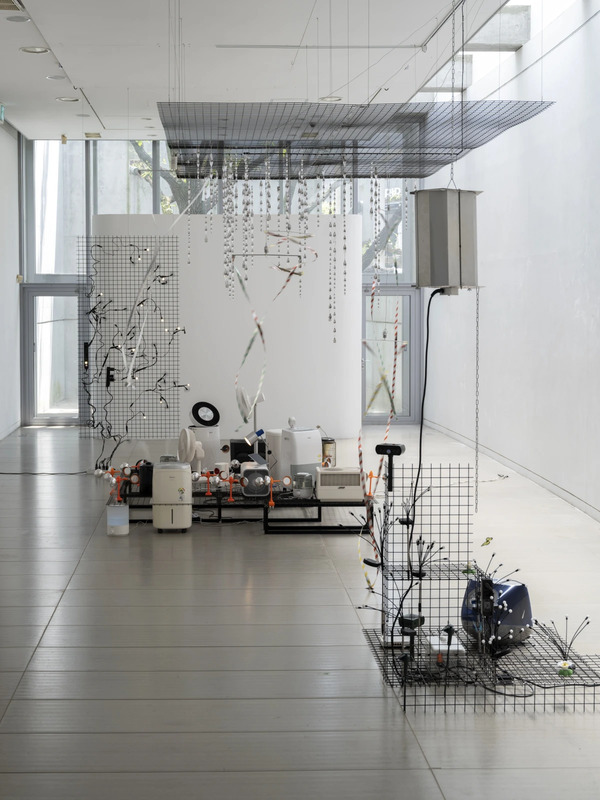
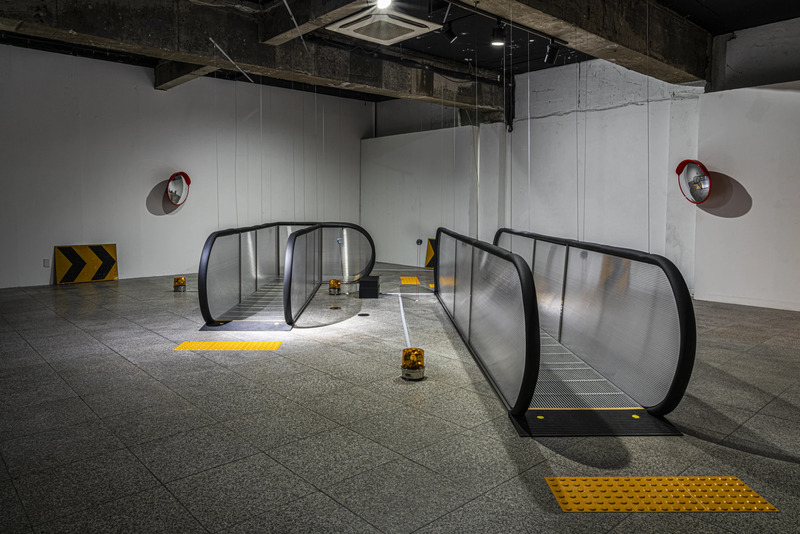
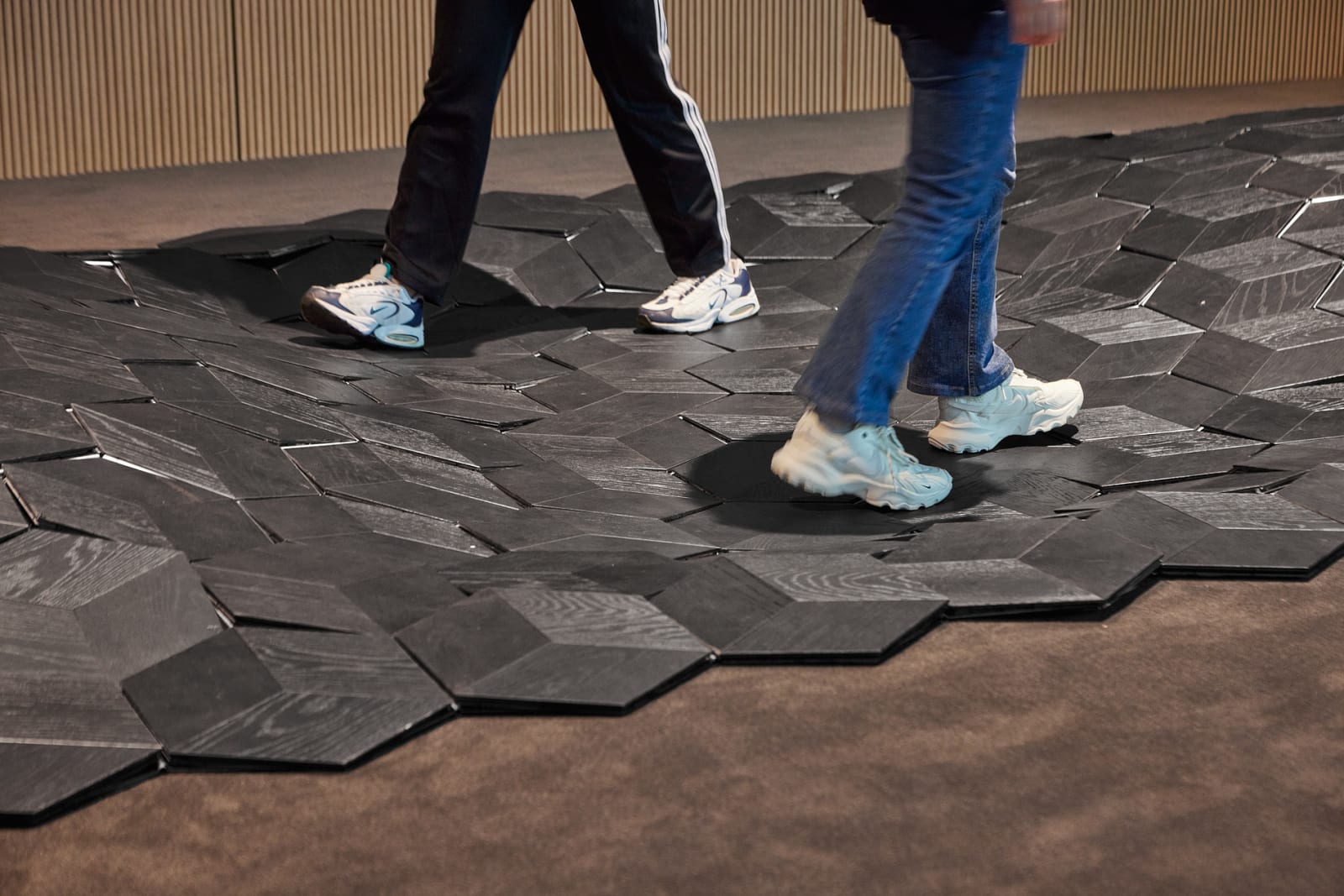
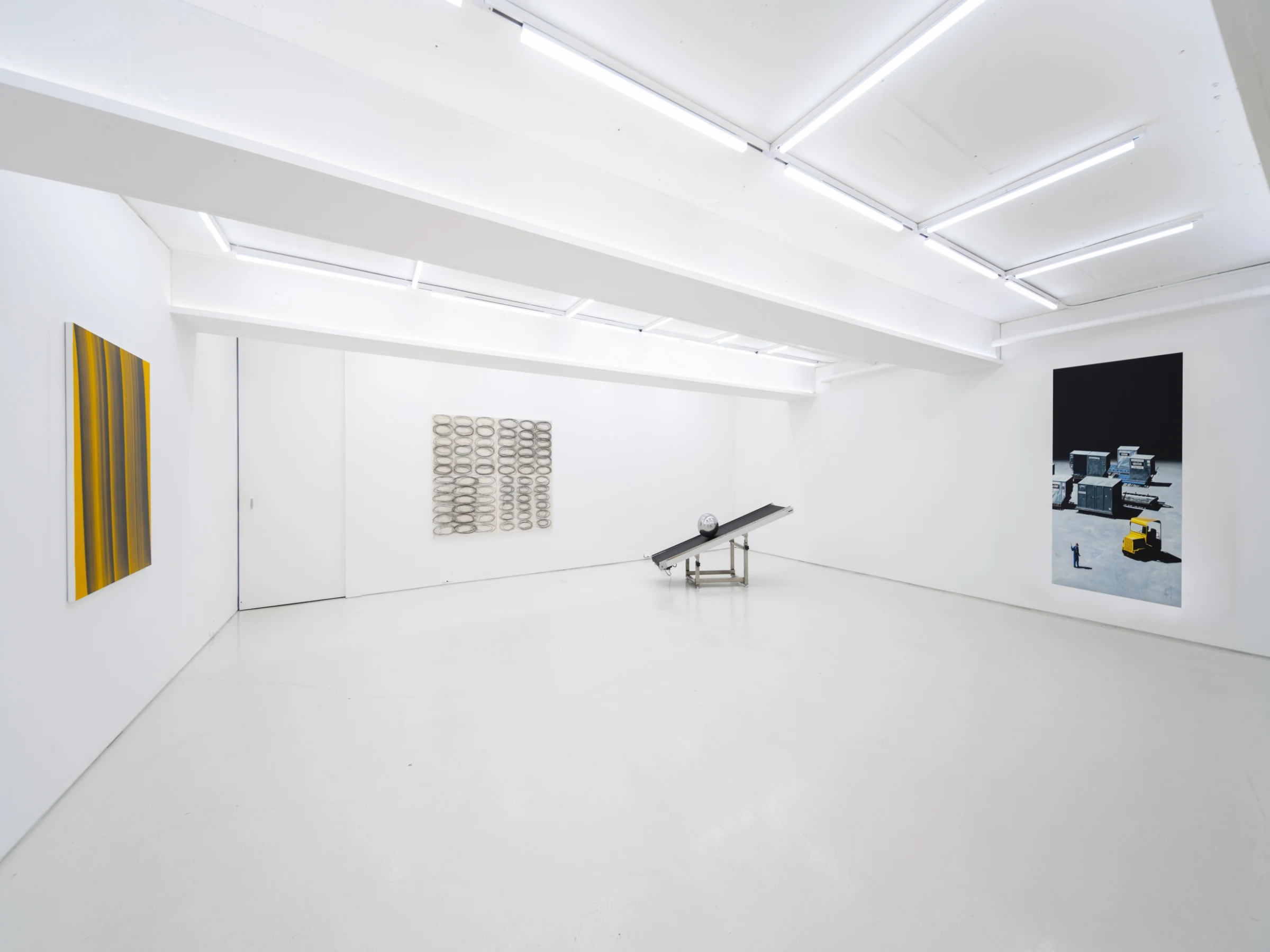
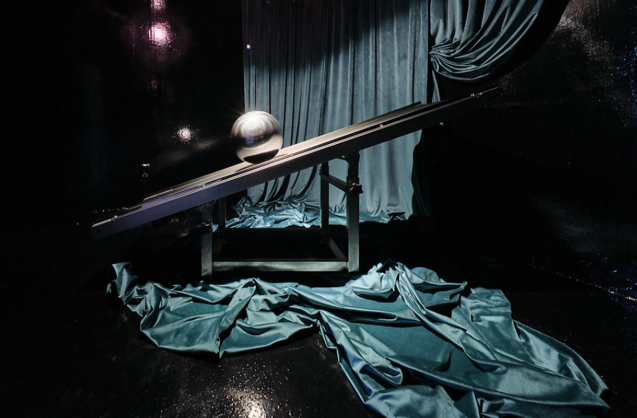
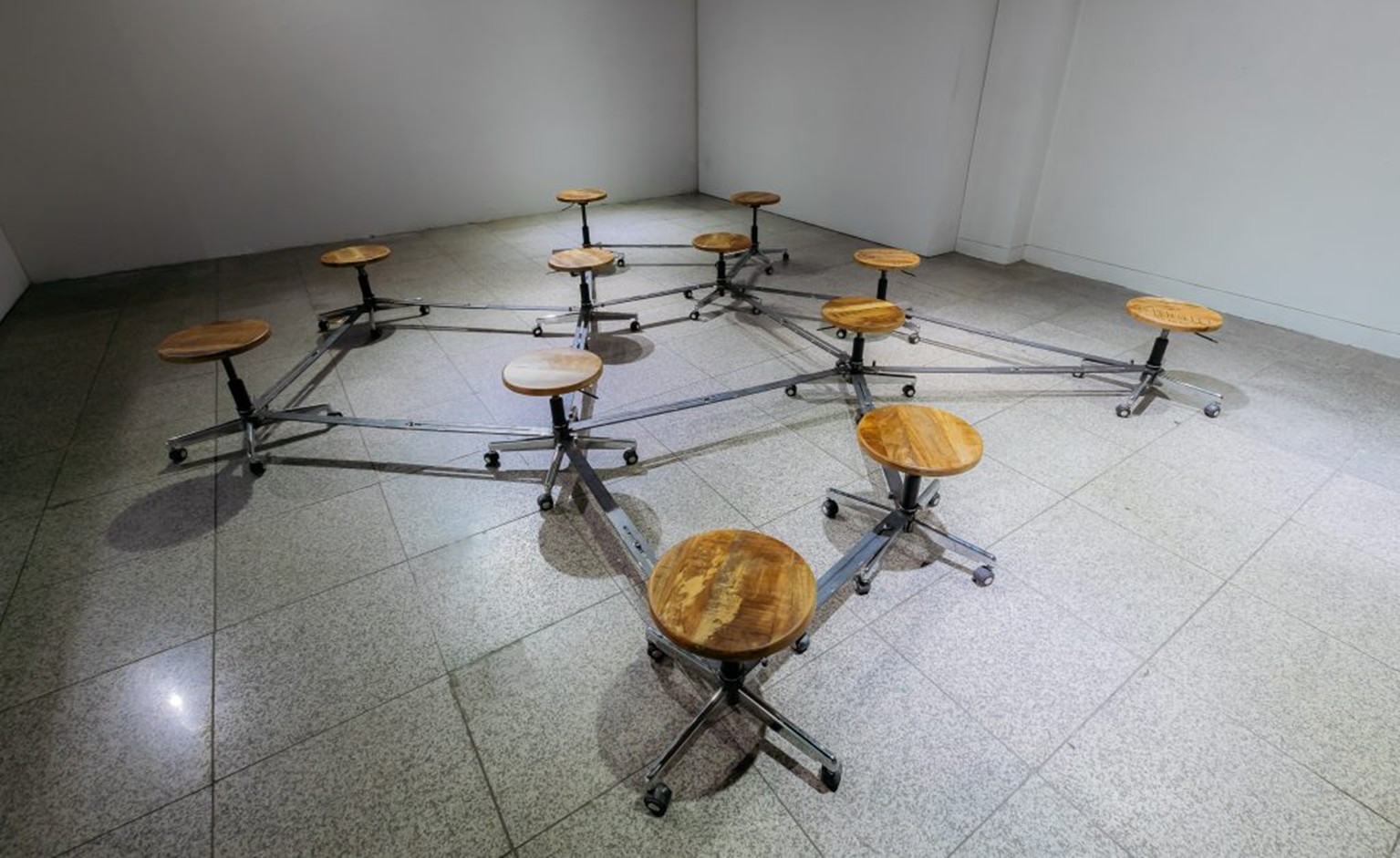
 Installation
view of 《Strange Loop
for Marcel》 © Seongbuk Young Art Space
Installation
view of 《Strange Loop
for Marcel》 © Seongbuk Young Art Space
The
first curated exhibition of Seongbuk Young Art Space in 2022, 《Strange Loop for Marcel》, addresses
contemporary perceptions of positional awareness between the real self and the
virtual self.
With
the rapid development of science and technology and in the aftermath of the
pandemic, virtual worlds increasingly resemble reality, while reality itself
grows ever more similar to the virtual.
In particular, the expansion of social
networks has allowed the digital self to extend beyond virtual space into the
real world, exerting significant influence on the real self. Against this
backdrop, the exhibition reflects on ways of achieving a balanced coexistence
between the “self” in reality and the virtual self in an era when the virtual
often surpasses the real.
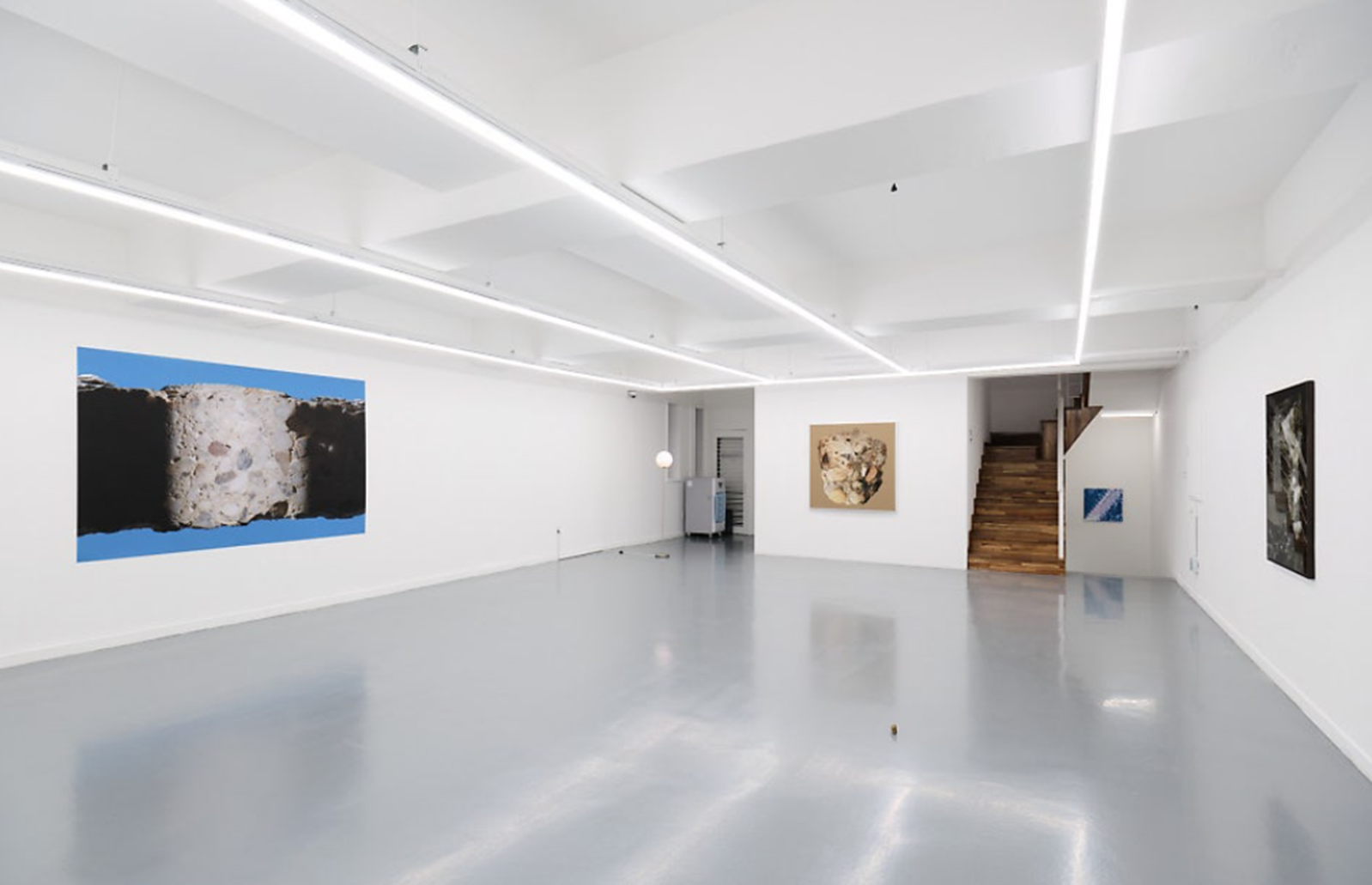 Installation
view of 《Strange Loop
for Marcel》 © Seongbuk Young Art Space
Installation
view of 《Strange Loop
for Marcel》 © Seongbuk Young Art Space
The
exhibition title “Strange Loop” draws inspiration from a concept by cognitive
scientist Douglas Hofstadter, which encapsulates ideas such as an ending that
returns to the beginning, truth containing falsehood, and entangled
hierarchical orders. Through infinite loops of self-reference, the concept
metaphorically points toward a path to genuine self-awareness.
The four
participating artists guide viewers to reorient their gaze and senses toward
things they thought they knew—or had never consciously perceived—by immersing
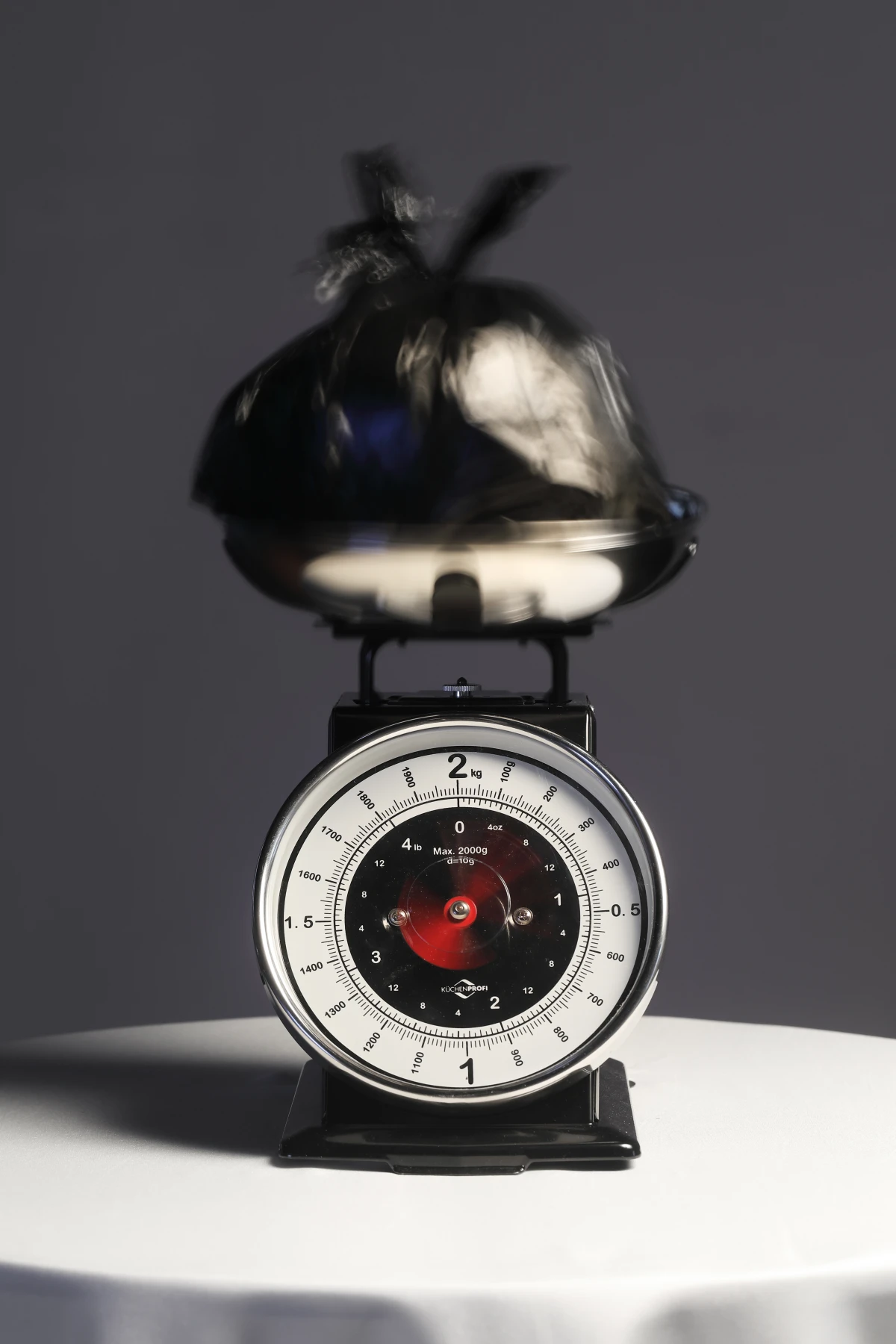
them in acts of observing, sensing, and thinking about objects (Kim Kyungtae),
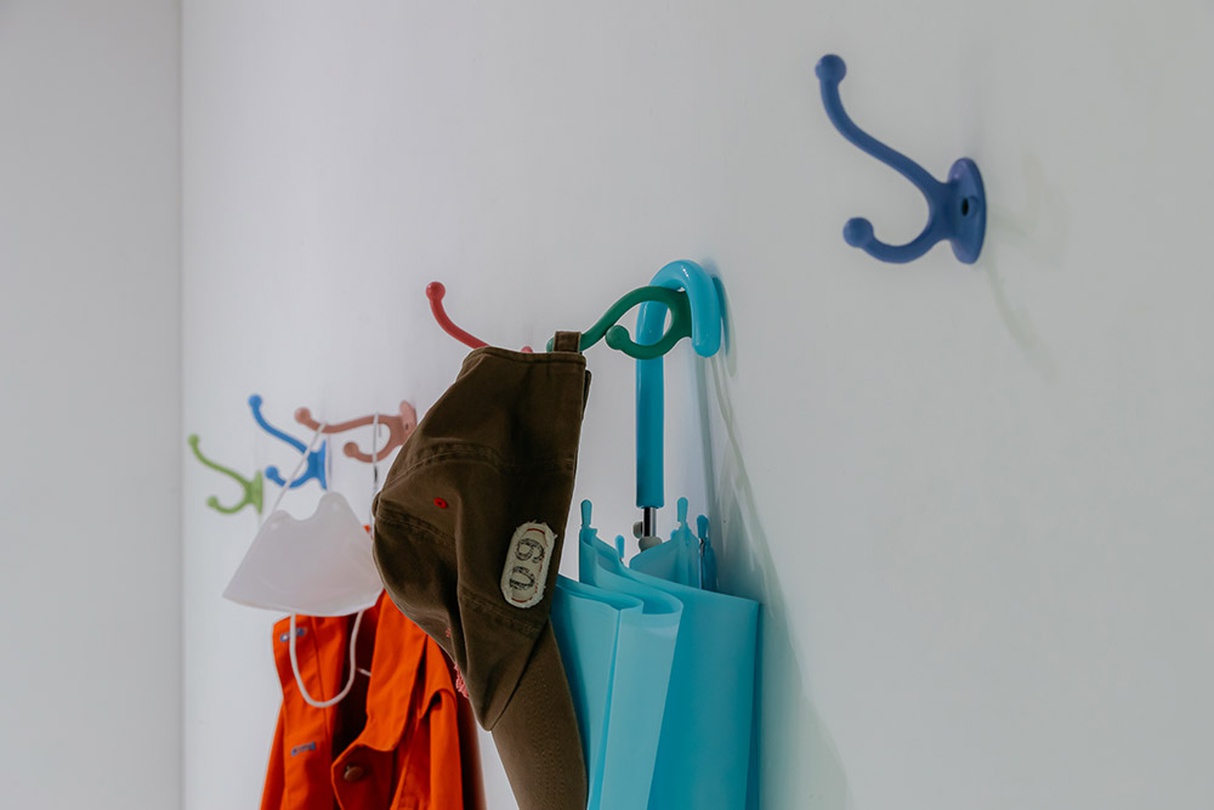
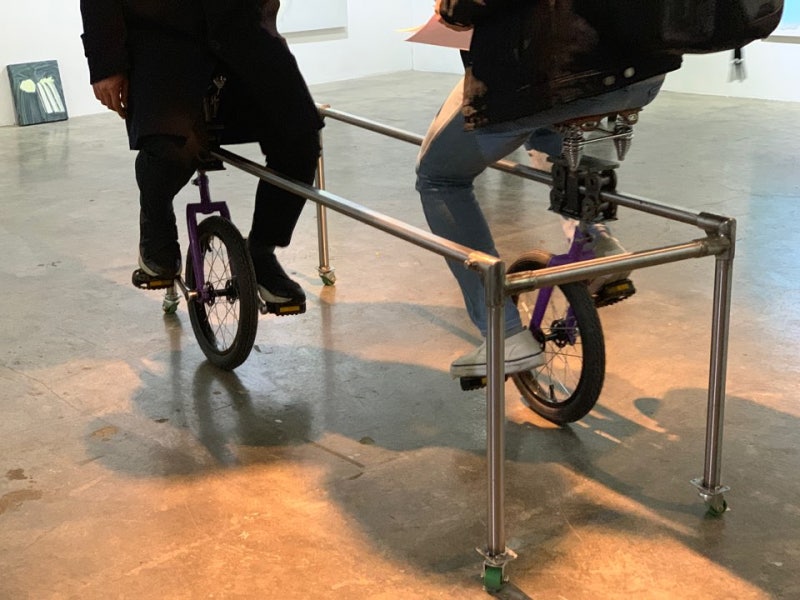
space (Oh Jong), relationships (Cho Ho Young), and virtual reality (Park
Dongjun).
Through
these works, the exhibition seeks to synchronize the sense of positional
awareness rediscovered through the physical body in the real world with the
virtual self, exploring the continuity of the body that allows the digital self
to maintain its center.
For Marcel—the dog whose identity was altered after
eating a fig that turned dreams into reality and caused her body to switch with
her owner; for the “self” that is easily swayed and fragmented by the desires
of a reconstructed virtual identity; for “us,” who encounter artworks through smooth, shimmering screens; and
for contemporary individuals conditioned by the gaze of others represented
through “likes,” leading them to objectify themselves subjectively—《Strange Loop for Marcel》 hopes that, by
synchronizing the bodily sense of position rediscovered “here” with the self
that exists “there,” we may find an as-yet-undiscovered future within the
familiar present.