Exhibitions
《The Frontiers of the Climate Crisis》, 2025.04.30 – 2025.08.17, Koo House Museum
April 28, 2025
Koo House Museum
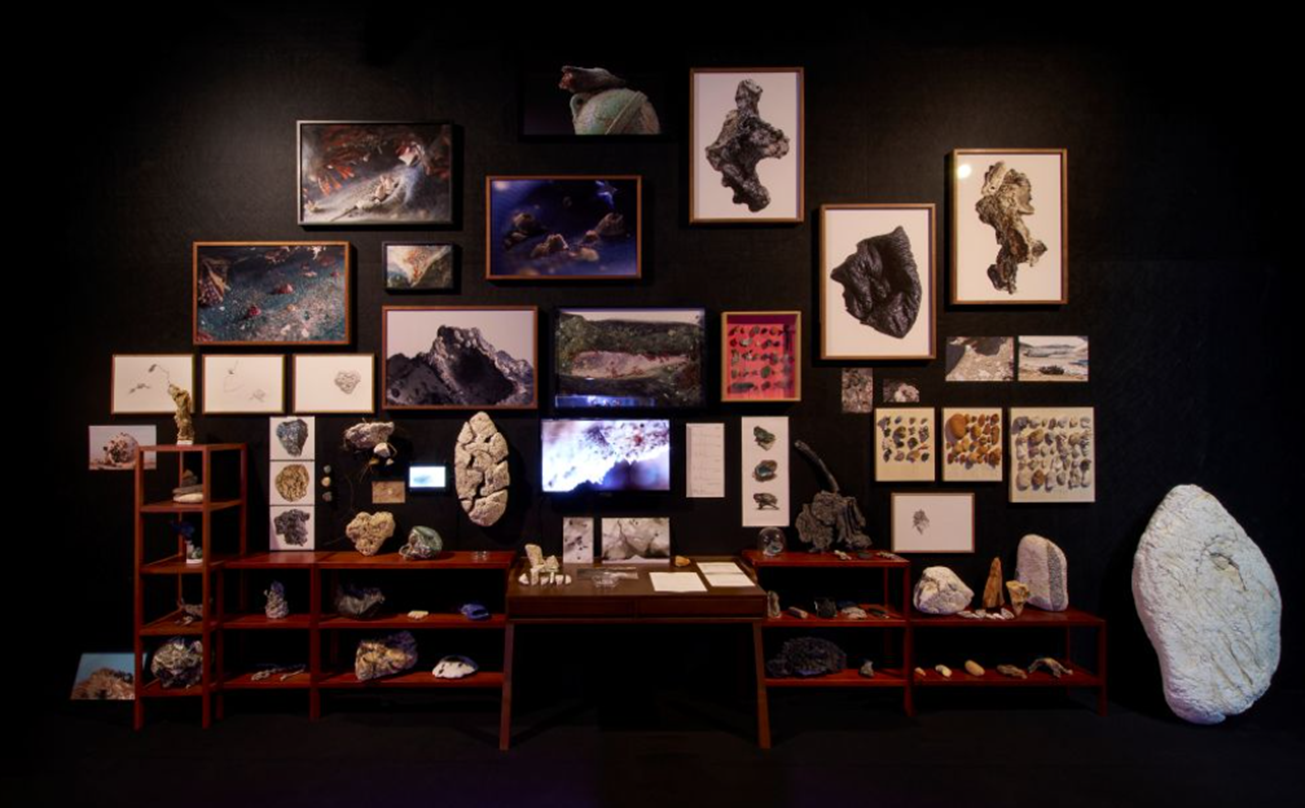
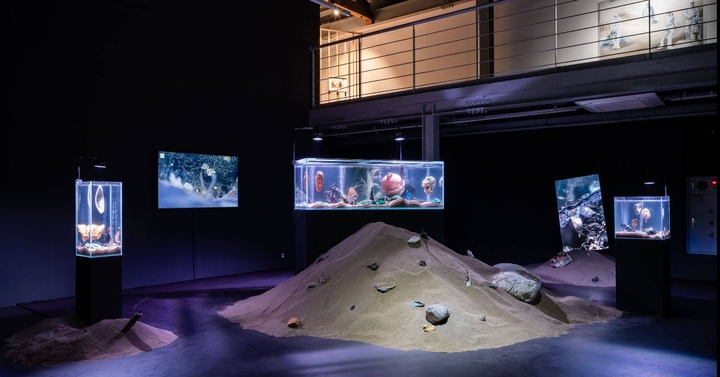
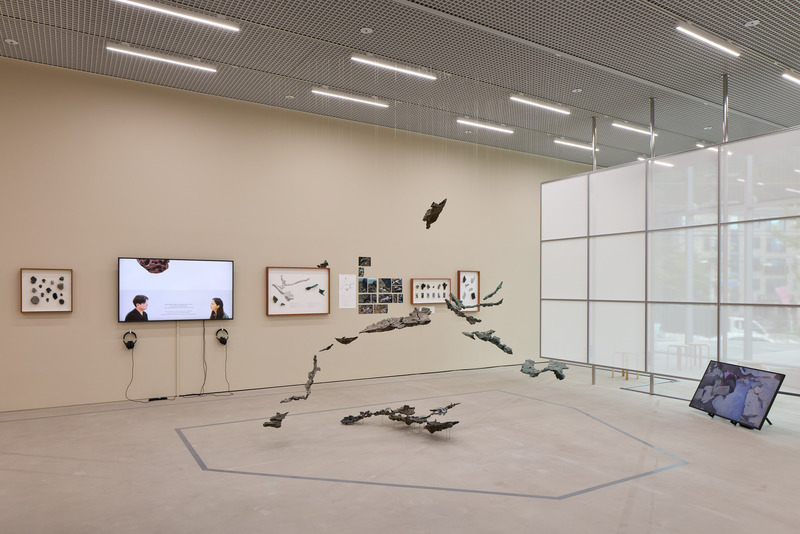
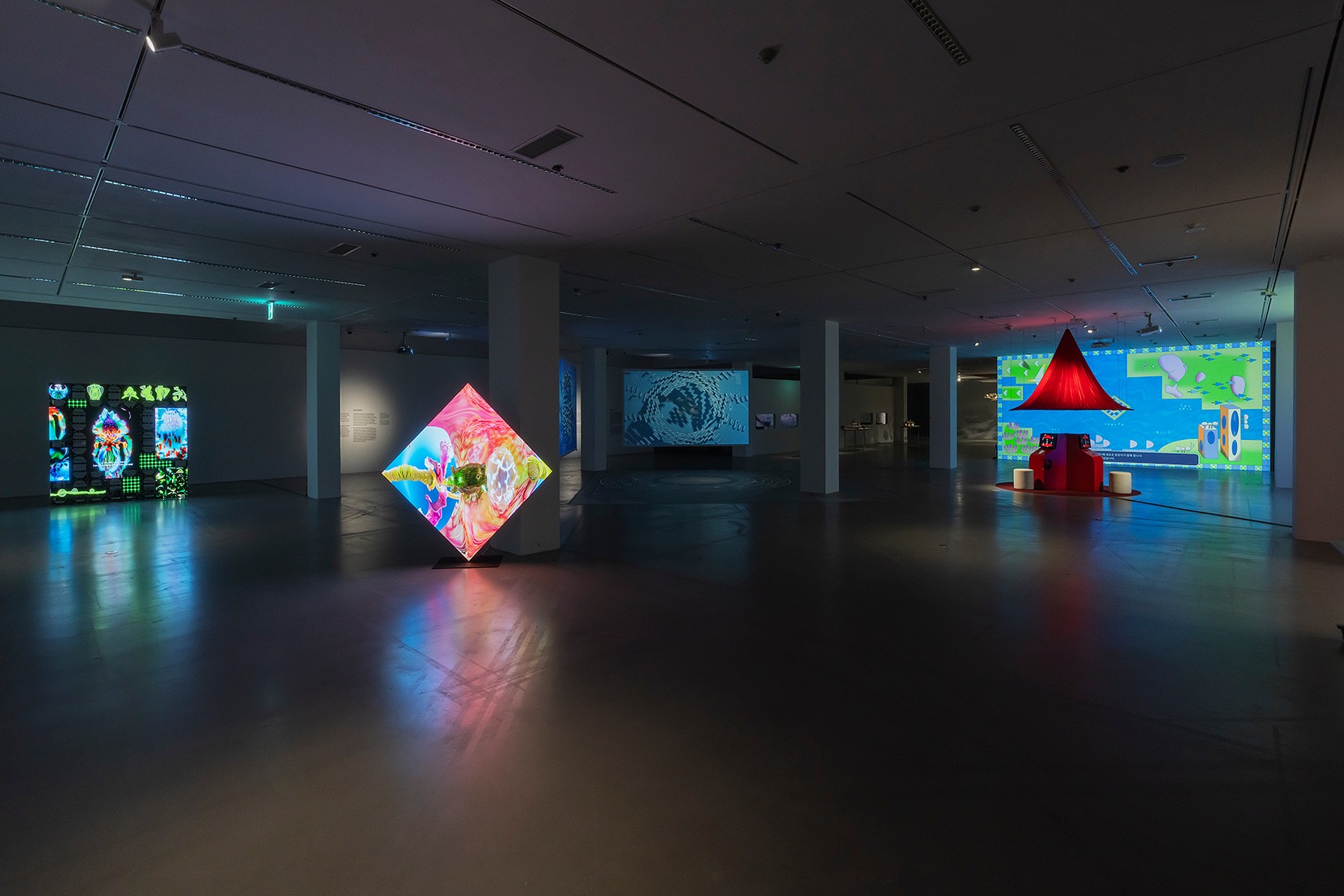
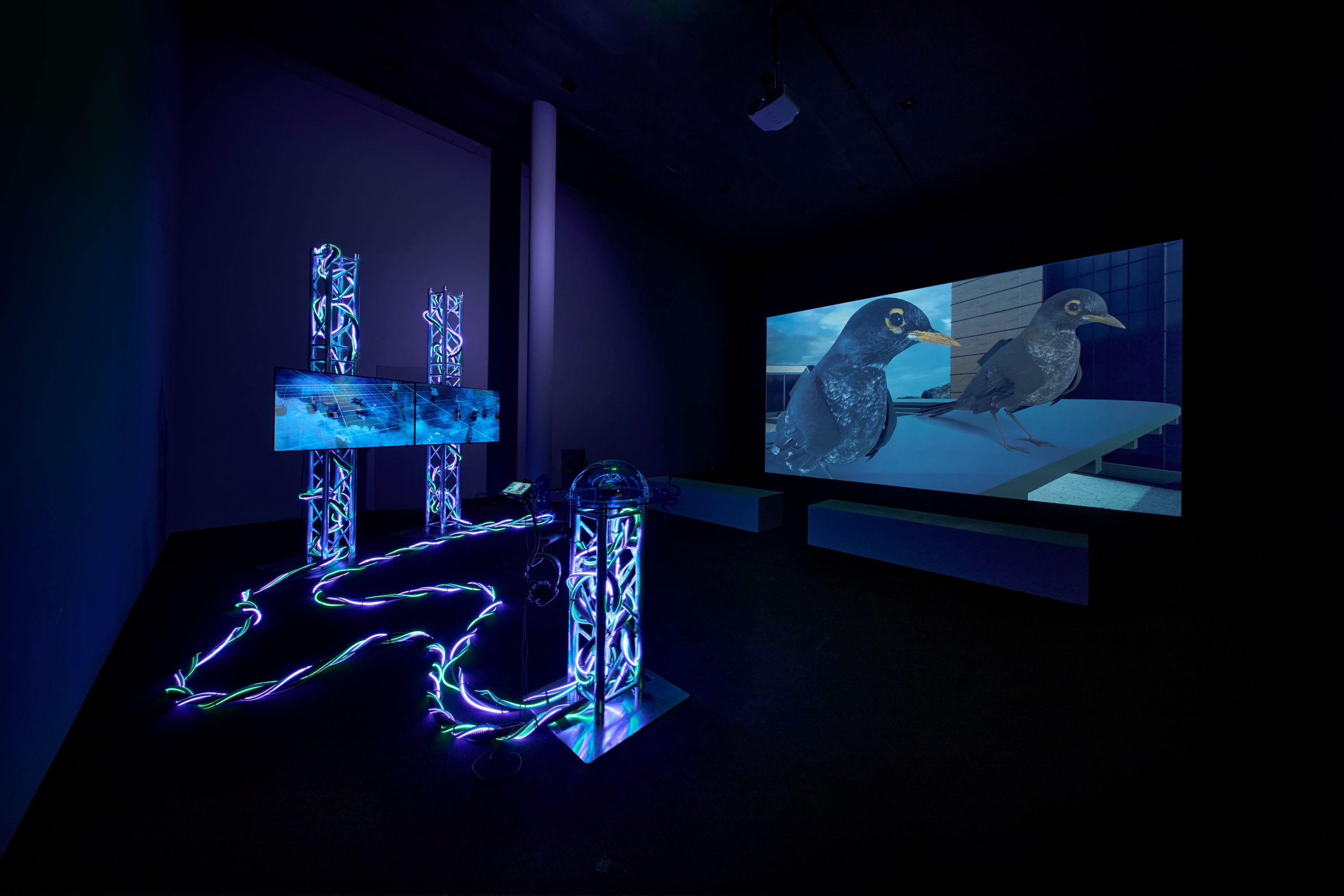
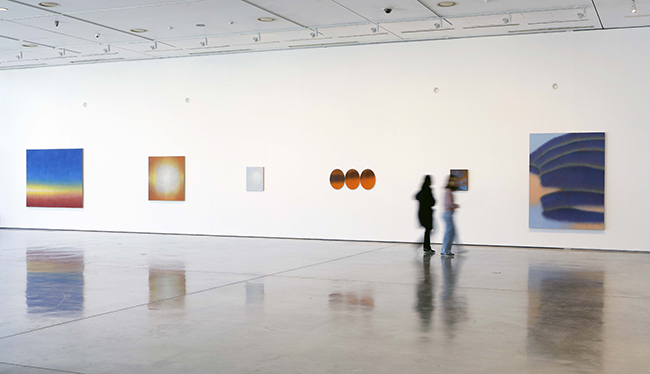
 Installation view of 《The Frontiers of the Climate Crisis》 © Koo House Museum
“The
most important thing we can do to protect the environment is to take action.”— Greta Thunberg
In
its 2018 report, the Intergovernmental Panel on Climate Change (IPCC) warned
that if the global average temperature rises by 1.5°C above pre-industrial
levels, it could lead to extreme climate disasters, ecosystem collapse, and
crises in food resources. “1.5°C” is not merely a temperature; it is the final
boundary within which humanity can sustain a viable way of life.
Koo
House Museum presents this critical figure not only as an indicator of crisis,
but as a mirror through which we are compelled to reflect upon ourselves. 《The Frontiers of the Climate Crisis 1.5°C》
examines the reality of the climate crisis from multiple perspectives through
artworks that embody realistic, critical, and metaphorical views of the
environment.
Moving through a progression of warning, reflection, and practice,
the exhibition demonstrates that art can become not just a means of explaining
environmental issues, but a tool for thinking through them and prompting
action.
Eleven
participating artists interpret the climate crisis through their own artistic
languages, working across diverse media such as painting, video, installation,
and photography.
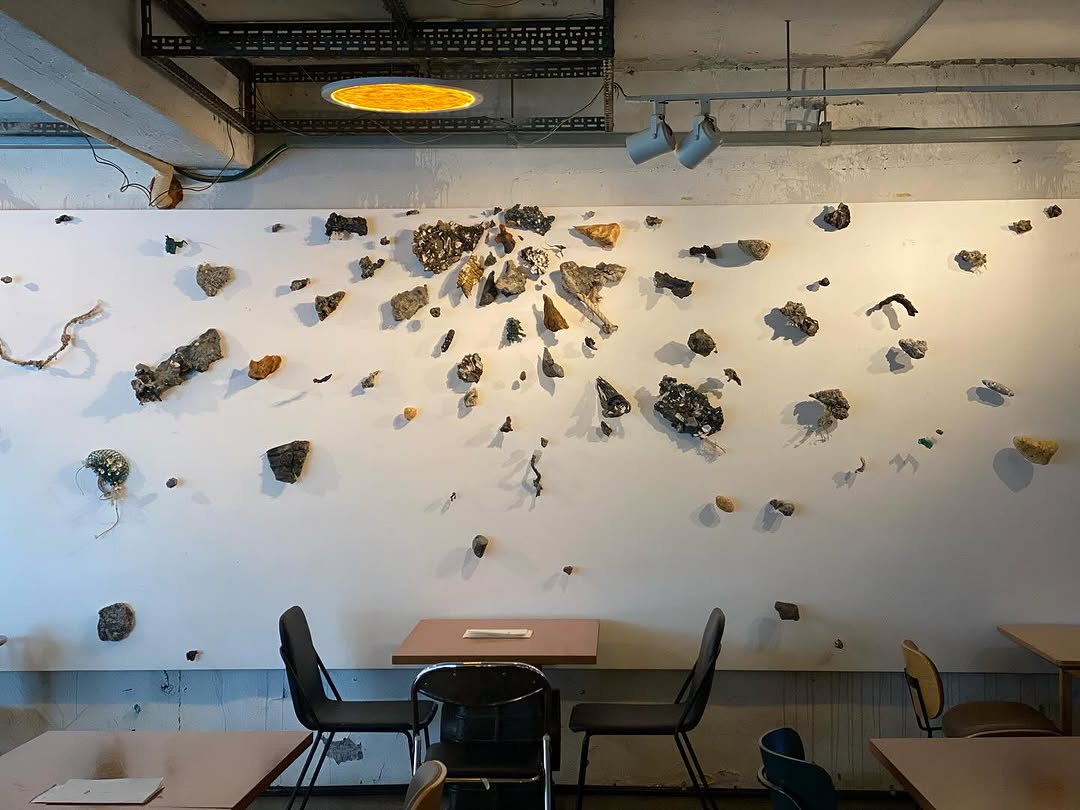
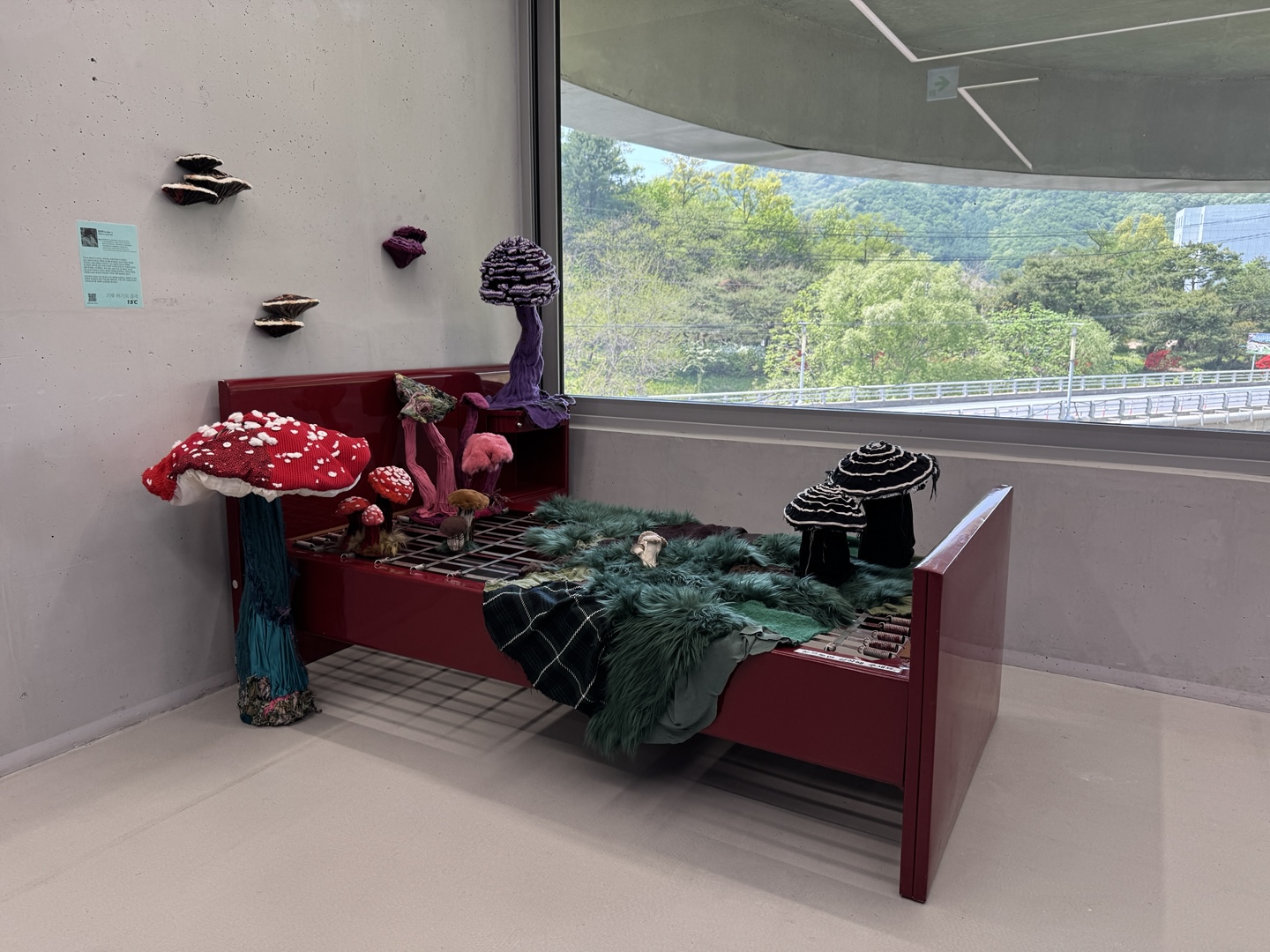 Installation view of 《The Frontiers of the Climate Crisis》 © Koo House Museum
Kim
Sunwoo urges us to remember the dodo bird, driven to extinction by human
intervention. Kim Siha captures narratives of wildfires and their remnants,
while Kim Eunha explores possibilities of circulation and regeneration through
imaginary life forms growing from discarded clothing.
Park Saeun’s works
reflect on the potential for life and the restoration of urban ecology in the
age of climate crisis through the contrast between cement and plants. Baek
Jeongki continues her practice of contemplating the irreversibility of the
climate crisis and the transience of nature through plant pigments and the
passage of time.
Byun Daeyong’s polar bears recall the crisis of survival,
while Song Sooyoung reads traces of human impact on nature from familiar
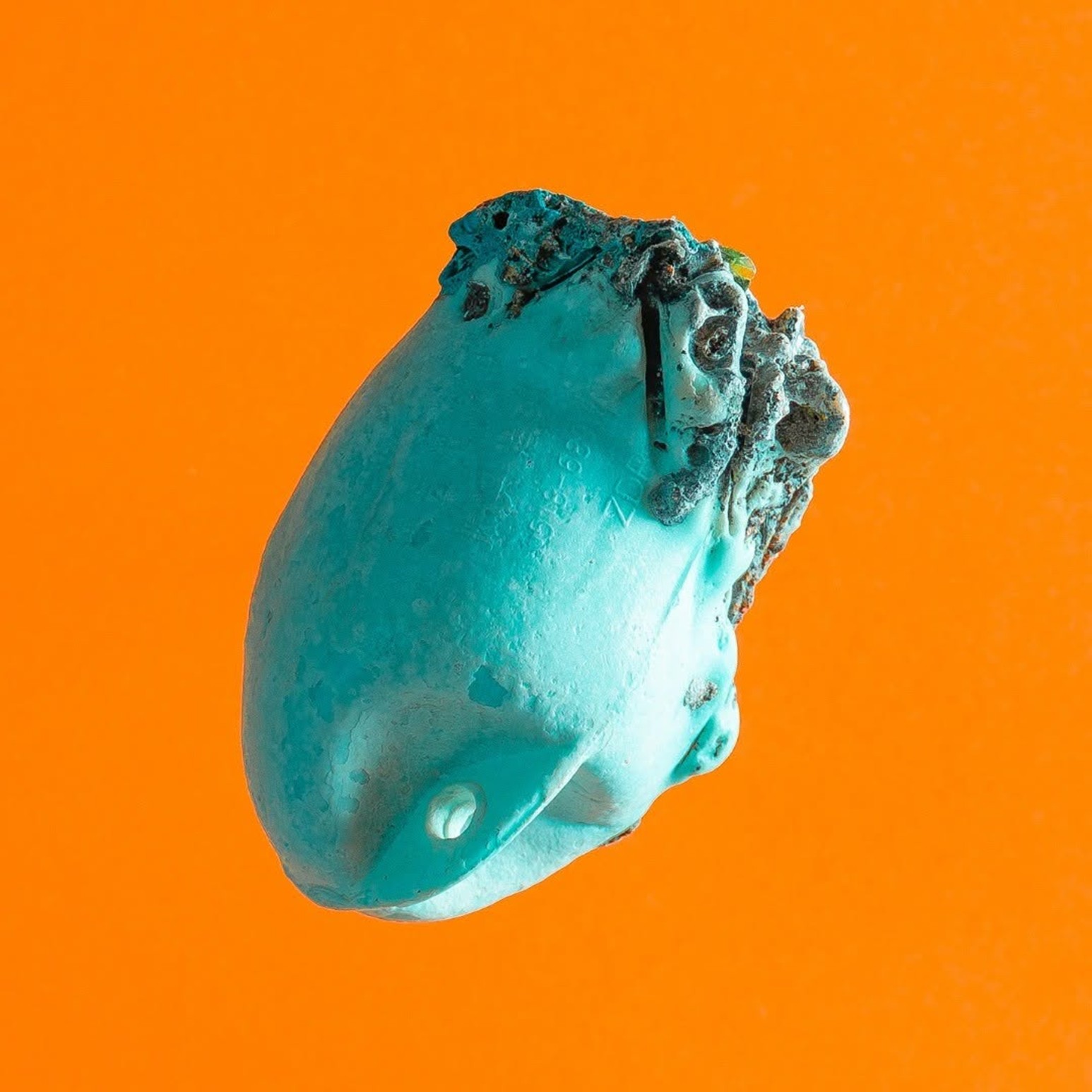
objects. Yang Kura’s monsters are born from marine waste. Lee Chaewon
investigates the relationship between nature and humans through painting,
portraying nature marginalized by anthropocentric thinking as mysterious and
poignant landscapes.
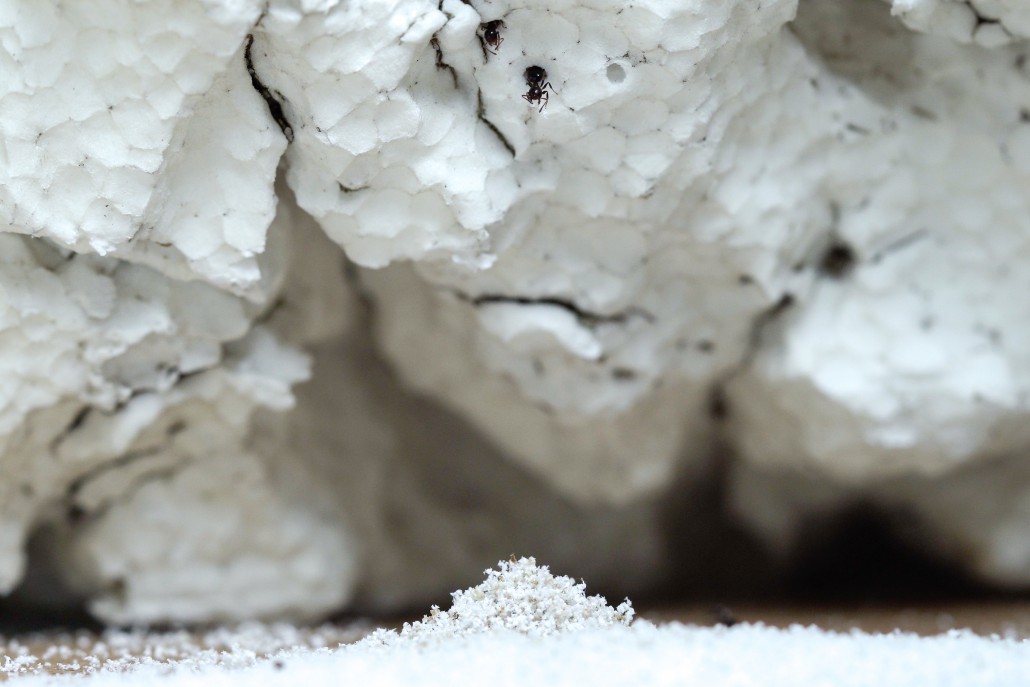
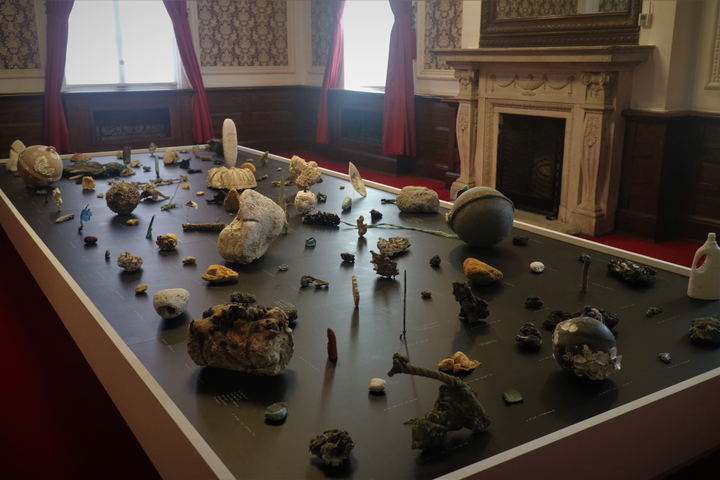
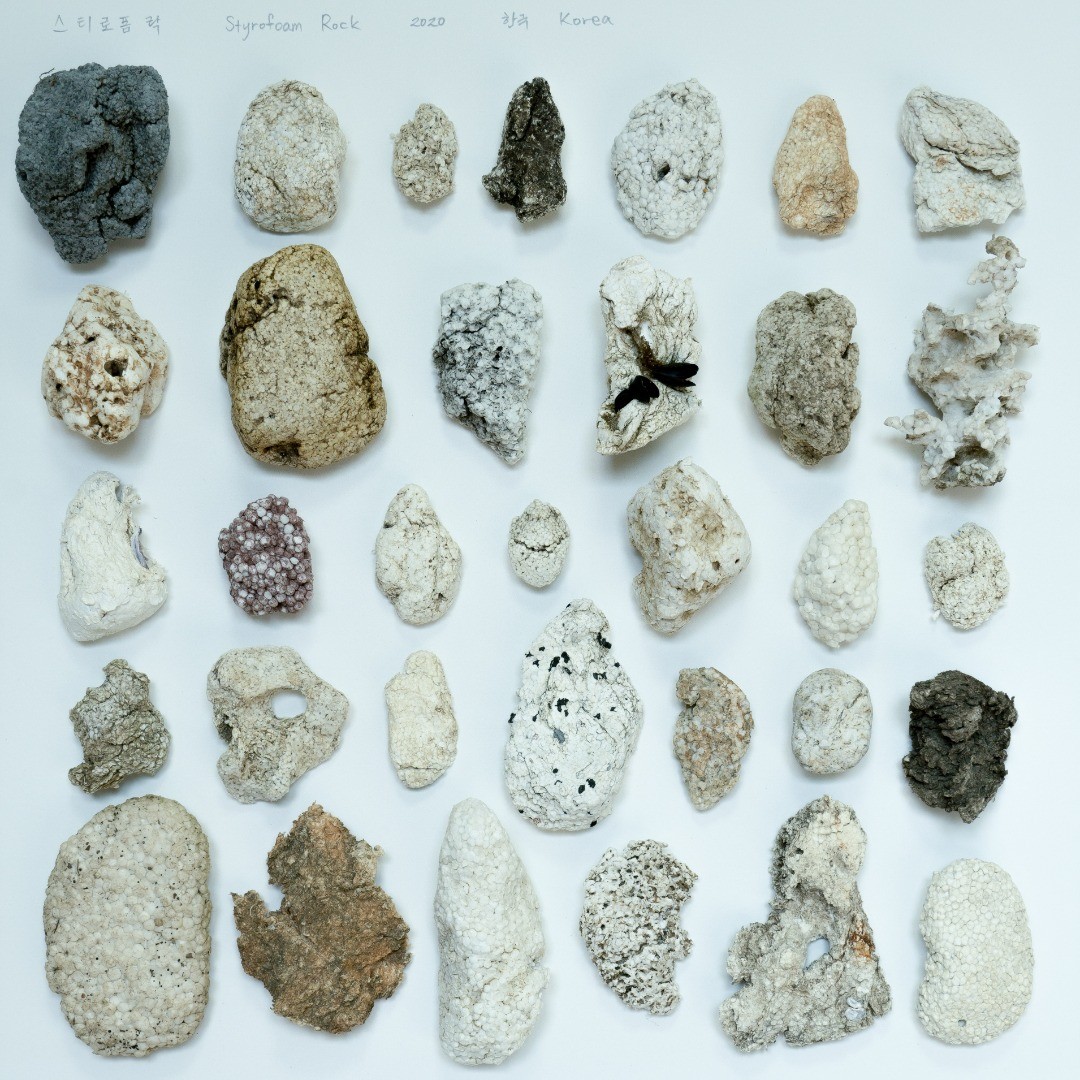
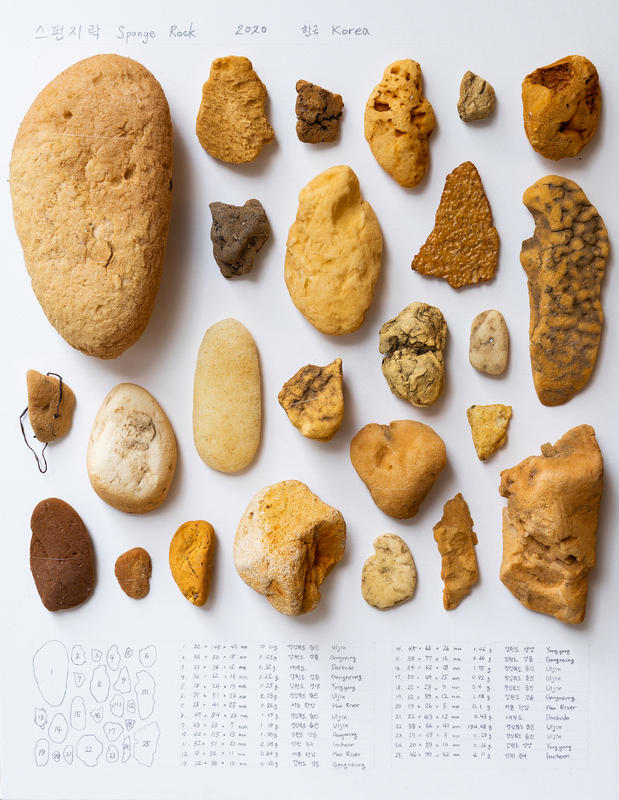
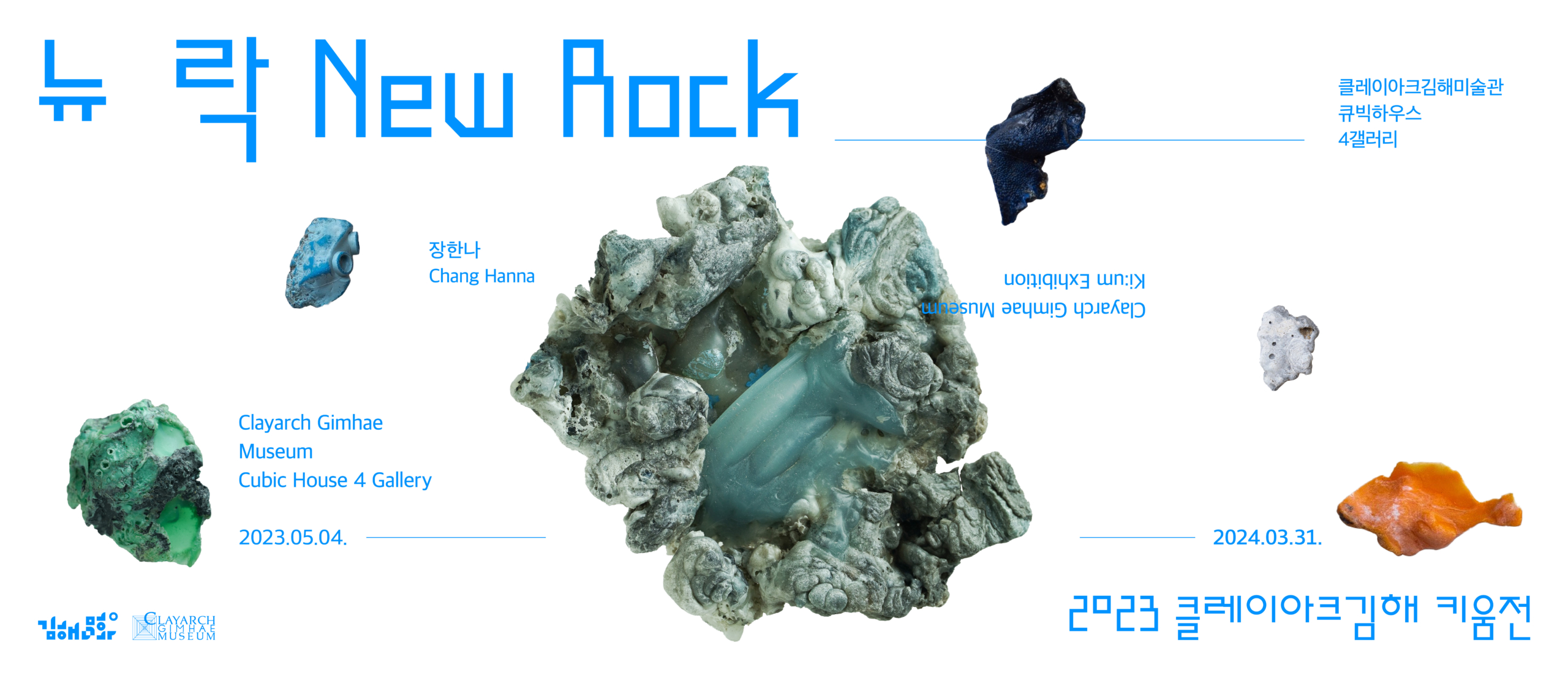
Chang Hanna explores plastic strata called “New Rock,”
formed by the combination of Styrofoam and natural matter, prompting us to ask
the fundamental question: “What is nature?” The particulate forms of fine dust
recorded by Han Kiae materialize, through metaphorical imagery, facets of
environmental change that we encounter daily yet often overlook.
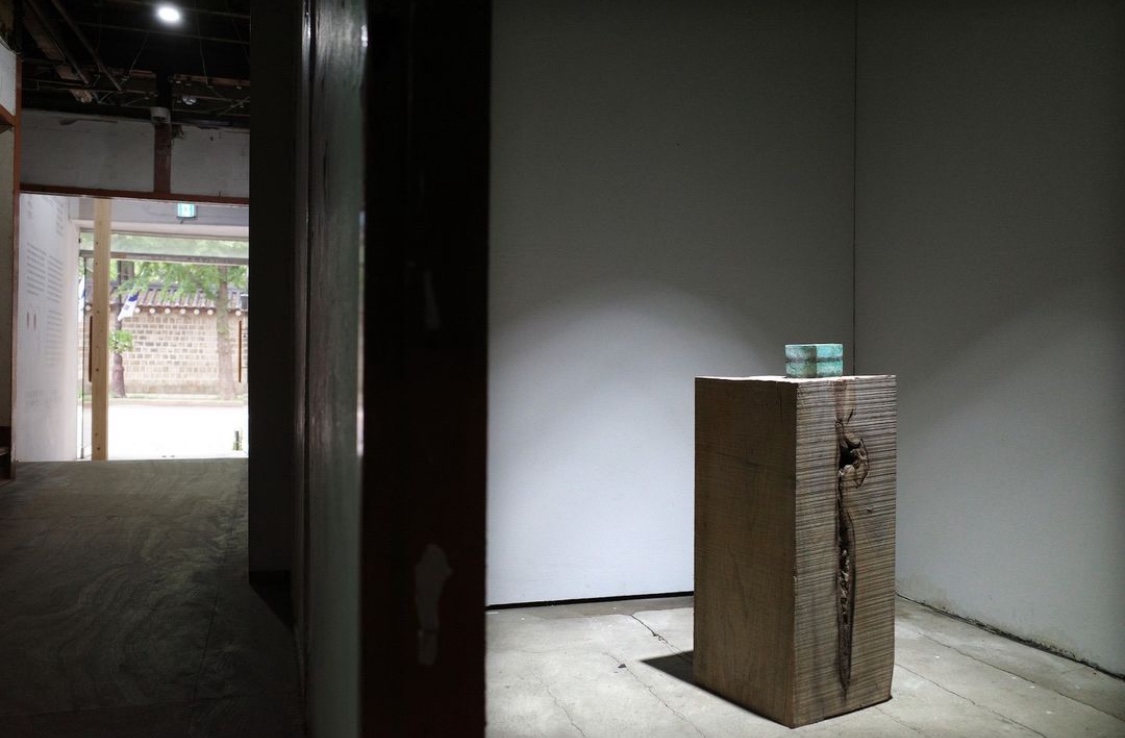
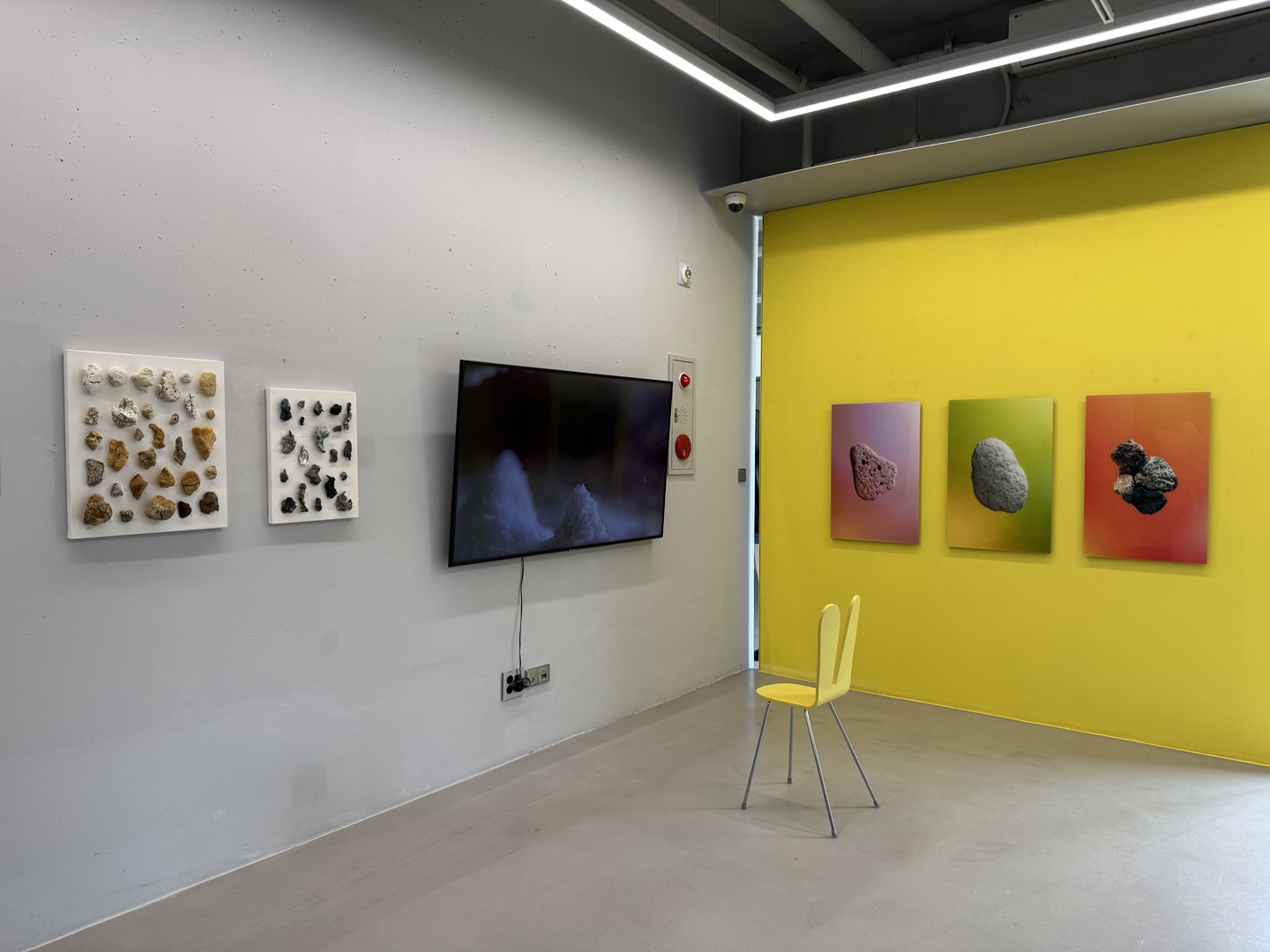 Installation view of 《The Frontiers of the Climate Crisis》 © Koo House Museum
Their
perspectives do not stop at depicting disaster; rather, they quietly ask how we
have come to grow accustomed to these landscapes.
The
exhibition extends beyond the interior of the museum to include an exterior
glass room and murals on the outer walls. In particular, the large-scale mural
“1.5°C” installed on the exterior draws the exhibition’s key concept outside
the museum, experimenting with how art can translate environmental discourse
into a public language.
The
climate crisis is no longer a distant future, but has deeply permeated the air
we breathe, the seas and land, and the lives of all beings—human and non-human
alike. This exhibition is both a report written in the language of art and a
question posed to us all: “What kind of future will we choose?”