When
I was young and went to the seaside, I preferred walking along the shore and
picking up pretty, unusual stones rather than entering the water. On some days,
I would discover an especially smooth, shiny green stone among the
rough-looking rocks. When I proudly brought such finds home as if I had
discovered gemstones, what awaited me was my parents’ scolding.
They were not
gemstones at all, but discarded glass bottles that had been broken down and
worn smooth by waves and weathering, eventually turning into pebble-like forms.
Later, I learned that these are called sea glass. From that point on, whenever
it became clear that what I had found was not nature itself but an artificial
object bearing the appearance of nature, I felt a strange discomfort, and such
objects were naturally excluded from my collection.
Chang
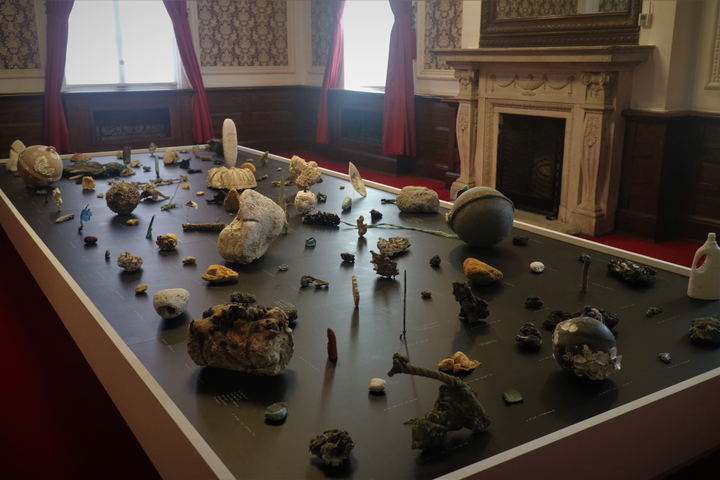
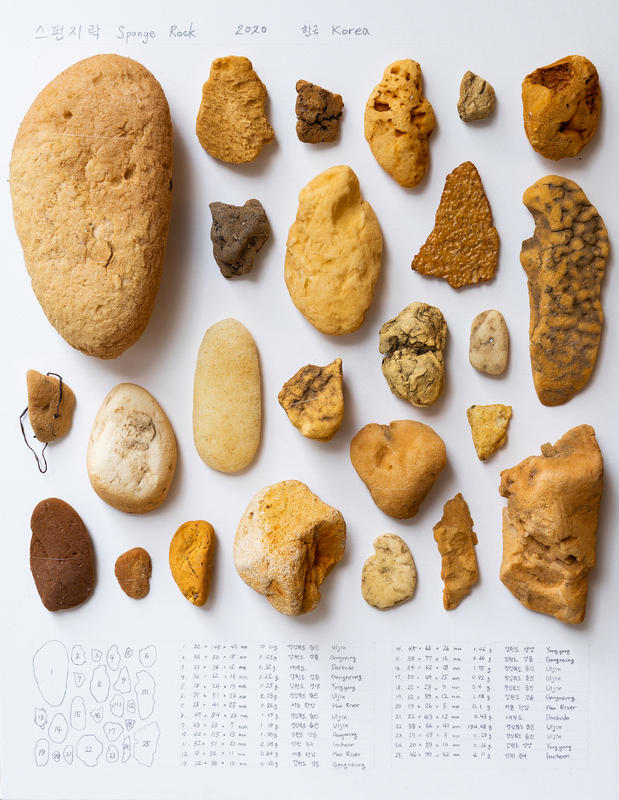
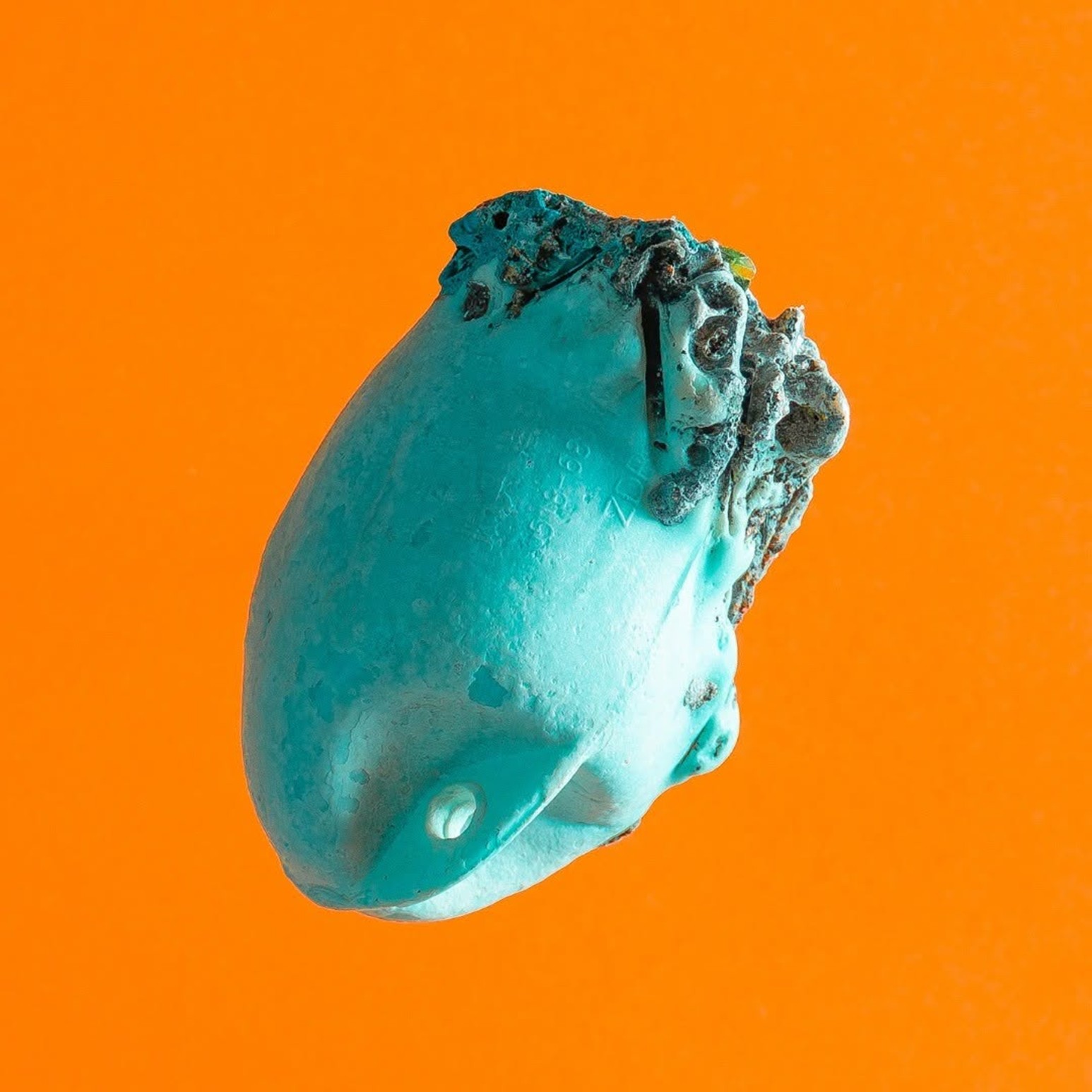
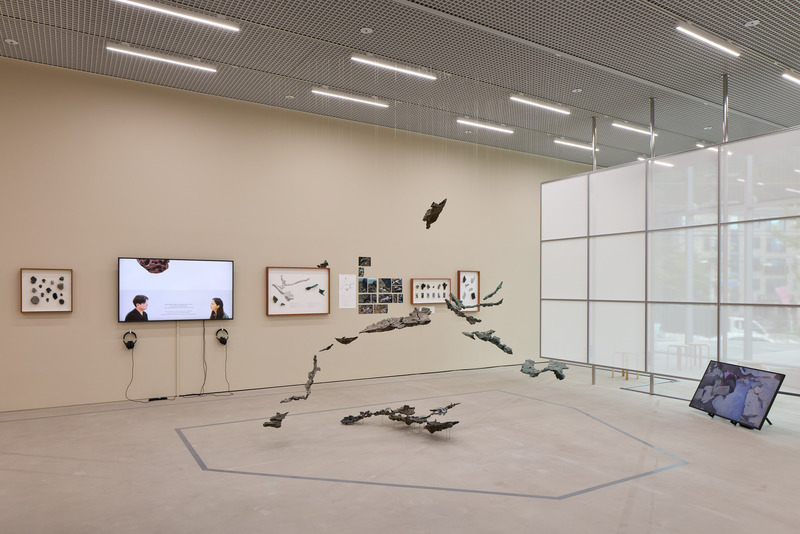
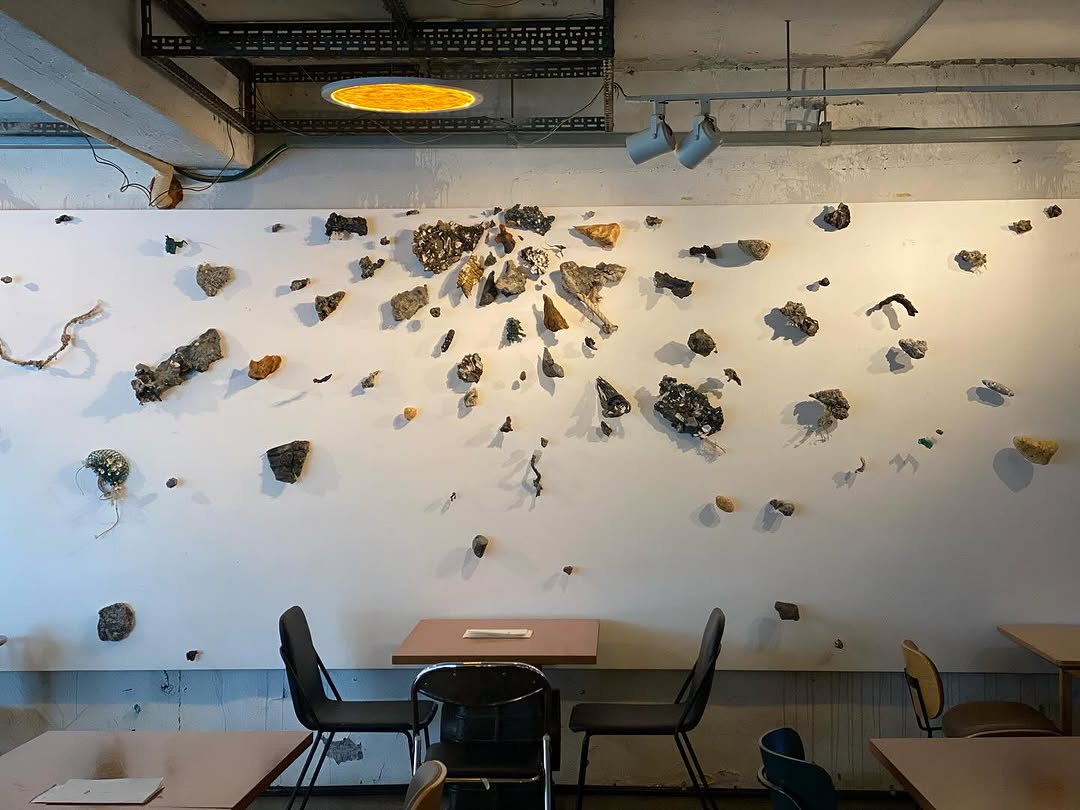
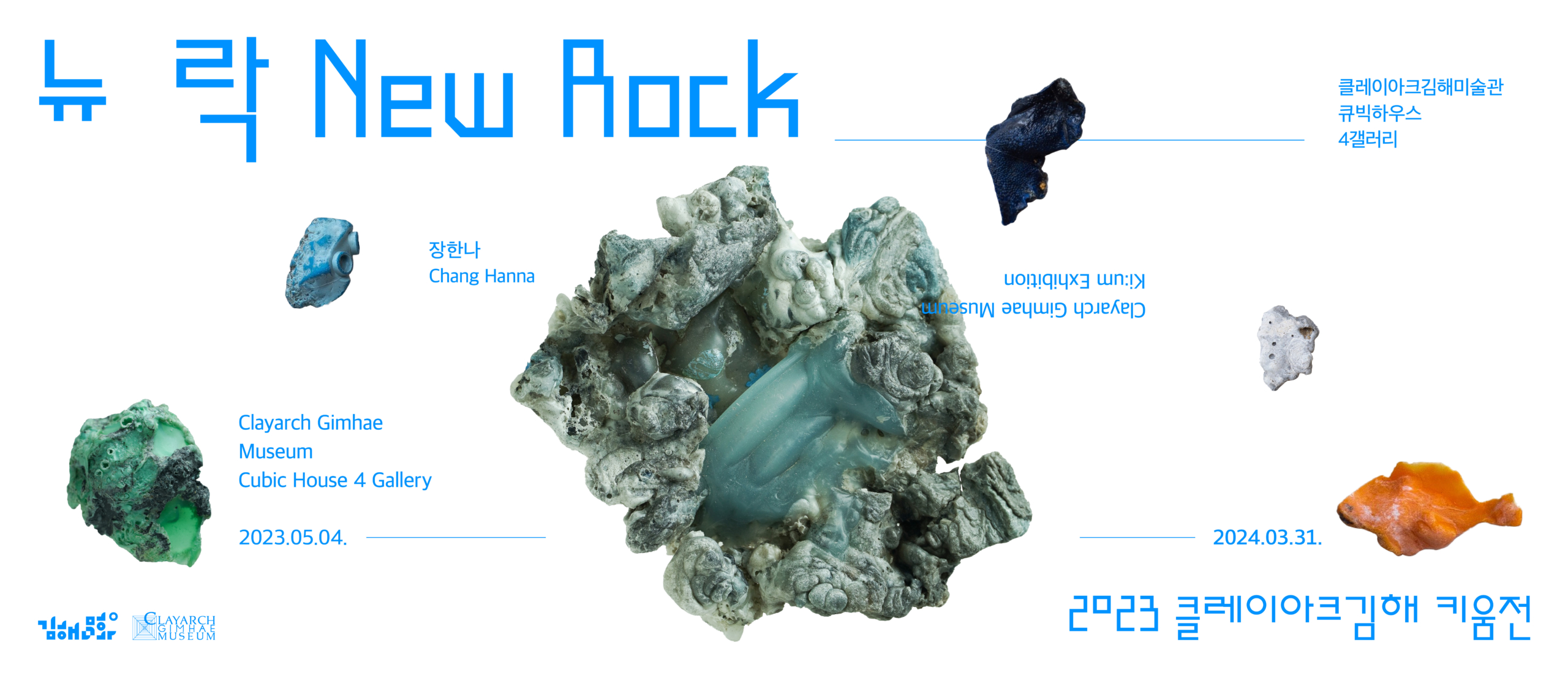
Hanna’s approach, however, is the opposite. She collects and exhibits only
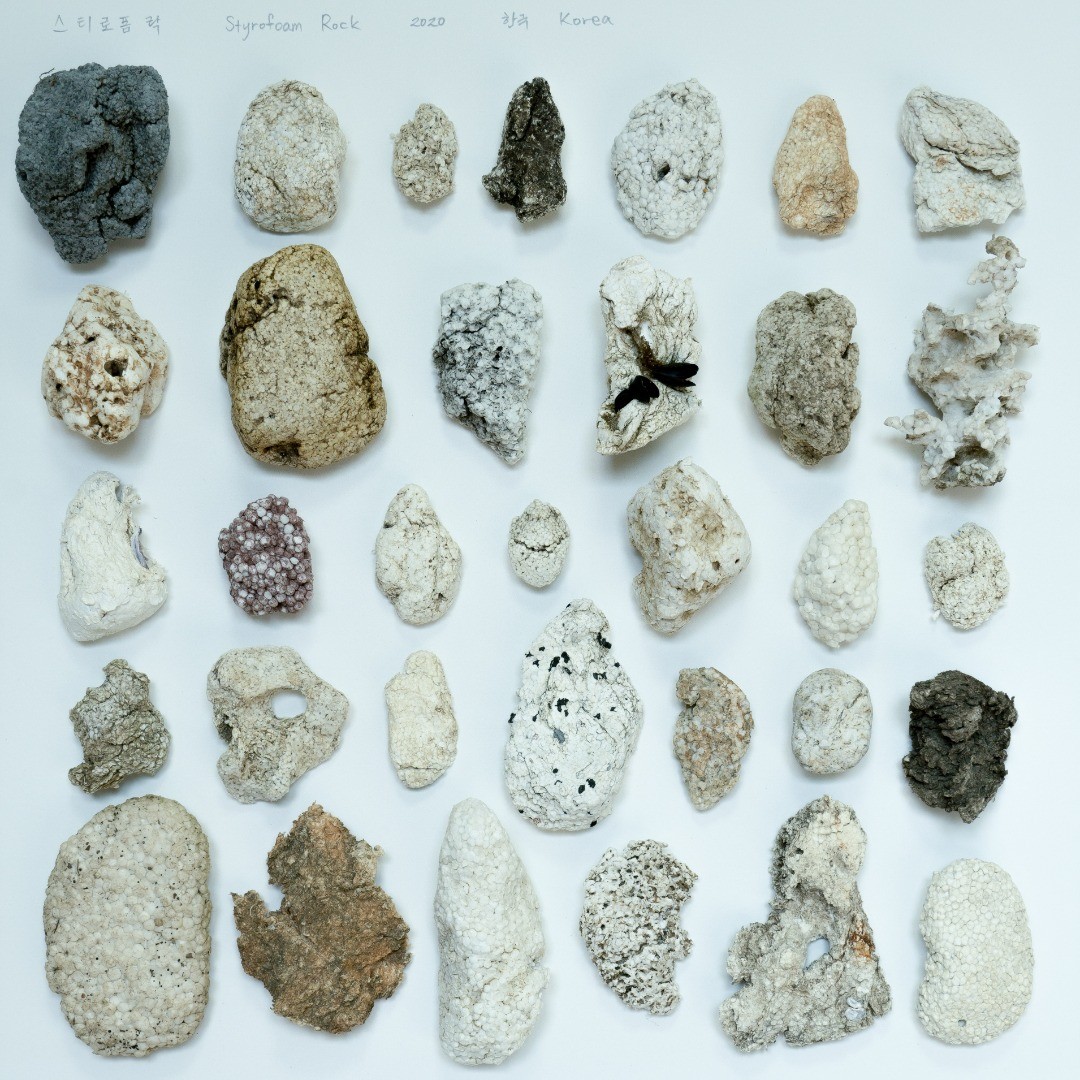
“strange stones.” At first glance, these “strange stones” resemble ordinary
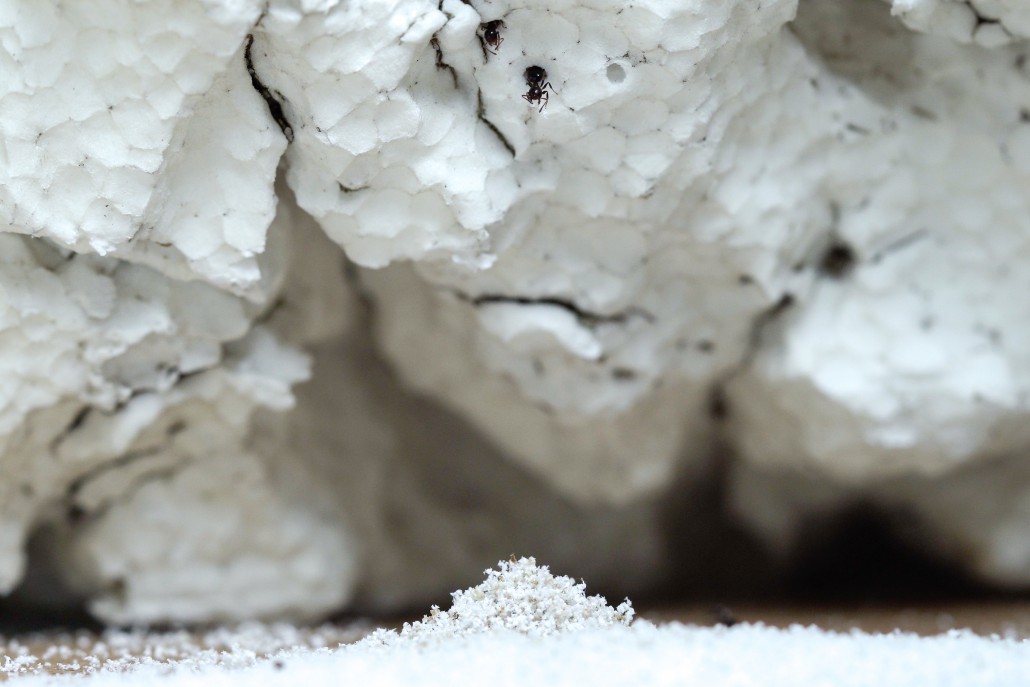
rocks, but upon closer inspection they turn out to be made of plastic. Some
appear to be large rocks riddled with holes, yet feel unexpectedly light when
lifted—they are made of Styrofoam. Born from human hands, these objects arrived
at the sea through various circumstances and, after long periods of weathering
in nature, hardened into forms that seem truly part of the natural environment.
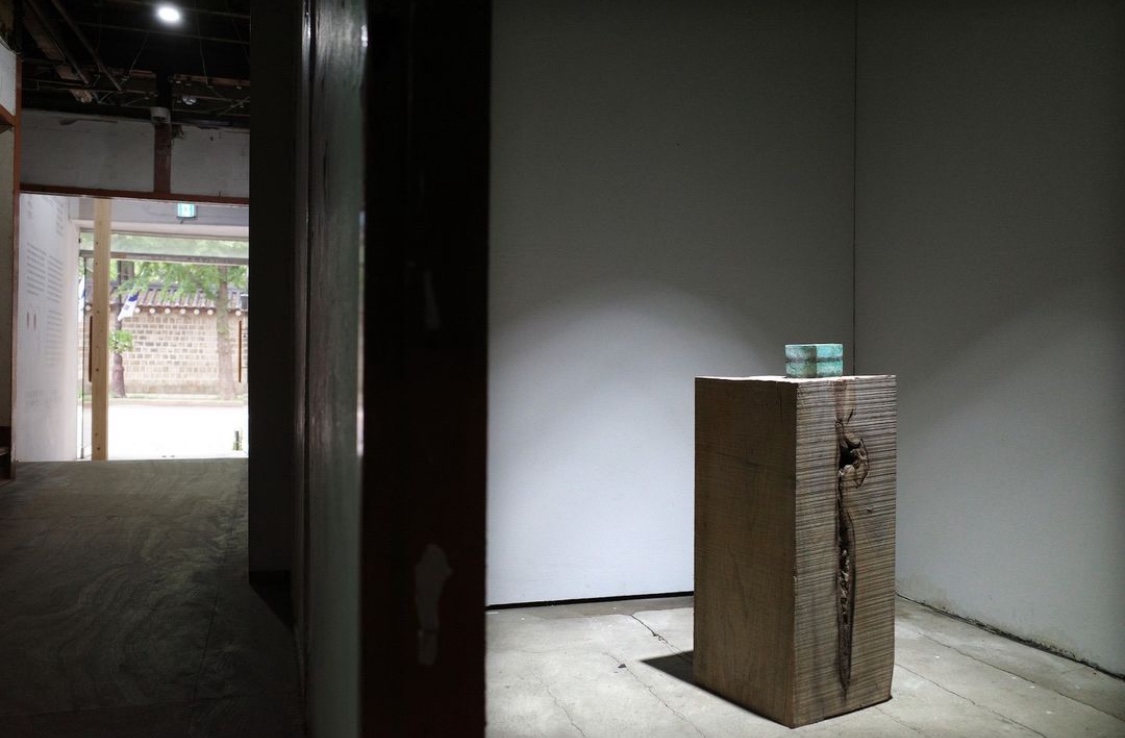
The artist has given these “strange stones” the name “New Rock.”
Chang
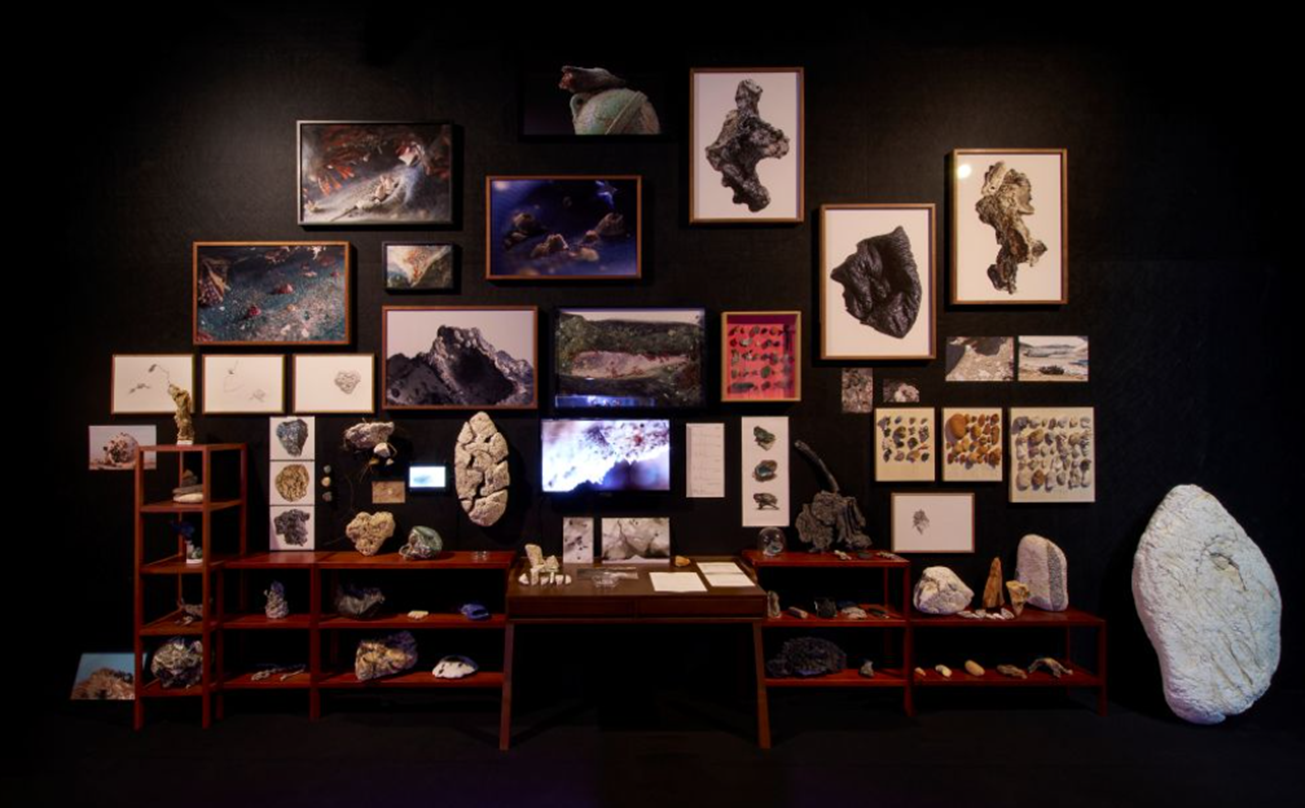
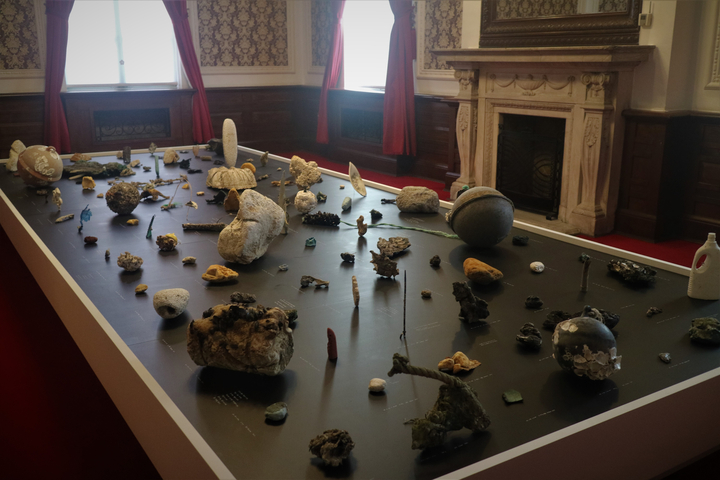
Hanna explains that her Research on New Rock began when she
happened upon a stone-shaped piece of Styrofoam on a beach. From 2017 onward,
she spent approximately four years traveling to coastlines across the country
to collect New Rock specimens, and in July 2020, she presented their existence
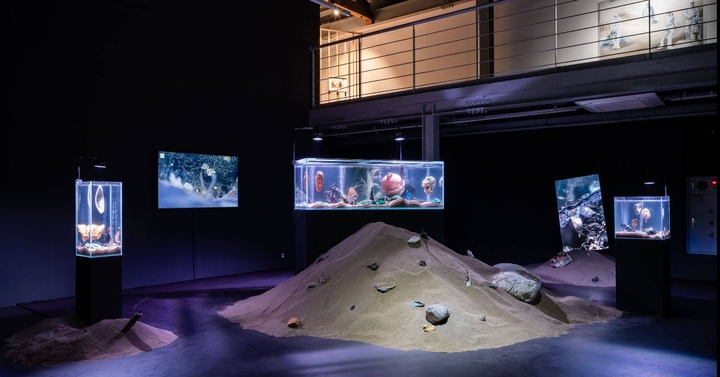
to the public at Studio Square in Suwon. In the exhibition 《Reclamation, New Rocks, Stray Dogs, Birds, and Acoustics of the
Garden》, held at Incheon Art Platform from May 21 to
July 25 this year, she installed New Rock pieces inside water tanks, allowing
viewers to observe firsthand the processes of change that occur as water and
New Rock interact.
Titled New Ecosystem, the work quite
literally gave rise to a “new ecosystem” during the exhibition period: sprouts
emerged from the Styrofoam, mosquito larvae laid eggs, and life unfolded upon
New Rock. Some of the New Rock specimens in this piece were collected with
marine life already coexisting on them; their plastic surfaces are densely
covered with barnacles. These New Rocks have become part of what is known as
the “plastisphere”—a term referring to plastic waste discarded into nature
that, over long periods of time, becomes an ecological habitat for marine
organisms.