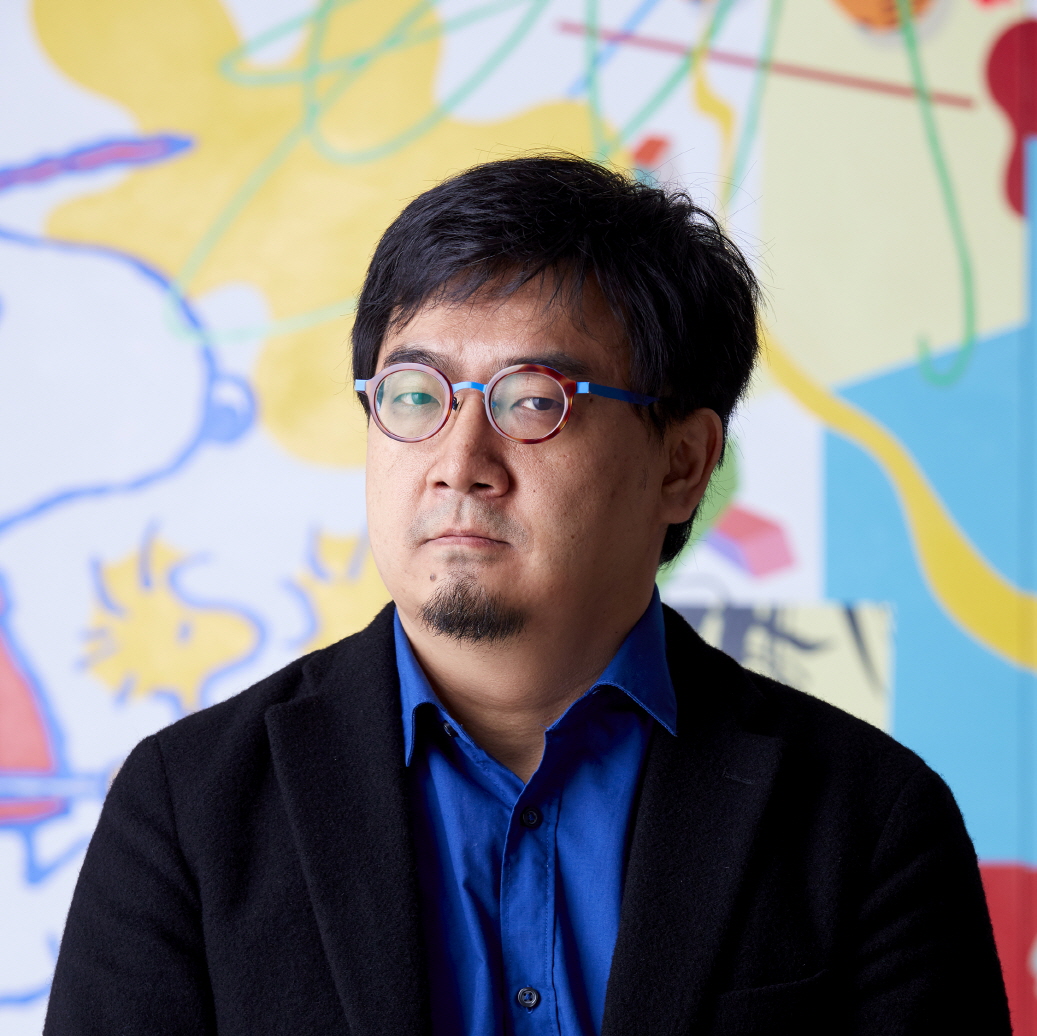
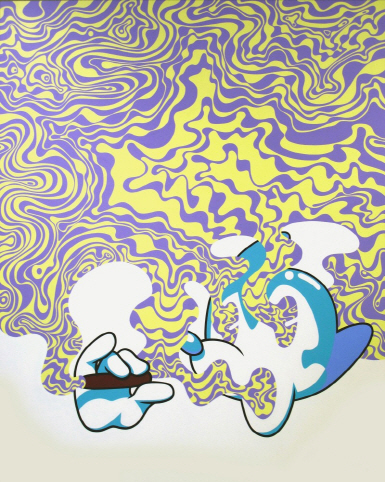
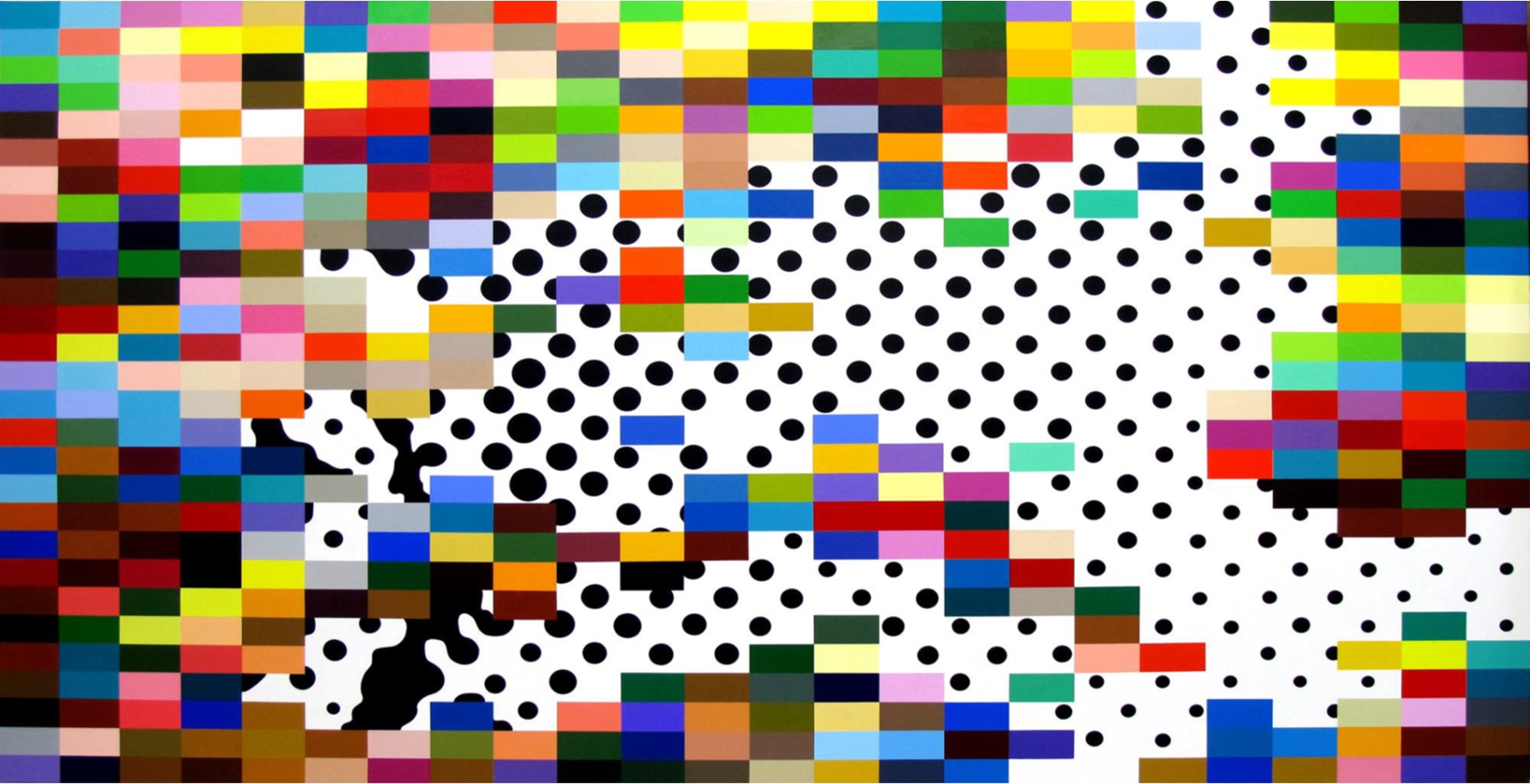
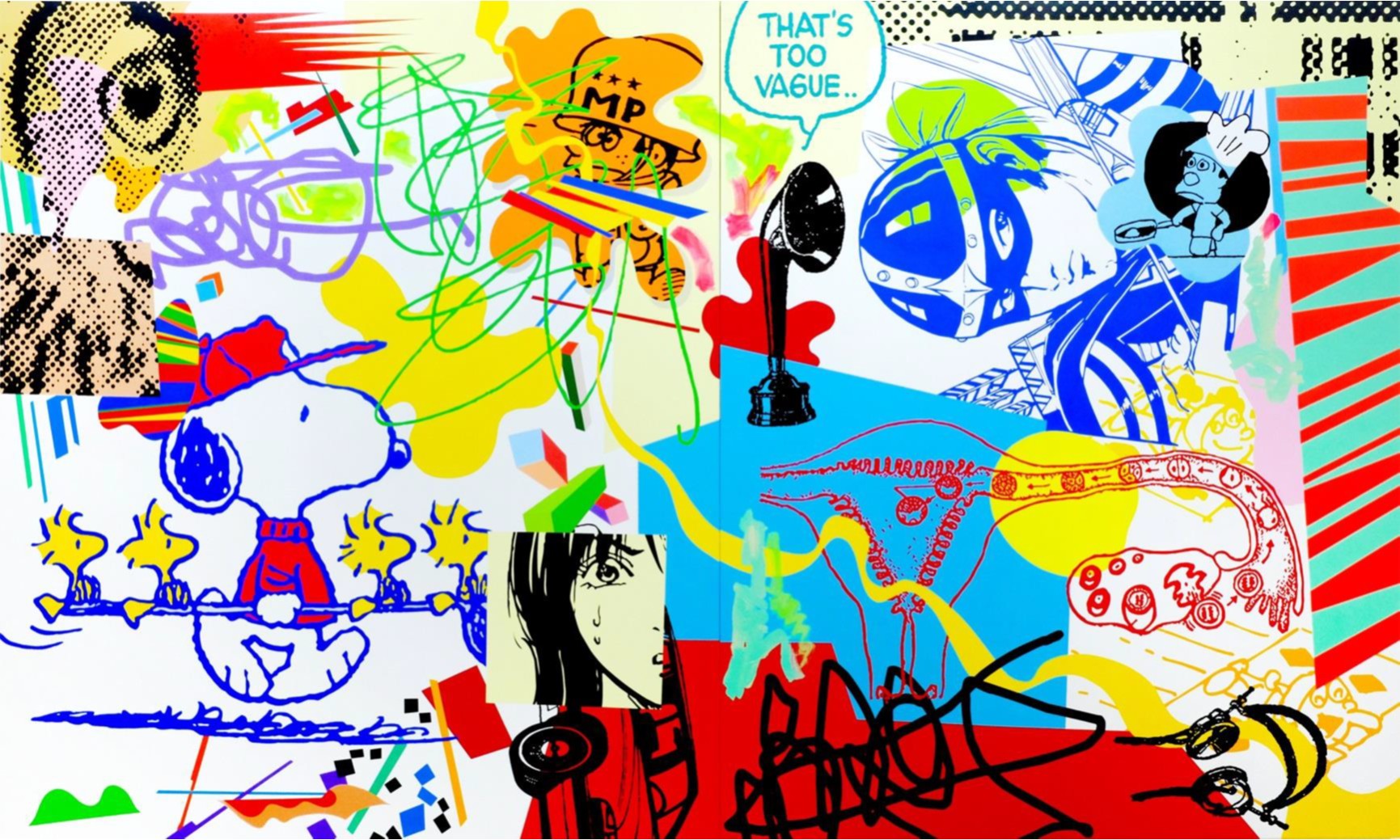
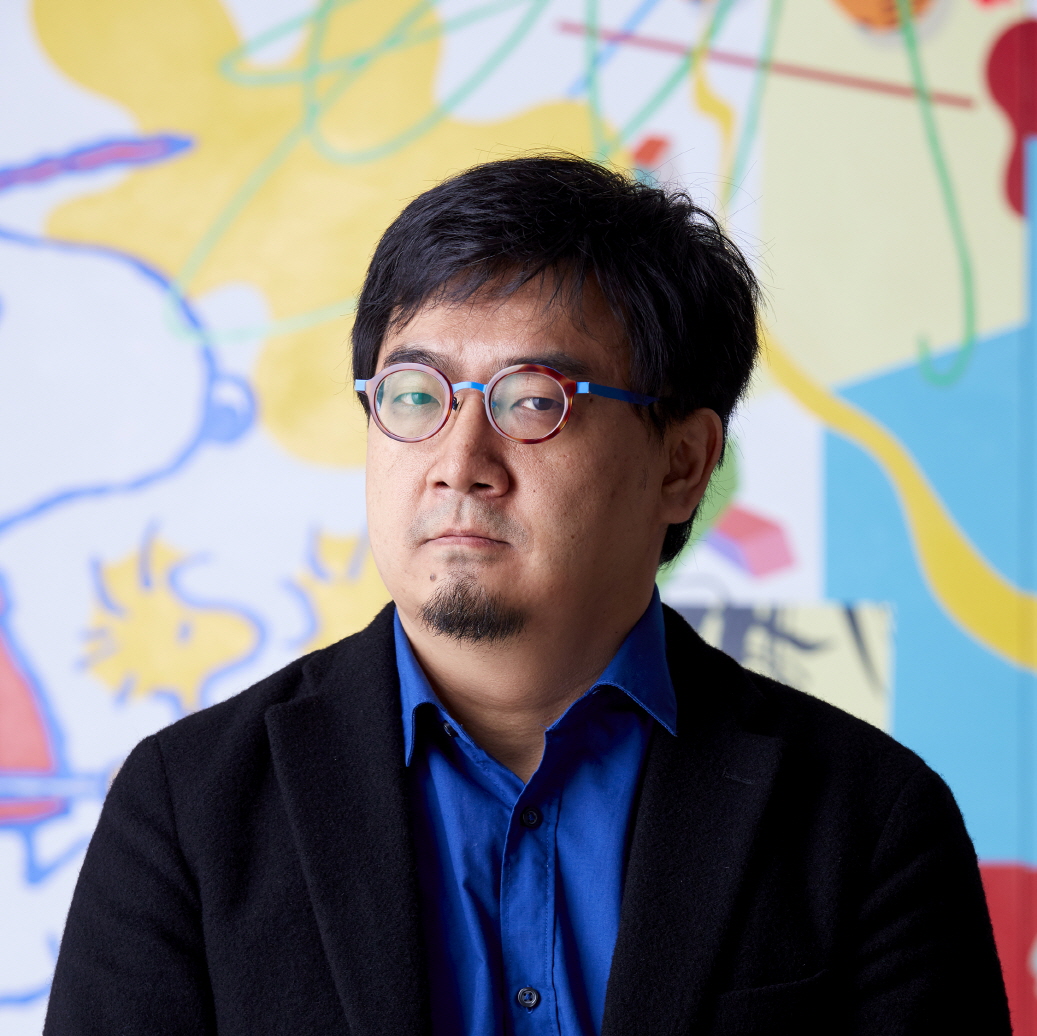
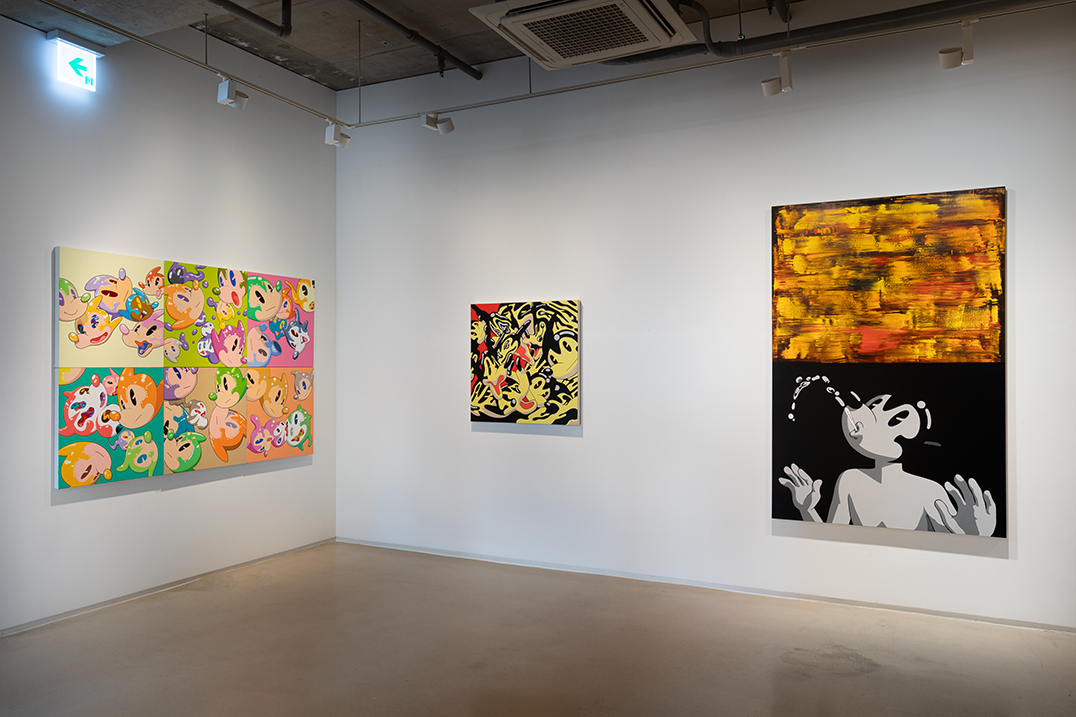
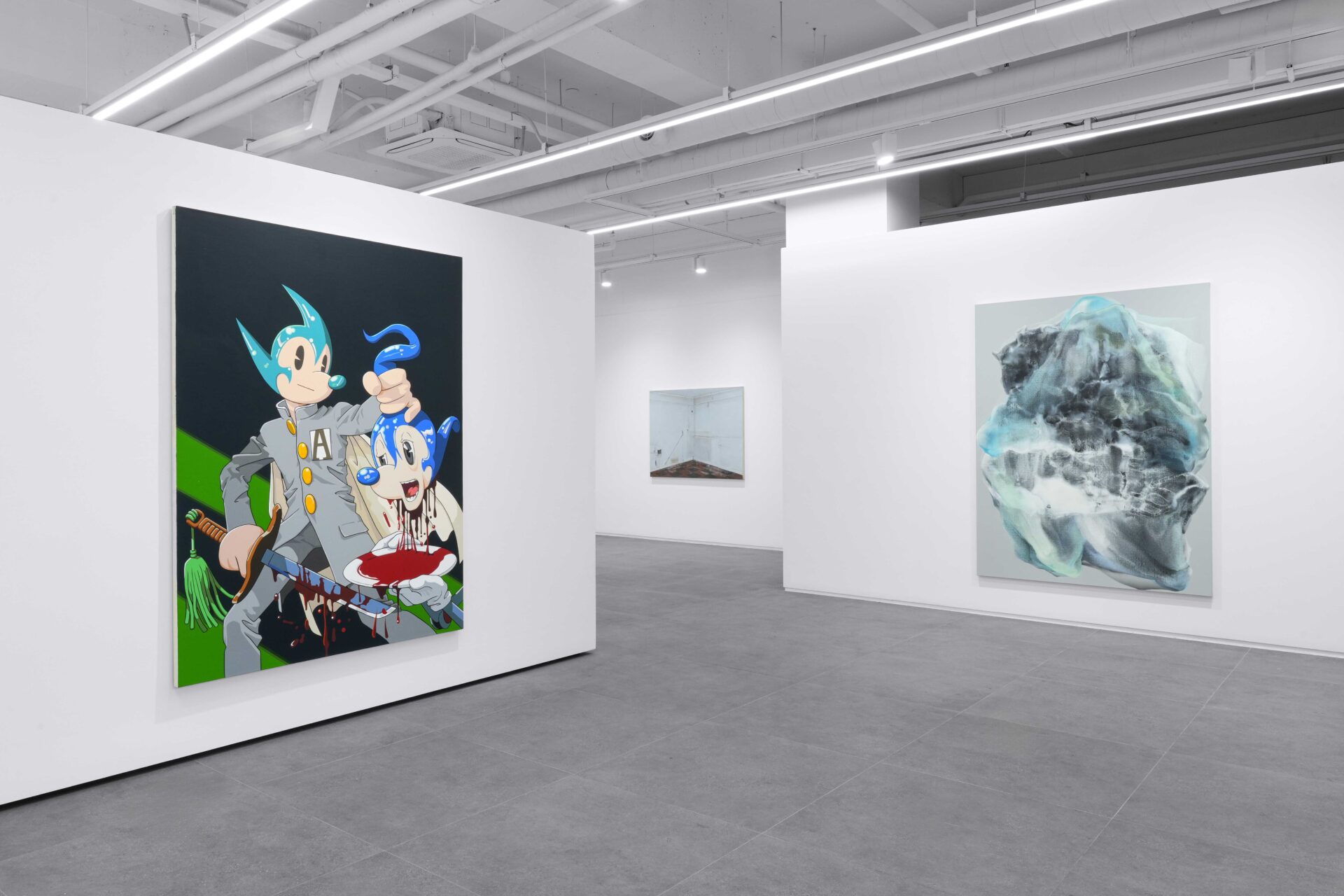
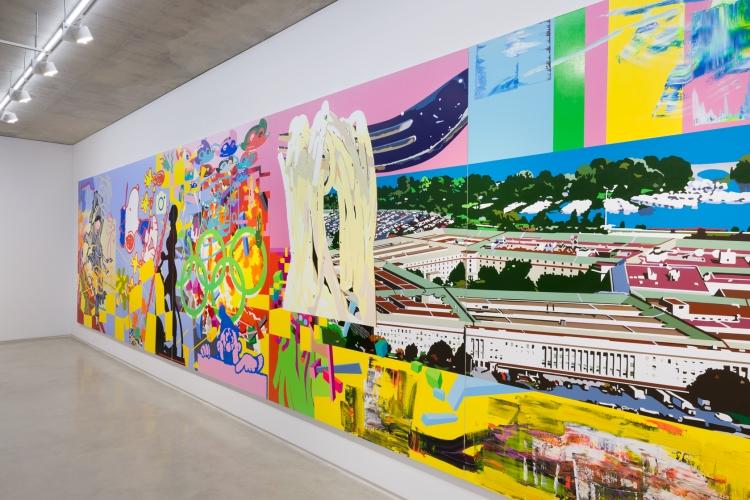
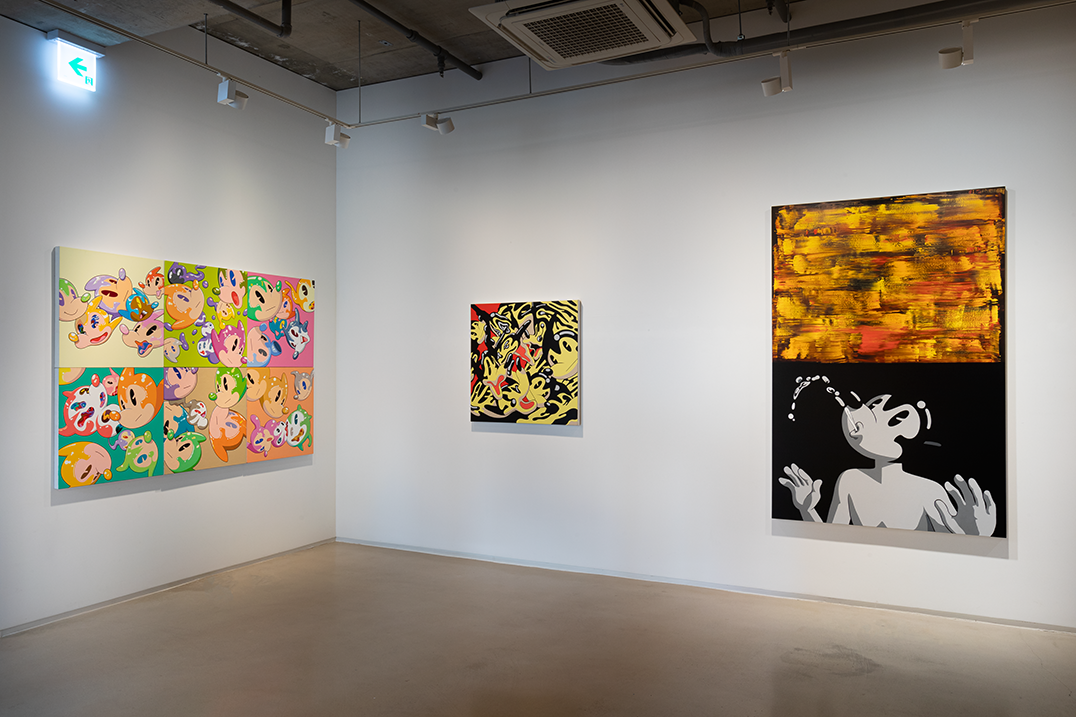
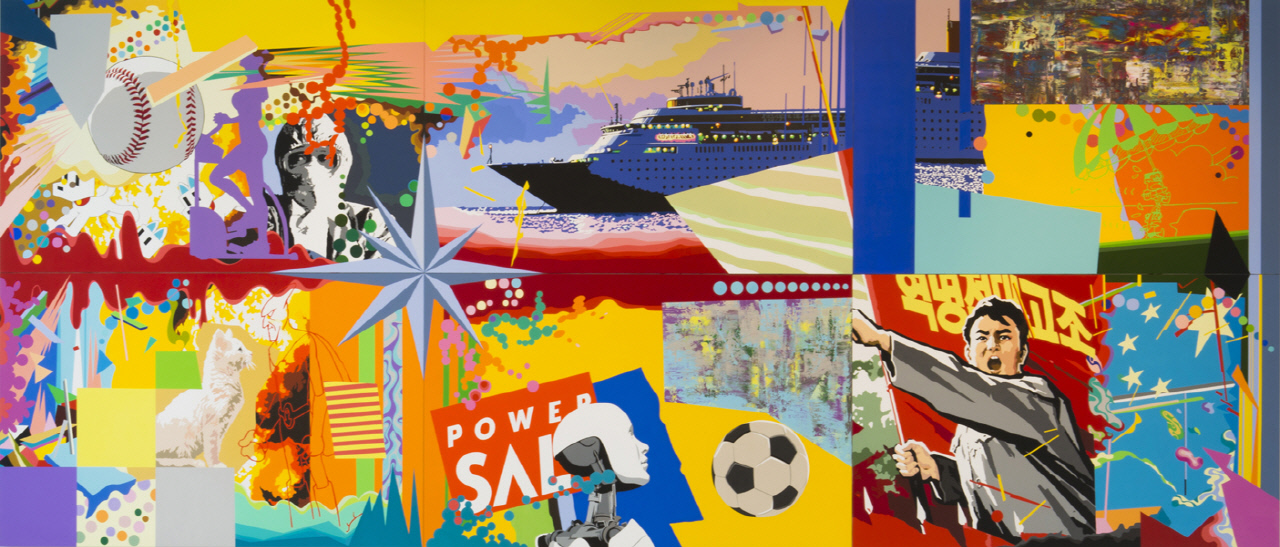
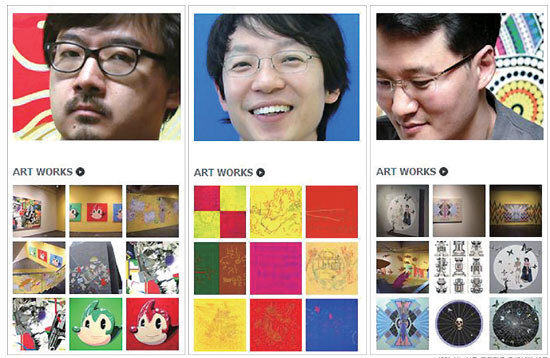
《Lee Dongi, 1993 – 2014:
Back to the Future》 at the PIBI GALLERY is the artist’s
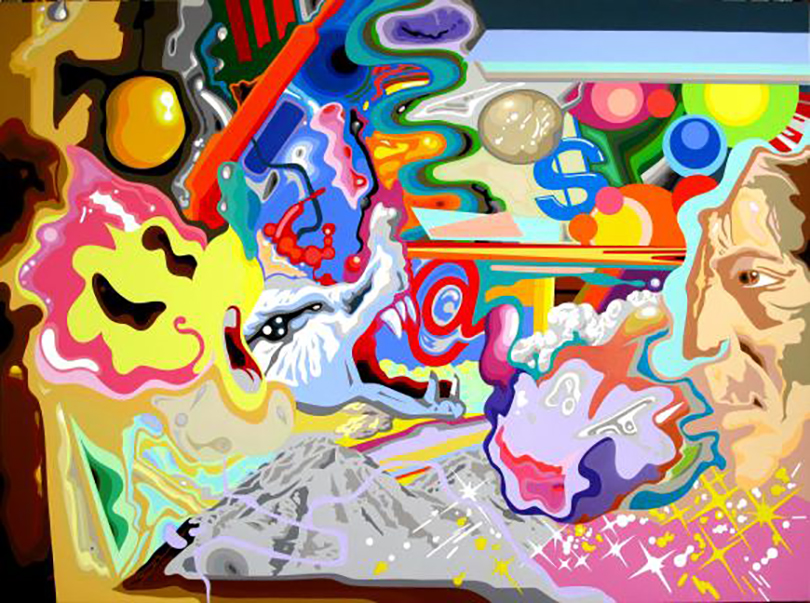
33rd solo exhibition. In Lee’s first solo exhibition at PIBI in 2018, 《Lee Dongi: 2015 – 2018》, we shed light on the
artist’s prominent characteristics of his recent works, revealed through his
boundary-pushing attitude of eclecticism – demonstrated via by juxtaposing,
lining up, and combining images collected through various mediums – and “all-over
abstract paintings,” his new attempts in abstracts.
This
exhibition is specially focused on Lee’s early works from 1990’s. As one of the
most experimental, sensational historical moments in Korean art scene, the way
of creating formats and mediums was dramatically changed. In this period, Lee
first applied cartoon-like images in plain, bold colors and soon led the birth
of Korean pop art.
As Andy
Warhol dismantled the boundaries between fine art and popular culture, and
fostered the blooming of pop art in the US in the 1960’s, this movement arrived
in Asia around 1990’s; Three countries like Korea, China, and Japan radically
adopted the pop art in their different type of cultural, social idiosyncrasies.
While Lee’s “Atomaus” was the touchstone of Korean pop, China witnessed
“political pop” or “cynical realism” that rooted from the Tianamen Square
crackdown and the manga-based “J-Pop” of Japan was led by Takashi Murakami.
Unlike the Chinese and Japanese pop movements that were centered on political
tendencies and manga respectively, Korean pop art developed into a distinct
form that was more focused on the “pop” format and the specific reality side of
the art form.
In the
latter part of the 1980’s, right before Lee’s debut as an artist, the Korean
art world was dominated by abstract painting and the democratic movement based
minjung art that was geared towards realism. But from the early 1990’s, young
artists began producing work that was drastically different from before,
creating a new current of art that came to be called Korean pop art. At first
it came about by shifting from minjung and folk art to advertisement techniques
being expressed through elements of pop.
With the years, pop art noticeably
burgeoned, forming a group of artists large enough to be called “the first
generation of Korean pop art.” Notable pop artists like Kim Dongyoo, who
created pixelated and mosaic portraits of famous figures, Kwon Ohsang, whose
works included both photography and sculpture and experimented with new
mediums, and Choi Jeonghwa, who is known for her kitsch-like work that crosses
boundaries between art and non-art, each began to produce work that were pop
art in form but aesthetically distinct in their own style.
Instead
of borrowing or using pop culture as the subject of criticism like other
artists, Lee set himself apart by defining his own style as that of an observer
and consumer of Korean society and pop culture. Having grown up in the 70’s,
the artist’s work is predominantly associated with his personal memories, which
is the popular culture of the 70’s and 80’s that was largely consumed as
cultural icons.
Together with a socially rapid economic growth and the incoming
popular culture from the US and Japan, as well as the spread of mass media, the
Korean popular culture at the time came to exist in a heterogeneous state, one
that was busy absorbing the media and culture pouring in from the outside
before it was able to autonomously set its own course.
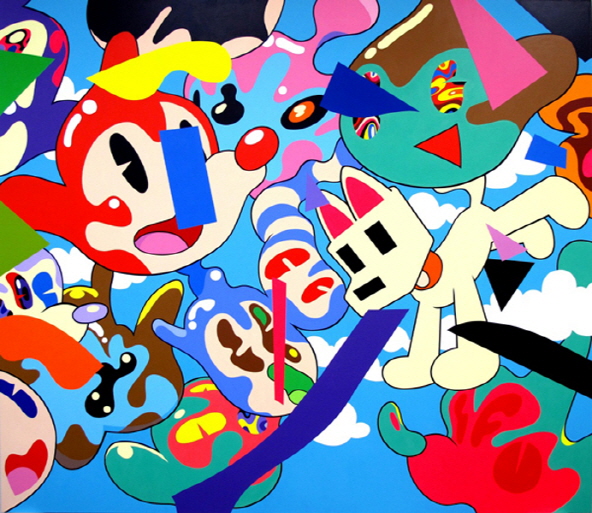
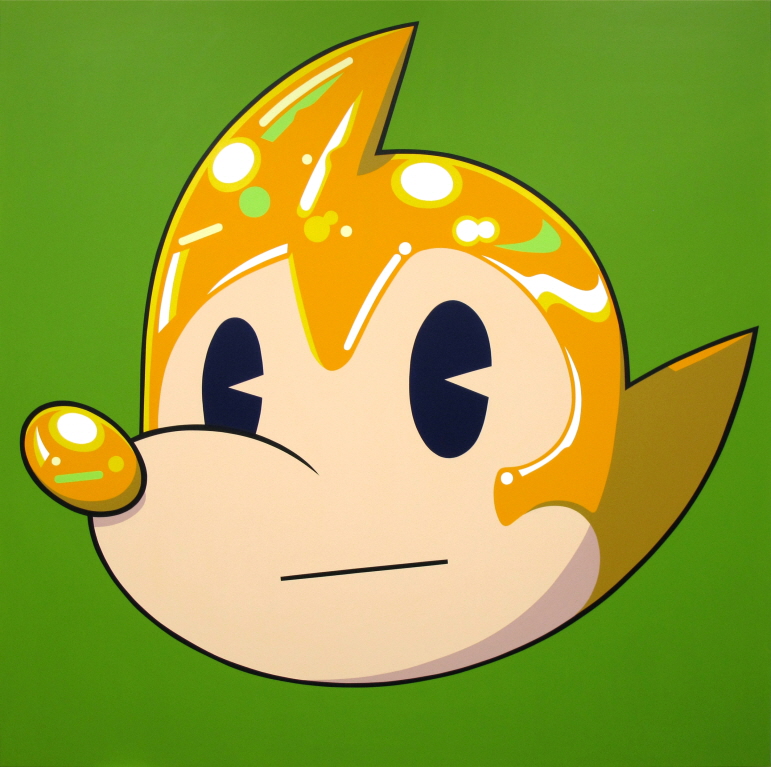
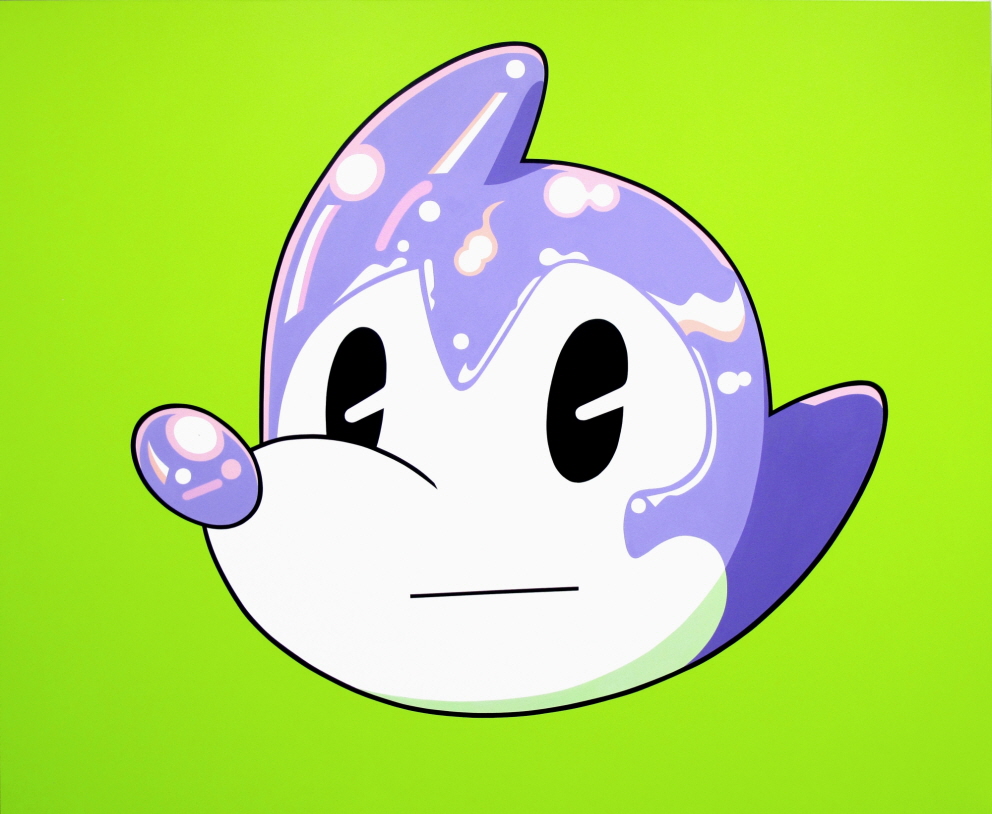
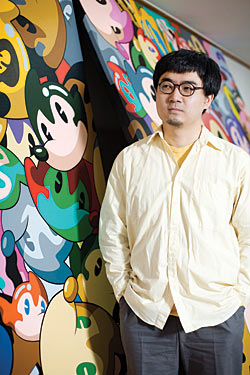
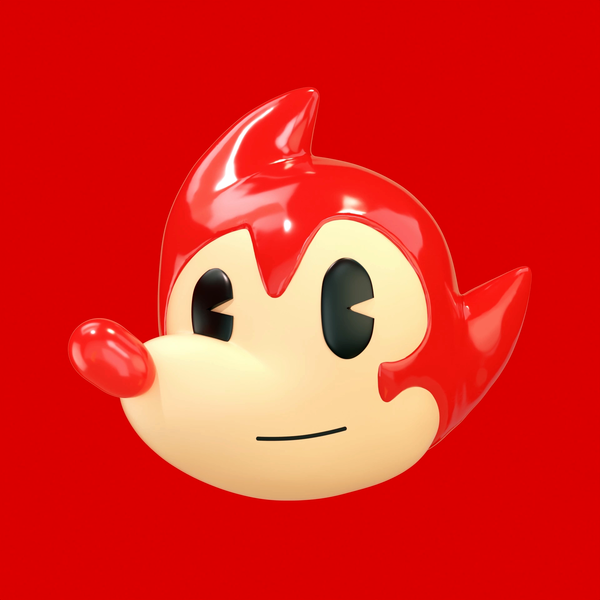
It was
in this setting that Atomaus came into existence as the combined images of
Mickey Mouse and Atom in 1993, the two symbols of popular culture that
represented the US and Japan respectively. But Atomaus on its own is far from
enough to encompass the works of Lee, who from his early days has been steadily
creating work documenting reality in his own way.
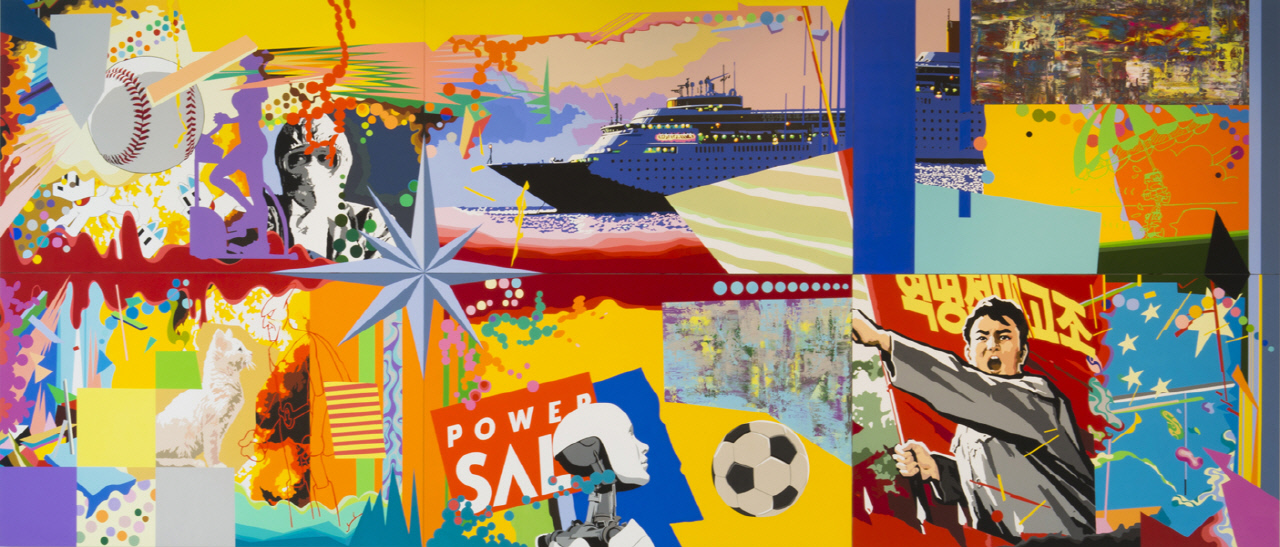
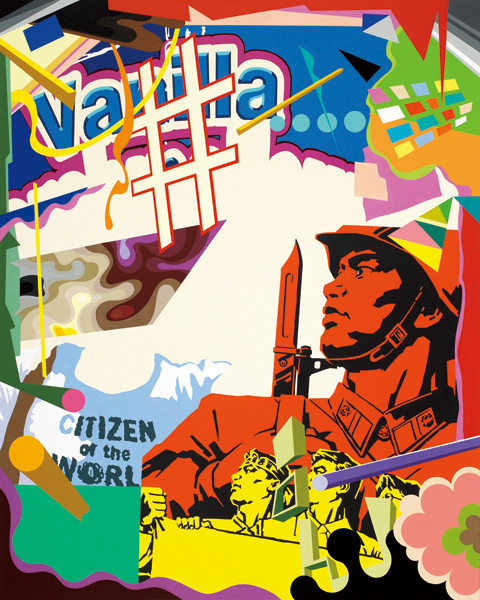
He brought direct and
realistic events and scenes into his work, transforming and reconstituting them
in his own style, as when he did when he enlarged comic frames, took a
newspaper TV guide and reproduced it as if it was silkscreen printed (but in
actuality was meticulously drawn by hand), and utilized images of infamous
people and events, like that of singer Cho Yongpil and prison escapee Shin
Changwon, magazine and advertisement still image cuts, a 100,000 Korean Won
check, etc. Aspects as such played the role of not only exhibiting qualities of
pop but the concreteness of Lee’s work, and going further, revealing the
distinctiveness of Korea as well as differentiating Korean pop art.
Rather
than simply bringing popular visual images into the realm of art in a
non-critical manner, Lee’s work uses freshly defined methodology and strategies
to address his contemplations regarding the effects and influences popular
culture has on society, and the way to bring together the various points where
art and visual culture cross paths. His work asks the people who live in the
specific reality of today to think again about the relationship of pop culture
and art, and the mutual effects they have on each other.
While 《Lee Dongi, 1993 – 2014:
Back to the Future》 at the PIBI Gallery may have its focus
placed on a certain point in the past, its aim is not the limited recollection
of a specific era, but to serve as an opportunity to assess the beginnings of
Korean pop art through the paintings of Lee, and revisit his work in the midst
of the contemporary art of the current times.