





Solo Exhibitions (Brief)
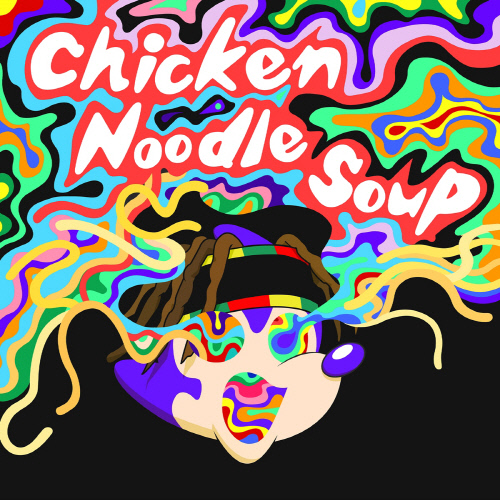
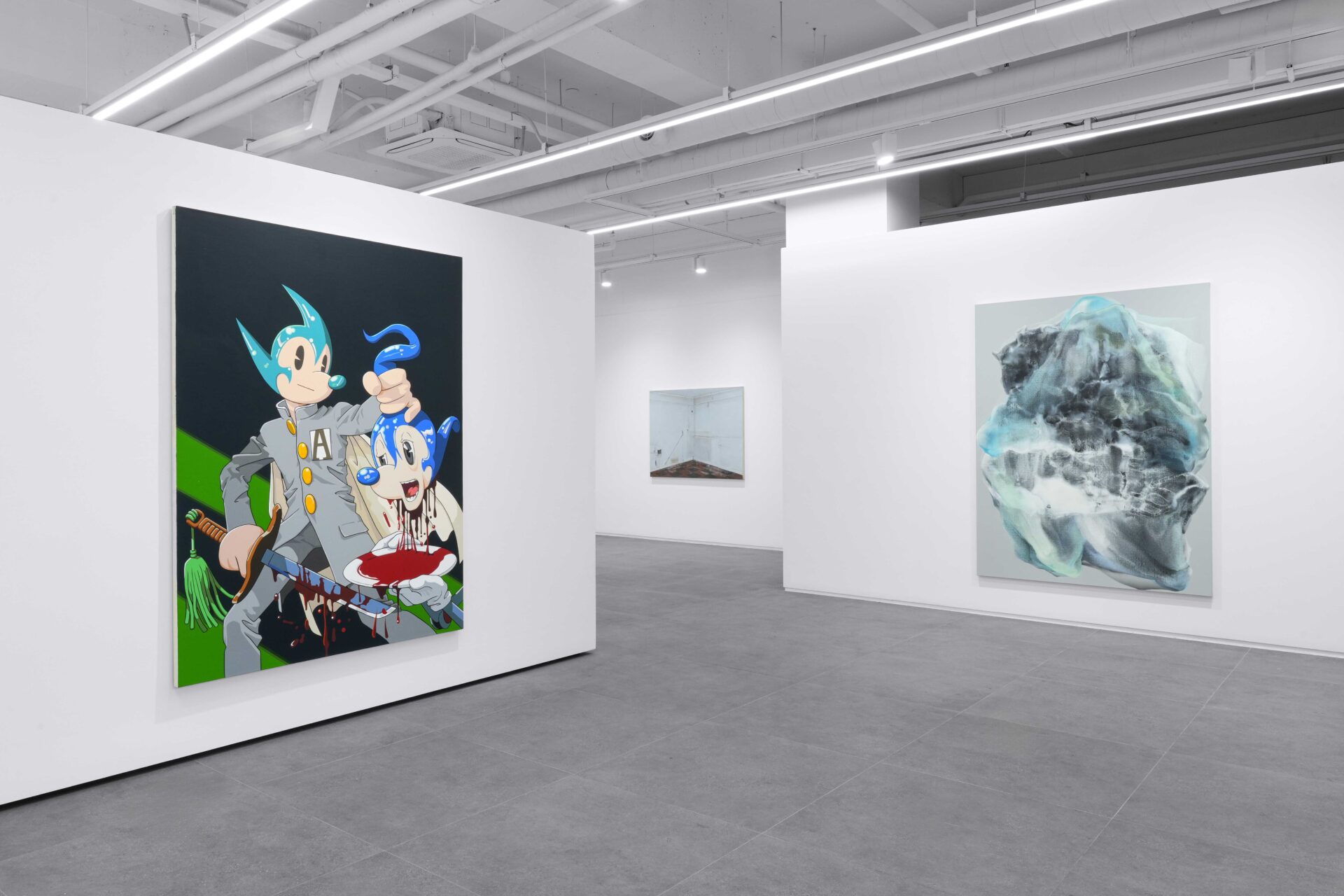
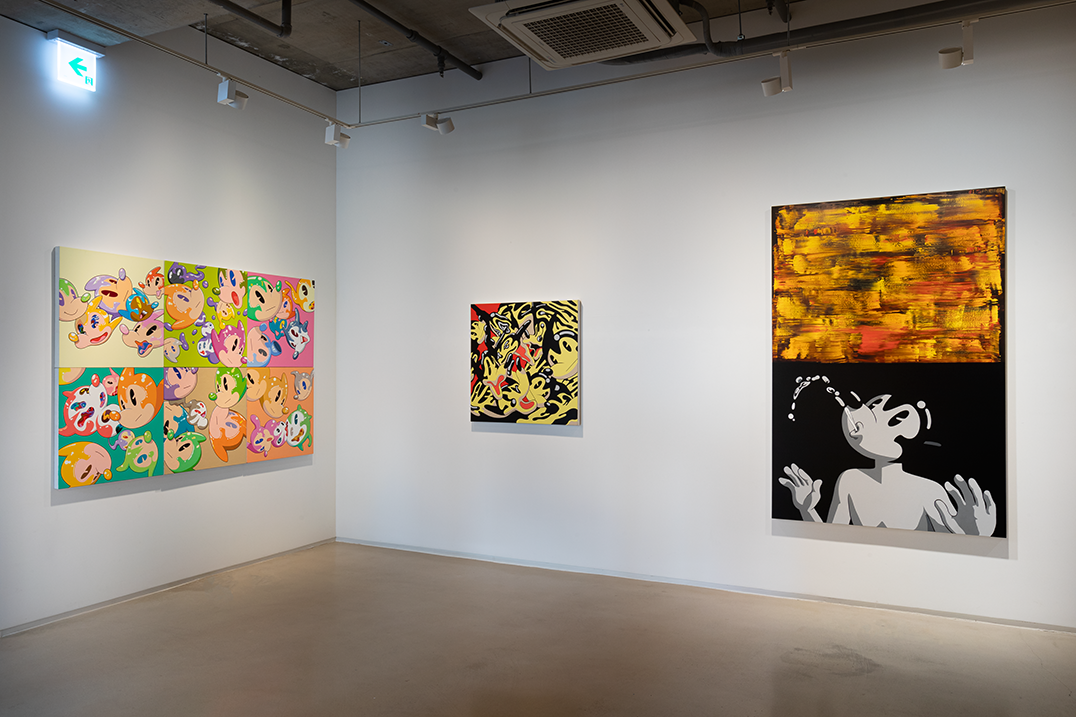
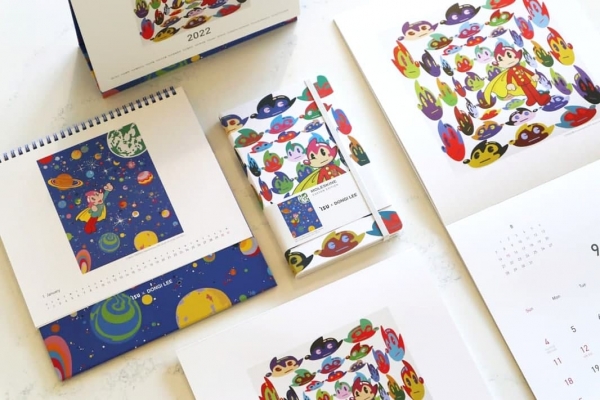
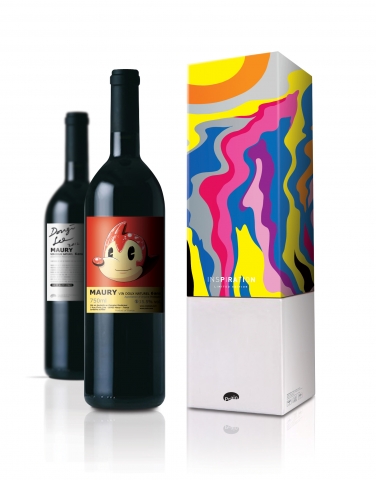
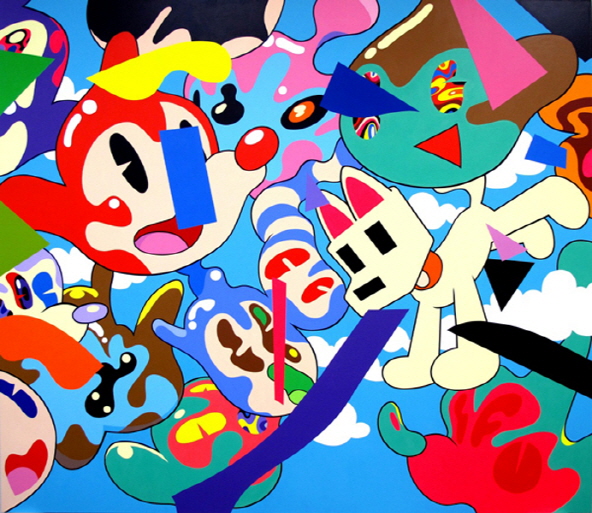
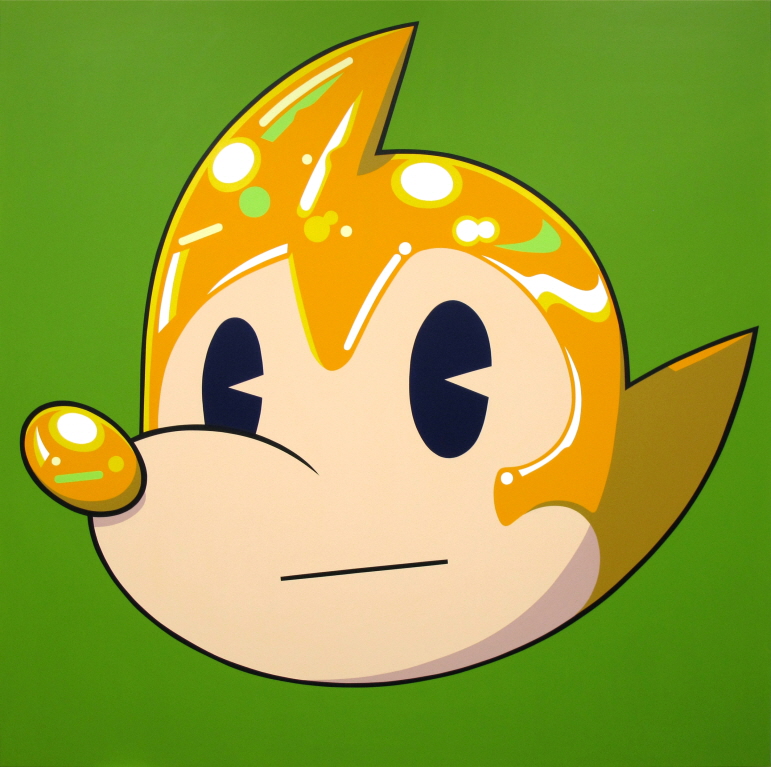
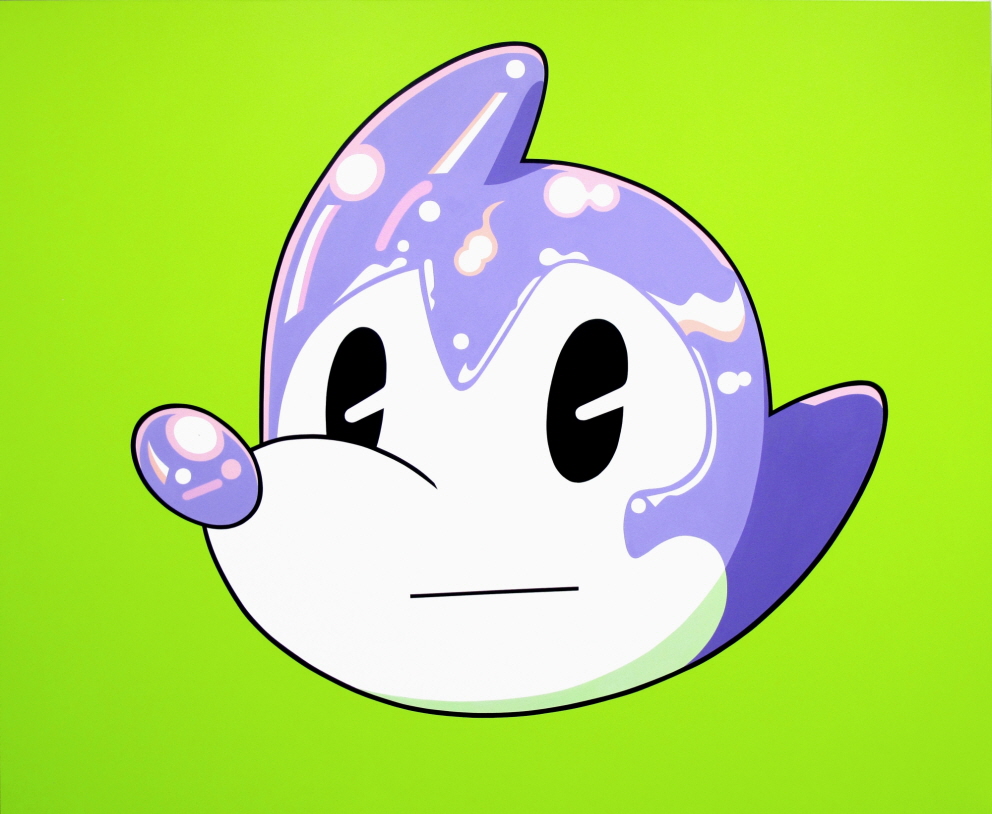
Lee Donggi held his first solo exhibition at Gallery On(Seoul, Korea) in 1993. In the same year, the Japanese animation character ‘Atom’ and the American animation character ‘Mickey Mouse’ were combined to create the character ‘Atomaus’ which captures popular culture and reality.
First announced in the group exhibition 《Remote Control》 held at Boda Gallery (Seoul, Korea) in 1994, Atomaus continues to appear as a main image of the work as a character of Korean pop art through a mixture of art genres and comics.
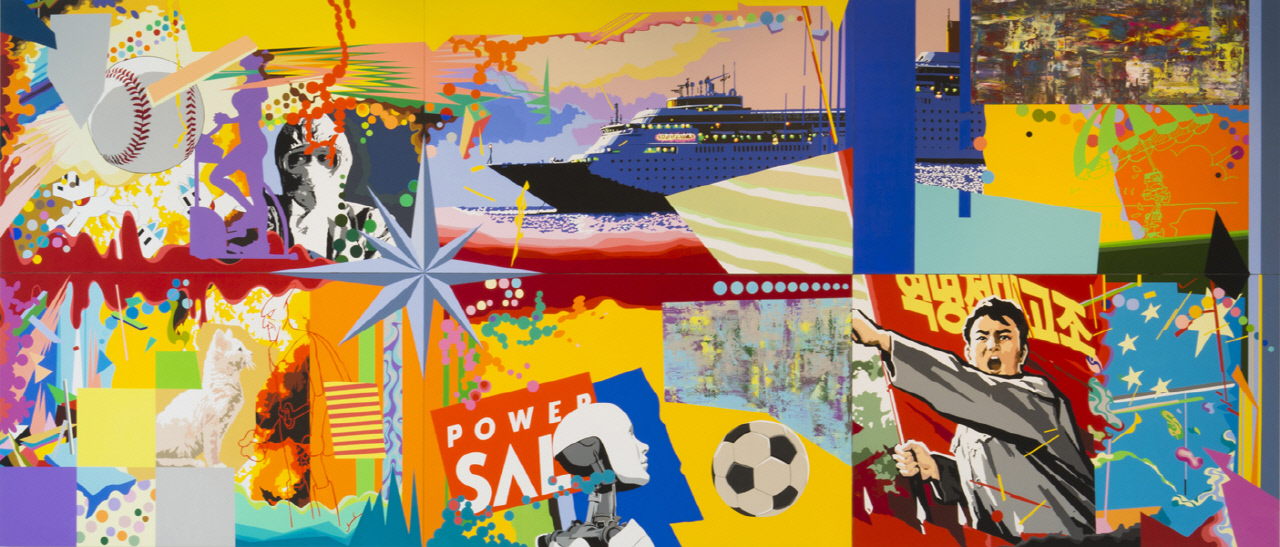
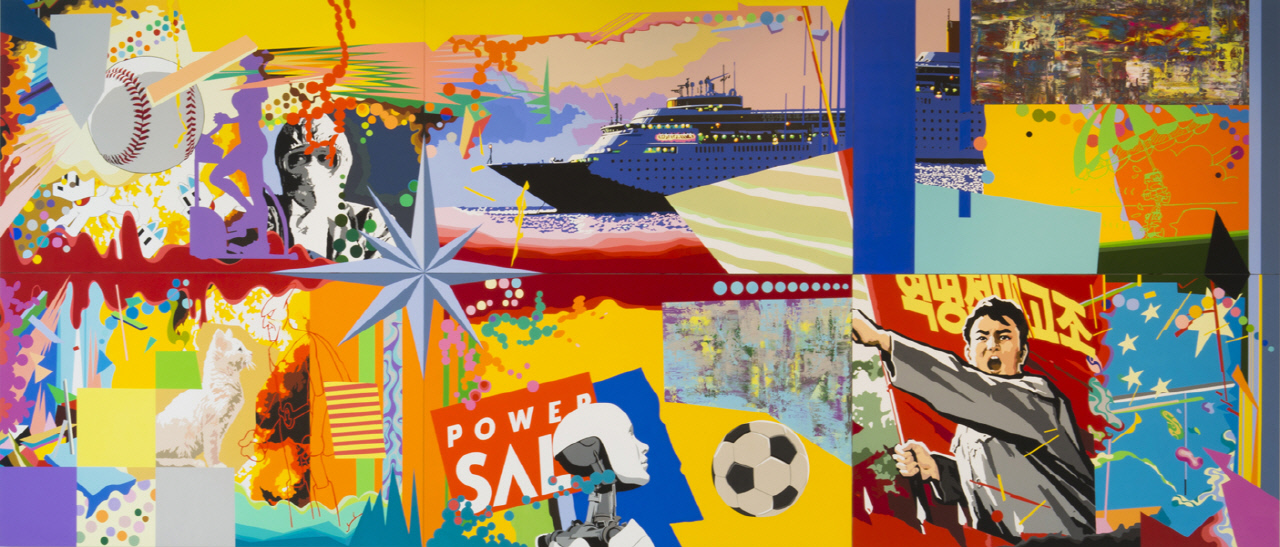
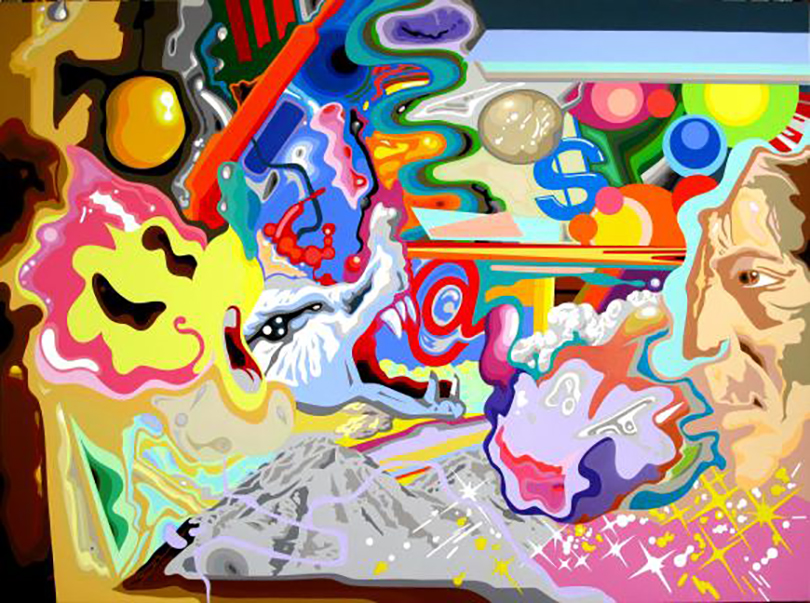
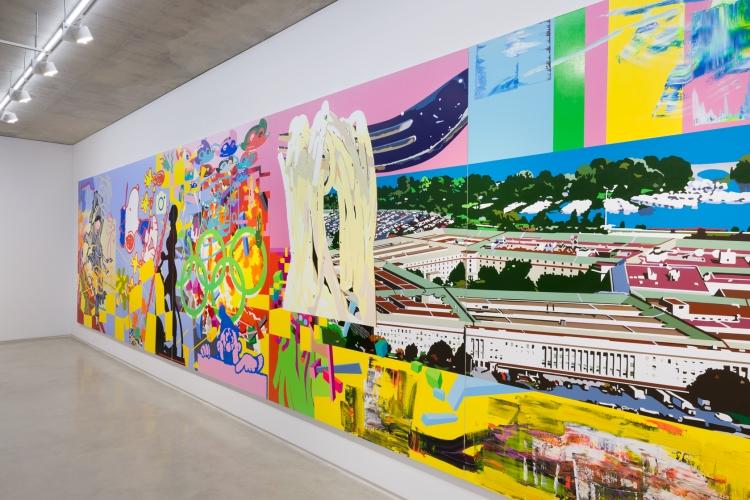
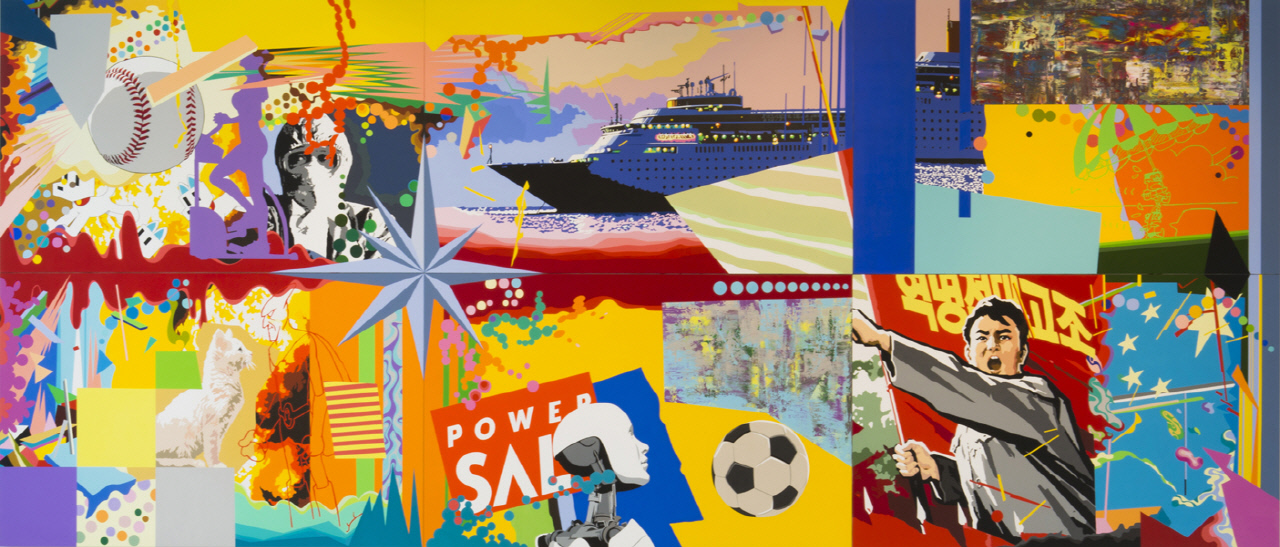
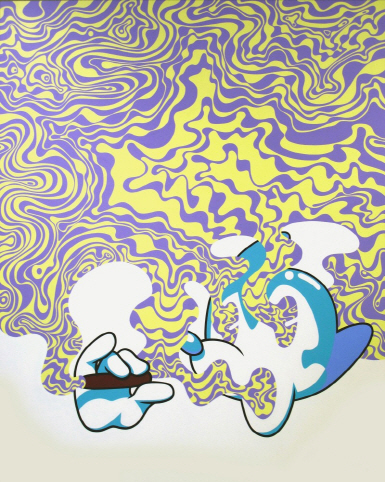
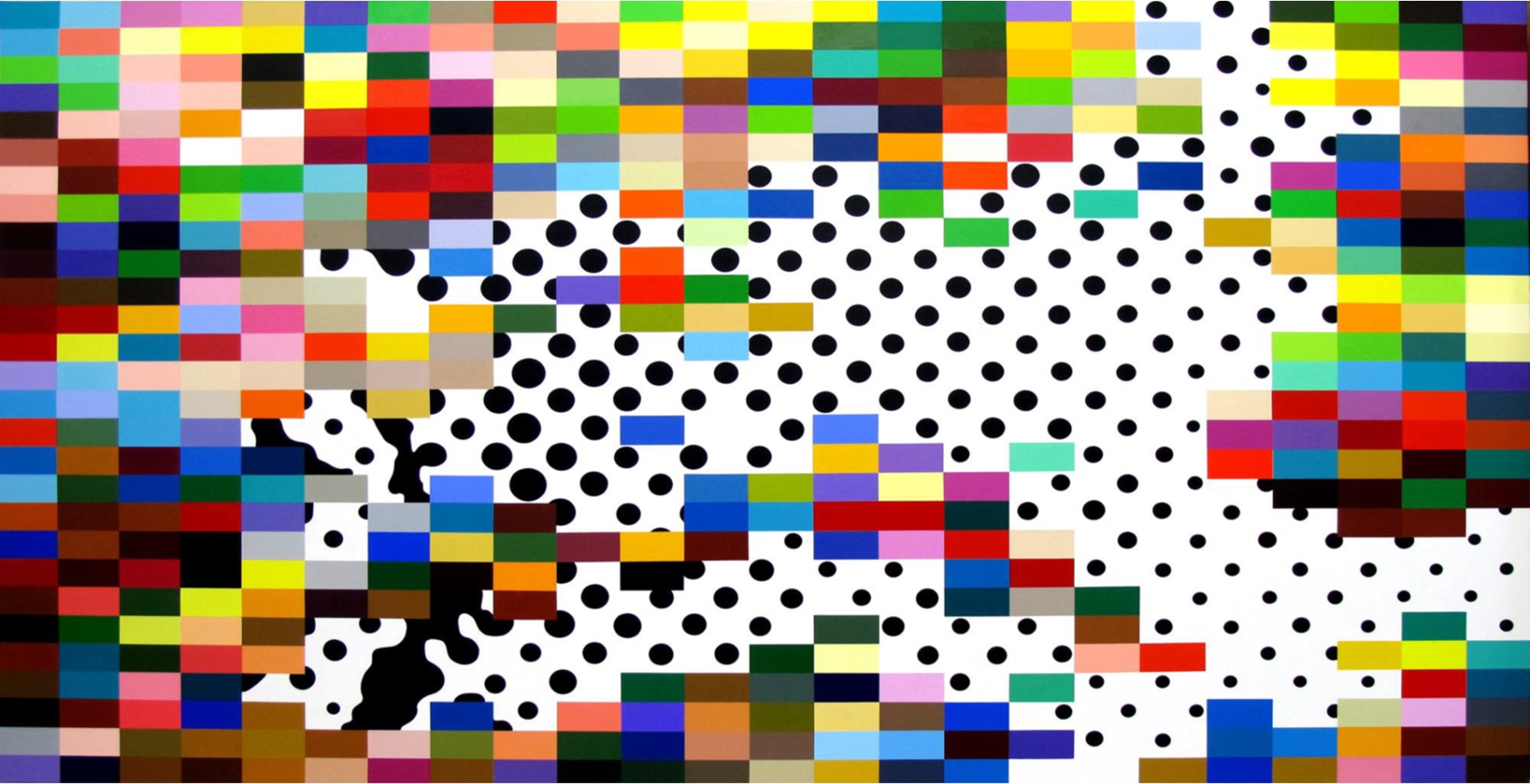
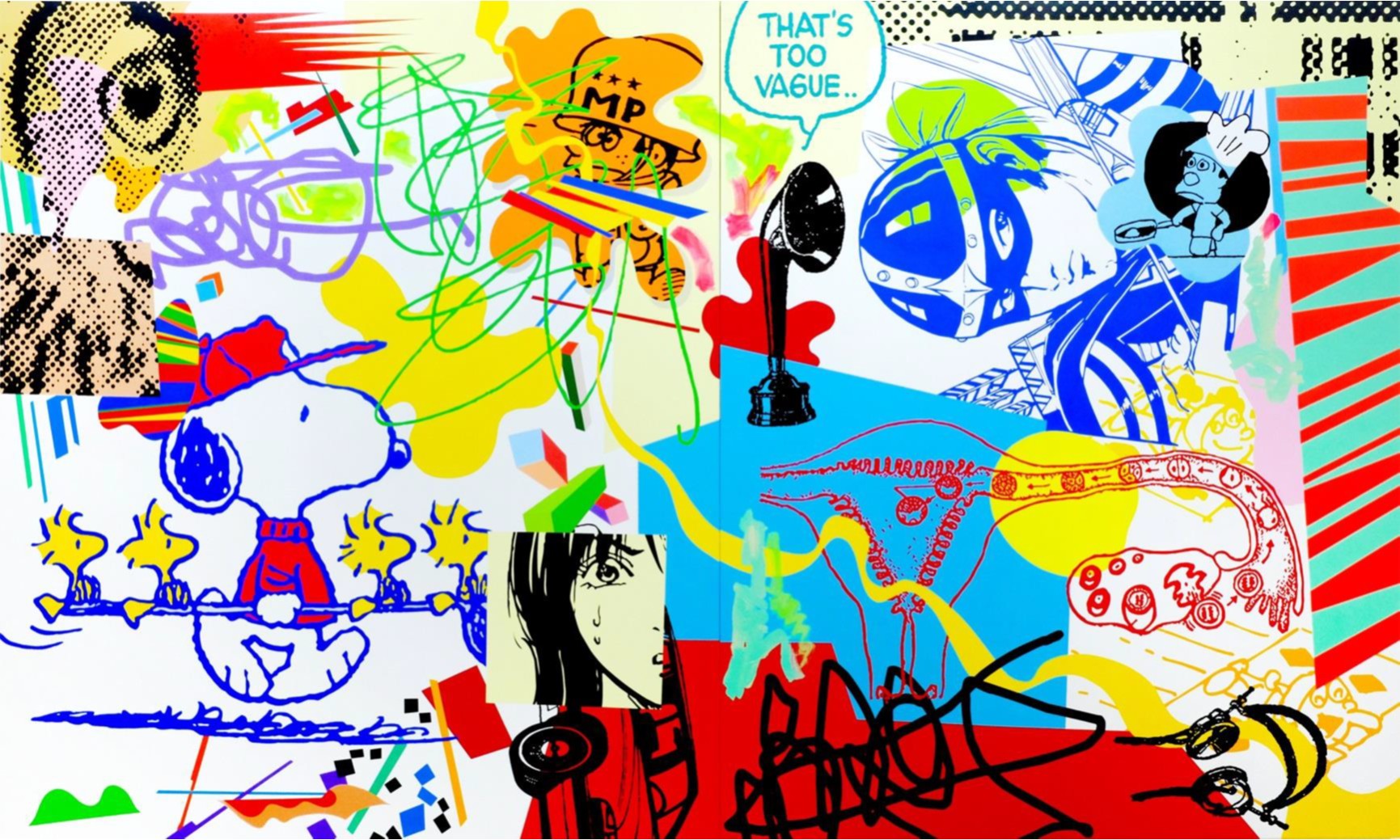
《Dongi Lee》 Solo Exhibition (2002, Kobayashi Gallery, Tokyo, Japan), 《Smoking》 (2006, One and J Gallery, Seoul, Korea), 《Bubble》 (2008, Willemkers Boom Gallery, Amsterdam, Netherland), 《Dongi Lee: Pentagon》 (2021, PIBI Gallery, Seoul, Korea), etc., and a series of ‘Soap Opera’ series (2012~), in which new characters such as A-Man, Box Robot, and Korean drama scenes were directed in addition to Atomaus showed off since the exhibition 《Double Vision》 held at Gallery 2(Seoul, Korea) in 2008, the abstract painting series has been steadily developing.
Group Exhibitions (Brief)
Participated in group exhibitions held at 《Everyday Life, Memory and History – 2nd Gwangju Biennale 》(1997, Gwangju City Museum, Gwangju, Korea), 《Media City Seoul 2000》(2000, Seoul Museum of Art, Seoul, Korea), 《Animate》(2005, Fukuoka Asian Art Museum, Fukuoka, Japan), 《Lead in Korea II 》(2009, With Space Gallery, Beijing, China), 《Permanded Soul》(2015, Waterfall Mansion, New York, USA), 《DMZ Art & Peace Platform》(2021, Inter-Korean Transit office Unimaru, Paju, Korea)
Awards (Selected)
He was nominated for the 2008 Sovereign Asia Art Prize (Sovereign Art Foundation, China).
Collections (Selected)
His works are in collections of various museums and companies such as the National Museum of Modern and Contemporary Art (Gwacheon, Korea), Seoul Museum of Art (Seoul, Korea), Kumho Museum of Art (Seoul, Korea), Wheelock Property (Hong Kong).