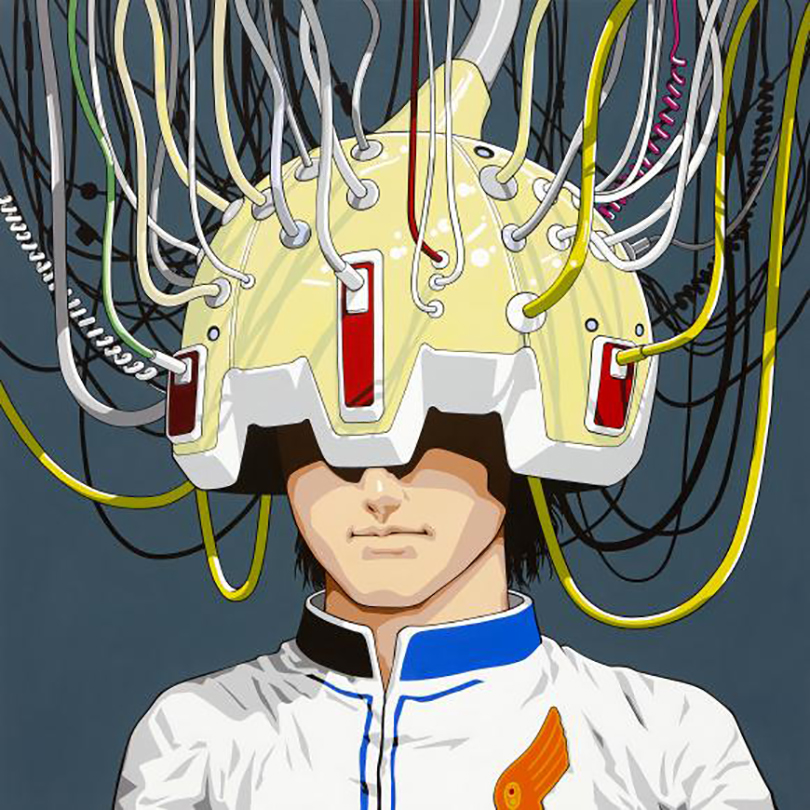
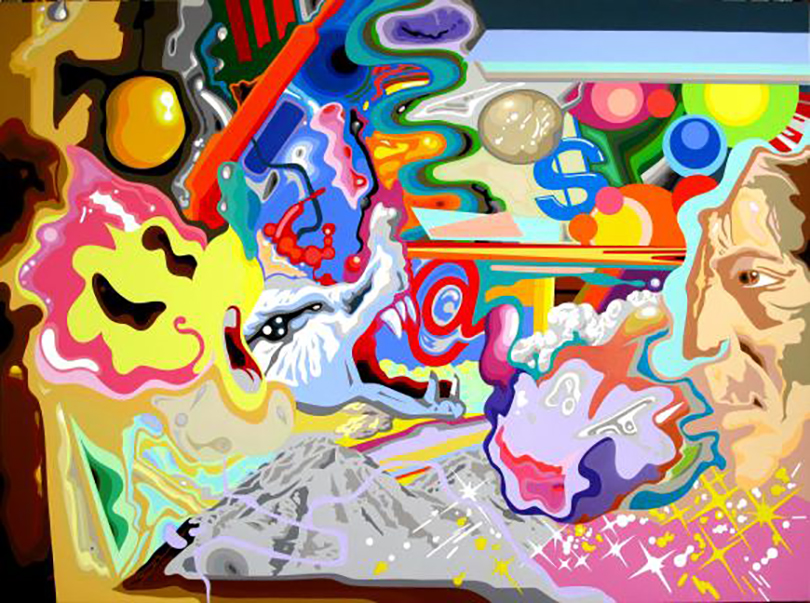
BRAIN SCAN directly
reveals Lee Donggi’s methodology. The figure in the painting, reminiscent of a
scene from a science fiction comic, wears a large helmet connected by numerous
lines. It is as if all active–passive reactions and the processes of
consciousness and the unconscious occurring inside the brain are being closely
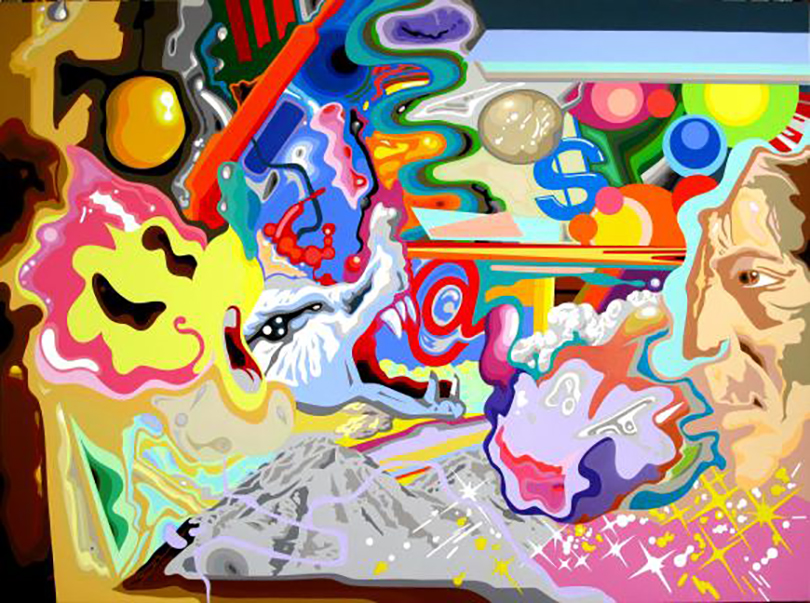
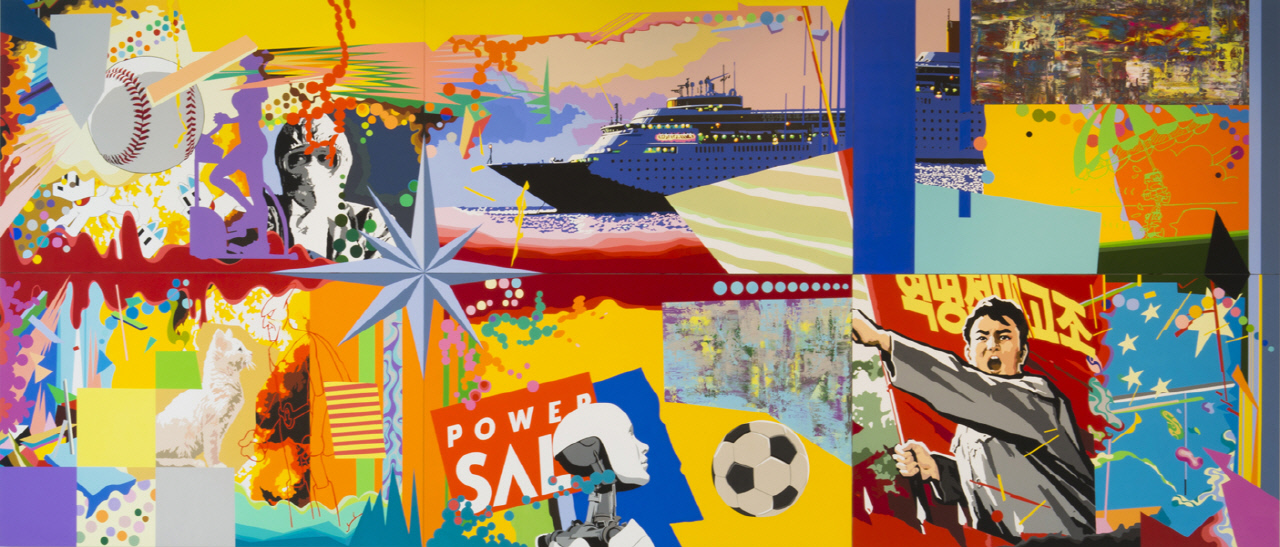
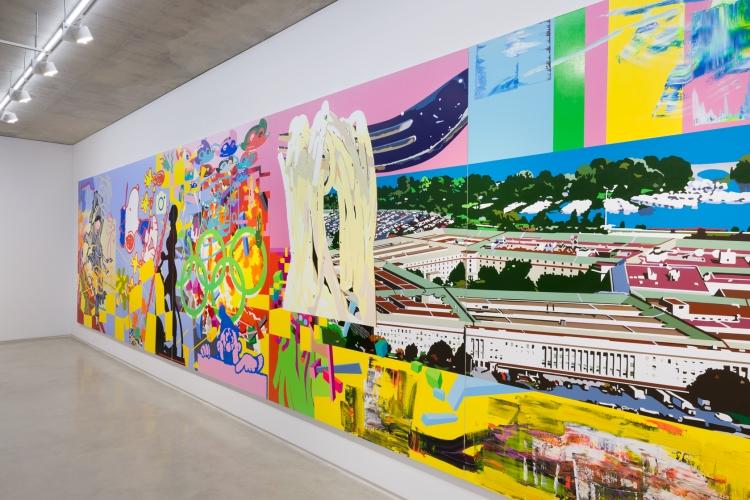
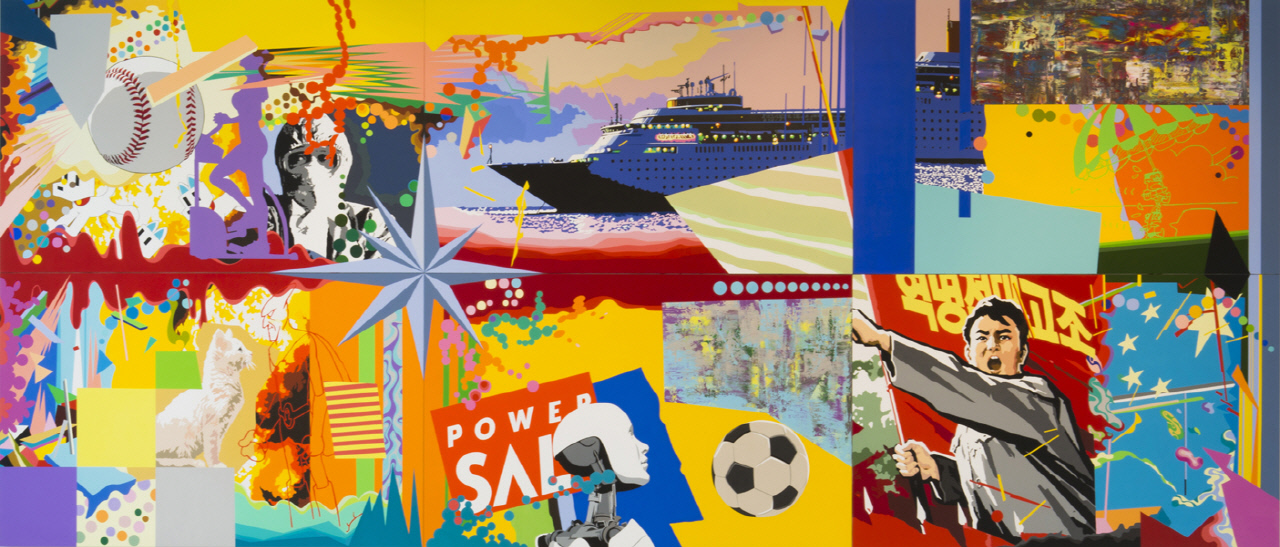
examined. The array of diverse images seen in the previously mentioned
A Bittersweet Symphony series can be understood as the
result of such a brain scan.
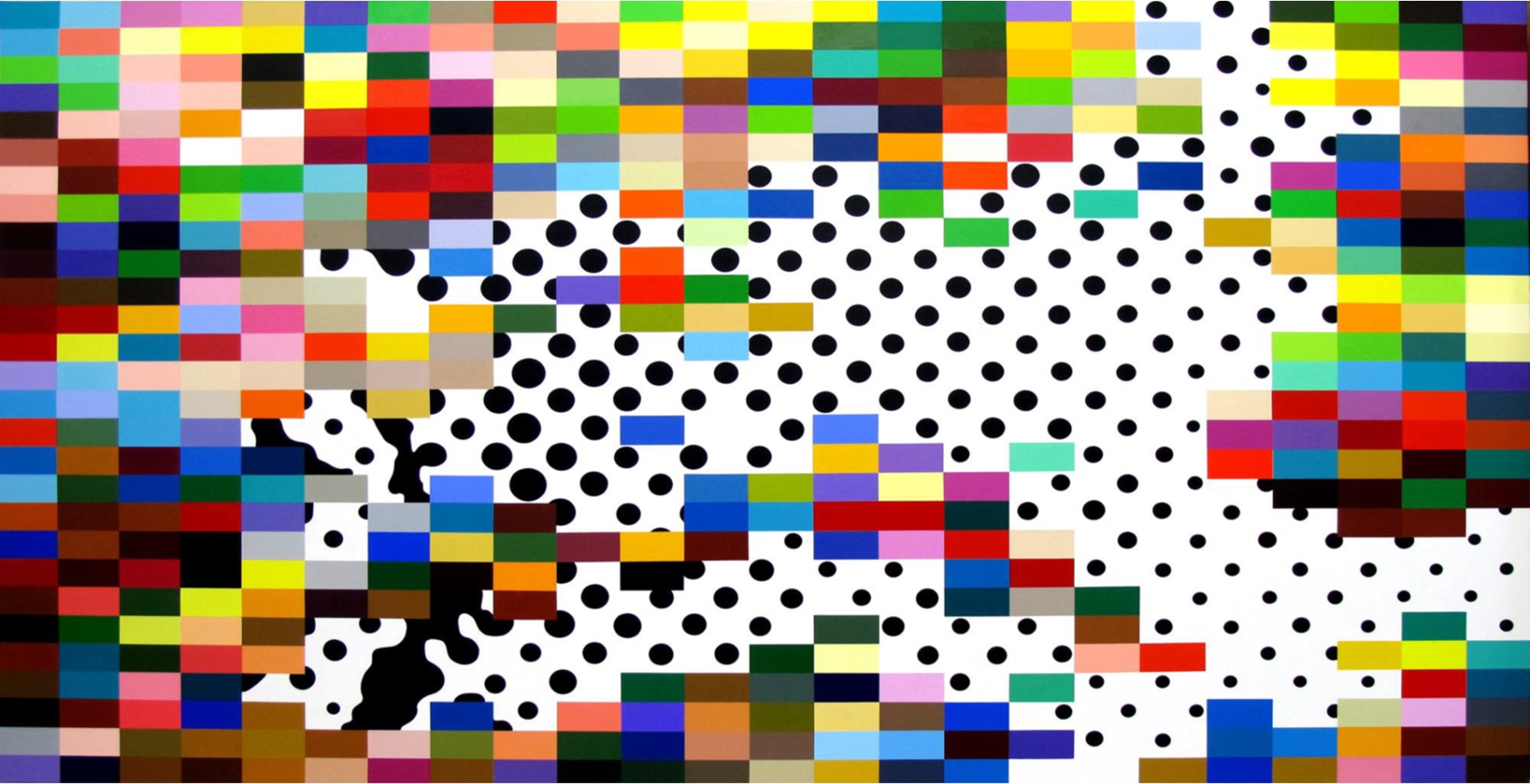
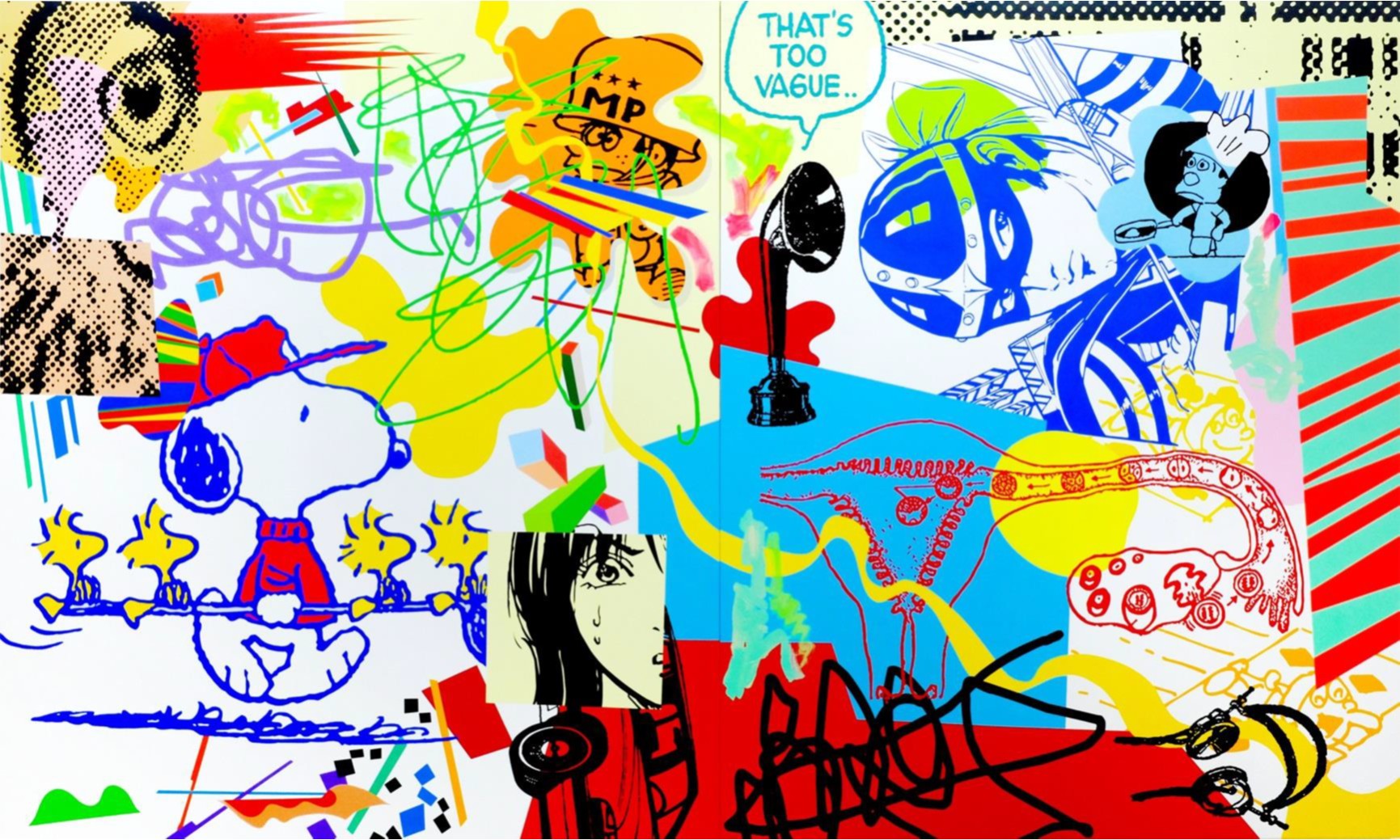
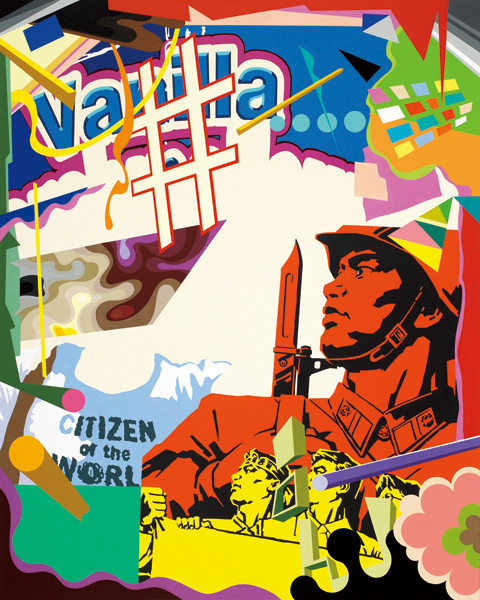
Advertising images, newspaper articles, a frame
from a comic, a sentence from a novel, a scene from a film, lyrics one finds
oneself humming along to—our brain is the space where countless stimuli and
layers of information are consciously and unconsciously accumulated, erased,
distorted, and transformed. This effort to unravel the multiple cultural strata
embedded within our minds elevates Lee Donggi beyond the category of a simple
Pop artist.
Atomaus in the Age of
Convergence
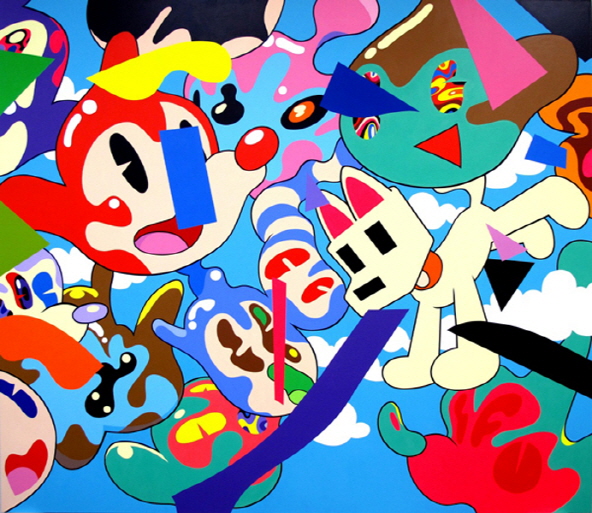
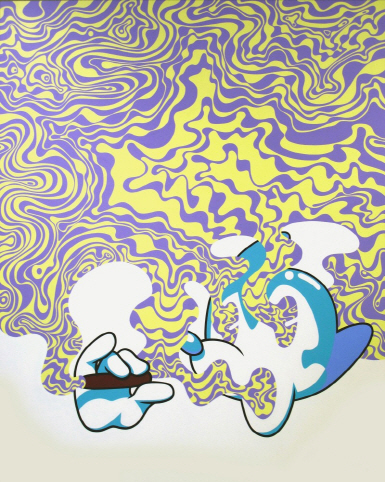
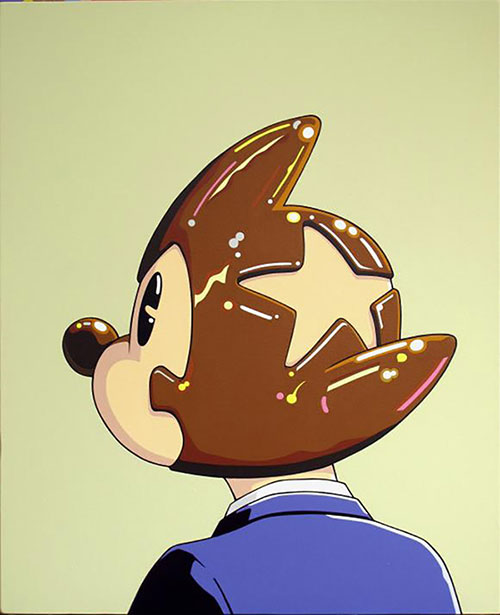
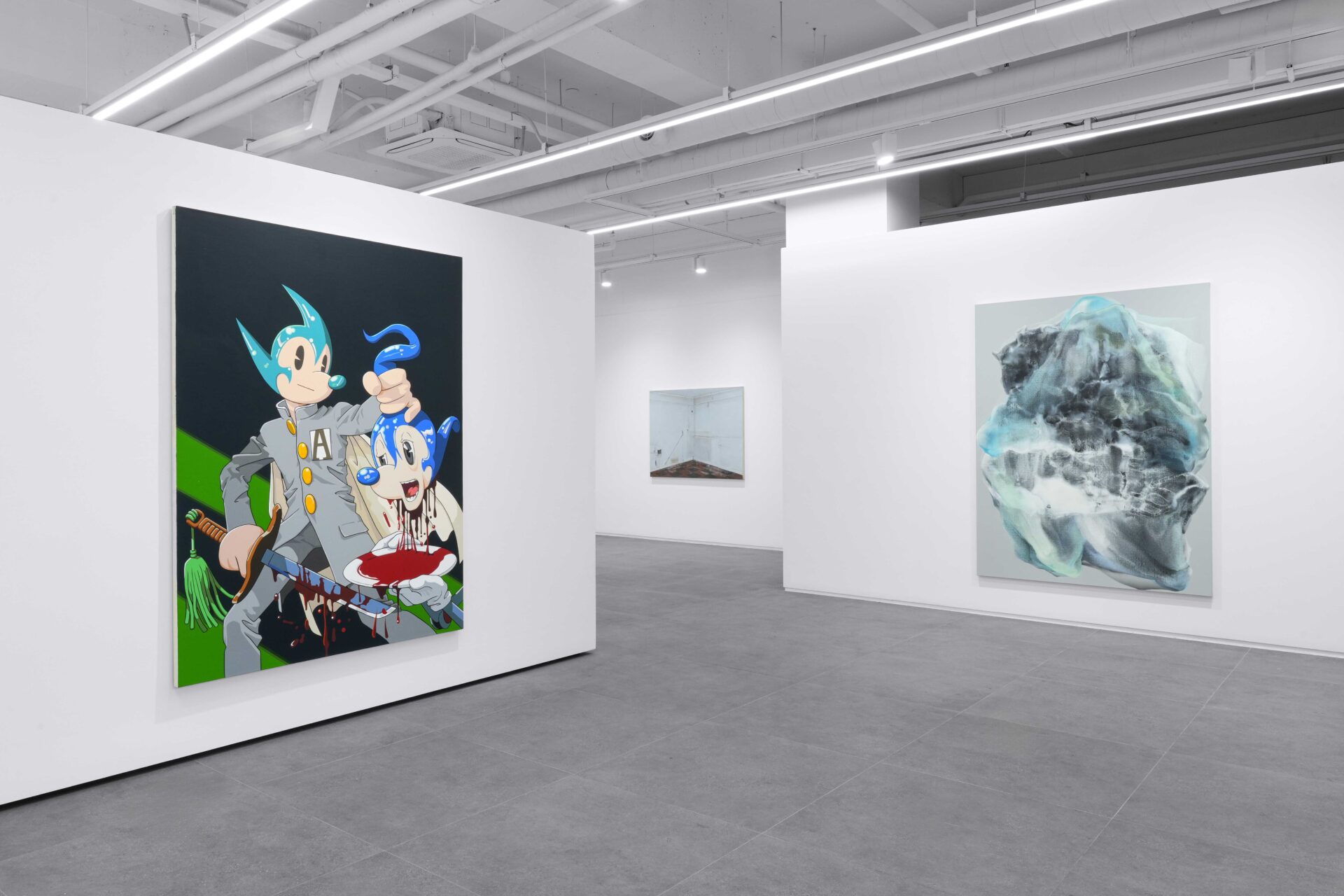
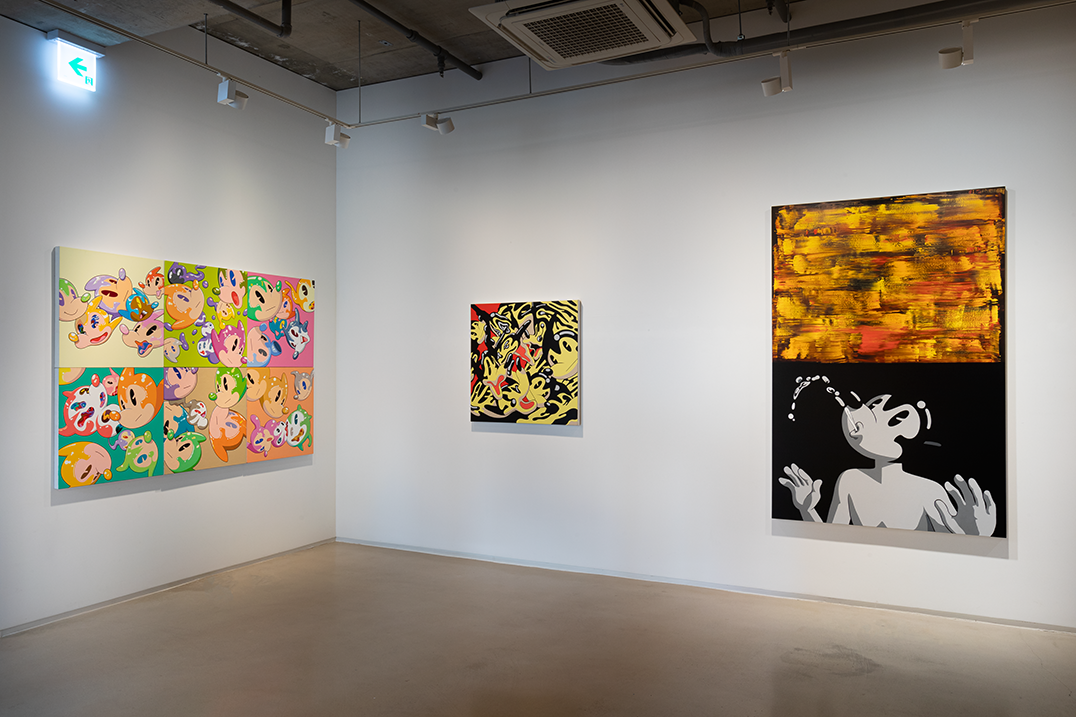
First appearing in 1993 and opening the
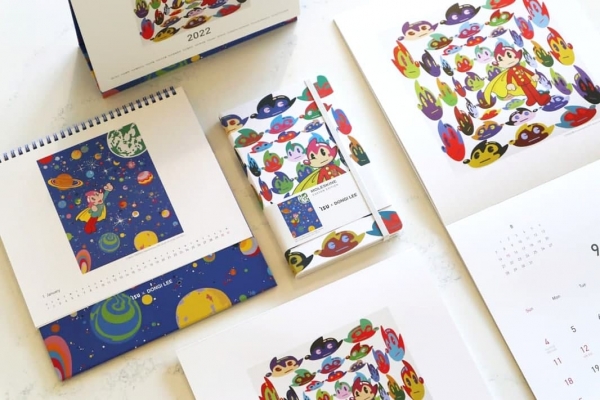
door to Korean Pop Art, Atomaus stands as a paradigm of cultural convergence.
Atomaus is a Korean-born hybrid, combining the American character Mickey Mouse
and the Japanese character Astro Boy. Lee Donggi emphasizes that the Korean
peninsula is a place where continental and maritime cultures flow together.
Korea has achieved remarkable economic growth, and alongside it, cultural
exchange and generational shifts have accelerated, resulting in complex
collisions and hybridizations of culture. Emerging from this context, Atomaus
is not a culturally ambiguous hybrid without nationality, but rather a
historical testament that embodies Korea’s condition of cultural hybridity. In
its recent trajectory, Atomaus even appears to move toward self-erasure, while
simultaneously embracing these diverse hybrid states in new ways.
Unlike American Pop Art of the 1960s, a
common characteristic of Pop Art that emerged in Korea, China, and Japan after
the 1990s is the use of characterization. Not only Atomaus, but also figures
such as Yue Minjun’s Laughing Man, Fang Lijun’s
Bald Rogue, and Takashi Murakami’s DOB
appear as characterized subjects. This reflects the increasing influence of
animation, television series, and film on our lives.
Characterization
facilitates the collection of popular cultural images, a fundamental function
of Pop Art. At the same time, characters inevitably reflect aspects of society
and are capable of conveying messages in a highly direct manner. As the artist
states, “Atomaus, a product of the unconscious, is both an alter ego of the
individual and a manifestation of the social and cultural context that has
shaped that individual.”
Having accumulated over two decades of history,
Atomaus—born and raised within Korean society—has become inseparable from “us.”
It now serves as a figure that encourages reflection on one’s own history (art
history) and fosters a mature understanding of others living in the same era.
Atomaus Across Art
History
It was Pop artists who called back viewers
who had once turned away, intimidated by the difficulty of abstract art that
insisted on formal purity. By actively discovering and embracing images from
popular culture, they opened a space for communication. Atomaus, however, does
not remain satisfied with simply incorporating popular culture. Through its
distinctive and inventive ability to transform, Atomaus appropriates key
traditions in art history and suggests the possibility of a new paradigm.
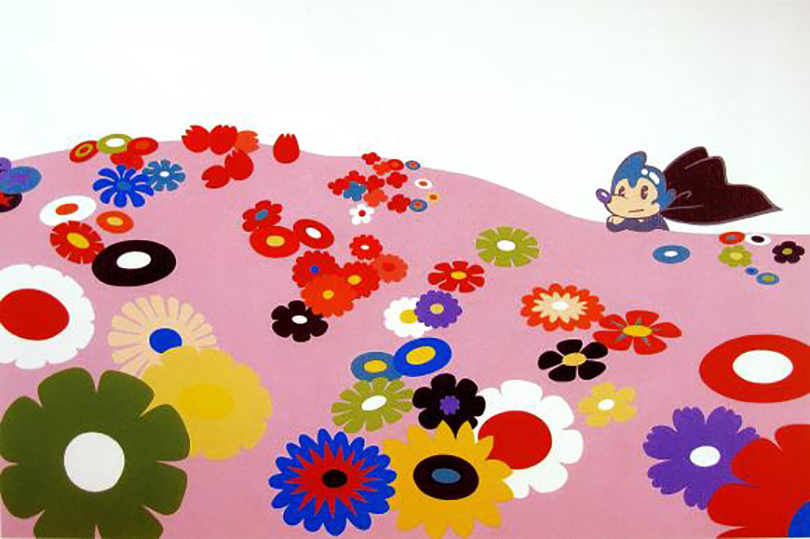
In the 2000 work Flower
Garden, Atomaus appears in a piece that has been widely loved and
rendered in various color versions. With a playful audacity, Atomaus mimics the
serene, meditative posture of the old scholar depicted in Kang Hee-an’s
15th-century Joseon painting Scholar Viewing the Water. It
is one of the most strikingly beautiful moments in Korean contemporary art. Its
gaze is clear and earnest, and the overall tone is calm and transparent.
The
aged scholar in Scholar Viewing the Water seems to remain
quietly within pure nature. Yet Atomaus, gazing out from a vividly colored
flower field, steps out from the garden and begins to move busily, engaging in
acts of role-playing. It transforms into a rock star, a Bodhisattva in
contemplation, and a guitarist, leaping into the pictorial space with playful
gestures.