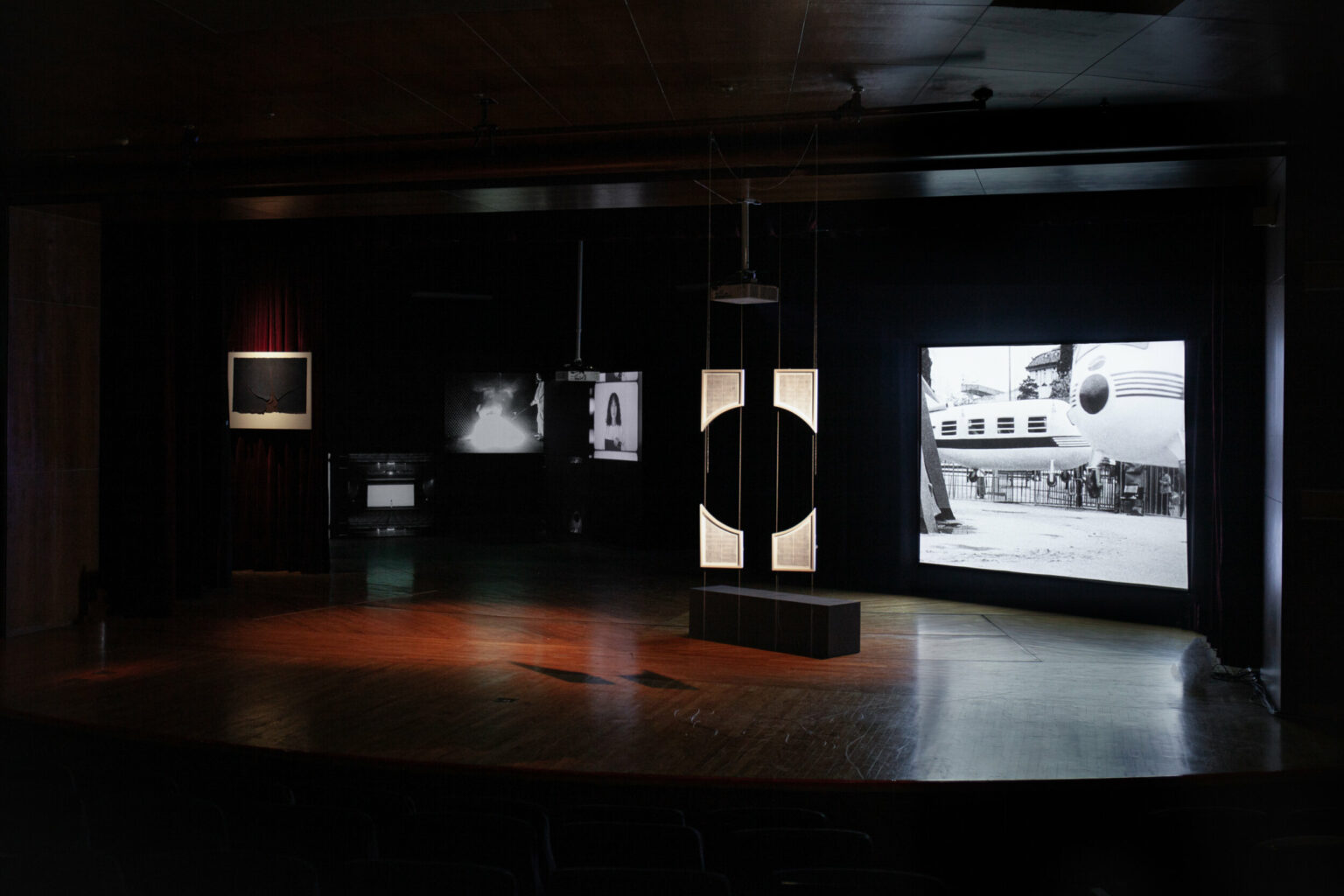
Act 2: Relationship
Upon
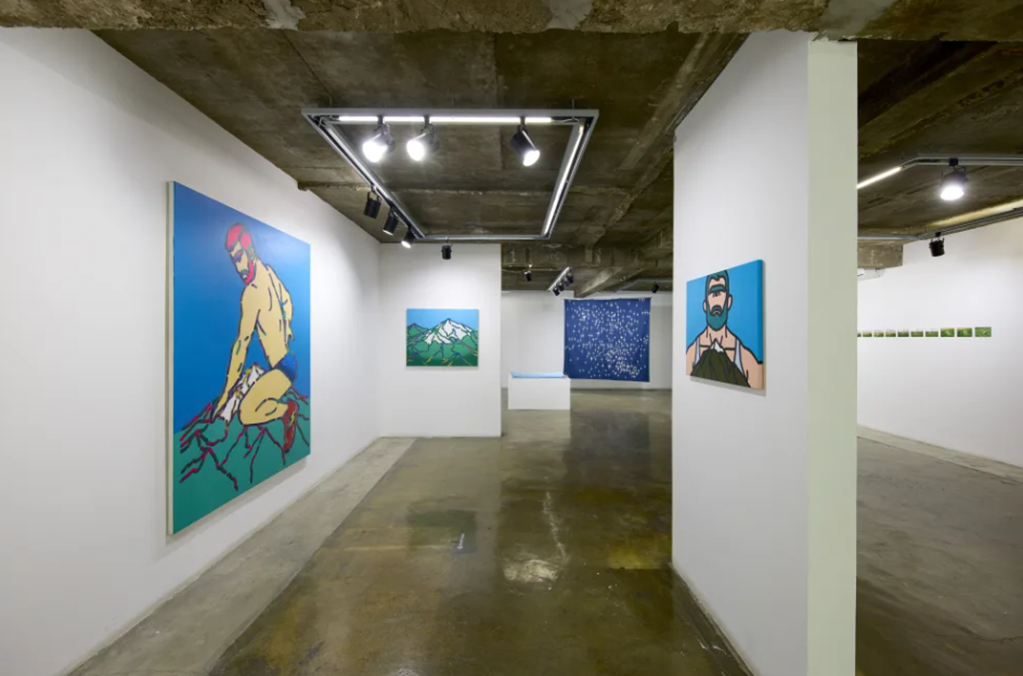
climbing the stairs, viewers are confronted with Yongseok Oh's Angles
of Pornography (2007). This series, which borrows scenes from
1980s and 90s hardcore pornography, is intertwined with the shadow of an era
when HIV/AIDS claimed the lives of countless friends and loved ones. Amid fear
and loss, the bonds within these communities were strengthened, driving them to
develop language and tools of resistance against hate and exclusion. The series
captures the resilience of those who, despite facing the terror of infection
and death, remained true to their desires and chose unity.
Nahwan
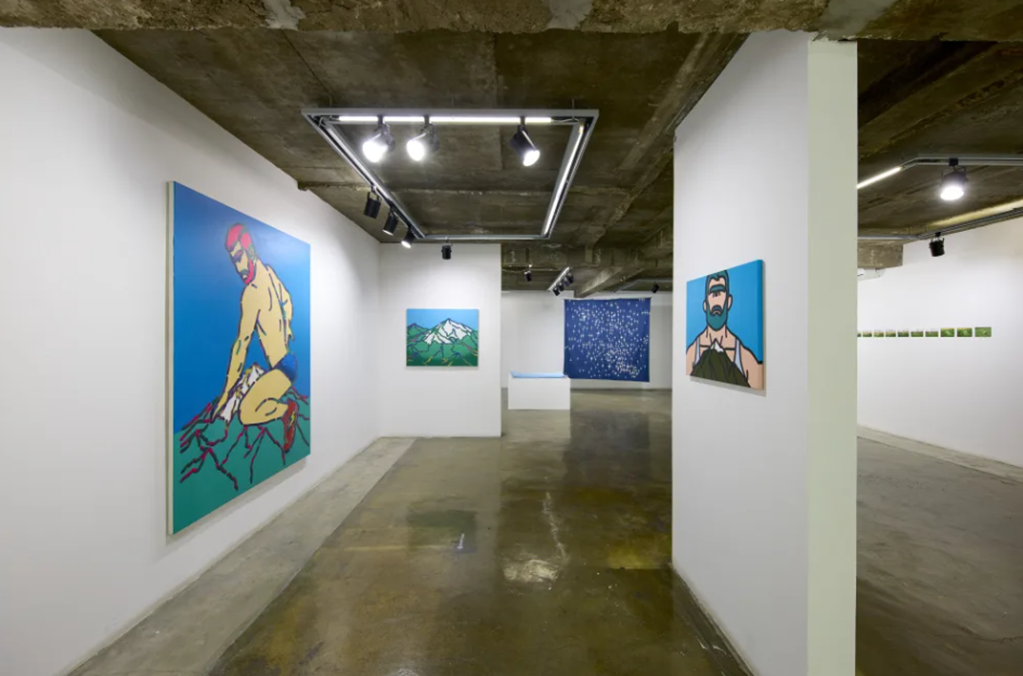
Jeon’s(1984-2021) cyclops are muscular figures in
sleeveless shirts. . One phenomenon born of the HIV/AIDS crisis was an
obsession with healthy, macho appearances. This desire for an ideal physique,
which leads members of the community to resemble one another, remains prevalent
today. Jeon humorously alludes to this trend by using stencil-based techniques
to create copies of the burly archetype (Friends, 2016). The cyclops depicted
in his work are confronted by literal mountains of discrimination, yet they
crush these obstacles beneath their arses, illustrating the unique tongue-in-cheek
humour of marginalized groups who mock their oppressors and persist with levity
in the face of prejudice.
After
witnessing their father's death, Cha Yeonså (1997-) began exploring
the deaths of individuals documented in a forensic textbook. Within a community
that has had to say goodbye to an endless procession of its members, individual
deaths are felt as the death of "us," making death a crucial concept
in discussing how these members relate to one another. The artist’s new series
borrows excerpts from the forensic textbook that detail deaths with mentions of
homosexuality, investigating the deaths within minority communities and the
solidarity found therein.
As
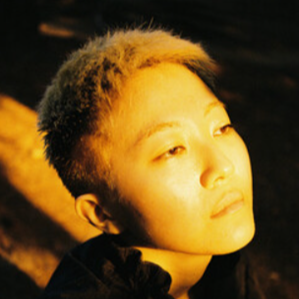
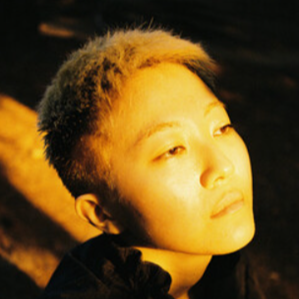
a trans-masculine artist, Sung Jaeyun (1999-) explores the notion of
masculinity through photography. A self-portrait of the artist standing by the
sea, his chest bound with tape, serves as his "coming out" to the
audience, revealing the complexities of his identity and his relationship with
his own body. Coming out is not a one-time act; it is an ongoing process of
facing uncomfortable relationships where others may disclose your identity
without your consent. Sung’s self-portraits embody the narrative of those who
brave revealing their authentic selves in their ongoing fight.
Next
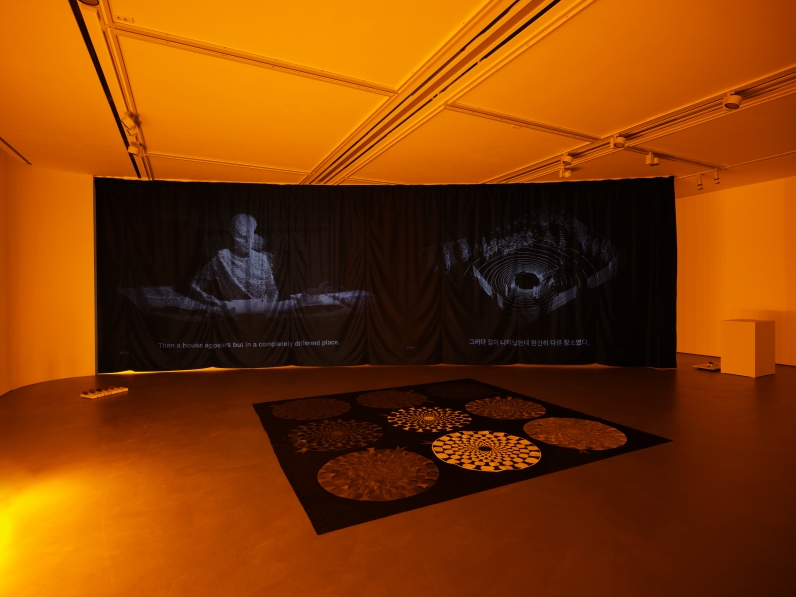
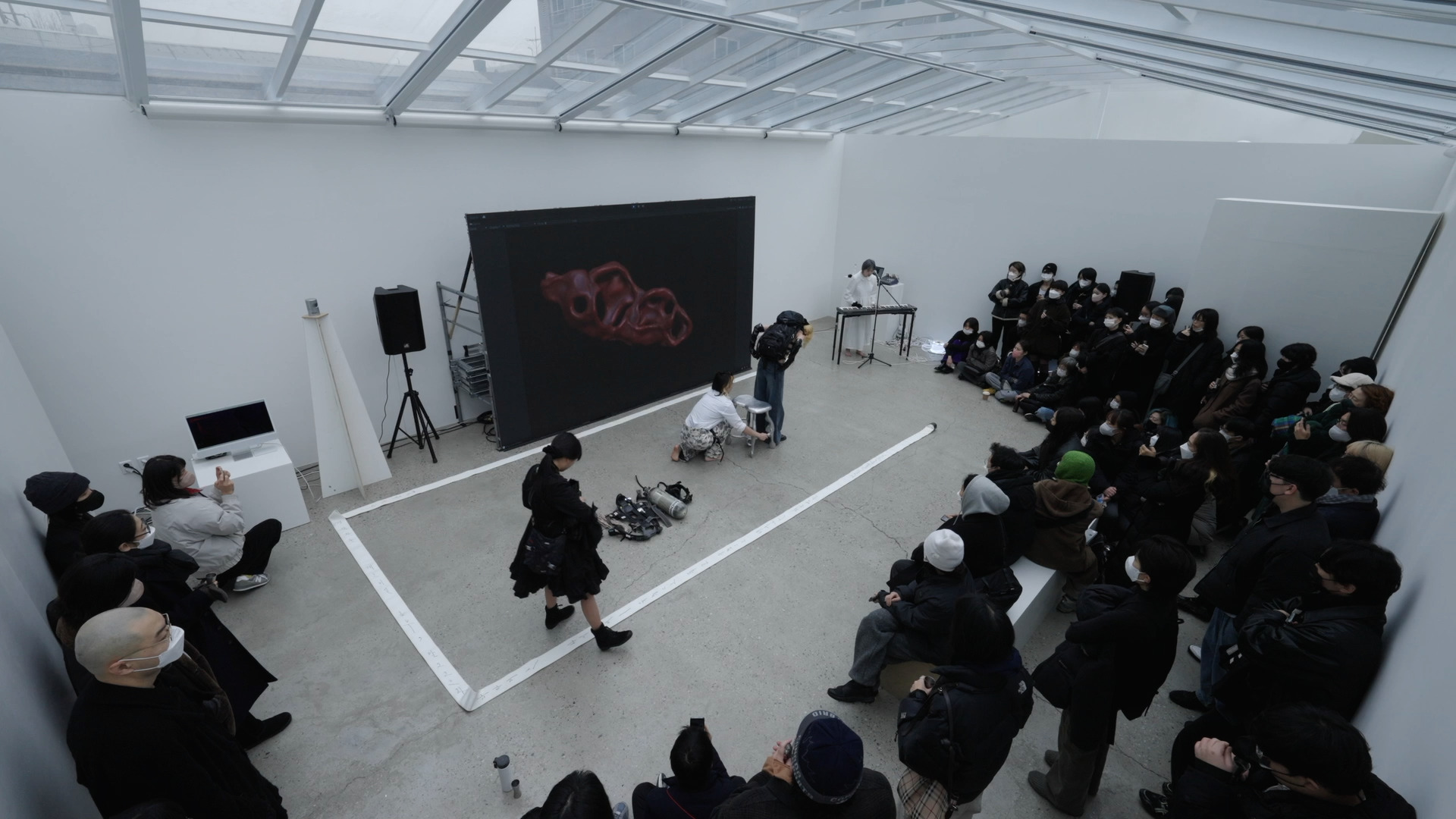
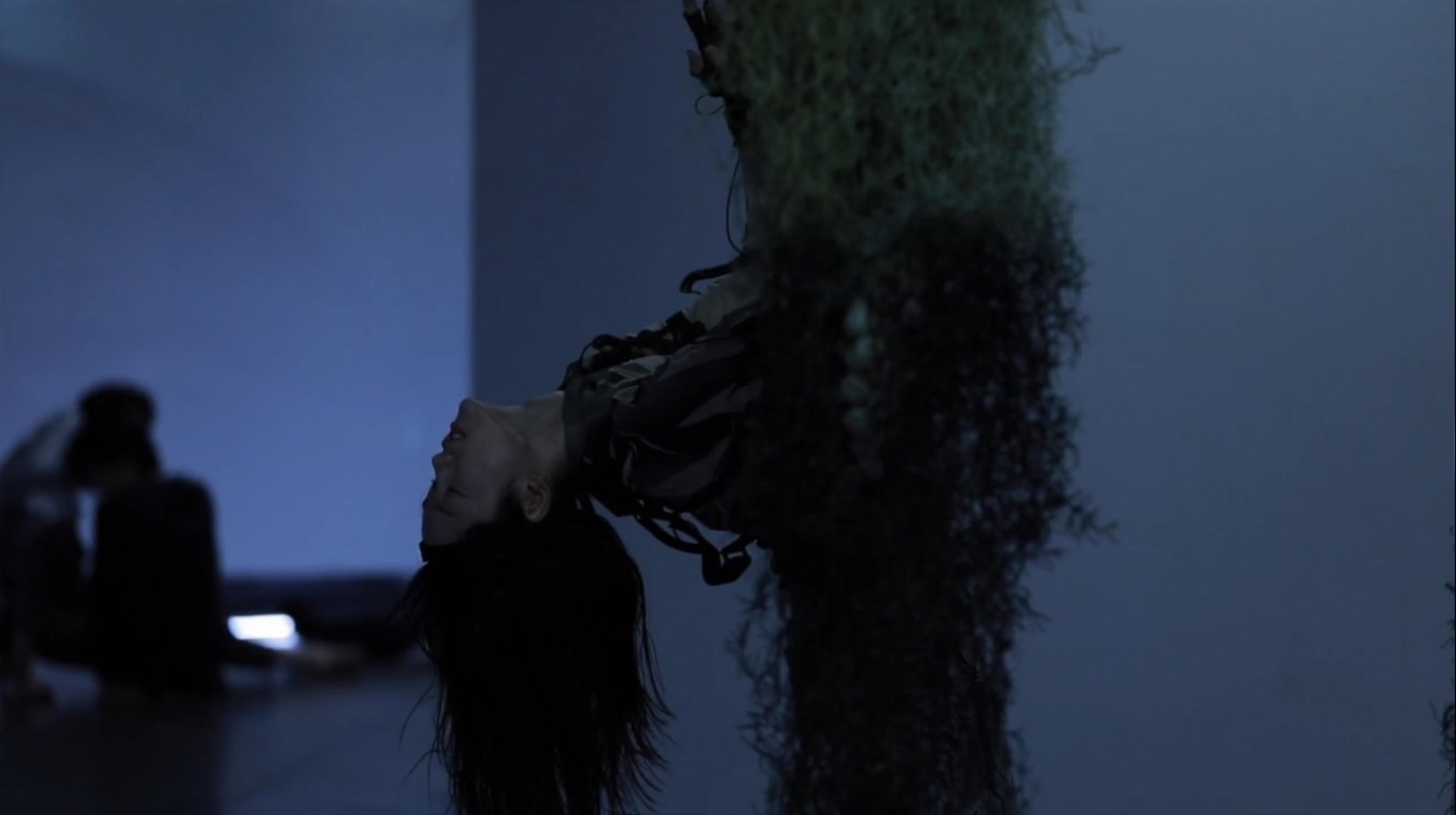
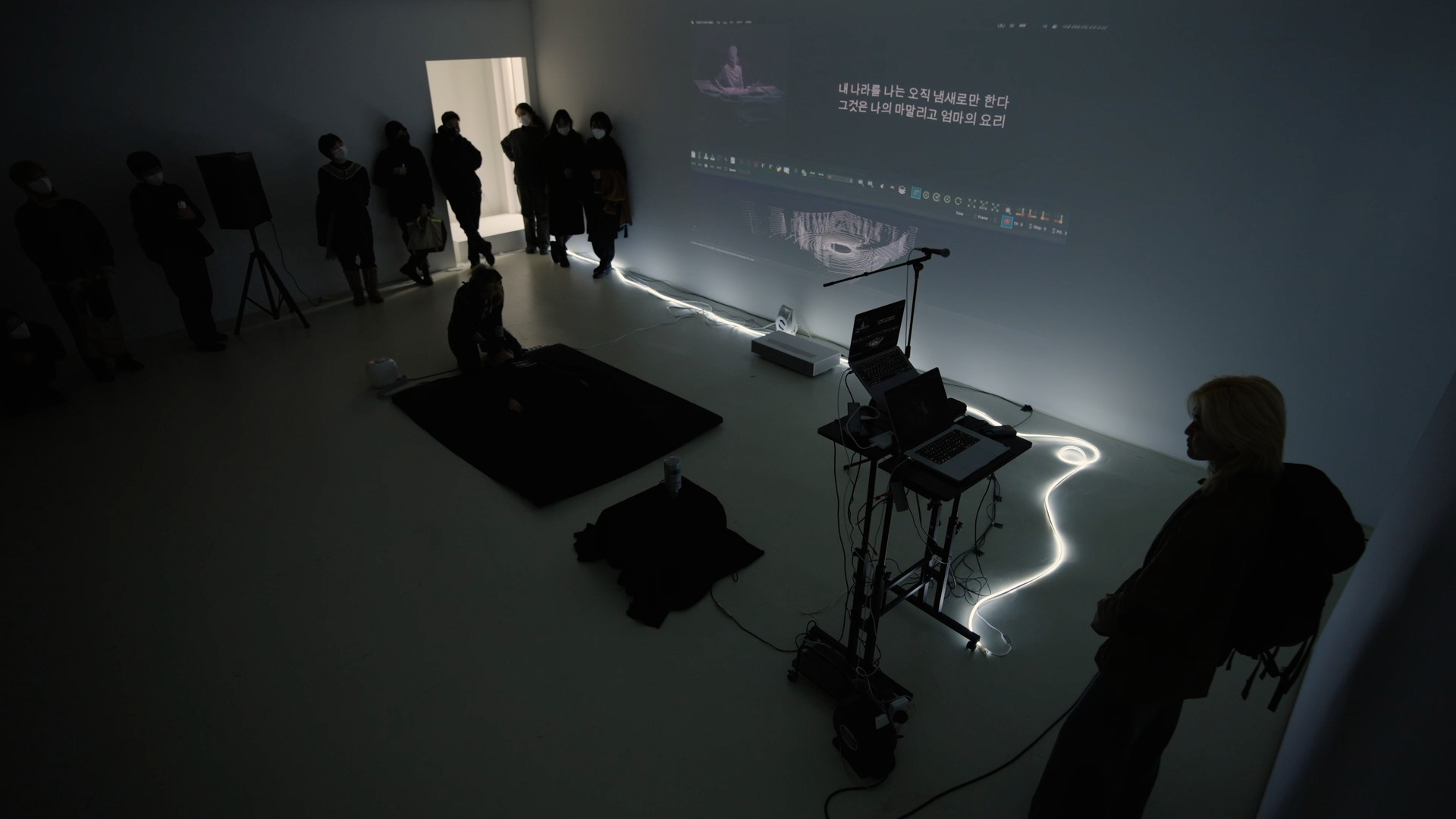
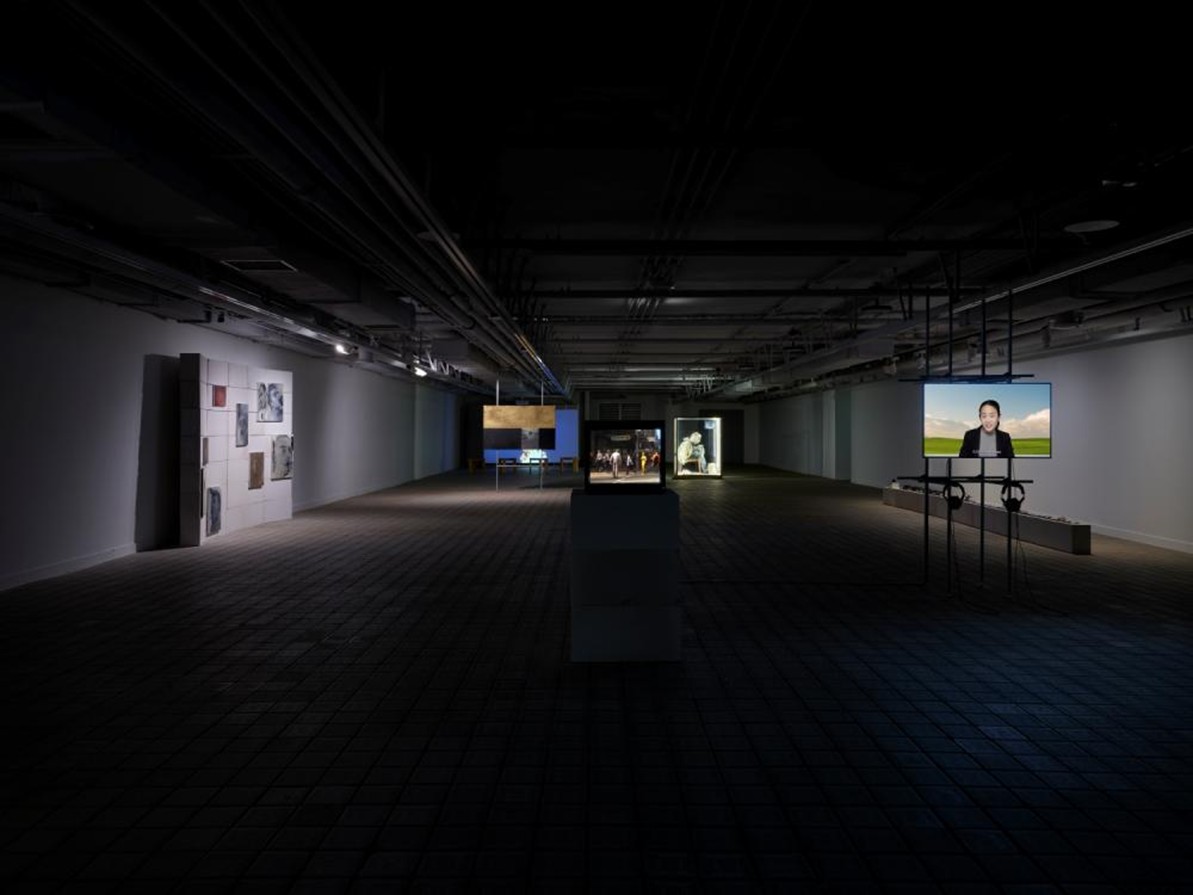
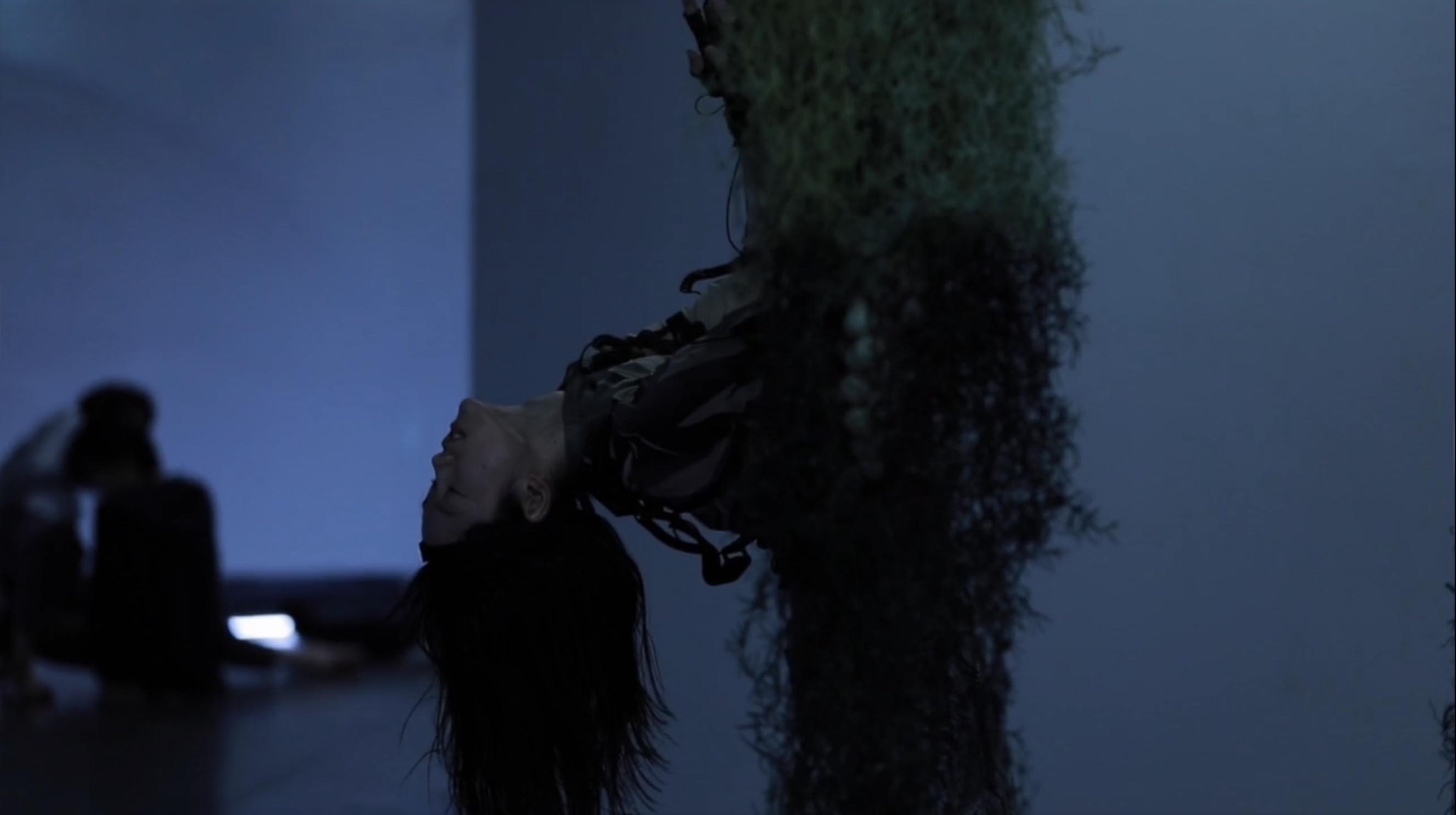
to Sung’s photographs, lee sima's Bidangamok (Silk
Prison, 2023) is displayed on screens. The 2-channel video portrays through
performance the conflicts that continually arise—within marginalized groups,
between them and society at large, or even within themselves. The movements are
those of "ghosts who yearn for normalcy within a sea of abnormality,
unable to belong anywhere, driven only by their unquenchable desires." In
the rigid structure of "silk," unplanned, spontaneous movements
persist, revealing the cries of those who fight to normalize their abnormal
normality.
In Woosung
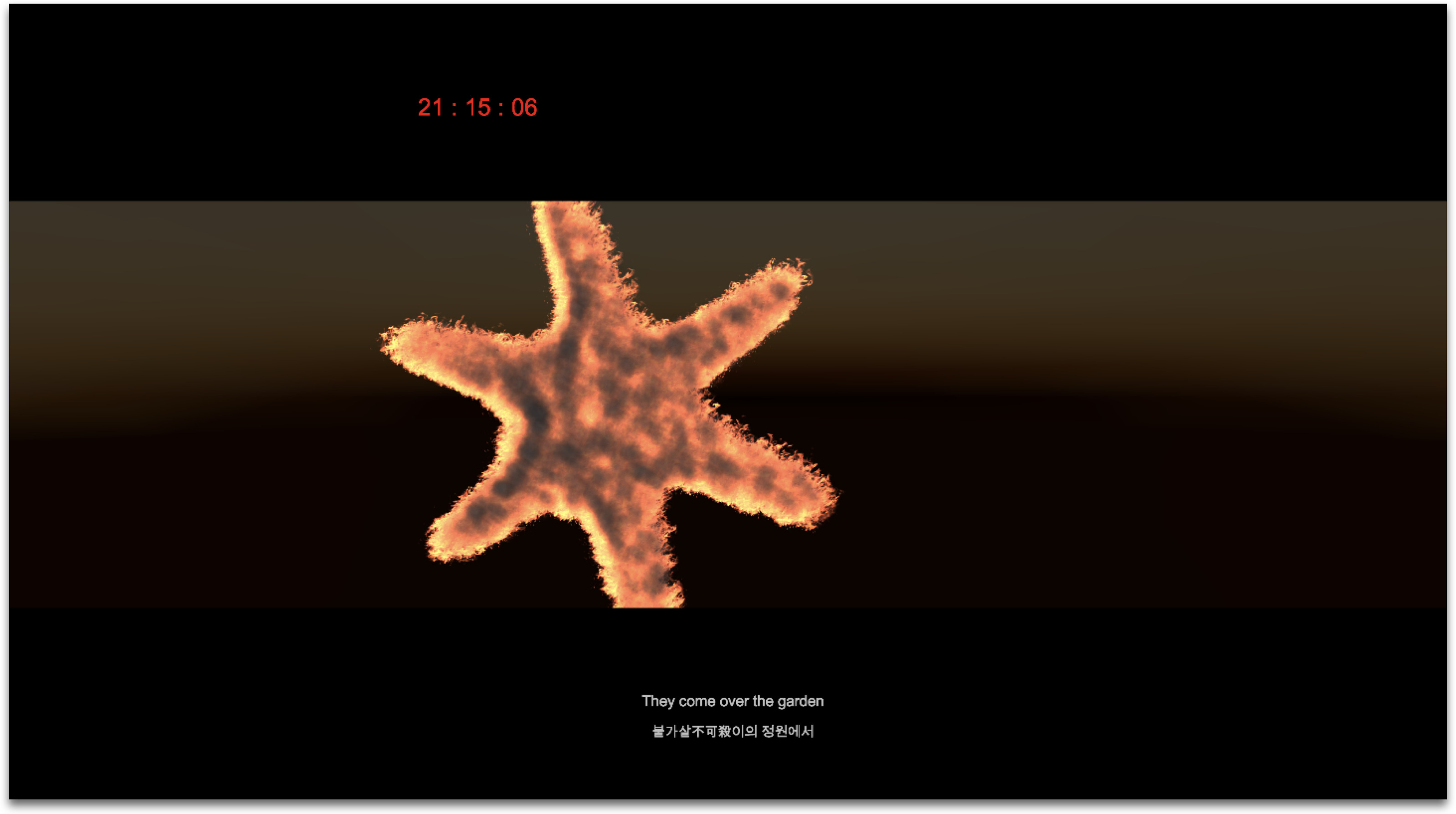
Lee's (1983-) work Twinkle, Twinkle (2016), the
stars in the night sky shine brightly. Before today’s increased visibility and
acceptance in mainstream society through media exposure, there were pioneers
who cautiously gathered at night for decades. Evading censorship and
crackdowns, they came together under the night sky unfamiliar to the rest of
the city. The stars in Lee's work pay tribute to those who paved the way with
their hushed tones and careful glances in the darkness.