When
stranded, one has a far higher chance of survival with someone rather than
alone. In this era of disease, we may find a path forward in the works of Oro
Minkyung exhibited last year.
AI,
autonomous driving, the so-called “Fourth Industrial Revolution.” Technology is
acclaimed as if a new dimension of innovation has arrived. Yet despite such
advancements, we find ourselves helpless in the face of a pandemic that even
modern medicine cannot easily manage. We are learning that illness is not an
abnormal deviation from a “normal state of health,” but something that could
suddenly happen today — to anyone.
Still, we do more than merely acknowledge
illness as a state: we distinguish patients, spread strange rumors, and deepen
fear. Fear turns into stigma, directed at certain groups. A futuristic
environment reminiscent of sci-fi films coexists with the absurdity of rumors
like “poison in wells” from the colonial era. With little to do beyond keeping
physical distance, our minds spiral: “What frequency was the ecosystem using to
warn us?” Eventually, a thought emerges — “If Youngin’s ‘life-saving gaze
research’ had not failed, would it have helped?” Even knowing Youngin is a
fictional character from the artwork, we feel so lost and powerless before
infectious disease that such speculation seems plausible.
Oro
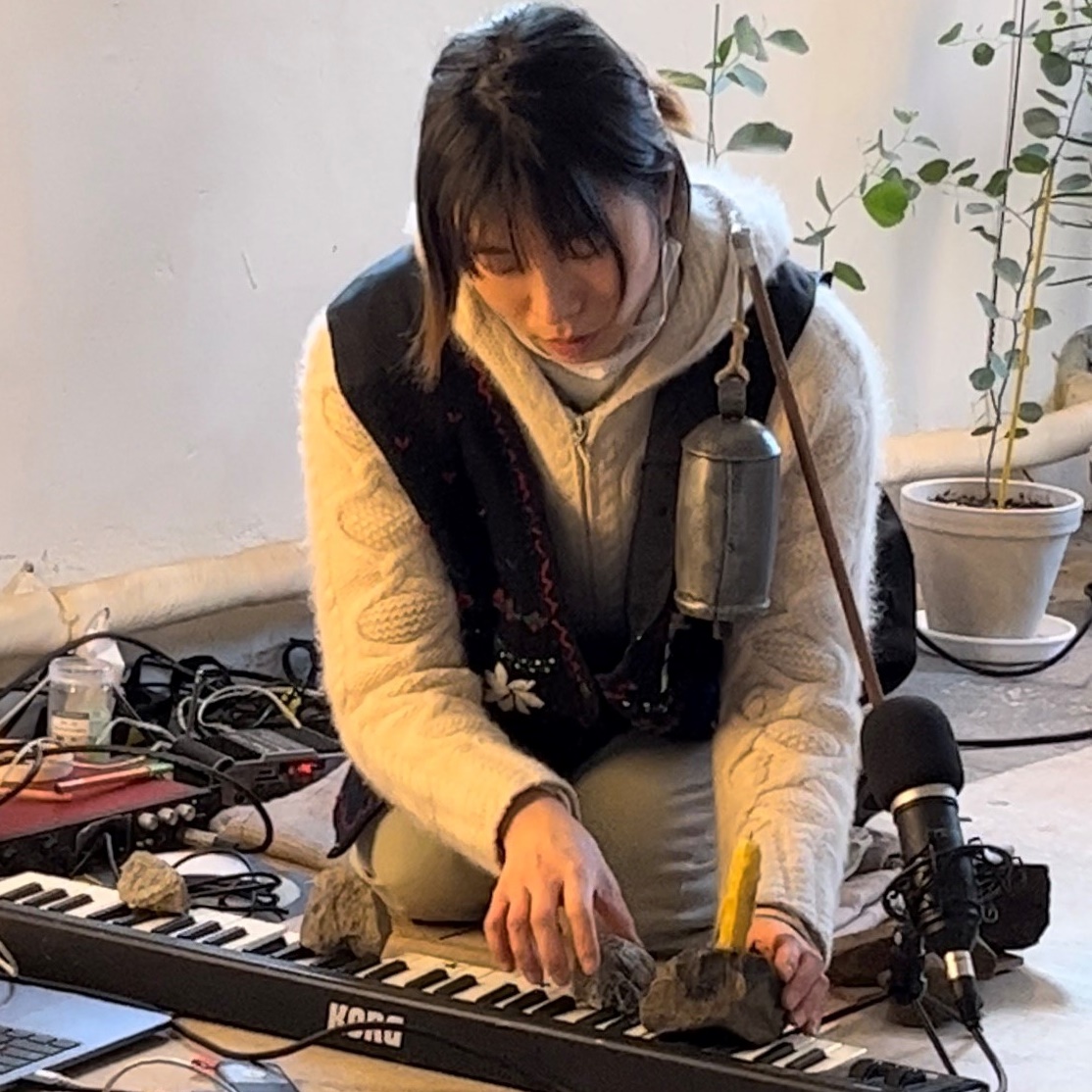
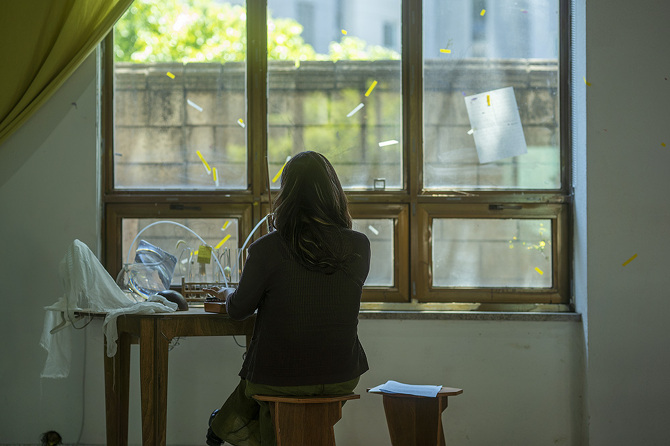
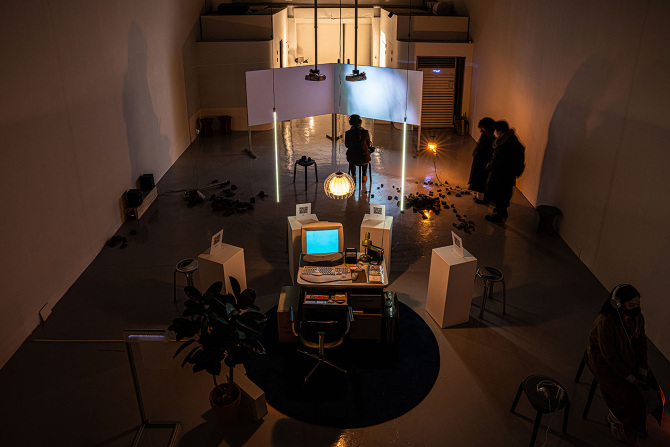
Minkyung’s solo exhibition 《Youngin and
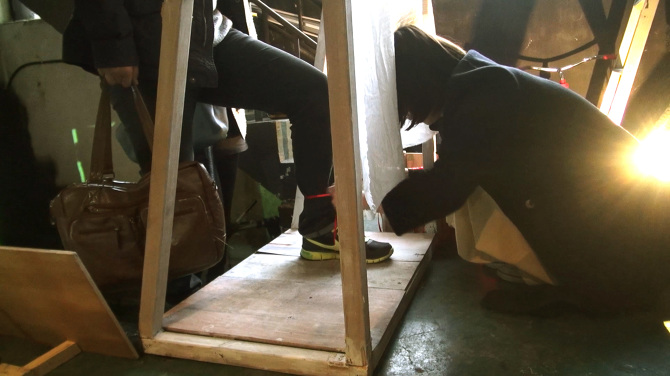
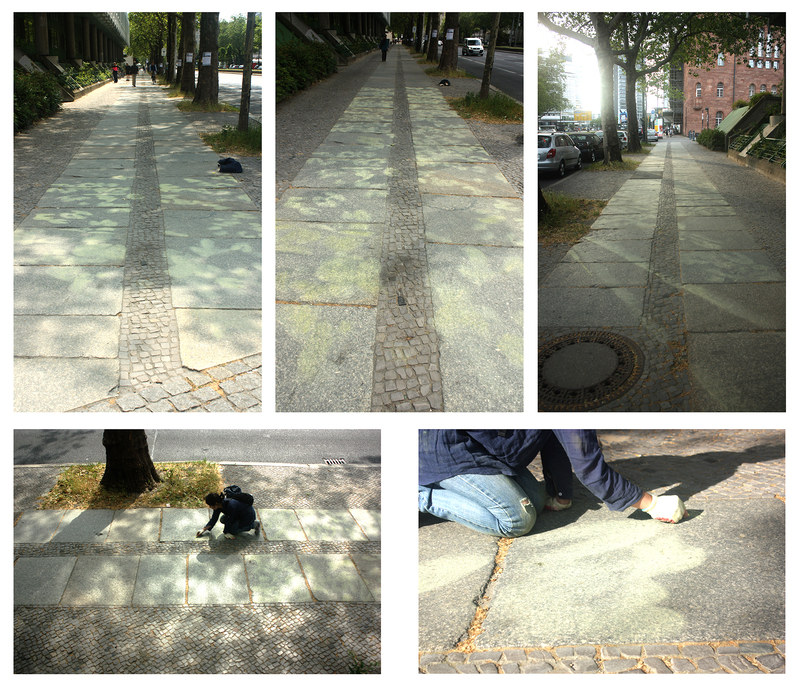
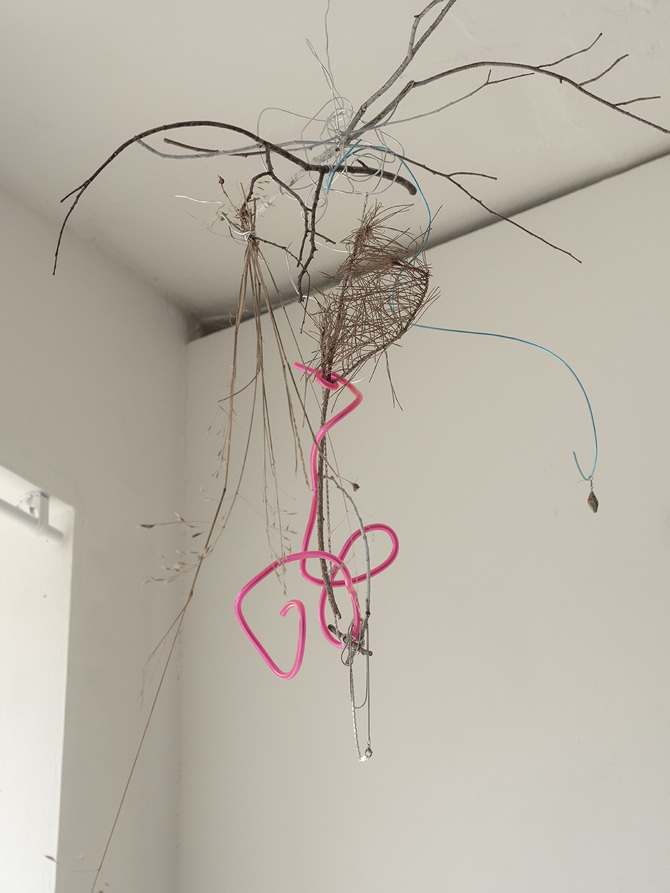
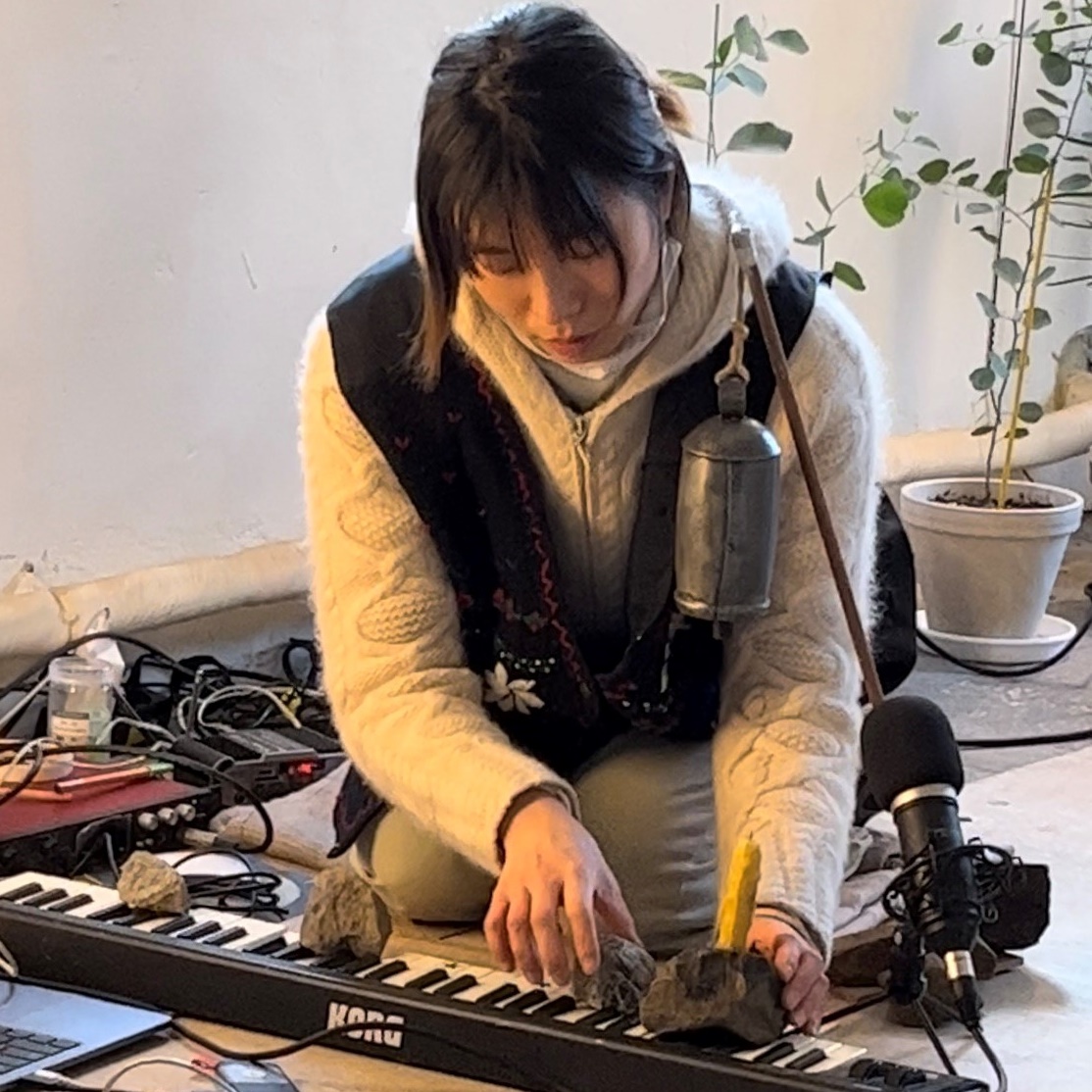
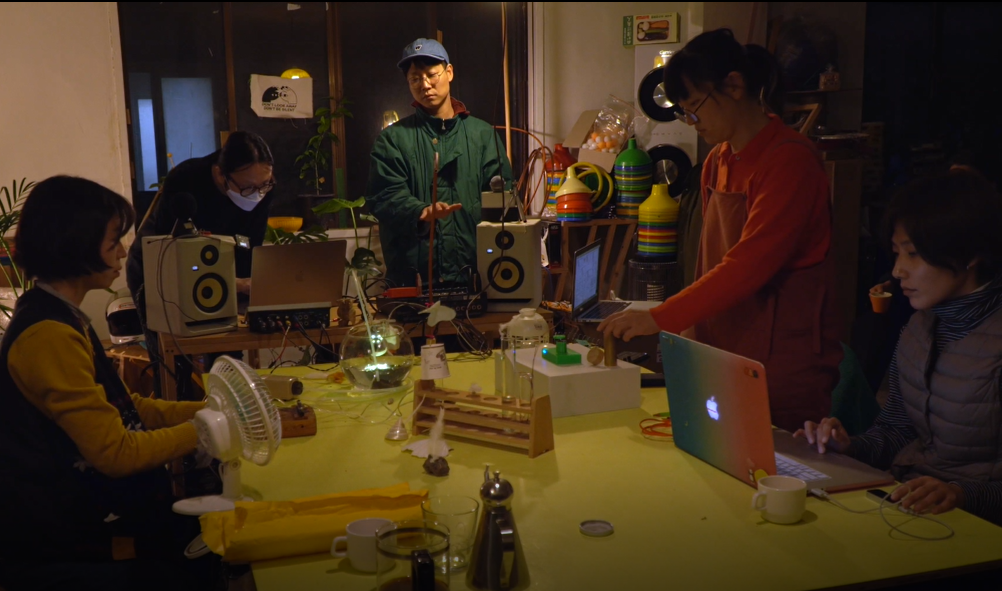
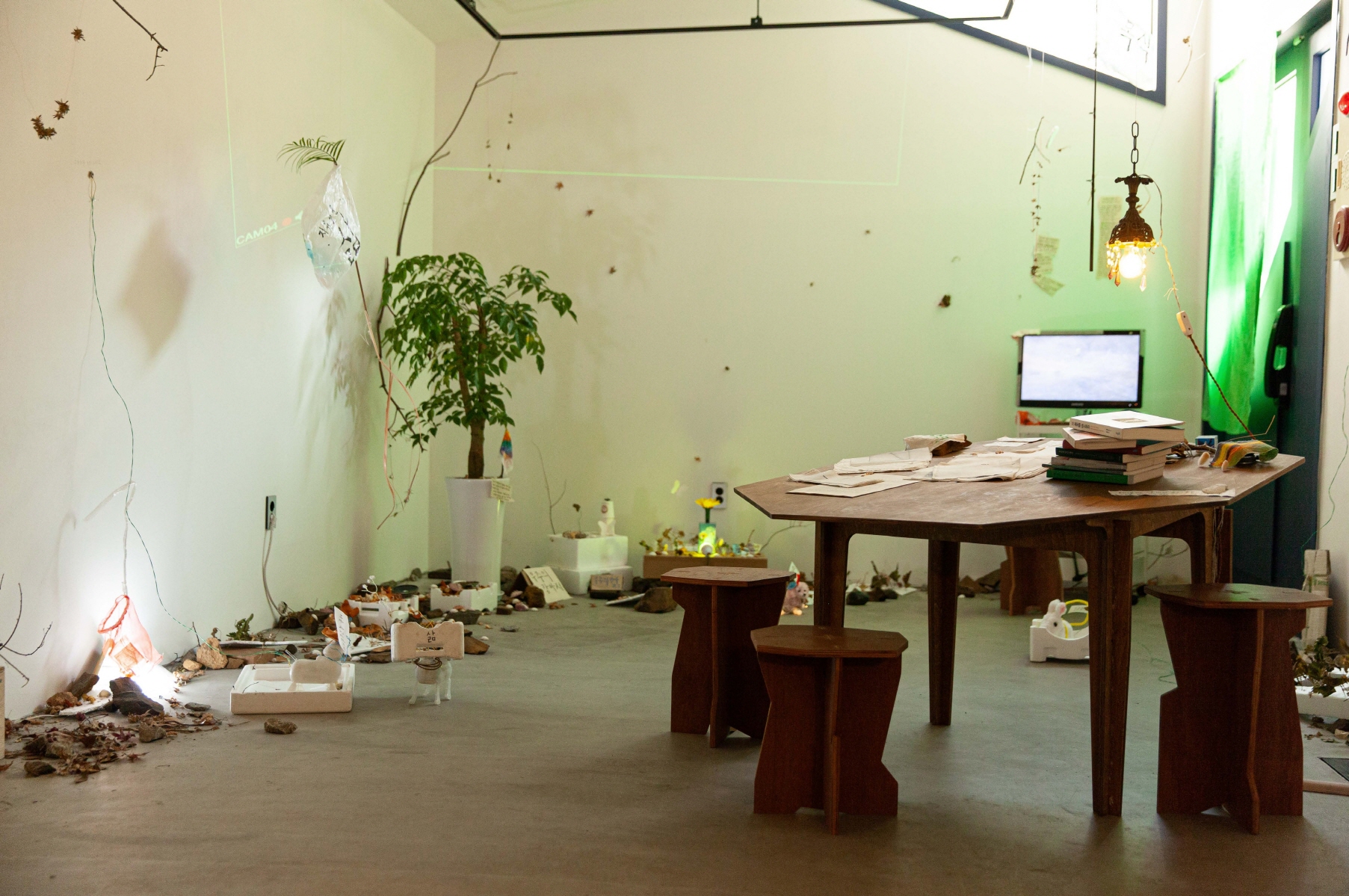
Butterfly: Letters from the Particle Laboratory at the End》 (Factory2, Seoul, 2019) invited visitors into the laboratory of a
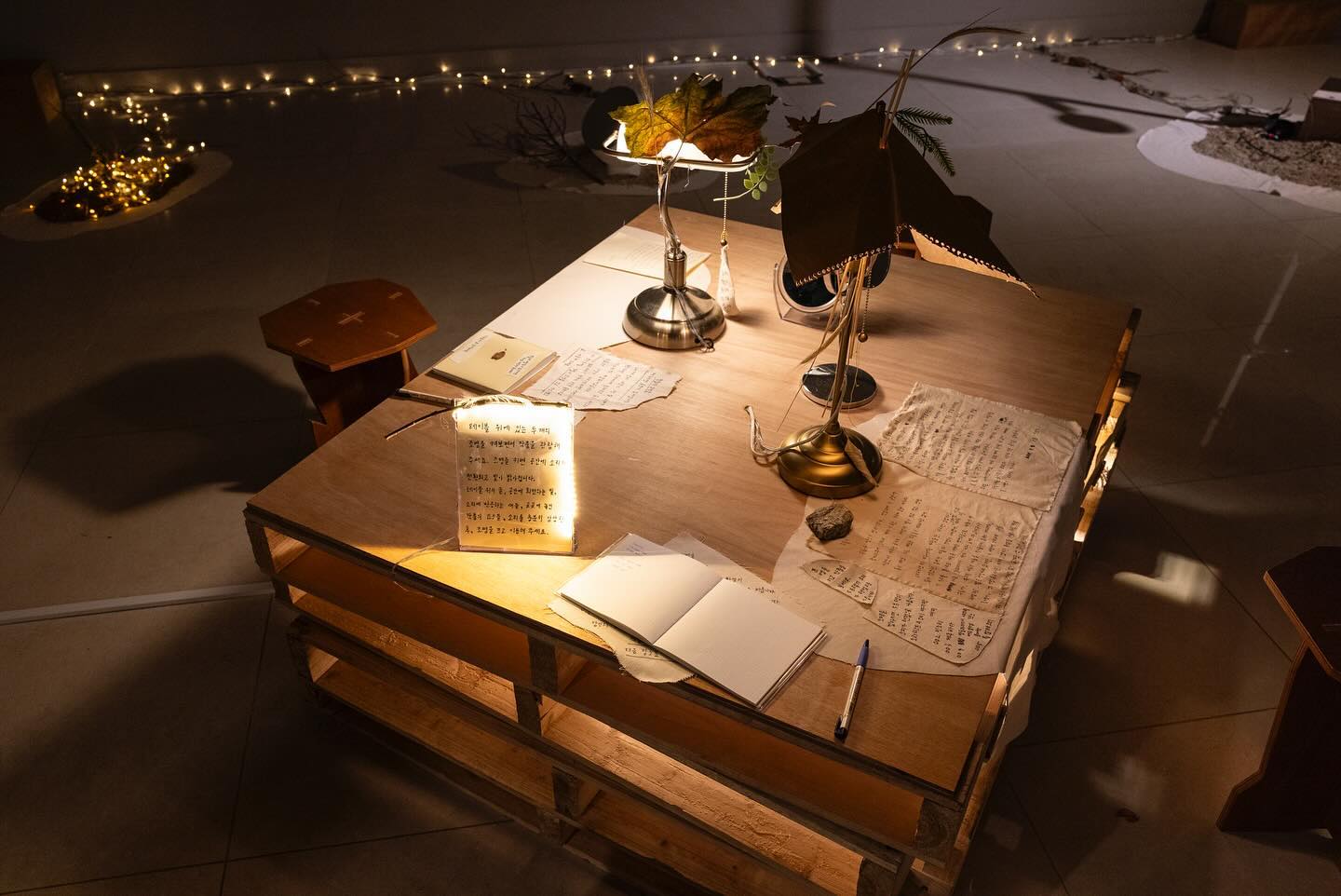
fictional scientist named Youngin. The exhibition space, transformed into a
research lab, displayed unfinished data, traces of contemplation, and
experimental results left behind as Youngin halted her research due to illness
— asking us through letters to continue her work.
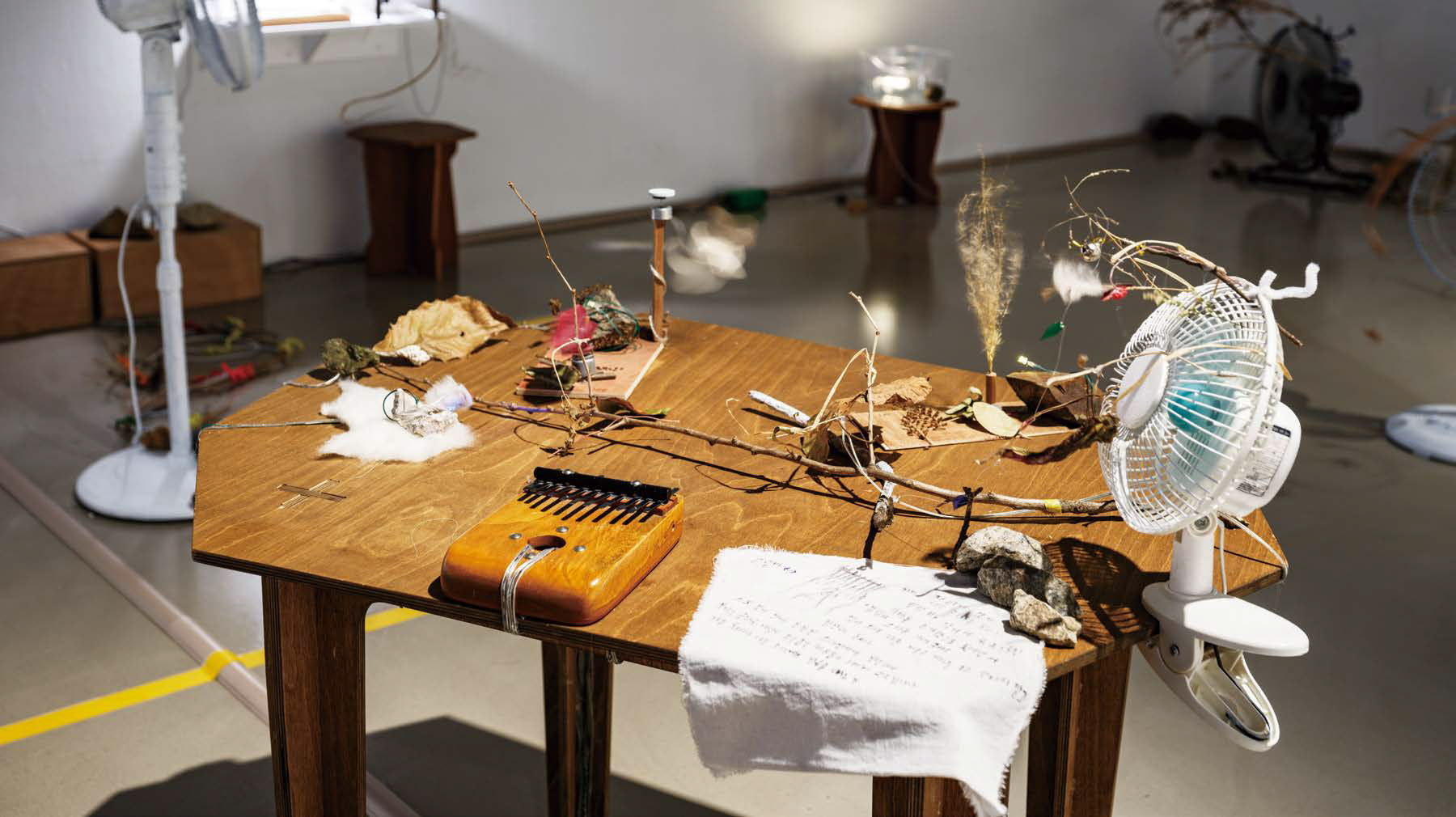
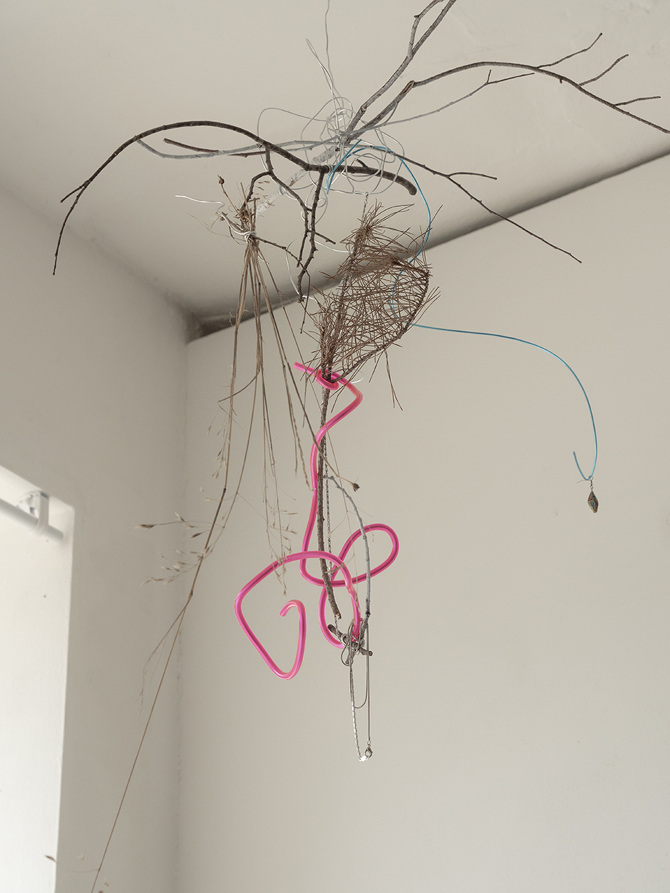
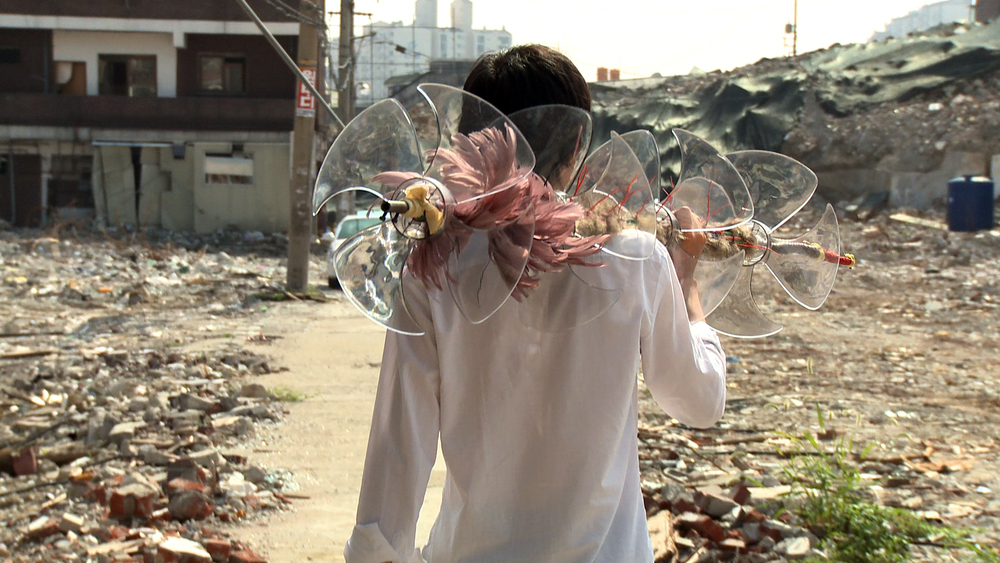
Various installations
described as “research outcomes” awakened delicate senses. Some works became
prisms, casting rainbow shimmer; pleasant scents emerged between laboratory
tools like Erlenmeyer flasks; warmth spread from a desk as subtle tremors and
faint sounds arose. Composed of fragile materials — light, shadow, sound, scent
— that seem to vanish at a touch, the atmosphere was not anxious but peaceful.
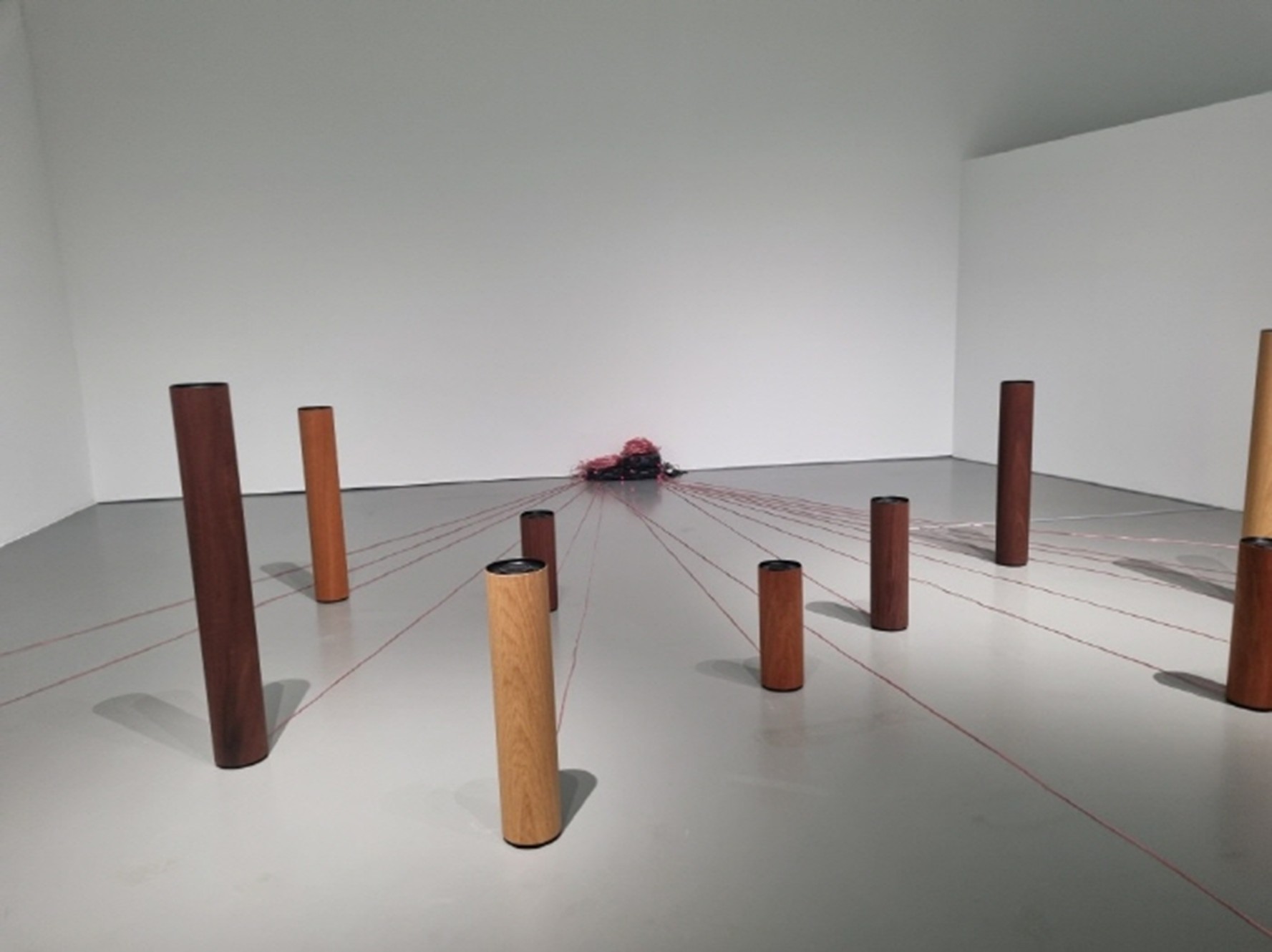
In
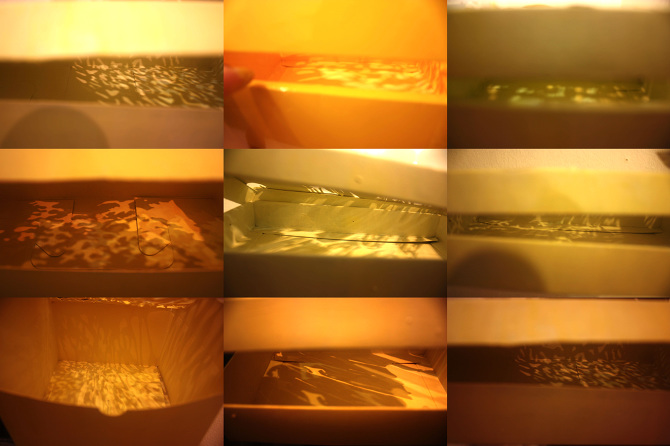
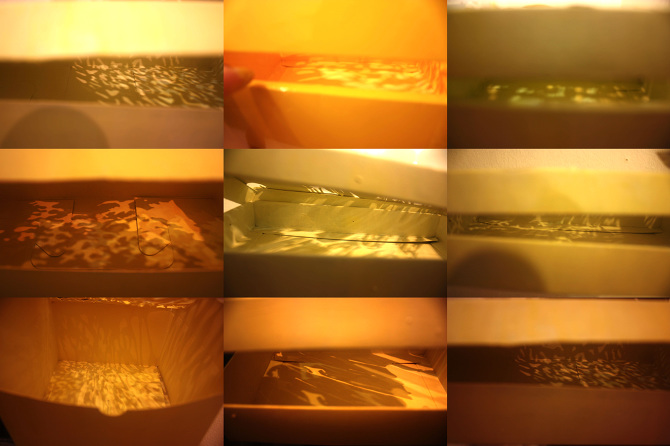
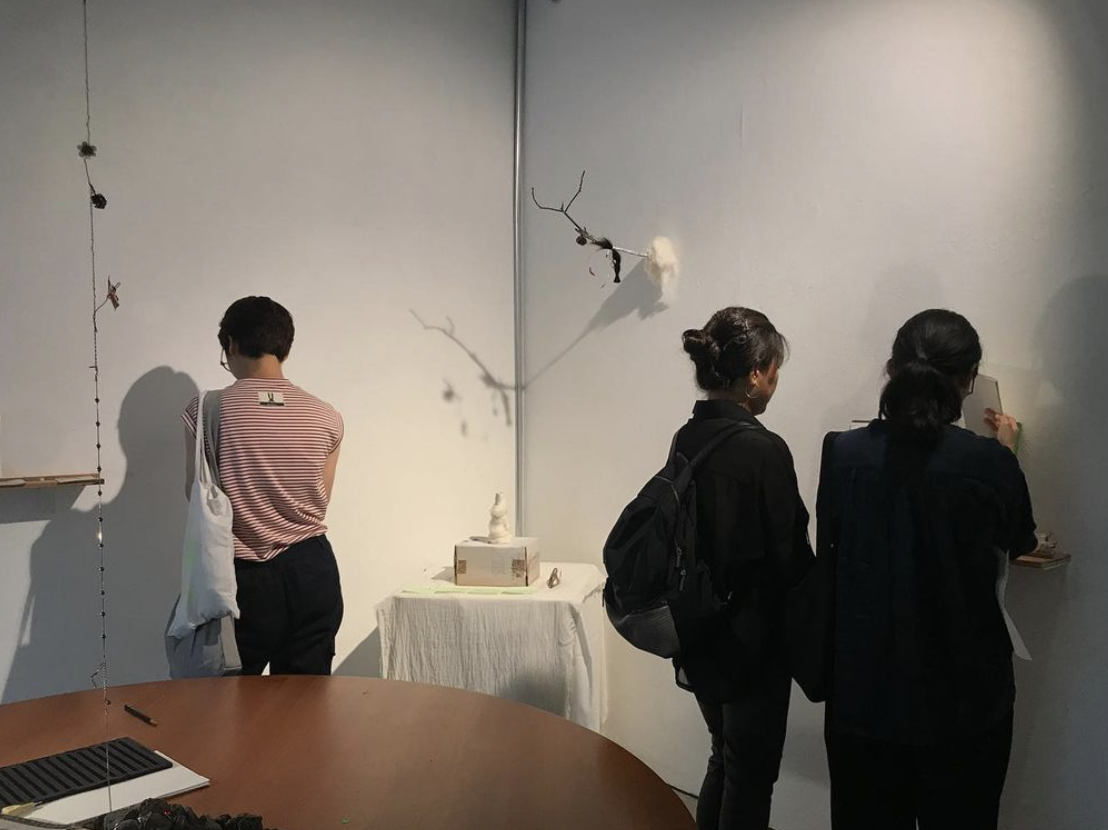
the installation of the “life-saving gaze research observation box,” I tried
hard to observe what was inside but failed. Thinking the experiment
unsuccessful, I turned my attention elsewhere — when a breeze brushed past. The
reassuring sensation in this space seemed to arise from a “connectedness” of
perception: when one sense meets a threshold, another quietly awakens.
Later,
I learned that the installation is structured so that when a viewer peers into
the observation box, the previously still installation outside begins to move —
yet the person looking inside cannot see those changes. Alone, no one can
activate all the mechanisms. Only with someone else’s participation does the
work expand its functions and amplify its narrative. Likewise, no one can fully
grasp the entire world at once. Thanks to another’s effort — someone observing
(something barely visible) — the beauty of this world continues turning, and we
get to witness its scenery.
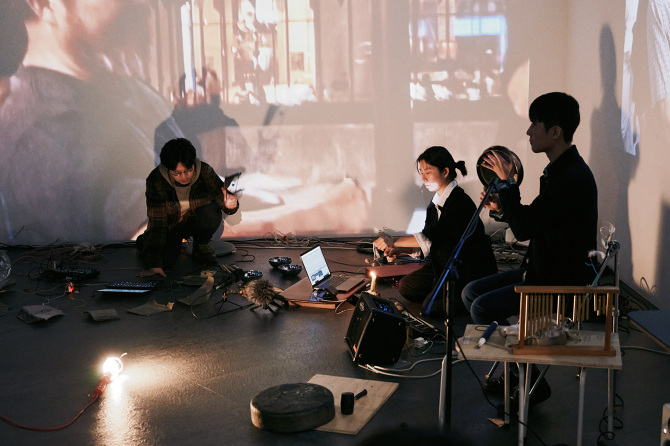
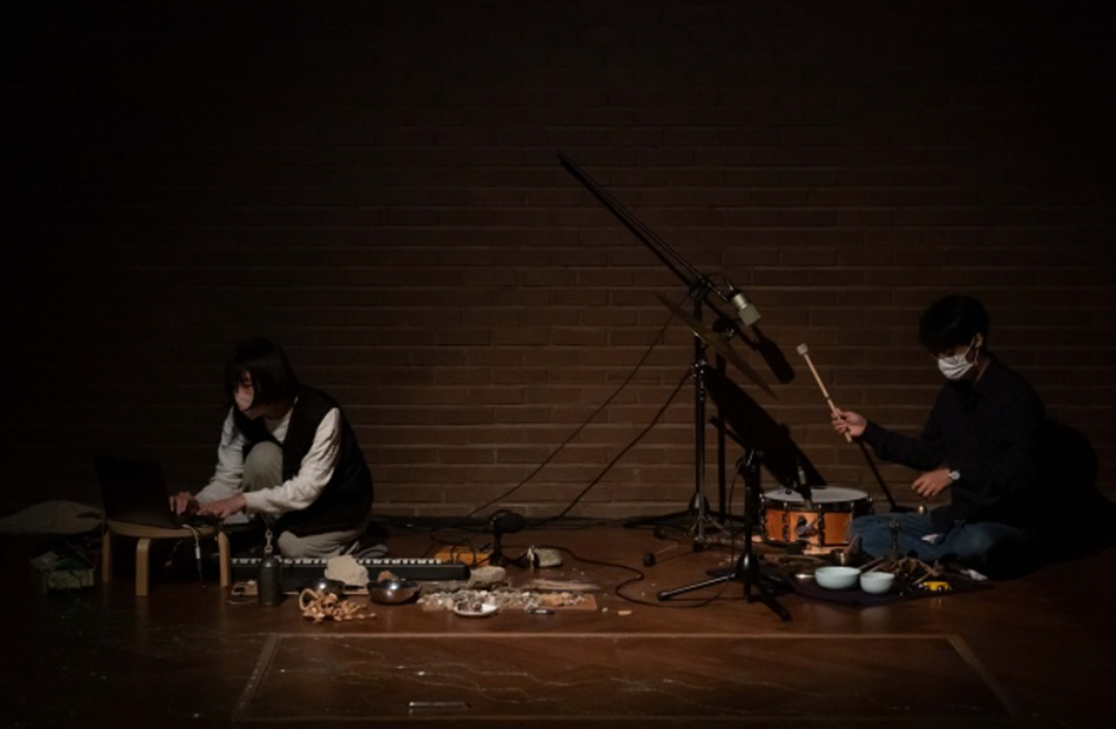
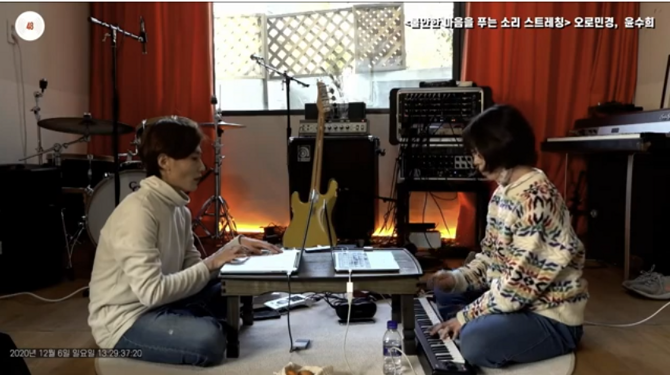
The
laboratory became a stage for sharing experiences of other “Youngins”: not
disease as something to defeat, but illness as a state one passes through.
Here, people explored ways of walking together, rather than isolating those who
are unwell. Like a song too difficult to sing alone, but becoming harmony when
many voices join — a place for what the artist calls “the song of the turtle’s
pace.”
Before
condemning another culture’s “barbarism” of eating bats, we might first become
an observation box that turns its gaze toward our own culture that exploits
wildlife. Stigmatizing a group does not ensure safety. In a crisis, being with
someone gives better chances of survival: not only because it preserves body
temperature, prolonging life, but also because, as felt in Youngin’s
laboratory, the stability of being together can produce unexpected
miracles. When the world is dark and pathless, the stars — usually unseen —
shine more clearly.