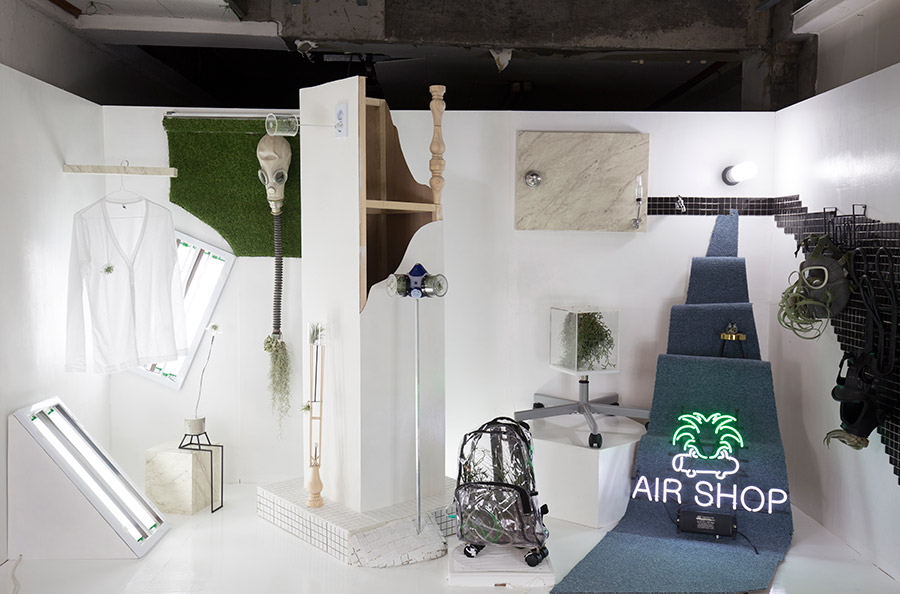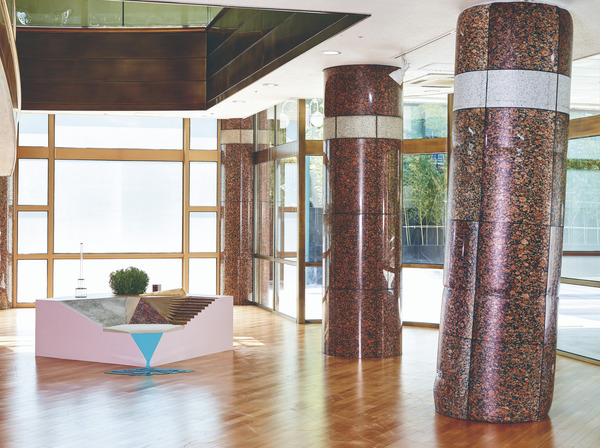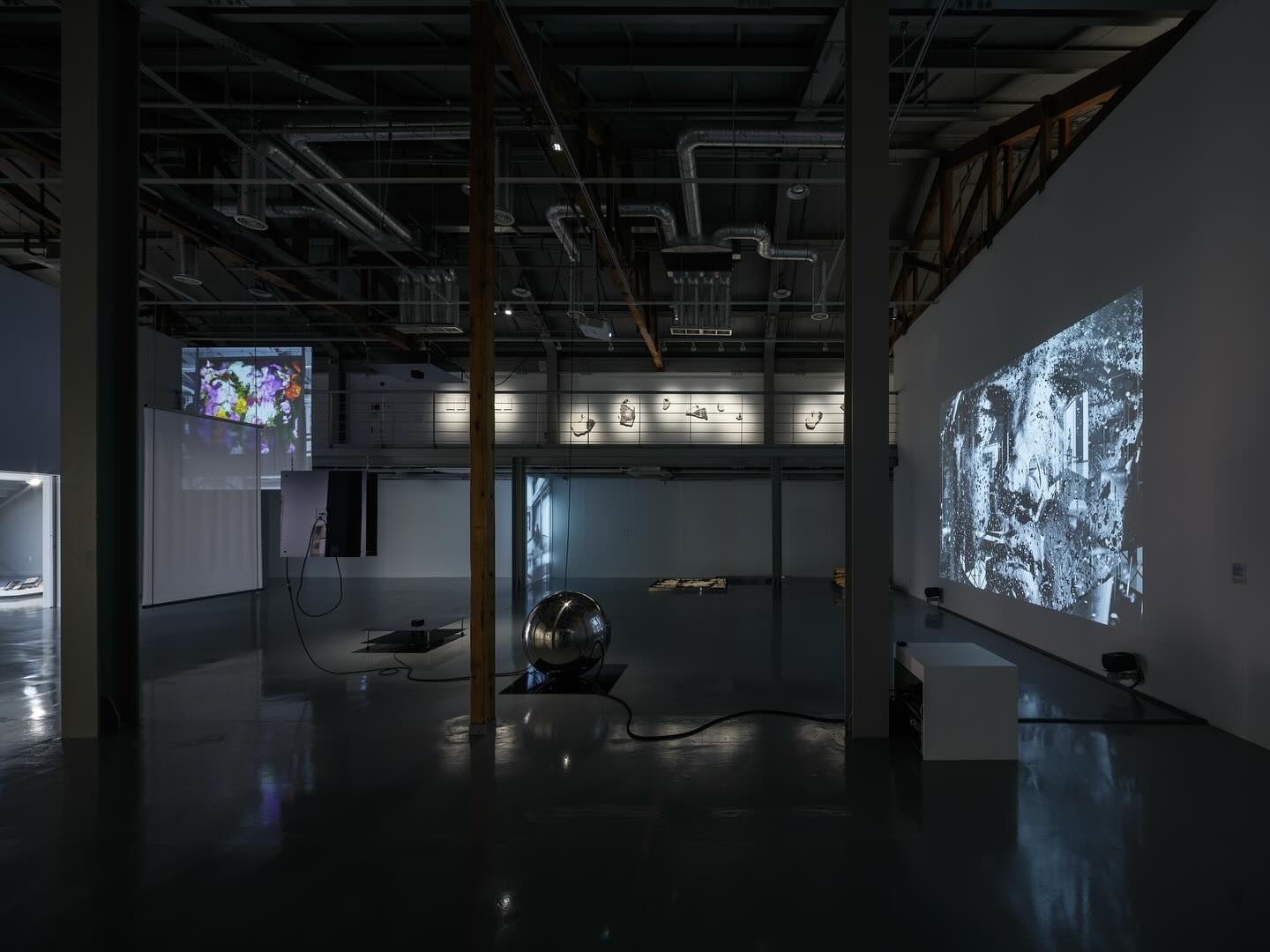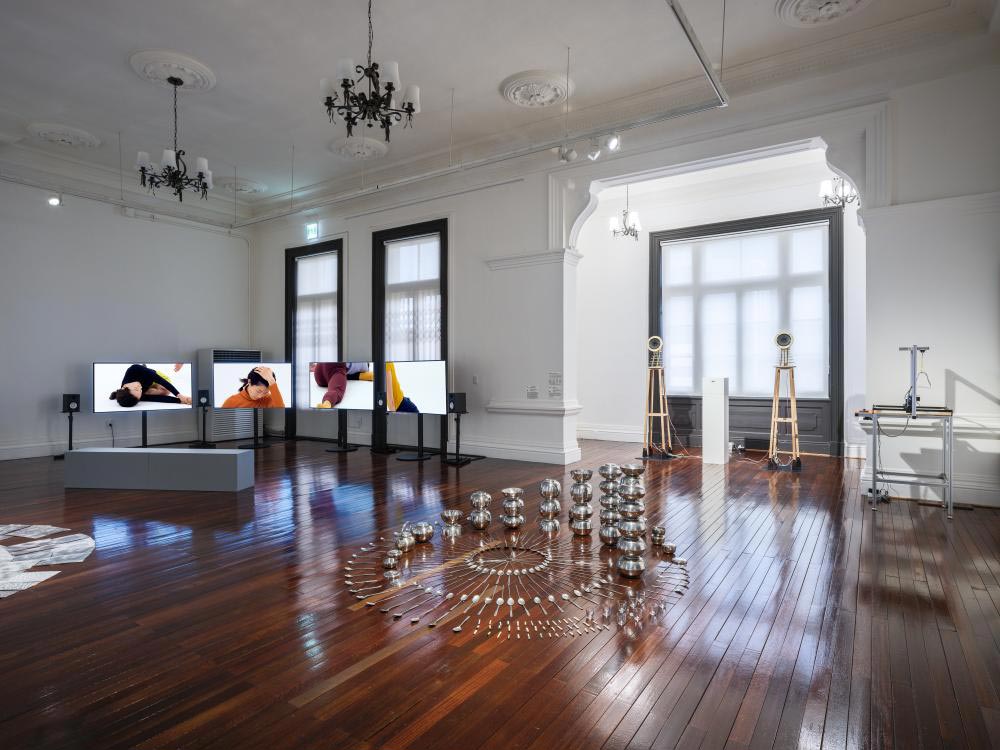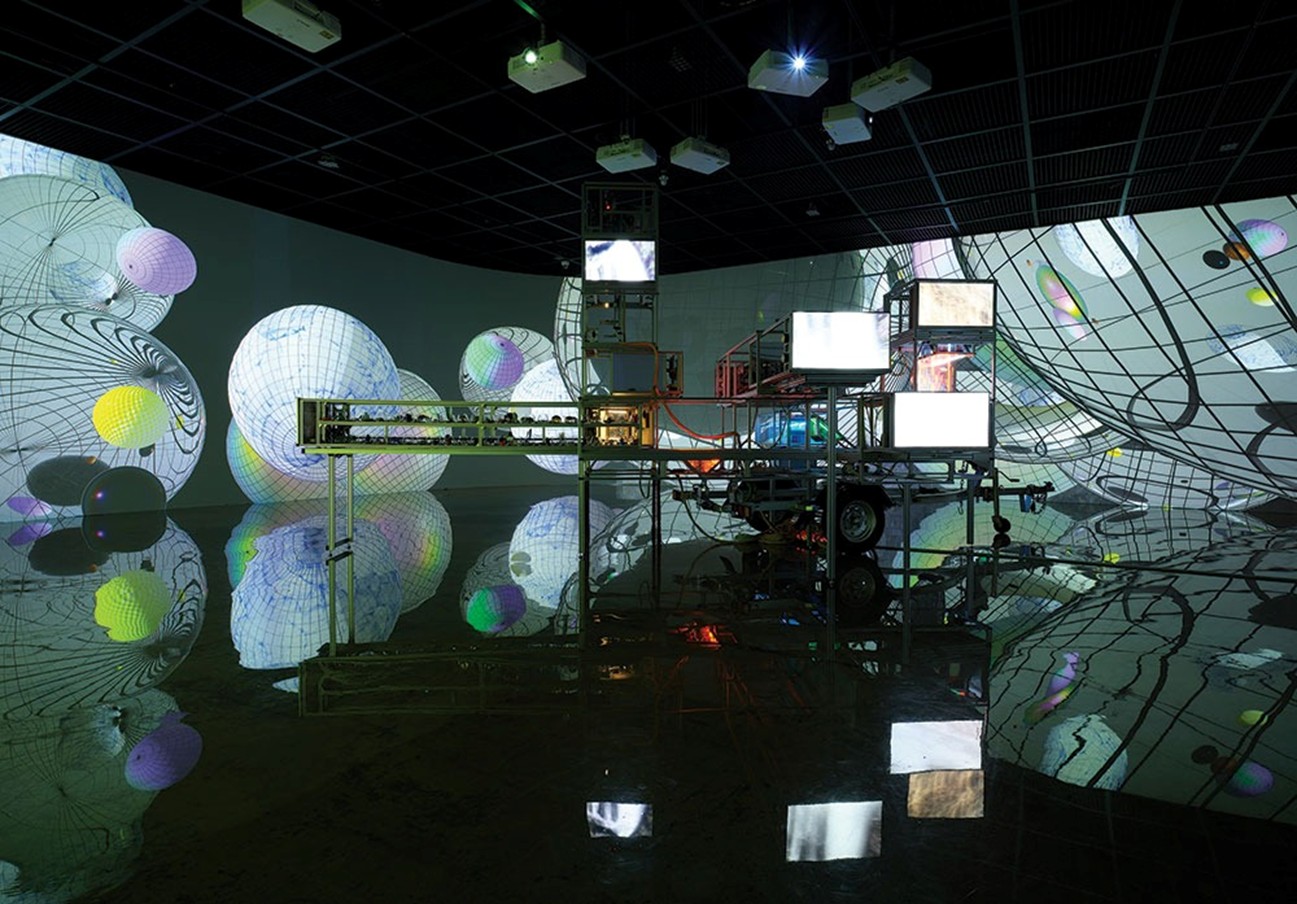

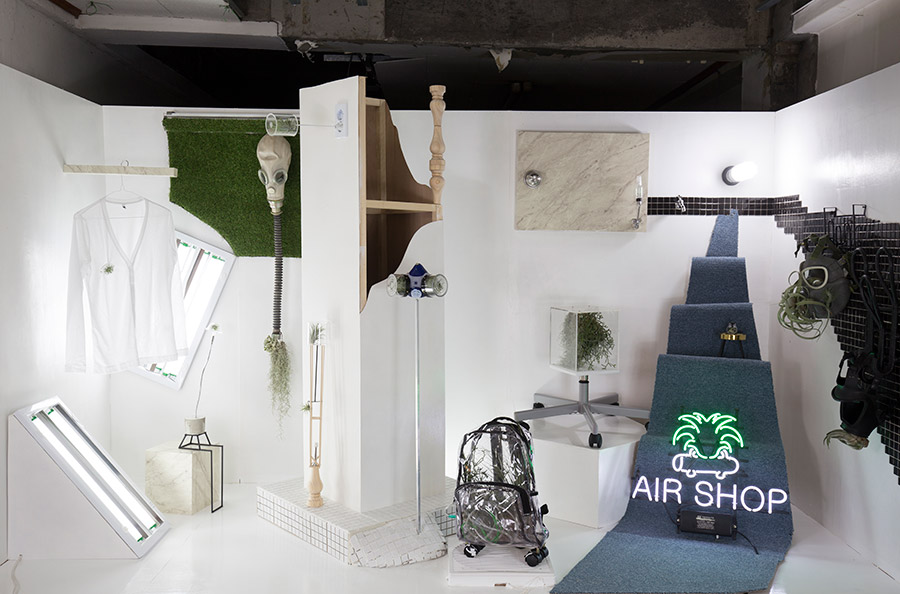
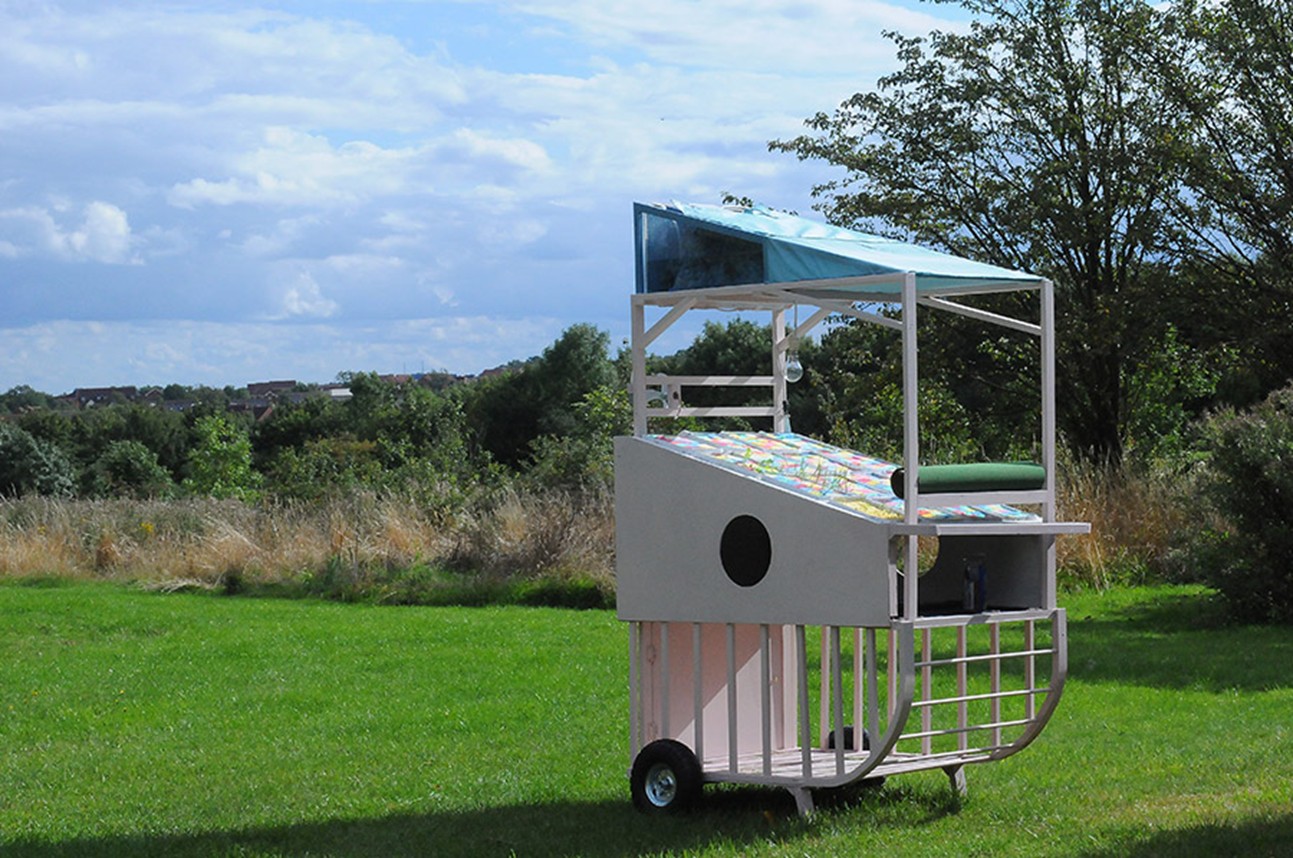
Moonjung Hwang, AIR SHOP: Plant Mask Series, 2017, Mixed media, 3050x1220x1900cm ©Moonjung Hwang

Born in Incheon in 1990, Moonjung Hwang earned her BFA in Sculpture at Seoul National University and completed her Masters of Letters in Fine Art Practice at the Glasgow School of Art. From childhood to the present, she has often lived on the outskirts of cities. While she once admired the meticulously planned scenery of urban centers, she gradually became more drawn to the irregular spatial deviations and unexpected narratives unfolding around the periphery.

For her, the city is a place where the old—striving to survive—collides with the new that continually flows in. Among these, she is especially captivated by the stories created by monstrous architectural growth and the natural forms that slip in between them.

Hwang’s practice involves identifying and visualizing the layered structure and order of relationships that constitute a place—transforming it into a visualized “function.” Through this, she reconstructs the network of meanings that defines the relationships between individuals and individuals, individuals and groups, individuals and objects, and even object and object. Projects using diverse media—including materiality, composition, and reinterpretation grounded in multiple narratives—form the core of her work.

AIR SHOP: Plant Mask Series addresses the serious issue of air pollution by reflecting it in the absurd conditions of consumer society, through video, installation, and performance. With worsening air pollution in recent years, what seemed unimaginable a decade ago—buying and selling oxygen—has now become real, along with countless countermeasures. The artist rearranges the issues occurring within both the individual and society into a rational and economical system of the present day, and transforms them into works of unique form.


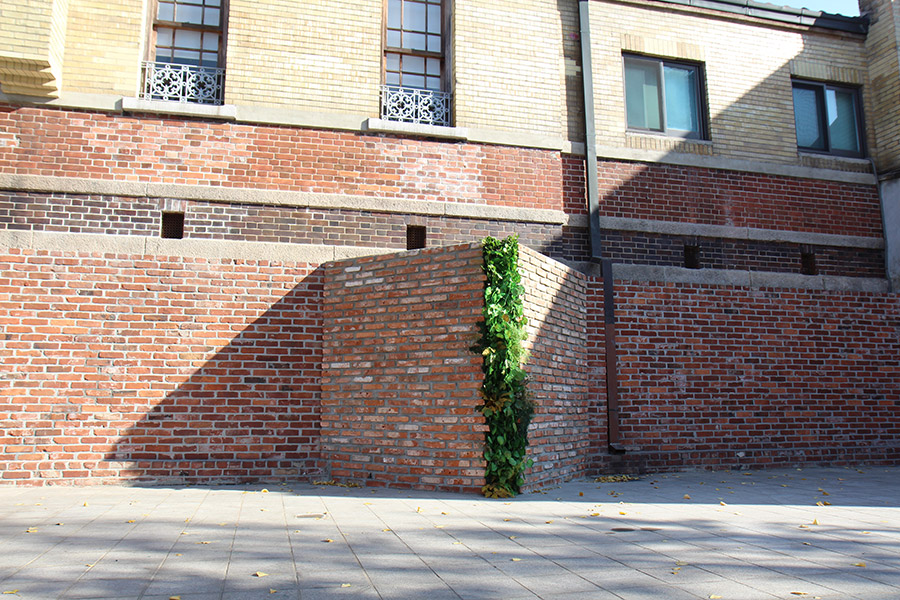
Moonjung Hwang, Beyond between Beyond_Hongyemun, 2017, Brick tiles, fake plants, cement, wood, paint, Dimensions variable ©Moonjung Hwang

The series ‘Beyond between Beyond’ originates from an imagined ruin: a fictional historical site based on the story of a shantytown that disappeared during the construction of Glasgow Central Station in Scotland. A script compiled from articles and fragments of text—given the paucity of records—was recorded in multiple voices and played faintly from behind a fabricated wall.

Re-installed at Incheon Art Platform, Beyond between Beyond_Hongyemun incorporates narratives gathered from the area surrounding Hongyemun and transforms them into sound played on an outdoor temporary wall. By navigating records of the past, the artist’s own imagination, and the voice of a fictional narrator, the work traverses between fiction and reality, making visible the collective memories and experiences that have been lost.


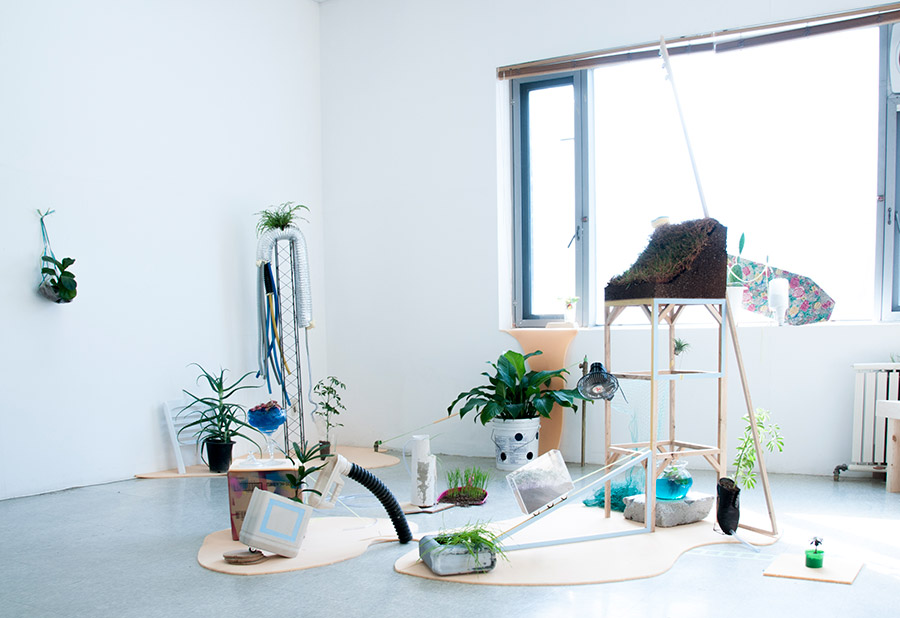
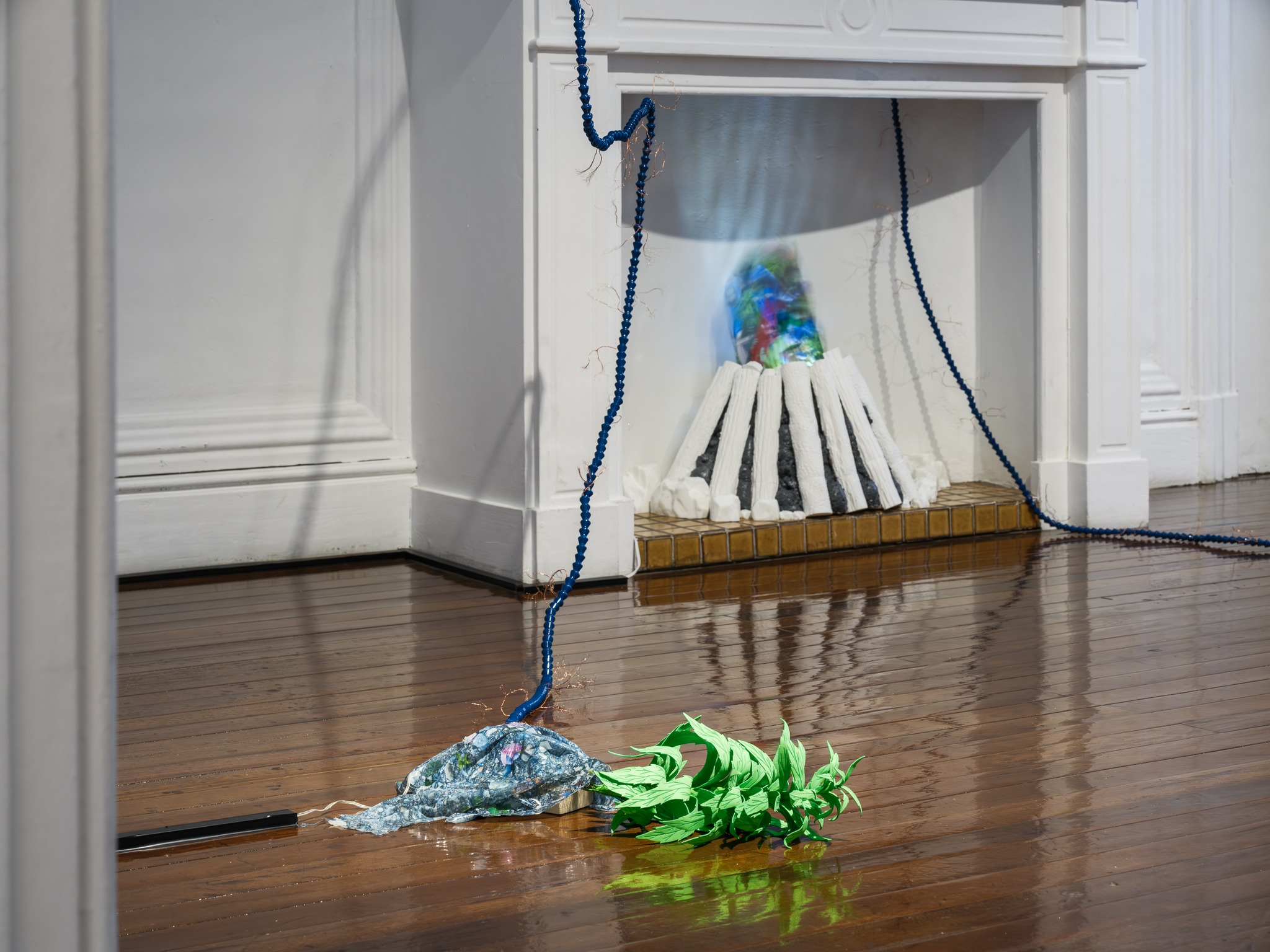
Moonjung Hwang, Recycled gardening, 2016, Objects, plants, tape, wood, Dimensions variable ©Moonjung Hwang

Artist Note

From childhood until now, I have often stayed on the outskirts of cities. While I once admired the planned landscape of metropolitan centers, my attention eventually shifted to the unexpected spatial irregularities and stories unfolding on the margins. I focus on the fascinating clashes that occur between the old—struggling to survive—and the new that keeps pushing in. I am especially interested in the stories created by the monstrous expansion of architecture and the natural objects interspersed among them.

Although I frequently moved houses, my sphere of daily life has always been narrow and microscopic. I have no car, I am afraid of riding a bicycle, and exploring far away from where I live feels unfamiliar to me. After unpacking my belongings and living for a few weeks in a place, a familiar sphere of movement forms. Even within that familiar area, as I walk around, I notice many hidden corners I have never visited. If I observe carefully, stories seem to overflow like an inexhaustible well, even within this small living environment.

I store those moments in images and collect the by-products that emerge from that process. By revisiting the place, images, and objects, I build narratives that connect ideas. Using the elements I collected, I create my own space like an “unlicensed architect.” Unlike conventional architecture, the forms that emerge diverge from safety, utility, and regular structure—far removed from practical landscapes.

Unlike myself, who prefers safe territories, my works precariously cling to the landscape or assert their presence in a fragile manner. They blend into their surroundings yet remain strange and foreign. These works offer brief moments of encounter—like a traveler greeting passersby—to those who move through these places.

References