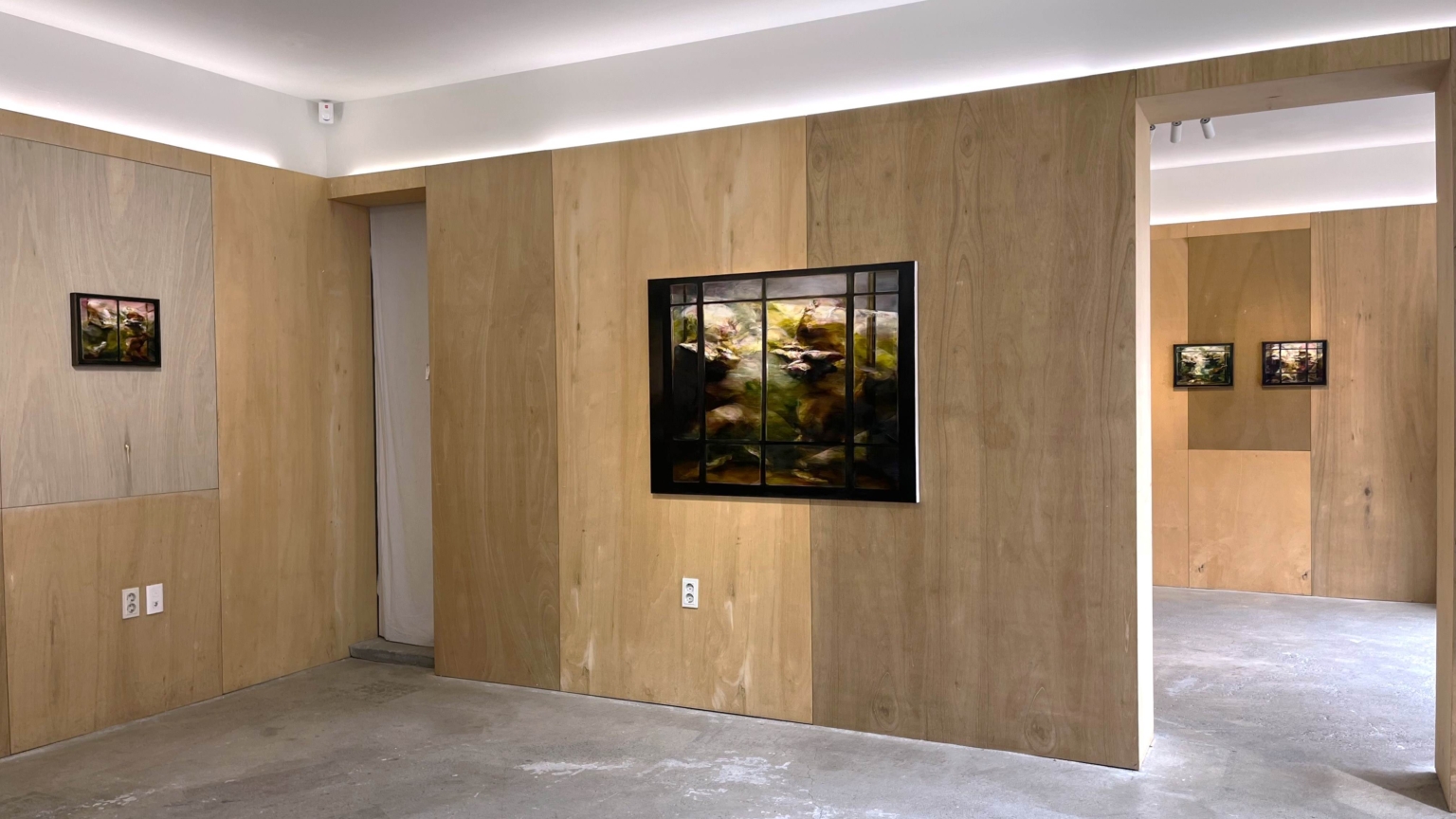
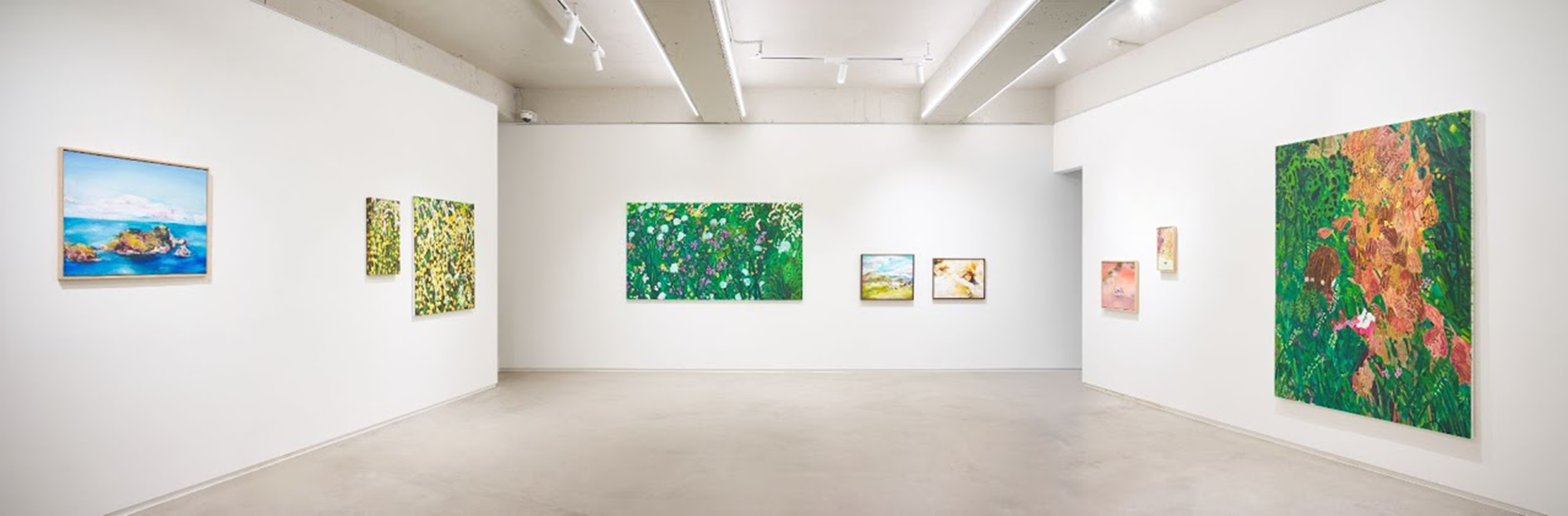
Strange
Affection, A Long Gaze into the Distance
“How
wonderful would it be if, drawing on everything we’ve ever learned about life,
we could build an ‘Arch of Experience’ under which we might briefly become
another living being. What if we could feel the joy of a condor riding the
thermals over the Andes, or the fear that dwells in the heart of the enemy we
despise most? How would the world change?”[1]
The “Arch
of Experience” is a notion imagined by astronomer Ann Druyan—a tool that would
allow us, experientially, to “become” a nonhuman being. In presenting this
concept, she speaks of the primordial interconnectedness of all life and dreams
of mutual understanding across species. Yet my first reaction upon reading this
passage was one of doubt. To “become” another being cannot be fulfilled by
imagination alone.
Can any of us, whose brains and bodies have only ever lived
from a human vantage point, truly move beyond that position? When we already
fail to understand a fellow human who is only slightly different from
ourselves, is it not presumptuous to claim that we could ever truly understand
another species? For that reason, I begin with the acknowledgment that such a
desire is both impossible and strange.
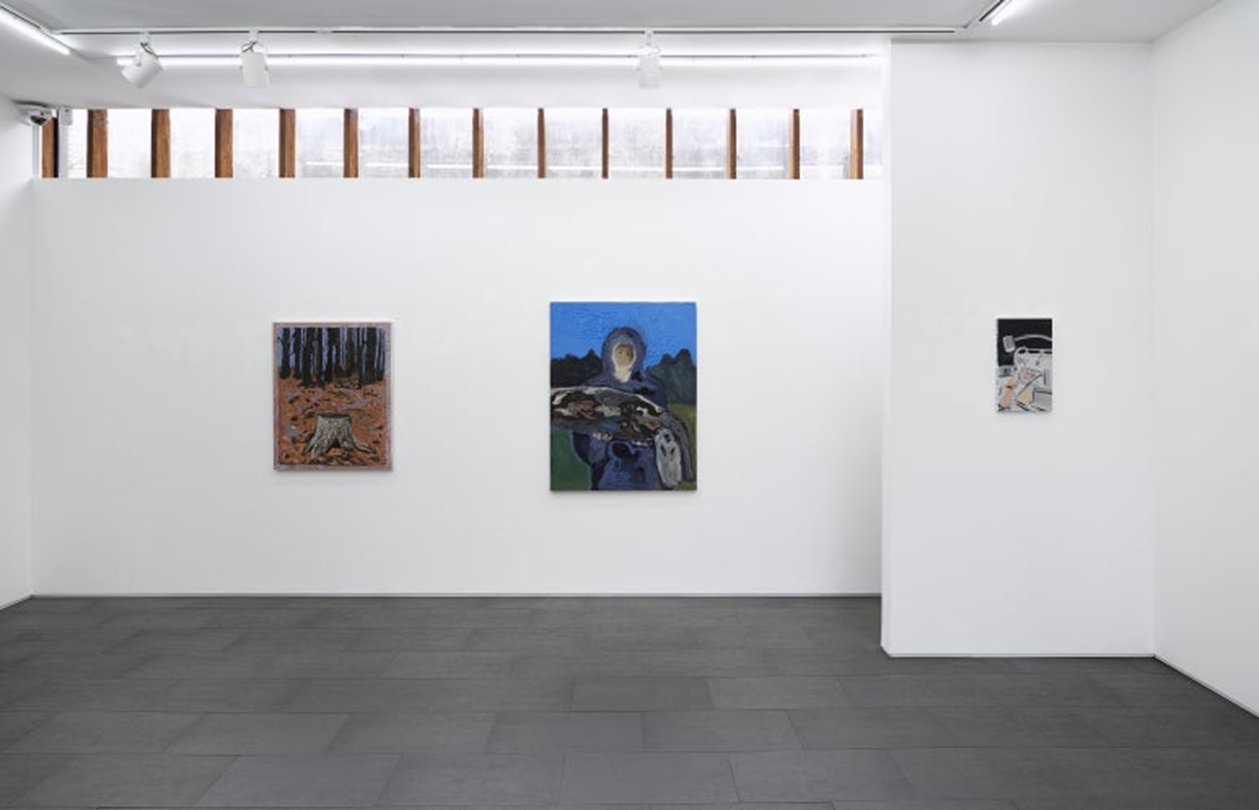
The six
artists gathered here share a deep curiosity and affection for nonhuman life.
Their specific subjects and approaches differ, yet their sensibilities seem to
touch at a common edge. Some long to keep mantises or snakes; others cannot
walk past a dead bird without stopping; some feel drawn to prehistoric
creatures they will never encounter across the rift of time; and others love
the plants and animals they live among despite not being environmental
activists or vegetarians. As these artists meet and speak, what accumulates is
not a grand social or scientific action, but rather a set of personal ways of
relating to unfamiliar beings.
I found myself calling this shared emotion a
kind of “strange love.” It is a cautious, tender longing toward another—one
that leans toward a one-directional communication, even a form of unrequited
affection. Whatever we think about these beings must amount to only a tiny
fragment of what they truly are. It is a love that cannot be fully conveyed,
born perhaps of profound misunderstanding, and ultimately never arriving at
complete comprehension. In that sense, it is both lonely and transient.
At
present, no magical tool exists that could make “becoming” another
being—becoming a true counterpart in love—possible. The closest thing we have
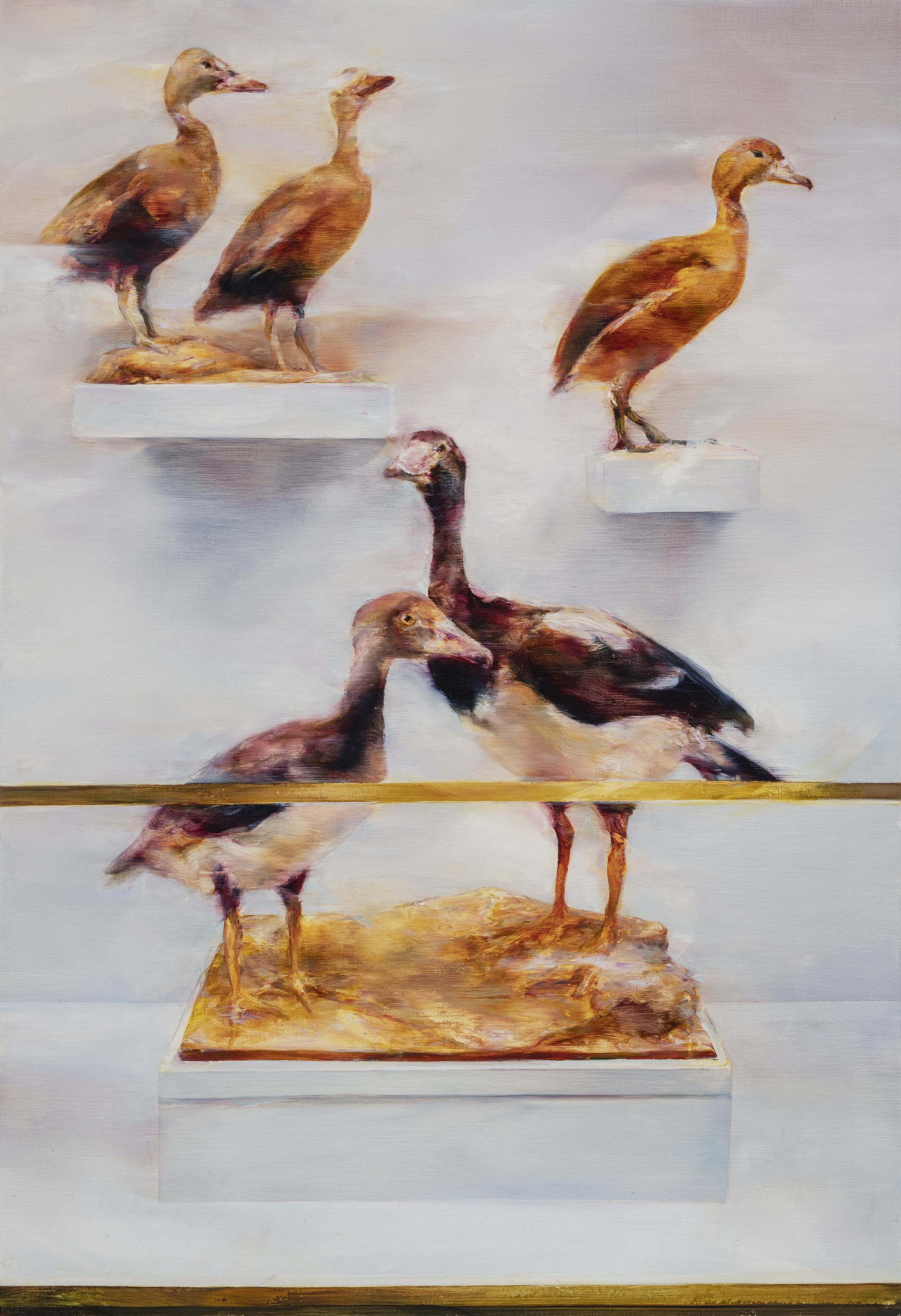
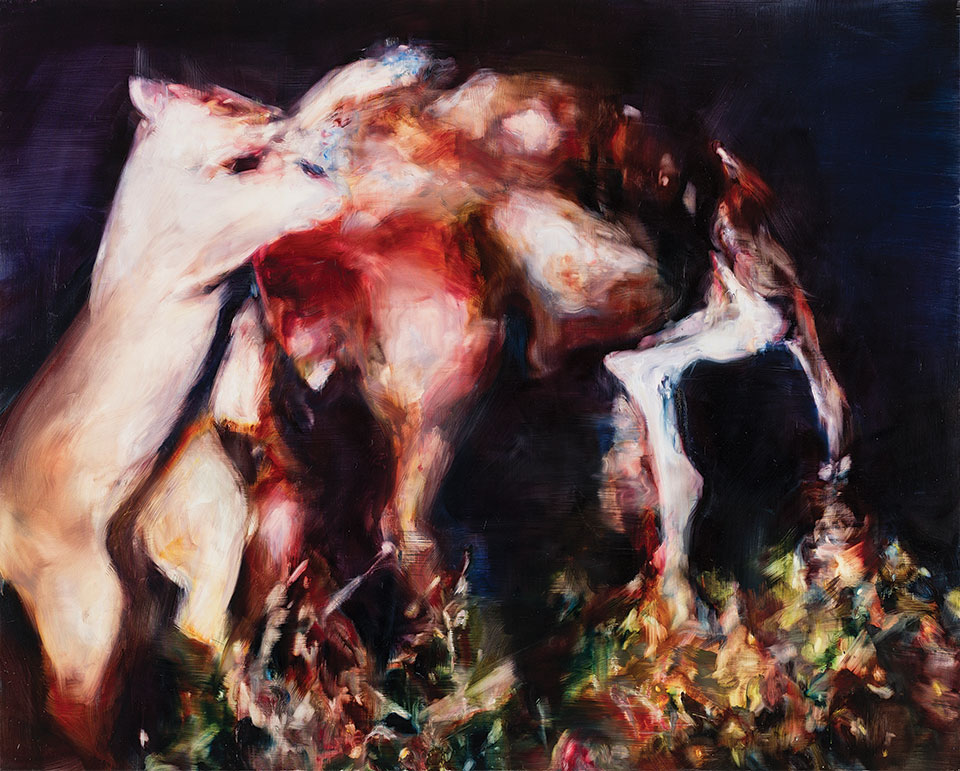
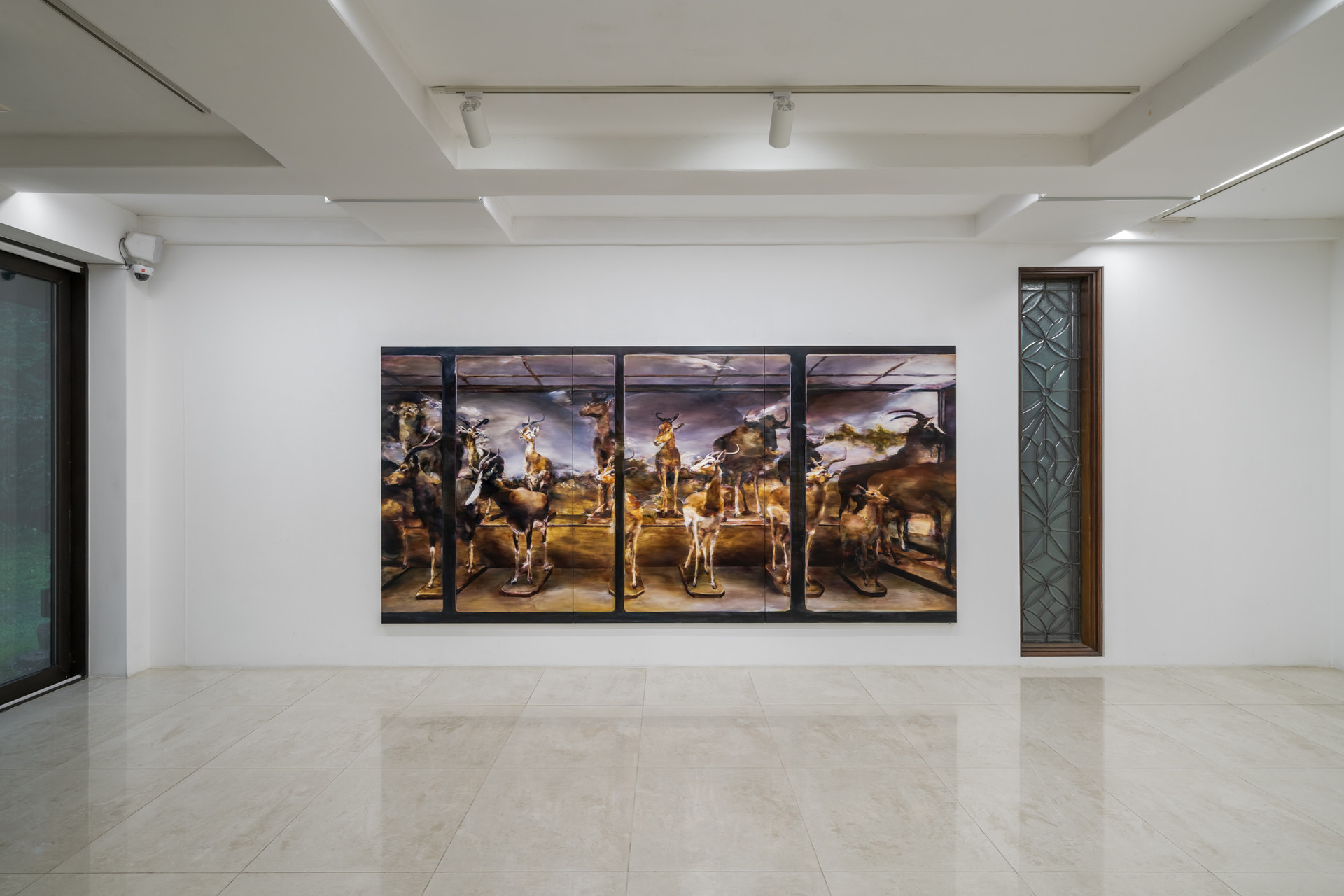
is, perhaps, art. Through their chosen mediums, the artists create their own
“arches of experience.” A poem about a creature, a museum glass that stands
between us and it, Muybridge’s strange photographs that dissect motion—these
become routes through which we gaze at the nonhuman in a skewed, distorted, yet
revealing way.
These beings may appear controlled through the medium, yet never
fully belong to us. There is frustration in these limits, but also joy in
refining one’s own way of seeing. It is a strange mode of communication—never
complete, yet through watching these beings, we ourselves begin to expand.