

Solo Exhibitions (Brief)
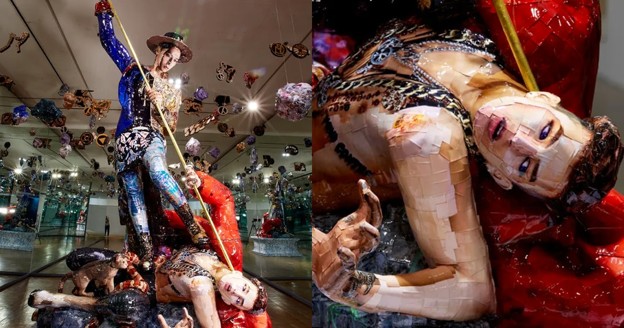
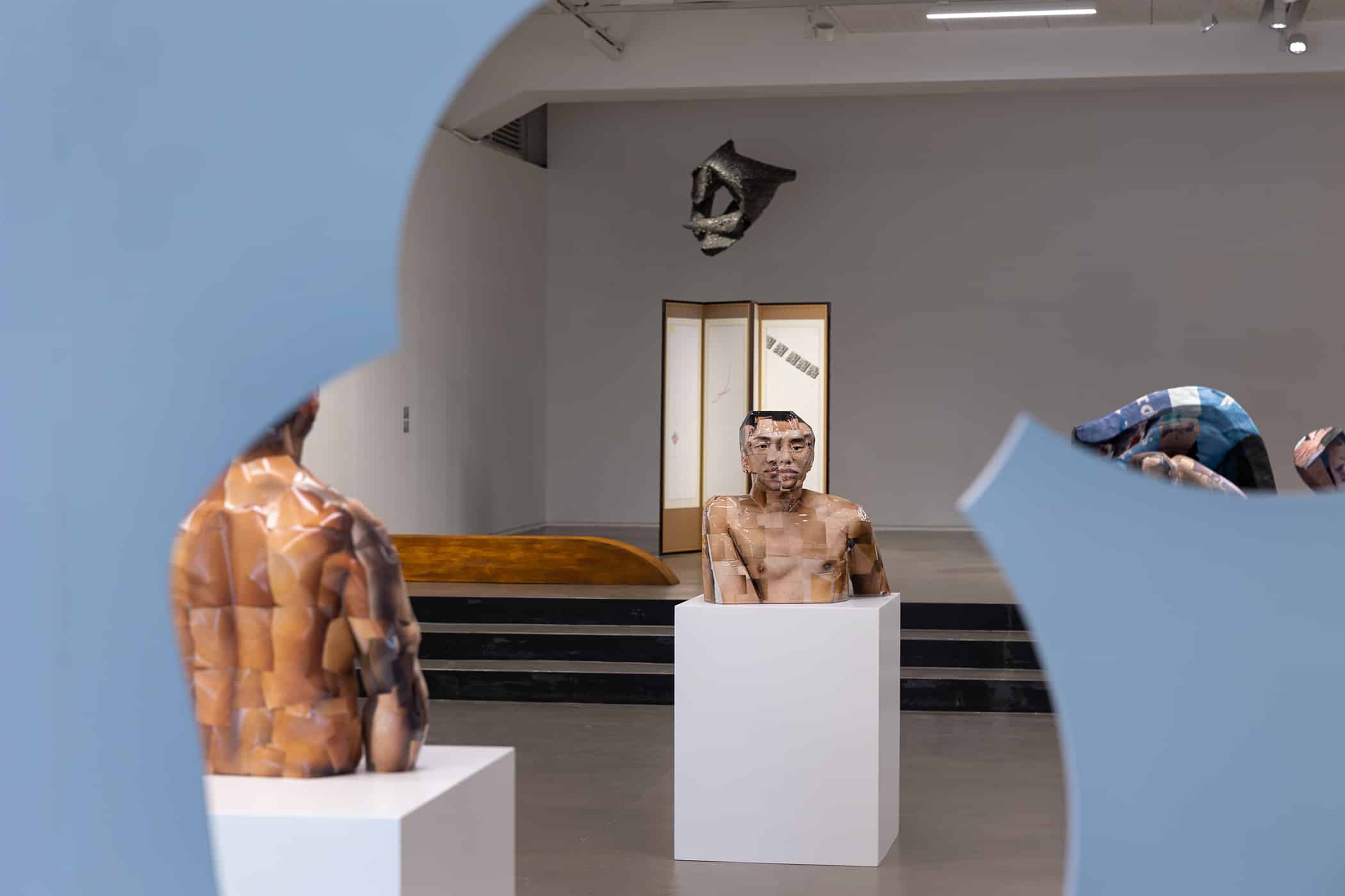
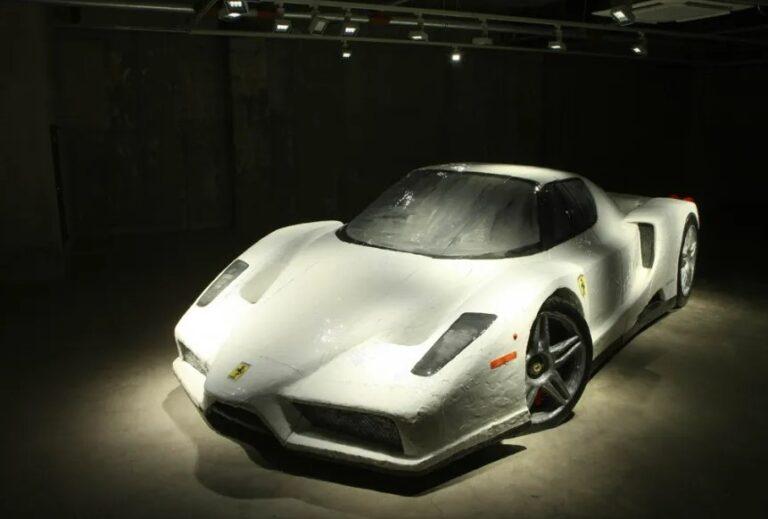
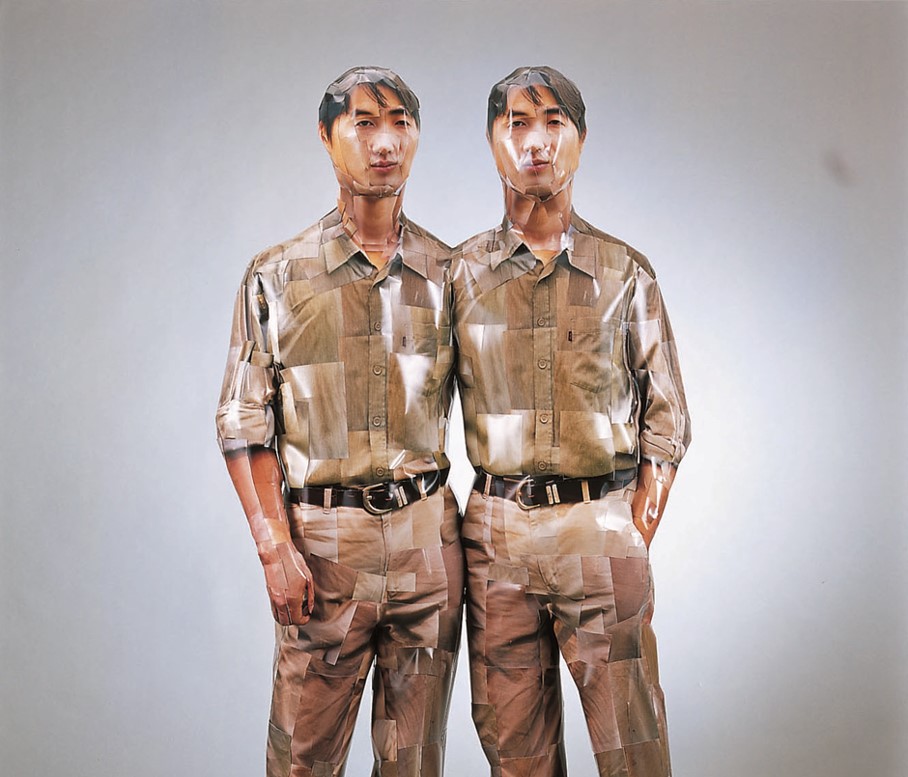
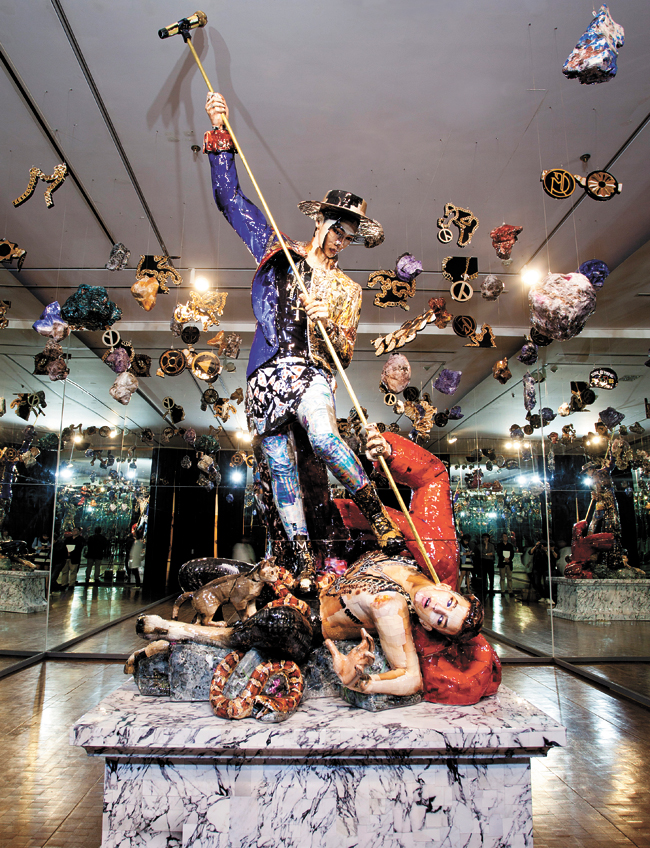
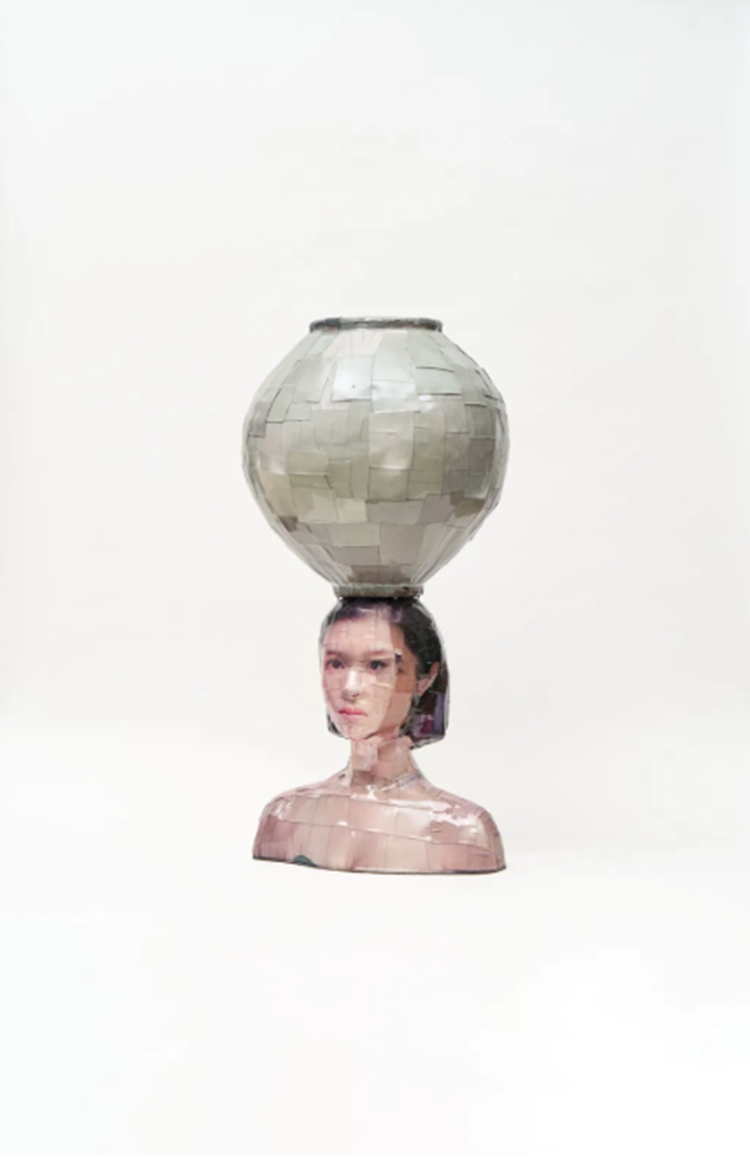
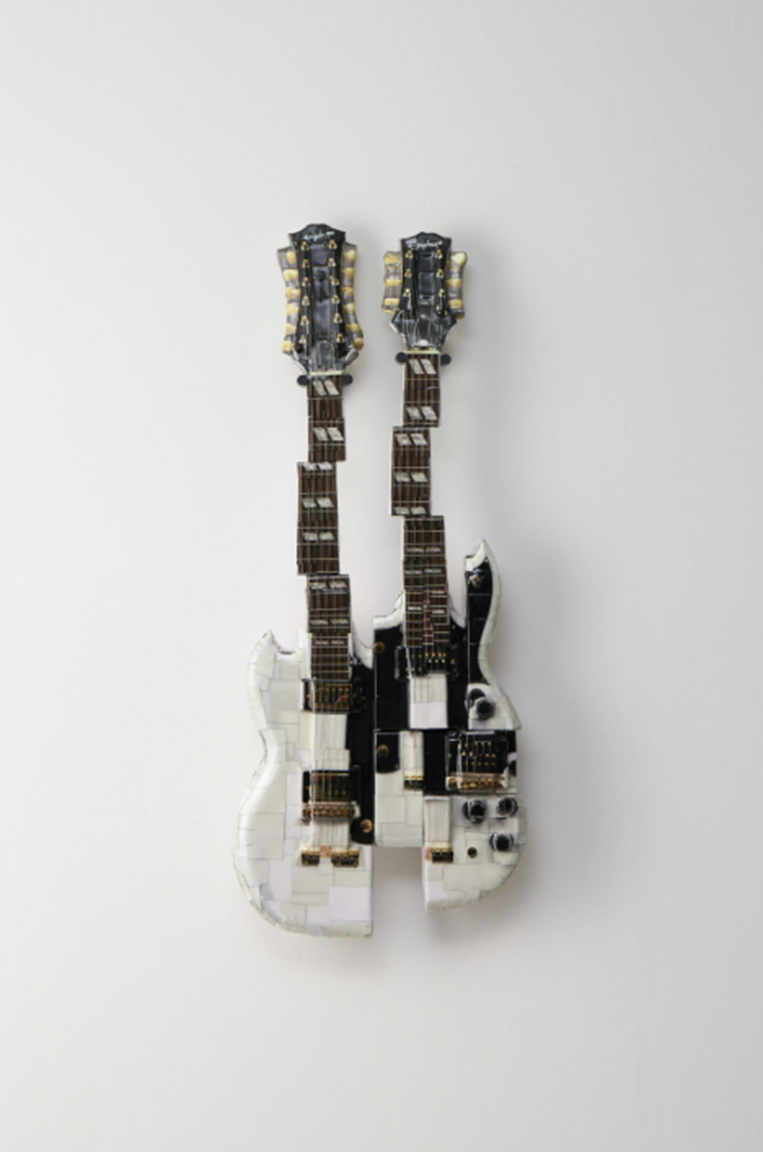
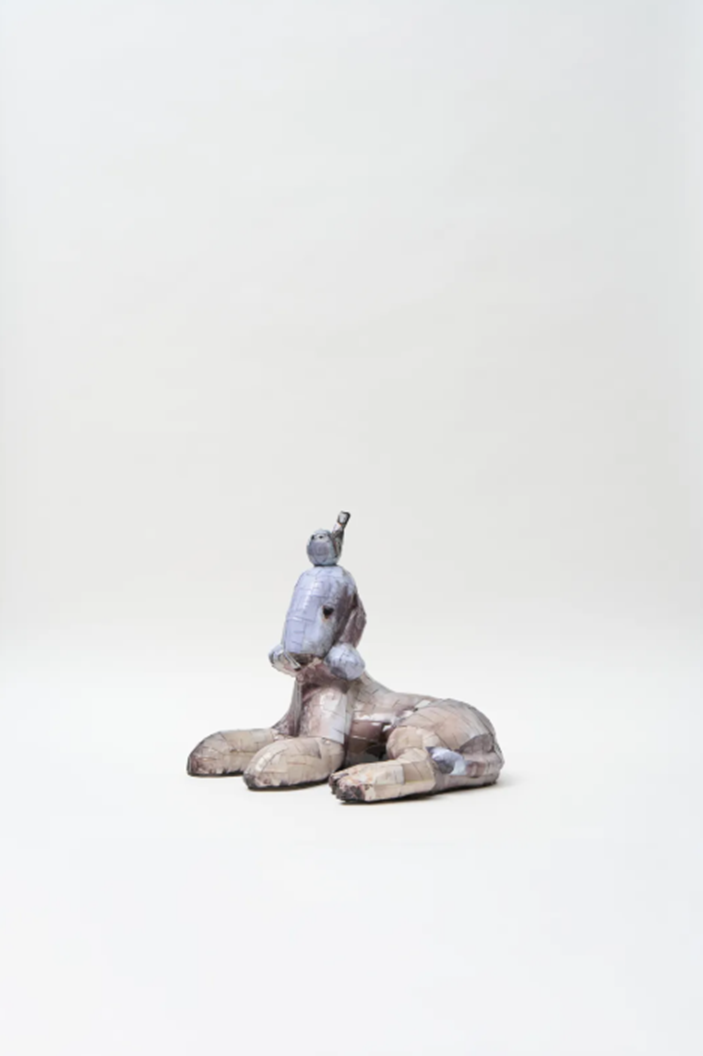
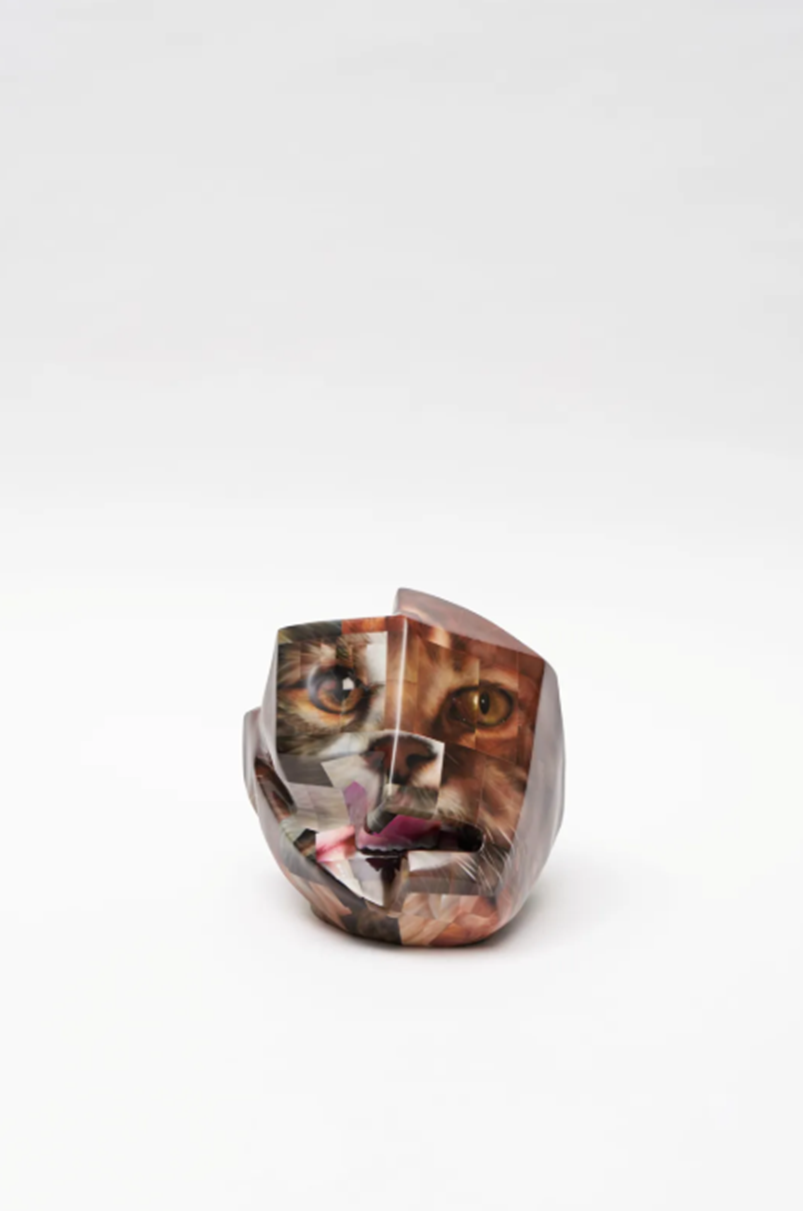
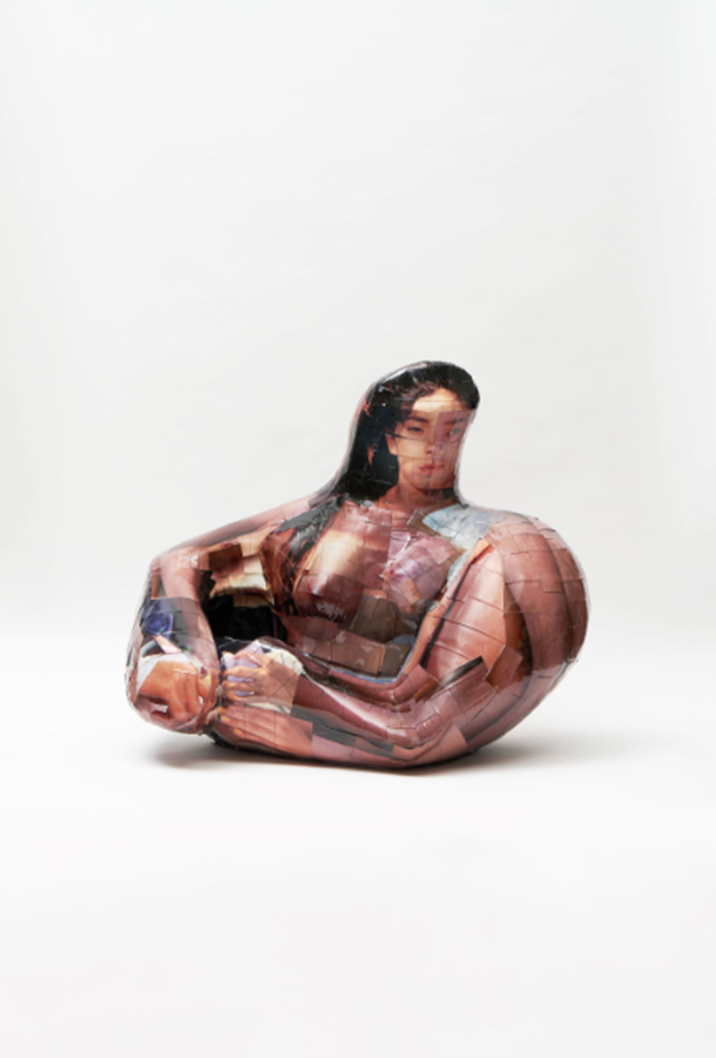
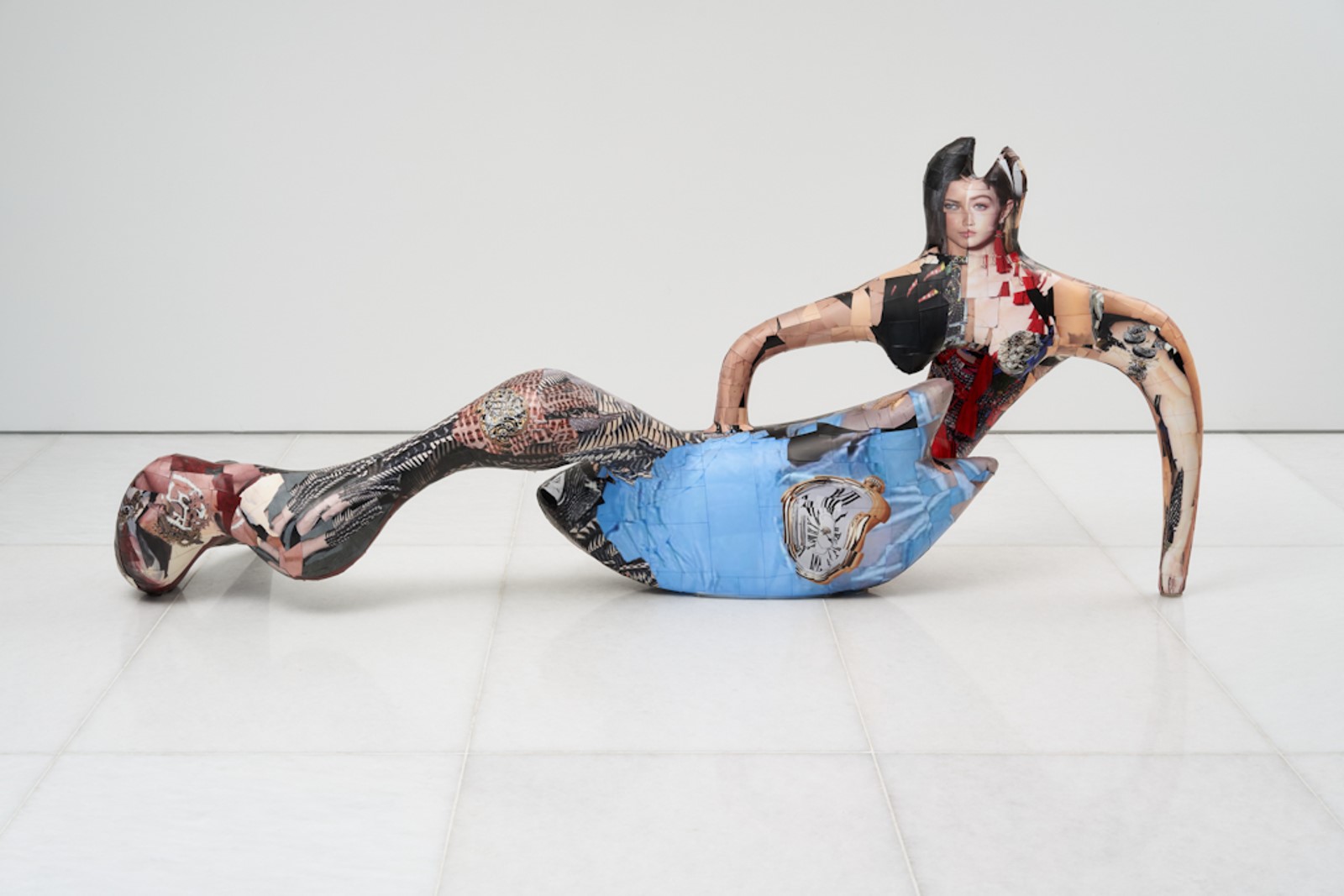
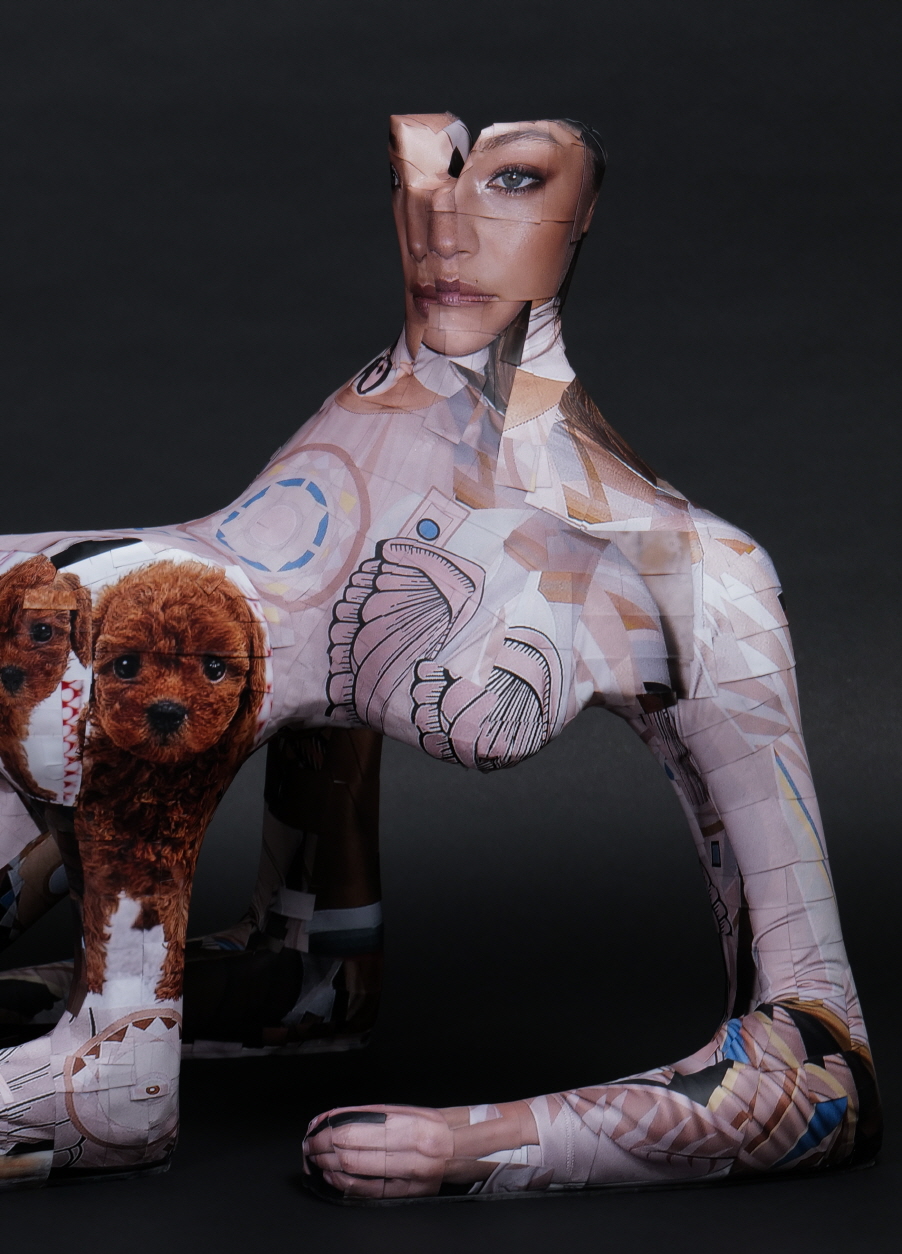
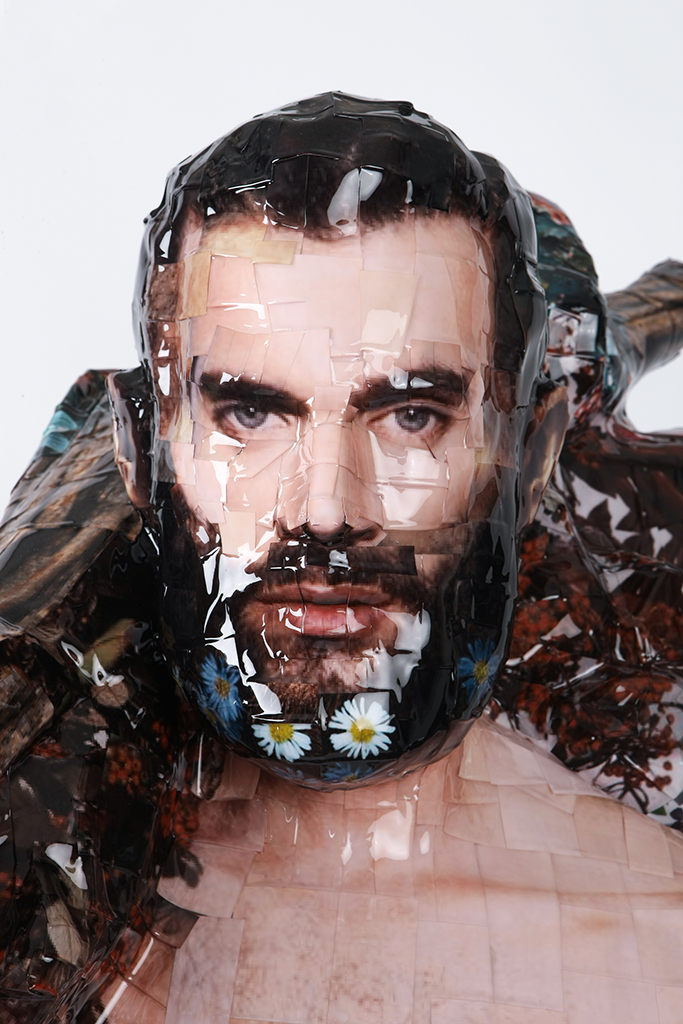
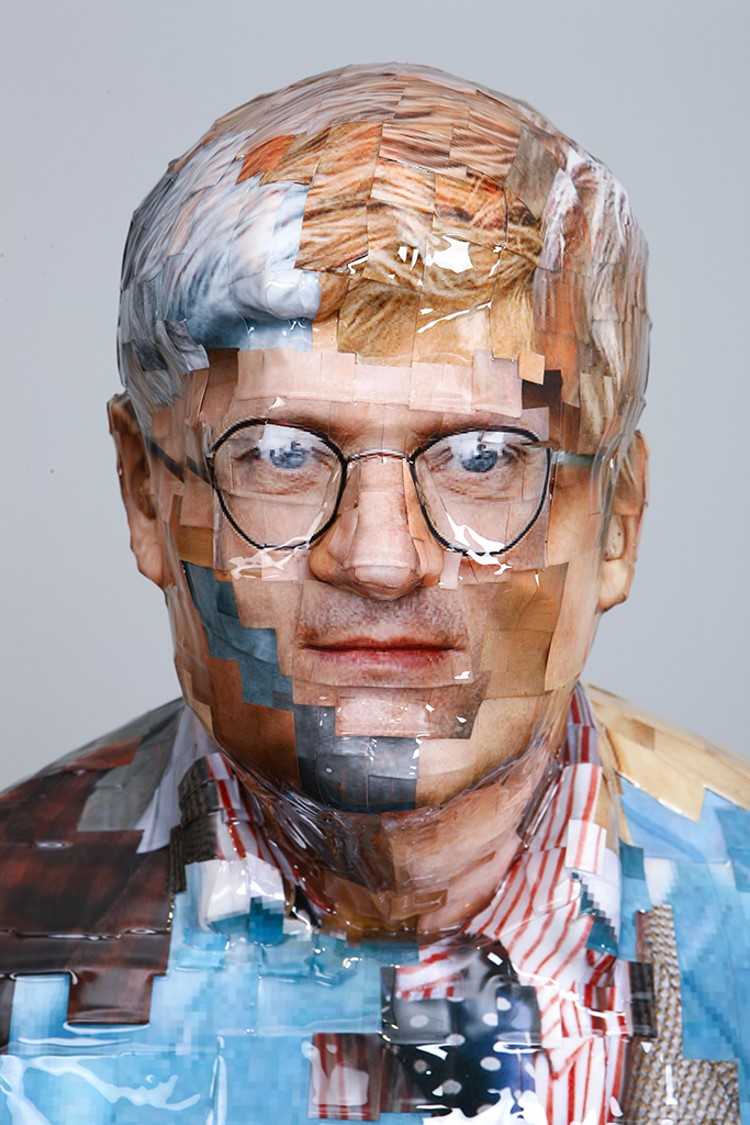
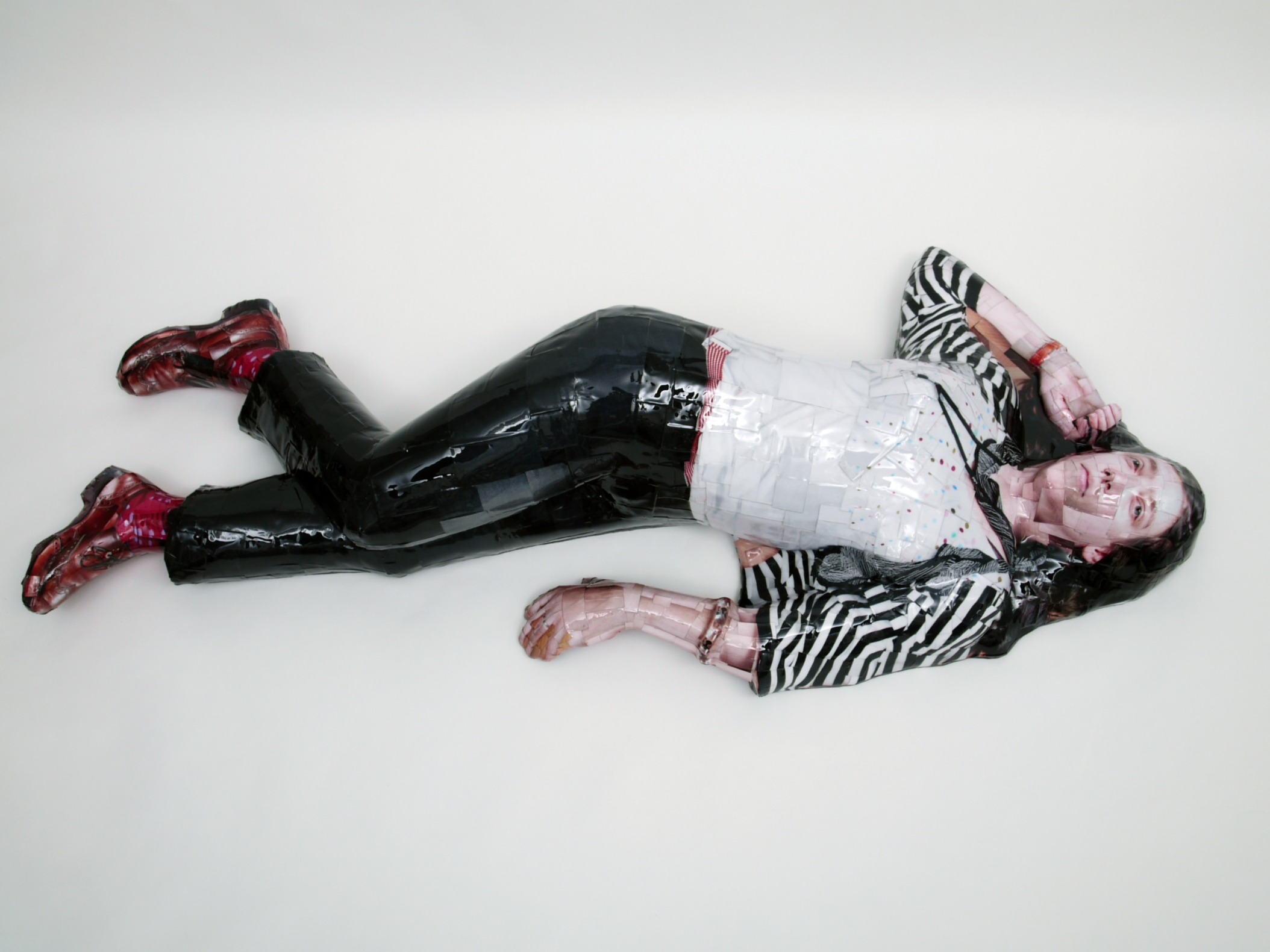
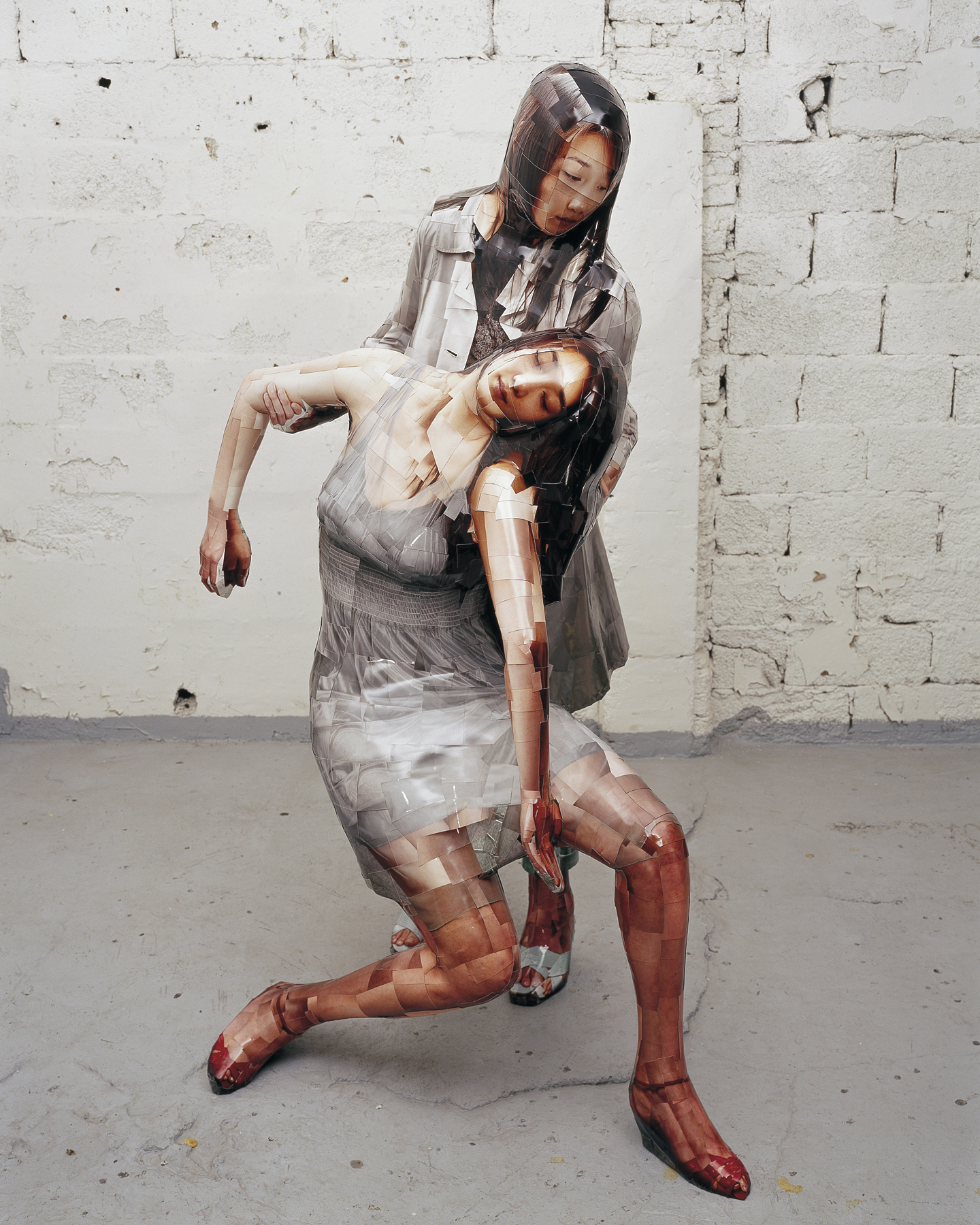
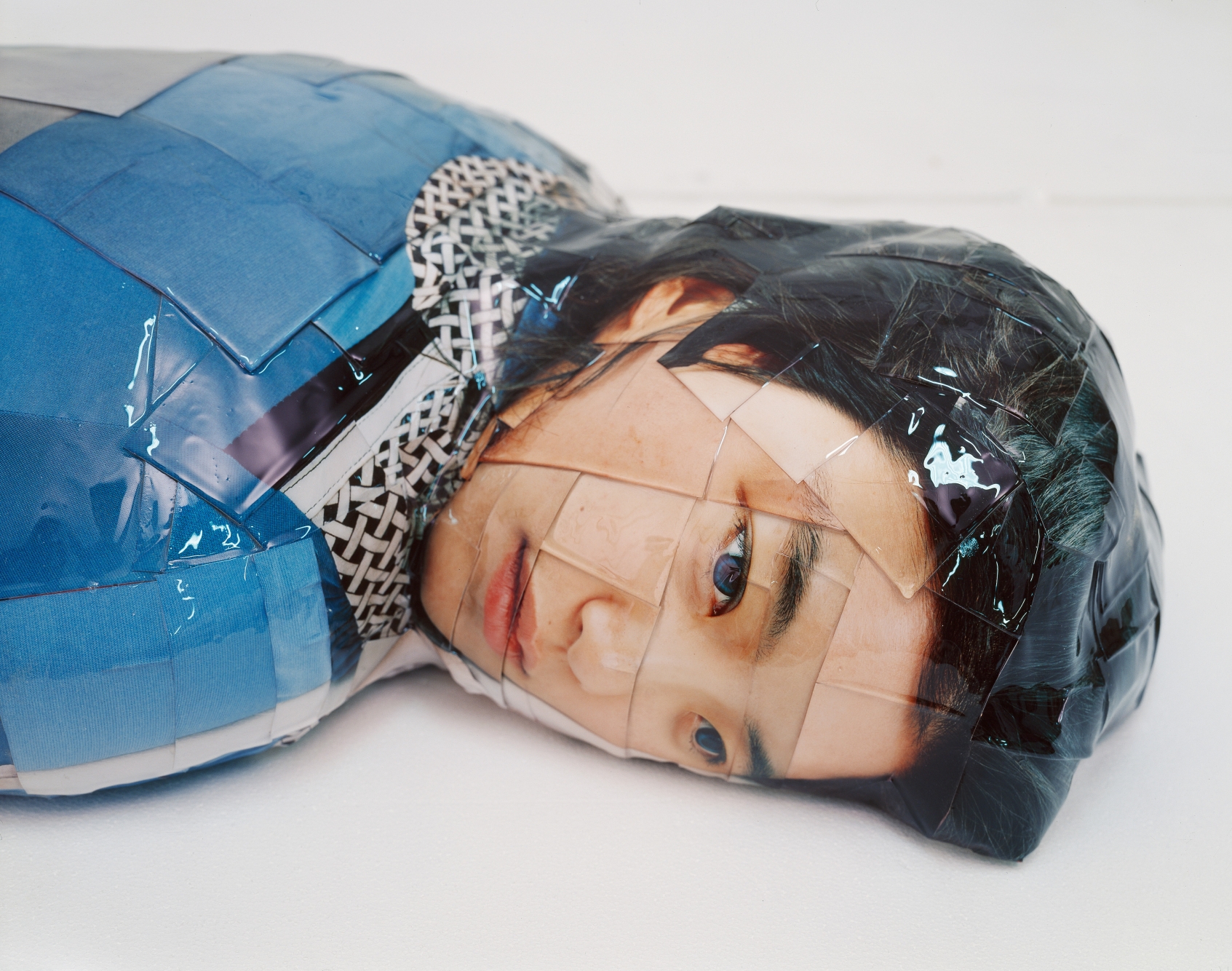
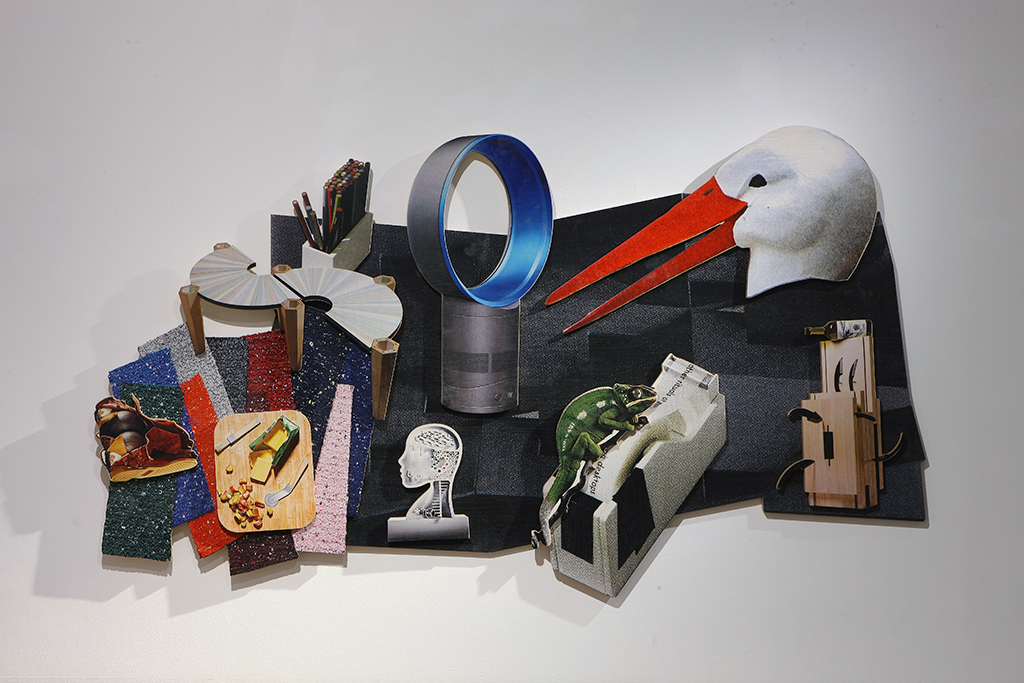
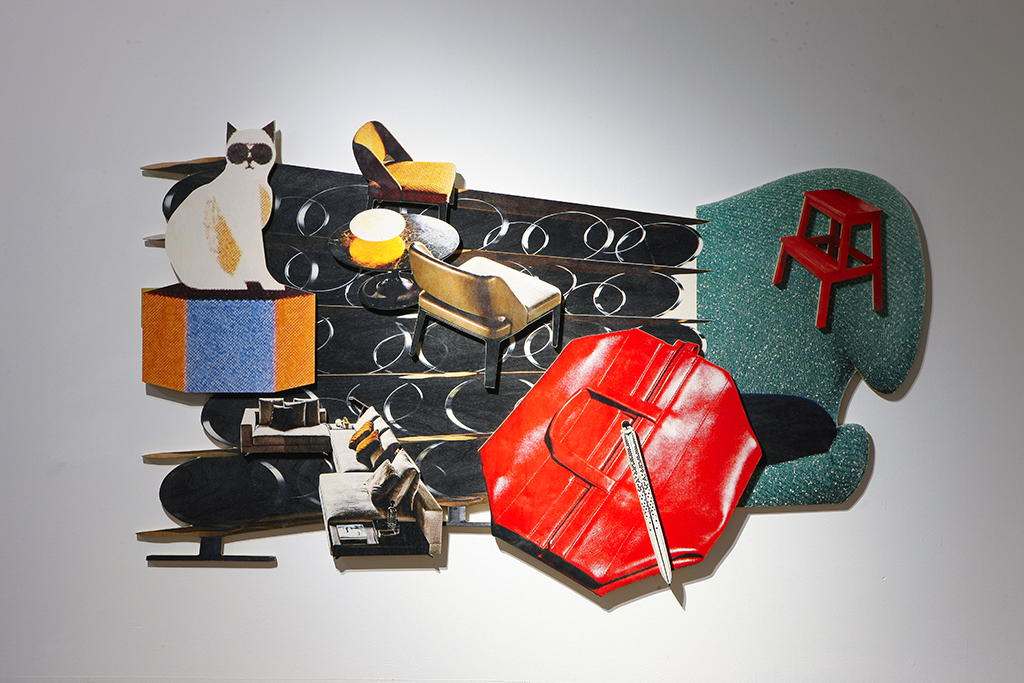
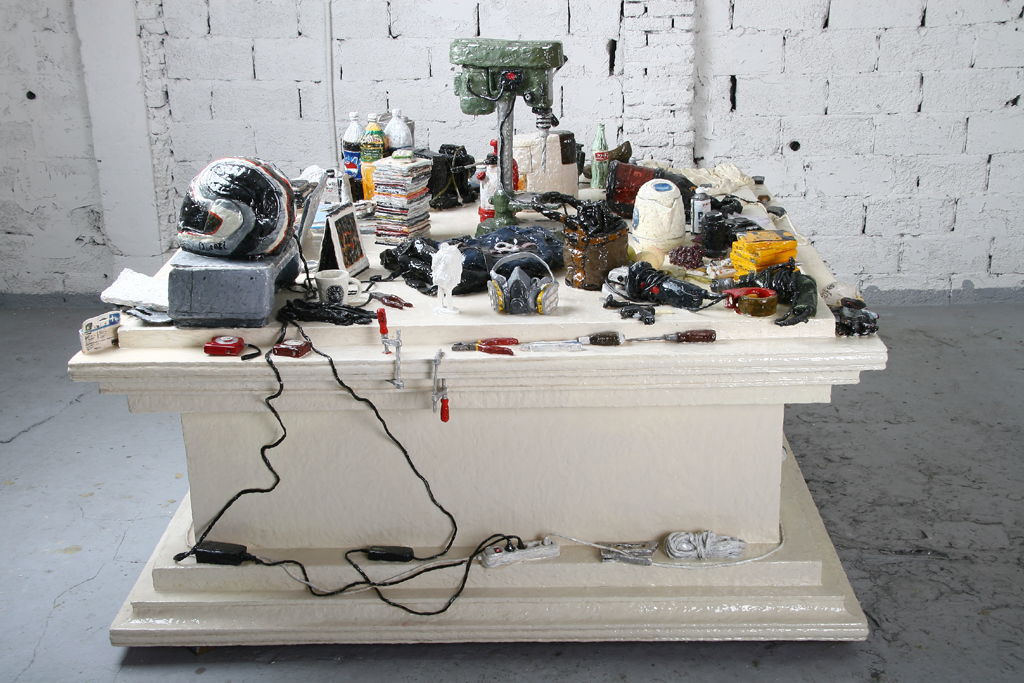
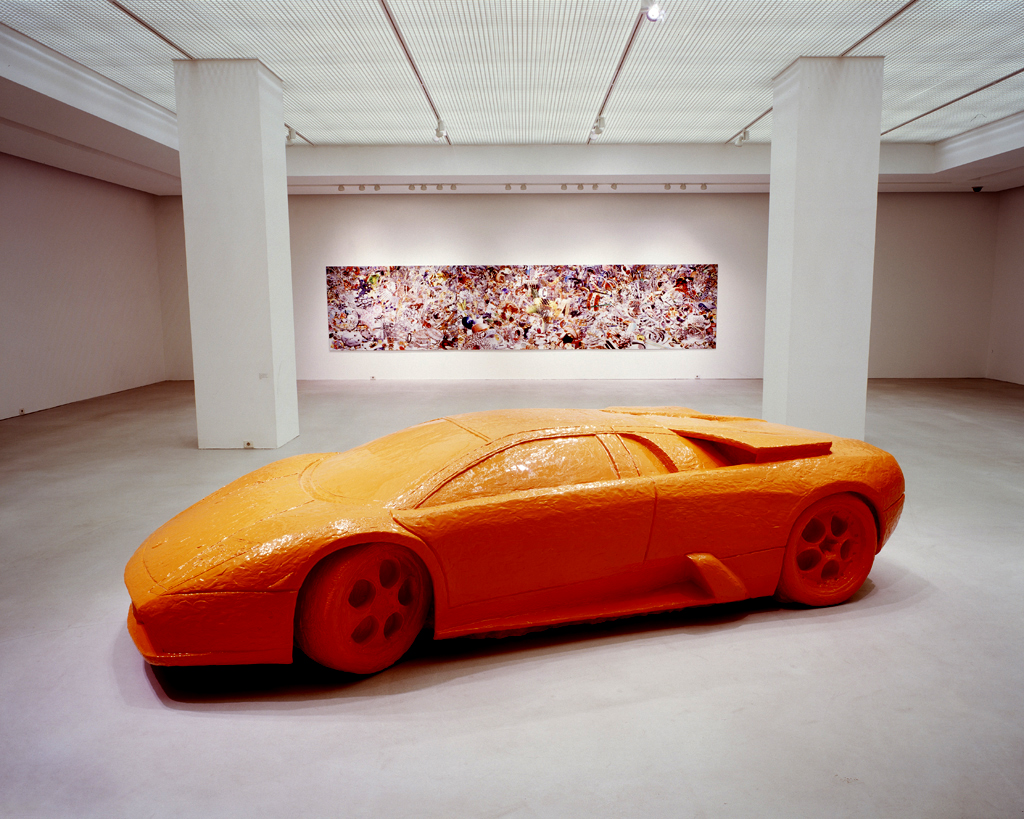
Gwon exhibited <540 Statements About Twins> at the group exhibition 《Vacuum Packed》 (1999) held at Alternative Space Loop (Seoul, Korea), the first private non-profit organization in Korea. This work is meaningful in that it is the artist’s first ‘photo sculpture’.
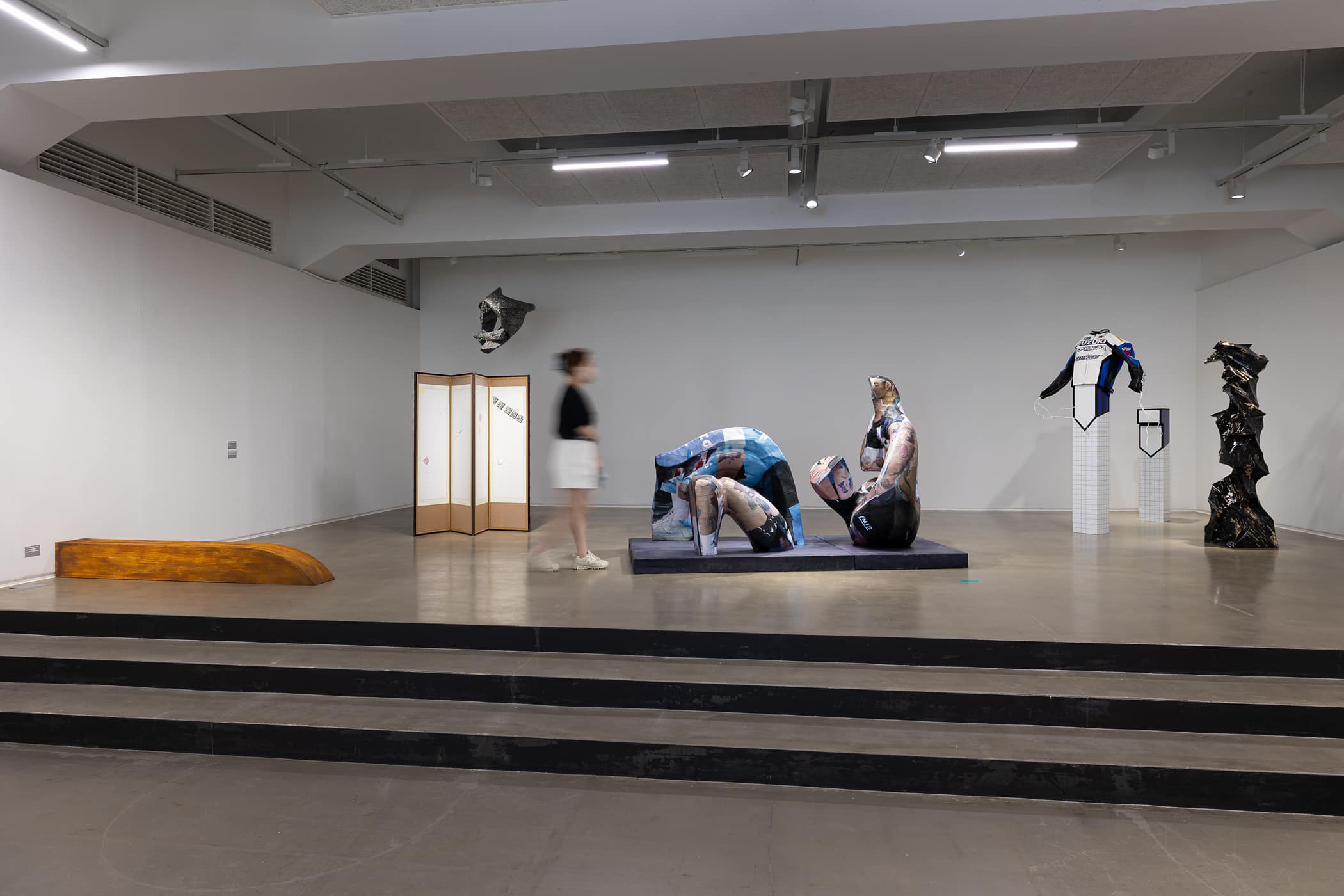
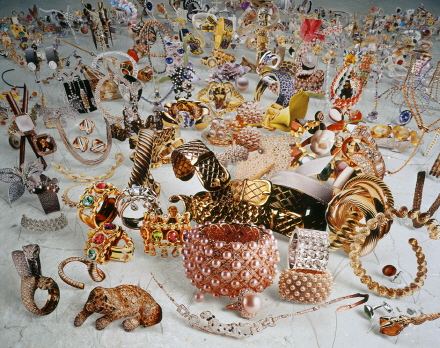
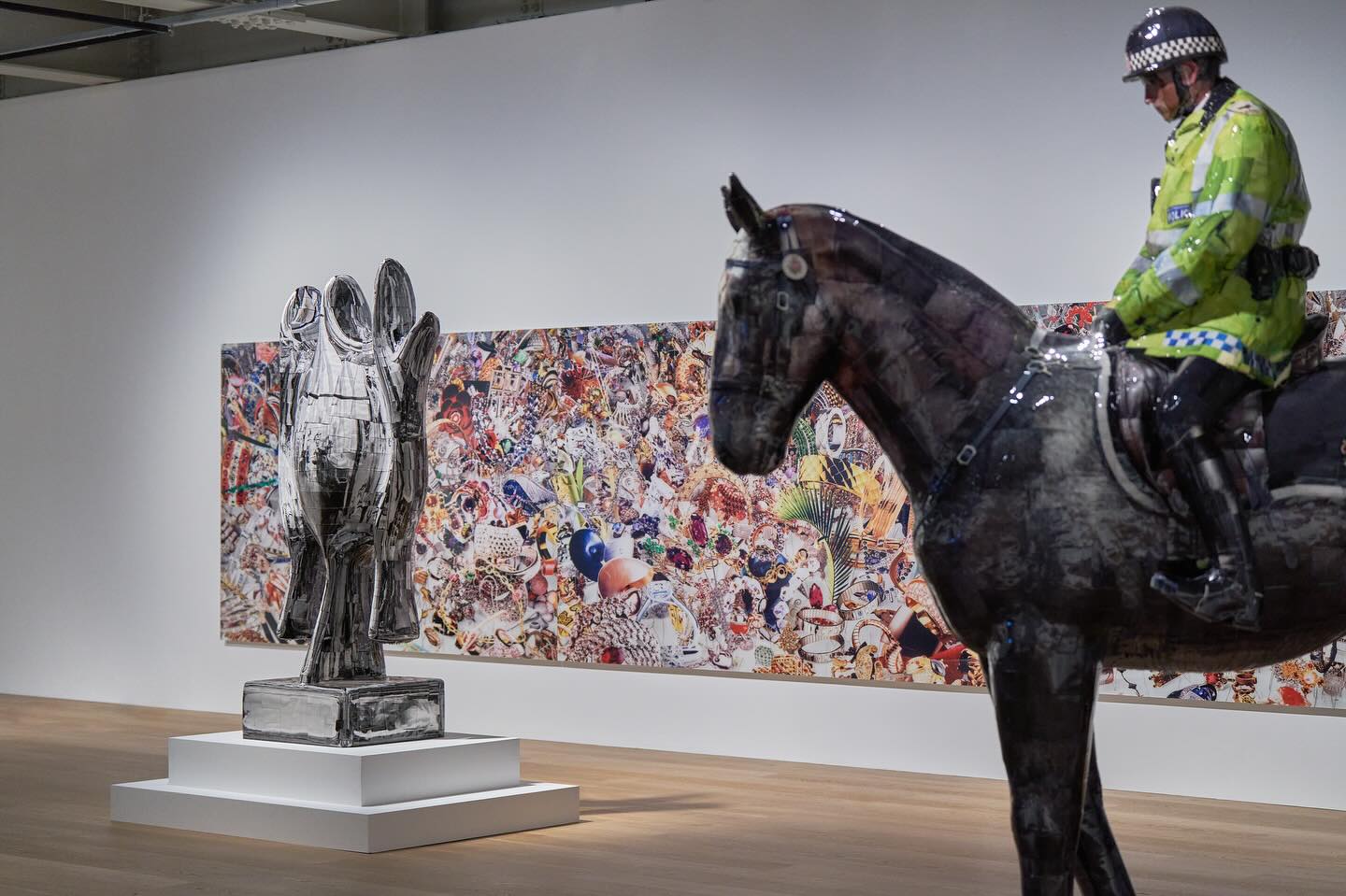
In 2001, he held his first solo exhibition, 《Deodorant Type》, at Insa Art Space (Seoul, Korea), the first public non-profit organization in Korea. From this time on, Gwon’s ‘photo sculpture’ began to be known in earnest.
From 2005 to 2007, he exhibited actively on the international stage, including Andrew Shire Gallery in LA (LA, USA), Union Gallery (London, UK), and Arario Beijing (Beijing, China).
In particular, in 2008, he held a solo exhibition at the invitation of Manchester Art Gallery (Manchester, England), one of the major art museums in the UK. This exhibition received a great response by presenting a total of 14 works, including new works produced while staying in Manchester for one month. Through this exhibition, Osang Gwon was recognized for his skills on the international stage, and it was a good opportunity to carry out more international activities, such as producing an album cover for the rock band KEANE.
In 2011, he exhibited Ando Fine Art in Berlin (Berlin, Germany), and moved into Doosan Residency New York, a non-profit organization operated by Doosan Group, one of the leading companies in Korea, and held a solo exhibition (2011) at Doosan Gallery New York. A full-fledged overseas expansion has taken place.
Since after 2012, he has been actively exhibiting around the world, including Norway, Singapore, Paris, Japan, and Australia.
Group Exhibitions (Brief)
Gwon Osang has been active in the scene since the early days of his work, receiving a lot of attention and interest. In the 2000s, when the world art world was booming, he was invited to numerous special exhibitions held at major national and international art museums, corporate art galleries, and major galleries.
For example, 《Young Artists from Korea, China and Japan》 held at the National Museum of Modern and Contemporary Art in 2004 was a meaningful exhibition examining the presence of Asian contemporary art through the works of young artists representing Korea, China and Japan.
The exhibition 《Korean Eye: Fantastic Ordinary》 held at Saatchi Gallery in London (2010) was an exhibition that invited young Korean artists. This exhibition introduced young Korean artists, who were very noteworthy at the time, to London, the center of European contemporary art.
In addition, 《Present Tense》, 2010, National Portrait Gallery Canberra, Canberra, Australia, 《Collector’s Stage》, 2011, Singapore Art Museum, Singapore, 《On Manner of Forming》, 2012, Edwin Gallery2, Jakarta, Indonesia. The artist participated in numerous domestic and international special exhibitions, such as the 20th anniversary of the opening of the Gwangju Museum of Art 《Jin.Tong. Korean Contemporary Art since 1990》,《Tech 4 Change》, 2015, Best Forssen, Norway, has demonstrated its capabilities.
Awards (Selected)
The artist was awarded the 27th ‘Kim Sechoong Youth Sculpture Award’. ‘Kim Sechoong Youth Sculpture Award’ is a statue created in commemoration of the artist’s life after the death of sculptor Kim Sechoong.
In 1990, the award categories were subdivided and ‘Kim Sechoong Youth Sculpture Award’ was established for young sculptors under the age of 40. The artist won the award in 2013 through the ‘Deodorant Type’ series.
Collections (Selected)
Gwon Osang’s works are in the collections of not only national, public and private art museums in Korea, but also major art galleries abroad.
Major domestic collections include the National Museum of Modern and Contemporary Art (Seoul, Korea), Leeum Samsung Museum of Art (Seoul, Korea), Seoul Museum of Art, Busan Museum of Art, Art Sonje Center, and Leeum, as well as major national and public art museums representing Korea. CI KIM, one of the collectors, also owns several works.
Overseas, prominent art galleries and private collectors such as David Roberts Art Foundation, The Zabludowicz Collection (London, UK), Burger Collection, Universal Music Group, and Singapore Museum own Gwon Osang’s works.